

Text by Jorri Venico Reyes, Sofia Nicole Lao, and Joel Francis Guinto
Photos by Jericho Paolo Mabansag and Emman Jae dela Rosa
Behind the walls of every detention facility are people who, like everyone else, have the right to health.
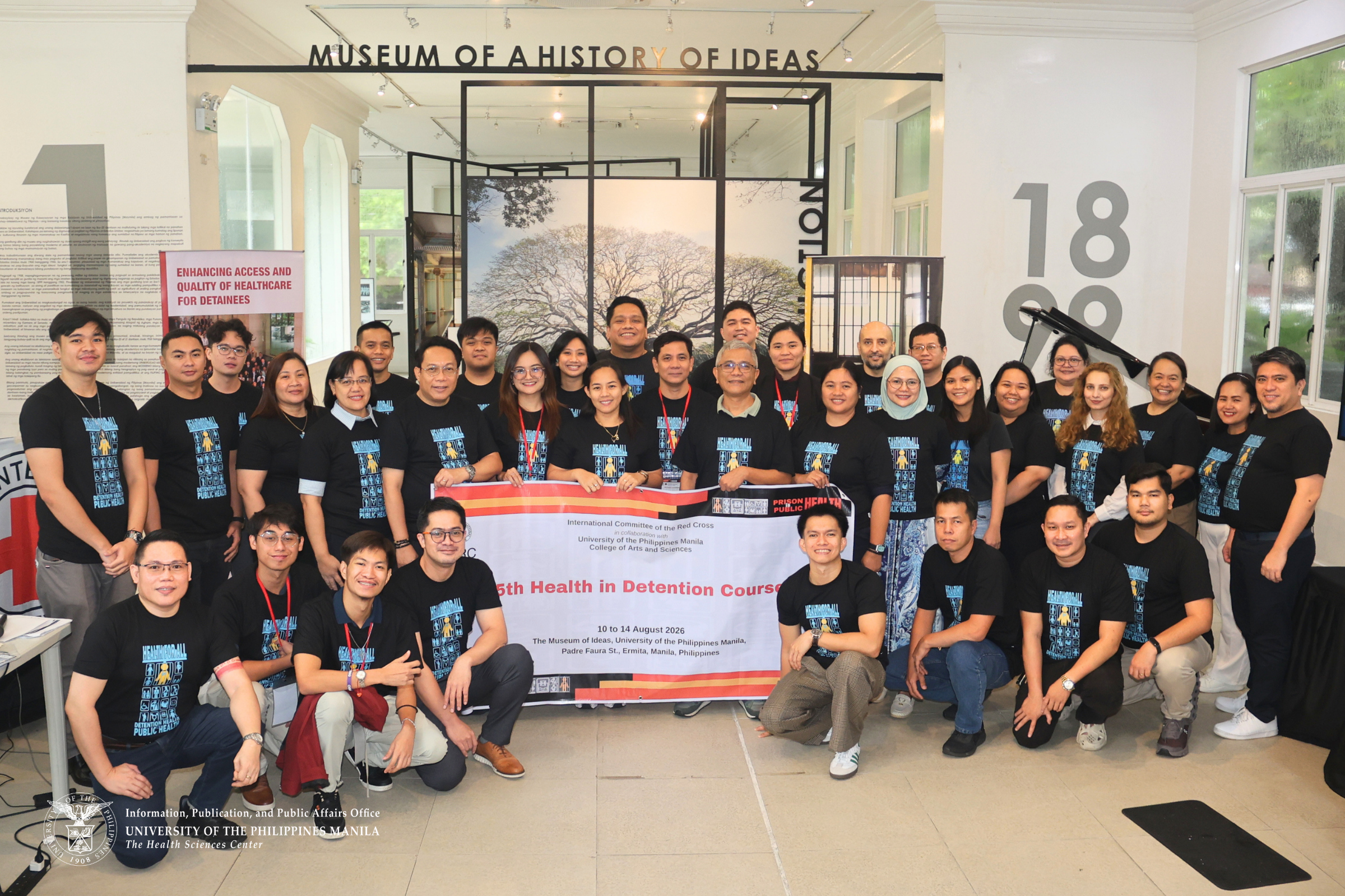
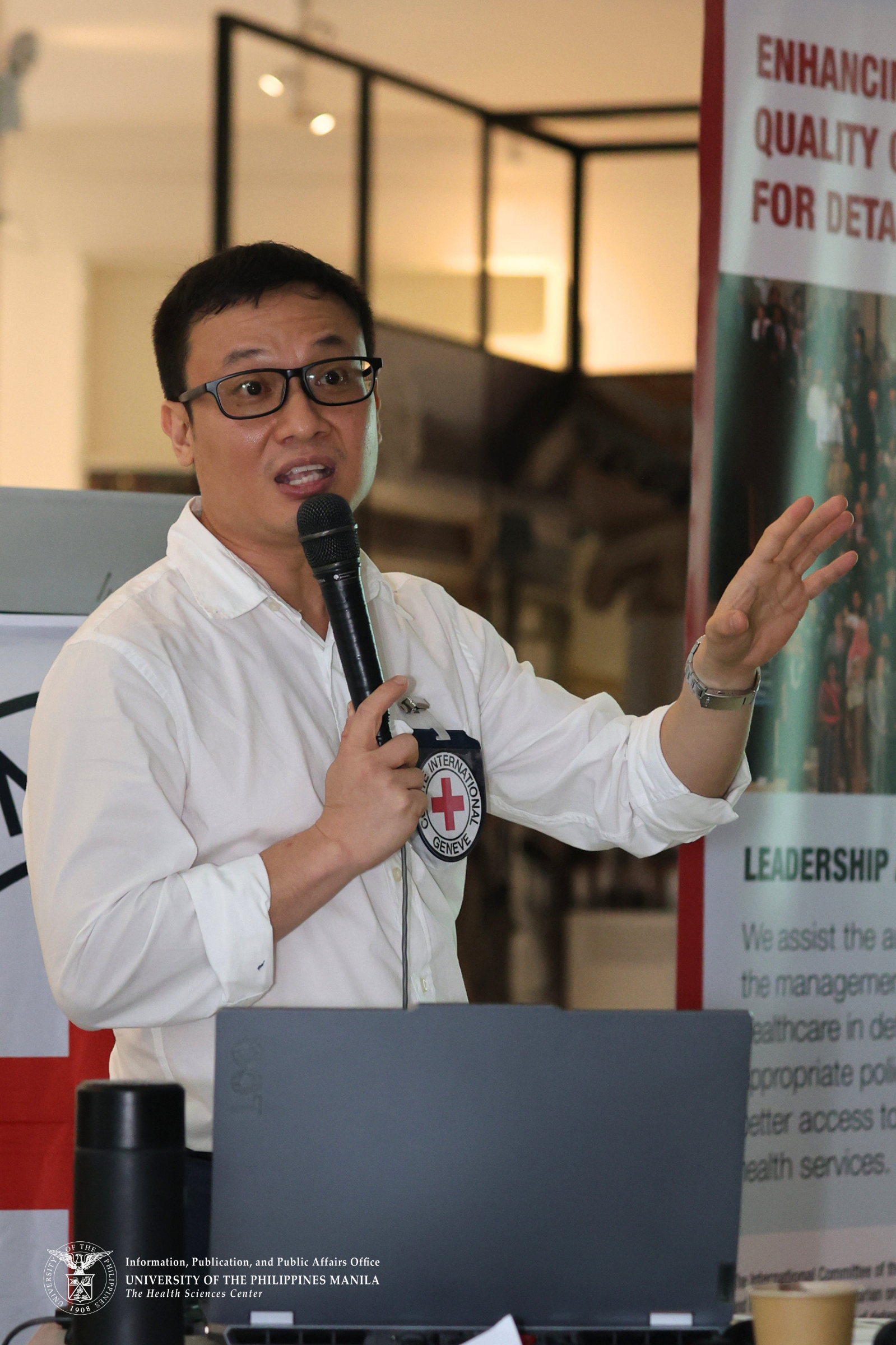
This principle was at the heart of the 5th Health in Detention (HiD) Course, co-organized by the International Committee of the Red Cross (ICRC) and the University of the Philippines Manila (UP Manila) through the Graduate Program in Health Policy Studies (Health Social Science) of the College of Arts and Sciences, held from Aug. 10-14, 2026, at the Museum of a History of Ideas.
More than a training program, the five-day course brought together professionals from across the detention, health, human rights, and academic sectors to strengthen a shared commitment: ensuring that Persons Deprived of Liberty (PDLs) are not left behind in the pursuit of health for all.
Strengthening a Partnership for Detention Health
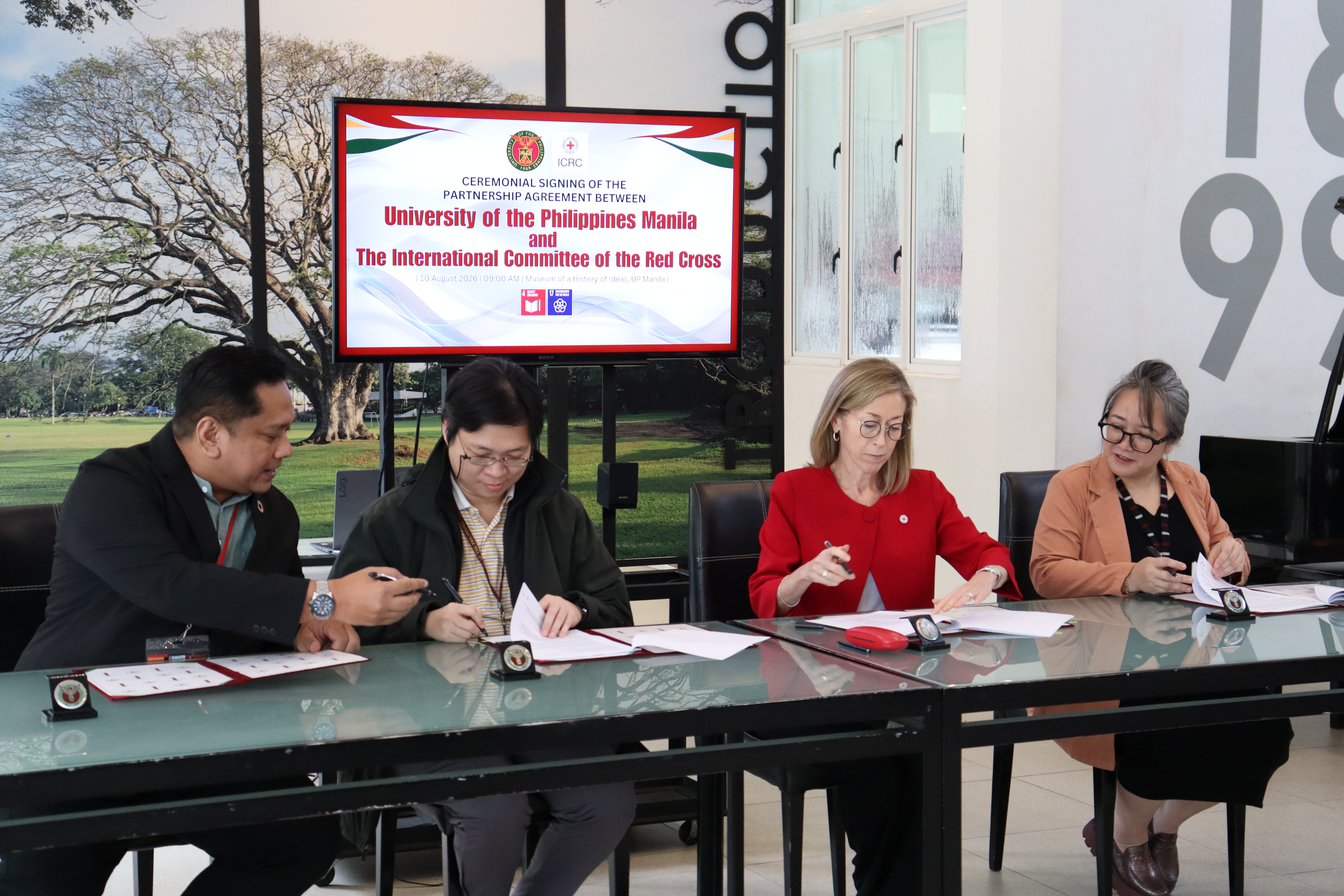
The course opened with the signing of a Partnership Agreement between the ICRC and UP Manila, reaffirming their continuing collaboration and shared commitment to improving conditions of detention and health outcomes for PDLs in the Philippines.
The agreement seeks to address gaps in specialized and professional Health in Detention education and training for both health and non-health personnel working in prisons and jails. It further seeks to advance Health in Detention through the development of training programs, capacity building of personnel, research and evidence generation, and policy translation and knowledge sharing.
Under the agreement, ICRC and UP Manila will collaborate on curriculum development, training delivery, research and evidence sharing, knowledge exchange, and policy engagement, drawing on their respective mandates, expertise, and institutional strengths.
The signing was attended by Megan Rock, head of the ICRC Delegation, and Dr. Pamela Muldong, ICRC health coordinator. Representing UP Manila were Dr. Glenn L. Sia Su, associate dean for Academic Affairs of the College of Arts and Sciences, and Dr. Calvin S. de los Reyes, coordinator of the ICRC-UP Manila Health in Detention Course.
The agreement marks a major step toward sustaining and institutionalizing efforts to build a community of professionals equipped to respond to the complex health needs of people in places of detention.
Bringing Different Sectors to One Table
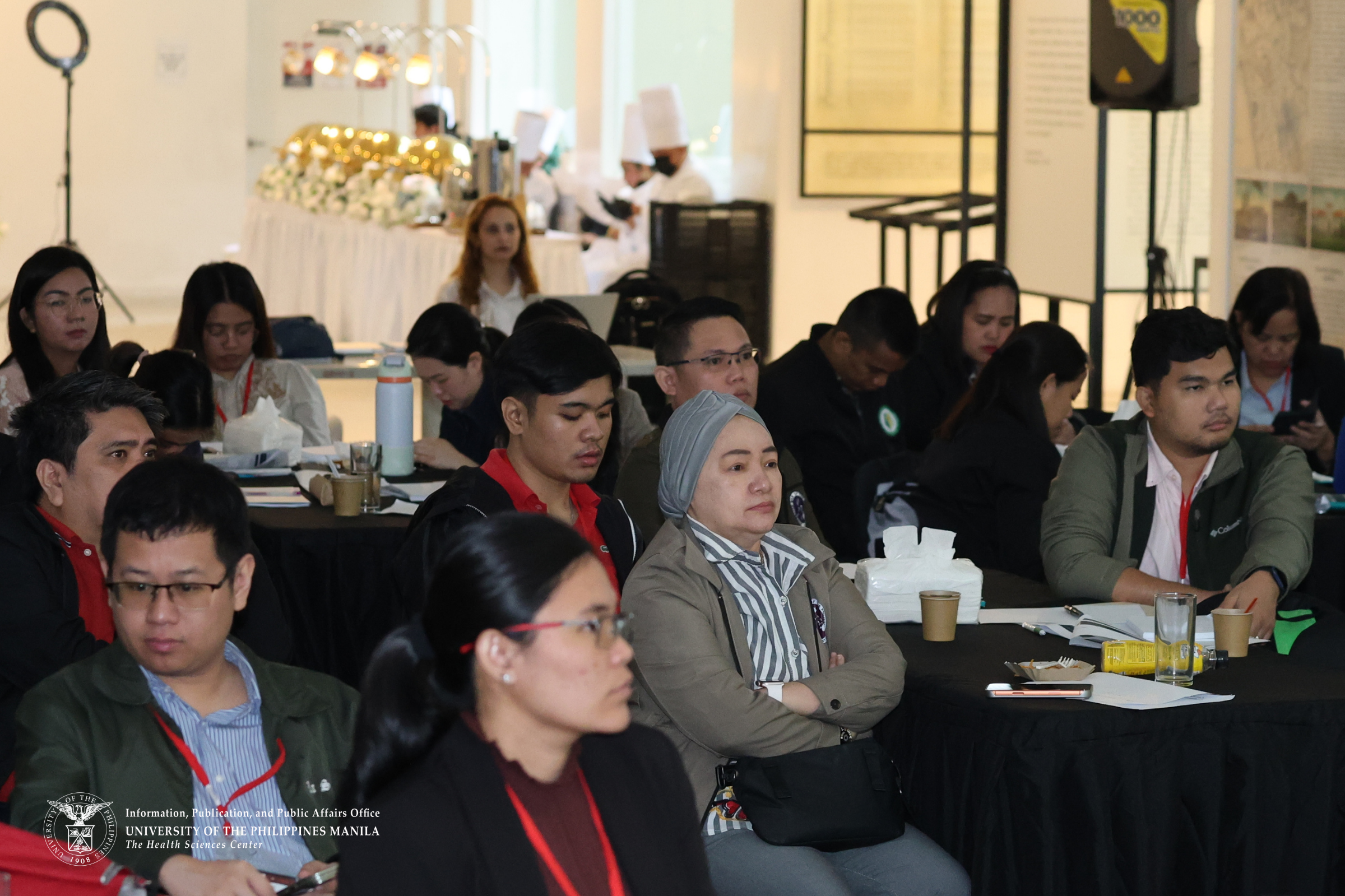
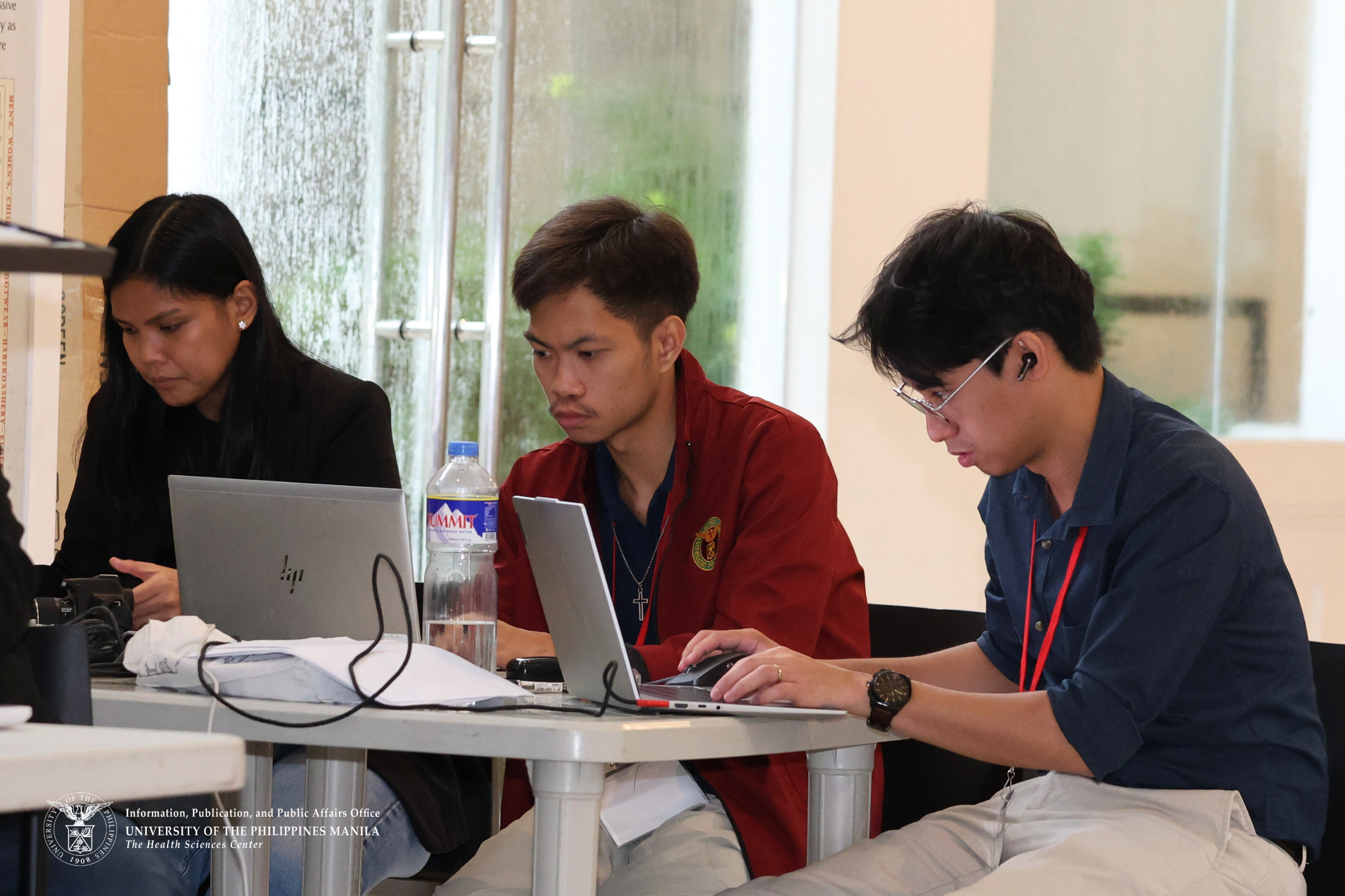
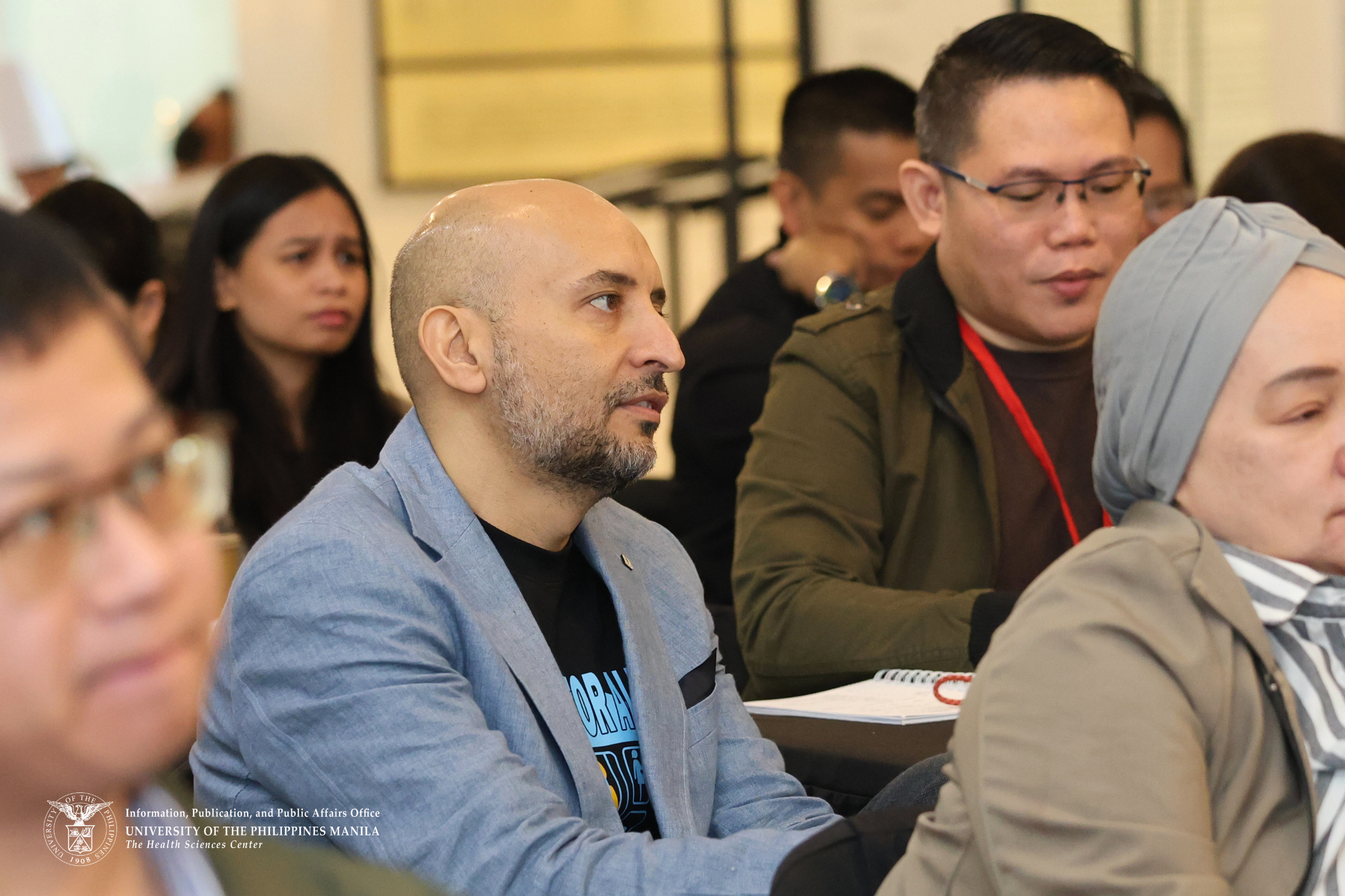
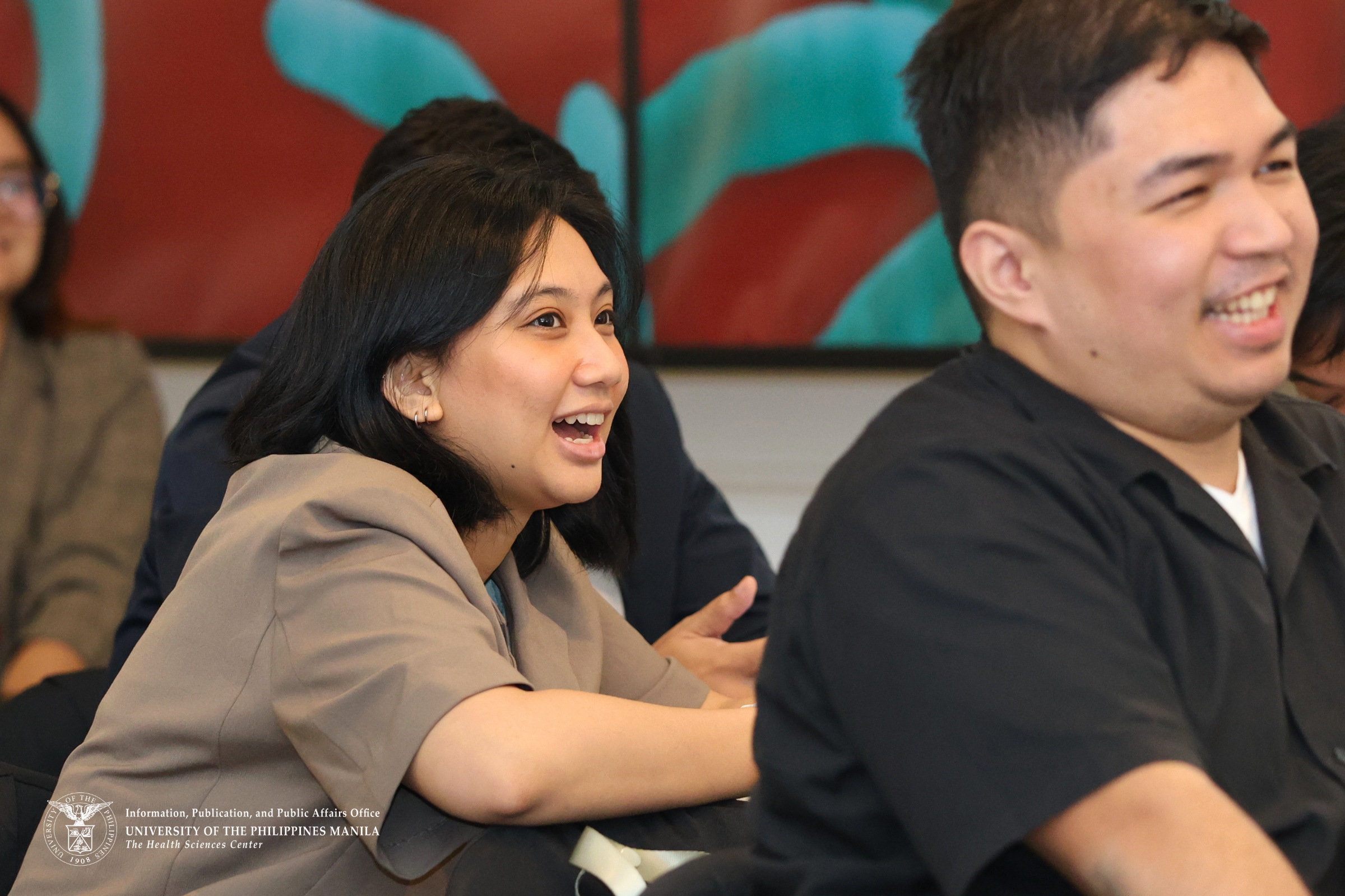
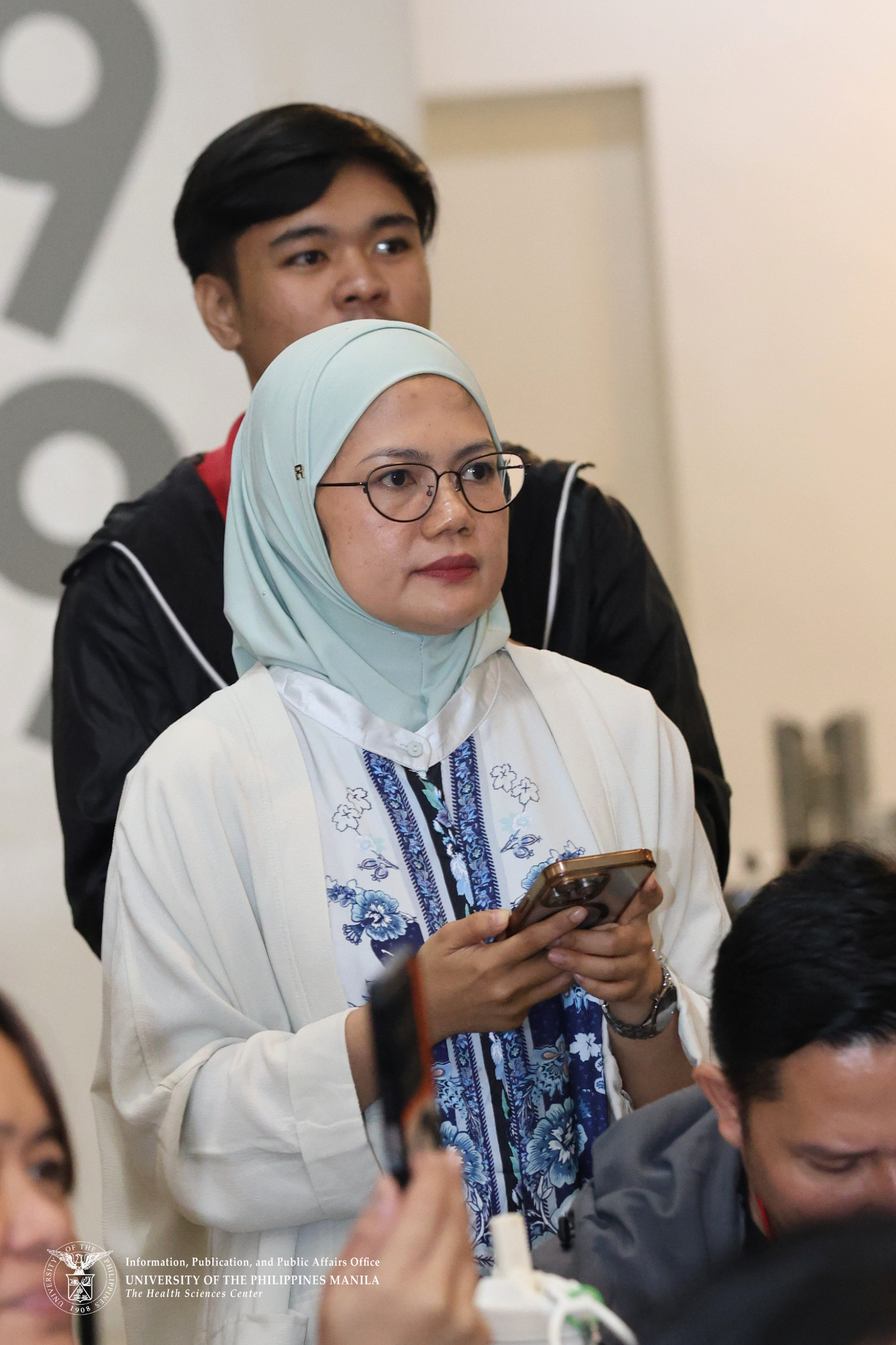
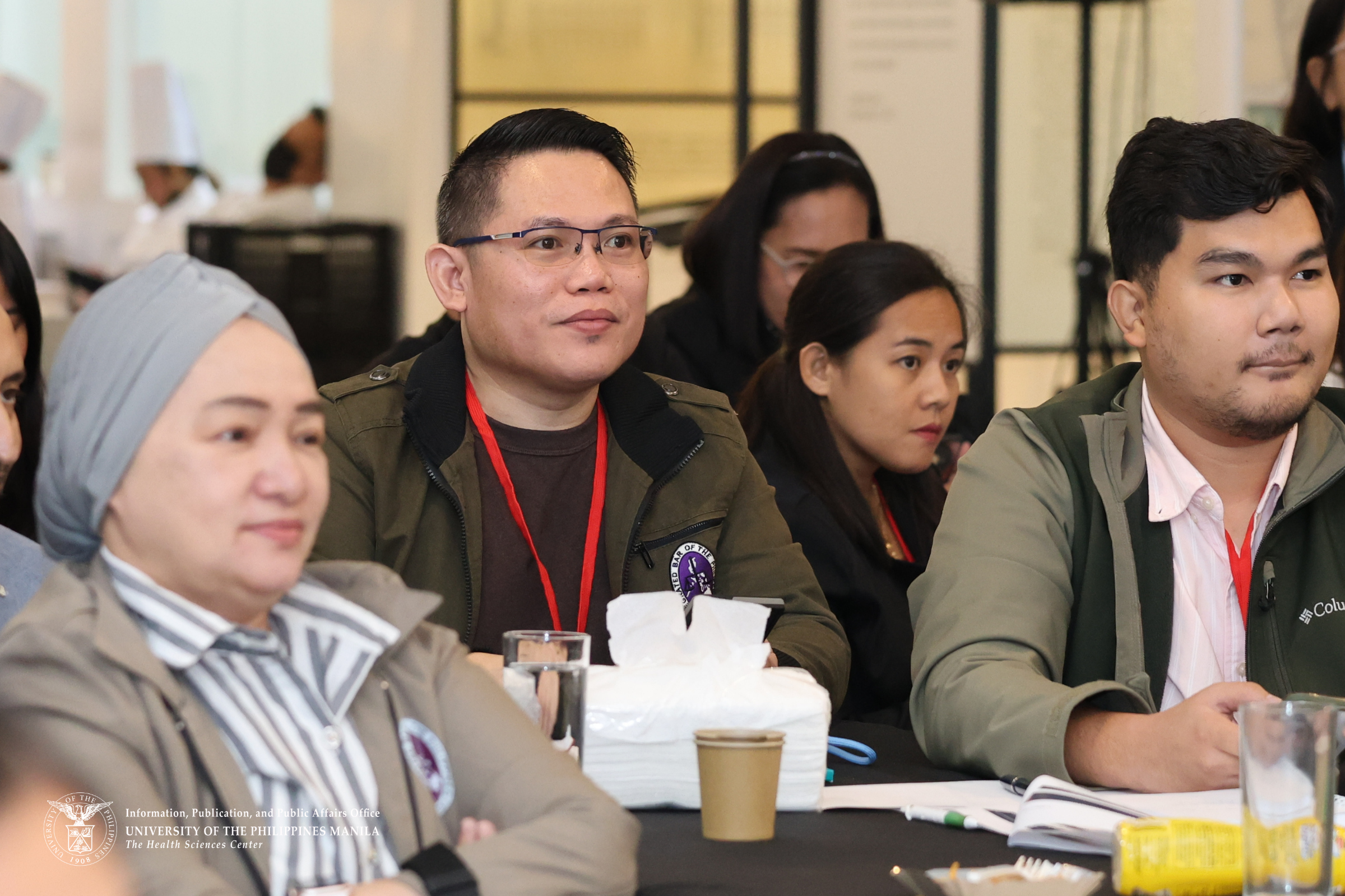
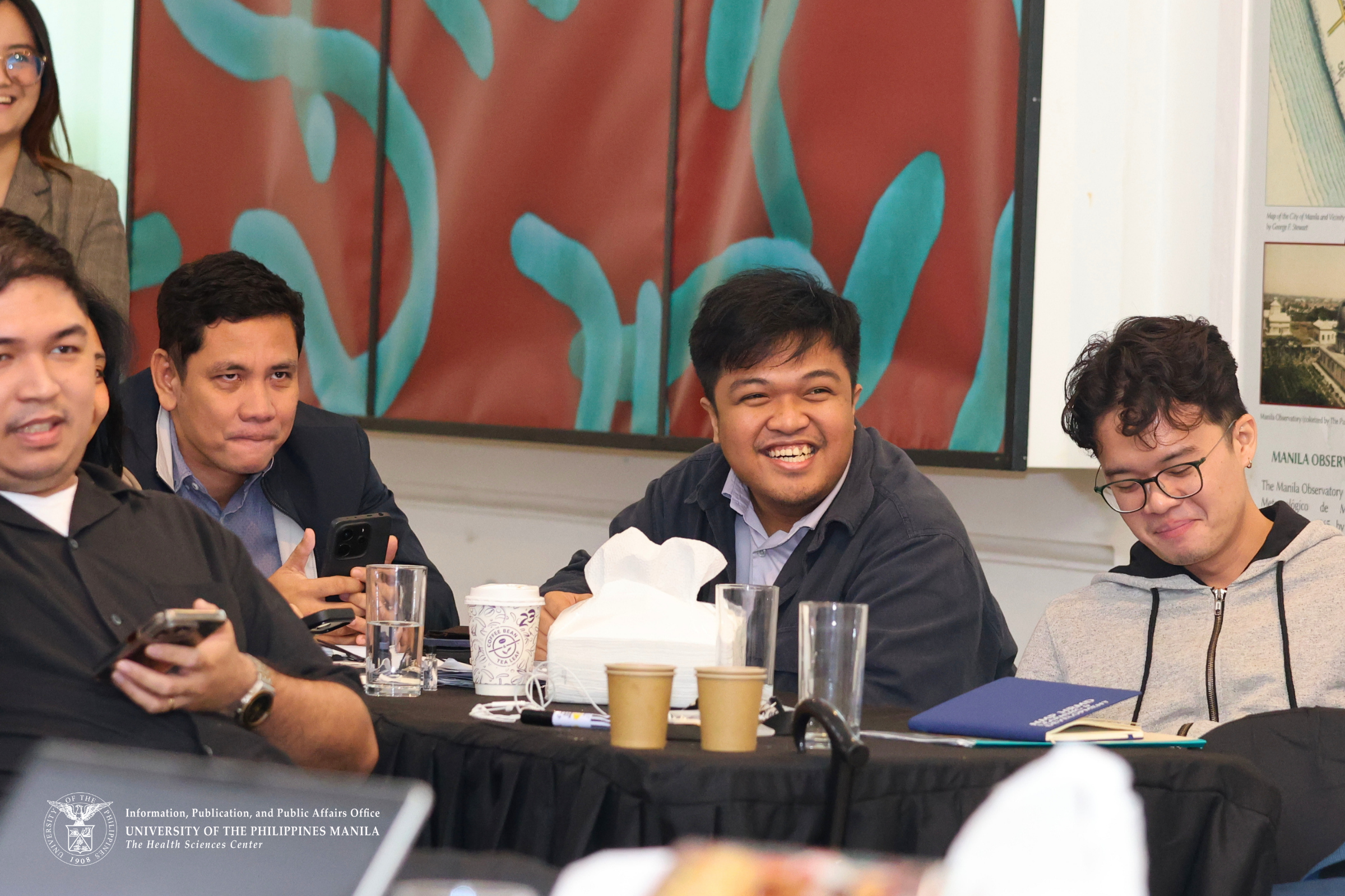
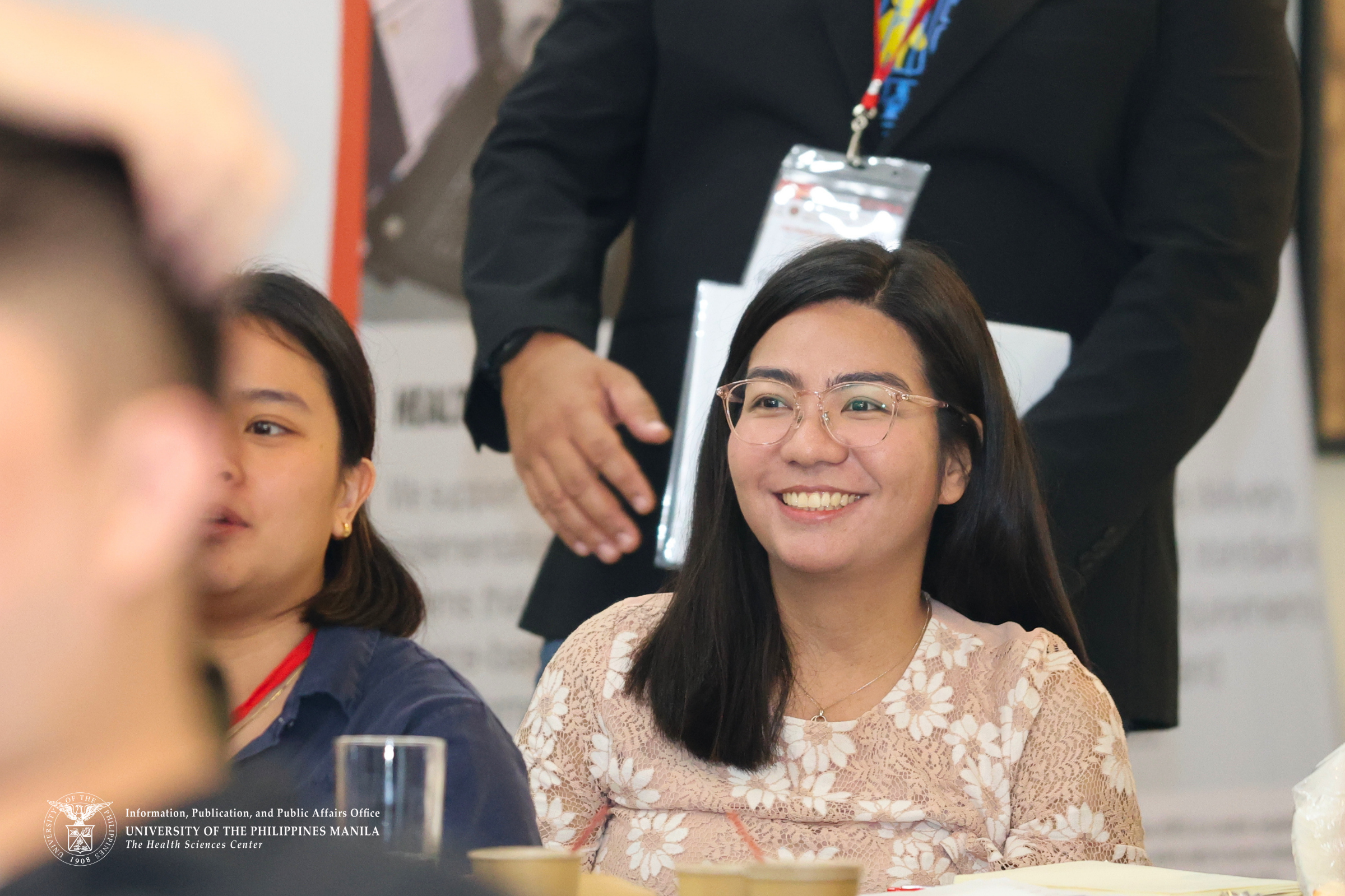
This year’s course gathered 36 participants and stakeholders from across the Philippines, reflecting the multidisciplinary nature of detention health. Participants included officials from the Department of Health (DOH), personnel from the Commission on Human Rights (CHR), Facility Health Officers from the Bureau of Jail Management and Penology (BJMP), Bureau of Corrections (BuCor), and Philippine National Police (PNP), as well as graduate students from UP Manila’s Master of Arts in Health Policy Studies–Health Social Science Track.
Throughout the five-day course, participants shared experiences from their respective institutions, examined persistent challenges in detention settings, and explored opportunities for greater collaboration. The program covered key areas such as the Philippine detention health system; ethics, rights, and protection of PDLs; management of communicable diseases and appropriate health responses in detention settings; the health needs of vulnerable populations and PDLs with chronic diseases; and facility infrastructure, standards, and improvements needed to create environments conducive to the health and well-being of both PDLs and personnel.
These discussions encouraged participants to look beyond individual illnesses and consider the wider conditions that shape health behind bars: from overcrowding and infrastructure to continuity of care, human rights, institutional policies, and access to appropriate health services.
Learning from Experience and Expertise
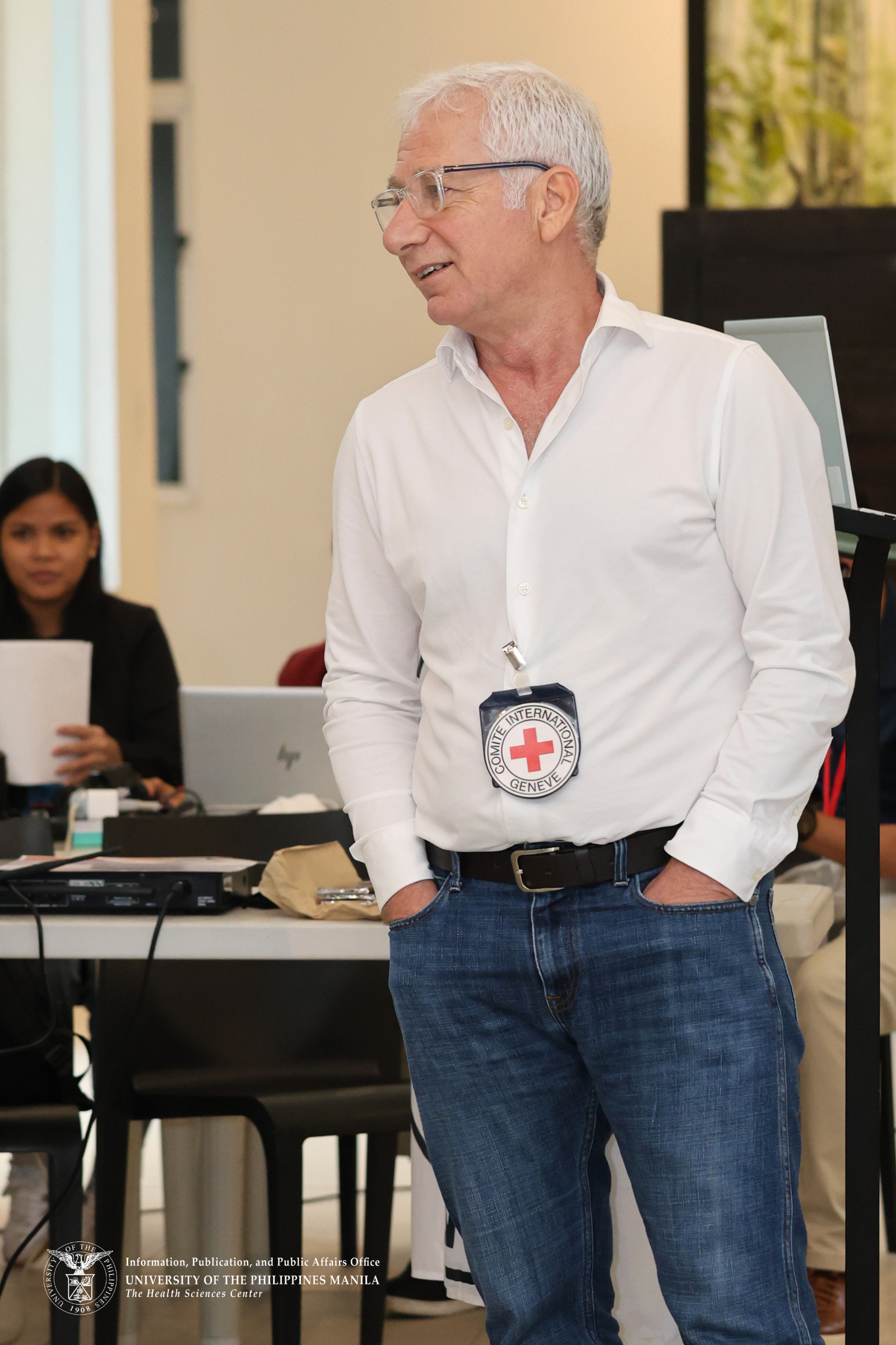
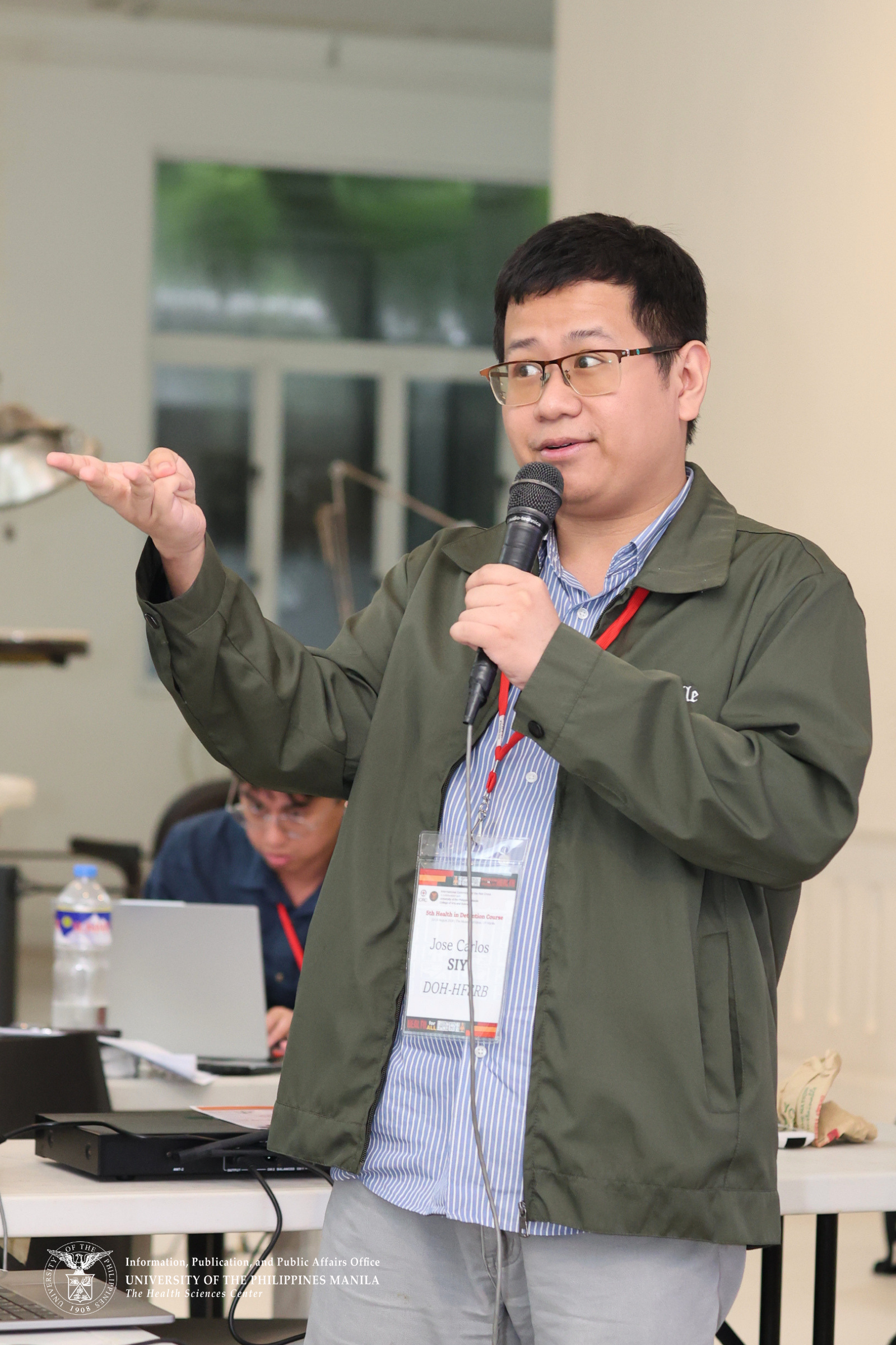
Resource persons from UP Manila, ICRC, CHR, DOH, BJMP, and BuCor shared their expertise and experience throughout the program, linking international principles and national policies with the everyday realities faced by personnel working in detention facilities.
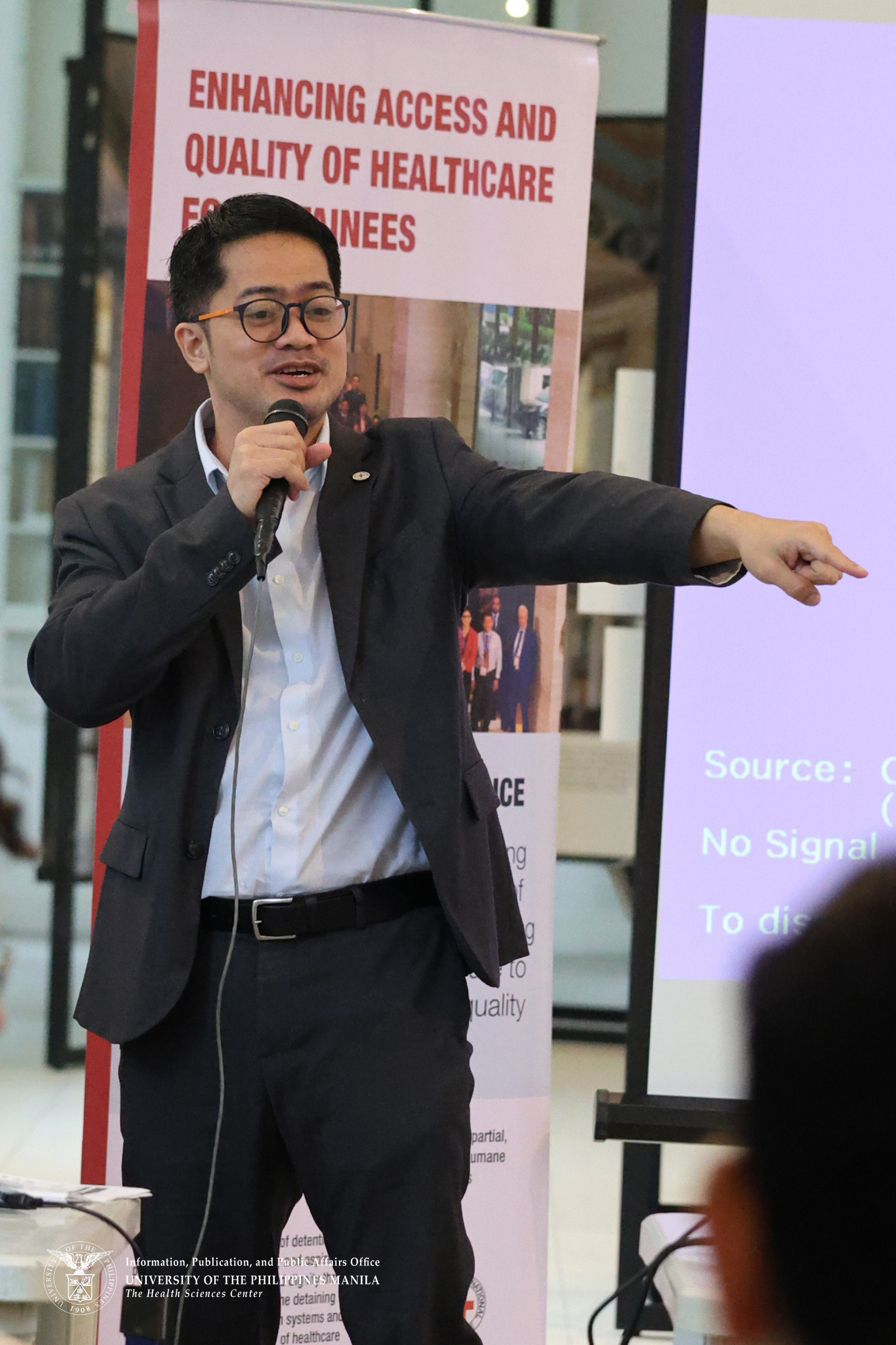
College of Arts and Sciences Dean Ma. Teresa G. de Guzman discussed “Introduction to Forensic Behavioral Science in the Detention Setting” while Dr. de los Reyes, tackled “Vulnerable PDL Issues: Maternal and Child Health and Health Concerns of LGBTQIA+” and Dr. Ernesto R. Gregorio, spoke on “Health Promotion and Prevention in Prisons and Jails.”

Commissioner Maria Amifaith S. Fider-Reyes of the Commission on Human Rights delivered a presentation on “Protecting Dignity in Health: Rights-Based Healthcare in Places of Detention,” which placed human dignity at the center of detention healthcare.
Across the sessions, one message repeatedly emerged: improving health in places of detention requires coordination among detention authorities, healthcare institutions, human rights organizations, policymakers, and the academe. No single institution can address the complexity of detention health on its own.
Growing a Community of Detention Health Champions
As the five-day course drew to a close, Elke Kooyman, Deputy Protection Coordinator for Detention of the ICRC, congratulated the participants and welcomed them as the newest “champions” of Health in Detention.
They now join a growing network of 137 stakeholders trained through the annual Health in Detention Course since its first edition, a community of professionals who can help bring the principles of dignity, equity, and quality healthcare into detention facilities throughout the country.
The conclusion of the course, however, does not mark the end of the work. Each participant returns to their respective institution carrying not only new knowledge, but also the experiences and perspectives shared by colleagues from other sectors. More importantly, they return with a stronger understanding that the health of people in detention is inseparable from the health of the wider community.
People may be deprived of liberty, but they should never be deprived of their right to health. Because detention should never be a gap in healthcare.
For a recap of the course, please watch this video:
https://drive.google.com/file/d/1GUewWnkVswhCjKym0Jp17KqSTWoe6d3l/view
Read More:
#FP1 #FP6 #AccessibleUPLeadership