
Text by Charmaine A. Lingdas
Photos by Sarah Hazel Moces S. Pulumbarit
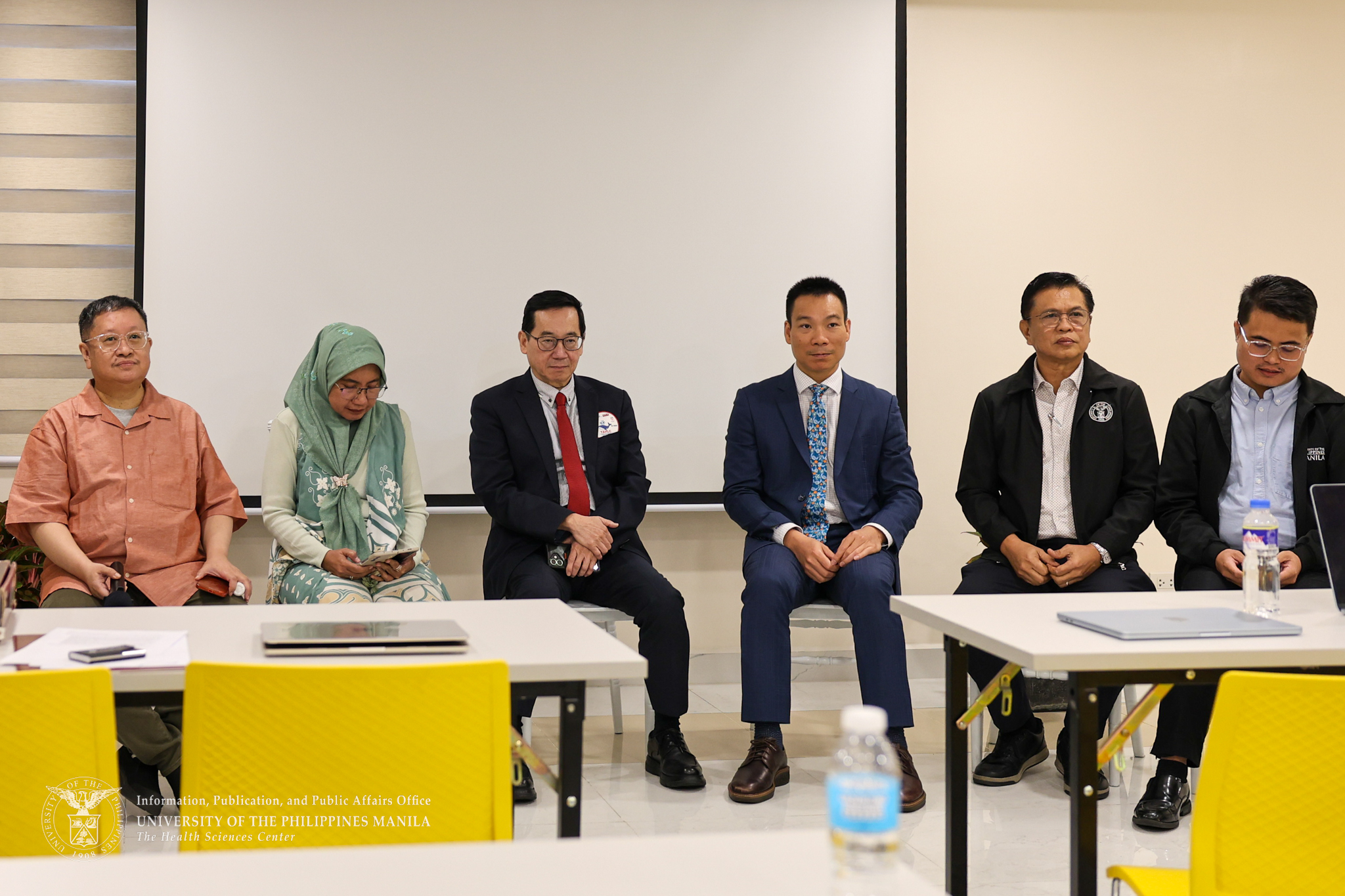
The UP Manila College of Public Health (CPH) brought together local and international public health experts on Aug. 14, 2026, for a special lecture examining how health literacy must evolve amid rapid advances in artificial intelligence (AI), changing food environments, and growing climate and environmental risks.
Held at the Vicente Tiu Lim Conference Room of the Henry Sy Sr. Hall and streamed via Zoom, the lecture, “Advancing Public Health Literacy in a Changing World: AI, Nutrition, and Environmental Health,” was organized in partnership with the Asian Health Literacy Association (AHLA).
The program brought together six speakers for thematic discussions on AI and digital health literacy, nutrition and dietetics health literacy, and climate and environmental health literacy. It also served as part of CPH’s preparations for the 13th AHLA International Conference, which the College will host in the Philippines in 2027 as part of its centennial celebration.
From information overload to informed action
Welcoming participants, CPH Dean Dr. Fernando P. Garcia Jr. emphasized that the changing information environment has made health literacy more important than ever. Noting that the challenge today is not necessarily the lack of information but the overwhelming amount of health information available through doctors, researchers, social media, influencers, and AI.
He stressed that health literacy now goes beyond simply reading prescriptions or understanding health brochures. It involves being able to find and understand health information, critically question and assess its credibility, and use it to make informed decisions. He challenged participants to consider a fundamental question: How do we make health knowledge truly understandable, accessible, and useful for everyone?
“Our responsibility is to make knowledge understandable, trustworthy, accessible, and useful for the people we serve,” Garcia said, emphasizing that even the best research has limited impact if people cannot translate it into better decisions and healthier lives.
AI literacy: keeping humans in the decision-making process
The first session focused on AI and digital health literacy, featuring Dr. Enny Rachmani, Vice President of AHLA, and Dr. Emerito Jose Faraon, professor of the CPH Department of Health Policy and Administration and director of the UP Manila Research Management and Translation Office.
Dr. Rachmani discussed the growing need for digital health literacy as AI makes health information increasingly accessible. While AI can support diagnostic efficiency, personalized education, and health workflows, she emphasized that it also presents risks, including bias, hallucinations, misinformation, privacy concerns, and security issues.
She described digital health literacy as a foundation for AI health literacy, enabling individuals and communities to critically evaluate information and protect themselves from the risks of the digital information environment.
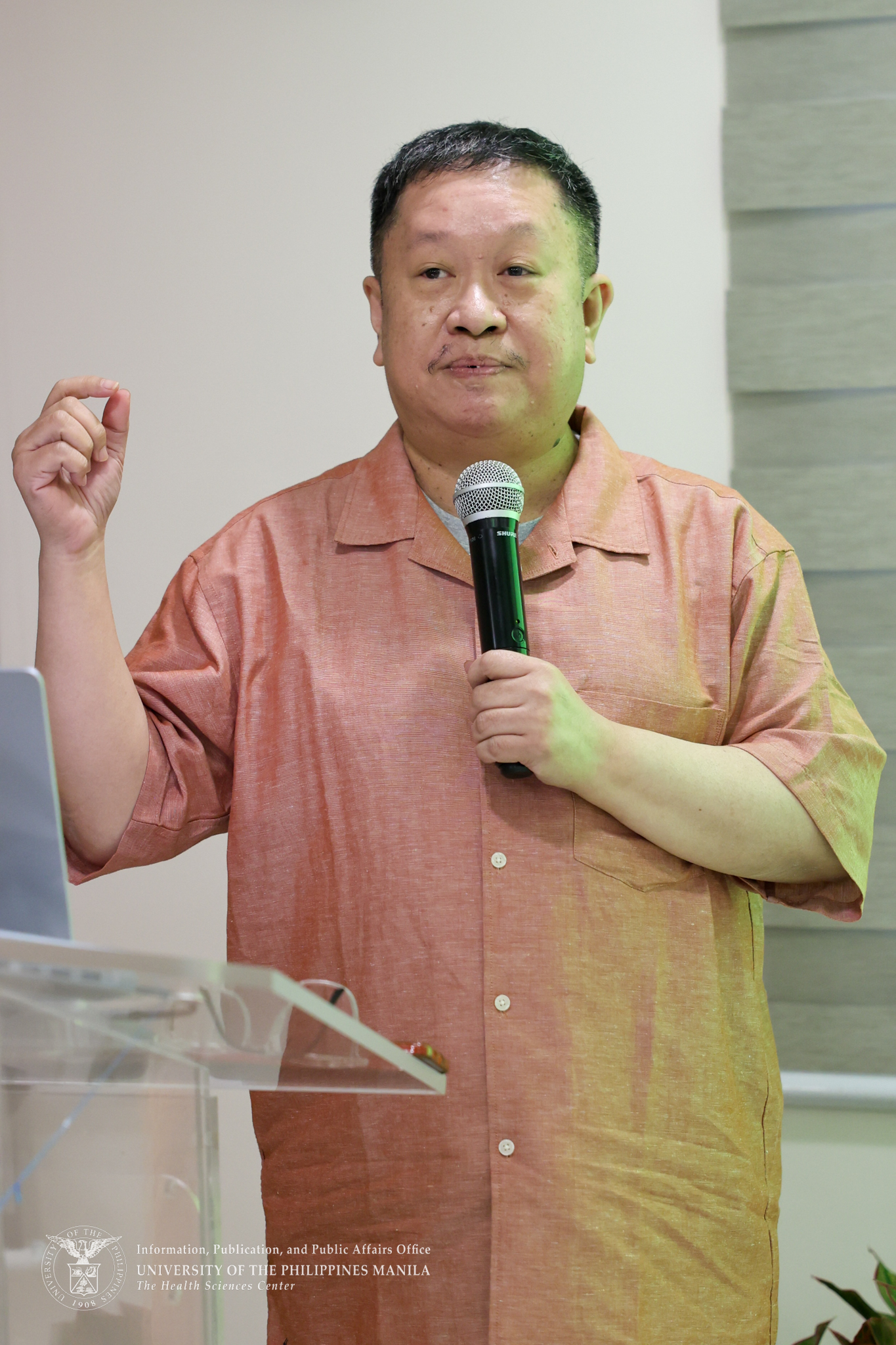
Dr. Faraon discussed how AI-generated health content can appear authoritative while containing errors. He described “work slop” as AI-generated material that appears polished but lacks the substance necessary to move a task forward. He also warned against “cognitive surrender,” or the tendency to stop critically examining information simply because it comes from an AI system.
His central message was that human responsibility remains essential even as AI capabilities improve.
“You have to verify, trace, and contest whatever it is that the AI is giving you.”
Faraon urged public health professionals and academics to develop what he called ‘interrogation literacy,’ the habit of questioning where information comes from, whether cited sources actually exist, and what could be wrong with an AI-generated recommendation before it is used or shared.
He also emphasized that AI should augment, rather than replace, human judgment.
“AI will not decide whether you become more health literate. It is actually your verification habits as humans which will.”
Nutrition literacy: beyond knowing what to eat
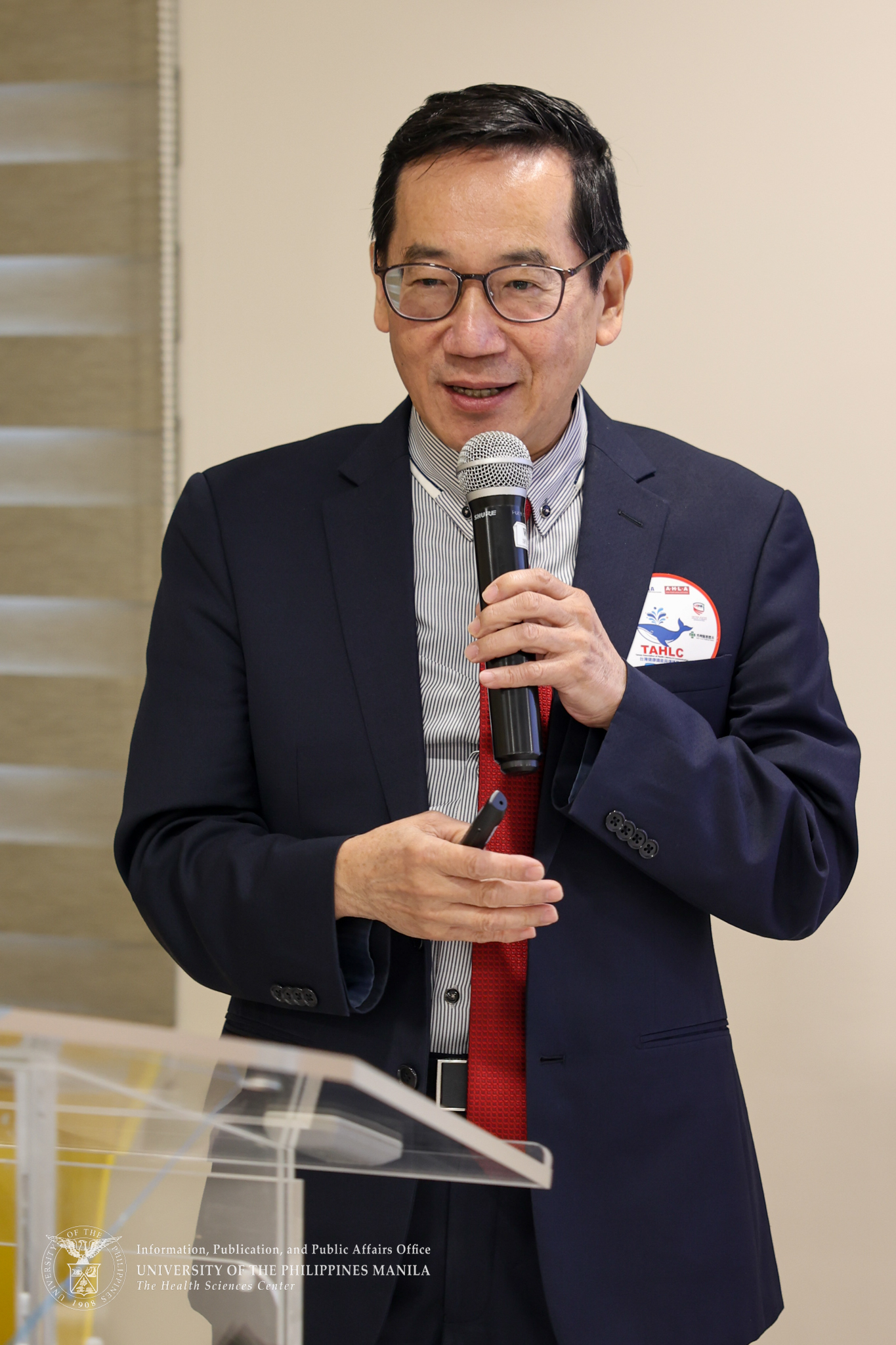
The second session examined nutrition and dietetics health literacy, featuring Dr. Tuyen Duong, President of AHLA, and Dr. Kim Leonard Dela Luna, professor and chair of the CPH Department of Nutrition.
Dr. Duong highlighted the broad relationship between nutrition, health literacy, and the Sustainable Development Goals (SDGs), noting that nutrition is connected to all 17 SDGs. He emphasized that health literacy should ultimately translate knowledge into action rather than remain at the level of information.
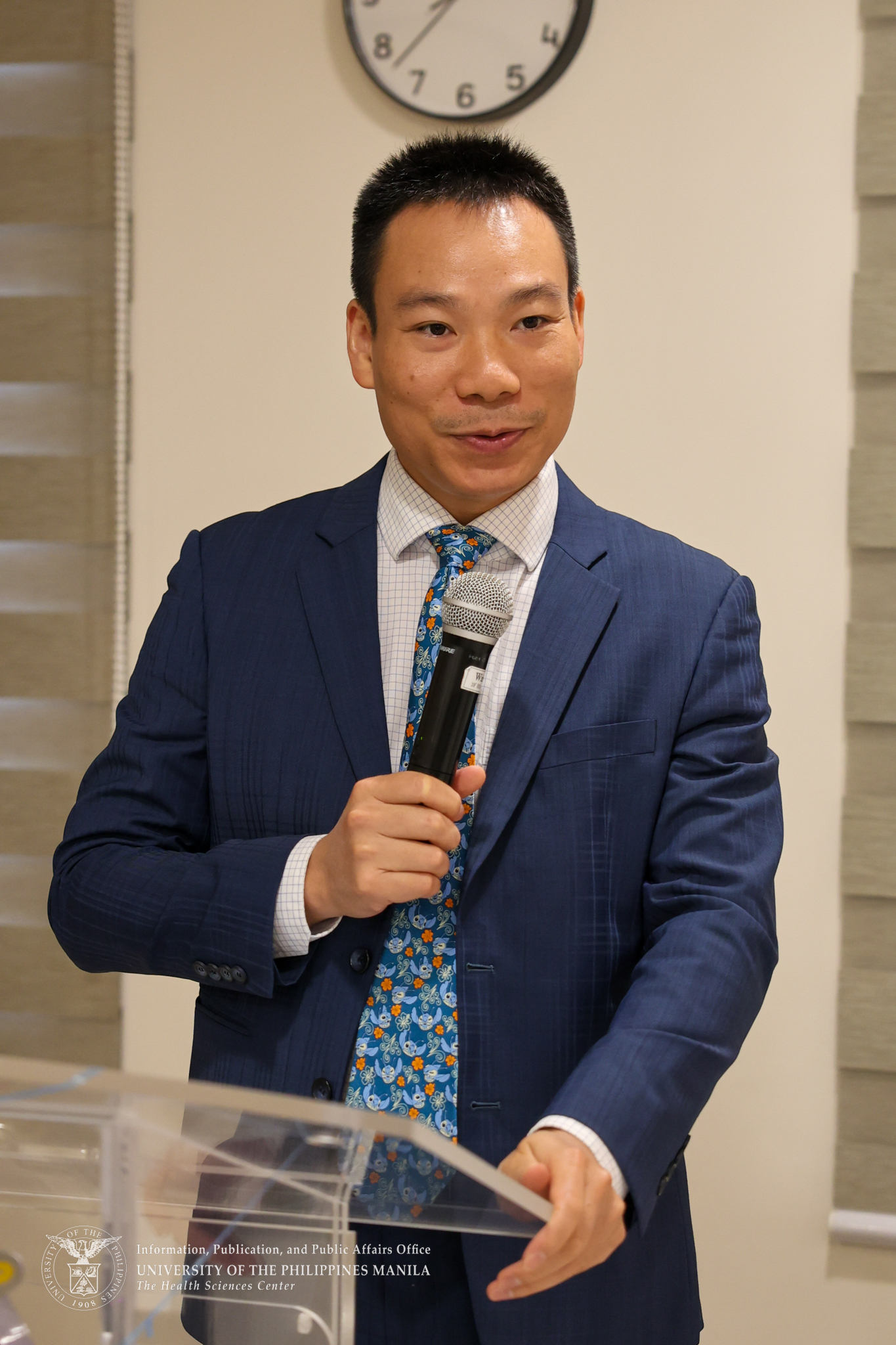
Dr. Dela Luna focused on the Philippine nutrition situation and the need to understand food and nutrition literacy within the larger food system.
He noted that nutrition problems in the Philippines have changed over time. While undernutrition among children has declined over the decades, new and persistent concerns, including overweight and its implications for noncommunicable diseases, demonstrate that nutrition challenges evolve and require changing responses.
He distinguished food literacy from nutrition literacy, noting that food literacy encompasses the broader processes involved in food—from production and procurement to preparation, labeling, choice, consumption, and disposal. Nutrition literacy, meanwhile, involves the ability to access, understand, process, evaluate, and use nutrition information to make appropriate decisions and take action.
Dr. Dela Luna urged nutrition professionals to have a broader sense of responsibility. Nutritionist-dietitians should not merely provide information but serve as translators of scientific evidence, critical evaluators of nutrition information, communicators across populations, advocates for healthier food environments, navigators of digital nutrition information, and champions of health equity.
Climate literacy as a public health imperative
The final session brought together Dr. Peter Chang, founding president and honorary president of AHLA, and Dr. Victorio Molina, professor of the CPH Department of Environmental and Occupational Health.
Dr. Chang reflected on the development of the health literacy movement and emphasized that health literacy is not simply about acquiring knowledge.
“Health literacy is not only knowing about health, getting more knowledge, but it’s an action.”
Dr. Molina then examined the implications of climate change for health, highlighting the Philippines’ vulnerability to climate-related hazards and the importance of adaptive capacity.
He noted that the Philippines faces a “double burden of risk,” with significant exposure to hazards alongside comparatively lower adaptive capacity than other countries in the region. Dr. Molina underscored that health is among the sectors most affected by climate change, alongside nutrition, water, and agriculture.
For Dr. Molina, strengthening health literacy can help communities understand climate risks, make informed decisions, and translate knowledge into practical action.
From knowledge to action through collaboration
Across AI, nutrition, and environmental health, speakers emphasized that simply making information available is insufficient. People must be equipped to evaluate information, understand its implications, make informed decisions, and act within the systems that shape their health.
The sessions also highlighted the importance of collaboration among academic institutions, government, communities, health professionals, researchers, policymakers, and technology developers. The synthesis of the climate and environmental session, for instance, emphasized collaboration, effective communication, and community engagement in building healthier and more climate-resilient societies.
The lecture strengthened the continuing partnership between UP Manila CPH and AHLA as the College prepares to host the 13th AHLA International Conference in 2027.
Dr. Chu Nang-Ton, president-elect of AHLA, encouraged continued collaboration with the University of the Philippines and expressed the incoming AHLA leadership’s commitment to co-developing and championing good practices with academic partners.
“Together, let us advance a healthier, more literate, and more equitable Asia,” she said.
#universityofthephilippines #UP #UPManila #UPM #FP1 #AccessibleUPLeadership
READ MORE: