


Text by Jericho Paolo L. Mabansag
Photos by Sarah Hazel Moces Pulumbarit
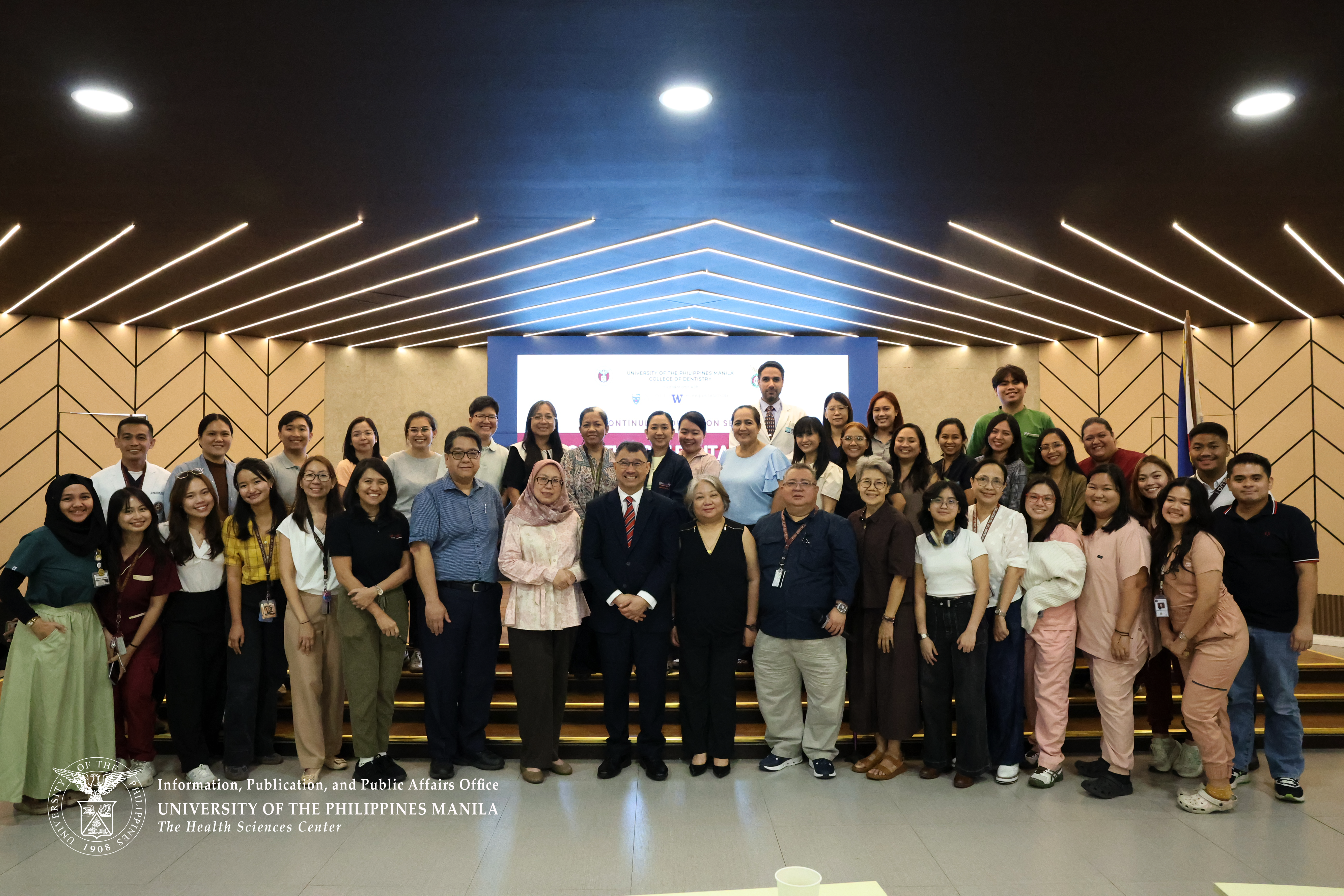
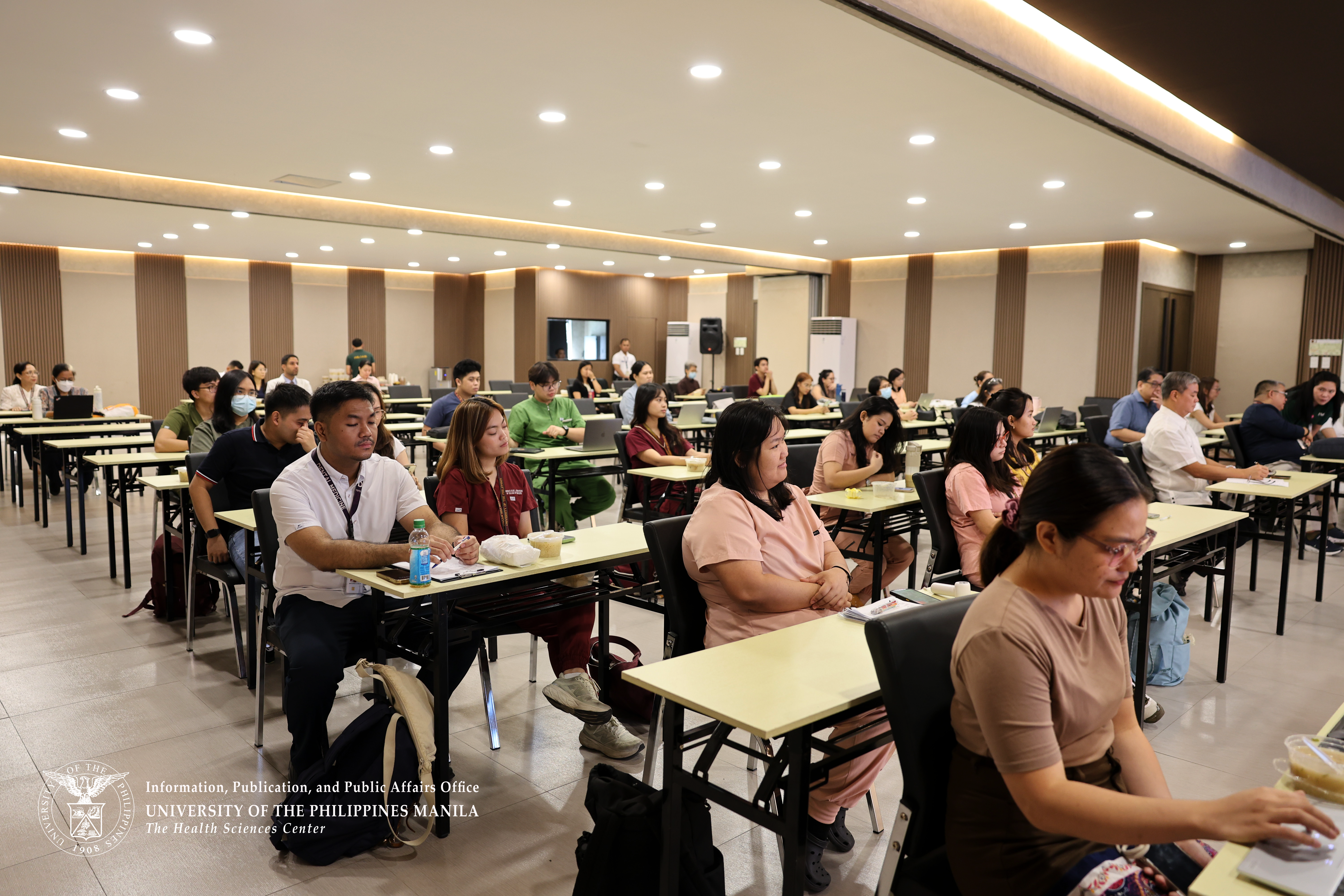
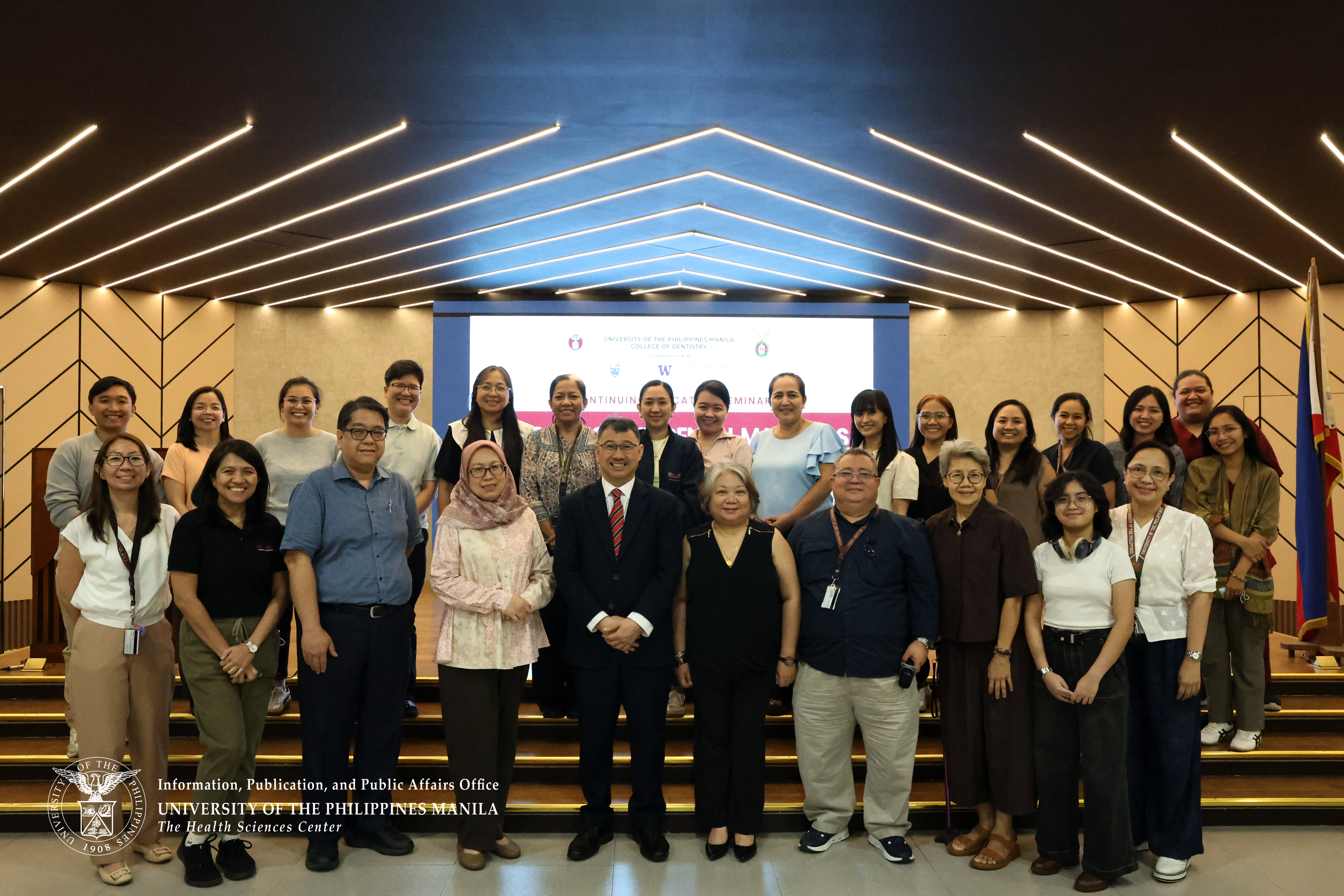
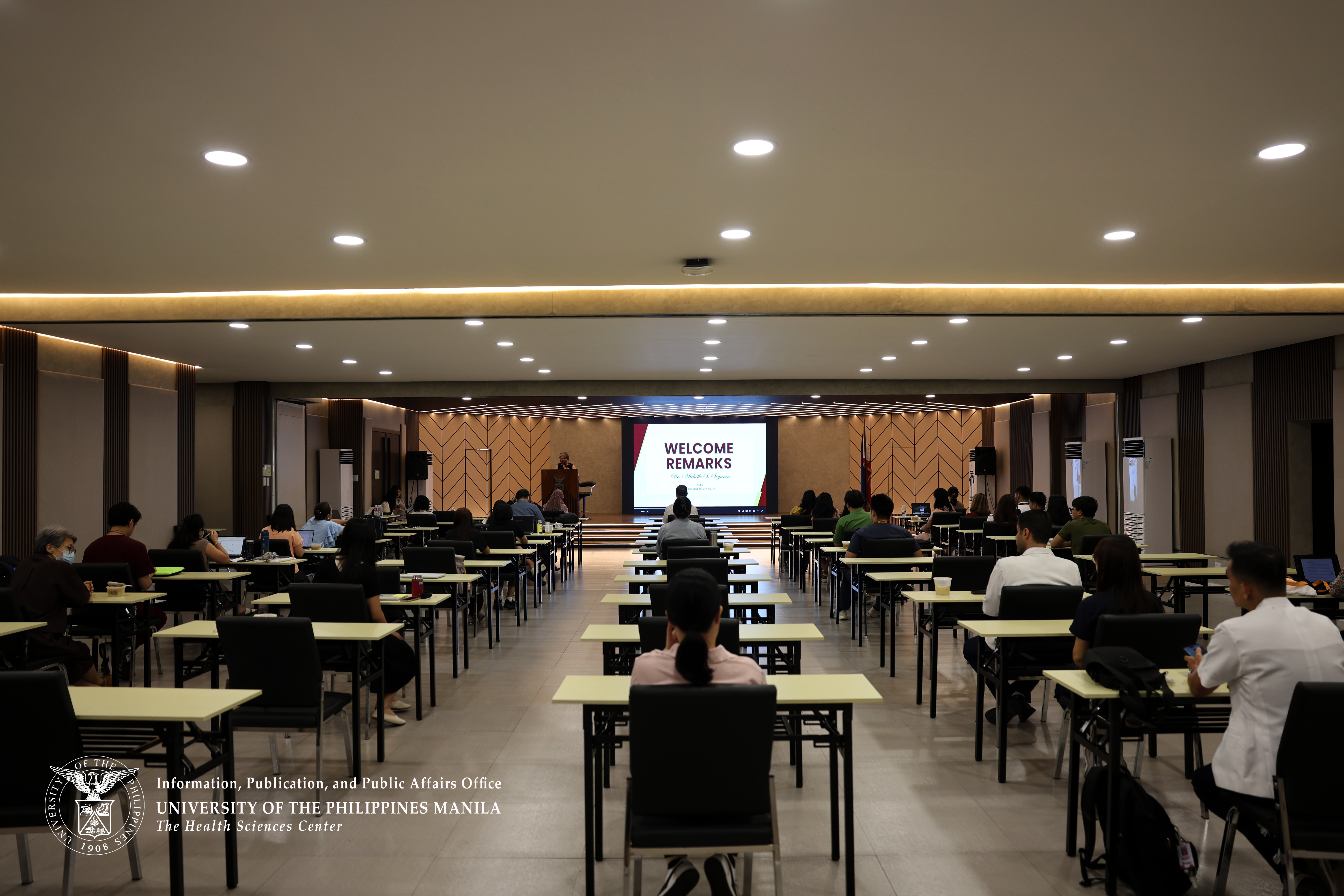
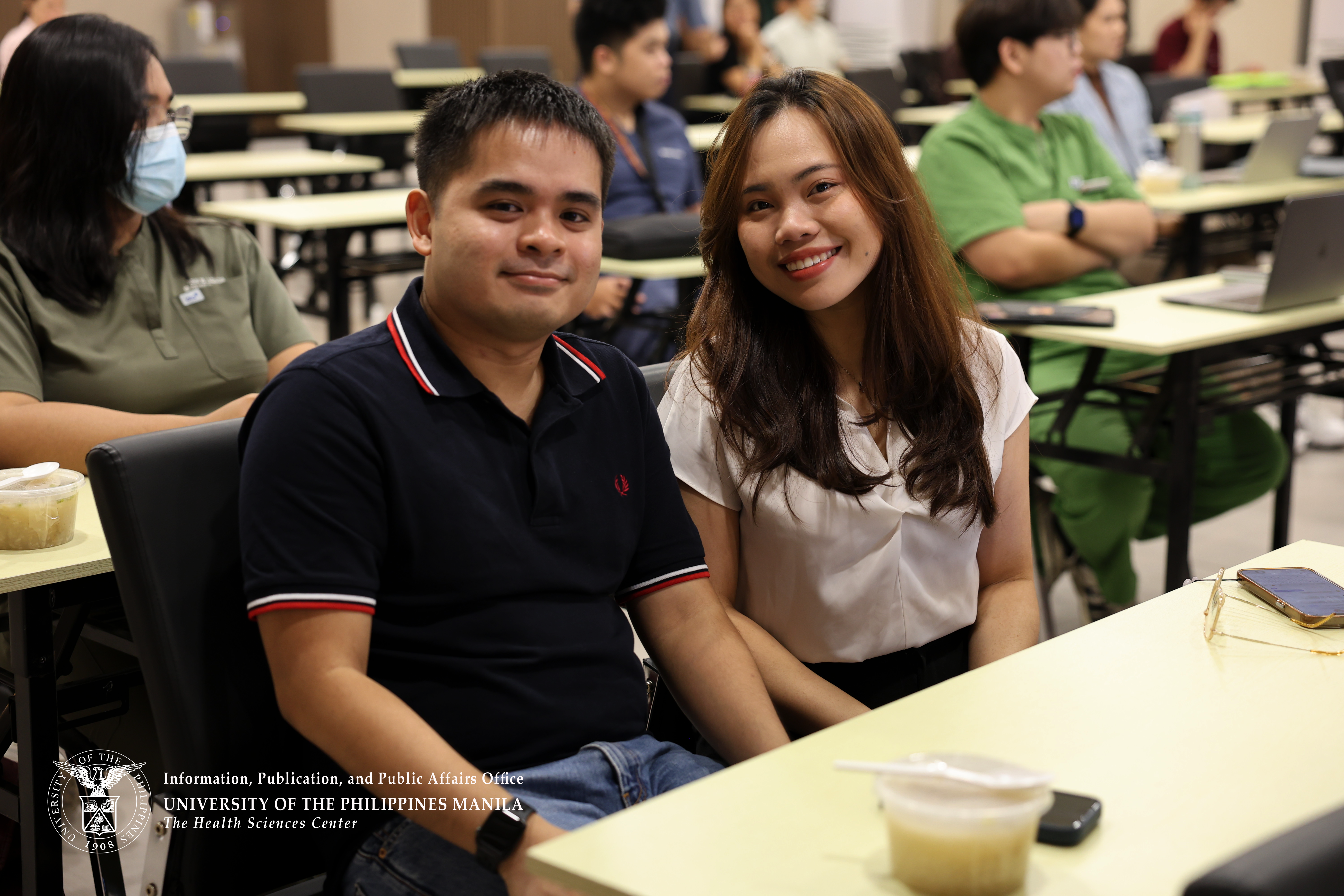
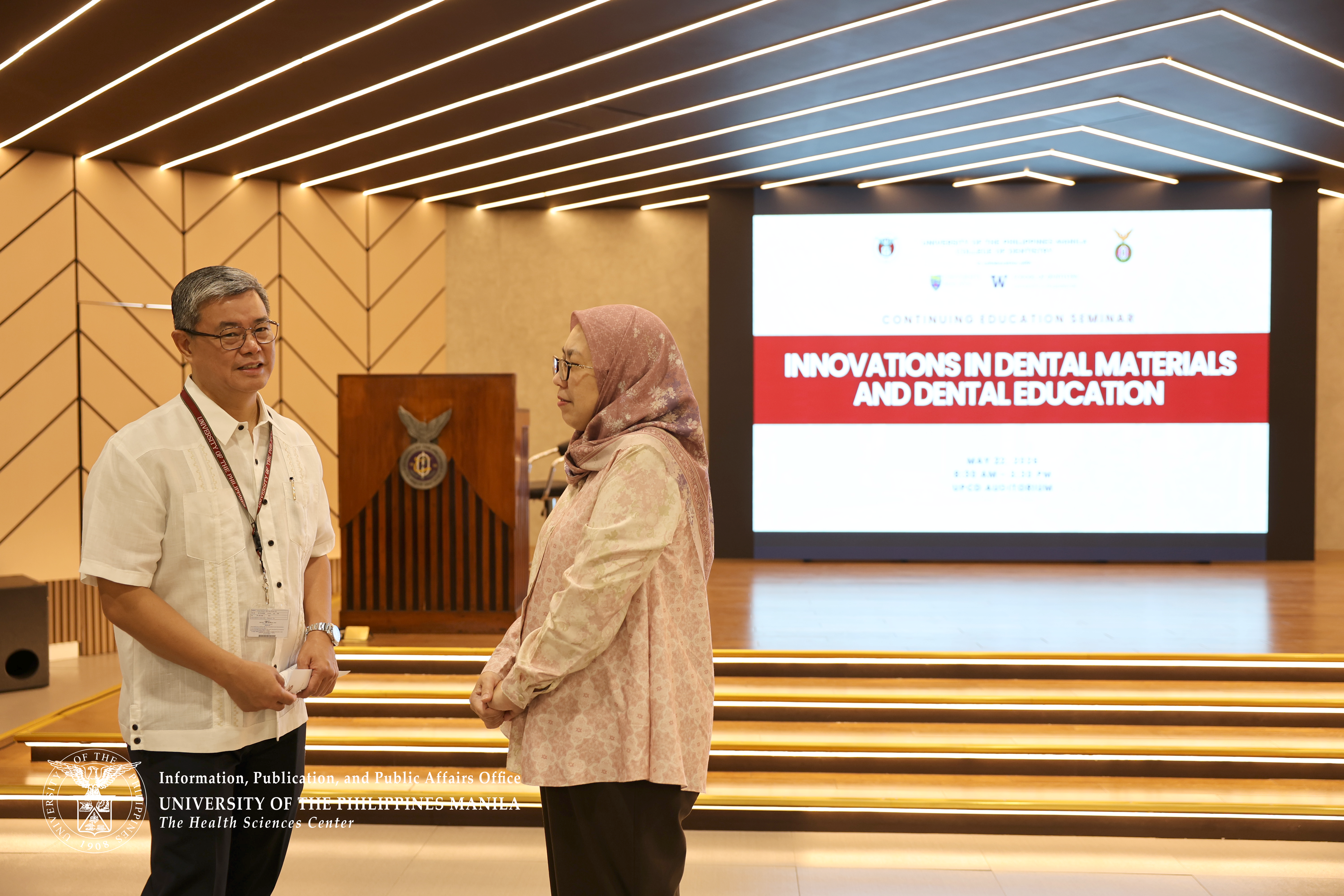
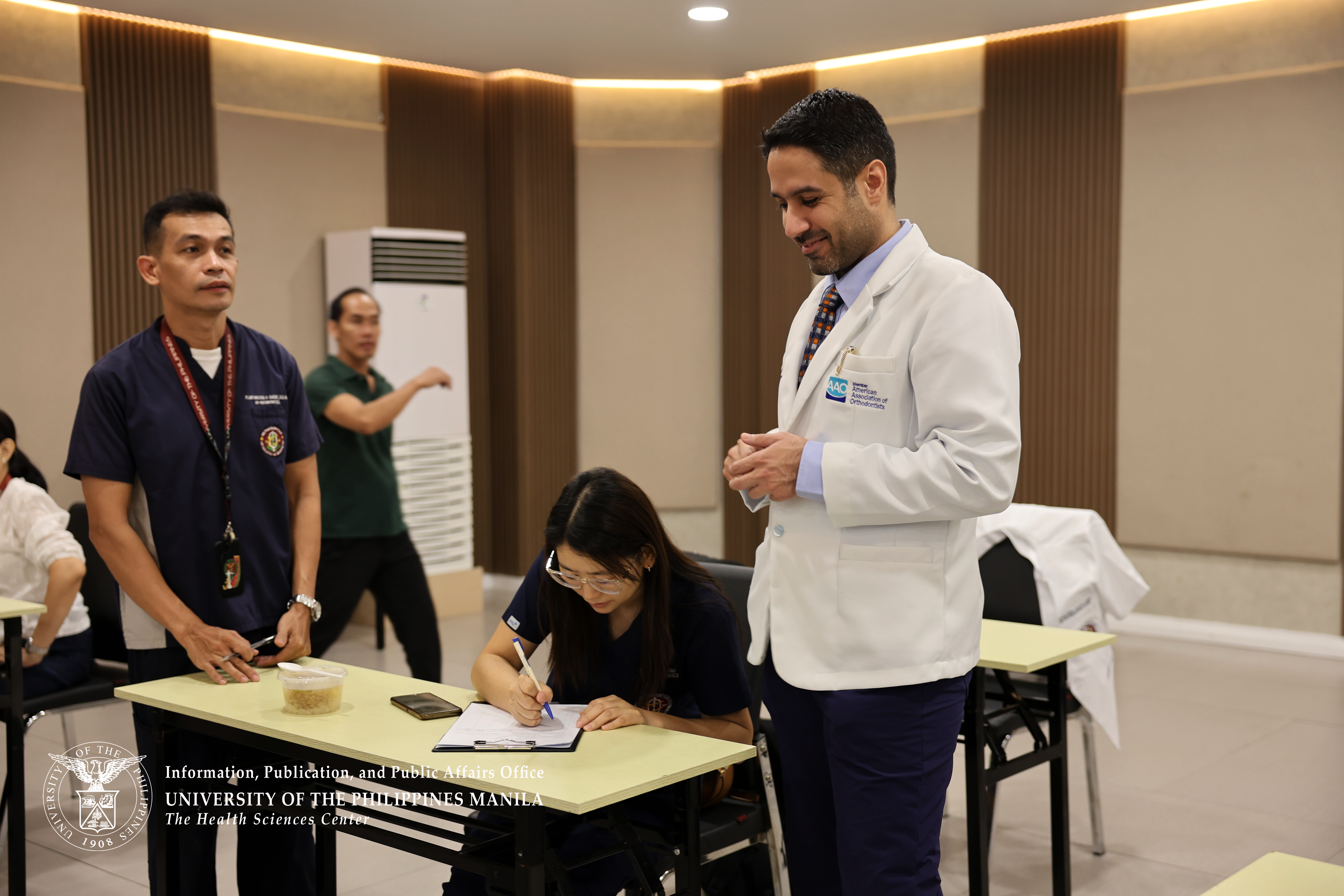
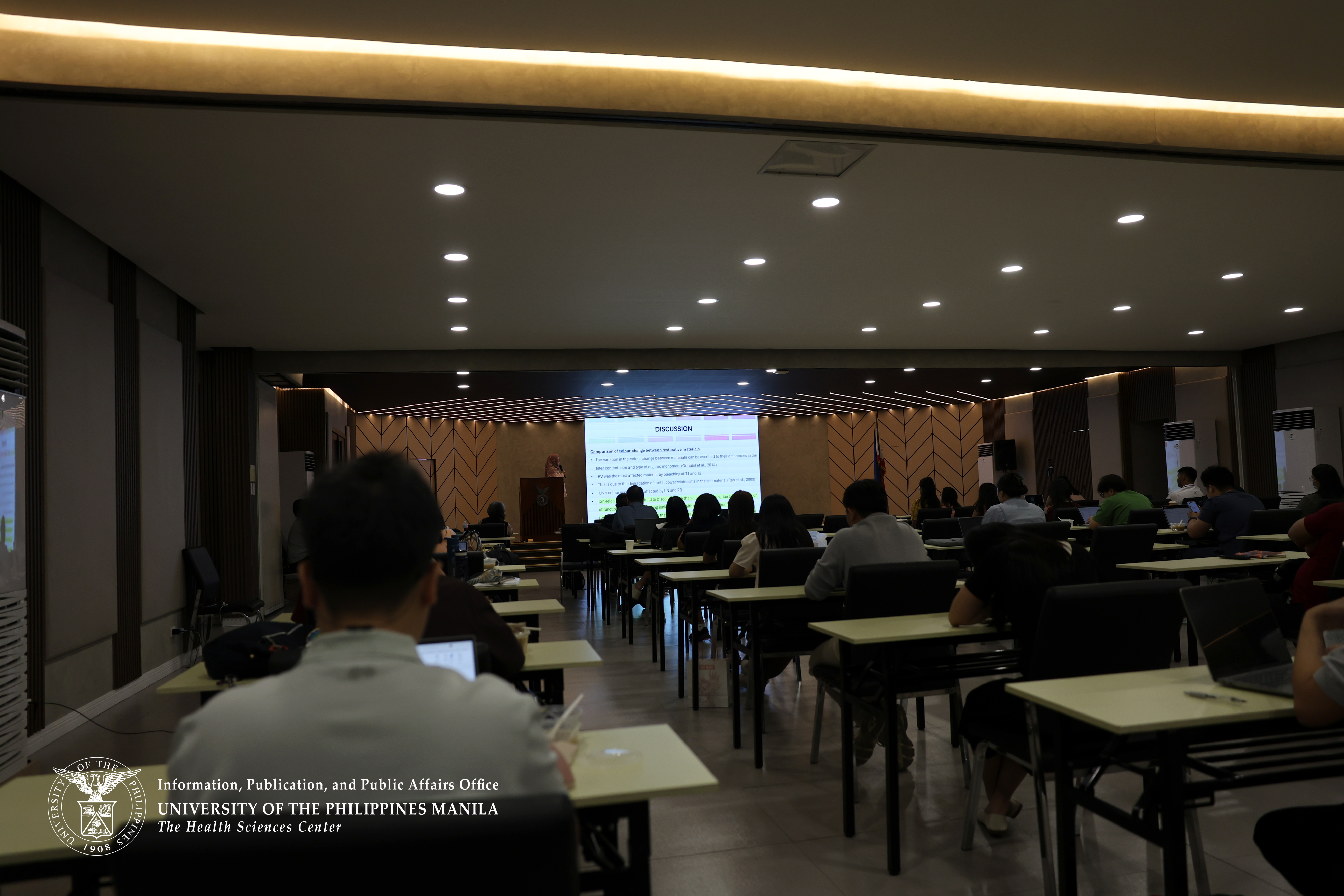
The College of Dentistry (CD) hosted a continuing education seminar on May 22, 2026, at the College’s Auditorium, bringing together researchers and dental authorities to confront the future of clinical practice, tracking everything from biomaterial vulnerabilities to artificial intelligence and cutting-edge teeth-whitening chemistry.
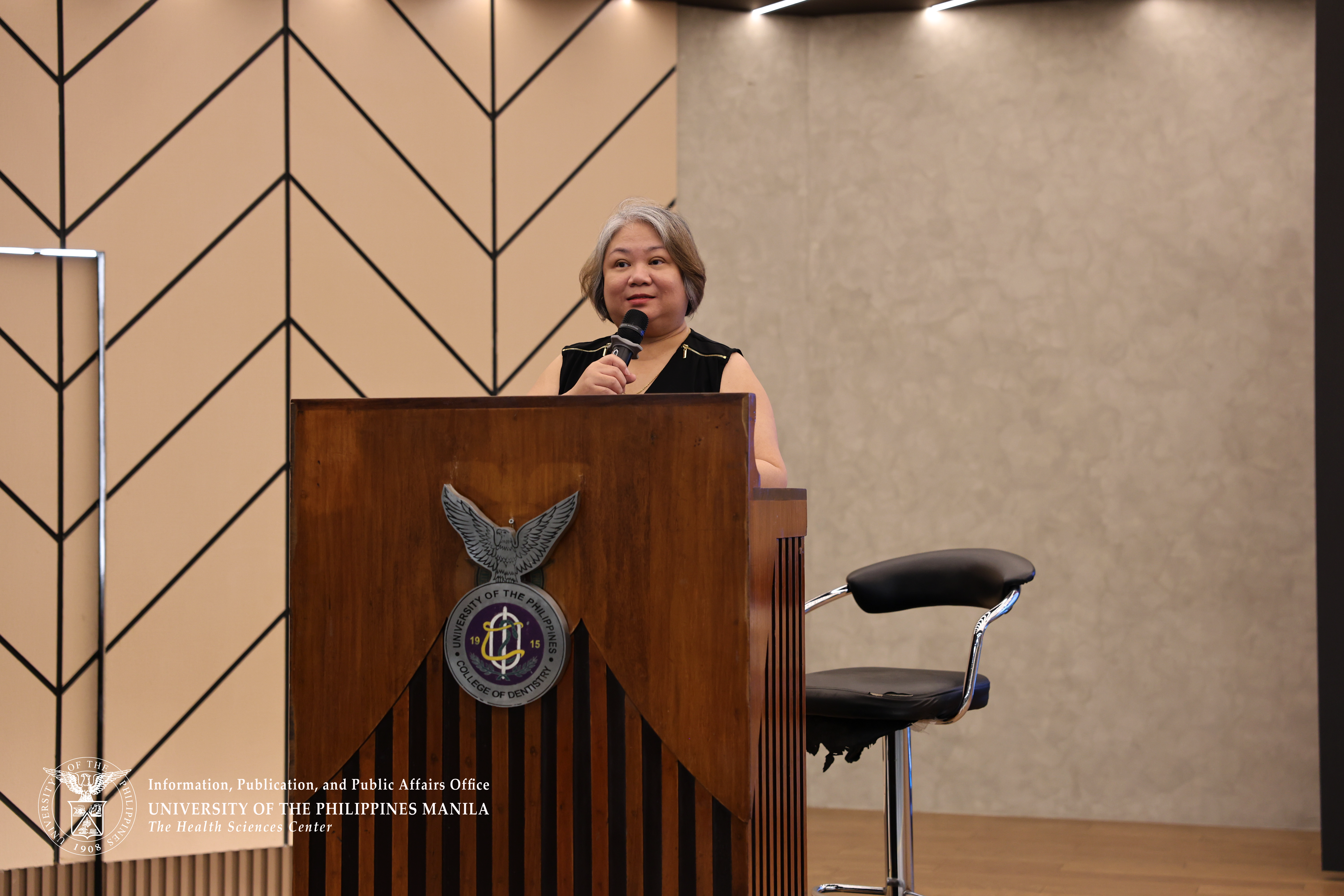
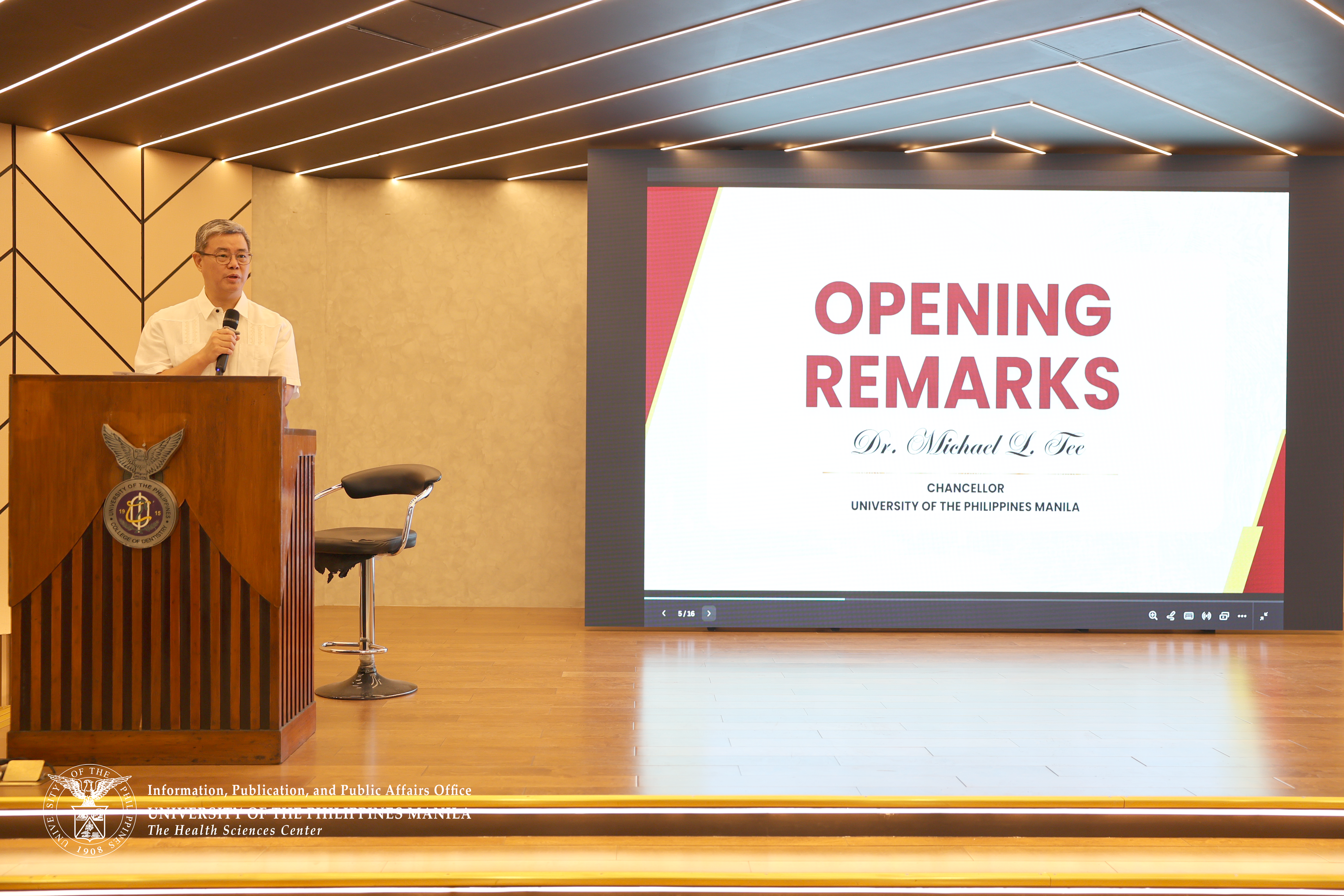
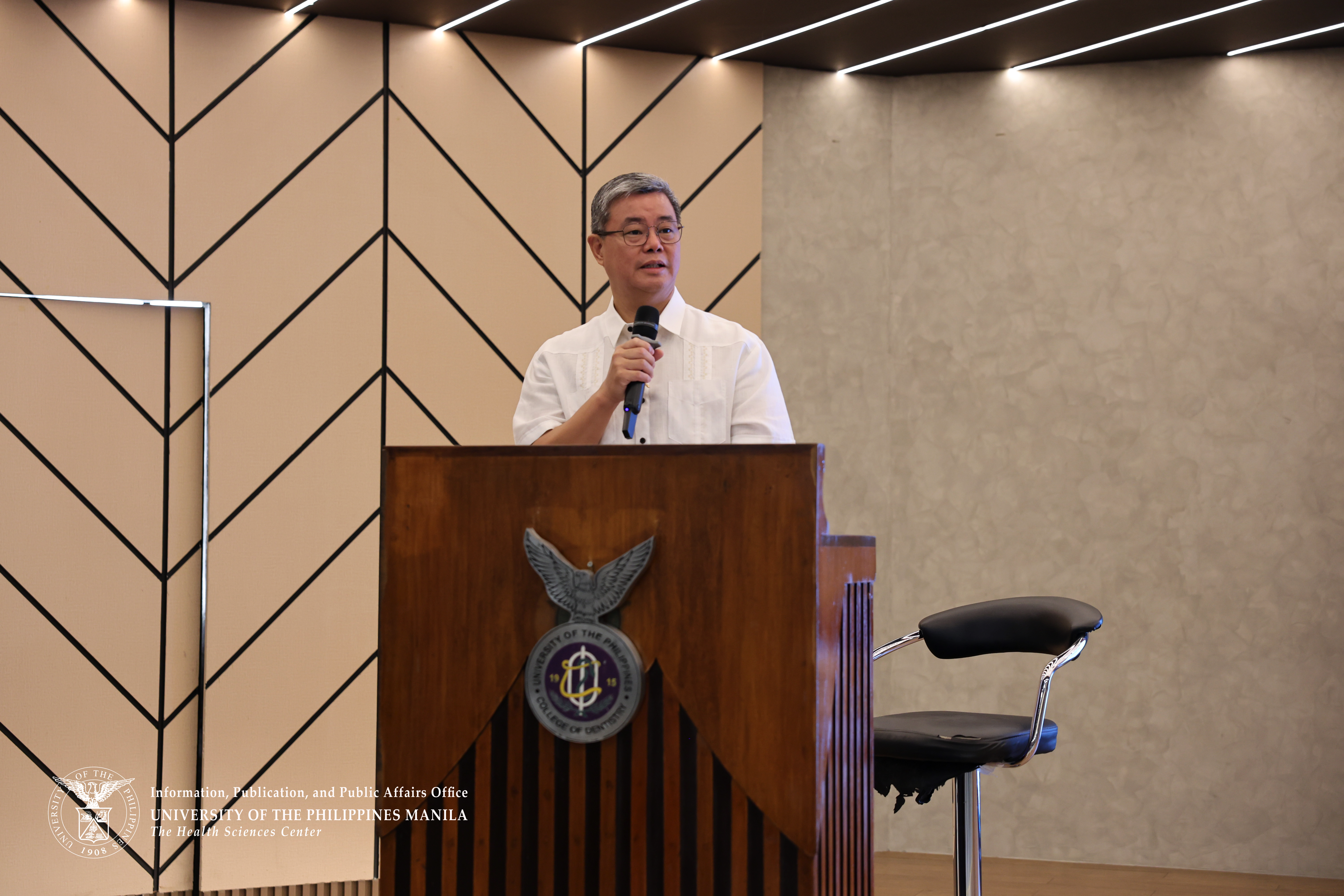
The seminar is a showcase of the institution’s ongoing push to elevate its standing as a global hub for academic and research excellence. “We’ll talk about material, about color, about techniques of restoration. These are innovations that we can only get if we partner with people who are also better than us or at least as good as us.” Chancellor Michael Tee announced during the opening remarks, referencing the vision of Dean Michelle Segarra to elevate the college as a research college and to maximize international visibility and solidify the college’s rank as the premier dental school in the Philippines. The chancellor also celebrated major institutional milestones, including a 100% passing rate and 3 topnotchers in the May 2026 Dentist Licensure Exam (DLE).
The seminar unfolded across three relevant masterclasses mapping the evolution, challenges, and future of modern oral healthcare.
Bioactive vs. Aesthetic Dilemma
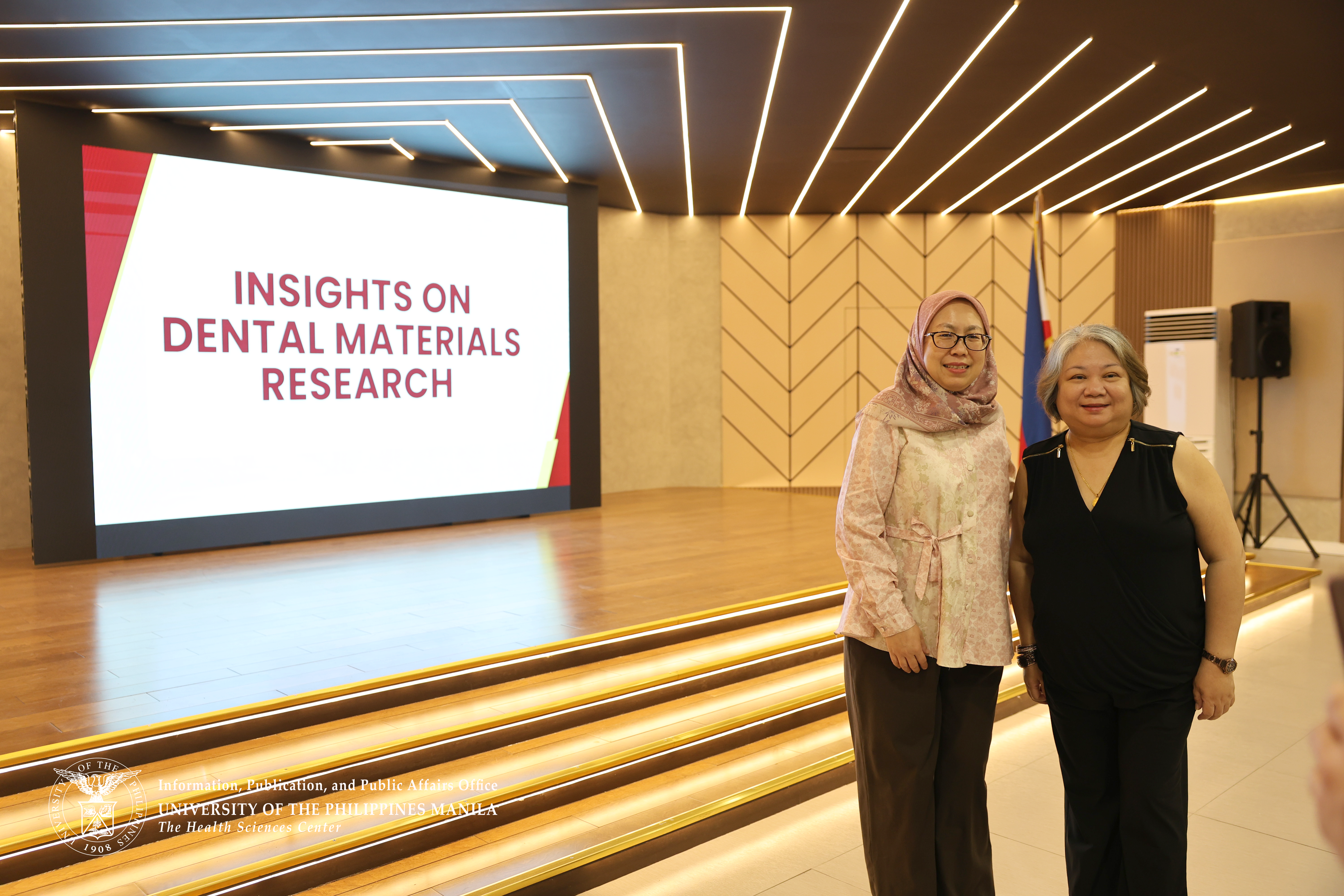
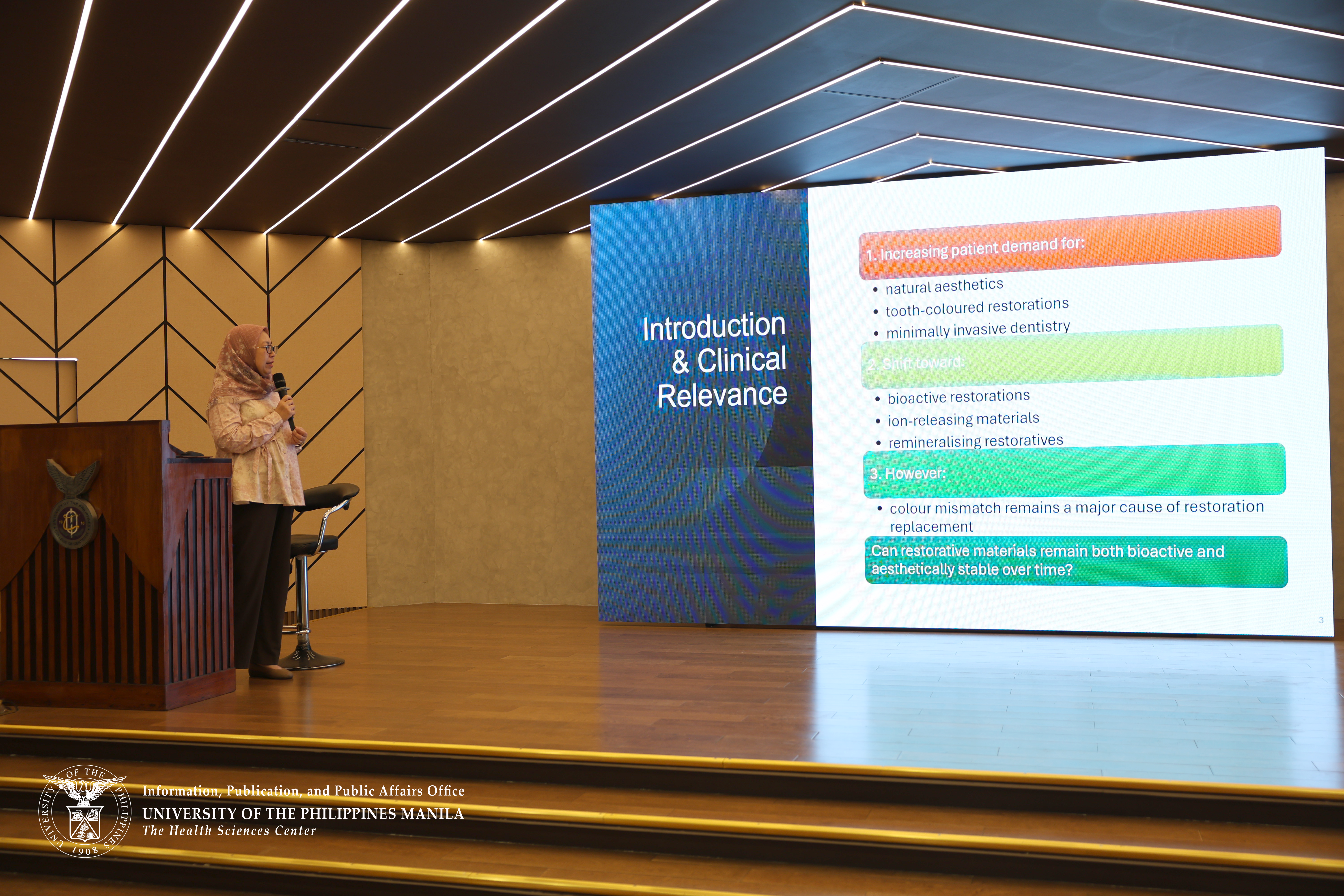
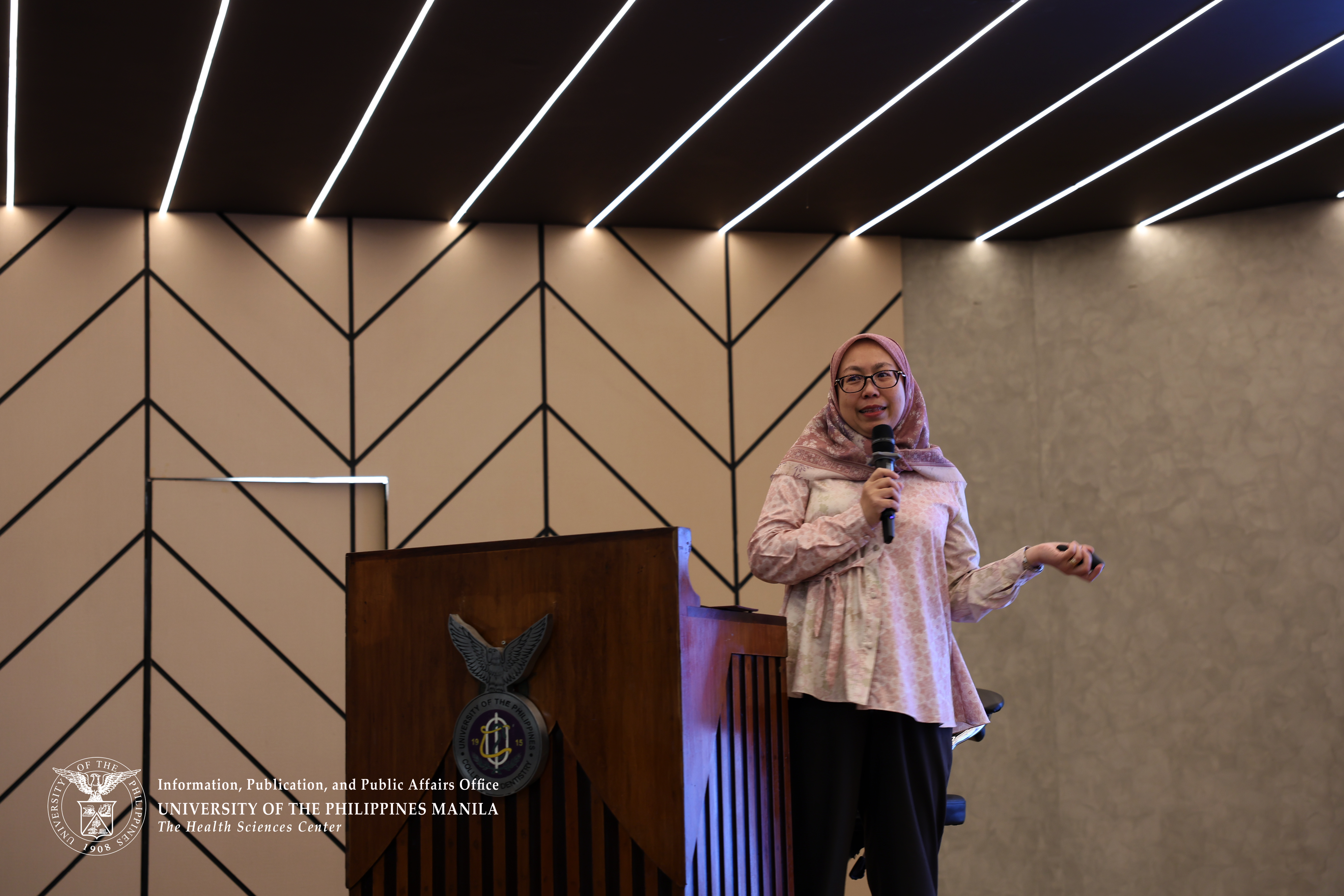
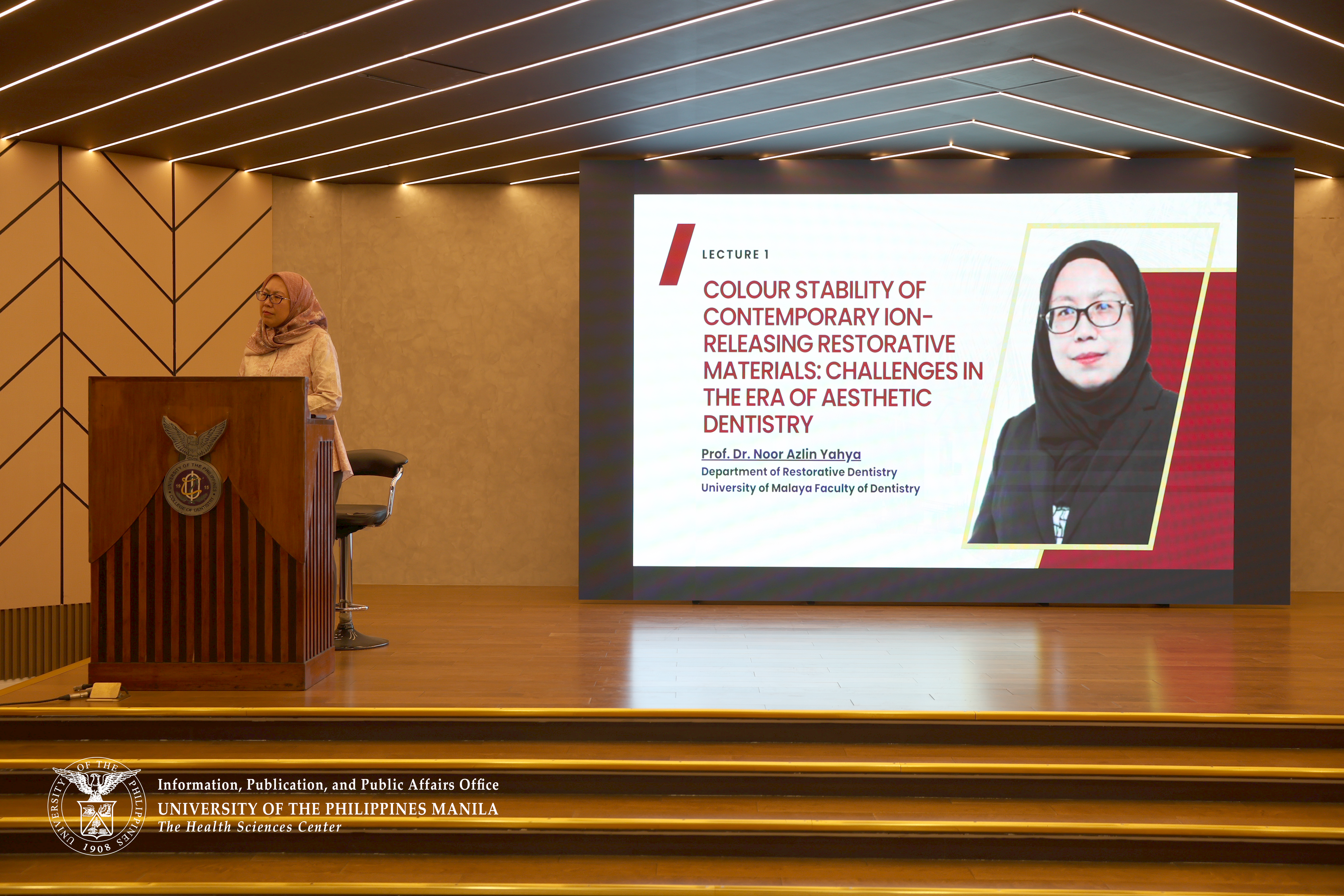
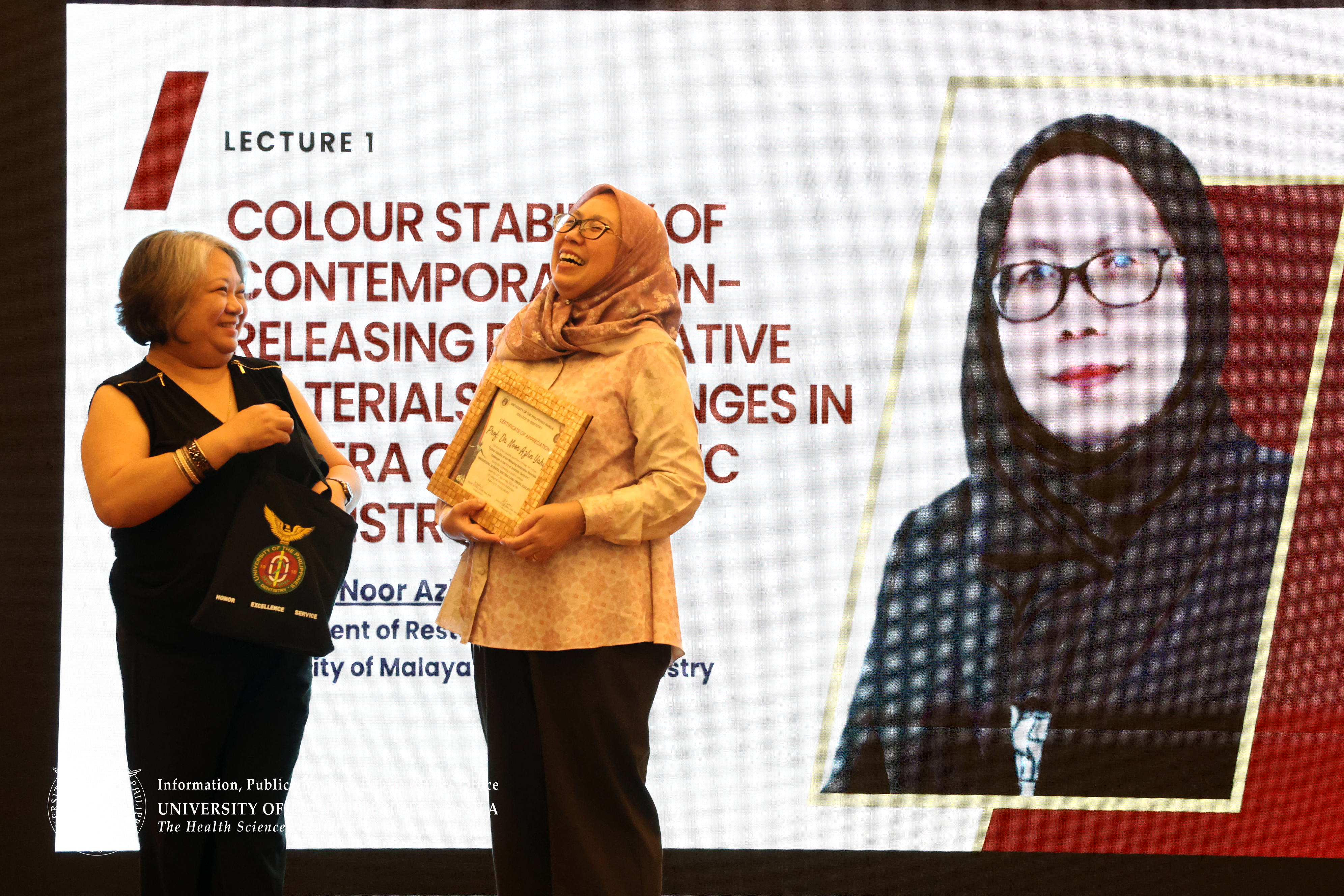
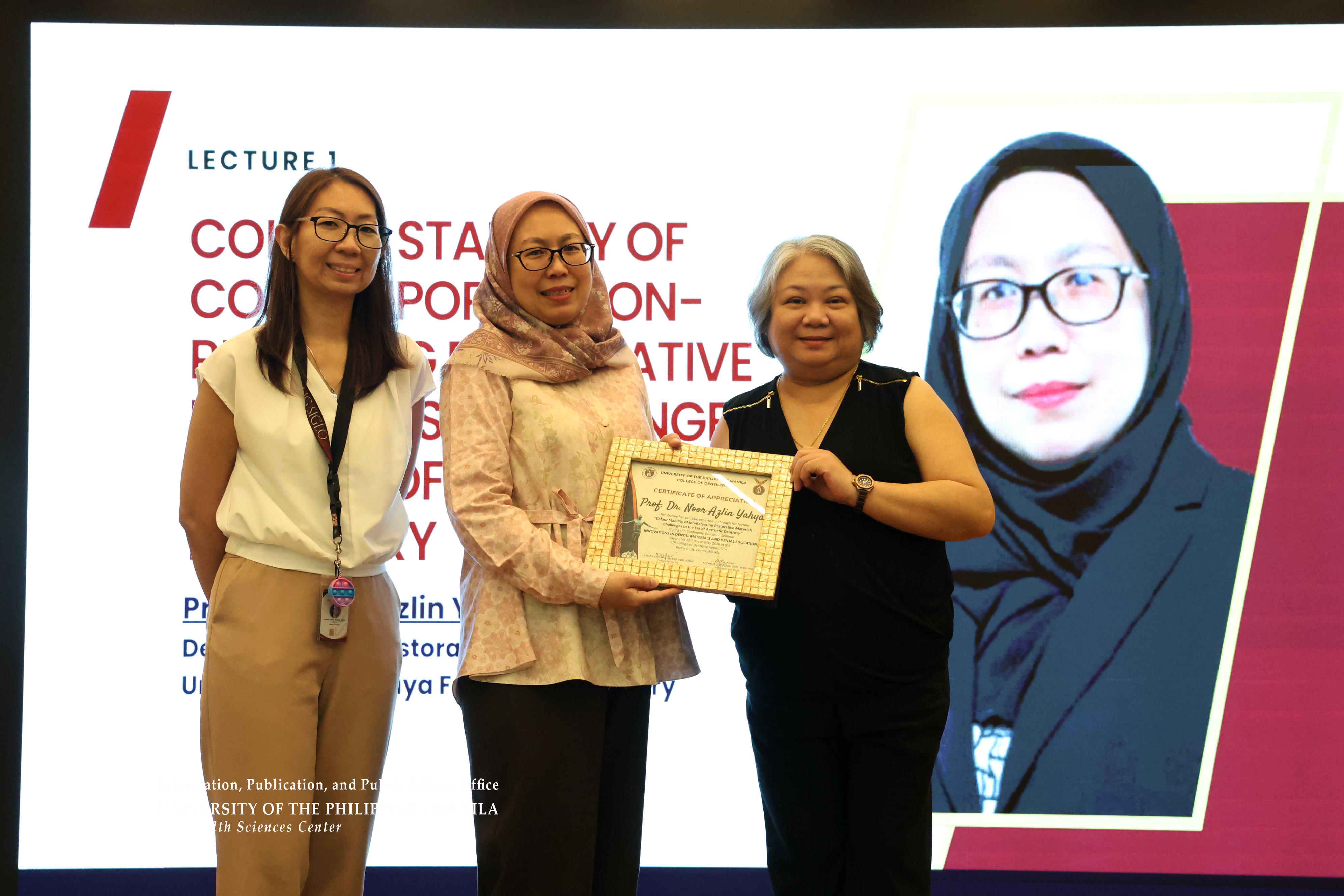
Professor Dr. Noor Azlin Yahya, a senior academician and prominent biomaterials researcher from the University of Malaya, Malaysia, delivered the opening lecture focusing on the color stability of contemporary iron-releasing restorative materials under the pressure of modern aesthetic demands.
Dr. Yahya unpacked the findings of a year-long collaborative laboratory study published in the peer-reviewed journal BMC Oral Health. The research investigated how ion-releasing, bioactive restorative materials, which are highly valued for releasing fluoride, calcium, and phosphate to promote enamel remineralization and combat early tooth decay, hold up aesthetically when exposed to commercial bleaching agents and artificial saliva.
Using high-precision spectrophotometers to trace minor color shifts, the study compared a standard non-bioactive composite control against bioactive materials exposed to two teeth-whitening agents. The results exposed a direct trade-off between tooth health and long-term appearance. Beautifil II LS and Cention-N emerged as the most color-stable materials, showing no significant variation. Conversely, Riva light-cure HVGIC exhibited the most inferior long-term color stability, showing significant, visible discoloration over time, reaching up to T3 level.
Dr. Yahya’s particular interest is, “looking at the materials which are smart that can release iron which can counter the effect of the acidic pH, [and] that can counter the process of de-immunization and change it to re-immunization by releasing fluoride that is an advantage to the two structures.” It is discovering materials that will balance the aesthetic and health.
The Evolution of Global Dental Education
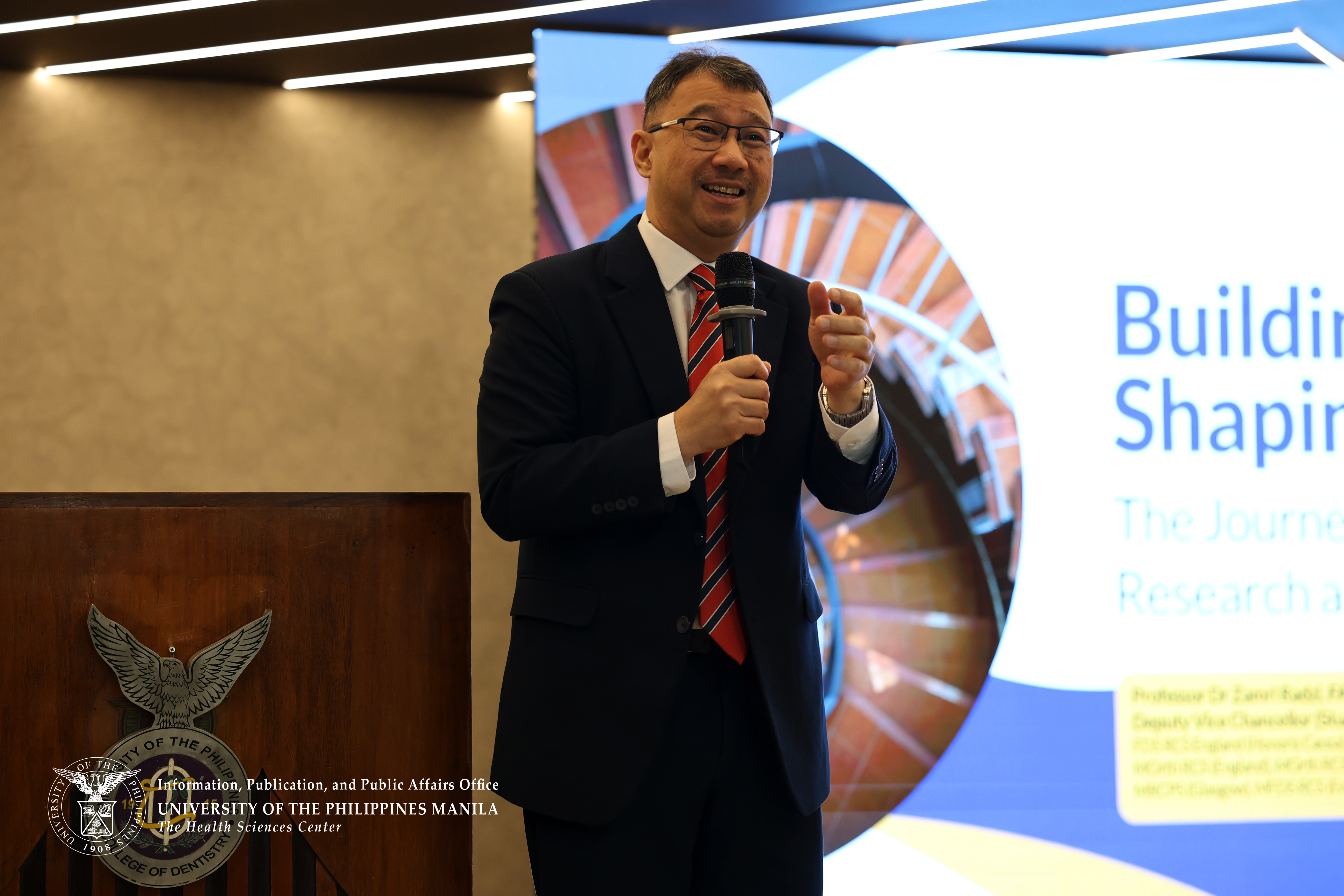
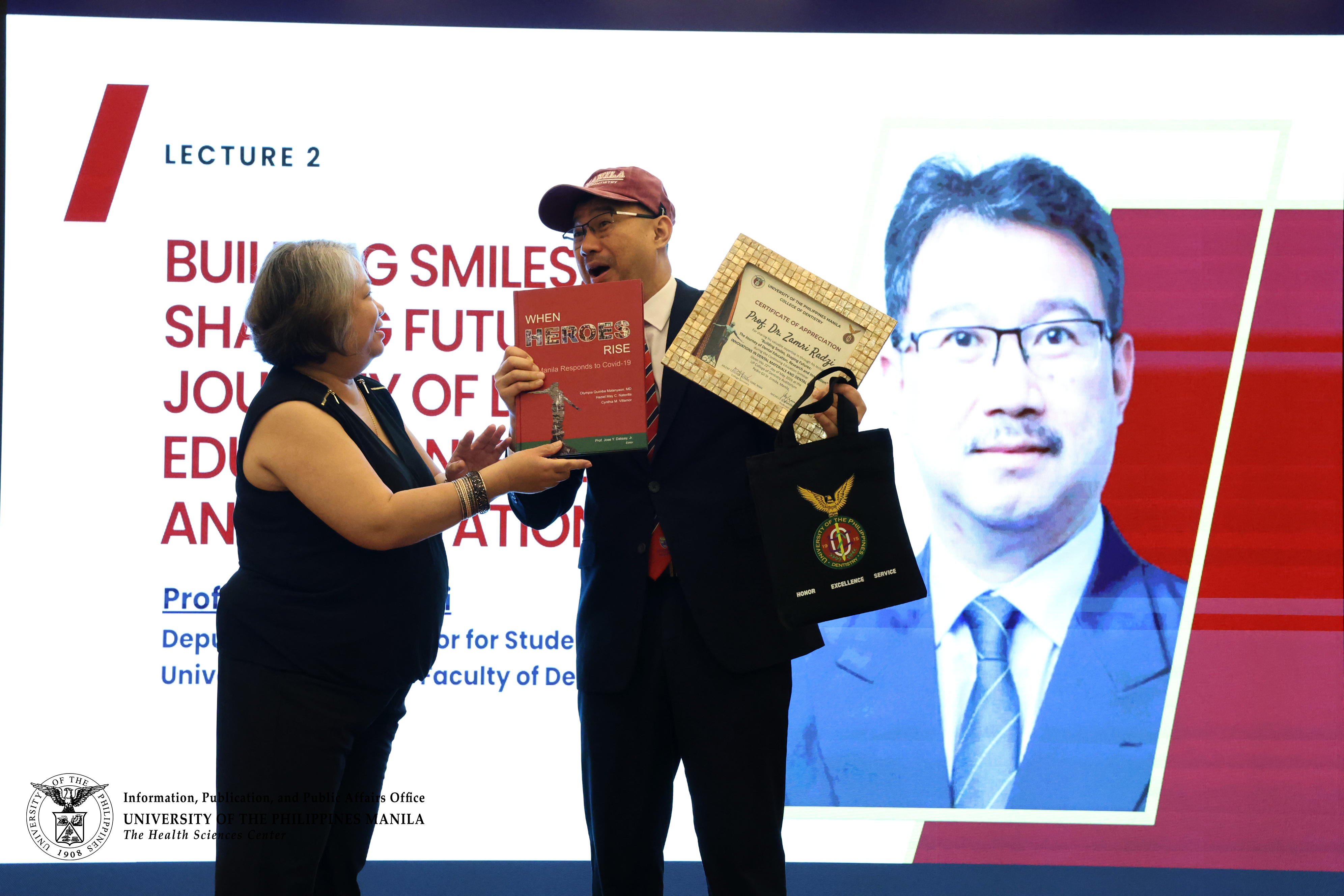
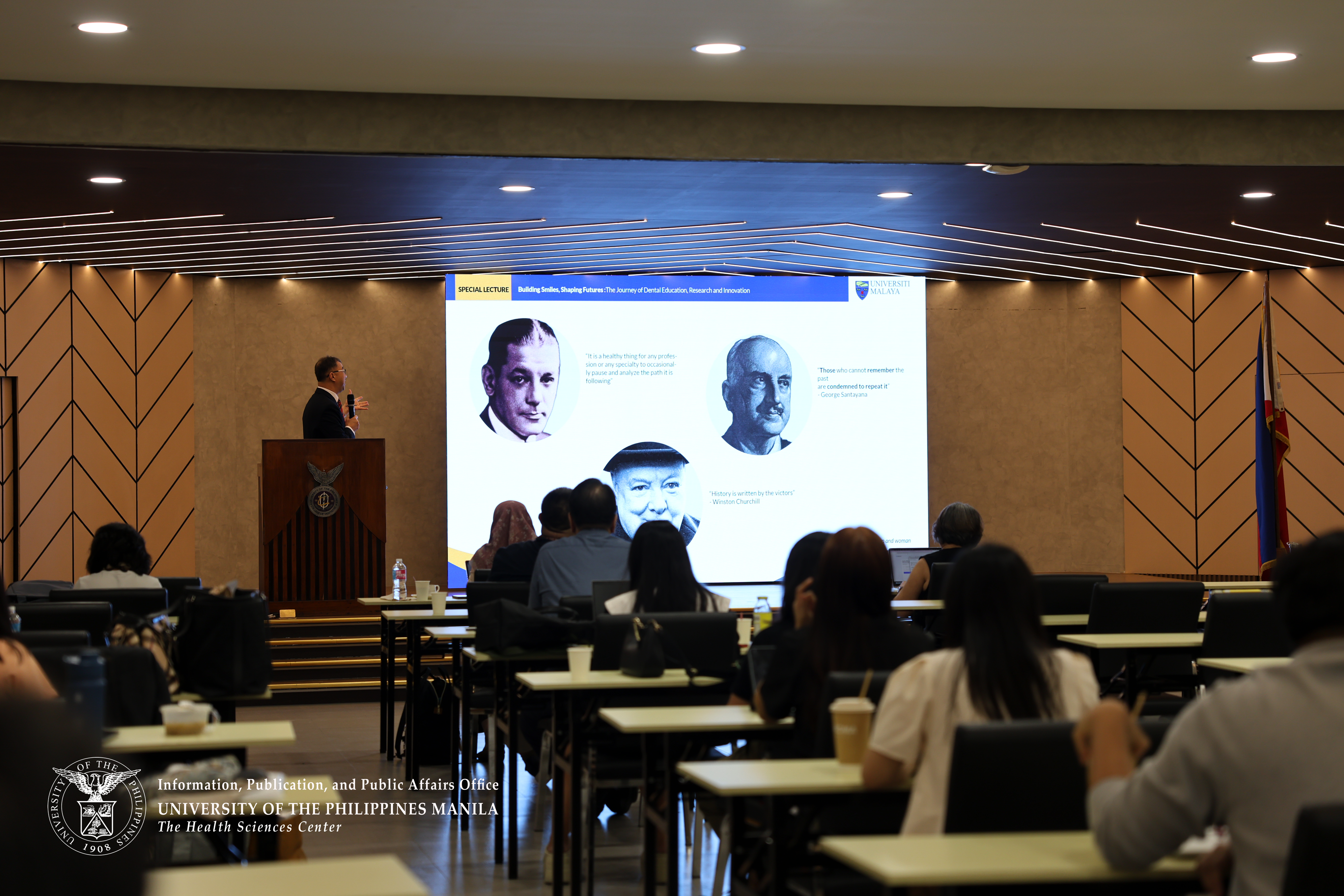
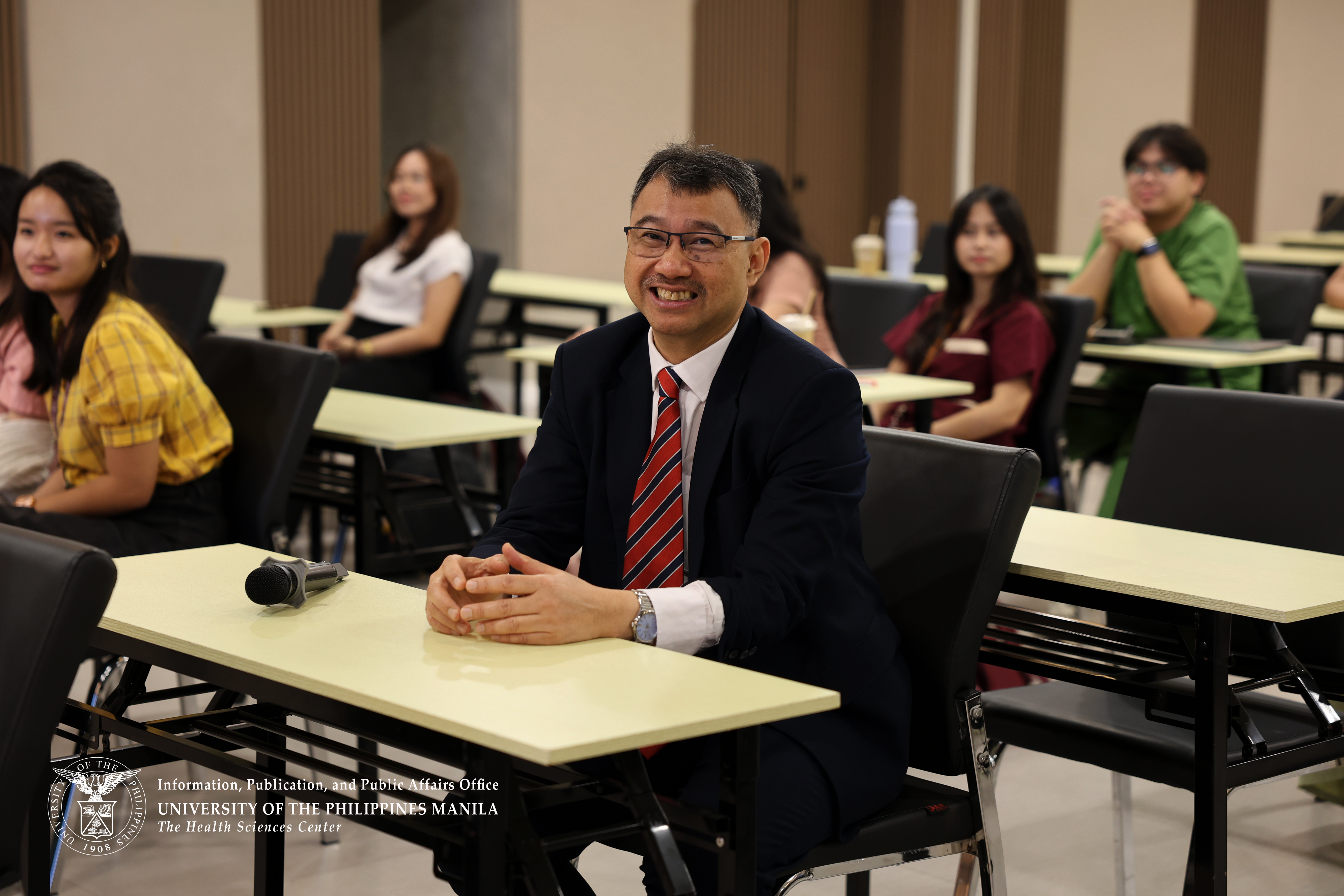
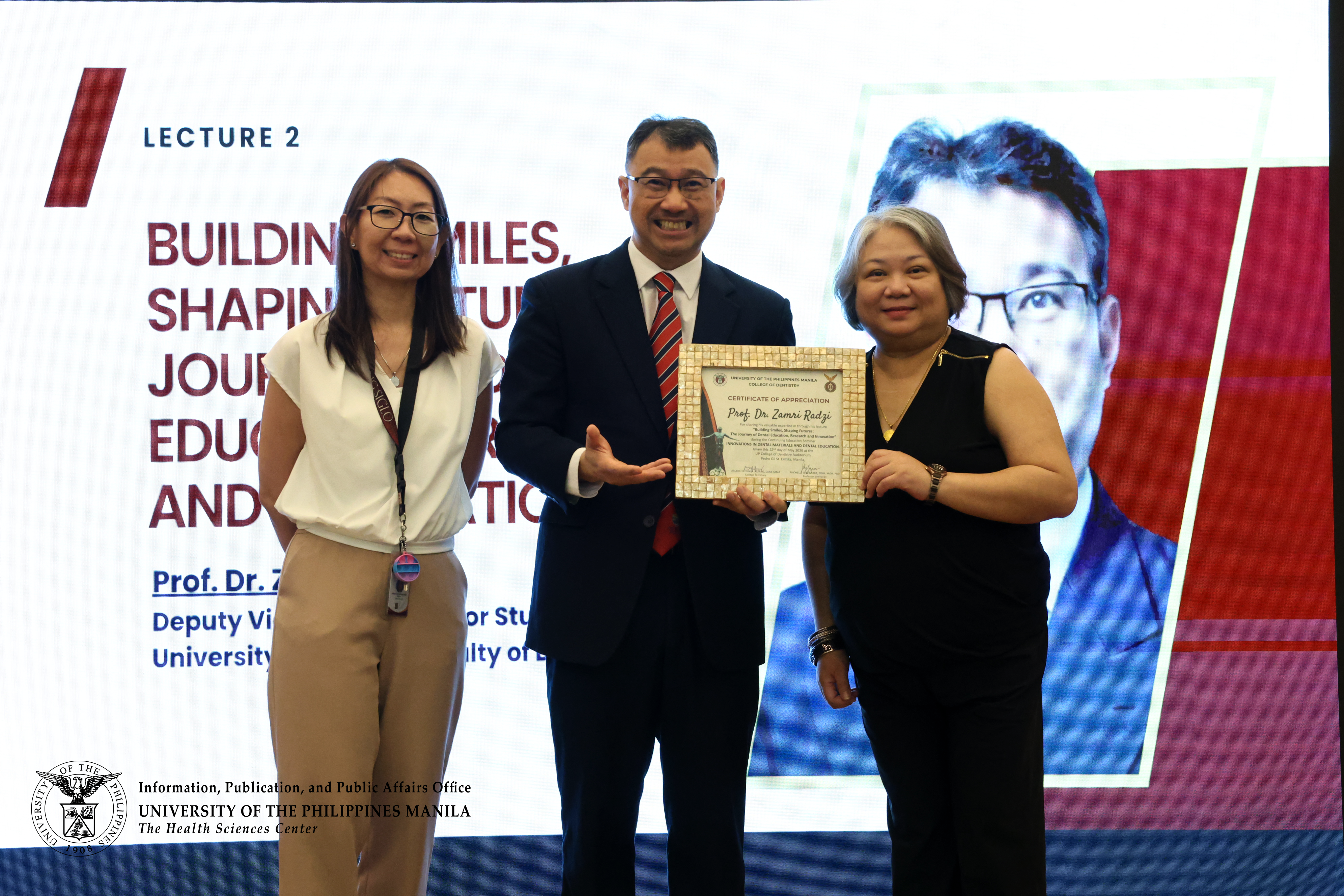
Following the morning break, the focus shifted from laboratory data to historical and academic strategy with a lecture titled “Building Smiles, Shaping Futures: The Journey of Dental Education, Research, and Innovation,” delivered by Professor Dr. Zamri Radzi, Deputy Professor and Vice-chancellor for Student Affairs of the University of Malaya.
Dr. Radzi took the audience on an expansive historical journey, mapping dentistry’s transformation from the earliest account of human dental interventions in the Paleolithic epoch to an advanced, structured science of today. He highlighted crucial historical landmarks, such as the 30-volume encyclopedia of medical practices written by Albucasis Kitab al-tasrif in the year 1000, and the 1840s during the founding of the Baltimore College of Dentistry in the US, the world’s first independent dental school.
Dr. Radzi linked these historic triumphs to the modern paradigm shifts reshaping the field today, including digital diagnostics, laser dentistry, voice-command operating chairs, and the integration of artificial intelligence (AI) into clinical setups.
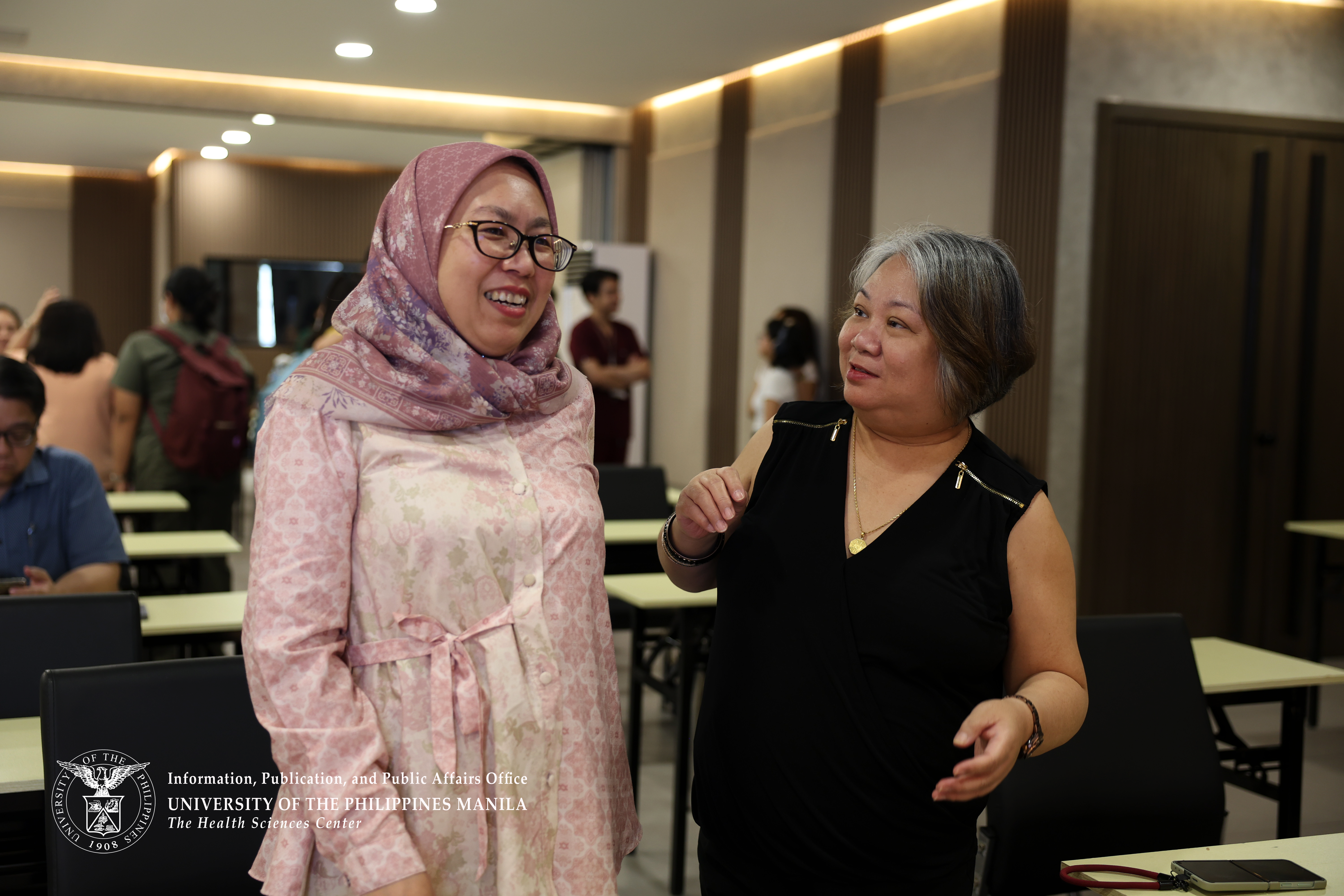
Beyond history, Dr. Radzi stressed the critical importance of regional academic synergy. Highlighting the deep-rooted collaboration between the University of Malaya and UPCD, he praised the mutual exchange of educational spaces, expressing his gratitude to the college, especially with Dean Michelle Segarra and her family, “I will always remember this as beautiful memories. And I will always carry this throughout my professional journey. And I thank everyone to be part of this journey. Thank you once again.” Dr. Radzi even revealed that his university had completely modeled its own student lounge after UPCD’s design.
The Frontier of Non-Peroxide Bleaching
The final technical session of the day featured Professor Daniel Chan, immediate Past Chair of the Department of Restorative Dentistry of the University of Washington School of Dentistry, who provided an essential clinical update on the rapidly developing field of non-peroxide bleaching.
As cosmetic teeth whitening continues to dominate patient demands, traditional peroxide-based gels have frequently caused persistent clinical issues, such as severe gum irritation and enamel sensitivity. Dr. Chan introduced alternative whitening protocols designed to mitigate these side effects, presenting research methodologies utilizing bovine models to simulate normal blood flow and test different chemical behaviors.
Dr. Chan demonstrated the engineering mechanics behind contemporary whitening lights, highlighting how broader-headed light designs safely protect the gums while curing whitening gels simultaneously. He challenged the attending faculty and newly graduated dentists to pursue unanswered clinical questions, such as the friction effects of scaling hand instruments on freshly bleached enamel, and the unknown impacts of non-peroxide solutions on anaerobic oral bacteria.
“Everybody can steal the idea,” Dr. Chan encouraged, urging the audience to expand the boundaries of clinical literature. “The first one to make a question, protocol, research proposal on that—is the one who has the idea.”
The seminar concluded with an urgent call to action from the academic leadership, connecting laboratory data and historical milestones directly to global visibility.
Reflecting on her 25 years of research, Dr. Yahya delivered an ultimatum to the early-career researchers and faculty members regarding their academic output. “Each time you do research, you must publish,” Dr. Yahya emphasized. “There is no point in doing research and not publishing. It will just stop there. You need to share with the rest of the dental community.”
Read more:
#FP1 #FP6 #FP8 #AccessibleUPLeadership