
Text by: Charmaine A. Lingdas
Photos by: Sarah Hazel Moces S. Pulumbarit
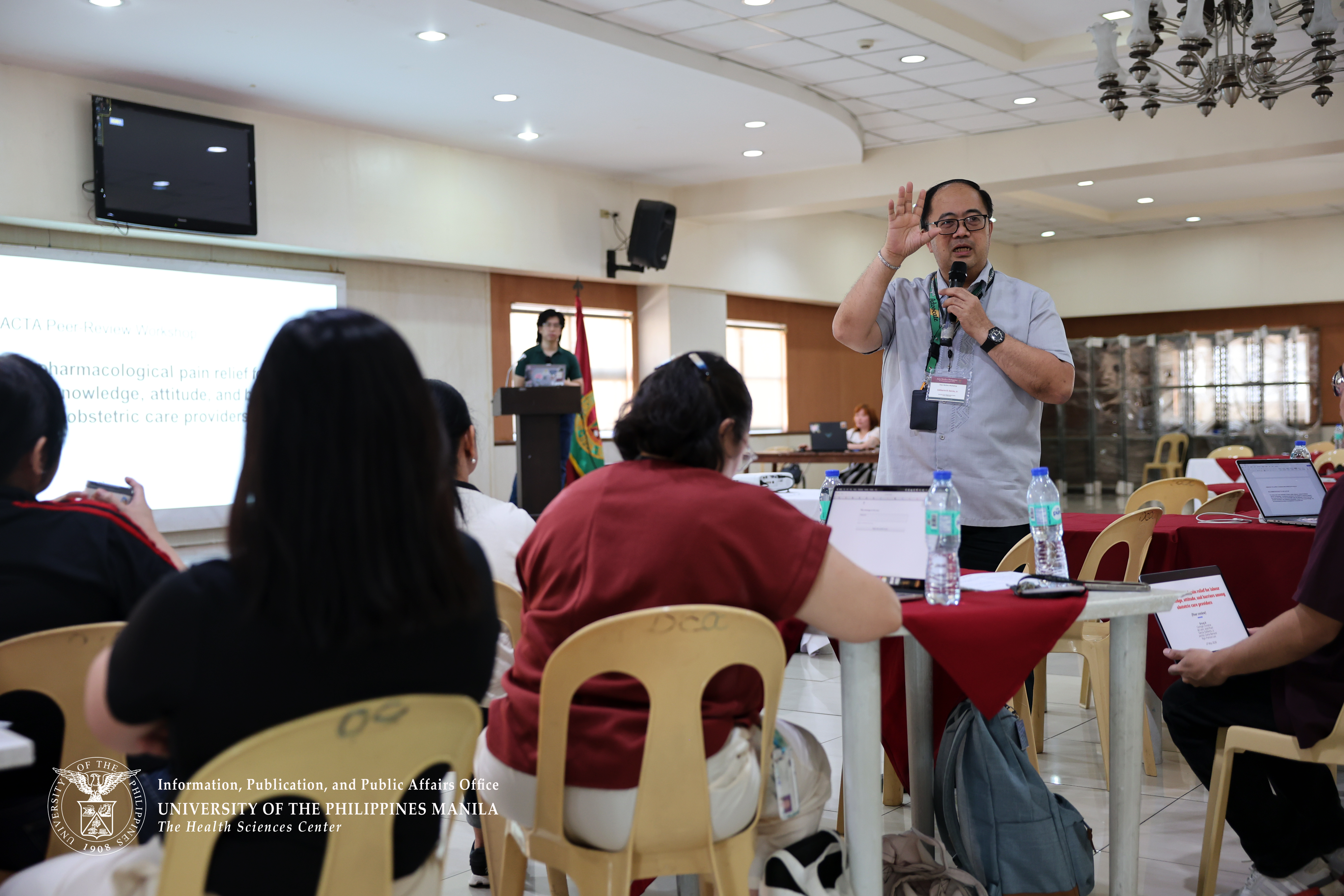
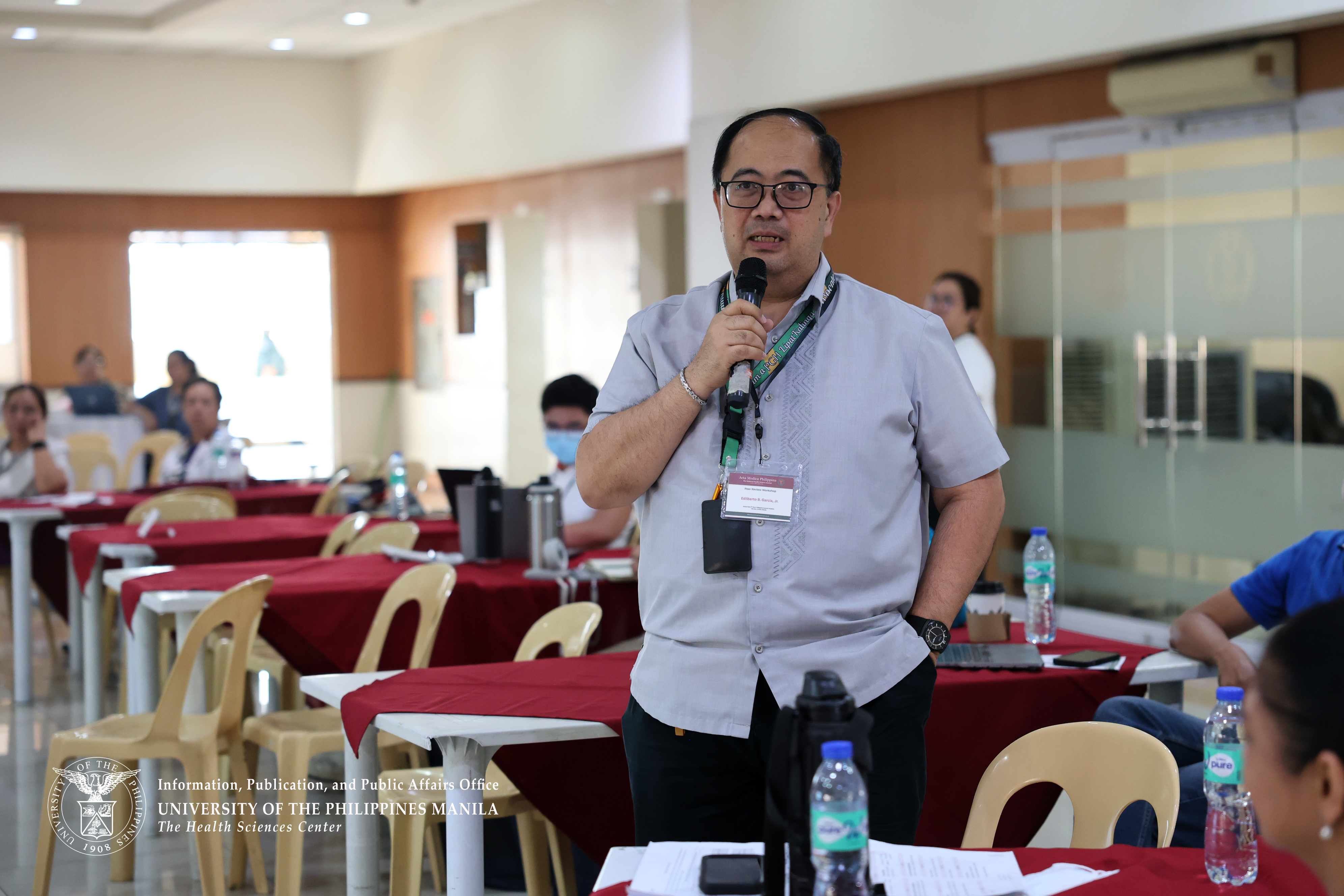
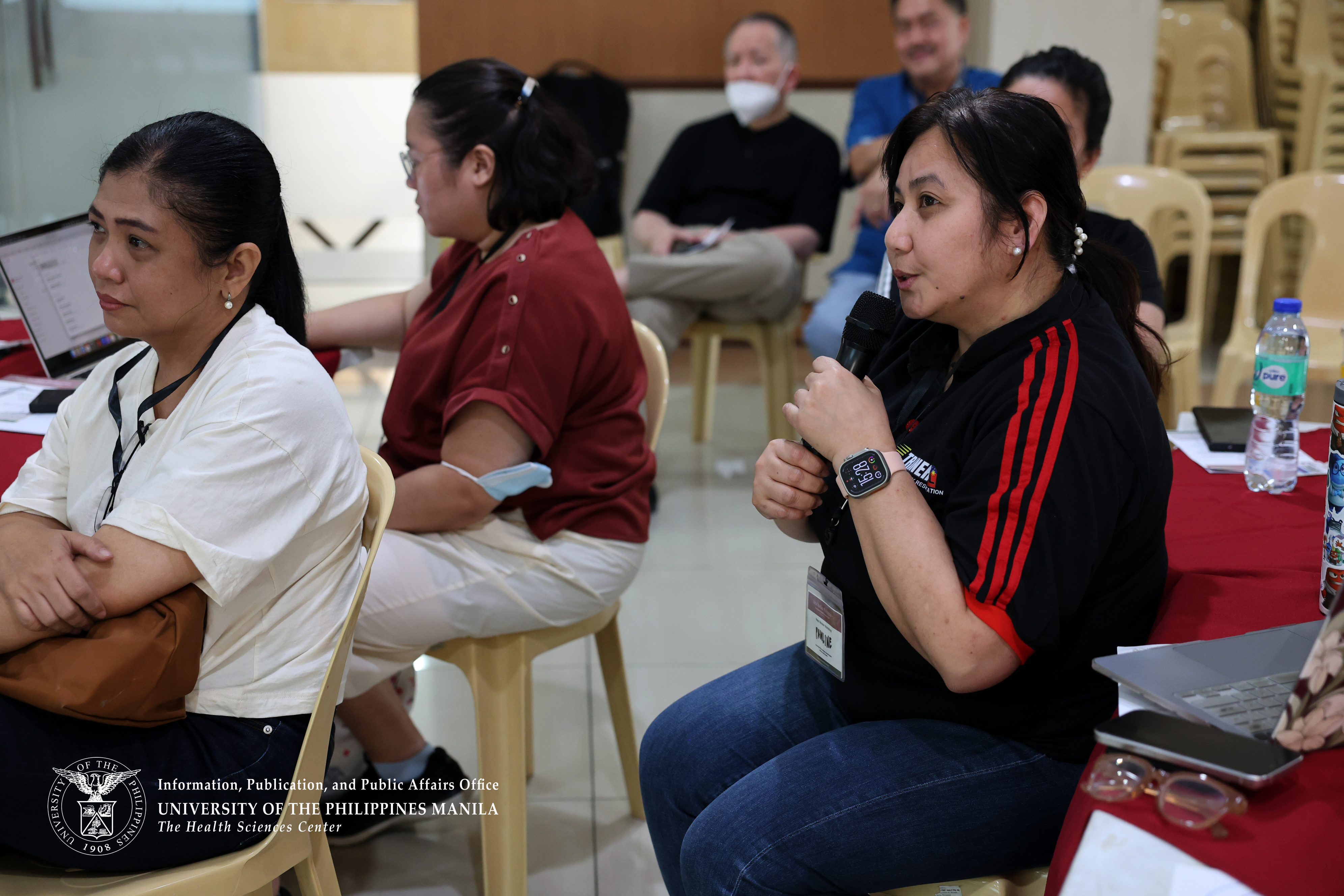
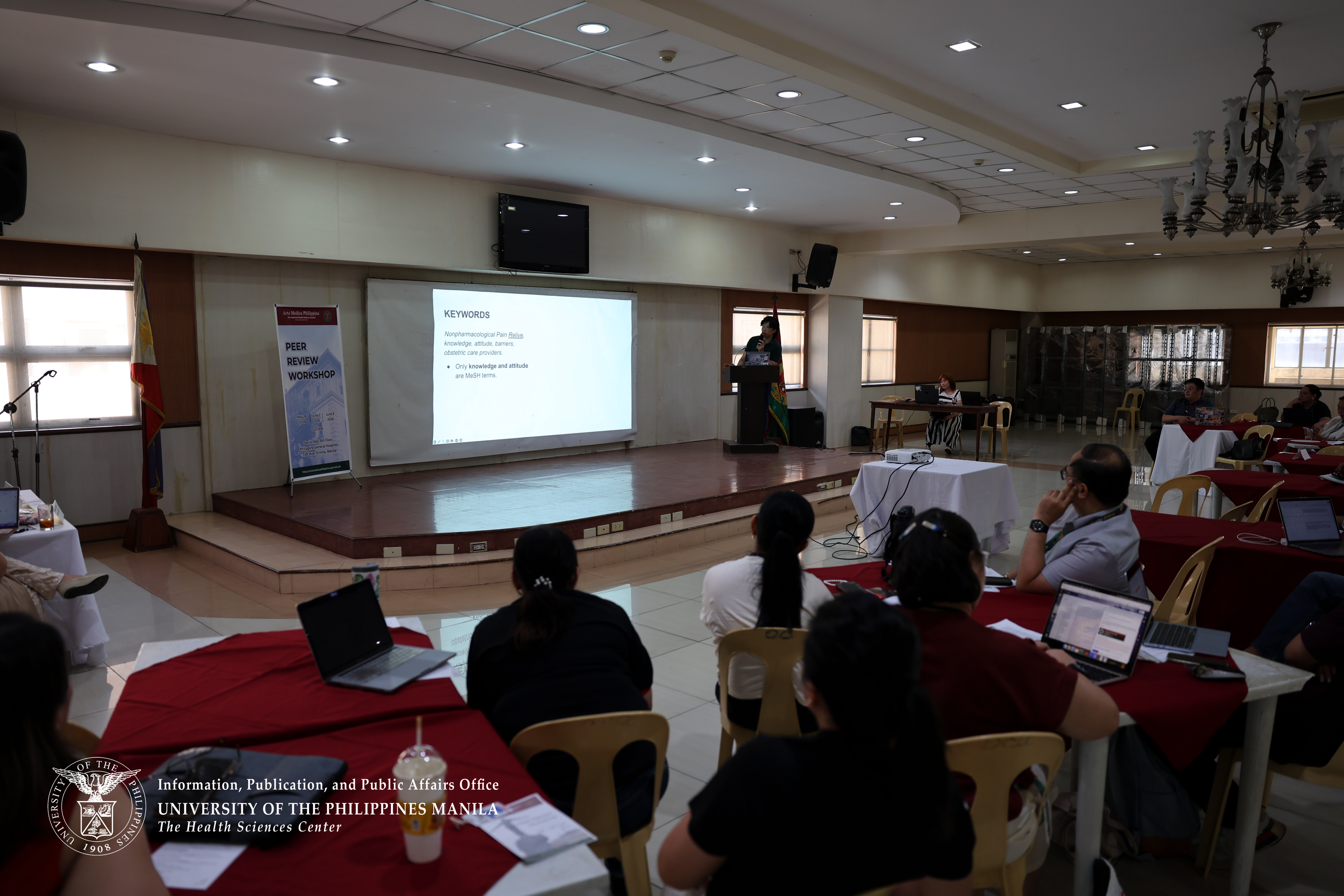
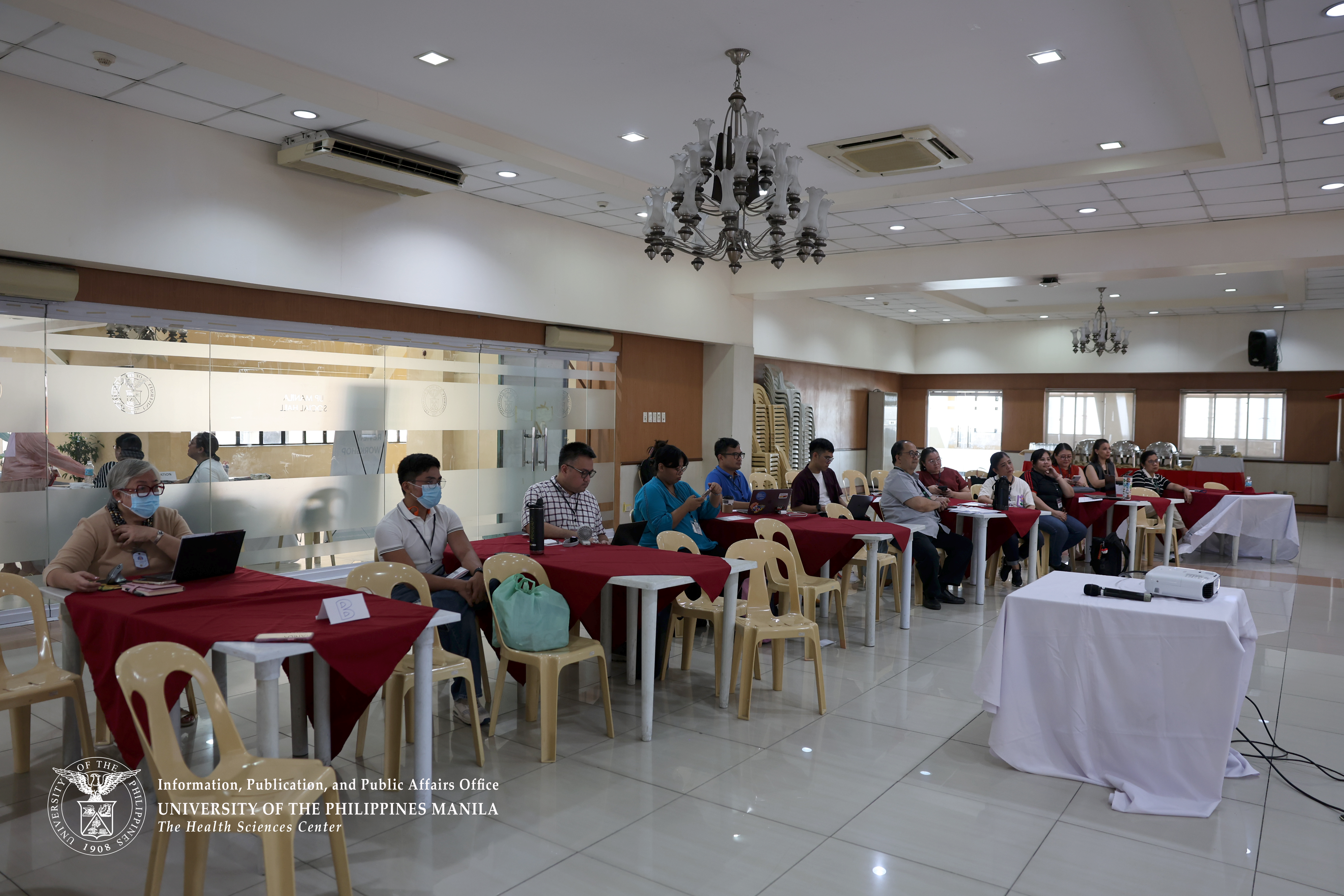
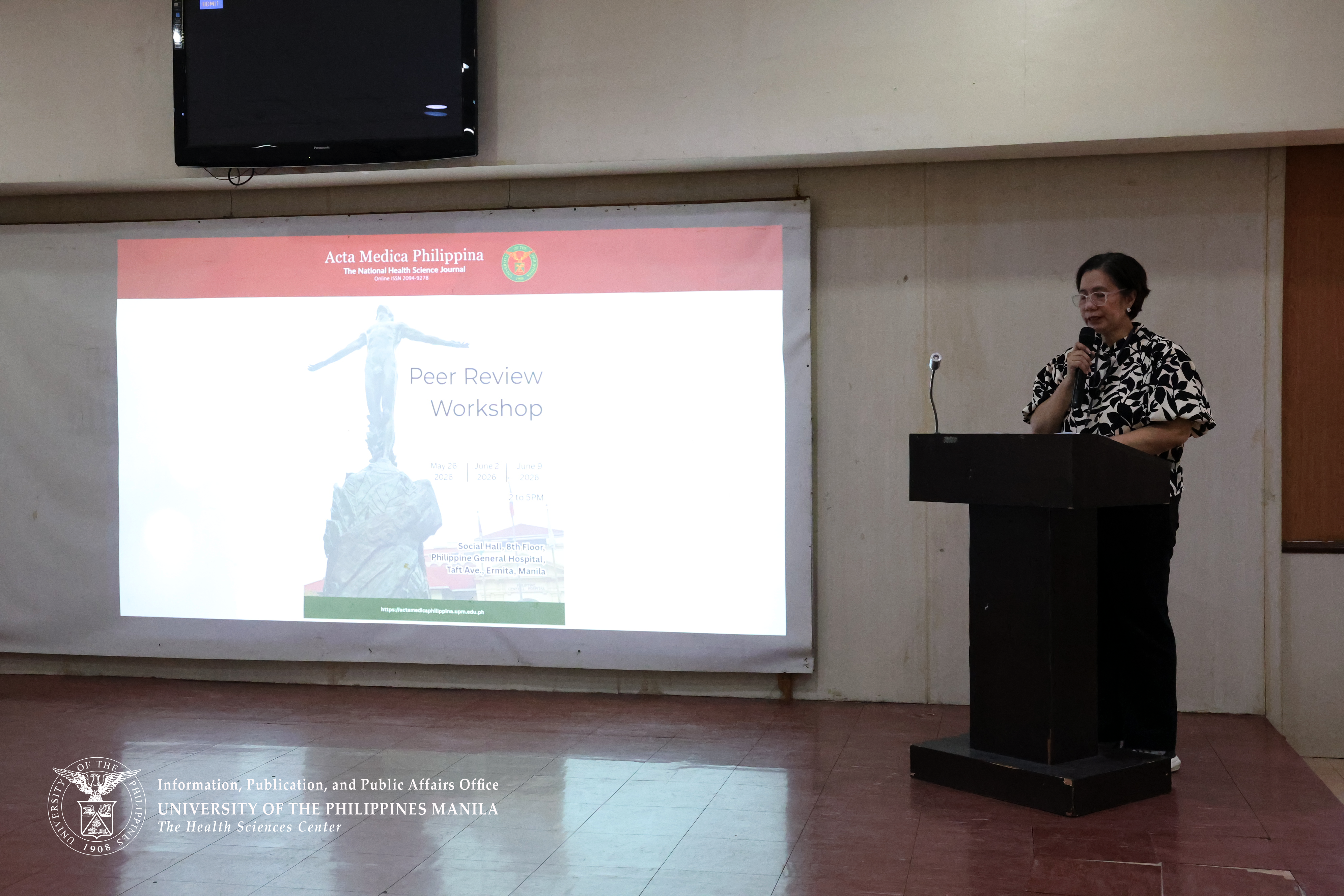
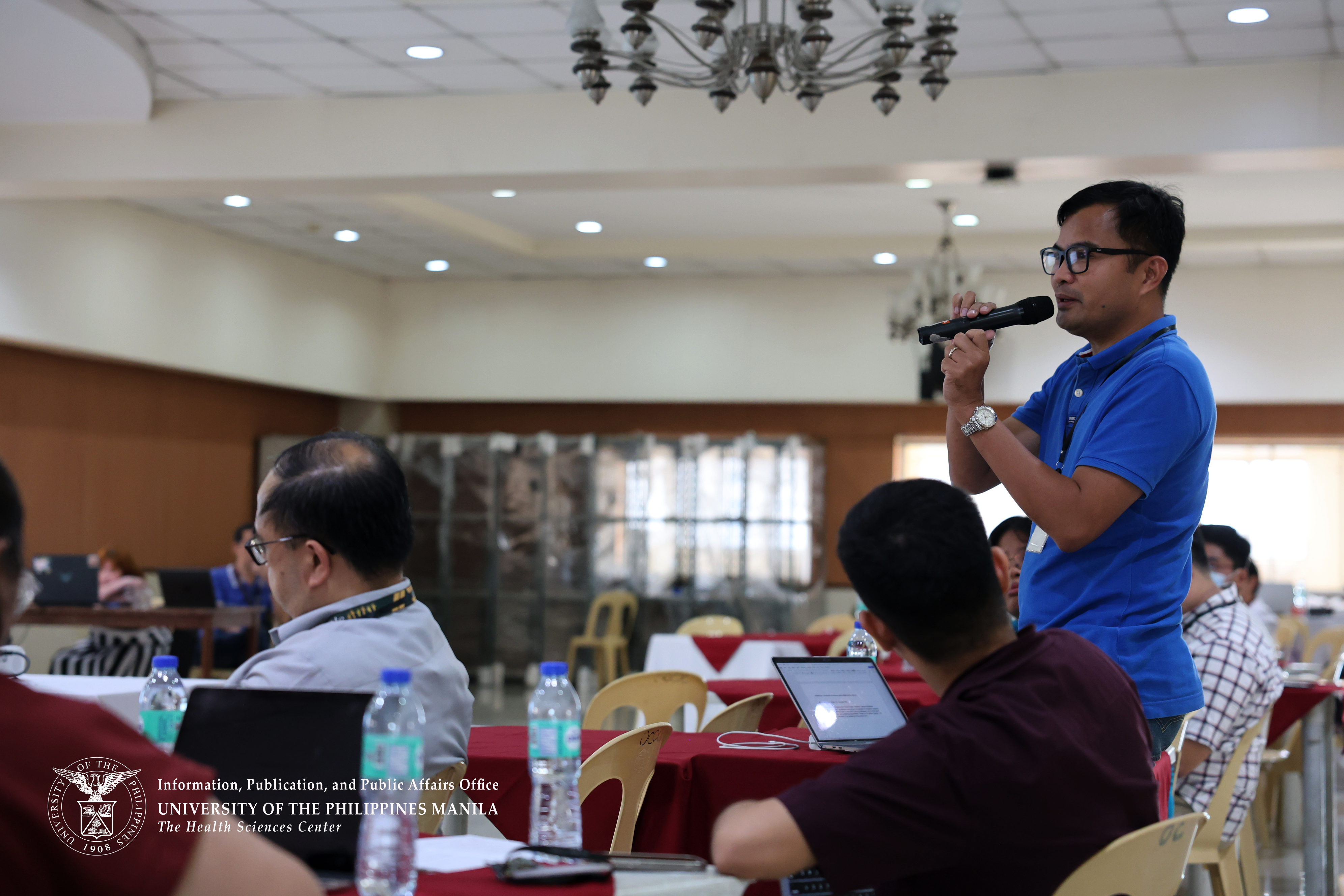
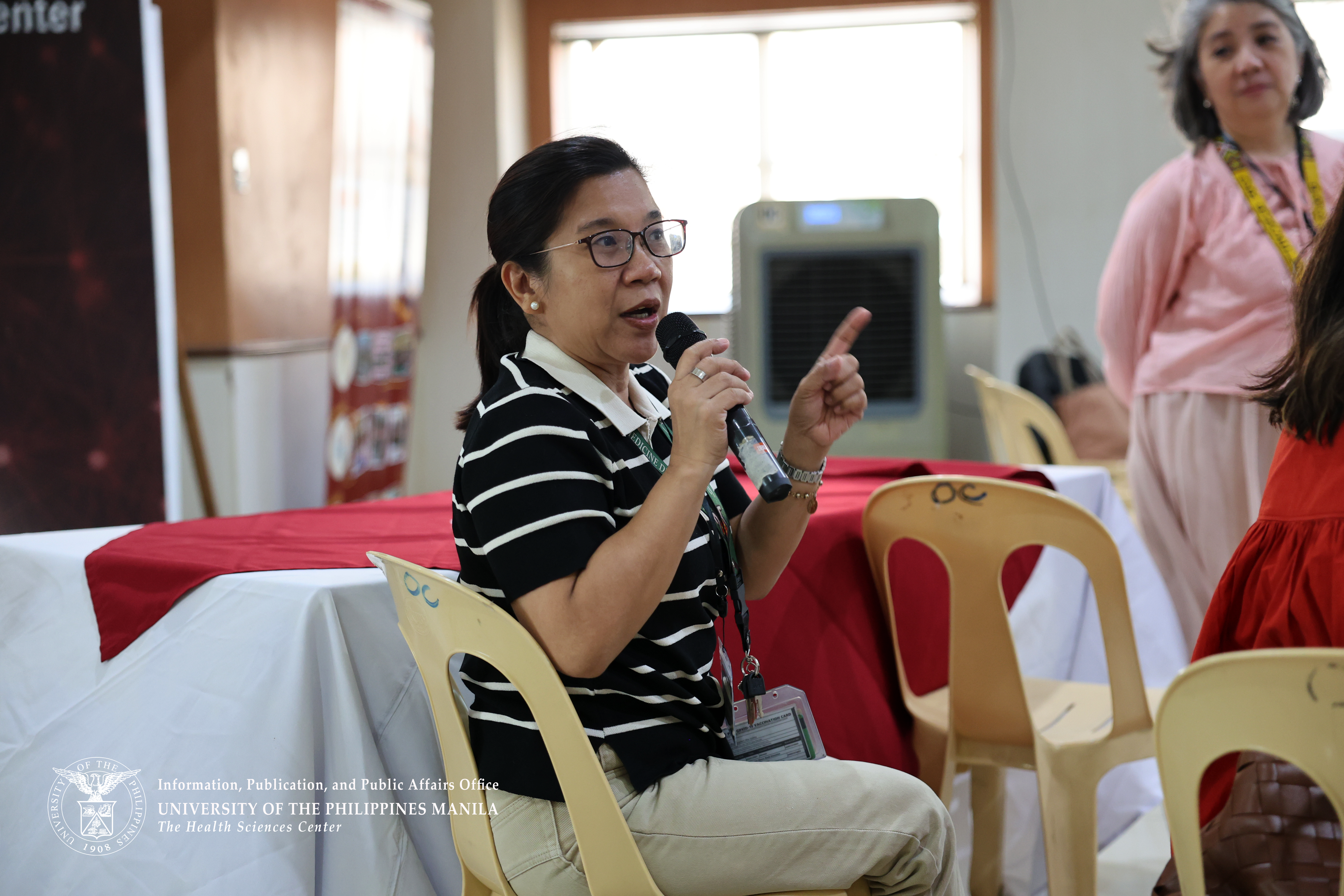
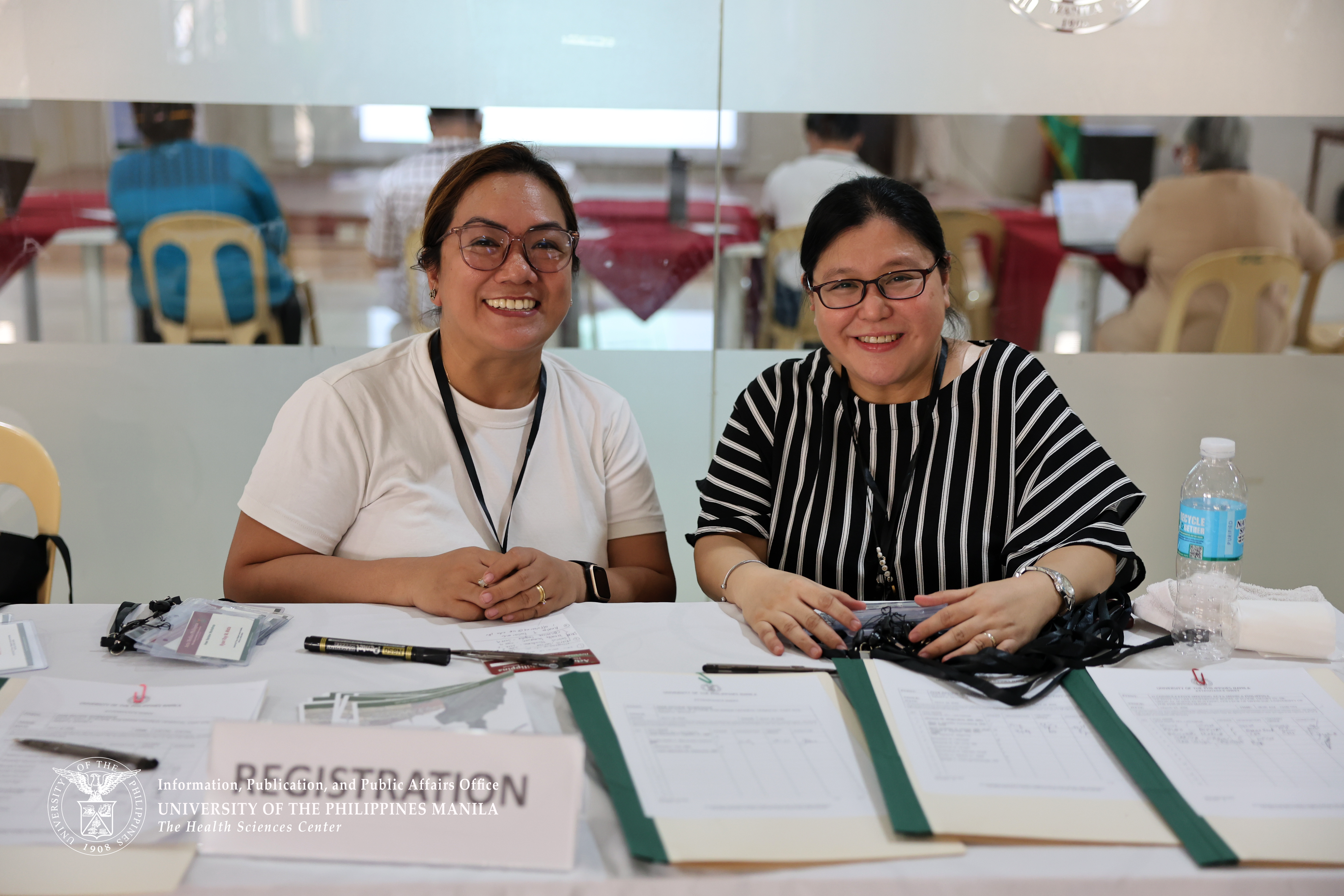
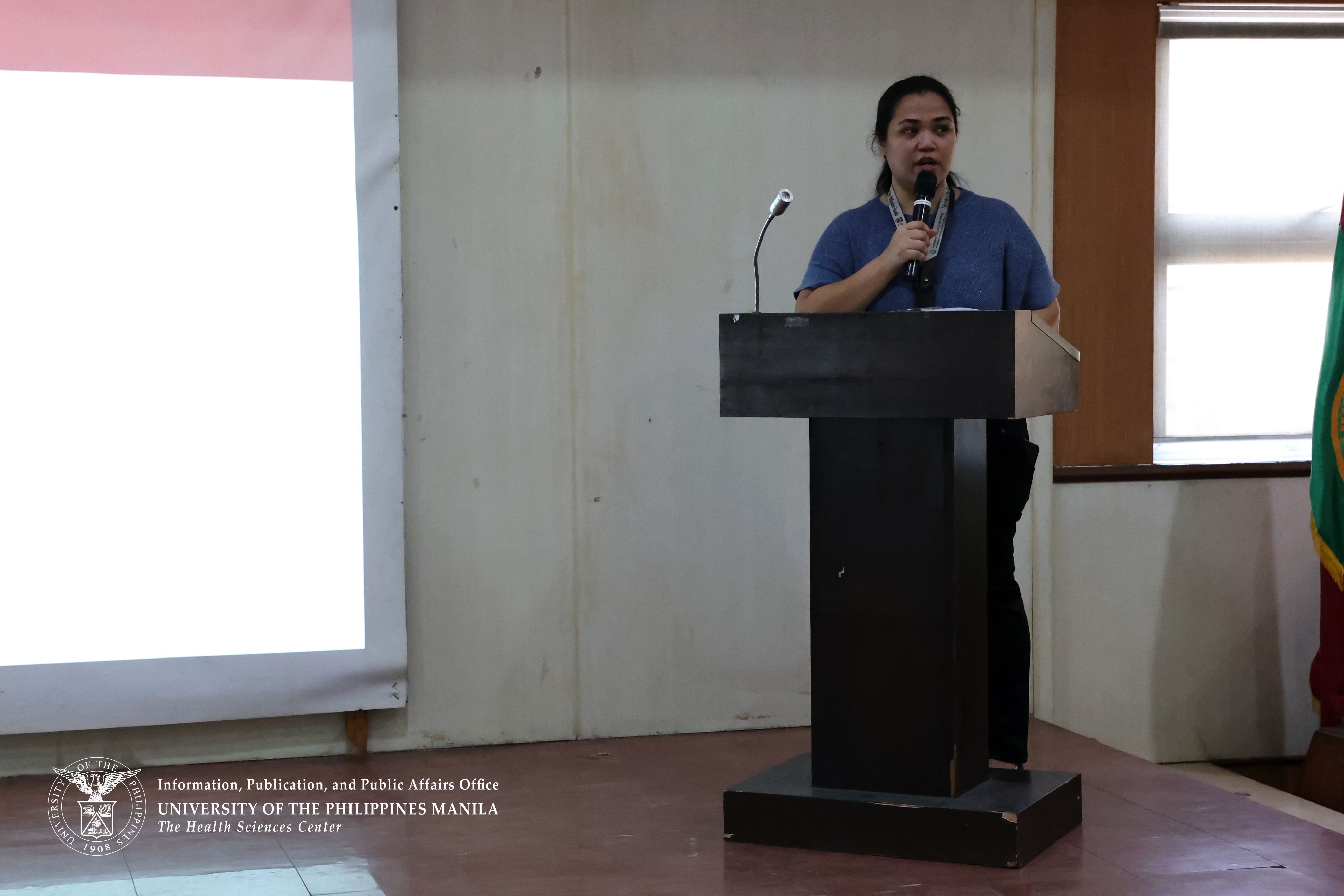
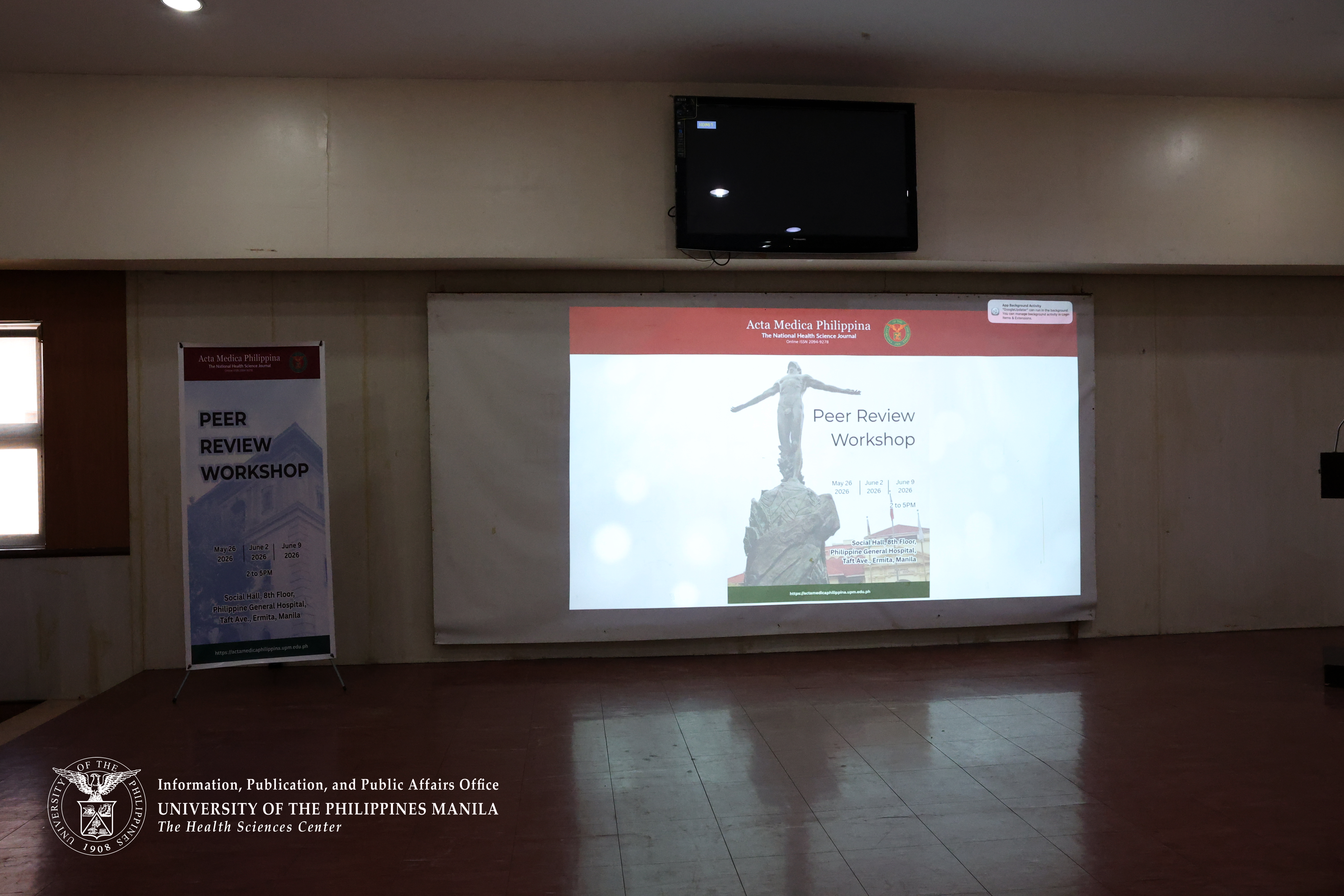
Acta Medica Philippina conducted its 1st Peer Review Workshop on March 26, 2026, at the UP Manila Social Hall, bringing together editors, researchers, clinicians, faculty members, students, and other participants to strengthen research integrity and scholarly publishing.
Acta Medica Philippina has been publishing since 1939. It is an open-access, international, peer-reviewed general medical and health sciences journal of the University of the Philippines Manila College of Medicine. The journal is indexed in PubMed Central, Scopus, Google Scholar, the ASEAN Citation Index (ACI), the Western Pacific Region Index Medicus (WPRIM), and HERDIN Plus.
Organized in partnership with the Philippine Association of Medical Journal Editors (PAMJE), the workshop aimed to deepen participants’ understanding of the publication process, peer review systems, reviewer responsibilities, and ethical standards in scientific publishing.
Strengthening Research Integrity Through Peer Review
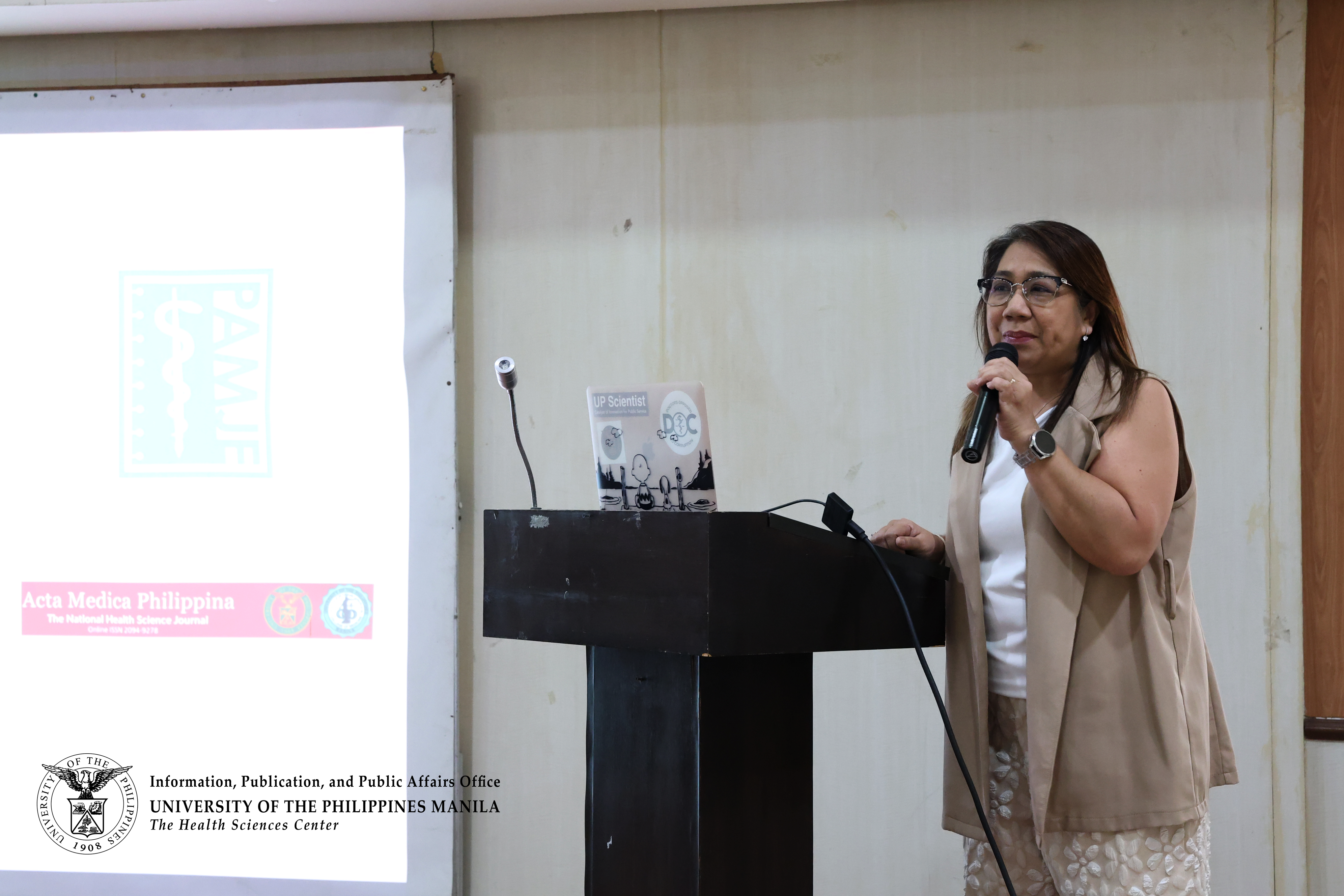
Acta Medica Philippina Editor-in-Chief Dr. Angela Sison-Aguilar emphasized the importance of rigorous peer review in maintaining the quality and credibility of scientific publications.
“Acta as a medical journal is not a printing press. We don’t just take work and print it as it is. It is a publication, and every article has to be vetted,” she said. “We need peer reviewers because, as peer reviewers, not only do we enrich ourselves in our work as well as in the community, but we also upskill ourselves. It helps us improve our own research work, our own publications,” she said at the beginning of the program.
She explained that the workshop was organized in response to the growing need to strengthen the journal’s peer review process and build a stronger community of reviewers and researchers.
Discussions on the Publication Process and Peer Review Models
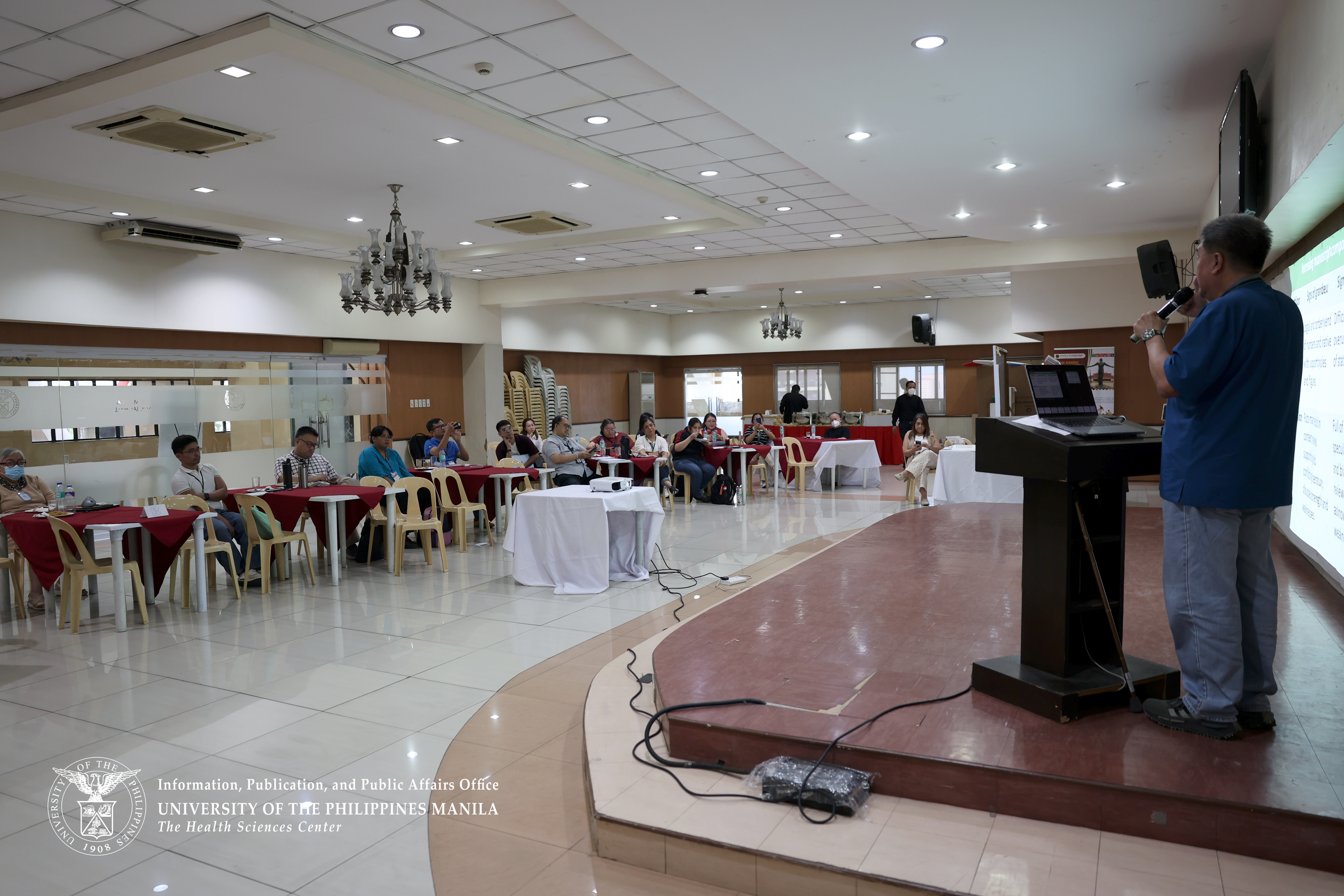
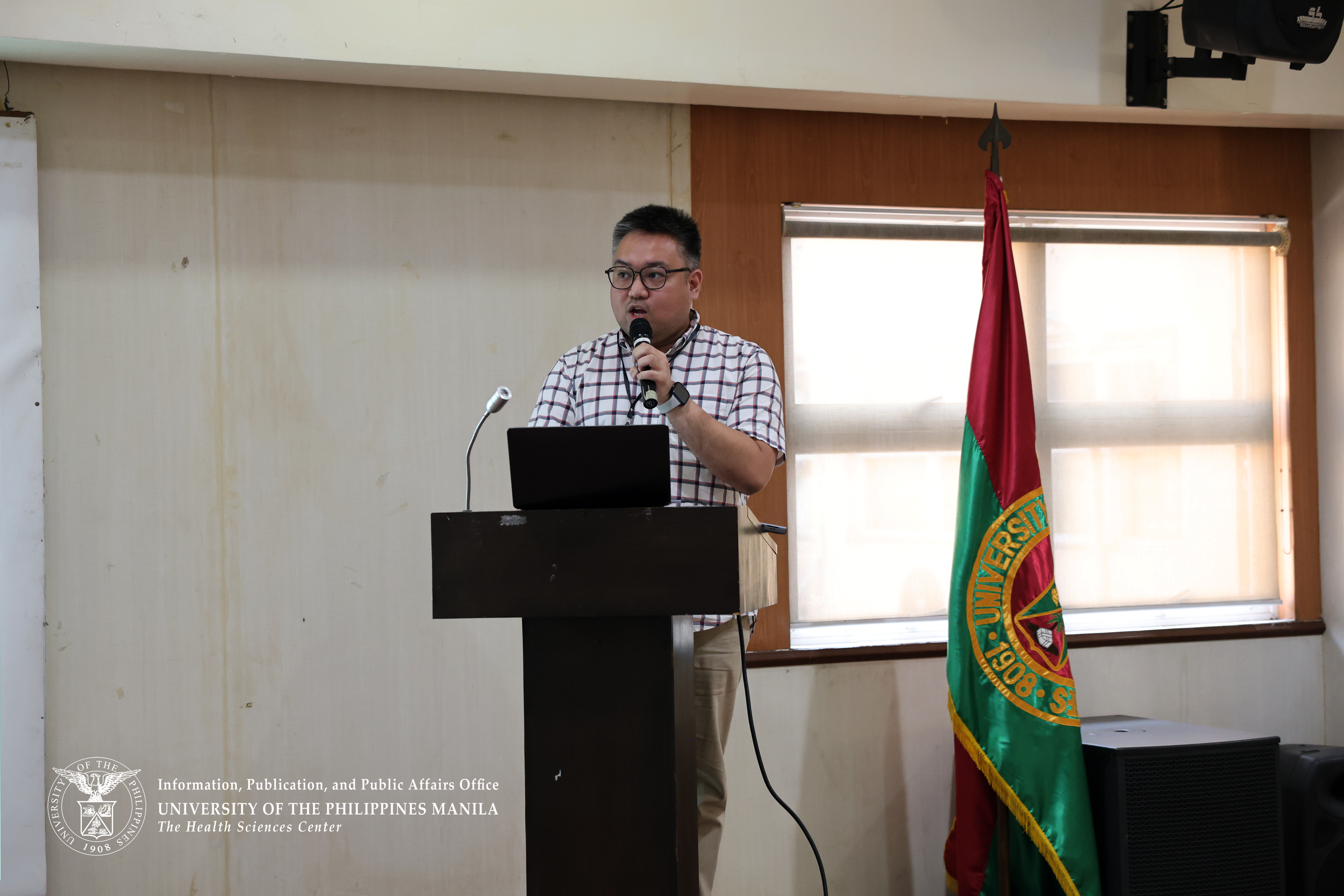
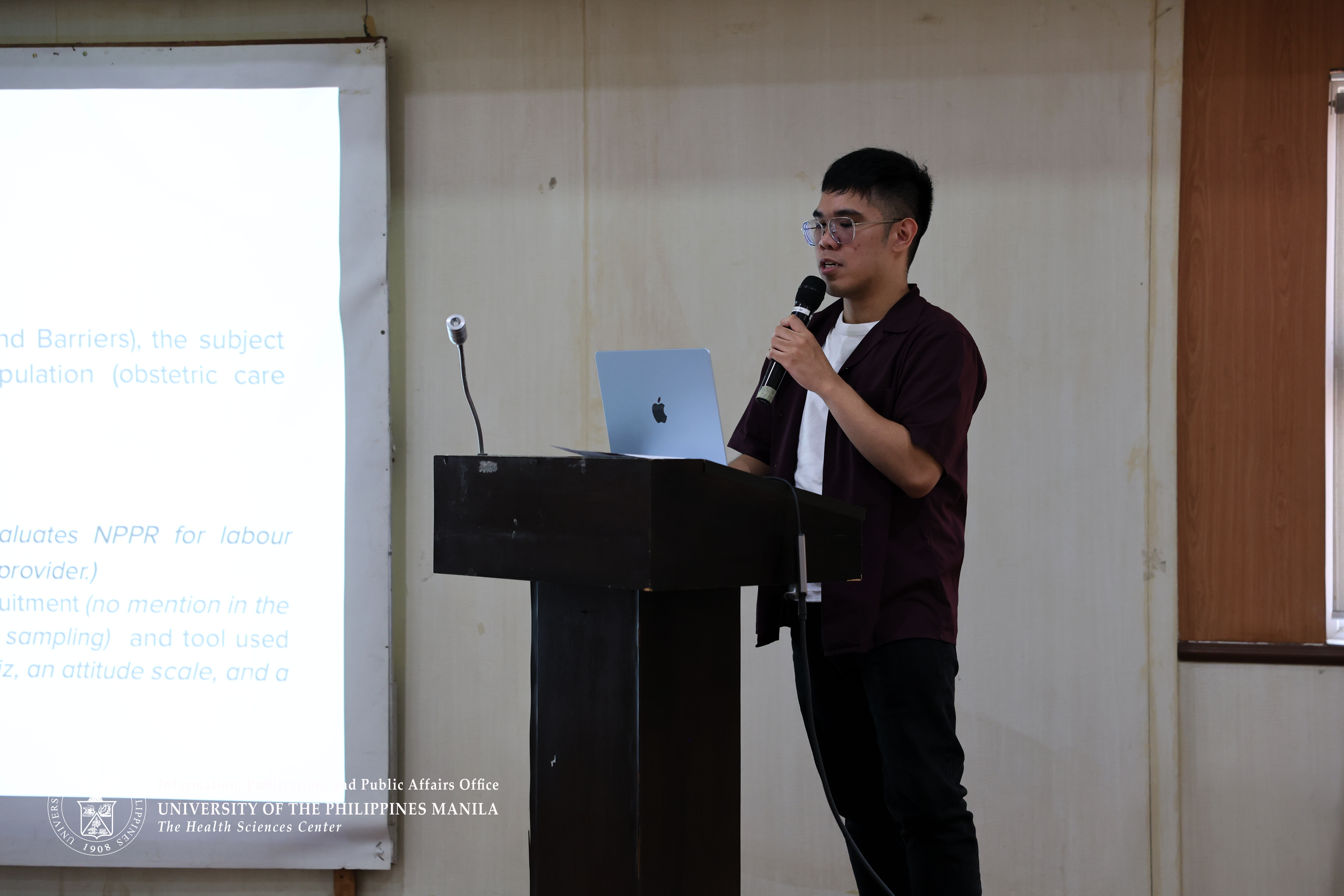
The workshop featured lectures from leading experts in medical publishing and peer review. Dr. Cecilia Nelia Maramba-Lazarte, President of PAMJE and former director of the Institute of Herbal Medicine, discussed the evolution of scientific and medical publishing, editorial workflows, and various peer review models used in academic journals.
“Our role really is partly also helping teach the researchers what the proper way is to write in a publication. Peer review is really the foundation of having good quality journals,” she said, emphasizing that peer reviews should remain constructive even when manuscripts are rejected. She underscored the importance of peer review in ensuring research quality and integrity.
Her lecture explored single-blind, double-blind, triple-blind, and open peer review systems, as well as the growing role of artificial intelligence in supporting editorial workflows and plagiarism detection.
Reviewer Responsibilities and Ethical Standards
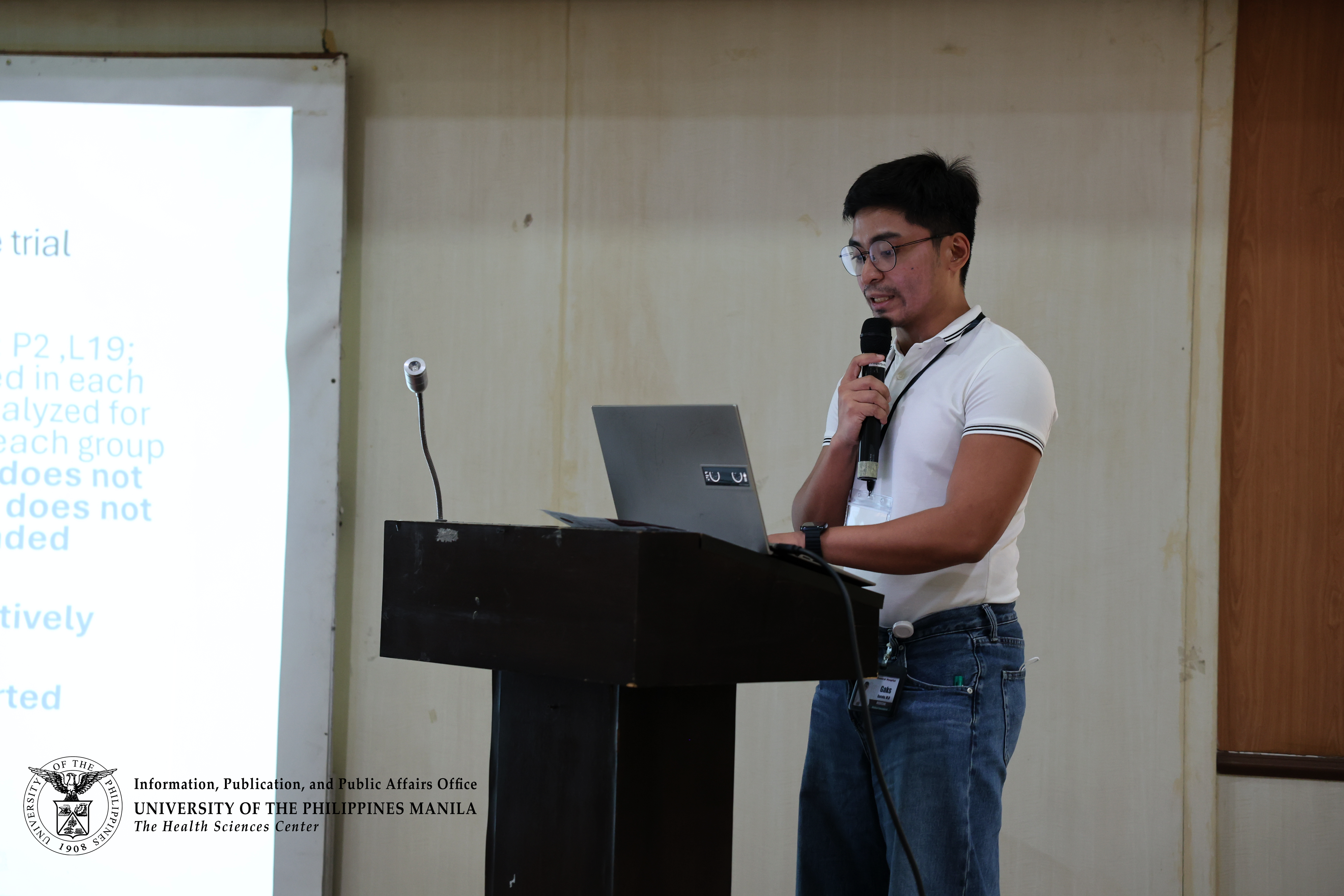
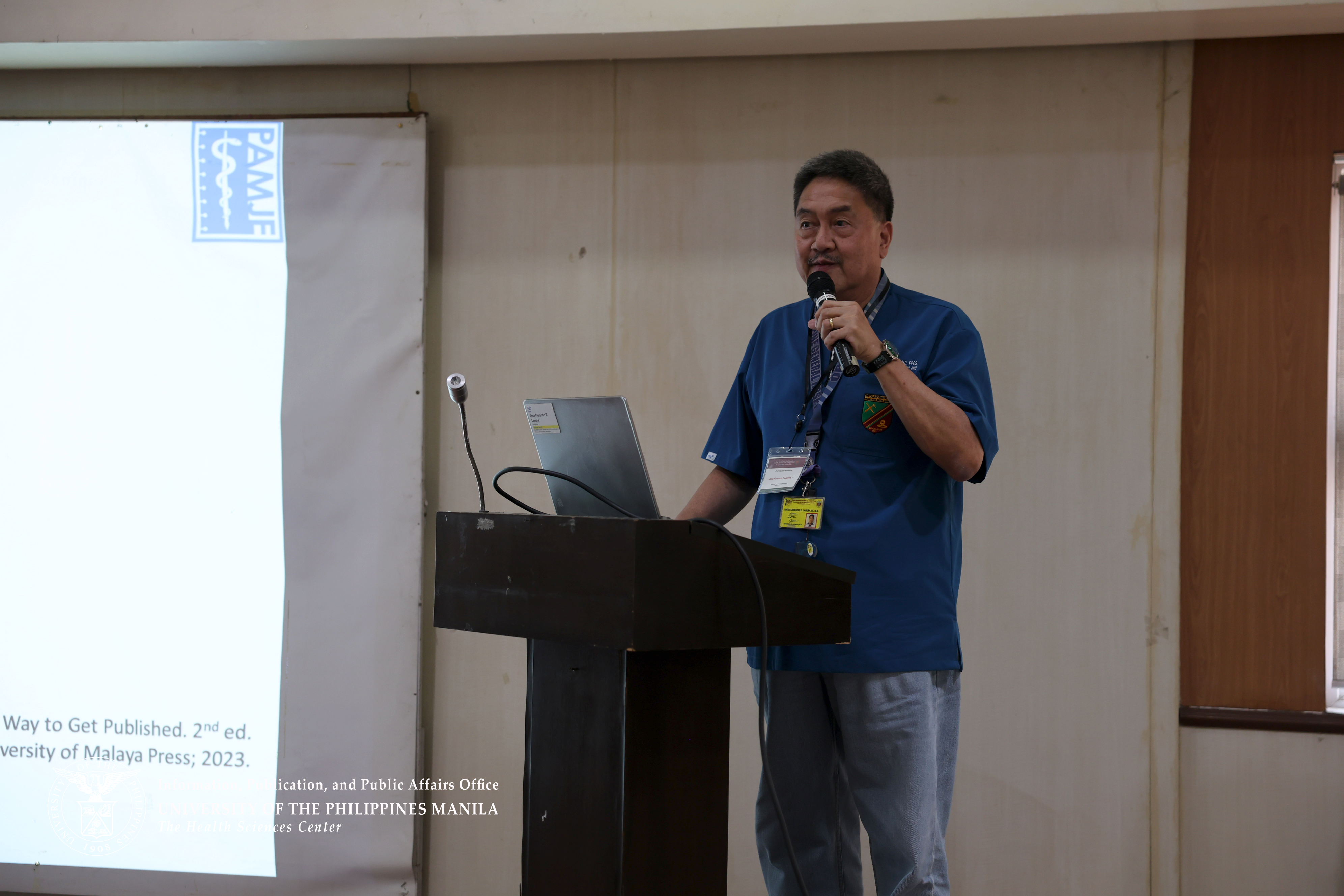
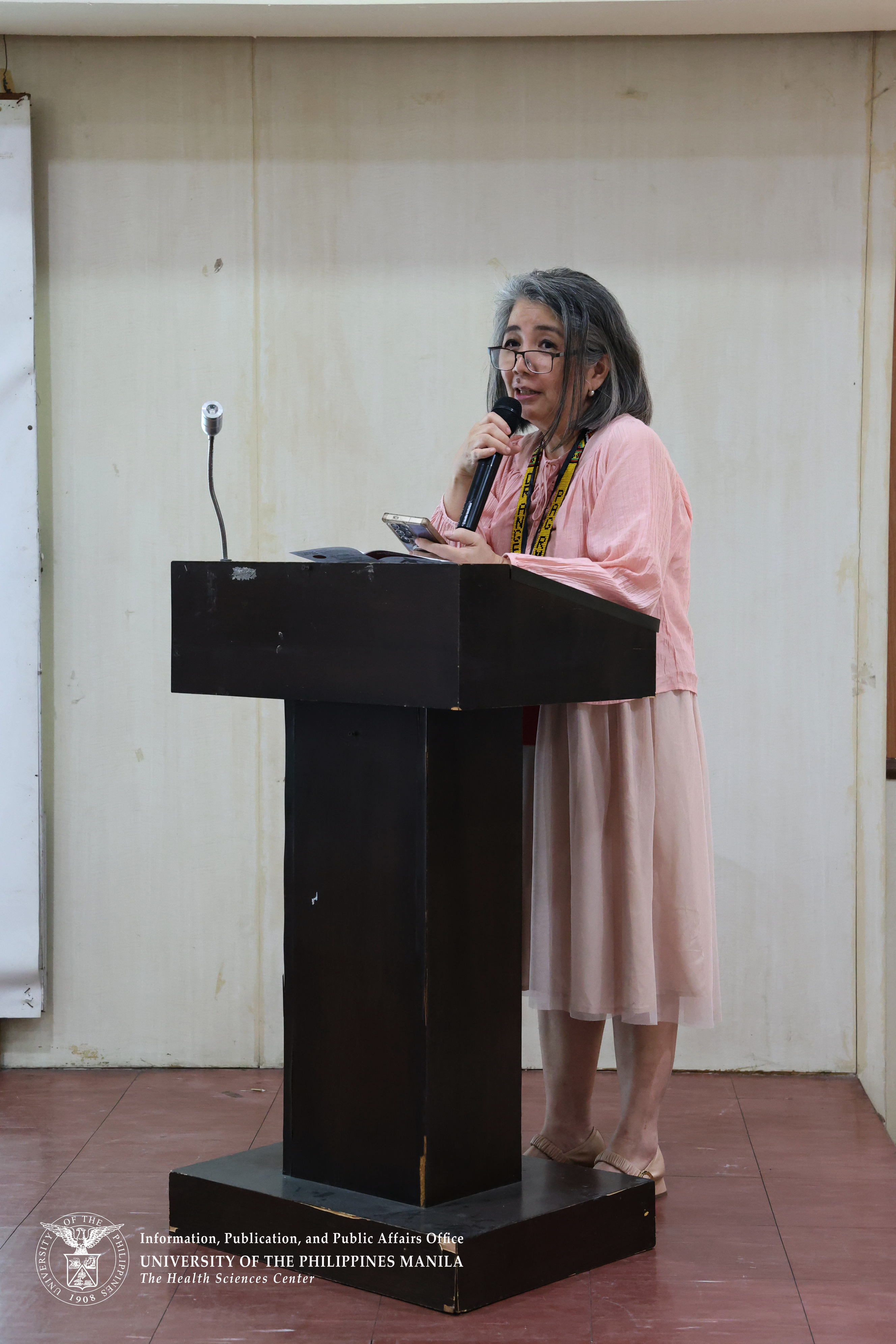
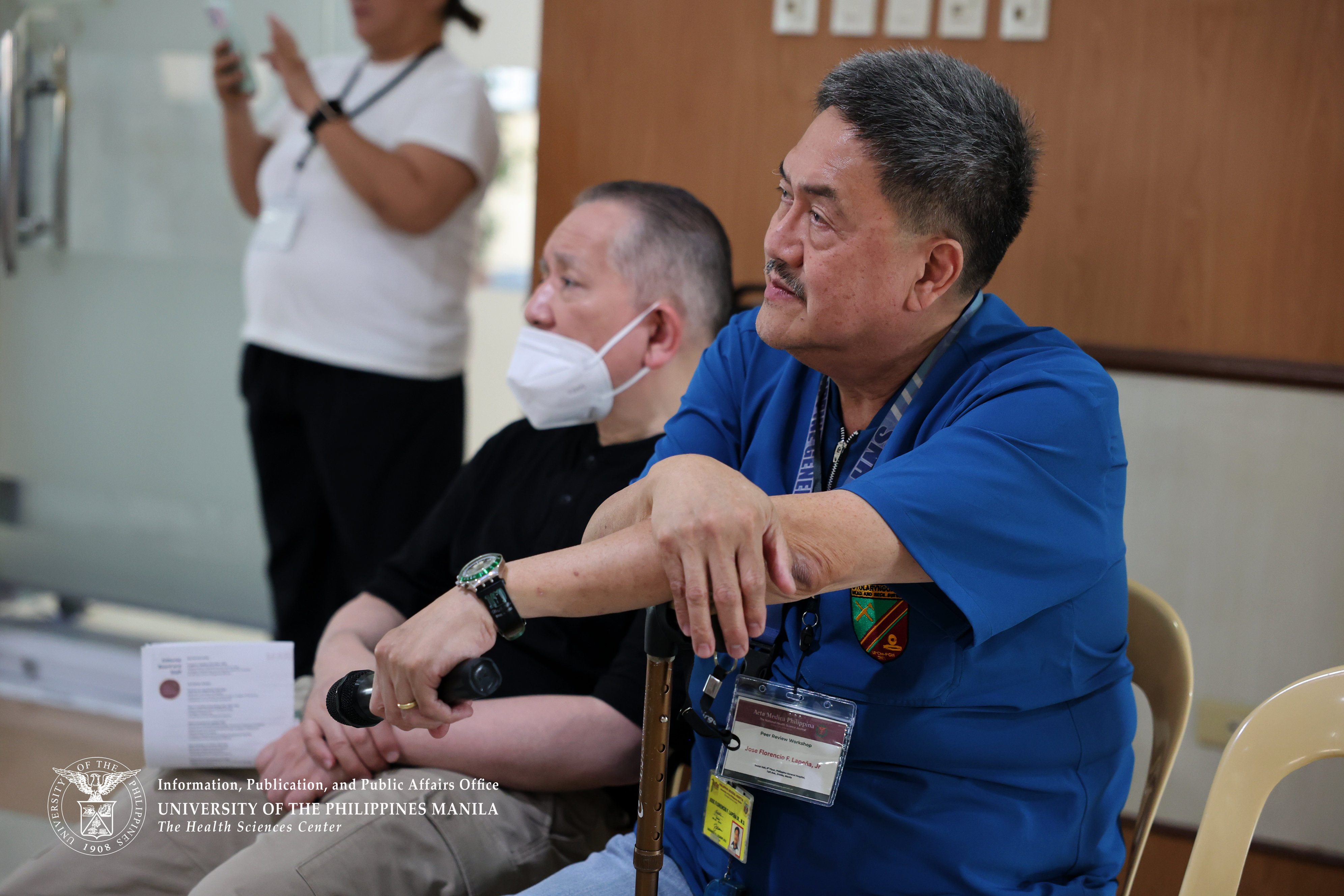
Meanwhile, Dr. Jose Florencio F. Lapeña Jr., Charter President of PAMJE and President-Elect of the World Association of Medical Editors and a retired professor of UP College of Medicine, discussed the role and responsibilities of peer reviewers in scientific publishing.
“The reviewer is responsible for protecting the reputation of the journal,” he said.
He stressed that reviewers must uphold fairness, confidentiality, and professionalism throughout the review process. Dr. Lapeña also encouraged reviewers to provide evidence-based and constructive recommendations that can help authors improve their manuscripts.
Hands-On Workshop Sessions
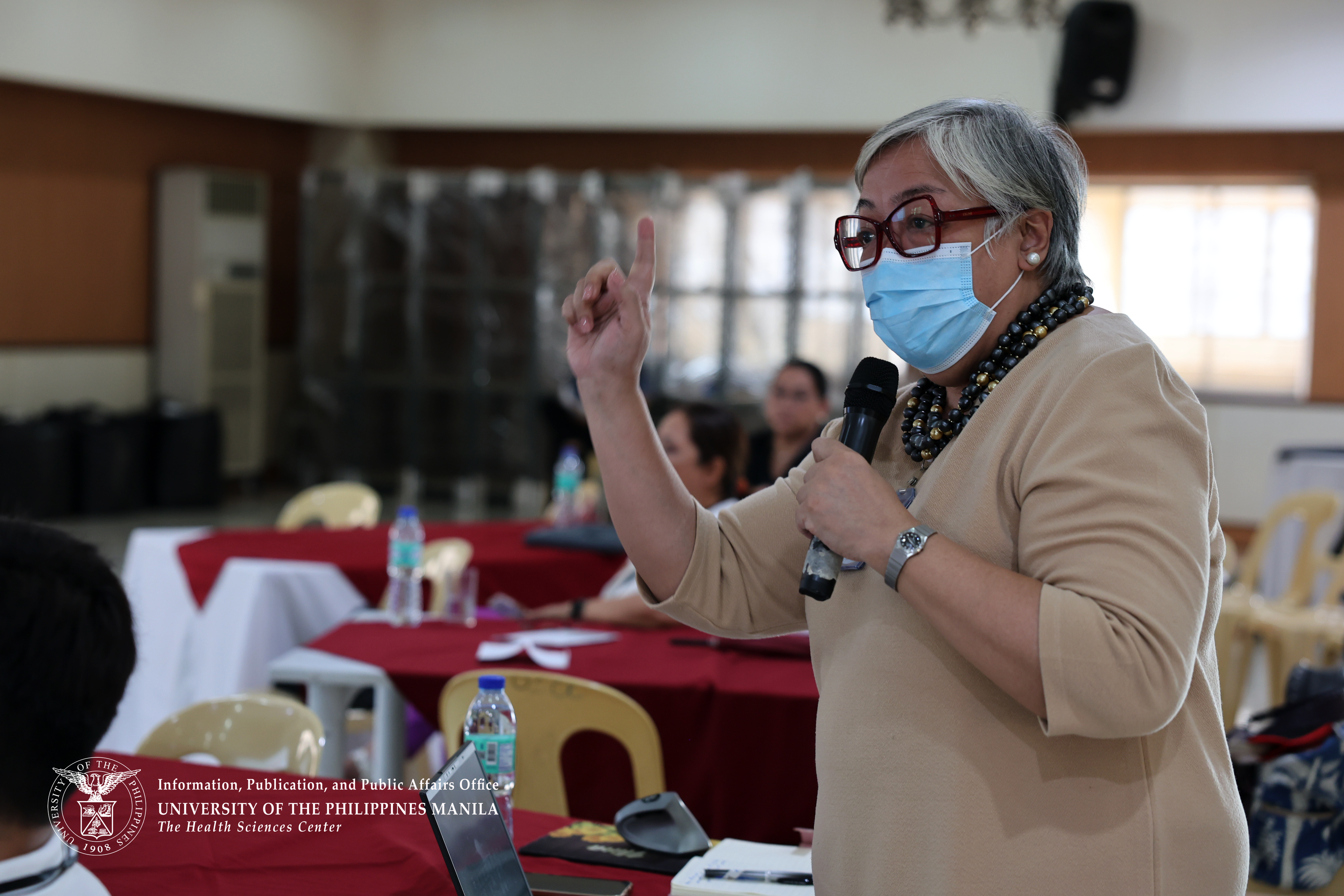
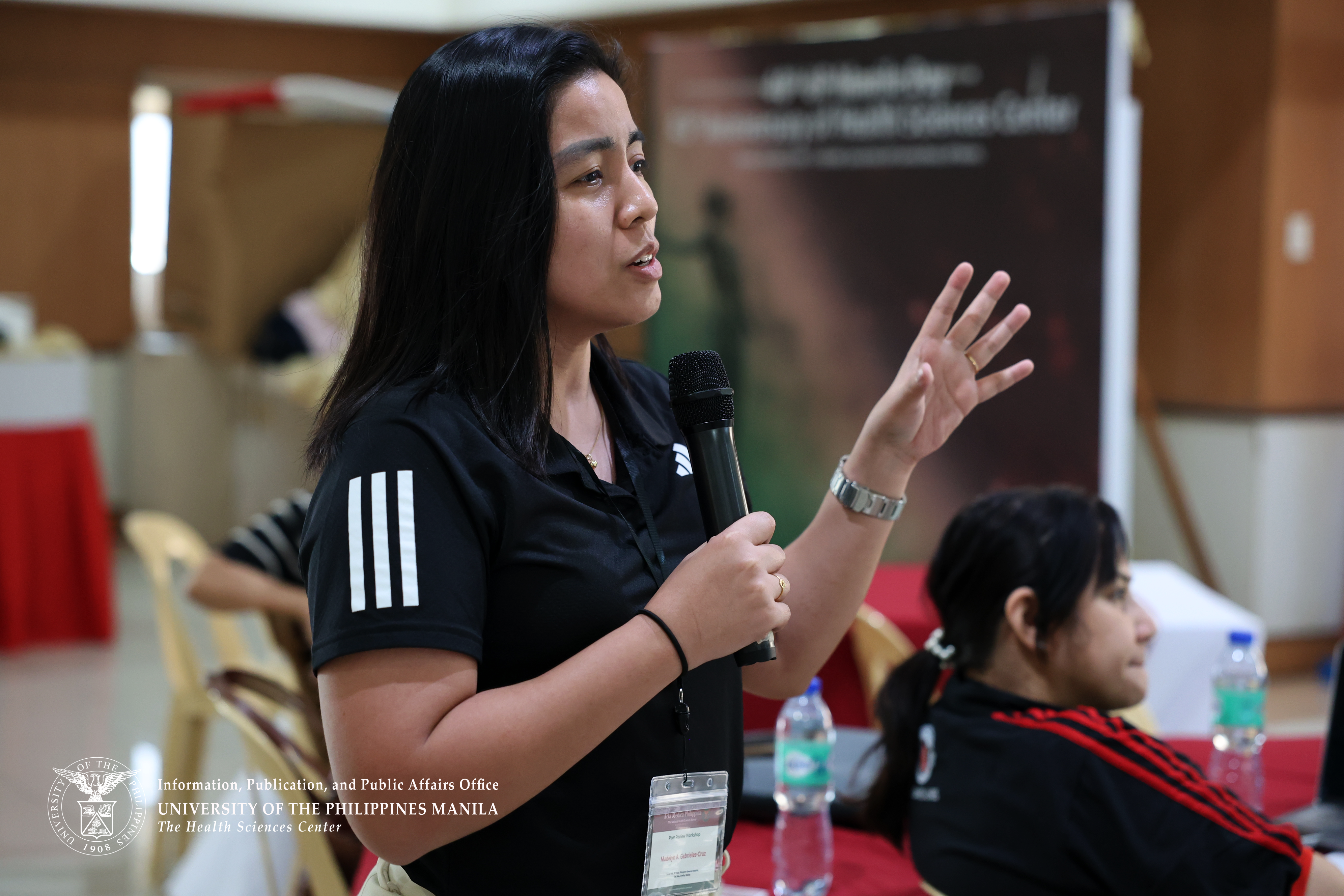
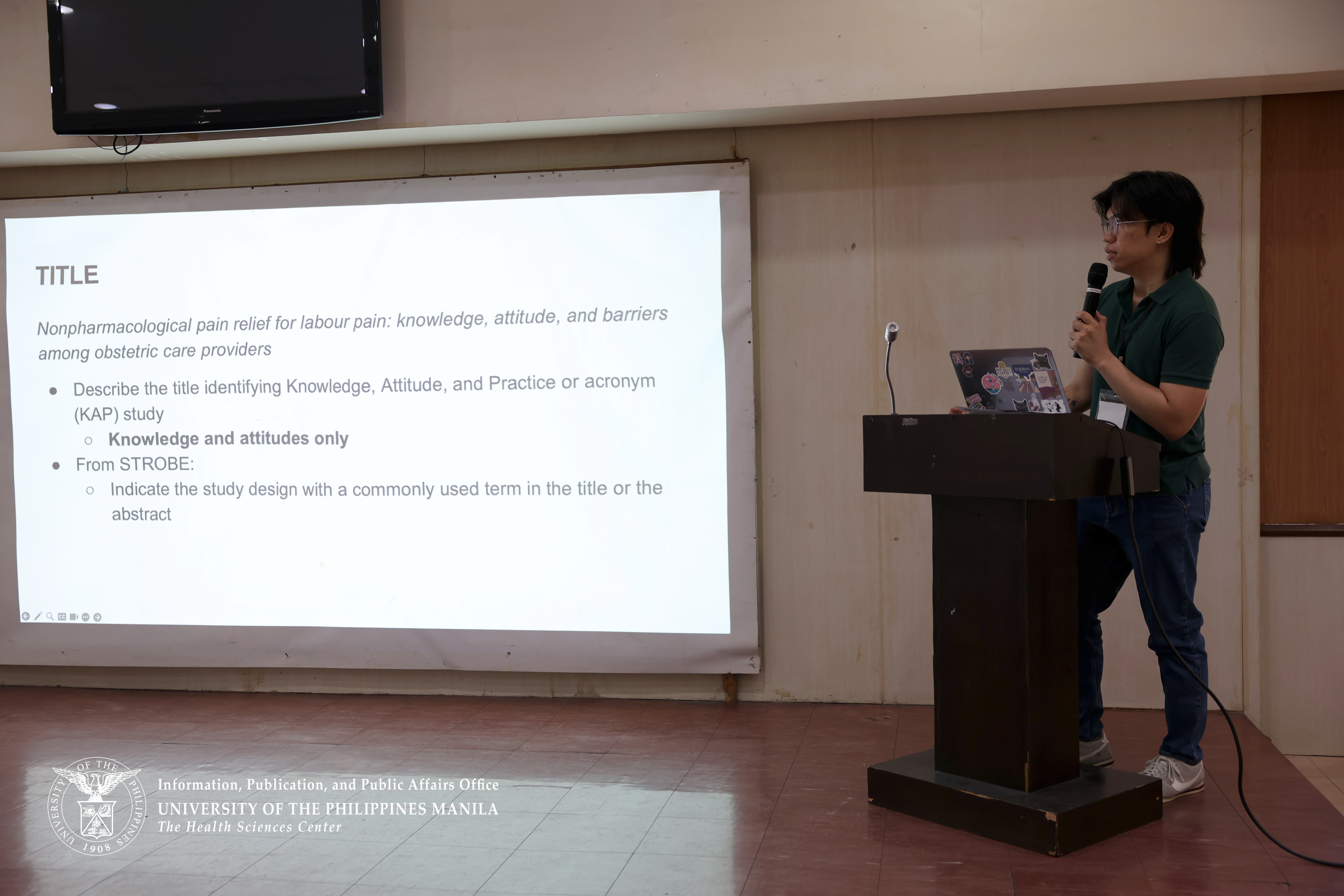
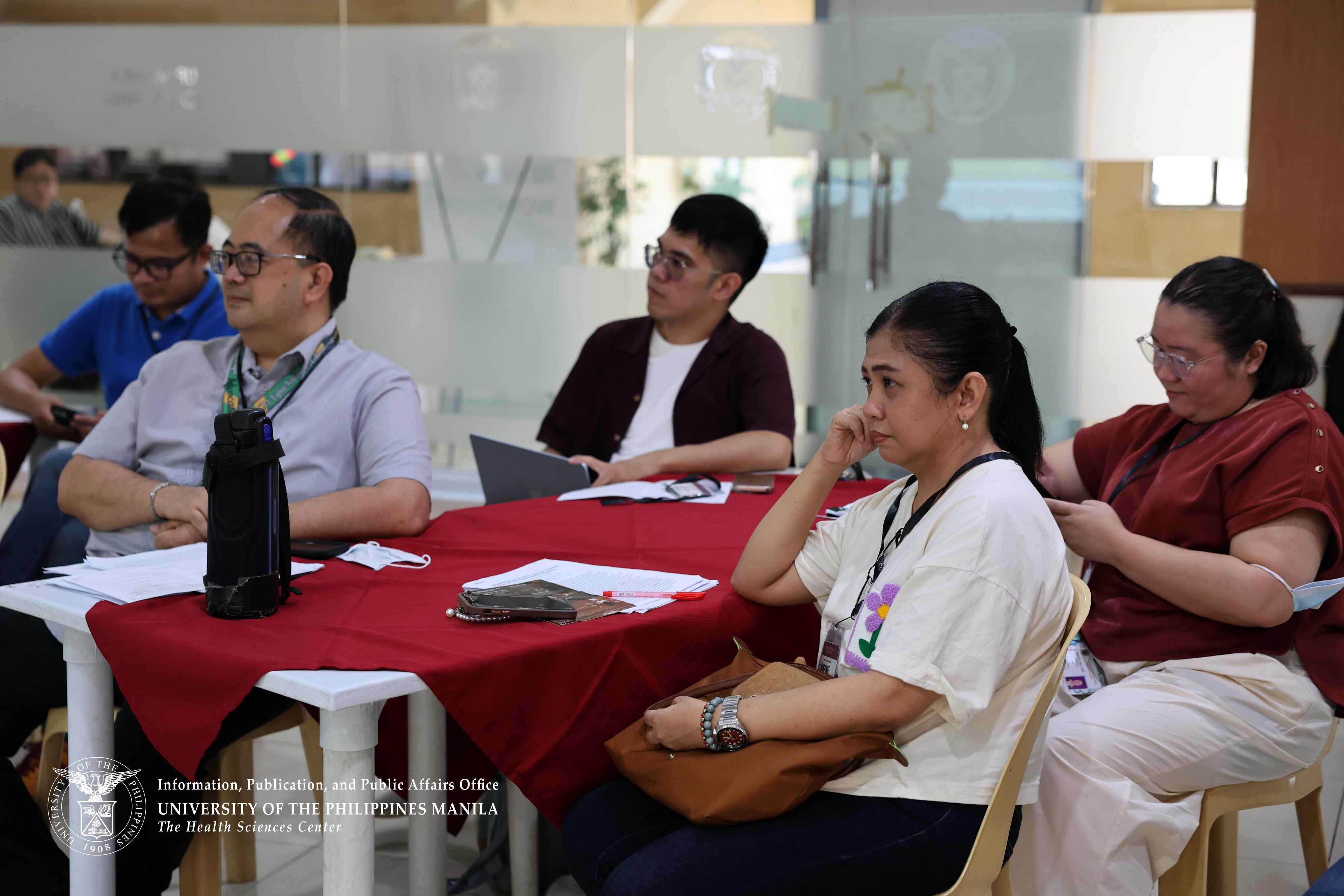
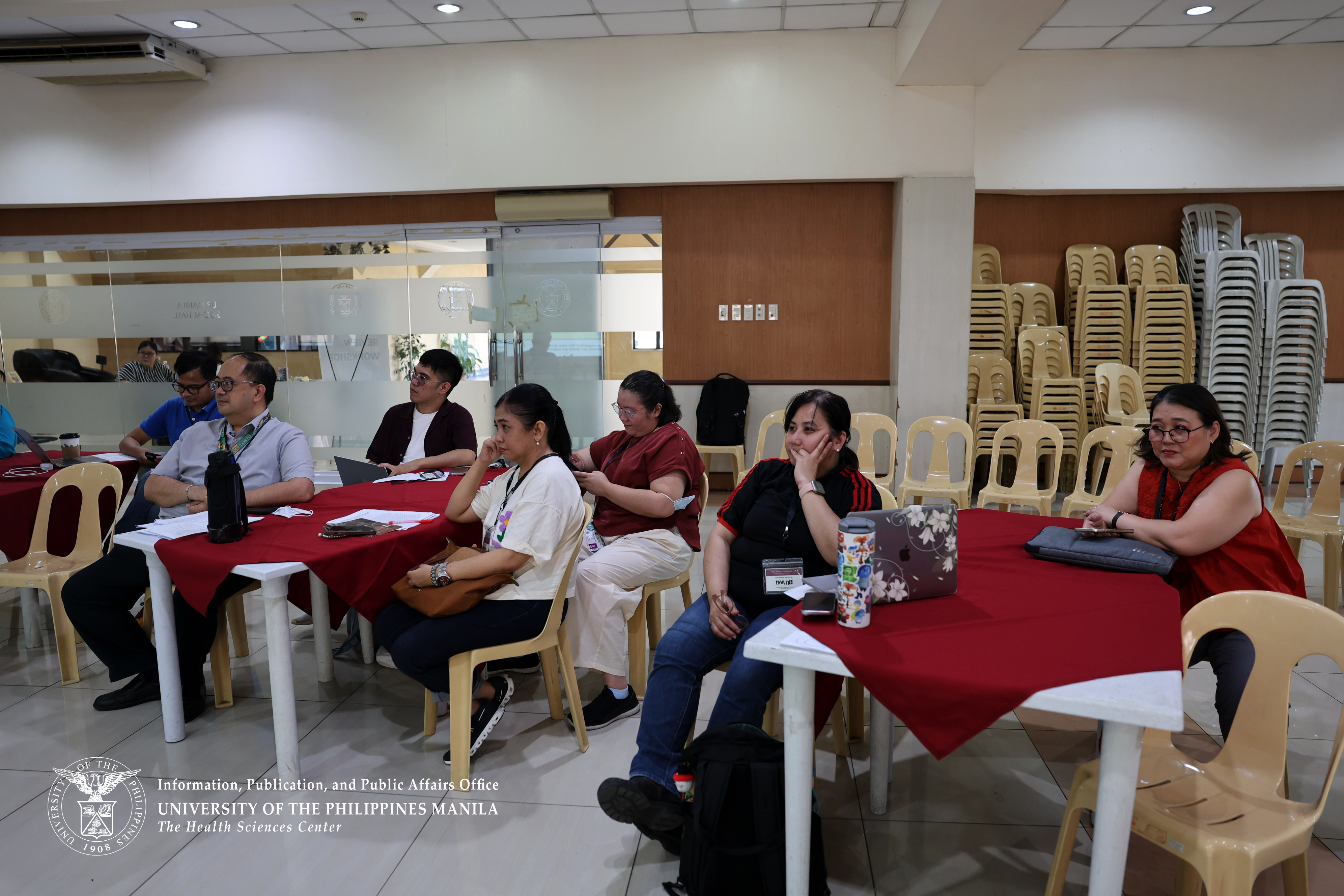
The activity also included workshop sessions where participants evaluated sample manuscripts using established peer review frameworks and reporting guidelines. Discussions highlighted the importance of constructive feedback, actionable recommendations, and balancing technical critique with encouragement for authors. The workshop emphasized the role of reviewers in improving research quality while supporting the growth of early-career researchers and contributors to scientific literature.
Through the activity, Acta Medica Philippina reaffirmed its commitment to strengthening scholarly publishing, promoting research integrity, and fostering a community of responsible peer reviewers and researchers in the Philippines.
Additional workshop sessions are scheduled on June 2 and 9, 2026.
READ MORE:
#FP1 #discoveryandresearch