

Text by: Charmaine A. Lingdas
Photos by: Jericho Paolo Mabansag
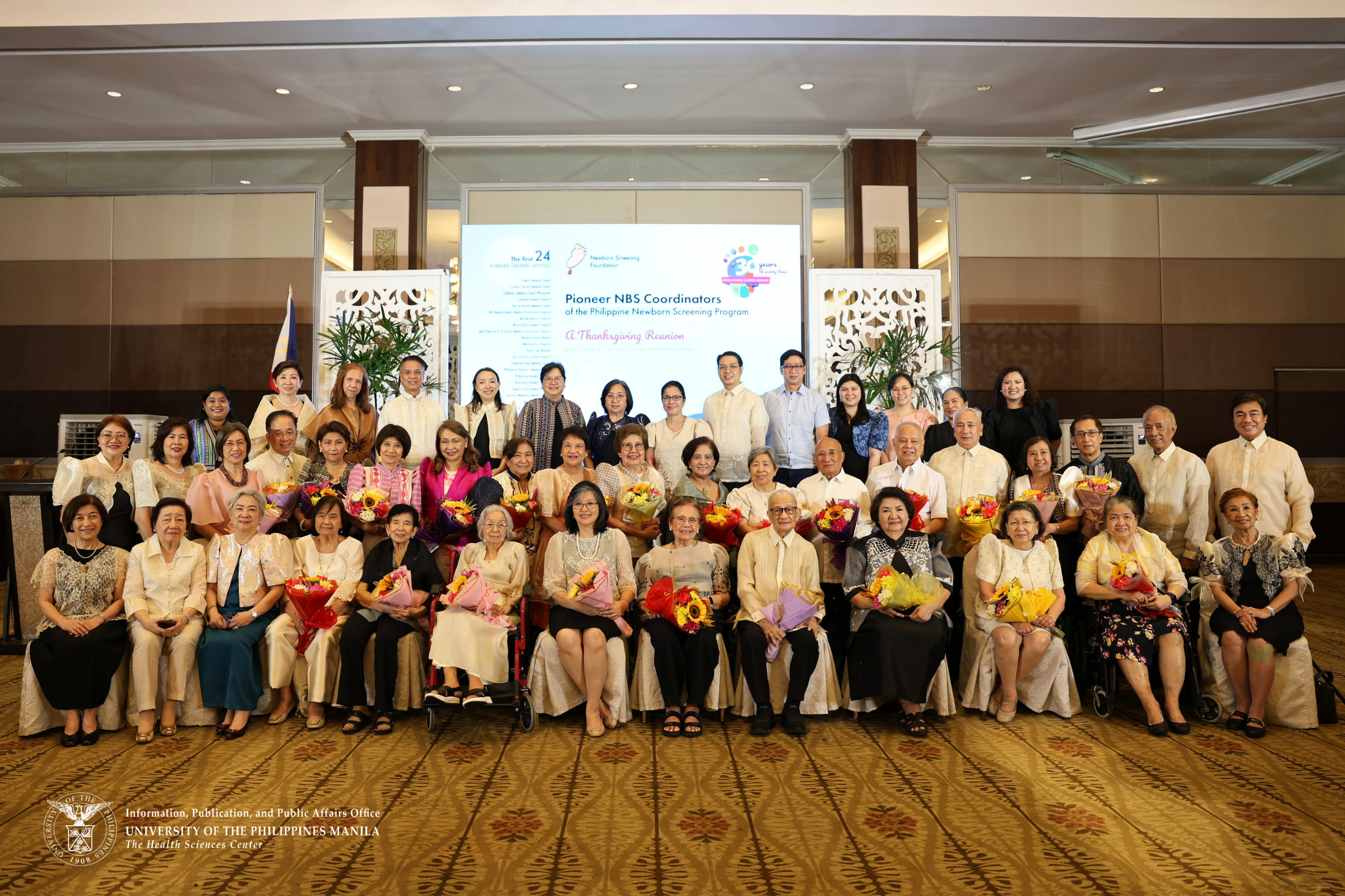
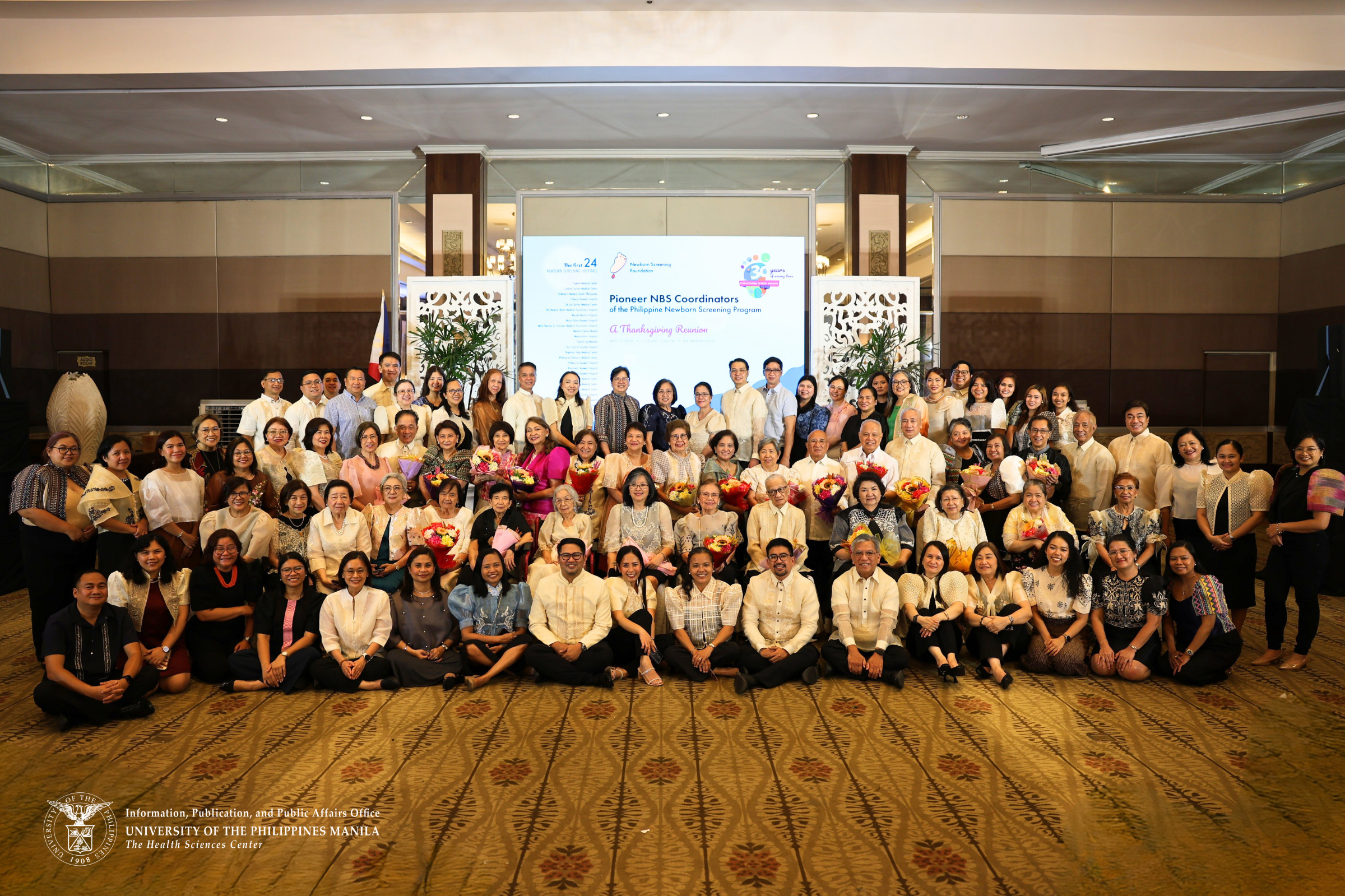
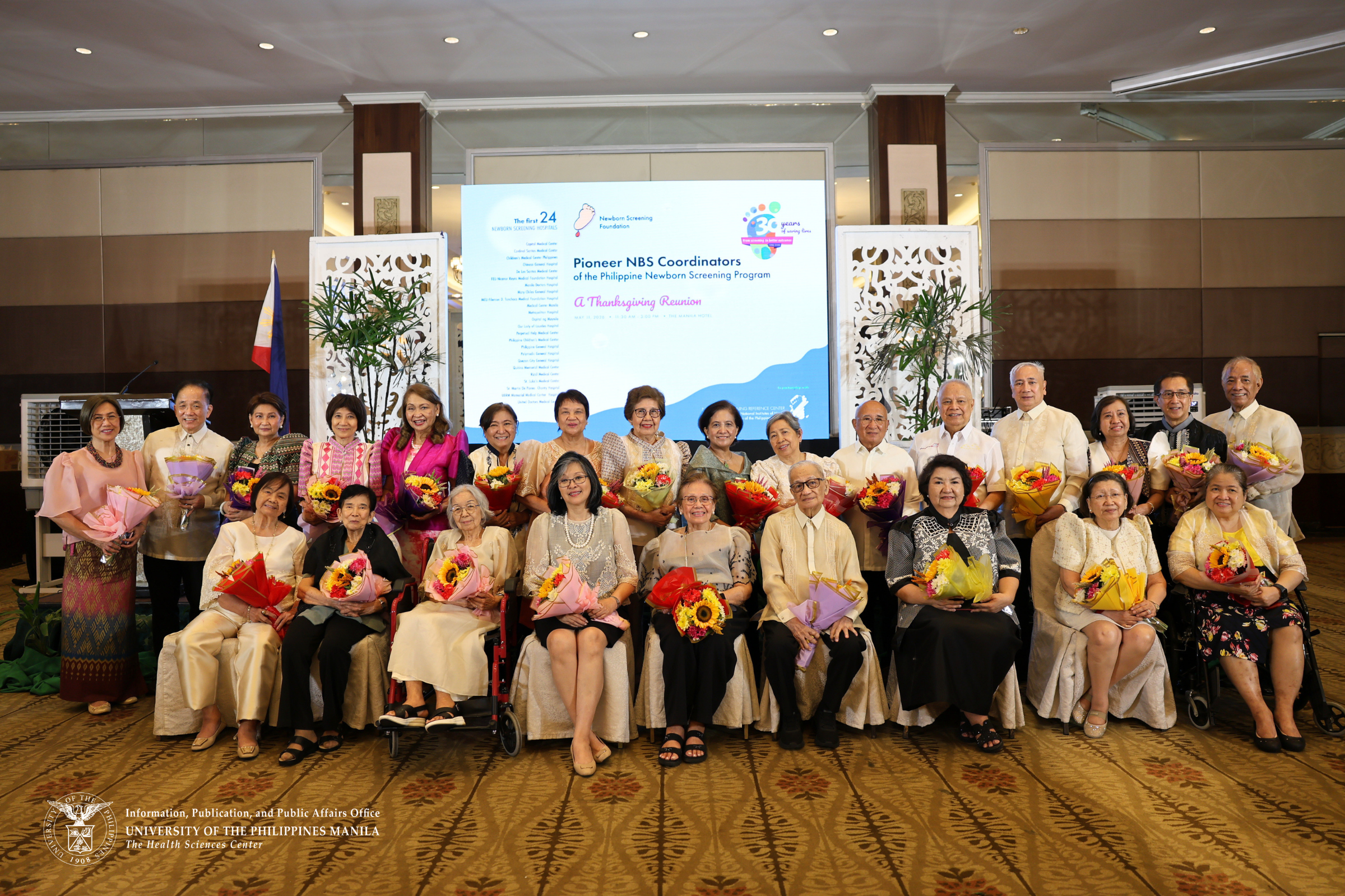
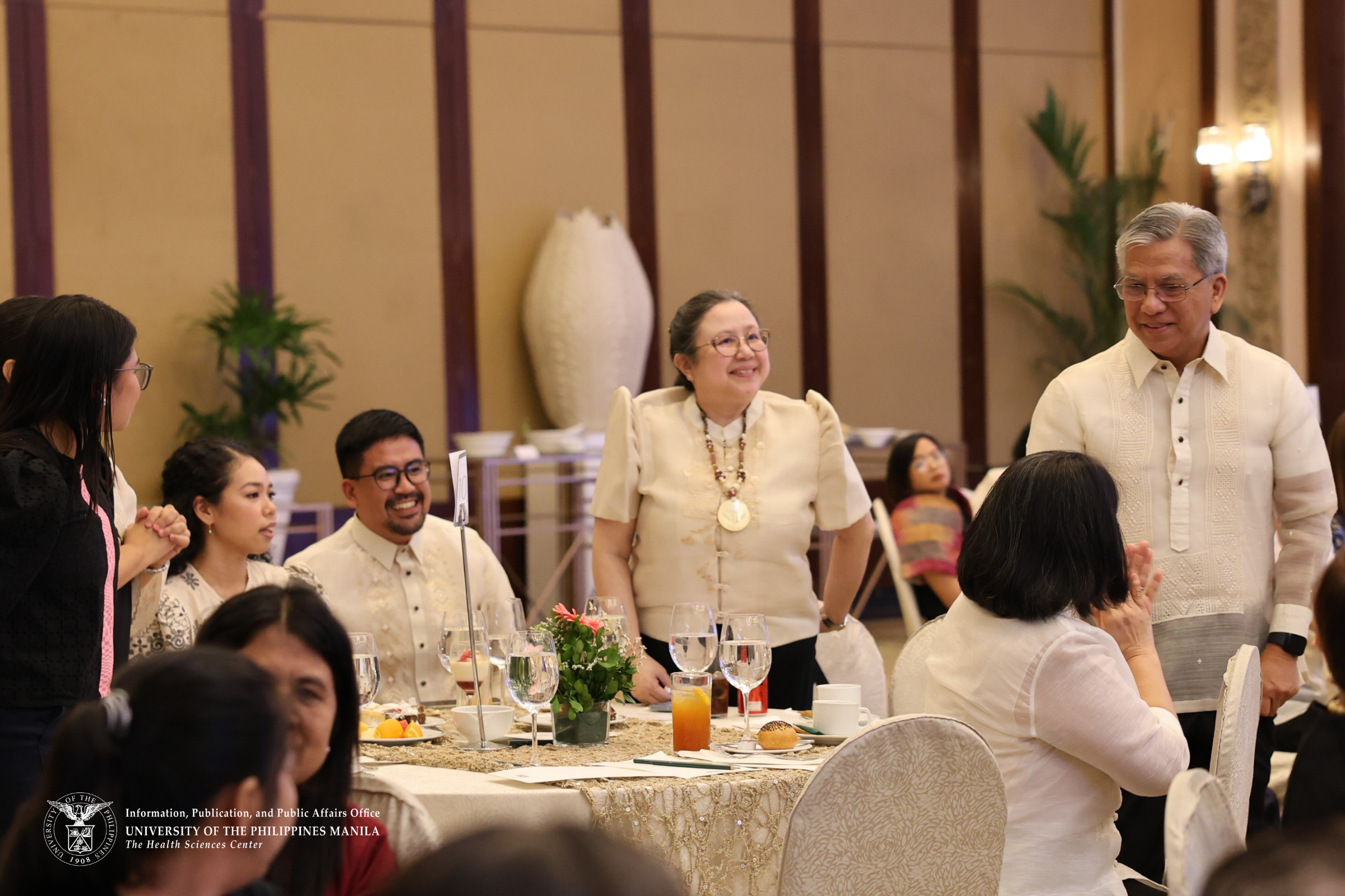
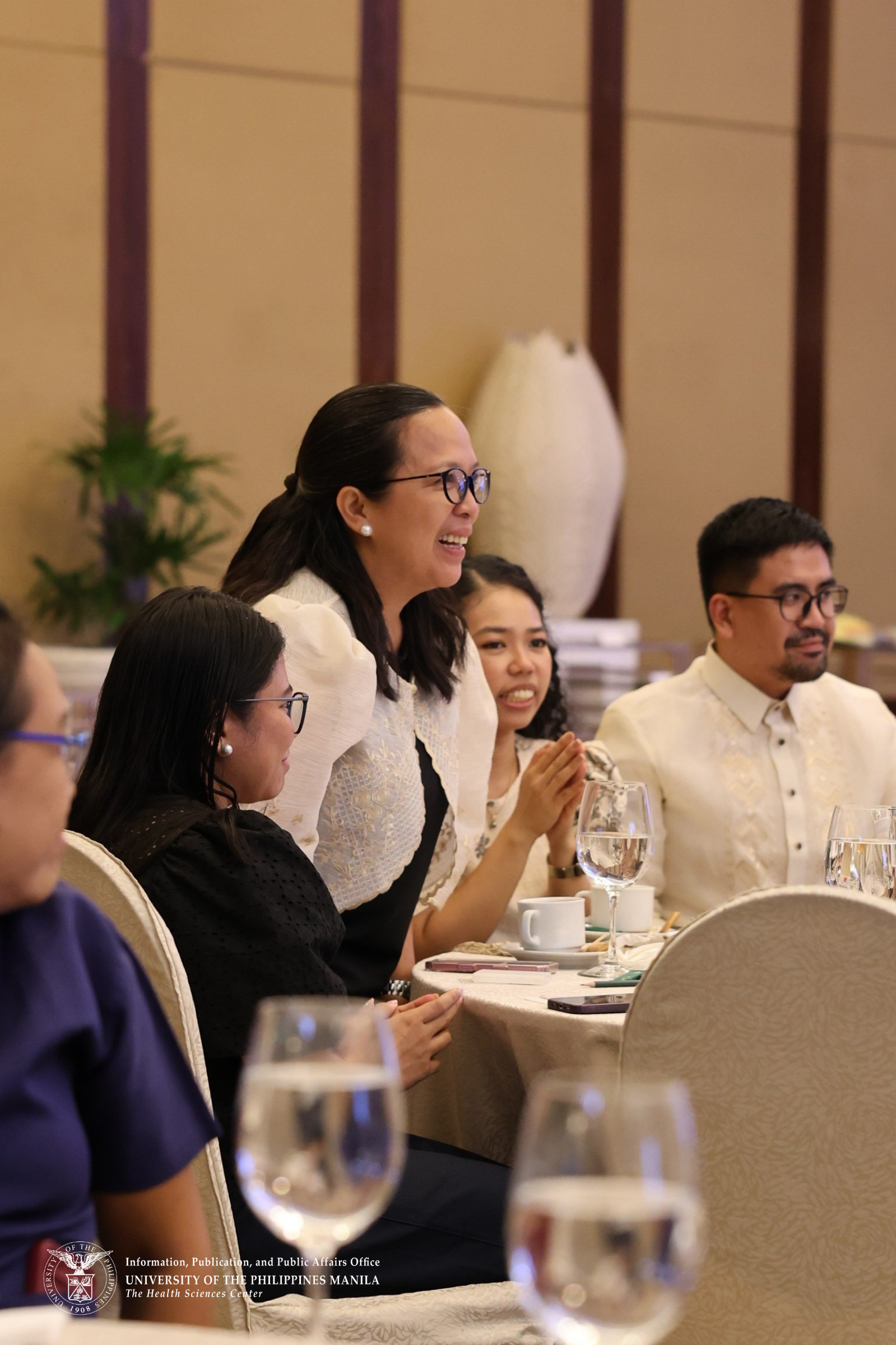
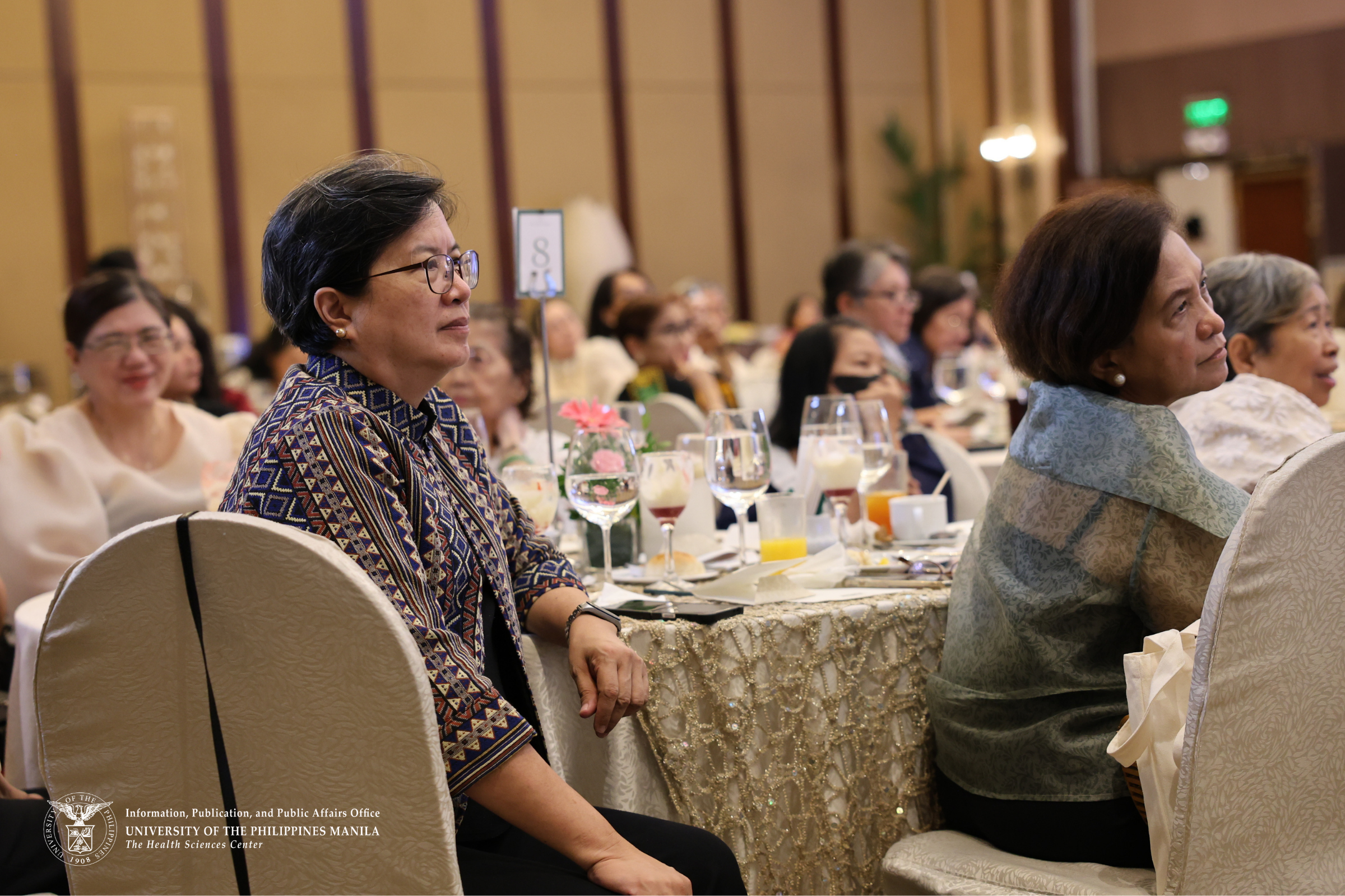
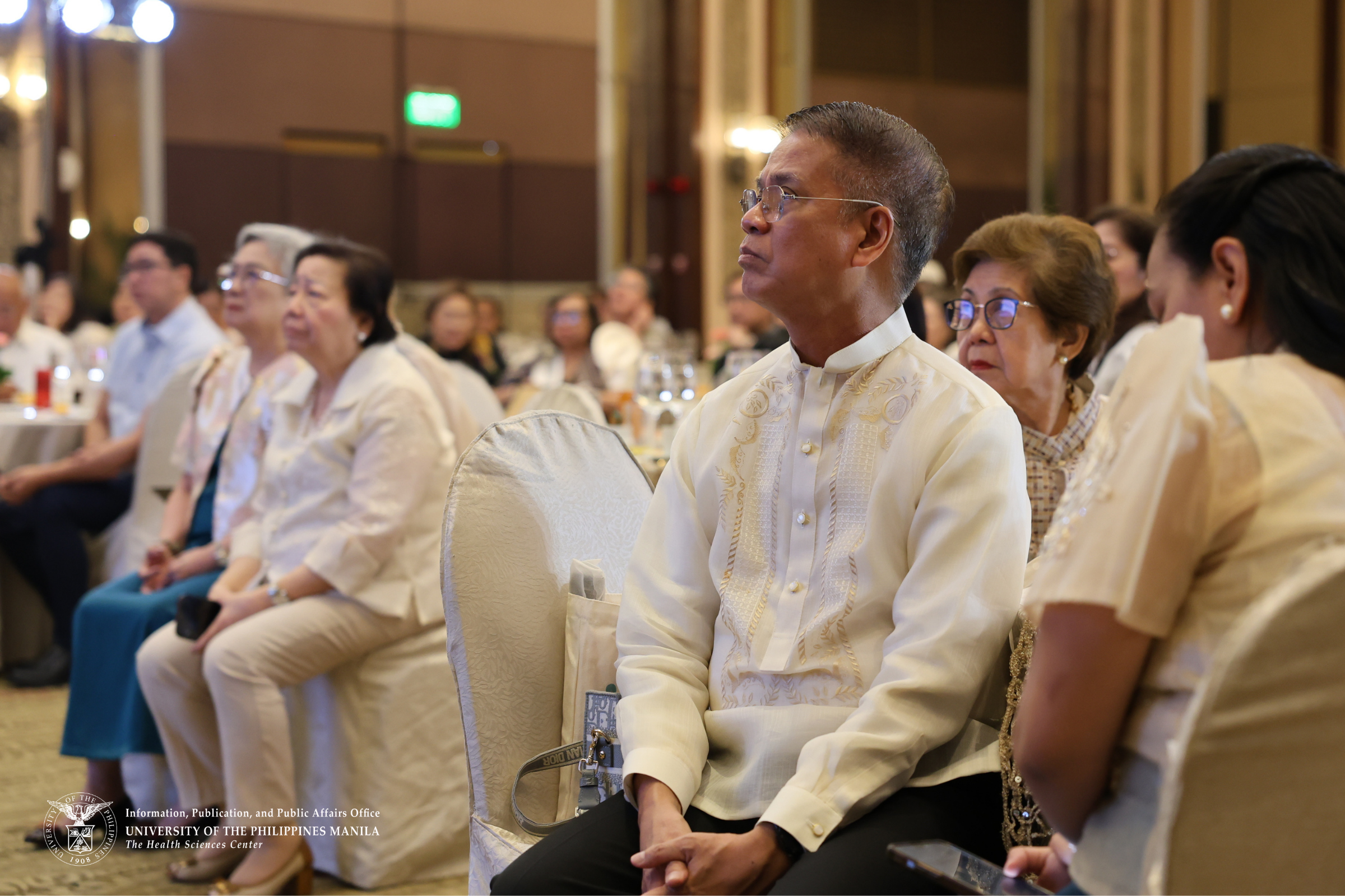
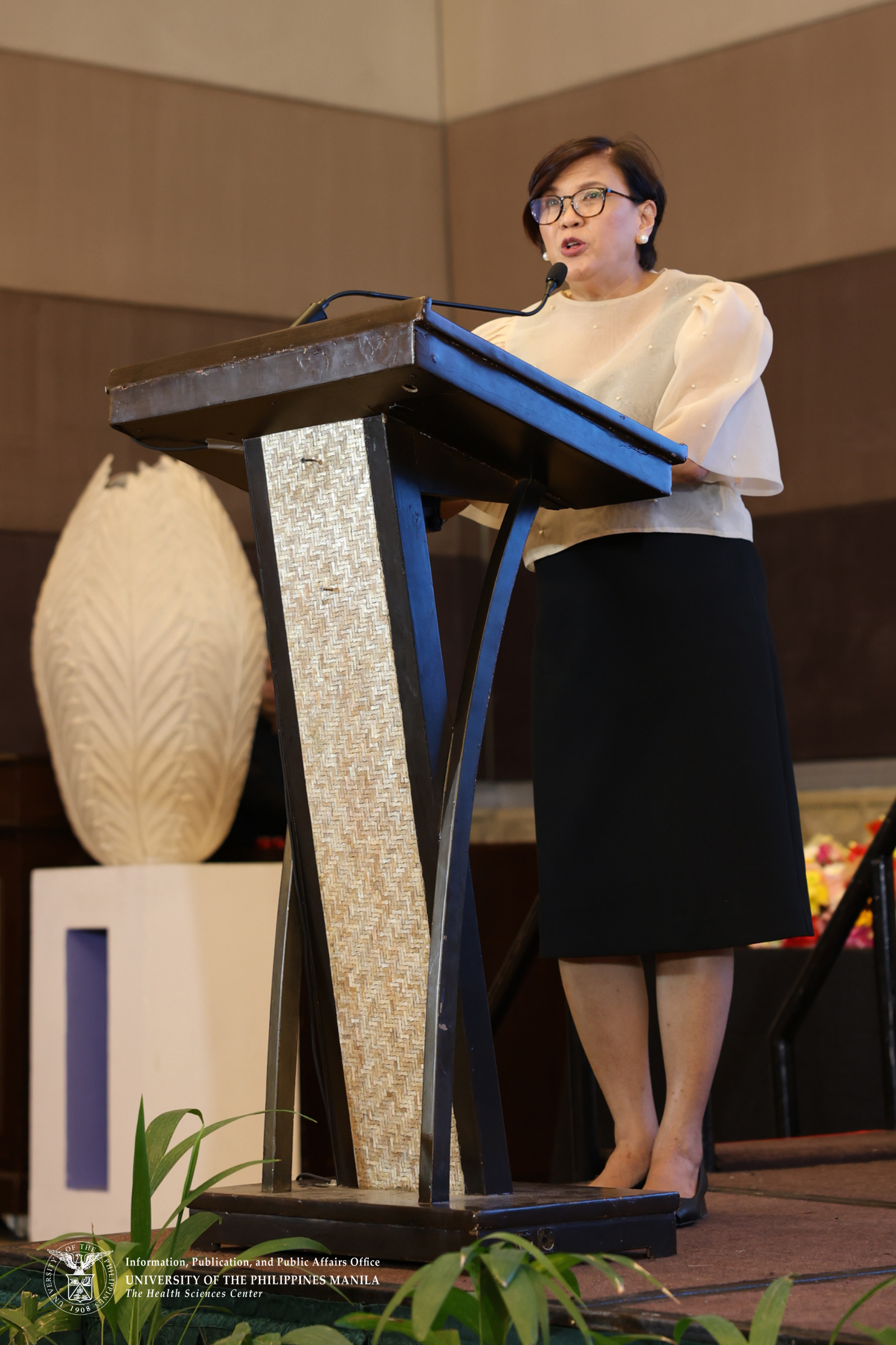
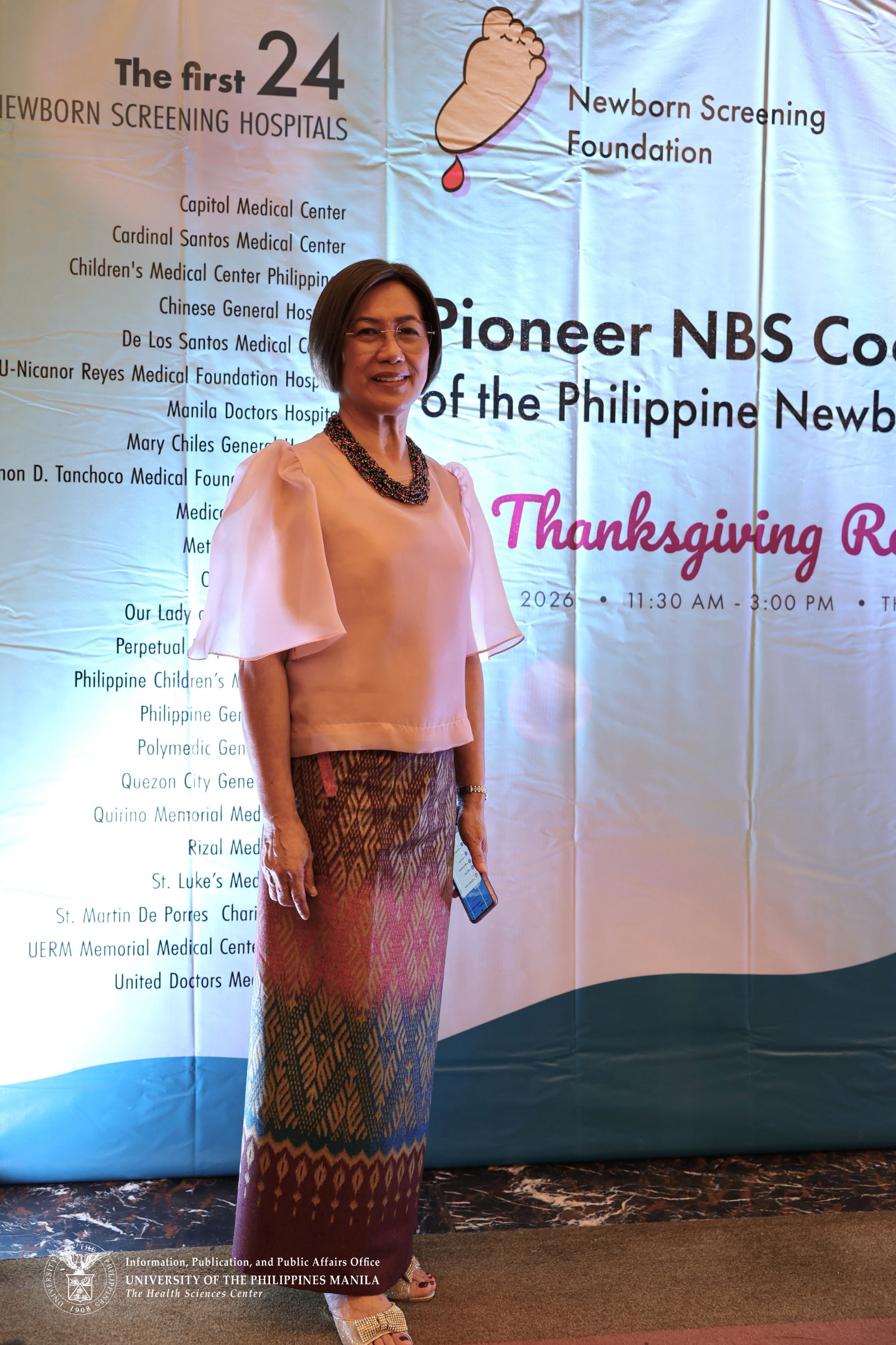
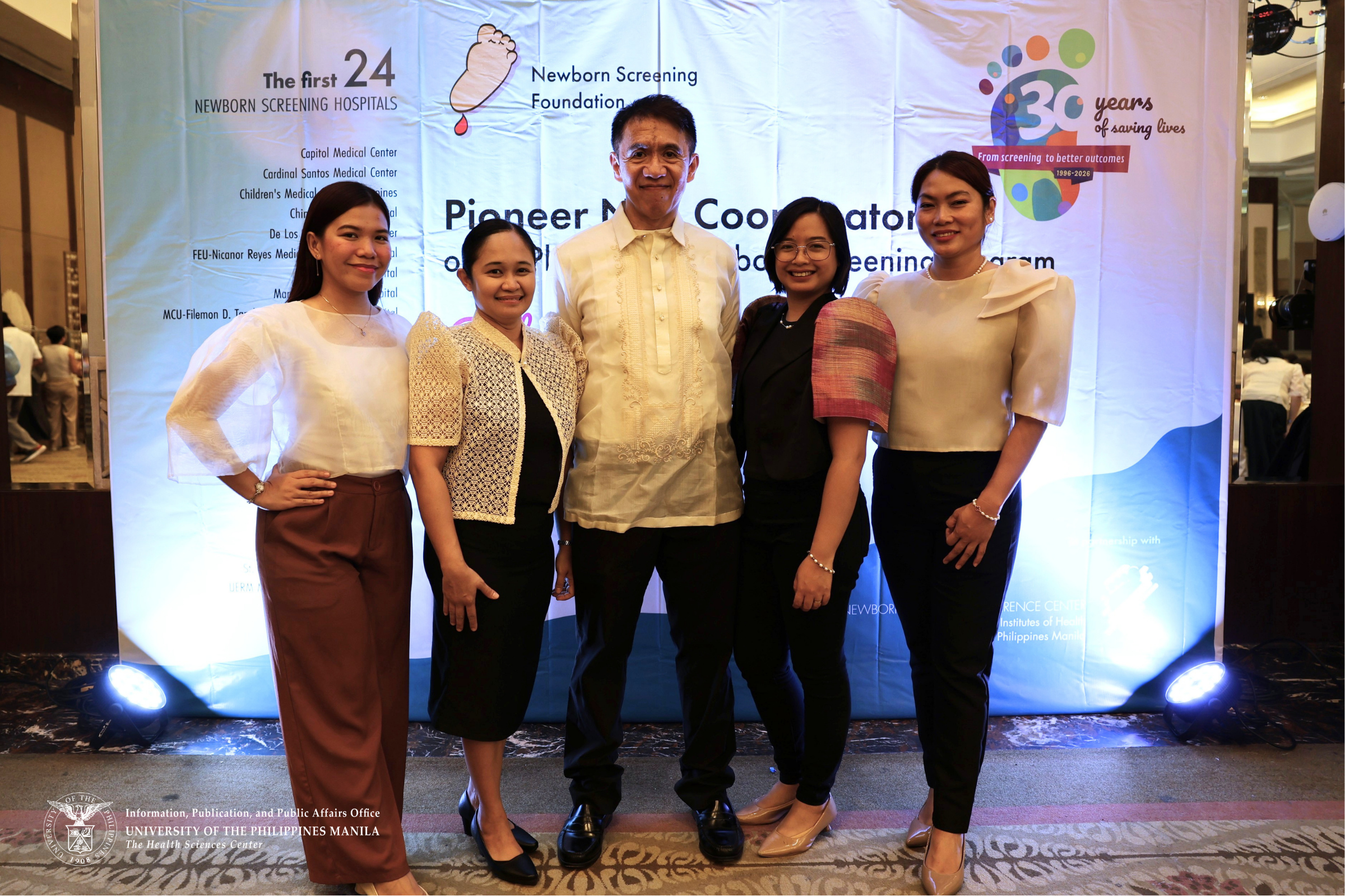
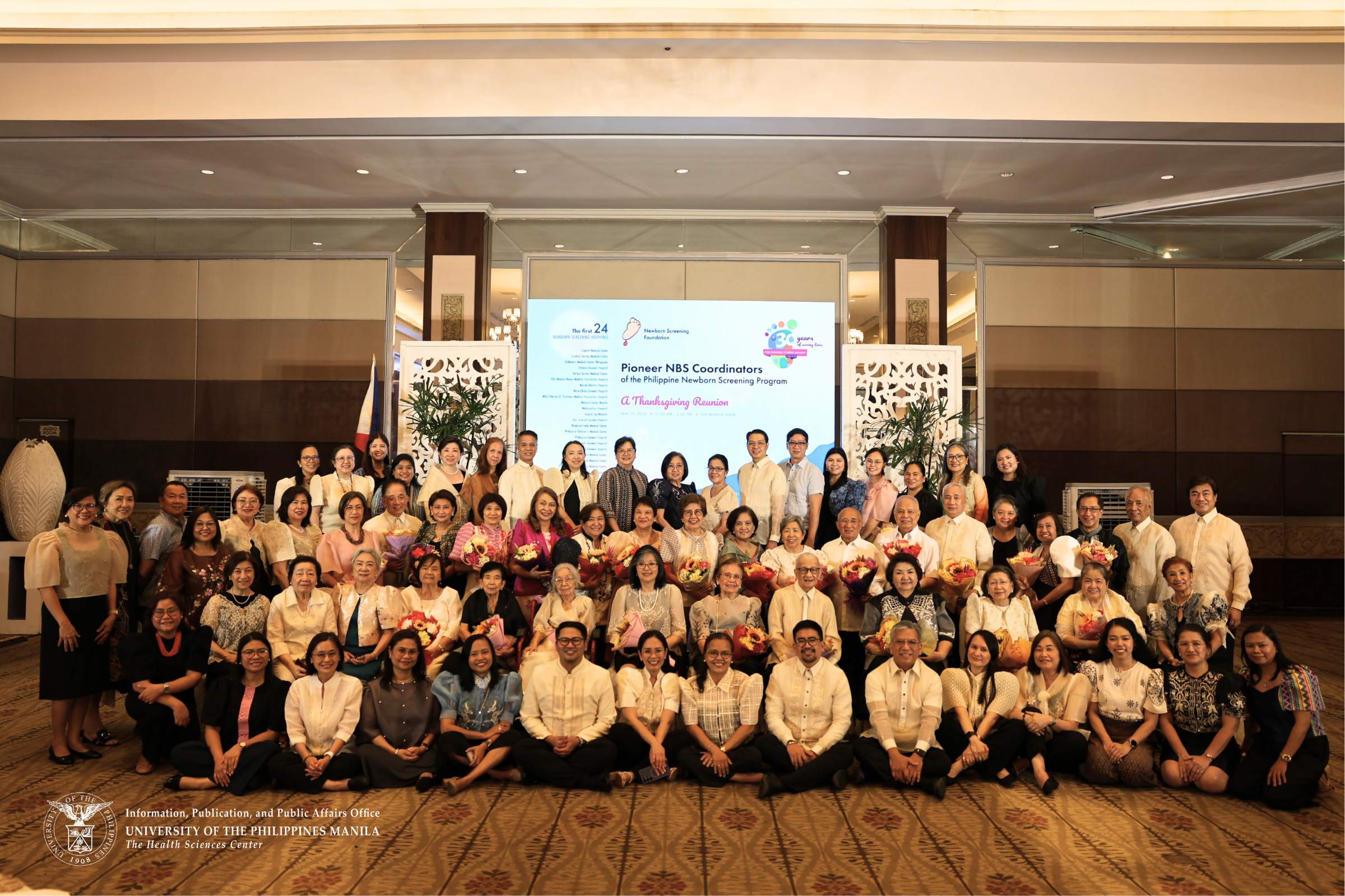
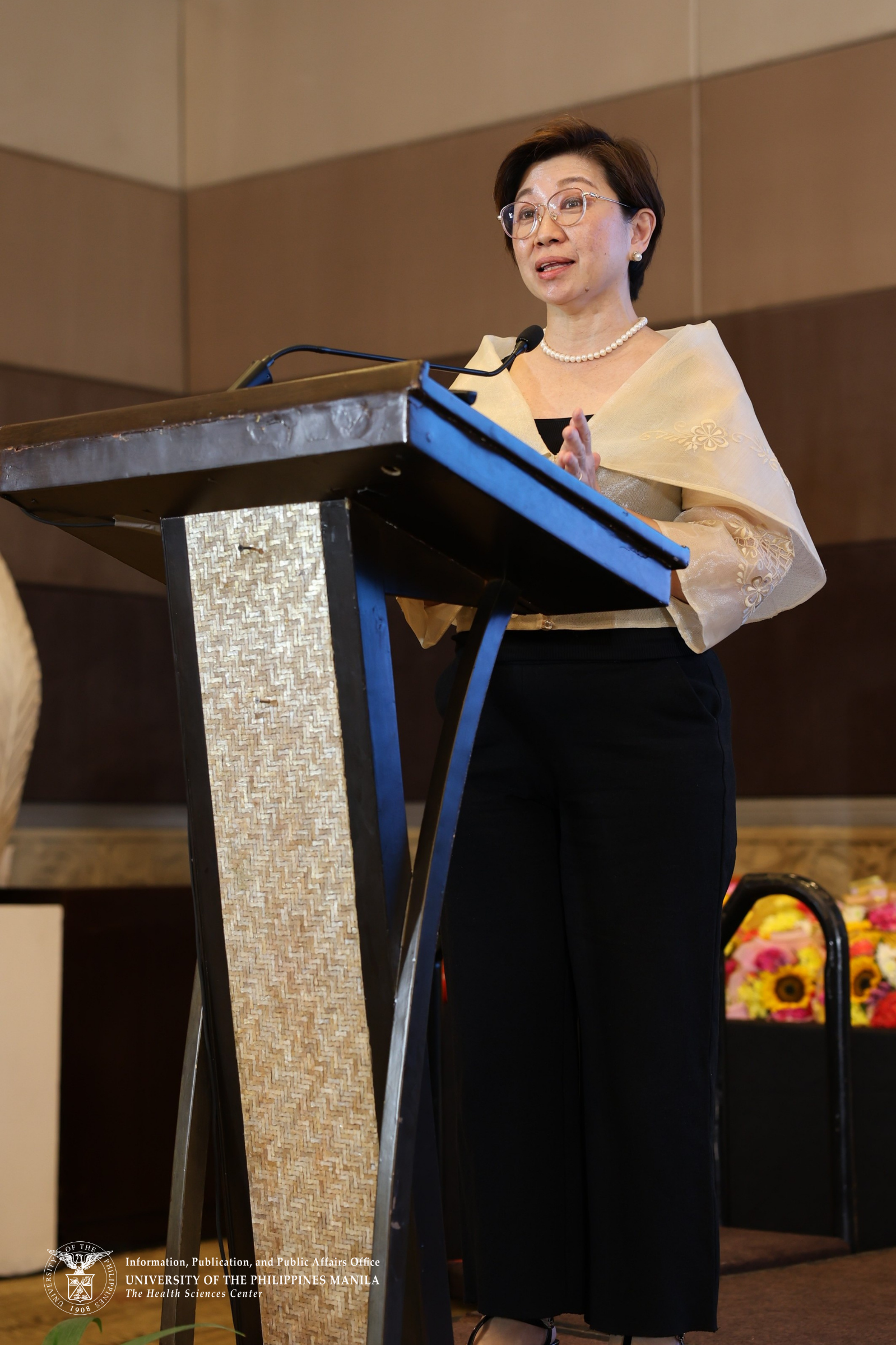
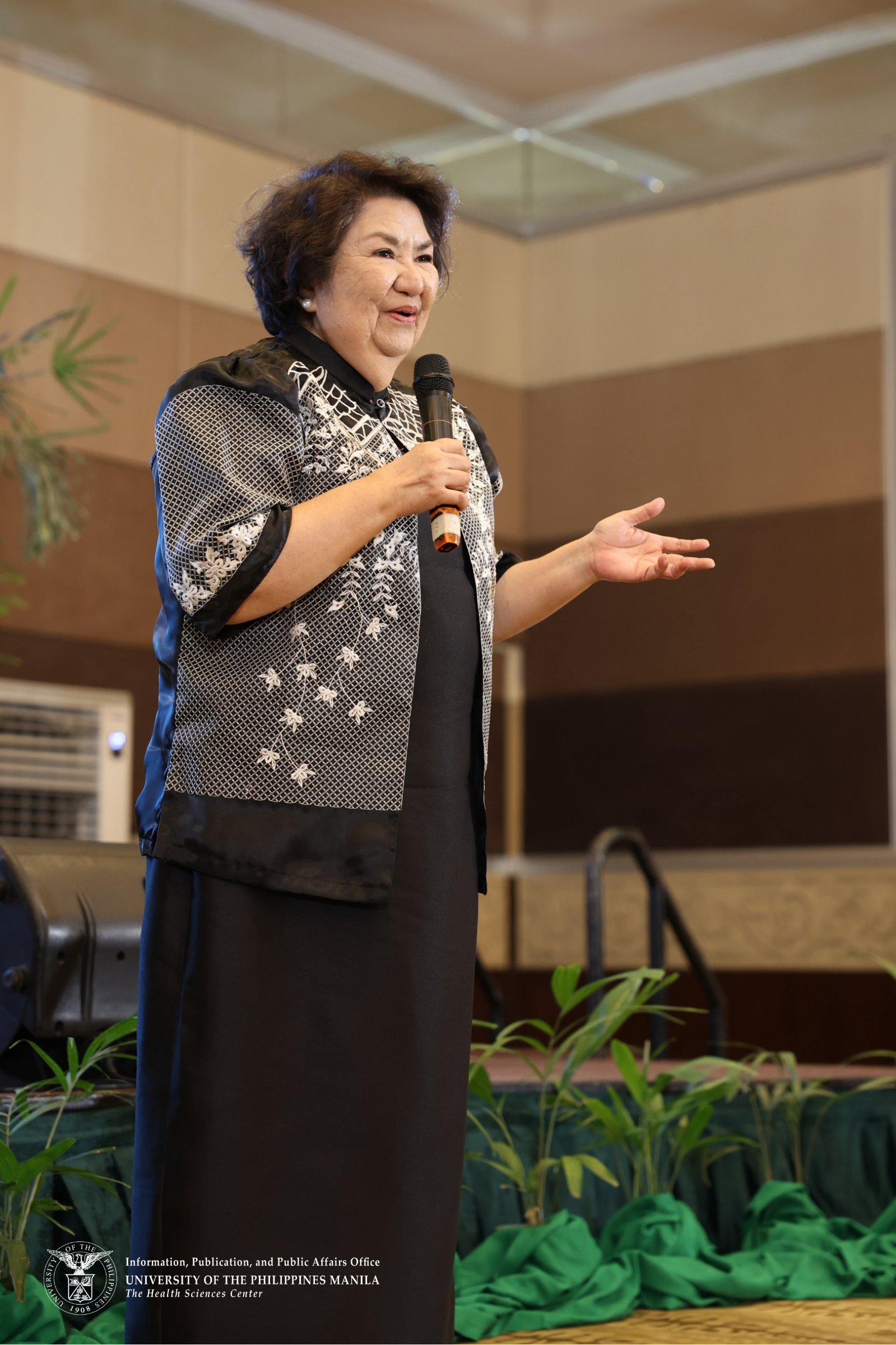
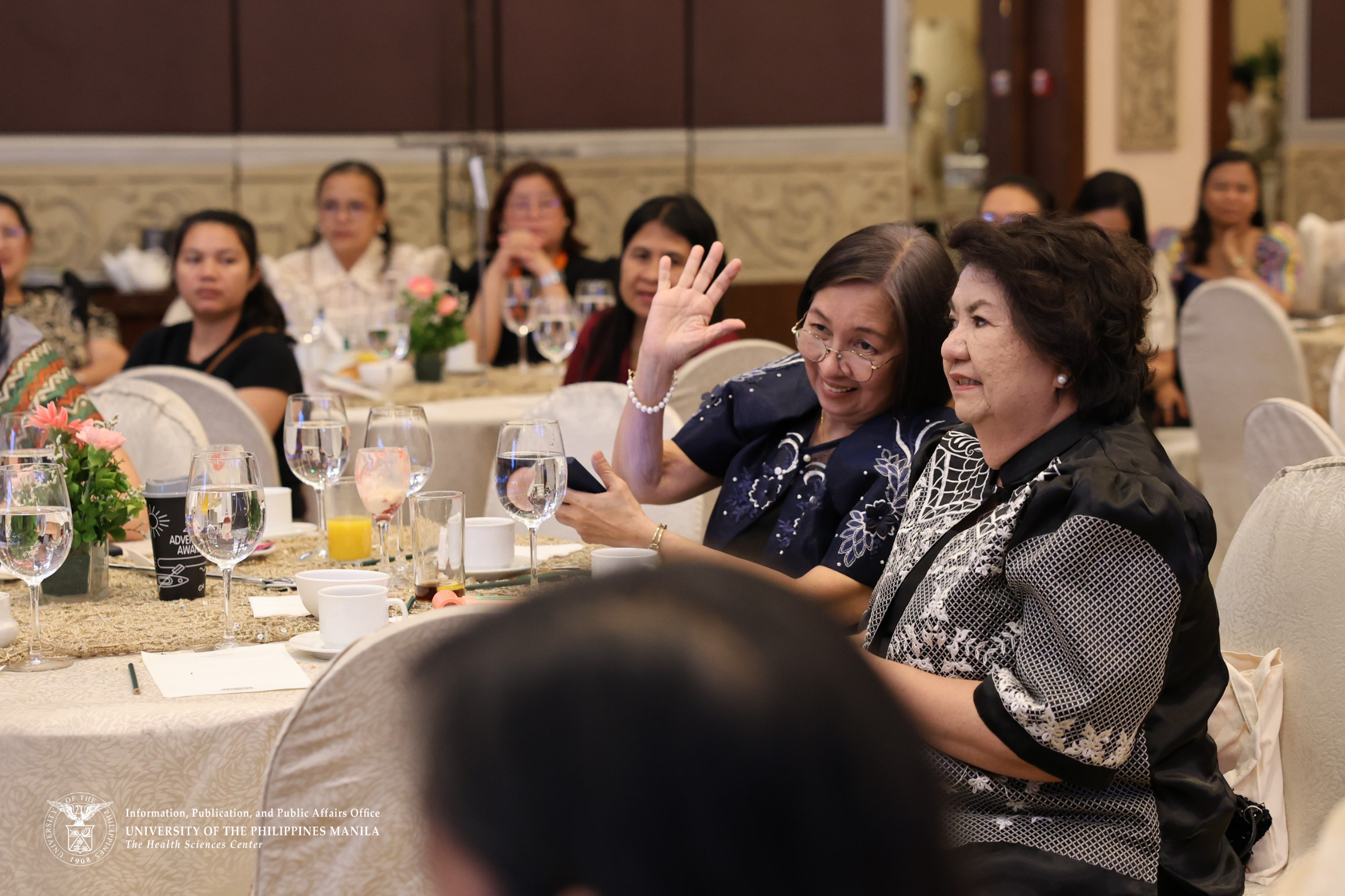
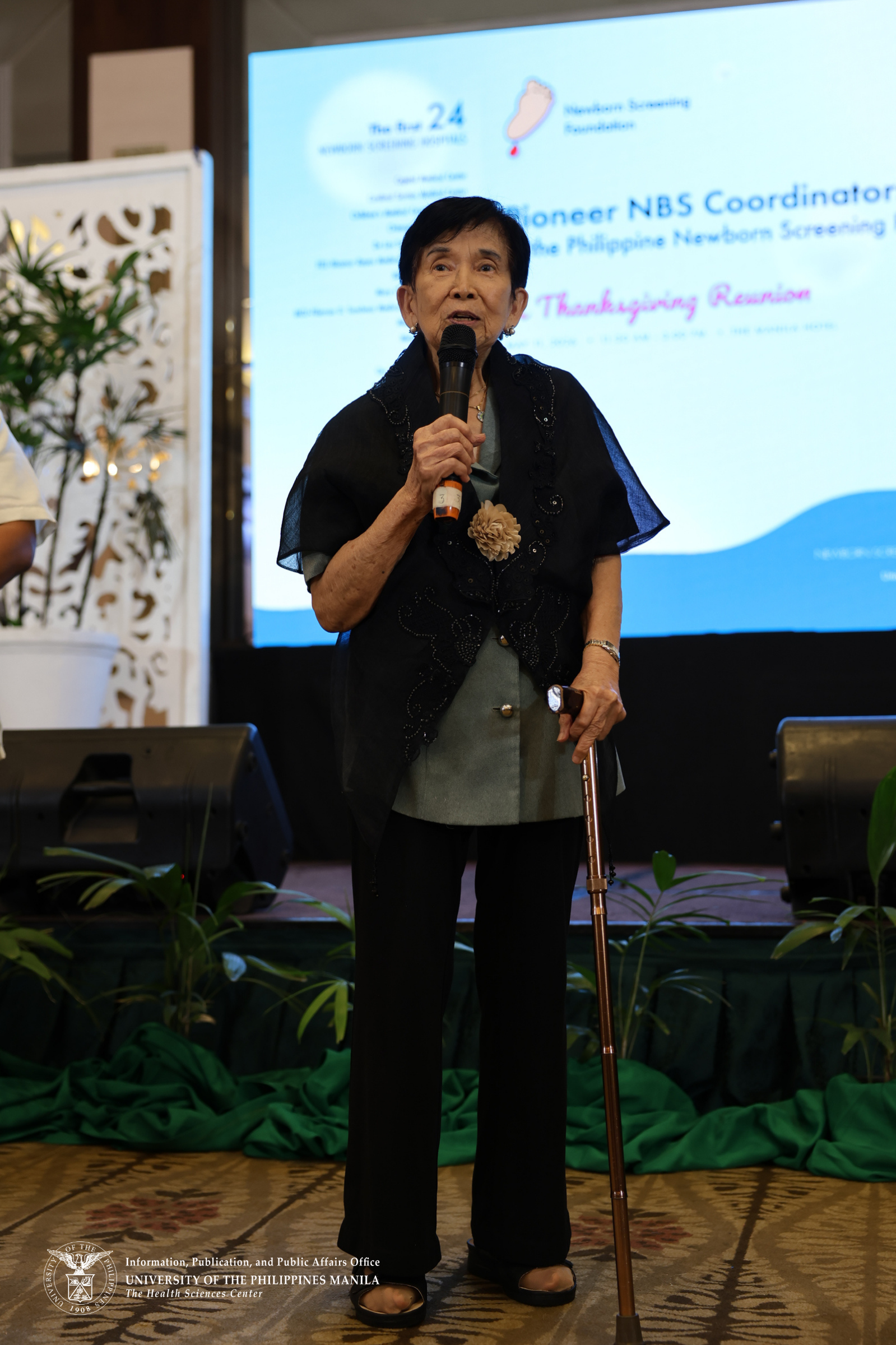
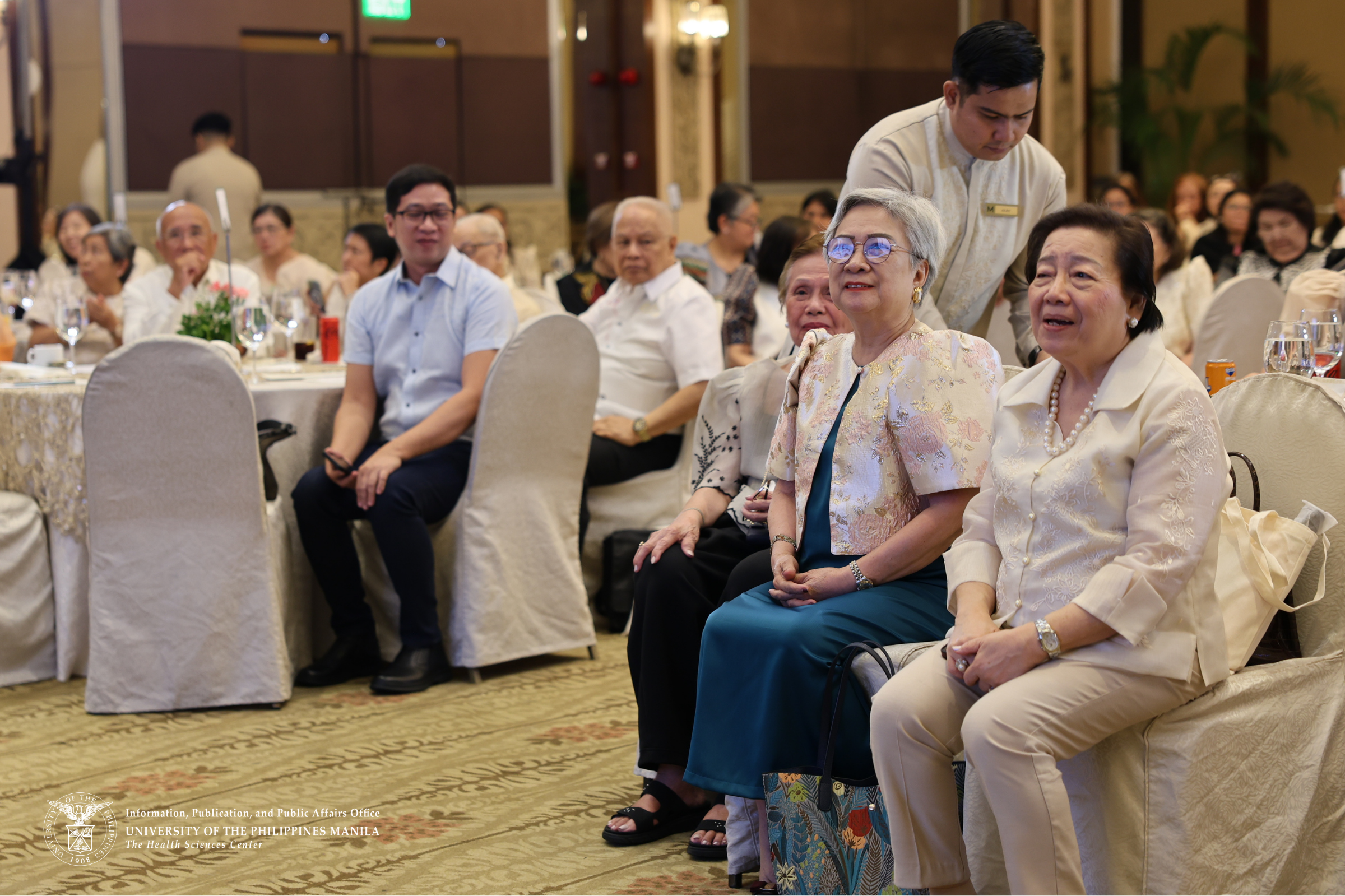
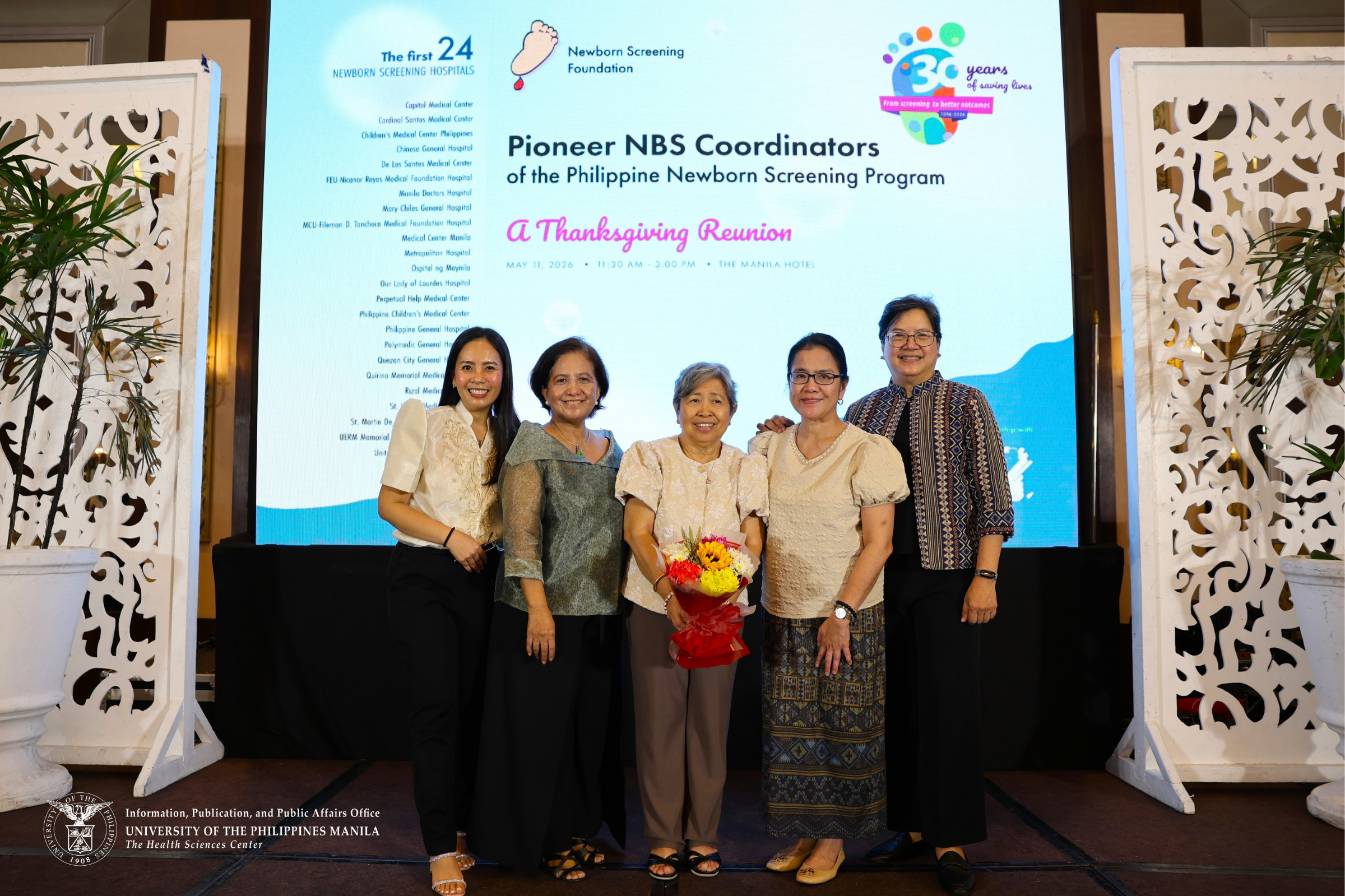
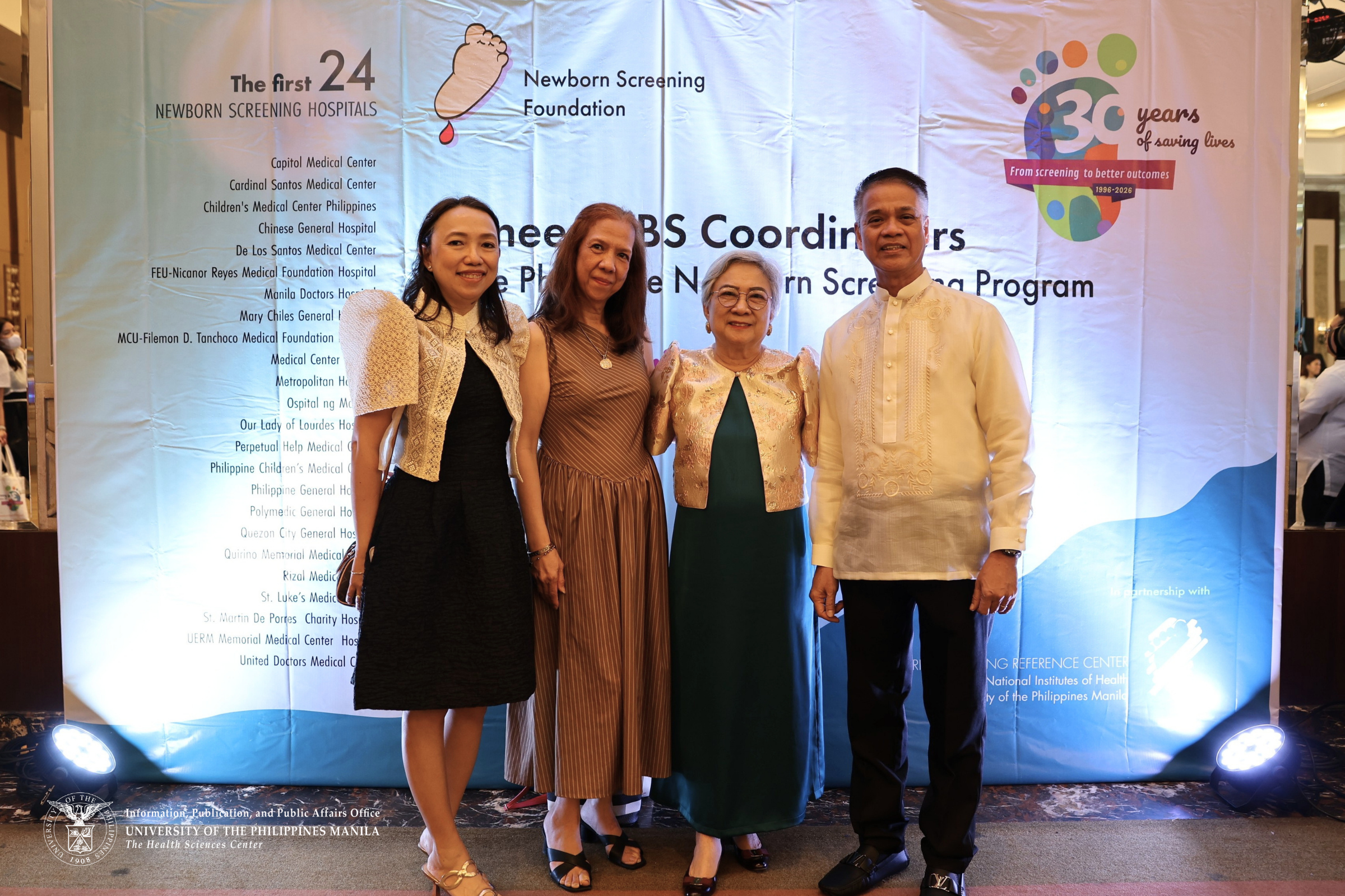
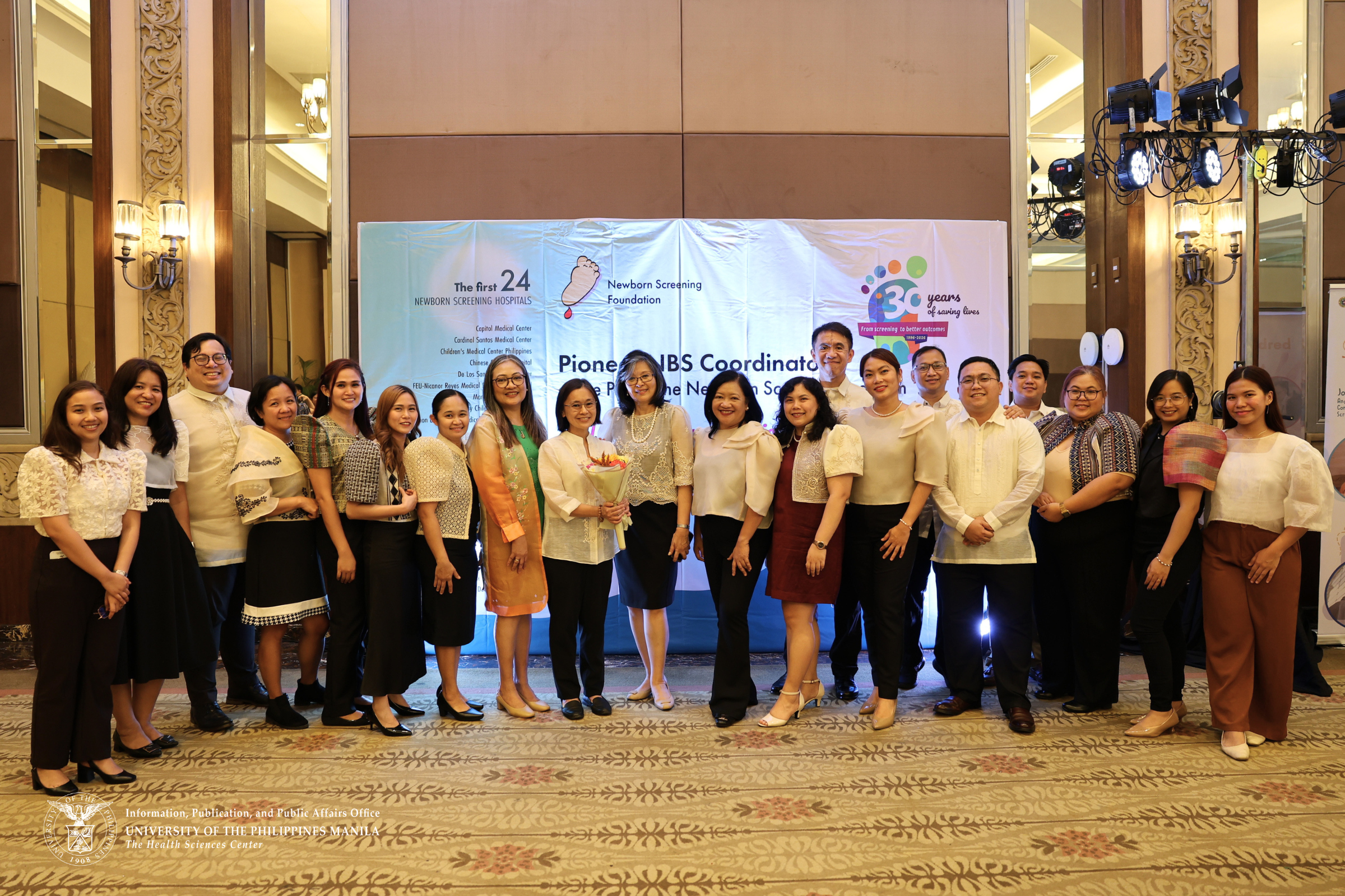
What began in 1996 as a small initiative in selected hospitals, the Philippine Newborn Screening (NBS) Program has evolved into one of the country’s most successful population-based health programs, sustained by decades of collaboration among healthcare workers, institutions, and government partners. A thanksgiving reunion brought together pioneering coordinators, clinicians, and advocates of the NBS on May 11, 2026, at the Manila Hotel, honoring the first 24 pilot hospitals that laid the foundation of what is now a nationwide public health system reaching millions of Filipino newborns.
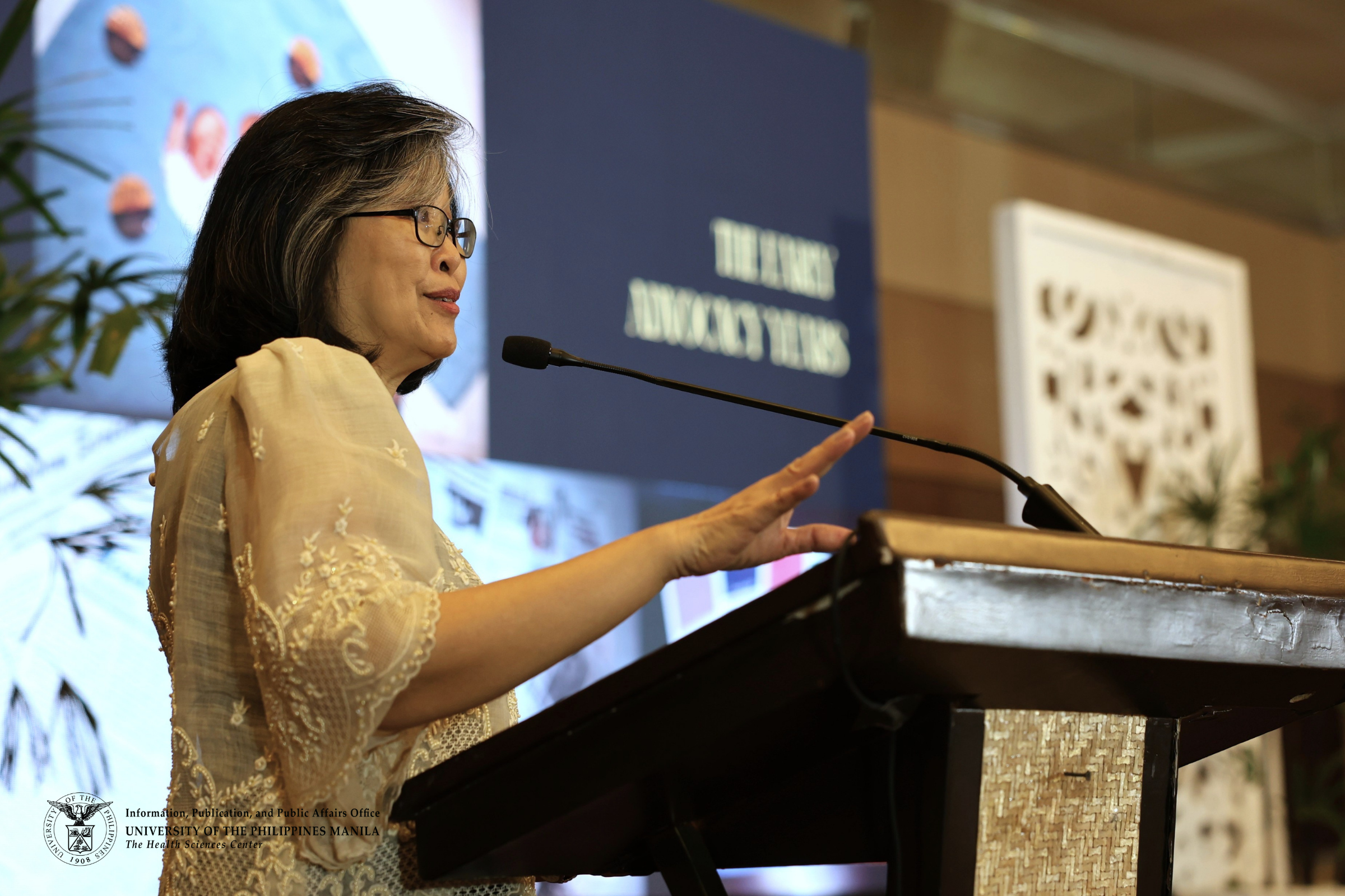
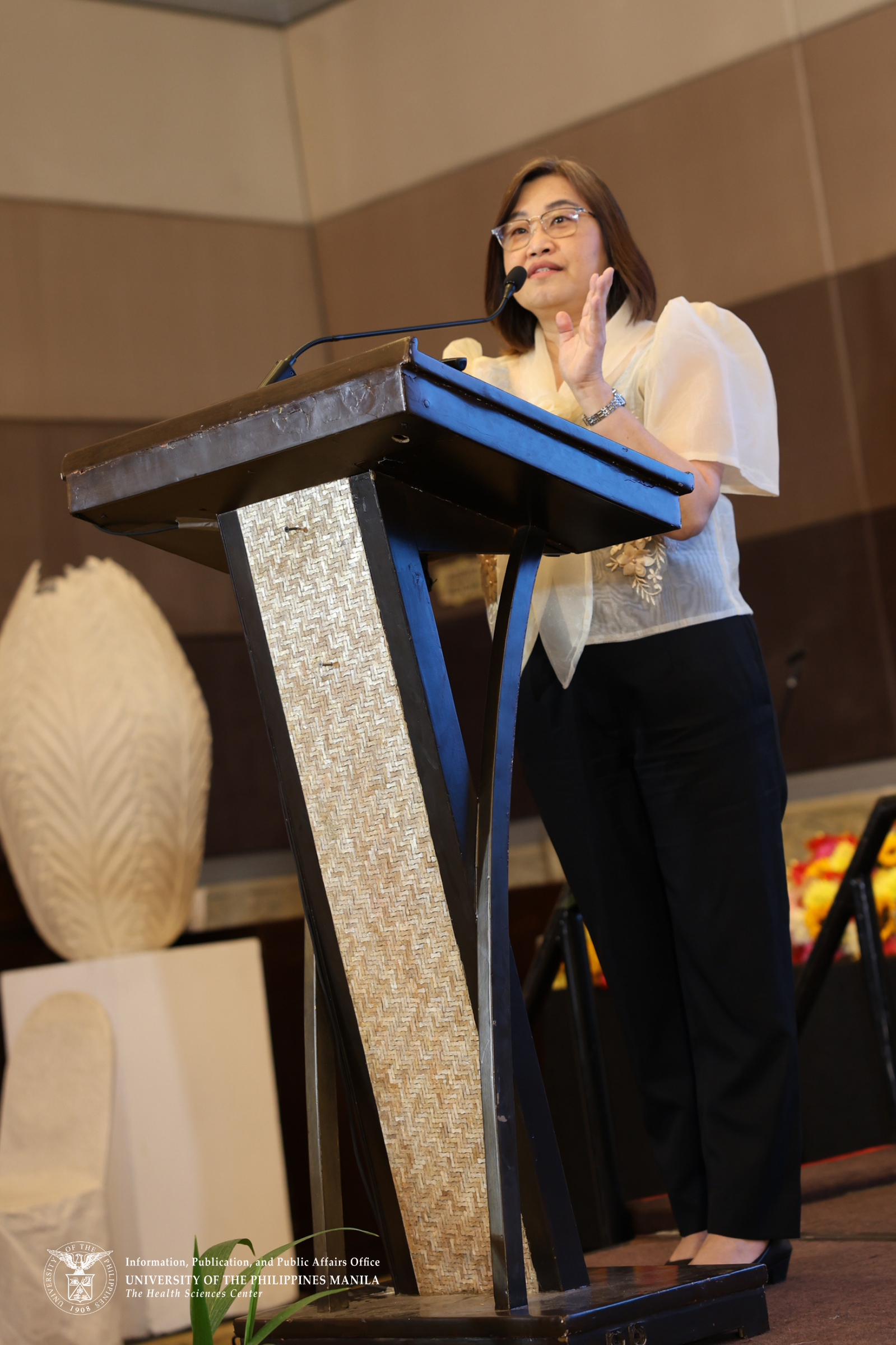
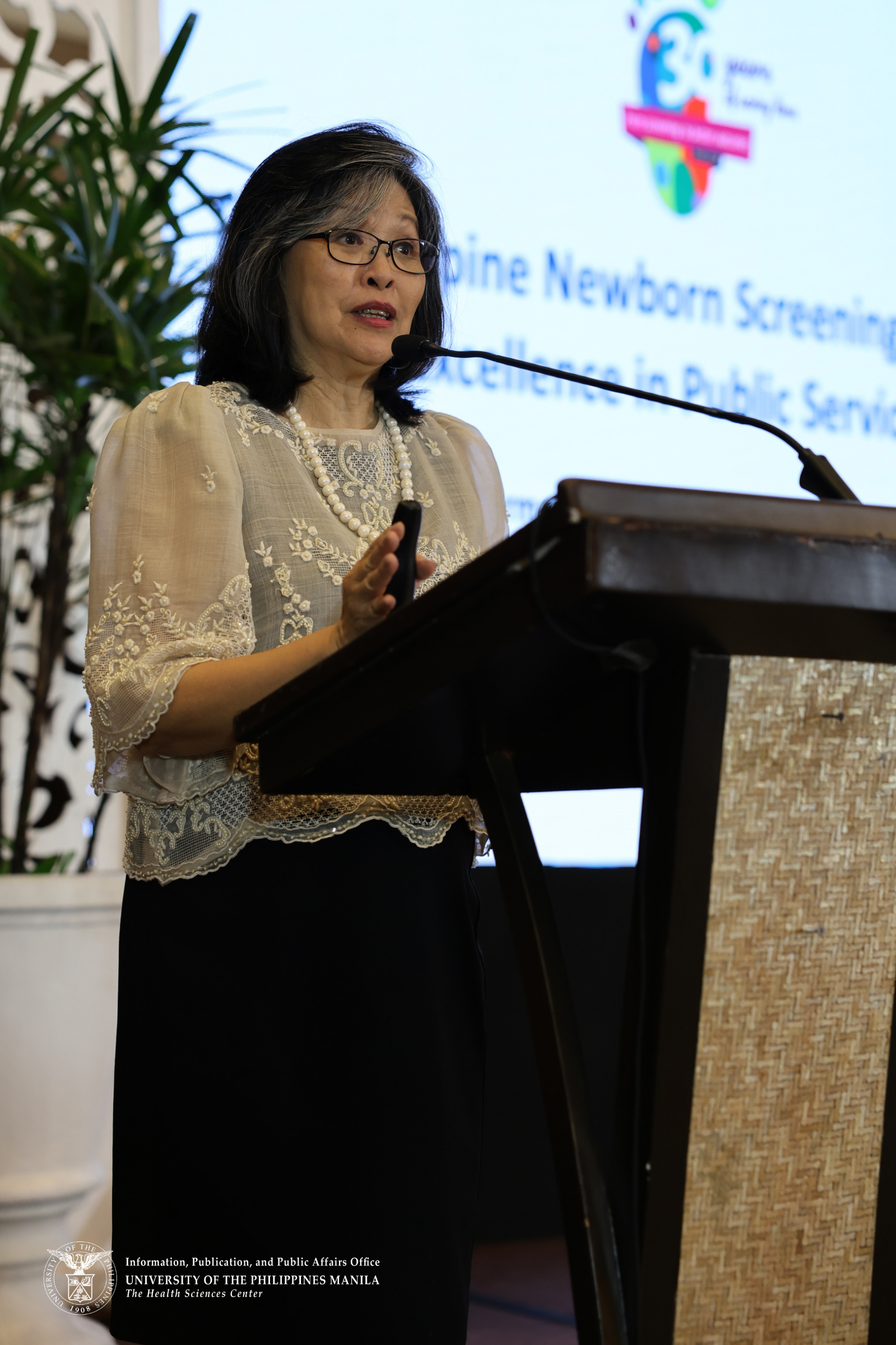
“From 24 hospitals, we are now in 7,000 hospitals,” National Scientist Dr. Carmencita Padilla said, emphasizing how the program expanded far beyond its pilot phase.
The program, which initially screened only a handful of conditions, now covers 29 disorders, providing early diagnosis and treatment that has saved thousands of lives. She noted that the system now reaches nearly universal coverage. “We are now covering 96.8% of the newborn population.” She further reported that approximately 20 million newborns have been screened, with more than 300,000 babies saved through early detection and intervention. She reported that the system now includes regional laboratories across Luzon, Visayas, and Mindanao, alongside continuity clinics designed to ensure long-term patient care.
A recurring theme in the reunion was that the success of newborn screening was not driven solely by legislation or funding, but by sustained collective action. Dr. Padilla emphasized that governance tools alone were insufficient. She added that people think that legislation is the solution; however, for her, legislation is just a strategy.
“Lesson number one is that we have an army of dedicated, empowered health advocates across the country,” she said. “It’s not a single leader, it’s multiple leaders at different parts, different hospitals, different regions.”
She highlighted the program’s continuity during the COVID-19 pandemic, when mobility restrictions threatened health service delivery. Dr. Padilla described how healthcare workers ensured uninterrupted operations despite lockdowns. Samples were transported through coordinated efforts involving police, fire personnel, the Coast Guard, and even air transport services.
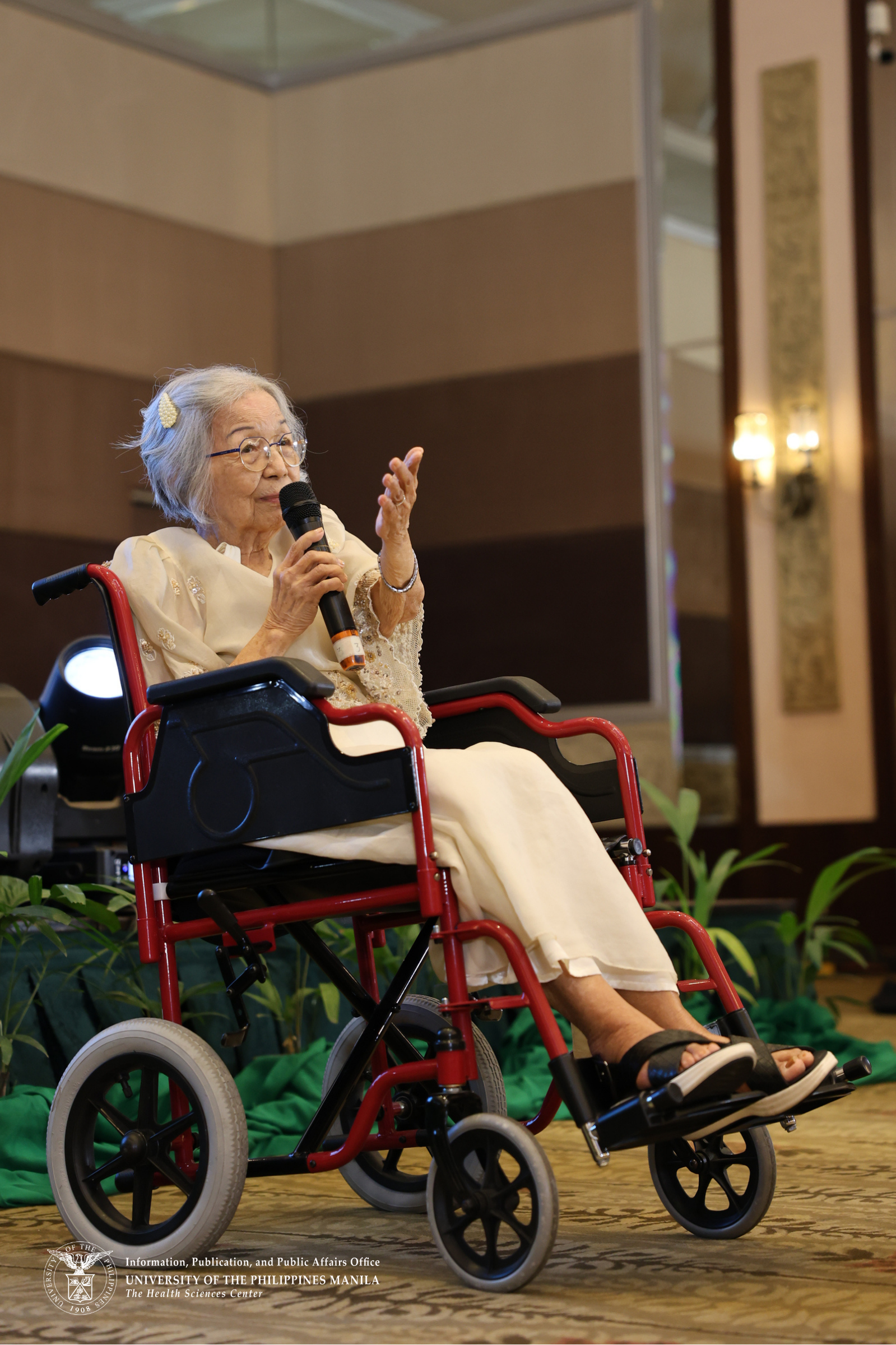
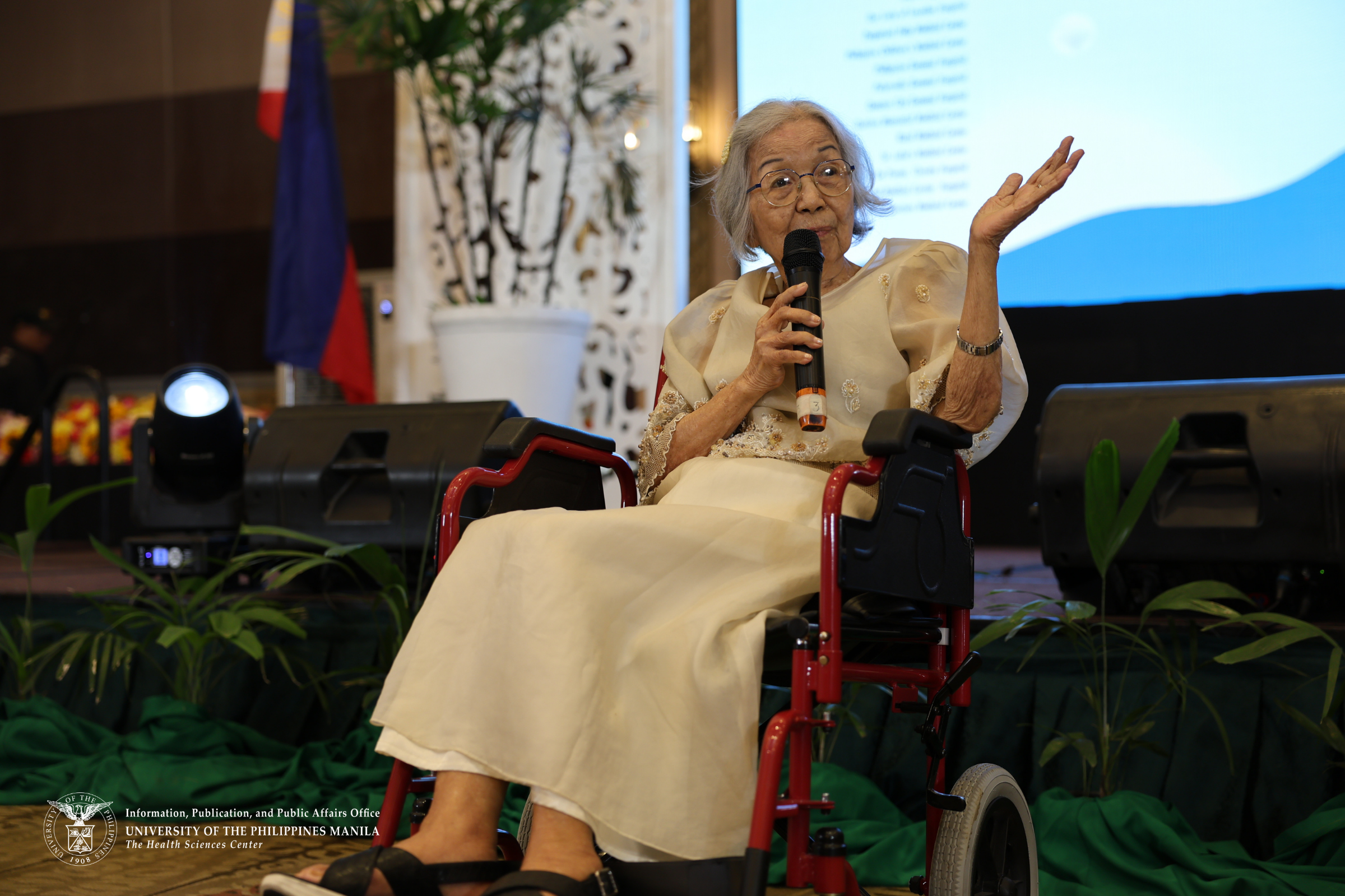
The reunion also formally recognized the many individuals and institutions who played vital roles in the development and expansion of the Philippine NBS Program in 1996 and was institutionalized through the passage of Republic Act No. 9288 or the Newborn Screening Act of 2004, including the leadership of the Newborn Screening Reference Center (NSRC) for guiding program expansion, quality assurance, and implementation; National Scientist Dr. Carmencita Padilla for serving as the guiding force behind the establishment and scaling of the national program; and Dr. Carmelita Domingo for her early leadership in laboratory development and newborn screening advocacy. Also recognized were the Newborn Screening Society of the Philippines (NSSPI), the Newborn Screening Foundation and partner institutions, hospital-based coordinators nationwide, the Department of Health and PhilHealth for policy and funding support, specialist societies and clinical partners in pediatrics, obstetrics, endocrinology, and genetics, regional newborn screening laboratories and continuity clinics across Luzon, Visayas, and Mindanao, as well as healthcare workers and frontline responders during the COVID-19 pandemic, including police, fire personnel, Coast Guard, and transport partners who ensured uninterrupted movement of newborn screening samples during lockdowns.


#FP1 #AccessibleUPLeadership
READ MORE: