

Text and Photos by Charmaine Lingdas
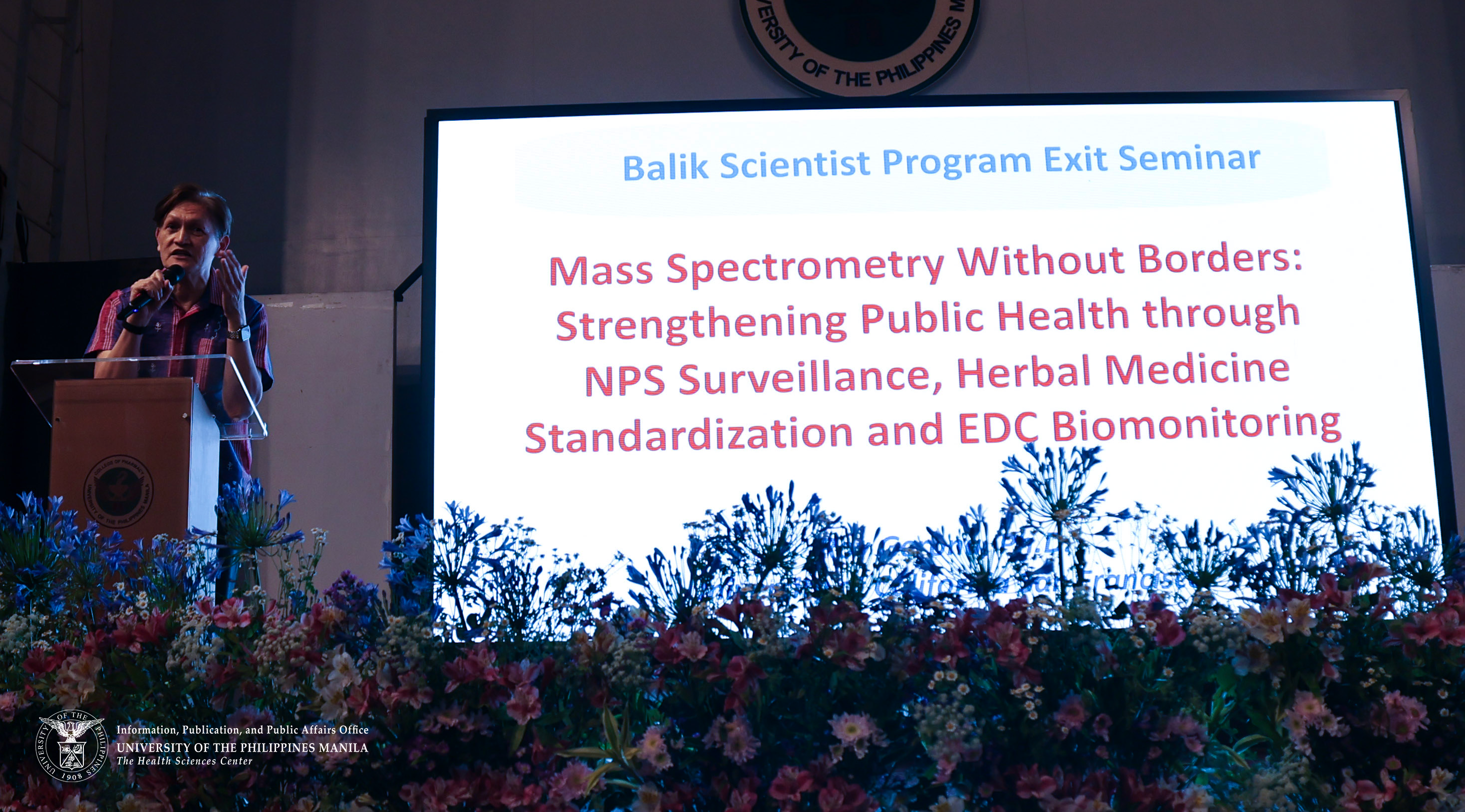
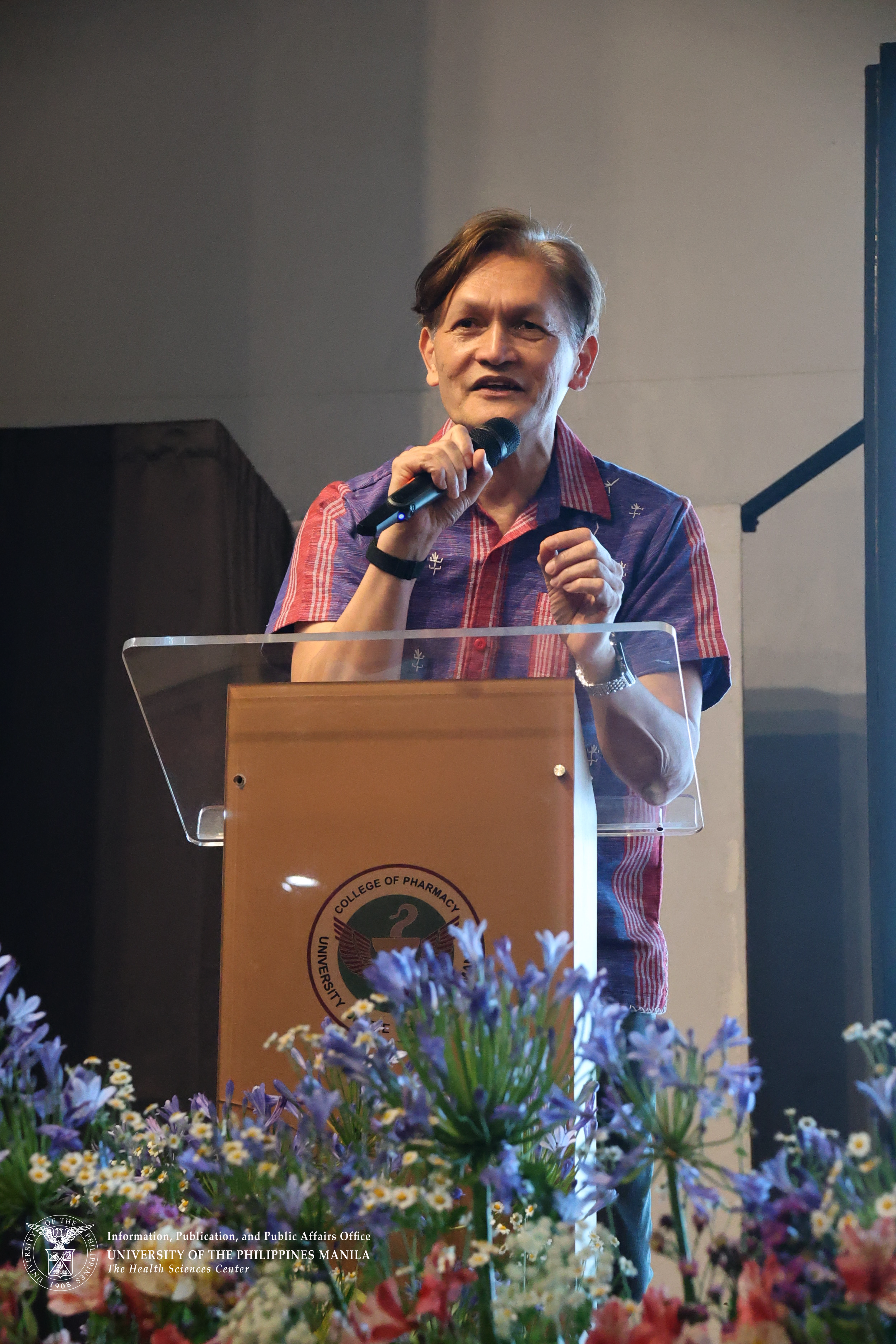
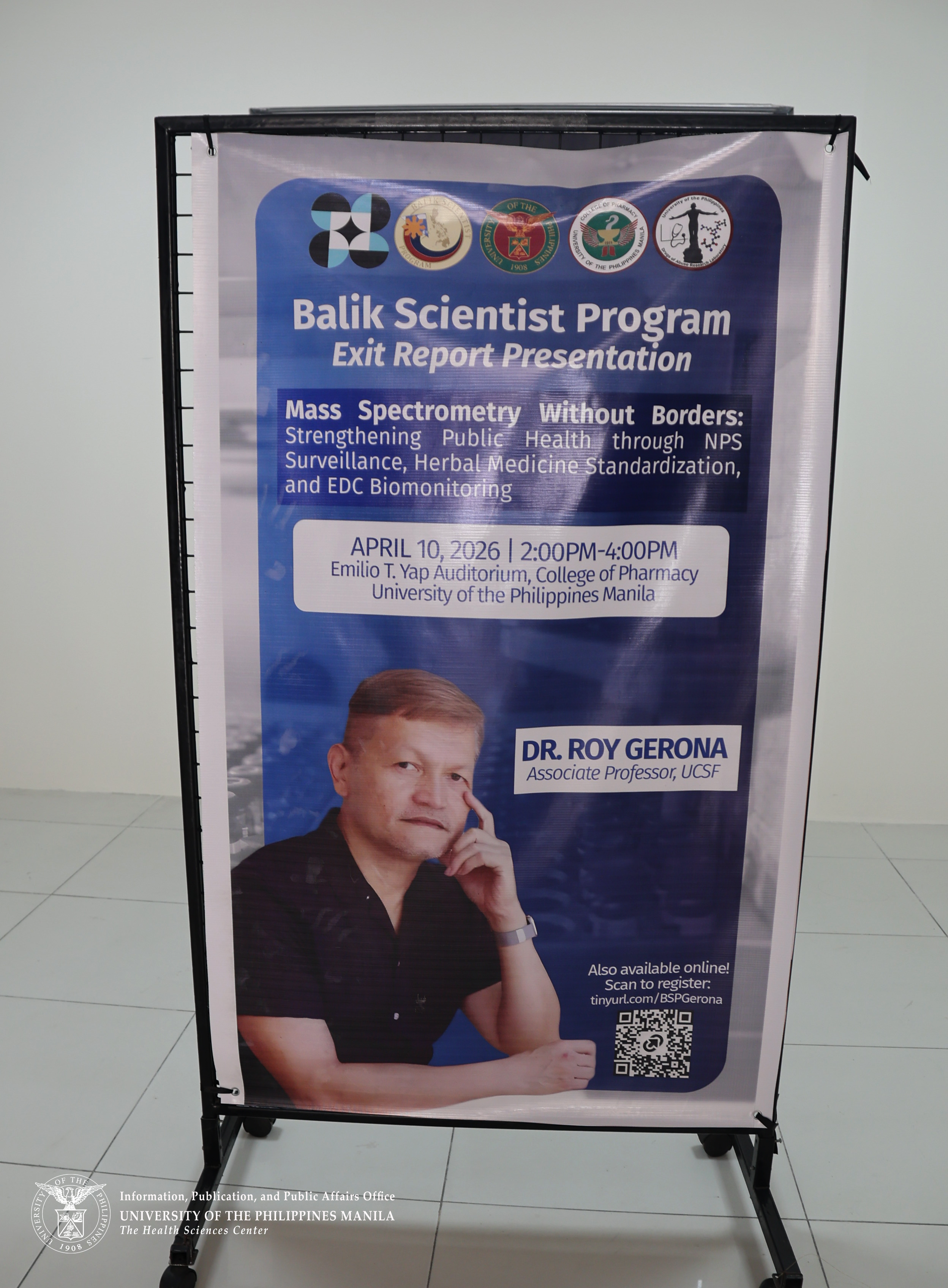
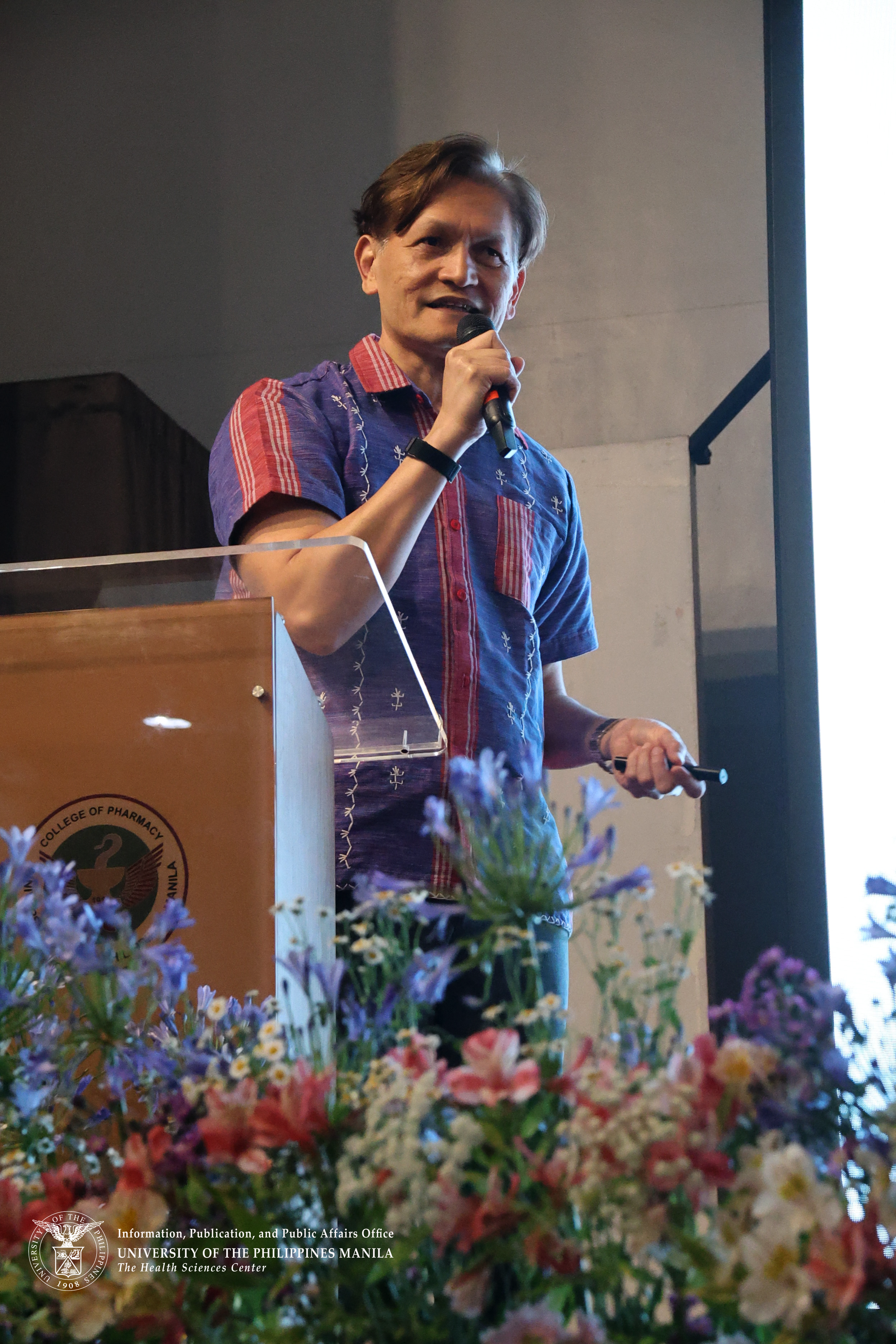
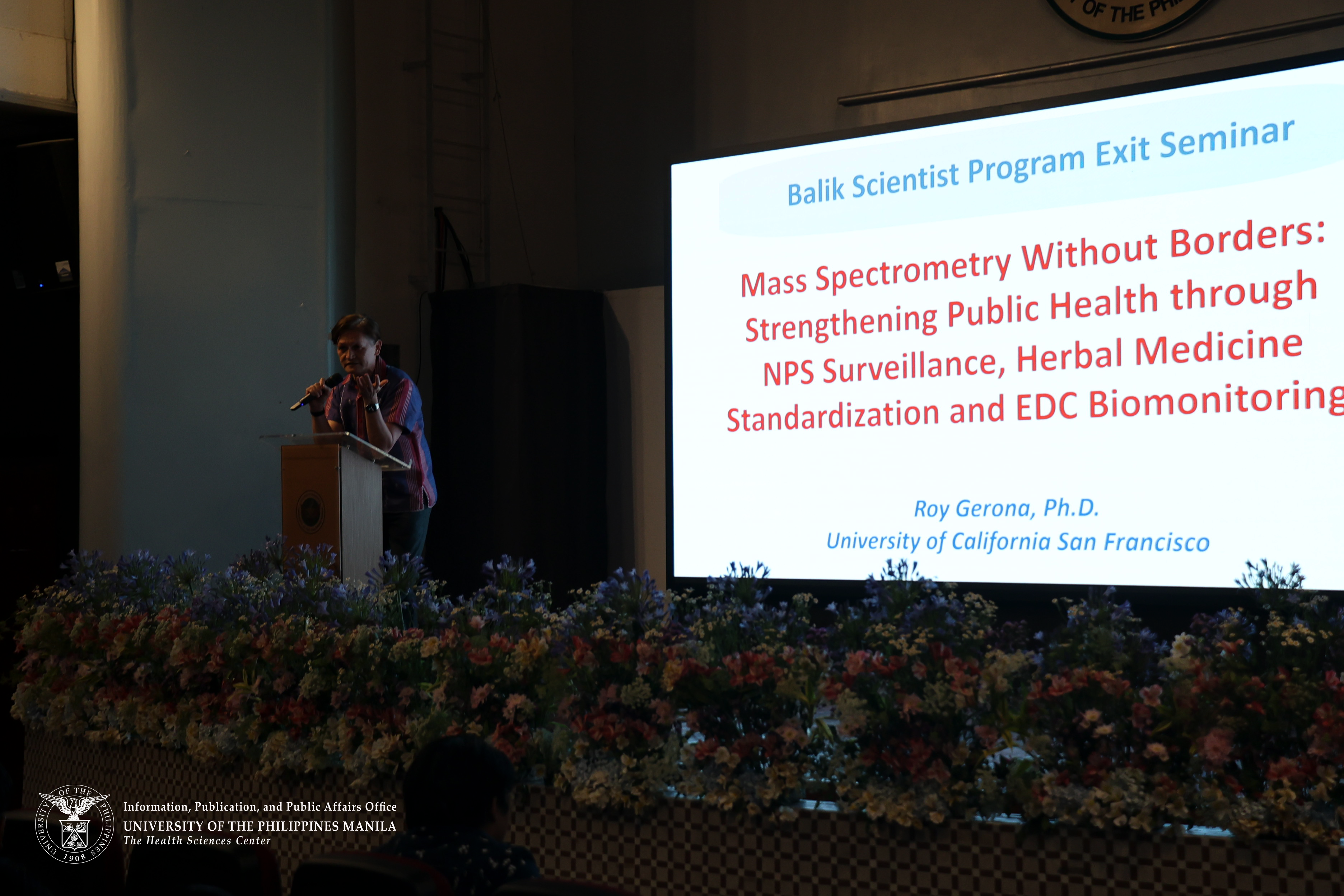
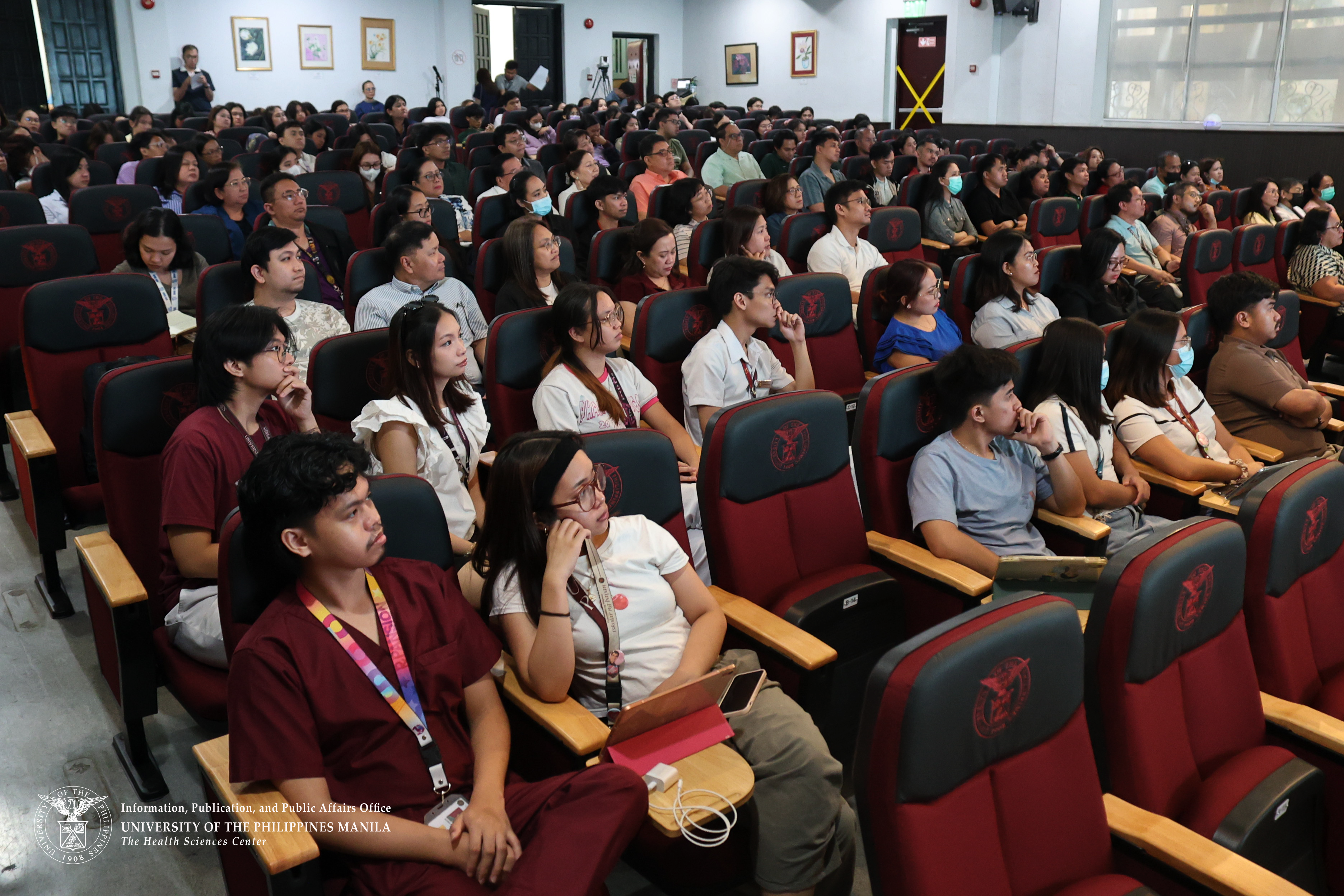
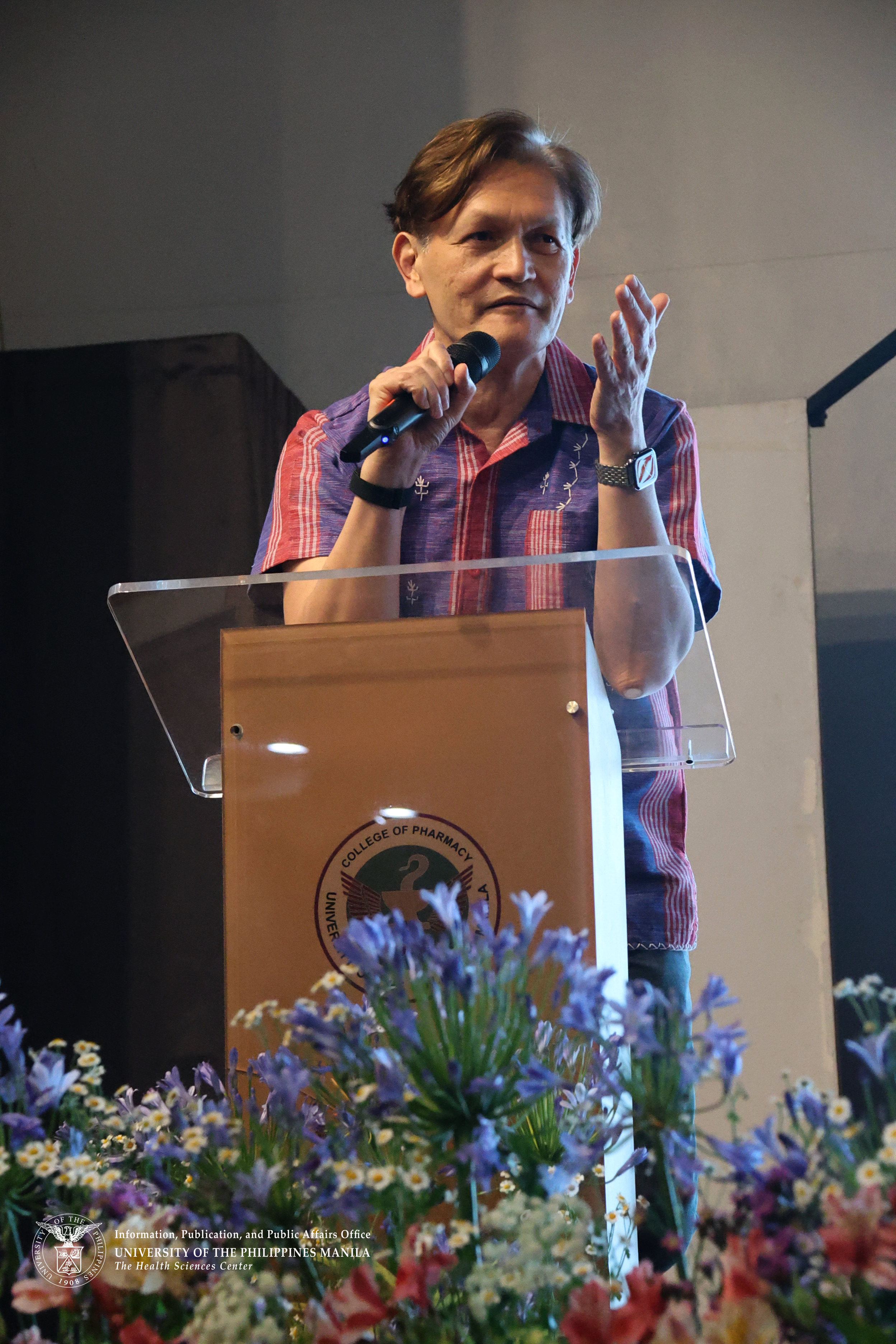
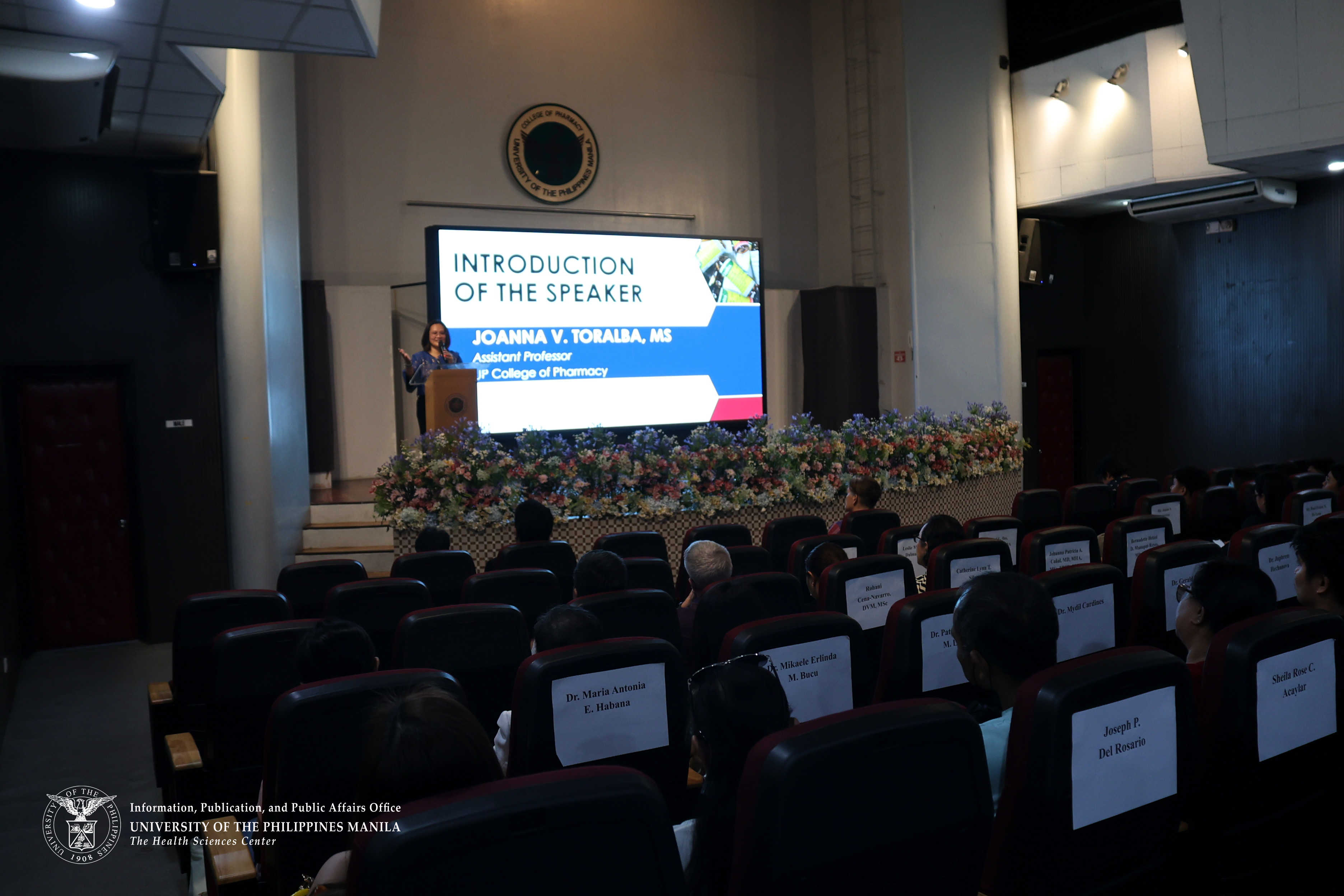
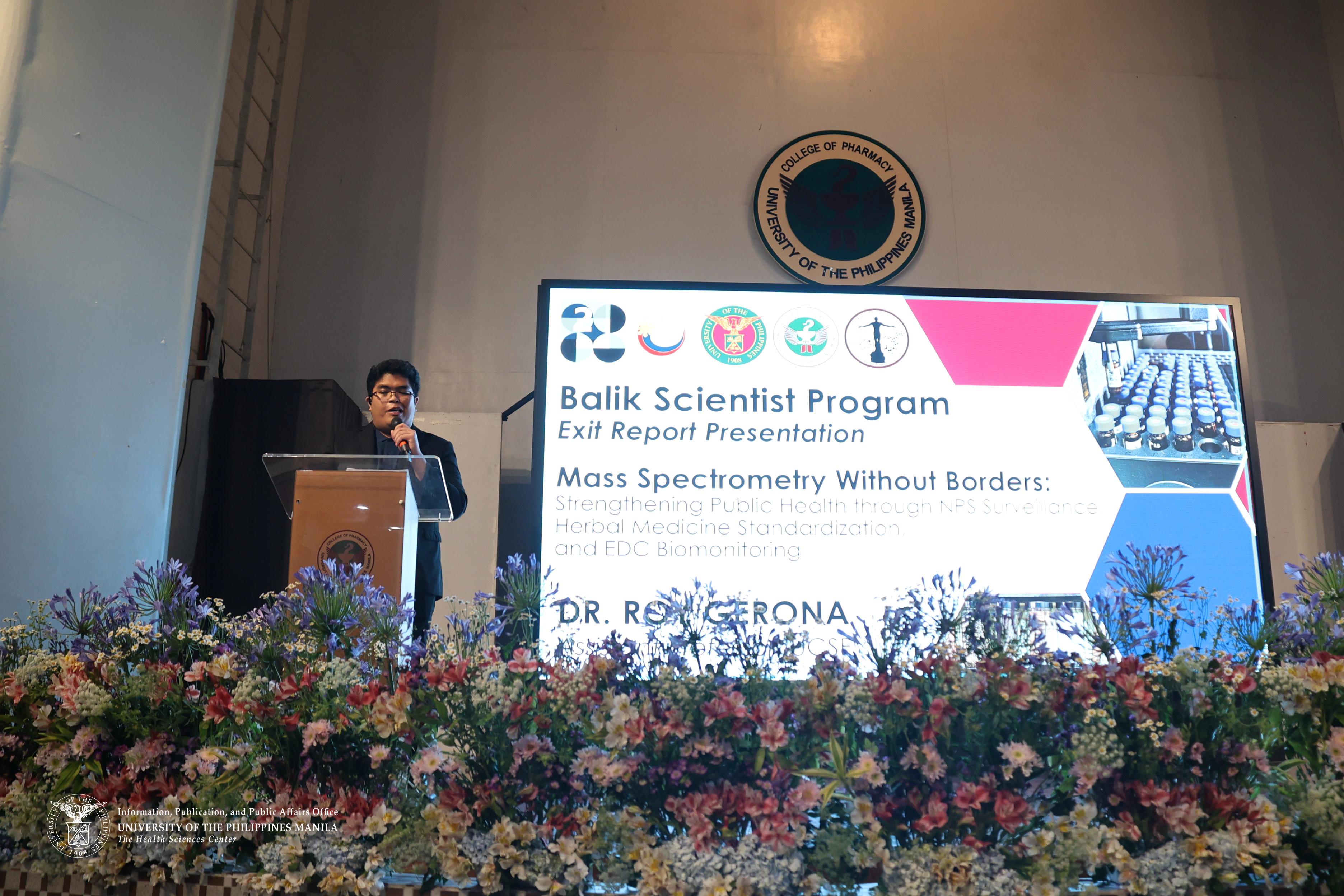
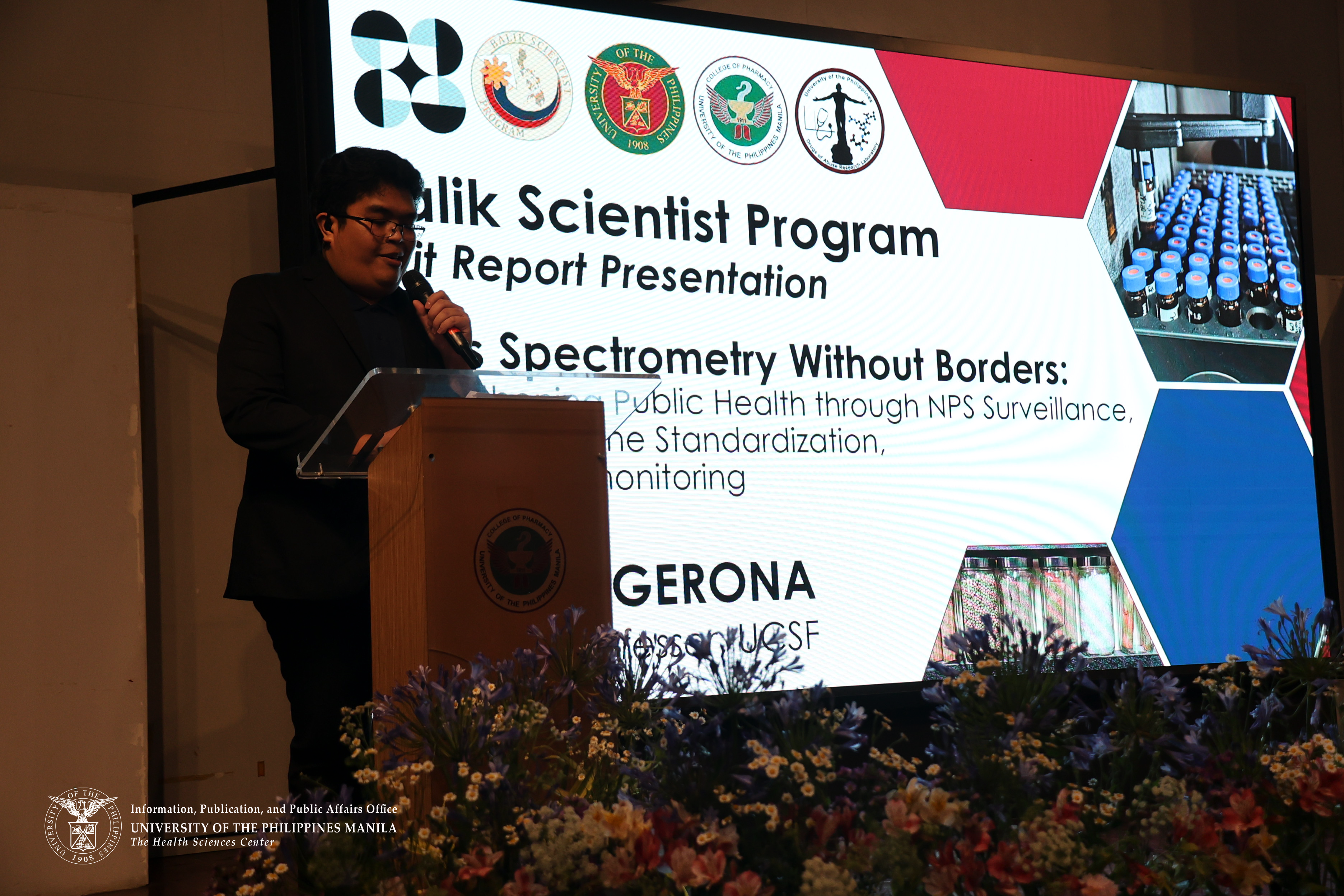
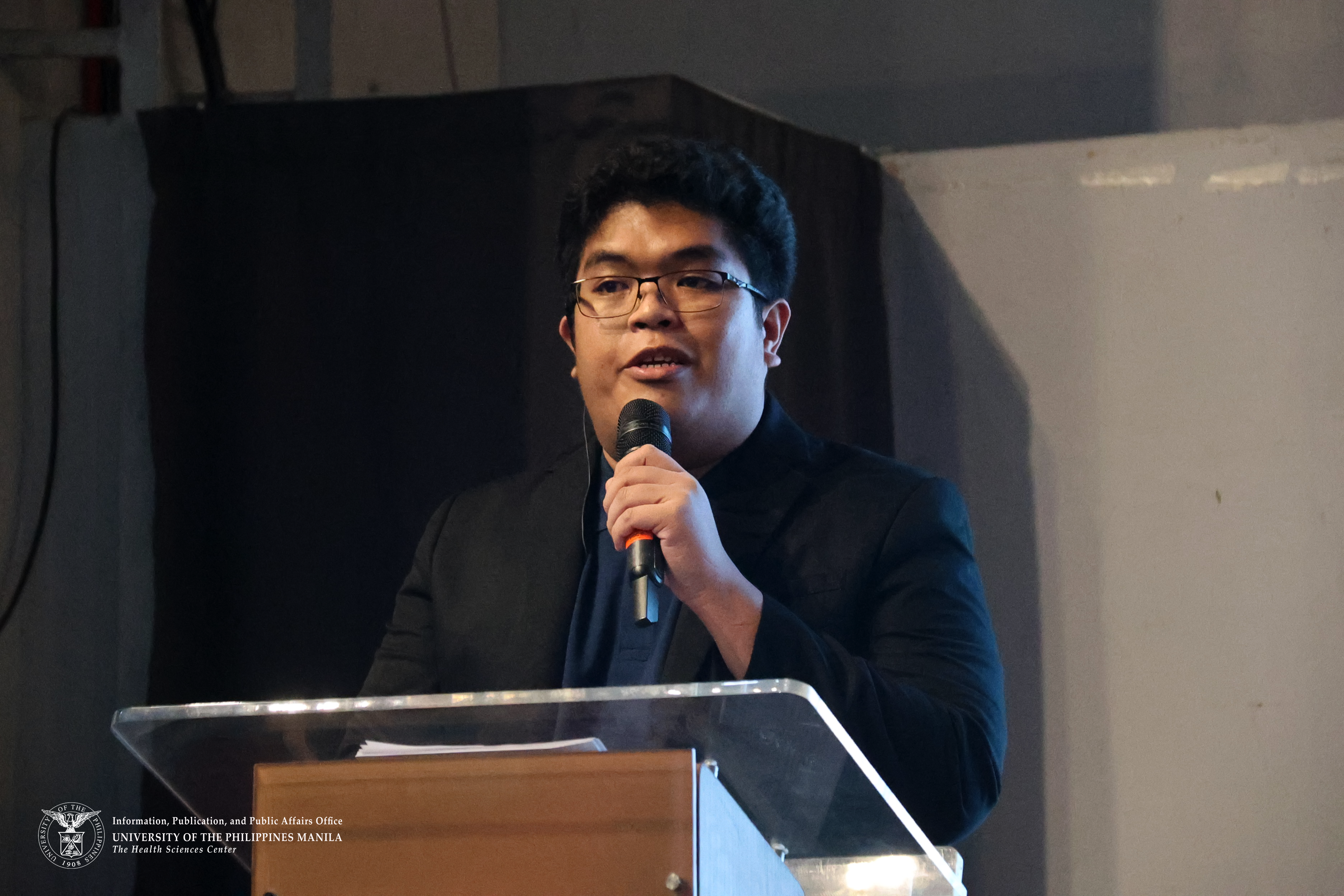
Wide and versatile applications of mass spectrometry across diverse areas of public health research were highlighted in the lecture of Dr. Roy Gerona, a DOST Balik Scientist and a visiting professor in the Department of Pharmaceutical Chemistry at the University of the Philippines Manila College of Pharmacy, titled “Mass Spectrometry Without Borders: Strengthening Public Health Through NPS Surveillance, Herbal Medicine Standardization, and EDC Biomonitoring,” held on April 10, 2026 at the Emilio T. Yap Auditorium.
The lecture highlights the outcomes of Dr. Gerona’s three-year engagement under the DOST Balik Scientist Program. His Balik Scientist project aims to transform the UP Drugs of Abuse Research Laboratory (UP-DARL) into a Center for Drug Analysis (CDA), strengthening UP Manila’s capacity in mass spectrometry through collaboration, training, research development, and proposal building, with the long-term goal of establishing a sustainable national platform for drug analysis and public health research.
Mass spectrometry as a shared public health platform
Dr. Gerona, an associate professor at the University of California San Francisco (UCSF), explained that the “without borders” concept reflects the versatility of mass spectrometry in addressing diverse public health challenges.
Mass spectrometry is a technique that identifies and measures chemicals by converting them into charged particles and analyzing them based on mass. This enables scientists to determine a compound’s structure, composition, and concentration, even at trace levels.
He emphasized that the technology underpins the proposed CDA, supporting a unified analytical framework for toxicology, drug surveillance, natural products research, and environmental biomonitoring.
Building a national Center for Drug Analysis
The proposed CDA integrates three core areas: drug and new psychoactive substance (NPS) surveillance, herbal medicine standardization, and environmental biomonitoring of endocrine-disrupting chemicals.
“The capacity is not meant to only be developed here at UP Manila, but it should be shared with other collaborators and agencies,” Dr. Gerona said, underscoring a collaborative model that expands access to advanced analytical services nationwide.
Established in 2019, UP-DARL serves as a confirmatory drug testing and research facility capable of identifying a wide range of licit and illicit substances. Developed through the CHED–Philippine-California Advanced Research Institutes (CHED-PCARI) program, the laboratory works with partners including the UP College of Medicine, the National Poison Management and Control Center, and the University of California, San Francisco.
In November 2024, the laboratory further enhanced its capabilities with new technology that enables rapid identification of emerging “party drugs,” strengthening support for law enforcement and healthcare providers.
Strengthening drug surveillance and early warning systems
A key component of the program is improving drug surveillance, particularly for new psychoactive substances (NPS)—synthetic substances designed to mimic controlled drugs but often evolve faster than regulatory systems.
Dr. Gerona is involved in a Dangerous Drugs Board project piloting an early warning system in Metro Manila. The initiative collected around 400 cases from major hospitals, including the Philippine General Hospital, Hospital ng Makati, East Avenue Medical Center, and Jose R. Reyes Memorial Medical Center.
Samples will be analyzed using methods capable of detecting over 100 substances, with support from UCSF, which provides access to a broader reference database of more than 1,300 compounds. Findings will inform regular trend reports for agencies such as the Philippine National Police, National Bureau of Investigation, and the Philippine Drug Enforcement Agency.
Elevating herbal medicine standardization
Dr. Gerona also highlighted the need to strengthen herbal medicine standardization, noting the Philippines’ rich biodiversity alongside the need for scientific validation.
A project submitted to the Department of Science and Technology–Philippine Council for Health Research and Development (DOST-PCHRD) focuses on developing standardization protocols using chemical markers for widely used plants such as sambong, lagundi, mangosteen, serpentina, and banaba.
He explained that the approach prioritizes chemical markers—particularly when bioactive compounds are not fully established—and follows a tiered system. Regional laboratories will conduct high-accuracy validation, while manufacturers apply simpler methods that are periodically cross-validated with academic institutions.
Endocrine-disrupting chemical biomonitoring
Dr. Gerona identified endocrine-disrupting chemical (EDC) biomonitoring as a critical public health priority, particularly in light of rising infertility rates in the Philippines.
He noted that the country has one of the highest infertility rates in the Asia-Pacific region, with an age-standardized rate of 3,510 per 100,000 population and an estimated annual increase of 5.33%. Environmental exposure, rather than genetic factors alone, was cited as a key contributor. Common sources of EDCs include bisphenol A (BPA) in plastics, phthalates in personal care products, and phenols in everyday consumer goods.
A pilot intervention study showed that reducing exposure, such as avoiding plastic packaging and using safer alternatives, resulted in measurable improvements, including lower BPA levels and improved reproductive outcomes.
Advancing collaboration in public health research
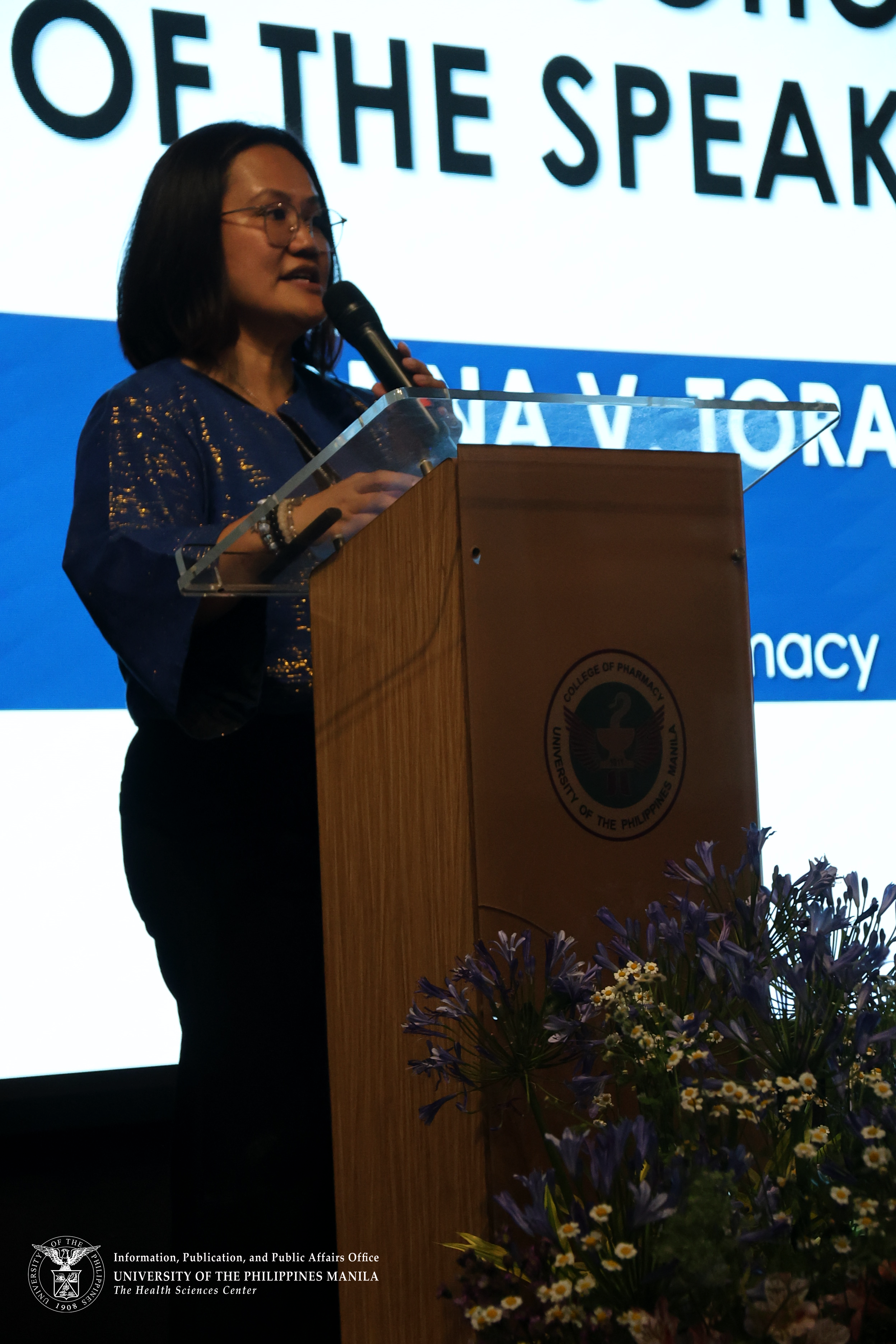
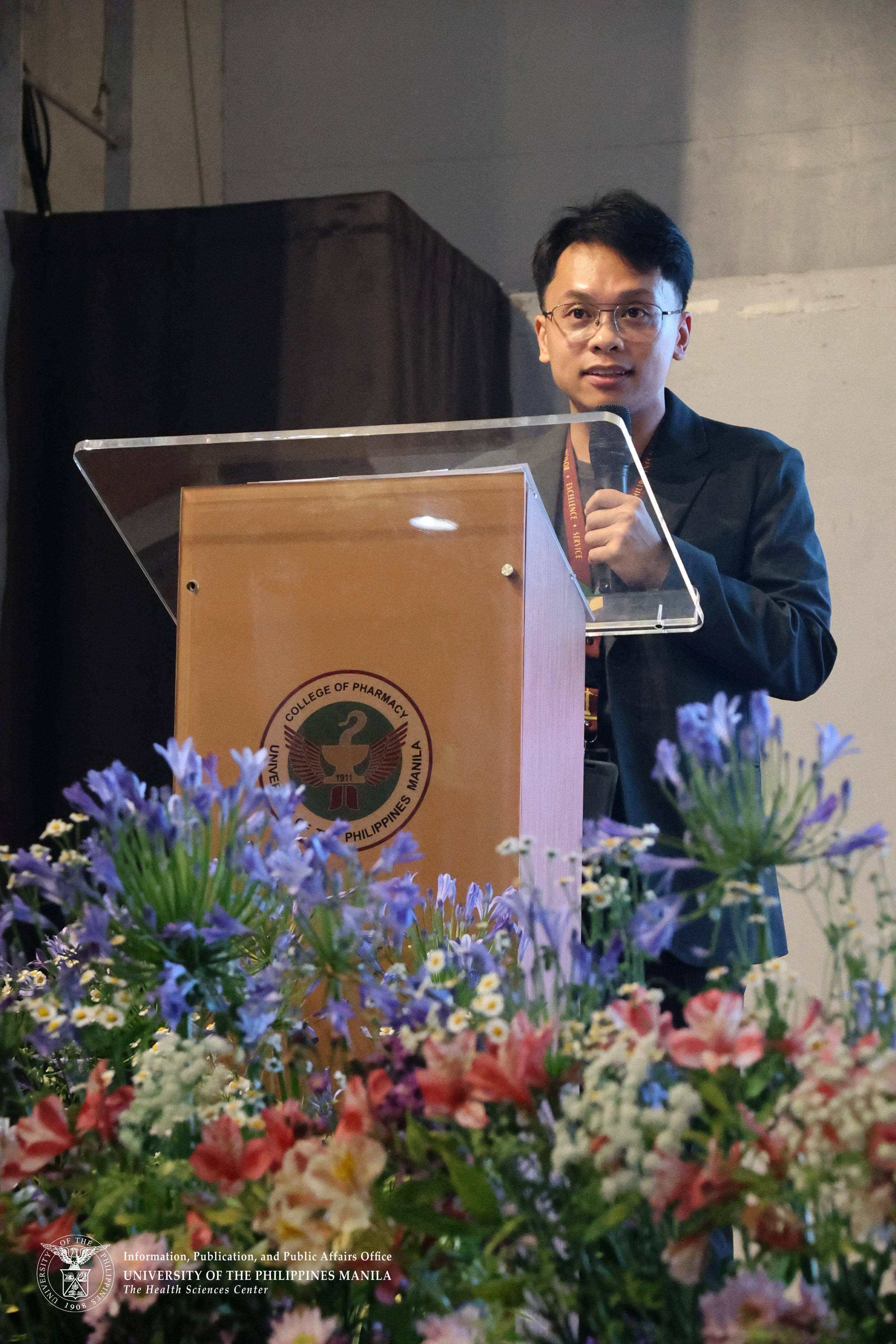
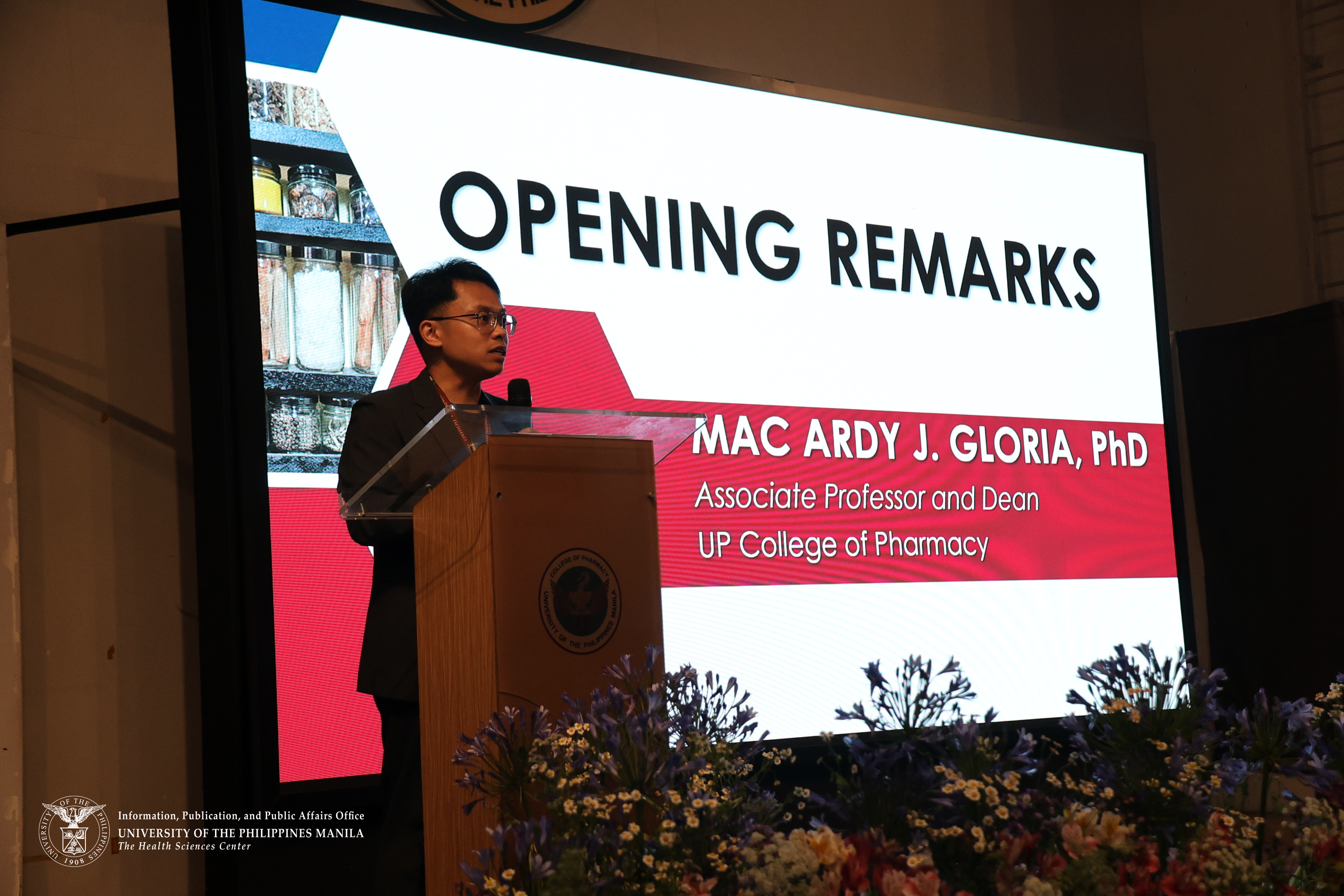
UP College of Pharmacy Dean Mac Ardy Gloria underscored Dr. Gerona’s contributions to research, mentorship, and institutional partnerships, emphasizing the importance of collaboration among government, academia, and industry.
“It’s very important to note that the contribution of Dr. Gerona not only to the college but also extends beyond the college, even with other partner institutions, students, faculty, and all other stakeholders are really evident. His presence in the college has brought meaningful contributions to our work in research, teaching, mentorship, and collaboration,” said Dean Gloria.
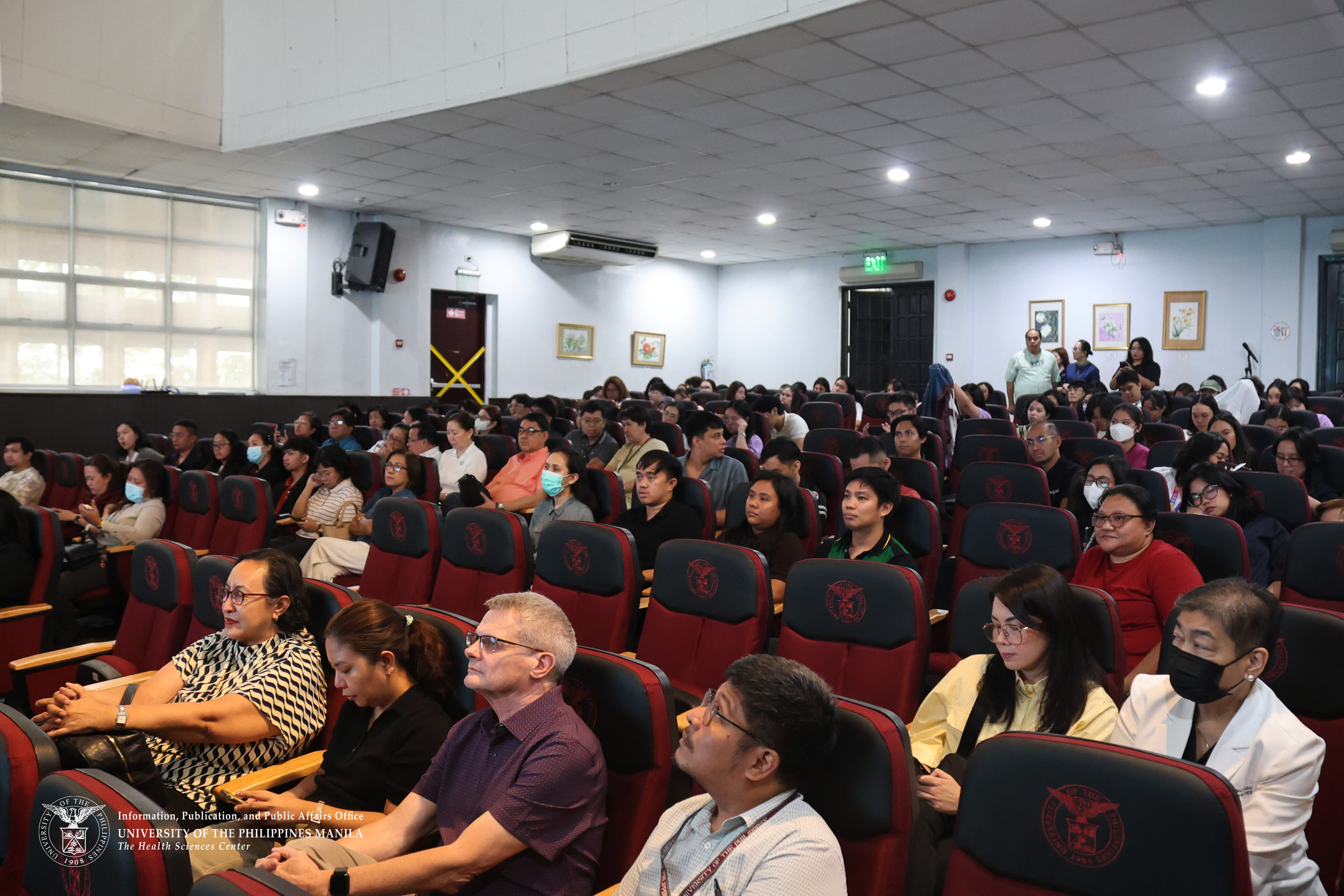
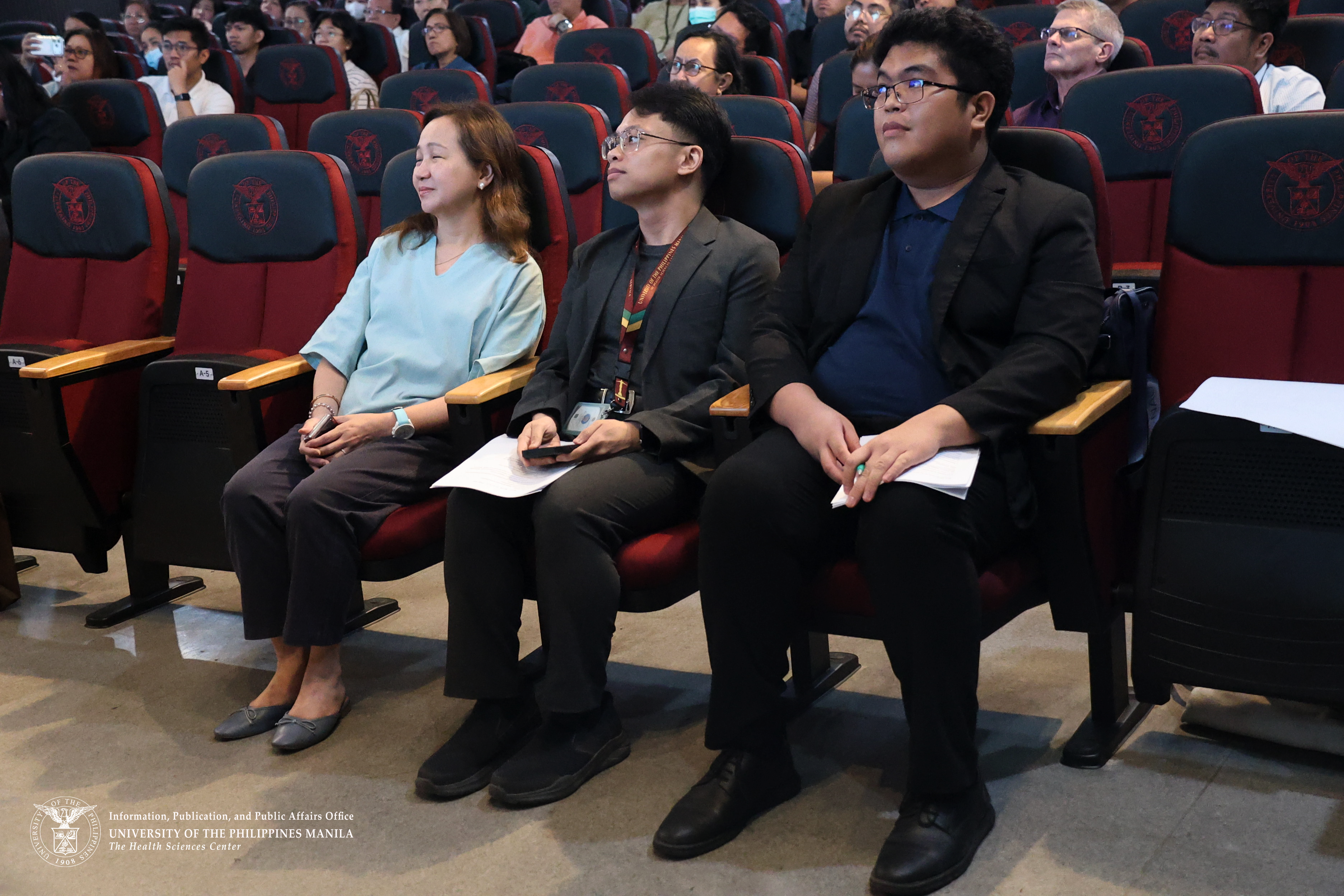
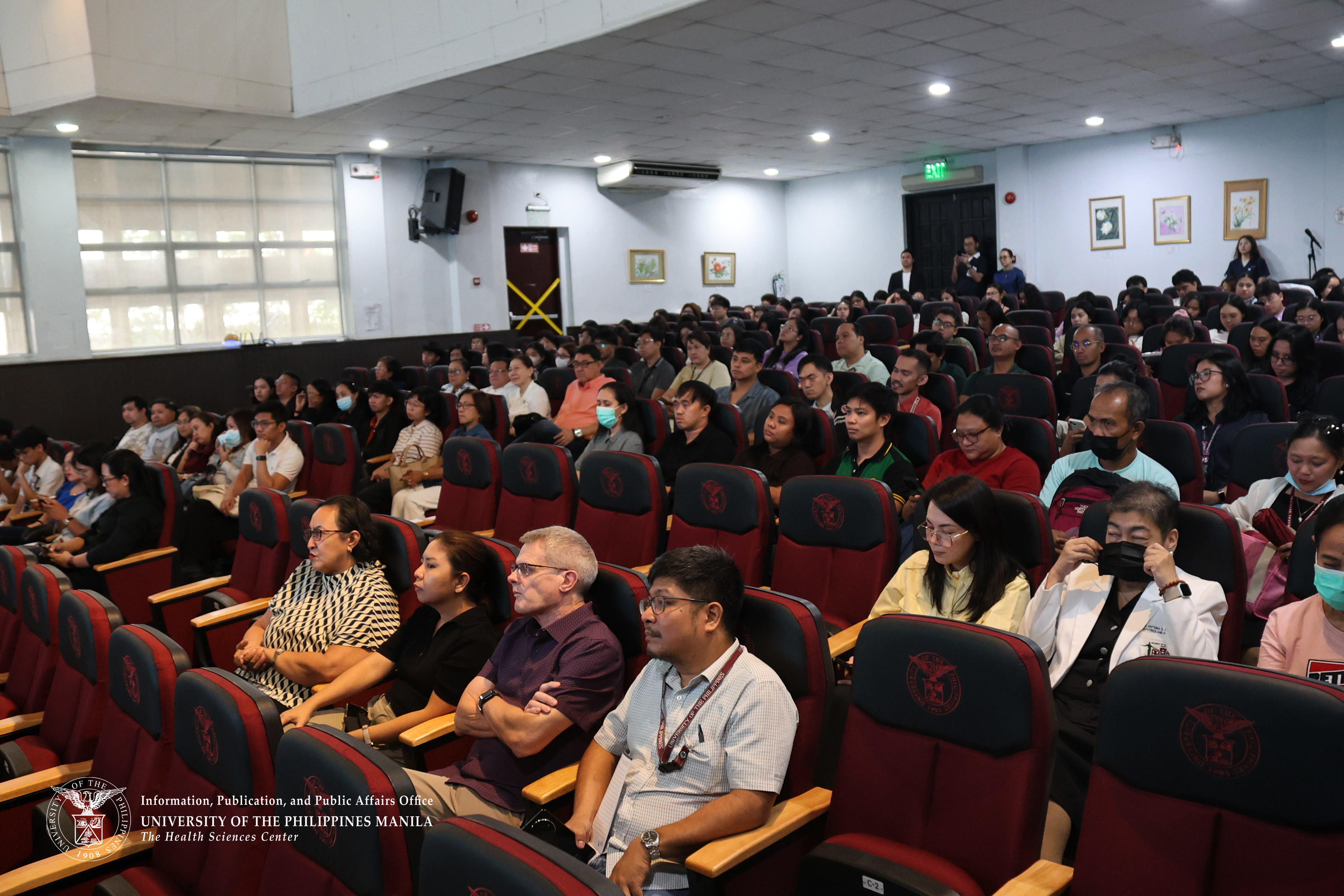
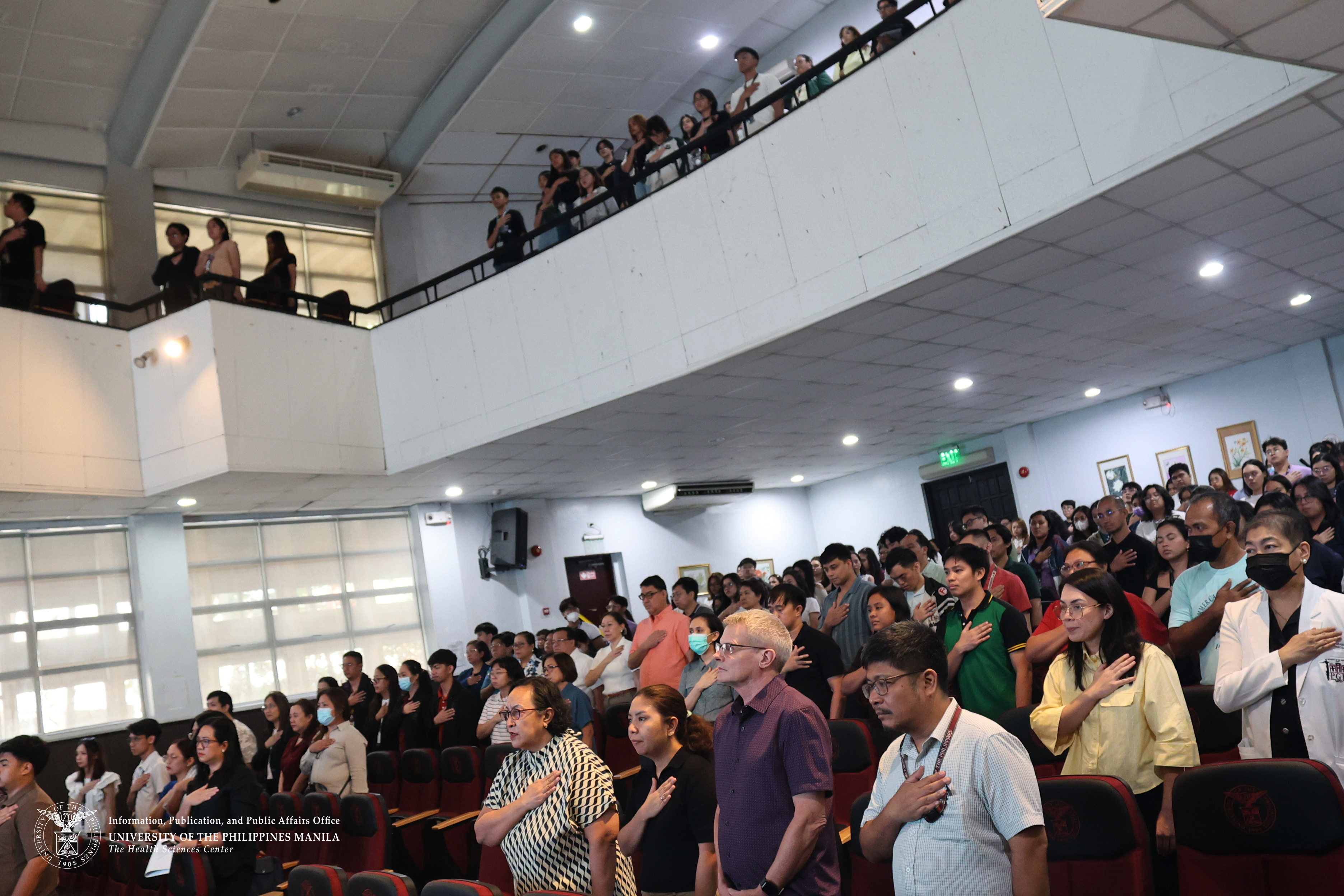
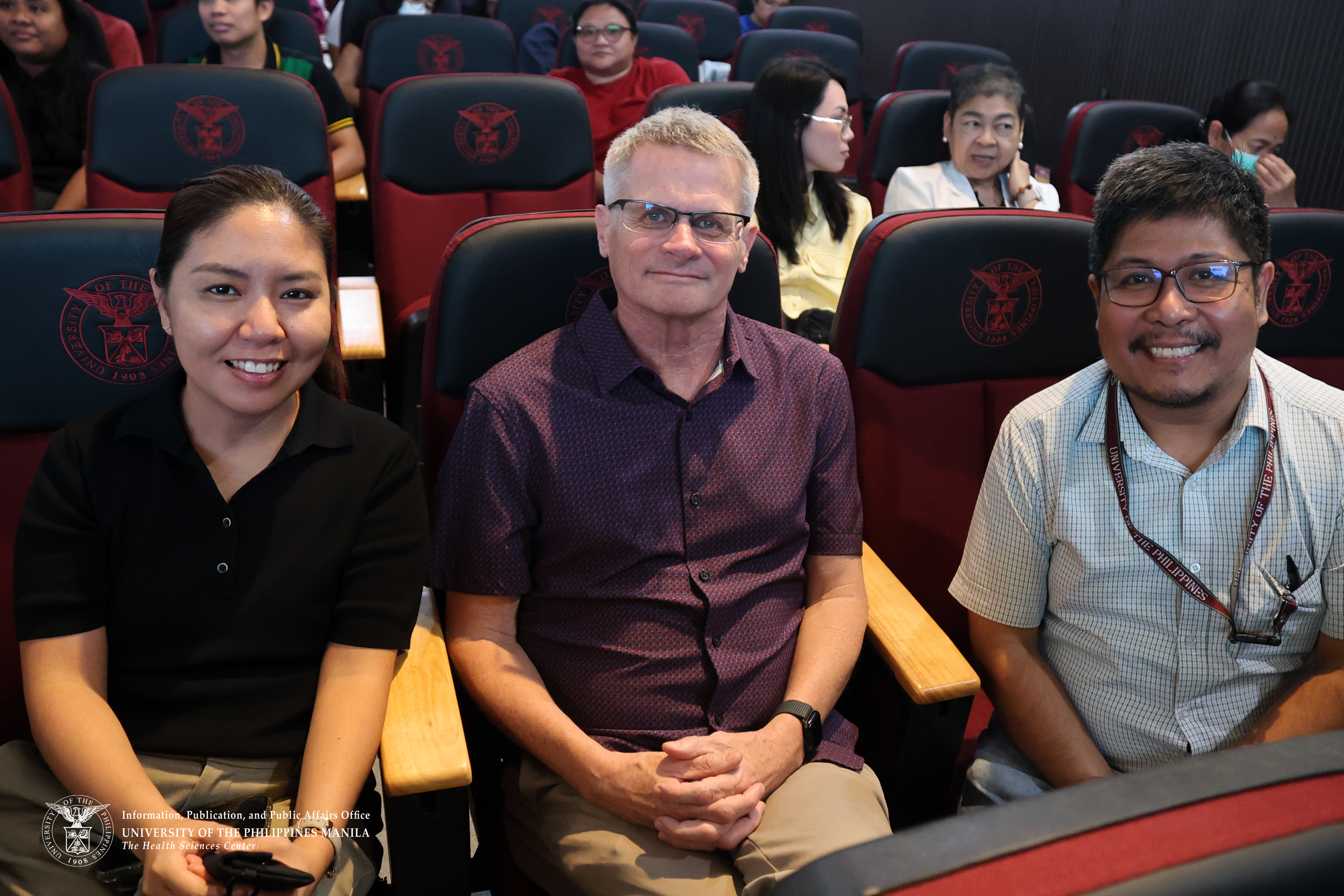
Representatives from the Department of Science and Technology, DOST-PCHRD, Dangerous Drugs Board, Philippine National Police, National Bureau of Investigation, Philippine Drug Enforcement Agency, Food and Drug Administration, National Institutes of Health, and partner universities attended the event, reflecting strong multi-sectoral engagement.
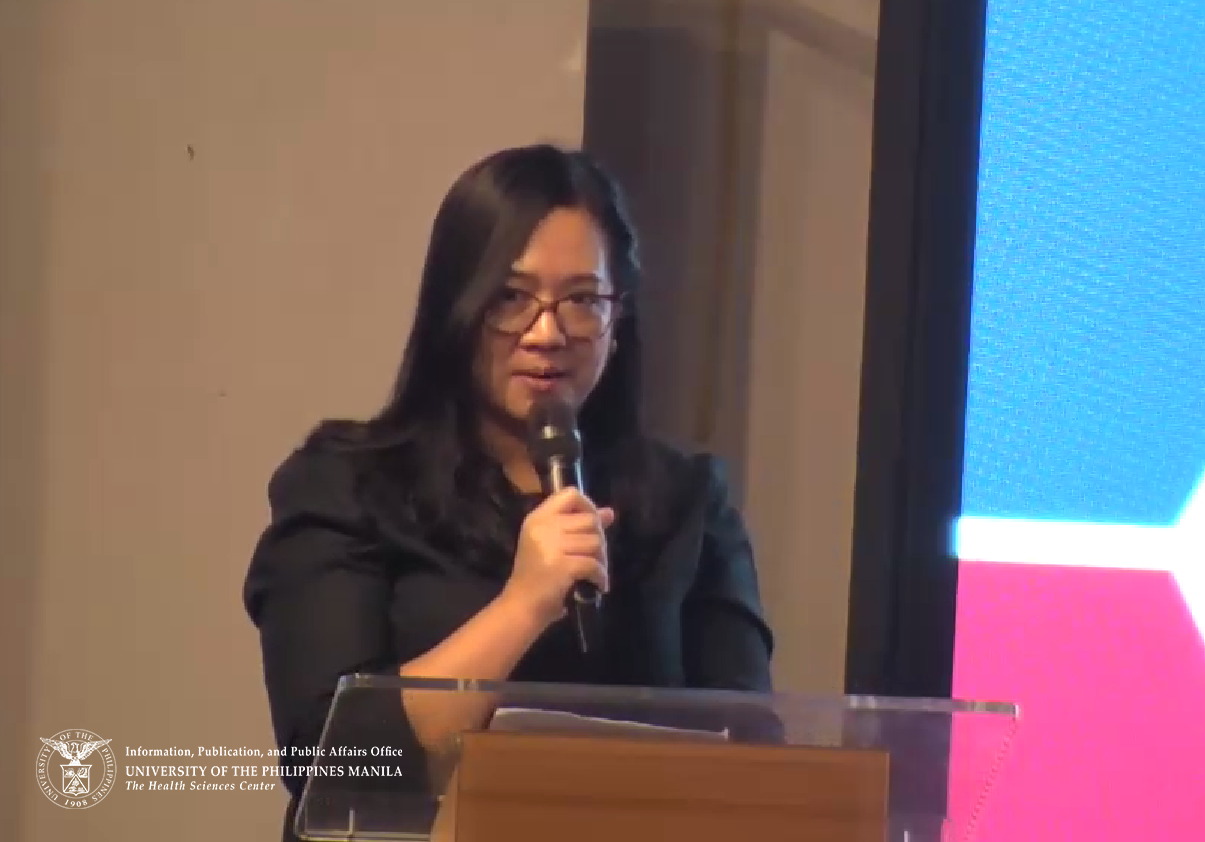
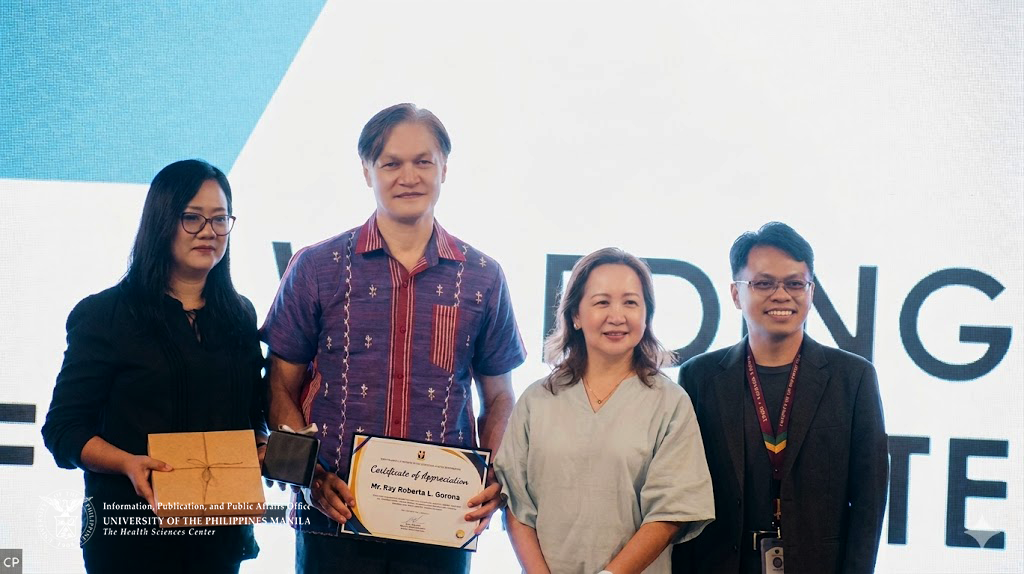
In response, DOST-PCHRD, represented by Senior Science Research Specialist Paula Jane A. De Leon, commended Dr. Gerona’s impact on strengthening the country’s research capacity.
She highlighted his role in advancing the UP-DARL into a hub for mass spectrometry and drug analysis, facilitating the acquisition of high-value instruments, expanding national and international collaborations, and building local expertise through training, mentorship, and knowledge-sharing initiatives.
READ MORE: