
Text by: Angelou Mendoza
Photos by: Ehcel Hurna
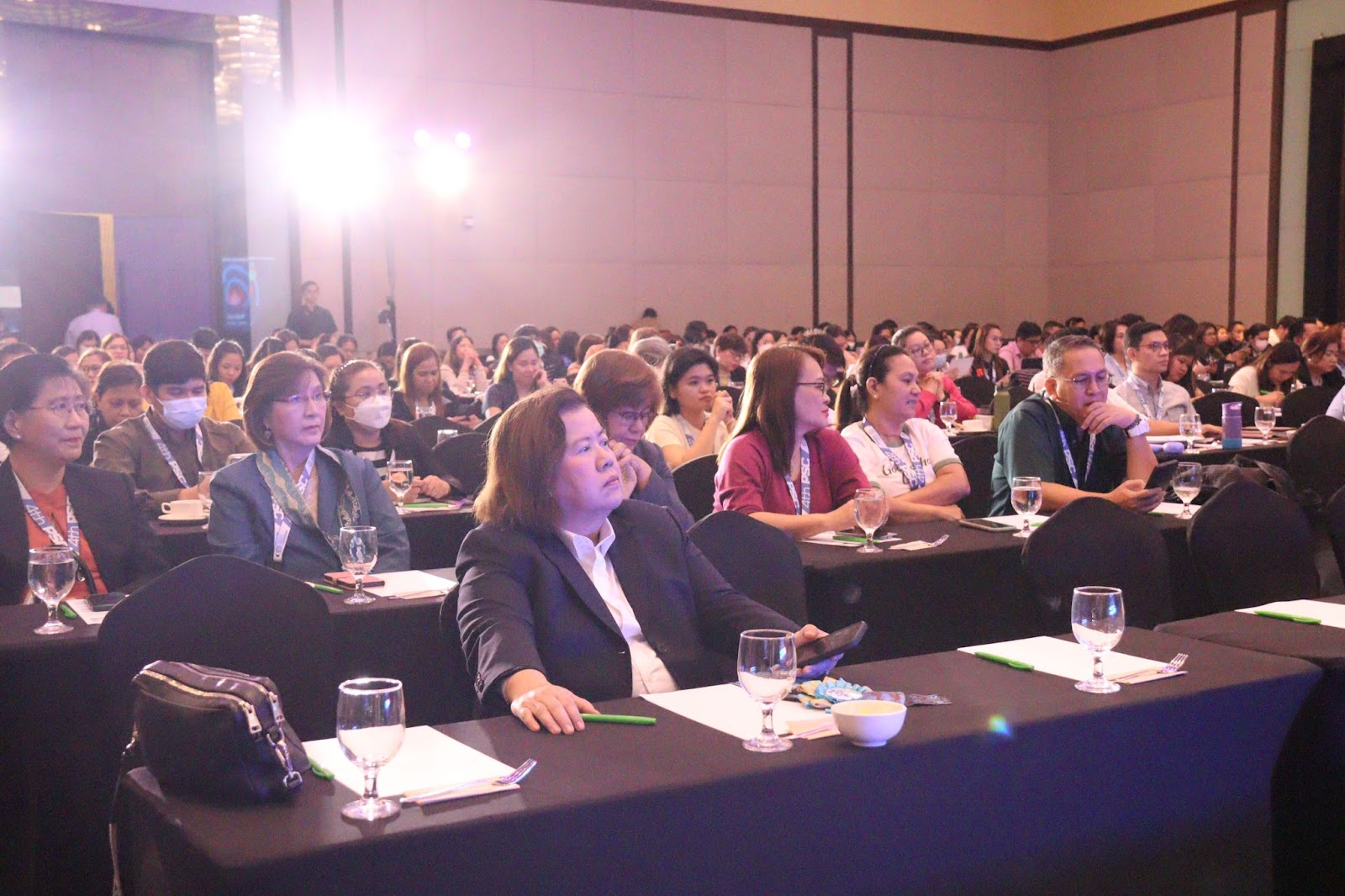
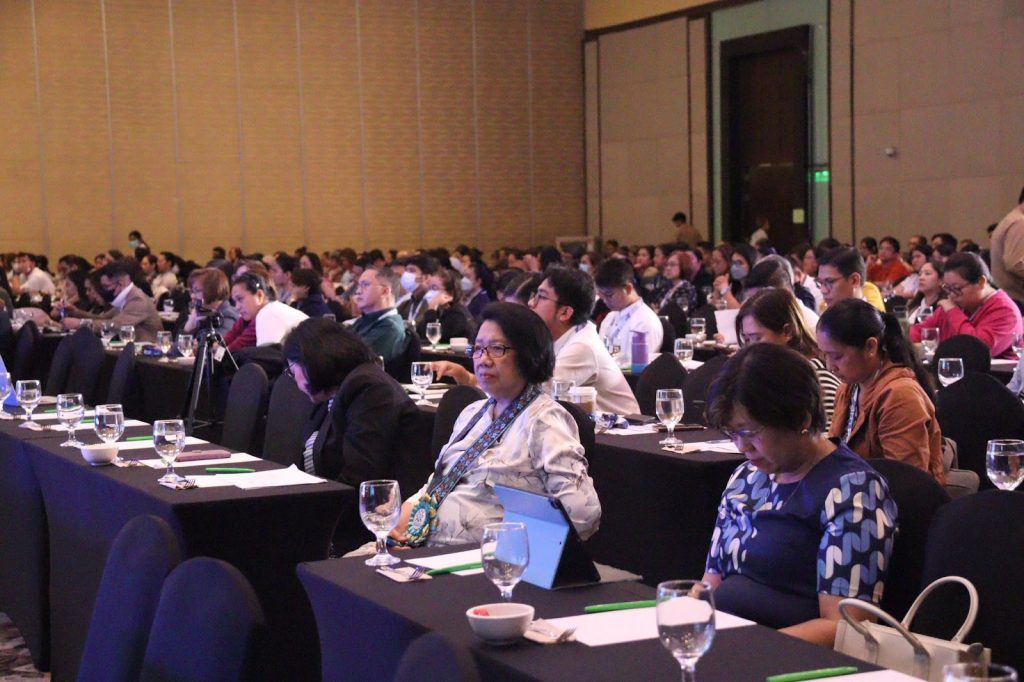
The University of the Philippines Manila (UPM) College of Pharmacy, College of Medicine, and College of Nursing with the Program for Healthcare Quality and Patient Safety worked together to present this year’s 4th Patient Safety Congress (PSC), “IMPACT: IMproving Patient safety through Advancements, Culture, and Technology,” last September 12-13, 2024 at the Crowne Plaza Manila Galleria.
The World Health Organization (WHO) defines patient safety as “the absence of preventable harm to a patient and reduction of risk of unnecessary harm associated with health care to an acceptable minimum.” Through this Congress, UPM and the Health Sciences Center, worked towards the fulfillment of patient safety as part of delivering quality healthcare services to the Filipinos. Reducing risk or harm to patients is a shared responsibility among health institutions, healthcare professionals, and key stakeholders.
The 4th PSC speakers were from health institutions in the country. The discussions highlighted the importance of advancing and maintaining patient safety, its culture and systems, training, procedures, risk management, and innovative works and research. End of discussions were supplemented with fireside chats and simultaneous sessions engaging the attendees to dig deeper into the topics featured in relation to patient safety advocacy.
On the first day of the event, featured were two keynote lecturers with their respective comprehensive lecture topics presented online – Ogusa Shibata, Technical Officer at the World Health Organization (WHO) and Dr. Julia Minjung Kim, Co-Director at the Armstrong Institute for Patient Safety and Quality Leadership Academy of Johns Hopkins University.
In alignment with Strategic Objective (SO) 1: Policies to eliminate harm in healthcare, Ogusa Shibata began the morning discussion with the lecture on Global Patient Safety Action Plan 2021-2030 in which the indicated strategic objectives which set the guidelines in achieving and implementing patient safety through early prevention of risks or harms and improving the quality of care and services provided by the healthcare professional were explained in-depth. Shibata also discussed the indicators of progress upon the implementation of the strategic objectives. Shibata underscored the need for collaboration to fulfill the patient safety goals.
Dr. Julia Minjung Kim aligned her lecture on SO 3: Safety of Clinical Processes, entitled, “Precision and Protection: Overcoming Barriers Towards Diagnostic Excellence.” Dr. Kim emphasized the importance of minimizing diagnostic errors in healthcare to eliminate 60 percent of preventable harm to patients. She discussed further the topics on improving diagnosis for patient safety, diagnostic process diagram from National Academy of Medicine 2015, potential barriers to diagnostic safety, strategies and drivers for diagnostics excellence, potential interventions to reduce global burden of diagnostic errors, and a call to action for diagnostic safety.
This was followed by two simultaneous sessions composed of Track A and B, tackling (1) Good Governance Towards a Culture of Safety and System Resilience, respectively and (2) Patient Safety Education Training and Psychological Safety for Healthcare Workers, respectively.
On the second day of the congress, the first simultaneous session, aligned with the SO2: High-reliability systems and SO 3: Safety of Clinical Processes, were supplemented with discussions of distinguished speakers on Safety of Clinical Procedures for Track A and Risk Management in High-risk Situations for Track B. The event featured oral and poster presentations of research and trailblazing initiatives of healthcare professionals from different public and private healthcare institutions in the country, divided into three tracks – Track A focusing on Quality Improvement Projects, Track B on Systems Improvement, and Track C centering the discussion on capacity building/ Training and Education Initiatives.
Consistent with SO 4: Patient and Family Engagement, a plenary panel discussion on Co-Designing Quality Healthcare emphasized the empowerment of patients and families in achieving safer health care. Speakers were Marimel Lamsin on “Building Strong Partnerships between Clinicians, Patients and Families”, Louricha Opina-Tan on “Innovative Models for Patients and Family Engagement in Chronic Disease Management”, and Joyce Nazario on “Amplifying Voices: Integrating Patient Feedback for Safer Healthcare.”
To conclude the event, DOH Secretary Teodoro J. Herbosa in his closing plenary, underscored the call and commitment for patient safety in the Philippines, guided by SO 7: Synergy, Partnership, and Solidarity. “The Department of Health shall continue fostering a culture of safety through standard development and stakeholder engagement. Further, the Philippines acknowledges the complexities of the health systems and is looking forward to further strengthening our capacity for patient safety,” he shared.#