
Text by Charmaine A. Lingdas
Photos by Sarah Hazel Moces S. Pulumbarit

The University of the Philippines Manila hosted a meeting with the World Health Organization’s Alliance for Health Policy and Systems Research (AHPSR) on September 18, 2025, to review the project “UPLIFT Adolescents: Enhancing Community HPV Immunization for Filipino Adolescents through Health Policy and Systems Research.” The event, held at the Boardroom of Henry Sy Hall, College of Medicine, was part of the AHPSR country visit to the Philippines from September 17 to 20. It gathered project leaders, advisers, and AHPSR experts to discuss barriers and co-design solutions to increase HPV vaccination among Filipino adolescents.
In the meeting, Dr. Nina Castillo-Carandang, Technical Adviser for Vaccine and Social Science, pointed out that cultural barriers remain a major challenge in HPV vaccine coverage aside from stigma around adolescent sexual health, taboos on discussing the body, and religious and political opposition.
“It hasn’t really taken off, and I go back to that basic cultural factor: we don’t talk about our body parts, we don’t talk about adolescent health, we don’t talk about sexual health—as if adolescents were not sexual beings,” she said.
Dr. Junice Demetrio-Melgar, Technical Adviser for Community Engagement and Executive Director of the Likhaan Center for Women’s Health, recalled how community mobilization once achieved vaccine coverage of over 84% in poor communities through close work with the local government of Manila.
“The social determinants are very discouraging and very powerful, especially in a very Catholic country,” noted Dr. Demetrio-Melgar. “I think what USAID has always taught us is the value of social capital. When you have organizers, when you are breaking deadlocks, challenging norms—I think you can do a lot, and we have shown that,” she said.
Effective Vaccine Delivery
Confidence in the vaccine is also dependent upon the beliefs of the parents or authorities at home.
“We really need the help of the parents. Educating the parents really is very important here because they are the ones who will take it in, and they would really be the ones who would be recommending their kids to, you know, ‘You really have to take this vaccine,’” said Dr. Natasha Esteban-Ipac, Technical Adviser for Adolescent Health.
To ensure effective vaccine delivery, Dr. Bernardino Aldaba suggested exploring partnerships with the local government, private partners, and the Philippine Health Insurance Corporation (PhilHealth).
Complex Issue
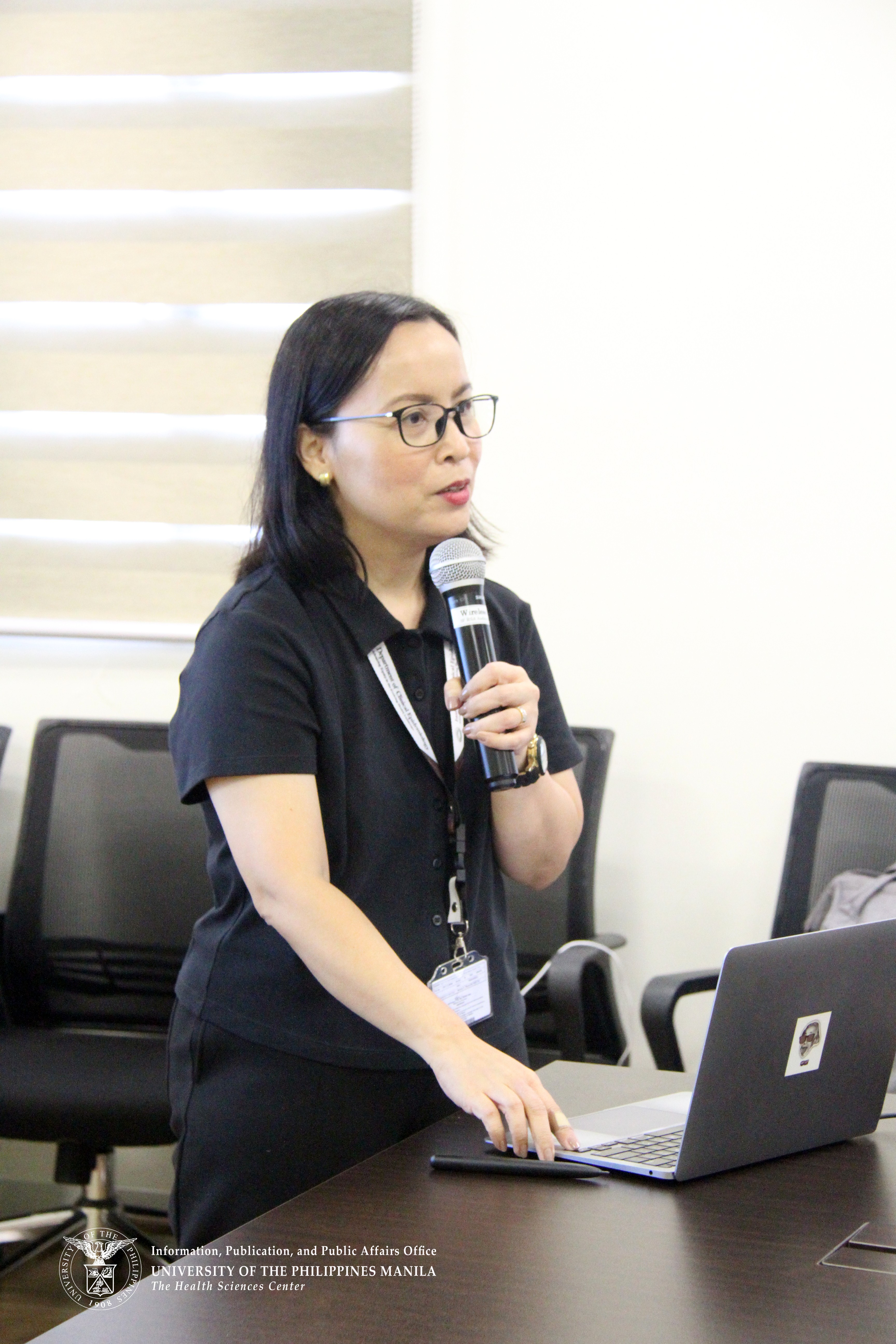
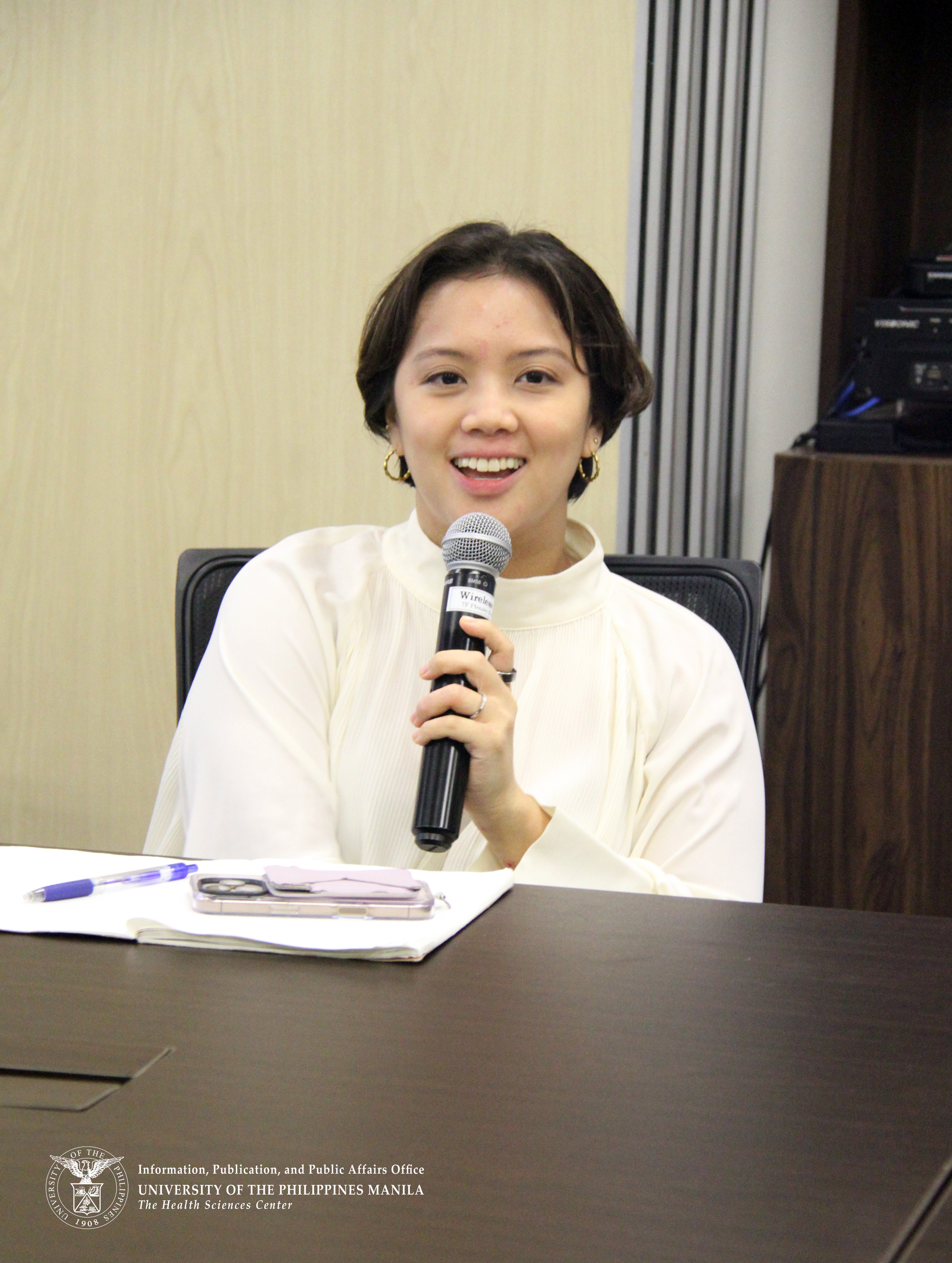
Dr. Aku Kwamie, AHPSR Unit Head for Strengthening Capacities, Institutions and Methods, explained that HPV uptake is shaped by a complex system of families, providers, faith leaders, and policymakers. She advised the team to monitor small changes that could lead to bigger progress.
“It really highlights for me just how complex this issue is—that it is not simply an issue of having the vaccine and having access. It really is about how the presence of that vaccine gets interpreted over time, and in the different persons and organizations,” Dr. Kwamie said.
She also noted that similar challenges are seen in countries such as Ethiopia, Nigeria, Pakistan, India, and Indonesia, pointing to “universal lessons around the interplays in the complexity of vaccine systems: improved access, individual interpretations, and policy agendas.”
Dr. Seraphine Zeitouny, Health Policy and Strategy Consultant, advised the group to also take careful note of procurement and expiry dates, and financing arrangements.
Five-Phase Plan
The UPLIFT Adolescents project began in November 2024 and will run until October 2026. It follows a five-phase plan that includes community mapping, studying behavioral drivers, co-designing with stakeholders, piloting an intervention, and setting up a monitoring framework. The project covers four study sites: Manila, Mandaluyong, Antipolo, and Los Baños with partners such as the Department of Health, local government units, the UPLB Gender Center, PINTIG, and the Likhaan Center for Women’s Health. Since December 2024, the team has carried out stakeholder mapping, capacity-building, stakeholder meetings, and supplier consultations.
UP Manila’s Health Promotion Program, which is preparing to become a Health Promotion Research Institute, will use the project to strengthen local capacity and develop an adolescent health package that includes vaccination and preventive services. By the end of 2025, the team expects to complete data collection and start co-creation workshops for the pilot intervention.
Also during the discussion, Dr. Carlo Irwin A. Panelo, President of the Foundation for the Advancement of Clinical Epidemiology, warned that vaccine supply and availability must be secured to avoid affecting the study’s results.
“If you can eliminate that possible confounder, then you can focus on the methodology of how to really drive demand and how to effectively deliver the vaccination services for adolescents,” he said.#
#FP1 #FP6 #AccessibleUPLeadership
Related News: