

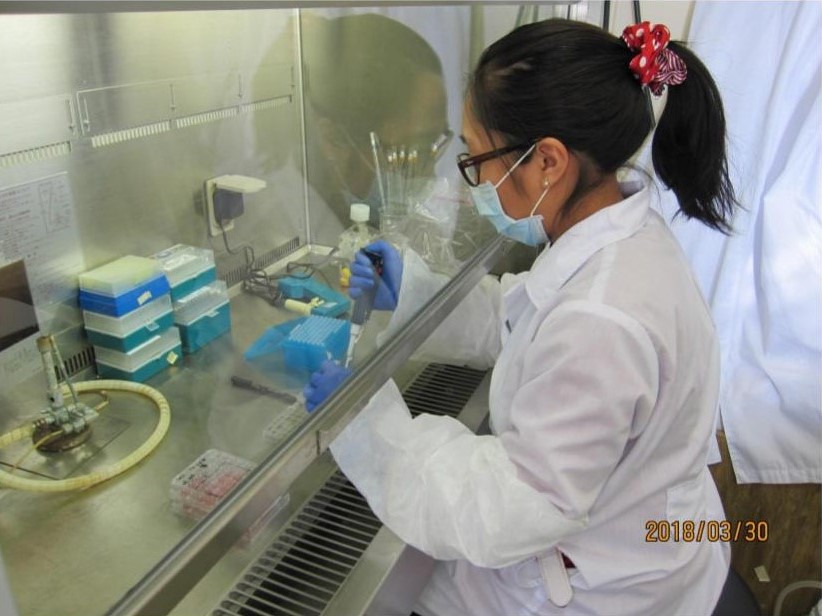
Sheriah Laine M. de Paz-Silava, MD, PhD, Associate Professor and Communications Officer at the Department of Medical Microbiology of the UP Manila – College of Public Health, is sounding the call
for collaborative partnerships aiming to advance and revolutionize Human Immunodeficiency Virus (HIV) treatment to address the surge of HIV cases in the Philippines.
The HIV/AIDS and Antiretroviral Drugs (ART) Registry of the Philippines (HARP) reveal that there are currently 122,640 People Living with HIV (PLHIV). ARVs (antiretroviral drugs) are exclusively available at designated treatment hubs and primary HIV care facilities. PLHIVs receive free ARV through the national
HIV program, with 94% of government spending covered by domestic funding through the national HIV program and PhilHealth, with the remaining 6% sourced externally.
HIV is supressed by Herbal Medicine
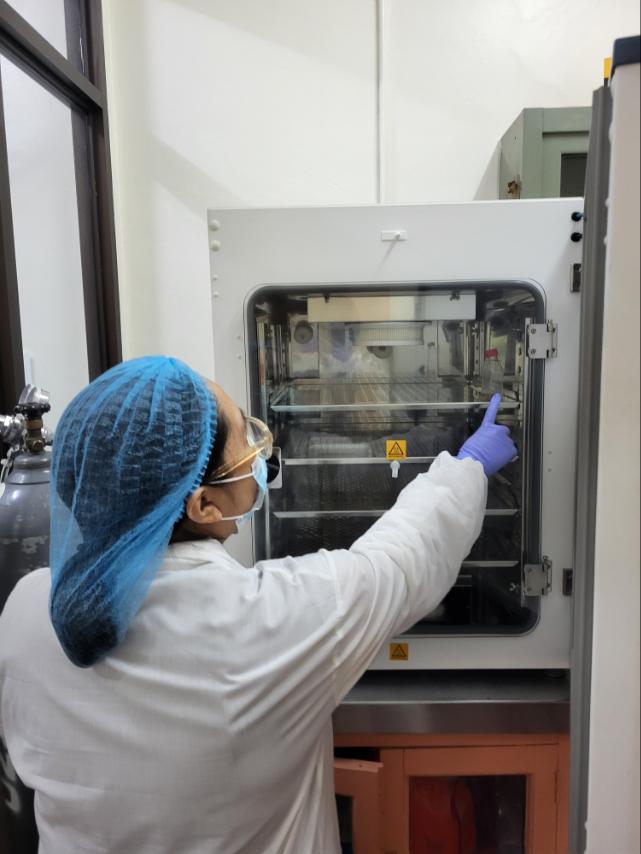
Building upon the trailblazing work of vaccine expert Dr. Nina Gloriani and researcher Dr. Ann Florence B. Victoriano-Belvis, Dr. de Paz-Silava’s research on the herbal medicine, referred to as “Mc,” showcases promising potential in suppressing virus production without causing harm to host cells as a “functional cure” to HIV. The study focused on silencing latently-infected cells, differentiating itself from current ARV drugs that target actively replicating cells.
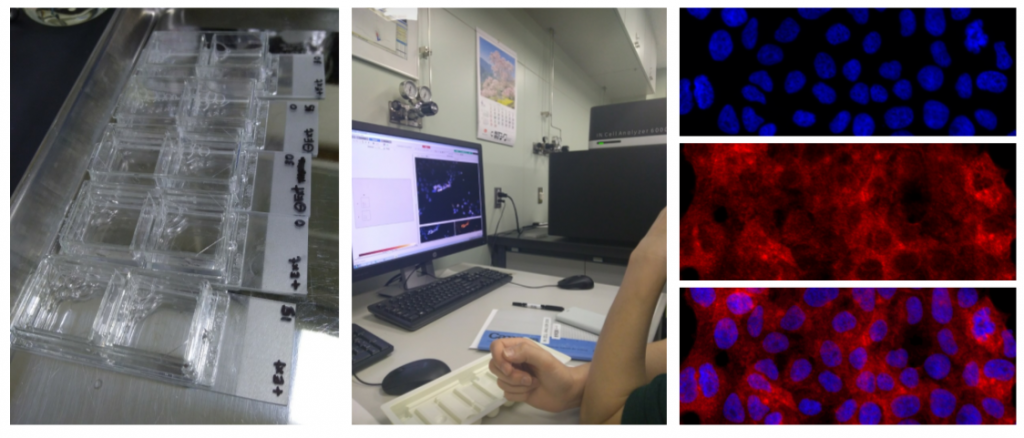
Dr. de Paz-Silava’s research demonstrated a significant reduction in virus production, even when latent cells were revived in vitro. When exposed to Mc, they observed a near-zero percent virus production
after forty-eight hours, suggesting a distinct mechanism of action compared to currently available drugs. Although they are yet to cement the findings with additional data, their result suggests that the mechanism of action of Mc has the potential to work also on cells with actively replicating viruses.
While the study is published, and a patent application is in place, Dr. de Paz-Silava withholds the herbal medicine’s name to prevent misinterpretation and discourage self-medication, given the preliminary
nature of the data. The researcher is concerned it might be seen as a substitute for conventional treatments.
She stressed that the Mc study is in the pre-clinical stage, and that she is facing challenges due to the lack of a Level 3 Biosafety laboratory for infectious diseases like HIV in the country. The absence of animal studies has prevented progression to clinical trials, while the lack of suitable facilities for such has hindered its advancements. However, Dr. de Paz-Silava expressed hope that the ongoing construction of the DOST Virology and Vaccine Institute of the Philippines, which is set to include an animal house, may
address this issue in the future.
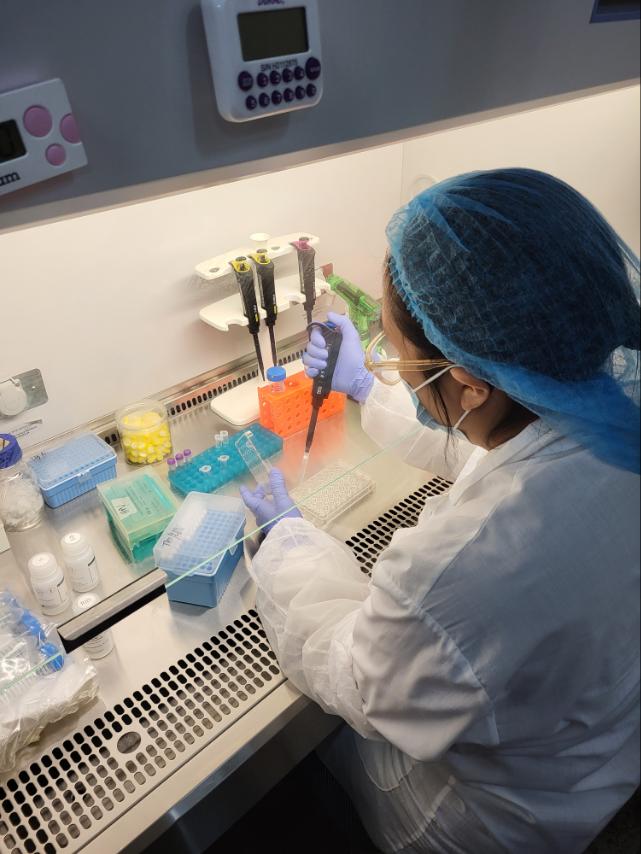
She also shared that she is involved in two research projects for Mc: One, a crude approach which maintains the herbal medicine without purifying Mc’s active compound. The second project focuses on purifying the compound, aligning with the preference for purified compounds in Western pharmaceutical companies. With assistance from the Philippine Genome Center, they aim to identify the active compound while researching the crude form.
Dr. de Paz-Silava aims to establish “Mc” as the first HIV drug in the Philippines at least in the next ten to twenty years. The breakthrough HIV herbal medicine research is made in collaboration with a team led by the Head of the Developmental Biology Academic Group of the UP Diliman Institute of Biology, Dr. Ahmad Reza F. Mazahery, the UP Manila Vice Chancellor for Research, Dr. Leslie Michelle M. Dalmacio, and Dr. Gloriani herself as co-investigators.
In the course of the conduct of her research, Dr. de-Paz Silava trained and worked as a visiting foreign research scholar under the supervision of Dr. Takashi Okamoto in Nagoya City University, Japan.
Text by: Charmaine A. Lingdas
Photo by: Sheriah Laine M. de Paz-Silava, MD, PhD