
Text by Jennifer Manongdo
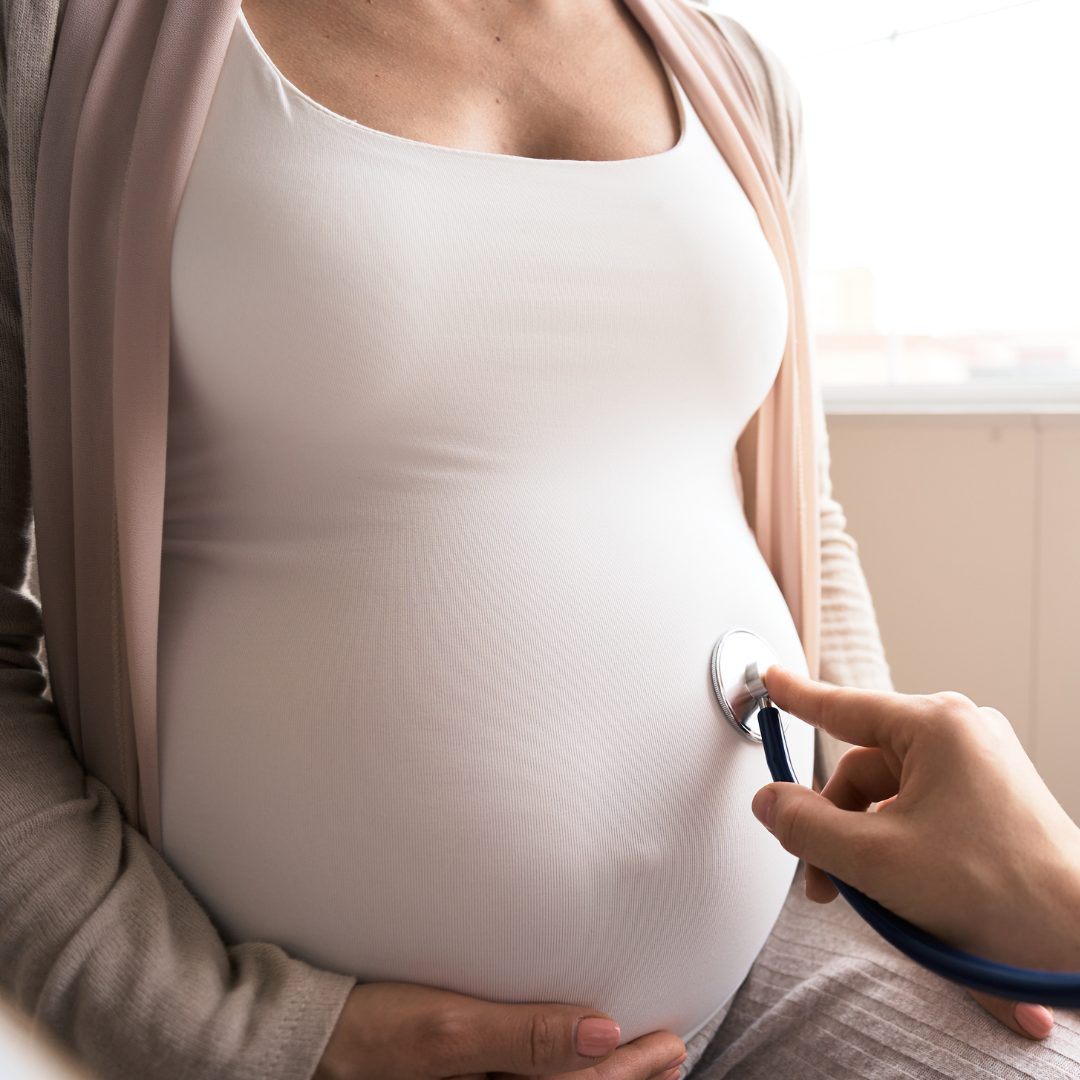
Expectant women in Philippine detention centers often face inadequate prenatal care and post-birth support, sometimes leading to health risks for both mother and child, a study published at the International Journal of Prison Health revealed.
Being incarcerated also hinders the women from making decisions about their pregnancy, since they are dependent on the institution and on the other prisoners as “gatekeepers” to the programs and services for pregnant women in prison.
Delayed Prenatal Care
Respondents cited the lack of essential equipment for prenatal care, such as ultrasound machines and blood tests. Due to this, they are referred to the nearest government hospital for pregnancy services.
“If I were home, I know I’d be in a maternity clinic that day rather than sitting in my cell, not knowing what to prepare and what time exactly,” an inmate, Bianca, told Prof. Romulo Nieva, Jr., Associate Professor of UP Manila’s College of Public Health, author of the study titled, “Navigating Pregnancy in Detention: Lived Experiences in a Philippine Women’s Prison.”
Bianca added, “So, from the point where they told me they booked the appointment, every day, I was kind of anxious to know, ‘is this the day I’m going to have my prenatal checkup?’”
Meanwhile, Anna shared a similar story. “In my previous pregnancies, I received at least three prenatal visits, but here I got only one prenatal care visit.”
Deprivations
Inmates also lamented the difficulty of getting a permit from the Department of Justice (DOJ) to avail of medical services outside. “It is also tough to get a DOJ permit because you need someone outside to do the follow-up and manage the paperwork needed for the request, plus I have to wait for the schedule. You know the process is very frustrating and makes you feel helpless,” Amie said.
Pregnant inmates also deal with a sense of helplessness because of a lack of control over their pregnancy conditions. The study mentioned that participants in the study felt a feeling of disempowerment because they were left “unsupported” and “helpless” in labor and were “not transported early to the hospital.”
“I felt helpless. I was alone. I could have saved my baby had I not been imprisoned,” Leslie told Nieva. “I told them it was my first pregnancy. They never listened to me. I rarely visited the hospital for my prenatal care,” she revealed.
One respondent was warned by her doctor about the risks of her pregnancy because of her high blood pressure. Consequently, she was recommended for cesarean delivery. She blamed the prison staff for their delayed action that led to the death of her baby.
“I felt my labor pain at 9 p.m., and I had extreme bleeding. However, I was only brought to the hospital at 11 p.m. When I arrived at the hospital, the staff could still hear my baby’s heartbeat in the ER, but they could no longer hear the baby’s pulse when I arrived at the operating room,” Claire said. “I wish I had more control to decide to go to the hospital much earlier. That situation made me feel helpless.”
Methodology
The research was conducted by Nieva in 2022 at the Philippine women’s prison as part of his doctoral research project at the University of Otago, New Zealand, examining the effects of incarceration on Filipino women’s reproductive well-being, including access to healthcare, pregnancy, childbirth, contraception, and overall reproductive health. Eighteen women, aged 21 to 48, who had experienced pregnancy while in prison were interviewed for the research. The participants were imprisoned for drug, theft and property crimes and were serving sentences ranging from 1 to 17 years. Most of the interviewees held unstable jobs and were low-wage earners before imprisonment.
According to Nieva, the challenges faced by the respondents reflect an institutional indifference, which includes the lack of quality support for women’s pregnancy needs, unnecessary security procedures, limited facilities for health care and practices designed for men. “In other words, it highlights the patriarchal treatment of women, both as prisoners and as incarcerated pregnant women,” Nieva said.#