
Text and Photos by Charmaine A. Lingdas
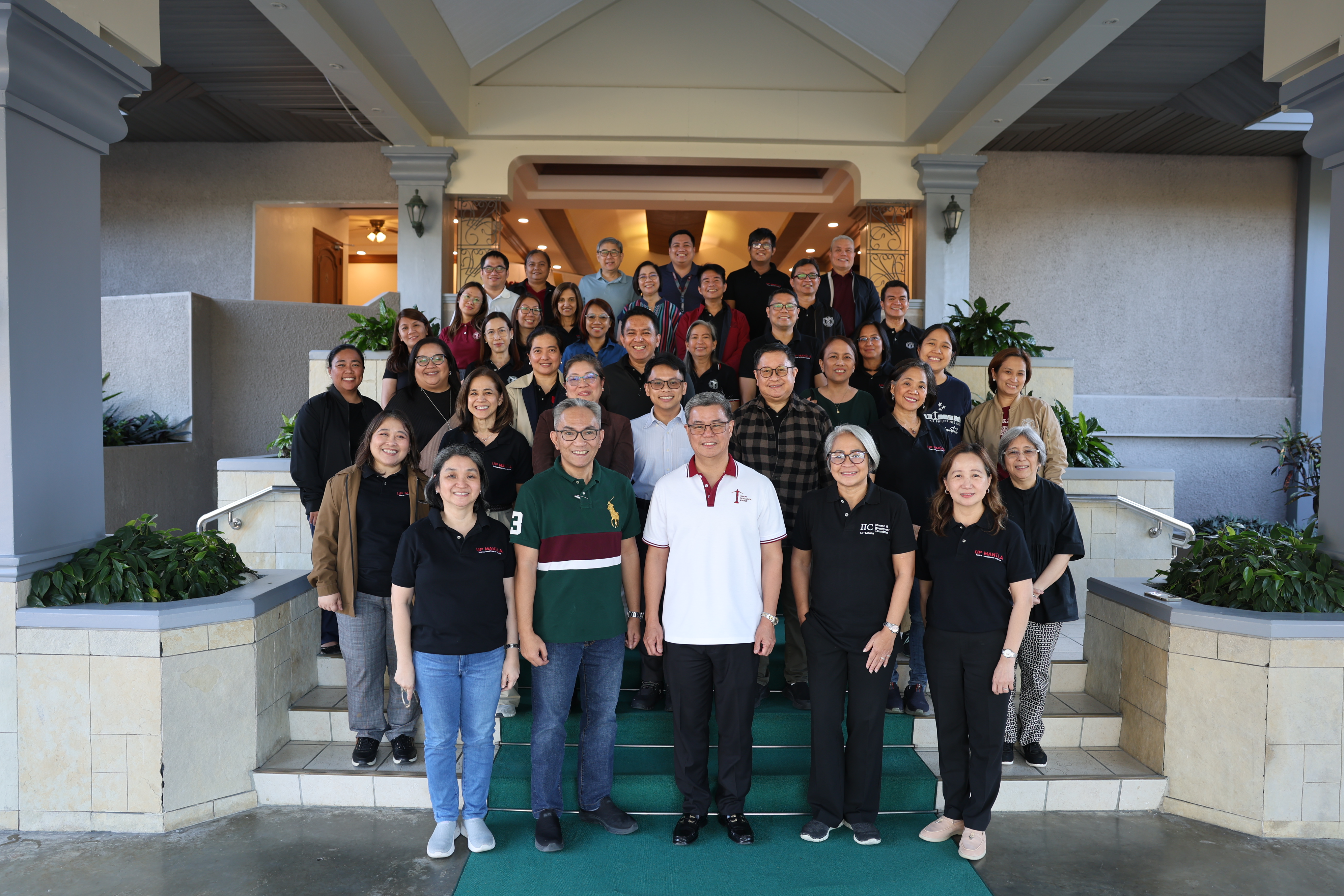
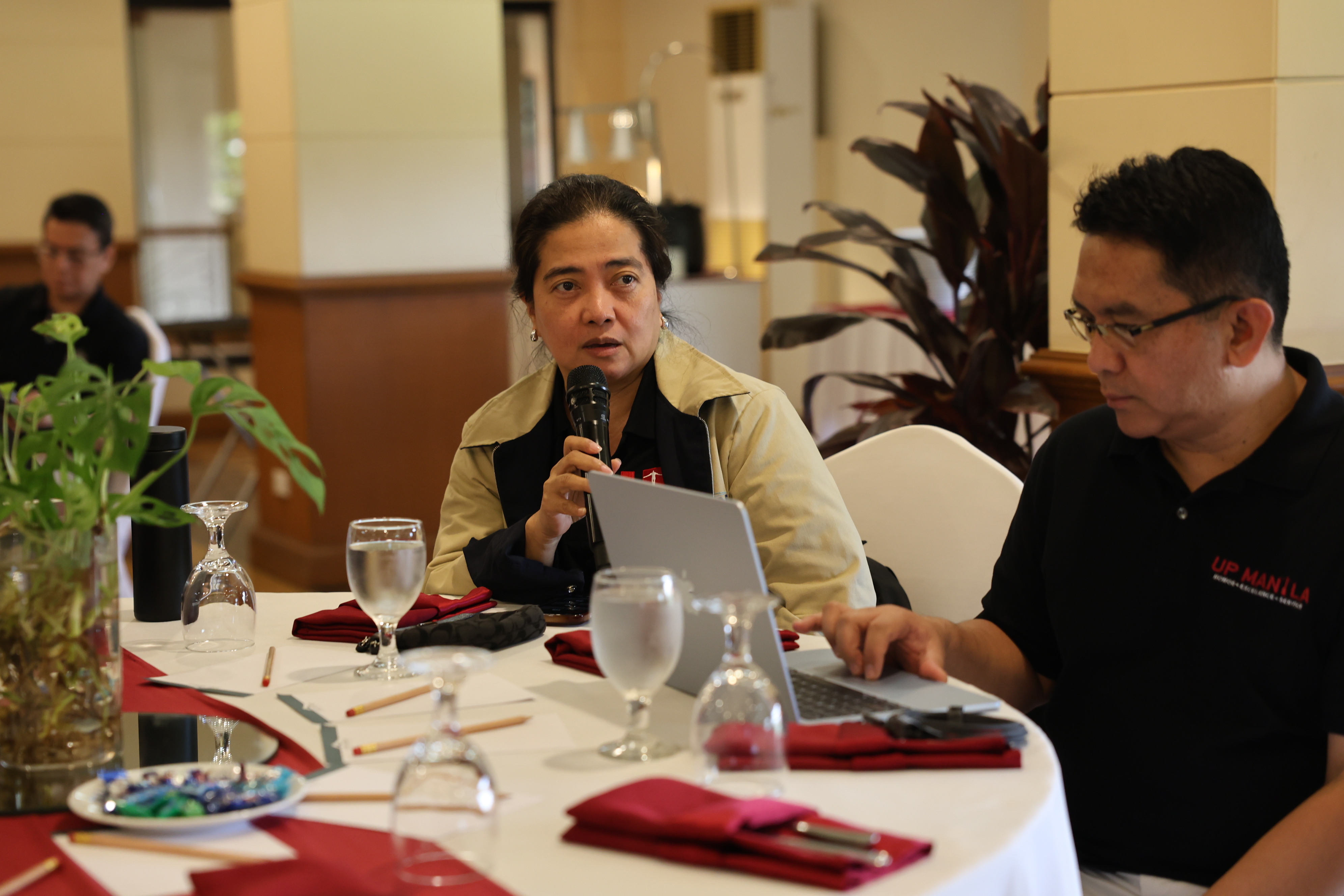
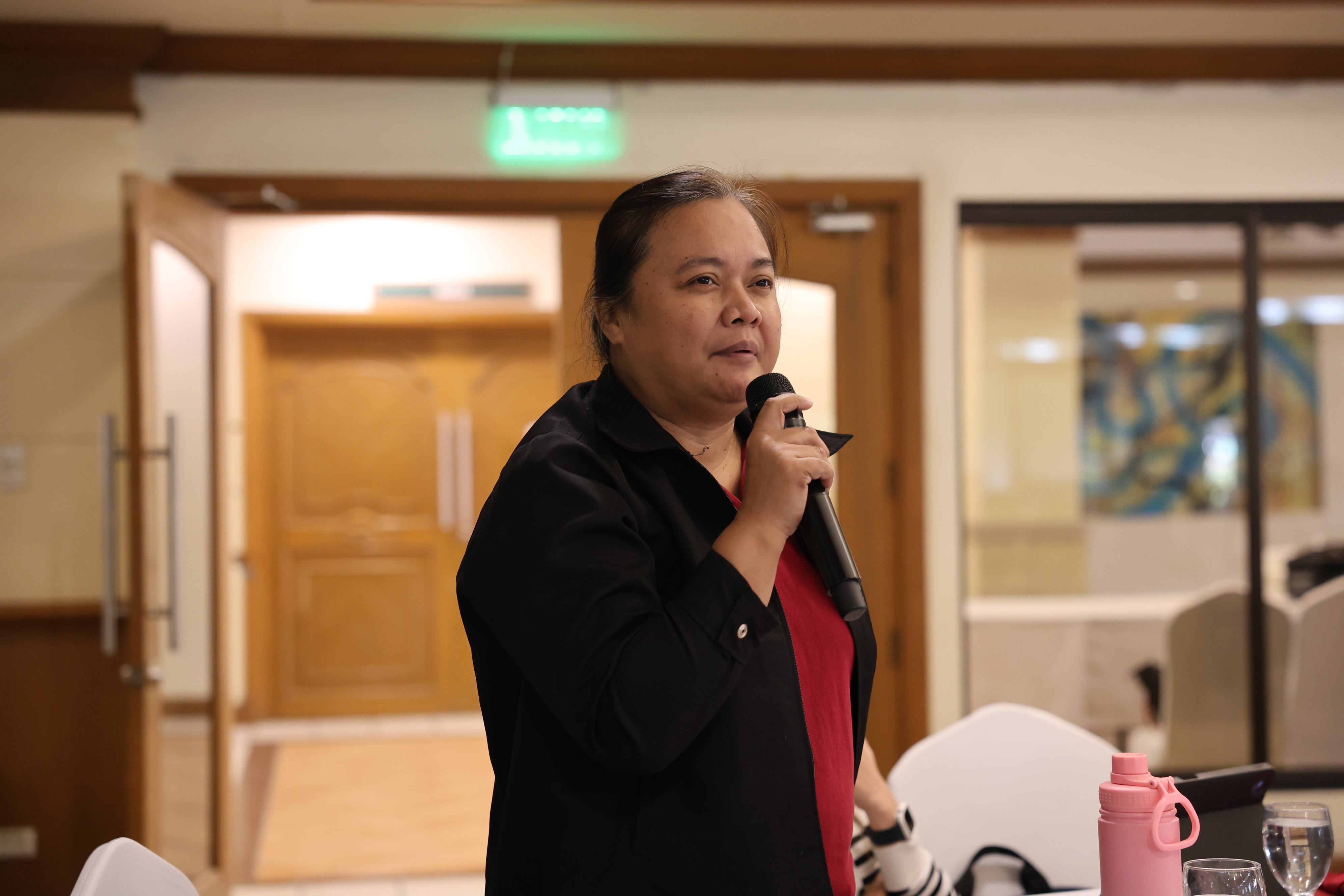
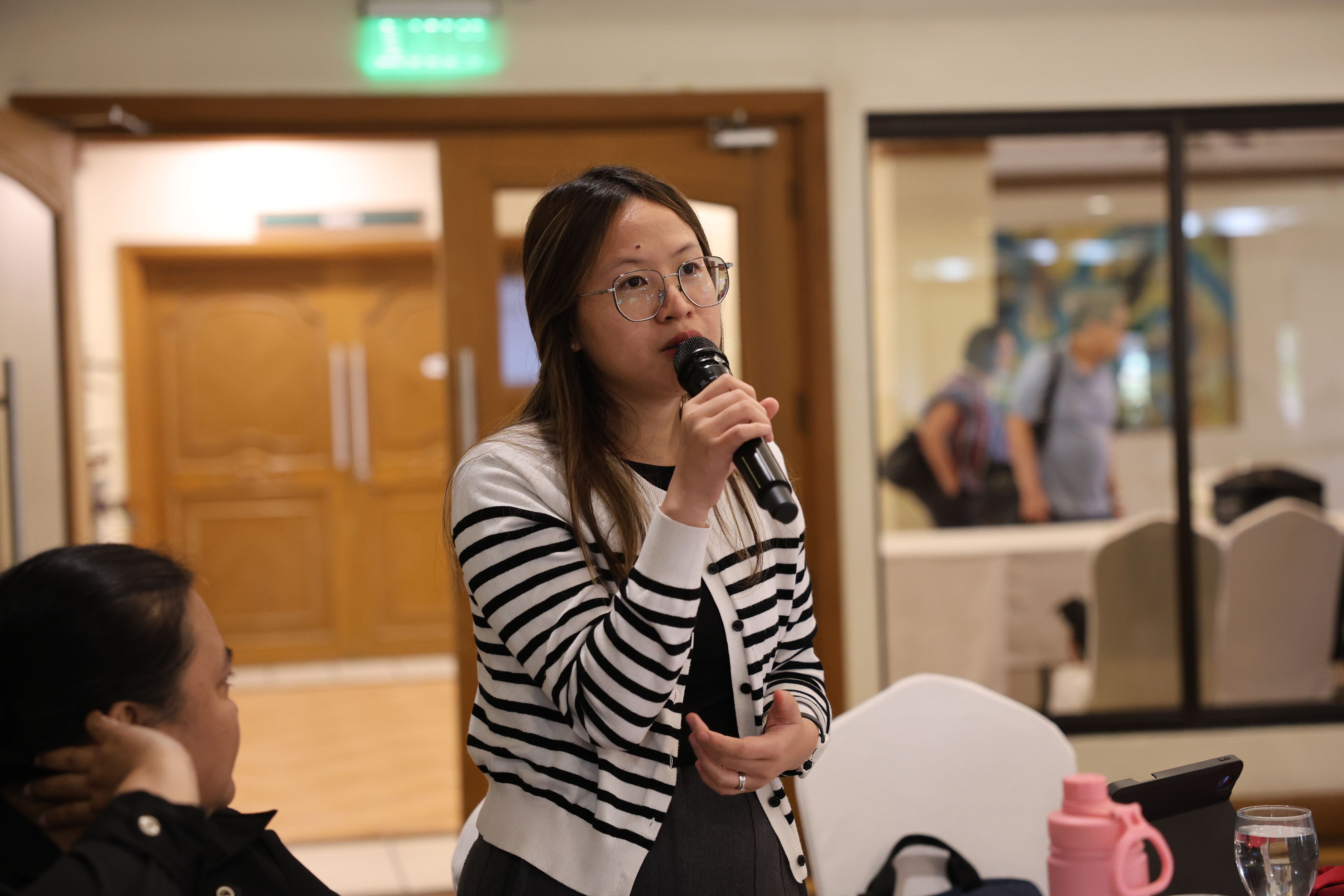
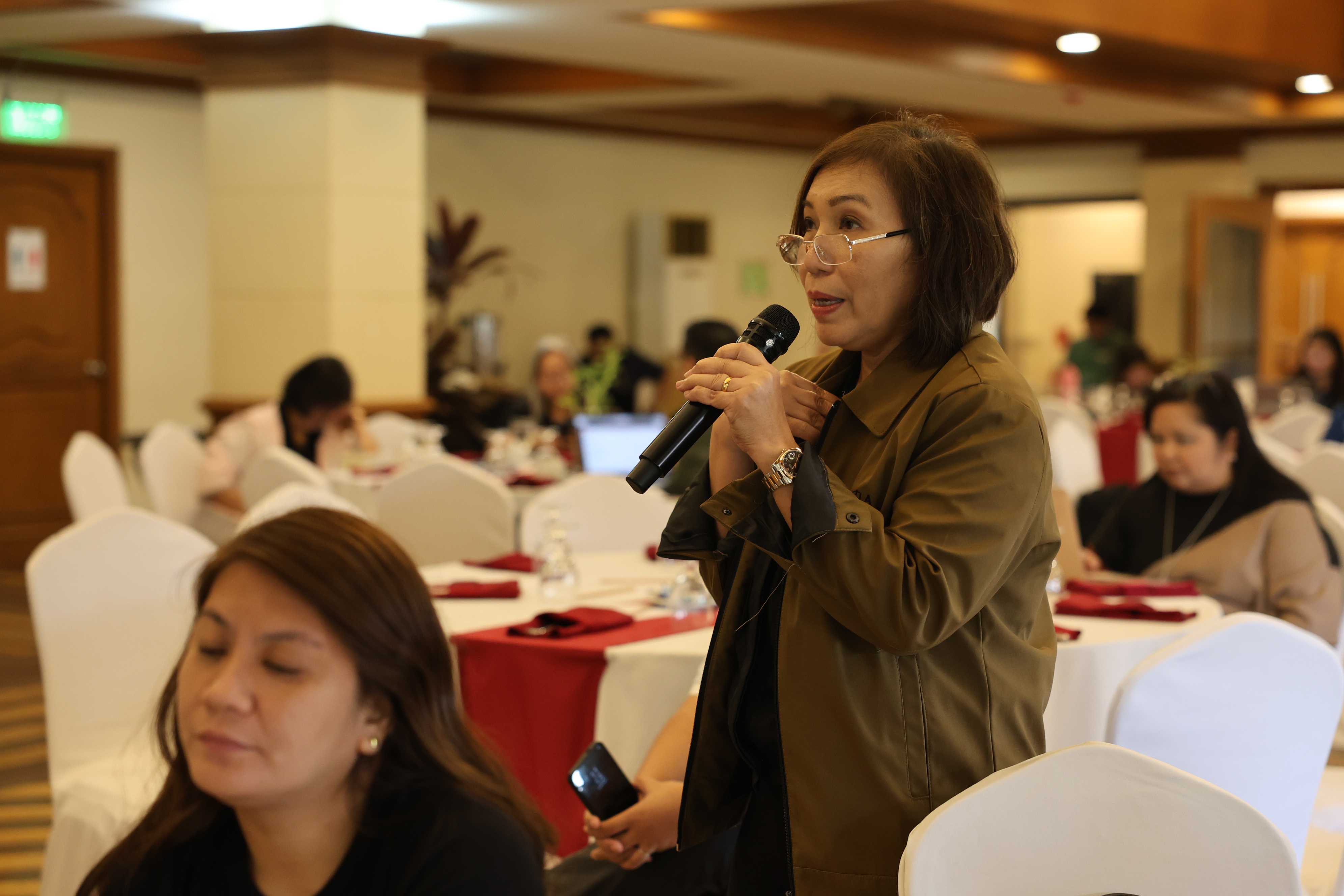
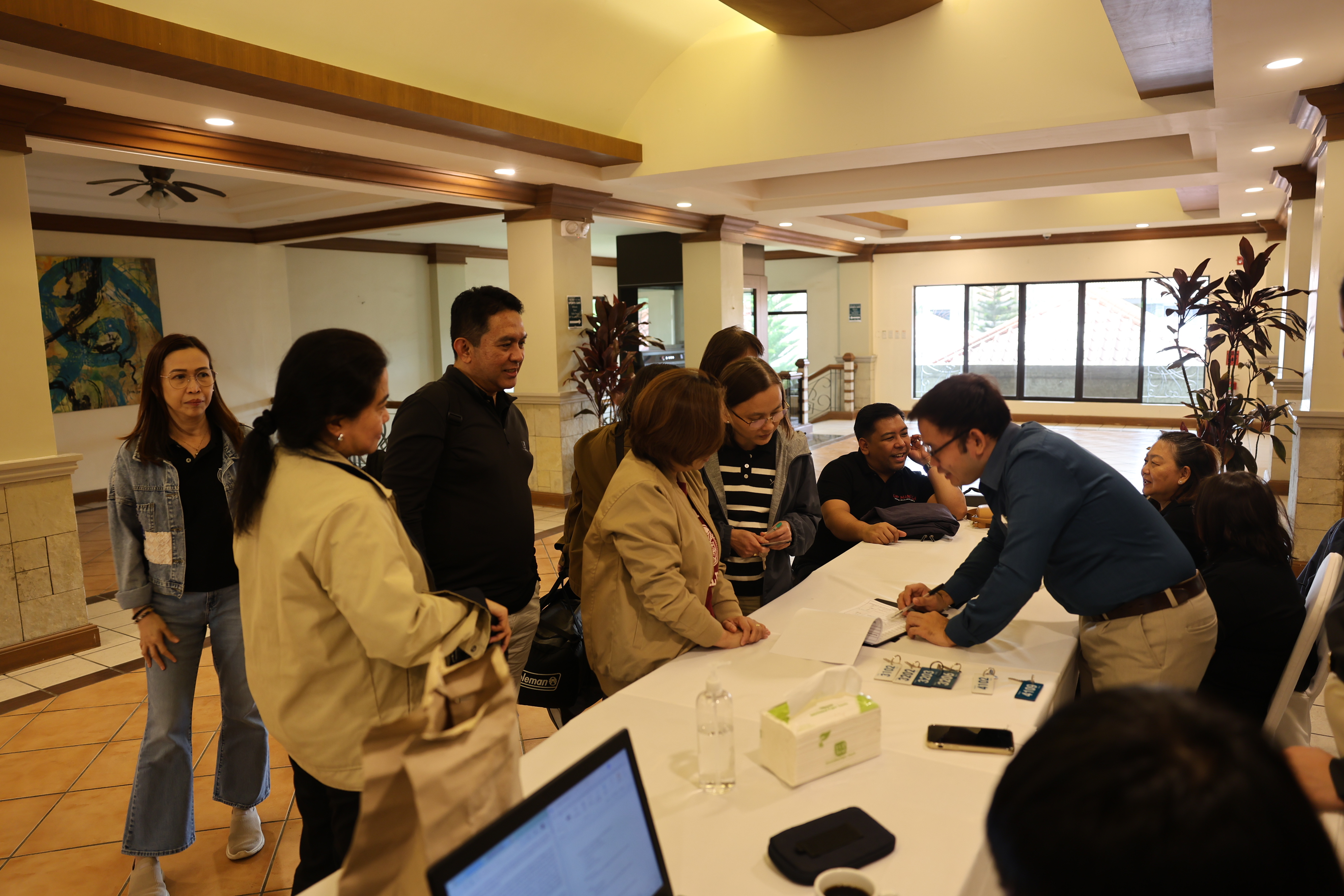
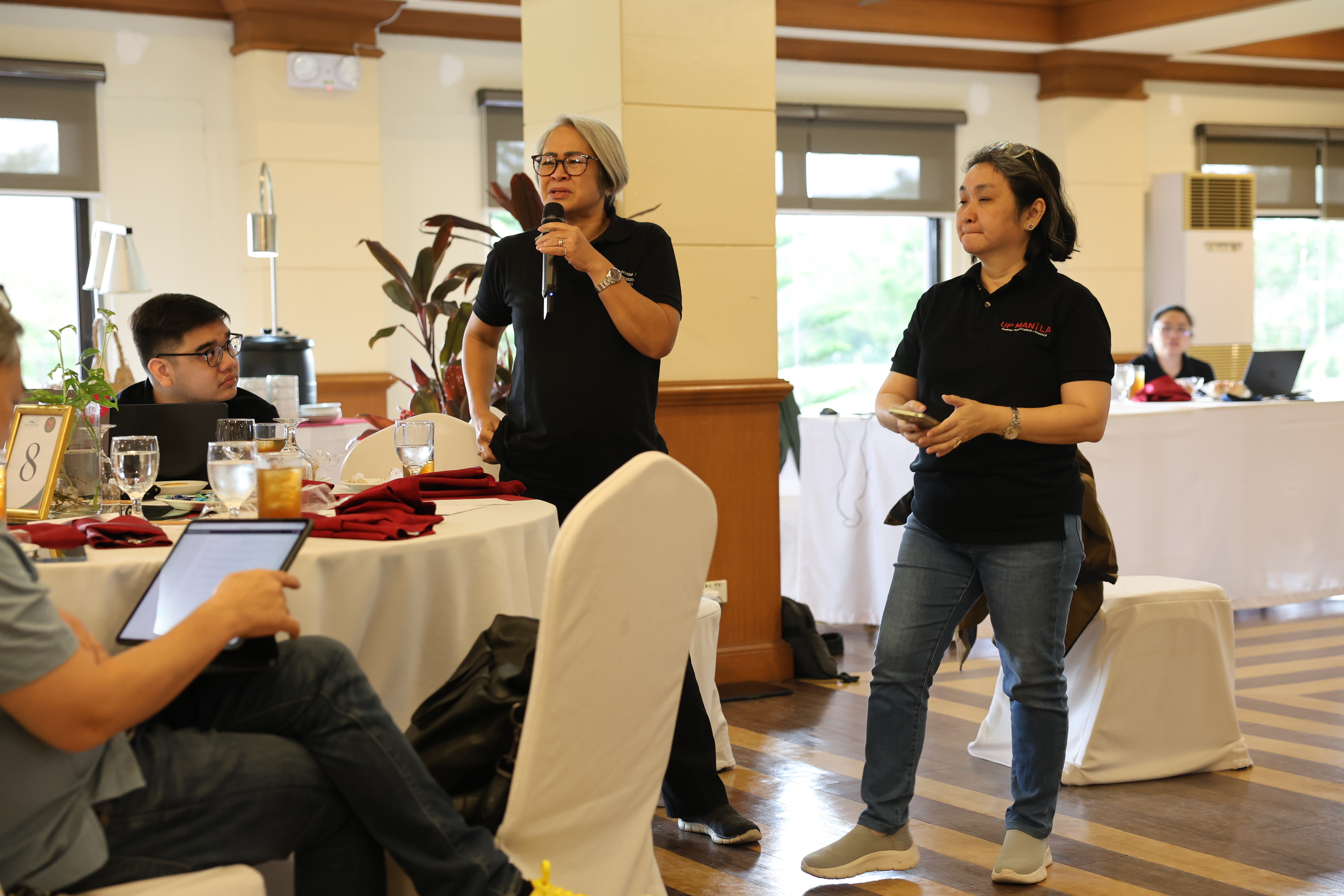
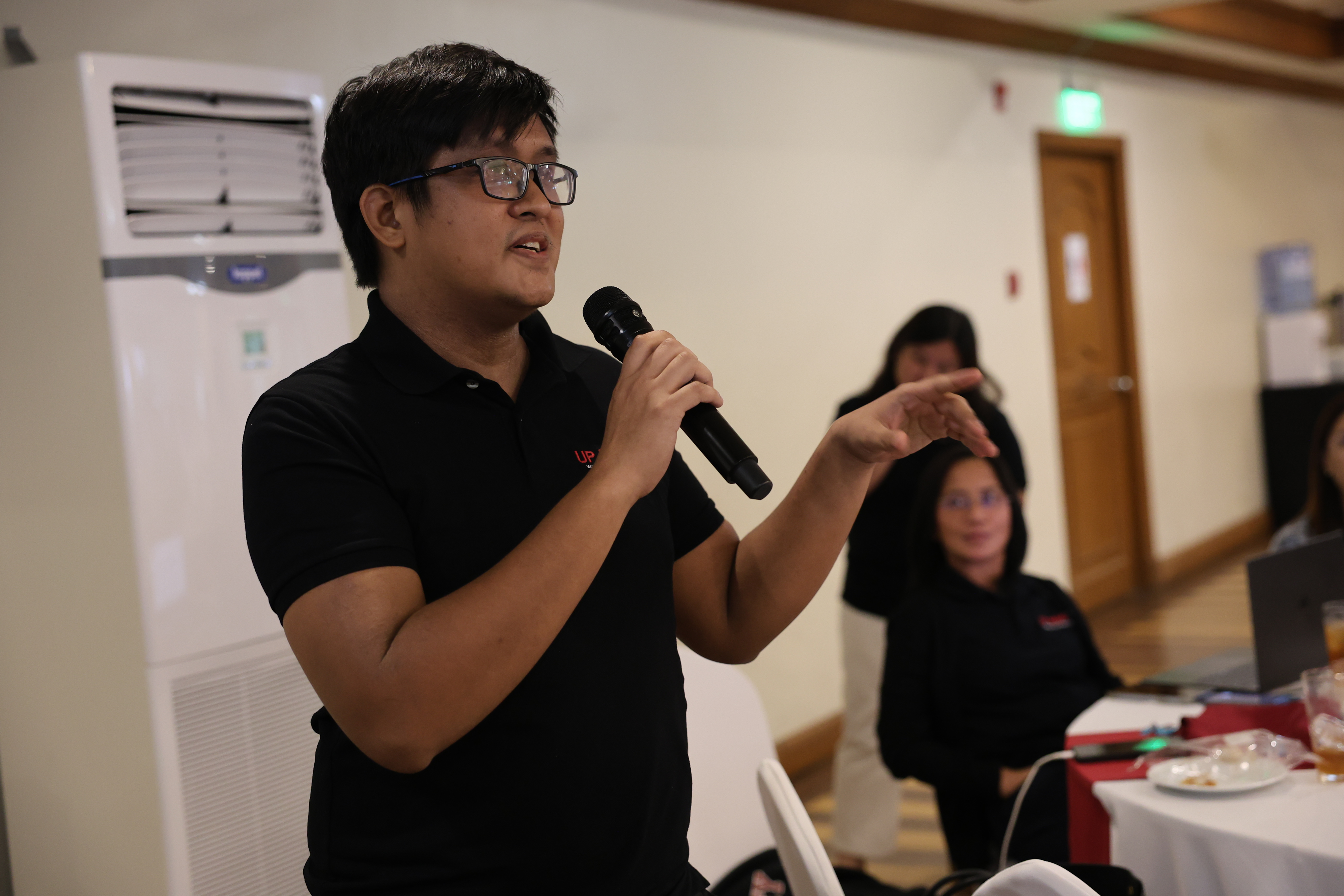
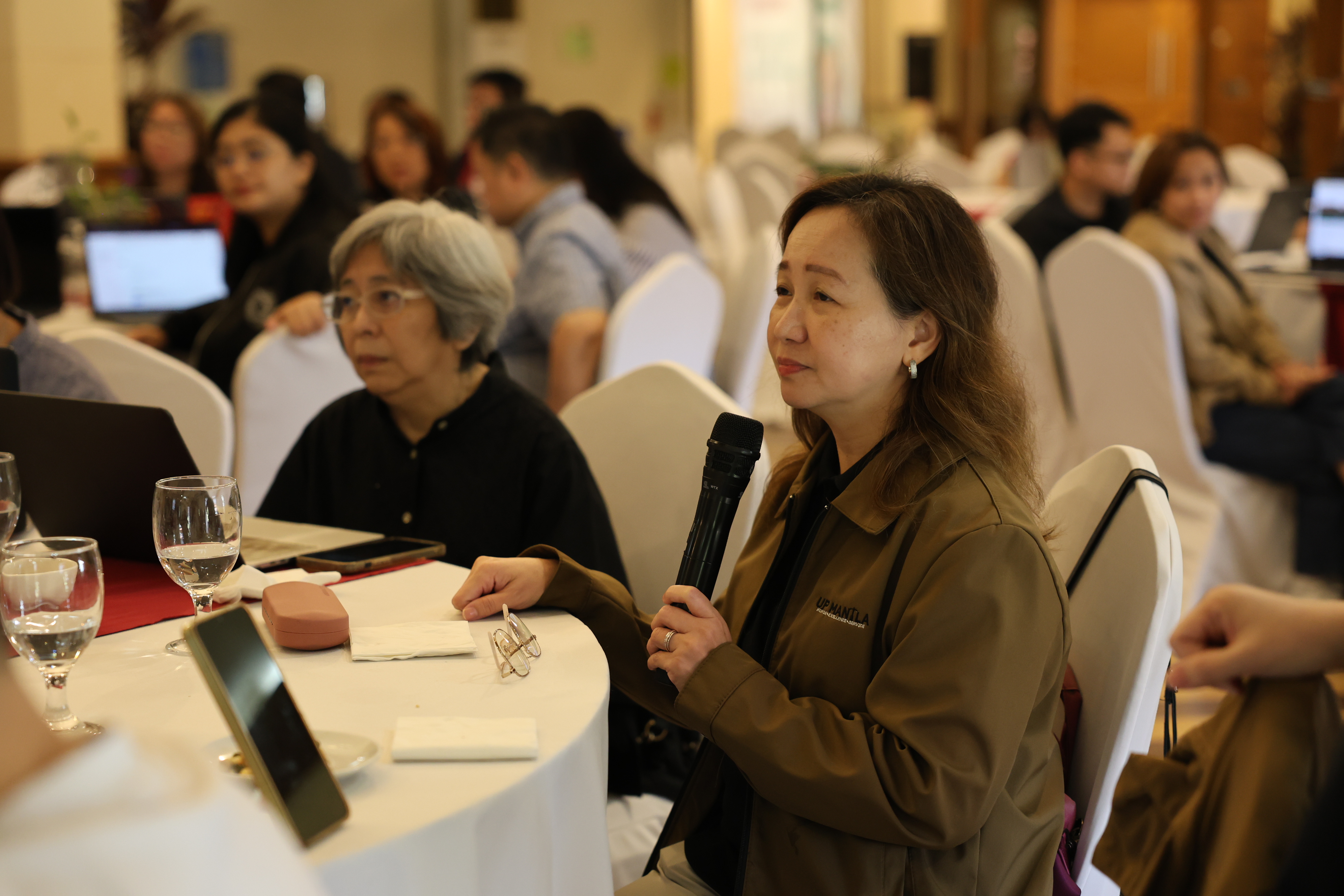
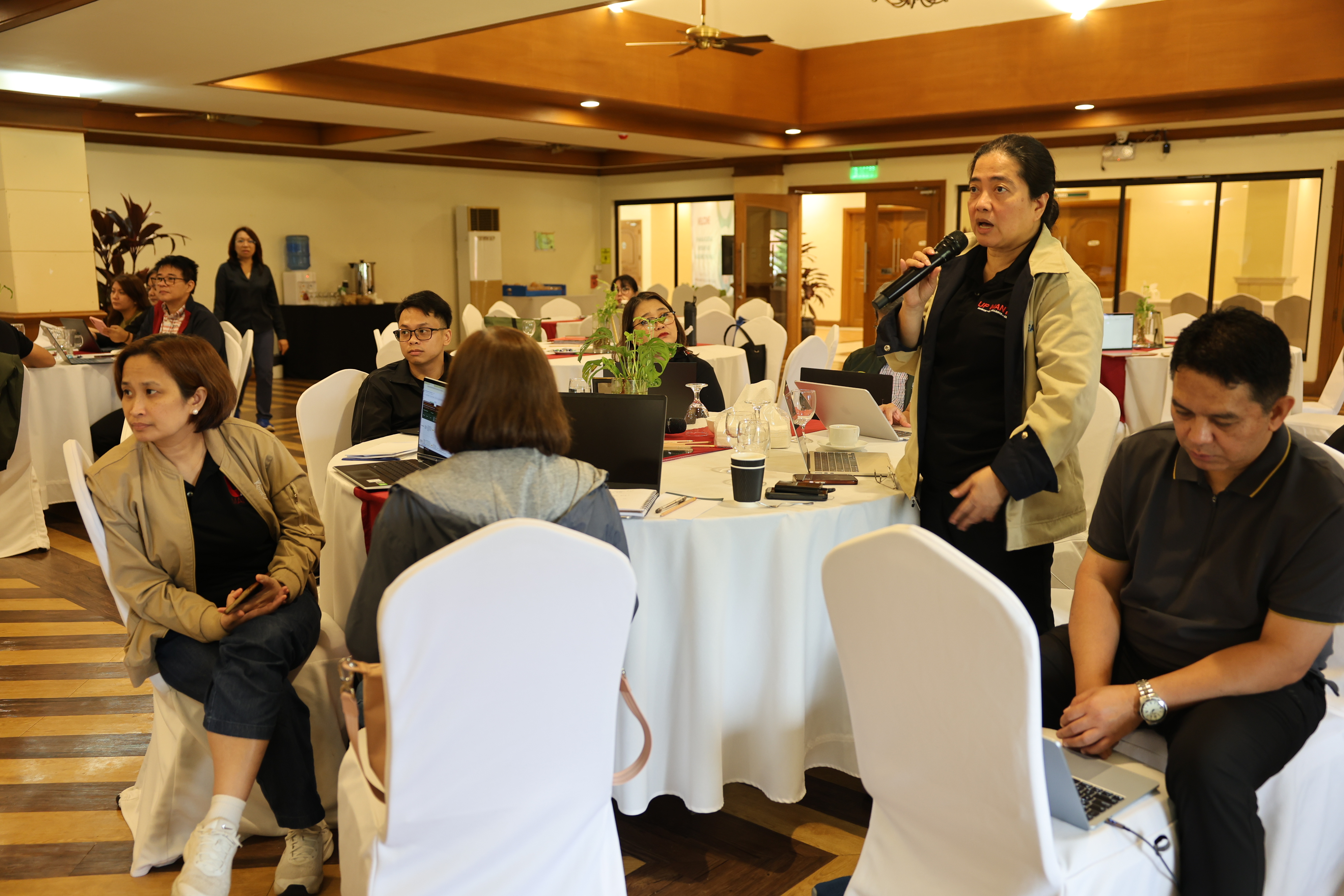
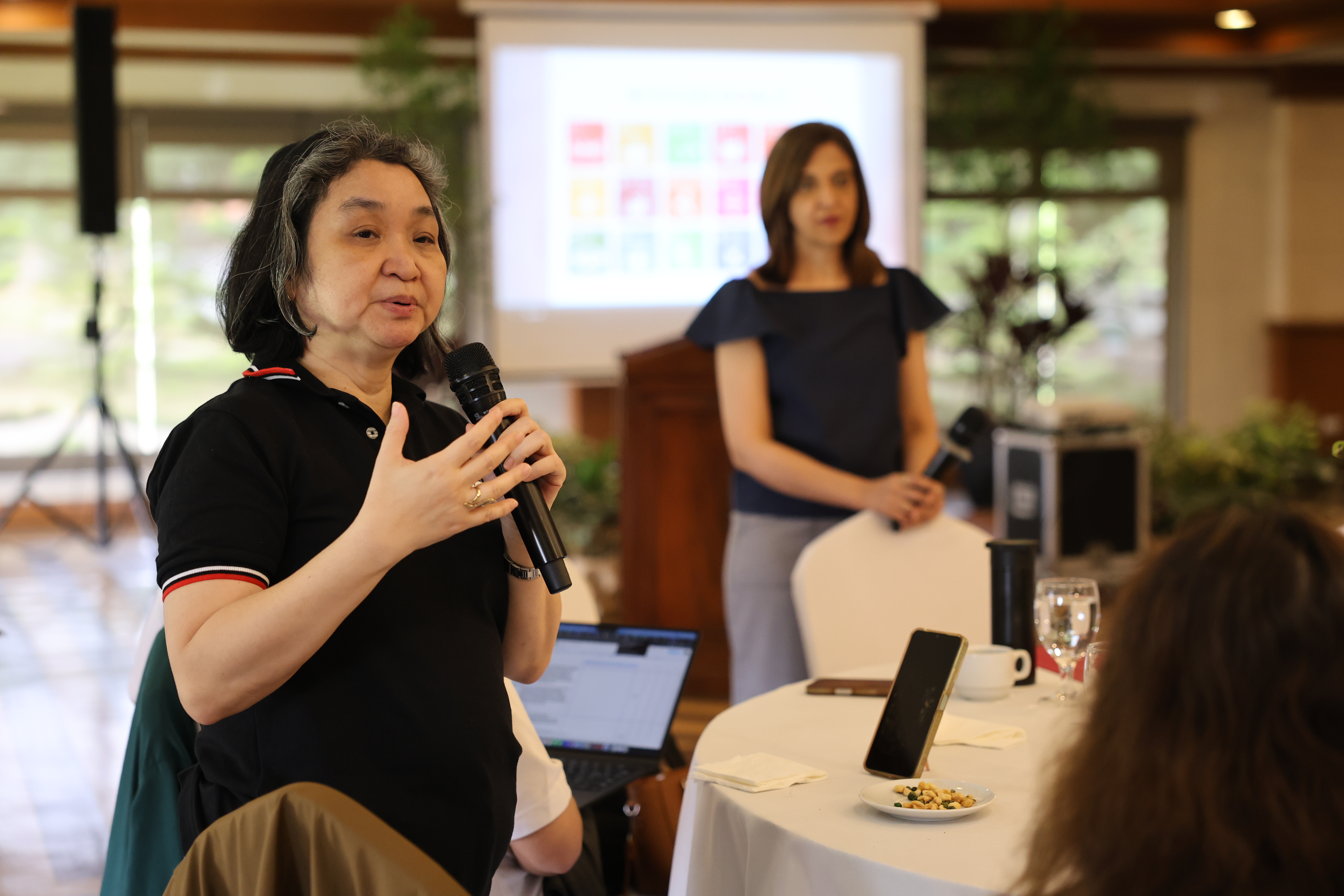
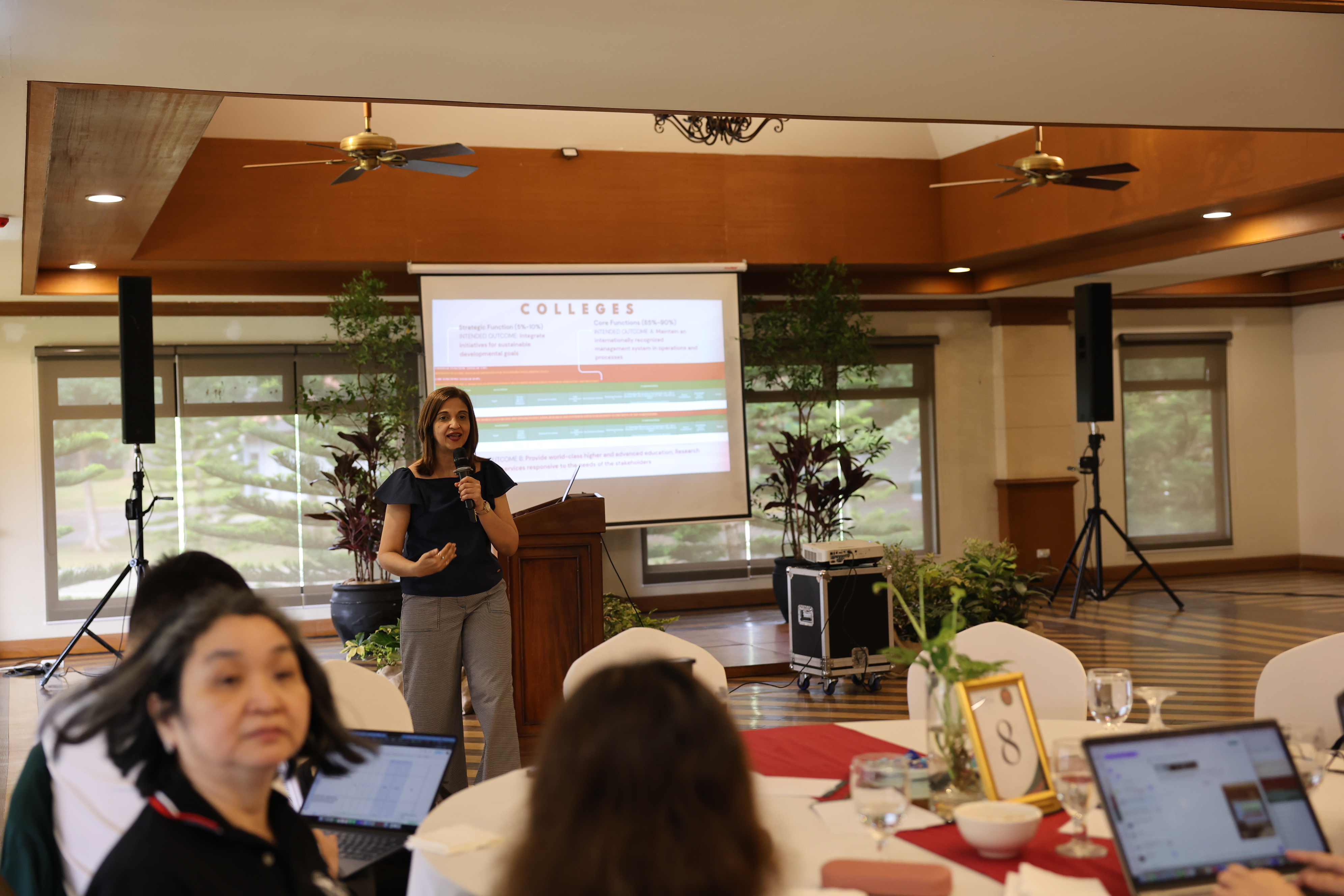
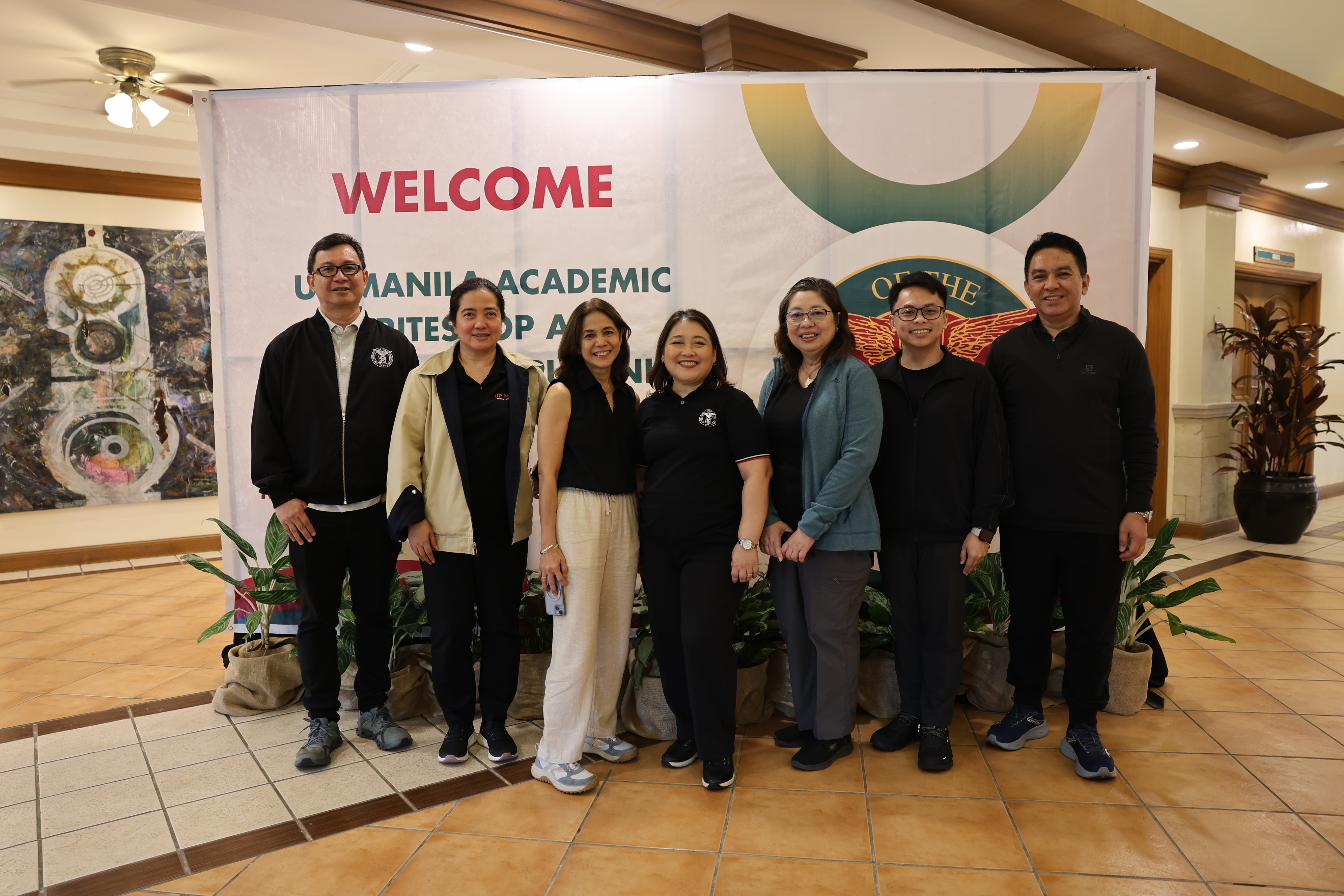
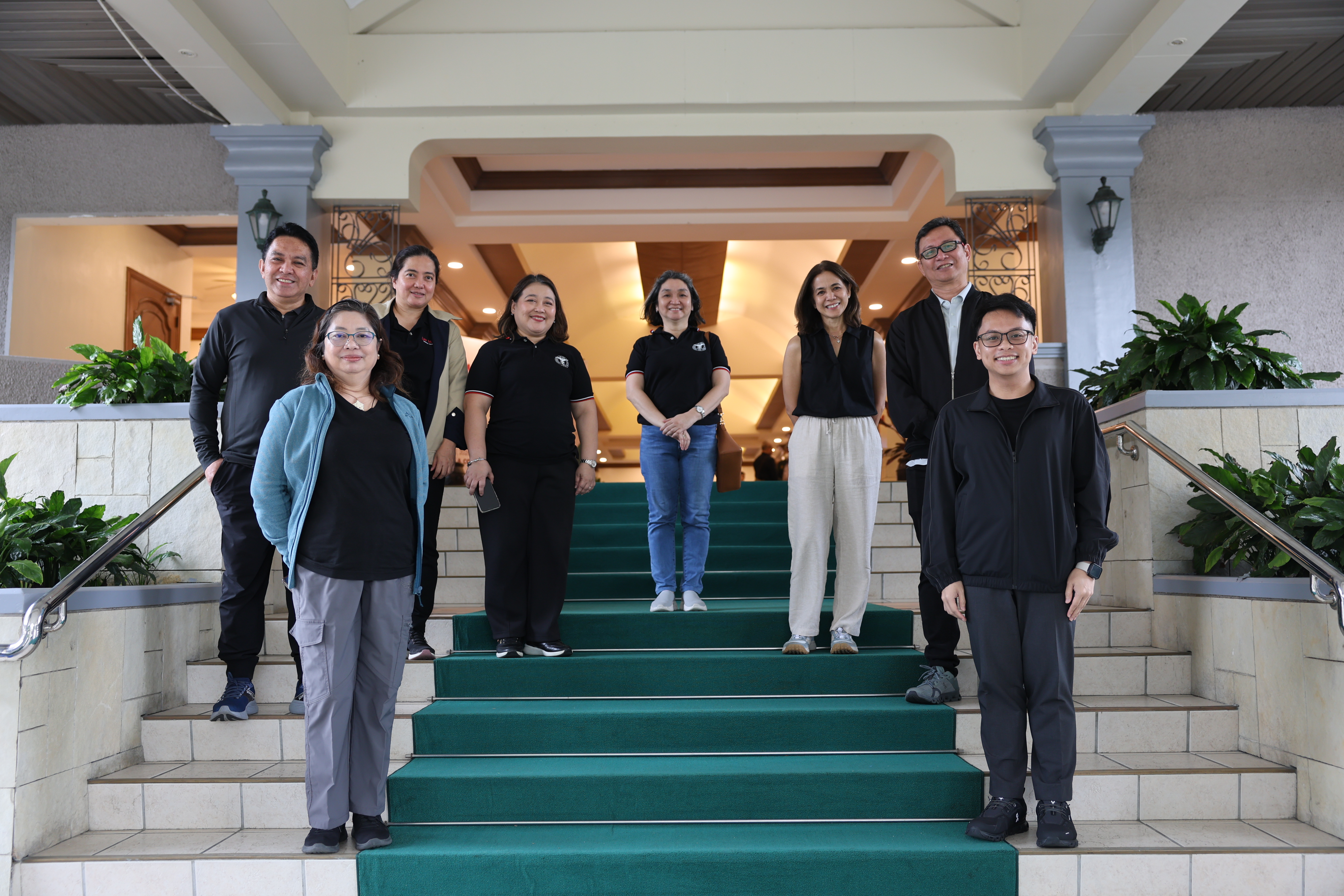
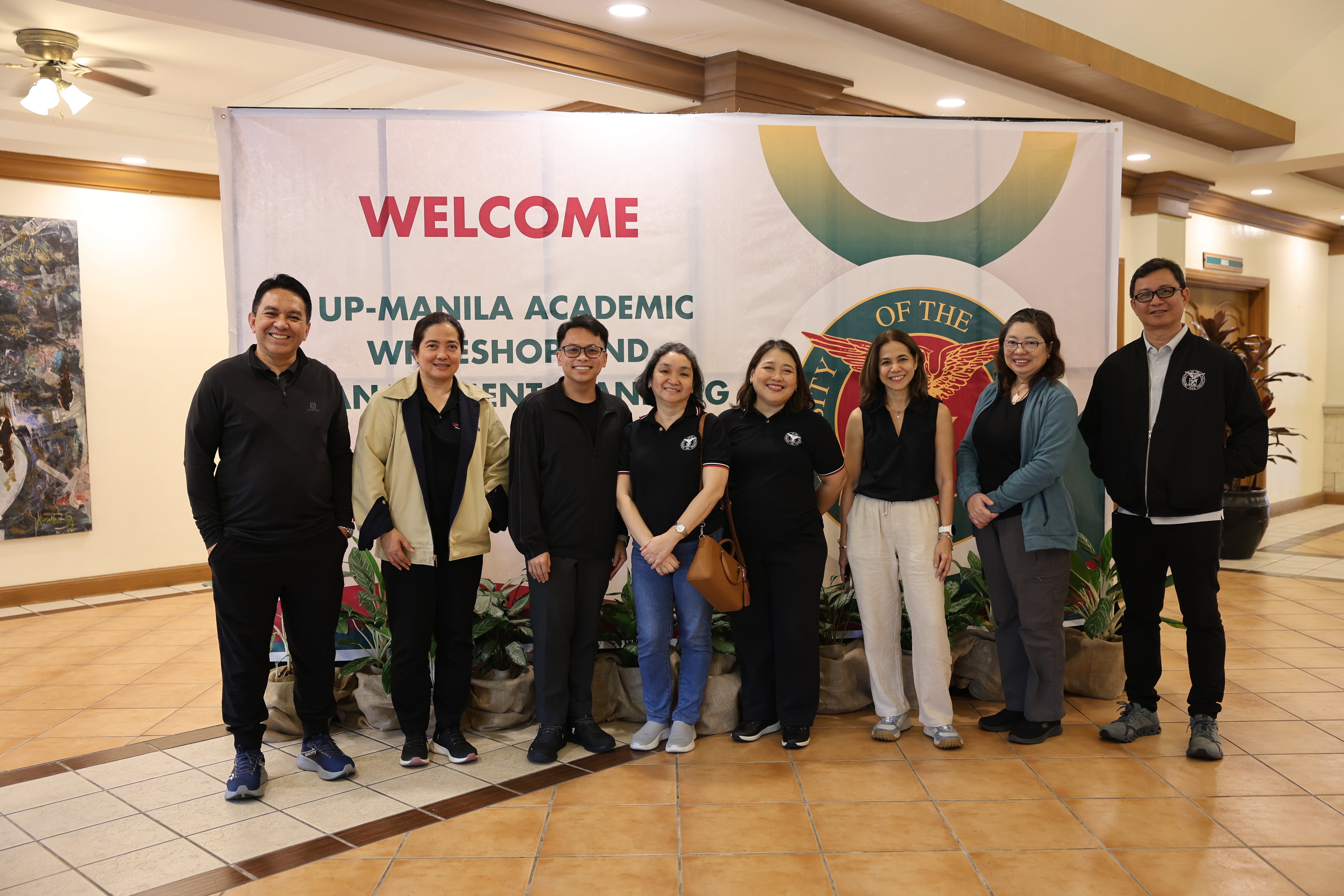
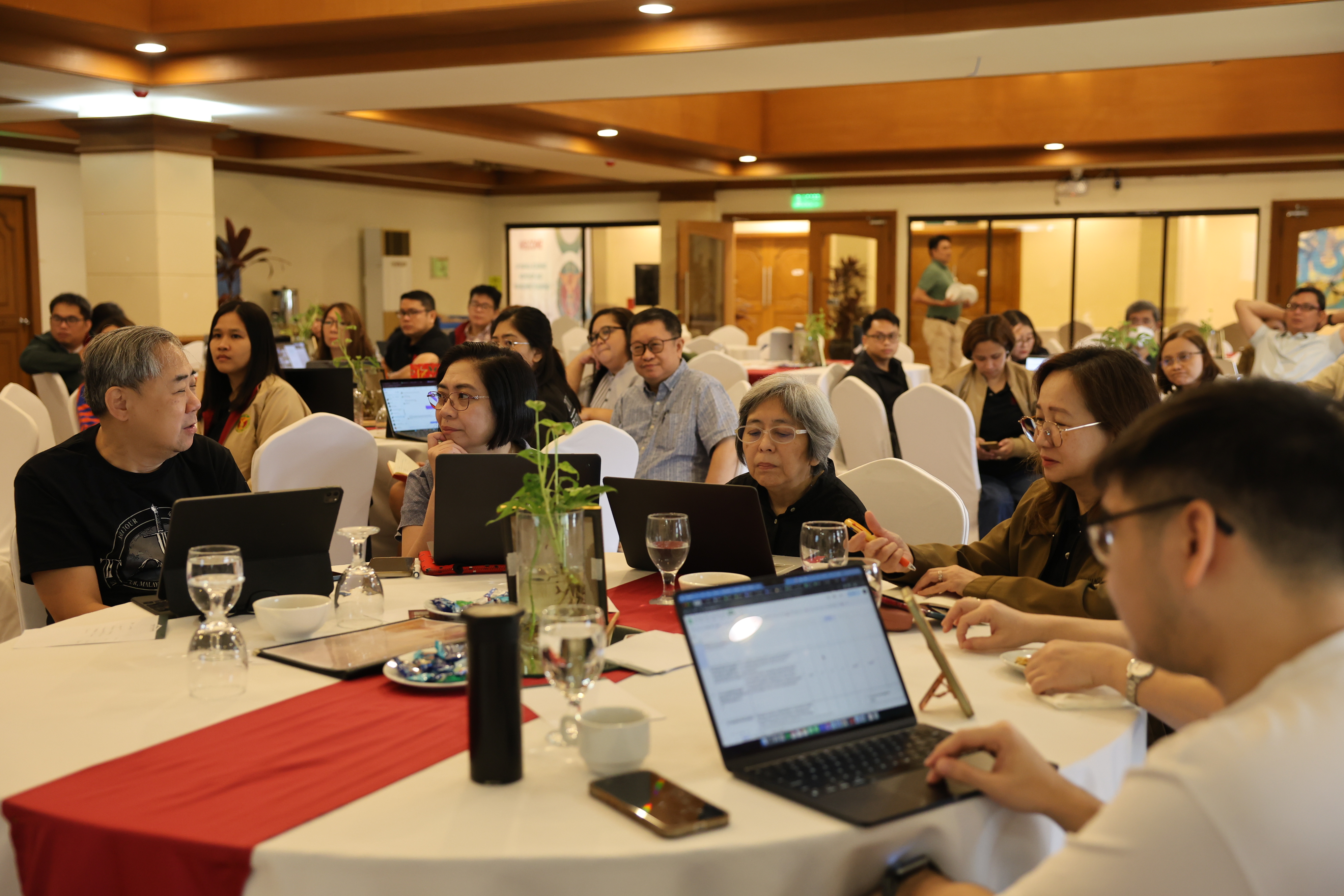
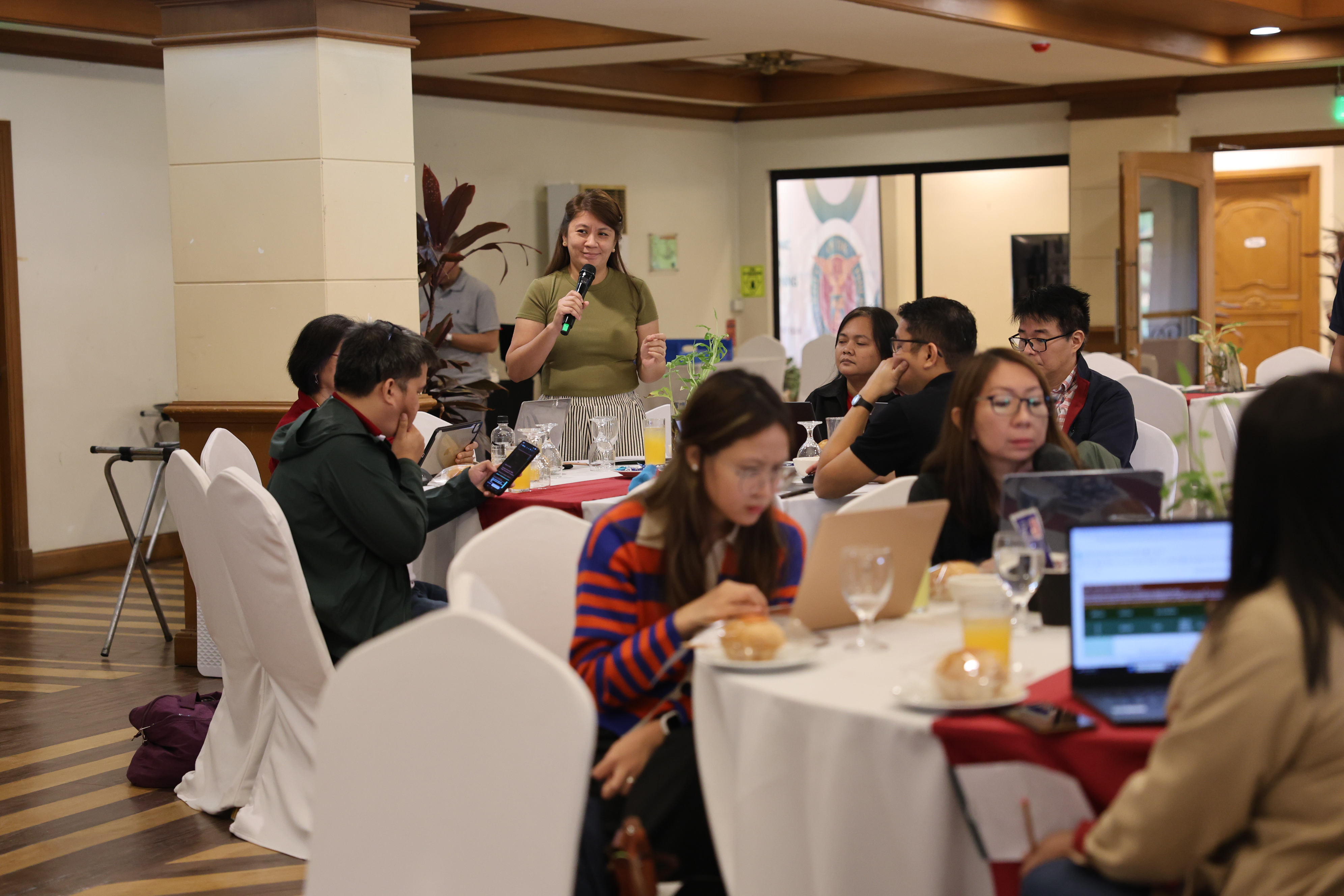
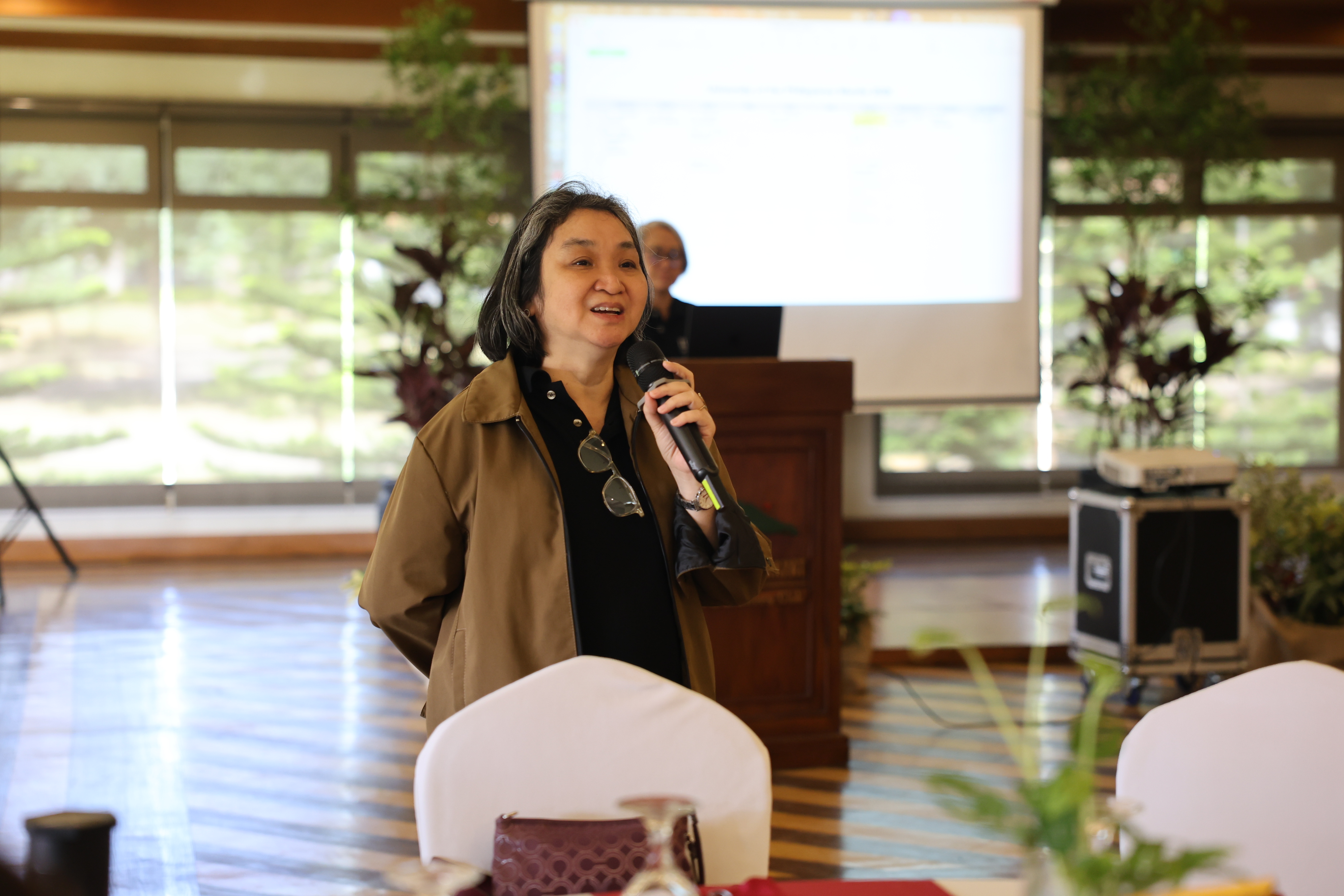
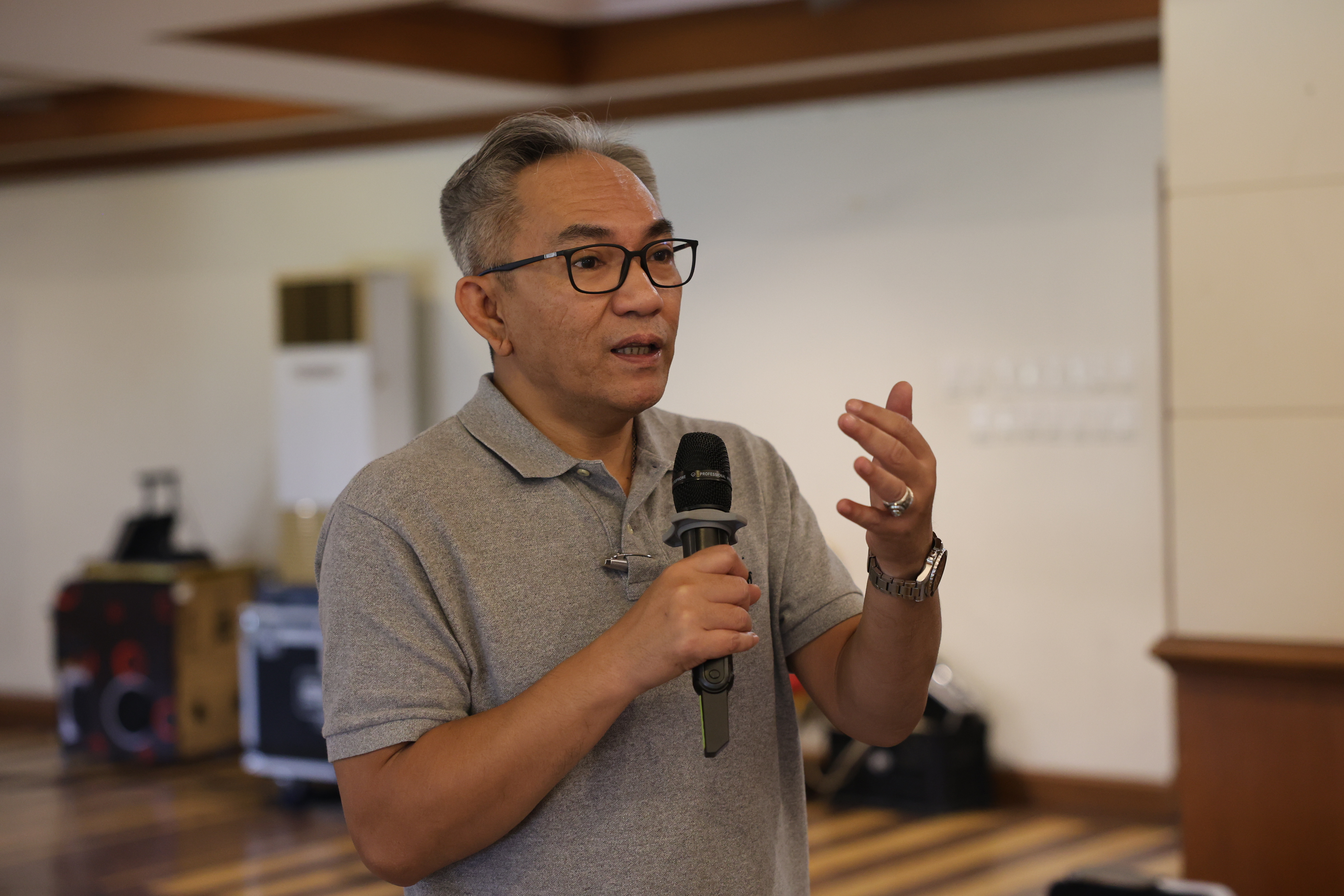
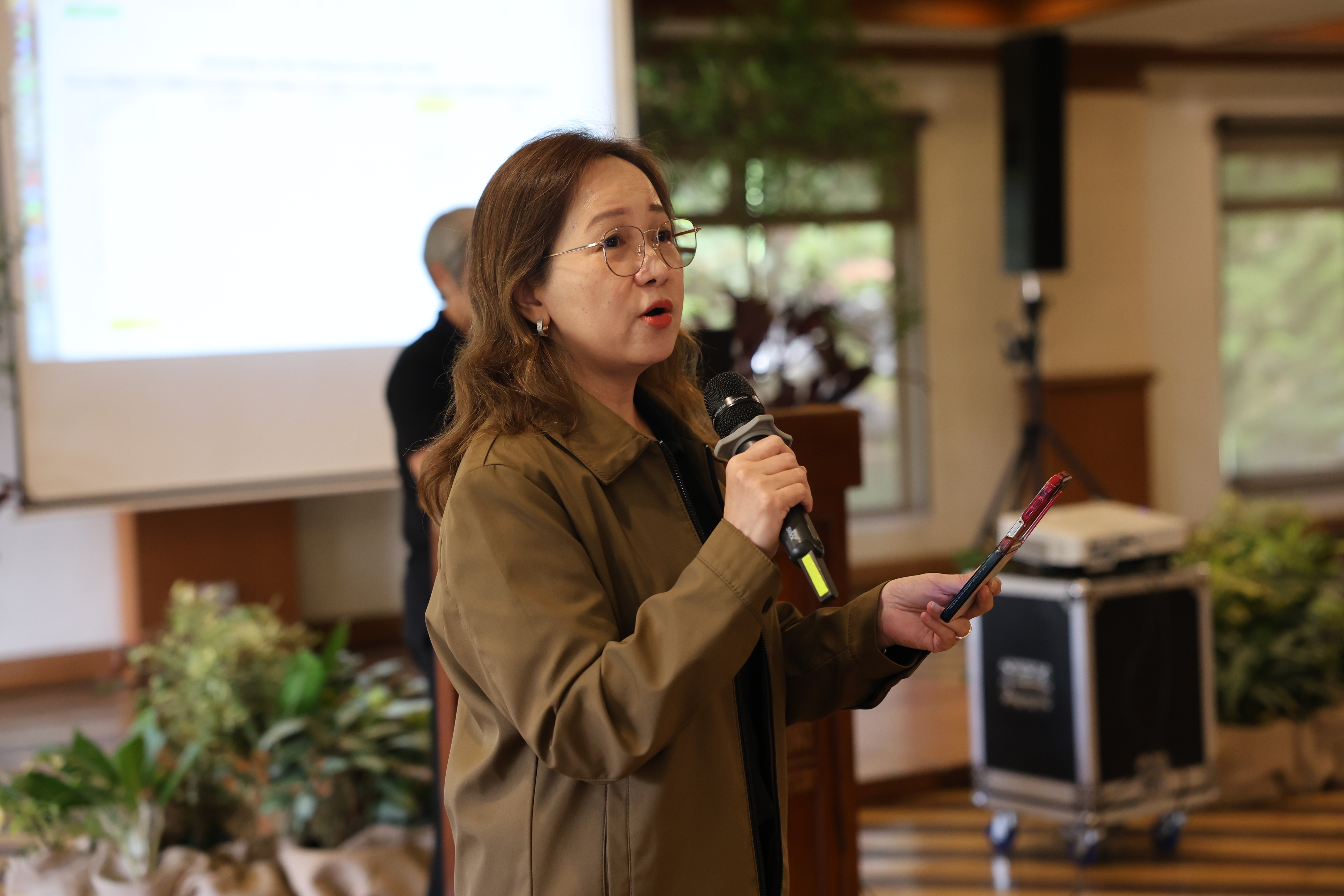
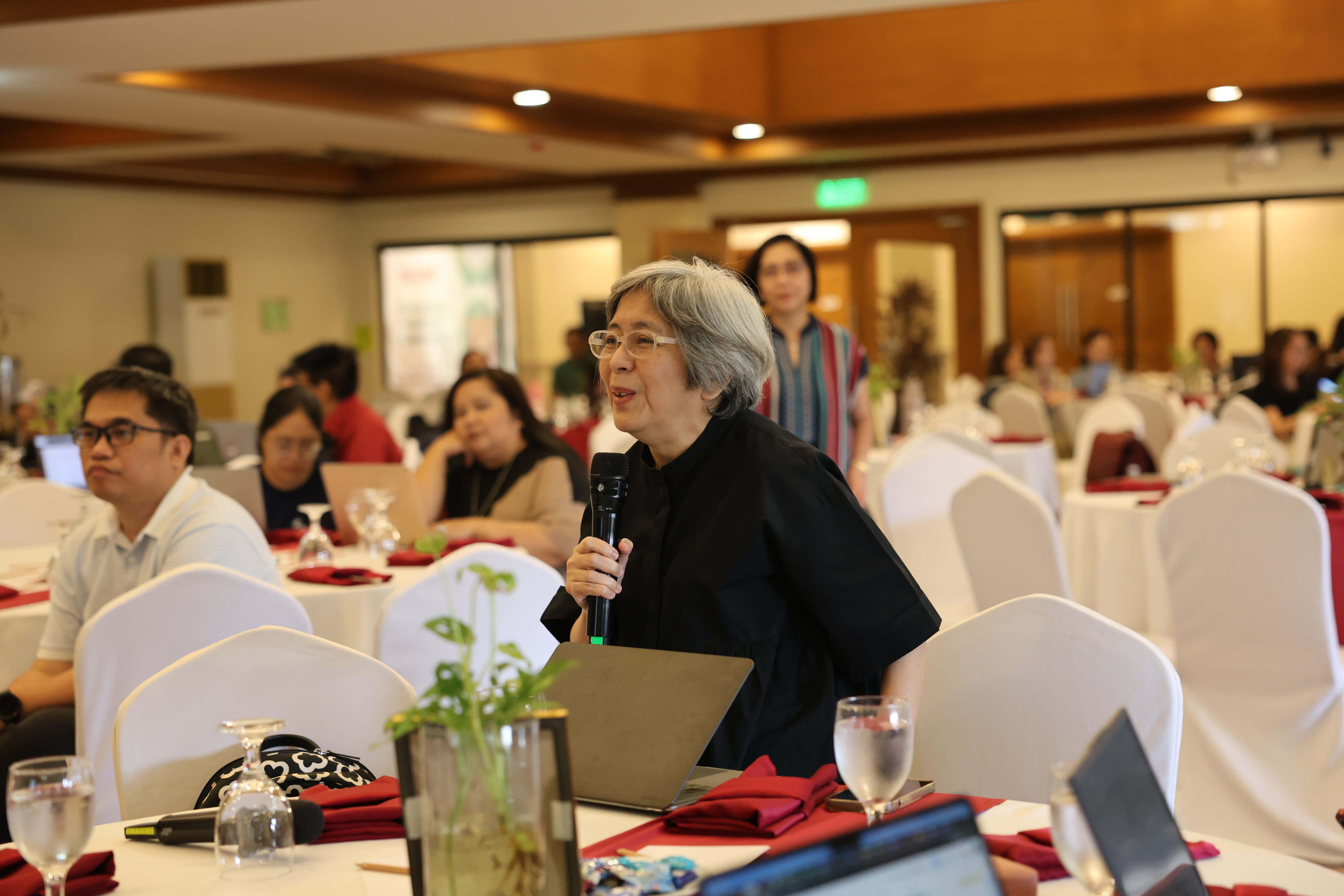
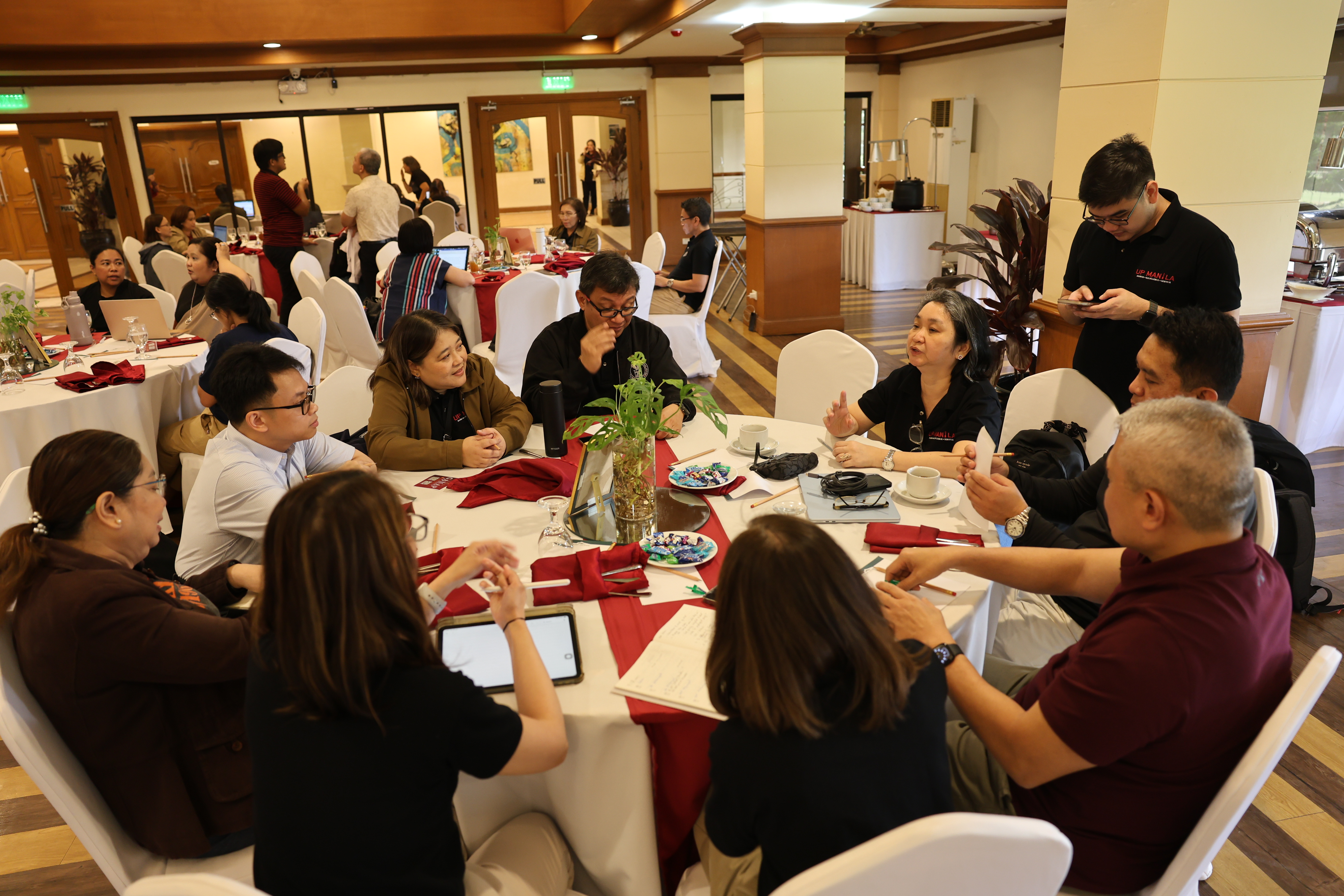
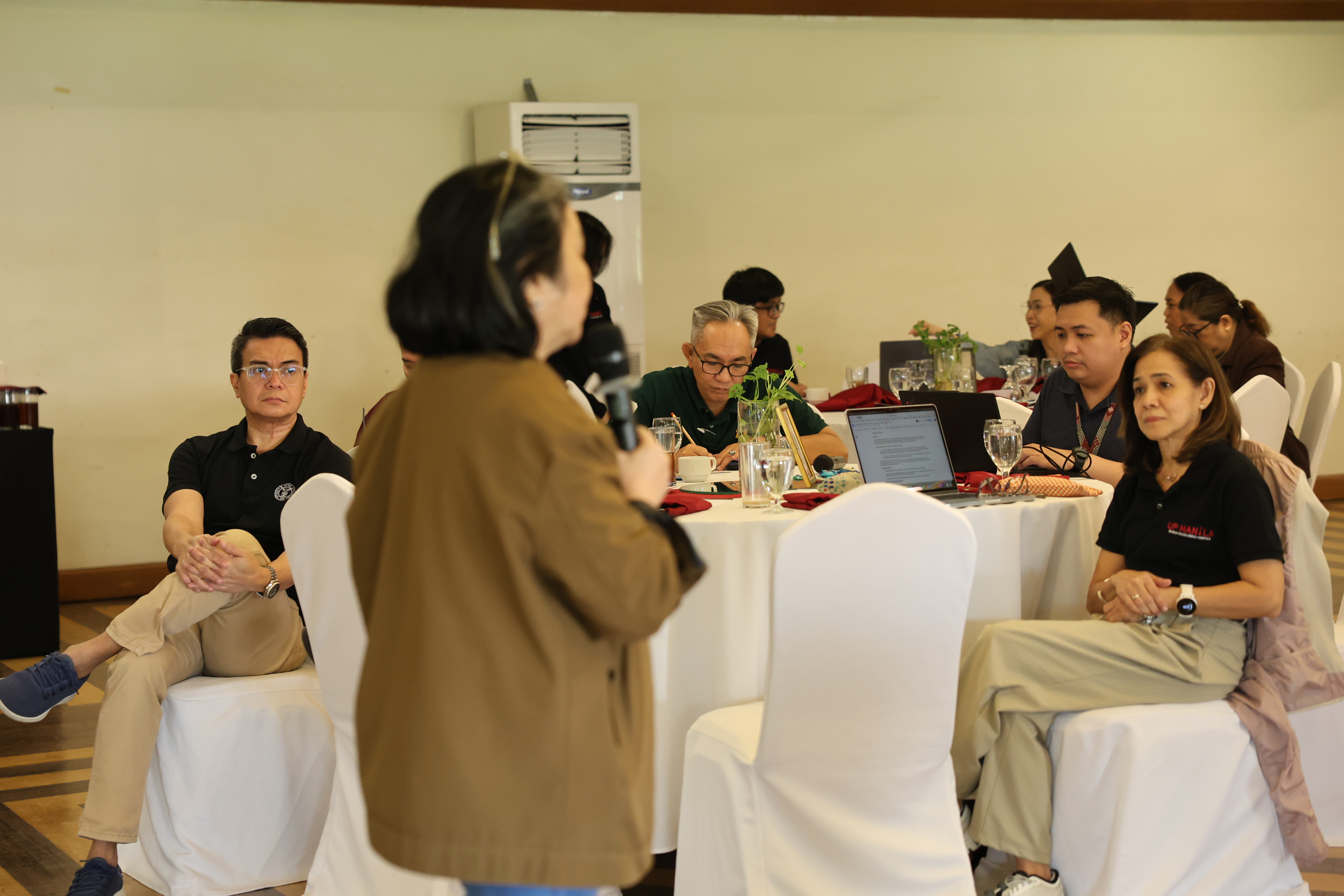
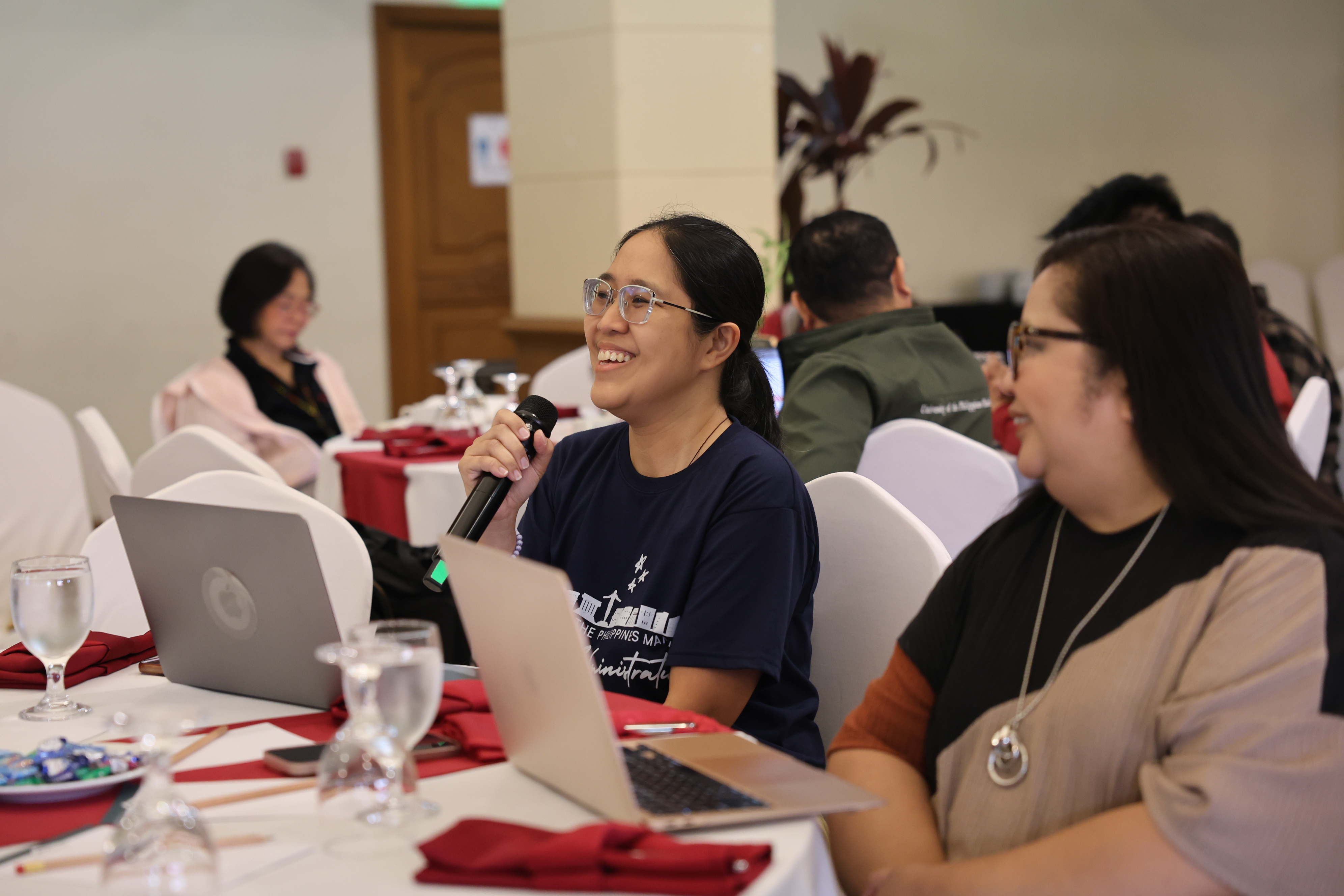
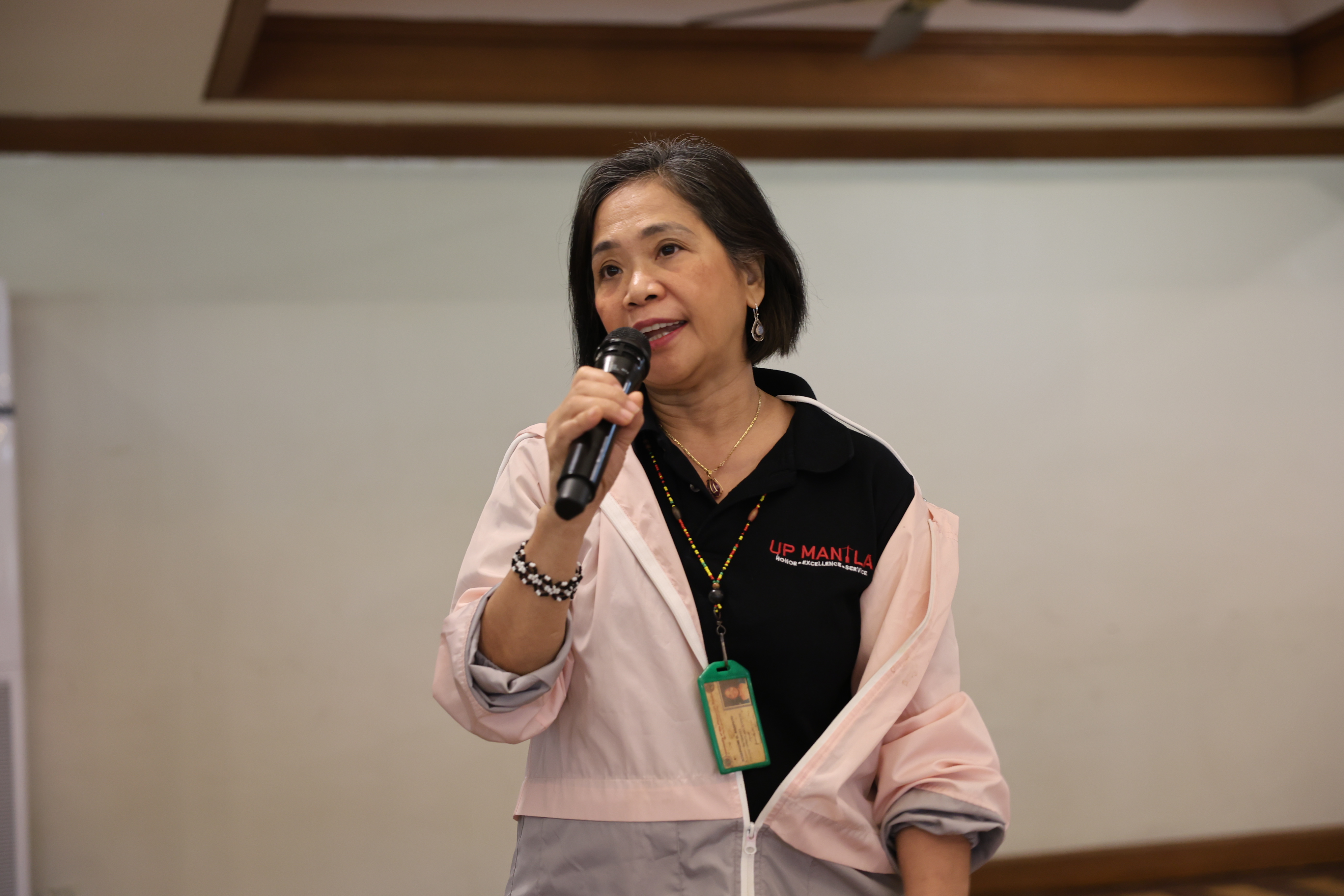
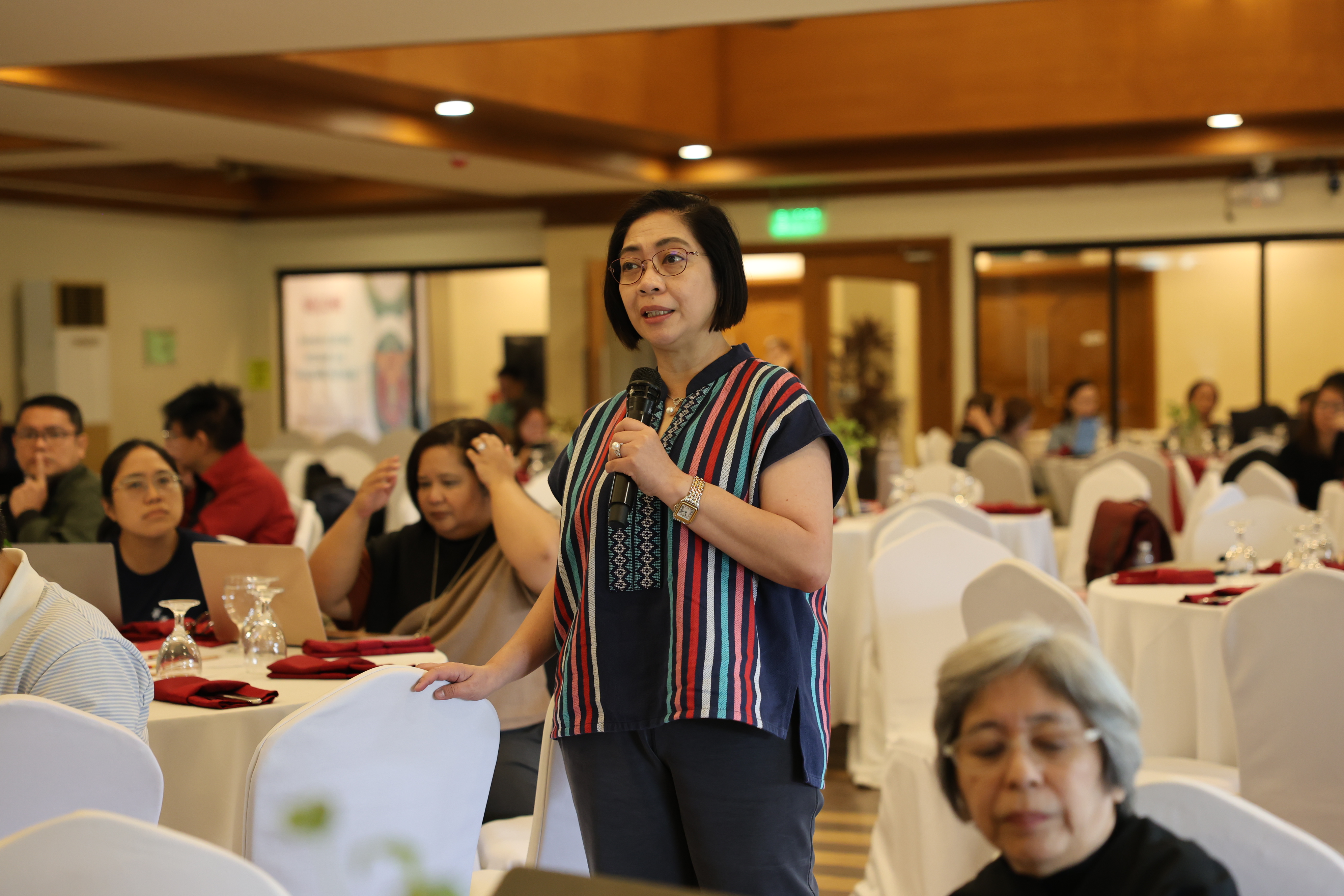
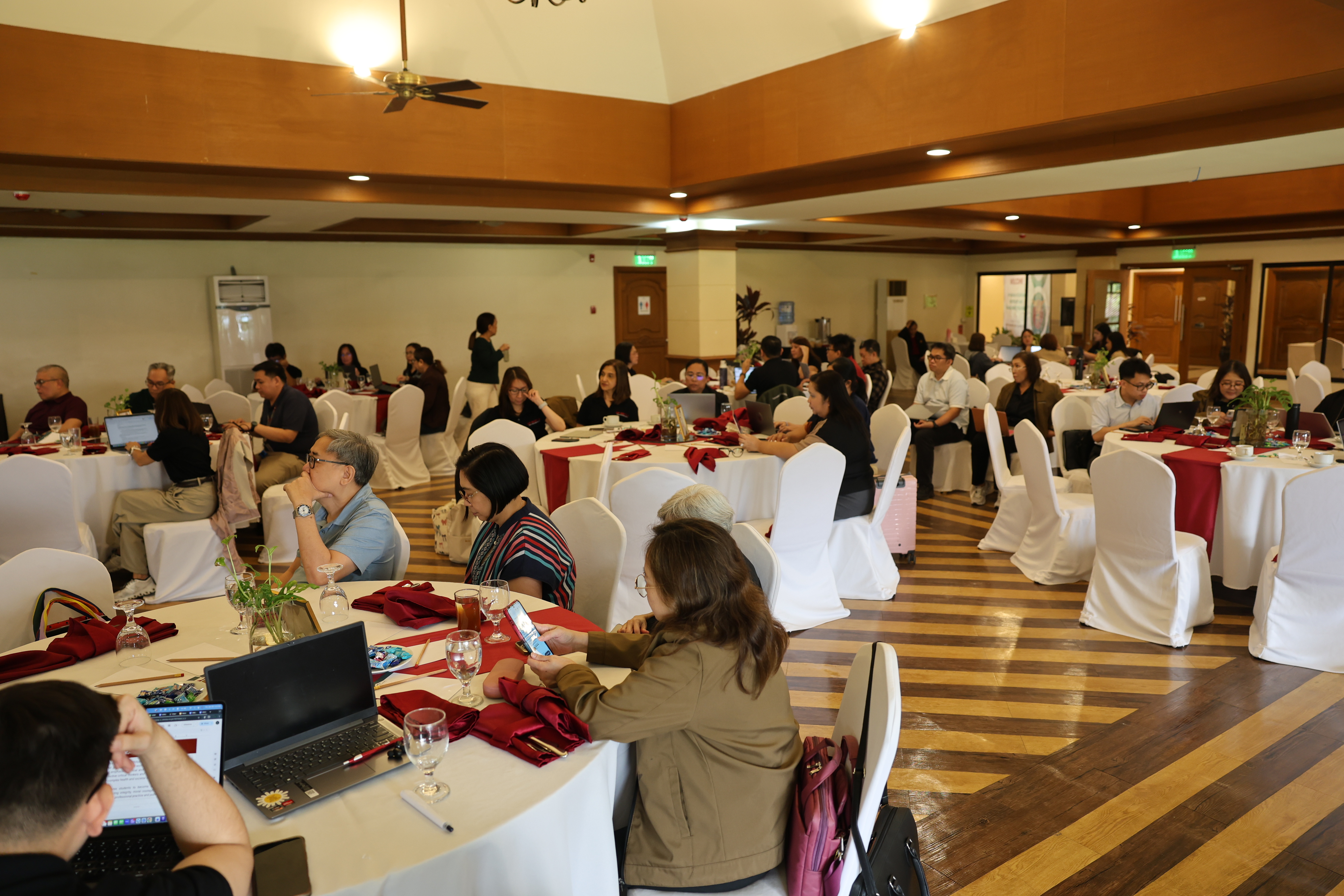
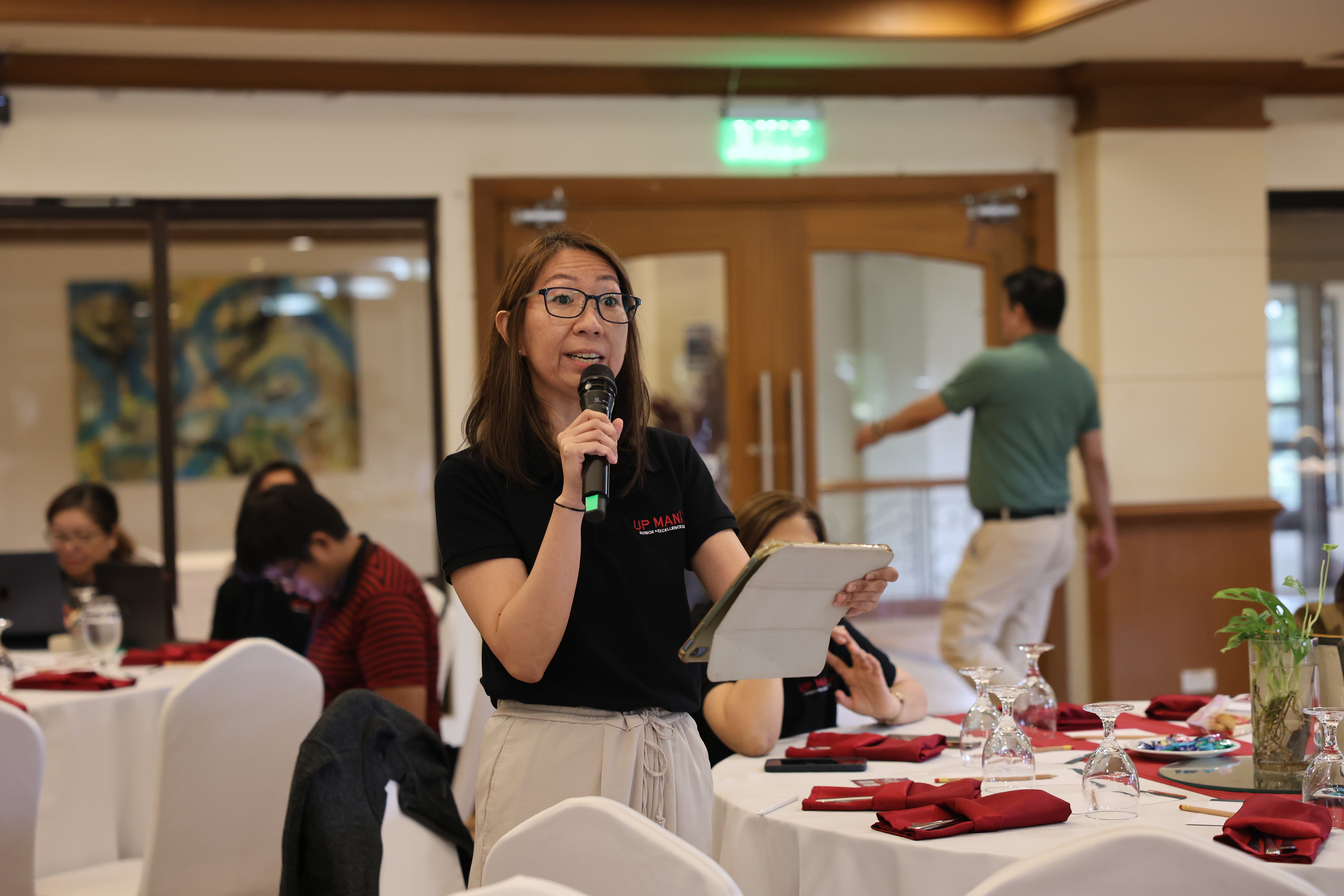
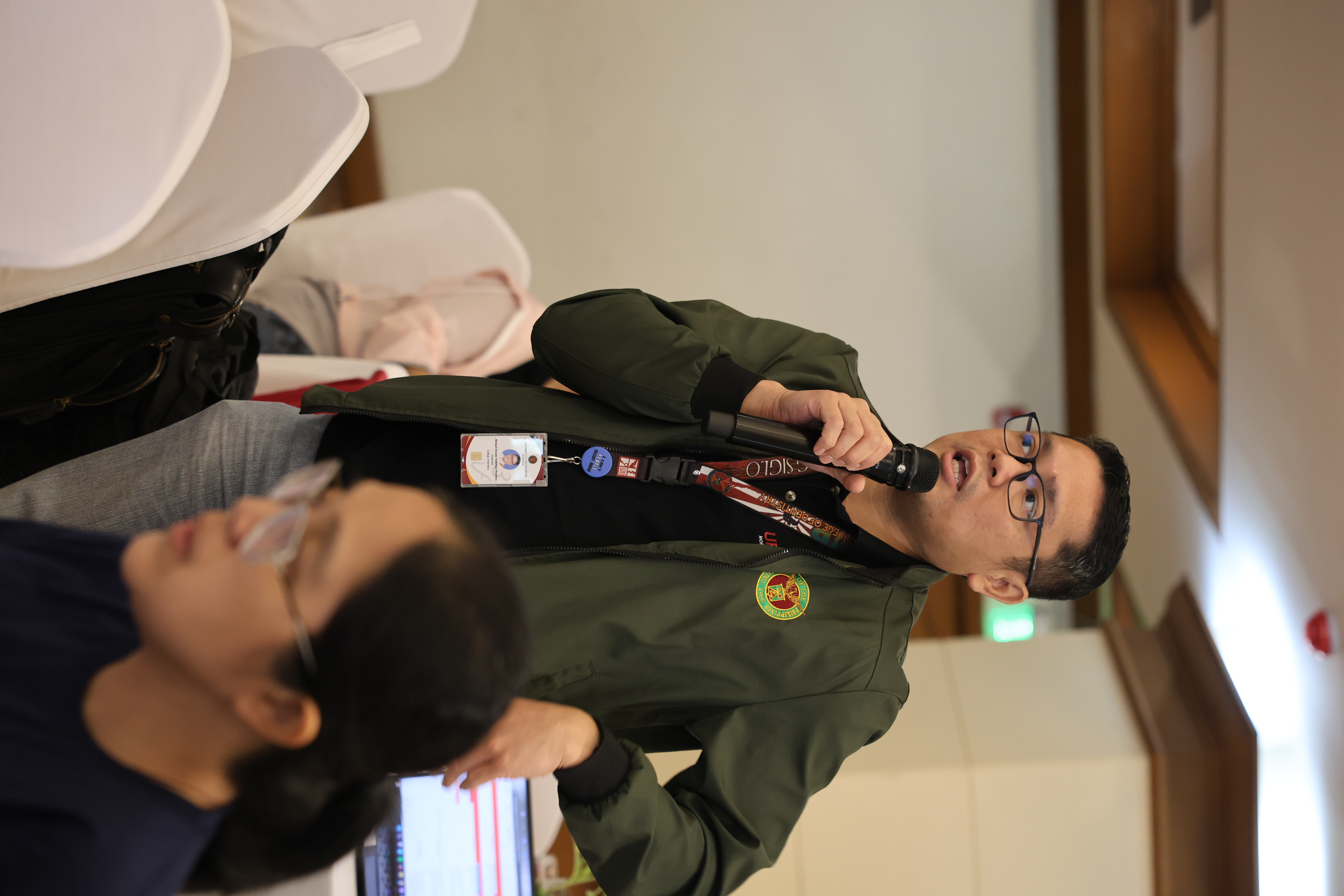
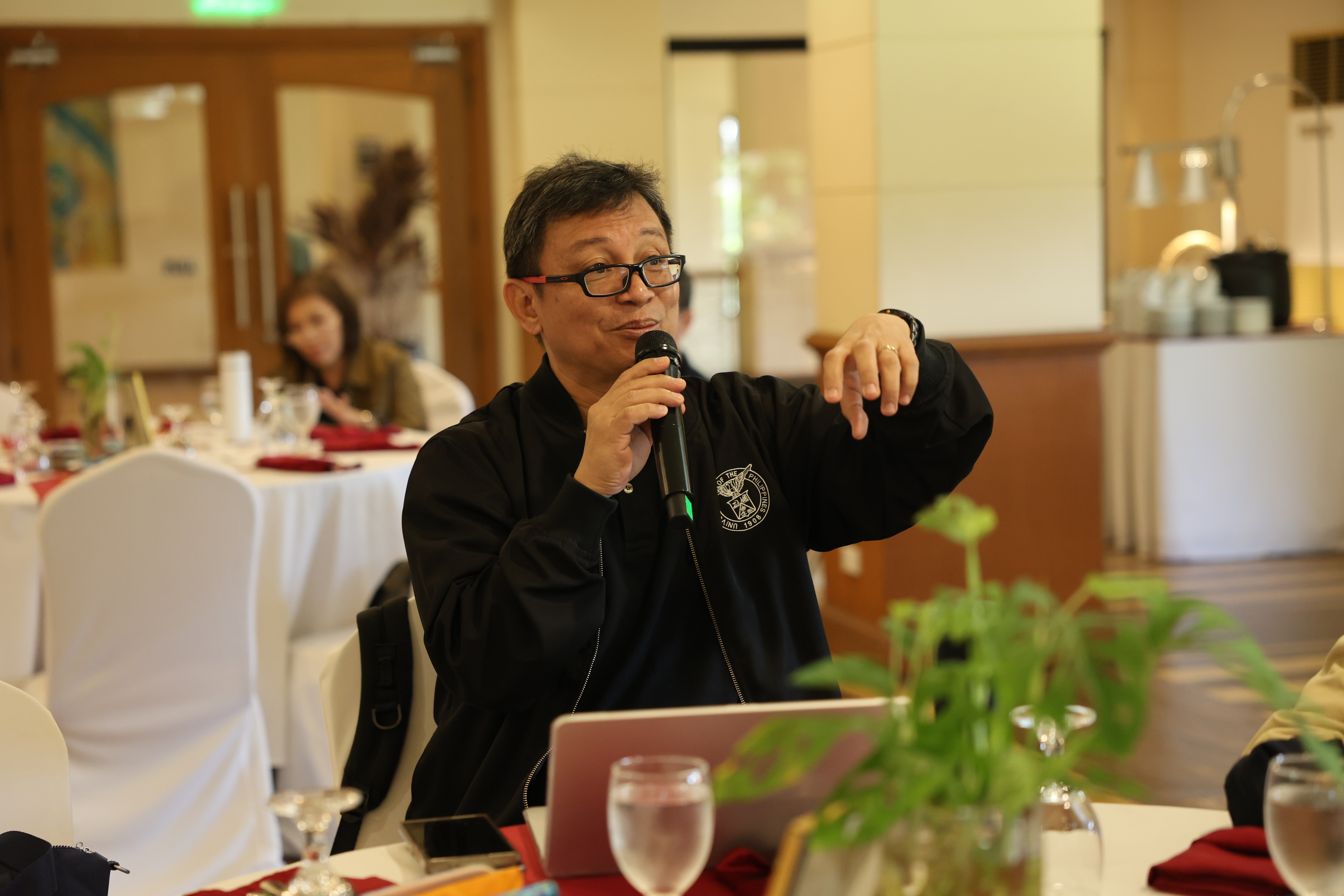
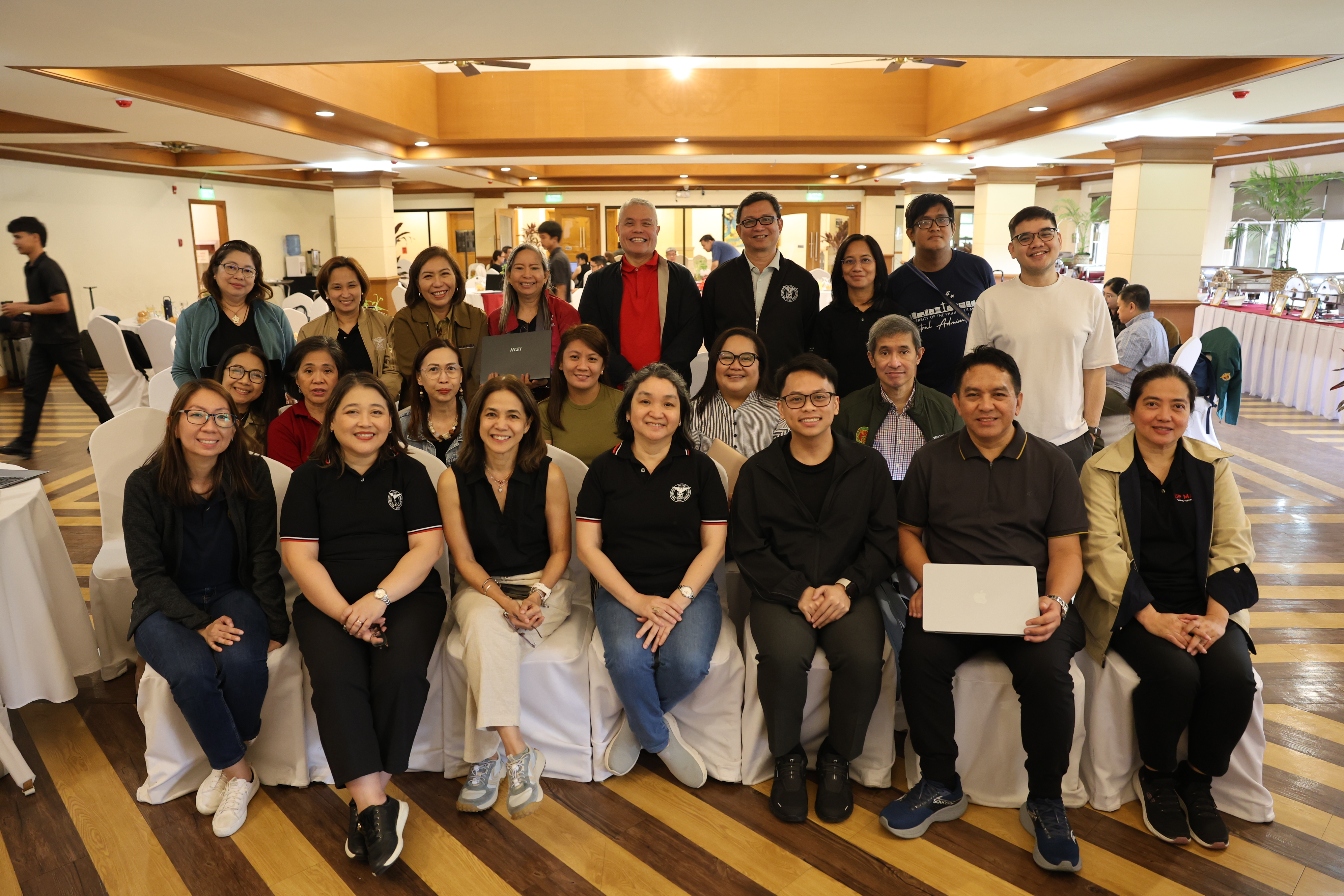
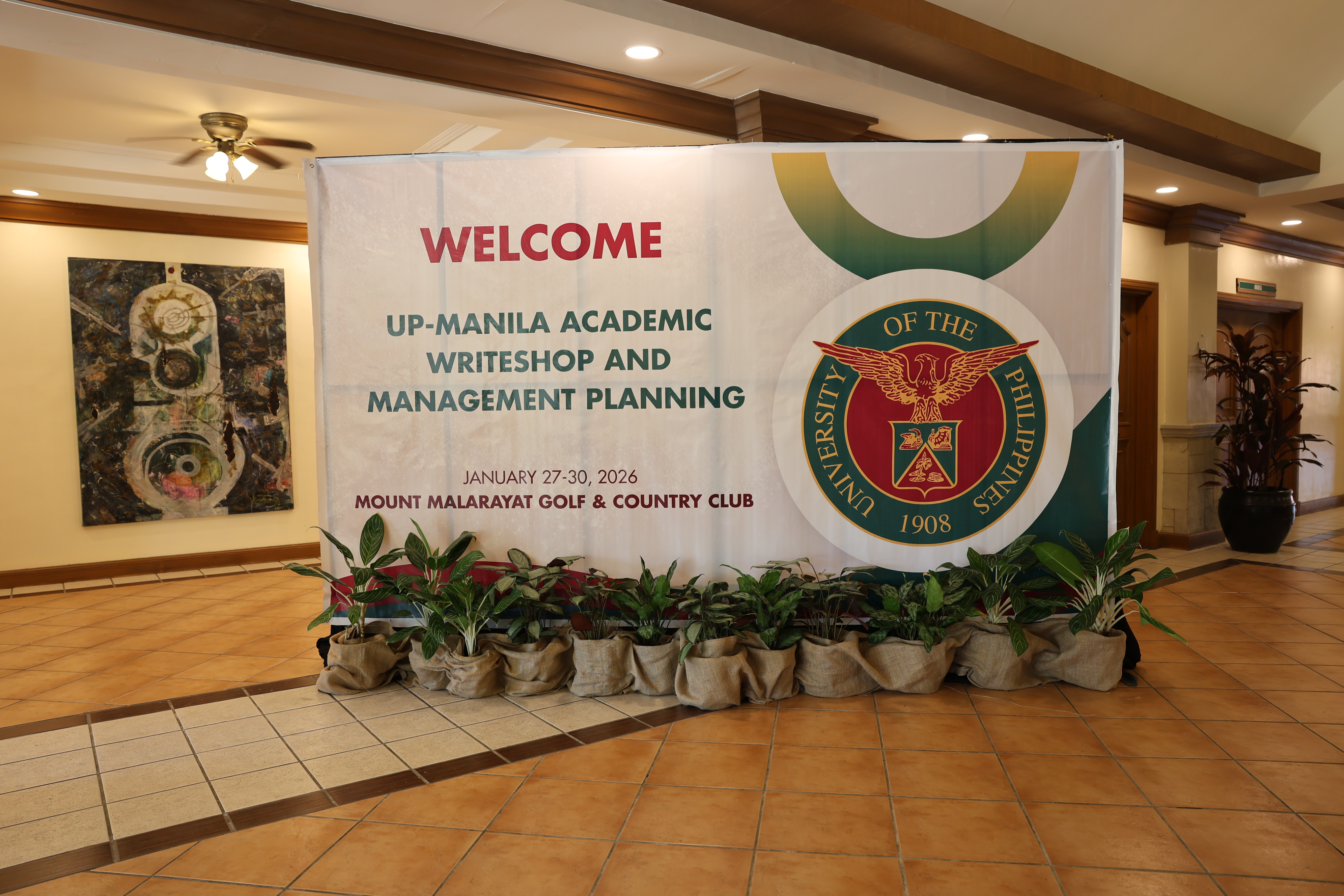
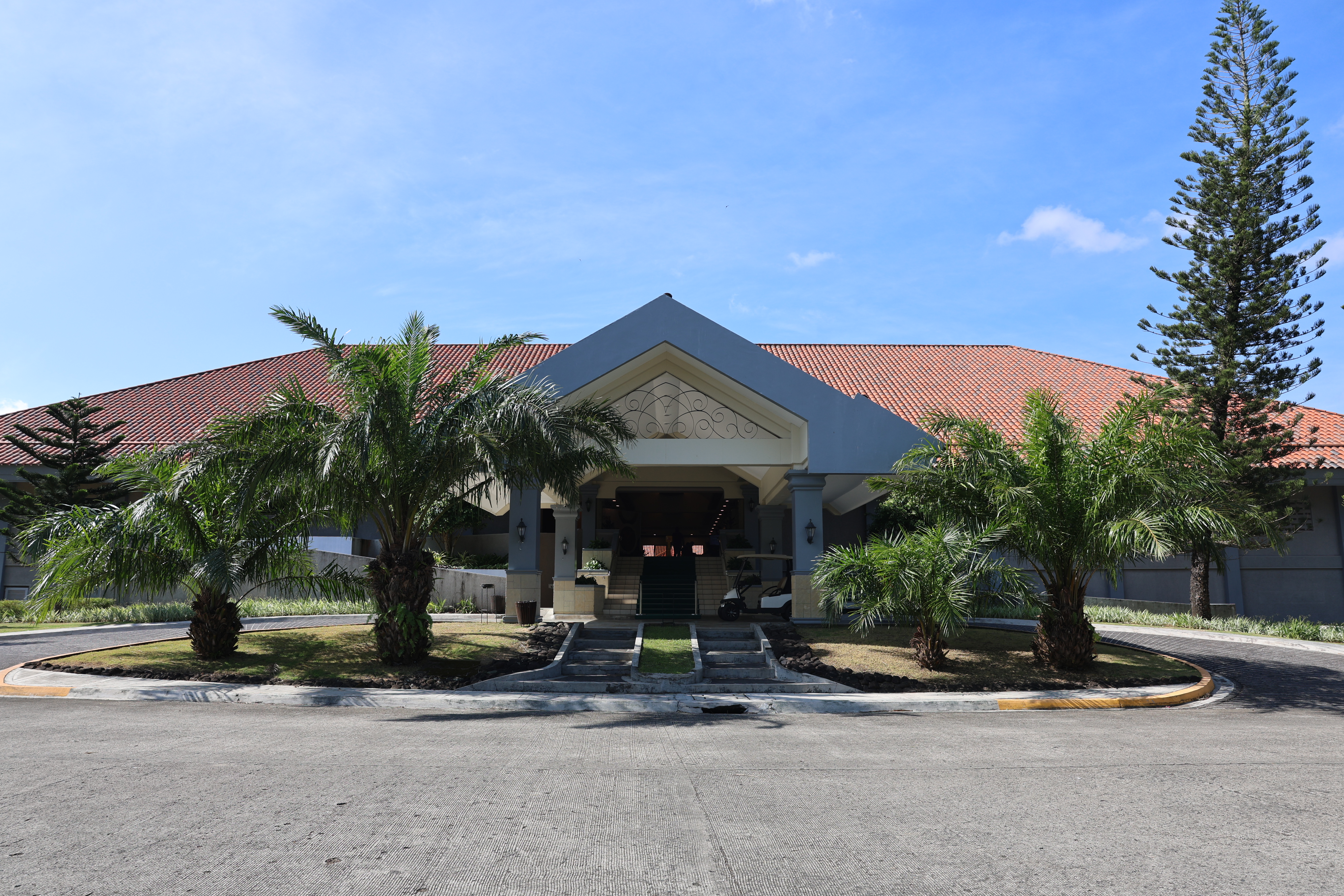
The University of the Philippines (UP) Manila held its 2026 Operational Planning on Jan. 29–30, 2026 at the Mount Malarayat Golf and Country Club in Lipa, Batangas. The event brought together University officials and representatives from academic and administrative units who discussed alignment of programs, targets, and performance commitments for the year.
The two-day activity served as a platform for strategic discussion, strengthening institutional direction and ensuring that unit-level goals are aligned with UP Manila’s mandate as the country’s national health sciences center and a key institution for public service.
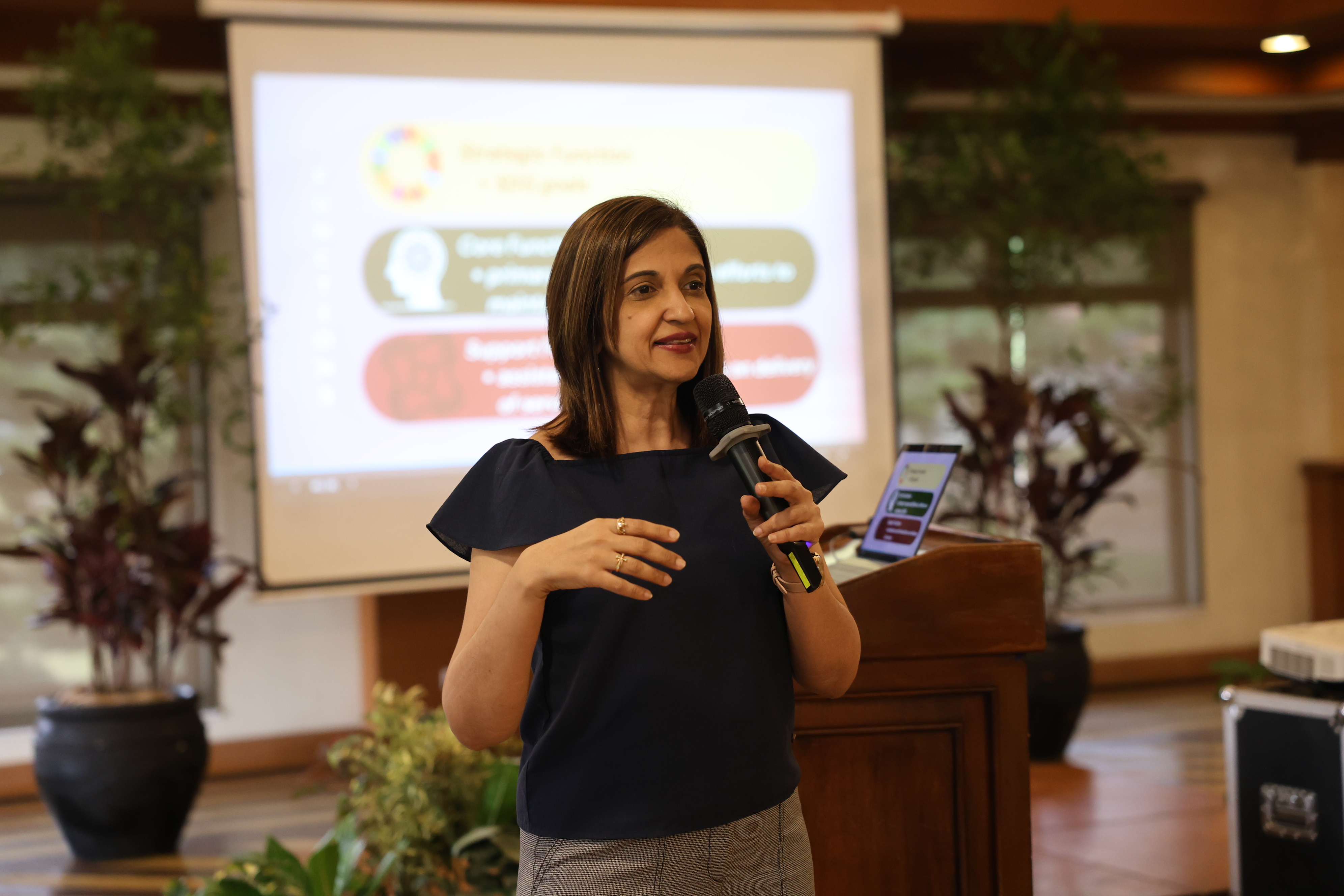
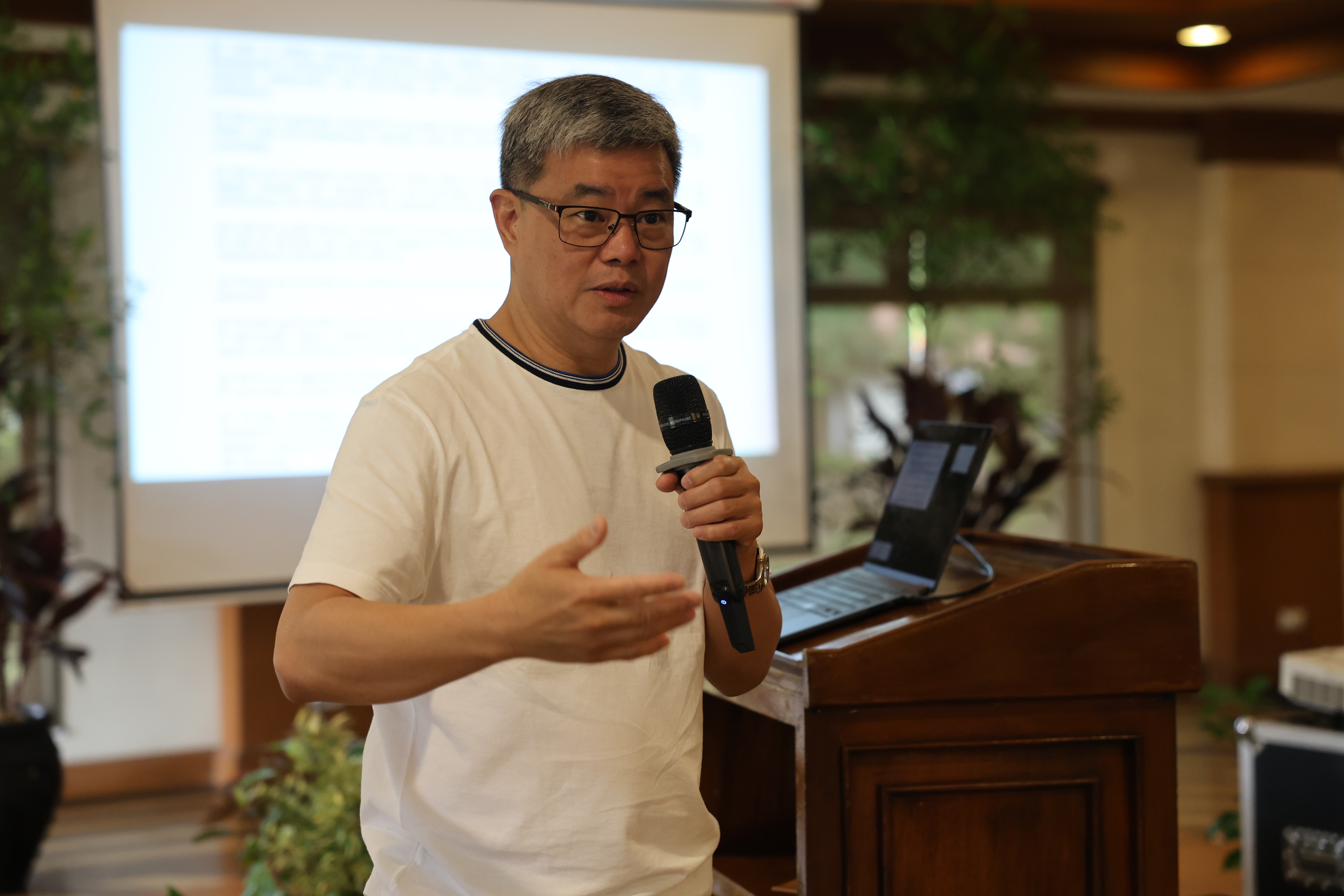
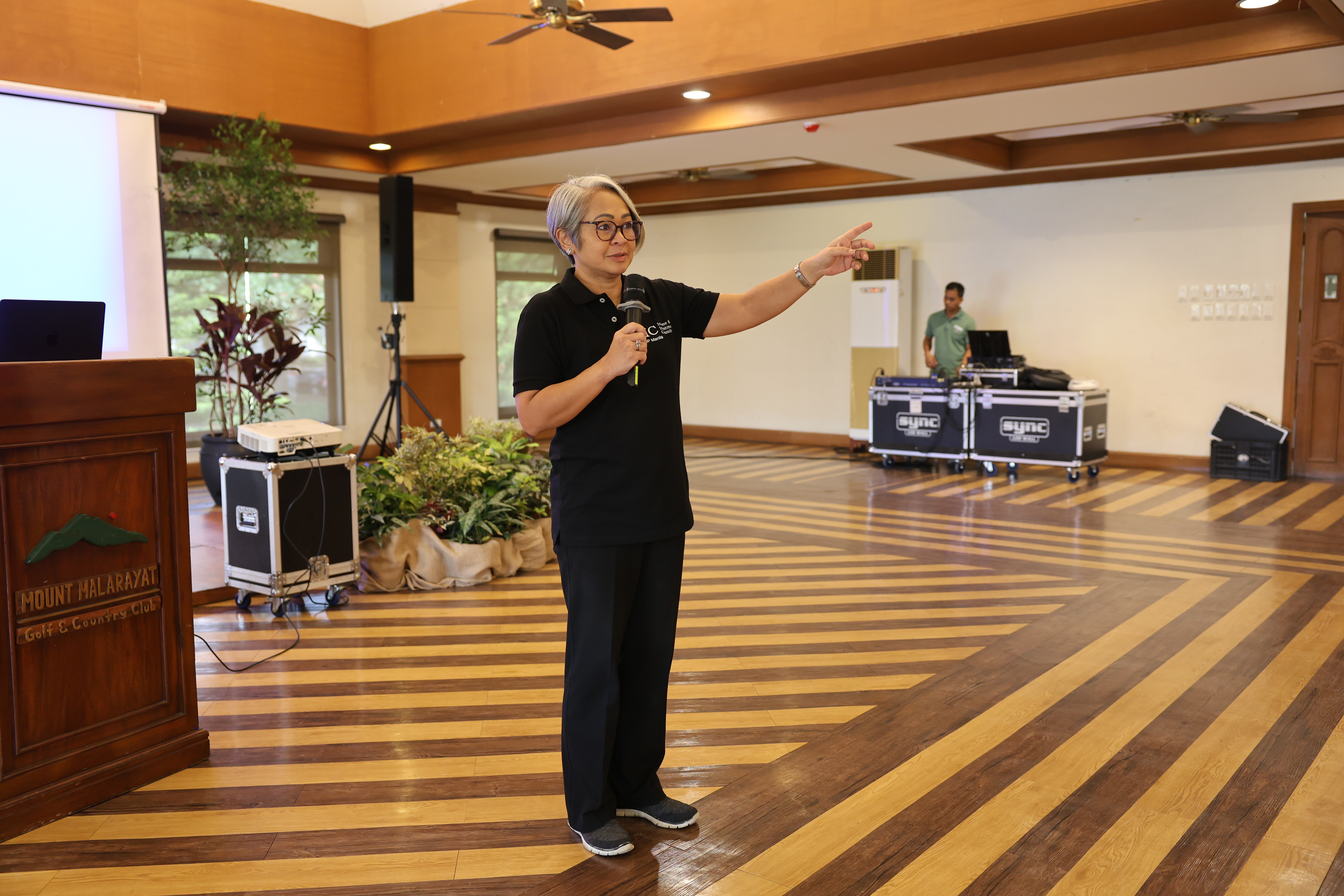
Vice Chancellor for Administration and Finance Johanna Patricia Cañal discussed the schedule of major events and activities of the colleges and units in the University calendar.
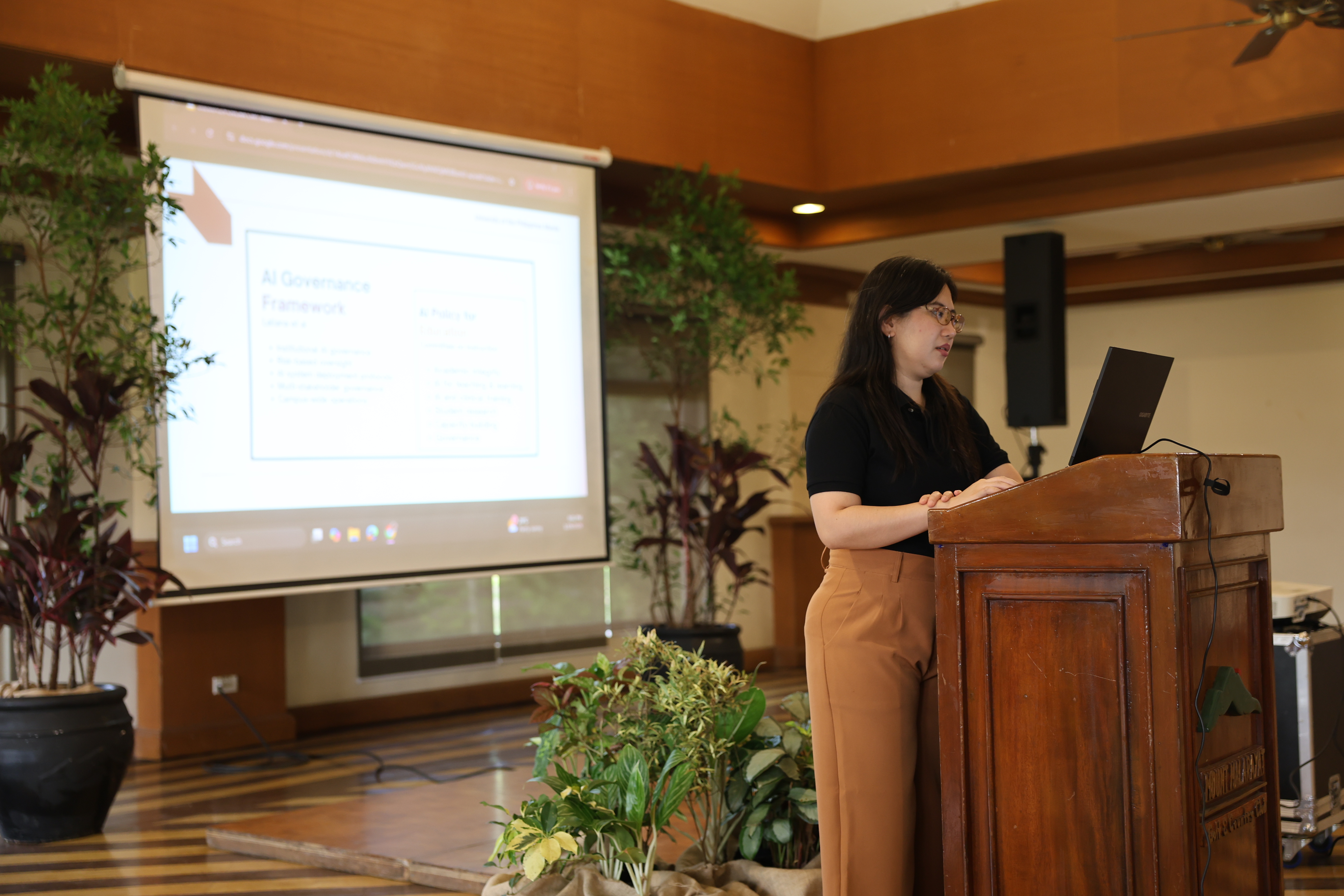
Following the discussion, the Committee on Instruction (COI) presented outputs from the Writeshop conducted from Jan. 27–29, 2026. Policy outputs discussed included the educational philosophy and graduate attributes, artificial intelligence policy, teacher evaluation instruments, the service-learning framework, and the interprofessional education framework.
The outputs emphasized the integration of academic and community engagement, cultural responsiveness, and interprofessional collaboration, ensuring that UP Manila graduates are equipped to tackle complex health and societal challenges. “We want students to be excellent in their field, always act with integrity, show solidarity, and provide compassionate care,” said Vice Chancellor for Academic Affairs Bernadette Heizel Reyes.
The OPCR as Tool for Compliance to Standards
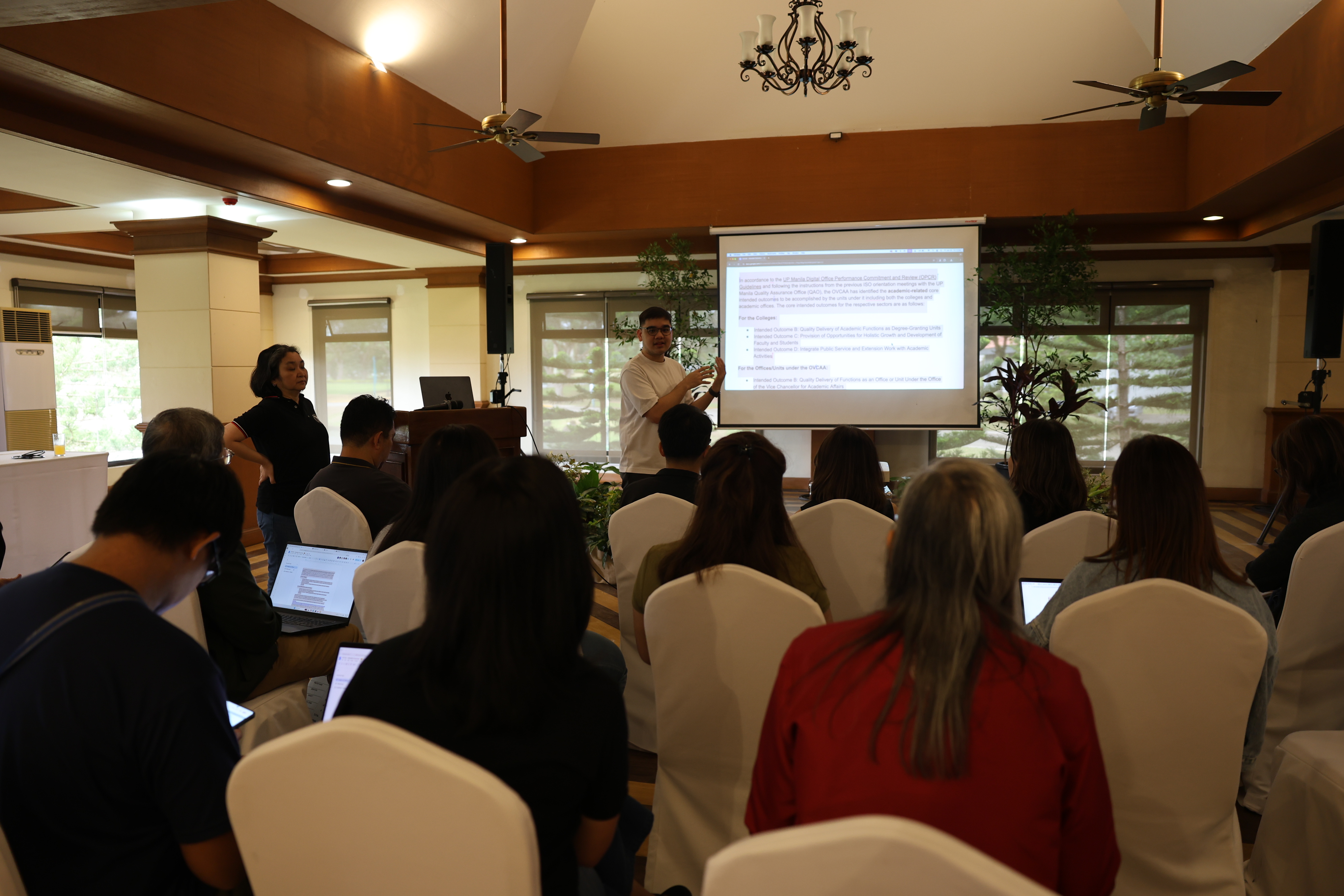
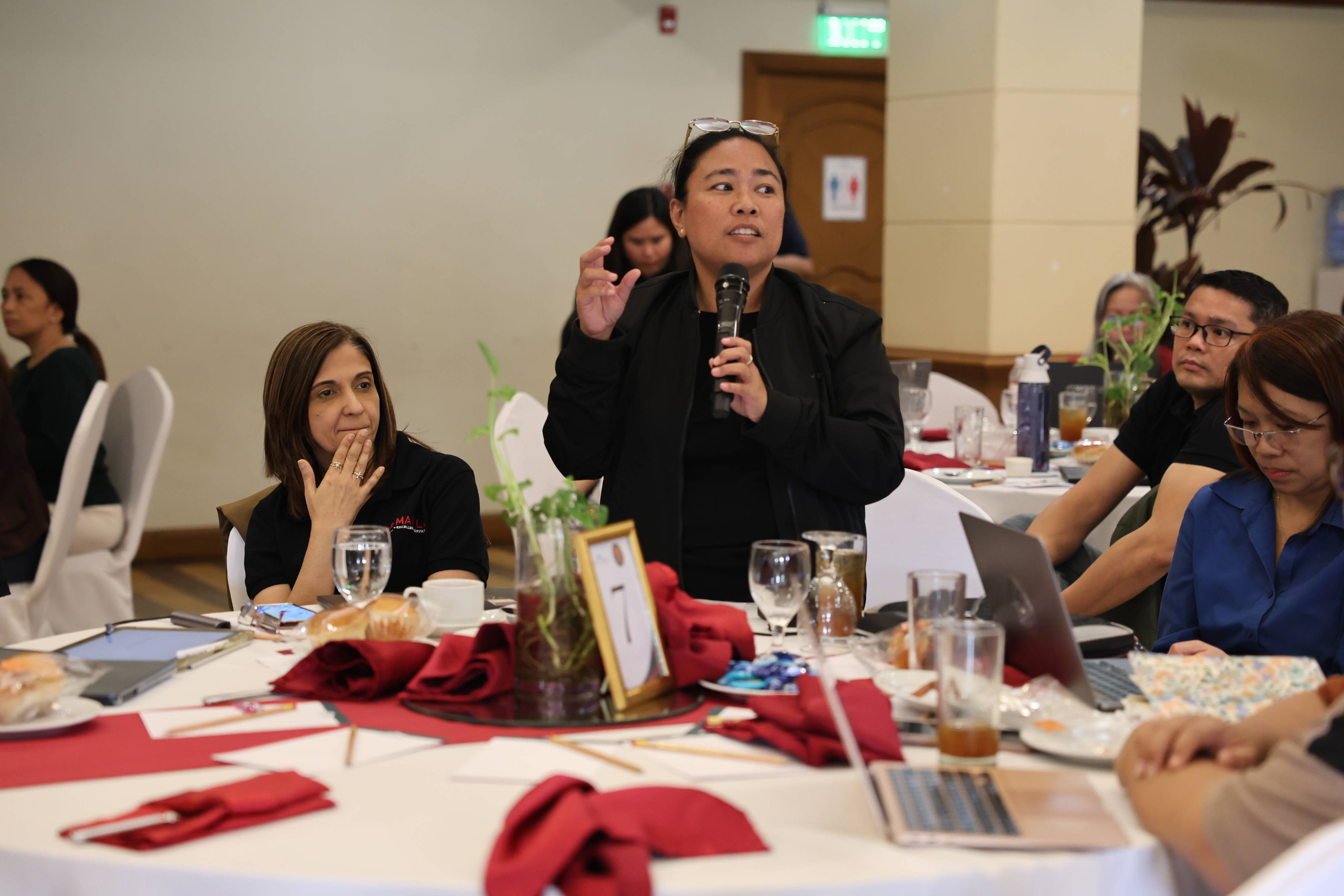
The event also saw alignment workshops and discussions on the importance of the Office Performance Commitment and Review (OPCR), as an institutional tool for planning and performance assessment.
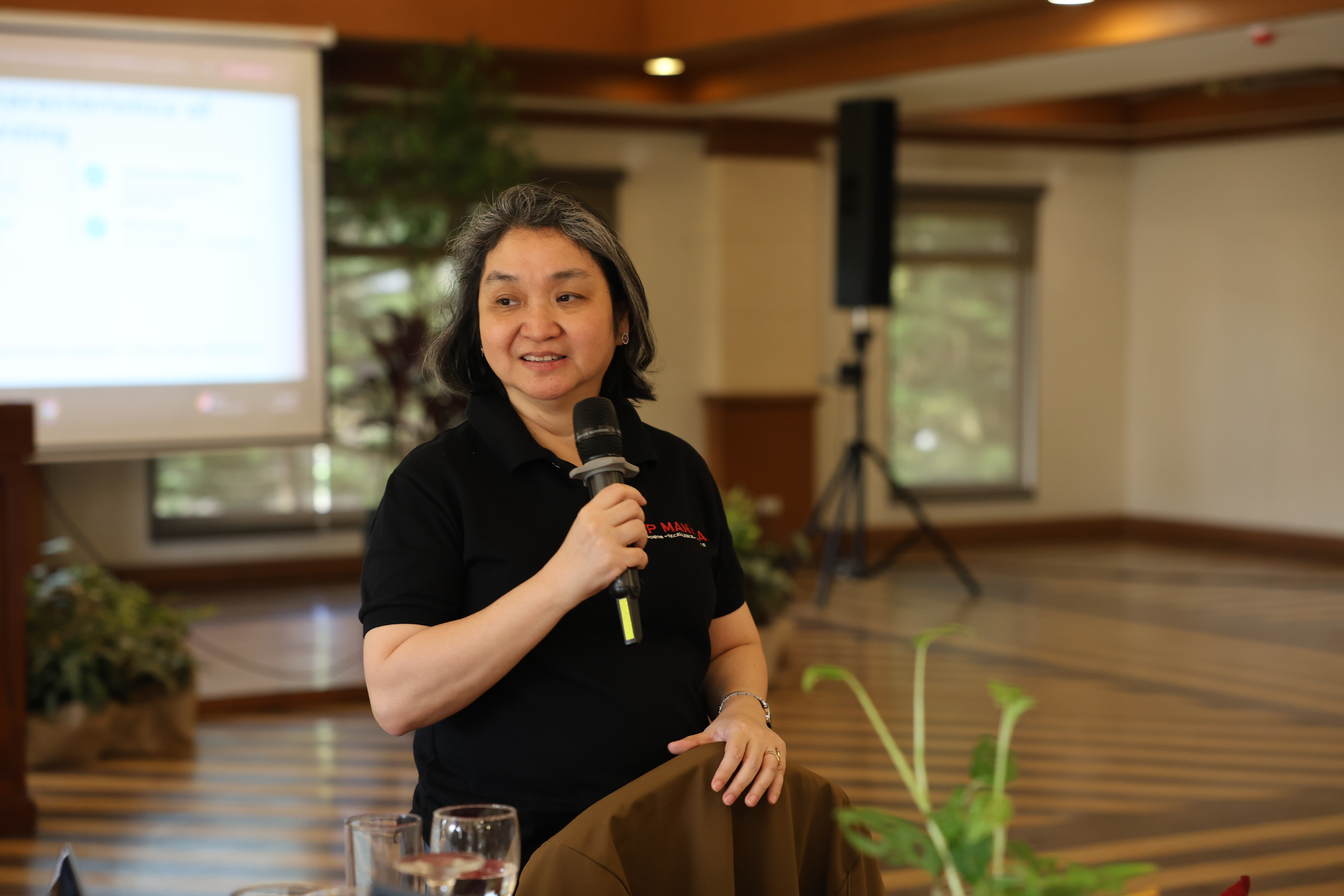
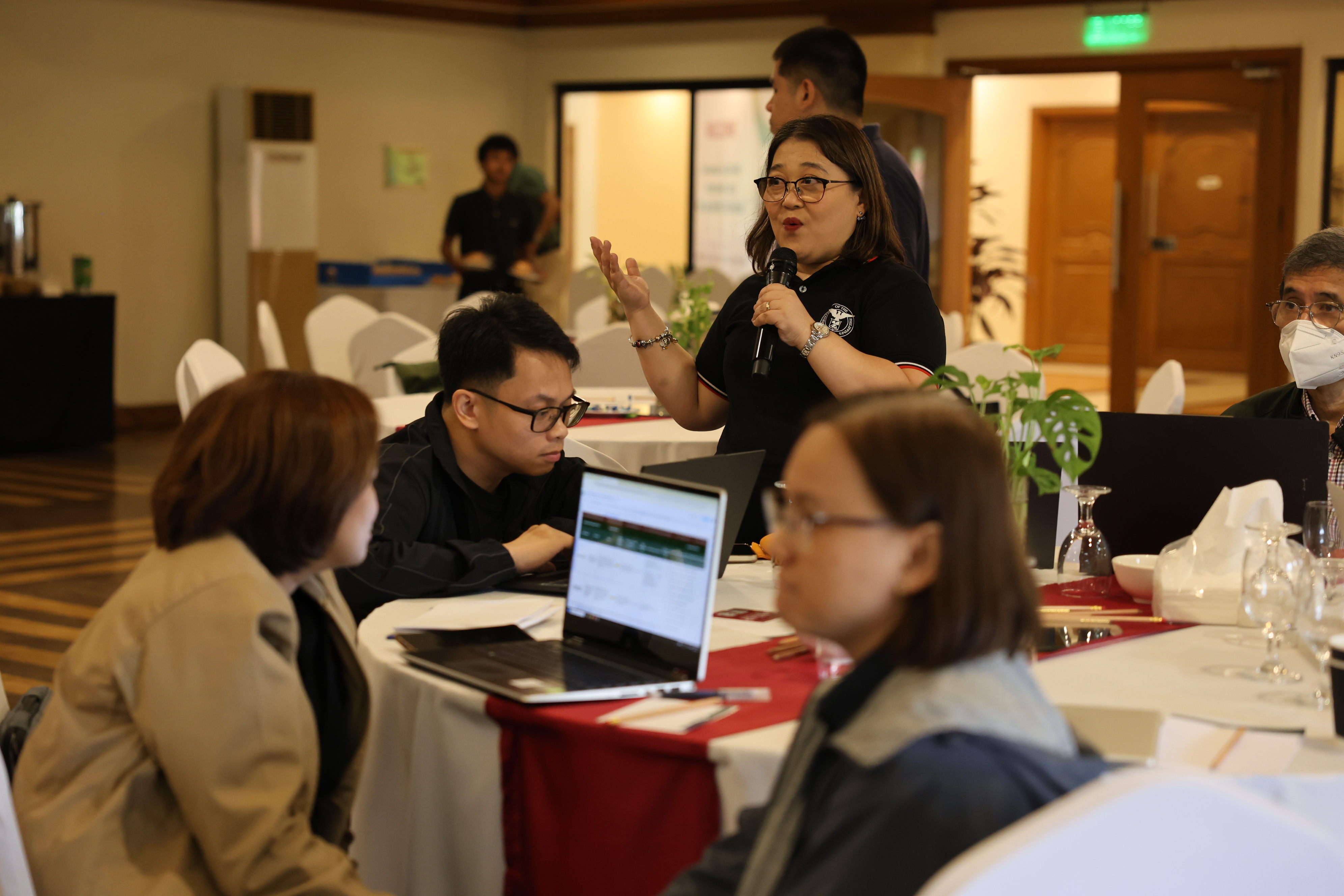
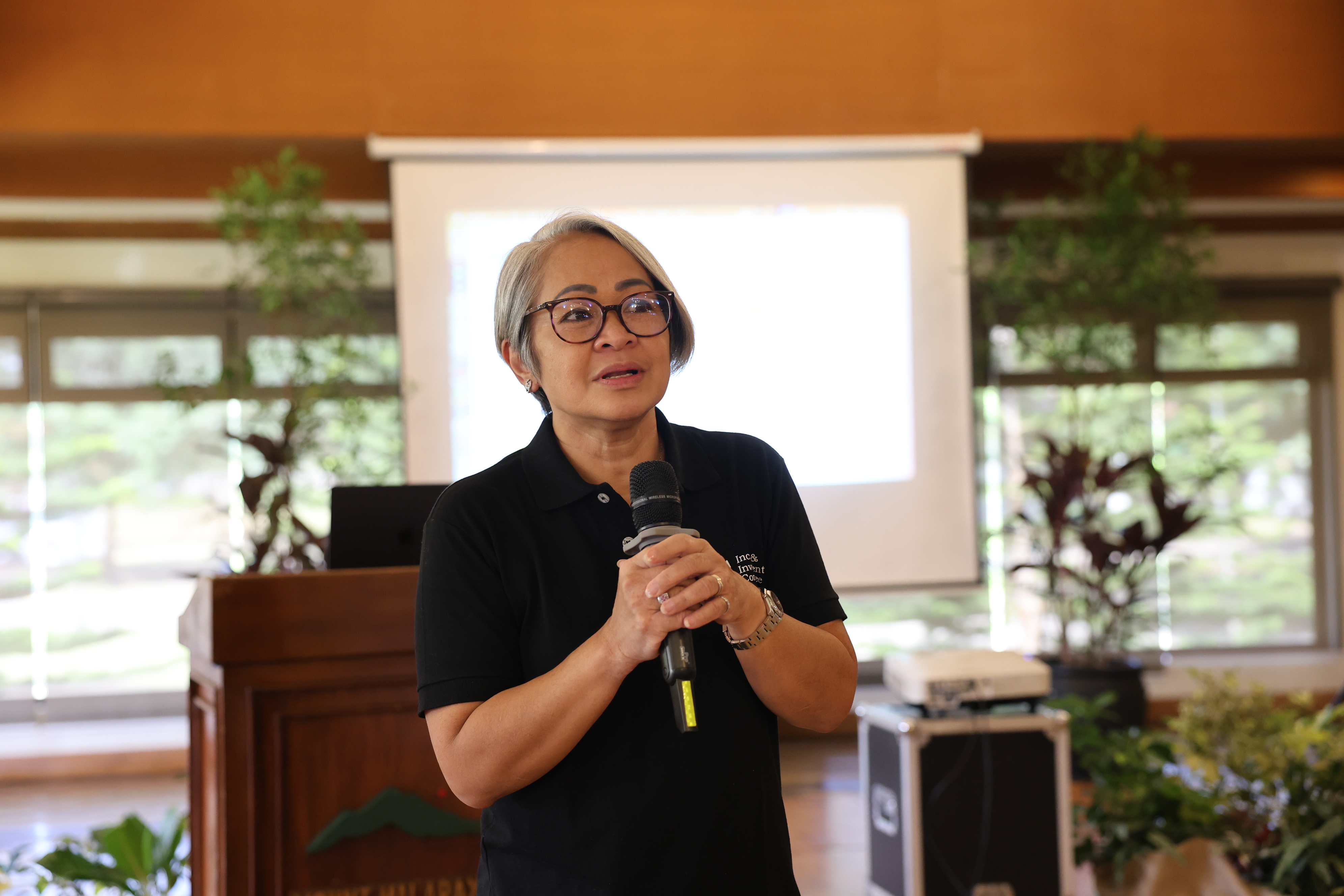
Quality Assurance Office Director Bhabita Murjani emphasized that the OPCR is a powerful tool, serving not only to ensure compliance with standards but also to align with the University’s mission and the administration’s goals. She added that it “enhances planning and prioritization and provides an objective and transparent basis for performance assessment and improvement.”
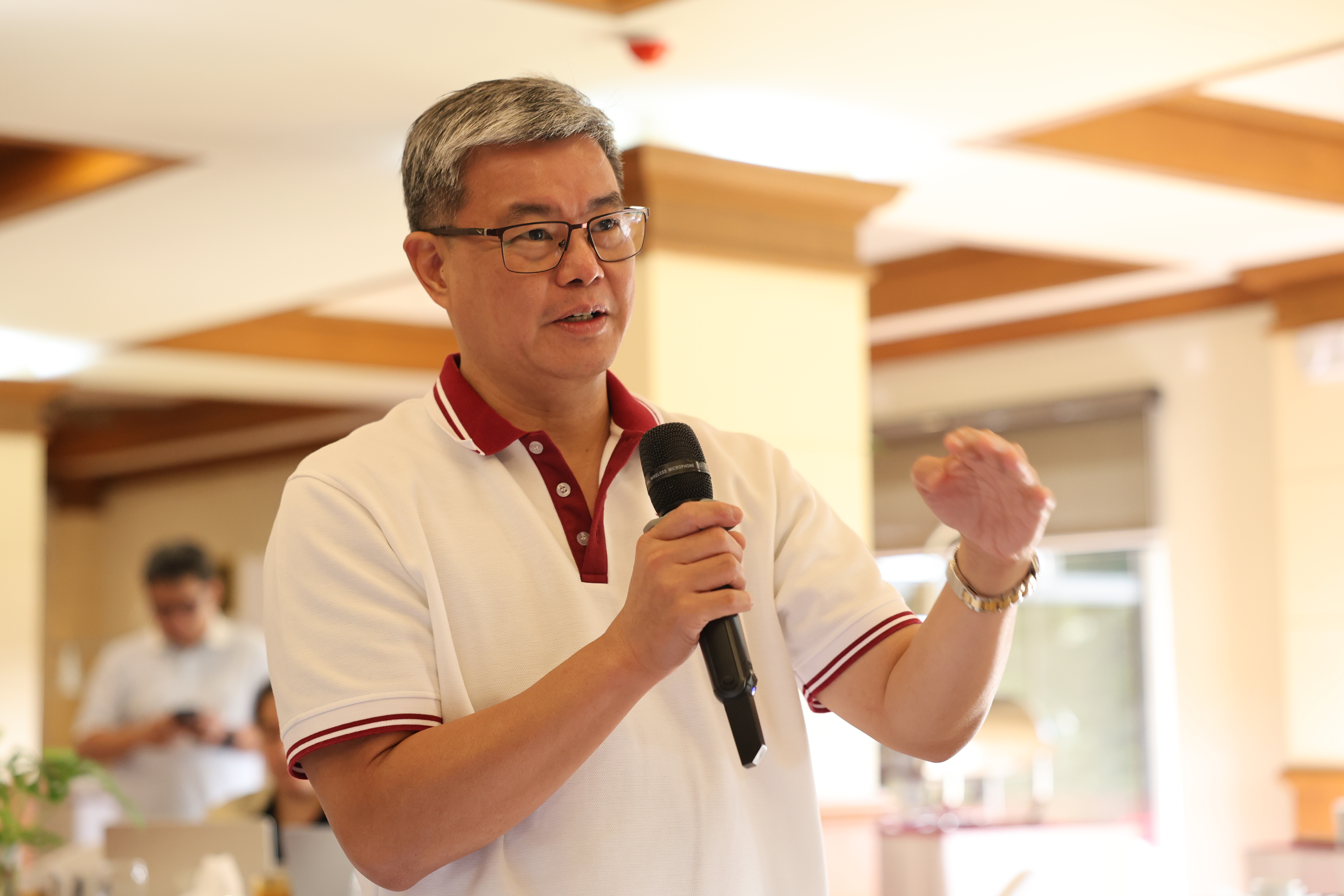
Aside from aligning the OPCR with the United Nations Sustainable Development Goals—where UP Manila prioritizes SDG 3 (Good Health and Wellbeing), SDG 4 (Quality Education), SDG 5 (Gender Equality), SDG 11 (Sustainable Cities), SDG 13 (Climate Action), and SDG 17 (Partnerships for the Goals)—Chancellor Michael Tee underscored the importance of grounding the OPCR in the eight mandates stipulated in RA 9500, the UP Charter of 2008.







Read More:
#FP1 #innovationsforlifelonglearningdedicatedtoservice #AccessibleUPLeadership