
Text by Charmaine A. Lingdas
Photos by Sarah Hazel Moces S. Pulumbarit

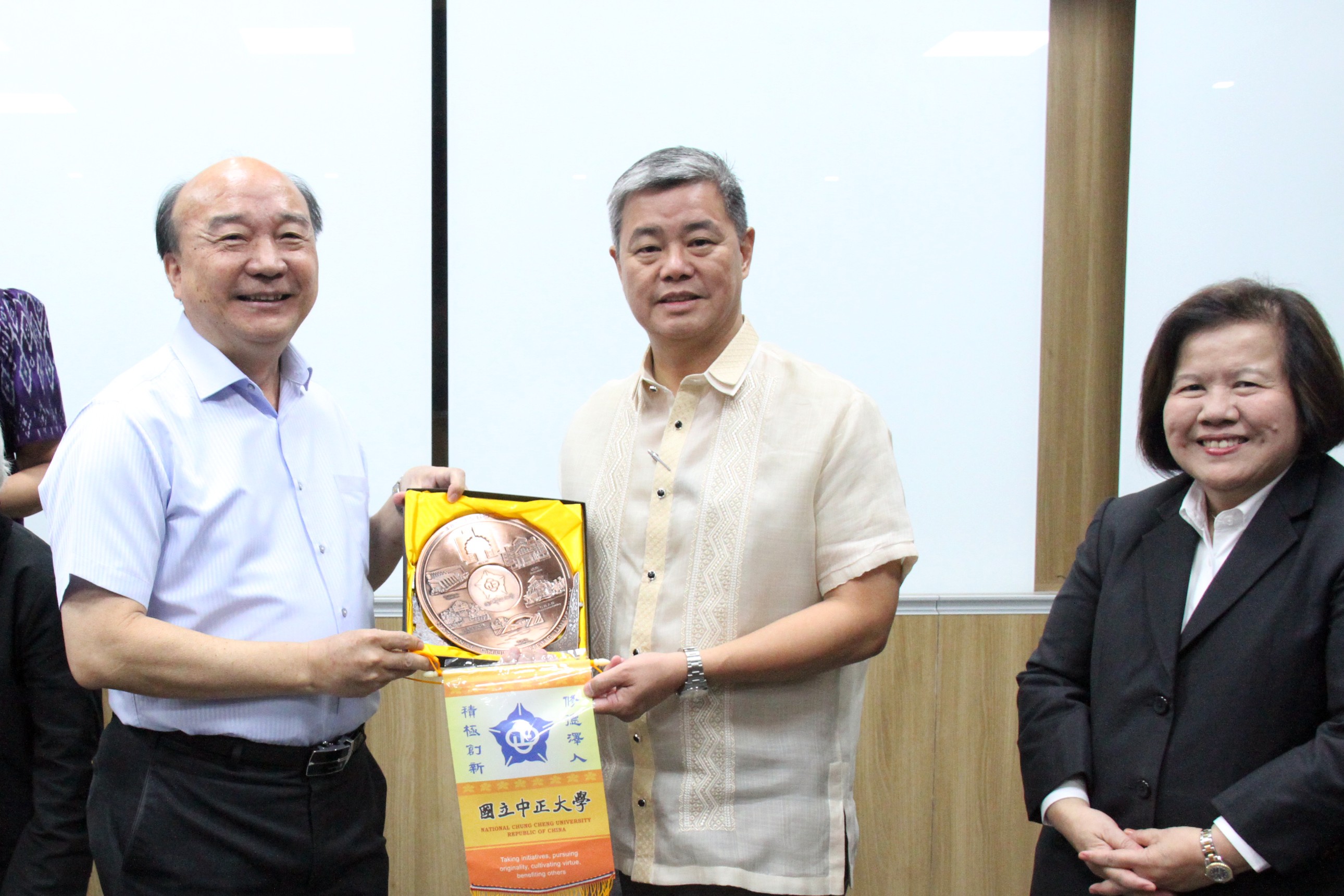
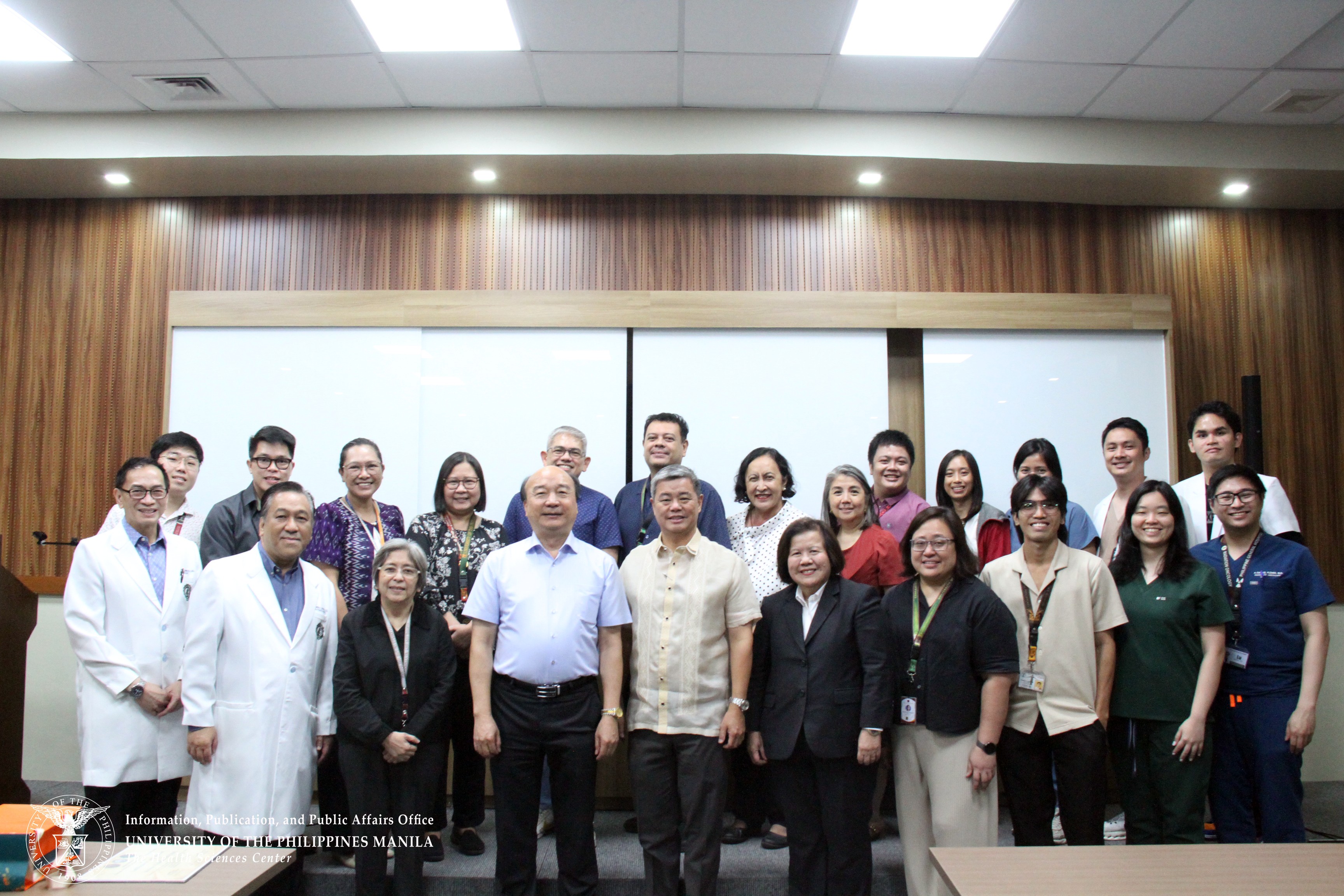
The University of the Philippines Manila College of Medicine and Office of International and Local Linkages hosted a special lecture on August 19, 2025, at the Department of Physiology Lecture Hall, Salcedo Hall, with Professor Shaw-Jenq Tsai, President of National Chung Cheng University (CCU) in Taiwan, who delivered a lecture entitled “Hypoxia: The Driving Force of Cancer Malignancy and Immune Privilege.”
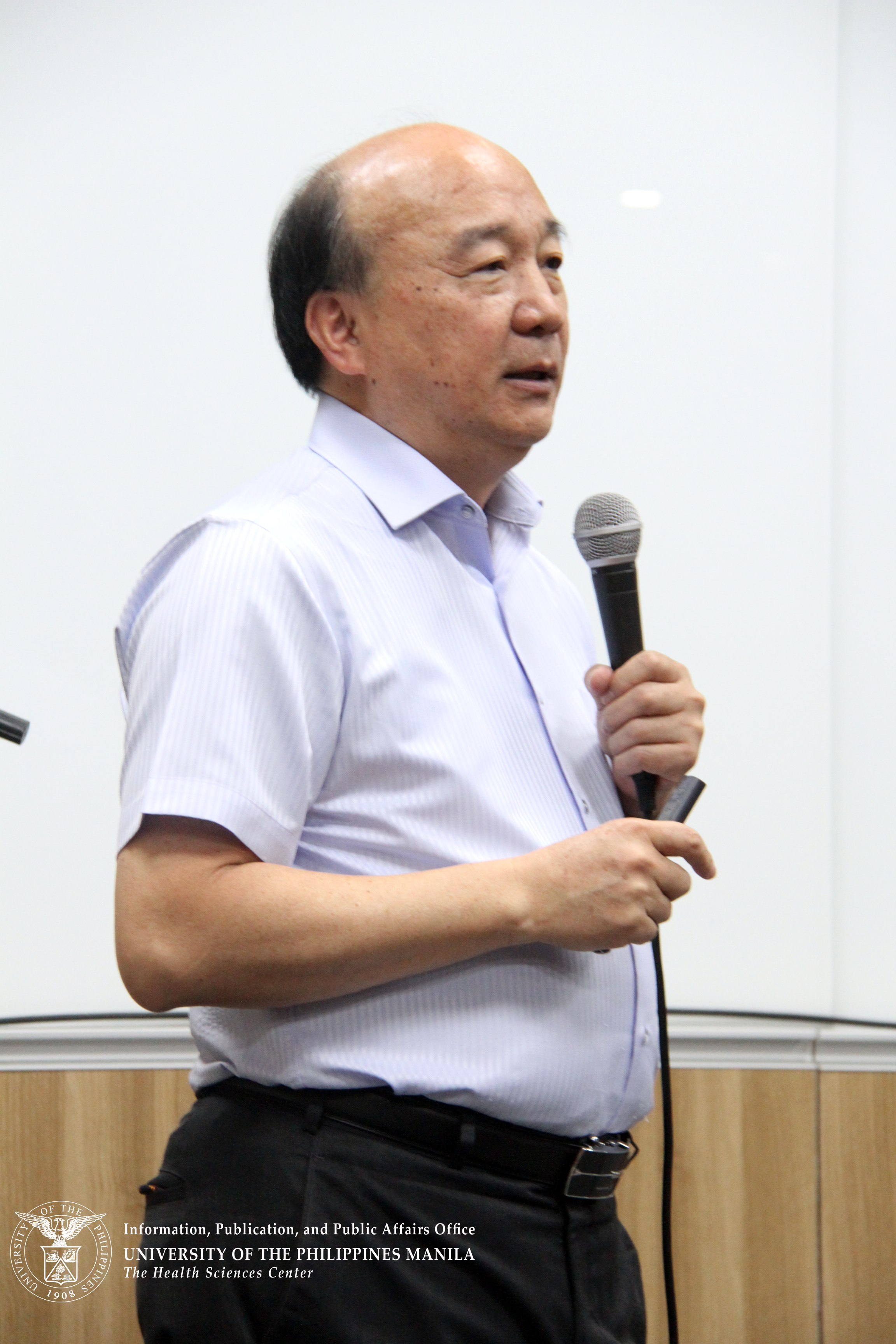
Prof. Tsai is a renowned researcher and is Chair Professor of the Department of Biomedical Sciences, CCU College of Science is internationally recognized for his contributions in the areas of cancer biology, endometriosis, and molecular medicine. He is also a fellow of the International Union of Physiological Sciences, an ambassador of the World Endometriosis Society, and a fellow of the Society of Experimental Biology and Medicine.
In his lecture, Prof. Tsai discussed how hypoxia, or oxygen supply deficiency, influences the tumor microenvironment and promotes cancer development. He talked about the findings of research on DUSP2, a molecule critical to the regulation of angiogenesis, drug responsiveness, and cancer cell growth. In his findings, hypoxia-induced suppression of DUSP2 increases cancer patients’ risk for metastases, drug resistance, and unfavorable prognosis and possible treatment strategies involved stopping this repression and blocking associated pathways, such as IL-8 signaling. By thinking beyond cancer as solely a genetic illness but also as one that is influenced by its environment, his research opens new avenues for creating targeted treatments.
Dr. Marissa M. Alejandria, the Executive Director of the UP National Institutes of Health (NIH), served as the reactor during the lecture and discussed in the context of health research in the Philippines. She emphasized the NIH’s role in propagating translational and social science-based health research stating, “Science must cross boundaries and turn into actions that enhance people’s lives.”


Dr. Ricardo Quinto, the Acting Associate Dean for Research of the College of Medicine, thanked Prof. Tsai for visiting and highlighted global collaborations as a vital element in his opening remarks. Referring to industrialist Henry Ford, he stated, “Coming together is a beginning, staying together is progress, and collaborating is success. We are eager to establish research partnerships that genuinely benefit society.”