
MANILA – The integrity of the country’s social protection framework for Persons with Disabilities (PWDs) is facing intense scrutiny, with experts now warning that the mandated 20% discount has devolved into a “populist” instrument rife with systemic abuse rather than serving as a strategic lifeline for the truly vulnerable.
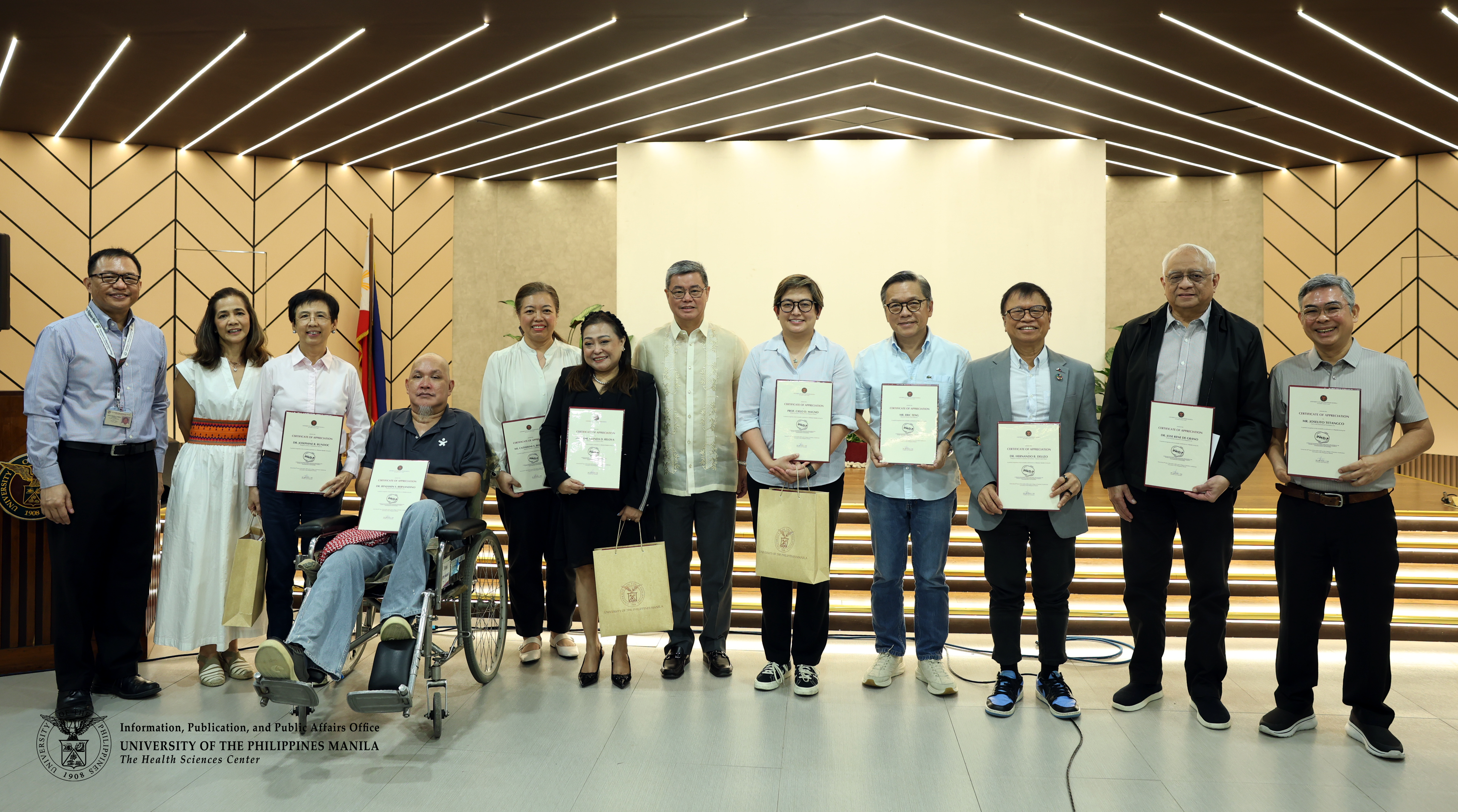
This critical assessment emerged during the “Sino ang PWeDe?” forum, a high-level dialogue convened to dissect the ethical, social, and economic repercussions of the National Policy on the Institutionalization of Disability Categorization in the Philippines.
Populism vs. Strategy
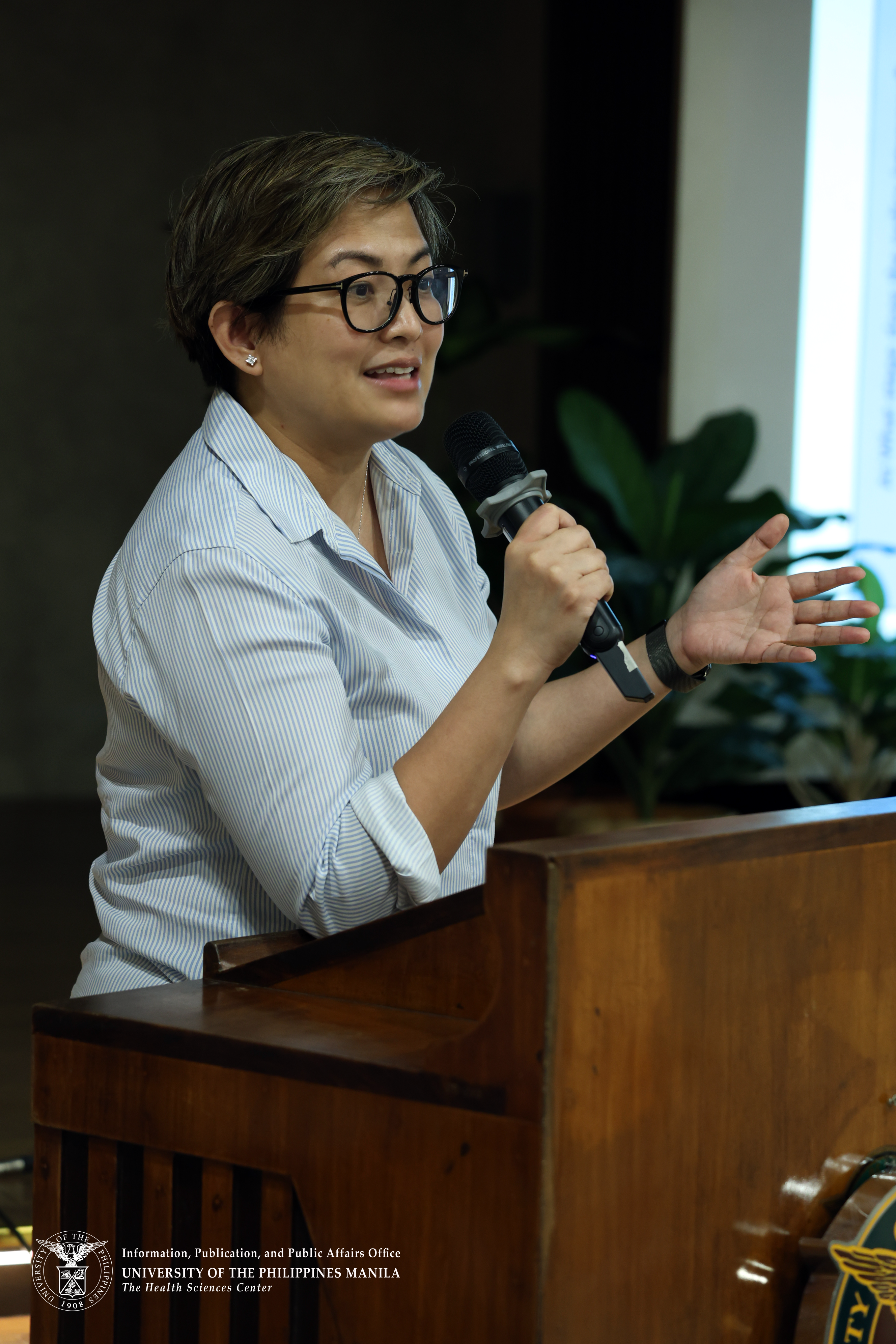
During the proceedings, Professor Cielo Magno challenged the fundamental structure of the current discount system. She argued that the policy inherently favors those with existing “purchasing power” while failing to provide a safety net for indigent PWDs who lack the financial capacity to buy goods and services in the first place.
“The people who benefit from discounts are the people who can afford to purchase,” Magno noted, highlighting the severe equity gap.
She characterized the policy as “populist” rather than effective. “I wouldn’t say [it is the] most strategic, I would say most popular,” she asserted, urging the government to pivot toward a critical evaluation of the program’s actual impact versus its political appeal.
‘Sprains’ as Disabilities?
The urgency of the debate has been amplified by the release of Department of Health (DOH) Administrative Order 2025-0014, which standardizes disability categorization. Critics at the forum flagged the alarming inclusion of common, temporary conditions like “sprains” and “muscle tears” under “non-apparent physical disabilities” eligible for PWD cards.
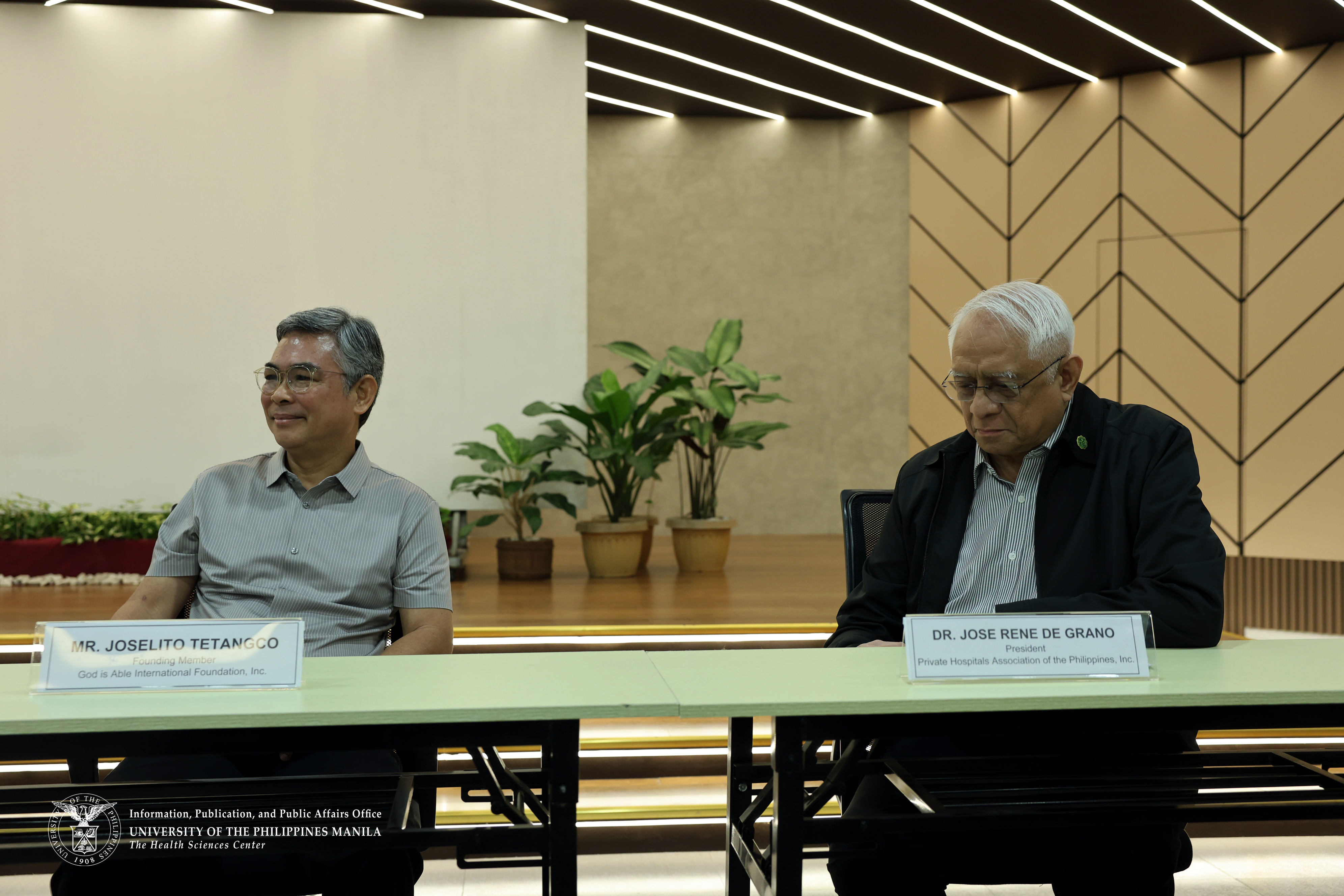
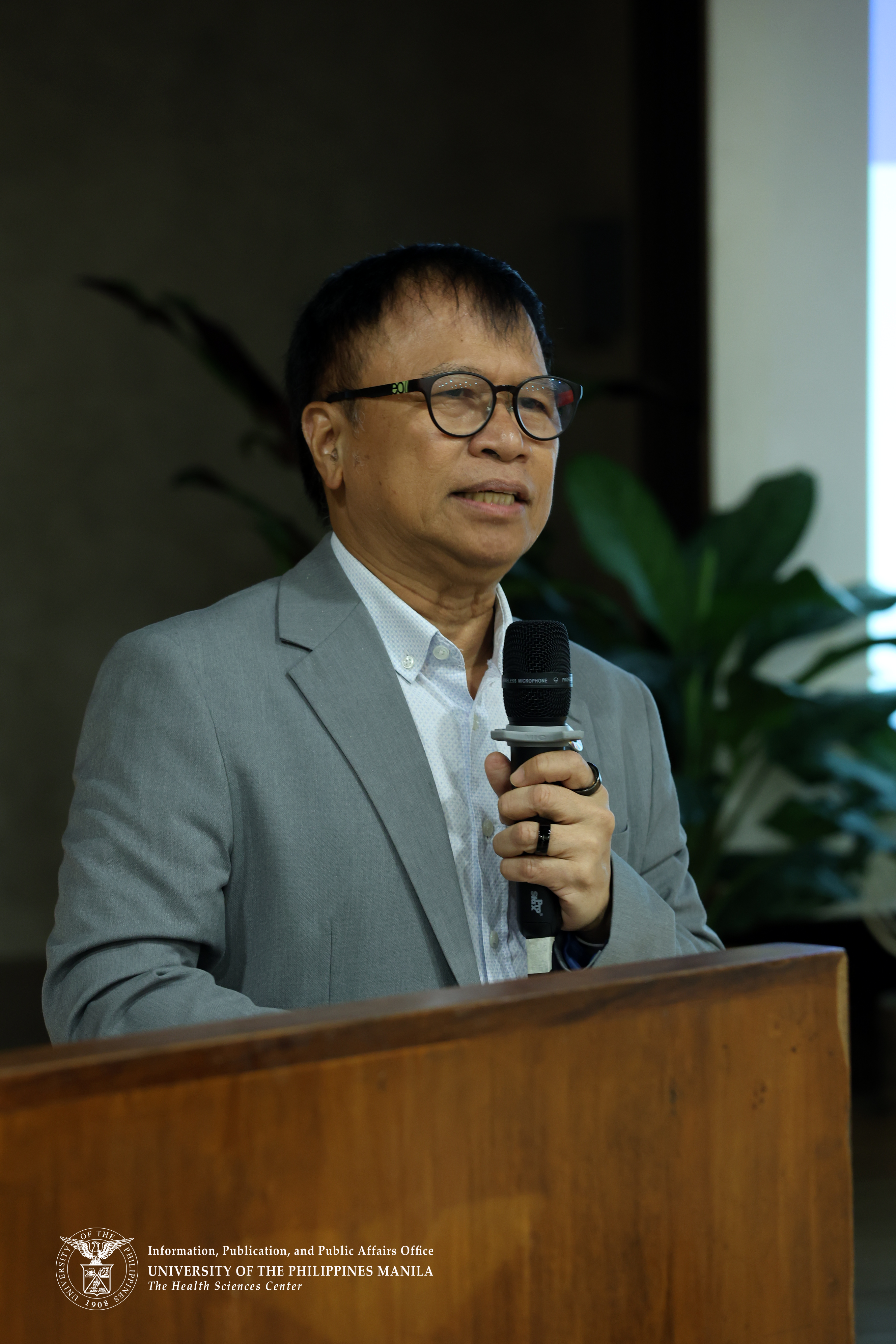
The business sector fears this broadened definition will open the floodgates for fraud. Eric Teng, President Emeritus of RestoPH, argued that while a majority of the population may have some form of disorder, classifying minor conditions as disabilities is “demeaning” and “allows for so much fraud”.
“The ultimate victim here are the real PWDs,” Teng stated, citing the example of PWD parking spaces being occupied by individuals with minor impairments rather than those with legitimate mobility problems.
Surge in Fake IDs and Revenue Loss
Data presented during the discussions underscored the massive economic scale of the problem. It can be recalled that Senator Sherwin Gatchalian has reported that the government lost approximately P88.2 billion in tax revenue in 2023 due to fake PWD IDs.
Estimates suggest that around 8.5 million people are currently using fake PWD IDs, vastly outnumbering the 1.8 million holders of authorized IDs. Teng noted that since the pandemic, sales subject to PWD discounts have jumped from 5% to 25% of total sales for many establishments—a fivefold increase that signals rampant misuse.
Burden on the Private Sector and Inflationary Risks
A key criticism remains that the discount acts as a “pass-on responsibility” from the government to the private sector. The discount is not a tax credit but is factored in as a “cost of operation,” meaning it is only partially reimbursed by the government.
Teng issued a sharp warning regarding the macroeconomic consequences of this setup. He reiterated that “over-inclusivity will worsen the inflationary pressures for food and medicine to cover the costs of discounts for undeserving people.” The business sector argues that if forced to subsidize a massive influx of questionable PWD claims, establishments will have no choice but to raise prices across the board, ultimately hurting the general public.
Dr. Hernando Delizo of the Philippine Chamber of Commerce and Industry (PCCI) supported this, warning that the structure places significant strain on Micro, Small, and Medium Enterprises (MSMEs). He cautioned that an unchecked rise in PWD cardholders “could impact the whole nation” if small businesses are forced to absorb unsustainable costs.
Aligning Policy with PWD Needs
The forum concluded with a consensus warning against “over-inclusivity,” suggesting that broadening the definition of disability without strict guardrails could “dilute the services” available to the sector.
This pivotal discussion was held as part of the 63rd founding anniversary of the UP College of Allied Medical Professions (UP CAMP).
Guided by its vision to be a center of excellence in allied medical professions education and its mission to serve the Filipino people, UP CAMP co-organized the event with the Office of the Chancellor, to ensure its academic mandate aligns with providing tangible, sustainable solutions to the needs of PWDs. By convening these diverse sectors, the college aims to foster evidence-based interventions rather than reactive policies.
Affirming the university’s role in this ongoing issue, UP Manila Chancellor Michael Tee reassured stakeholders that the university will continue to be a “neutral ground for dialogues” in the hope of contributing to the issuance of the forthcoming manual of operations and procedures.