
Text by: Jennifer Manongdo
Photo by: Sarah Hazel Moces Pulumbarit
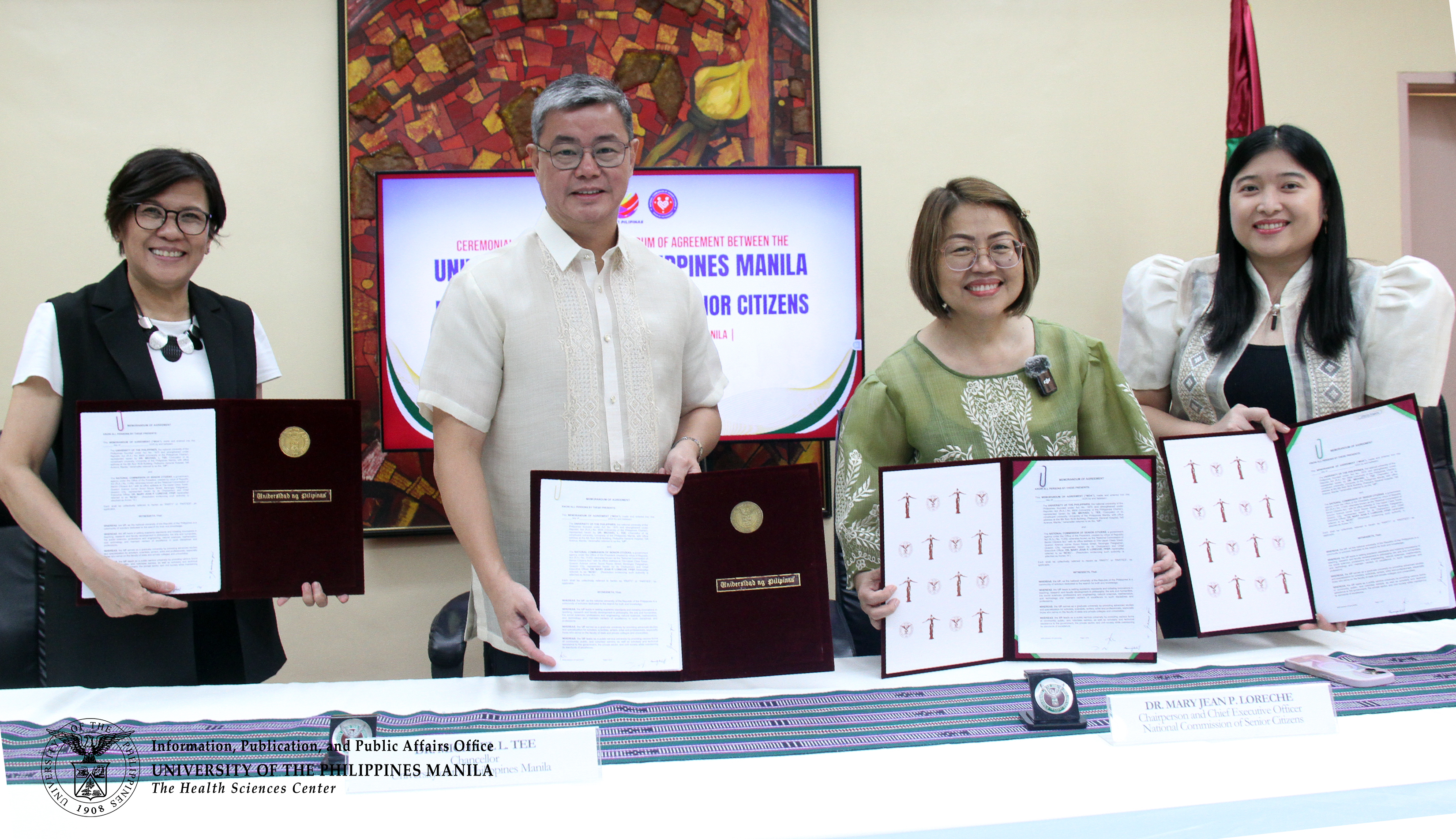
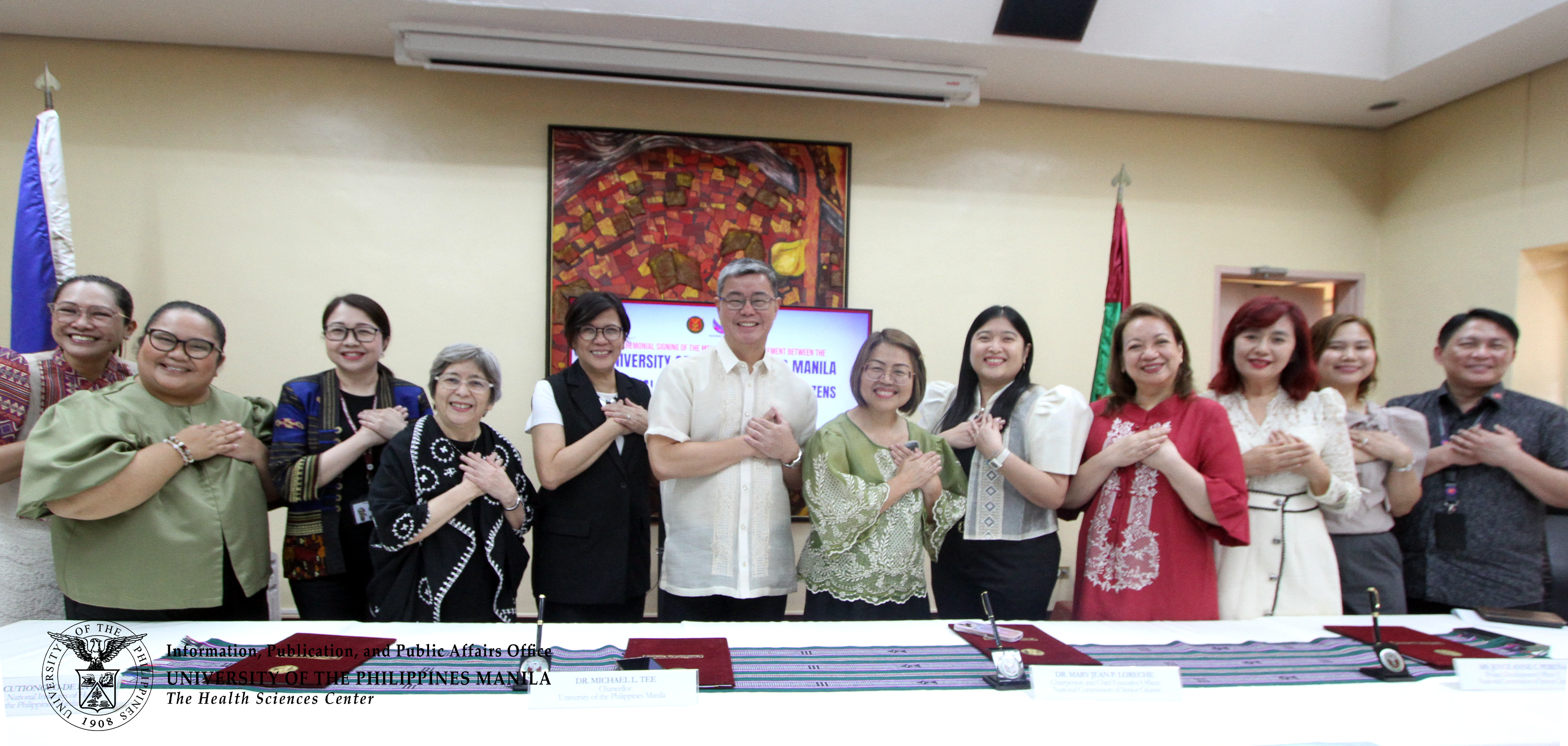
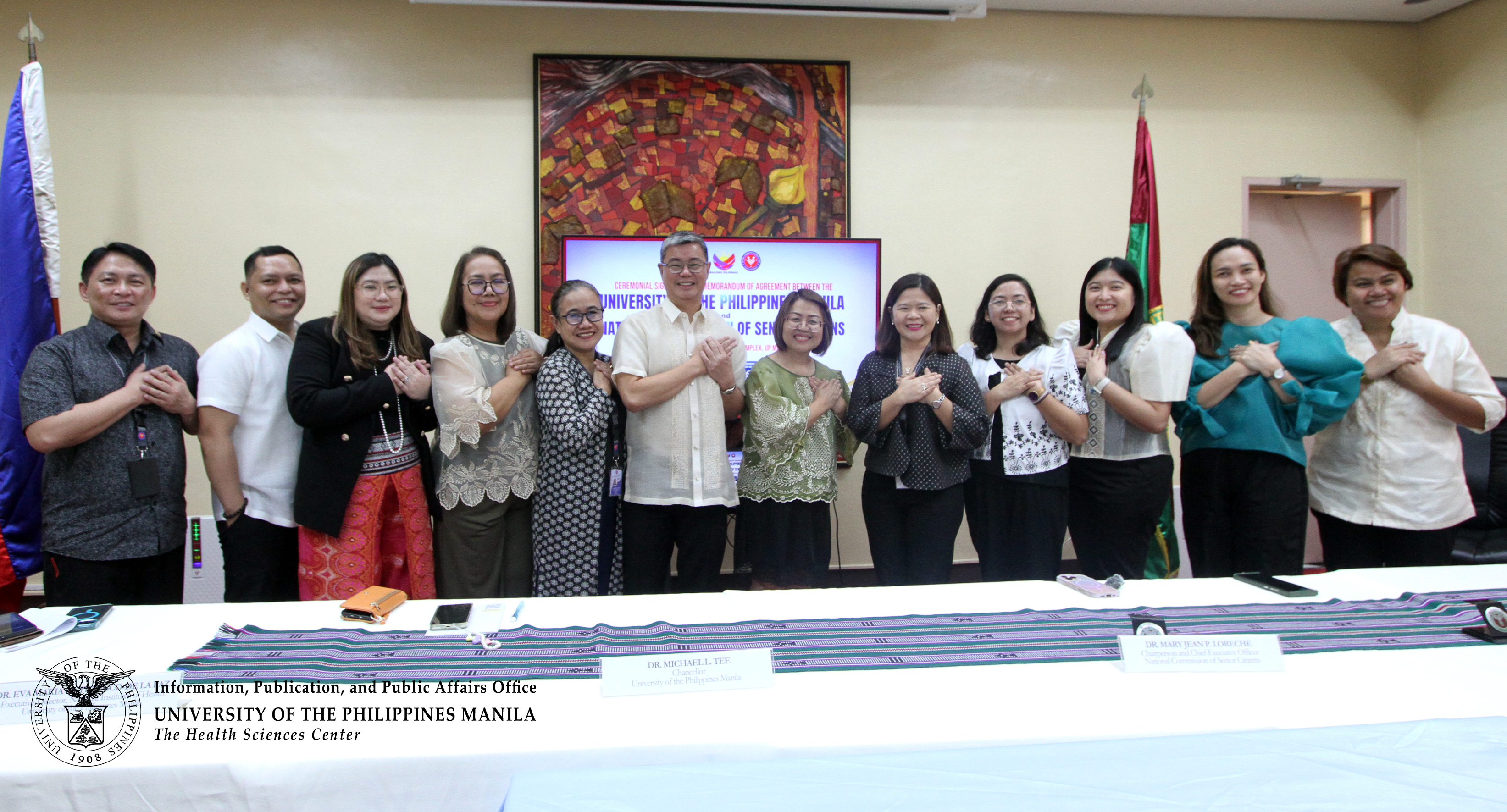
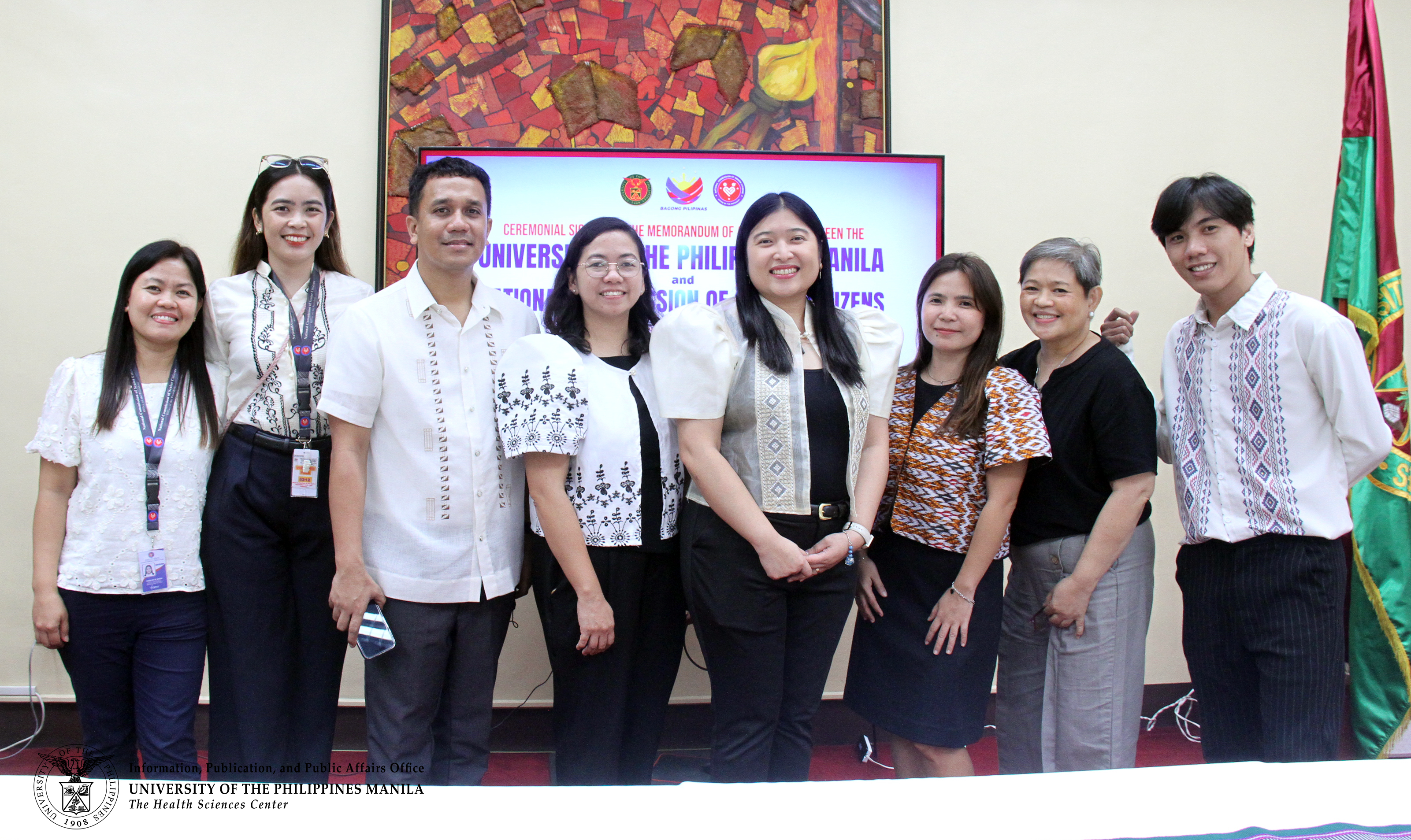
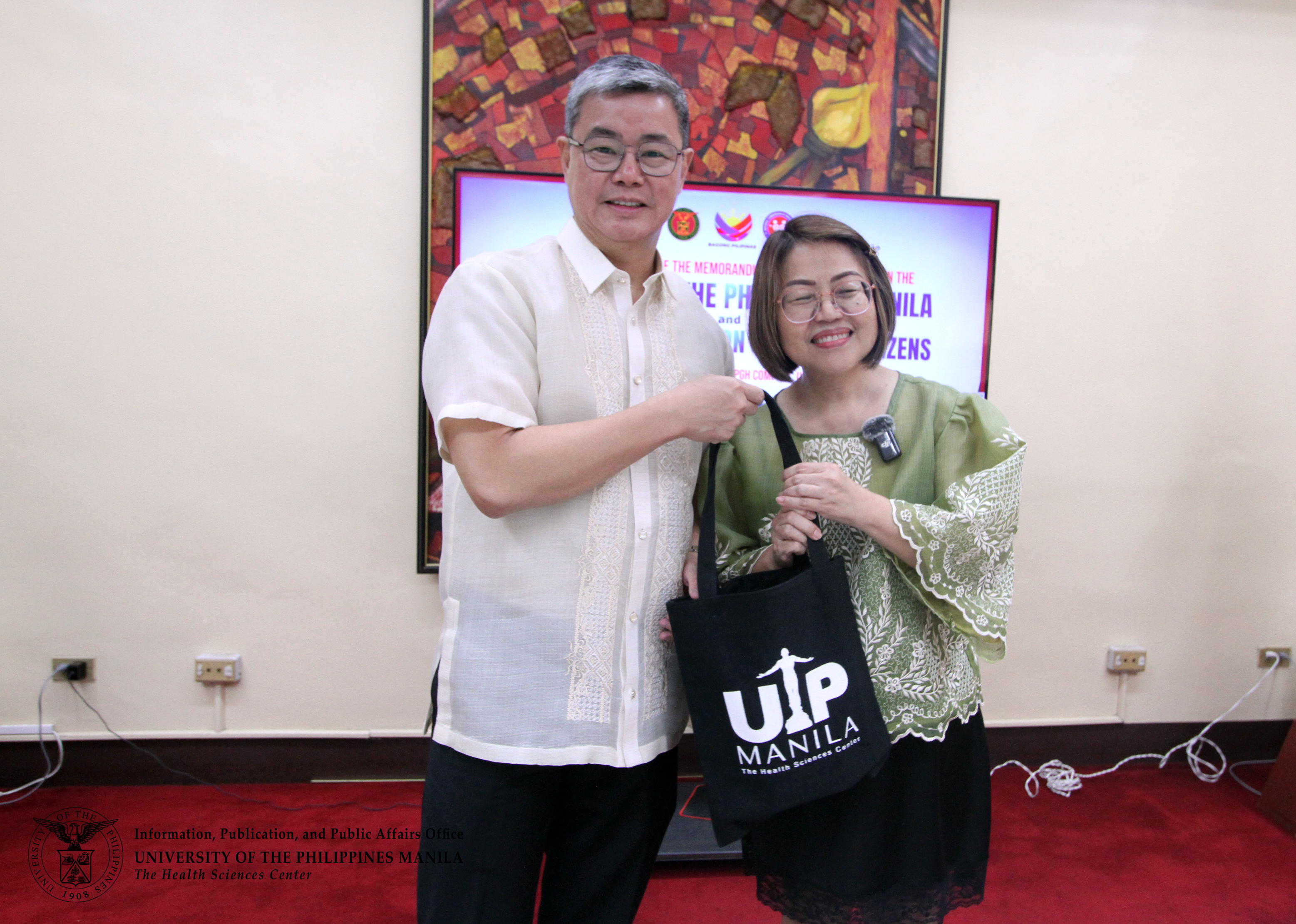
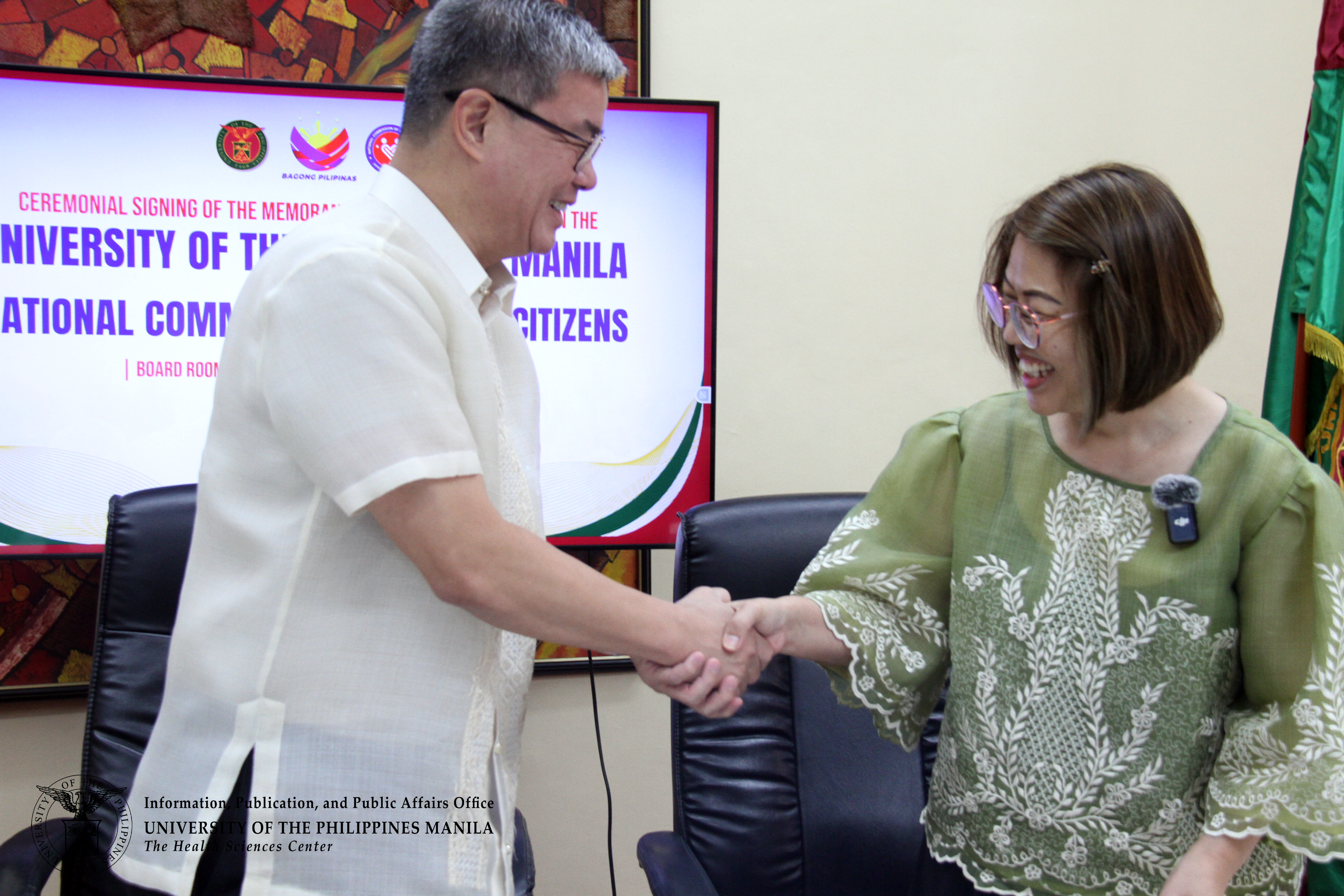
The University of the Philippines Manila (UP Manila) and the National Commission of Senior Citizens (NCSC) signed a Memorandum of Agreement (MOA) on July 25, 2005, to develop transformative programs and academic curriculum aimed at promoting healthy, purposeful, and dignified care for Filipino senior citizens.
Key initiatives under the partnership include integrating eldercare into the National Service Training Program (NSTP) curriculum to institutionalize elderly care, cultivate empathy, and foster awareness among the youth; developing micro-credential training programs for barangay health workers and caregivers, as well as emergency preparedness programs for Senior Citizens Community Care Centers (SC3Cs).
Additionally, the partnership also entails engaging the services of retired faculty from State Universities and Colleges (SUCs) and empowering them to continue sharing their expertise and passion through community service and mentoring, and research initiatives on healthy aging, evidence-based policy support, and promotion of community programs enhancing senior mobility, mental health, and well-being.
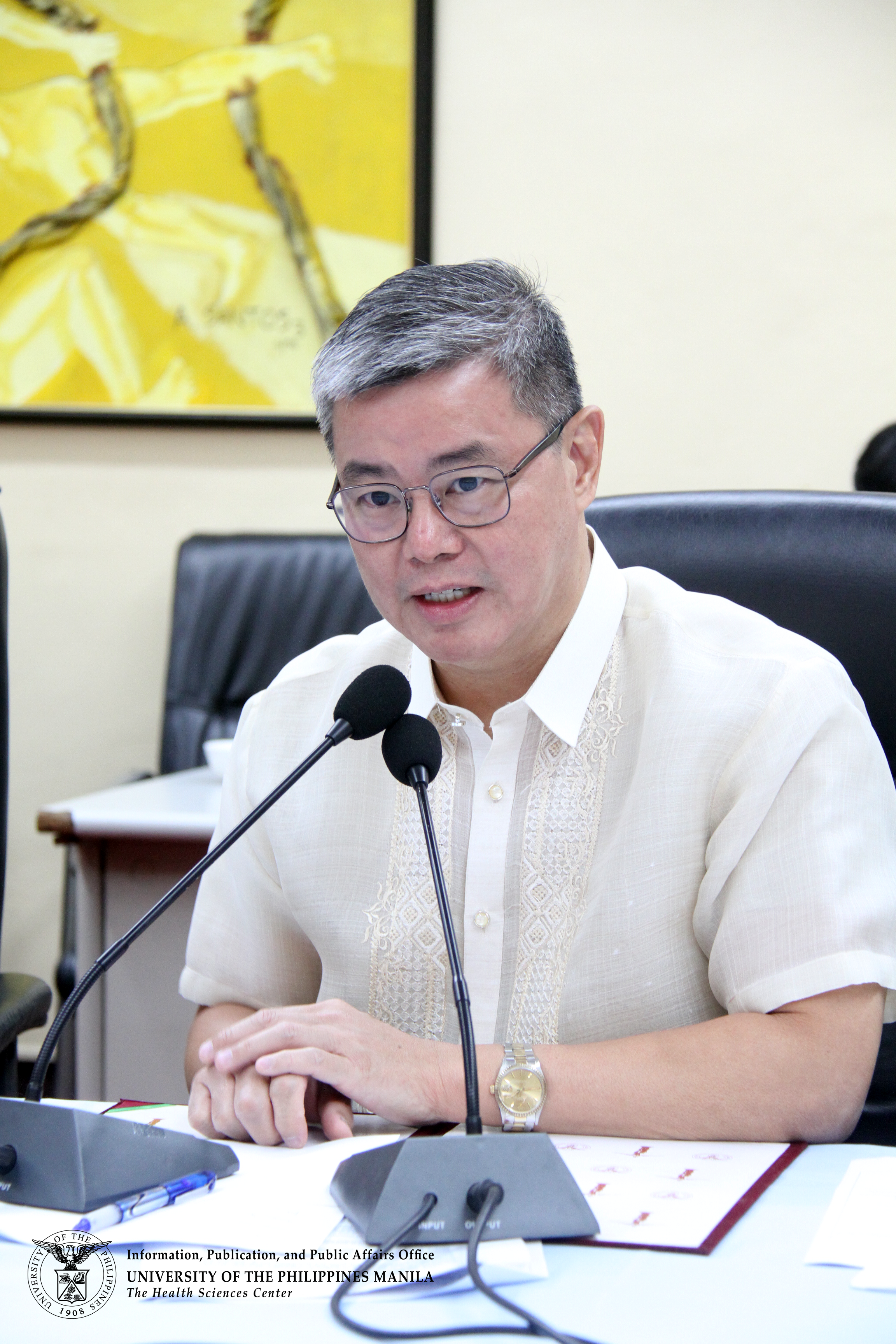
“UP Manila is honored to partner with the National Commission of Senior Citizens in redefining how we care for and learn from our elders. Through this initiative, we aim to develop policies and systems that promote dignified aging, while also teaching the next generation to view eldercare not just as a responsibility, but as a privilege. With UP Manila’s leadership in education, research, and service, we will be a strong partner in building a society where aging is truly celebrated,” Chancellor Michael Tee said.
In 2020, the Philippine Statistics Authority (PSA) recorded over 9.2 million Filipinos aged 60 and above, accounting for more than 8.5% of the population. This figure is projected to increase to about 13 million by 2030.
UP Manila will lead in the program design, stakeholder consultations, training, research, and field exposure for its faculty and students. Meanwhile, NSCC will facilitate the implementation of the programs, provide policy guidance and funding support, and ensure alignment with national policies concerning senior citizens.
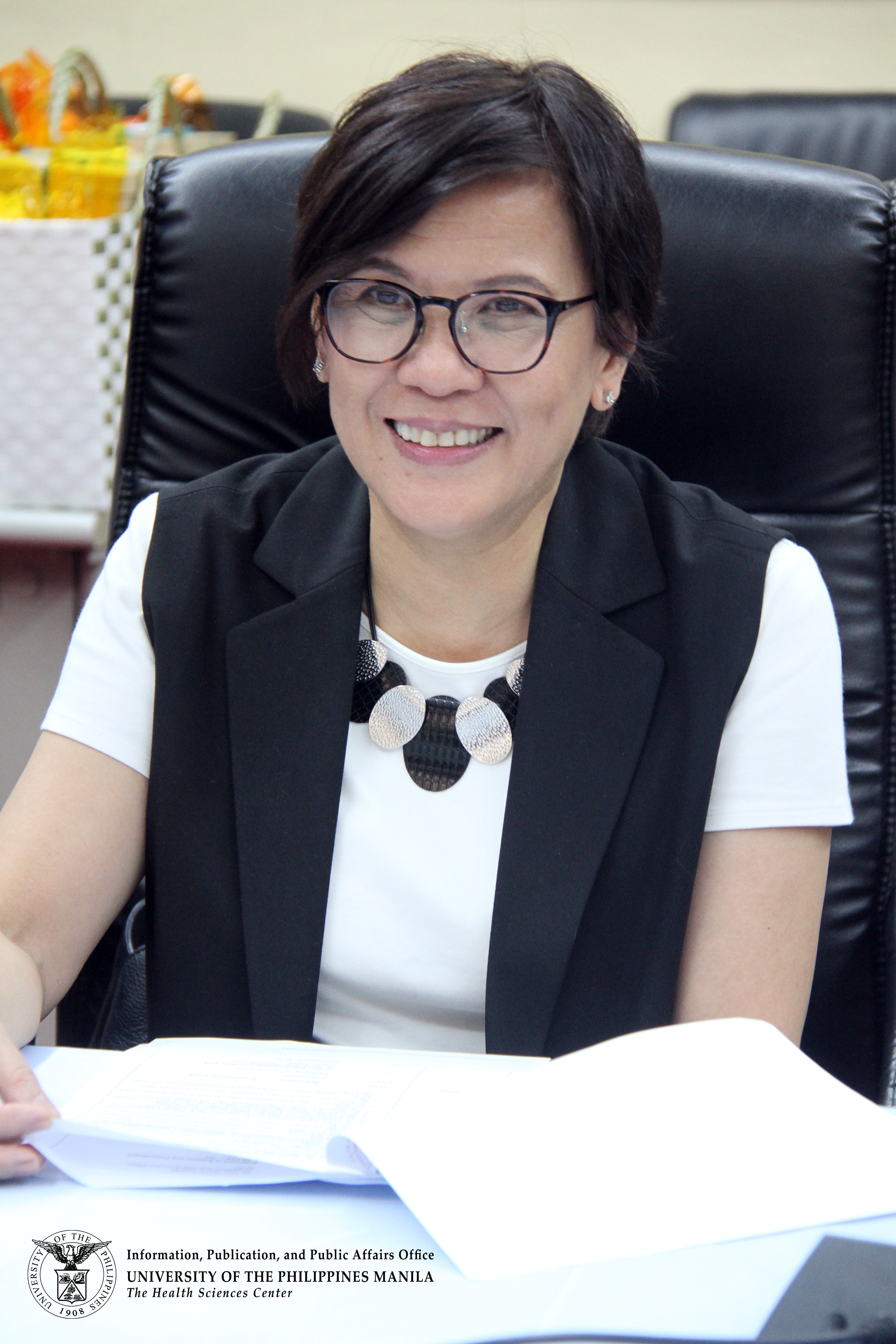
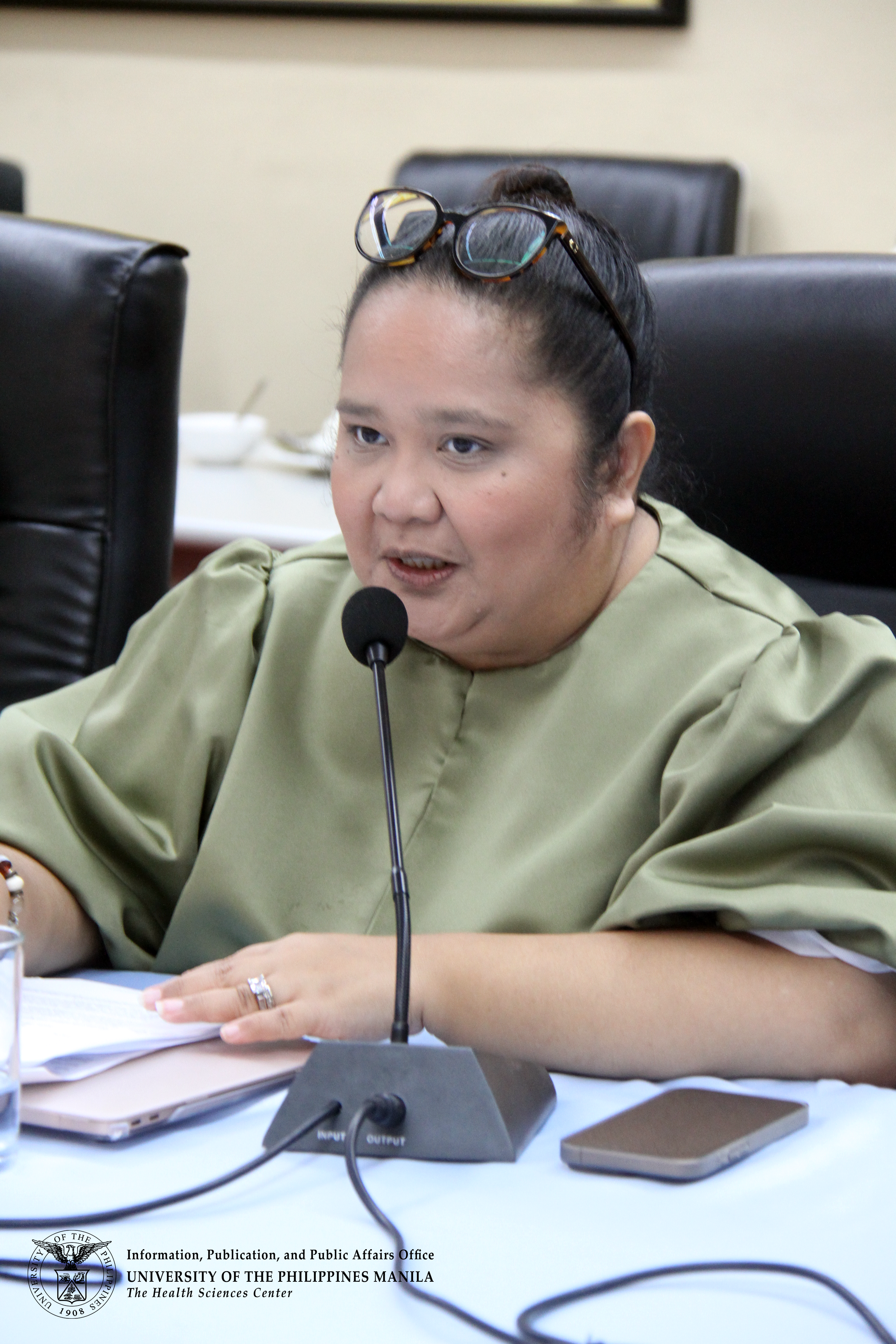
Dr. Shelley Dela Vega, director of the Institute of Aging at the National Institutes of Health (NIH) hailed the shared vision of both institutions in helping senior citizens in a healthy and productive way.
“This landmark agreement between UP Manila and the NCSC reflects our shared vision and goals towards the healthy and productive aging of Senior Citizens in the Philippines. The NCSC has been very responsive to the results of research and policy briefs accomplished by the Institute on Aging,” she said.
“With the MOA, it is anticipated that there will be more research and service programs that will address the community health and systems needs of frail and retired Senior Citizens. Another common goal is to prepare the Philippines for long-term care in homes, communities, and institutions. We will continue to work together to enable re-employment and meaningful work for seniors who are ready to enter the workforce in various industries. We will continue to develop learning modules for professional and community workers on caring for older people and ways to achieve healthy aging,” she added.#
#fp1,3,6 #AccessibleUPLeadership #Environmentthatnurturesbodyandmind