
Text by Jennifer Manongdo
Photos by: Ehcel Hurna


There is a persistently low utilization of postnatal care (PNC) among mothers in the Philippines. The World Health Organization (WHO) recommends that mothers undergo a minimum of four PNCs in the first six weeks after giving birth to ensure maternal recovery and newborn health. Yet, global data says 40% of women do not make postnatal visits to doctors, and less than half receive care within the first 24 hours.
In the Philippines, the lowest postnatal care (PNC) utilization is recorded in the Cordillera Administrative Region, followed by the Ilocos Region, Central Luzon, and Northern Mindanao. Data from the Department of Health’s Field Health Services Information System show that overall PNC utilization increased from 85.6% in 2020 to 94.0% in 2024. Despite this improvement, experts at the National Institutes of Health – Institute of Reproductive Health (NIH-IRH) emphasized the need to strengthen awareness of PNC and encourage more mothers to avail of these services.
At the Stakeholders Meeting and Consultation on DOH-funded Initiatives in Maternal and Adolescent Health, organized by the NIH–IRH on Dec. 9, 2025, Dr. Ryan Lintao, project leader and research associate professor, presented the results of the study “Invisible motherhood: Exploring the factors associated with inadequate postnatal care utilization in the Philippines” conducted in July to August 2025 in four sites: Manila, Dagupan, Iloilo, and Cagayan de Oro. He said only 1 in 4 postpartum women had at least 2 PNC visits after discharge, with only 2% having 4 or more PNC visits. Furthermore, he said almost half of the respondents had their first postnatal care visit post-delivery, more than seven days after giving birth.
Under the guidance of Lead Investigator, Dr. Madonna Domingo from the UP-PGH Department of Obstetrics and Gynecology, the IRH team also found that PNC care services provision lacks standardization, and one in eight postpartum women did not know a PNC visit was needed.
Meanwhile, society’s negative perception of teenage pregnancies is causing young mothers to avoid postnatal care lest they expose themselves to public scrutiny, a new study revealed. Aside from social stigma, going to the health center after giving birth is often a huge challenge among adolescent mothers, as they also have to battle with the mental stress of coping with new responsibilities and dealing with glaring socioeconomic constraints.
“For adolescents, those services need the consent of someone older. But it’s rare that they are accompanied by their parents, so we also sometimes look into their alternative guardians,” a healthcare worker from the city of Manila was quoted in a lecture on the “Health and Social Complications of Adolescent Pregnancy” led by Dr. Patricia Ann Factor.
Teen moms, especially those who reside in remote areas, are hardly able to fulfill the number of recommended PNC due to shame, lack of information, and logistical concerns. The discussion highlighted the stigmatization of adolescent sexual activity and the reasons behind the low turnout in adolescent mothers seeking healthcare services after giving birth. This is despite the strong need to conduct routine screening for postpartum depression among adolescent mothers, because adolescent motherhood is a “developmental and emotional crisis.”
Postpartum Depression is 2-3 times higher among young moms than in adult mothers because adolescent pregnancies trigger severe financial distress, relationship conflict, and failure to meet academic goals, Dr. Factor said.
The young mother’s inability to cope with pressing responsibilities forces grandparents to assume the responsibility of rearing the child, thereby perpetuating the “grandmother cycle.” This drains the family’s resources and creates intergenerational conflicts on child-rearing practices, she said.
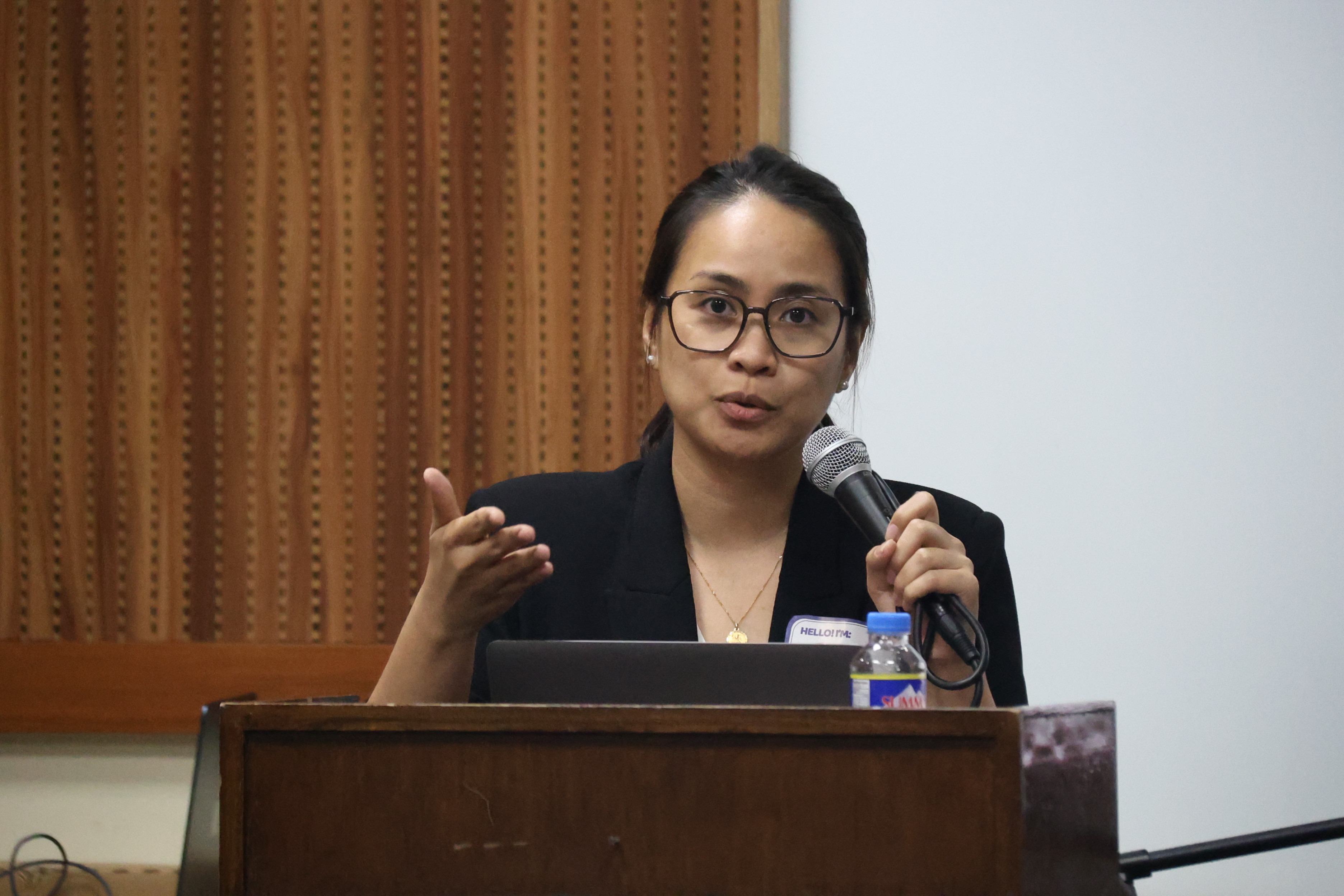
Dr. Patricia Ann Factor, lead investigator and clinical associate professor of the Department of Obstetrics and Gynecology of the Philippine General Hospital, spoke about the Health and Social Complications of Adolescent Pregnancy.
The study “Forced Metamorphosis: Exploring the Factors Associated with Adolescent Pregnancy in the Philippines,” also led by Dr. Lintao, described early and unplanned adolescent pregnancies as a national health concern, accounting for 11% of global births, with 90% coming from low and middle-income countries. Lintao also discussed the preliminary results of the multi-site community-based mixed methods study titled “Improving Utilization of Postnatal Care Among Postpartum Mothers in the Philippines.” The study found that among the factors contributing to low postnatal care utilization are financial and logistical constraints and the misconception that barangay-based pregnancy care services cater only to infants and do not cover postnatal care. The findings from the research are intended to improve evidence-based policy-making and program development to promote postnatal care services effectively.
Also in the study, a youth council representative from Iloilo was quoted as saying, “If an activity is held in one area, only nearby residents tend to attend, while those from more distant sitios may feel shy or inconvenienced by the trip. In our community, it is essential to reach every area.”
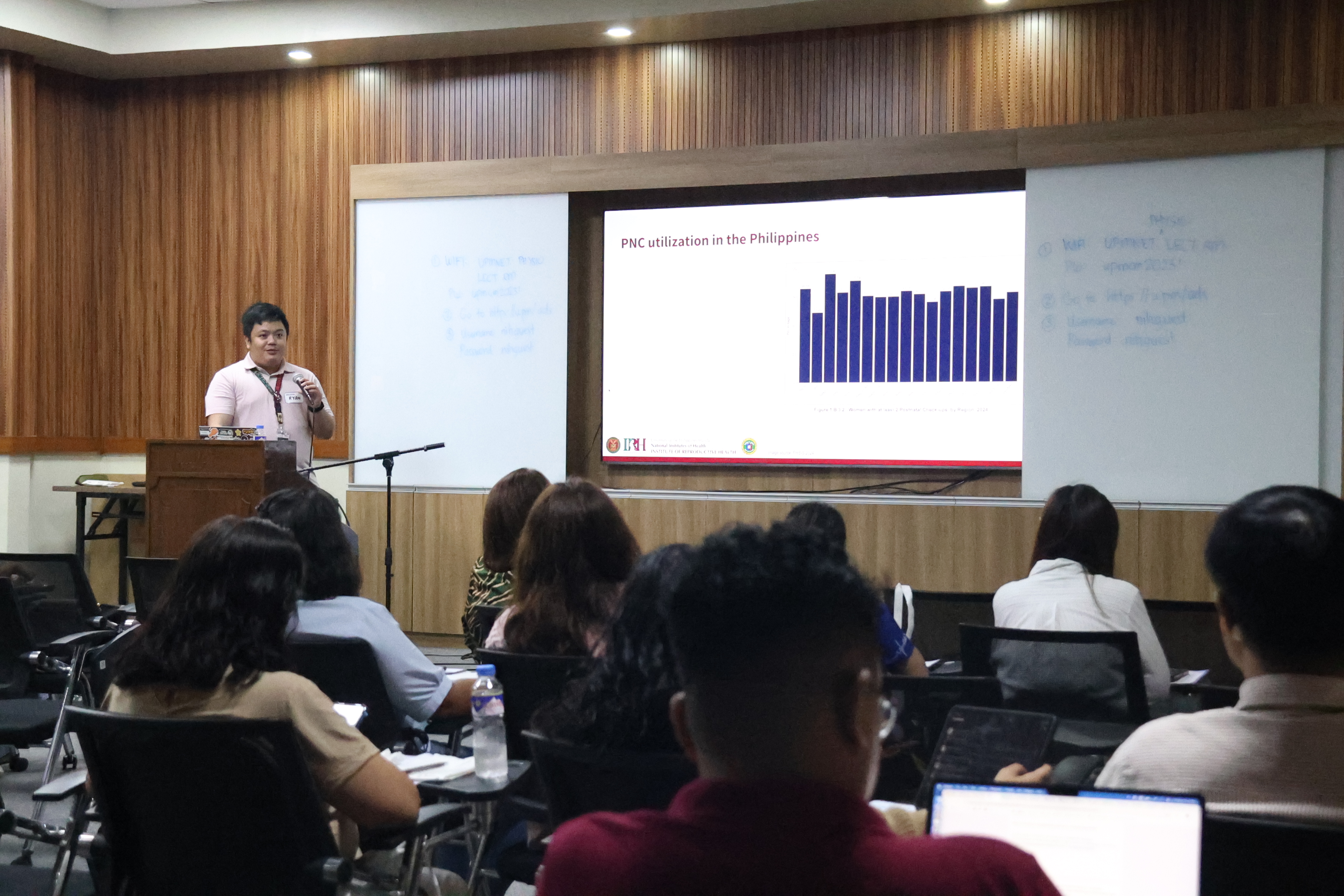
Dr. Ryan Lintao, project leader and University of the Philippines Manila research associate professor, said postnatal care mostly centers on the health and well-being of the baby, with the mother receiving less attention. The research team described this imbalance as “invisible motherhood.”
“They’re undecided about whether to get checked or not, sometimes fear comes first, especially if others find out—they might get judged. Sometimes, if you go for a check-up and someone you know is there, rumors will spread, which is why they feel embarrassed,” a patient from Iloilo told the researchers.
Other factors that affect the delivery of healthcare to teenage mothers are physiological and emotional barriers (competing obligations from work or household duties), and the false notion that postnatal care is unimportant. The study also found that information on postnatal care in health centers is often overshadowed by more visible services such as immunization for babies and children.#
#FP1 #FP6 #FP8 #InstituteofReproductiveHealth #UniversityofthePhilippinesManila
Read More: