
Text by: Charmaine a. Lingdas
Photo by: Joseph a. Bautista
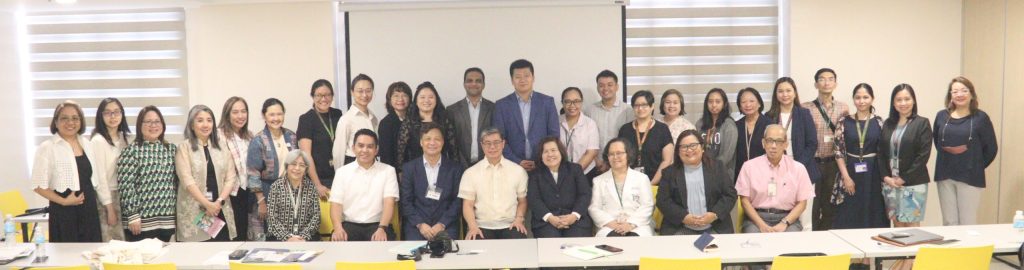
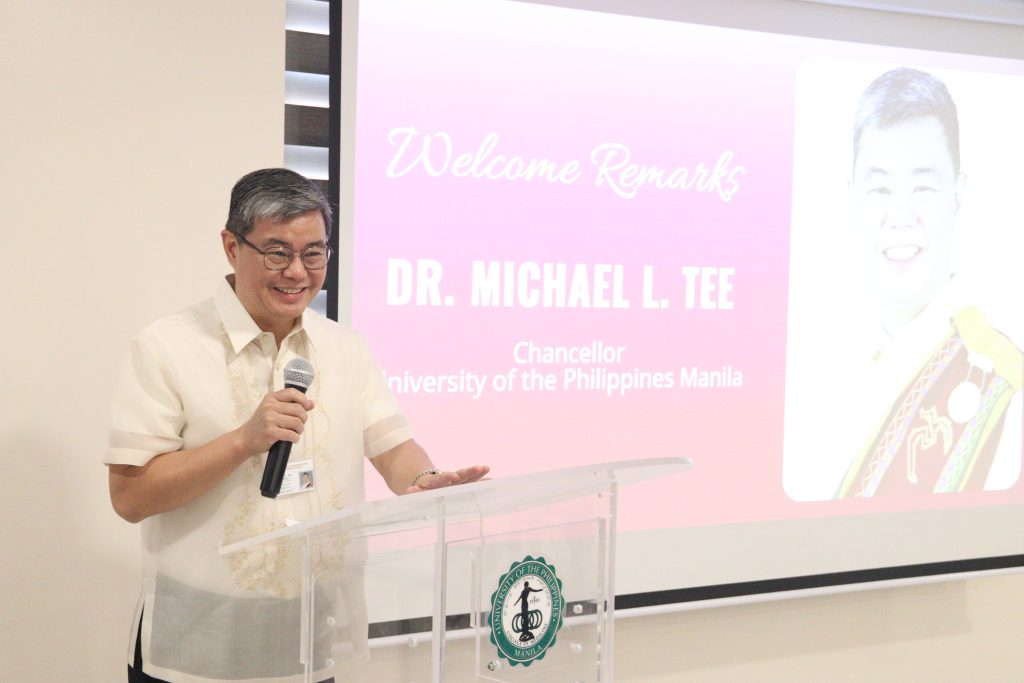
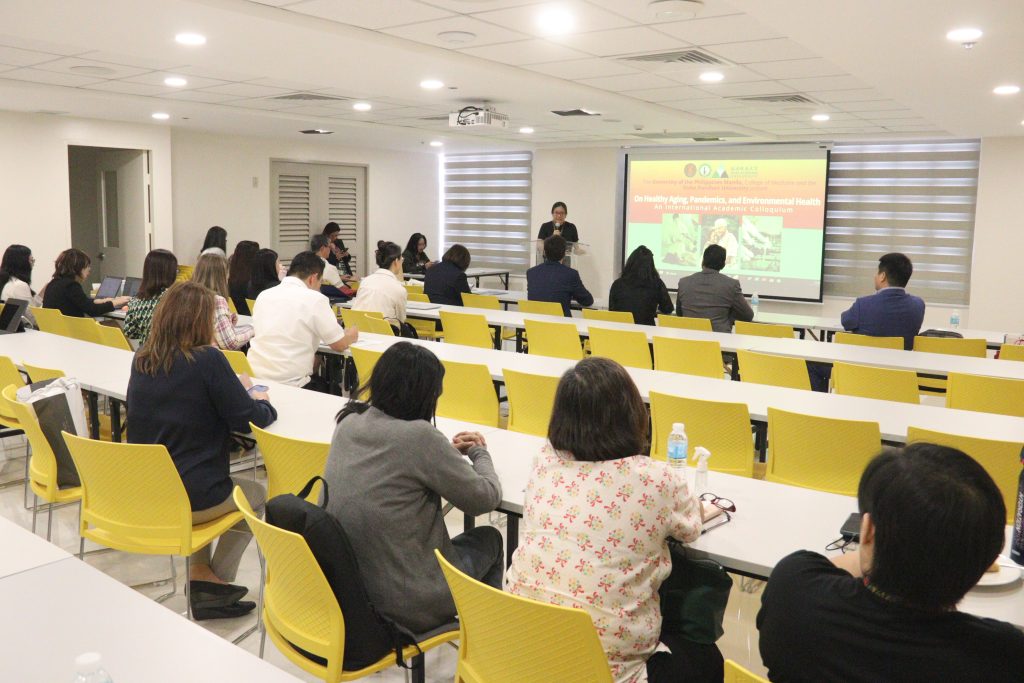
The International Academic Colloquium on “Healthy Aging, Pandemics, and Environmental Health” was held on March 6, 2024 at the UNILAB Multipurpose Hall 6th floor Henry Sy. Sr. Building. The event marked a collaborative effort between the University of the Philippines Manila Office of International and Local Linkages, UP College of Medicine (UPCM), and Duke Kunshan University (DKU). This gathering brought
together experts from diverse fields who delved into critical issues encompassing healthy aging, pandemics, and the intersection of environmental health and economics.
Discussions on Research and Caring for the Elderly
In the inaugural session on “Healthy Aging and Non-communicable Diseases,” Dr. Shelley Ann F. Dela Vega, Director of the National Institutes of Health (NIH) – Institute on Aging (IA), talked about the significance of healthy aging and introduced research endeavors like UPMWISE (Wellness Initiatives for Seniors and Elders). UPMWISE, a three-year project from the IA, aims to formulate tailored health policies
and programs for individuals aged 55 and above, emphasizing a holistic approach that considers genetics, experiences, and environmental factors.
Meanwhile, IA research in digitization of comprehensive geriatric assessments, health system analysis in aging, and scoping reviews on data governance in healthcare for older persons was discussed by Prof. Angely Garcia, Research Faculty at IA. She also mentioned the “Healthy Aging Program for PinoY (HAPPY) Senior Citizens,” a collaboration with the DOST Food and Nutrition Research Institute, a program that
aims to develop food products that have the recommended nutrients needed by Filipino senior citizens.
“In terms of research projects related to non-communicable diseases, specifically dementia, we conducted a dementia care workforce study and we found that there was a scarcity of geriatric specialists and occupational therapists in dementia care facilities. In terms of the knowledge in the survey of health care workers and the care workers, only 27% were able to define dementia correctly, so we need to do more
training and capacity building among these care and healthcare workers,” said Prof. Garcia.
She listed potential areas for collaboration: best practices in long-term care, technological innovations to promote healthy aging, economic evaluation of digital health, enhancing capacities of health workforce and researchers through evaluations, and community-based interventions to promote healthy aging.
Dr. Lijing L. Yan, Professor of Global Health at DKU, delved into health technology for chronic disease management, focusing on aspects like medication adherence, primary care strategies, and interactive care, highlighting the transformative role of technology in improving chronic disease management.
Dr. Meifang Chen, Assistant Professor of Health Policy at DKU, addressed the impact of housing on health, centering her discussion on research conducted in China.
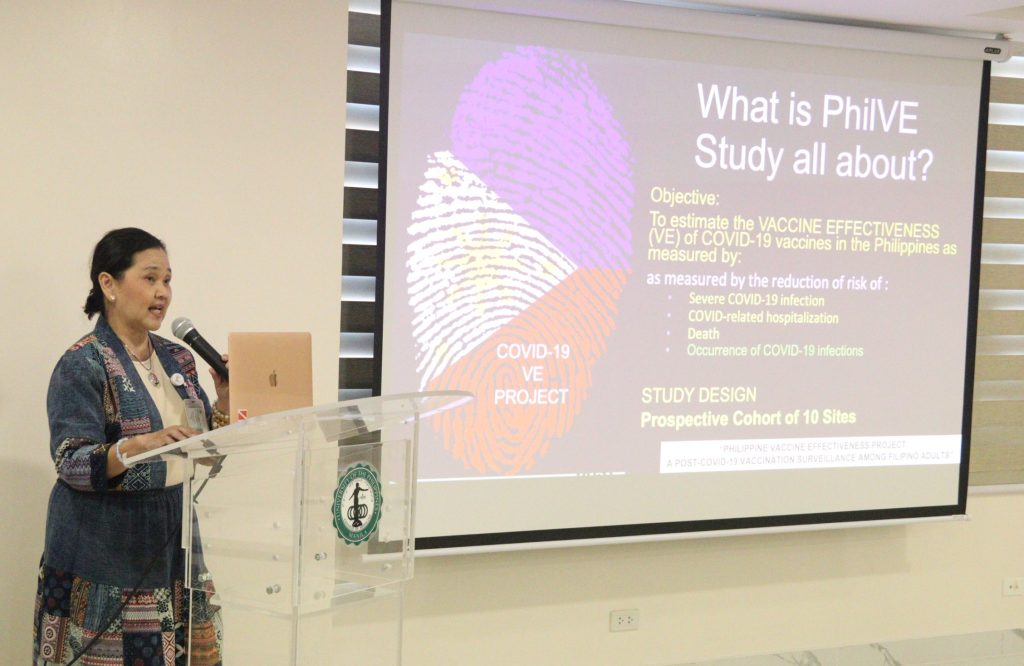
In the second session, “Pandemics and One Health,” Dr. Regina P. Berba, Chair of the Hospital Infection Control Unit at the Philippine General Hospital, discussed the research she is involved in. “We were asked by the Philippine government to do the vaccine effectiveness study. This is a real-world effectiveness study. We try to look at the vaccine effectiveness of the COVID-19 vaccines we use, as measured by the reduction of the risk of severe COVID-19 infections, COVID-related hospitalization, death, and occurrence of COVID-19 infections. We gathered data from all vaccinated and unvaccinated patients across the country,” explained Dr. Berba the Philippine Vaccine Effectiveness (PhilVE) study.
She discussed that she is also involved in research in collaboration with NIH, Dr. Raul Destura was able to invent the Biotek-M Dengue Aqua Kit, an affordable diagnostic kit to diagnose dengue. “The next diagnostic test we are hoping to launch next month is lamp-based point-of-care testing. This time, this diagnostic kit will test resistant genes for antimicrobial drugs in cases ventilator-associated hospital acquired pneumonia in patients at Philippine General Hospital,” said Dr. Berba.
Ongoing research projects were discussed by Dr. Marissa M. Alejandria, Associate Dean for Research at UPCM. Some of the mentioned research initiatives include Multi-OMICs Research Program for Health (MORPH) and Philippine Program for Diagnostic Biomarkers, Disease Modeling and Nutriceutical Product Development (Phil-DIAMOND). MORPH is a research program using Omics technology to understand disease mechanisms in the country through molecular epidemiology and biomarker identification. MORPH’s four projects target Alzheimer’s disease, co-infection of Human Immunodeficiency Virus and tuberculosis (HIV/TB), thyroid carcinoma and Human Papilloma Virus (HPV). The PhilDiamond project focuses on HIV-related complications with the general aim to investigate immune biomarkers for diagnosis, construct in vitro disease models, and develop probiotic-based functional food as adjunct therapy for HIV related complications among HIV positive Filipino patients.
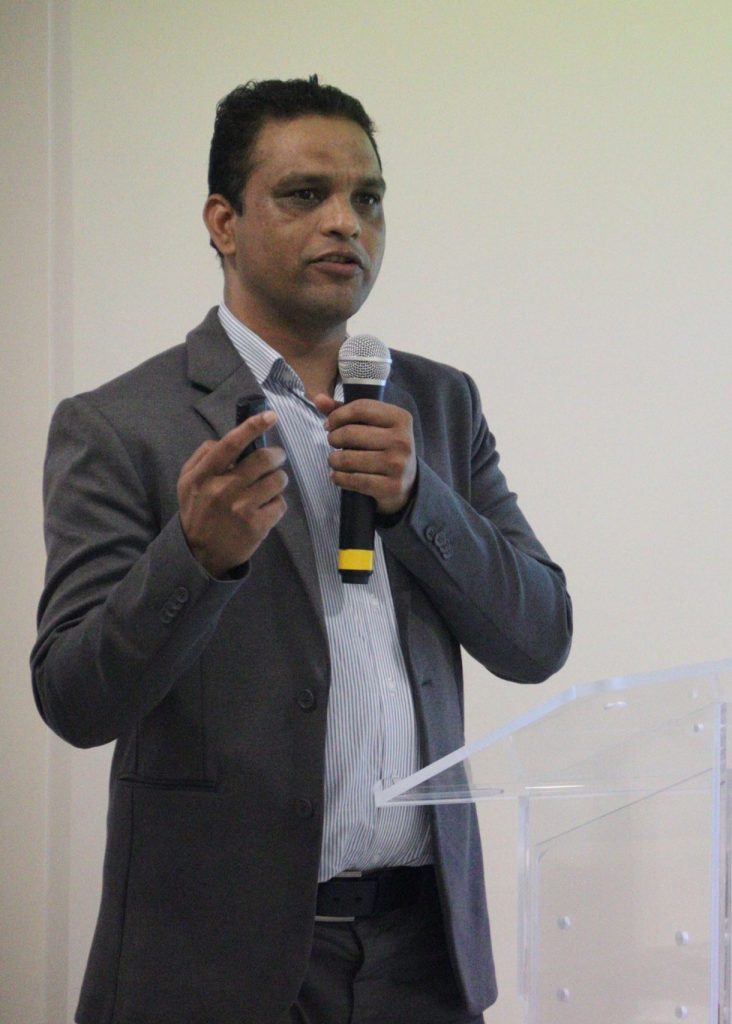
For his part, Dr. Sajid Umar, Assistant Professor of Global Health at DKU, underscored the interconnectedness between humans and animals, emphasizing the role of animal trade and agriculture in the transmission of infectious diseases.
During the third session on “Environmental Health and Economics,” Assistant Professor Rose Abigail D. Enoveso-Duarte from the Department of Environmental and Occupational Health at UP Manila College
of Public Health, presented the Philippine Groundwater Health Index project, which focuses on mitigating threats like over-extraction and pollution.
Dr. Vivien Fe F. Fadrilan-Camacho, the director of UP Manila Office of International and Local Linkages, discussed a project centered on workplace tuberculosis policies and programs in the Philippines, underlining the associated economic and social impacts. Additionally, Dr. Jingbo Cui, an associate professor of Applied Economics at DKU, shared research findings on the health outcomes of pollution in
China, underscoring the need to consider economic factors and social policies in addressing environmental challenges.
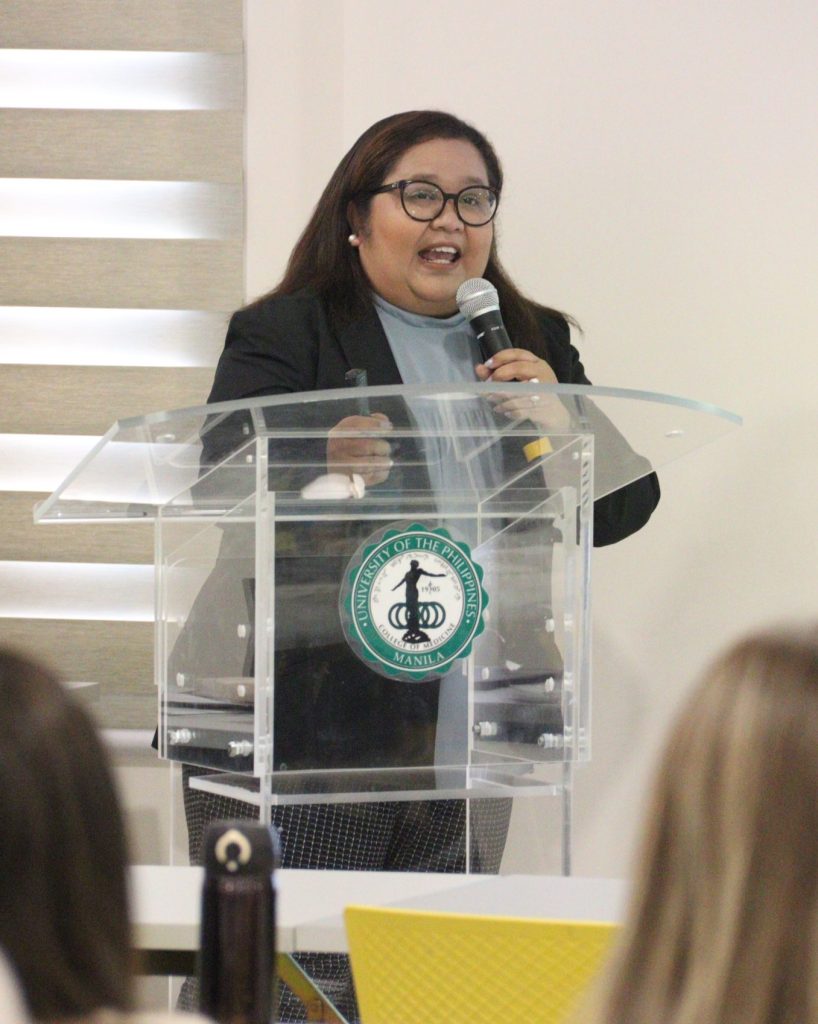
Also in the program, Dr. Charlotte M. Chiong, Dean of the UPCM, stressed the importance of research and education in creating a healthier nation.
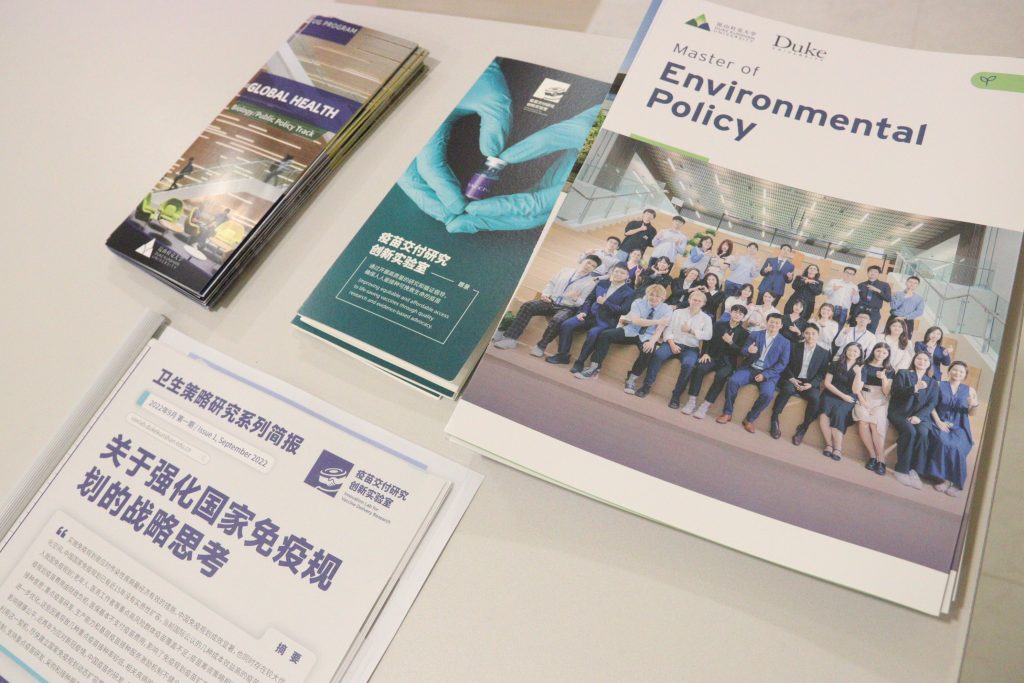
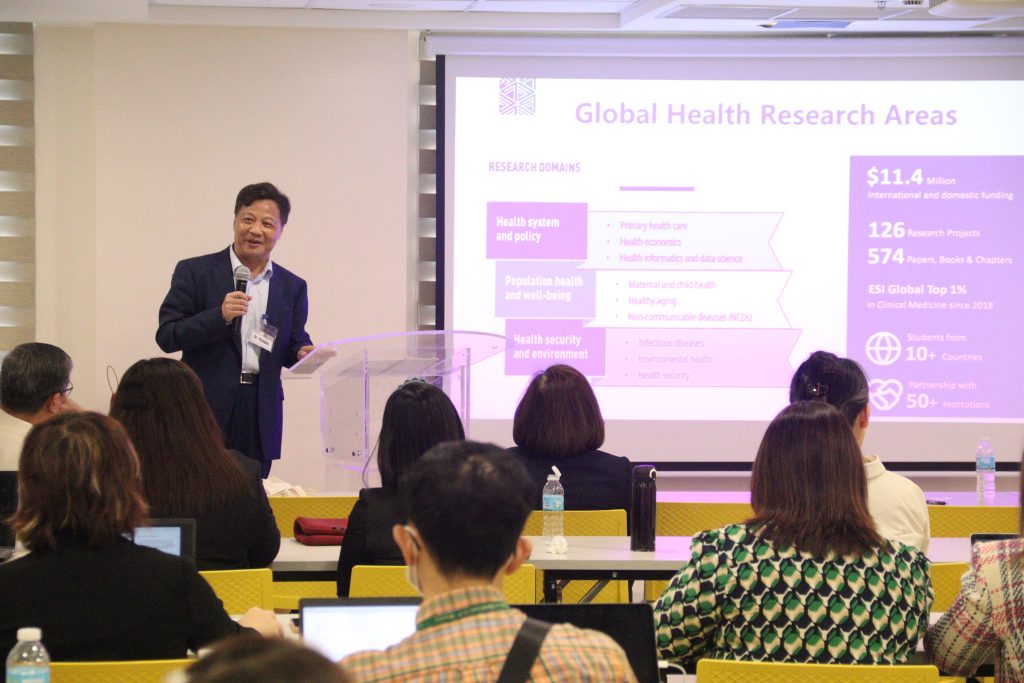
Prof. Yunguo Liu, Co-Director, Global Health Research Center, DKU discussed DKU’s research centers, international collaborations, and areas of focus, including global health, climate change, and data science. A video highlighted DKU’s foundation by Duke University and Wuhan University, offering dual degrees (US degree and Chinese degree) upon graduation.
The sessions ended with a word of gratitude for the speakers from Dr. Coralie Therese D. Dimacali, Associate Dean for Academic Development, UPCM, “We look forward to a fruitful collaboration between UP Manila and the Duke Kunshan University. Collaboration will help us publish more and share our knowledge to the world and help in health policy development.” ■