
Text by Charmaine A. Lingdas
Photos by Ronald Verceles

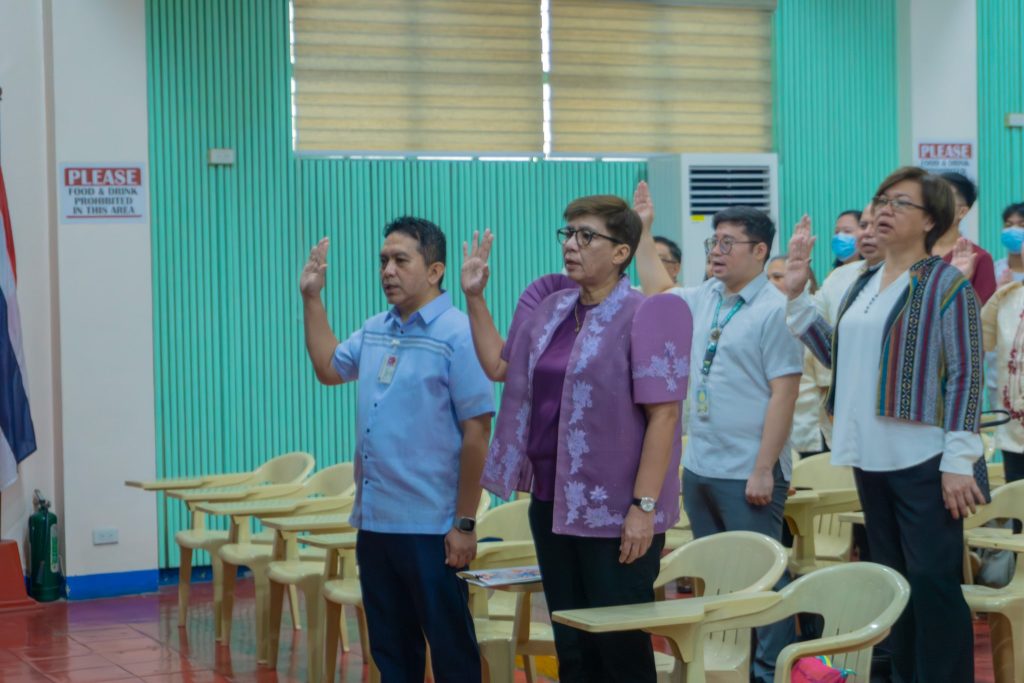
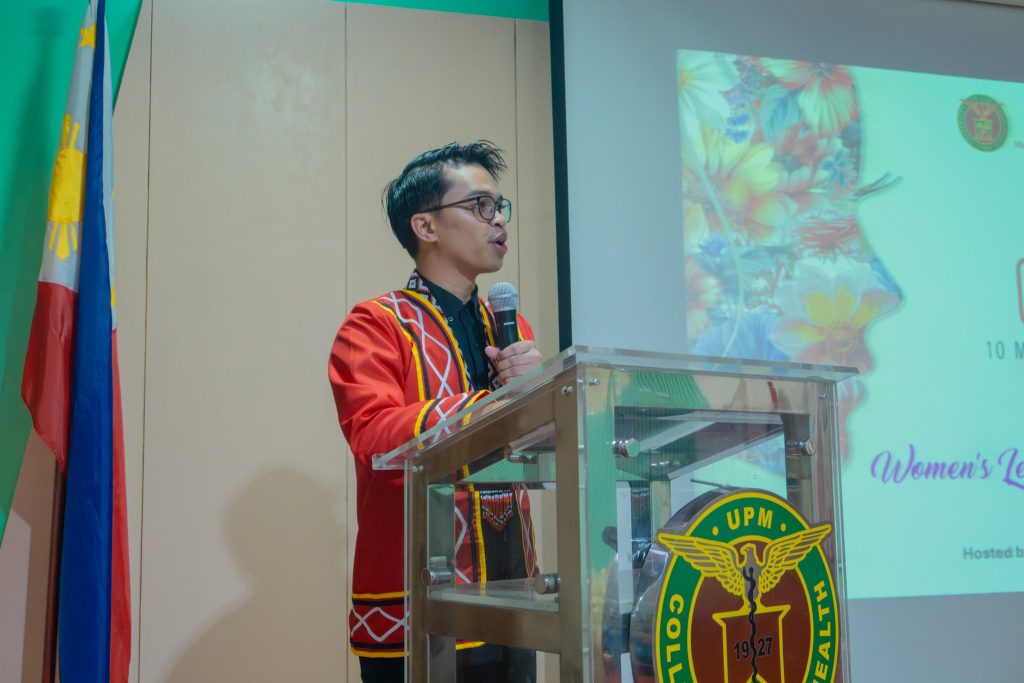
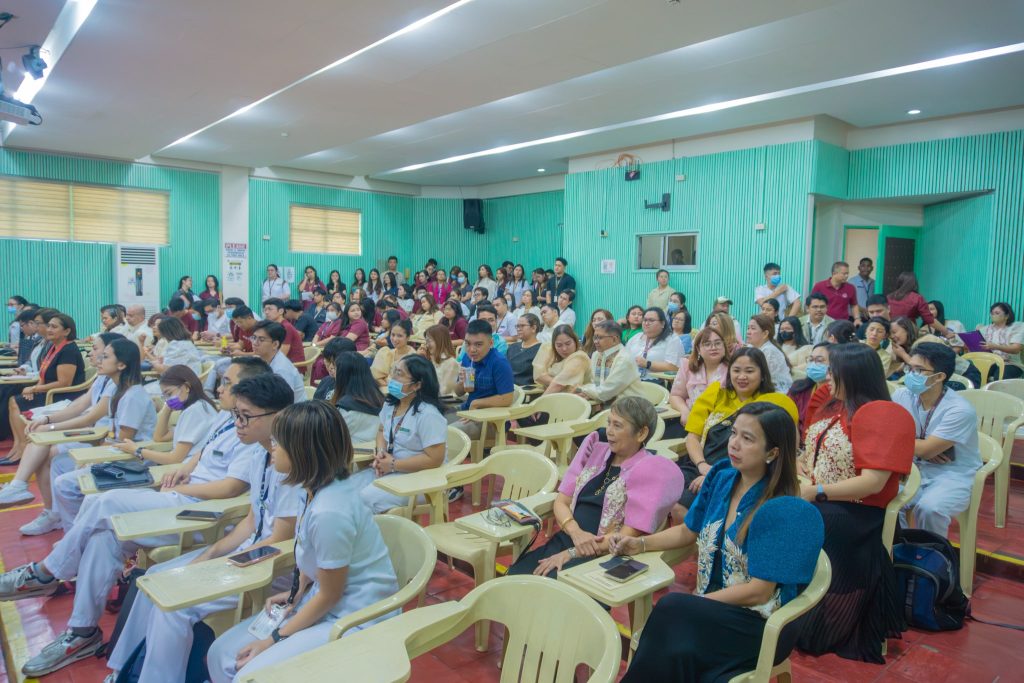
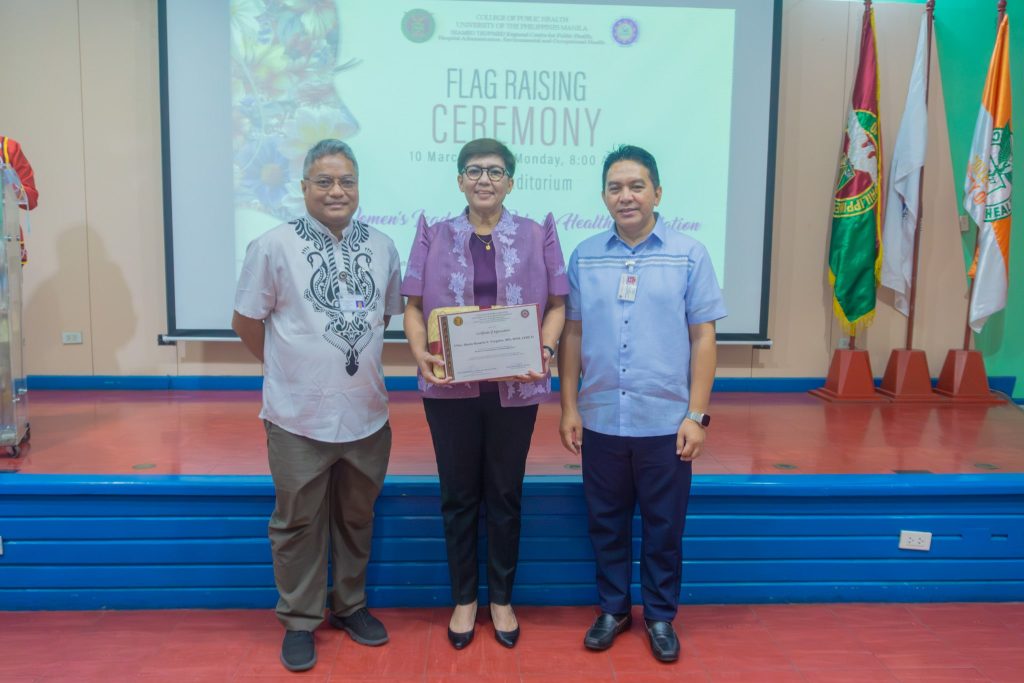
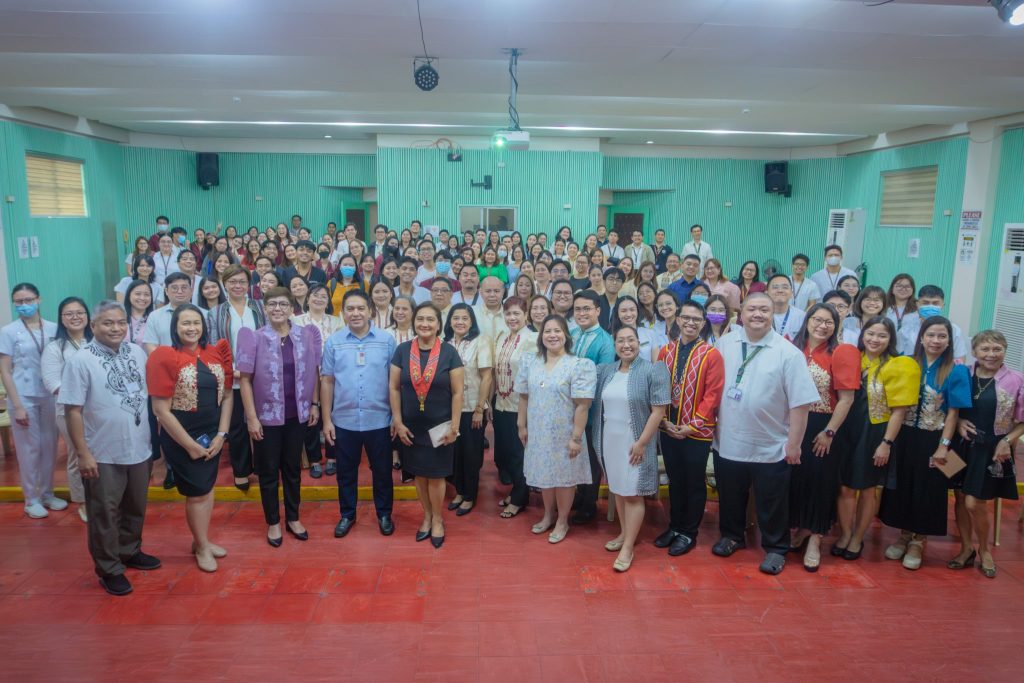
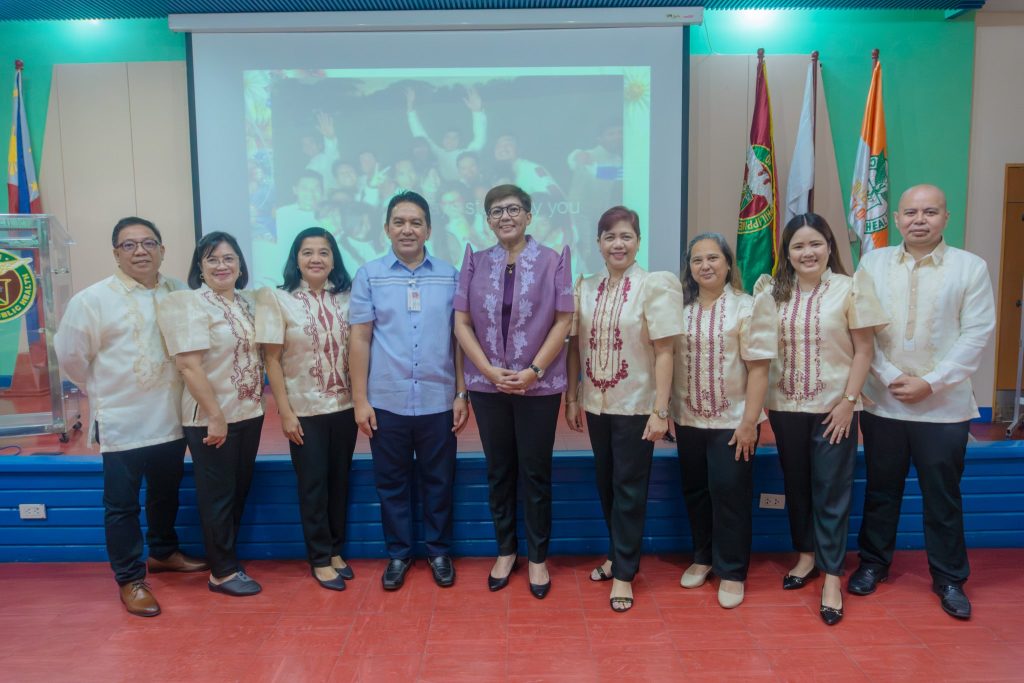
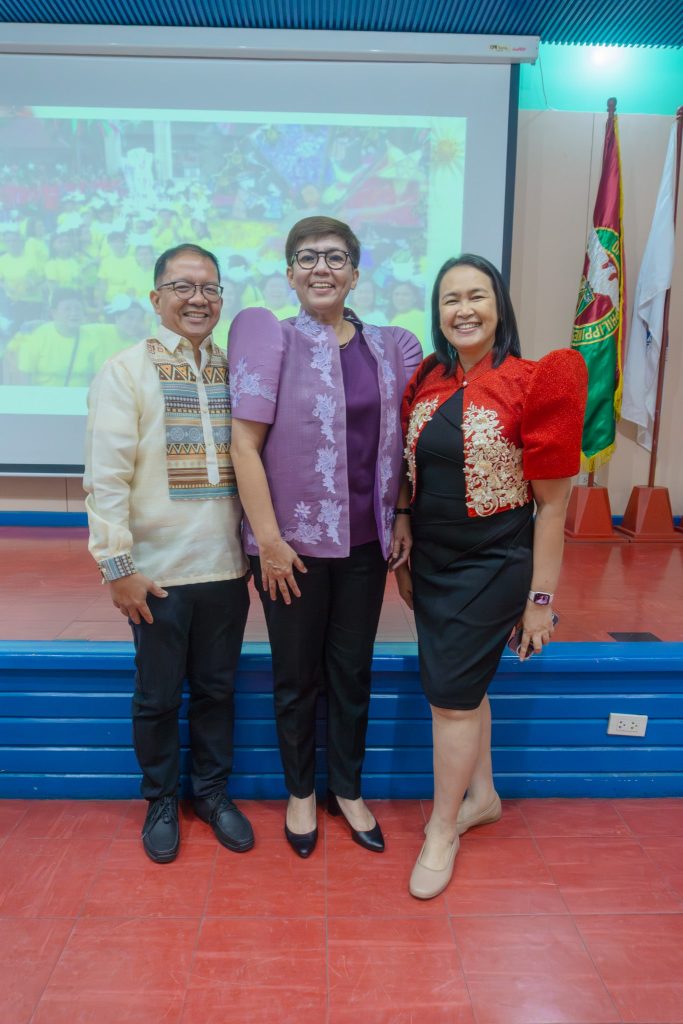
Dr. Maria Rosario Singh-Vergeire urges CPH to support DOH in advancing health regulations through research, policy-making, and training programs during the CPH Flag Ceremony on Mar. 10, 2025, at the CPH Auditorium.
Dr. Maria Rosario Singh-Vergeire, undersecretary for the public health services of the Department of Health (DOH), called on the College of Public Health (CPH) to support the DOH in advancing health regulations in the Philippines, highlighting the importance of academic institutions assisting in regulatory reforms through research, policy-making, and training programs, during the flag raising ceremony on Mar. 10, 2025, held at the CPH Auditorium.
Academic Partnerships for Stronger Health Regulations
“We hope to build a healthcare regulatory system that ensures accessibility, quality, and safety while adapting to the realities of our healthcare landscape,” said Vergeire, emphasizing the need for health regulation. She discussed that the DOH enforces quality standards and safety protocols while also addressing accessibility issues and strengthening the regulatory framework to ensure that facilities, especially those in underserved areas, uphold both quality and safety standards without compromising accessibility.
However, she stressed that one of the major challenges they face is the shortage of personnel in the regulatory, licensing, and enforcement workforce. This makes it difficult to conduct inspections, monitor facilities, and enforce regulations effectively.
“With only around 600 licensing officers overseeing more than 12,000 healthcare facilities nationwide, we are significantly lacking in regulatory personnel,” Vergeire said. “This is why we are seeking partnerships with institutions like CPH, to help us produce more regulatory officers who will ensure that healthcare facilities comply with quality and safety standards.”
Additionally, she invited CPH to help with training and capacity-building of health workers and regulatory officers. “We need short-course programs that equip healthcare providers with knowledge on compliance, ethics, and patient safety,” she said. “Similarly, our regulatory officers should receive specialized training to improve enforcement practices and ensure health facilities maintain high standards.”
She underlined ongoing efforts to update outdated policies, particularly the Hospital Licensure Act of 1965, which continues to serve as the primary legal basis for regulating healthcare facilities despite major changes in the healthcare landscape over the past decades. “Our health system has evolved, and we now have a diverse range of facilities like dialysis centers, blood service facilities, and laboratories that must also be properly regulated,” she explained.
Vergeire stressed the essential role of academic institutions in influencing evidence-based regulatory policies. “UP CPH can contribute by conducting research to evaluate the effectiveness of current regulations and help shape policies that are responsive to the needs of our communities. By studying the effects of current regulations on healthcare delivery and patient safety, our universities can provide data-driven insights for improving the regulatory framework.” She further stated that independent audits and evaluations conducted by universities could ensure that healthcare regulations remain effective and receptive to public health needs.
She also highlighted the importance of academic institutions in developing healthcare technologies and digital health systems. “Innovative solutions, such as telemedicine and digital health tools, can address regulatory challenges and expand healthcare access, particularly in geographically isolated areas,” she stated.
“UP CPH serves as a bridge between academic knowledge and real-world health challenges. Your commitment to a data-driven, evidence-based approach will ensure that government policies, including regulatory reforms, prioritize equity and the protection of Filipino lives,” said Vergeire, expressing her desire to formalize these collaborations.
Championing Women in Health Regulation
Aligned with the celebration of Women’s Month, Vergeire took the opportunity to highlight the contributions of women in influencing public health policies and regulations. She underscored the vital role of Filipina leaders in advancing healthcare in the country, mentioning figures such as former DOH Secretary Esperanza Cabral and National Scientist Carmencita Padilla, who spearheaded important reforms in reproductive health and newborn screening.
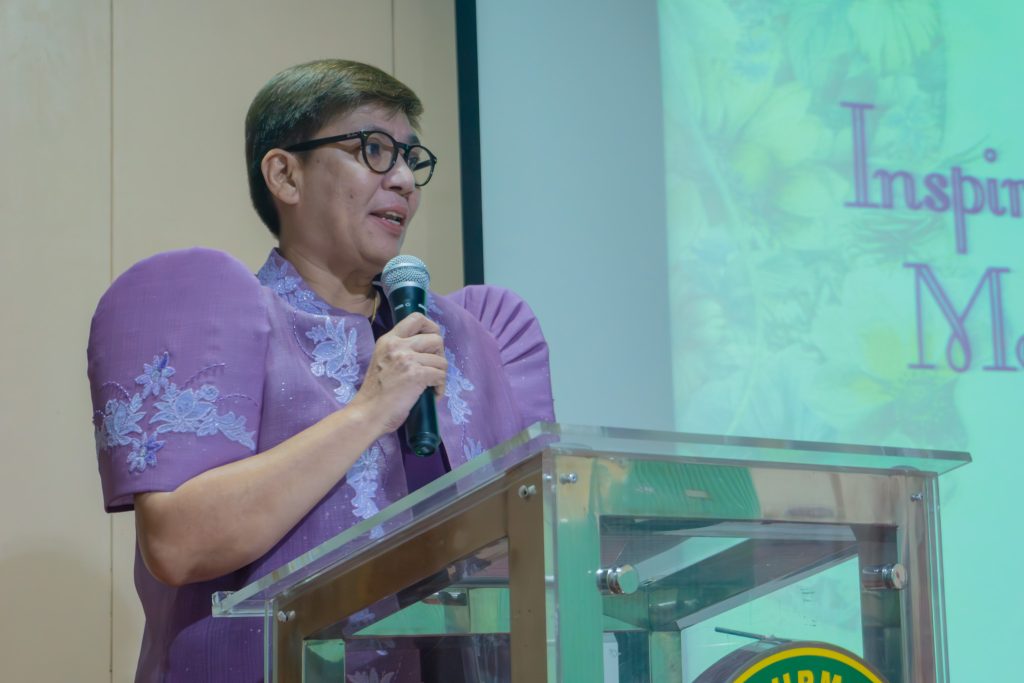
“Women have always played a critical role in setting health standards and policies that ensure safer communities,” Vergeire said. “And yet, when we talk about champions of health regulation, we don’t hear many names from the academe or the government. We need more leaders to step up and advocate for stronger, evidence-based regulations that protect the Filipino people.”
Addressing the students in the room, Vergeire encouraged them to consider careers in health regulation. “Health regulation may seem distant from patient care, but it directly impacts thousands—if not millions—of Filipino lives,” she said. “We need young professionals like you to champion this cause.”
Vergeire ended her speech with a call to action, urging women to take on leadership roles in public health and health regulation. “We need to empower women—not just as healthcare providers, but as policymakers and regulators,” she said. “A strong healthcare system that serves all Filipinos must be shaped by diverse voices, especially those of women who understand the needs of our communities.”
As the event concluded, Vergeire left the audience with a final reminder: “Babae tayo. Hindi babae lang.”
With her message of collaboration and empowerment, Vergeire reinforced the importance of academic-government partnerships and women’s leadership in shaping a stronger, more equitable healthcare system for all Filipinos.#