


Text by Charmaine A. Lingdas
Photos by Sarah Hazel Moces S. Pulumbarit
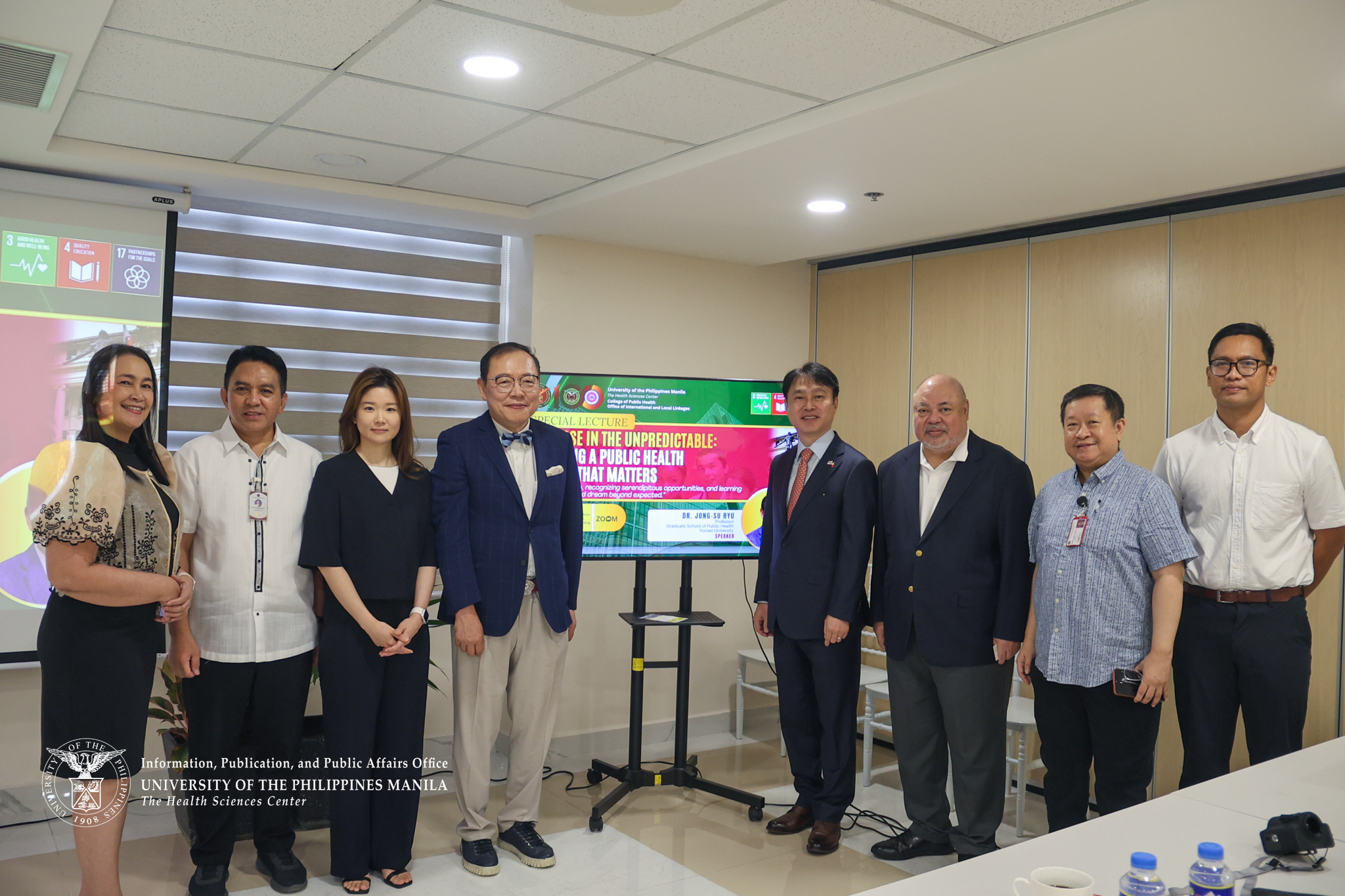
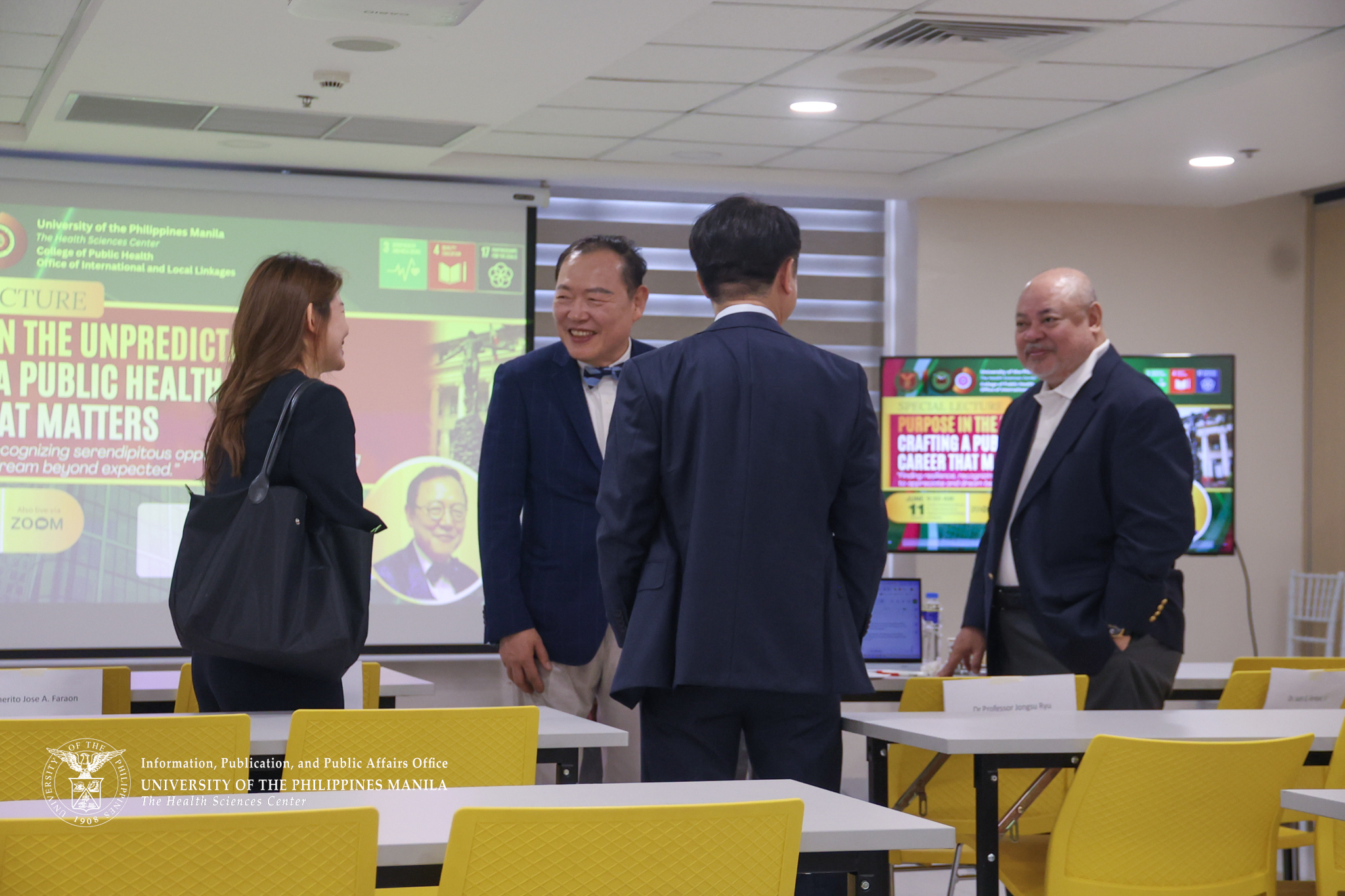
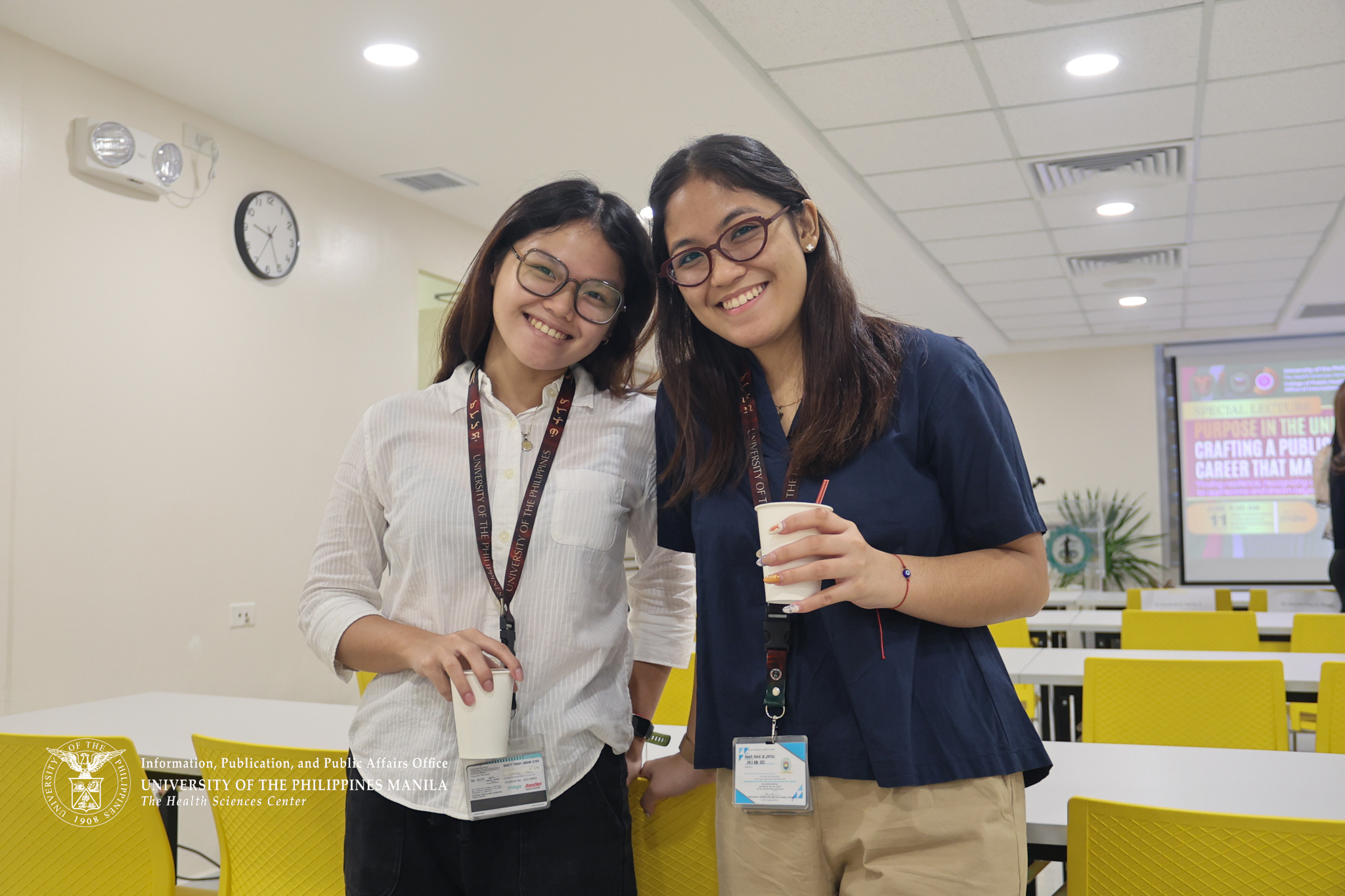
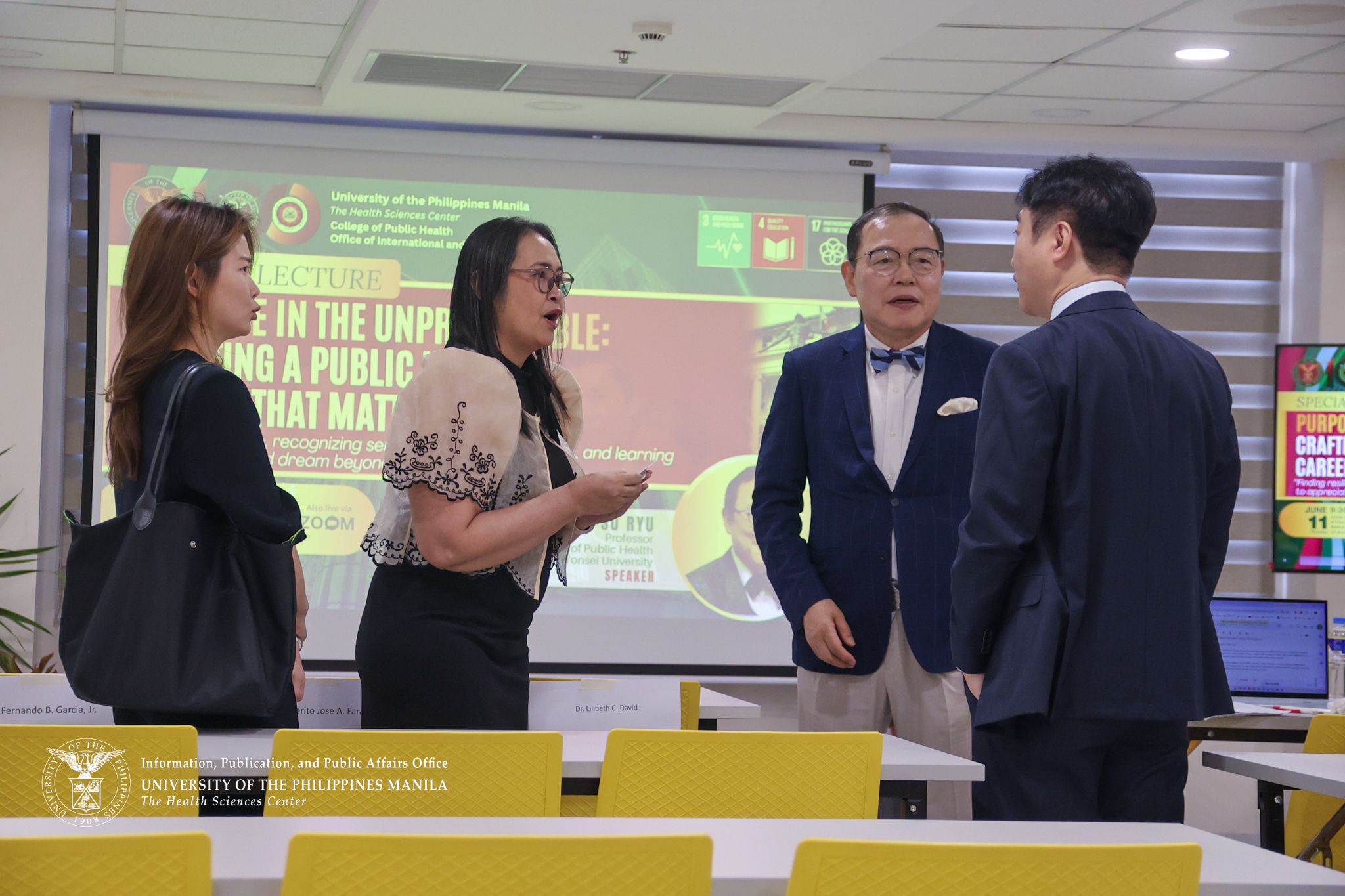
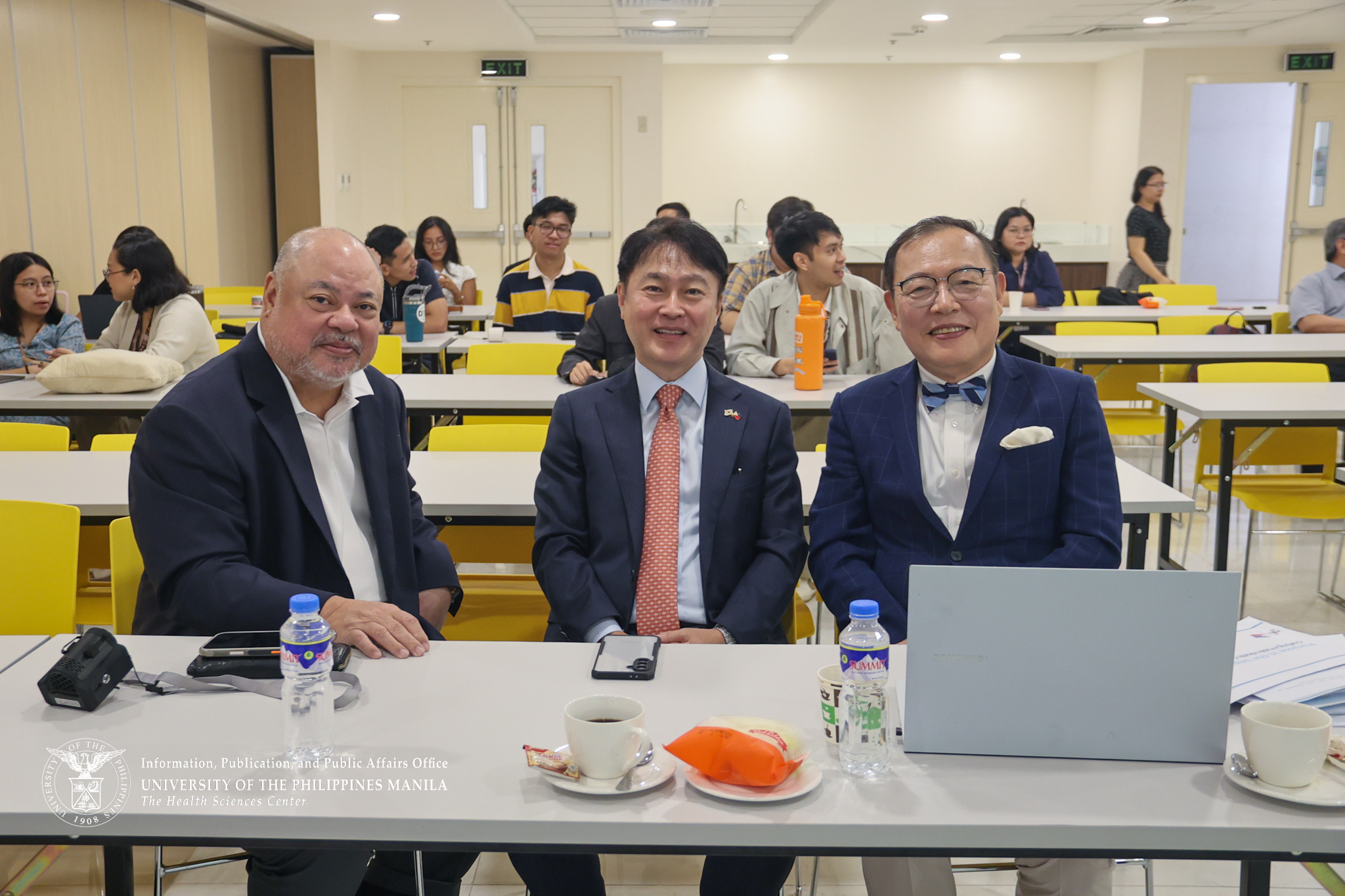
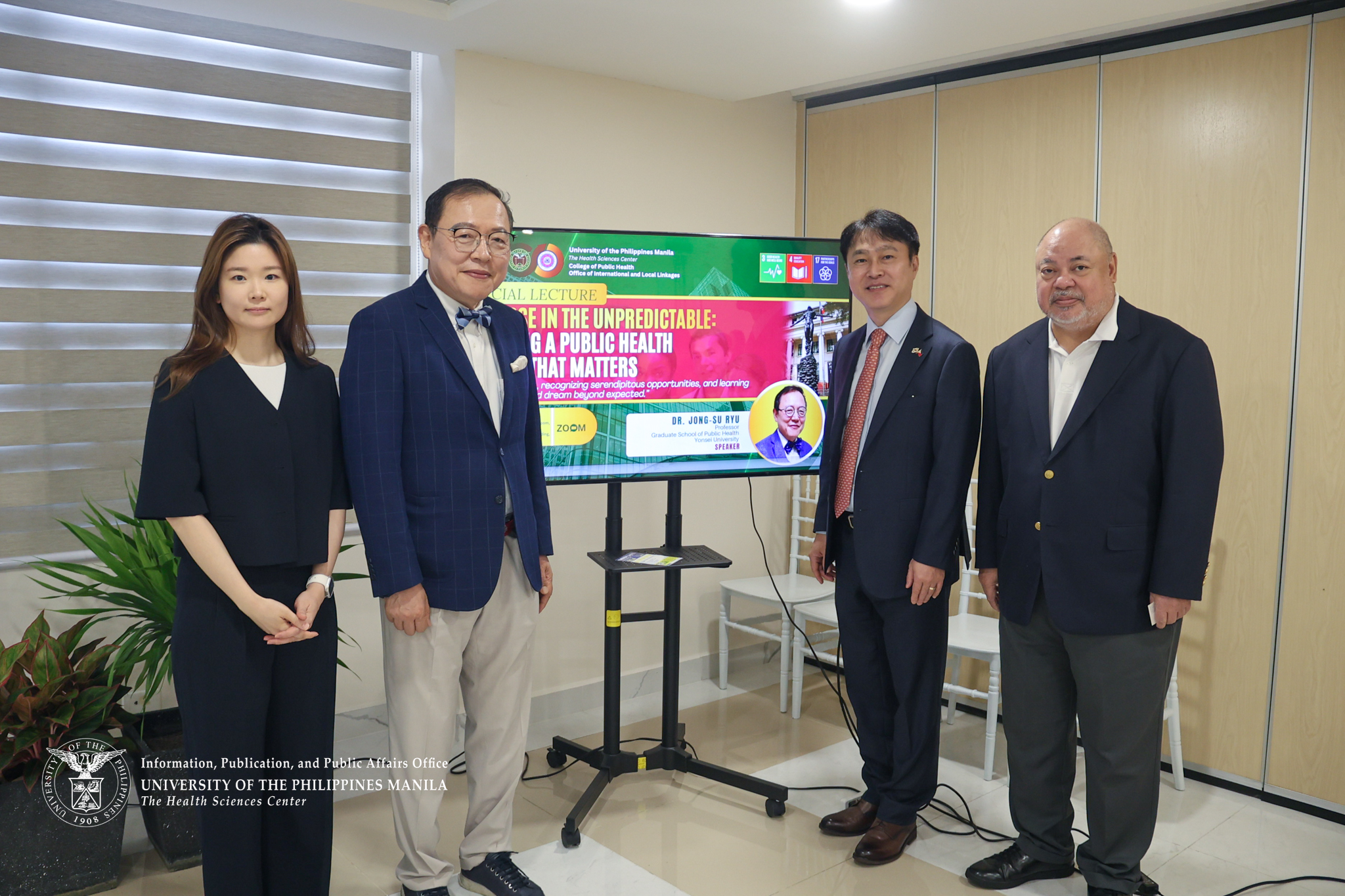
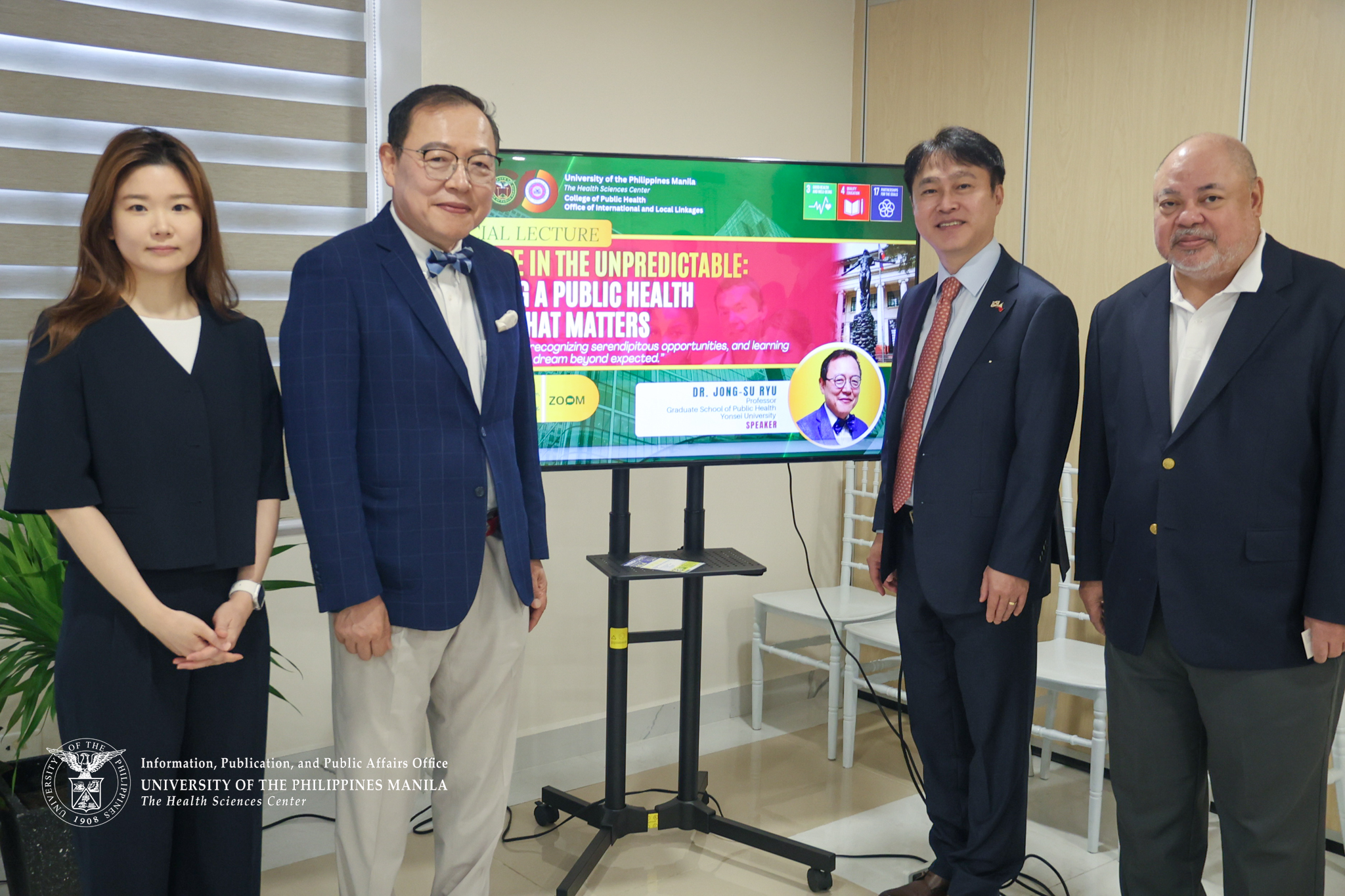
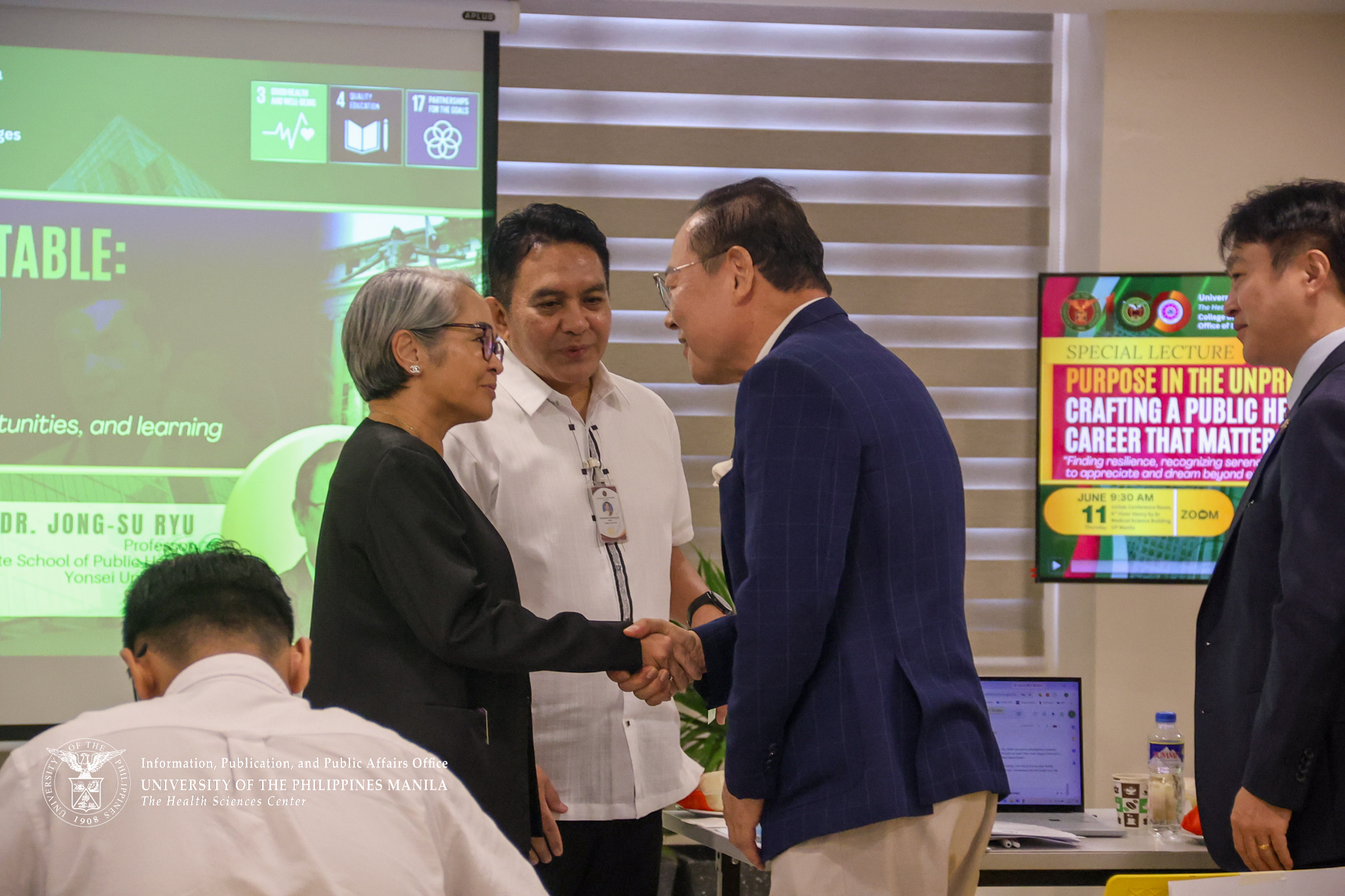
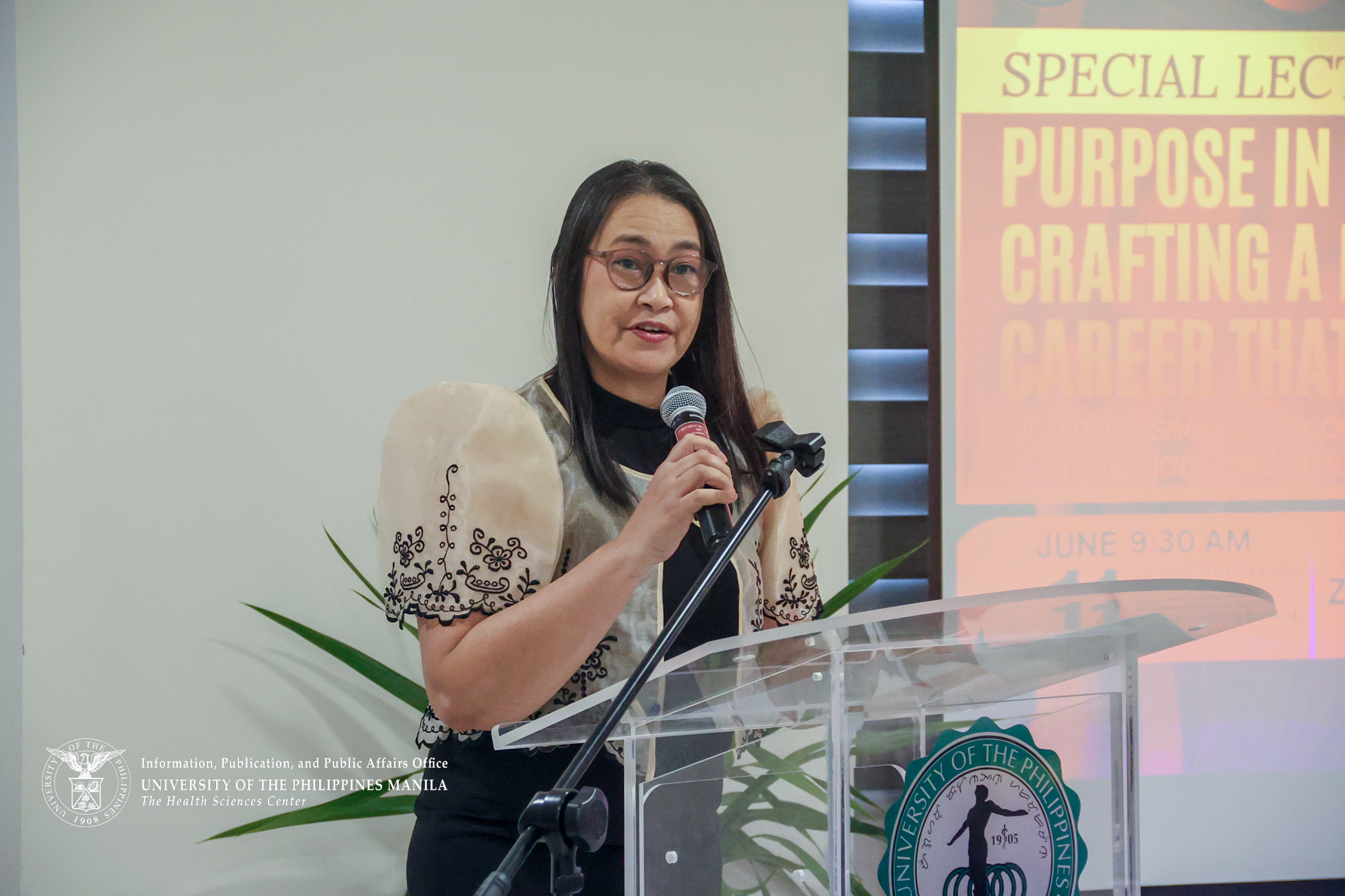
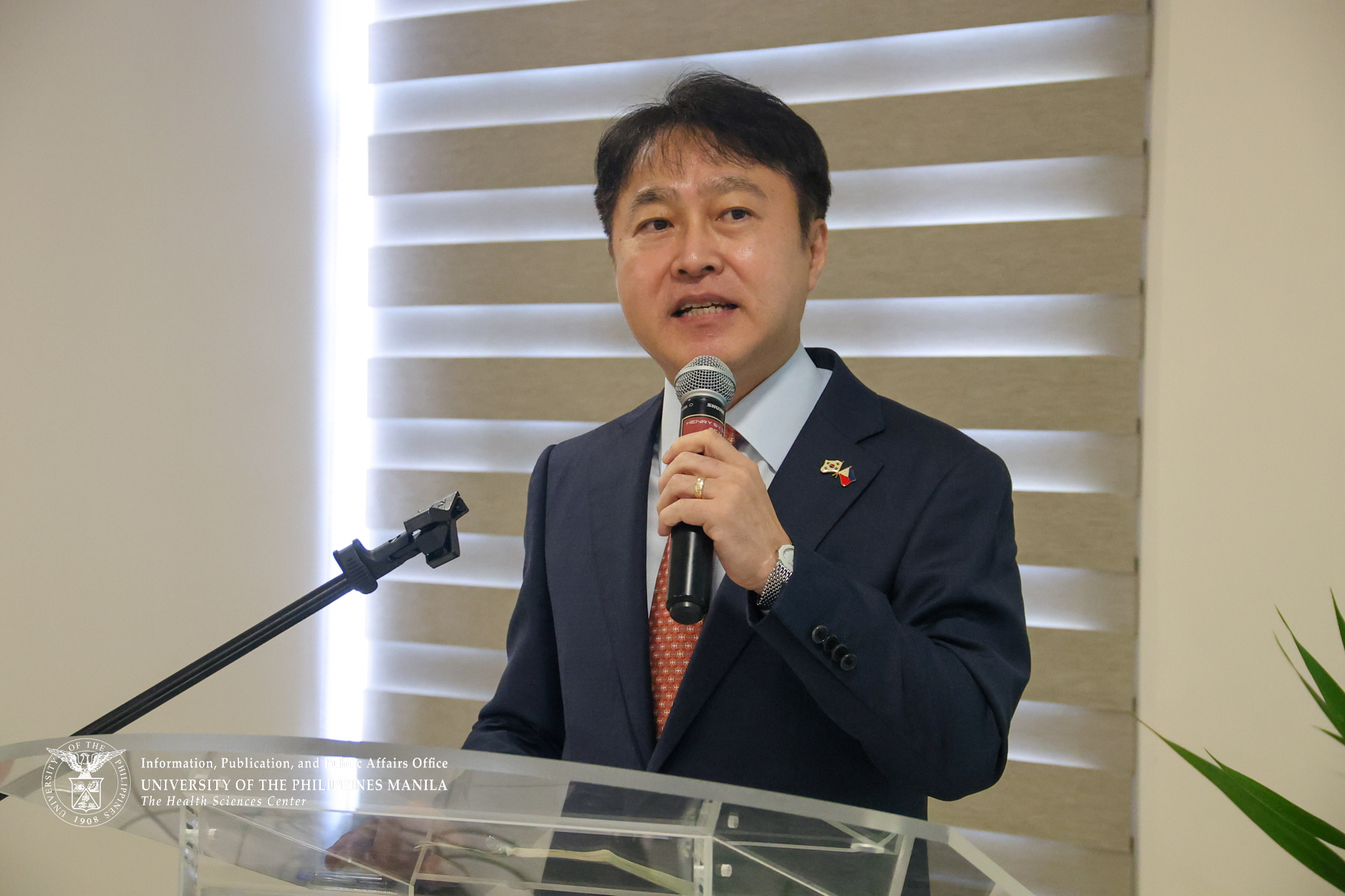
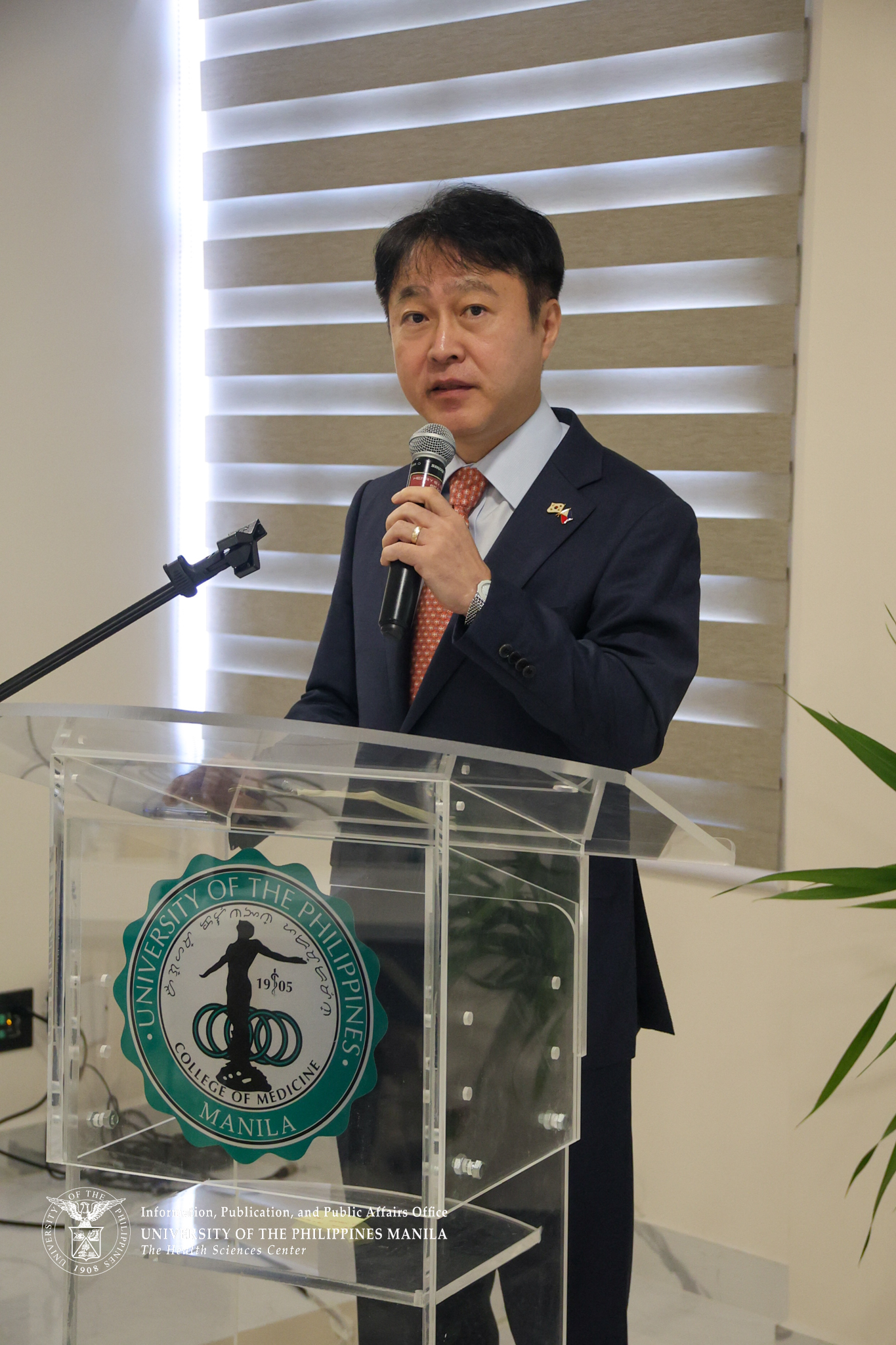
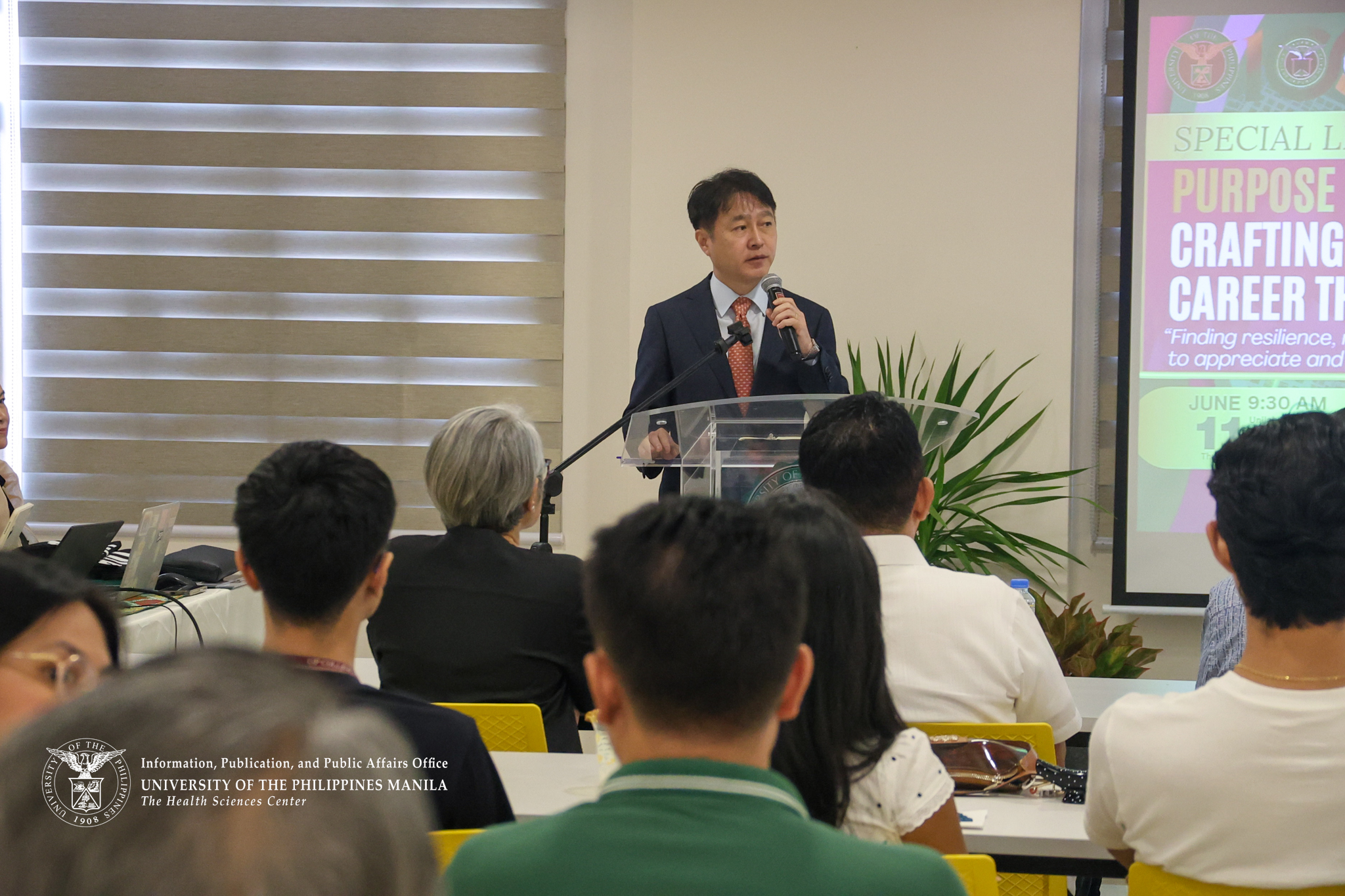
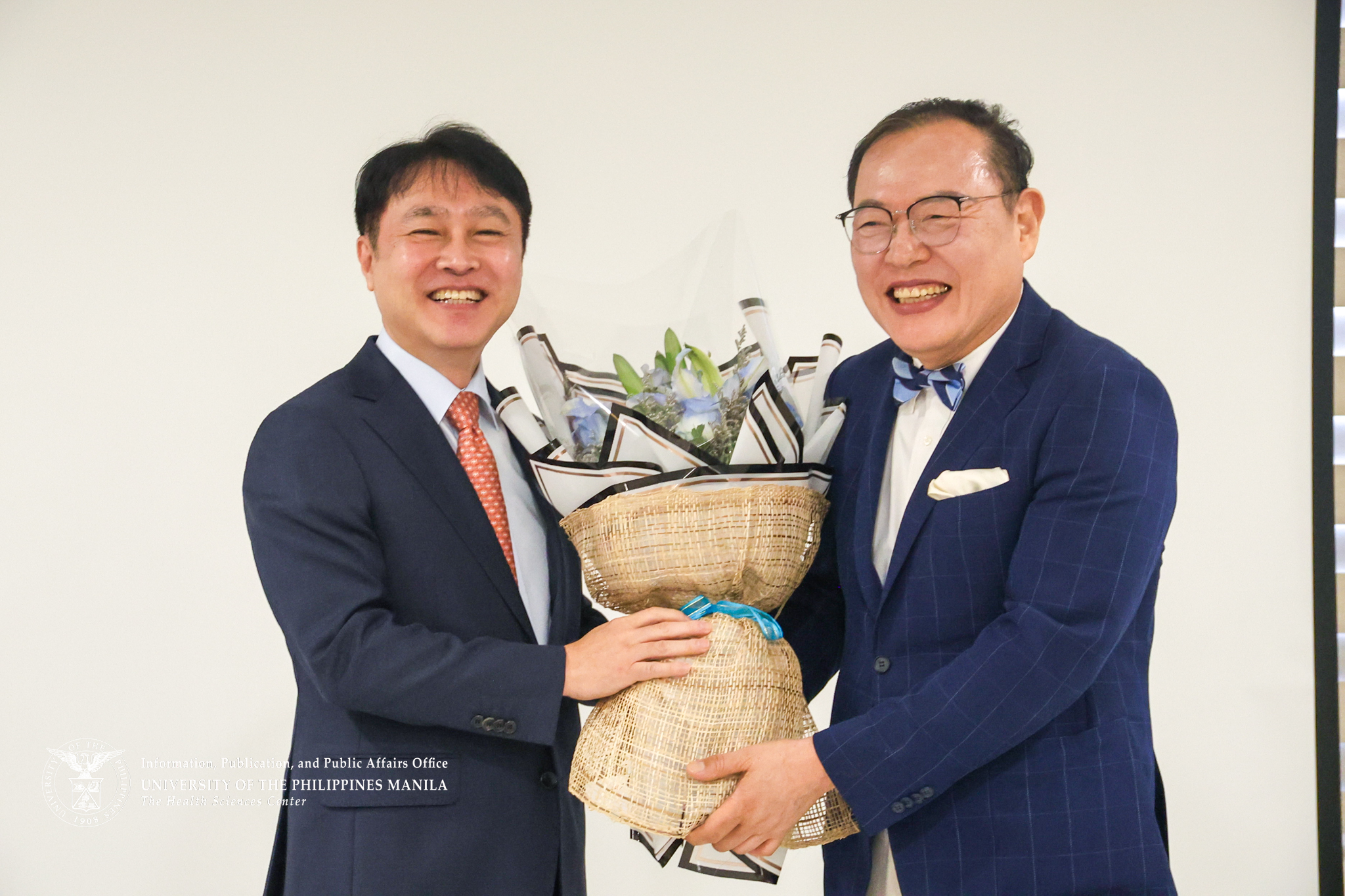
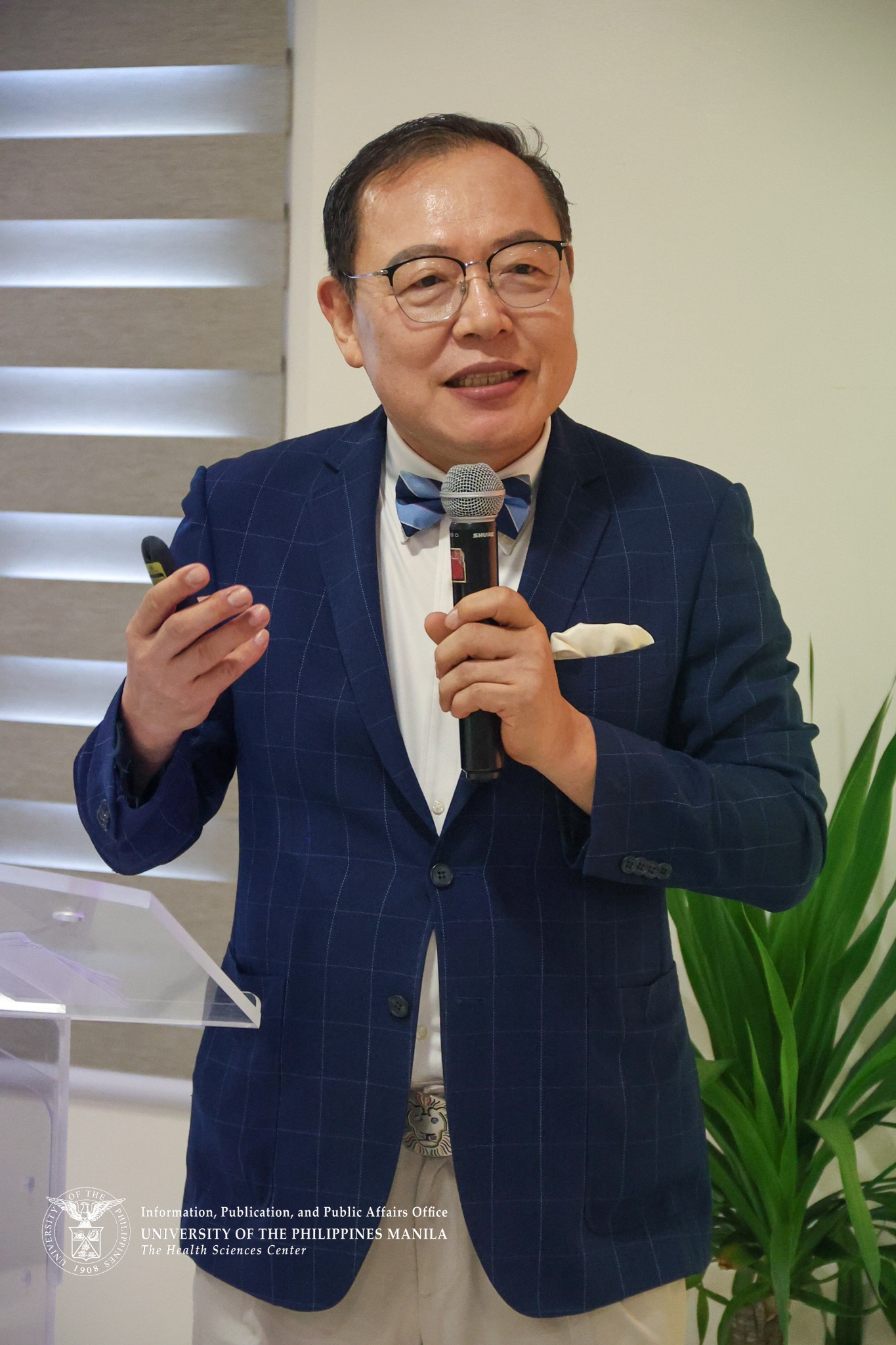
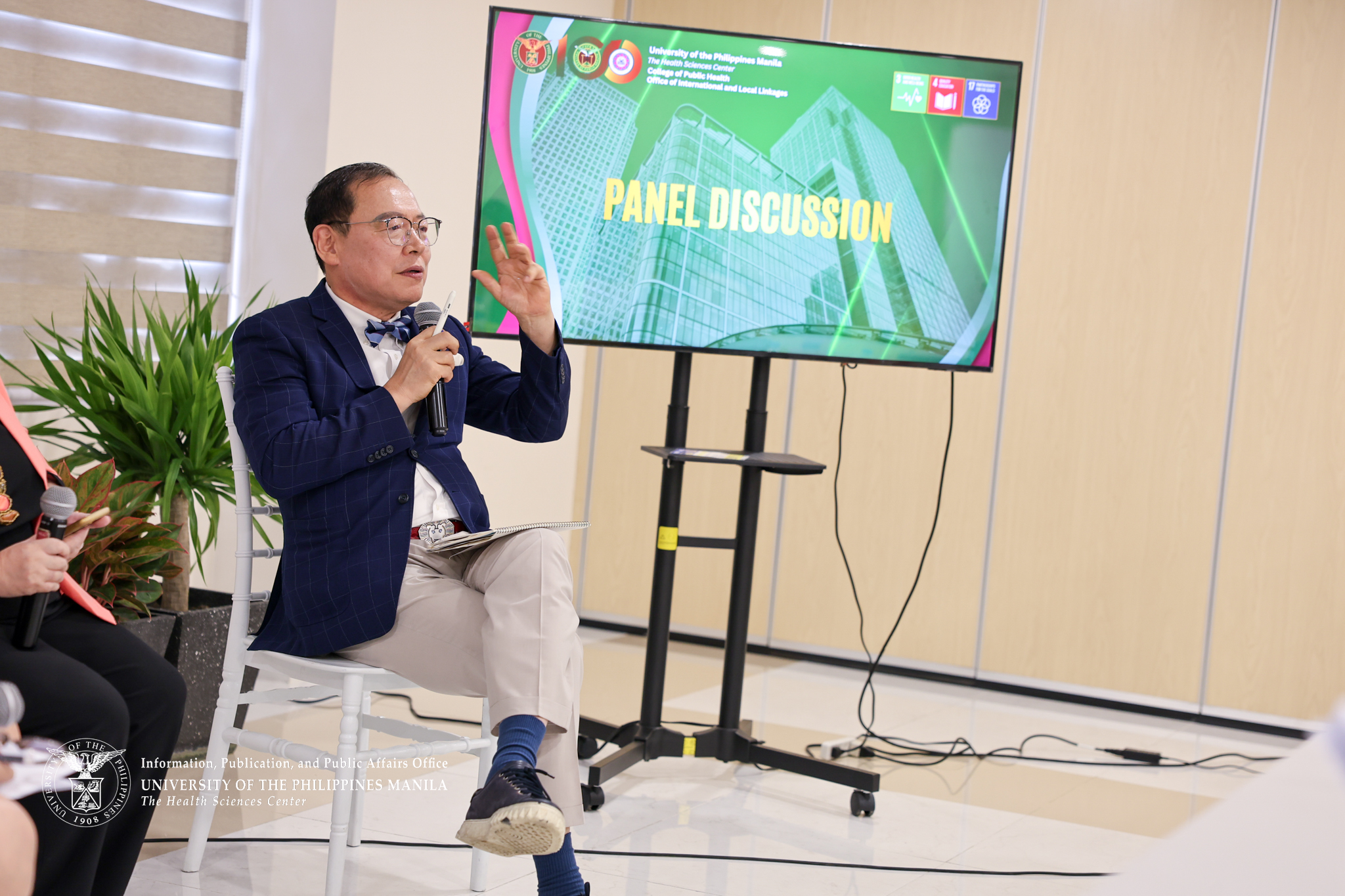
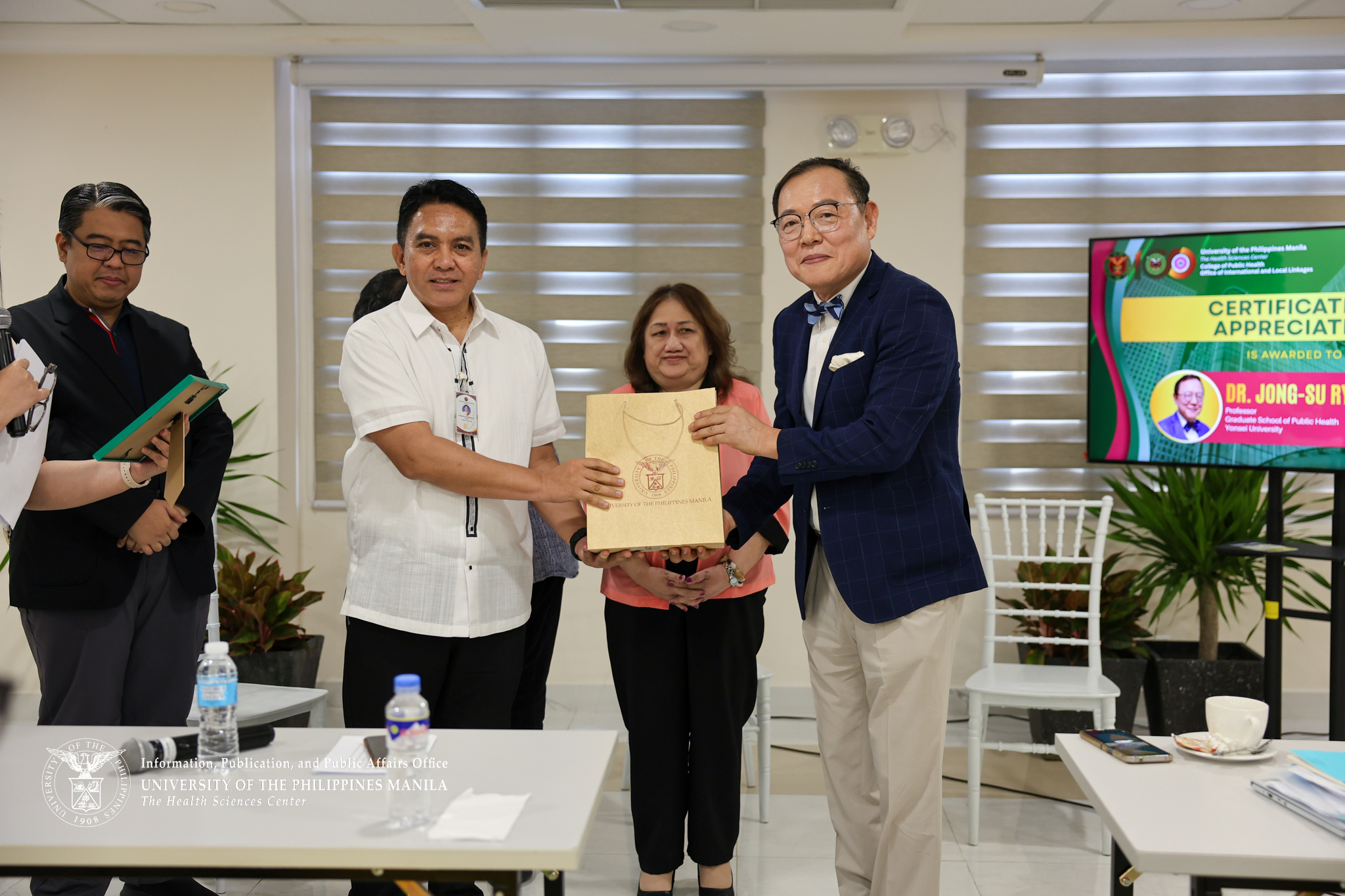
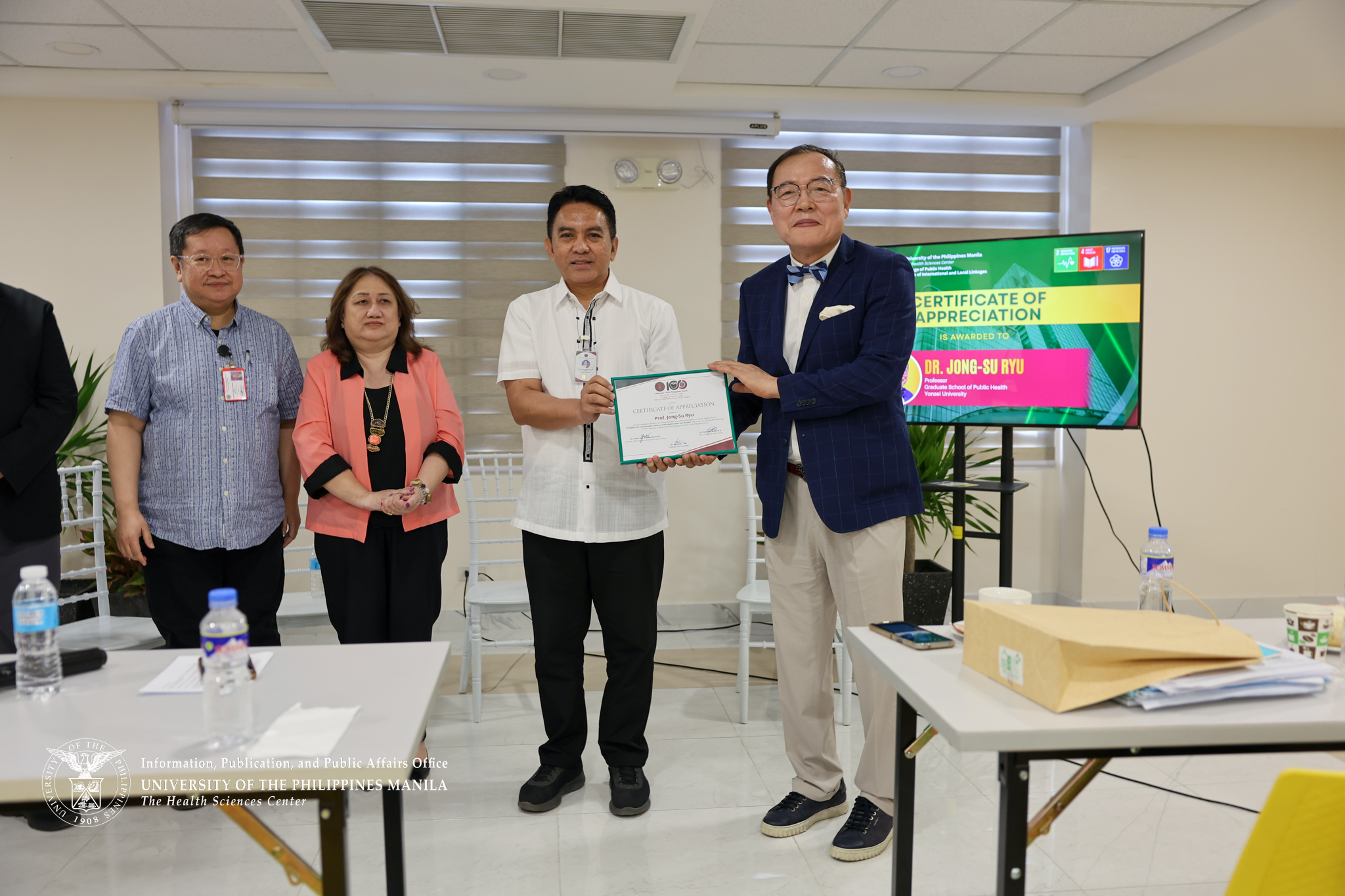
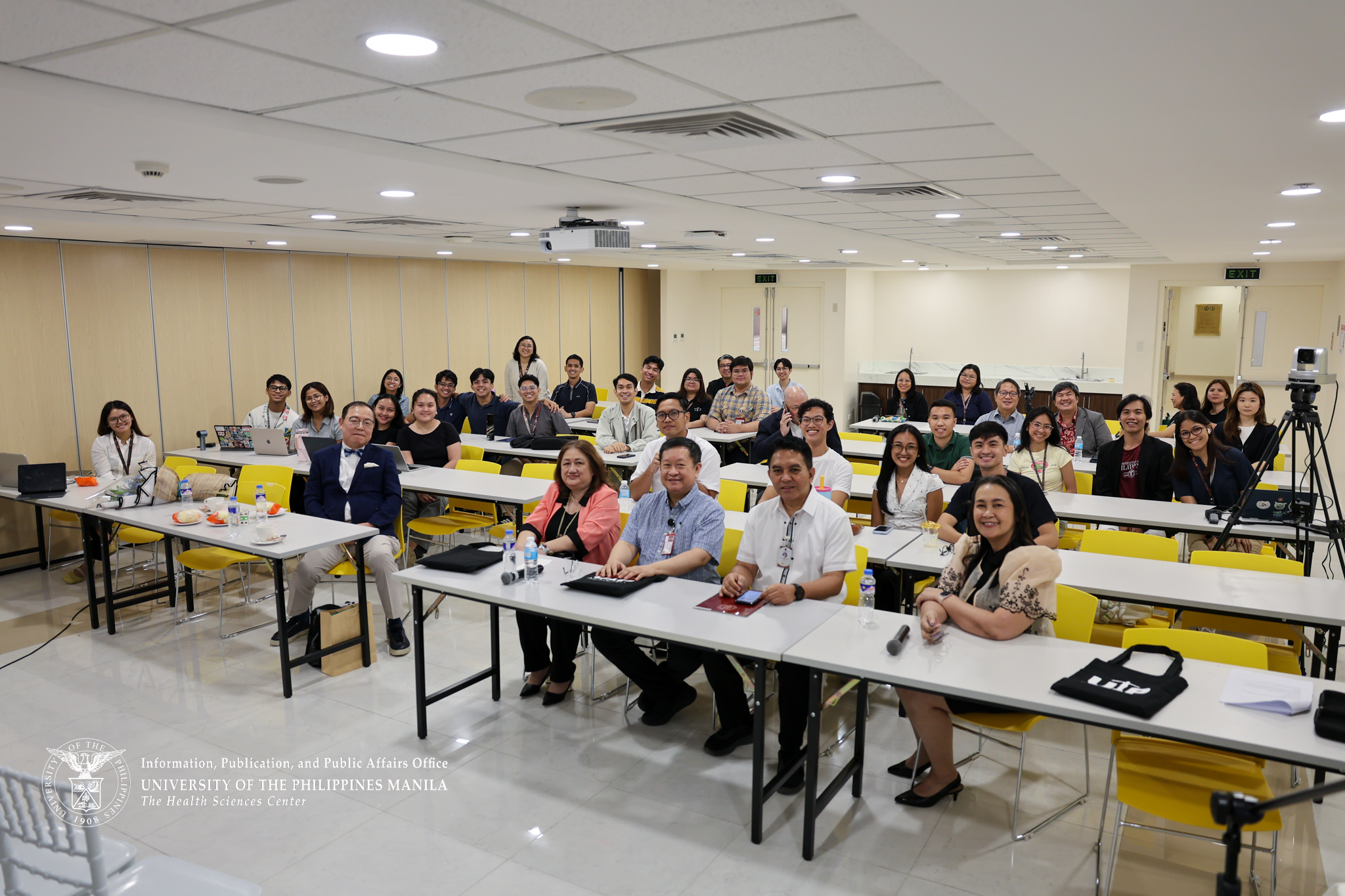
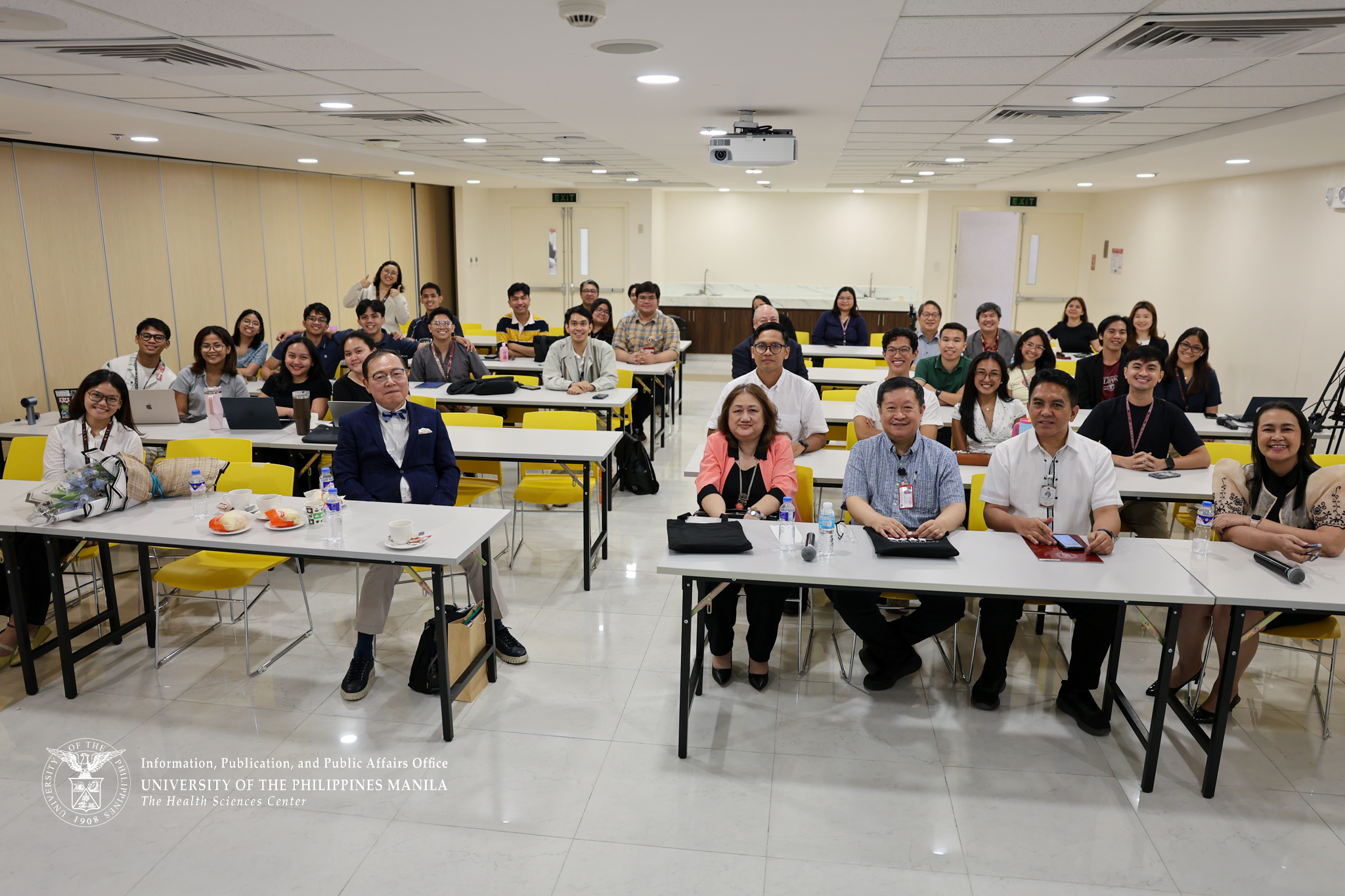
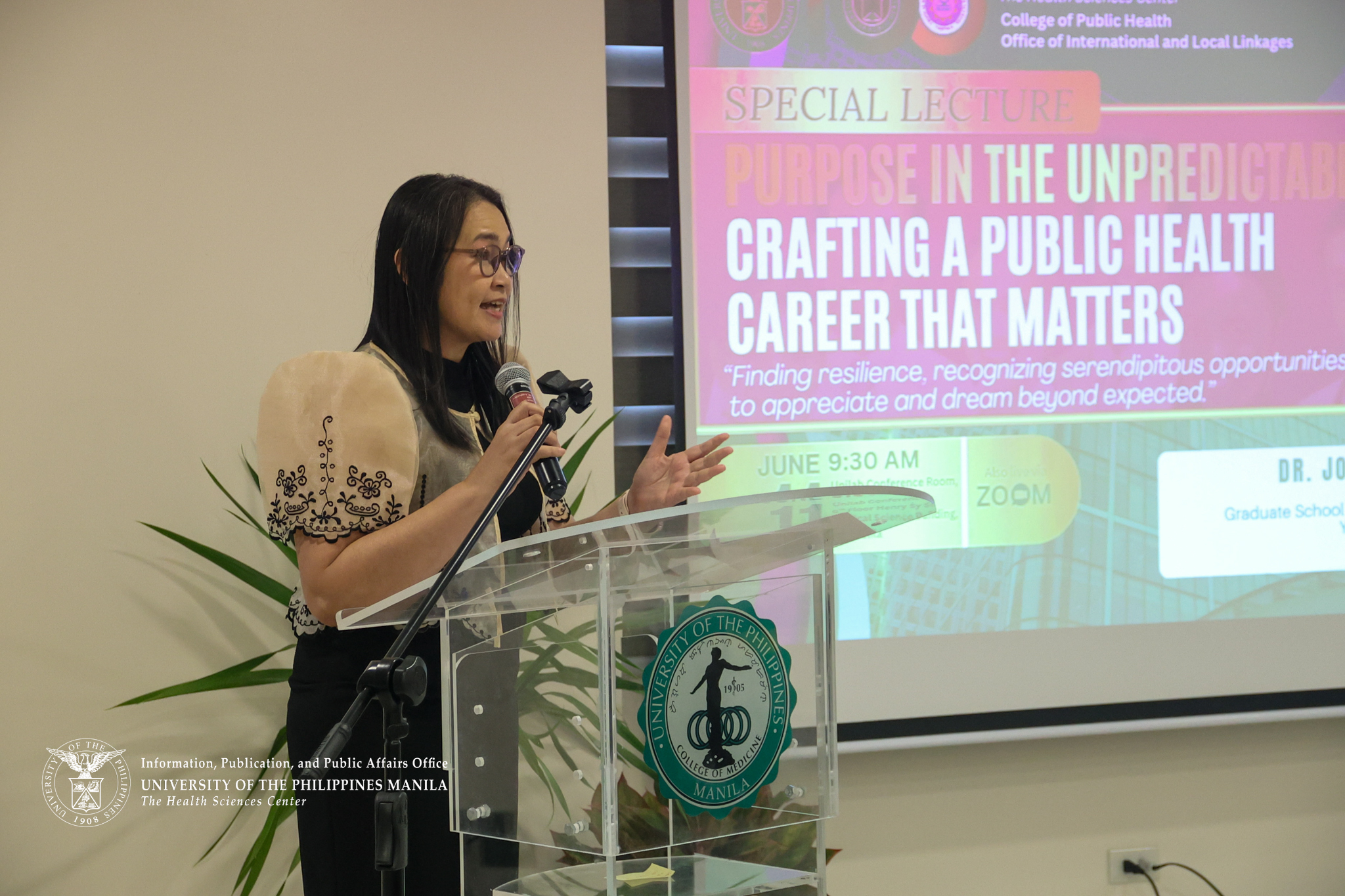
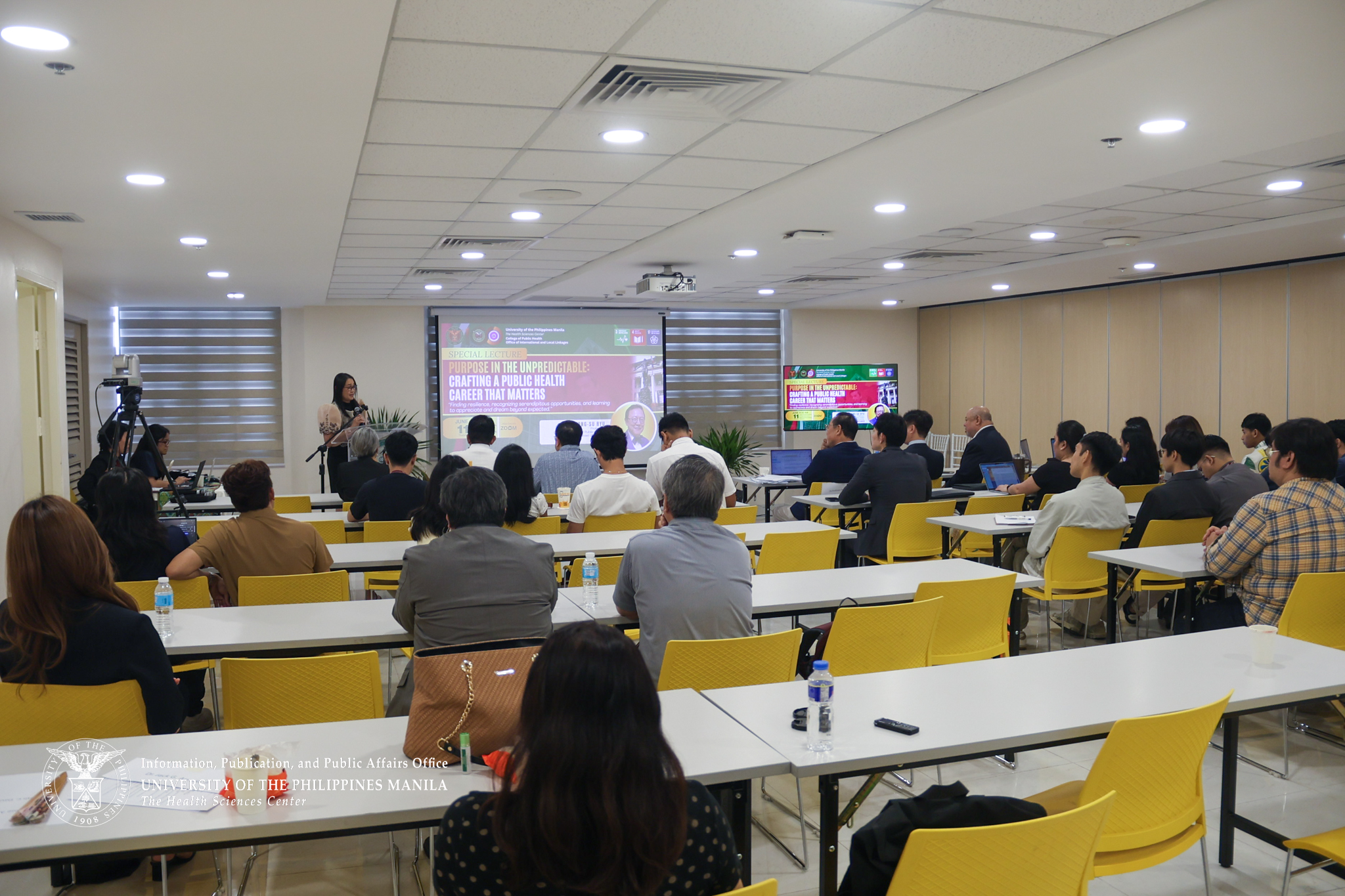
The University of the Philippines Manila Office of International and Local Linkages (OILL) and the College of Public Health (CPH) gathered students, faculty, health professionals, and partners from government, private and international institutions on June 11, 2026, for a special lecture titled “Purpose in the Unpredictable: Crafting a Public Health Career That Matters,” featuring global health expert Professor Jong-Su Ryu of Yonsei University, Republic of Korea.
Held at the Unilab Hall of the Henry Sy Sr. Medical Sciences Building and attended by more than a thousand participants onsite and online, the event discussed the importance of purpose, resilience, leadership, and adaptability in shaping meaningful careers in public health amid an increasingly complex and unpredictable global health landscape.
Lessons from a Global Career
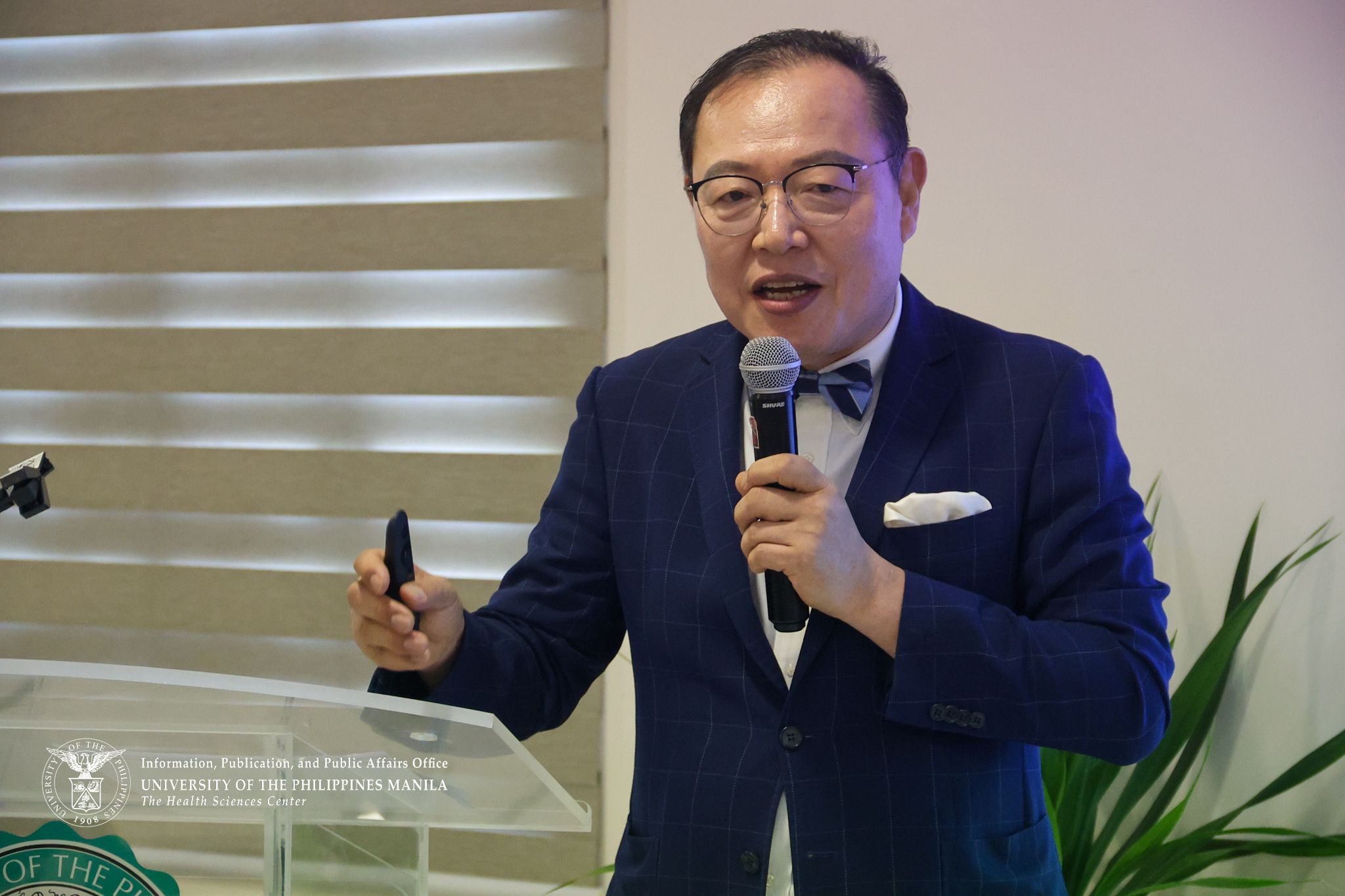
The focus of the program was the lecture delivered by Professor Jong-Su Ryu, an internationally recognized health systems expert who has worked with governments, international organizations, and health institutions across multiple countries.
Framing his lecture as a conversation rather than a formal presentation, Prof. Ryu shared personal experiences from decades of work in global health, health systems development, and health financing. Drawing from his engagements in different countries, he highlighted how transformative public health careers are often shaped by service, openness to opportunities, and a willingness to navigate uncertainty.
He discussed the critical role of strong primary health care systems in achieving better health outcomes and advancing universal health care. He shared lessons from health sector reforms in countries such as South Korea and Bahrain, emphasizing how investments in primary care, efficient financing mechanisms, digital health technologies, and coordinated service delivery can improve access to quality health services. According to him, health systems must be designed not only to treat illness but also to prevent disease, promote health, and respond effectively to the changing needs of communities.
Prof. Ryu praised the intellectual strength of the UP Manila community and its contributions to public health leadership in the Philippines. He underscored the role of education in shaping national capacity, noting that the country’s “brain power, thoughts, and strategies all come from education.” In his view, UP continues to play a leading role in national development, helping move the Philippines forward through ideas, innovation, and leadership.
He also emphasized that health financing is a key factor in building a functioning health system, citing Korea as an example where providers are reimbursed within two weeks. In contrast, he noted that delayed reimbursements in many countries place significant strain on health facilities, sometimes forcing hospitals to limit services because of the administrative costs involved. While often overlooked, he stressed that financing is fundamental to sustaining effective health systems and ensuring providers are compensated efficiently.
Navigating Uncertainty Through Purpose
Prof. Ryu shared a personal example of navigating uncertainty. He recalled that a multi-million-dollar digital national health insurance project intended for cross-country replication was abruptly halted after all international projects were cancelled following an election. Caught in traffic on the way to the airport and unsure of his next steps, he noticed a sign that read, “Worry less. Pray more.” After reflecting on the message again in Seoul, he reframed the setback as a shared public mission rather than a personal ambition. That shift led him to re-engage collaborators, seek alternative funding, and redesign the project into modular components, eventually allowing the work to move forward despite the crisis.
Prof. Ryu emphasized that our public health professionals can rise to meet, and ultimately prevail over, a world that grows more politically unpredictable by the day by embodying resilient, value-driven leadership that turns every crisis into an engine for positive change.
“When we cultivate inner resilience, we stay steady, think clearly, and strengthen our capacity to act decisively for those who depend on us most. When you pair this resilience with grace under pressure, we move beyond the status quo and become true agents of change management—identifying emerging risks early, mobilizing teams quickly, and translating uncertainty into better systems, stronger policies, and improved access to care,” he said. “In this way, healthcare professionals do not merely respond to disruption; every transformation in our health system is shaped intentionally for the benefit of our patients, our communities, and public health itself.”
Digitalization, Transparency, and Universal Health Care
Prof. Ryu emphasized that achieving universal health coverage (UHC) requires attention not only to treatment but also to accessibility, equity, quality, sustainability, affordability, prevention, and rehabilitation. He noted that while Korea’s health system has traditionally focused on treatment, greater investment in prevention remains necessary.
He likewise underscored the importance of digitalization in helping health systems respond to rising costs, supply chain disruptions, emerging diseases, and rapidly evolving public health challenges through efficient information sharing and streamlined processes. Finally, he stressed that transparency and accountability are fundamental to healthcare financing and national health insurance, explaining that digitalized systems help safeguard records and financial transactions from manipulation while supporting scalability and long-term sustainability.
Purpose, Resilience, and Global Collaboration
Prof. Ryu emphasized the importance of teamwork, collaboration, and maintaining a global perspective in public health. He encouraged participants to build networks, engage with international developments, and look beyond their own countries to better understand global trends and opportunities. He also highlighted the need for a clear sense of purpose, strong values, and resilience, urging professionals to regularly reflect on their goals, stay informed about emerging technologies and innovations, and cultivate collaborative circles that foster continuous learning and growth.
Public Health Careers are Rarely Linear
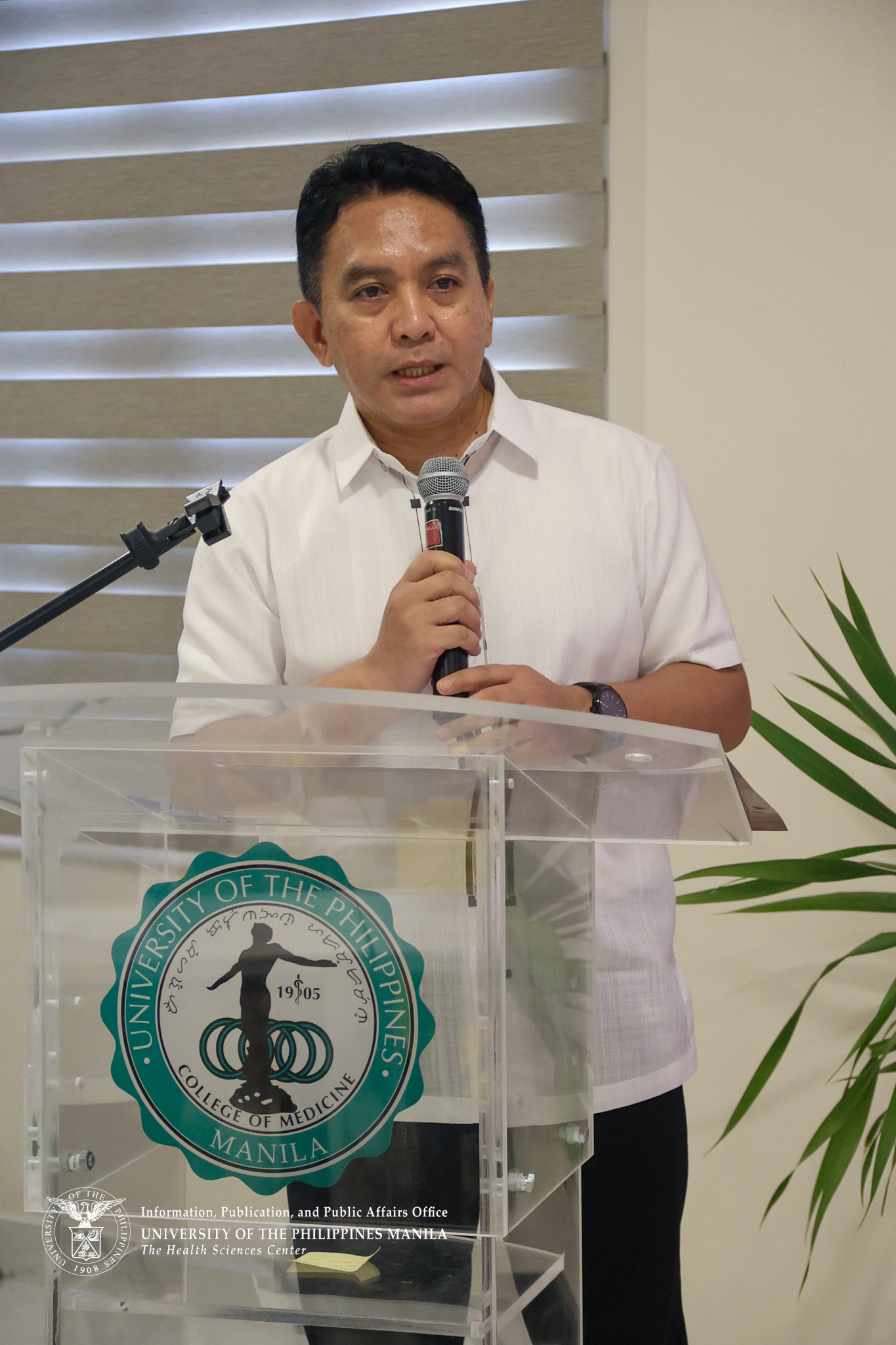
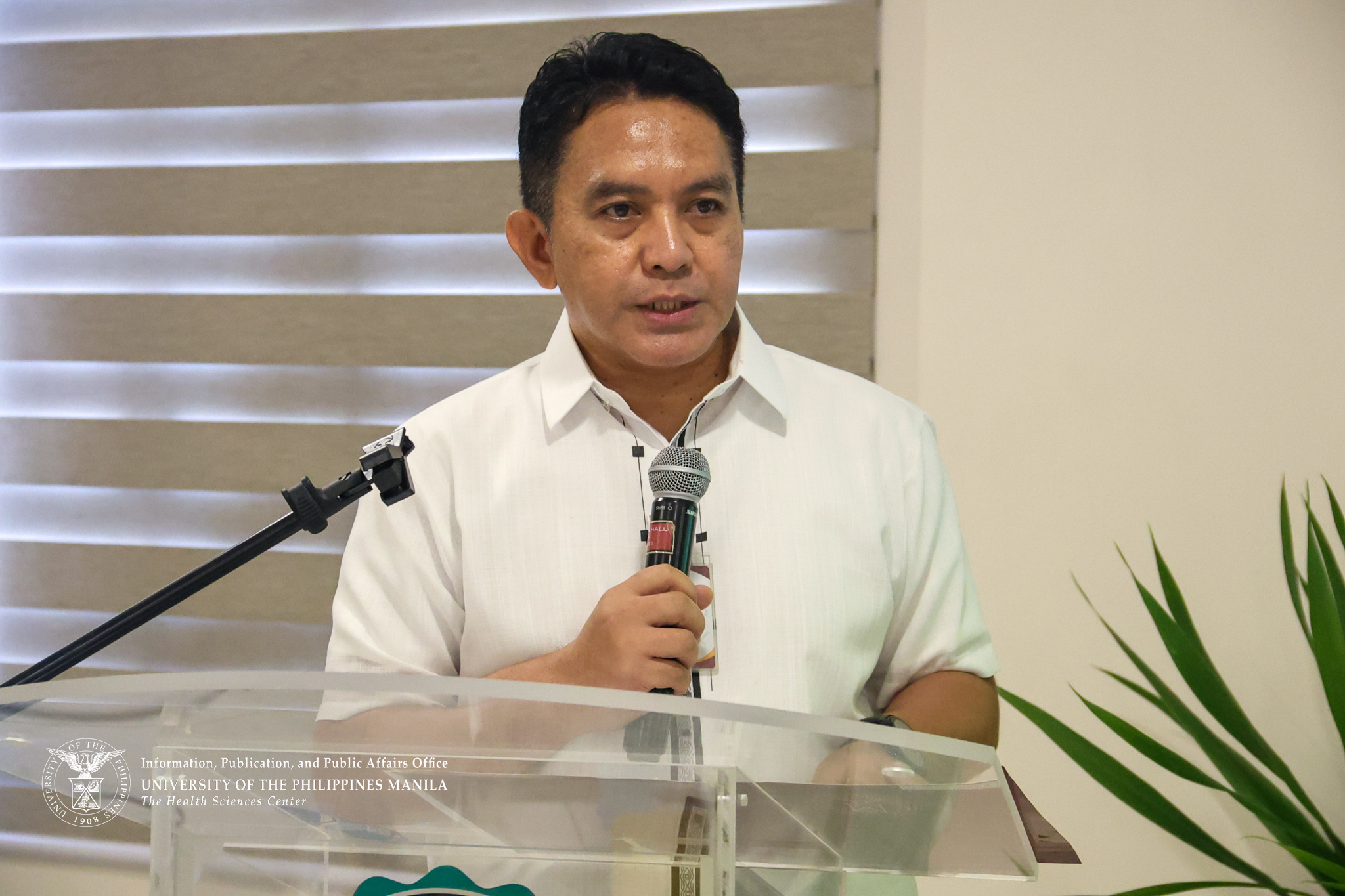
CPH Dean Dr. Fernando B. Garcia Jr. reflected on his own professional journey and how unexpected opportunities often shape careers more than carefully laid plans. The dean shared that he never imagined becoming the dean of the College of Public Health, collaborating with international organizations, and leading various administrative and academic initiatives. He recalled how many of the opportunities that proved most meaningful emerged from unexpected conversations, setbacks, and challenges that pushed him in new directions. By remaining open to uncertainty and saying yes to opportunities that initially seemed daunting, he found himself on a path he had never envisioned.
Dean Garcia emphasized that uncertainty is inherent in public health work.
“Public health itself is a field built on unpredictability. We work with disasters, emerging diseases, health inequities, and rapidly changing social conditions. We constantly face situations where there is no perfect roadmap at all. What carries us through is not merely technical expertise, but purpose, resilience, curiosity, and commitment to serving others,” he said.
He also underscored the value of international collaboration, noting that public health challenges transcend national boundaries and require collective action and shared learning among countries and institutions.
Shared Experiences
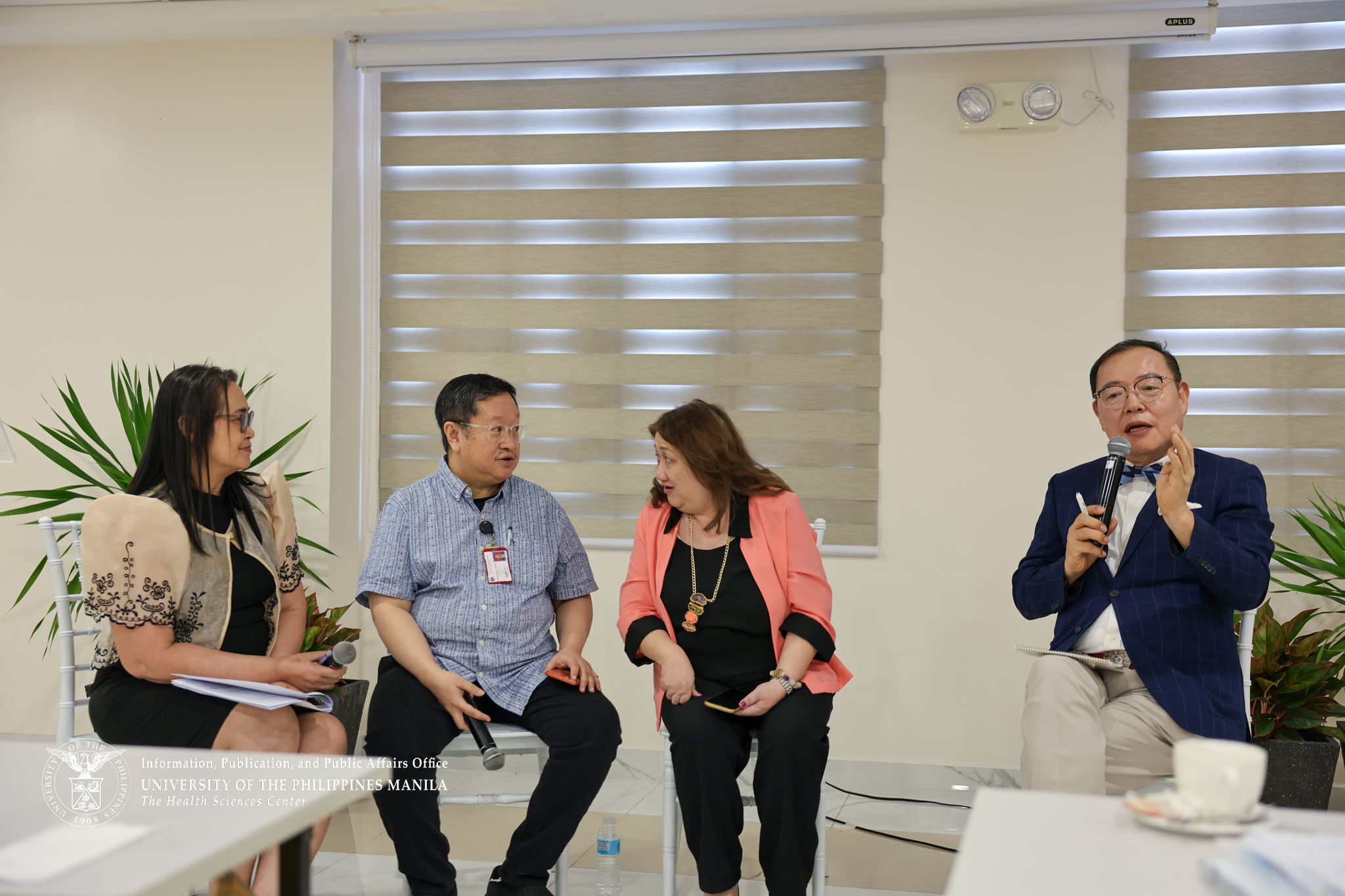
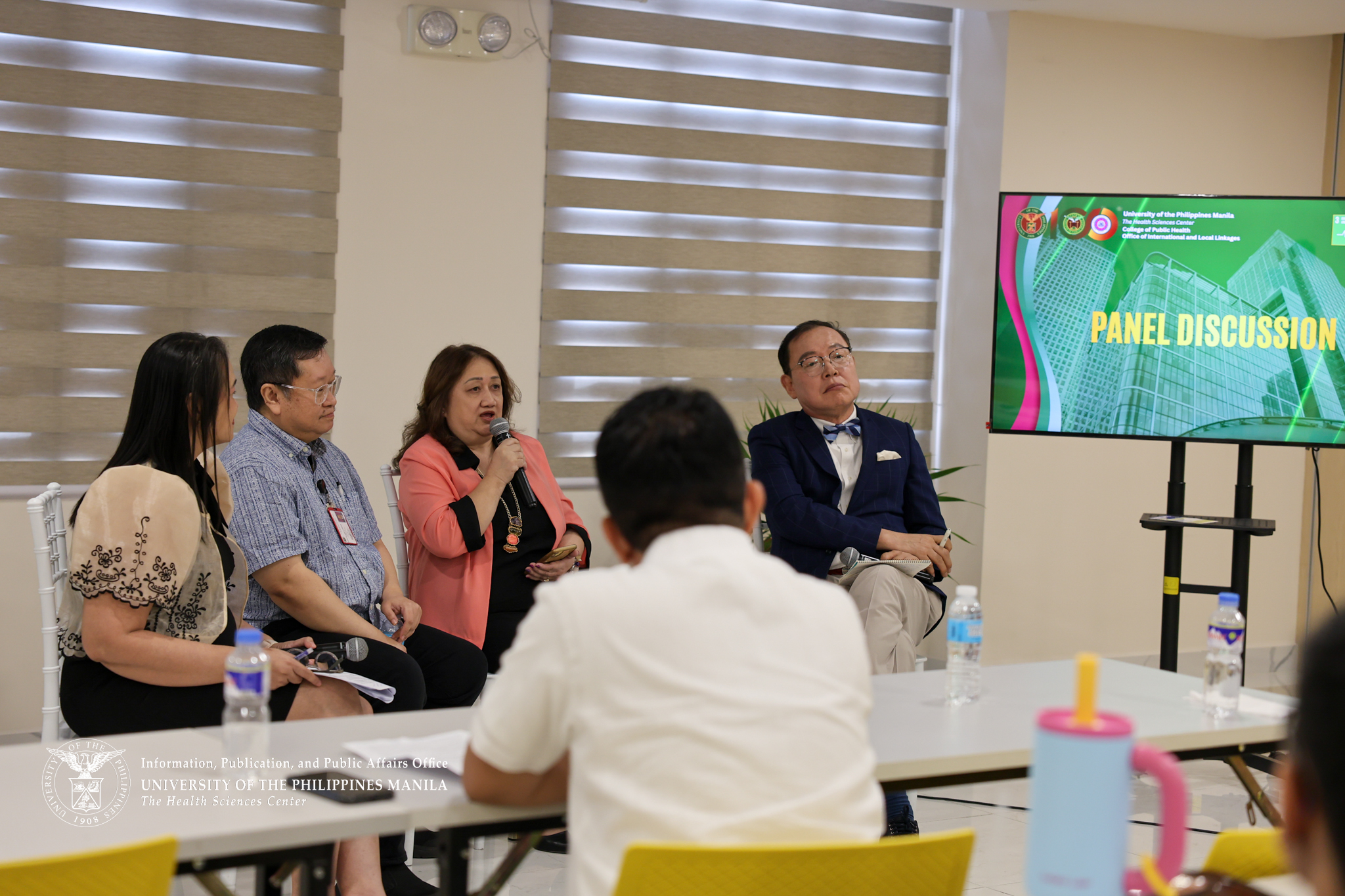
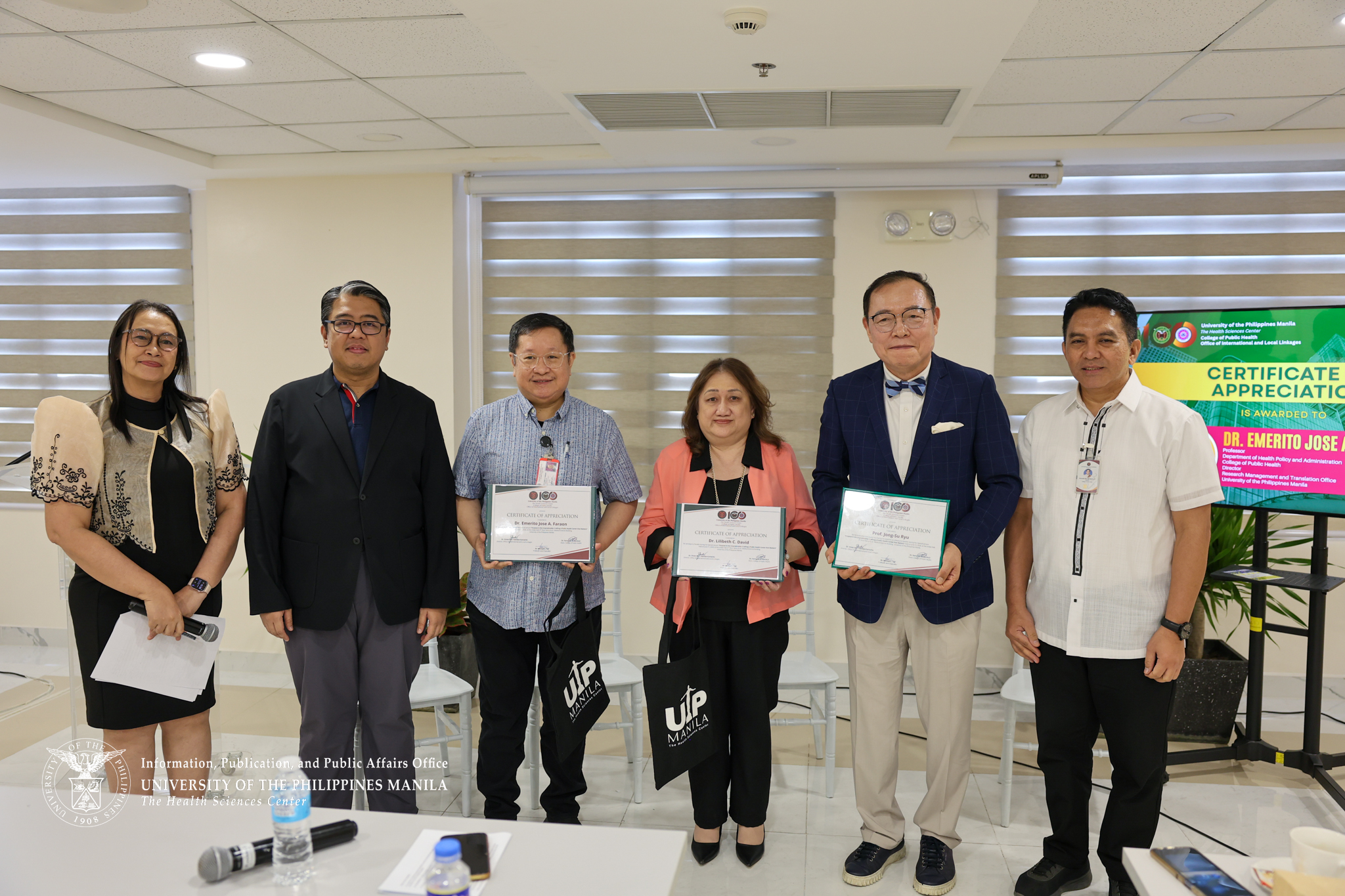
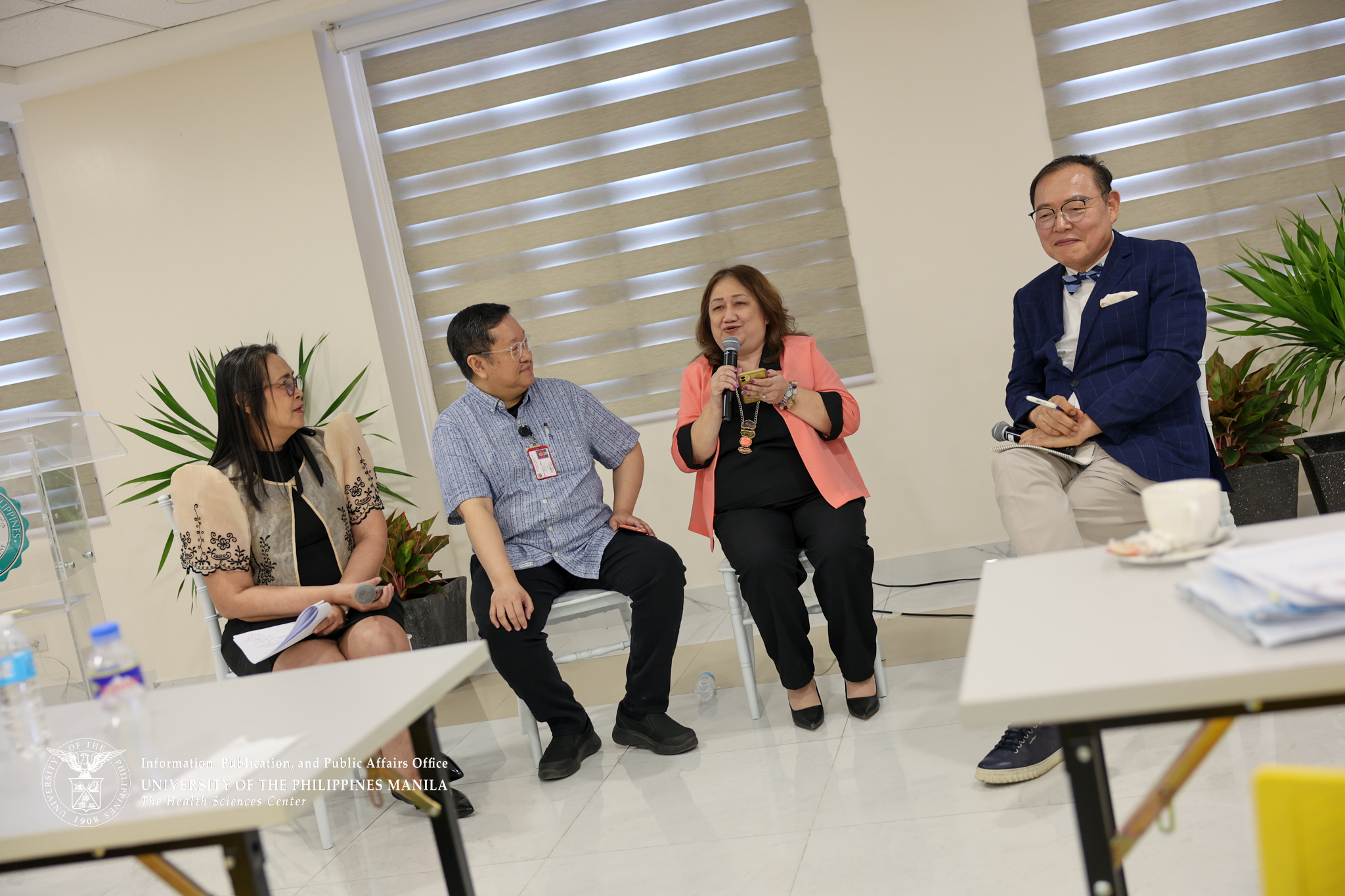
The panel discussion that followed the lecture provided participants with valuable insights on navigating meaningful and impactful careers in public health amid an ever-changing global landscape. Featuring distinguished panelists Dr. Emerito Jose A. Faraon, Professor of the Department of Health Policy and Administration of the College of Public Health and Director of the Research Management and Translation Office, and Dr. Lilibeth C. David, former Department of Health Undersecretary, the session enriched Professor Jong-Su Ryu’s reflections through their own experiences in academia, research, leadership, and public service. The discussion highlighted the importance of resilience, adaptability, lifelong learning, and a strong sense of purpose in shaping careers that contribute to advancing public health and improving population well-being.
Inspiring the Next Generation of Public Health Leaders
During the open forum, students, faculty members, and health professionals engaged Prof. Ryu in a wide-ranging discussion on leadership, career development, health systems reform, and the future of public health in an increasingly interconnected world. In responding to questions, he returned repeatedly to the themes of purpose, adaptability, and lifelong learning, encouraging participants to remain open to unexpected opportunities while staying grounded in their commitment to service.
The exchange reinforced the lecture’s central message: that while public health professionals may not always be able to predict the paths their careers will take, a clear sense of purpose, resilience in the face of challenges, and a willingness to collaborate can help them navigate uncertainty and create meaningful impact in the communities they serve.
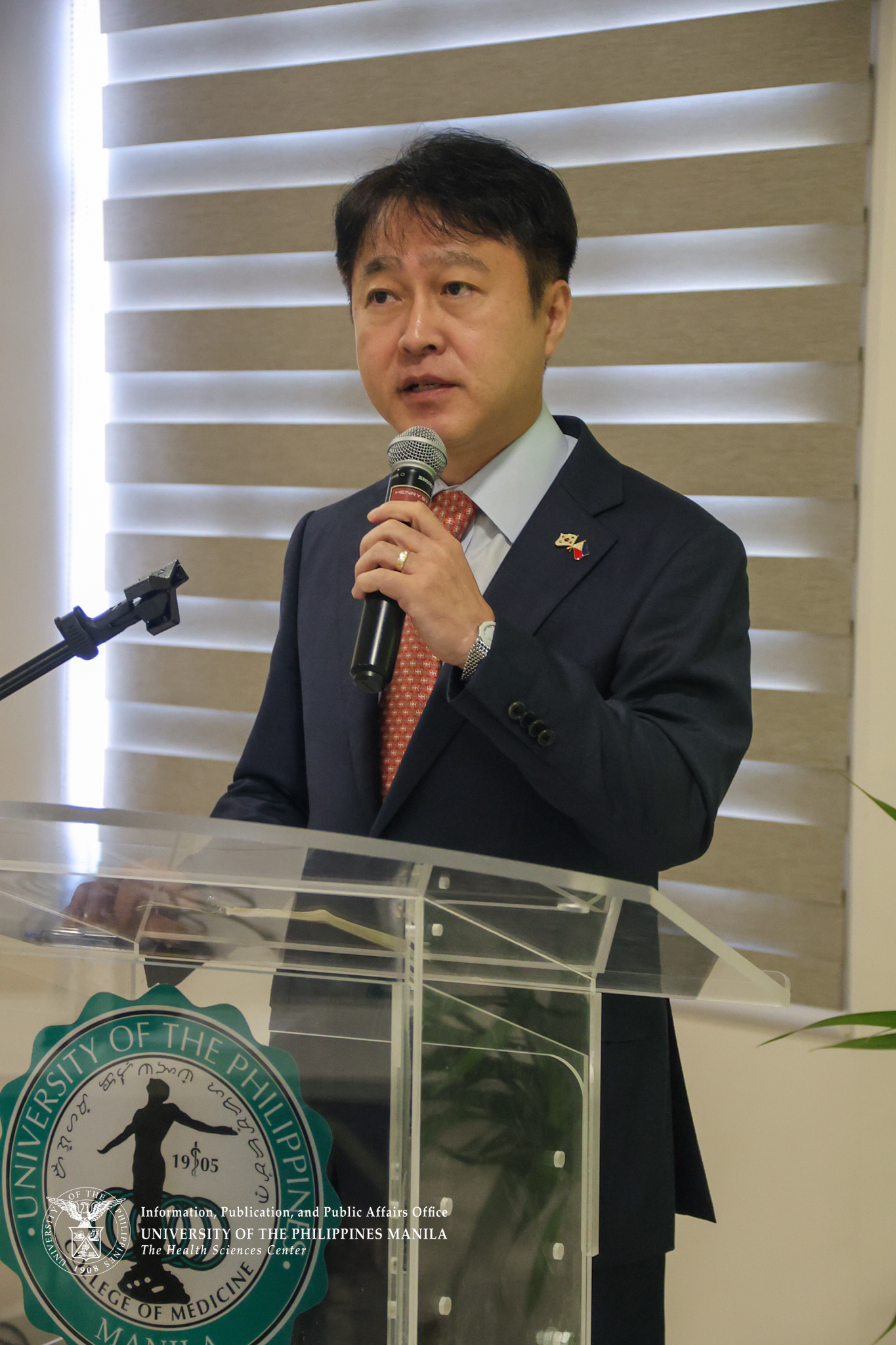
The event was graced by His Excellency Ambassador Lee Sang-hwa of the Republic of Korea, UP Manila officials, representatives from the Department of Health, public health practitioners, students, and development partners.
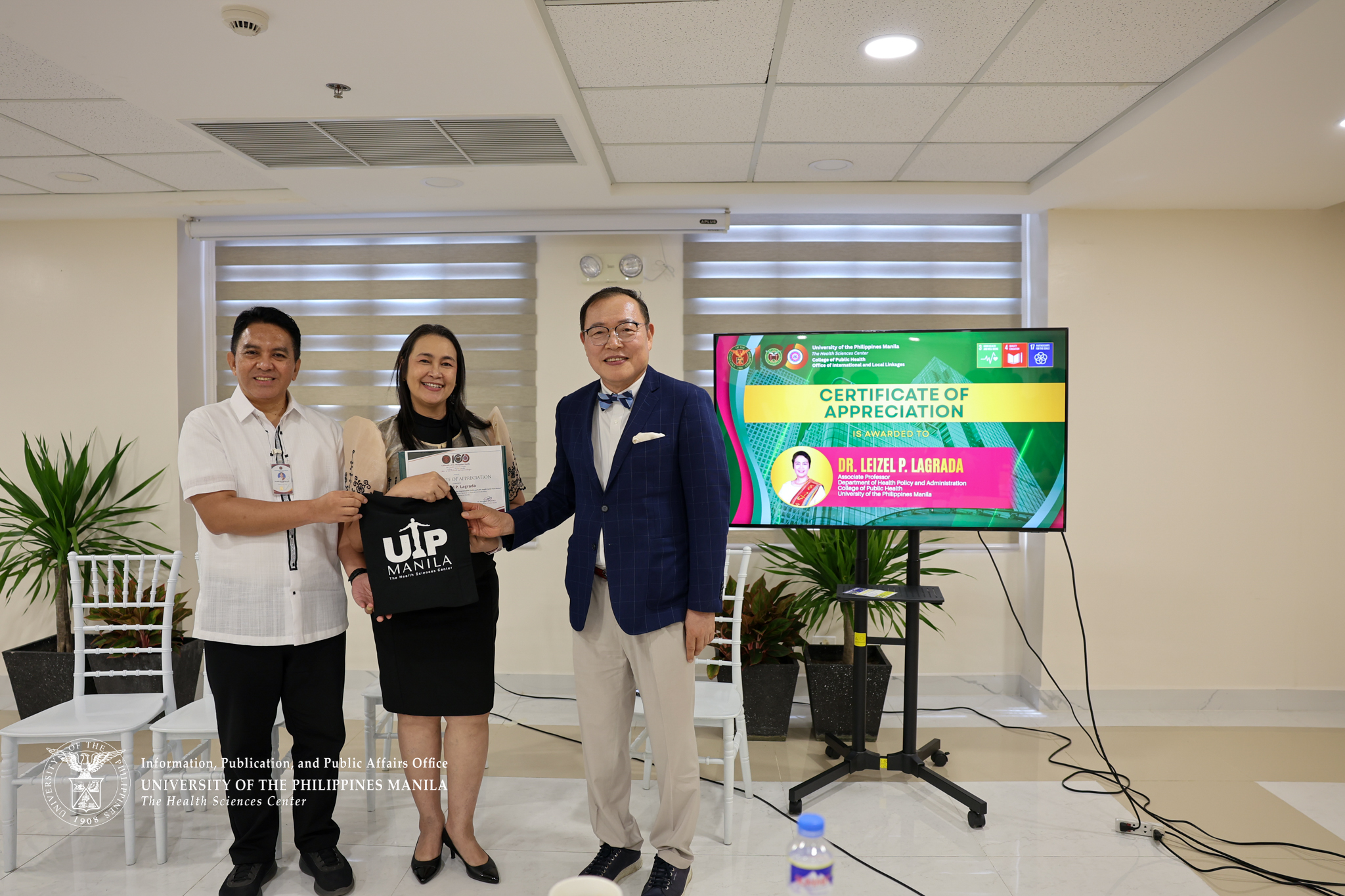
The open forum was moderated by Dr. Liezel P. Lagrada, associate professor of the Department of Health Policy and Administration, College of Public Health.
The event was attended by Former NIH Executive Director, Dr. Eva Maria Cutiongco-De La Paz, and National Scientist Dr. Carmencita D. Padilla. Present in the audience were representatives from the public and private partner organizations of the NCBB, such as the US Embassy, Department of Health, Department of Agriculture, Food and Agriculture Organization of the United Nations, and the US Defense Threat Reduction Agency, among others.
READ MORE:
#FP1 #AccessibleUPLeadership