

Text by: Charmaine A. Lingdas
Photos courtesy of the UP College of Nursing
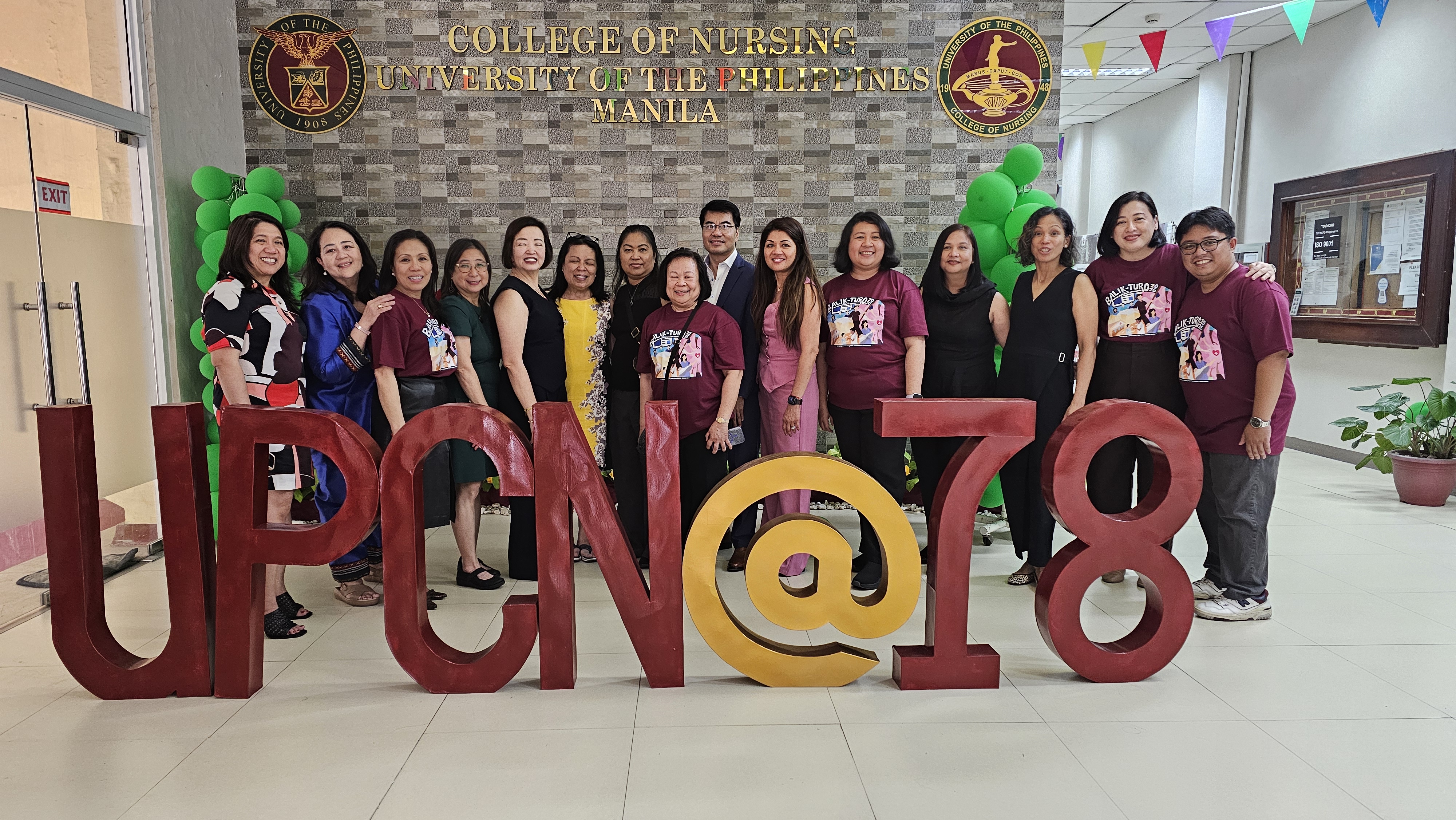
More than a homecoming, the 2026 Balik Turo program of the University of the Philippines College of Nursing (UPCN) became a powerful exchange of life lessons, purpose, and professional wisdom, lessons learned beyond textbooks and the classroom, as alumni returned to guide the next generation of Filipino nurses.
Held as part of the College of Nursing’s 78th Foundation Week, Balik-Turo 2026 gathered nursing alumni from across clinical practice, education, research, and industry to share not only their expertise but the values and lived experiences that shaped their careers. This year’s program was delivered by distinguished speakers and panelists from UPCN Class 1991, whose decades of experience enriched discussions with both global perspectives and deeply personal insights. Anchored on the theme Nursing Leadership for Nation Building, the program framed conversations around purpose-driven practice, collaboration, and lifelong growth.
“Balik-Turo is a meaningful expression of leadership through service,” said Prof. Jenniffer Paguio, emphasizing how alumni continue to give back by mentoring future nurses and sharing global perspectives grounded in Filipino values.
Nursing Beyond the Clinical Lens
While sessions touched on technical areas such as lifestyle medicine and interprofessional collaboration, the most resonant messages centered on what it means to be a nurse beyond clinical competence.
Geraldine Kidary, a board-certified Family Nurse Practitioner and autonomous Advanced Practice Registered Nurse in Florida, opened the discussions by reframing health as a holistic, culturally grounded practice. Her lecture reinforced a key principle: that nursing is not only about treating disease, but about empowering people within their lived realities. Cultural sensitivity, prevention, and patient-centered care were presented as essential competencies for future nurses navigating complex health systems.
Elizabeth de Leon-Gamboa, a nurse leader and healthcare quality practitioner, emphasized that interprofessional collaboration is not just a clinical requirement but a life skill that shapes how nurses lead, communicate, and advocate. Drawing from her experience across healthcare systems, she highlighted that effective teamwork, built on respect, clear communication, and shared responsibility, directly impacts patient outcomes while also reducing burnout among healthcare workers. More than coordinating care, she underscored that nurses serve as the constant link within the team, bridging gaps, ensuring continuity, and speaking up when it matters most.
Careers Are Built, Not Planned
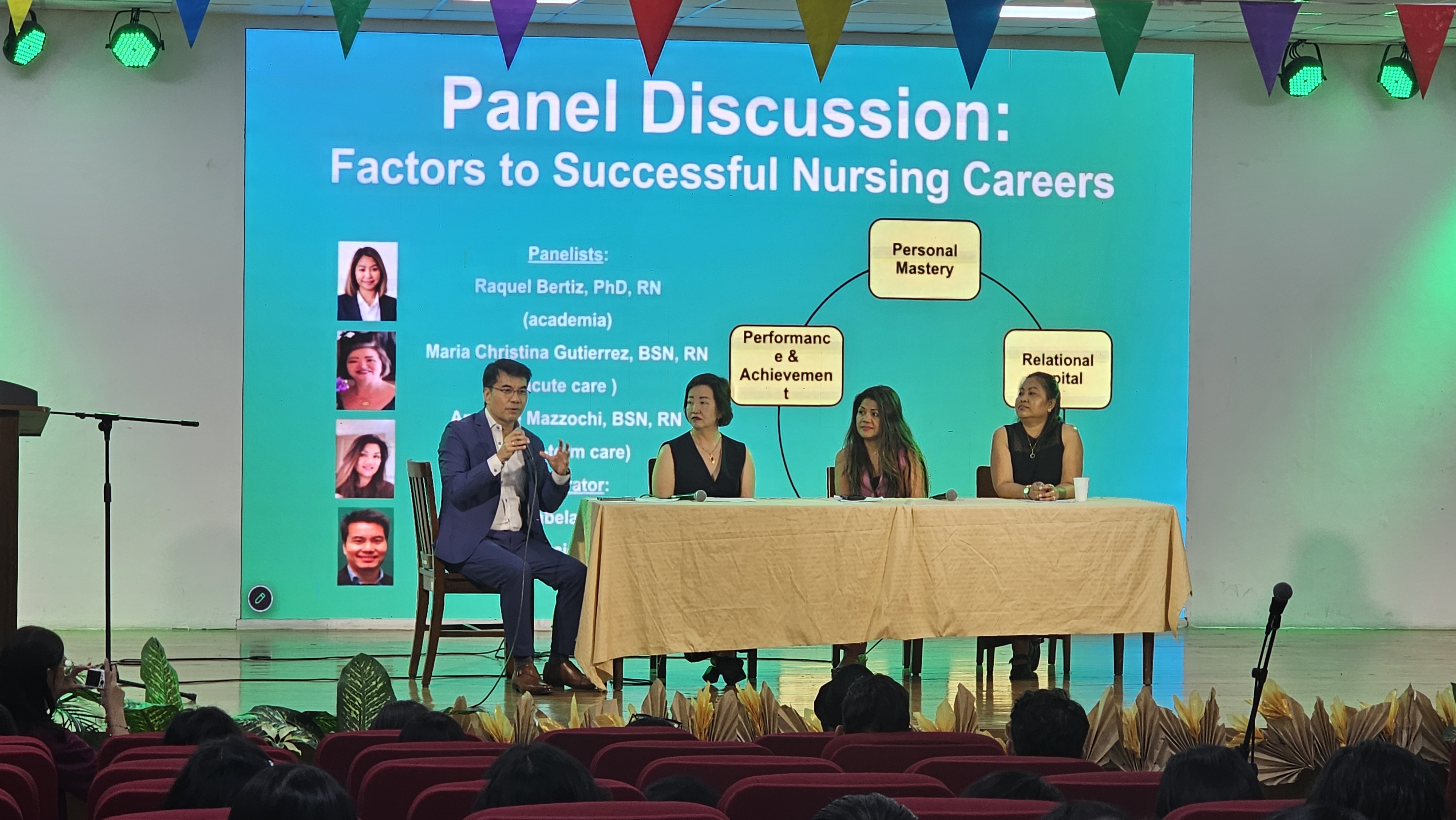
A panel discussion titled “Evidence-Based Factors to Successful Nursing Careers: Insights from Leaders in Clinical Practice, Education, and Life Sciences” featured alumni speakers Raquel Bertiz representing the academe, Anabelle Mazzochi from the industry, and Ma. Christina Ycaza-Gutierrez from the hospital setting, while Ramil Cabela, representing the pharmaceutical sector, served as the panel moderator. Together, they shared grounded insights on navigating diverse career paths, building professional credibility, and sustaining growth across different sectors of nursing.
A recurring theme among alumni was the non-linear nature of their careers. Many admitted that they did not begin with a clear roadmap, but instead navigated opportunities as they came, often shaped by circumstance, migration, or unexpected challenges. From working in unfamiliar healthcare systems abroad to transitioning across specialties and industries, their stories underscored adaptability as a defining trait of successful nurses.
The unpredictability of nursing careers emerged as a shared experience among the alumni, with Ycaza-Gutierrez reflecting that her journey was never carefully planned but instead shaped by the opportunities and challenges she encountered along the way. Each step, though uncertain at the time, ultimately contributed to her growth. Others echoed this perspective, underscoring the value of openness—embracing discomfort, taking risks, and allowing themselves the time to adjust and evolve in new roles. Taken together, their insights reframed success not as a fixed or linear path, but as an ongoing process of learning, adaptation, and resilience.
Education and Intentional Growth
While chance and opportunity played a role, alumni were clear that growth also requires intention, particularly in pursuing further education and professional development. Speakers from academia and leadership positions highlighted how advanced studies opened doors in competitive fields, especially in global settings. More importantly, they emphasized that education should be aligned with one’s long-term goals. Intentionality, they noted, allows nurses to move from simply responding to opportunities to actively shaping their careers.
“Every experience in your life will get you somewhere. But there is also value in being strategic and knowing where you want to go and preparing intentionally for that,” said Bertiz.
At the same time, students were reminded that education is not limited to formal degrees. Learning happens in every patient interaction, workplace challenge, and professional collaboration—making continuous self-improvement a cornerstone of the profession.
The Value of Relationships and Mentorship
Beyond individual achievement, alumni underscored the importance of relationships in building sustainable and meaningful careers.
Networking, collaboration, and mentorship were repeatedly cited as critical factors in career advancement. In healthcare, where teamwork is essential, one’s ability to communicate, build trust, and work across disciplines directly impacts both patient outcomes and professional growth.
“Whatever relationships you build, make sure you are known for the right reasons. Healthcare is a small world, so be careful—people talk. If you apply for another job, even in another state, someone may know someone who knows you. So be known for the right reasons,” Mazzochi advised, highlighting the lasting impact of professional reputation.
She added, “Don’t build relationships only thinking, ‘What can that person offer me?’ You also have to offer something yourself. Building a supportive network will help you not just in good times but especially in difficult times. Interpersonal relationships and collaboration are very important.”
Bertiz emphasized that joining alumni associations and professional organizations is a very important form of relational capital.
“I am where I am now because I belong to many organizations, and I get to know people professionally. That’s how opportunities come, and people can speak for you,” she said.
Mentorship, in particular, was described as transformative. Alumni shared how mentors guided them through difficult transitions, opened opportunities, and helped them navigate complex systems, especially in international settings. Equally important, they encouraged students to eventually take on mentoring roles themselves, reinforcing a culture of support within the profession.
“Beyond a mentor, if you are lucky enough to have one, that is great—but what helps even more is a sponsor. A sponsor is not just a mentor; it is someone who can help you move up the ranks because they are in a position to speak for you,” added Cabela.
The alumni emphasized that workplace environments shape early careers. Supportive institutions, those that value continuing education, collaboration, and employee well-being, were identified as key to long-term success. At the same time, alignment between personal values and organizational mission was emphasized as a critical factor in sustaining motivation and preventing burnout.
Purpose, Fulfillment, and Staying Grounded
Perhaps the most powerful insights emerged from discussions on fulfillment and purpose.
The alumni spoke candidly about the realities of nursing—the long hours, emotional demands, and, at times, lack of recognition. Yet they consistently returned to the idea that meaning in nursing comes from impact rather than external validation.
“If you are here for the money, you will be miserable. If you think everyone will always be appreciative when you give care, then you are in the wrong profession. Nursing is a thankless job—it’s true. So, you have to do it for your own sense of worth, knowing that you are doing the right thing and that you are making a difference,”
Mazzochi said, reminding students that the profession demands a deeper sense of purpose. The greatest reward lies in making a difference in patients’ lives, whether through direct care or by contributing to systems that improve health outcomes.
A Legacy to Carry Forward
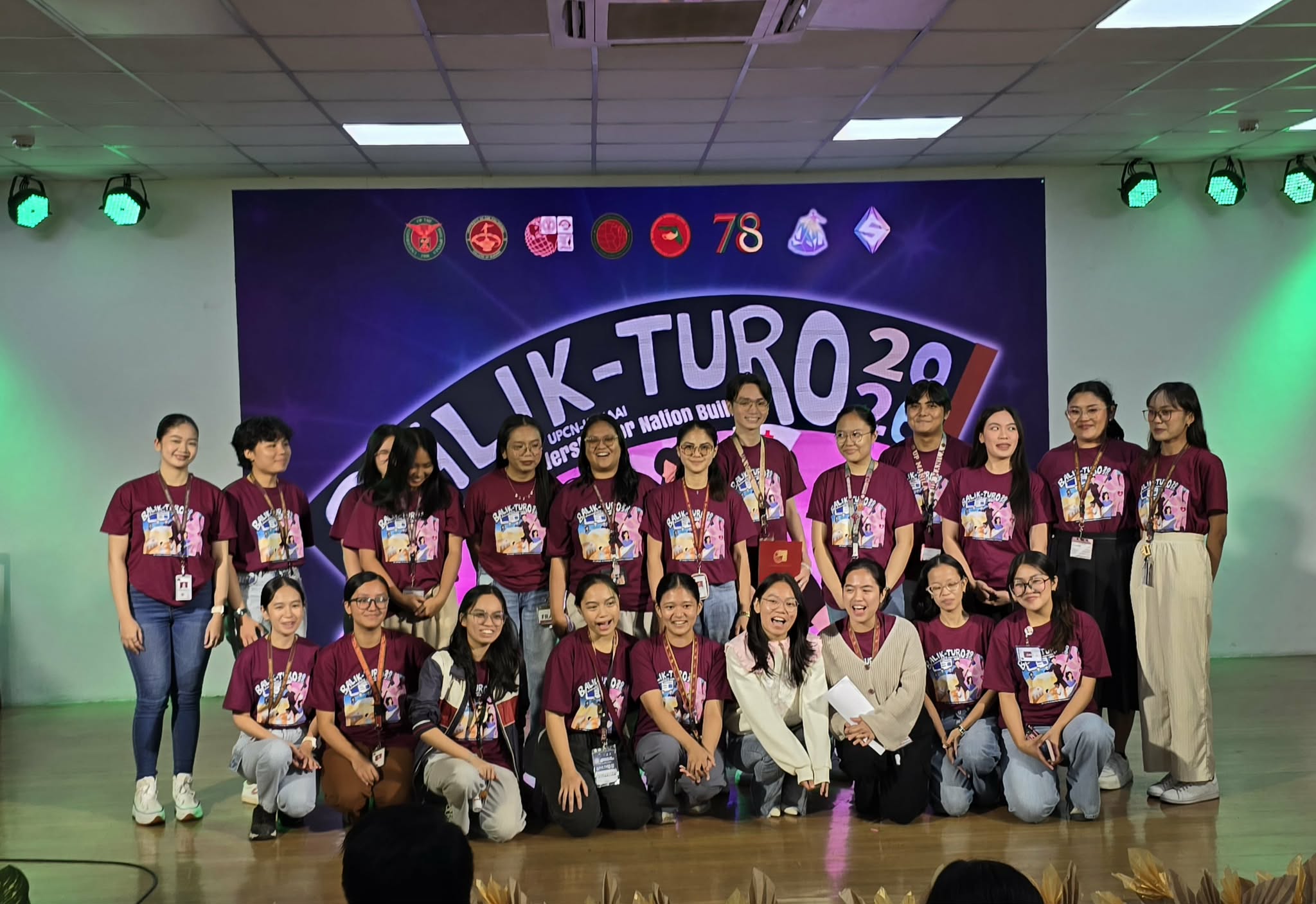
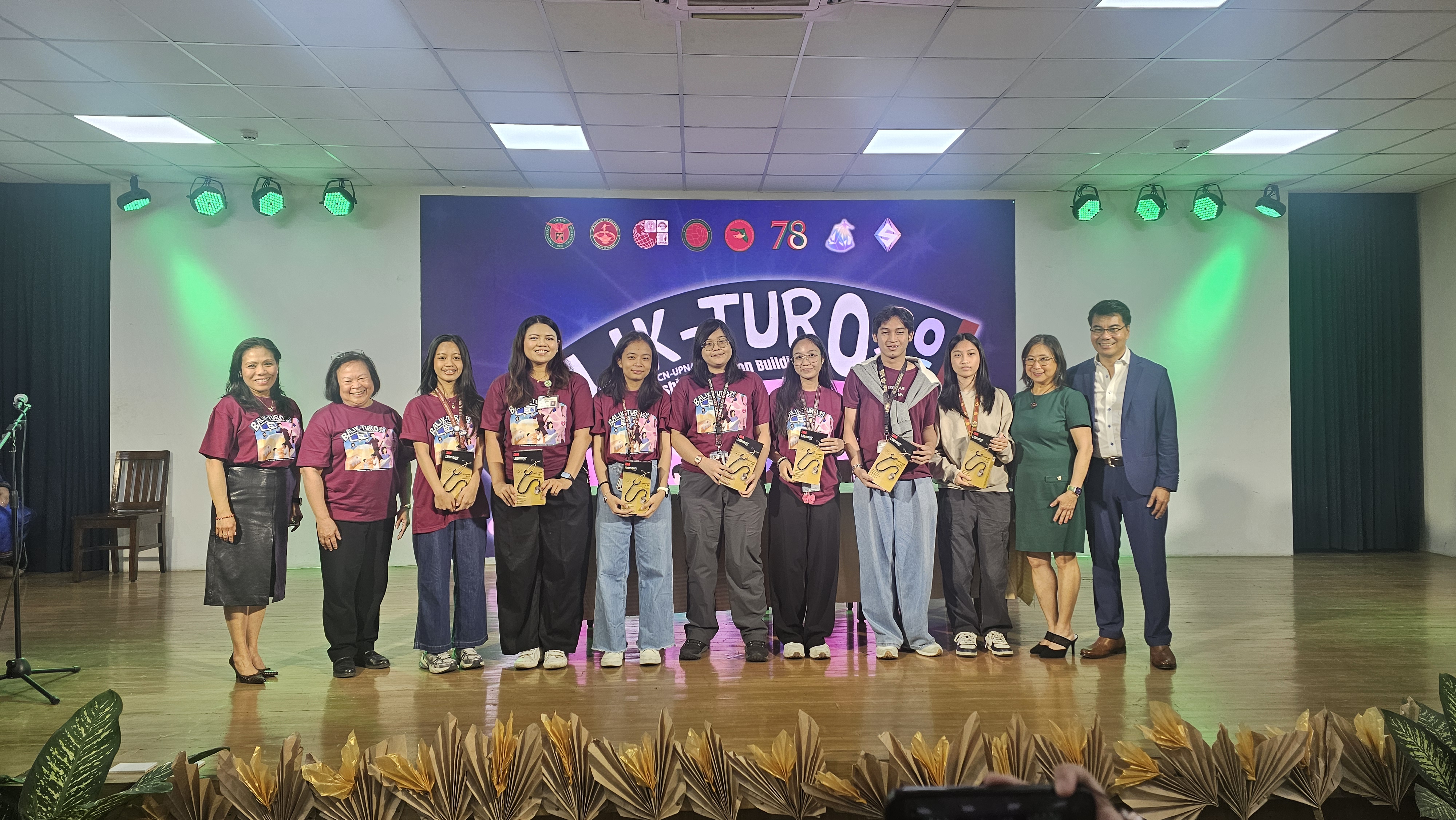
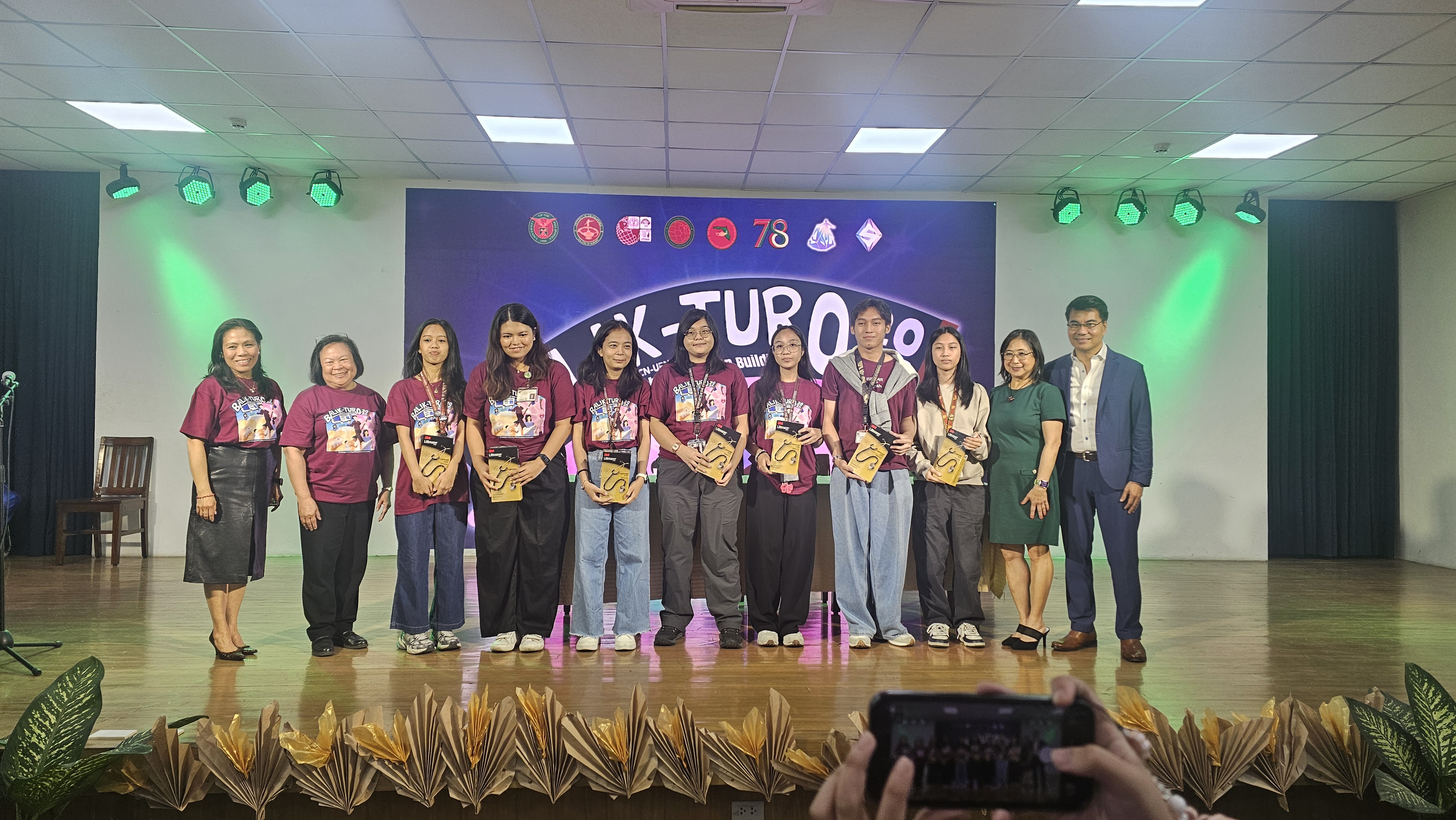
Balik-Turo 2026 concluded with the awarding of 32 scholarships and a message to students: success in nursing is not defined by titles or positions, but by the impact one makes and the values one upholds.
“Bloom where you are planted,” UPCN Alumni Association (UPCNAAI) President Lynette Faylon advised, encouraging students to make the most of every opportunity while striving for excellence.
In bringing together past and future nurses, Balik Turo affirmed UPCN’s enduring mission: to develop not only skilled practitioners but also compassionate leaders committed to serving the nation.


READ MORE: