


Text by: Charmaine A. Lingdas
Photo by: Sarah Hazel Moces Pulumbarit

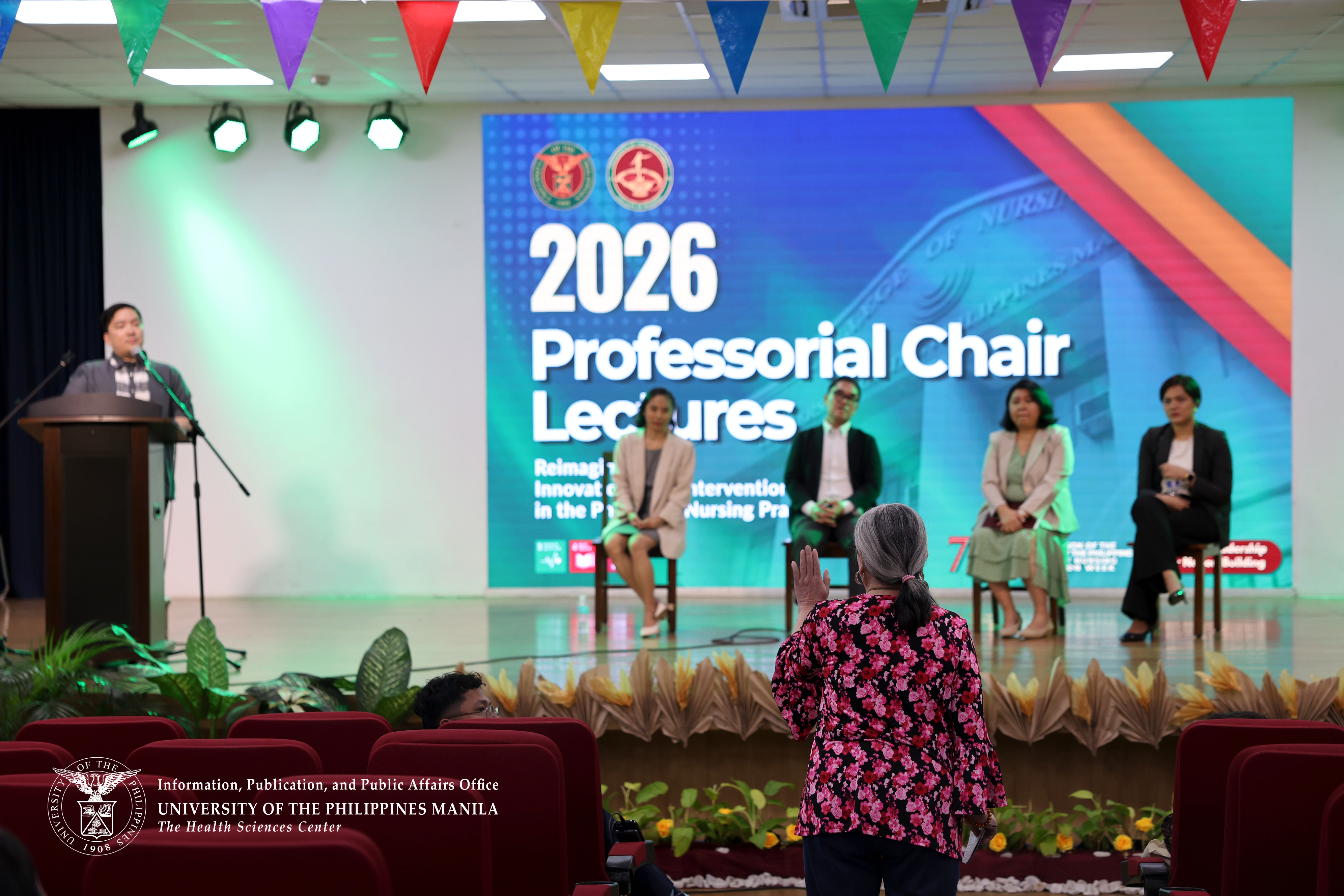
The University of the Philippines Manila College of Nursing (UPCN) emphasized the need for transformative, future-ready nursing education during its 2026 Professorial Chair Lectures, bringing together faculty scholars to present research-driven approaches that strengthen curriculum, clinical training, and student learning. Held as part of the College’s Foundation Week celebration, the lecture series underscored a shift from traditional, task-oriented instruction toward an integrated, competency-based, and patient-centered model of nursing education—preparing graduates to navigate increasingly complex healthcare environments.
Strengthening Nursing Education Through Curriculum Mapping
Assistant Professor Arnold D. Peralta highlighted the central role of curriculum mapping in ensuring the quality and coherence of nursing education, noting that curriculum design must go beyond content delivery to align program outcomes, teaching strategies, and assessment methods. In his Julita V. Sotejo Professorial Chair in Nursing Lecture, he explained that systematically mapping competencies across courses allows educators to track students’ development of the knowledge, skills, and attitudes expected of professional nurses. This approach supports evidence-based curriculum development while fostering continuous quality improvement and requires sustained, shared commitment among faculty to remain responsive to evolving healthcare needs and global standards.

“I’m calling on every faculty member of the College of Nursing to commit to curriculum mapping not as a one-time activity, but as a practice of continuous quality improvement. Let us analyze our curriculum honestly, fix what needs to be fixed, and demonstrate to ourselves—not just claim—that we are a quality school,” Asst. Prof. Peralta urged.
Bridging the Theory–Practice Gap Through Simulation-Based Education
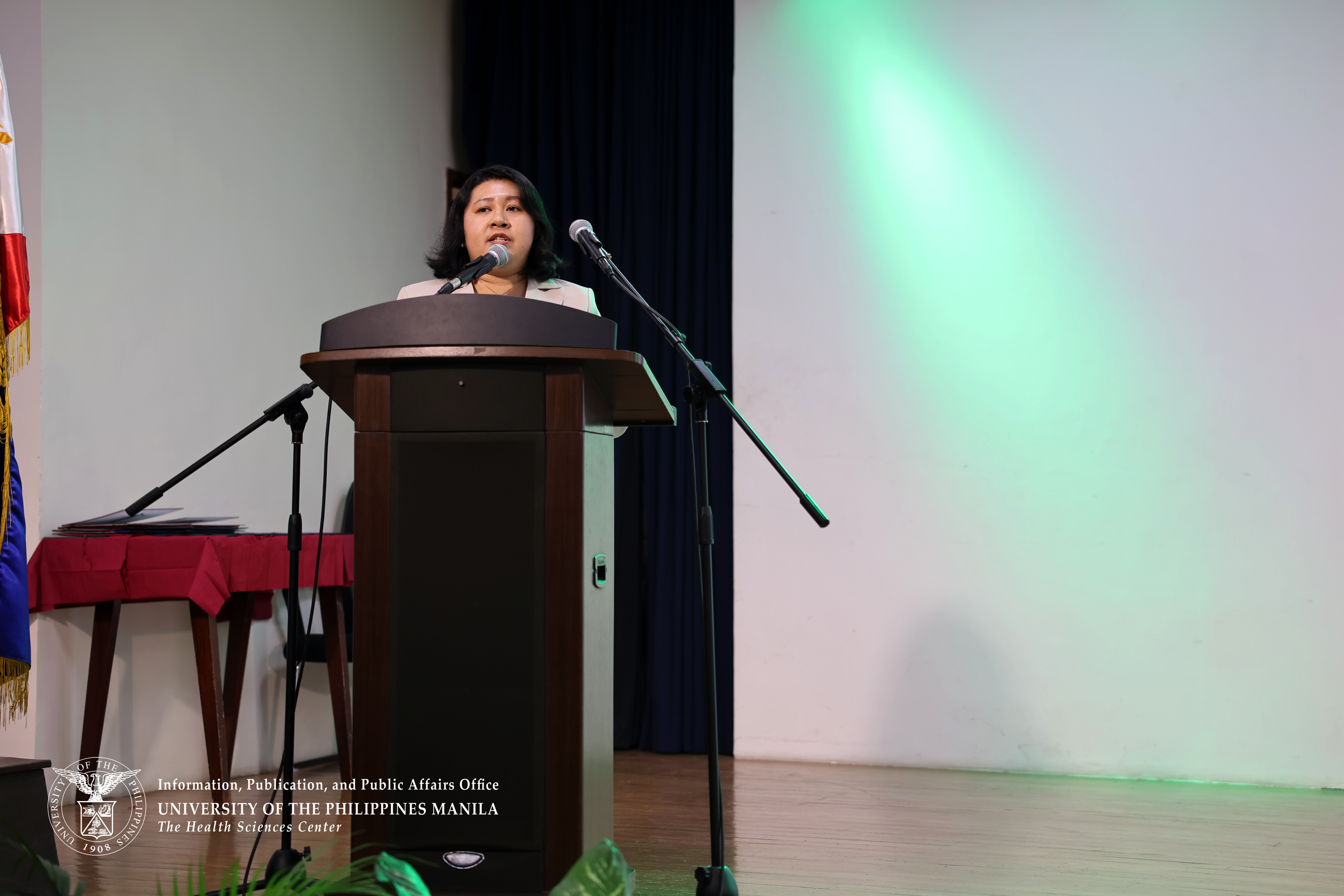
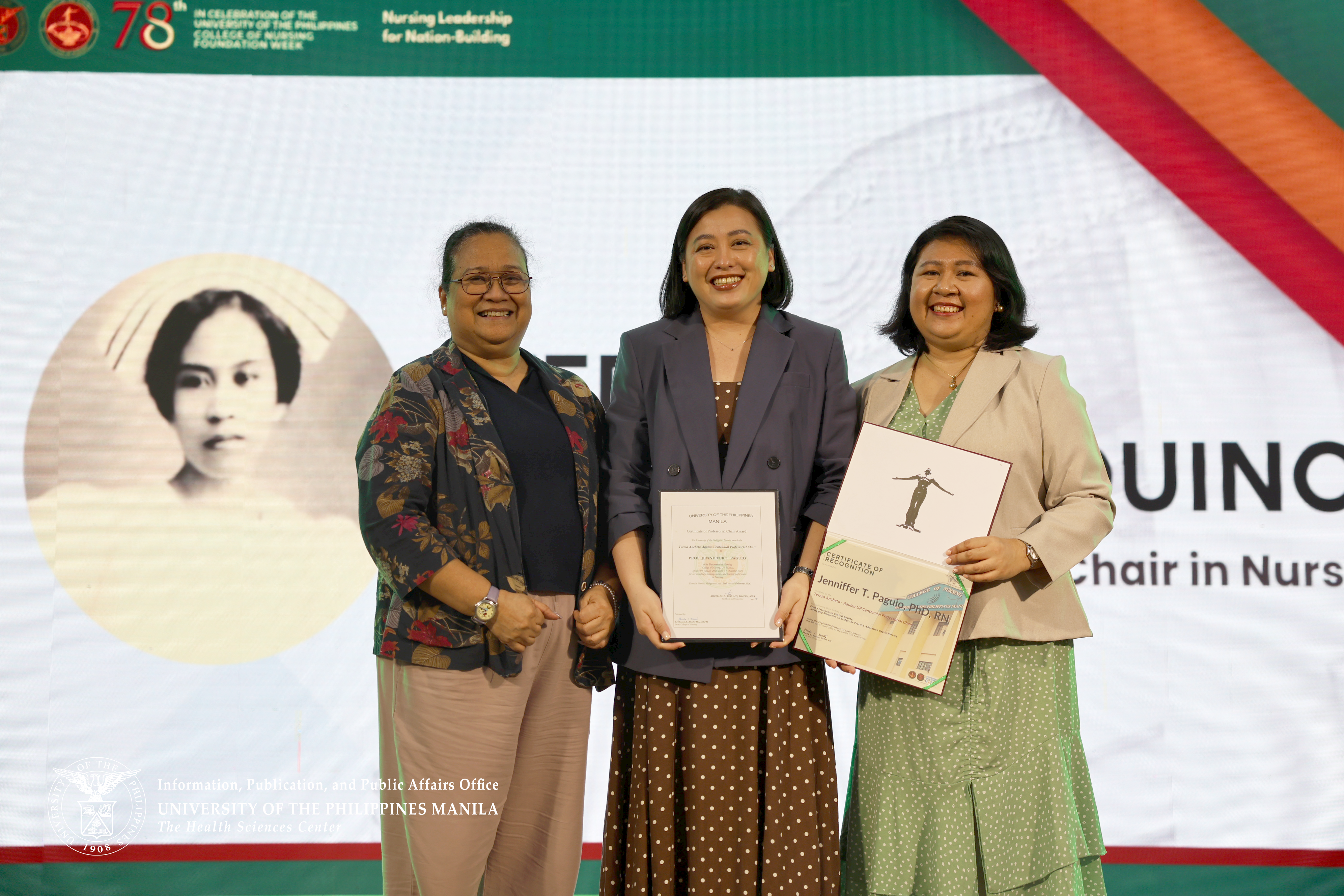
Professor Jenniffer Paguio, in her Teresa Ancheta Aquino UP Centennial Professorial Chair in Nursing Lecture, addressed the persistent challenge of bridging classroom learning and clinical practice. She presented simulation-based education as a critical strategy, giving students opportunities to practice clinical decision-making, technical skills, and communication in safe, controlled scenarios.
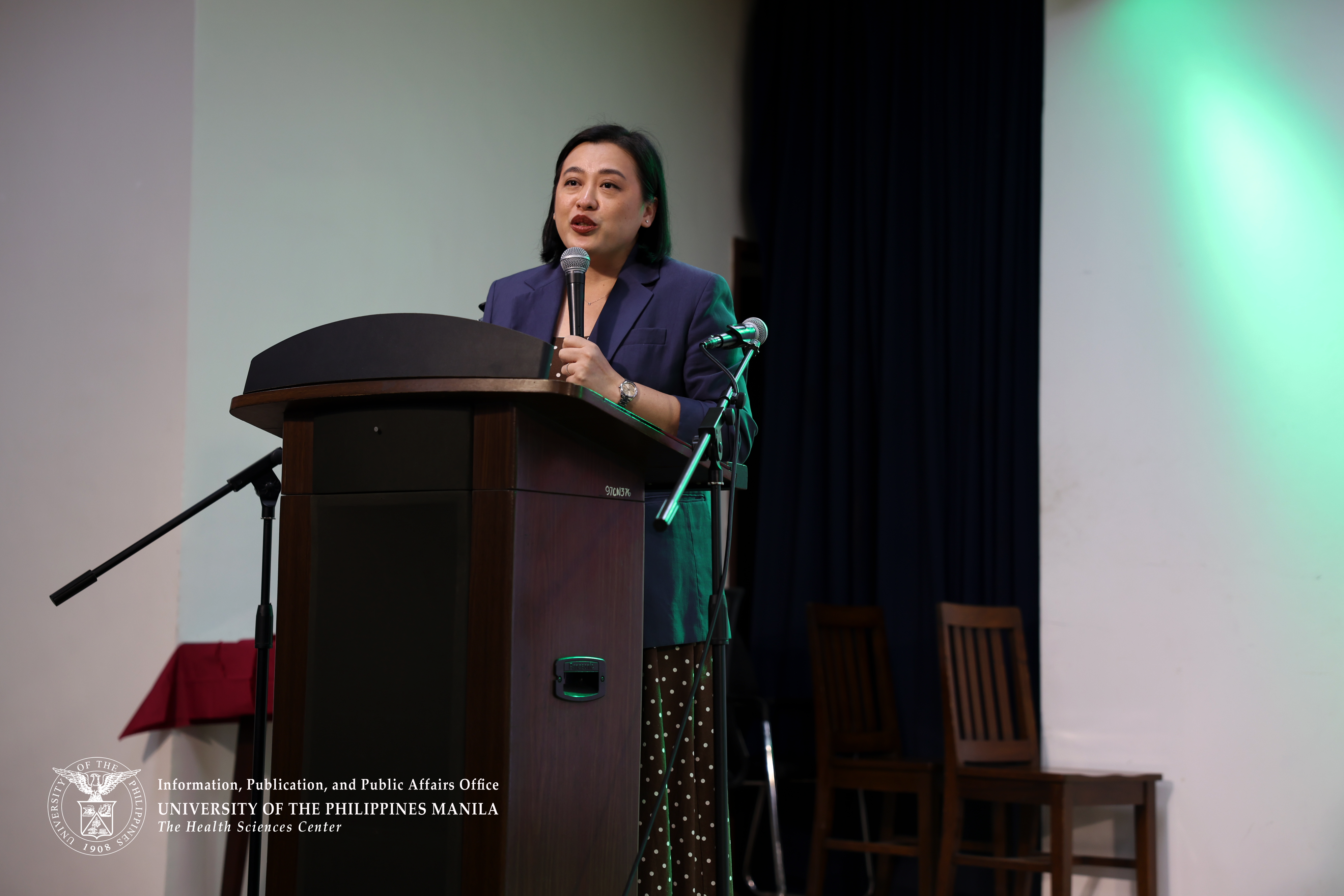
Paguio emphasized that the success of simulation depends not just on equipment but on the faculty who design, facilitate, and guide learning experiences.
“The priority is clear: we must invest in faculty development. The College of Nursing has already taken steps in this direction through simulation-based education training, further supported by the Commission on Higher Education’s (CHED) HUSAY (Higher Education Upskilling and Study for Advancement of Staff and Faculty) BEACON ( BioHealth Education and Artificial Intelligence-enabled through Capacity-building, Optimization, and Innovation) Project with UP Manila,” she said.
She also highlighted practical, low-cost strategies for Philippine nursing schools, such as improving learning platforms, using mental simulation and simulated patients, strengthening faculty training, standardizing pre-briefing and debriefing, and integrating simulation into assessments.
Improving Clinical Learning Environments and Mentorship
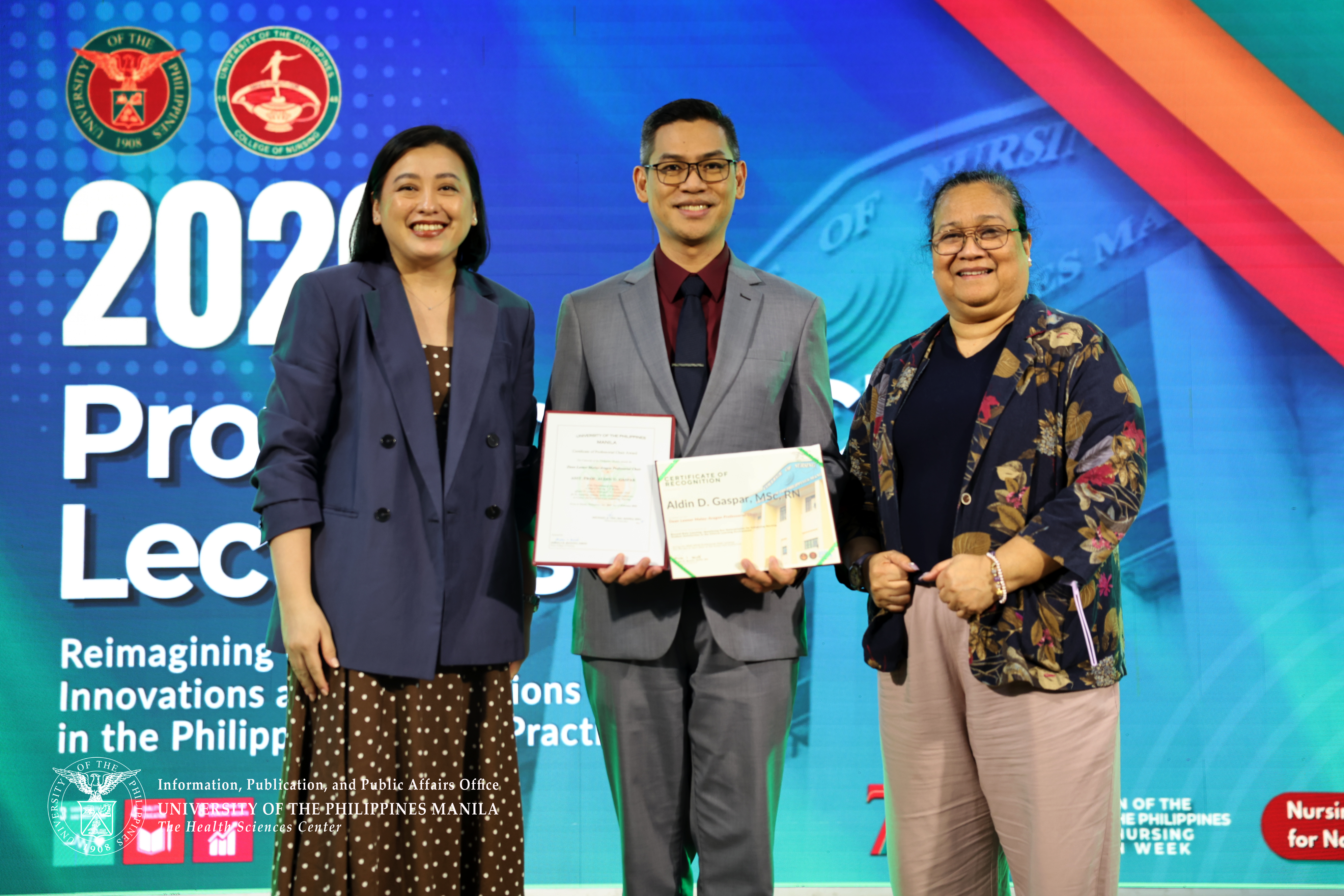
Assistant Professor Aldin Gaspar, in his Dean Leonor Malaya Aragon Professorial Chair Lecture, discussed determinants of nursing students’ satisfaction within clinical learning environments. His research showed that effective clinical education is shaped not only by exposure to practice but also by the quality of mentorship, faculty engagement, and institutional support.
Asst. Prof. Gaspar stressed that structured mentorship is essential for building student confidence and competence. He recommended assigning every student a named mentor, ensuring consistent faculty presence in clinical settings, and fostering a supportive ward culture where students are recognized, treated as adult learners, and integrated as valued members of the healthcare team.
Advancing Nursing Practice Through Educational Reform
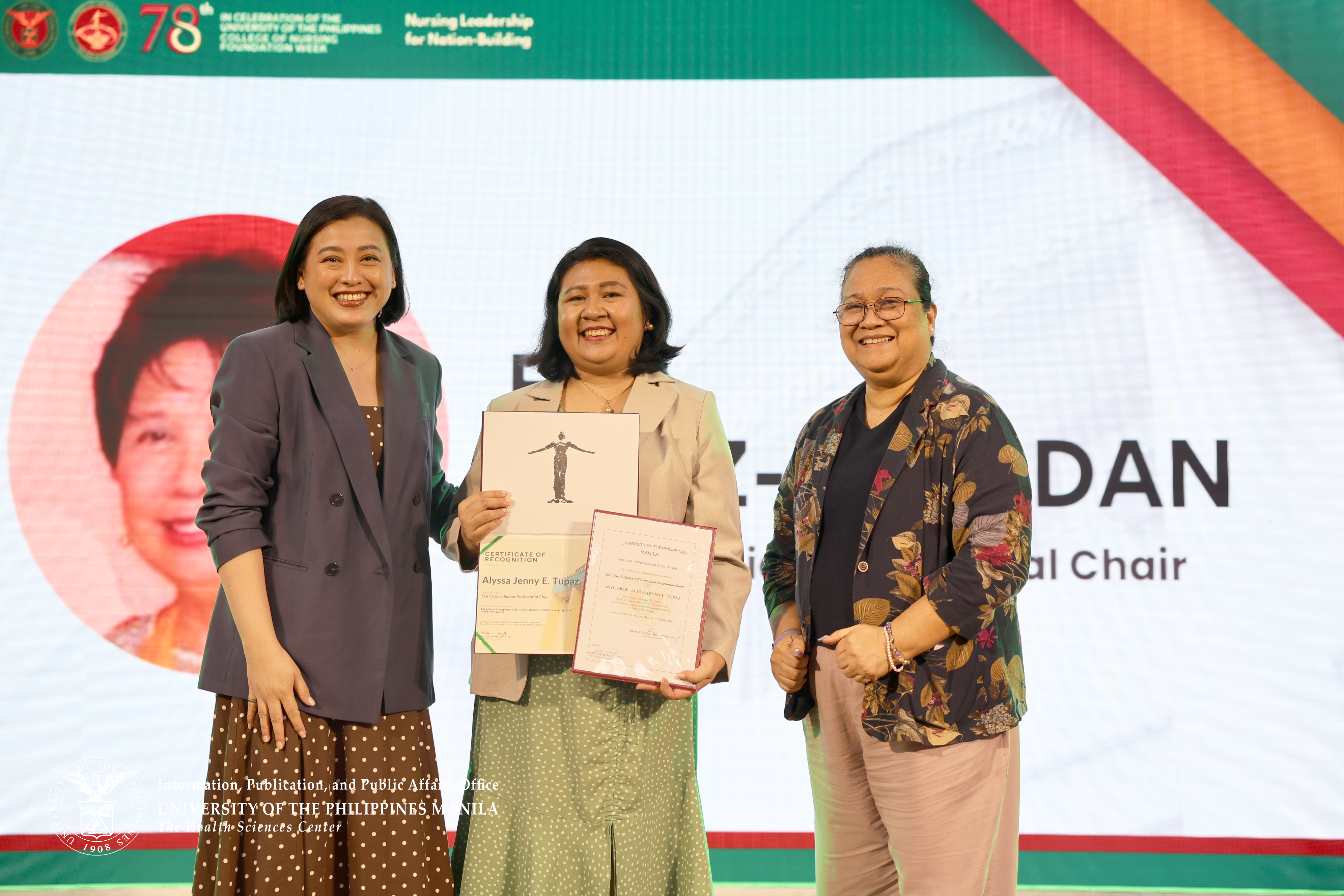
Asst. Prof. Alyssa Jenny Tupas, in her Eva Cruz Labadan Professorial Chair Lecture, highlighted the need to strengthen palliative nursing care in the Philippines through education, emphasizing integration across the curriculum to develop competencies for holistic, compassionate care for patients with life-limiting conditions.
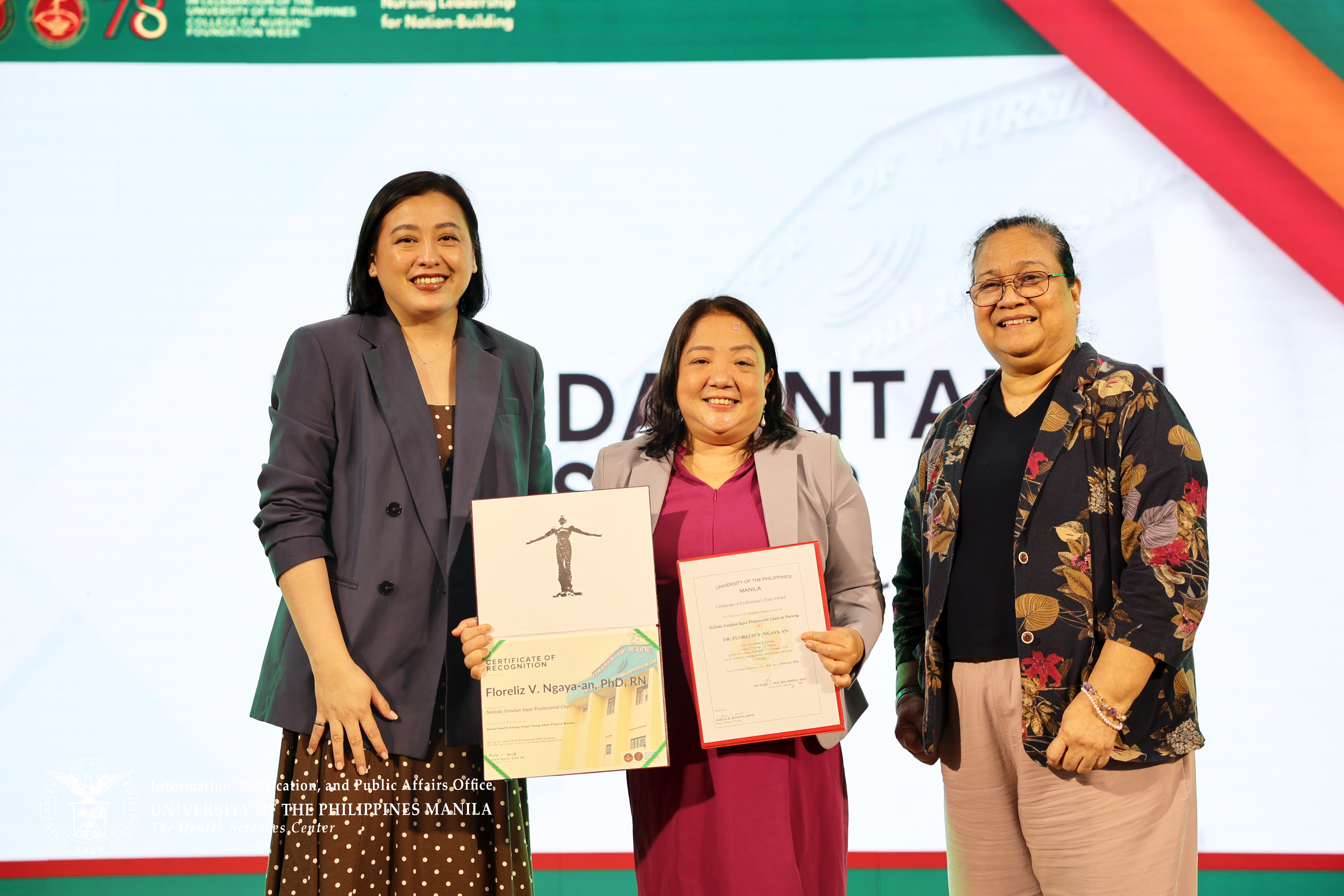
In her Nelinda Untalan Sajur Professorial Chair Lecture, Professor Floreliz Ngaya-an highlighted schools’ role in delivering comprehensive and accurate sexual health information, stressing that structured, age-appropriate curricula can correct misconceptions, foster critical thinking, and reinforce healthy attitudes, ultimately empowering students to make informed and responsible decisions.
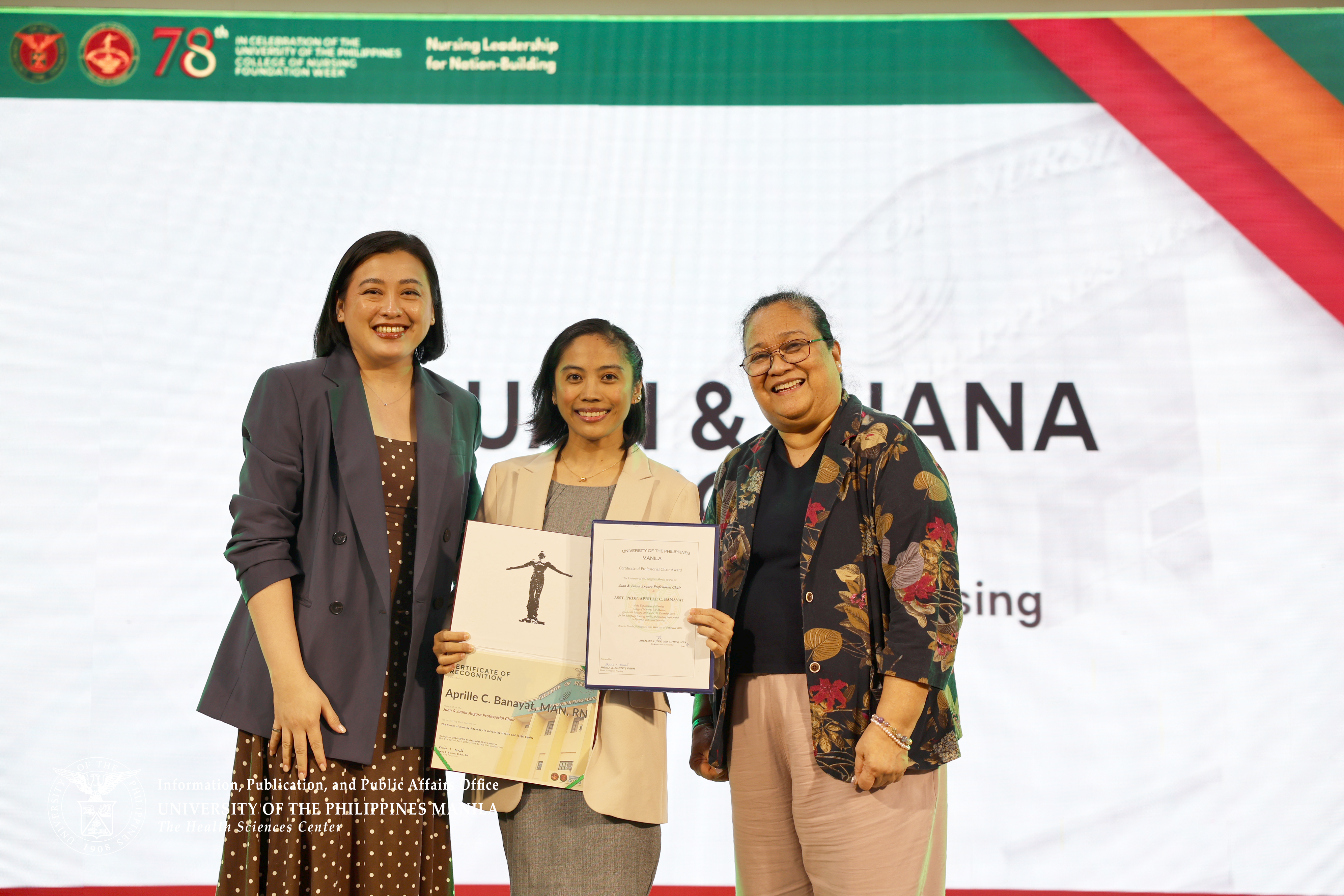
Asst. Prof. Aprille Banayat, in her Juan and Juana Angara Professorial Chair Lecture, discussed nursing advocacy in advancing health and social equity, emphasizing the importance of interprofessional collaboration for coordinated, accountable efforts among healthcare providers, social workers, educators, legal professionals, local government units, and community stakeholders. She stressed that advocacy must be embedded within systems, integrated into nursing education, strengthened through institutions, and sustained across sectors.
While, Assoc. Prof. Earl Francis Sumile, in his Florentina Tolentino Bañez Professorial Chair Lecture, highlighted the need for nurses to see “the bigger picture” in serving communities. Reaffirming the Philippine Nursing Act of 2002, he noted that nurses must advocate for health equity, create supportive environments, and build capacity through stakeholder engagement, extending their role beyond curing illness to shaping healthier communities, as emphasized by the International Council of Nurses (ICN).
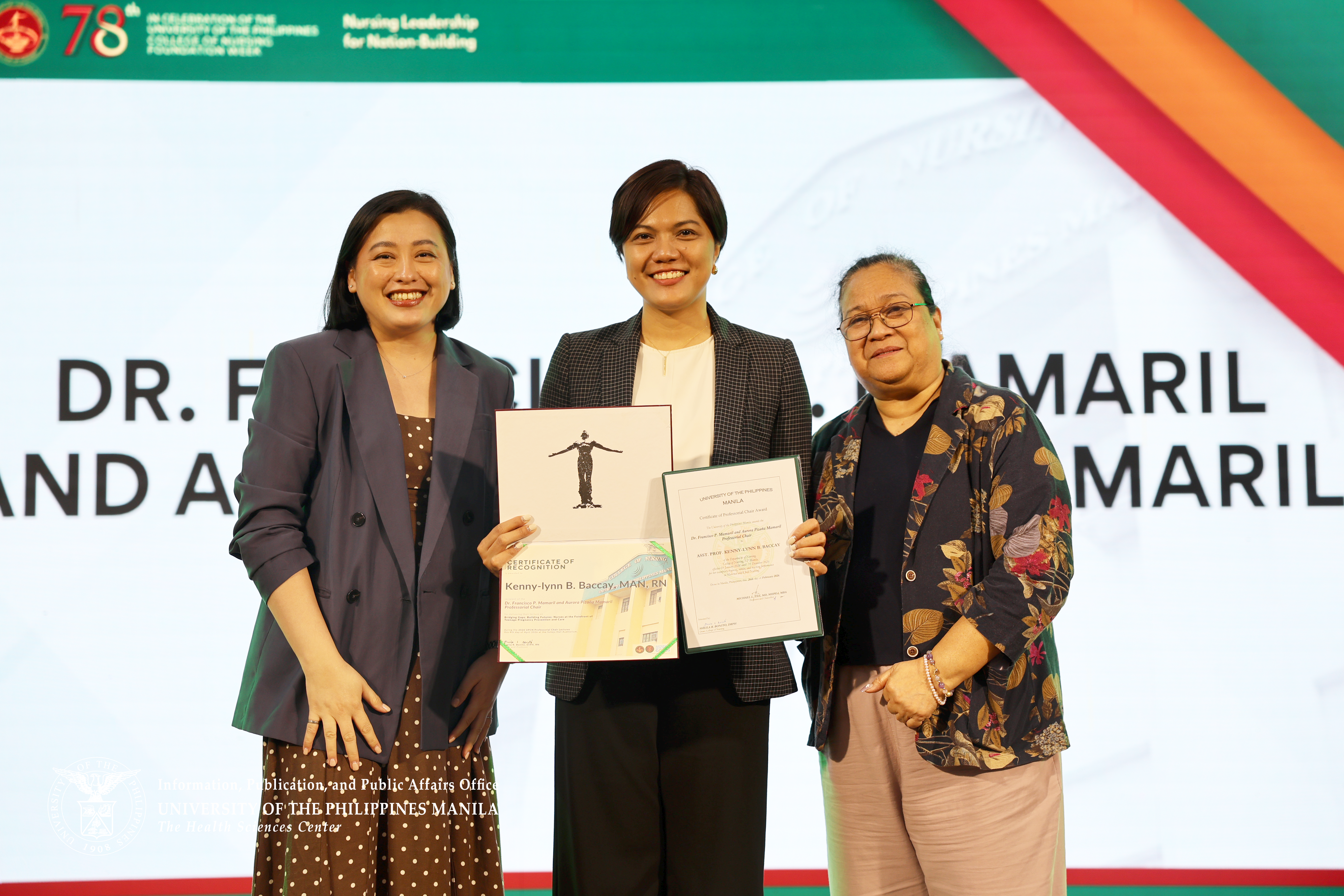
Completing the lecture, Asst. Prof. Kenny-Lyn Baccay, in her Dr. Francisco T. Mamaril and Aurora Pizaña Mamaril Professorial Chair in Nursing Lecture, addressed adolescent maternal health, advocating for a nurse-led, multidisciplinary model that positions nurses as central coordinators, facilitates access to services, and supports young mothers. She also emphasized competency-based training and called for policies such as the Adolescent Pregnancy Prevention Bill, expanded PhilHealth coverage, and recognition of adolescent maternal health as a nursing specialty in the Philippines.
Shaping Future-Ready Nurses
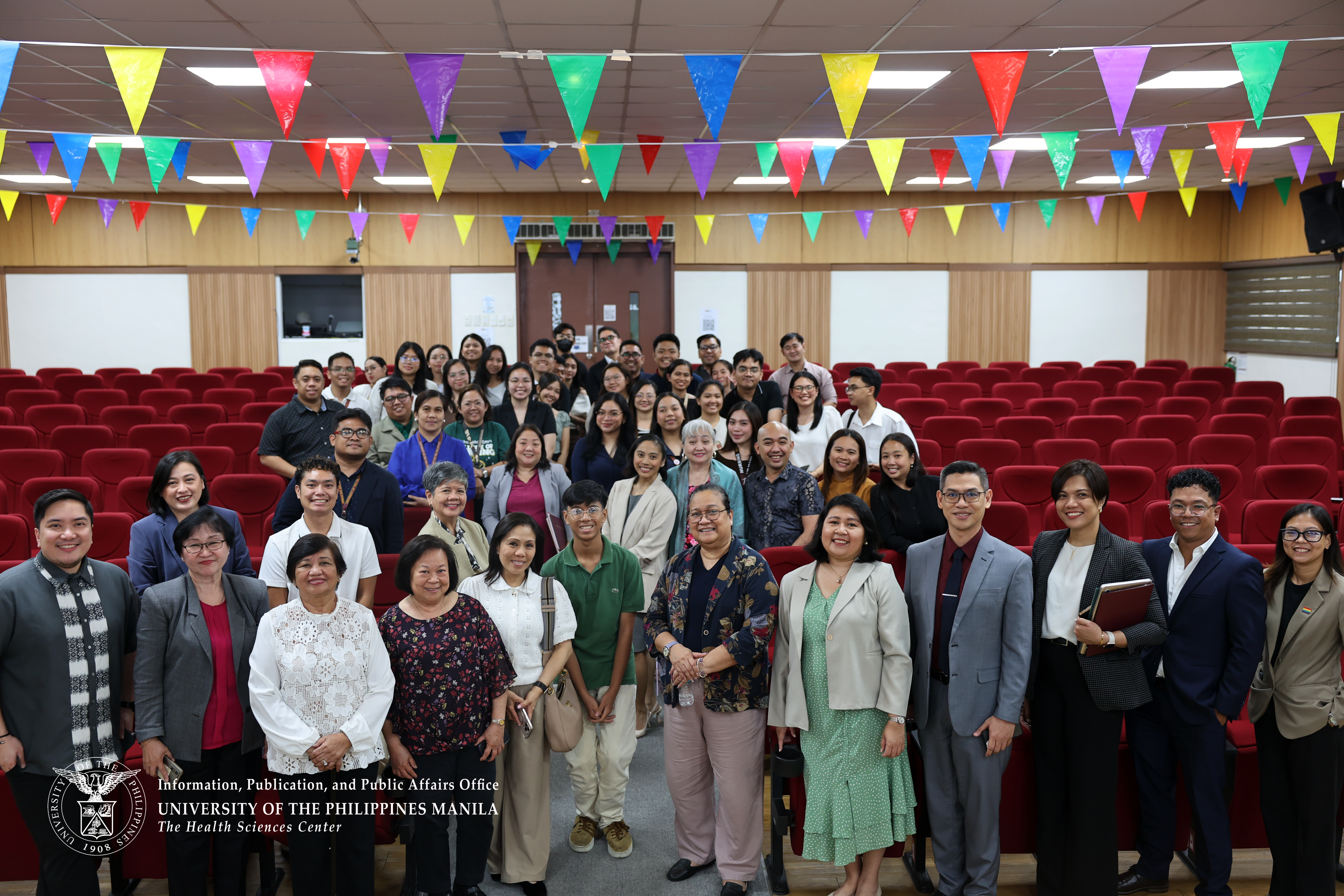
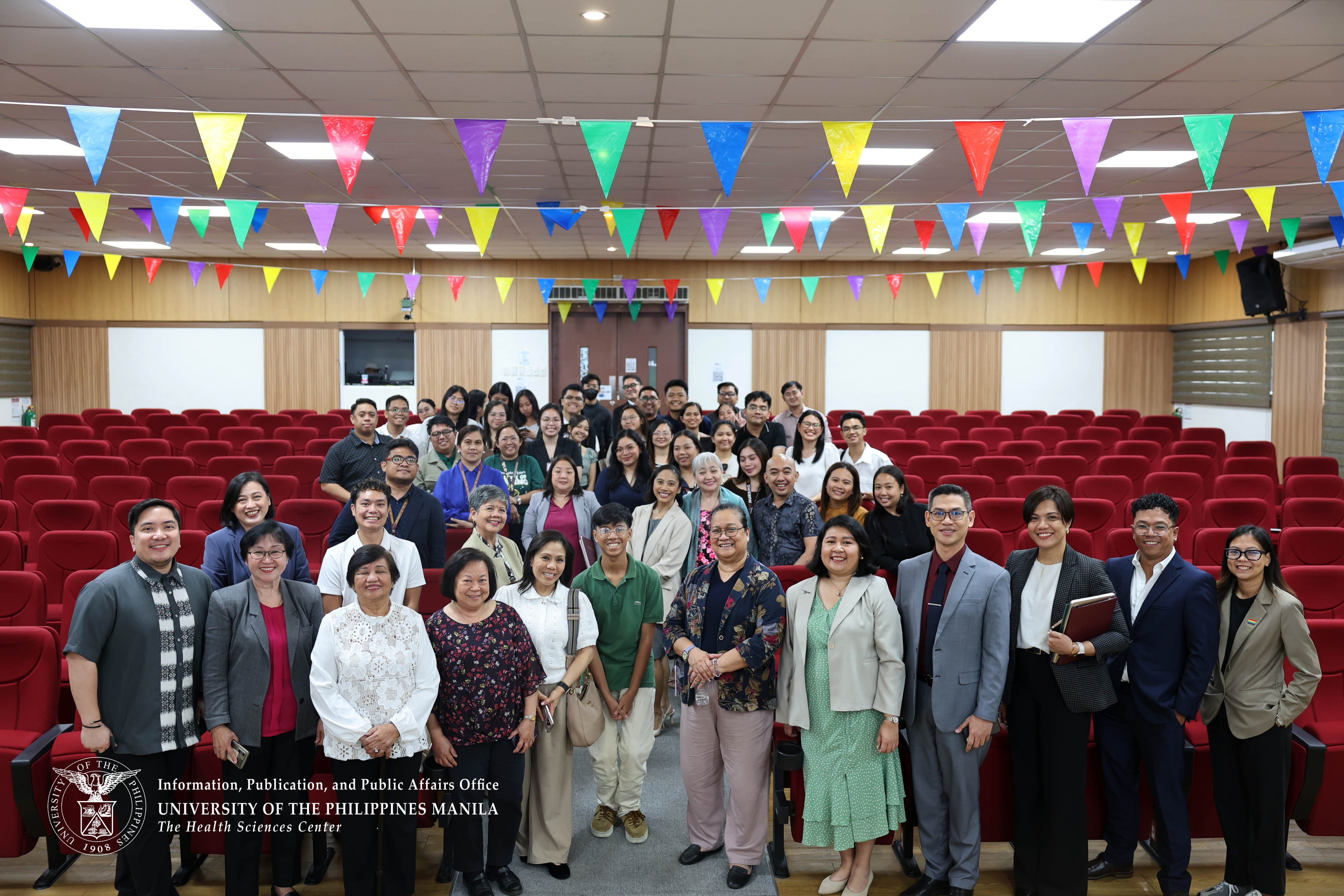
Across all lectures, UPCN faculty emphasized that nursing education must continuously evolve to meet the demands of modern healthcare. The 2026 Professorial Chair Lectures reaffirmed the College’s commitment to advancing nursing education.
“Through these endowments, our donors ensure that faculty members are supported in generating knowledge that improves care, strengthens health systems, and ultimately serves the Filipino people. As we have seen through the years, the impact of these chairs extends far beyond the classroom. They help shape future nurses, inform policy, and contribute to addressing the complex health challenges of our time,” said UPCN Foundation President and Assistant Professor Josephine Cariaso. The lectures not only inspire scholarship but also underscore the shared responsibility to sustain and expand these opportunities for the next generation.



READ MORE:
#FP1 #discoveryandresearch