

Text by Charmaine A. Lingdas
Photos courtesy of Acta Medica Philippina
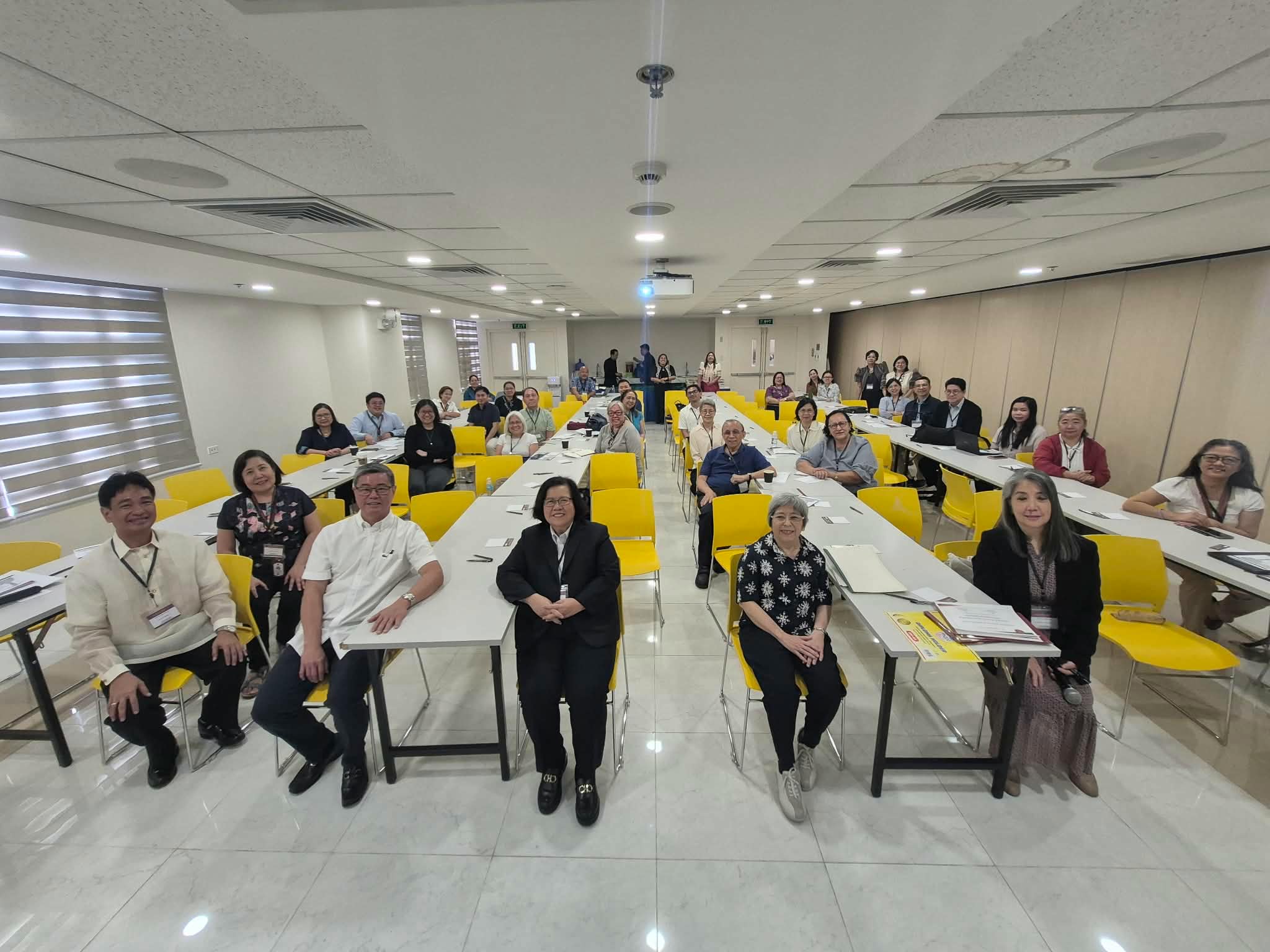
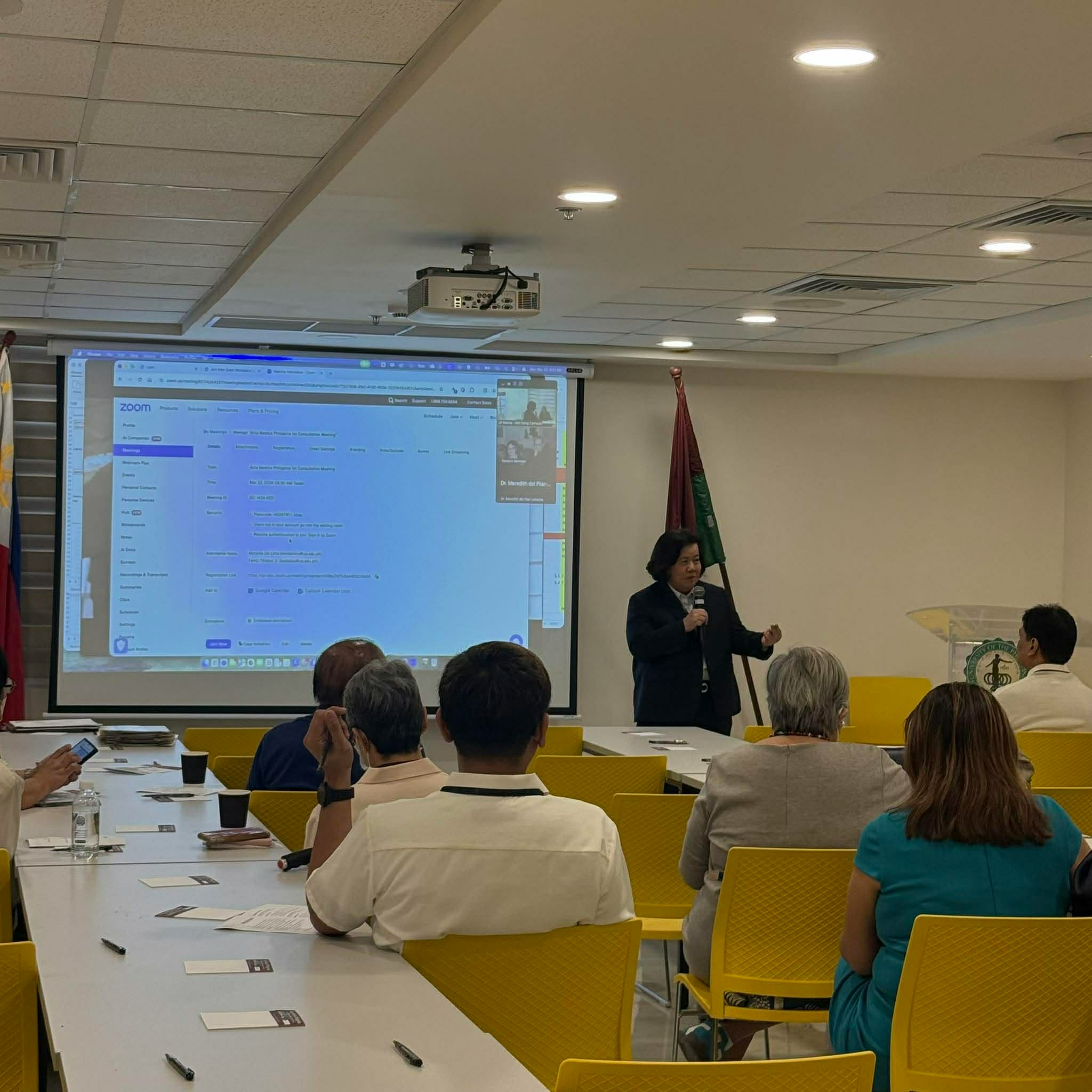
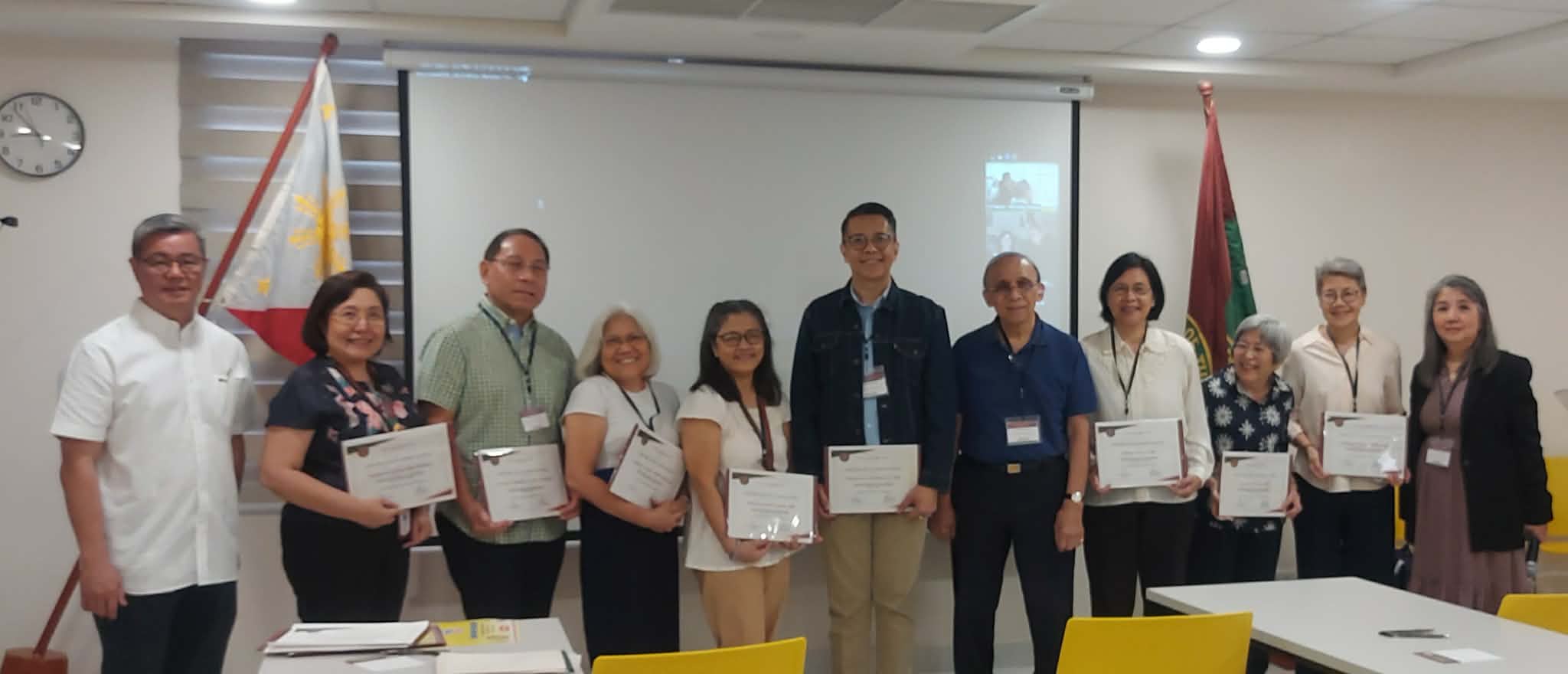
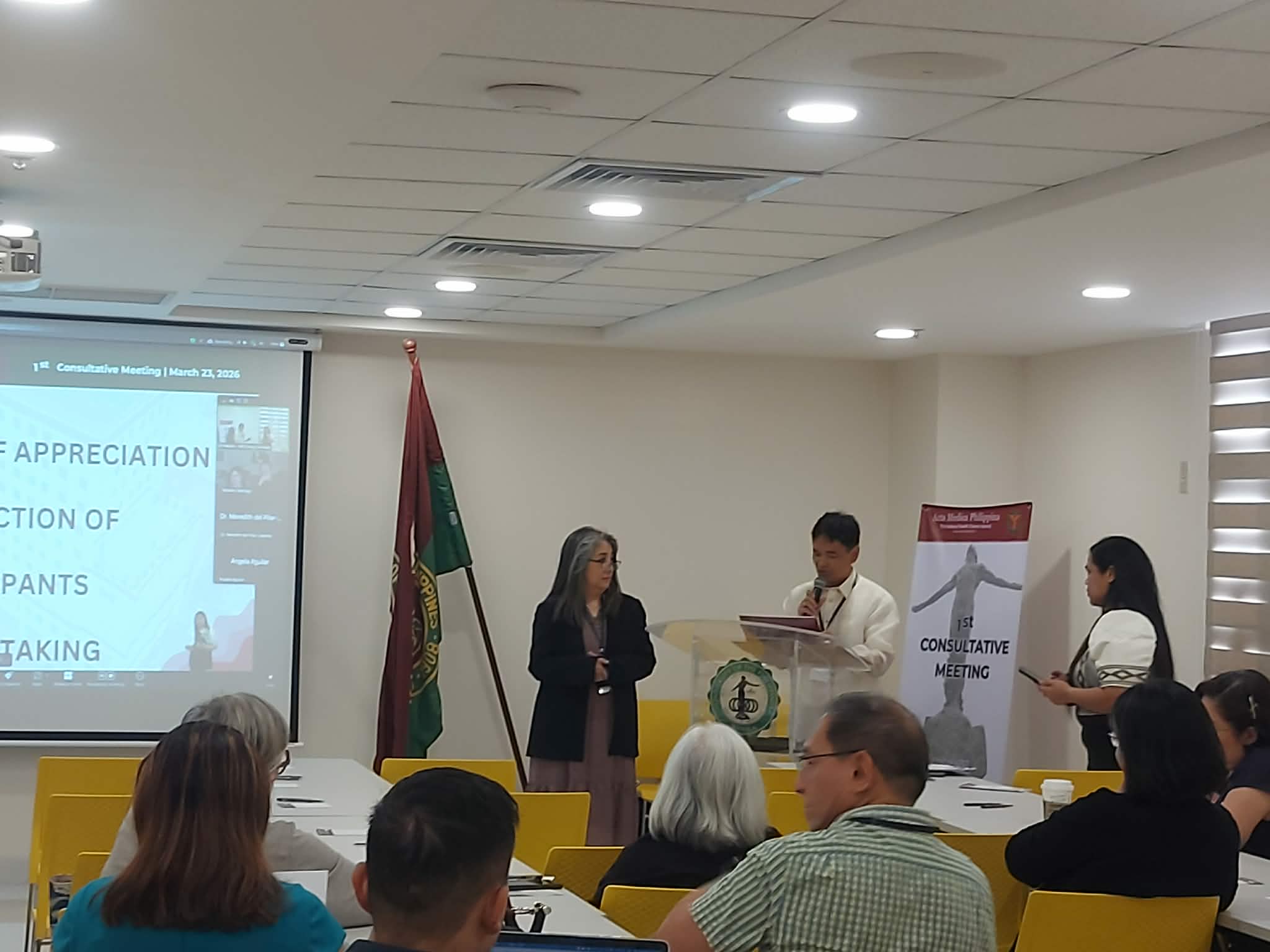
Acta Medica Philippina should serve as a repository of UP Manila’s knowledge and a platform that connects research with government agencies, specialty societies, and local and international partners, UP Manila Chancellor Michael Tee emphasized during the 1st Consultative Meeting of Acta Medica Philippina on March 23, 2026.
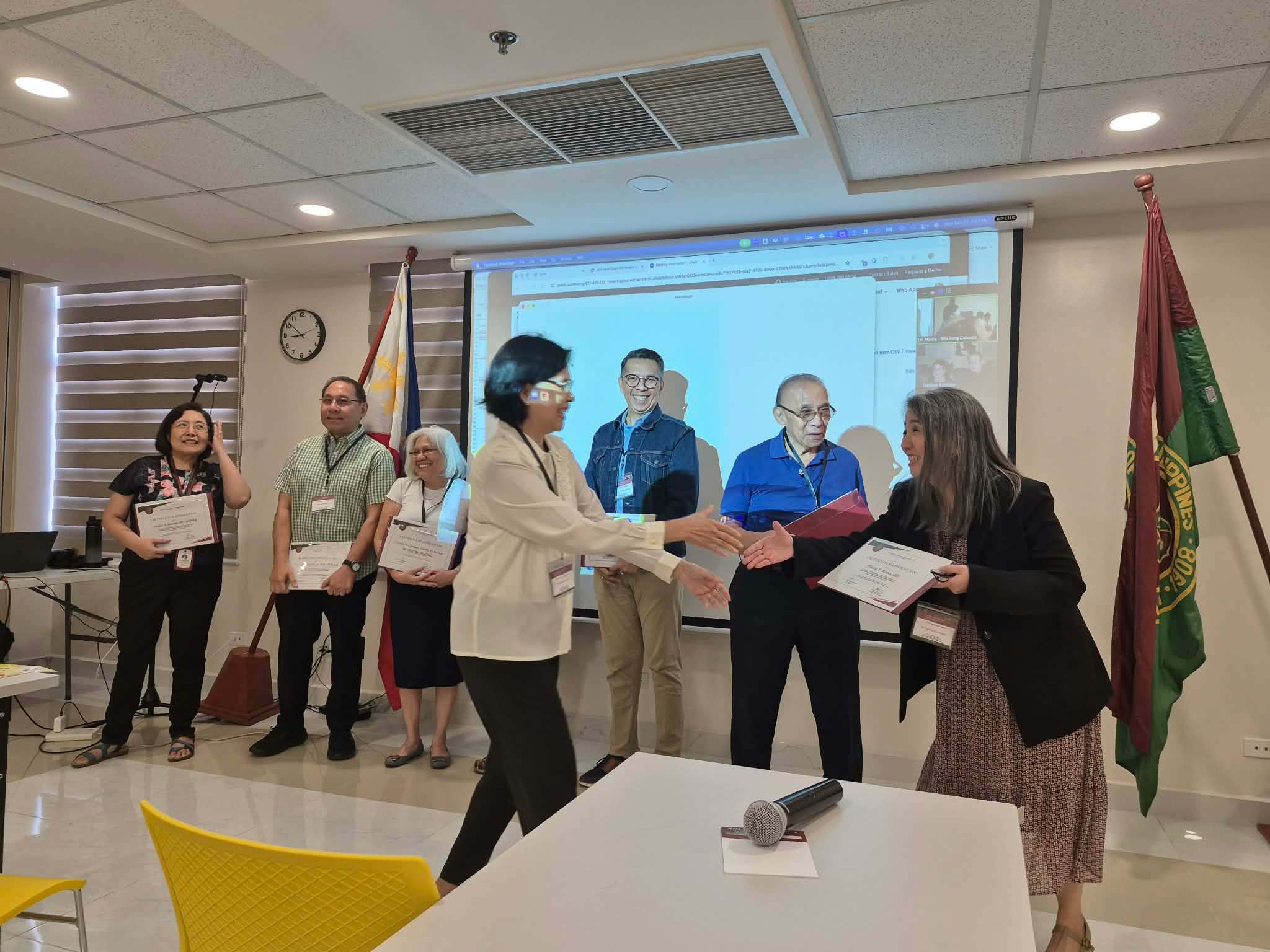
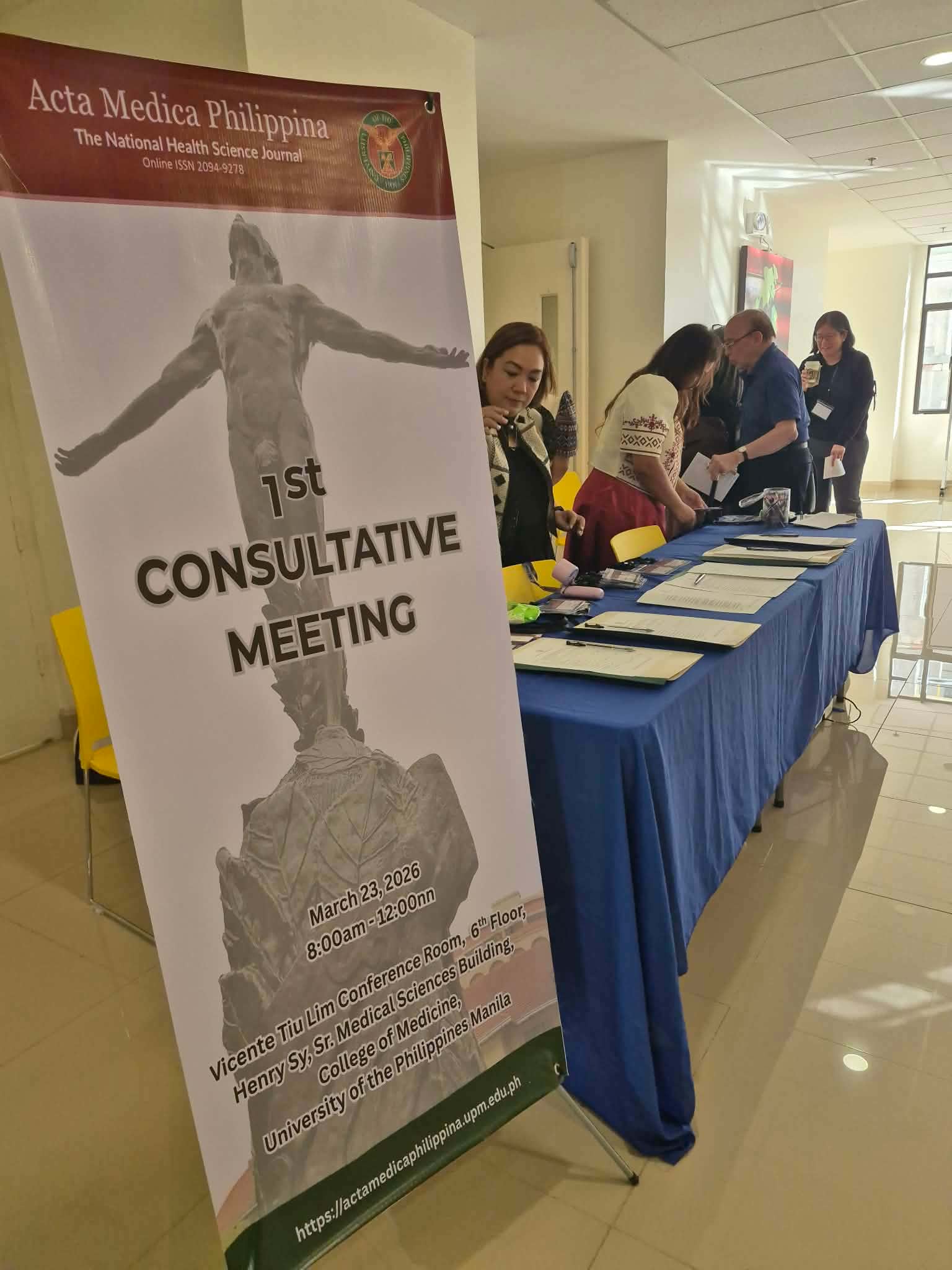
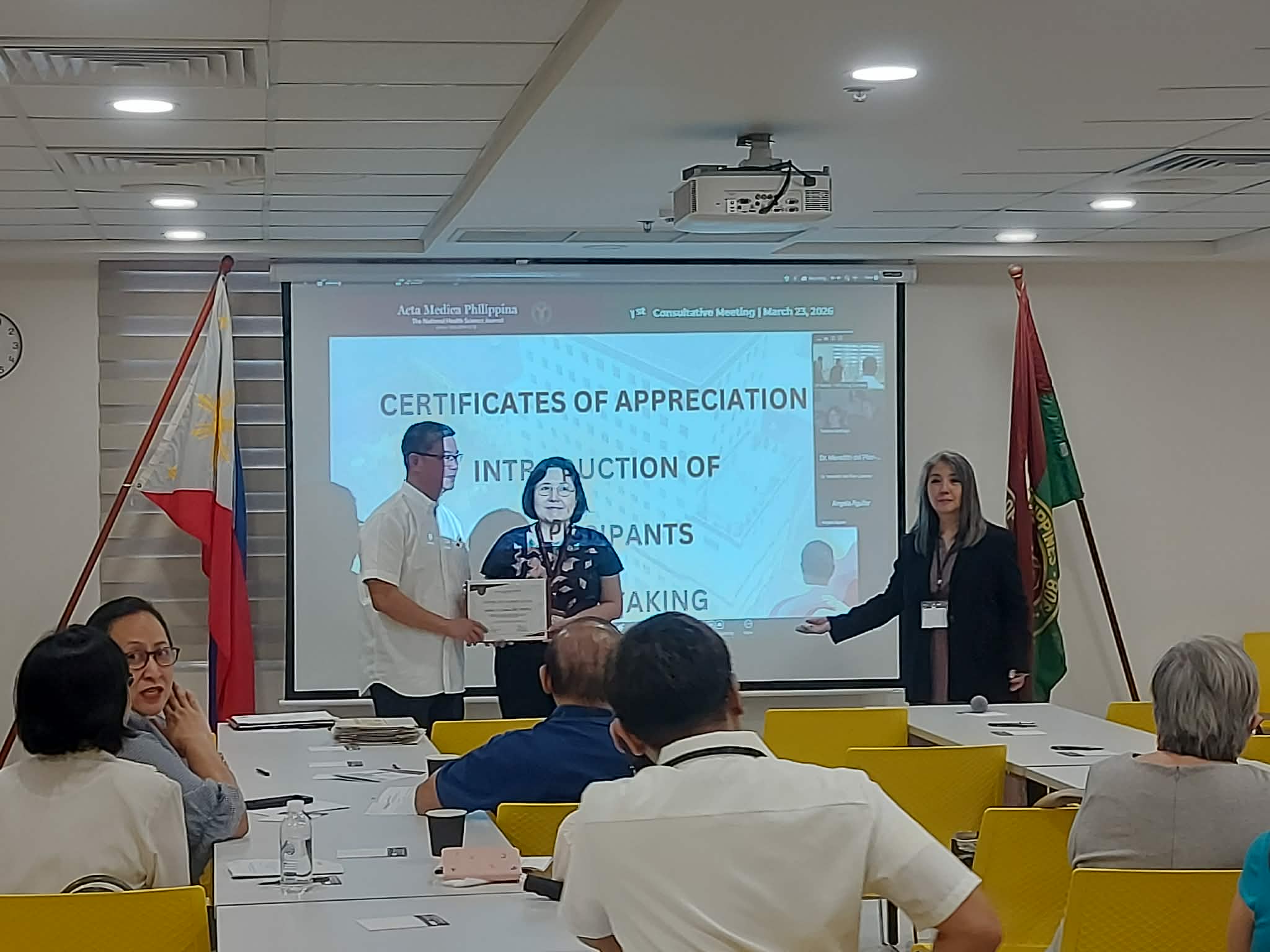
The University of the Philippines Manila (UP Manila) gathered researchers, editors, and institutional stakeholders to strengthen the country’s leading medical journal. Held at the Vicente Tiu Lim Conference Room of the Henry Sy Sr. Medical Sciences Building, the consultative meeting brought together the UP Manila administration, editorial board, and research community to align strategies for improving the journal’s operations, expanding partnerships, and increasing its global visibility and impact.
Research must translate into national policy
Chancellor Tee highlighted the importance of publishing research to ensure that scientific work contributes to national development and public health programs. He noted that many studies in Acta Medica Philippina address long-standing health concerns in the country. He said diseases such as tuberculosis and schistosomiasis, studied decades ago, remain major public health challenges today, underscoring the need to translate research into programs and legislation. Recent engagements with Congress and national agencies, he added, have tapped UP Manila to help turn research into actionable health policies, particularly in disease control and public health planning.
“We were tasked by the Minority Floor Leader to study and develop a schistosomiasis eradication program in Northern and Eastern Samar, and the goal is to create a law for the control of schistosomiasis,” Chancellor Michael Tee said.
On March 11, 2026, Congressman Marcelino C. Libanan requested UP Manila to collaborate with stakeholders in the Samar Region on the proposed program. The College of Public Health is leading the development of a policy document to guide legislation aimed at eliminating schistosomiasis, highlighting the university’s role in supporting national health policy and disease control initiatives.
The chancellor also emphasized that strengthening linkages with the Department of Health, Department of Science and Technology, and various professional societies, he said, will help ensure that research outputs reach a wider audience and contribute to national health strategies. He also shared that he requested former Executive Director of the Philippine Council for Health Research and Development (PCHRD), Dr. Jaime Montoya, to serve as the Chancellor’s special advisor to help accelerate the translation of UP Manila research into national policy.
He further encouraged stakeholders to expand reviewer networks and institutional partnerships, noting that collaboration with specialty societies and state universities can improve the journal’s quality, efficiency, and reach.
Moving toward global recognition
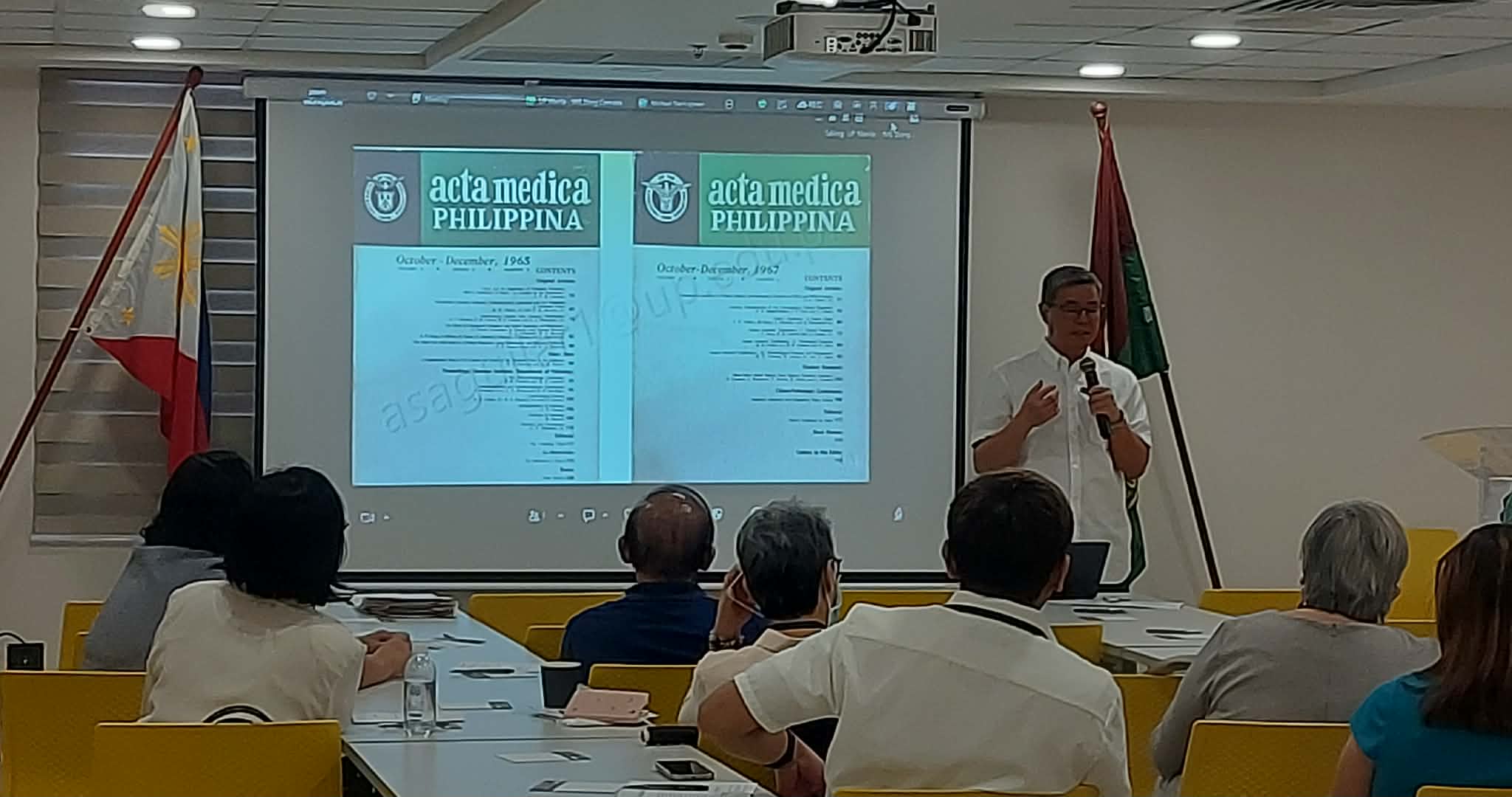
College of Medicine Dean Charlotte Chiong discussed the journal’s recent achievements and future aspirations, particularly its inclusion in PubMed in 2024 and its ongoing push toward Web of Science indexing. She emphasized that international indexing will significantly enhance the journal’s credibility, reach, and contribution to global scientific discourse.
“In terms of citation score, we actually had the top one in terms of nominal citation indexing in the 2025 US News and World Report. We are number one globally, and why is that happening? Because our papers are being cited,” said Dean Chiong.
She also underscored the importance of sustained collaboration among stakeholders, noting that continued institutional and partner support is essential in maintaining the journal’s growth and competitiveness in the international research landscape.
Strengthening the journal’s direction and identity
The consultative meeting also highlighted the need to define Acta Medica Philippina’s identity as a trusted national and international health sciences journal. Discussions focused on improving editorial quality, enhancing peer review processes, and ensuring that the journal becomes a reliable platform for evidence-based research that addresses national health priorities.
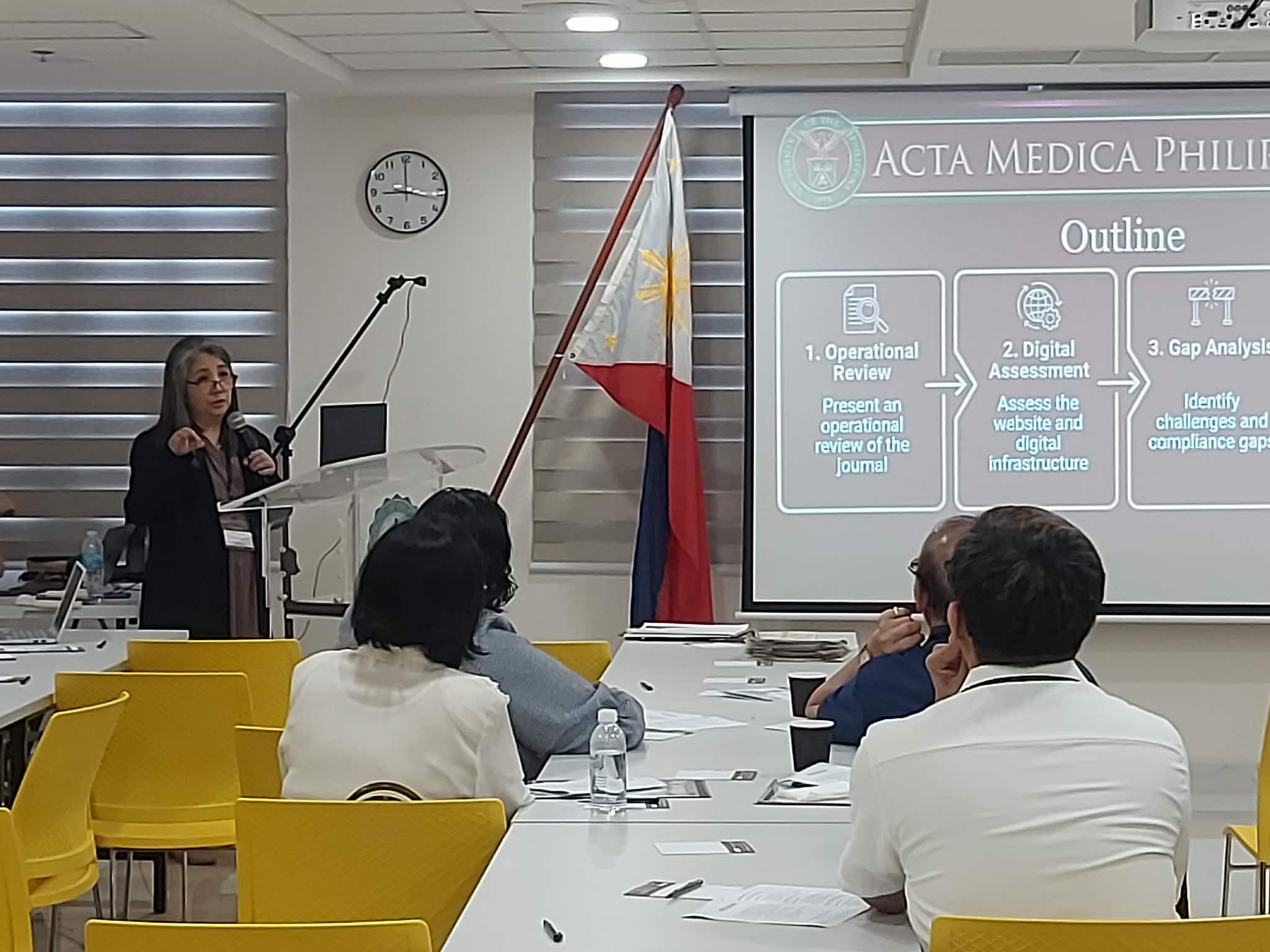
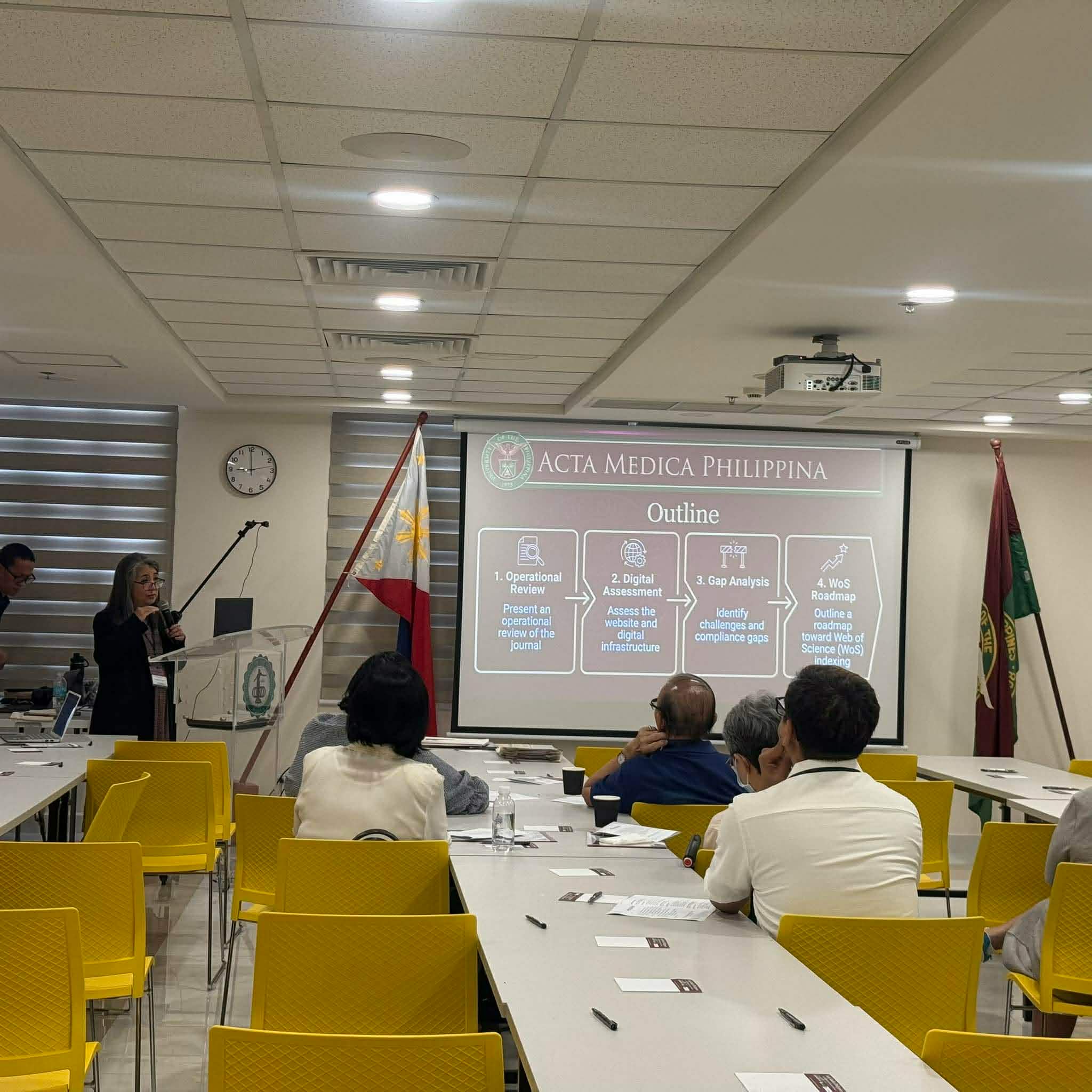
Editor-in-Chief Angela Sison Aguilar presented the journal’s operational review and strategic roadmap, outlining plans to improve editorial workflows, expand reviewer pools, and strengthen digital infrastructure to support international indexing and visibility. She emphasized that stakeholder feedback is essential in guiding reforms and ensuring accountability in implementing improvements.
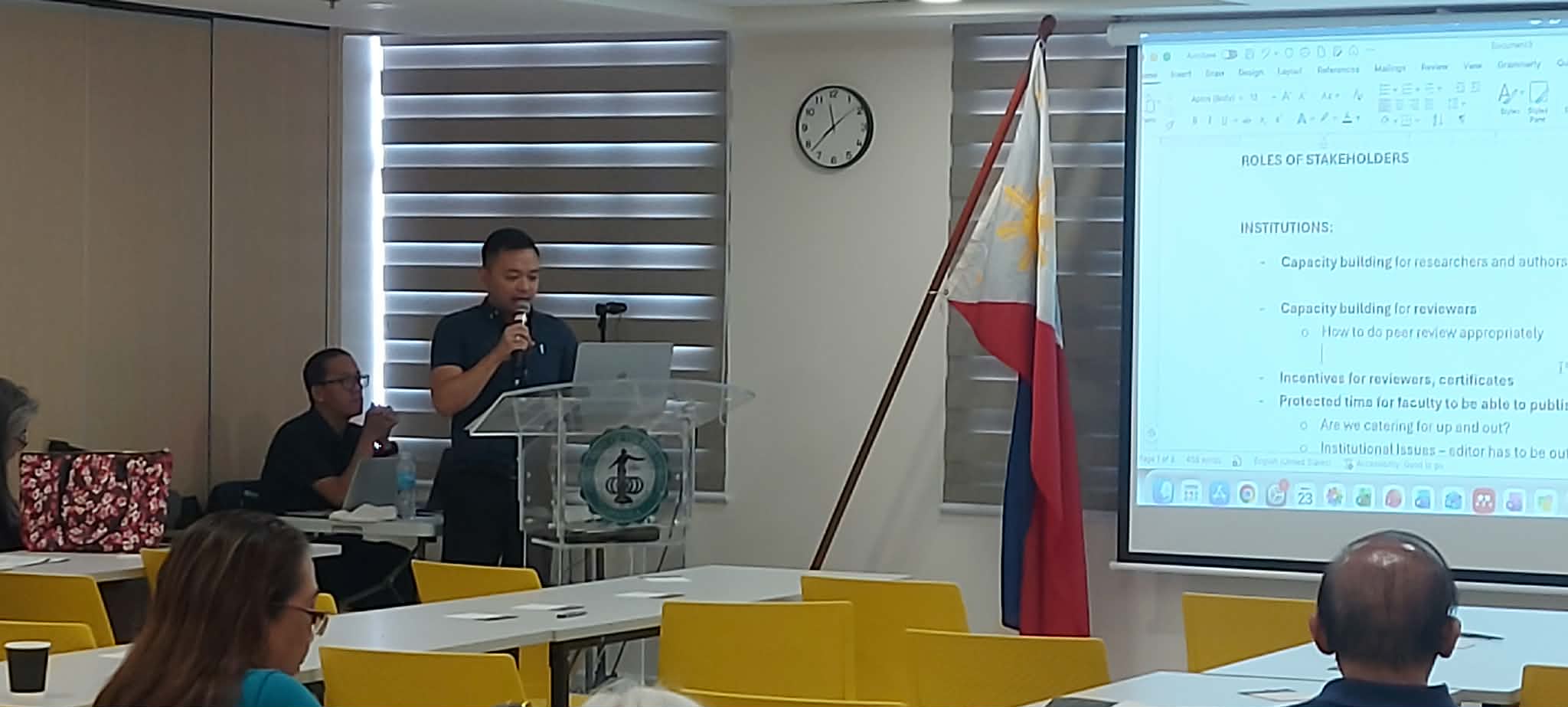
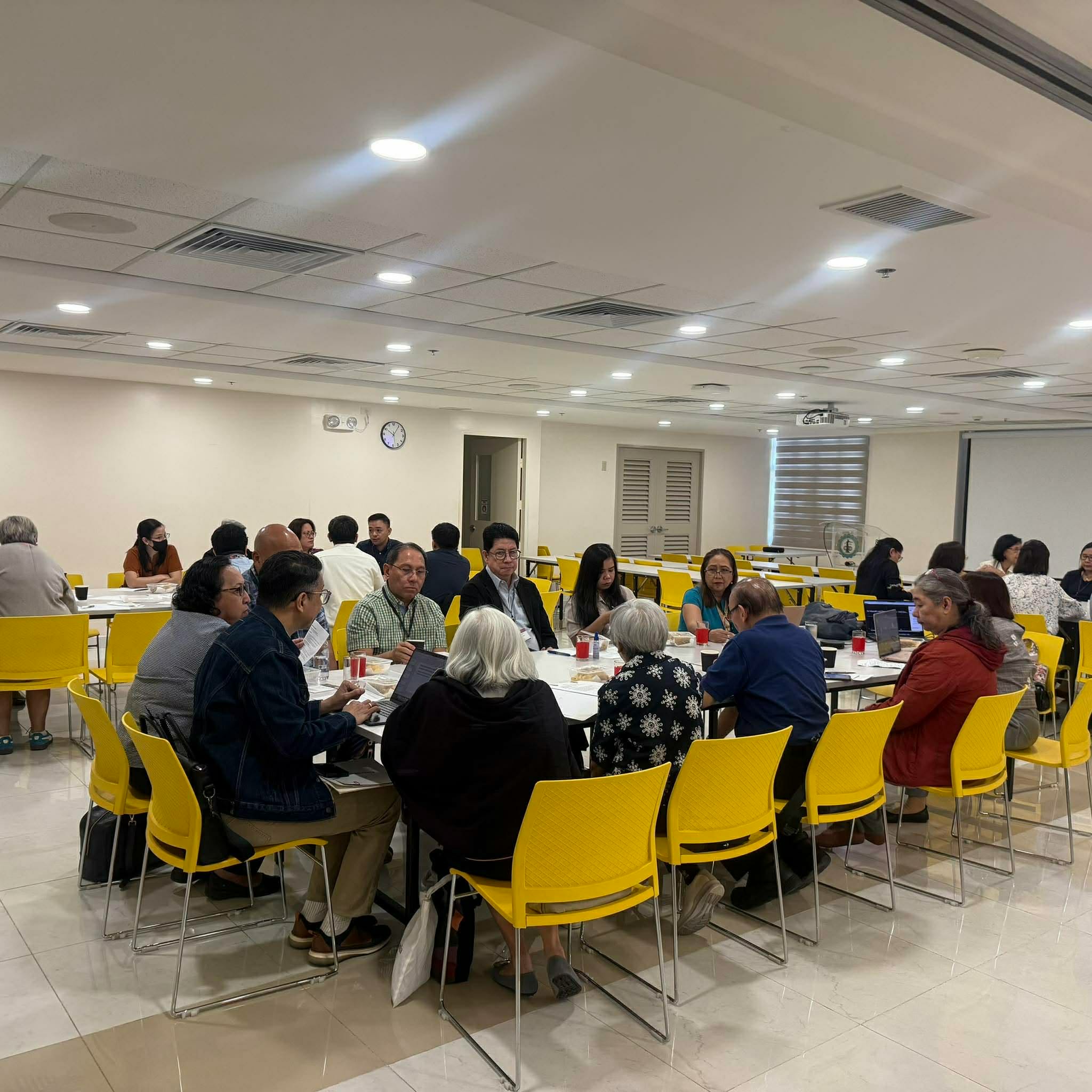
The meeting included breakout sessions that tackled perceptions of the journal, stakeholder roles and expectations, and strategic directions for improving editorial quality, indexing readiness, and operational efficiency.
Sustained institutional support for Acta Medica Philippina
Vice Chancellor for Research and Extension Leslie Dalmacio highlighted the journal’s importance in supporting faculty productivity and advancing UP Manila’s research mandate. She described the consultative meeting as timely, especially with the recent Scientific Productivity System submissions and faculty merit promotion processes, where Acta Medica Philippina plays a crucial role in providing publication opportunities for researchers.

Dalmacio noted that UP Manila remains the top contributor to UP System publications, with many of these papers published in Acta Medica Philippina. She also acknowledged the journal’s progress from limited print issues in the past to regular monthly and special issues today, while emphasizing the need to further improve efficiency in peer review, staffing, and reviewer engagement.
She also shared ongoing efforts to advocate for equal recognition of Scopus- and Web of Science-indexed journals in faculty merit promotion and highlighted the Publications Assistance Committee’s support for faculty and students submitting research to the journal.
Dalmacio assured stakeholders of continued institutional backing, expressing confidence that Acta Medica Philippina will continue to grow through collaboration and sustained support from the university and its partners.
With a clear direction from UP Manila leadership and stronger collaboration among stakeholders, Acta Medica Philippina is set to play a greater role in ensuring that Philippine health research translates into national impact. Through sustained institutional support, improved editorial systems, and stronger linkages with government and partner institutions, the journal is ready to serve as a vital platform for evidence-based research that informs policy, strengthens public health programs, and addresses the country’s most pressing health concerns.






READ MORE: