

Text by Charmaine A. Lingdas
Photo courtesy of the College of Nursing
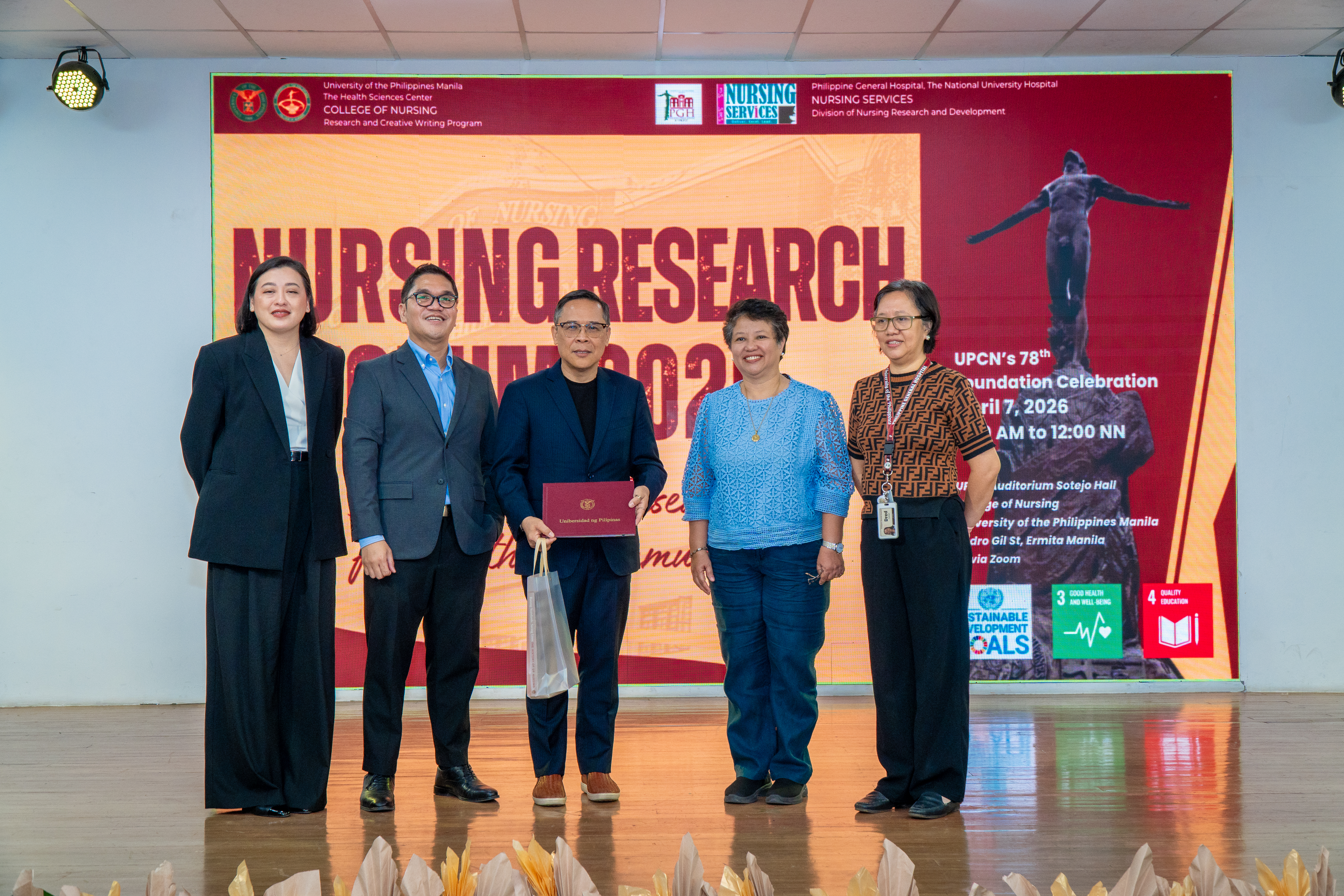
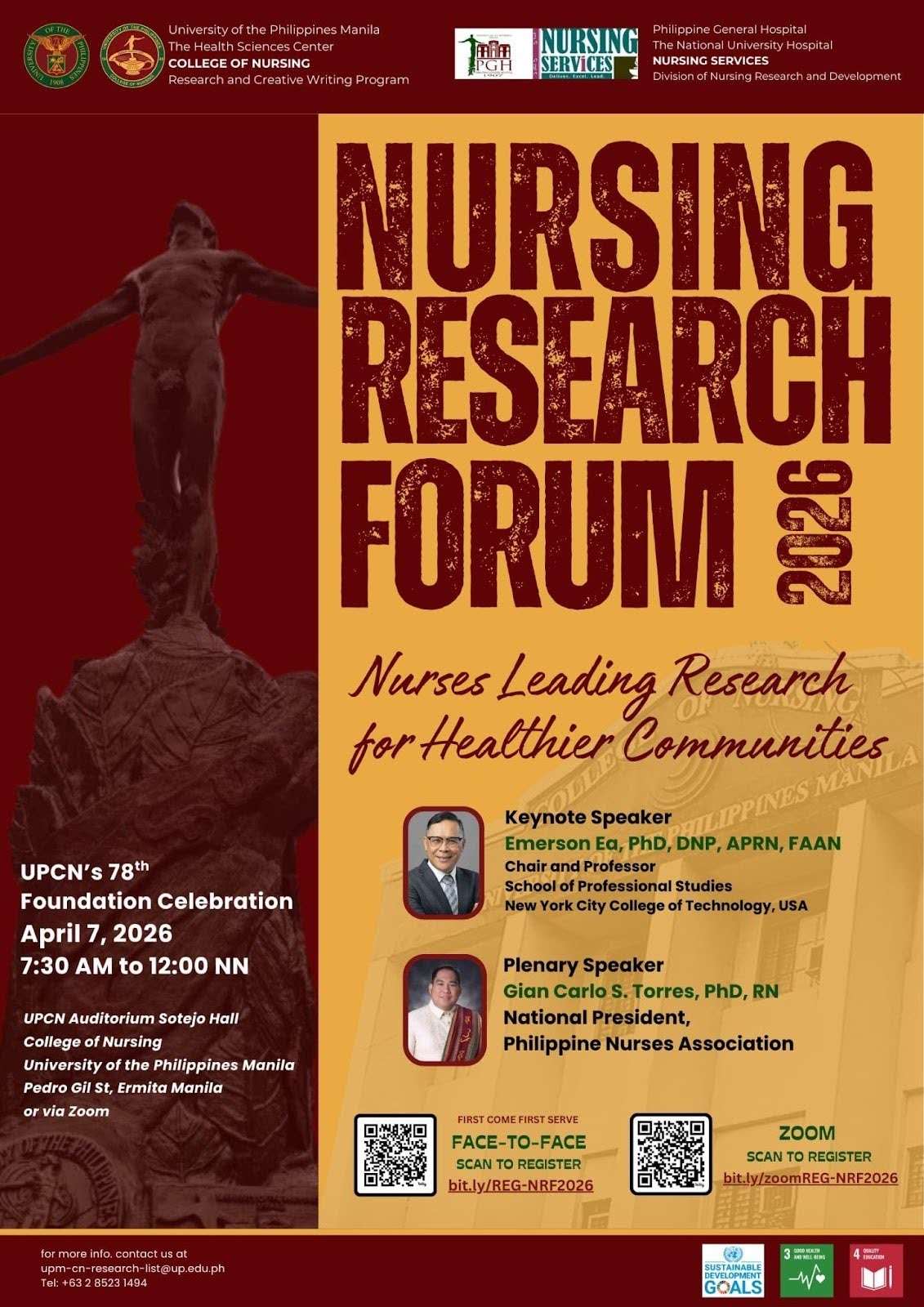
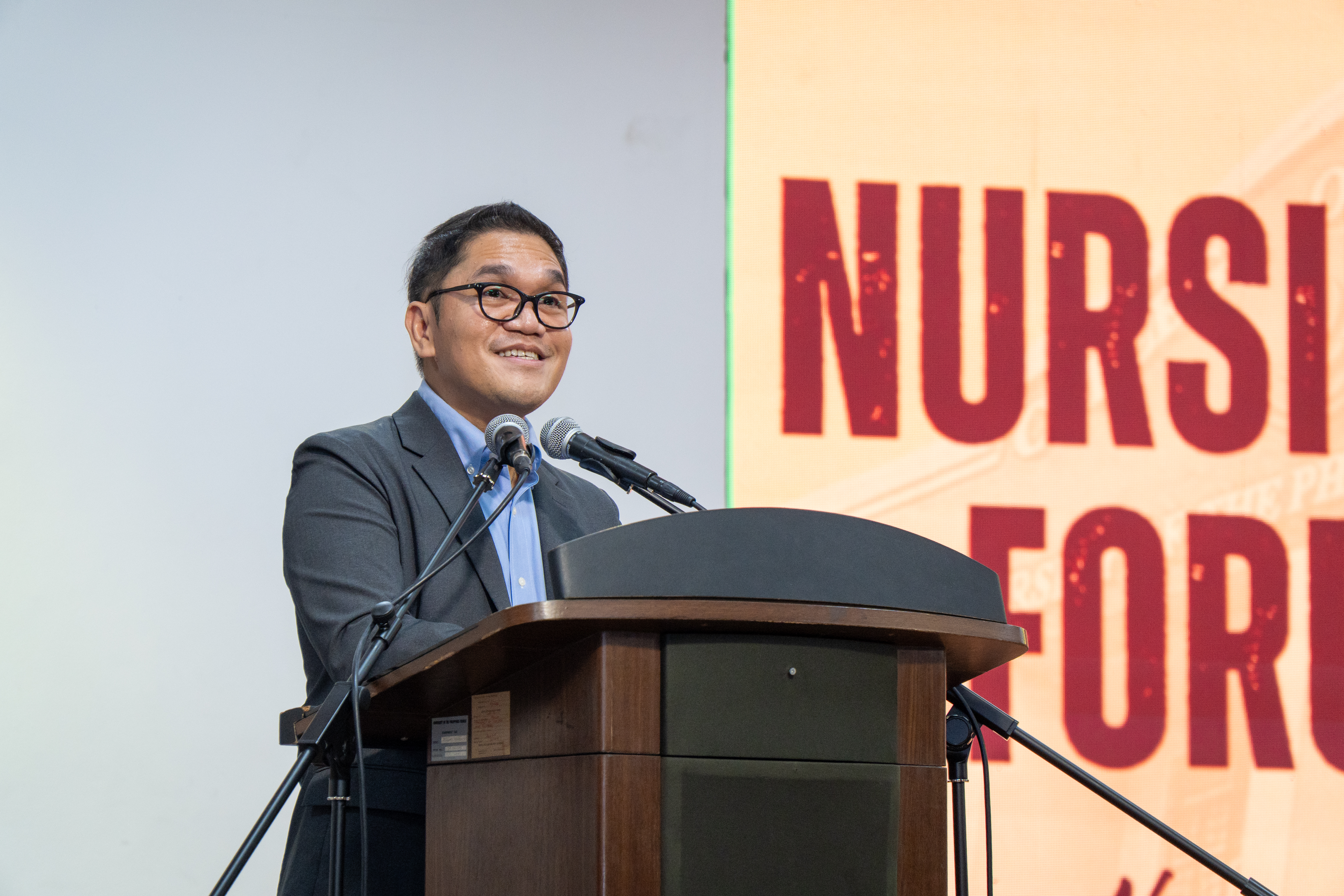
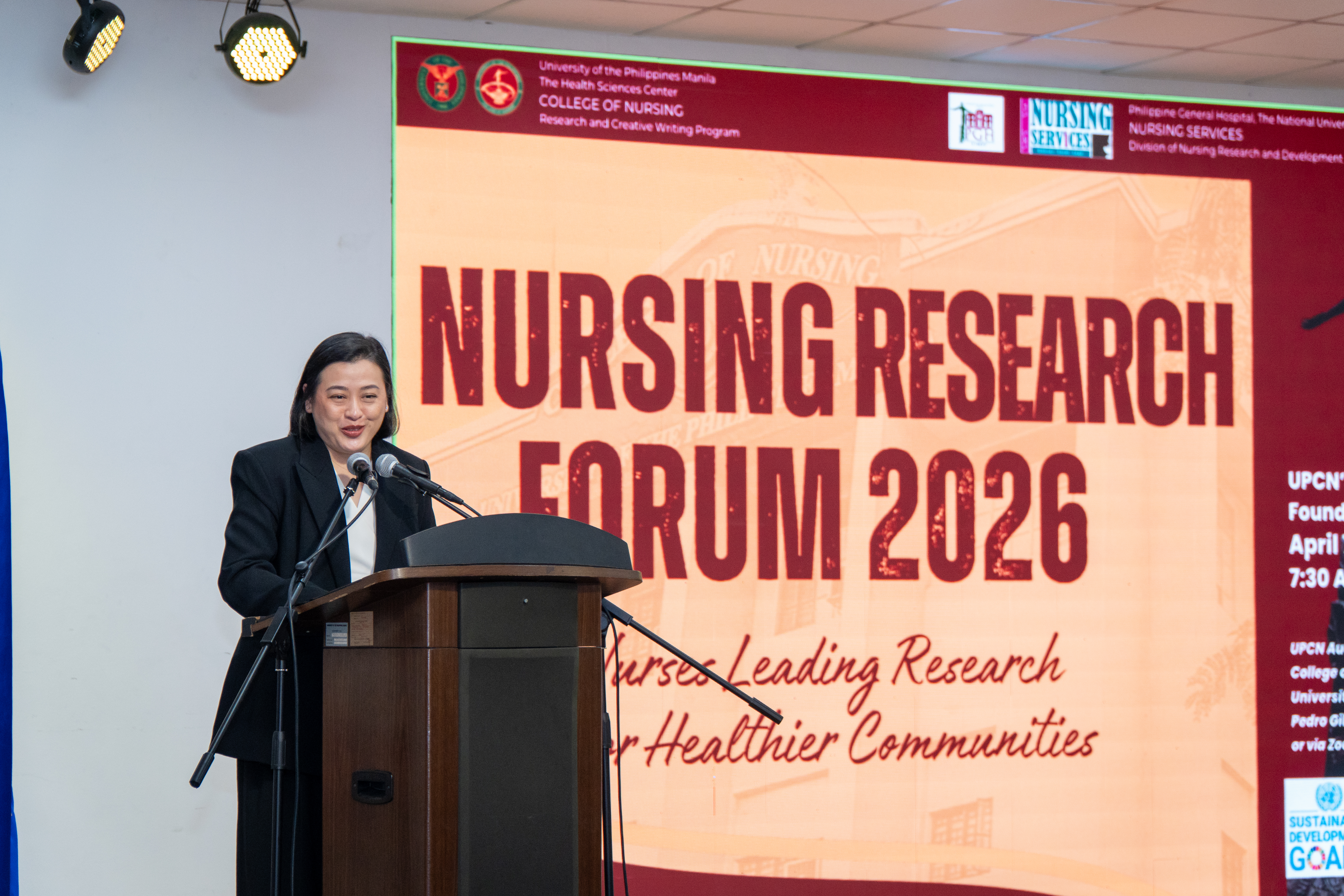
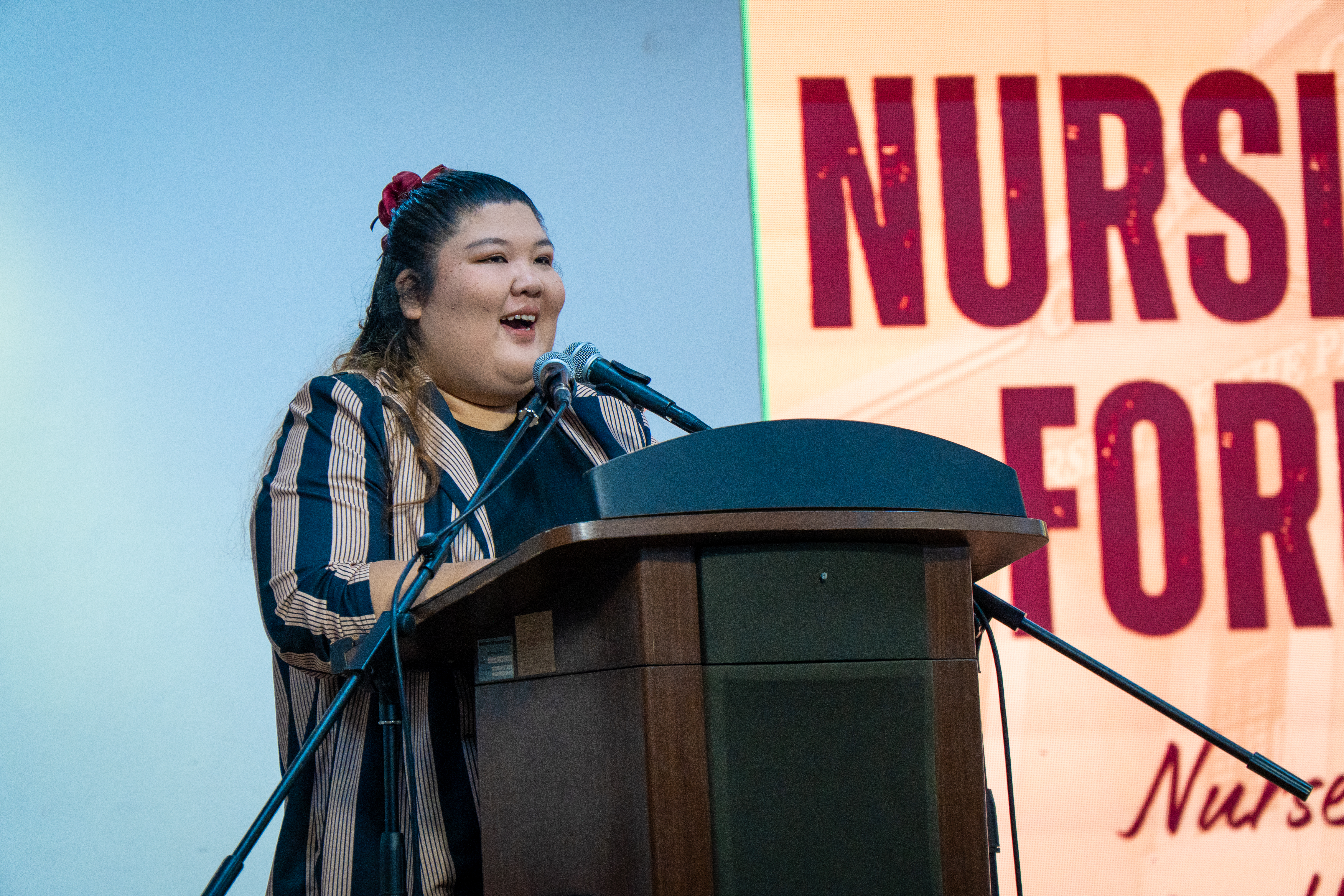
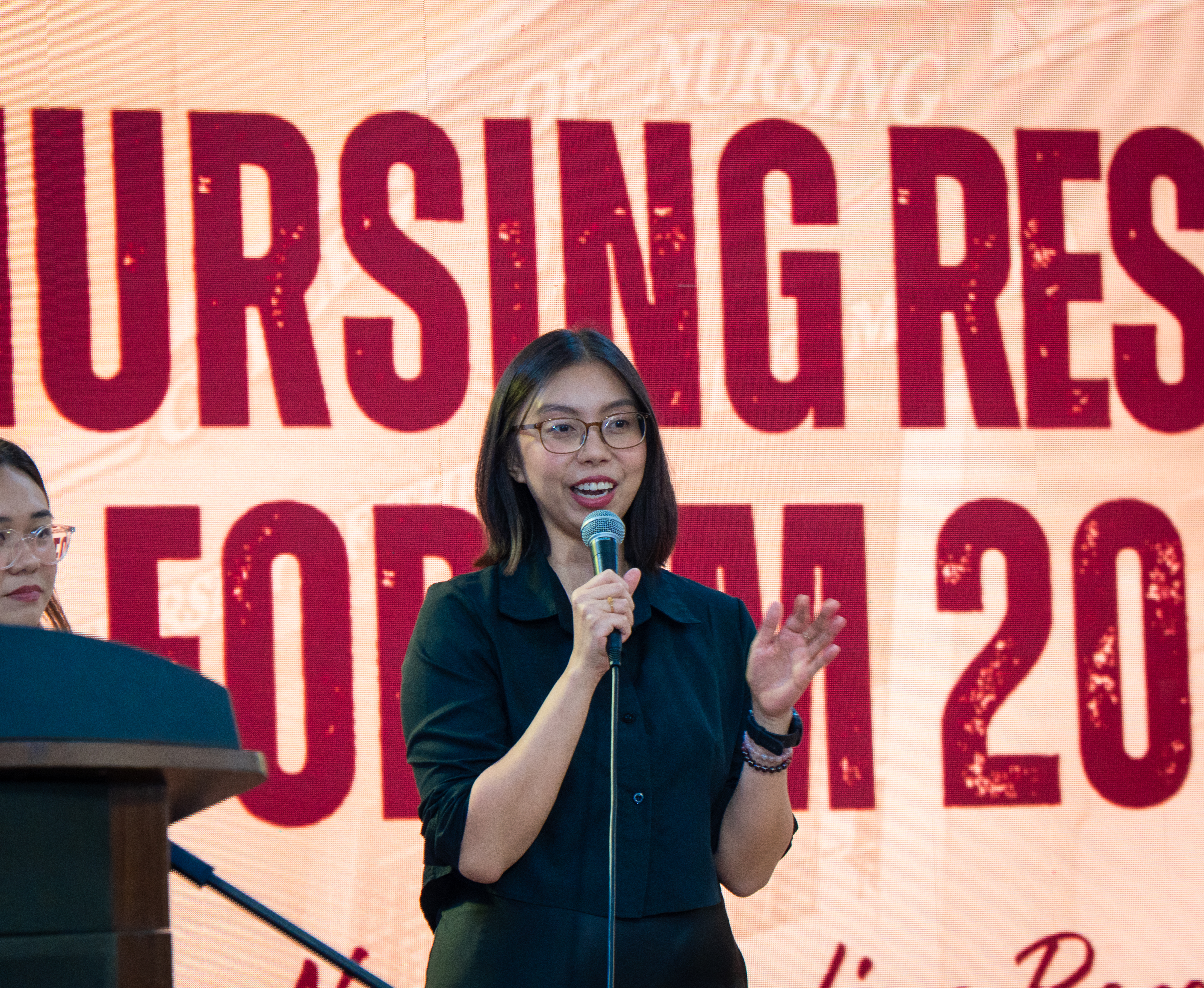
Research should not stay on the shelf; to make a real impact, it must reach communities, be integrated into practice, and inform policy. This was asserted by Emerson Ea, Chair of the Nursing Department at New York City College of Technology, USA, during the Nursing Research Forum 2026 on April 7, 2026, where the University of the Philippines Manila College of Nursing (UPCN) underscored the vital role of research in shaping health outcomes.
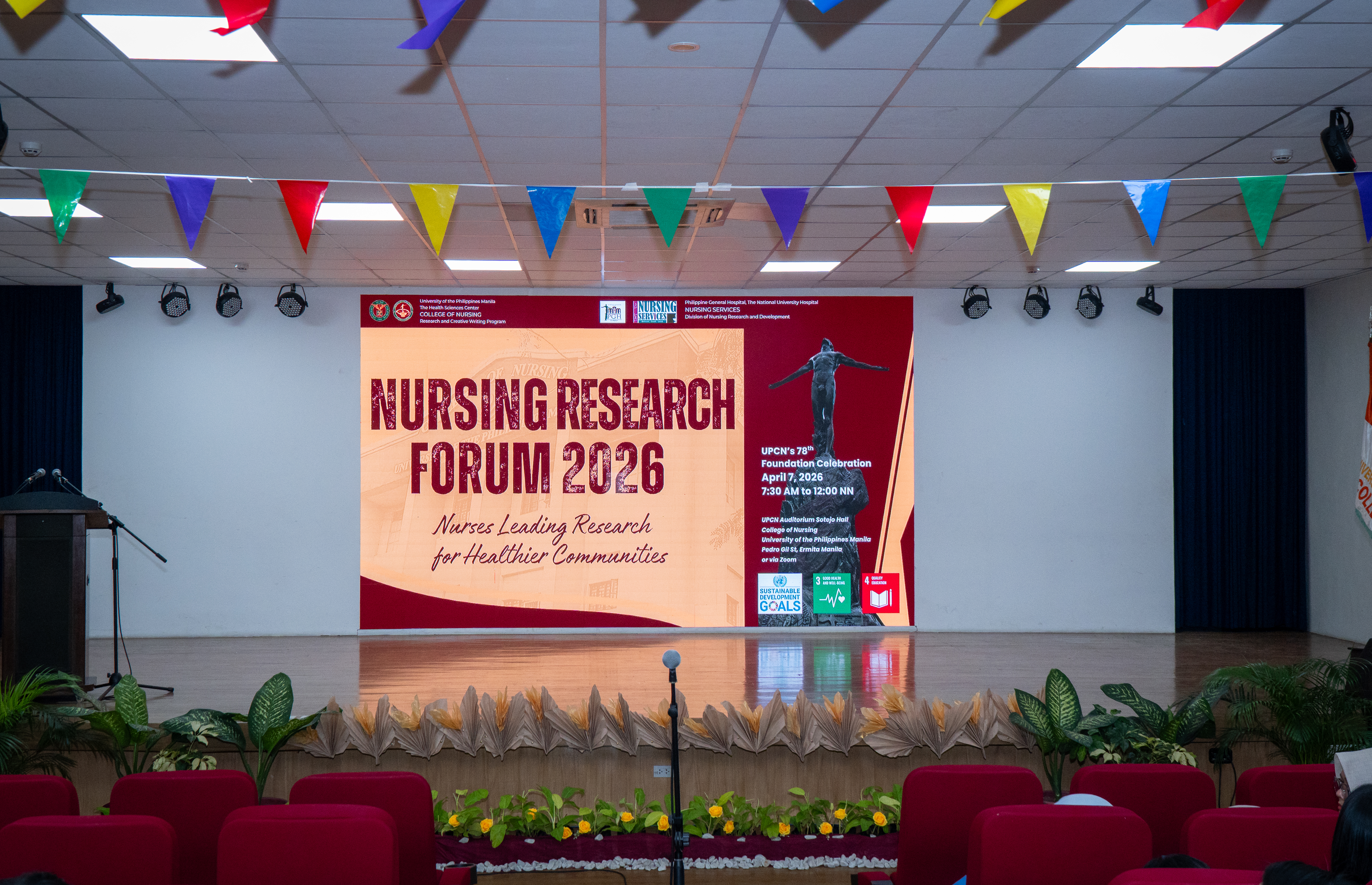
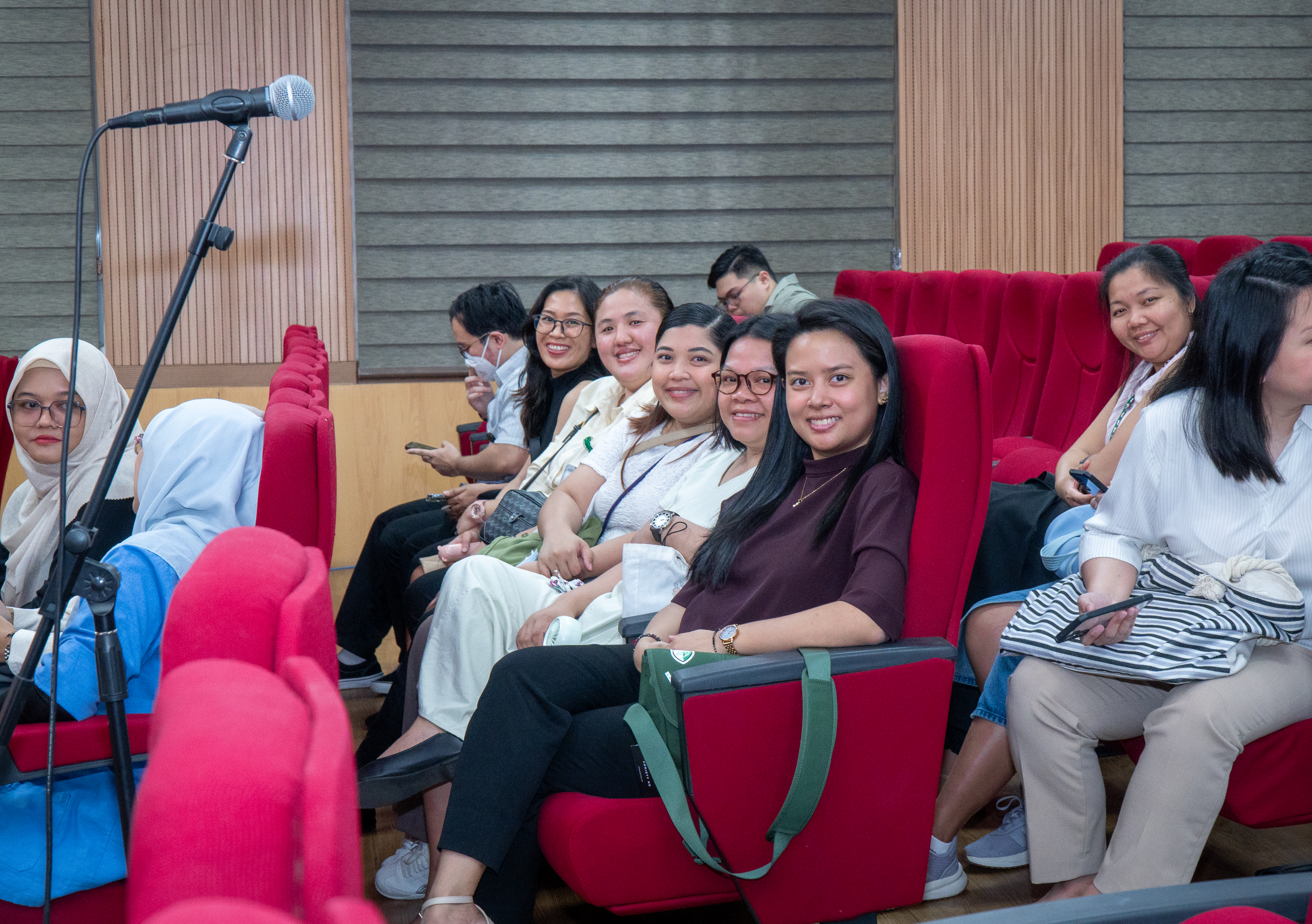
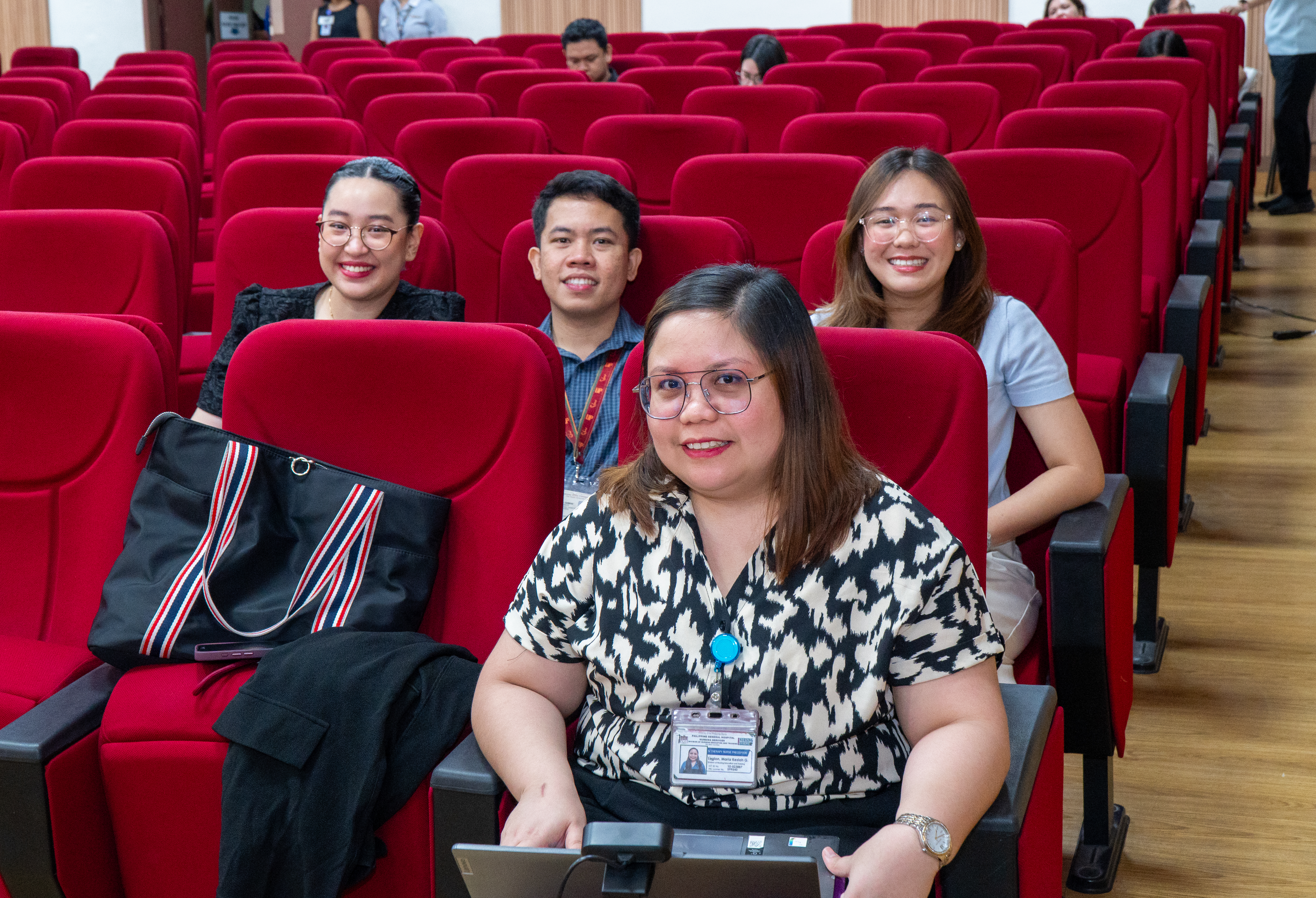
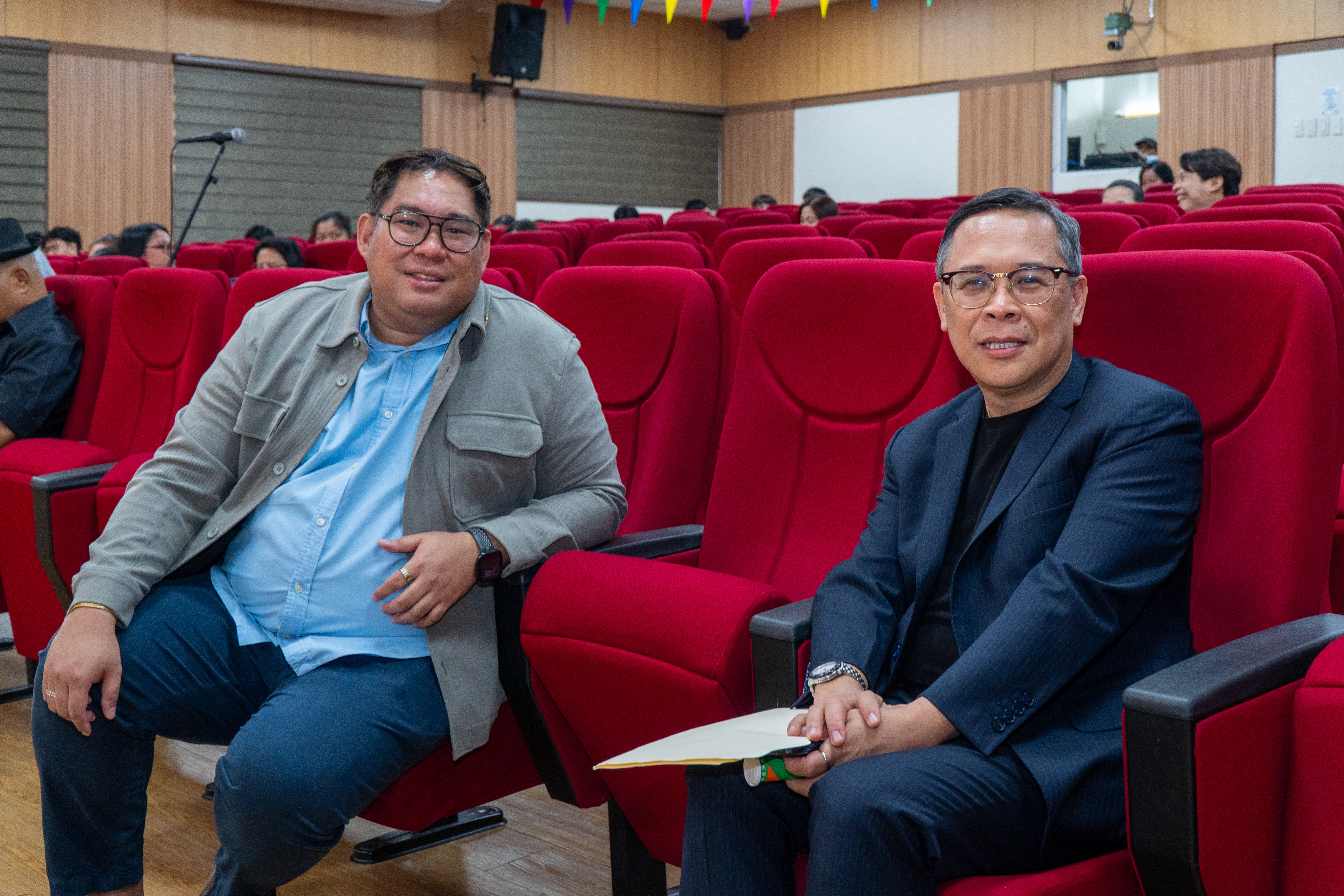
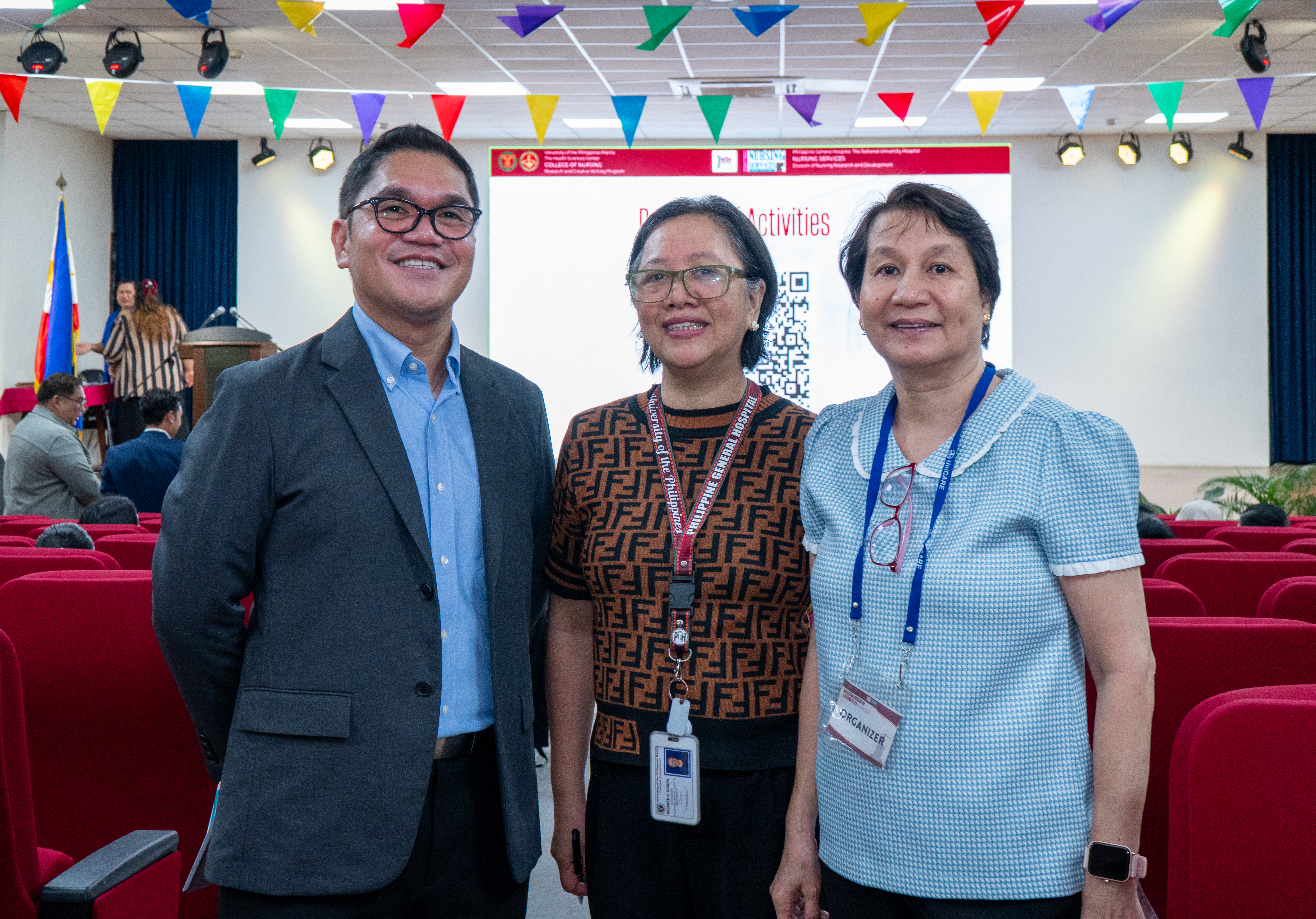
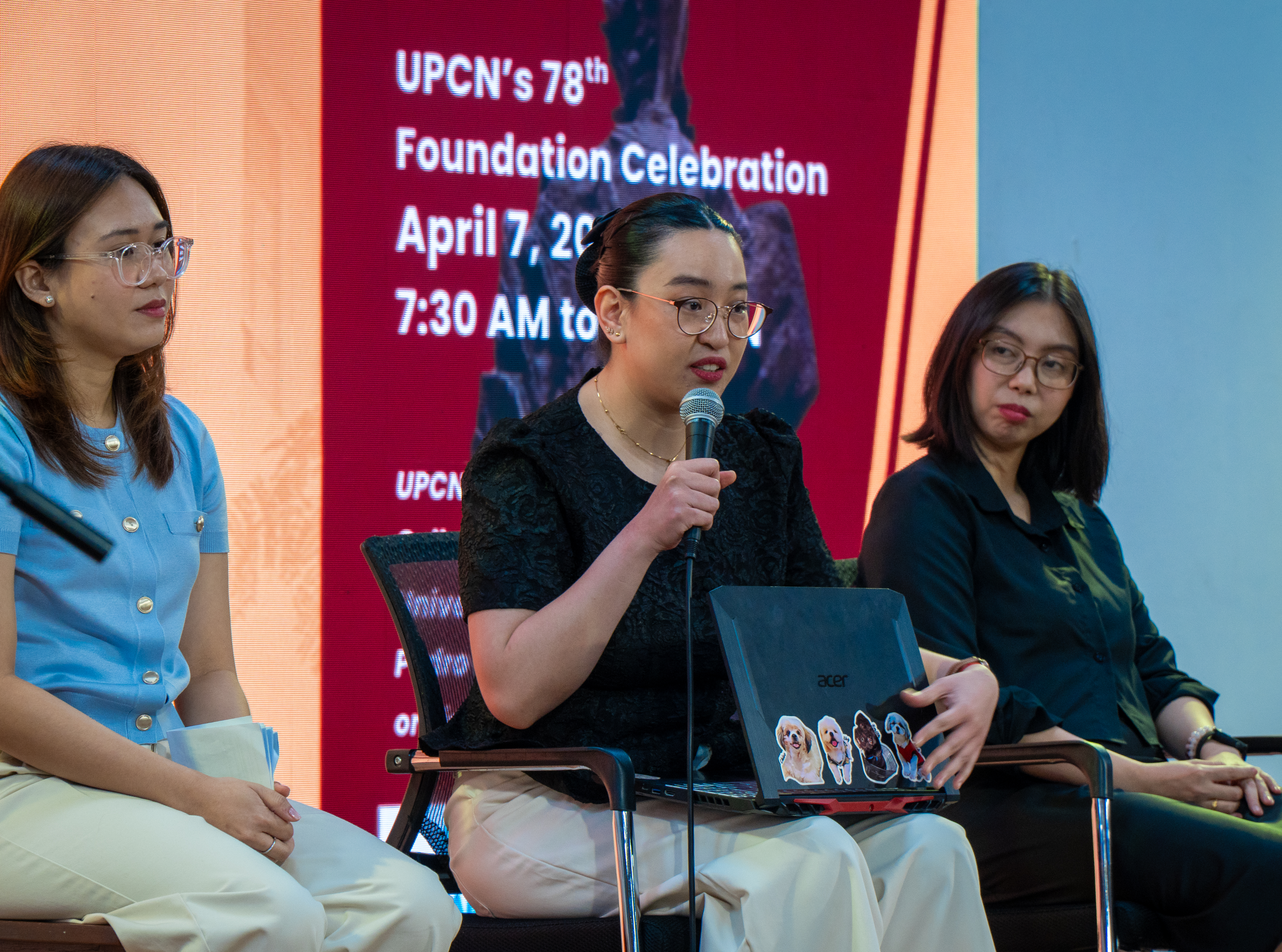
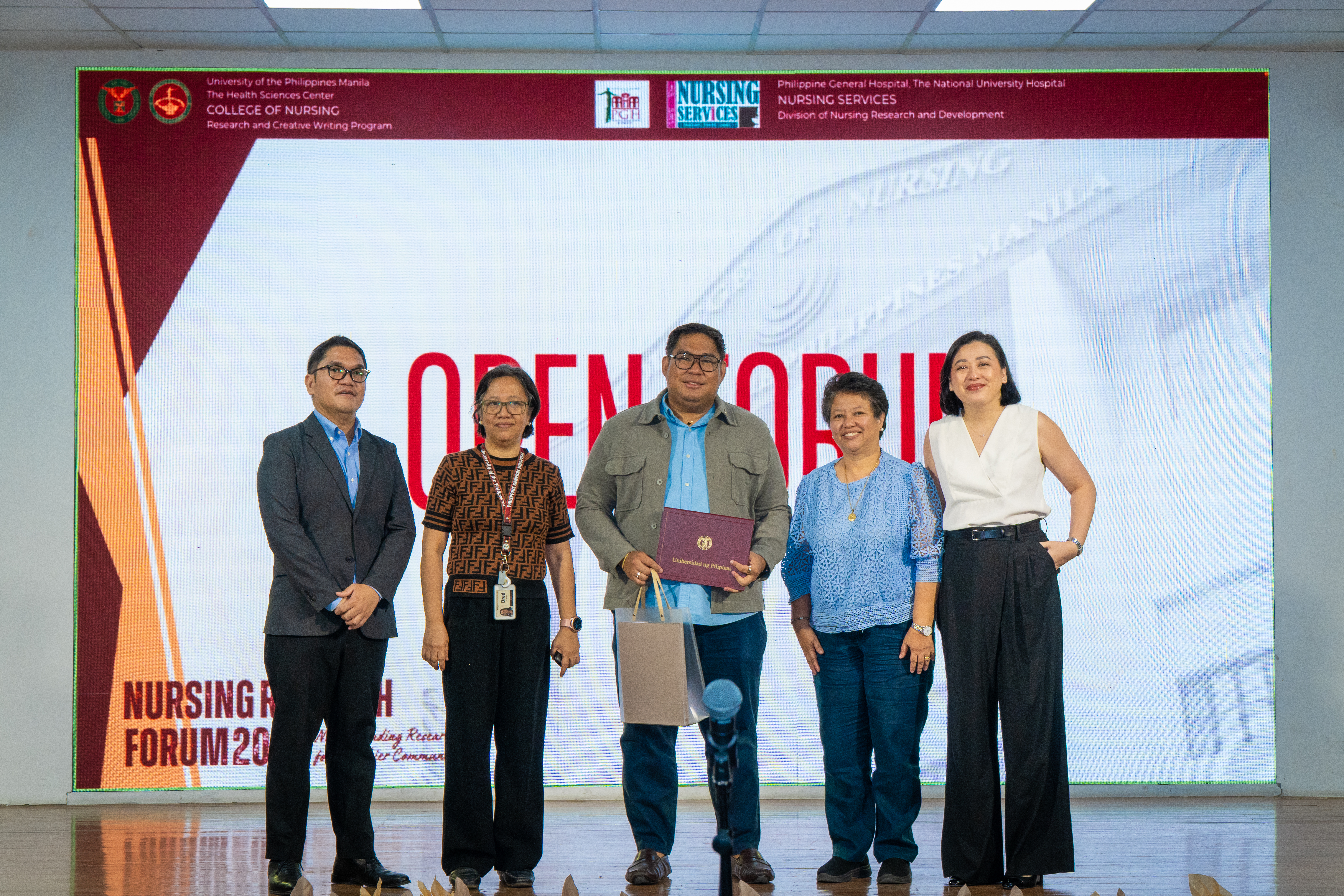
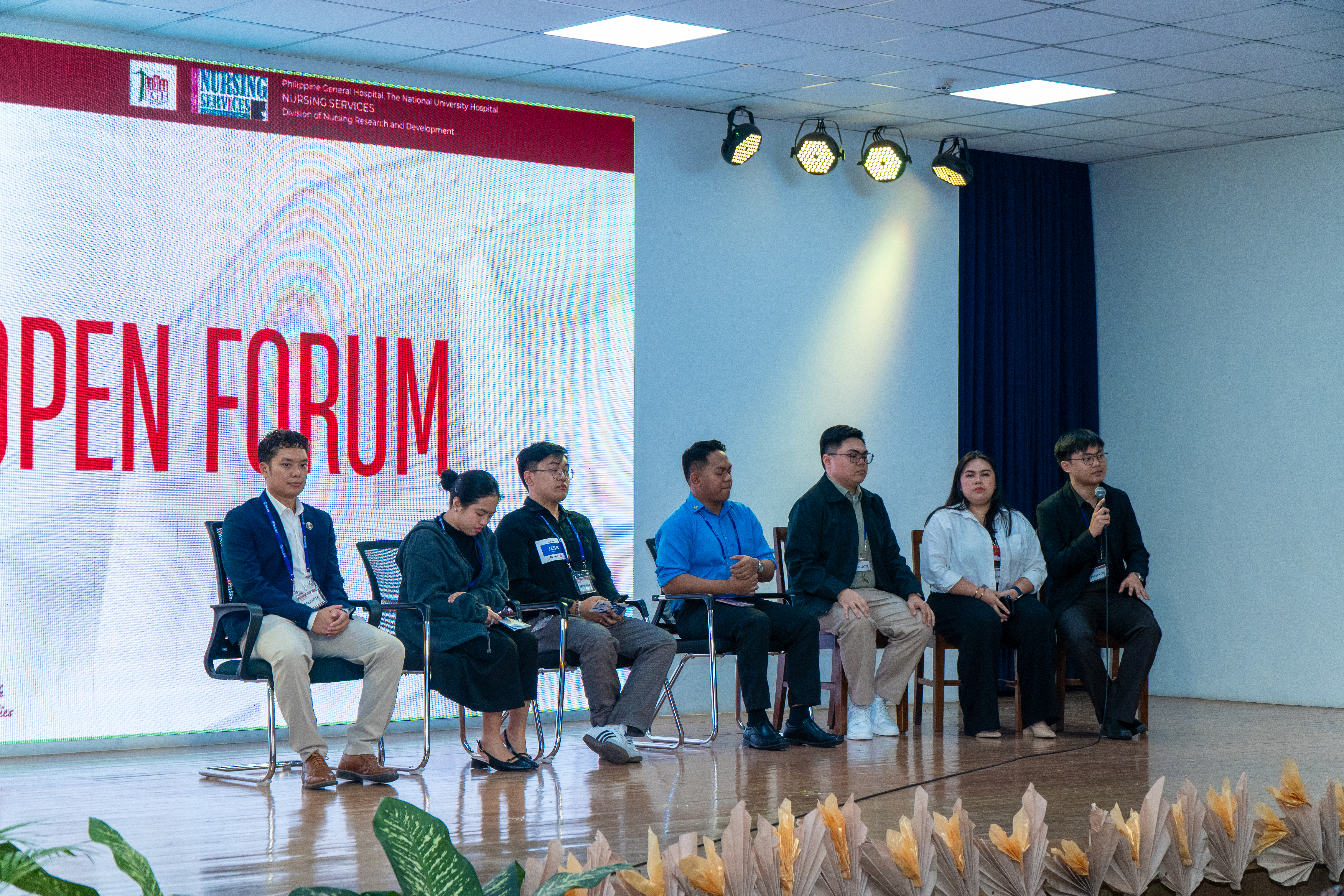
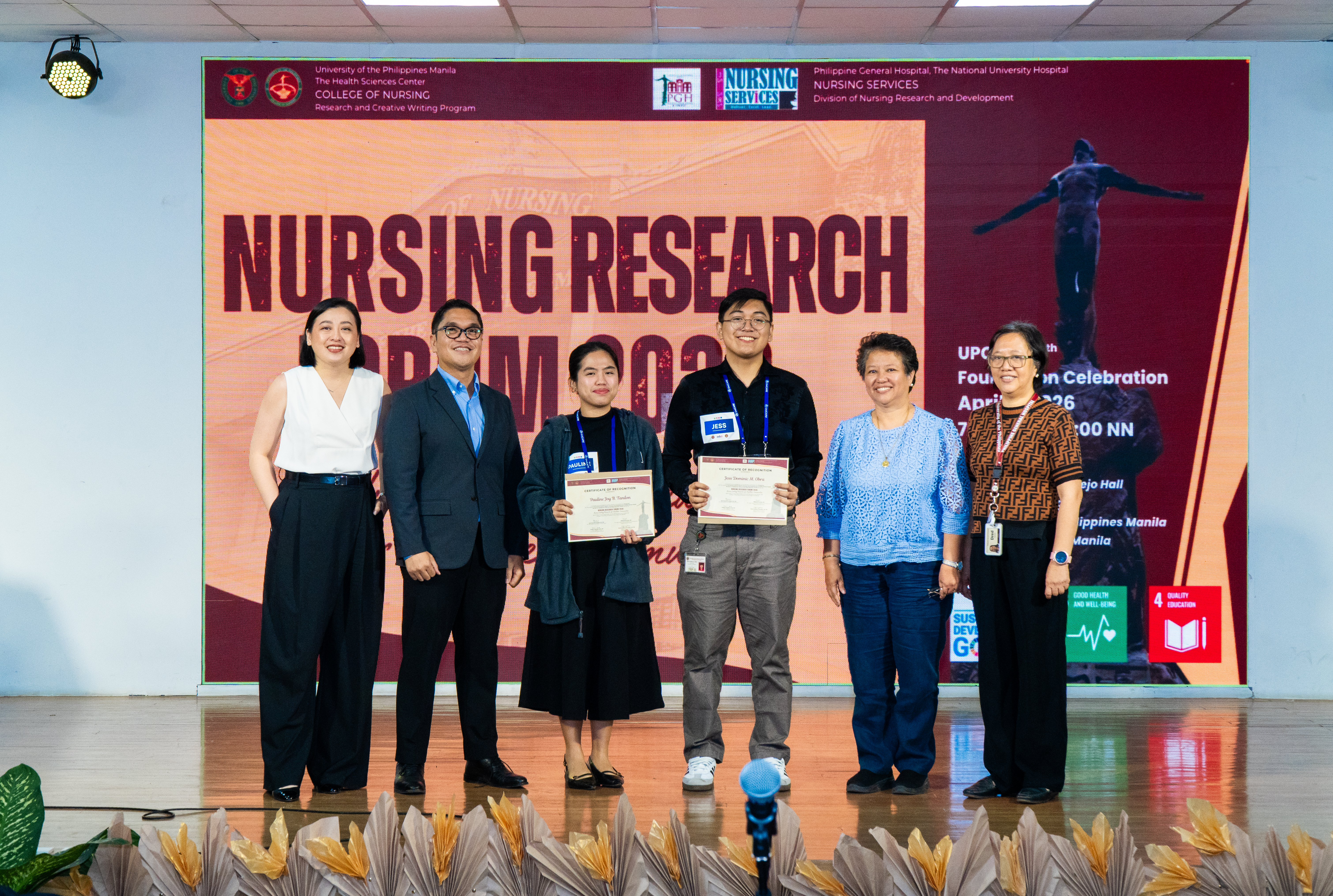
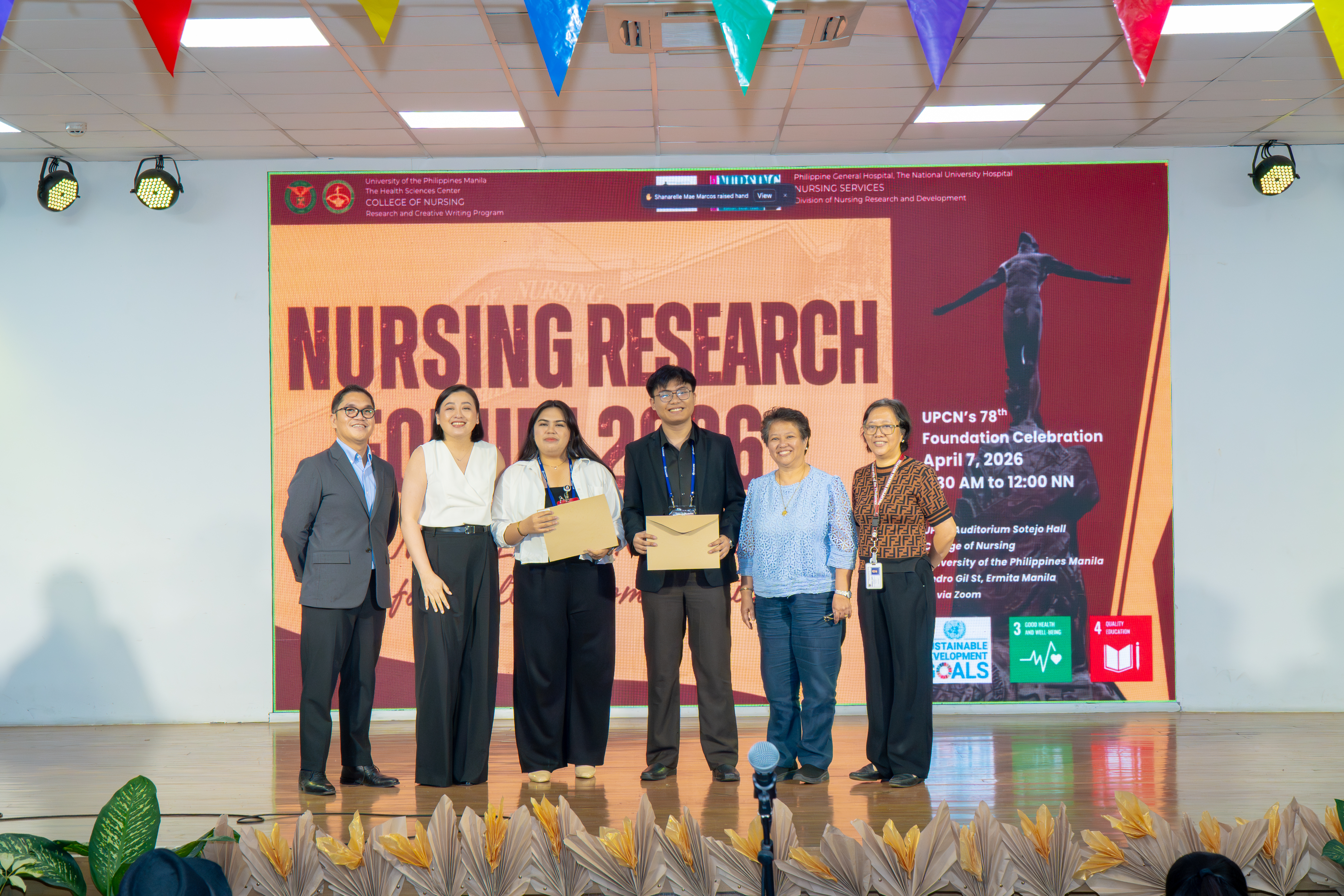
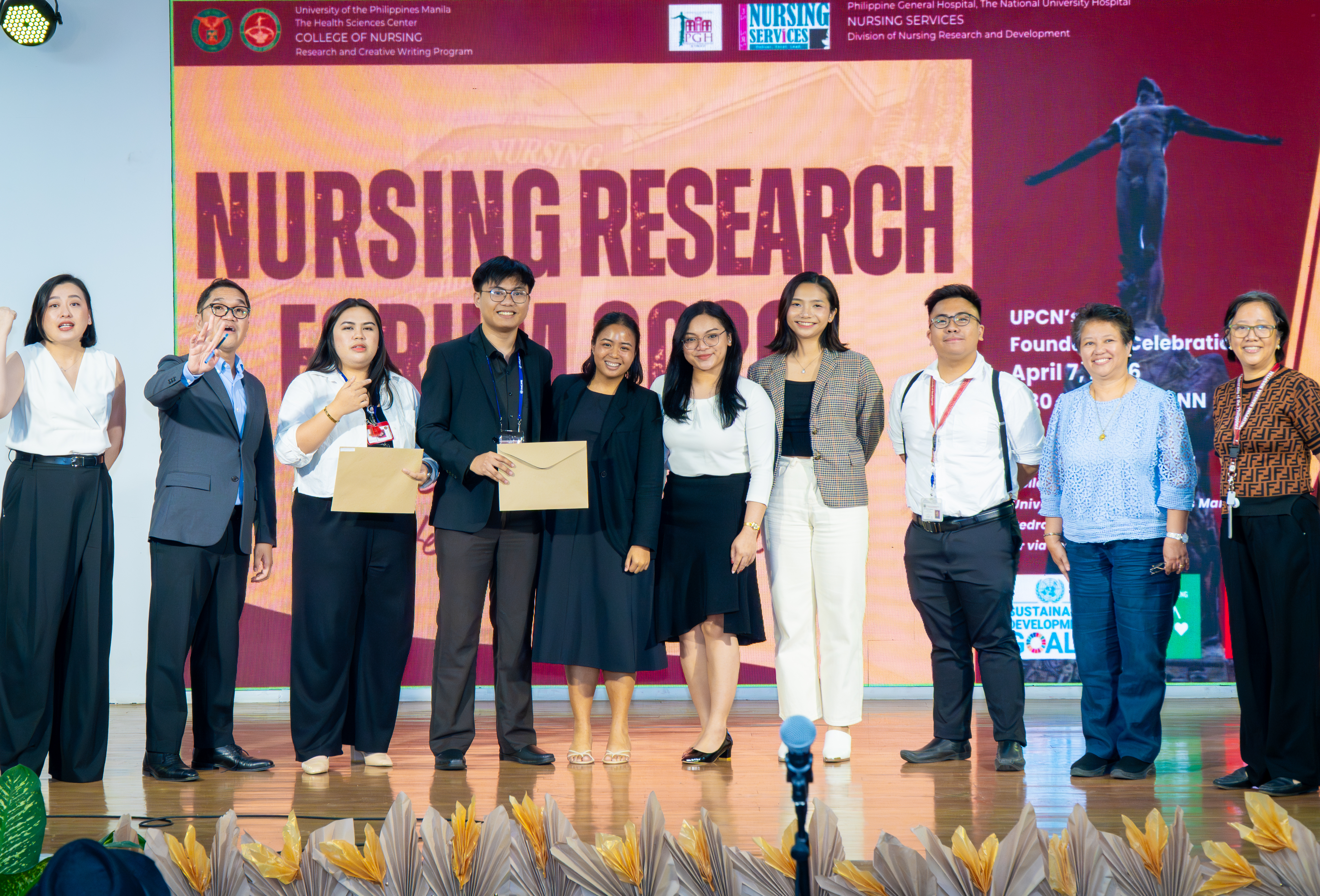
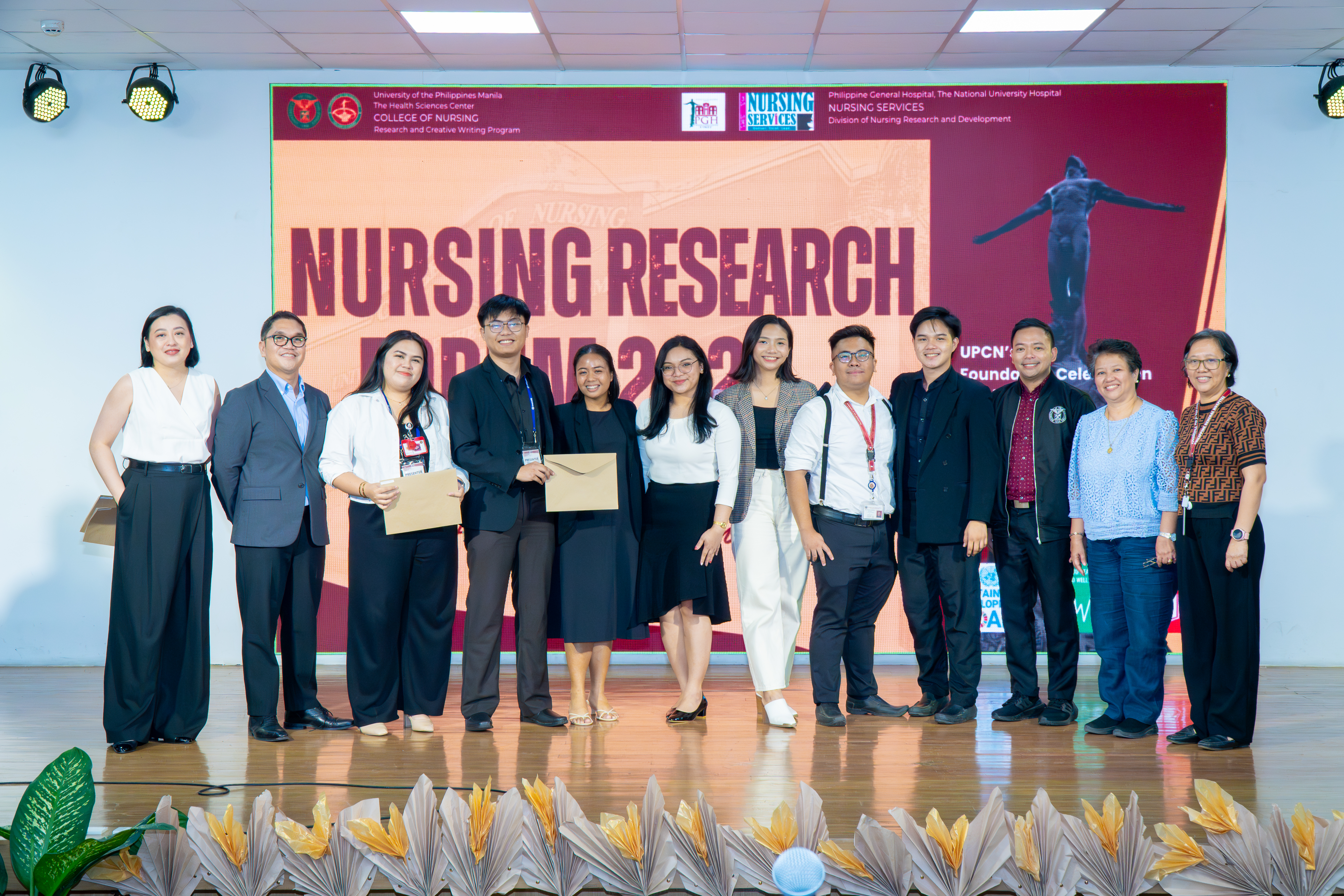
Held in line with UPCN’s week-long founding celebration and the observance of World Health Day, the forum convened nurse practitioners, faculty, and students under the theme “Nurses Leading Research for Healthier Communities,” emphasizing how nursing research must move beyond publication into meaningful action by bridging evidence, practice, and policy.
From evidence to impact
Prof. Ea, a New York-based nurse leader and health equity scholar, emphasized that the true value of research lies in its ability to improve lives. Drawing from over three decades of clinical, academic, and community experience, he presented his journey of translating research into tangible health outcomes among Filipino and Asian American communities. His studies, which range from acculturation and job satisfaction among Filipino nurses to hypertension self-management and oral health among older adults, were rooted in lived experiences and community realities.
These research efforts have informed interventions and advocacy work, including culturally grounded health promotion models such as the “KAYA KO” (Kilos, Alak, Yosi, Alta Presyon, KOmpyansa para sa kalusugan) framework for cardiovascular health. Translating to “I can,” a familiar Tagalog expression, the model reflects Filipino values of resilience, self-confidence, perseverance, and determination.
“We encourage action among Filipinos through this framework. When we educate communities, the model resonates because it is culturally meaningful and easy to remember. We have also shared it with partner organizations, and it is now what we use to promote cardiovascular health at the community level,” said Prof. Ea.
Central to his message was the interconnected cycle of research, practice, community engagement, and policy, which he described as essential in achieving “Health for All.” He emphasized the importance of nurses, especially students and early-career researchers, remaining anchored in their purpose and ensuring that their work creates real-world impact.
Addressing faculty and administrators, he urged that “our research and our work should be translated into education and shared with future leaders, with nurses of this country and beyond,” stressing that research should benefit not only the academic community but also healthcare systems and communities.
Advocating for nurses through research
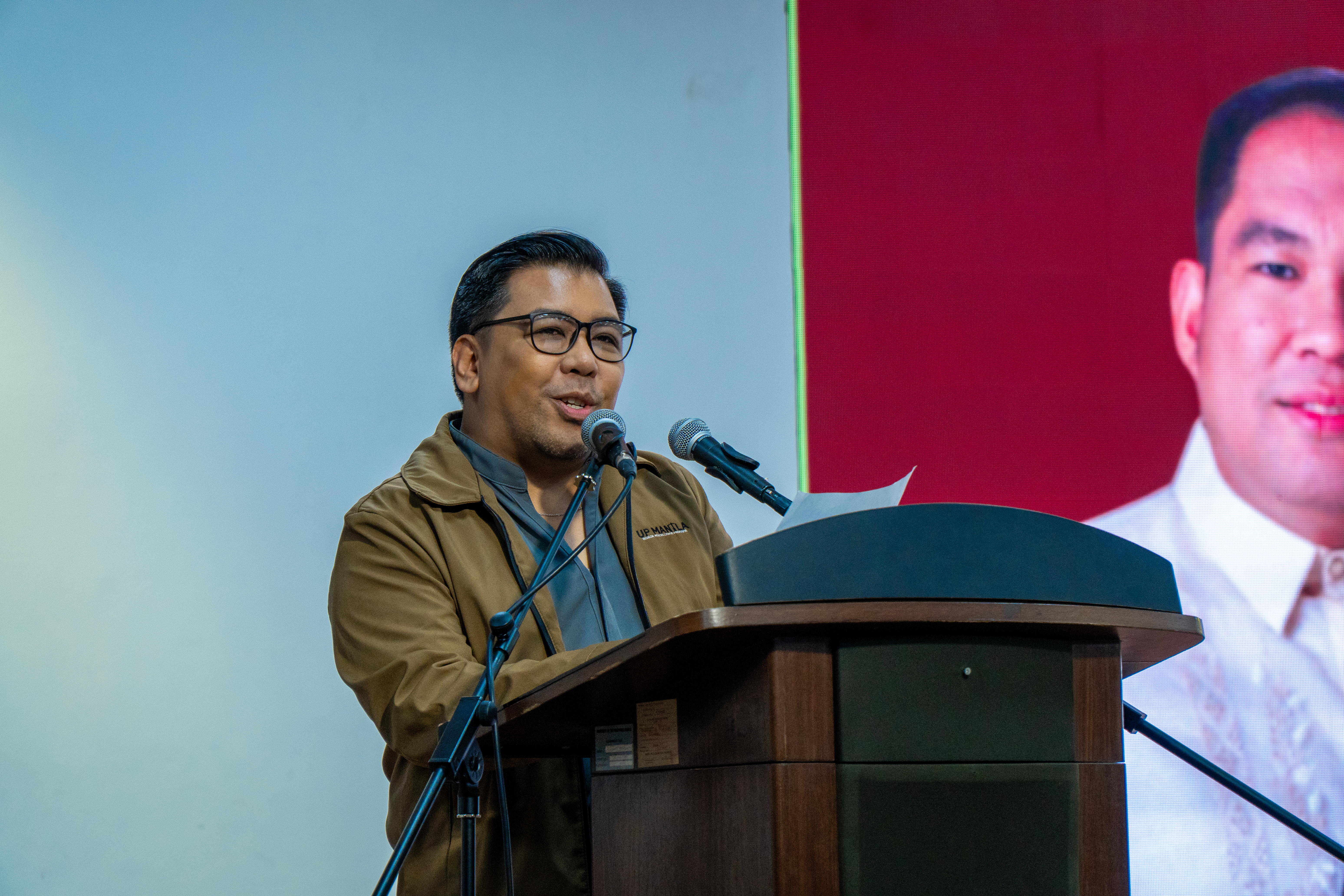
Philippine Nurses Association (PNA) President Gian Carlo Torres shifted the discussion toward using research as a tool for advocacy and systemic change. He highlighted pressing challenges faced by Filipino nurses, including workforce shortages, unsafe workloads, and inequitable compensation.
He shared ongoing initiatives of the PNA, including nationwide consultations, surveys, and policy lobbying efforts aimed at improving working conditions, advancing nursing education, and strengthening workforce retention.
Highlighting the importance of evidence-based advocacy, Torres introduced the “advocacy cycle,” which begins with situational analysis and research, followed by policy engagement, stakeholder collaboration, and action planning.
“We cannot advocate effectively if we don’t have data,” he said. “Research allows us to understand real problems and push for policies that will truly benefit nurses.”
Torres called on nurses to actively participate in shaping the future of the profession, not only as practitioners, but also as researchers, educators, and policy advocates.
Advancing research for national and global health
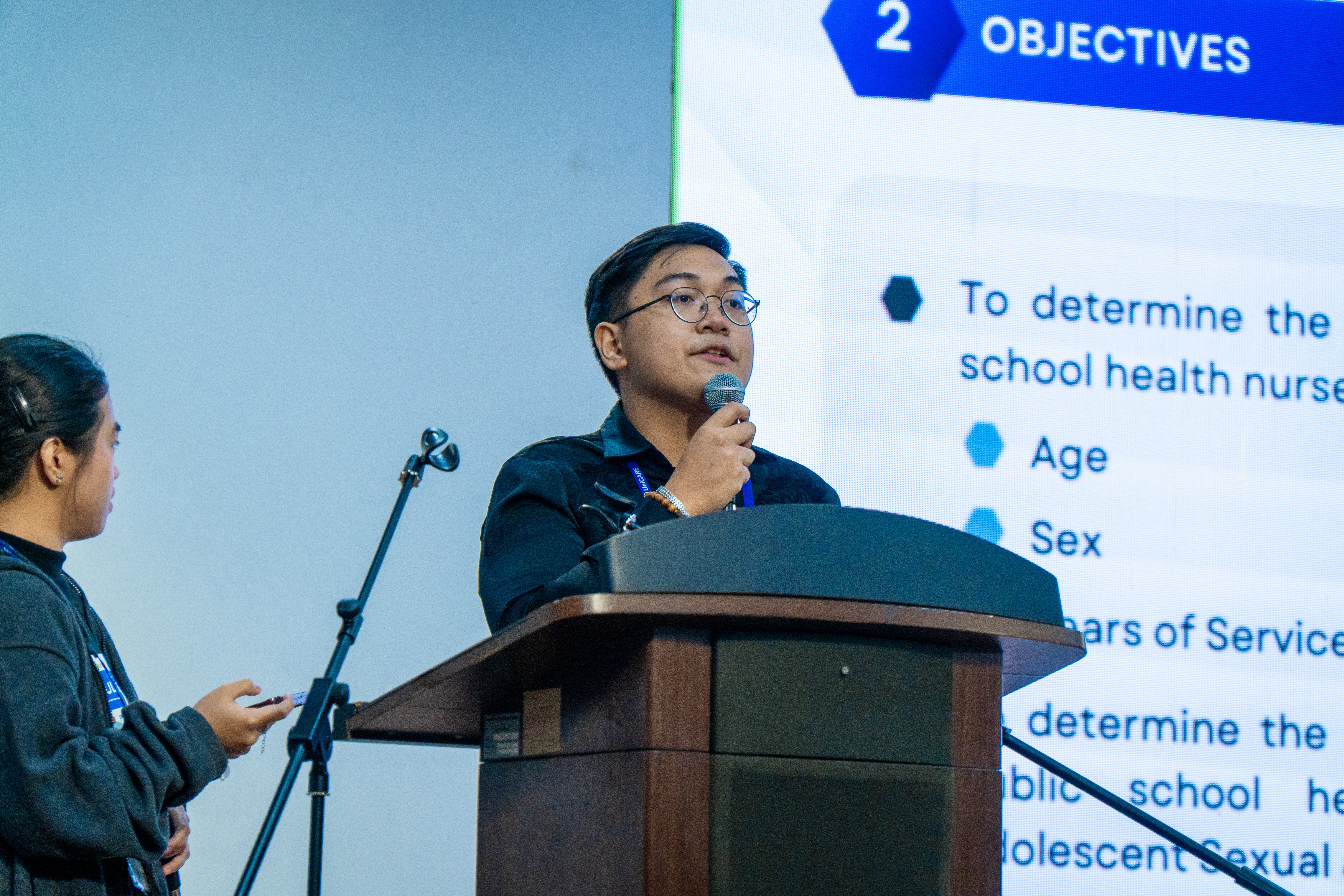
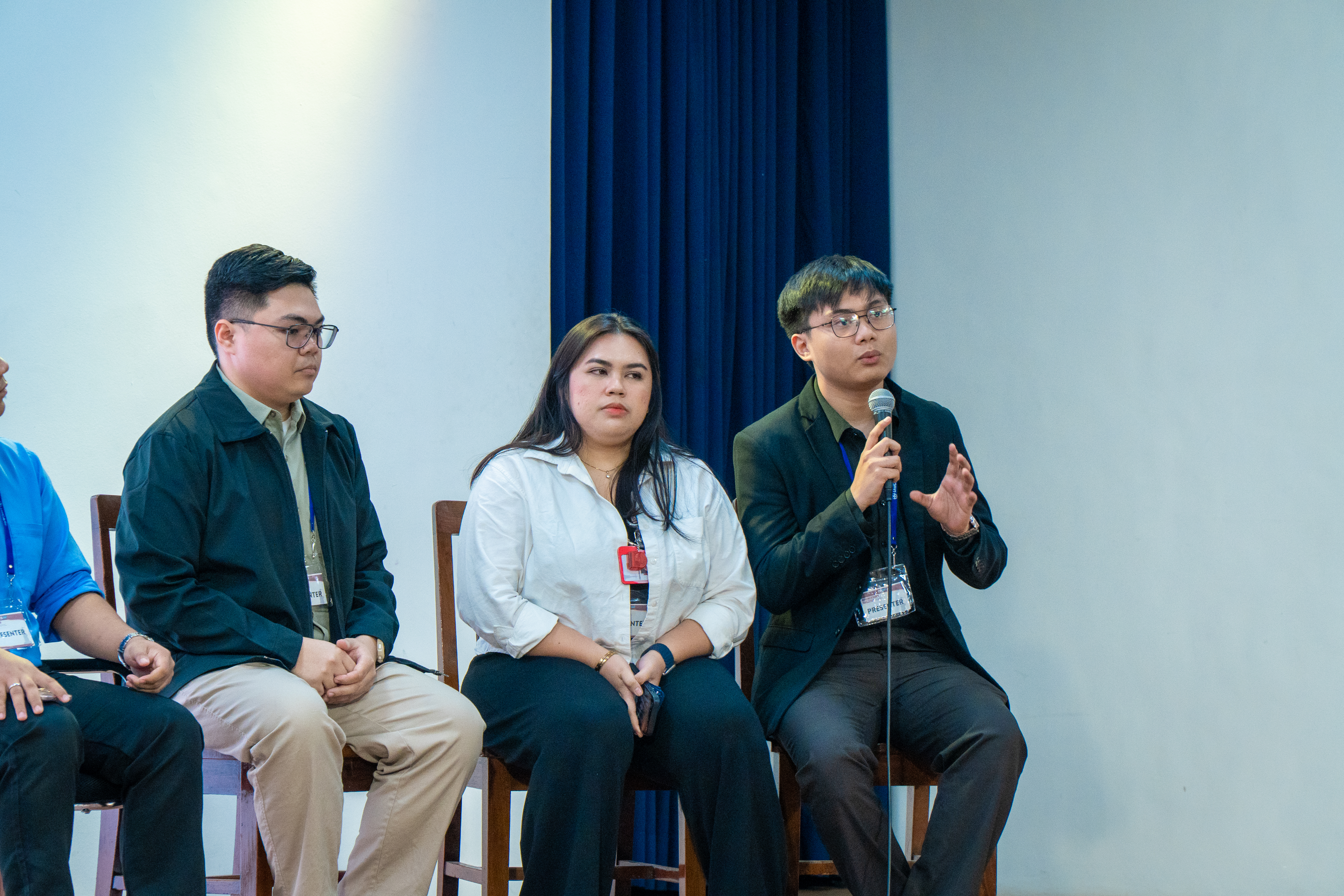
A series of research presentations further demonstrated how nursing inquiry continues to address critical healthcare challenges, from patient safety and caregiver burden to workforce development and digital health innovation.
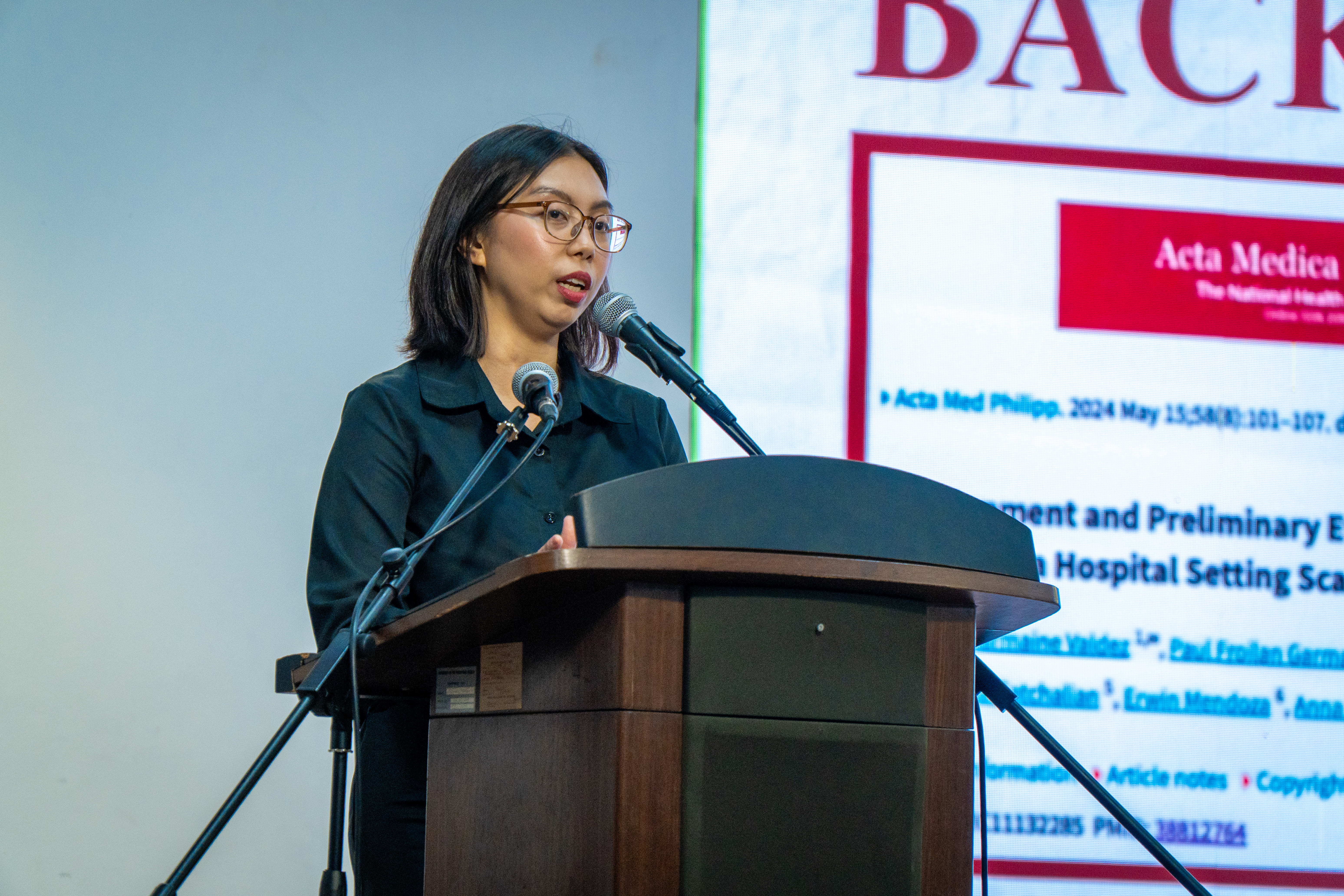
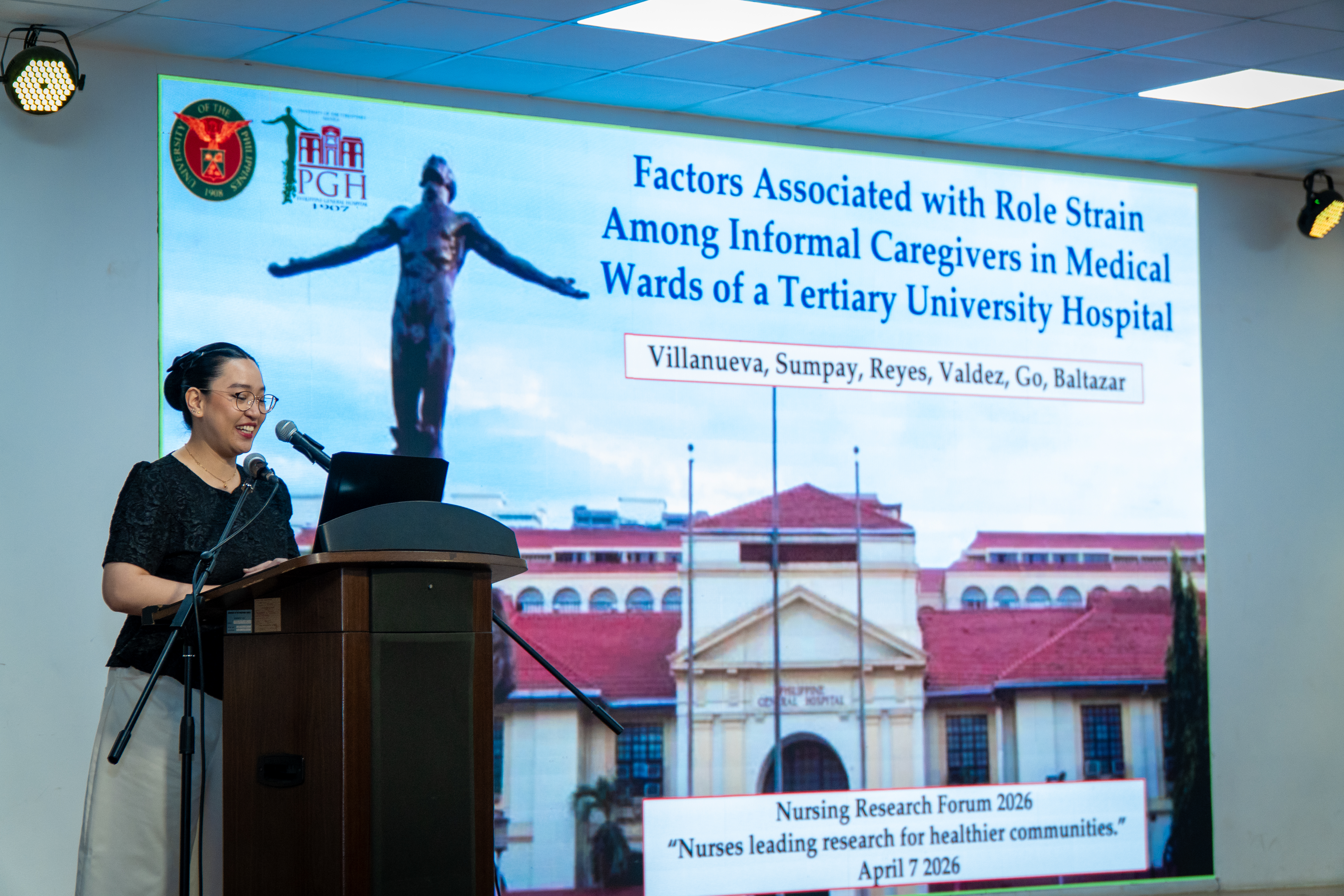
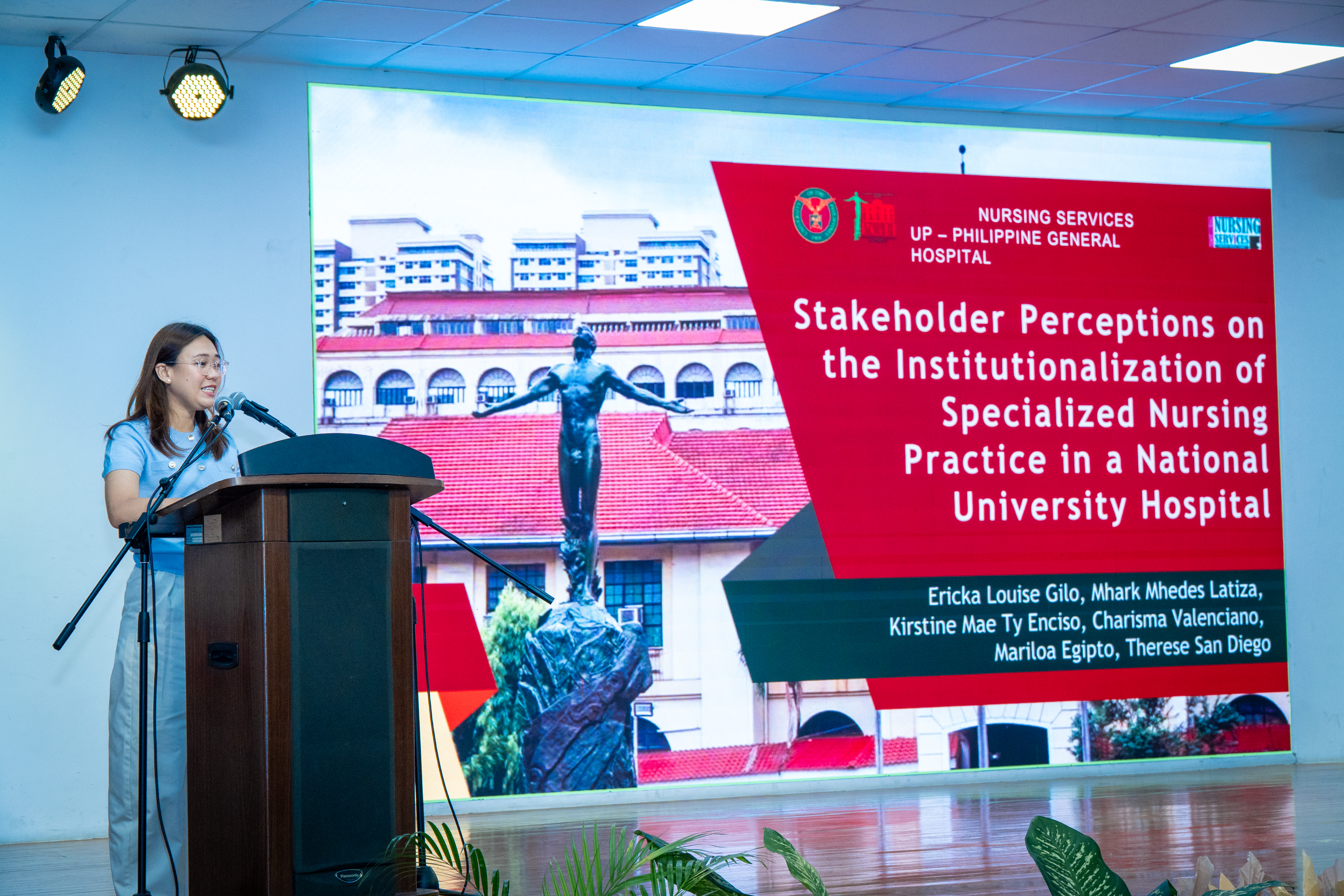
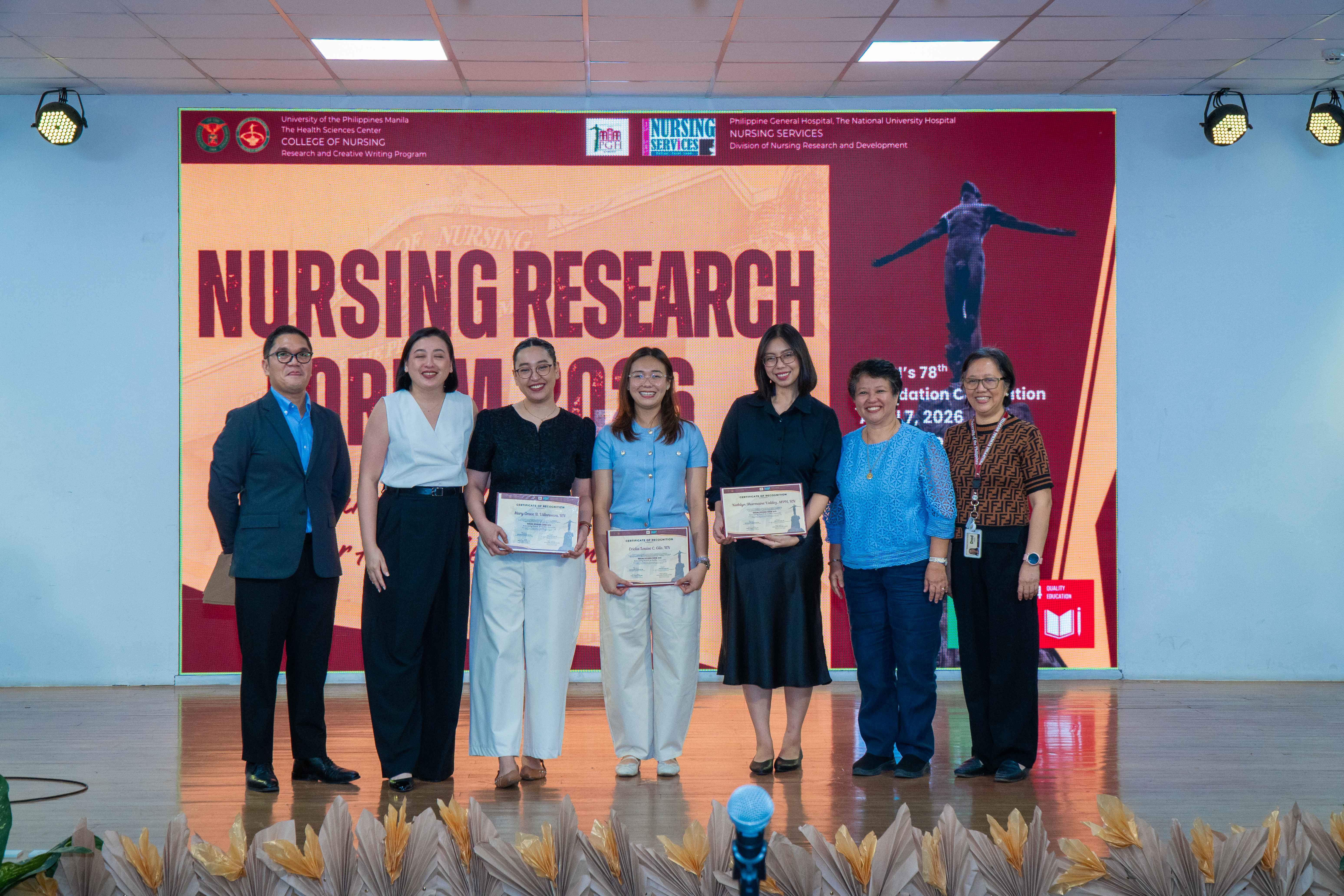
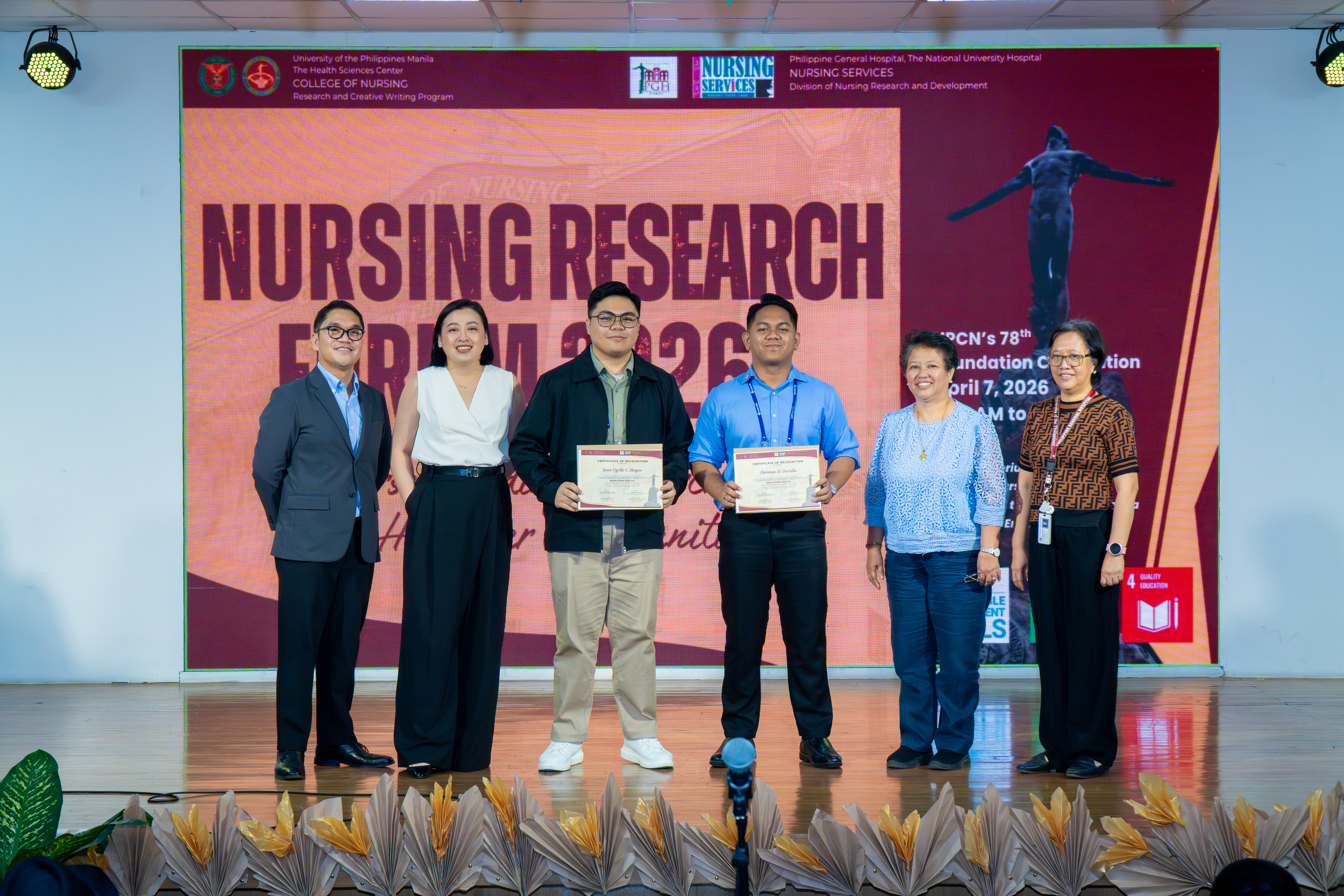
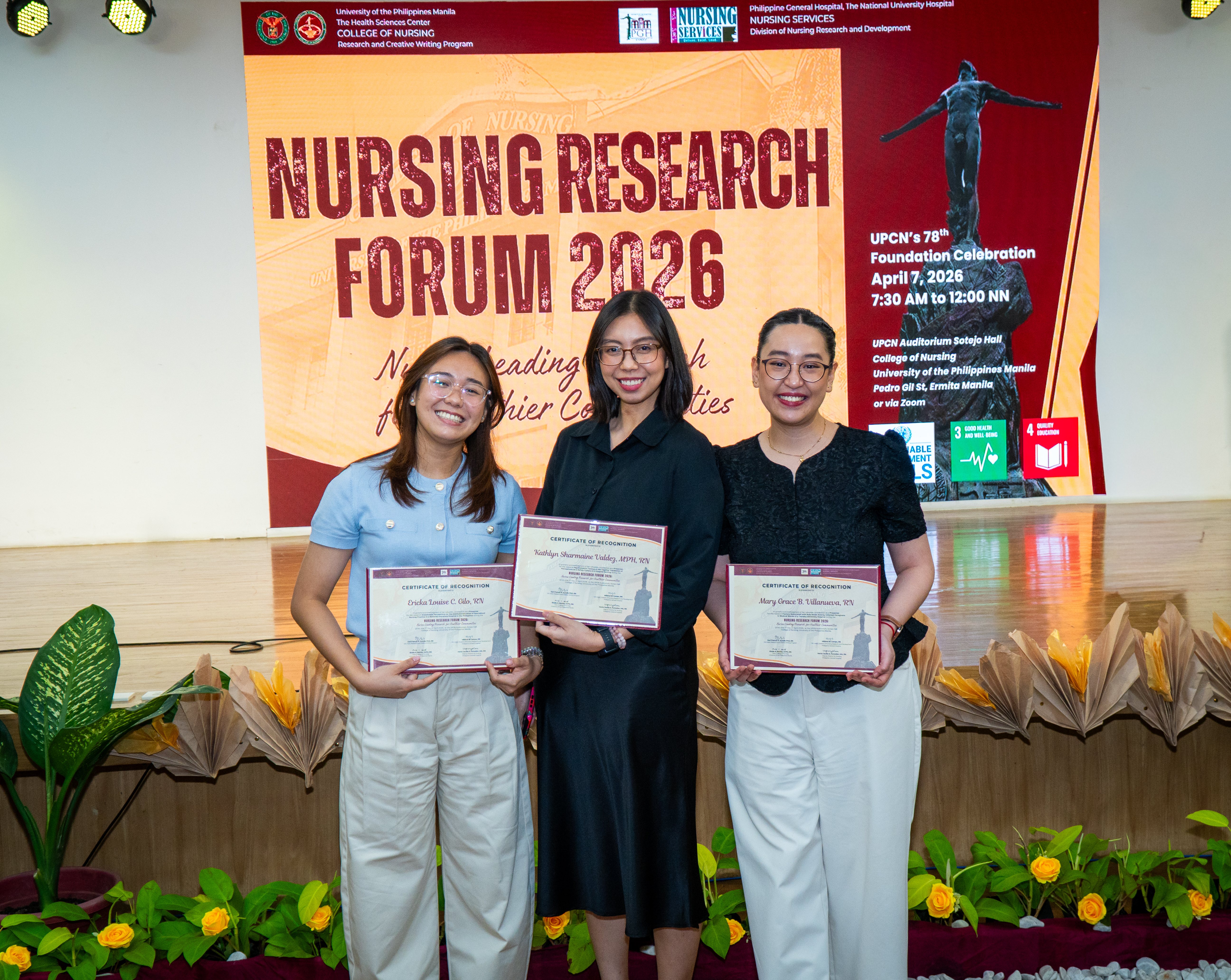
Among the studies presented were “Psychometric Testing of the Tagalog Translation of Perceptions on a Safety Culture in a Hospital Setting” by Kathlyn Sharmaine Valdez; “Factors Associated with Role Strain Among Informal Caregivers in Medical Wards of a Tertiary University Hospital” by Mary Grace Villanueva; and “Stakeholder Perceptions on the Institutionalization of Specialized Nursing Practice in a National University Hospital in the Philippines” by Ericka Louise Gilo, all from the UP-PGH Department of Nursing Research and Development. These studies highlighted efforts to strengthen patient safety culture, support informal caregivers, and institutionalize specialized nursing practice, key areas in improving healthcare delivery and nursing systems in tertiary hospitals.
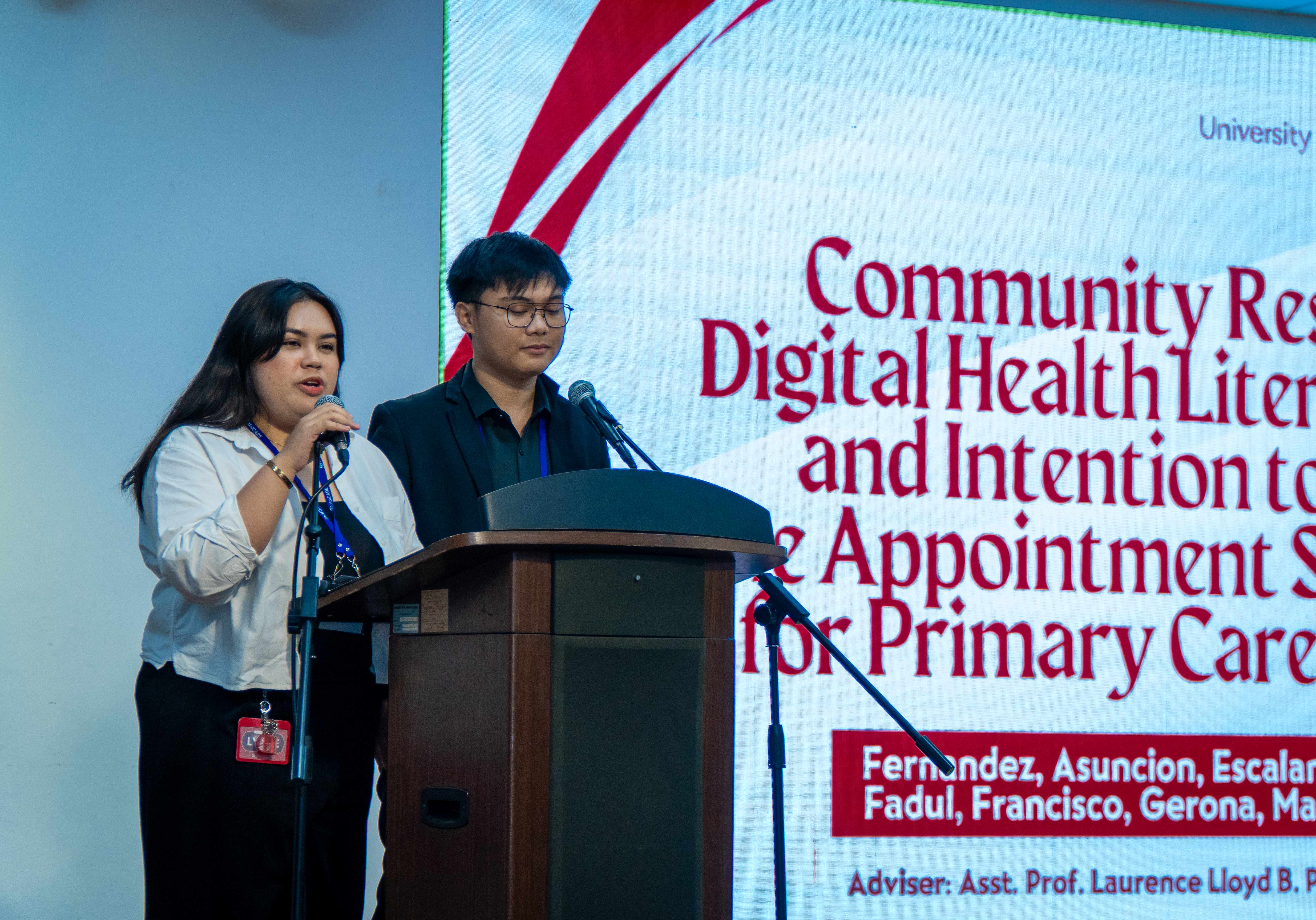
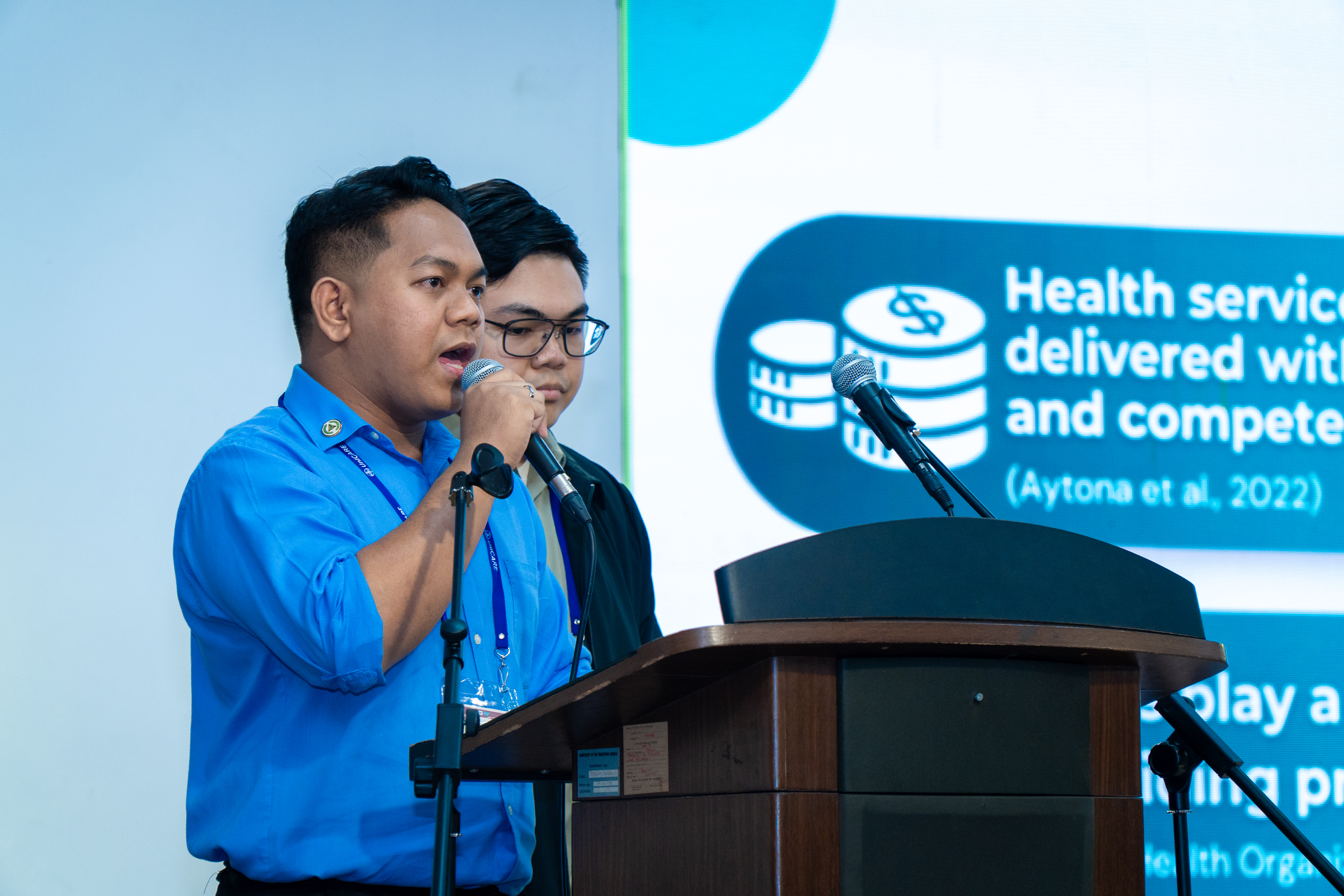
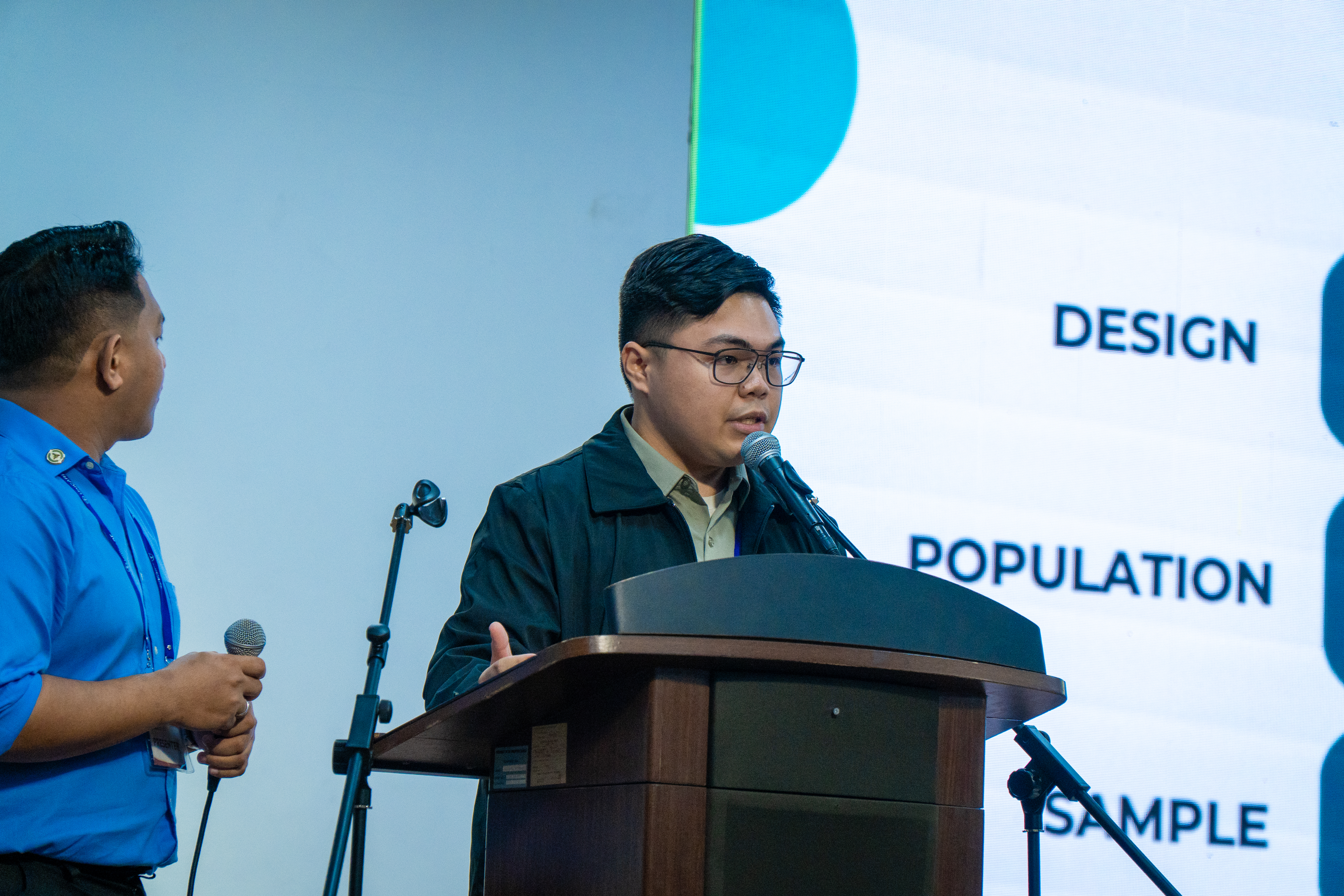
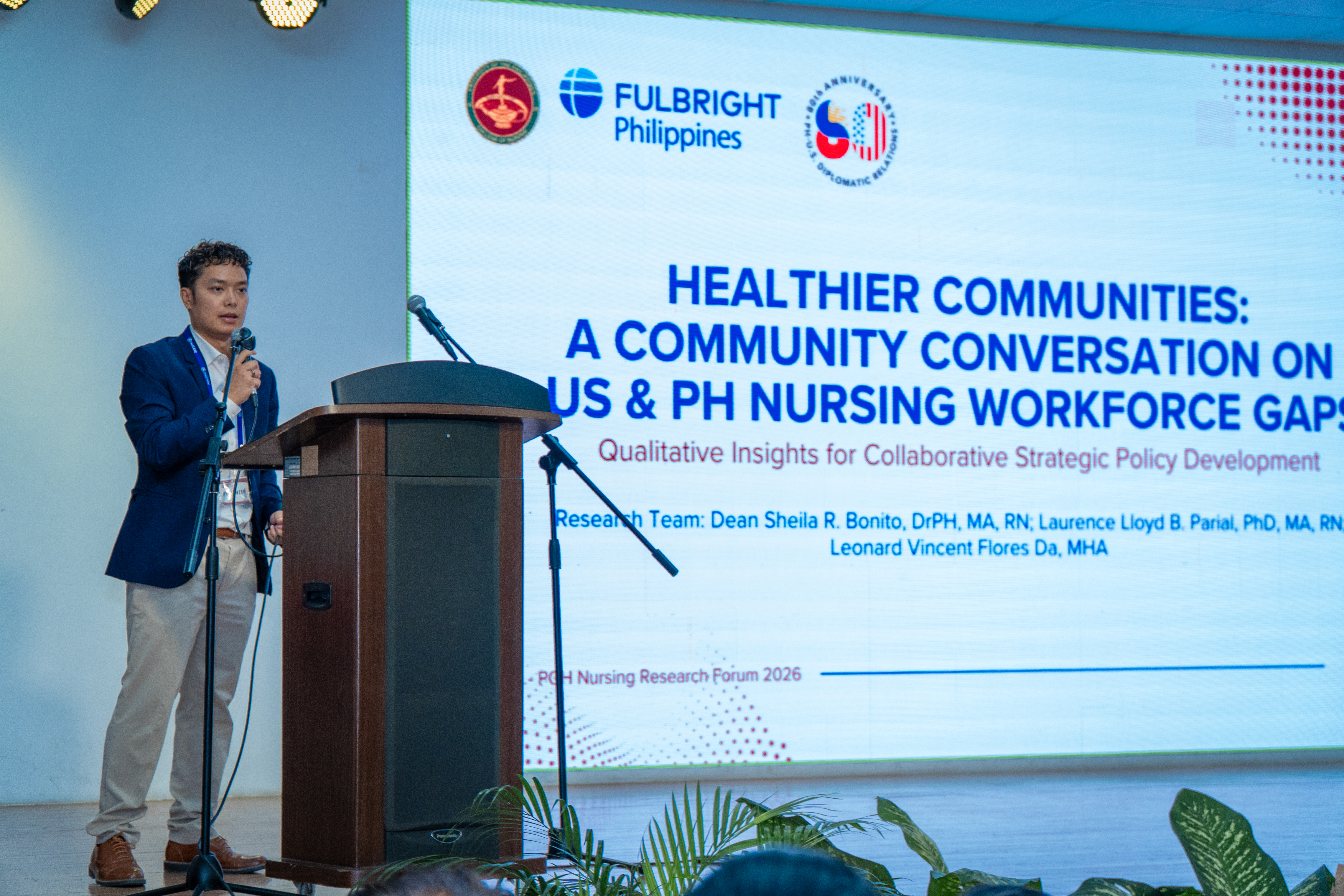
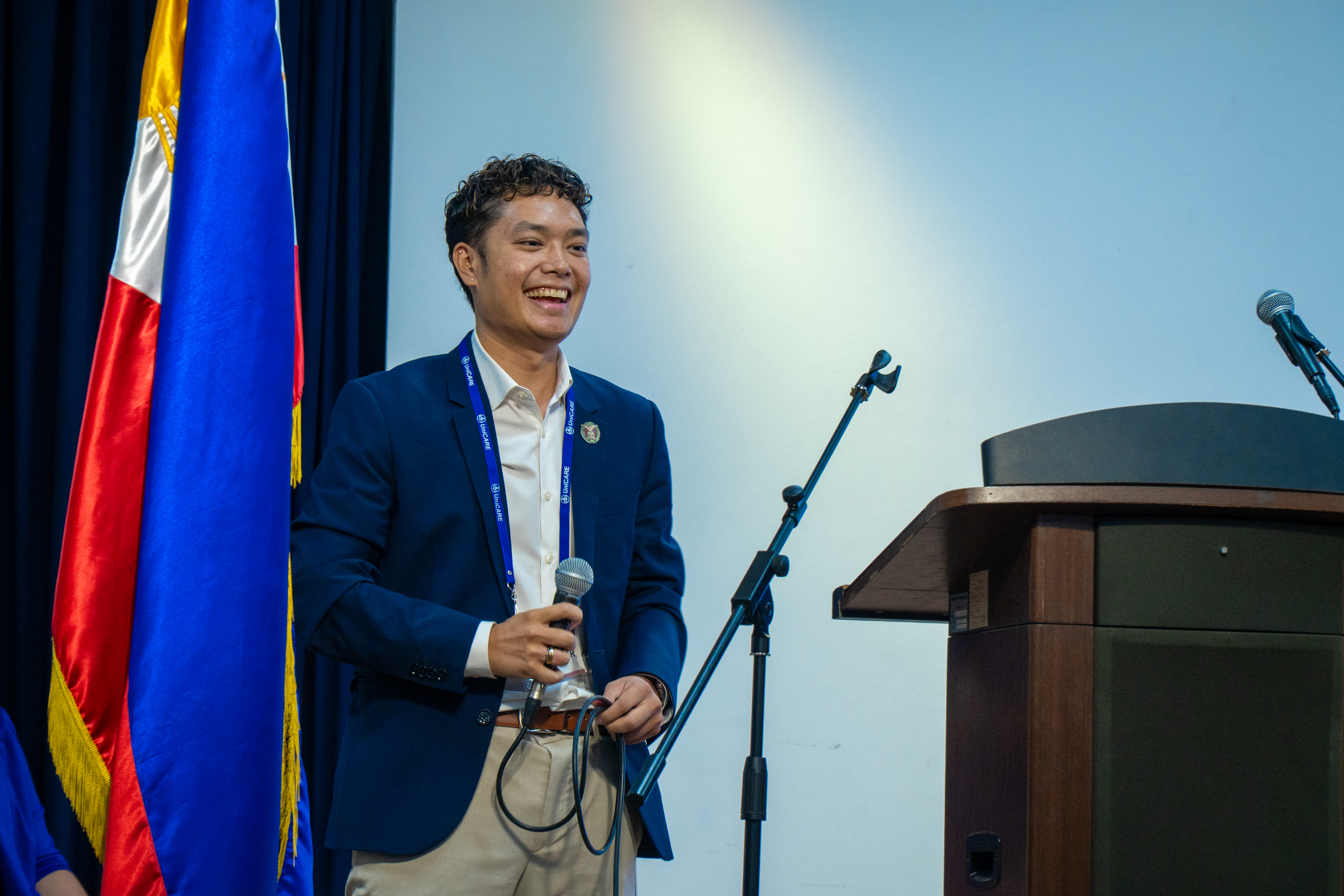
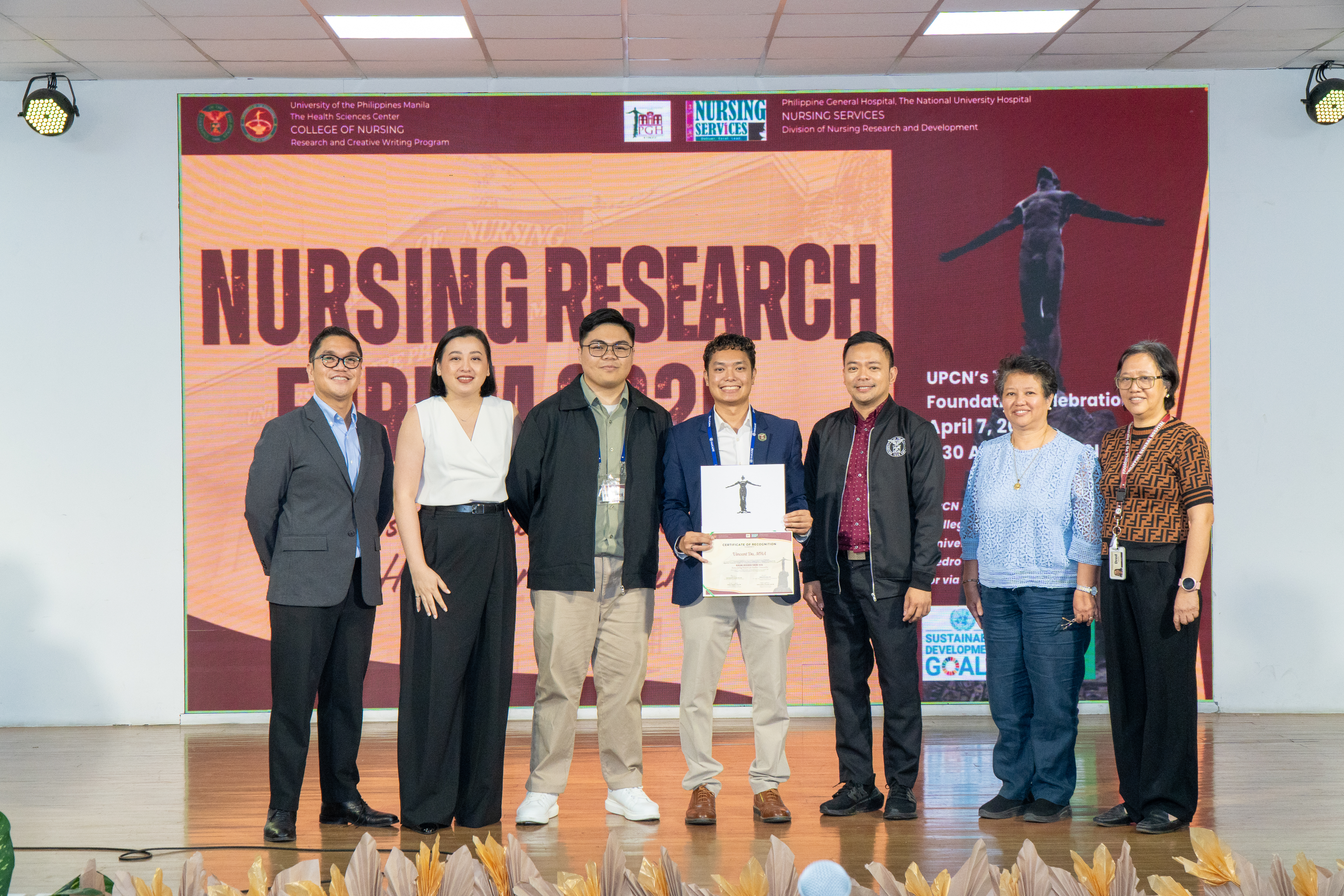
The forum also featured “Addressing Workforce Gaps and Collaboration in Philippine Nursing and U.S. Migration: Qualitative Insights for Collaborative Strategic Policy Development” by Vincent Da, a Fulbright Research Fellow and Visiting Researcher at UP Manila, which explored international workforce collaboration and policy strategies to address nursing migration and workforce challenges. Meanwhile, “Community Residents’ Digital Health Literacy and Intention to Use an Online Appointment System for Primary Care in Manila” by Kristine Bernice Escalante and her team from the UP College of Nursing examined how digital health literacy can enhance access to primary healthcare services and strengthen community-based health systems.




READ MORE:
#FP1 #discoveryandresearch