


Text and Photos by: Jericho Paolo L. Mabansag
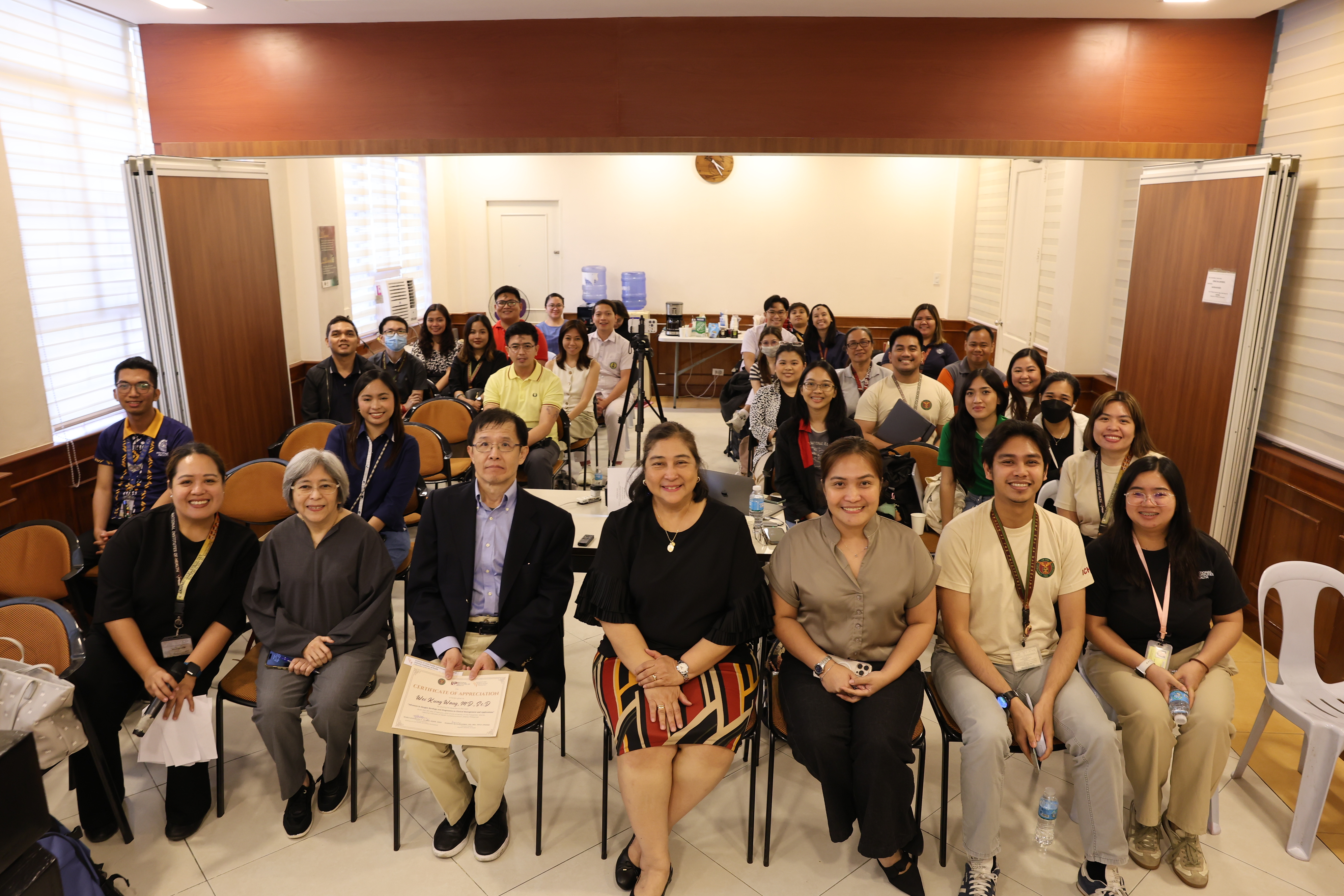
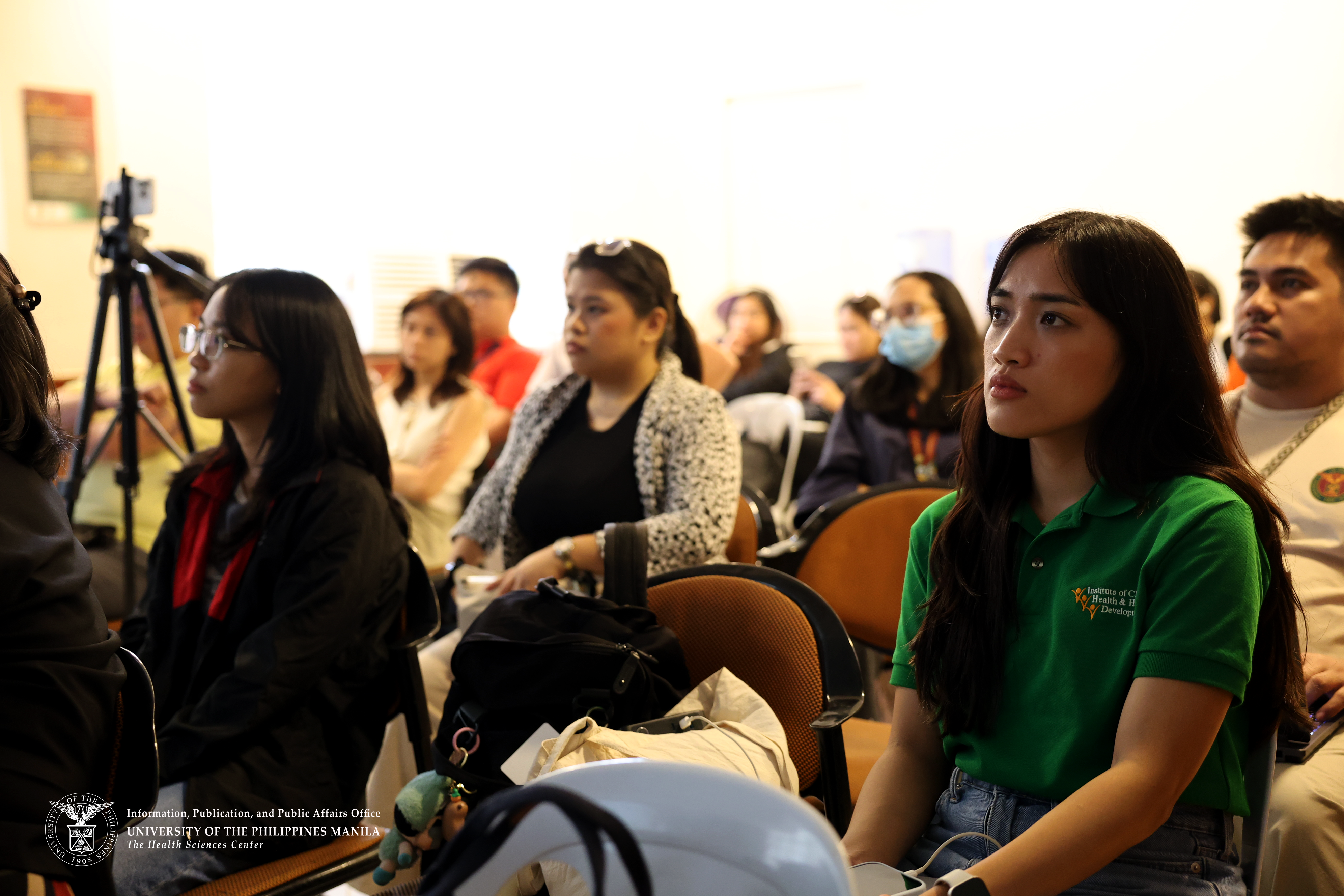
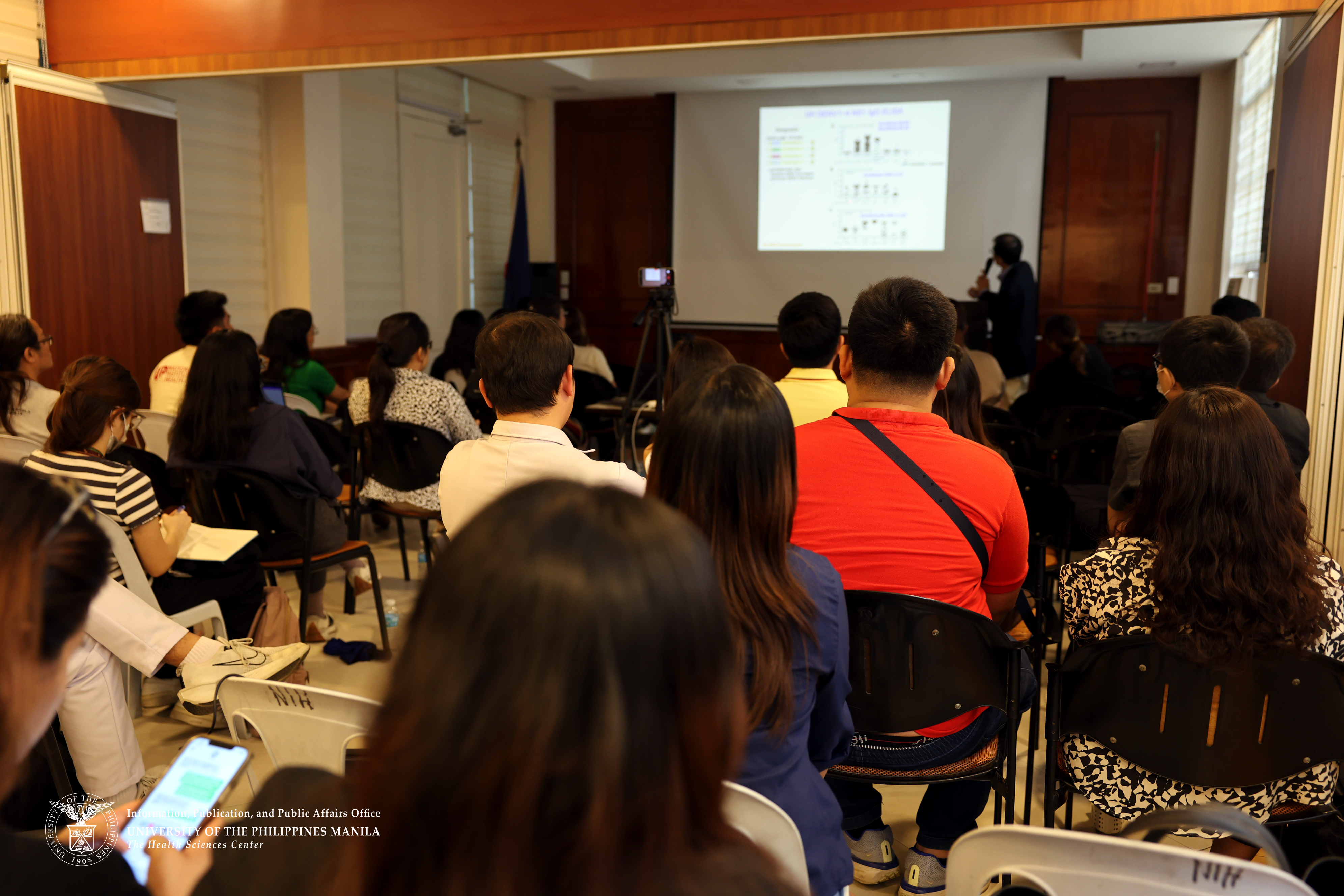
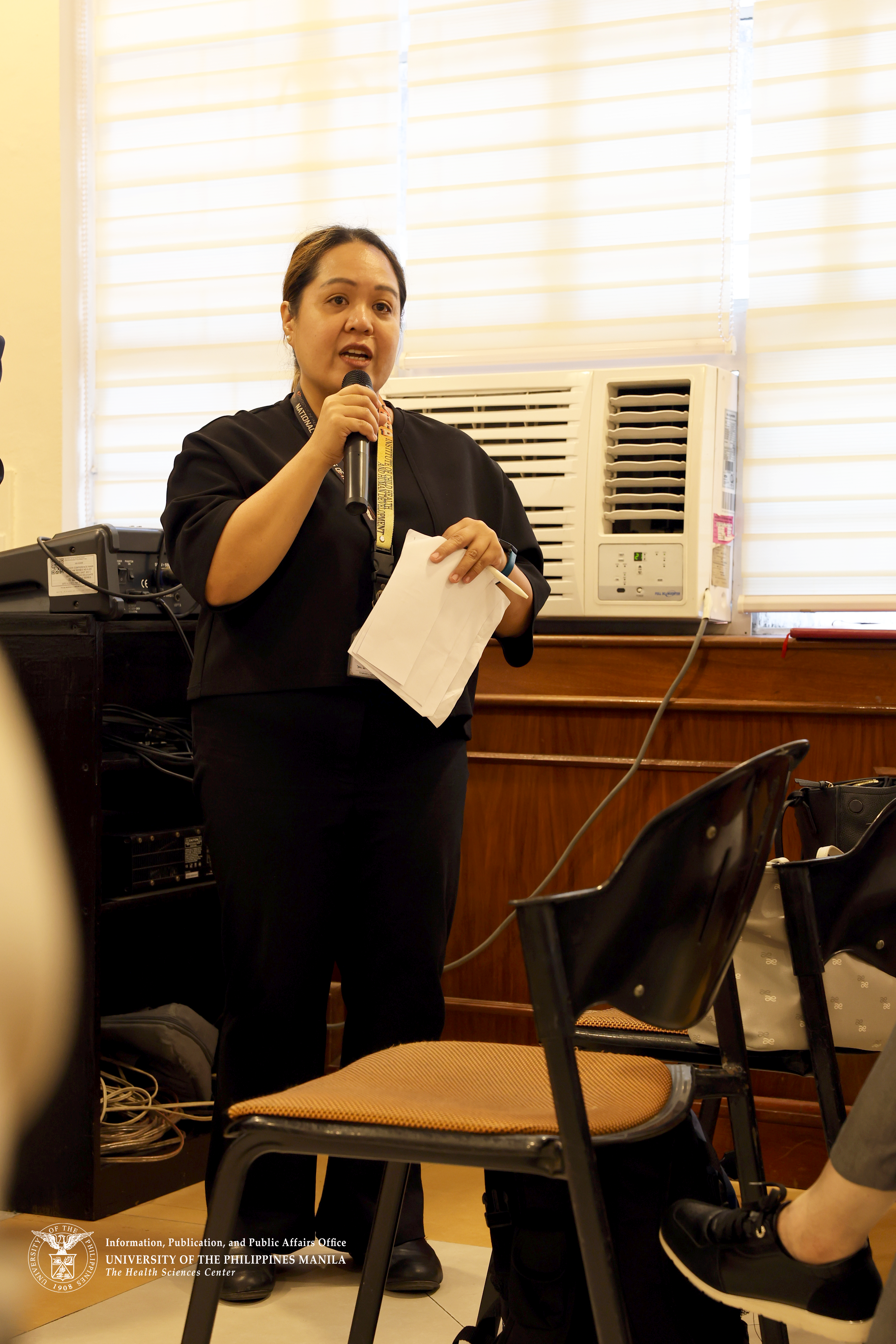
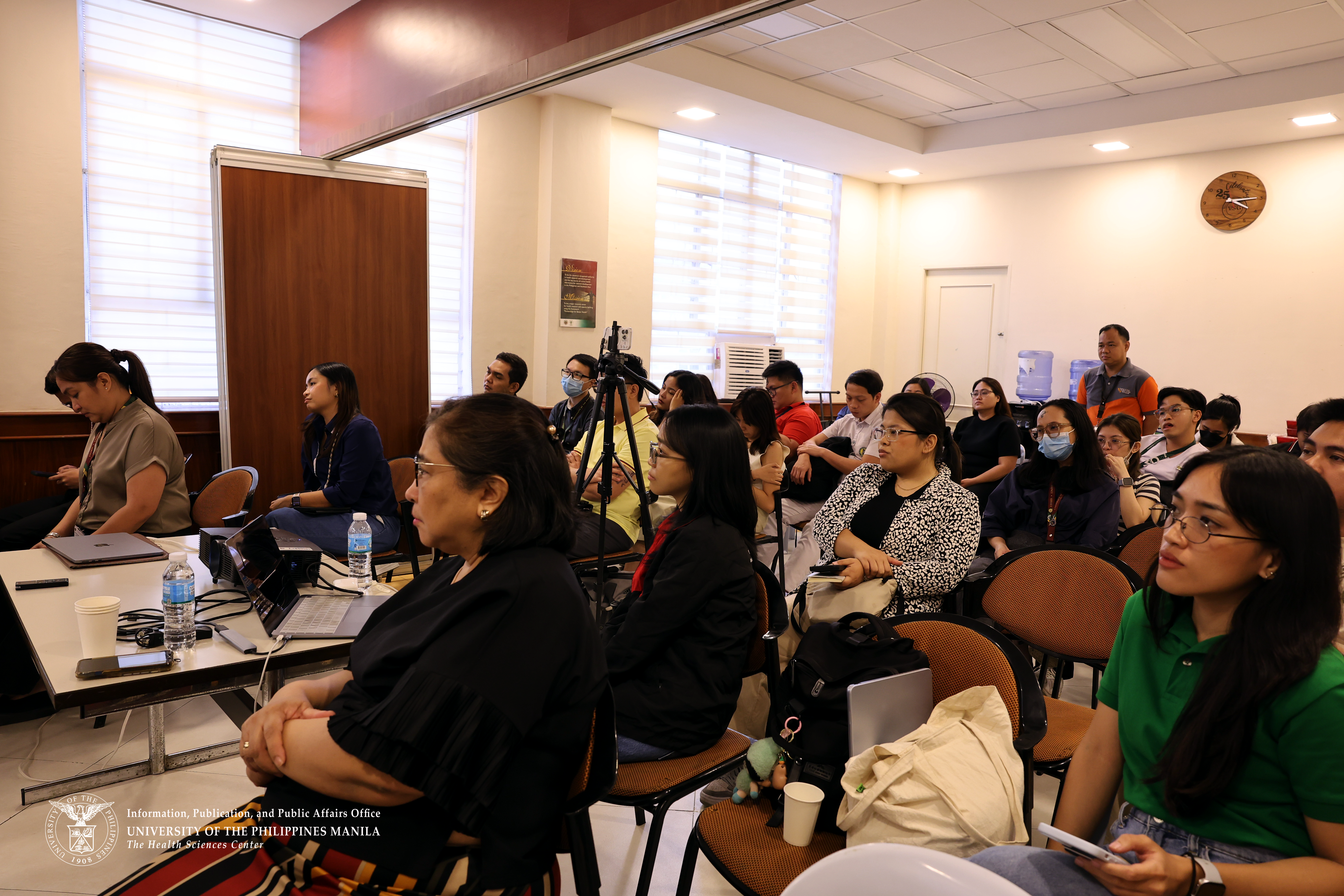
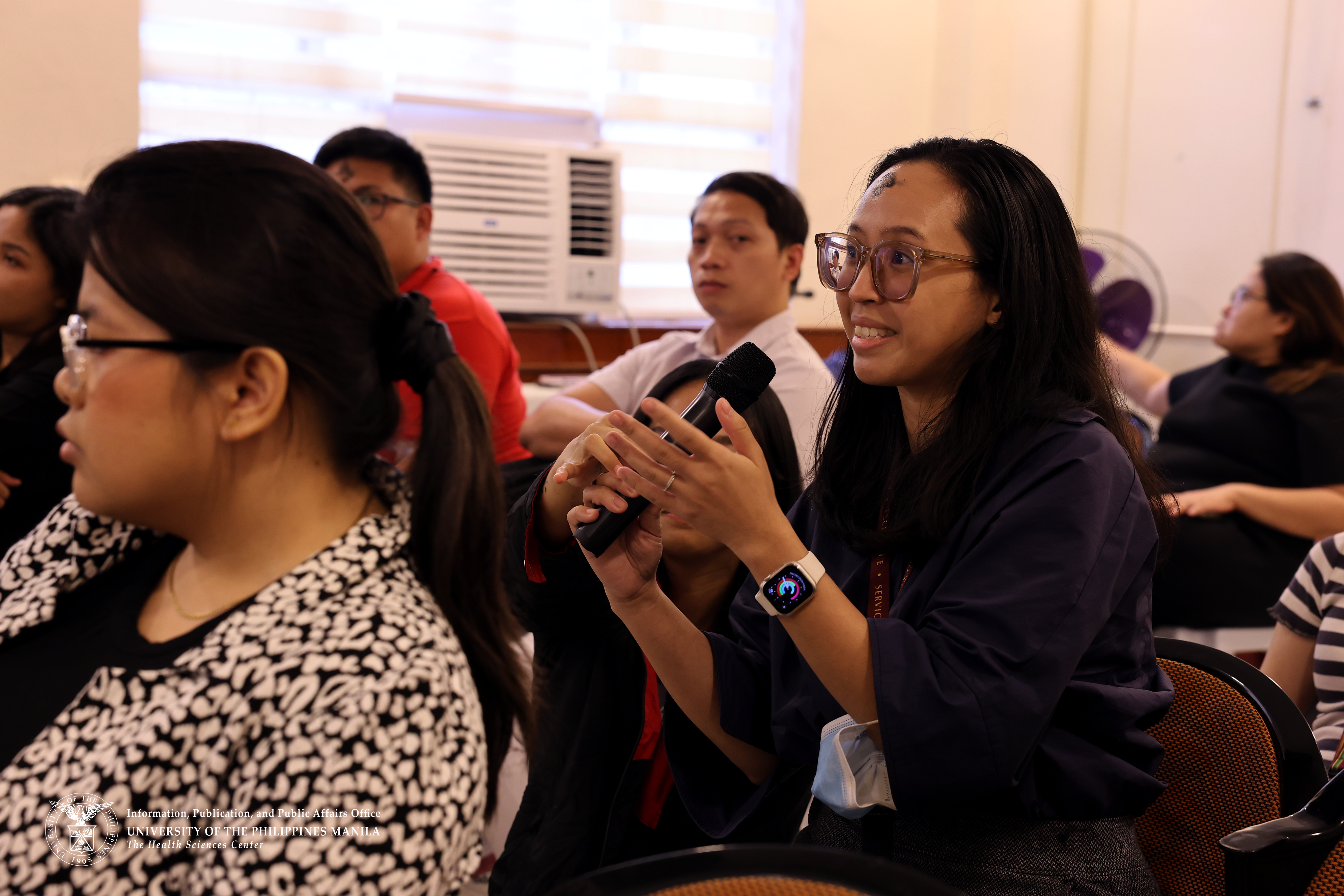
In a nation where dengue remains a pressing public health threat, the Institute of Child Health and Human Development of the National Institutes of Health (ICHHD-NIH), University of the Philippines Manila gathered scientists, clinicians, and policymakers for a special lecture on the future of diagnostics. The event, held at the UP NIH Conference Room on Feb. 18, 2026, spotlighted cutting‑edge advances in serology and clinical applications, underscoring both the urgency and promise of more precise tools to combat the mosquito‑borne disease.
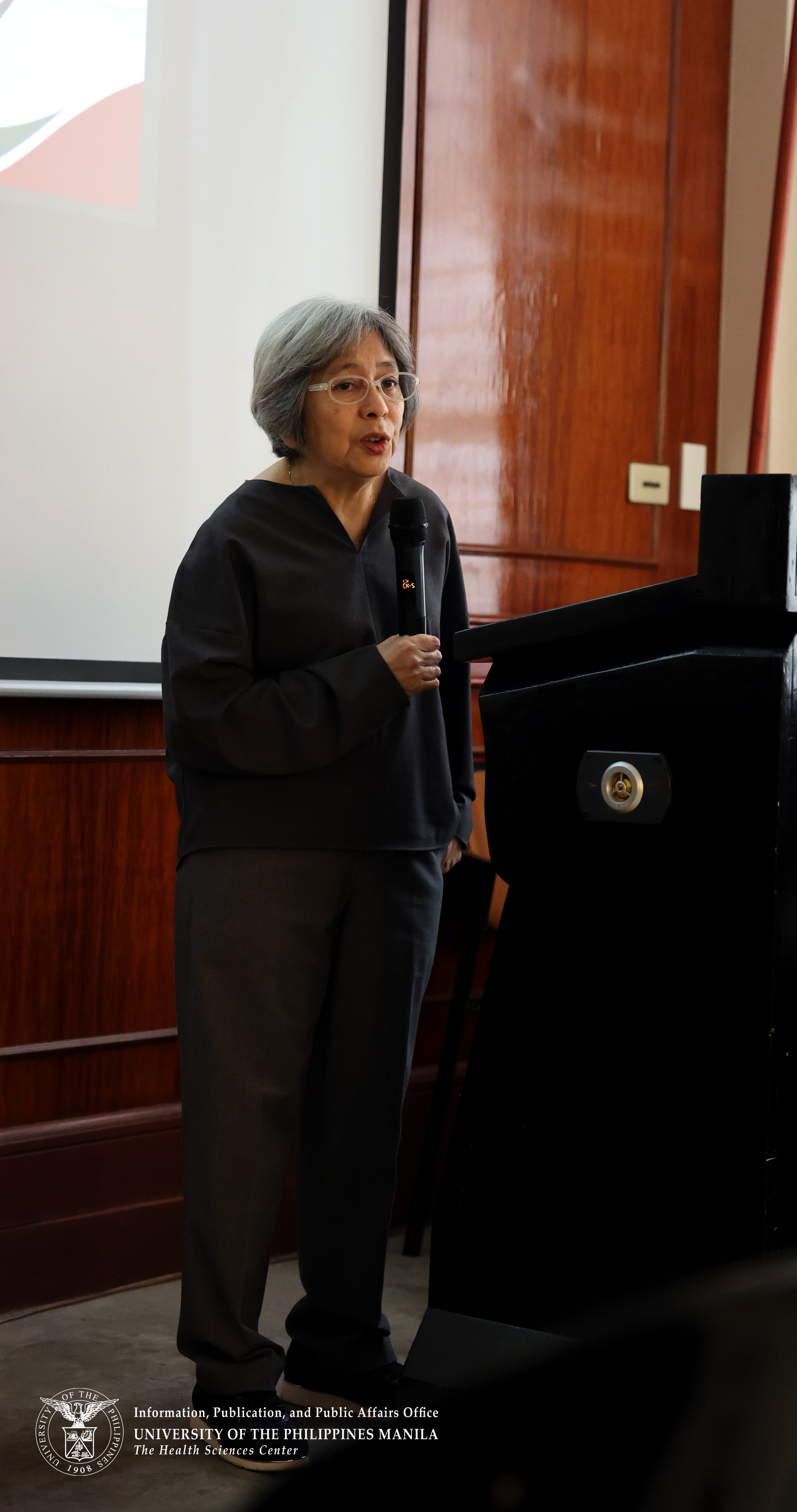
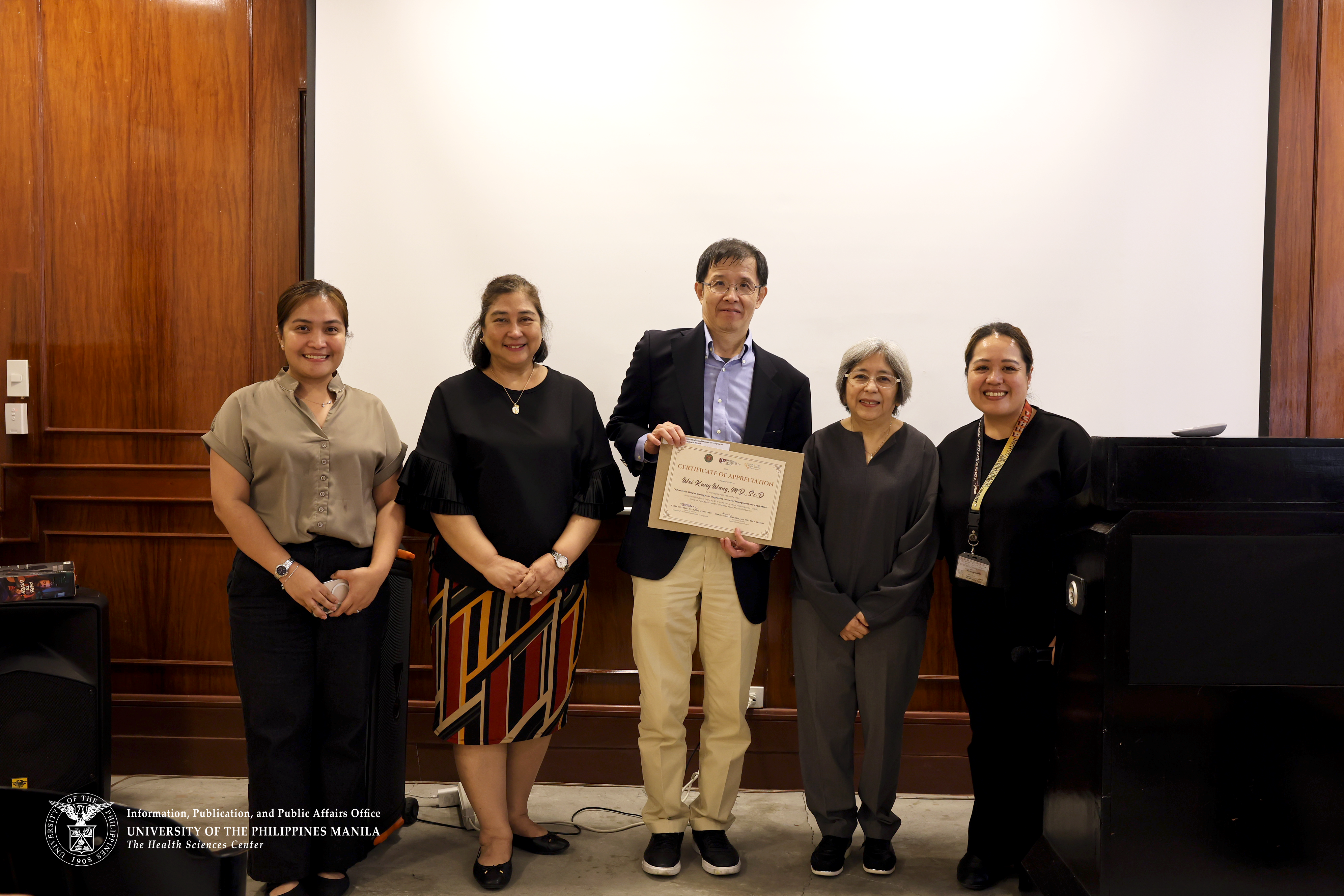
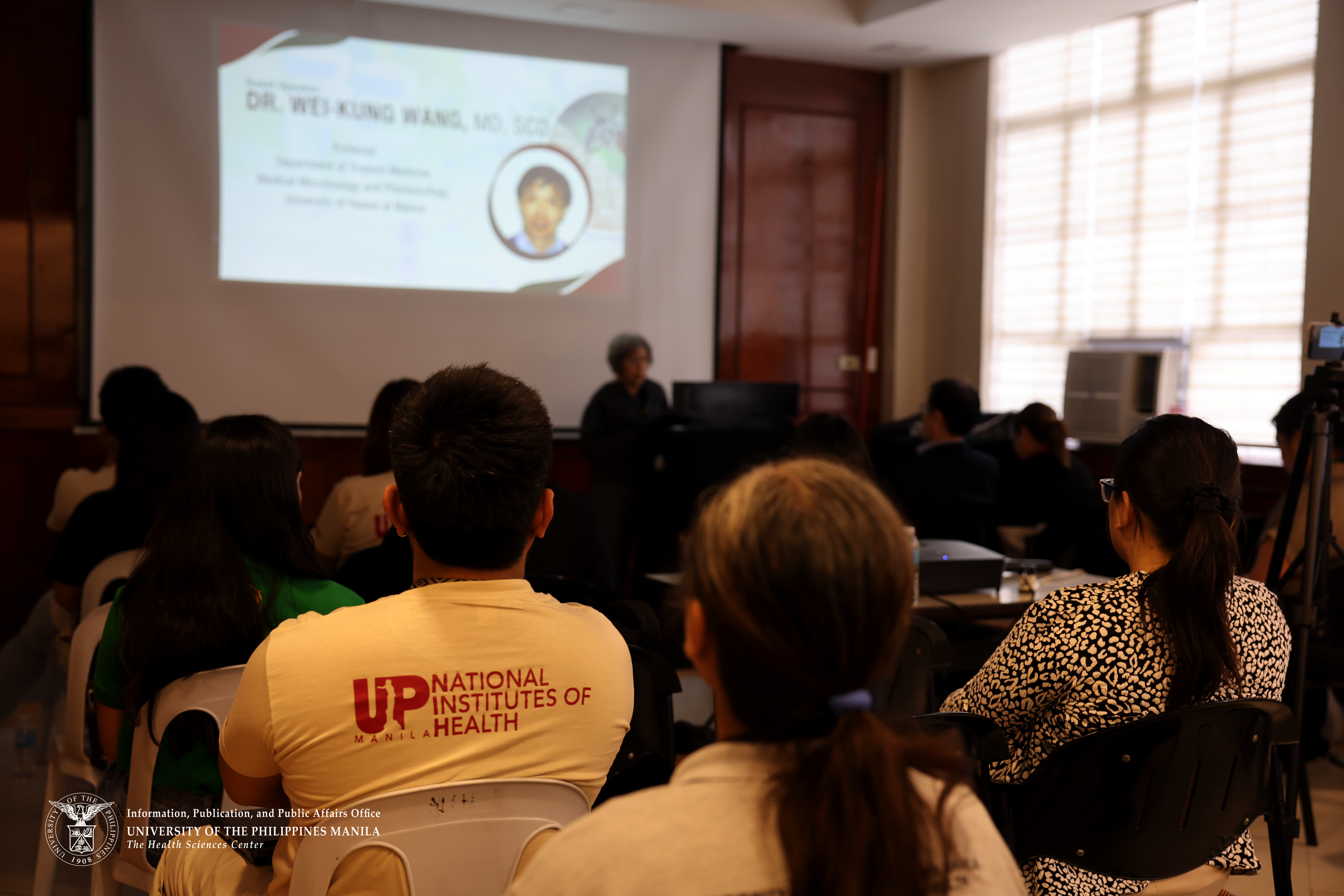
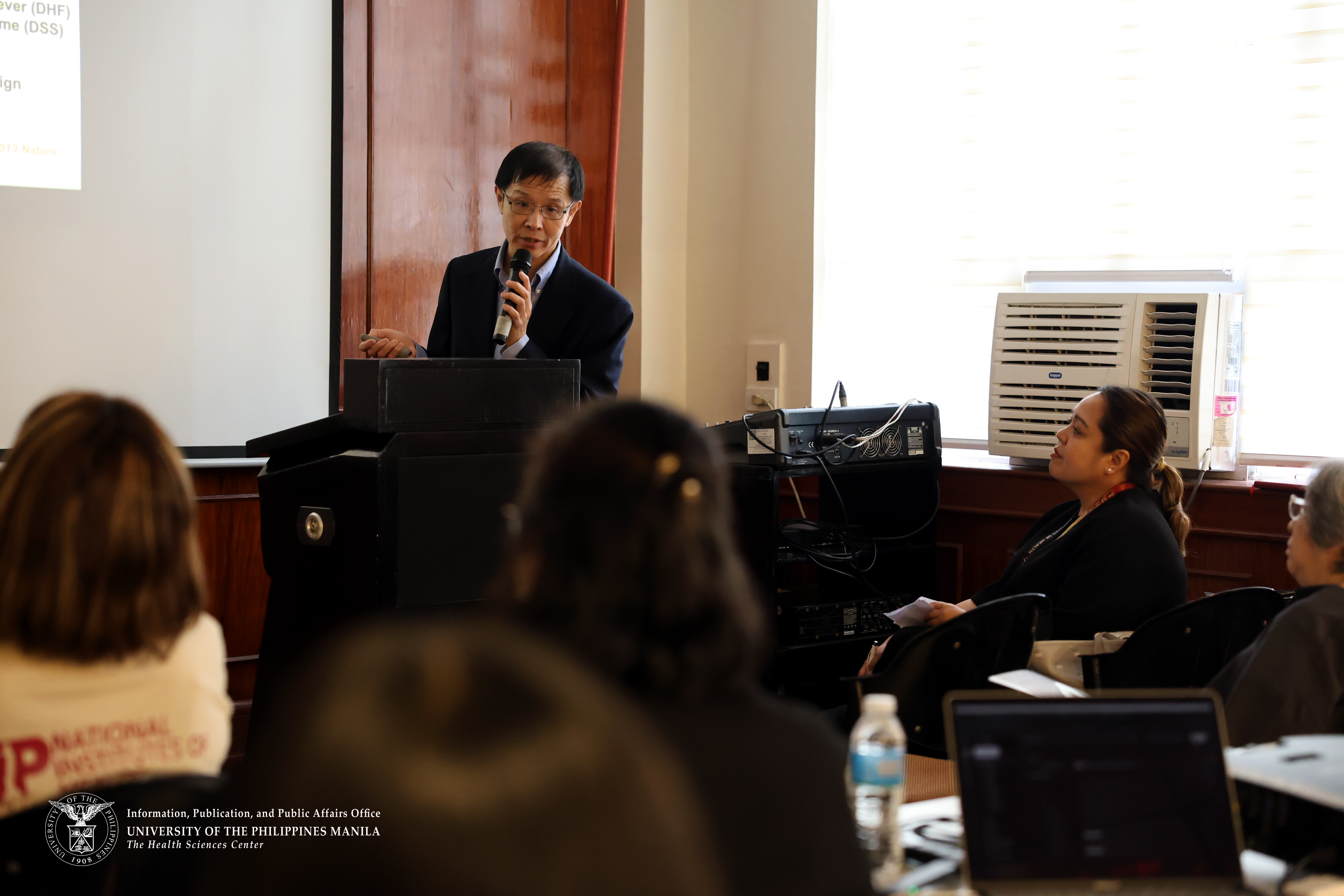
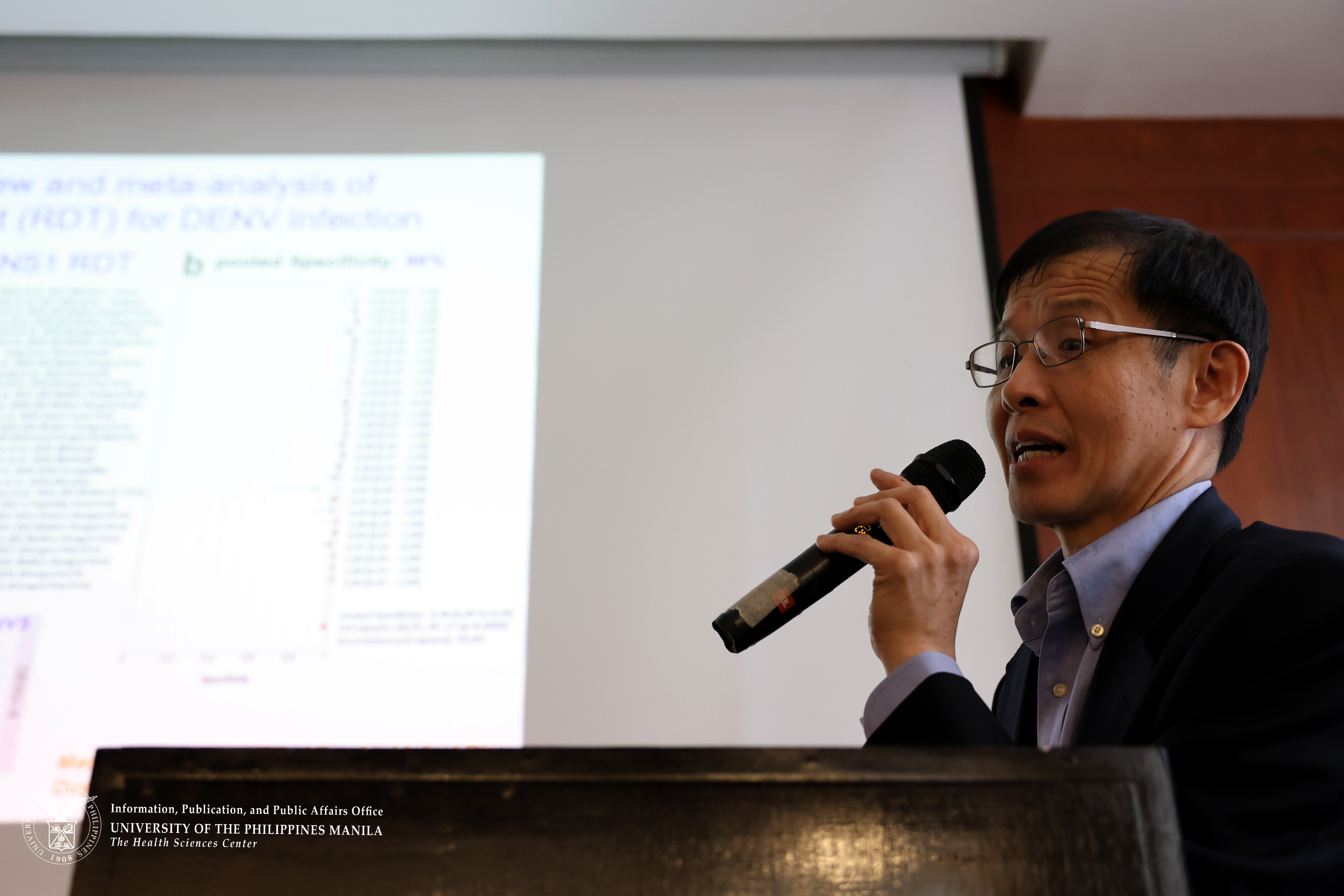
Dr. Wei‑Kung Wang of the University of Hawai‘i at Mānoa’s John A. Burns School of Medicine presented his team’s breakthrough in developing a high‑throughput multiplex IgG microsphere immunoassay (MIA) for pathogenic arboviruses, during a special lecture that drew policymakers and researchers from the Department of Health, UP Manila’s NIH Institute of Child Health and Human Development, the UP College of Medicine, the UP College of Public Health, De La Salle University, National University, and other institutions.
Dr. Wang explained how their assay reduces 13 antigens, including NS1, VLP, and VLP/E2, to eight key antigens, offering a validated tool for serosurveillance of Dengue, Zika, West Nile, Chikungunya, and Yellow Fever infections in endemic countries. He also highlighted ongoing collaborations in Brazil to develop multiplex serodiagnostic assays and in Nigeria to study arbovirus transmission during pregnancy.
Dr. Wang’s engagement in the Philippines, through collaboration with Filipino experts, has zeroed in on one of the country’s most pressing health challenges: evaluating the performance of the University of Hawai‘i’s DENV1–4 NS1 IgG ELISA and determining the baseline dengue serostatus of Dengvaxia recipients in real‑world conditions. Dengvaxia, the first and only licensed dengue vaccine in the Philippines, has been at the center of national debate, and Wang’s work with physicians from the Institute of Child Health and Human Development at UP Manila seeks to clarify its impact during both non‑dengue and acute dengue situations.
In his lecture, Dr. Wang presented the results of their study alongside a sobering challenge to the Philippine scientific community: the urgent need for a serological test with high sensitivity and specificity that can reliably determine baseline dengue serostatus in vaccine recipients. The call echoes lessons from Dr. Sridhar’s 2018 New England Journal of Medicine findings, which revealed the heightened risks faced by DENV‑seronegative children who received Dengvaxia in the Philippines, a reminder that the future of dengue vaccination depends not only on innovation but on precision in diagnostics.
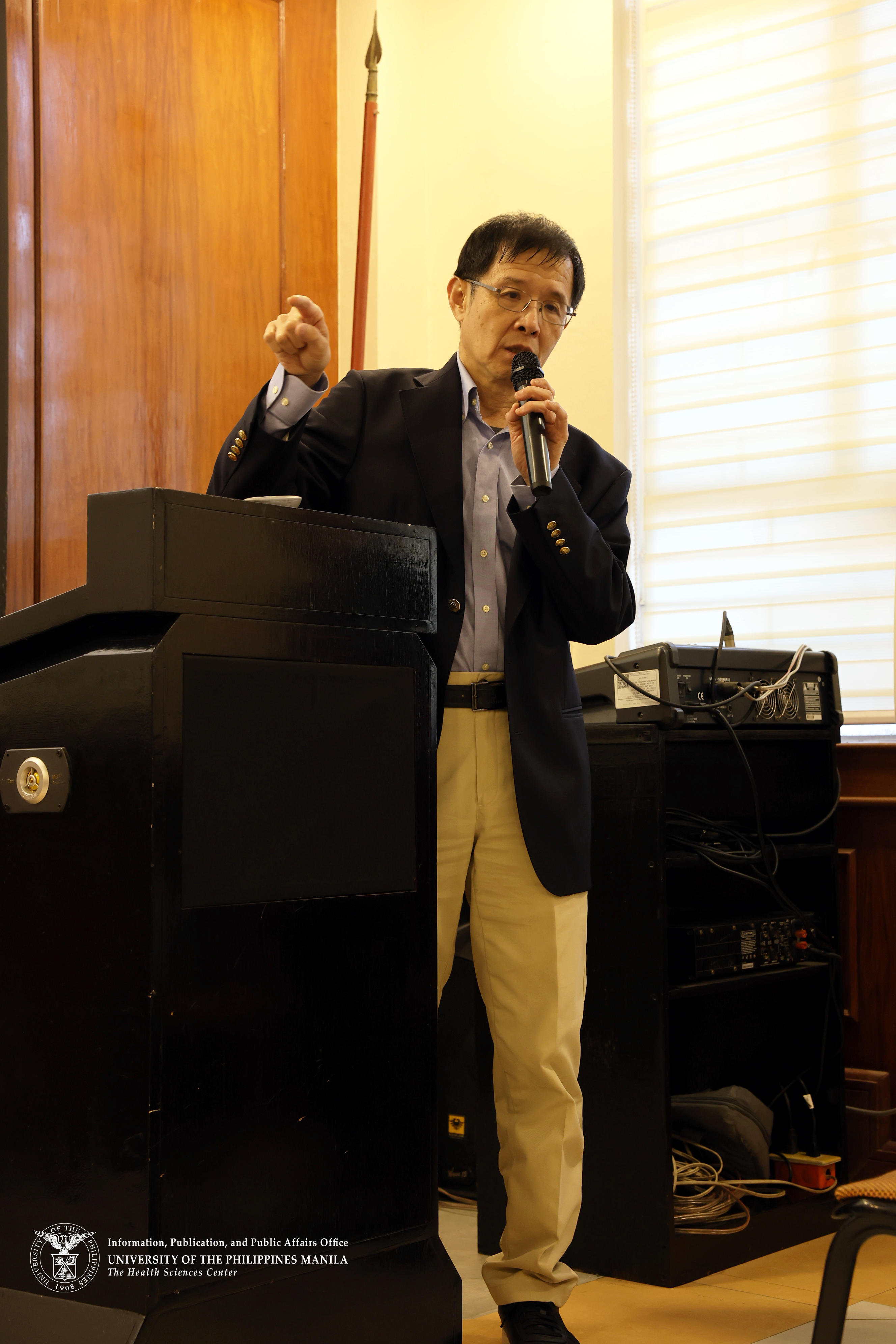
To date, foreign and local scientists continue to wrestle with the challenge of developing accurate serological tests for flaviviruses, where antibody cross‑reactivity often blurs the line between infections. Strategies such as pre‑incubation with heterologous proteins are being explored to sharpen diagnostic precision, underscoring the global race to refine tools that can distinguish dengue from other viruses with greater reliability.
Yet amid the scientific hurdles, optimism remains.
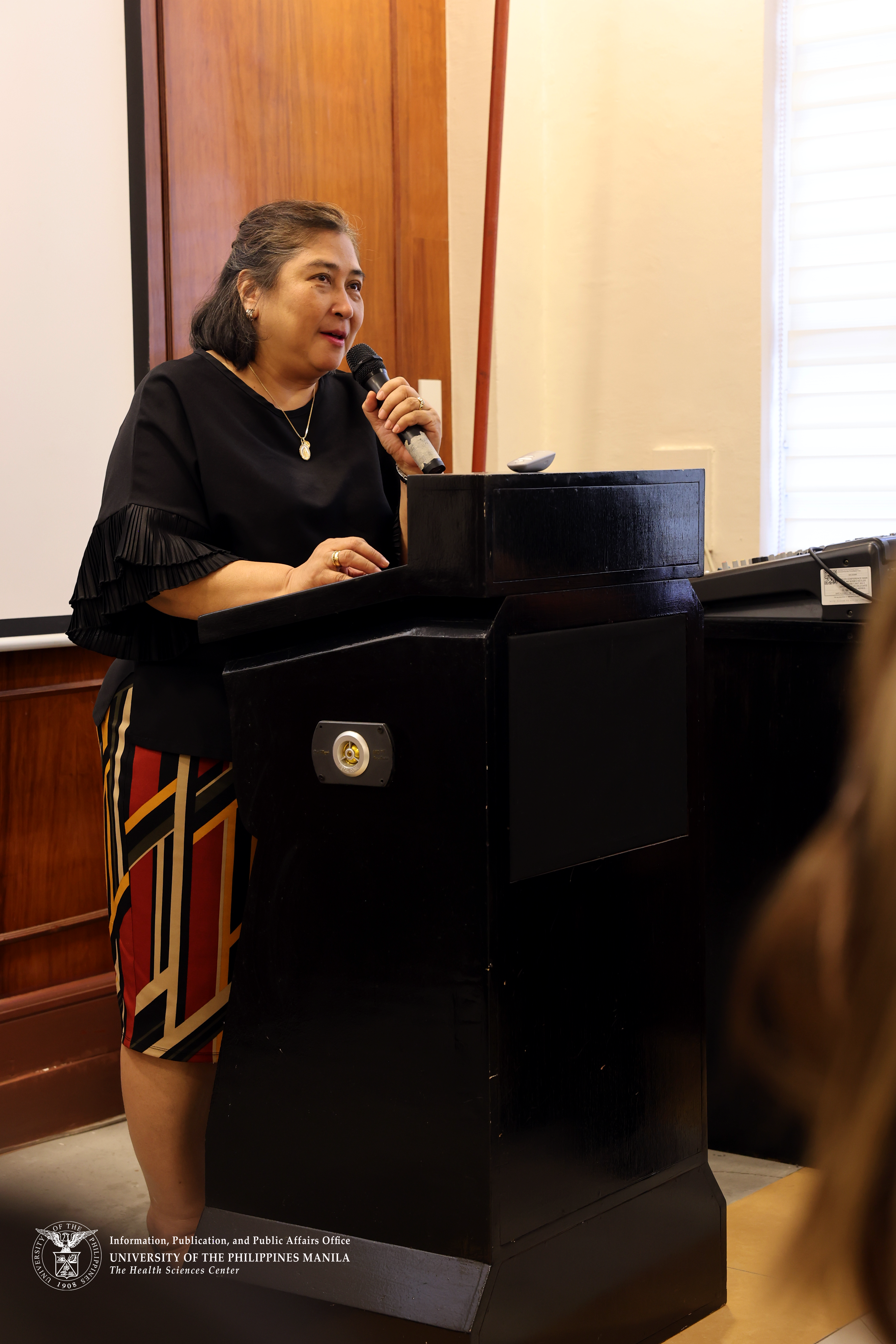
Dr. Maria Esterlita V. Uy, director of the Institute of Child Health and Human Development, voiced confidence that within one to three years, breakthrough research will guide a more effective dengue vaccination program for the Filipino children. Her outlook reflects a broader hope that innovation in diagnostics will not only resolve technical barriers but also restore public trust in vaccination campaigns critical to the nation’s health security.
Read More:
#FP1 #FP6 #FP8 #AccessibleUPLeadership