


Text by: Charmaine A. Lingdas
Photos by: Sarah Hazel Moces S. Pulumbarit
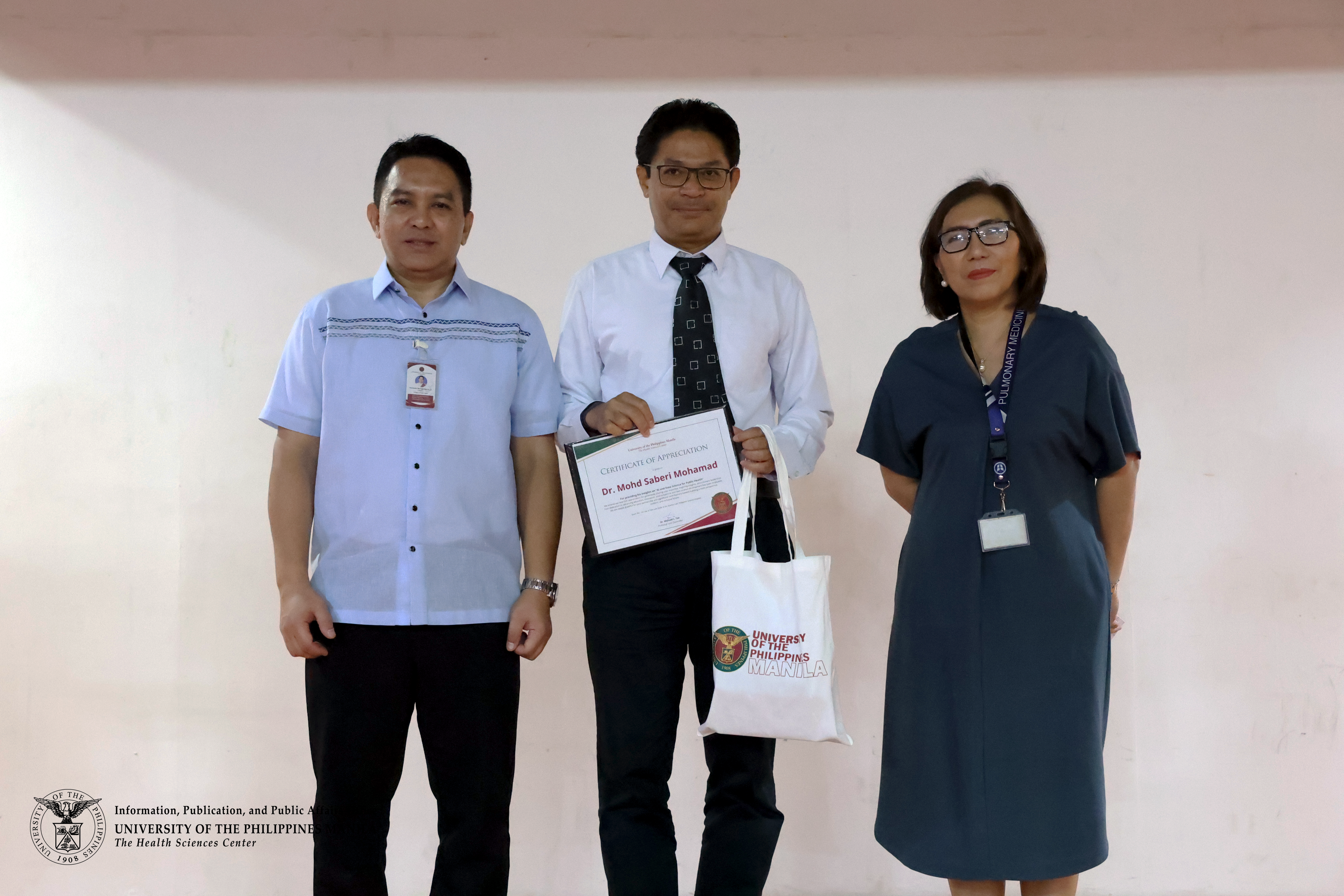
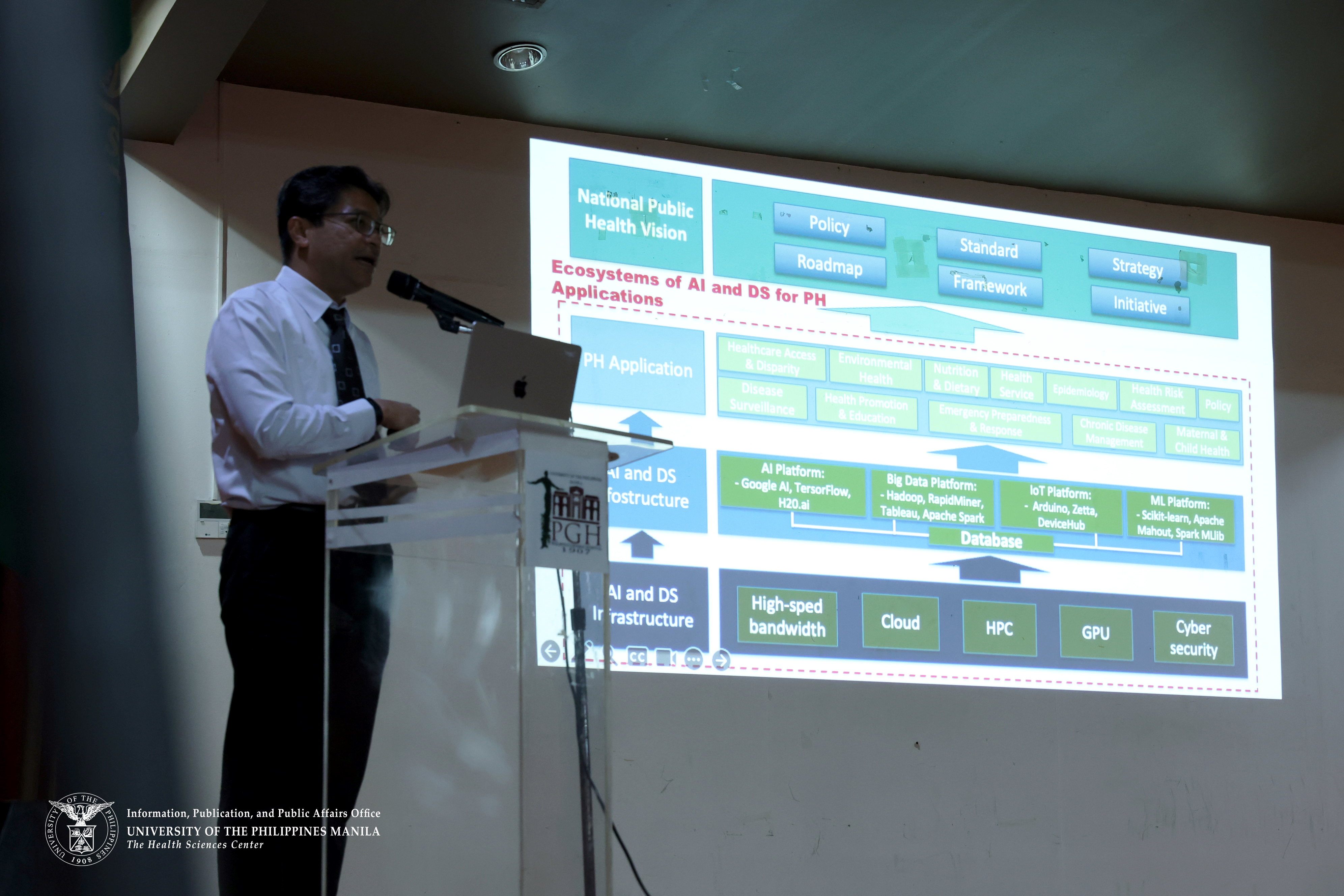
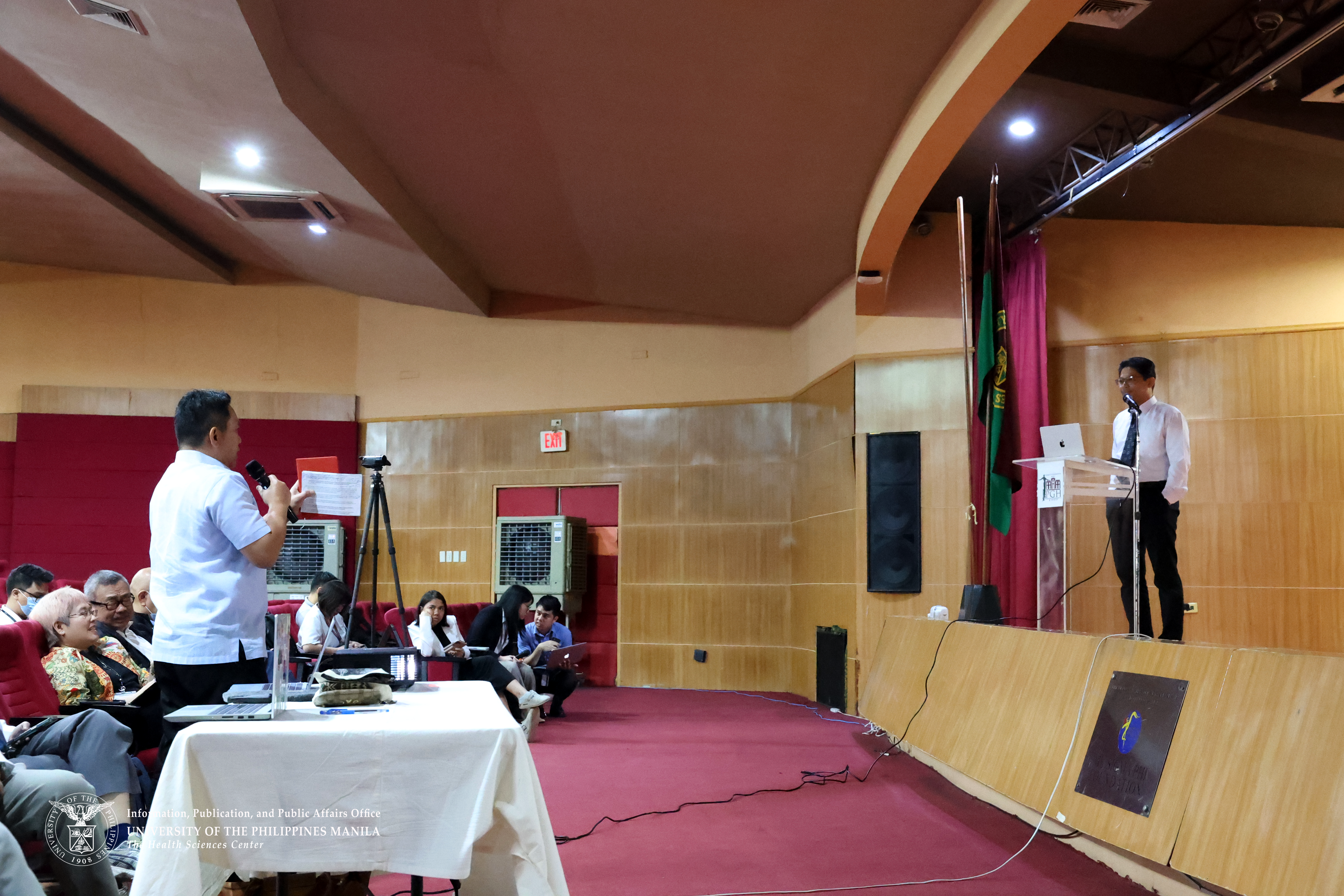
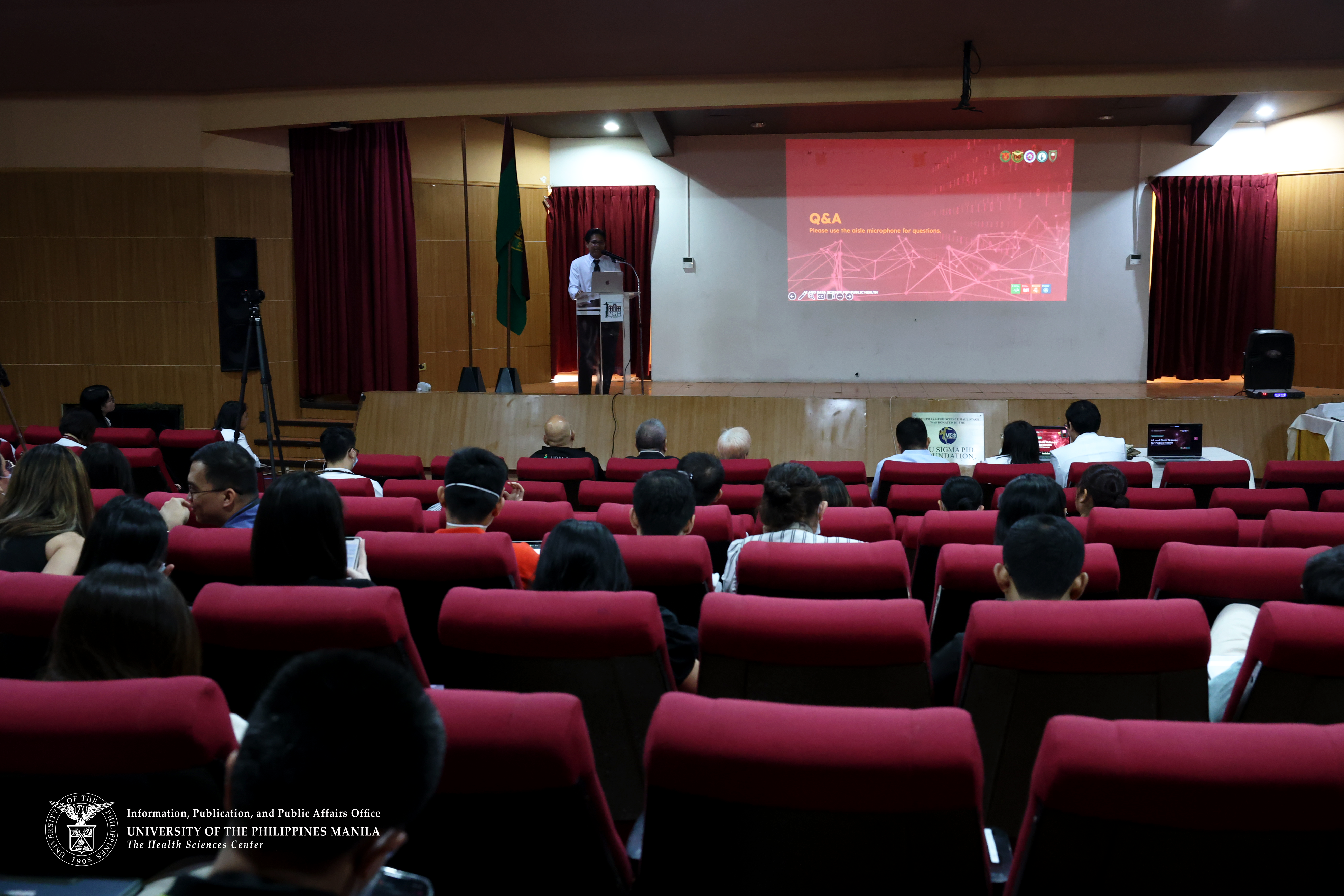
“We can ignore AI and data science, but we will be left behind,” asserted Dr. Mohd Saberi Mohamad, Director of the Institute for Data Innovation and Artificial Intelligence (IDEA-AI) in Victoria (Australia) and Kuala Lumpur (Malaysia), explaining that for public health, healthcare, and medicine to move forward and improve more quickly, they need to use data science and AI. He noted that leading global education institutions such as Harvard, Johns Hopkins, Oxford, and Cambridge already integrated AI and data science into their public health programs for the past five years and emphasized the urgency for institutions in developing AI and data science to keep pace with global advancements.
Artificial Intelligence (AI) refers to the development of computer systems capable of performing tasks that typically require human intelligence, such as reasoning, learning, decision-making, and perception. Meanwhile, Data Science is a field of study that uses scientific methods, processes, and systems to extract knowledge and insights from data, according to the US Census Bureau.
In public health, AI and data science are now transforming public health practice.
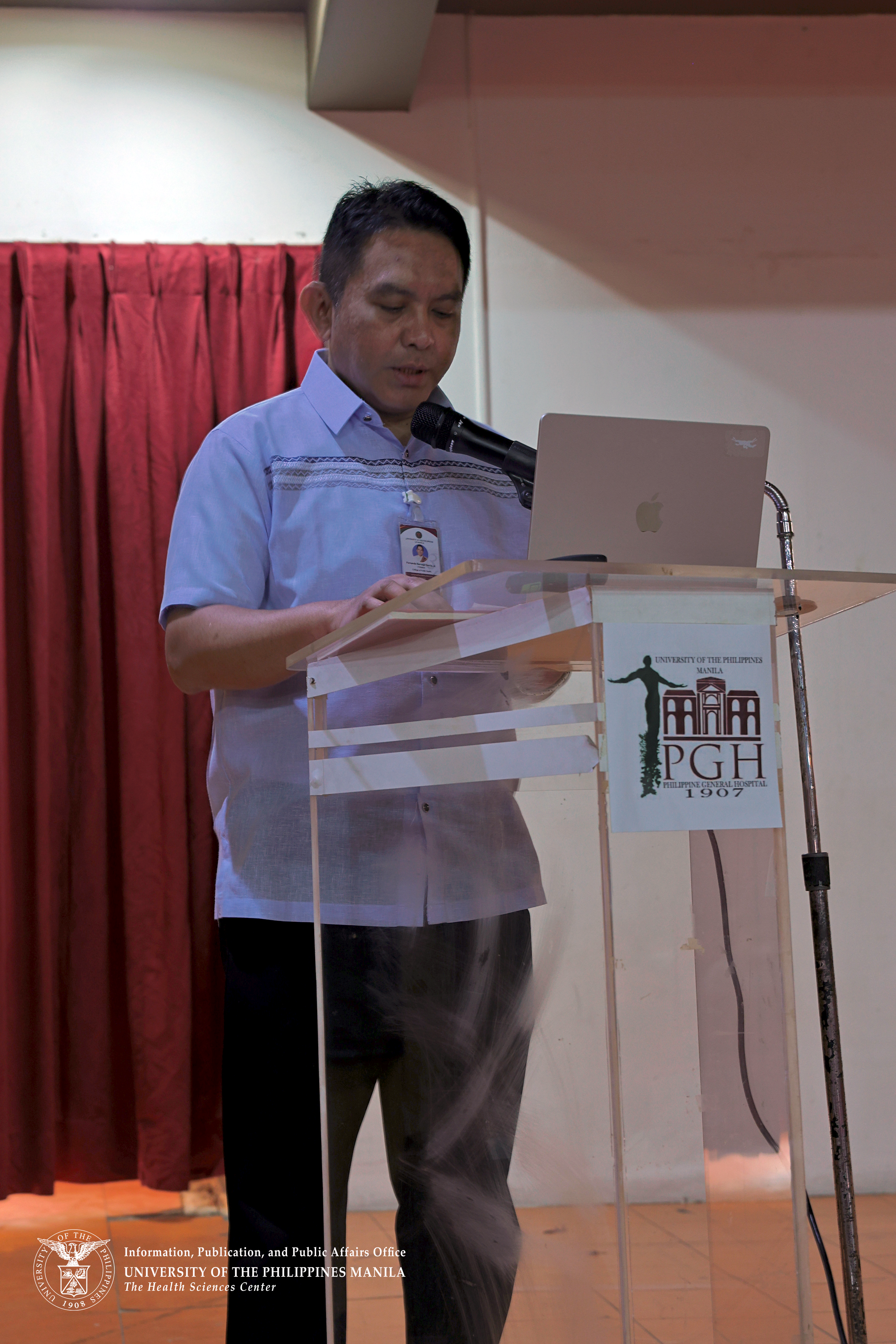
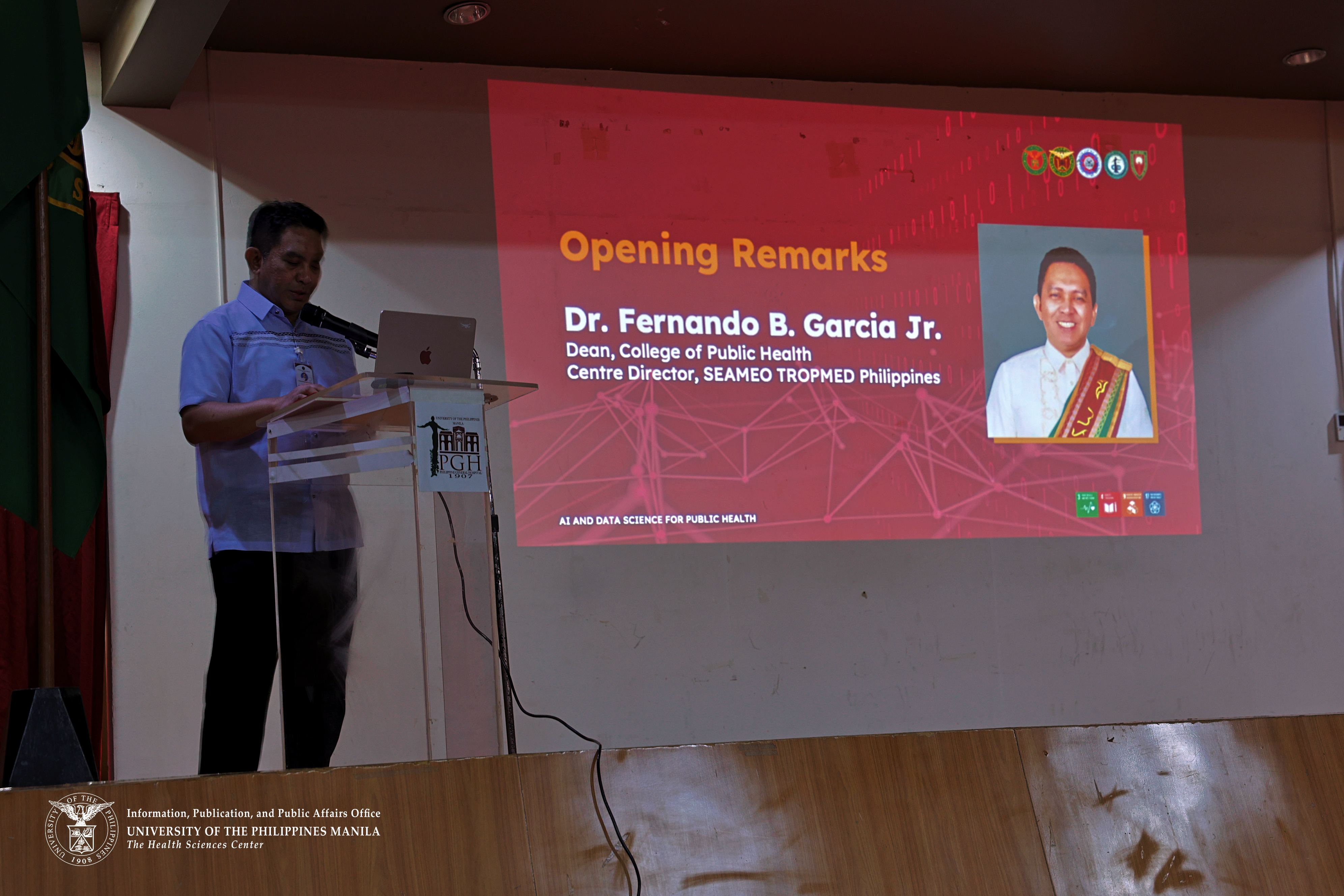
College of Public Health (CPH) Dean Dr. Fernando B. Garcia Jr. said that while public health has always relied on analyzing data in understanding the “bigger picture”, new tools such as algorithms and advanced analytics now allow health professionals to anticipate outbreaks, craft more precise policies, and improve decision-making. He described these technologies as “tools for equity,” emphasizing that the College of Public Health is “committed to data-driven policy, ensuring that every health program we launch is backed by the kind of precision that only advanced data science can provide.”
Dr. Mohamad further discussed that AI and data science can be applied across nearly all areas of public health. This includes risk assessment, disease surveillance, healthcare access, chronic disease management, epidemiology, health promotion, and data privacy, among others.
Infrastructure, Collaboration, and Governance for AI in Public Health
Before fully benefiting from the full potential of AI and data science, Dr. Mohamad noted that public health institutions must first invest in proper infrastructure. He recommended moving from local servers to cloud systems, adding Graphics Processing Units (GPUs), high-performance computing, strong cybersecurity, and fast internet to handle large data volumes. With this foundation, institutions can adopt AI platforms, big data systems, and machine learning tools, many of which are open source, to develop applications for disease surveillance, environmental monitoring, healthcare access, and outbreak prediction.
Dr. Mohamad explained that AI and data science are interdisciplinary fields that require collaboration across public health, mathematics, and computer science. “Public health data science is an interdisciplinary area. We need a combination of expertise from AI, public health, mathematics, and IT or computer science. We cannot work alone or in a silo as before.” He also highlighted the importance of education, urging universities to integrate AI and data science into public health programs, establish specialized degrees, and train faculty, emphasizing that these skills are accessible to anyone willing to learn.
He emphasized that although AI and data science technologies are already mature and widely available, the real challenge lies in governance. He emphasized that 50% of strong AI and database frameworks rely on governance. He said that the tools, expertise, infrastructure, and funding may all be in place, but without clear policies, regulatory approval, and ethical guidelines, implementation becomes nearly impossible. In his view, technology may be ready, but unless policy and ethical systems are equally prepared, public health initiatives using AI are bound to fail.
“AI is just [used to] assist us. But we need to check and verify [its outputs]. We are human and [must] take responsibility for any kind of outcome from our project of AI-generated outputs,” he said.
AI in the Philippines and at UP Manila
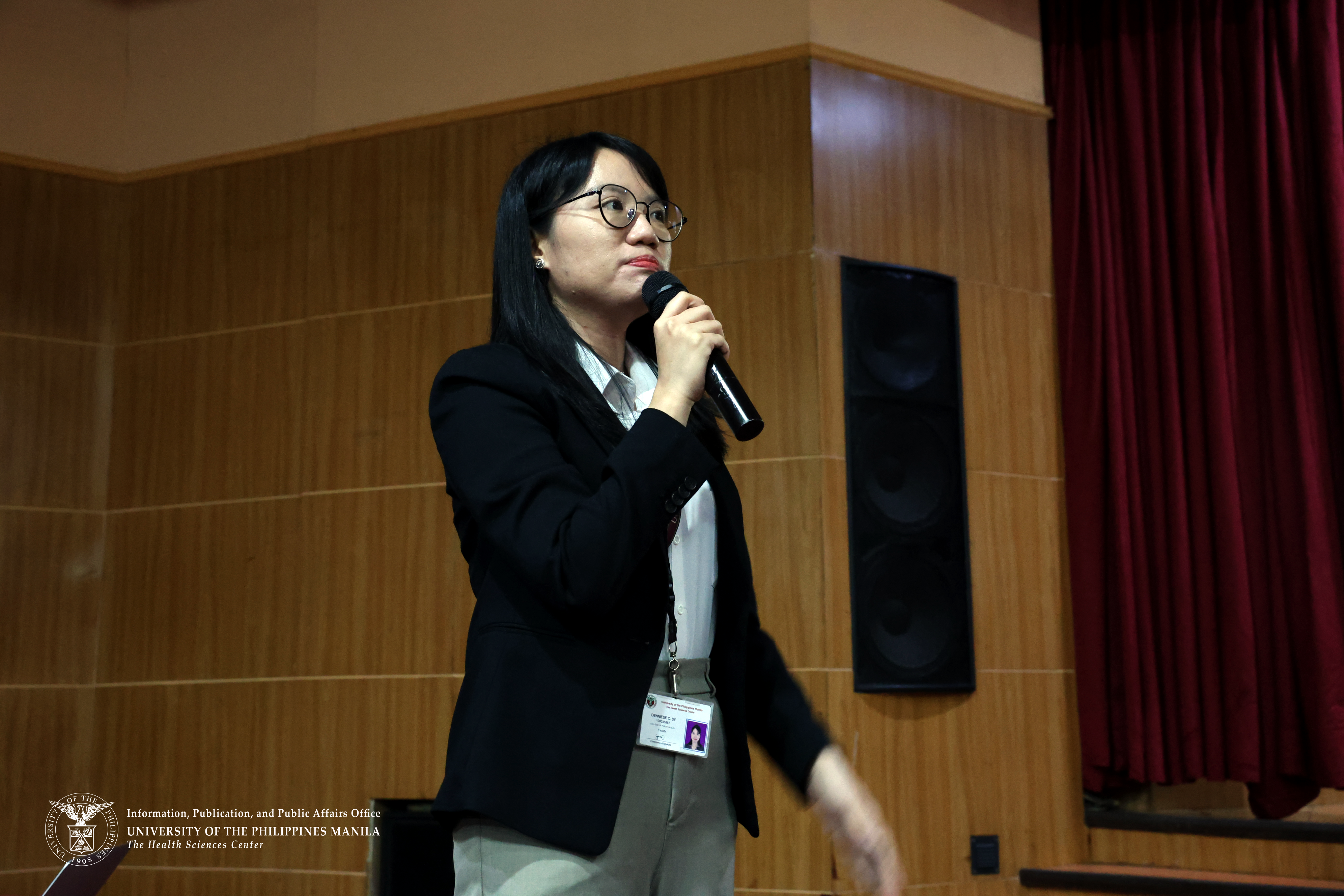
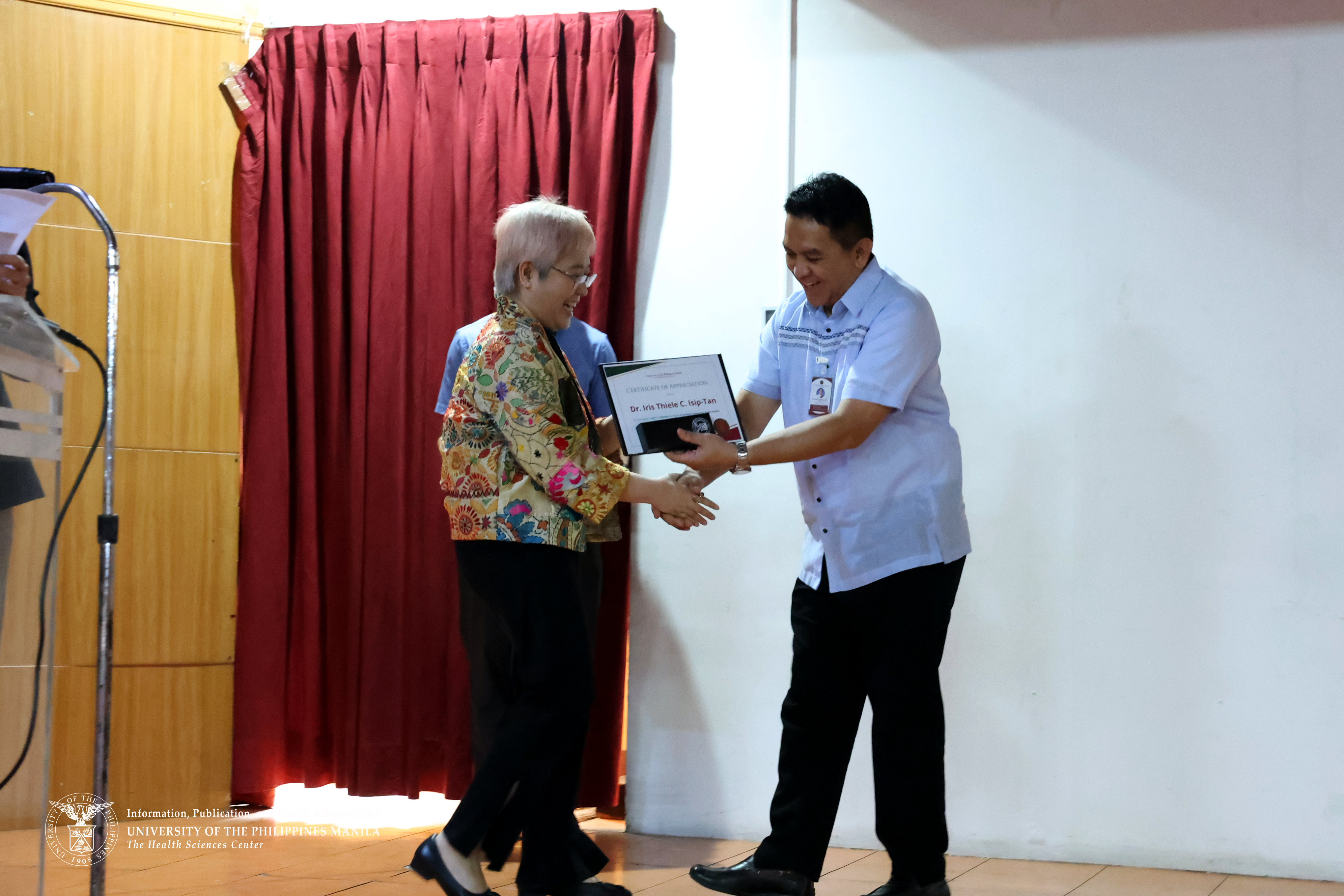
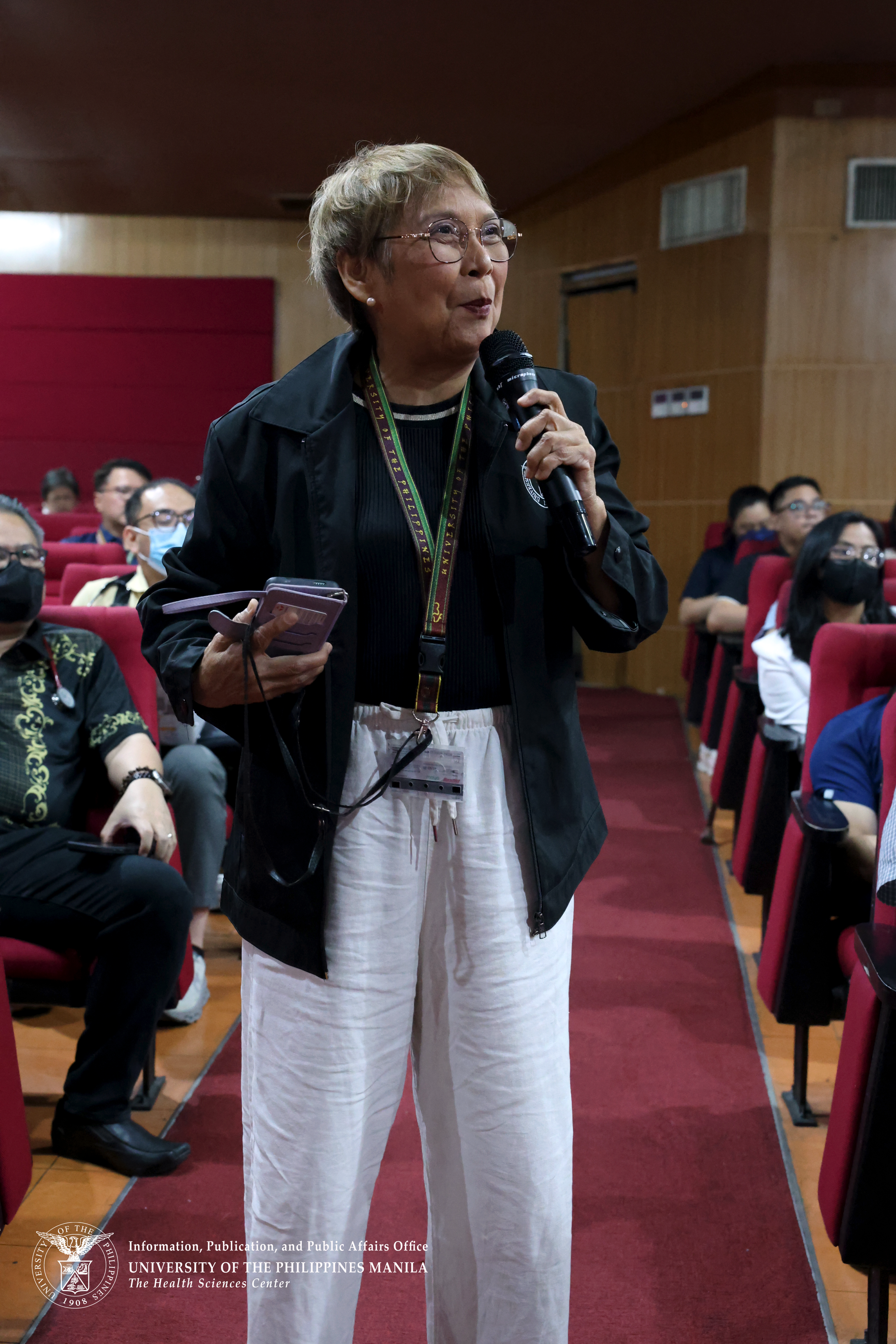
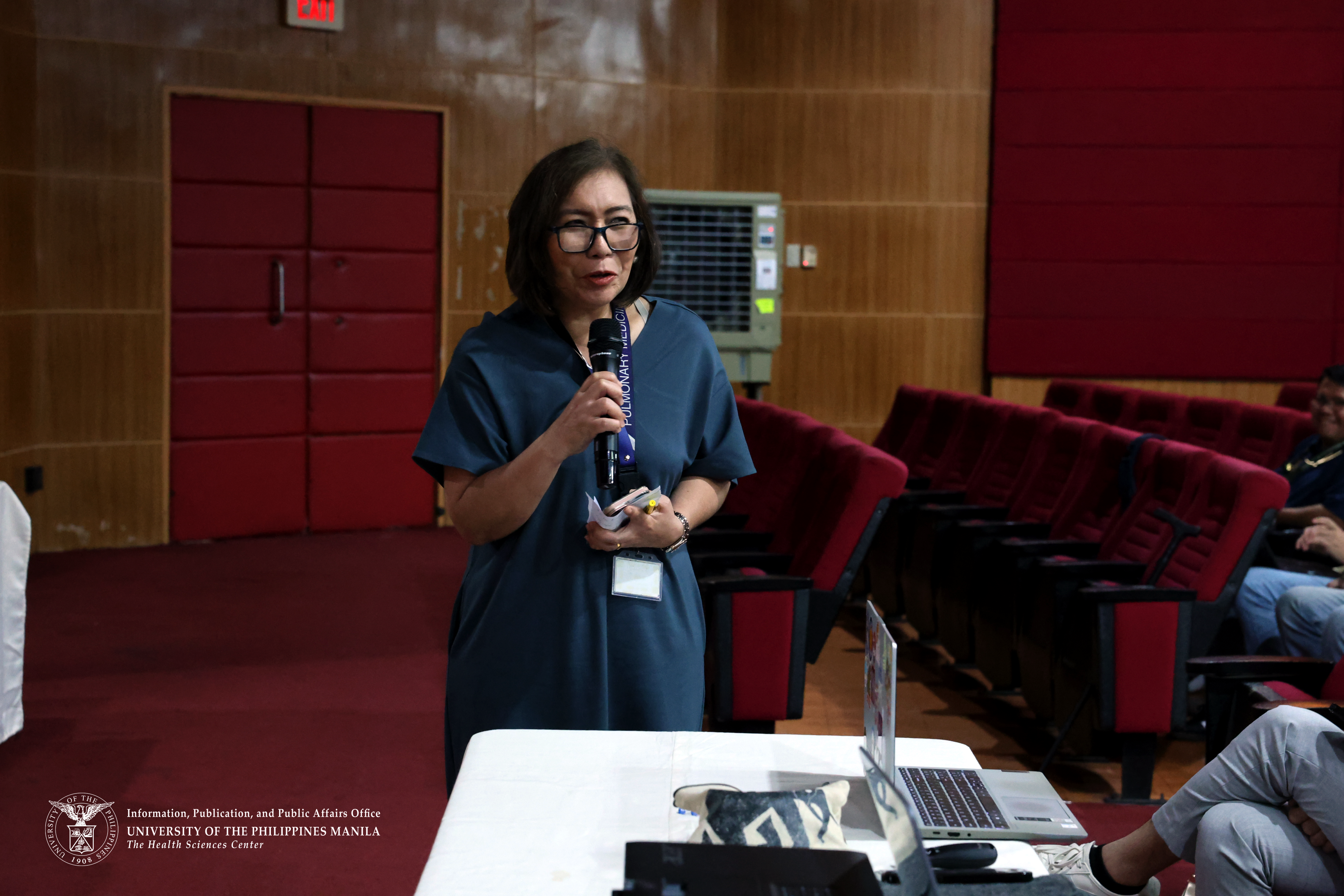
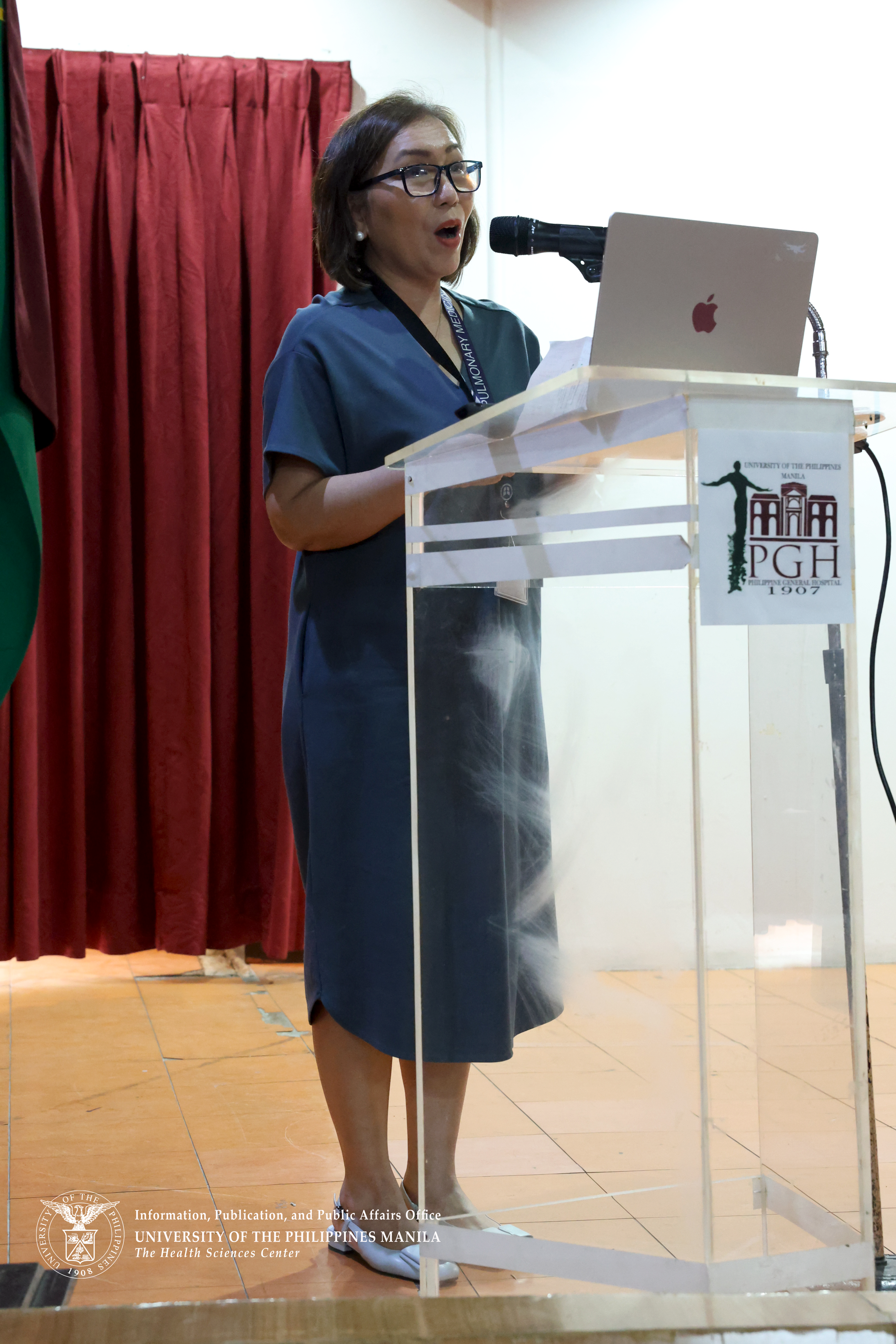
Reacting to the lecture, Dr. Iris Thiele Isip-Tan, Chief of the UP Medical Informatics Unit, discussed the status of AI in the Philippines, particularly the National AI Strategy (NAIS PH). She clarified a common misconception that AI is only generative AI, like ChatGPT, Claude, or Gemini.
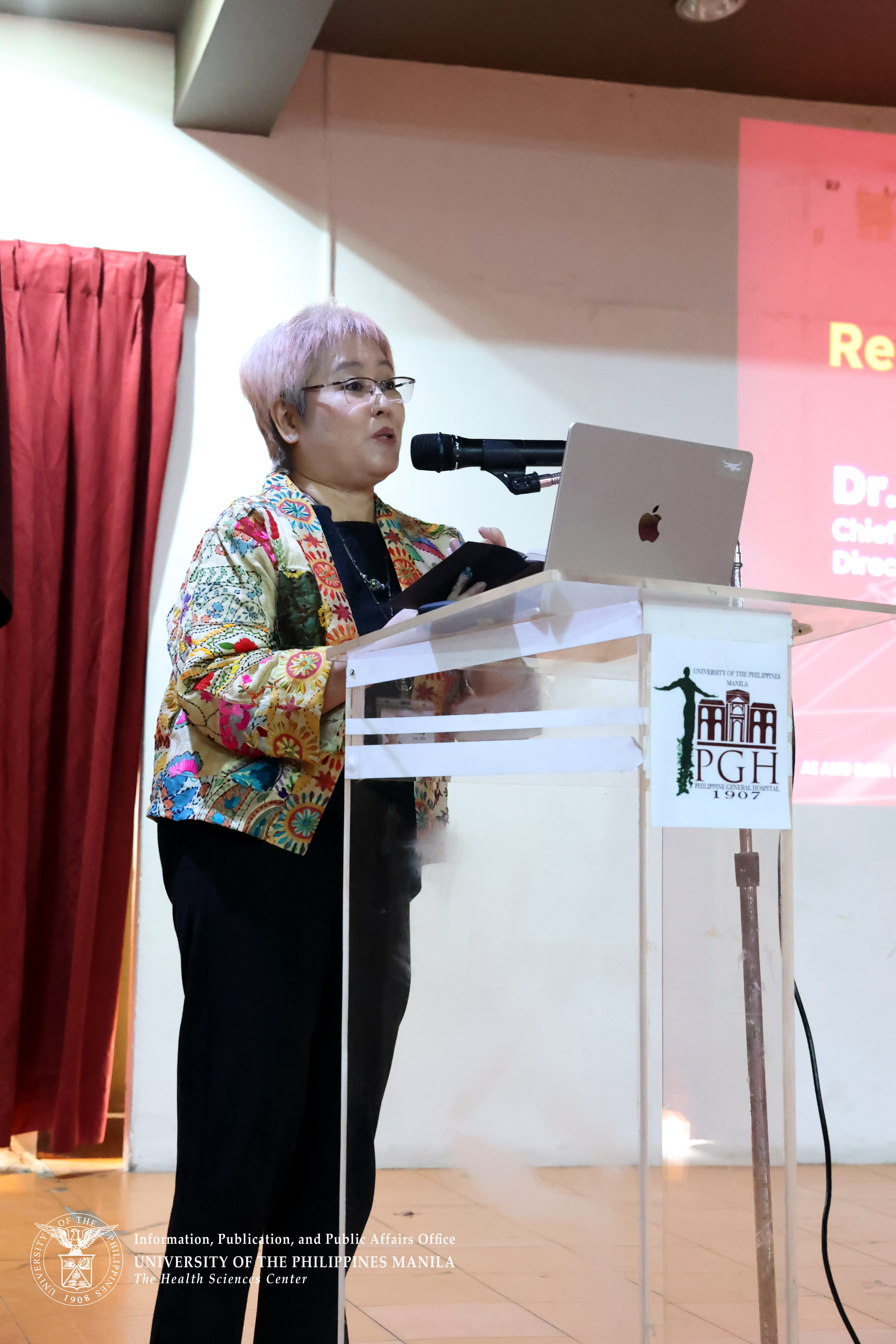
“There is much more that can be done in healthcare with machine learning and data science,” she said.
She also explained that while healthcare institutions generate large amounts of data, much of it is not ready for AI use. She noted that the Philippine General Hospital has extensive data but lacks a mechanism to ensure it can be used safely without violating privacy or confidentiality.
Finally, she stressed the importance of interdisciplinarity, the need to bring others into the conversation. She emphasized the need to include experts from the College of Arts and Sciences, such as social scientists and philosophers, to address ethics and what it means to be human in the era of AI.

Ethical Use of AI
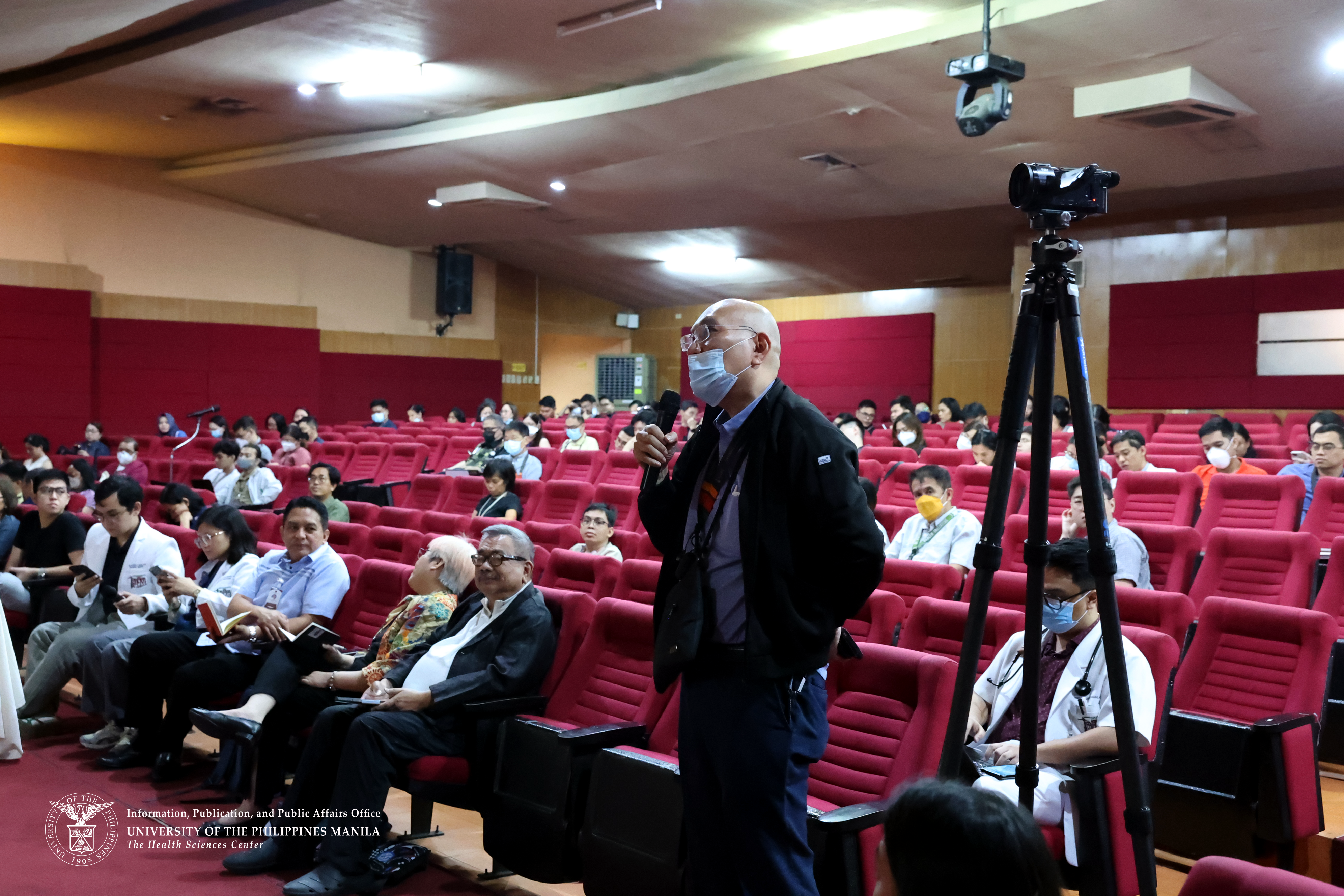
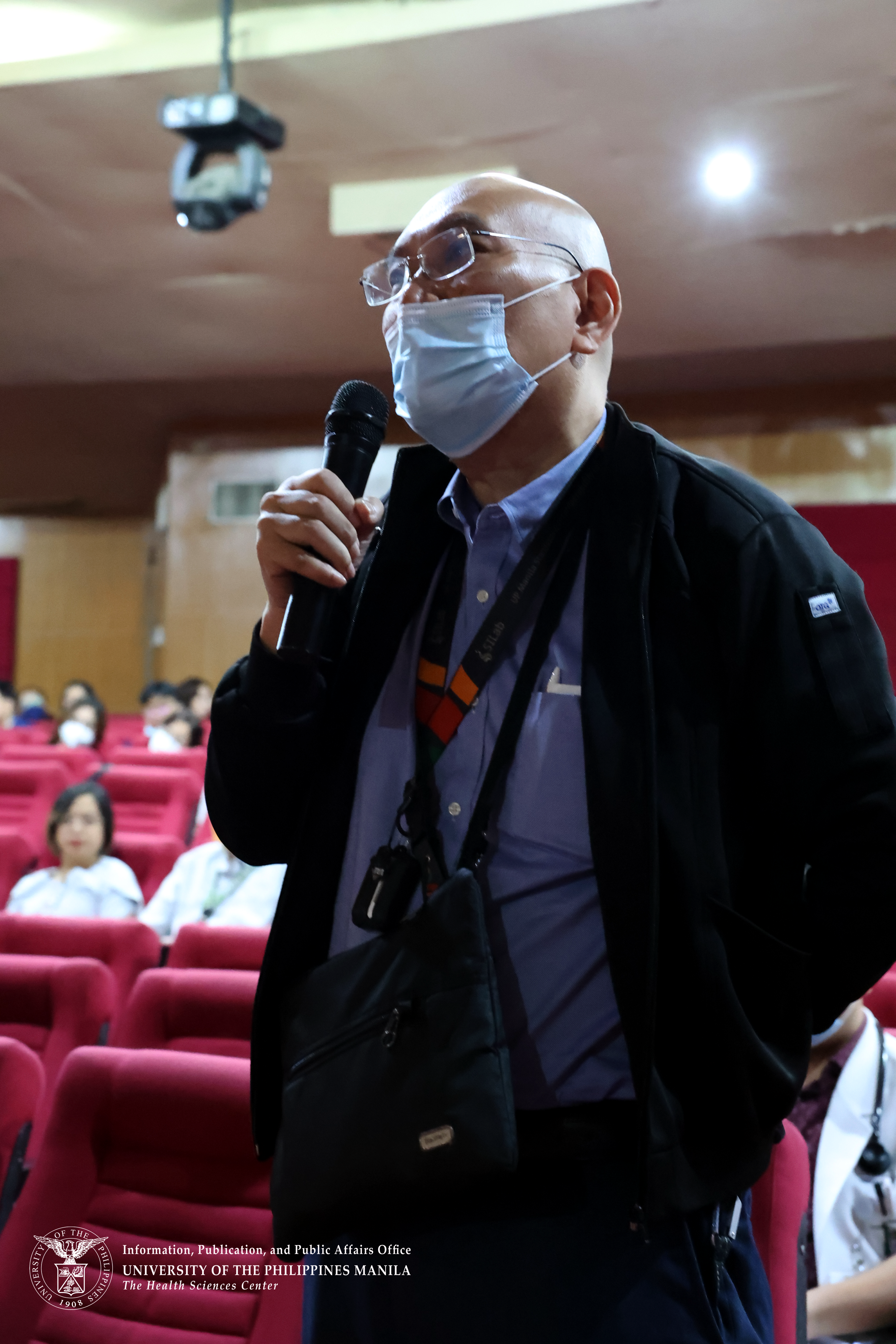
Dr. Emmanuel Lallana, Professorial Fellow and Critical Futures Program Convenor of the UP Center for Integrative and Development Studies, highlighted the importance of contextualizing AI solutions. “The Philippines cannot simply adopt health AI models and apps created in developed countries,” he said. “AI models trained on high-income country data may introduce bias into AI outputs, leading to poor performance, or worse, wrong results.”
Dr. Lallana highlighted UP Manila’s ongoing efforts to strengthen the governance framework for the responsible and ethical use of AI. UP Manila is currently in the final stages of drafting its AI governance framework, which includes policies on the preservation of human judgment and the mandatory disclosure of AI use.
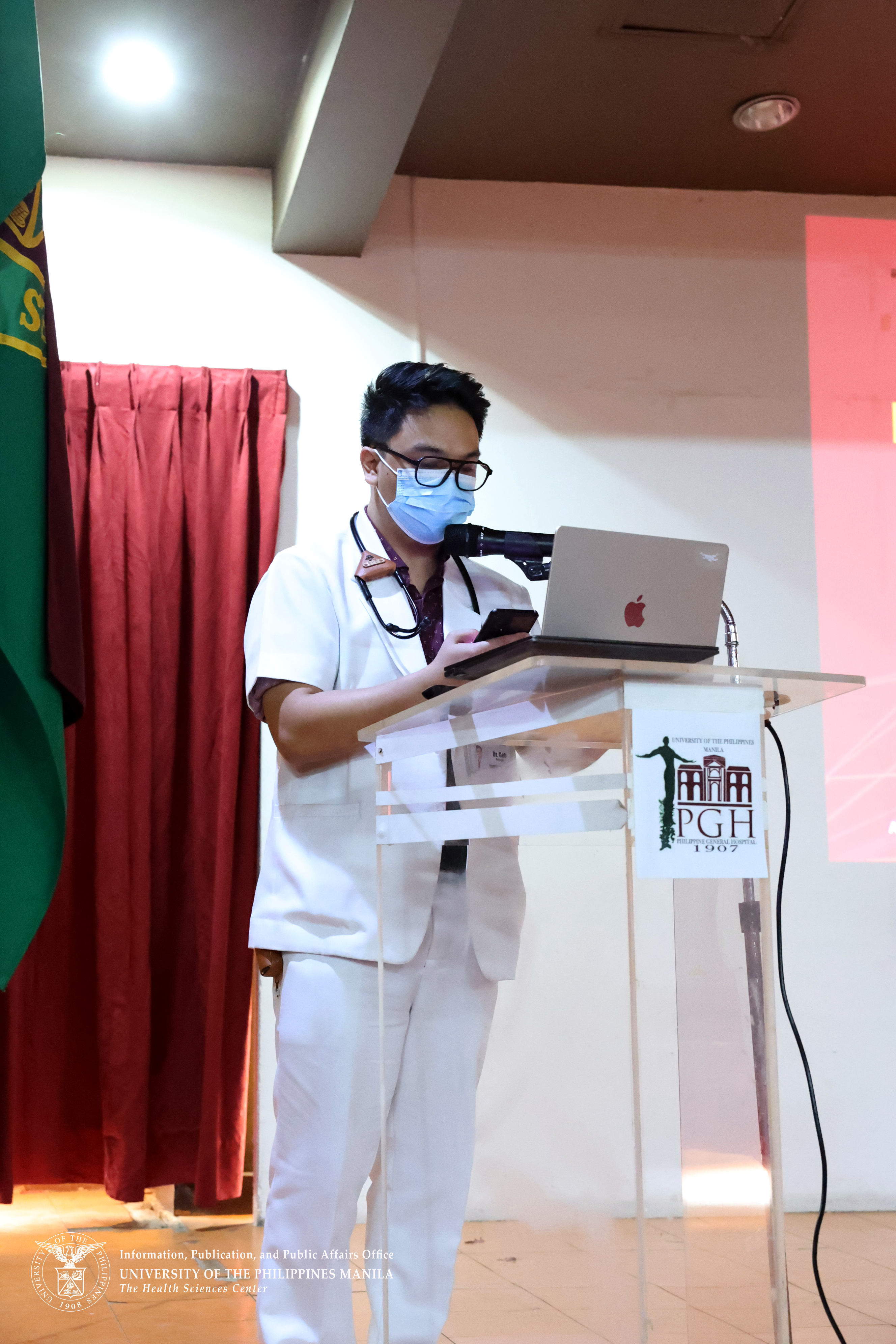
“While AI provides leverage for faster interpretation, the power to manage patients and communities still rests in human hands,” asserted Ramoncito Gabriel Paragas, a student from the College of Medicine. He stressed that people, not technology, should always come first.
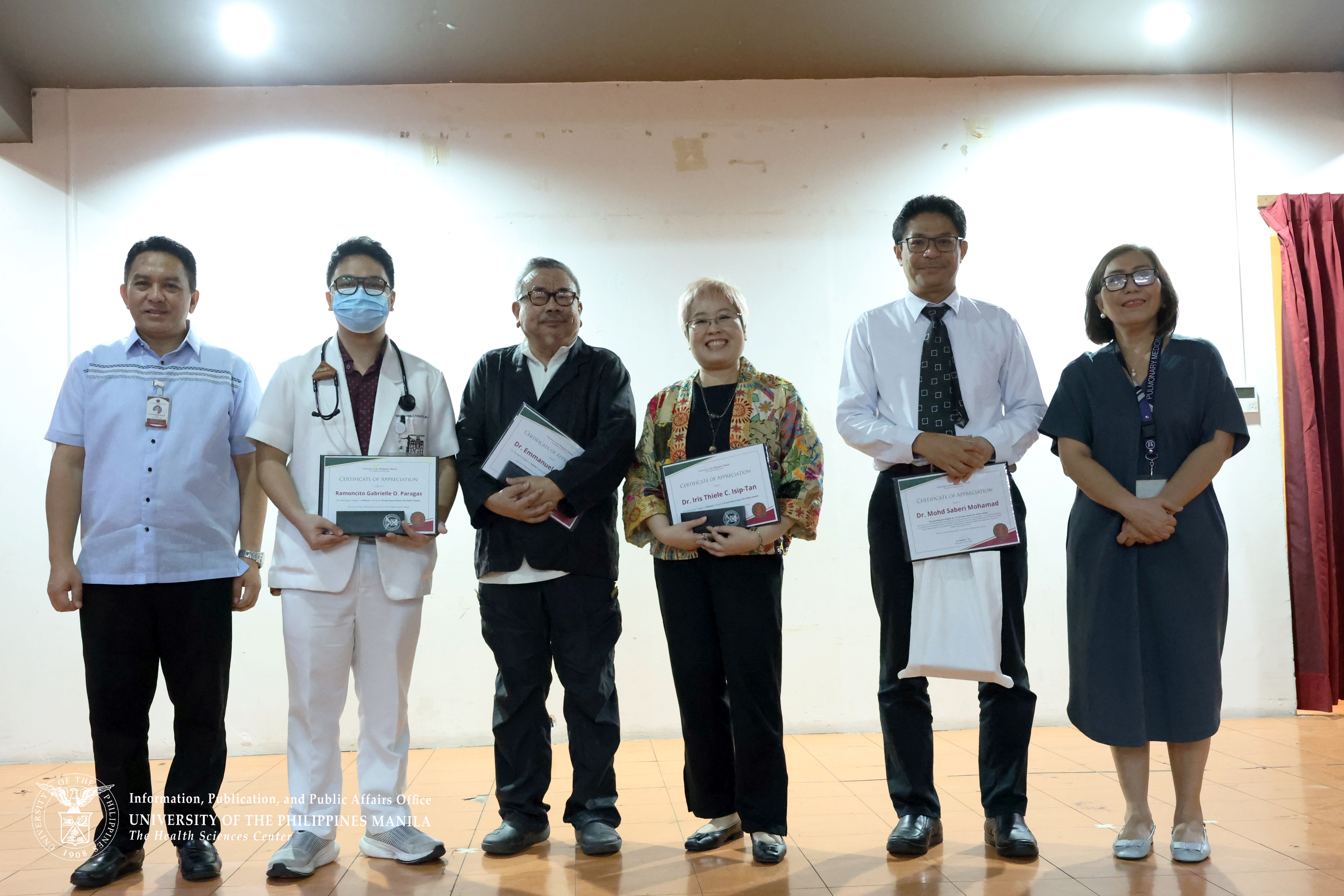
The special lecture was organized by CPH, College of Medicine, and the University of the Philippines Office of the Vice President for Academic Affairs.


Read more:
#FP1 #FP6 #AccessibleUPLeadership