

Text by: Charmaine A. Lingdas
Photos by: Office of the Vice Chancellor for Academic Affairs
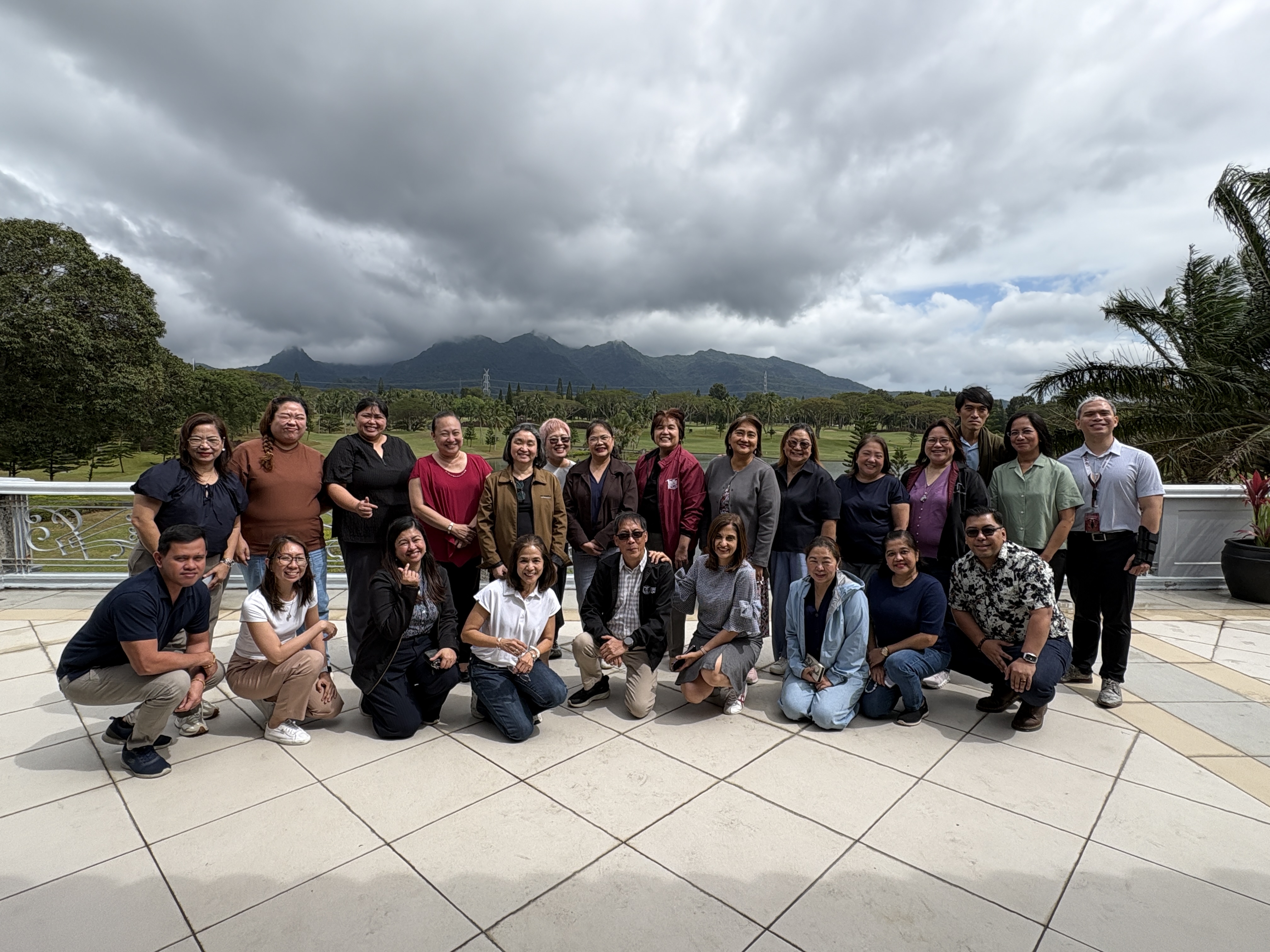
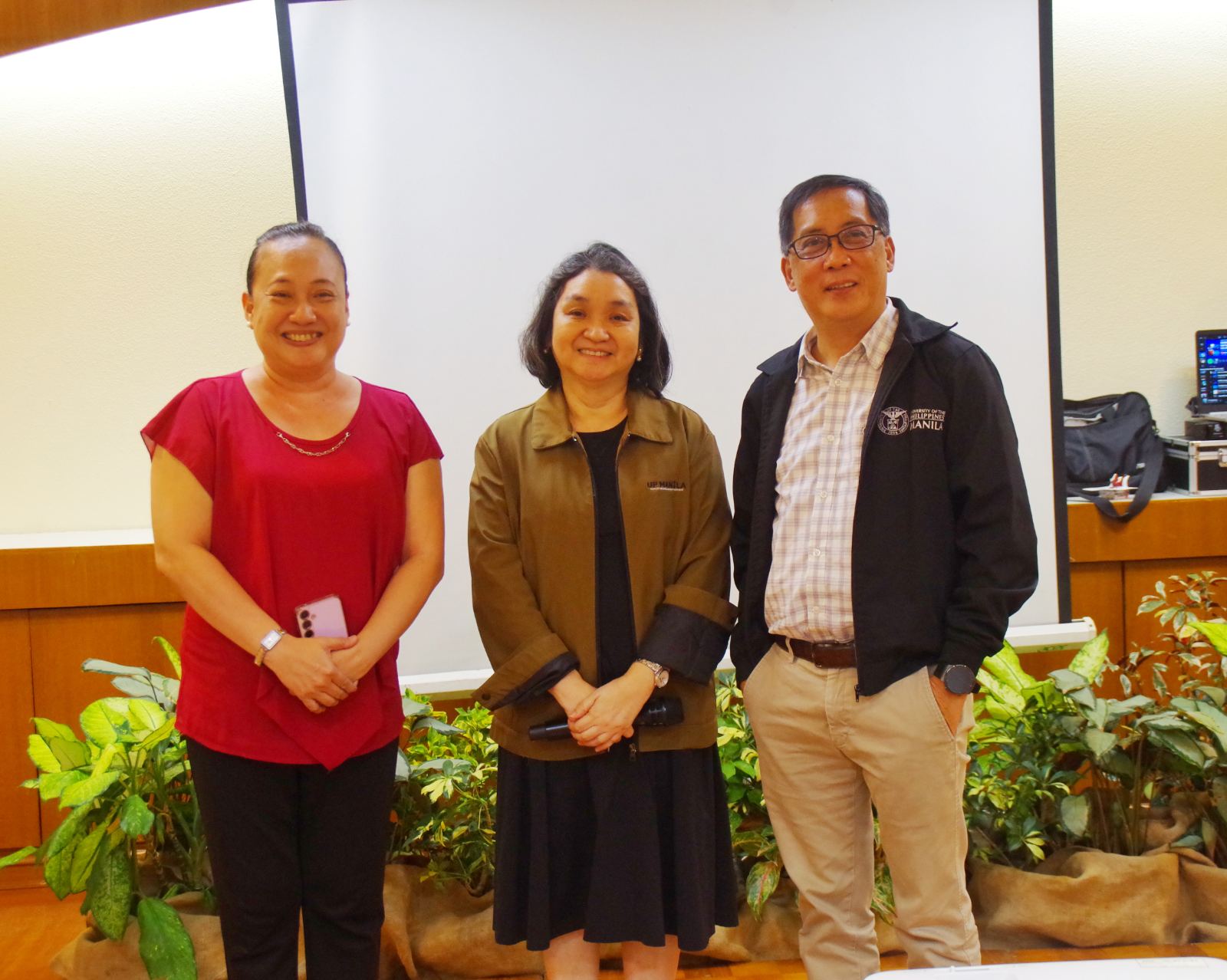
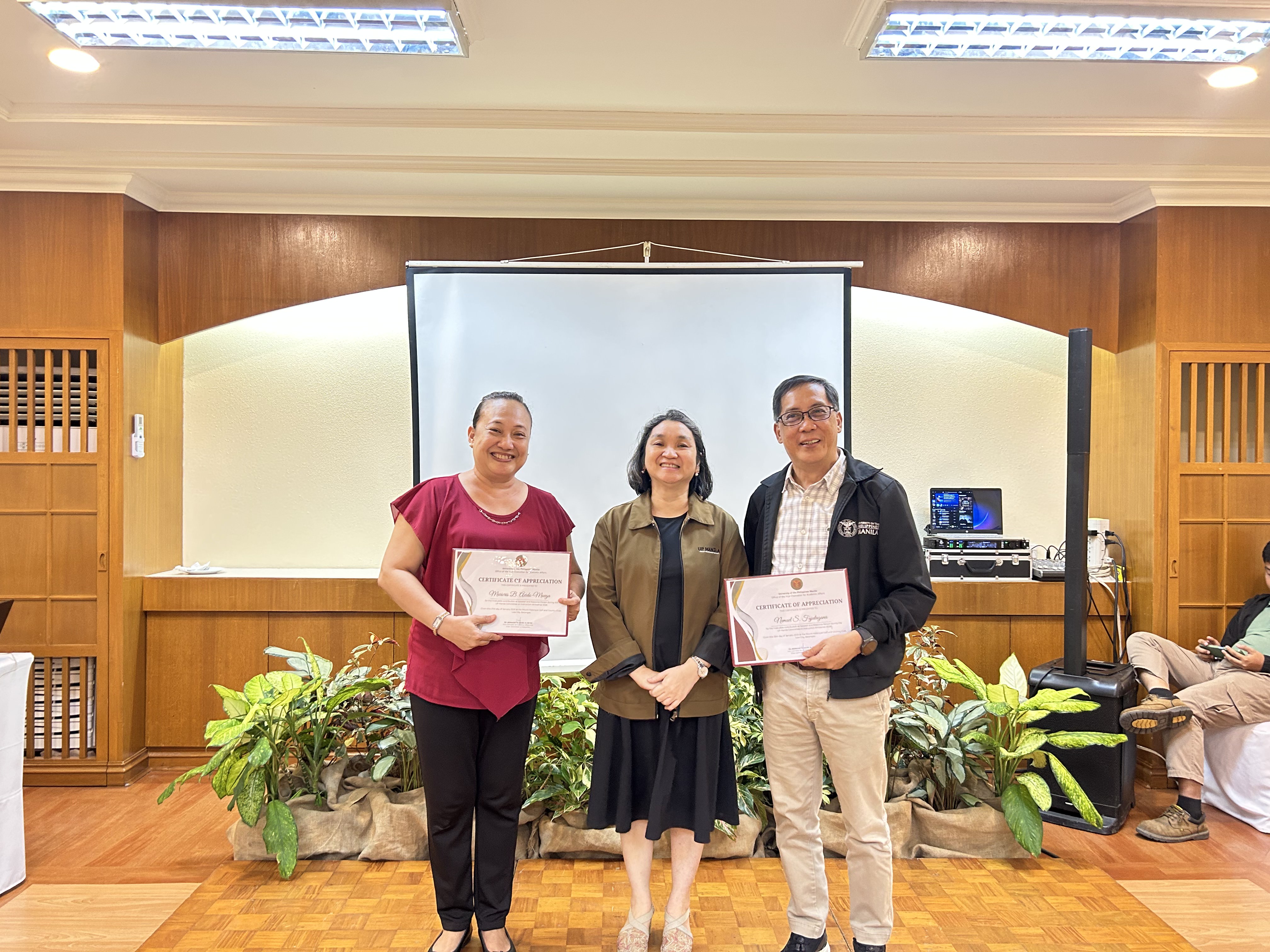
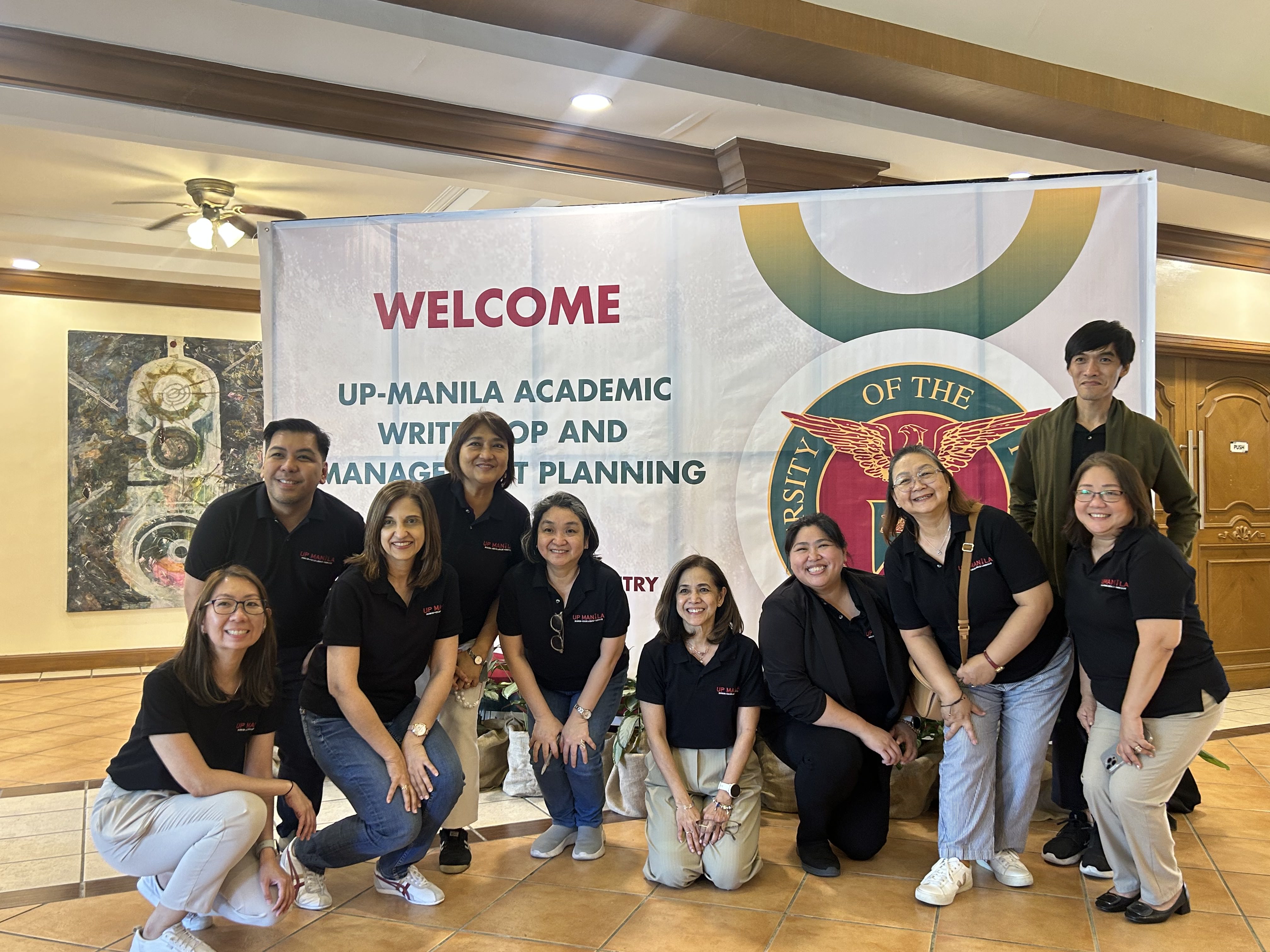
“Ano yung karunungan kung walang kasamang attribute? Kapag ginamit mo ang karunungan mo, ginamit mo ba ito nang may sigasig? May integridad?” Dr. Nemuel Fajutagana of the National Teachers Training Center for the Health Professions (NTTCHP) asked during the ‘Writeshop 2026’ conducted by the University of the Philippines Manila Committee on Instruction (COI) from Jan. 27 to 29 at Mount Malarayat Golf and Country Club in Lipa City, Batangas. He discussed that while learning outcomes or competencies focus on skills and knowledge on what students can demonstrate or perform, attributes refer to the values and attitudes that guide behavior and decision-making, ensuring that knowledge is applied with purpose, integrity, and commitment to service.
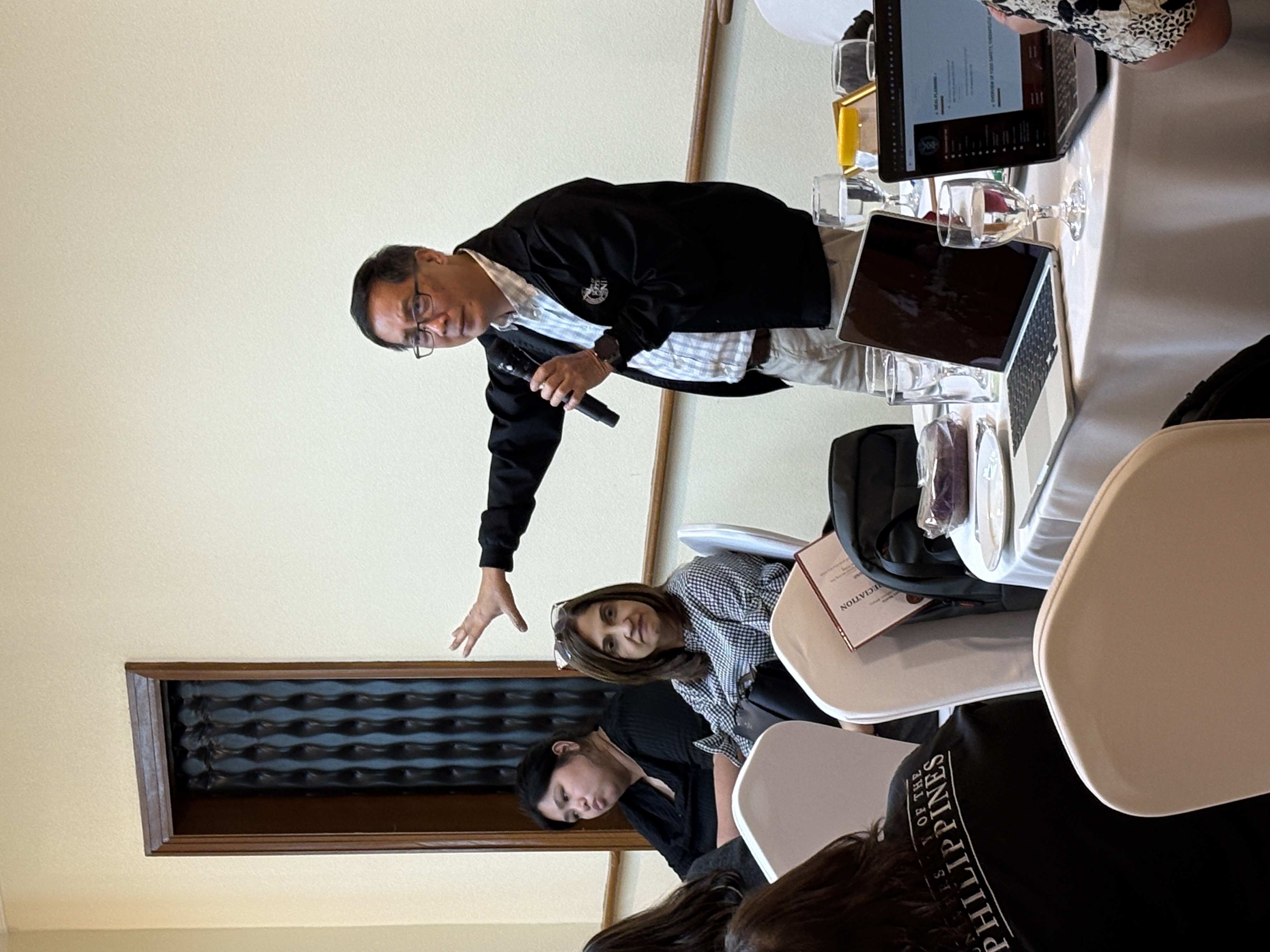
Dr. Fajutagana emphasized the importance of integrating institutional values into curriculum development. He noted that while curricula often focus on competencies and learning outcomes, these must be grounded in values that shape how knowledge is applied. He asserted that education should develop not only capable professionals but individuals who carry integrity, commitment, and a strong sense of purpose into their practice, highlighting the need to nurture both skills and character.
Prof. Maricris Acido-Muega of the UP Diliman College of Education also shared the same viewpoint and stressed that educational philosophy forms the foundation of curriculum development. She highlighted the alignment of philosophy, graduate attributes, and intended learning outcomes, adding that education should be rooted in lived experience and shared values to foster moral responsibility.
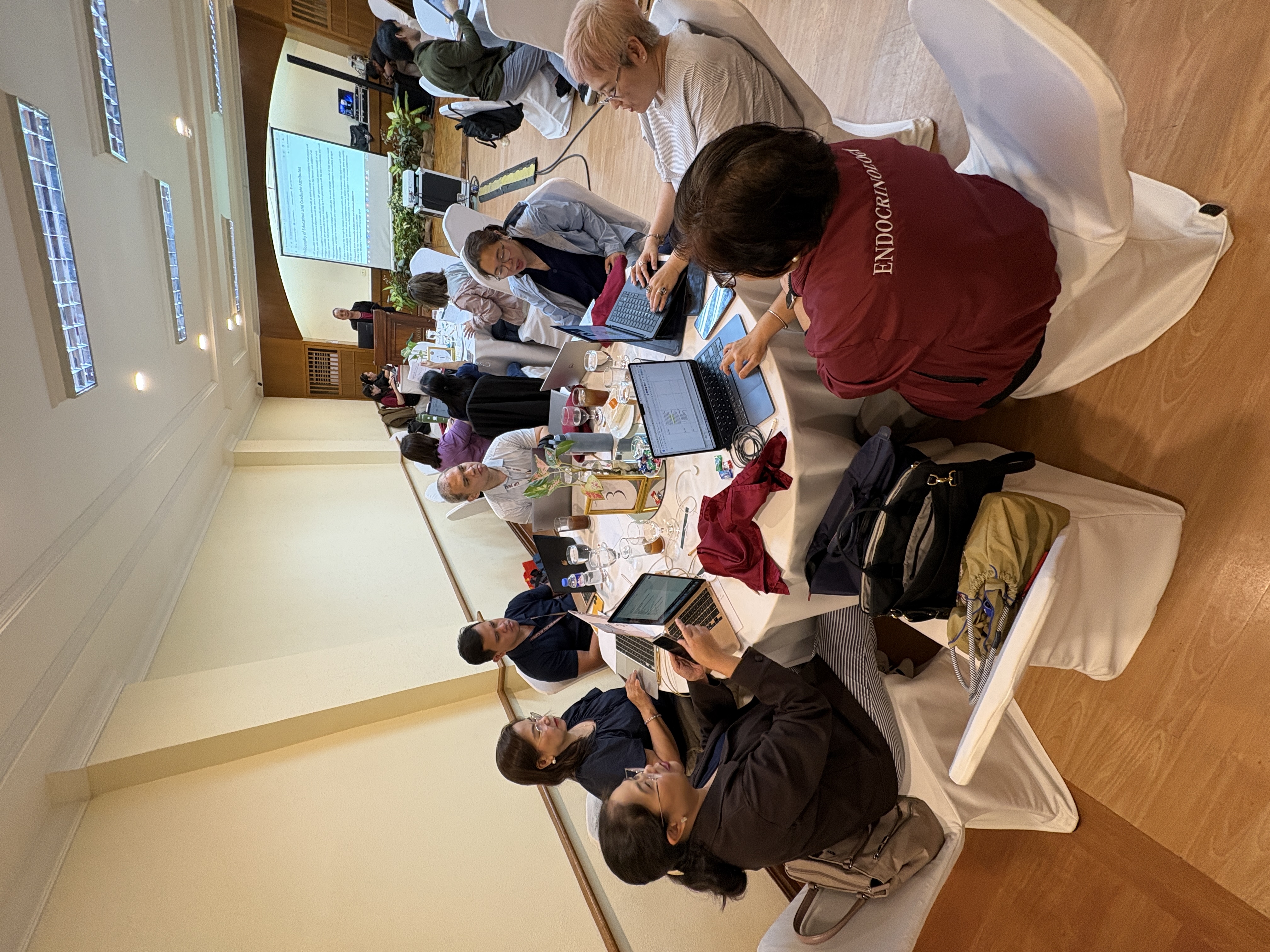
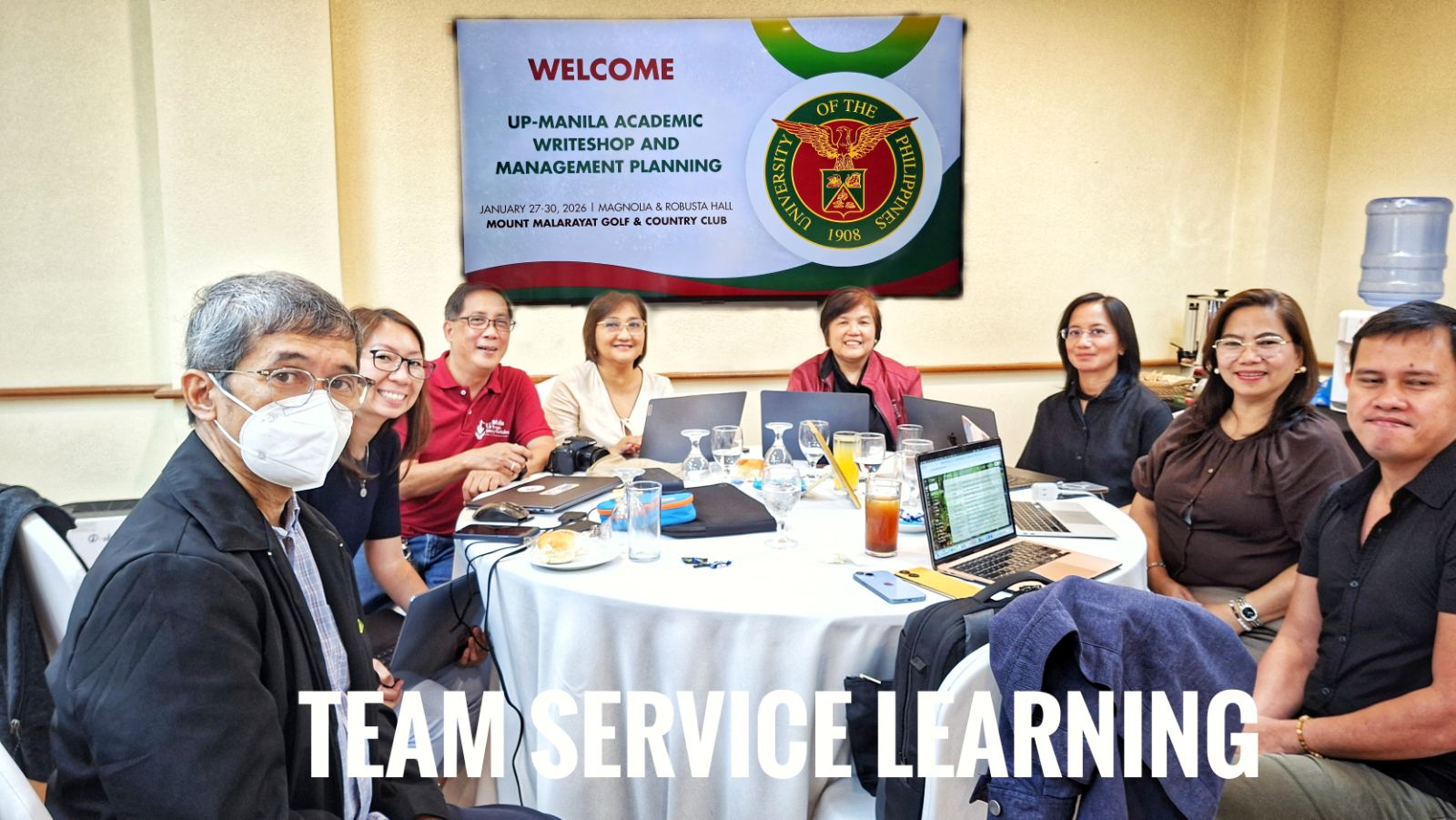
The first writeshop aims to strengthen UP Manila’s academic foundations through collaborative discussions and writing sessions on educational philosophy, graduate attributes, institutional learning outcomes, artificial intelligence (AI) policy, teacher evaluation tools, service learning, and interprofessional education (IPE). The event defined the essence of true and meaningful service learning as an “educational approach that blends academic learning with meaningful community service.” Students apply what they learn in the classroom to real-world needs.
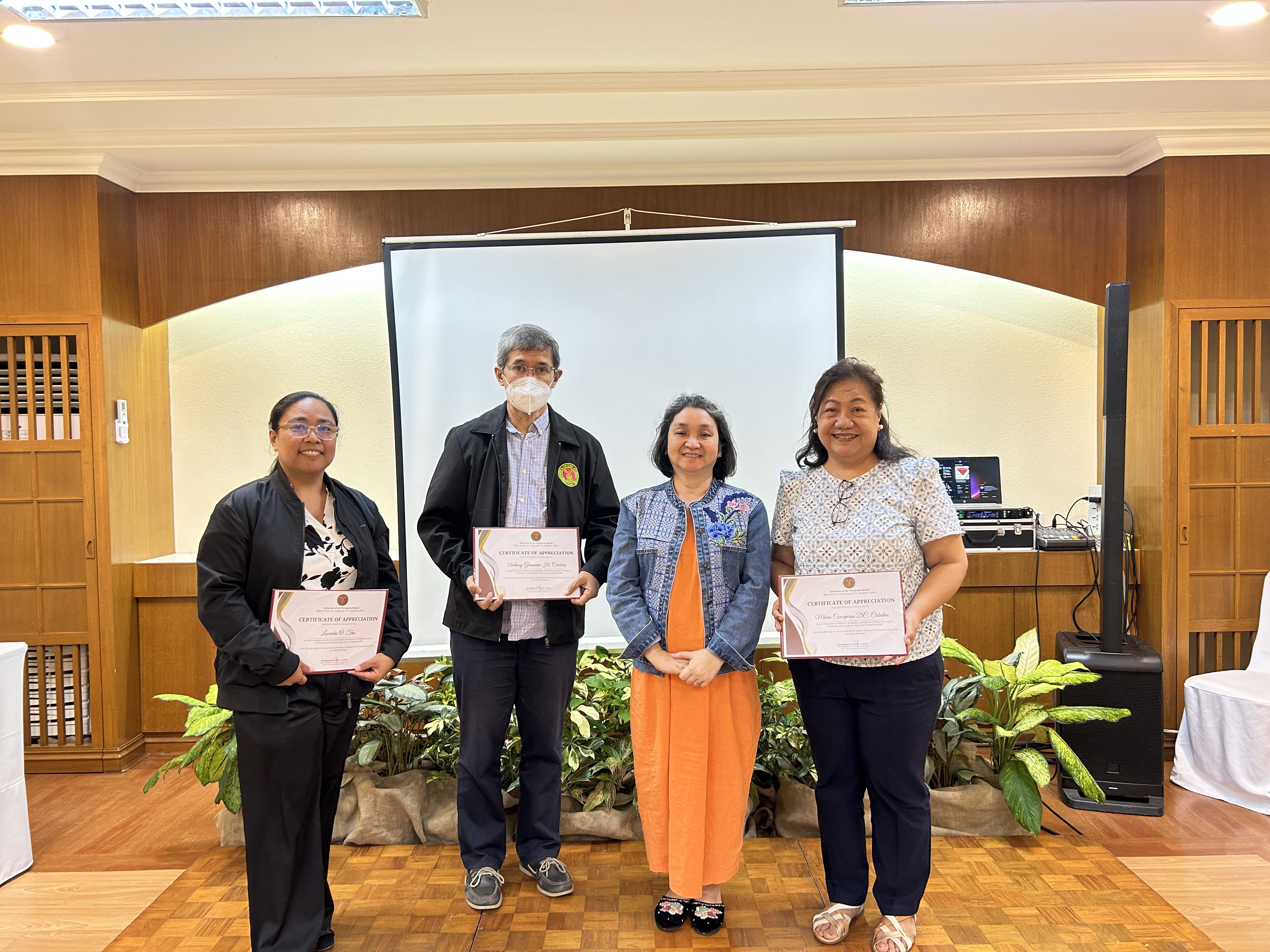
Dr. Anthony Geronimo Cordero illustrated service learning through UP Manila’s Community Health and Development Program (CHDP). Using the Primary Health Care approach, the program engages communities as partners rather than classrooms or charity cases, allowing students to learn by serving. Dr. Cordero explained that CHDP emphasizes co-creation, demonstrating how service learning empowers both students and communities.
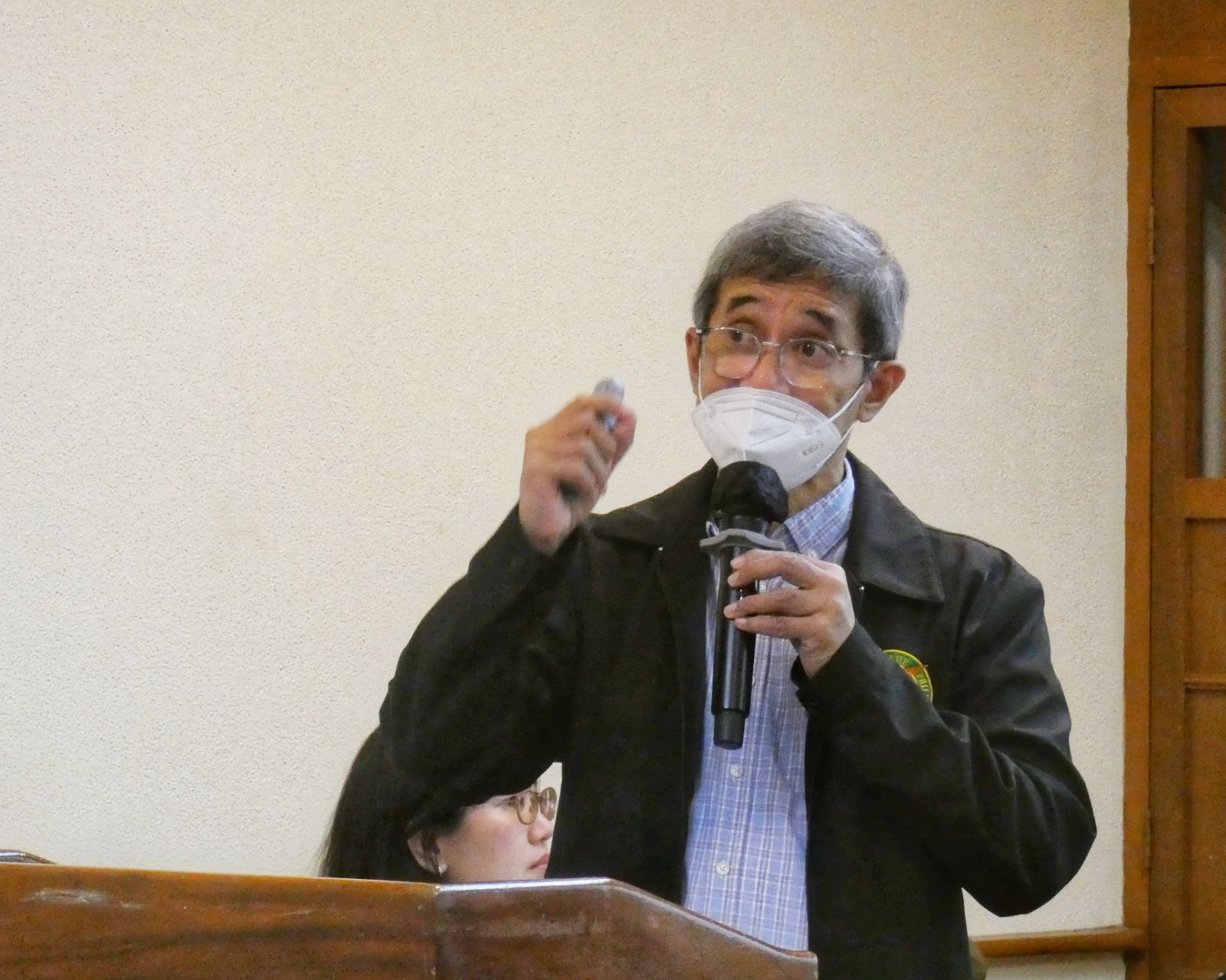
CHDP is not only a true example of service learning but also reflects interprofessional education (IPE), as it brings together students from different health disciplines to learn with, from, and about each other while working collaboratively with communities.
Meanwhile, Prof. Maria Concepcion Cabatan of the College of Allied Medical Professions discussed the rationale and benefits of IPE. She explained that IPE fosters collaboration to provide safe, compassionate, and quality care.
Interprofessional education (IPE) is designed to prepare future healthcare professionals to navigate and address the complexities of modern healthcare systems. In the Philippines, a developing country with a highly fragmented healthcare system, IPE plays a critical role in fostering collaboration across disciplines, strengthening team-based care, and improving health outcomes amid resource constraints and systemic gaps.
Dr. Louricha Tan of the College of Medicine shared how the CHDP has fostered IPE since 2007, engaging students from medicine, nursing, and allied health. Through activities like family case management for patients with complex conditions, students plan assessments together, coordinate visits, and debrief collectively, integrating knowledge across disciplines. Dr. Tan emphasized that IPE not only develops professional competence but also strengthens teamwork and improves the quality of care and community health services.
Policy on the use of AI
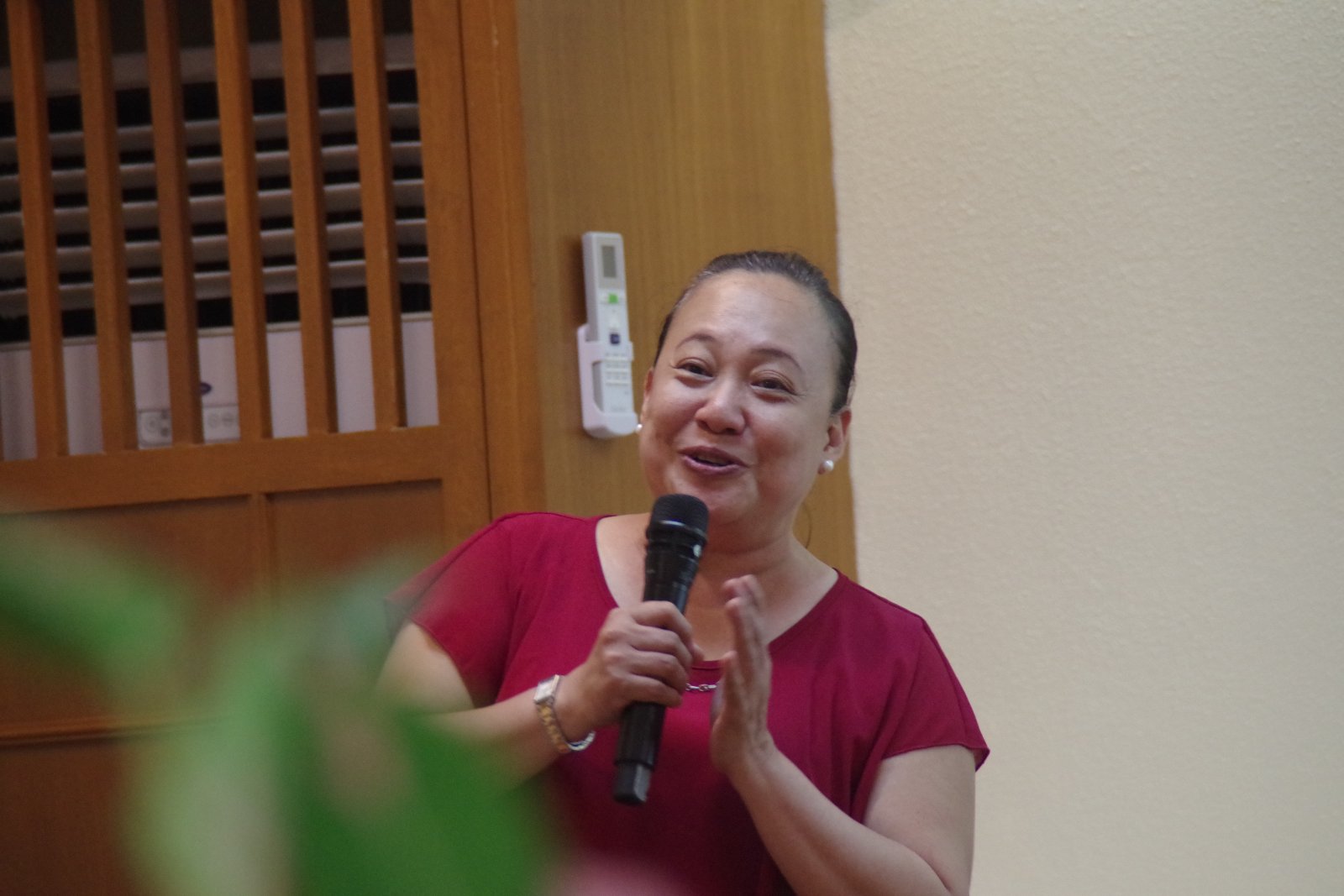
Meanwhile, a session on crafting a policy for the use of artificial intelligence in education and research, was facilitated by Dr. Leo Anthony Celi of the Massachusetts Institute of Technology (MIT) Institute for Medical Engineering and Science (IMES). He highlighted the rapid rise of AI and the urgent need to understand how these systems process information and draw conclusions. He explained that AI often mirrors the biases and assumptions of its human designers. “Asking whether AI is ‘worth it’ misses the point. The real question is: how do we make AI worth its cause?” Dr. Celi said.
According to him, the answer lies in addressing systemic problems in health, education, and equity, while ensuring that AI is guided by human values, ethical safeguards, and societal priorities. Only by aligning technology with human well-being, he argued, can AI truly serve its intended purpose. “Despite these challenges, AI also offers the opportunity to transform medical knowledge creation, but only if evaluation is continuous, inclusive, and designed to improve health outcomes for all populations,” he added.
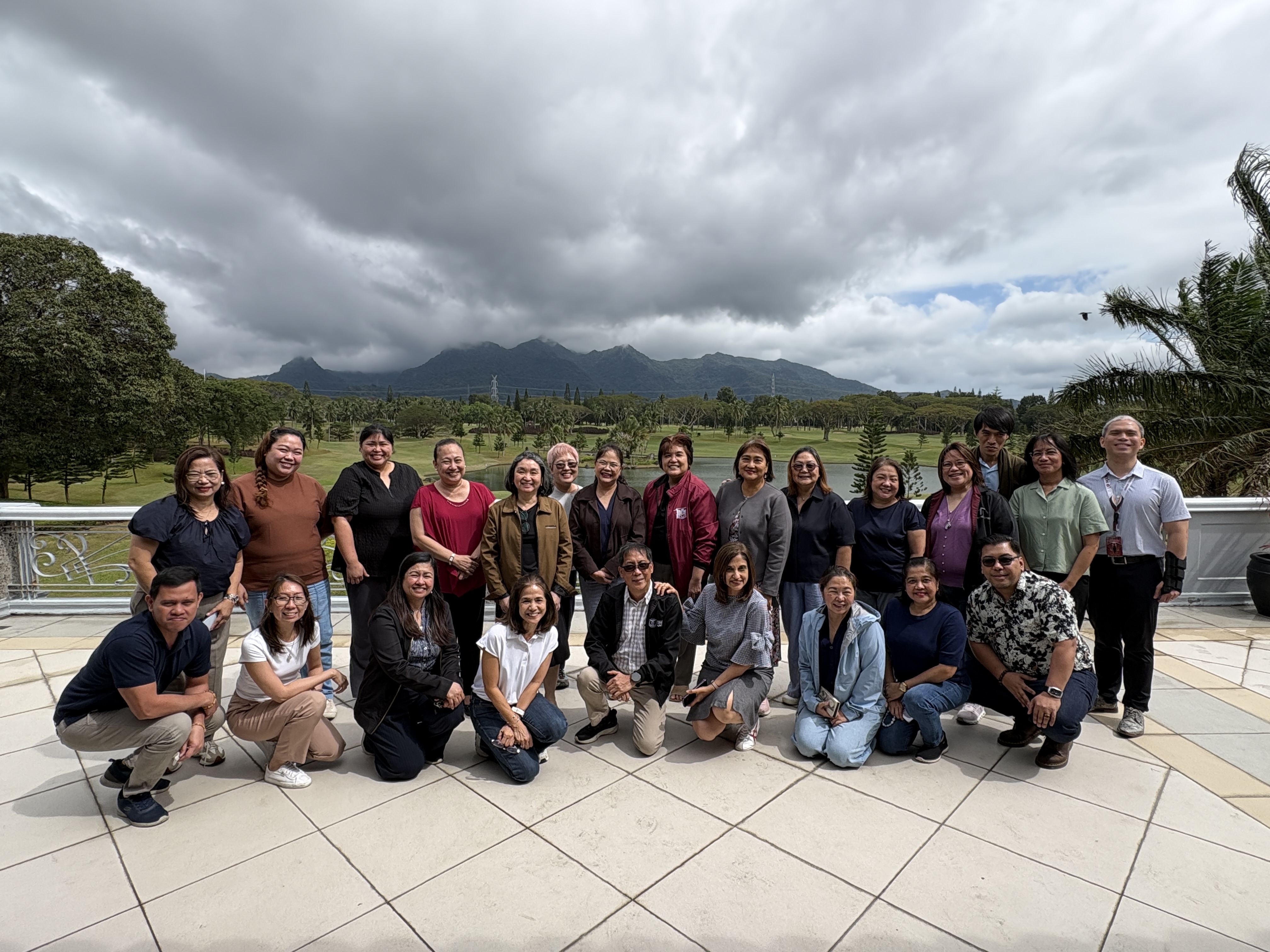
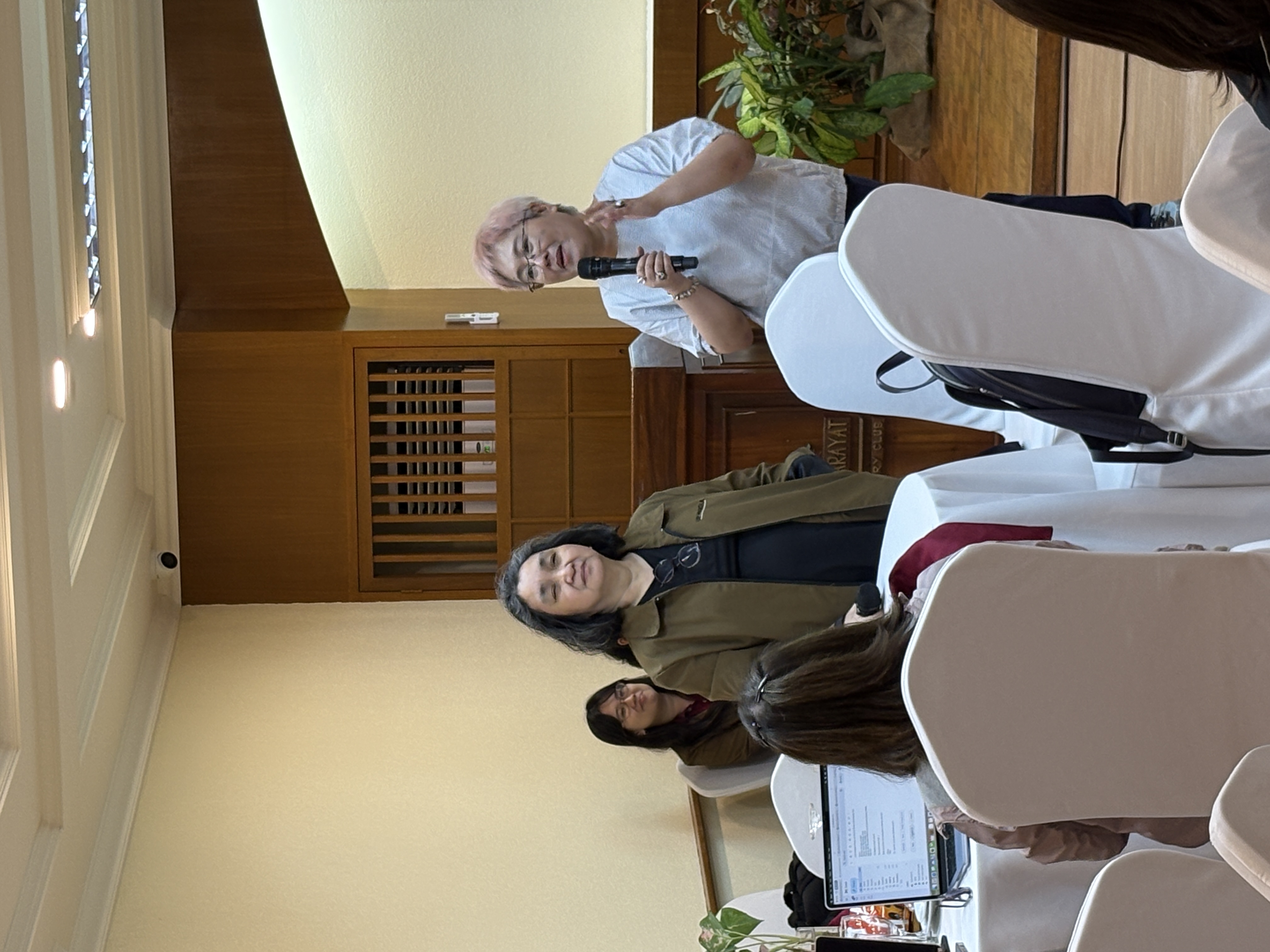
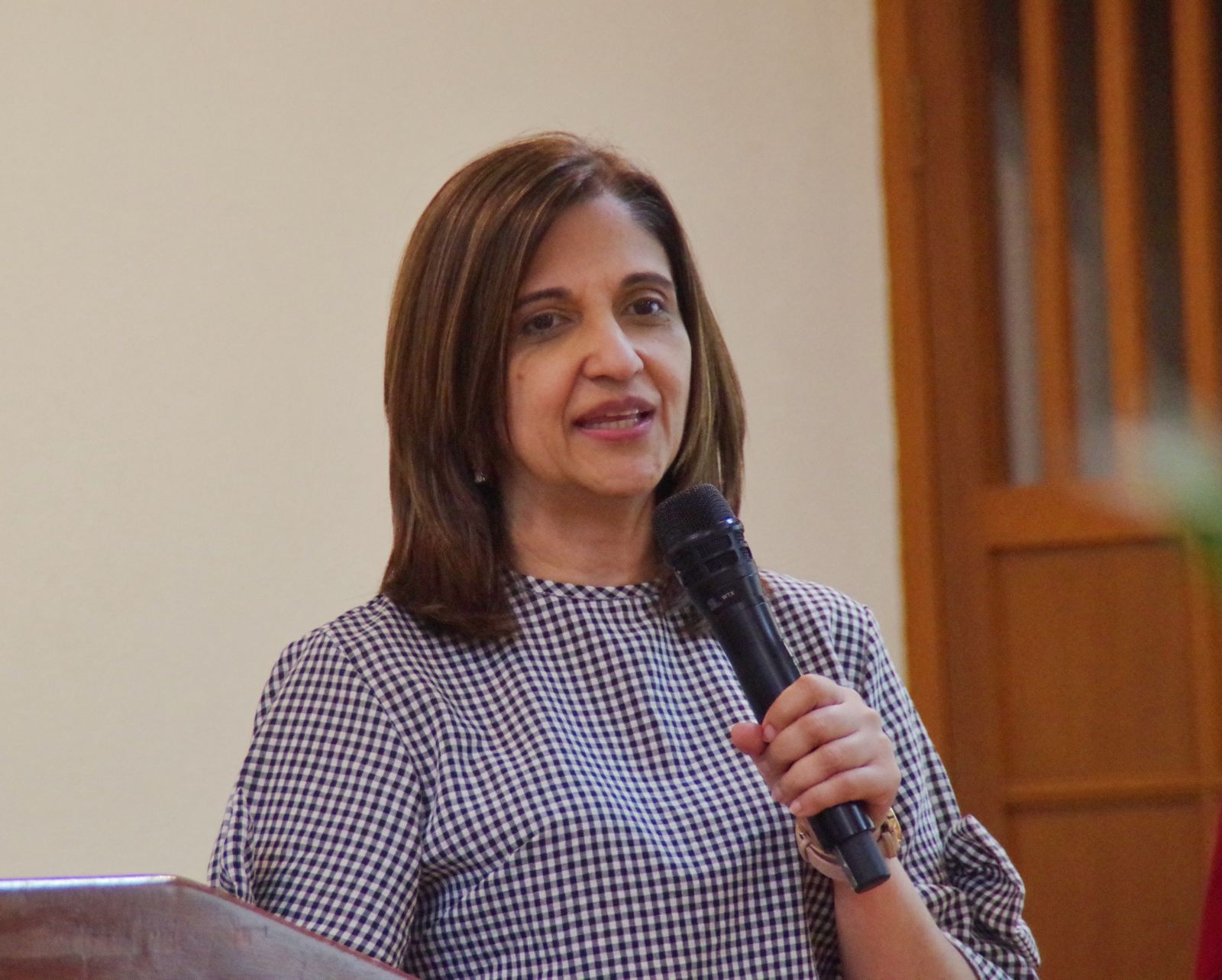
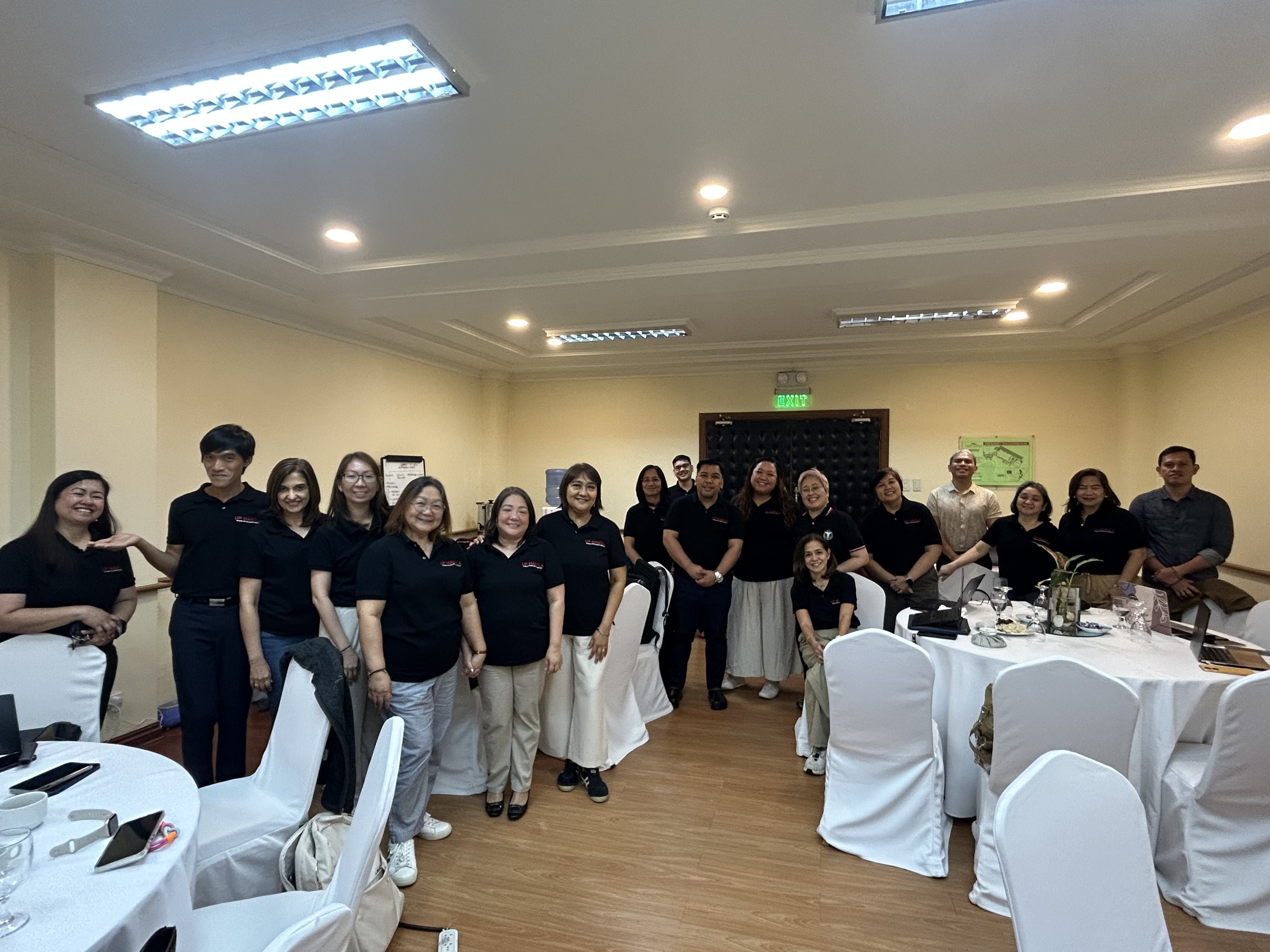
The three-day Writeshop 2026, organized by the UP Manila Office of the Vice Chancellor for Academic Affairs, brought together faculty leaders and academic administrators to refine key institutional academic frameworks and policies. The event concluded on Jan. 29 with the presentation of outputs to the Chancellor’s Management Team (CMT), allowing institutional leaders to review the proposed frameworks and policy documents developed during the activity.
Read More:
#FP1 #innovationsforlifelonglearningdedicatedtoservice