

Text by Jericho Paolo L. Mabansag
Photos by Sarah Hazel Moces Pulumbarit
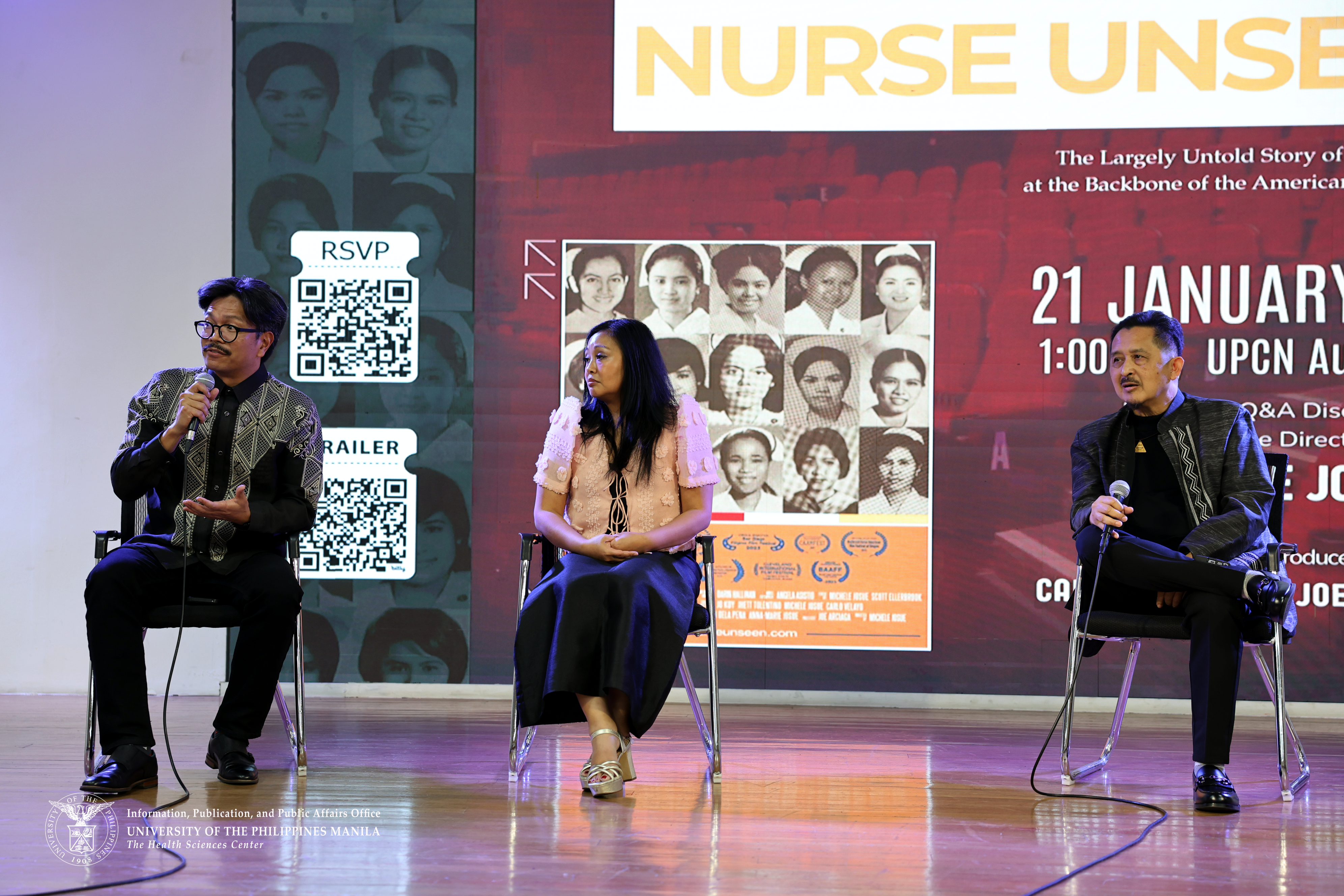
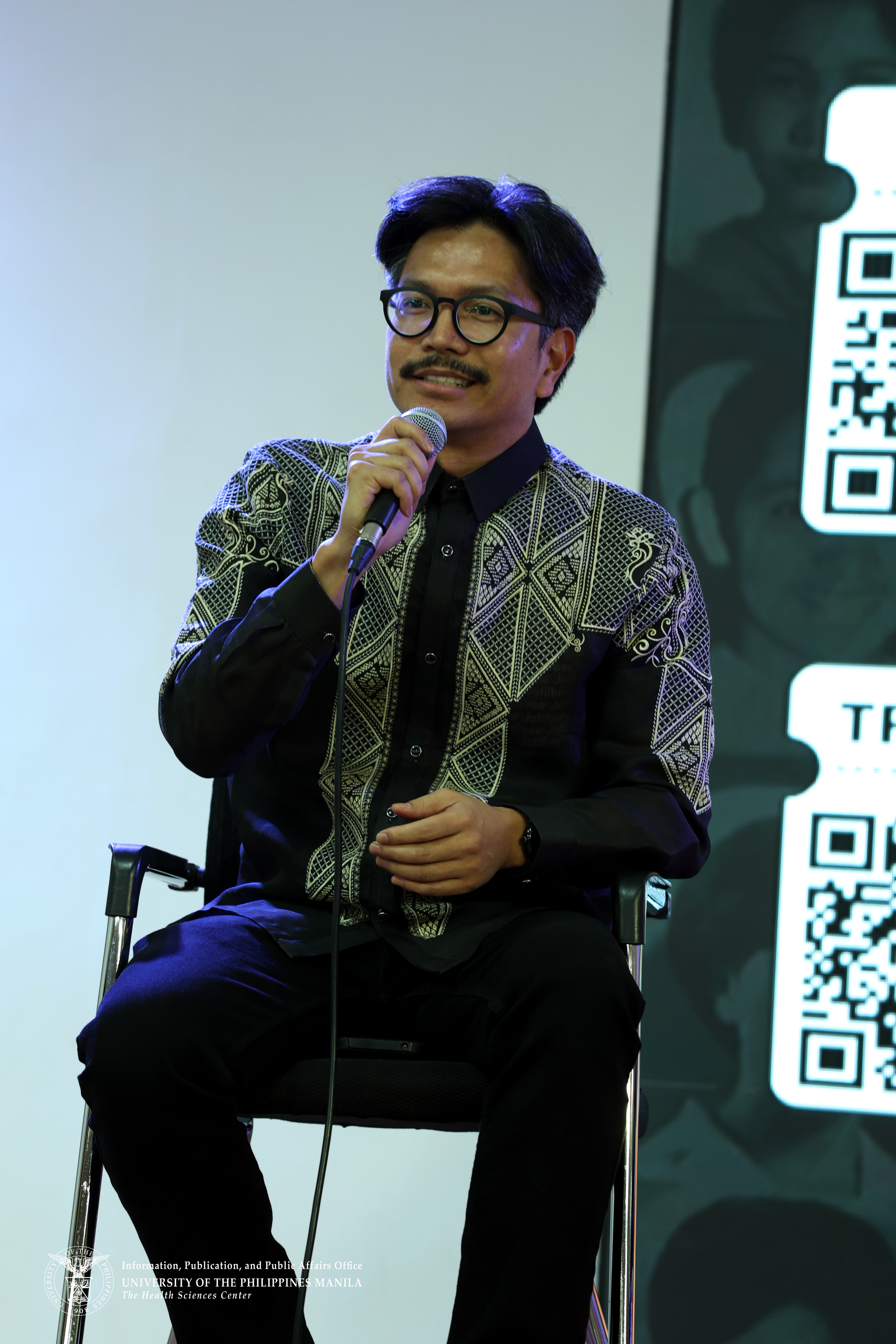
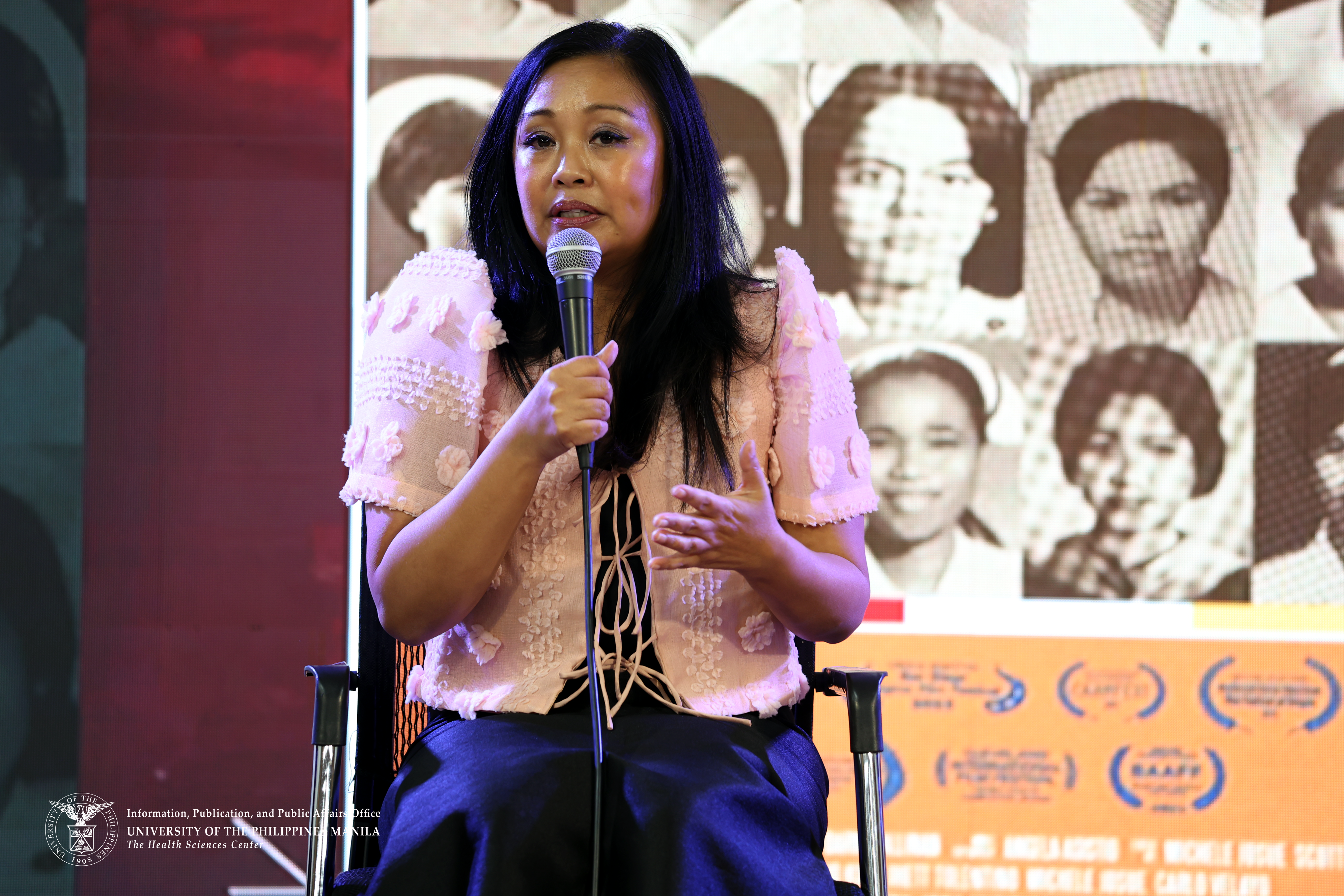
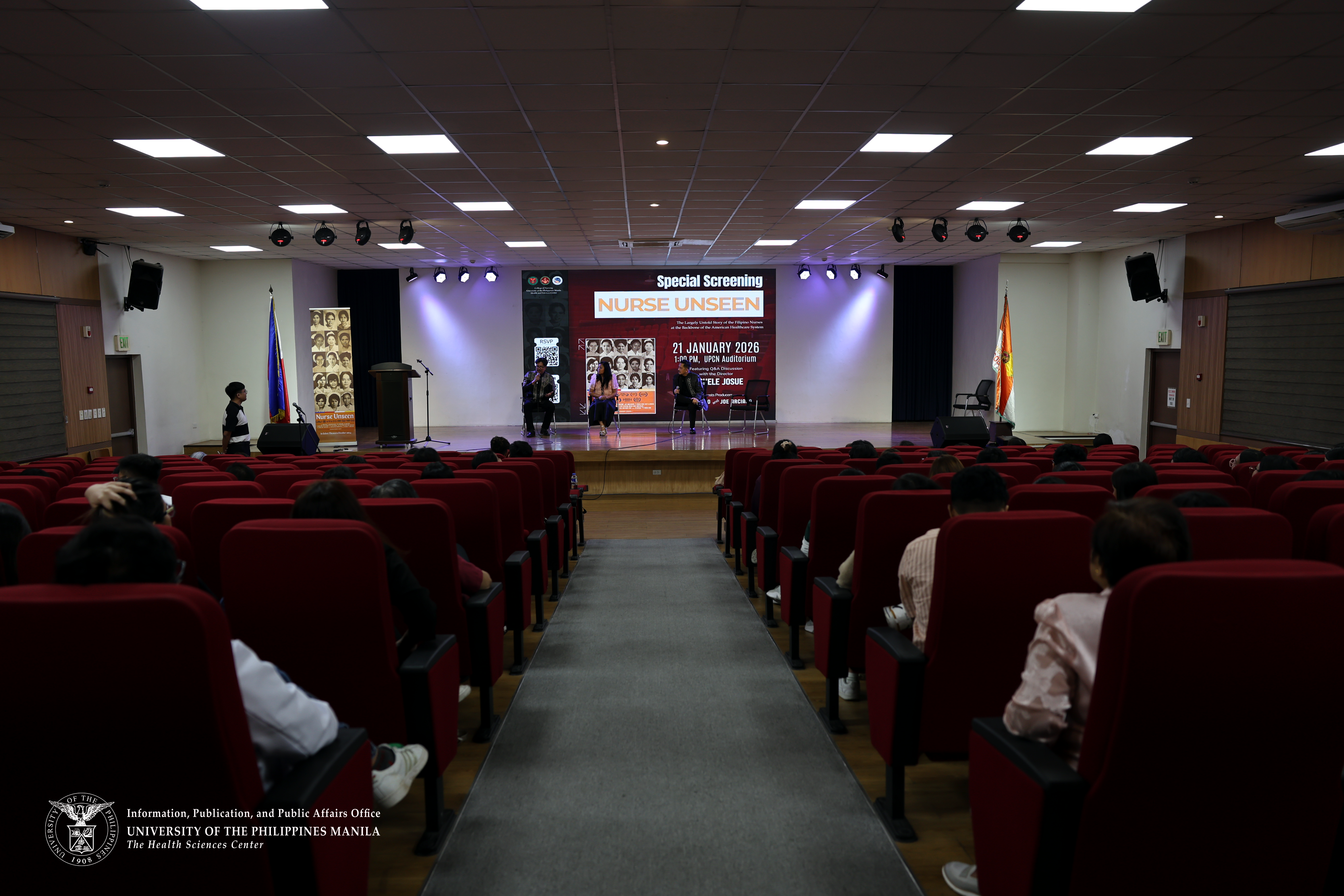
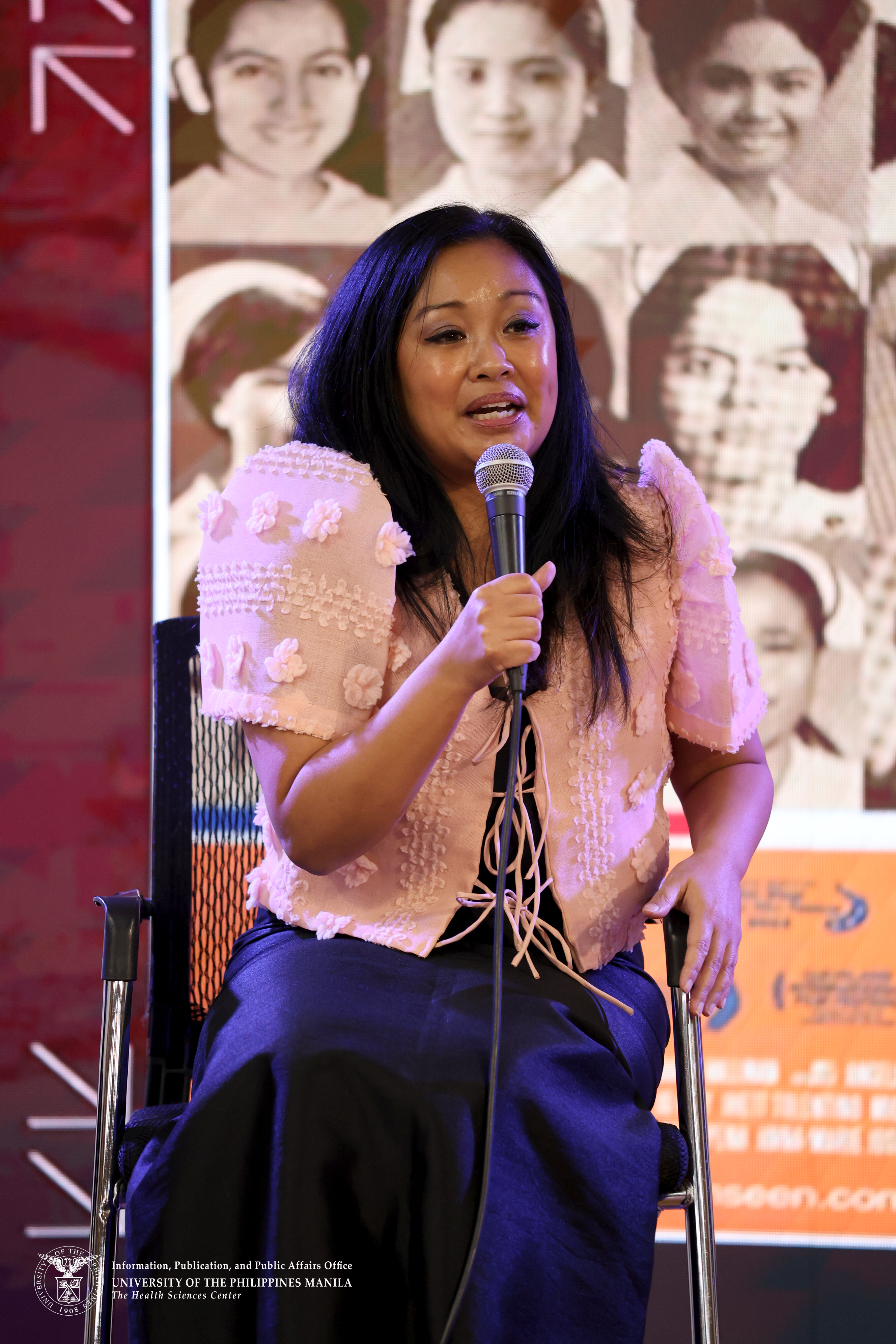
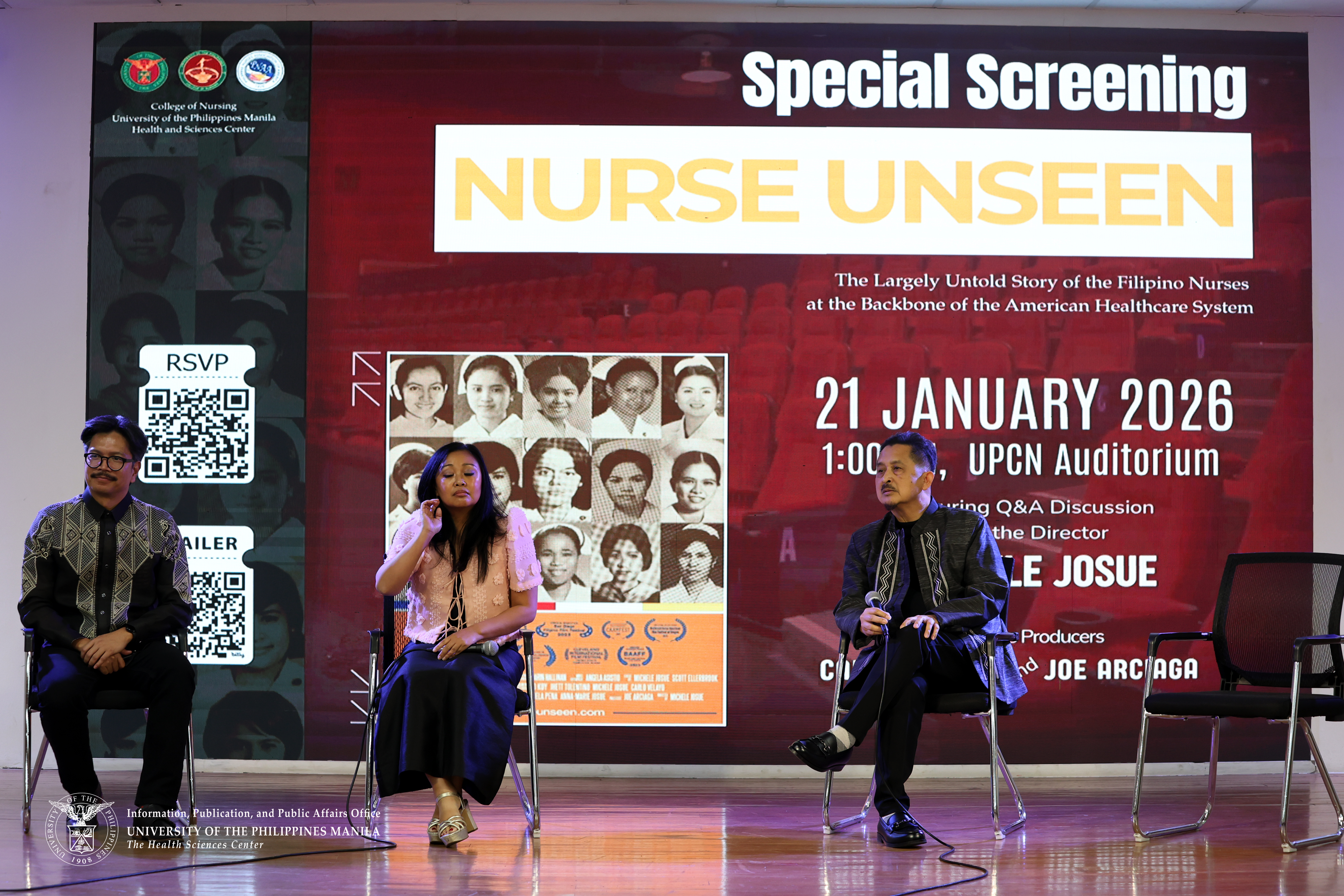
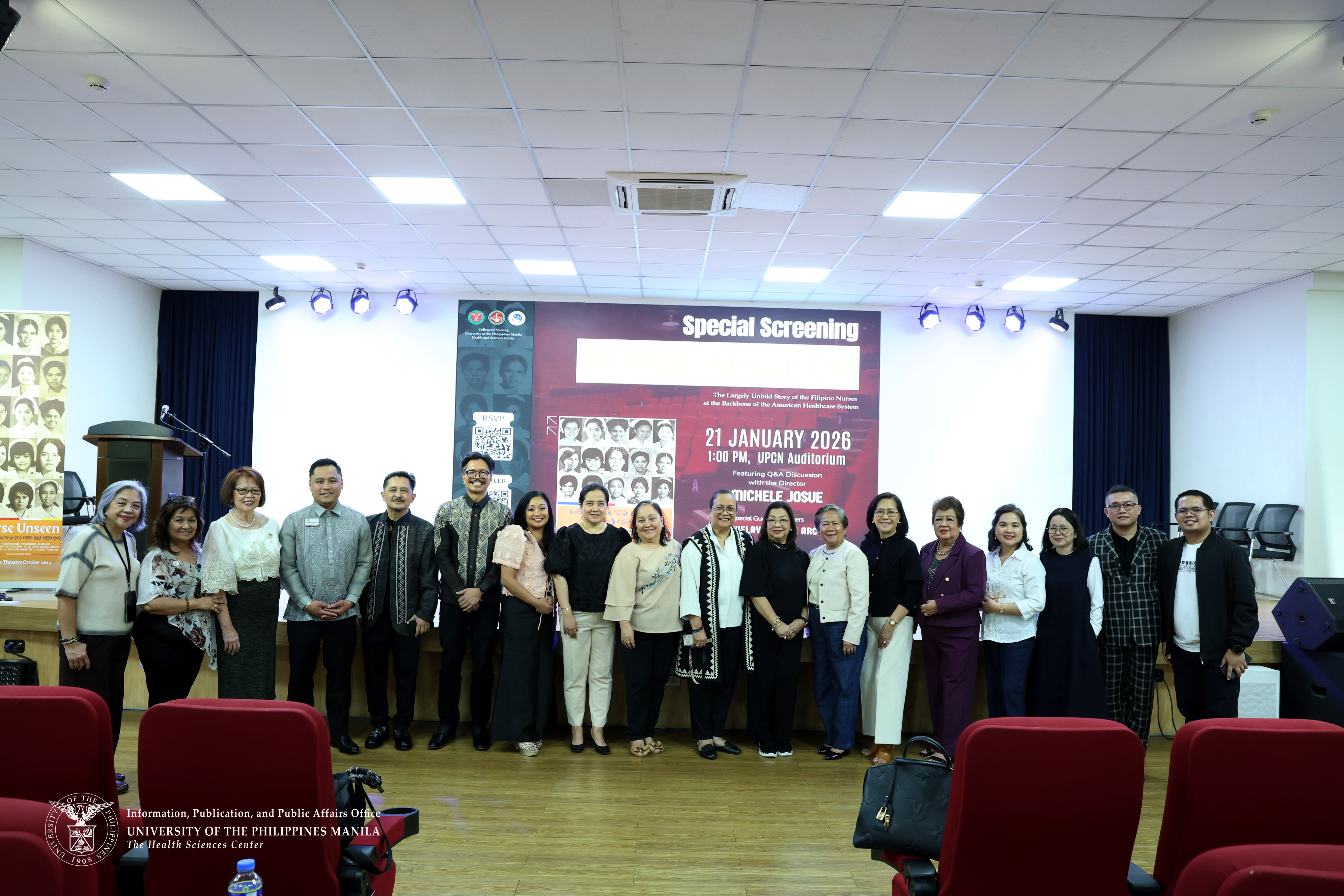
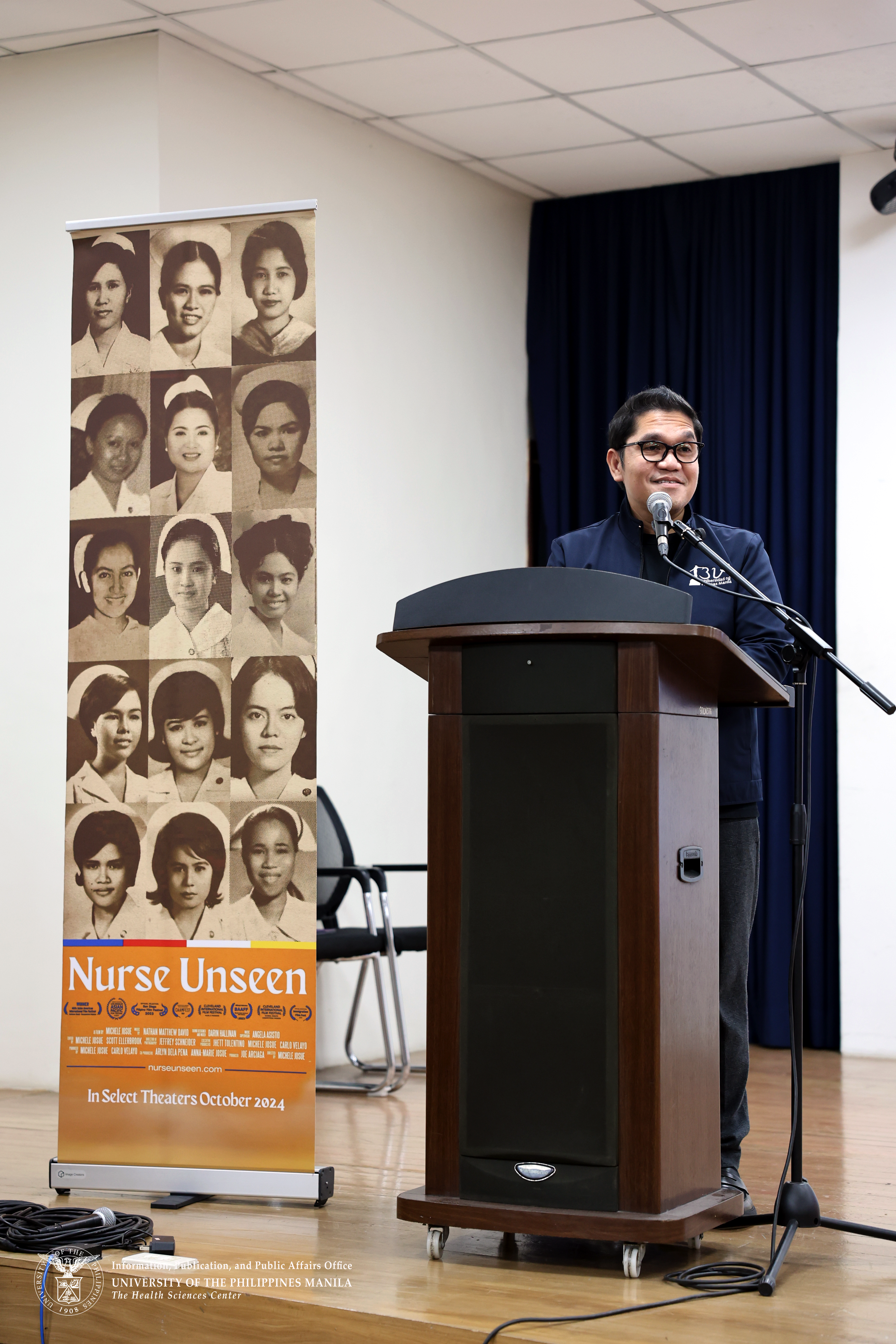
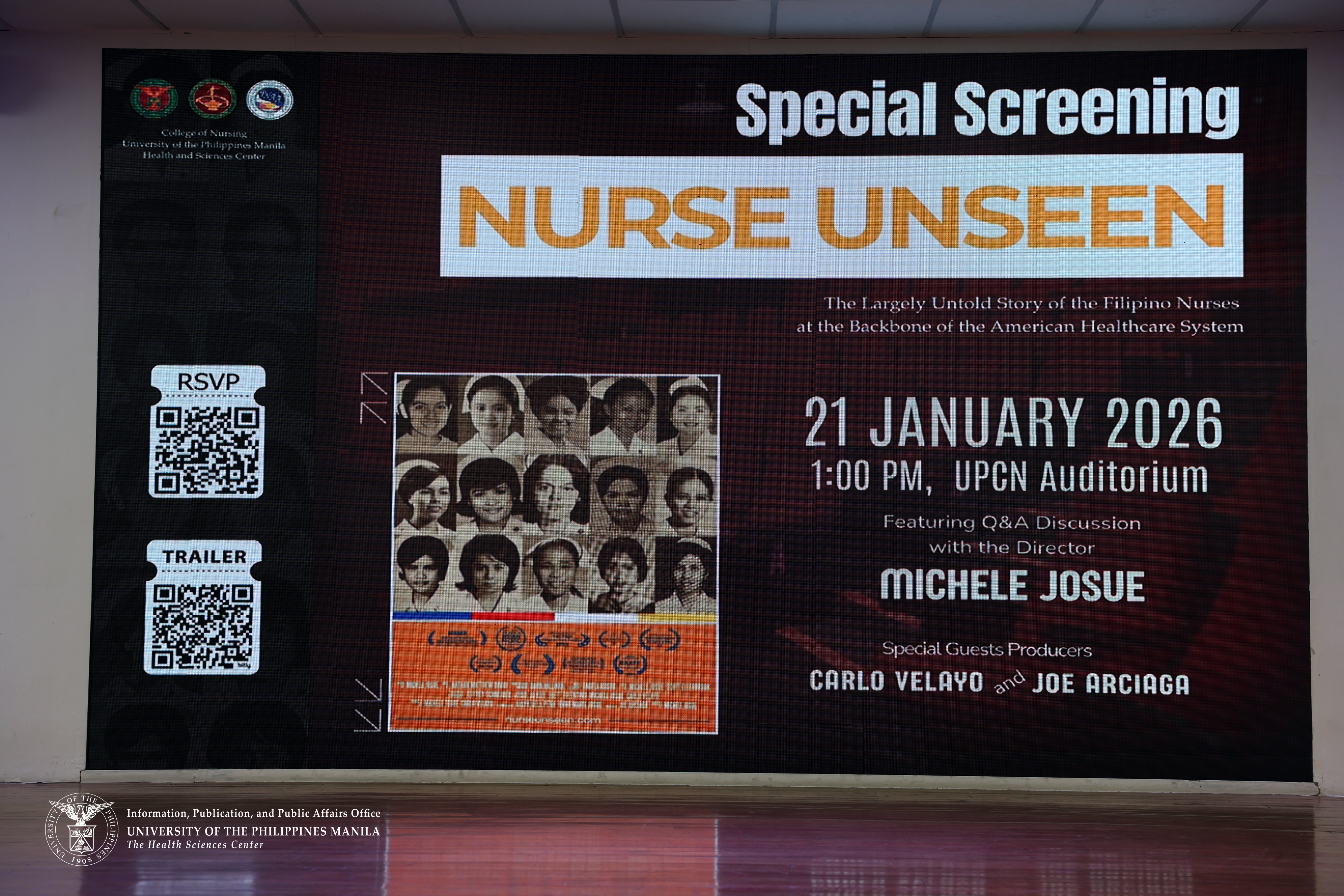
Filmmakers of the documentary film “Nurse Unseen” boldly posed a challenge to nursing students during the multi-awarded film’s first screening in the Philippines. “You can make a difference wherever you are. Whether you’re here in Manila. Whether you decide to work in the United States…Whether in the UK…You can make a difference because you are Nurses,” producer Carlo Velayo said in an auditorium filled with hundreds of nursing professionals and students.
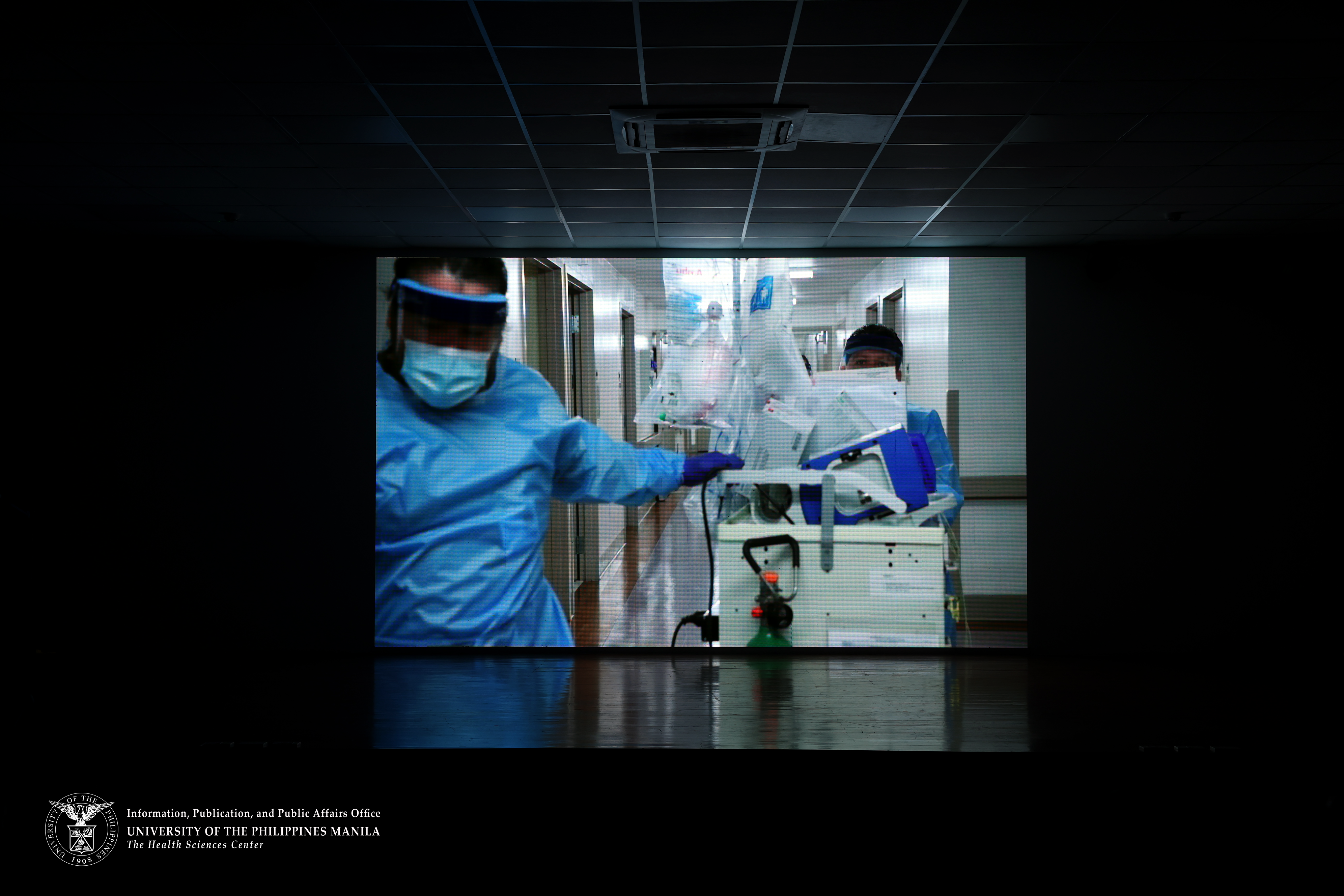
The documentary “Nurse Unseen,” which has won several nods from critics abroad, casts a piercing light on the too-often-overlooked history of the migration of Filipino nurses in the United States, and the faceless Filipino nurses who braved the frontlines of the COVID-19 pandemic. They faced a battle not only with a deadly virus, but against the rising tide of anti-Asian hate.
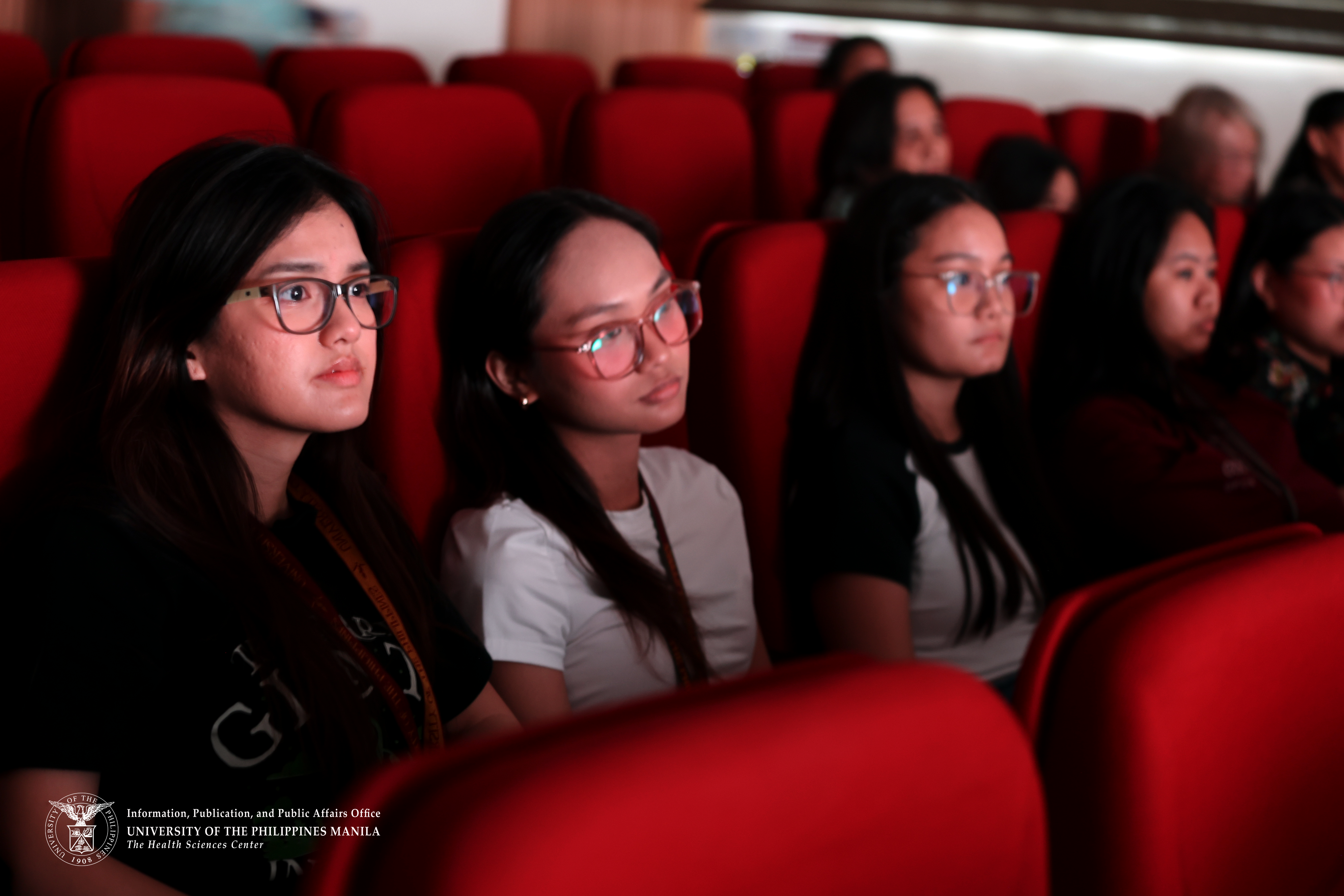
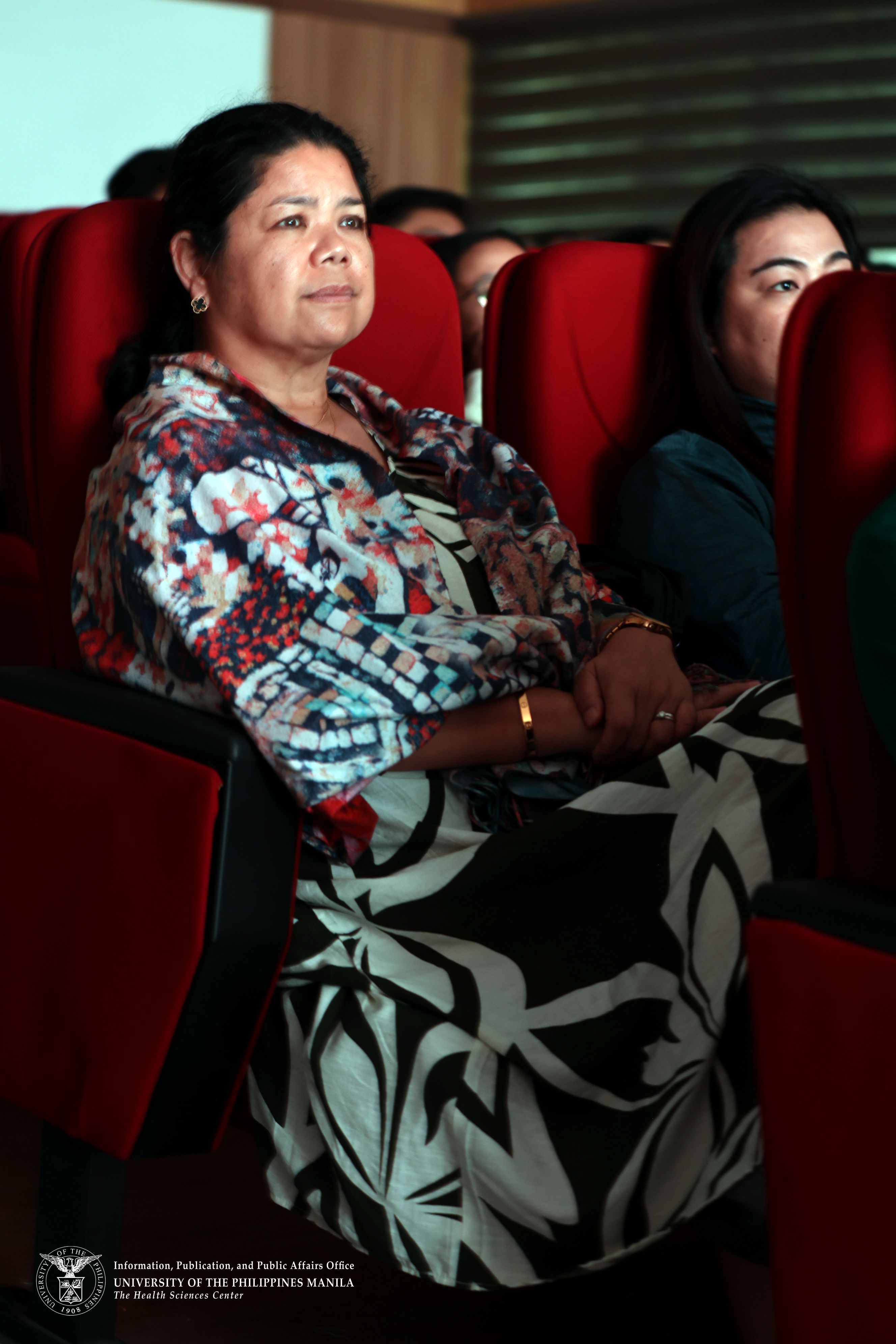
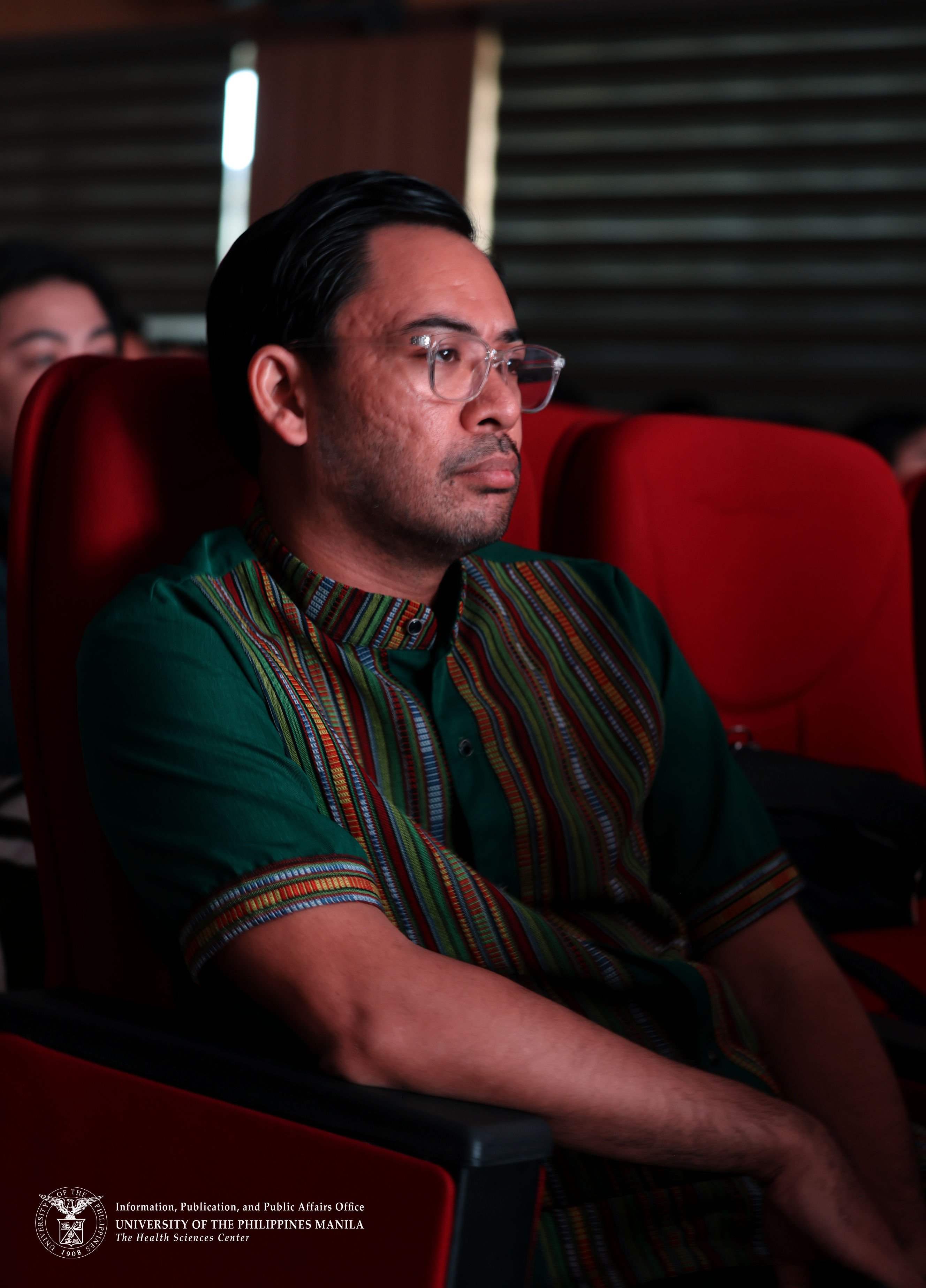
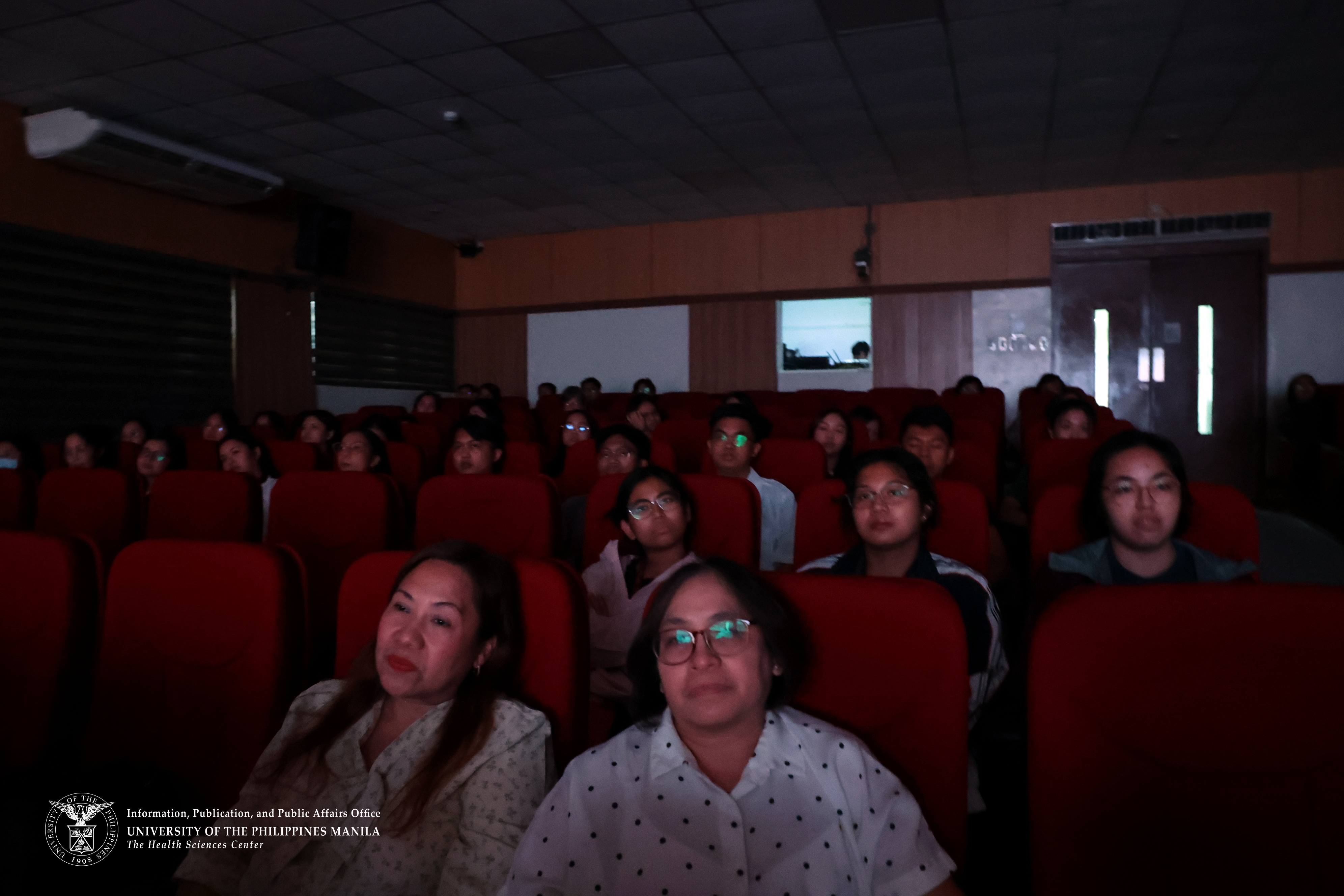
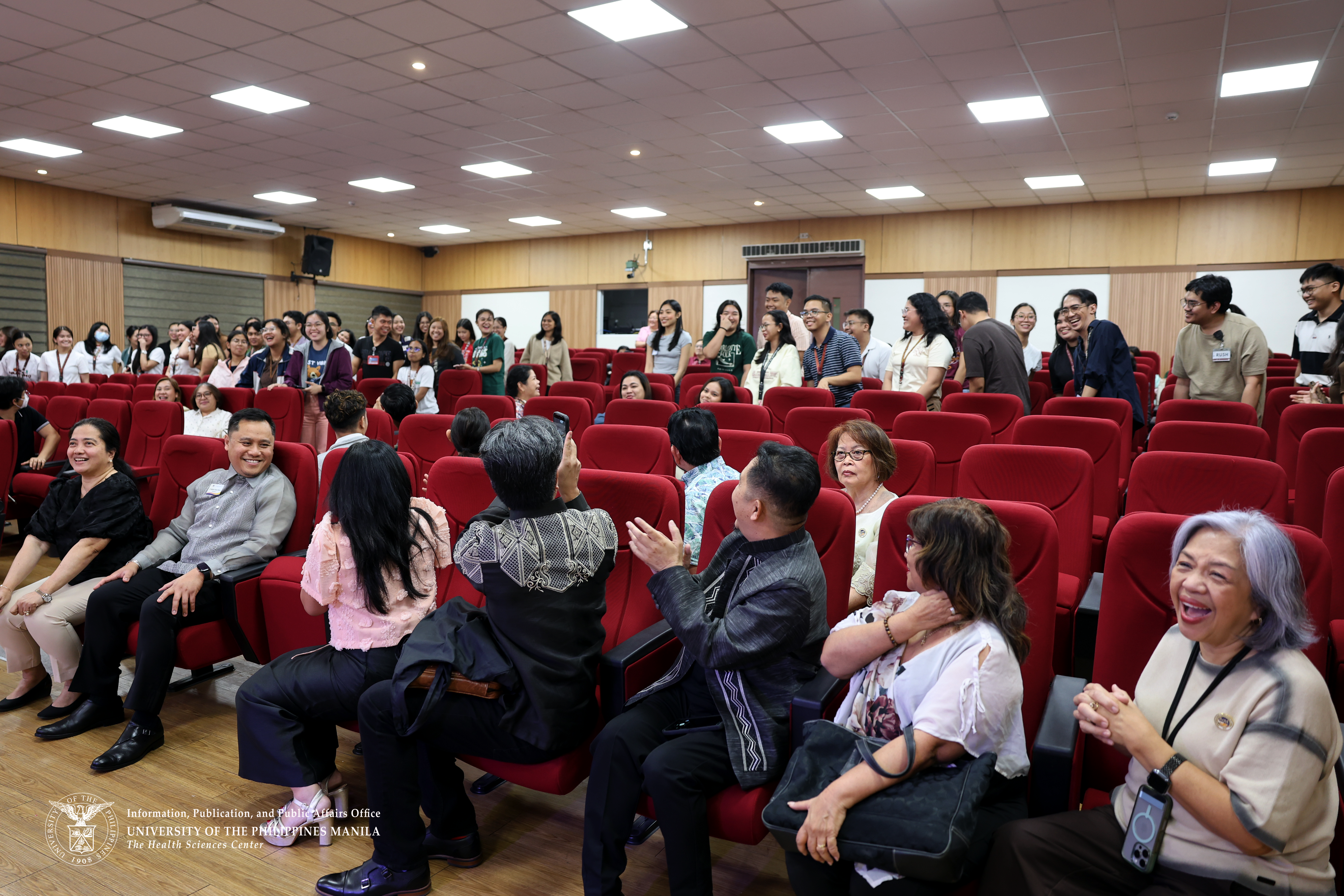
The screening drew crowds from different nursing organizations and other fields. It was attended by UPCN faculty and students, PGH employees, members and officers of the Philippine Nurses Association (PNA), and officers and board of directors of the Association of Deans of Philippine Colleges of Nursing Inc (ADPCN).
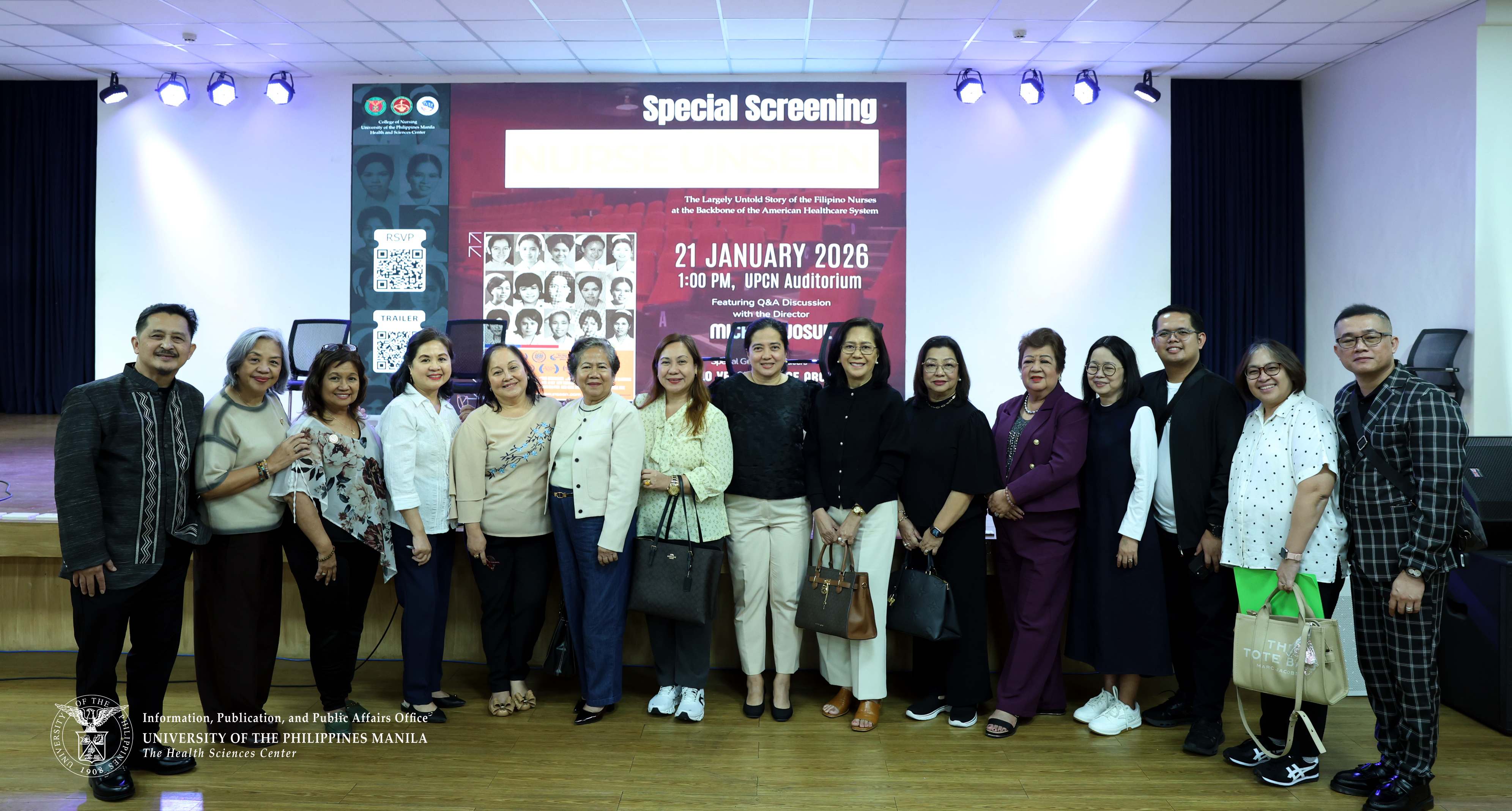
The film received the Global Health Competition Award at the Cleveland International Film Festival 2023 and commendations from the Center for Asian American Media (CAAM) Fest in 2023. It also received the Audience Choice Award: Documentary Feature in the Boston Asian American Film Festival 2023 and the Best Documentary at the 2025 Migration Advocacy and Media (MAM) Awards.
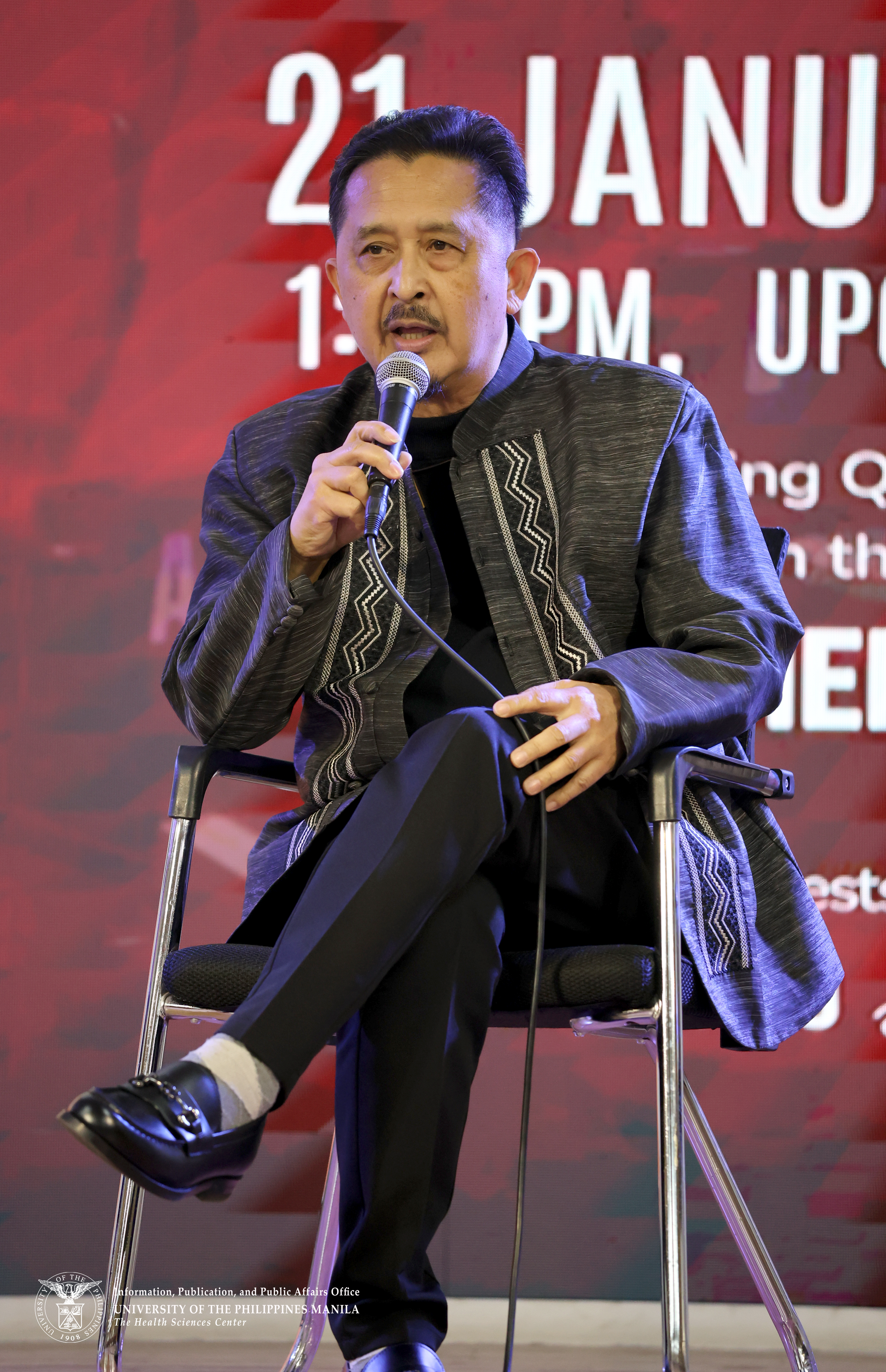
Producer Jose Arciaga, who is also a nurse by profession, perfectly understands the plight of the characters of the movie. He emphasized one trait necessary to survive the tough job:“Work hard, work smart, stand up for yourself. Hopefully this is your passion, because nursing is a noble and humane profession.” Filipino-American Arciaga practiced the nursing profession in the US for more than 30 years and is now into filmmaking and script writing.

The producer also hopes that policymakers everywhere would realize that supporting Filipino nurses requires a “functioning healthcare system.”
“If you don’t make the policies that make life better for the workers, and if you don’t make it easy for them to do their work, if you don’t equip them with the tools that they need, they won’t be able to do their job. And…it rolls down…The patient suffers in the end,” he emphasized.
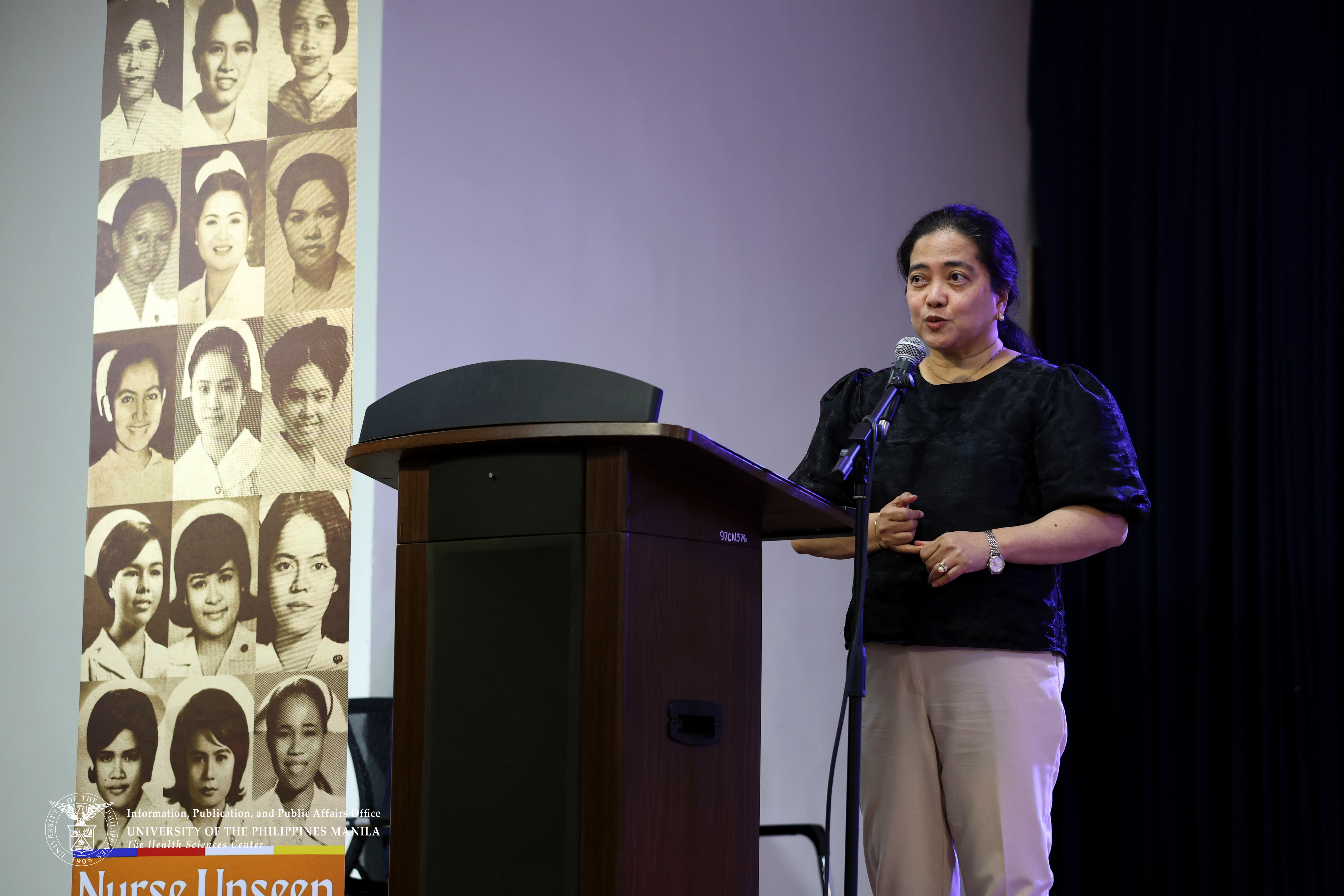
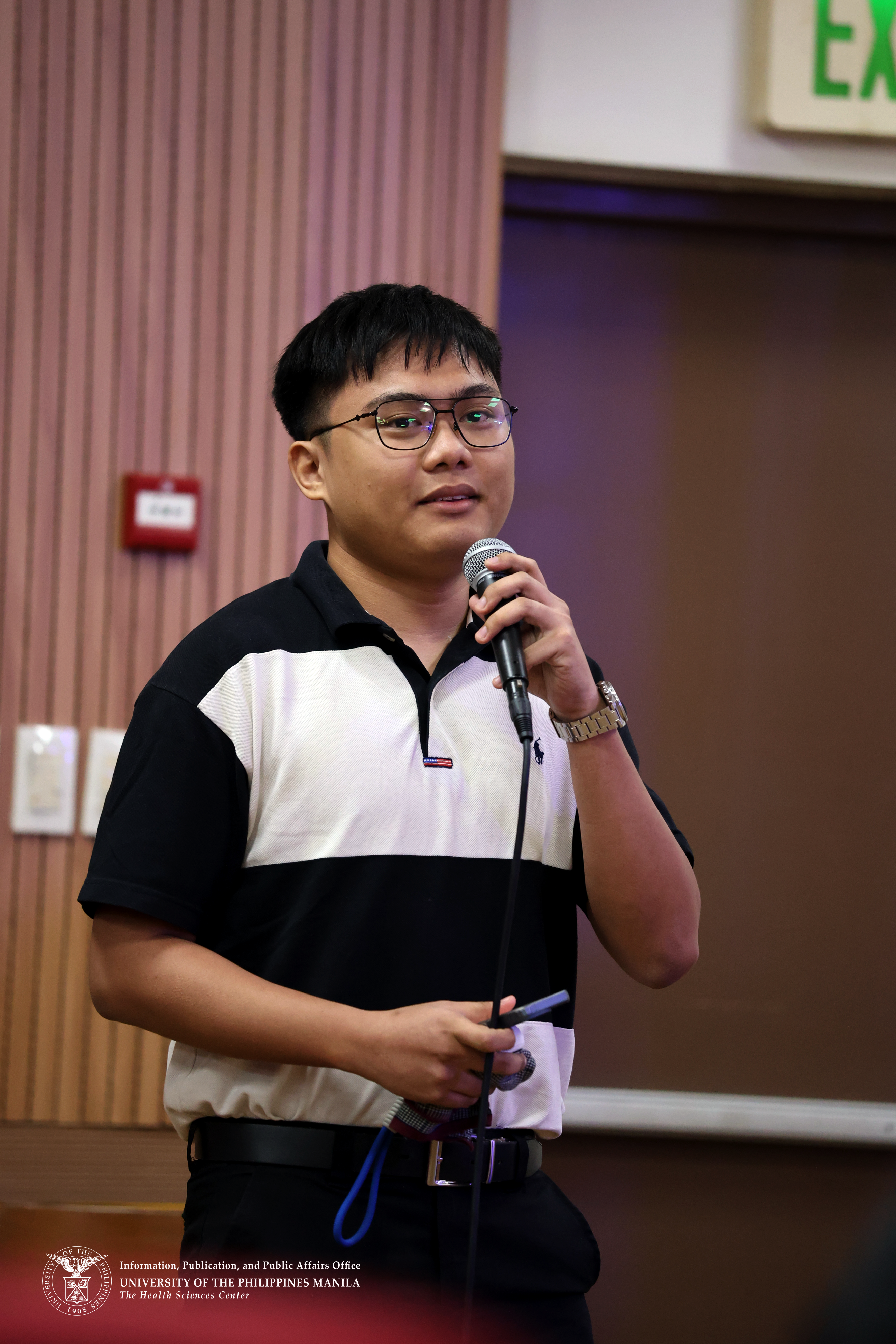
Dean Sheila Bonito asked professors and Deans to reflect on the questions raised by the film, “What’s in it for those who are in the academe preparing nurses, especially that ‘Filipino nurse’ is a brand?” She added, “We have to accept and rethink. What is that brand that we are giving and actually doing?”












Read more:
#FP1 #FP6 #FP7 #FP8 #AccessibleUPLeadership