
Text by Charmaine A. Lingdas
Photos by Sarah Hazel Moces S. Pulumbarit

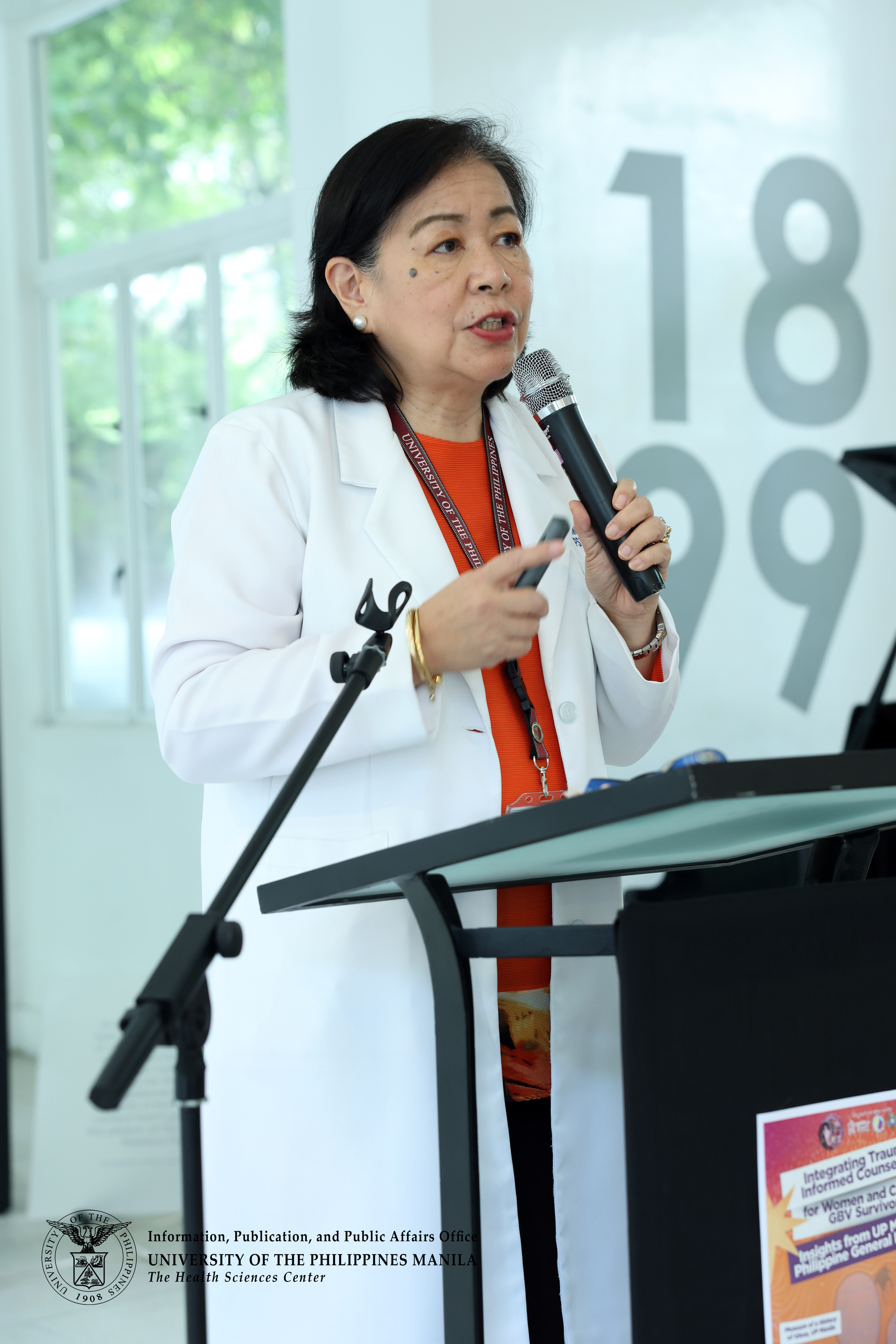
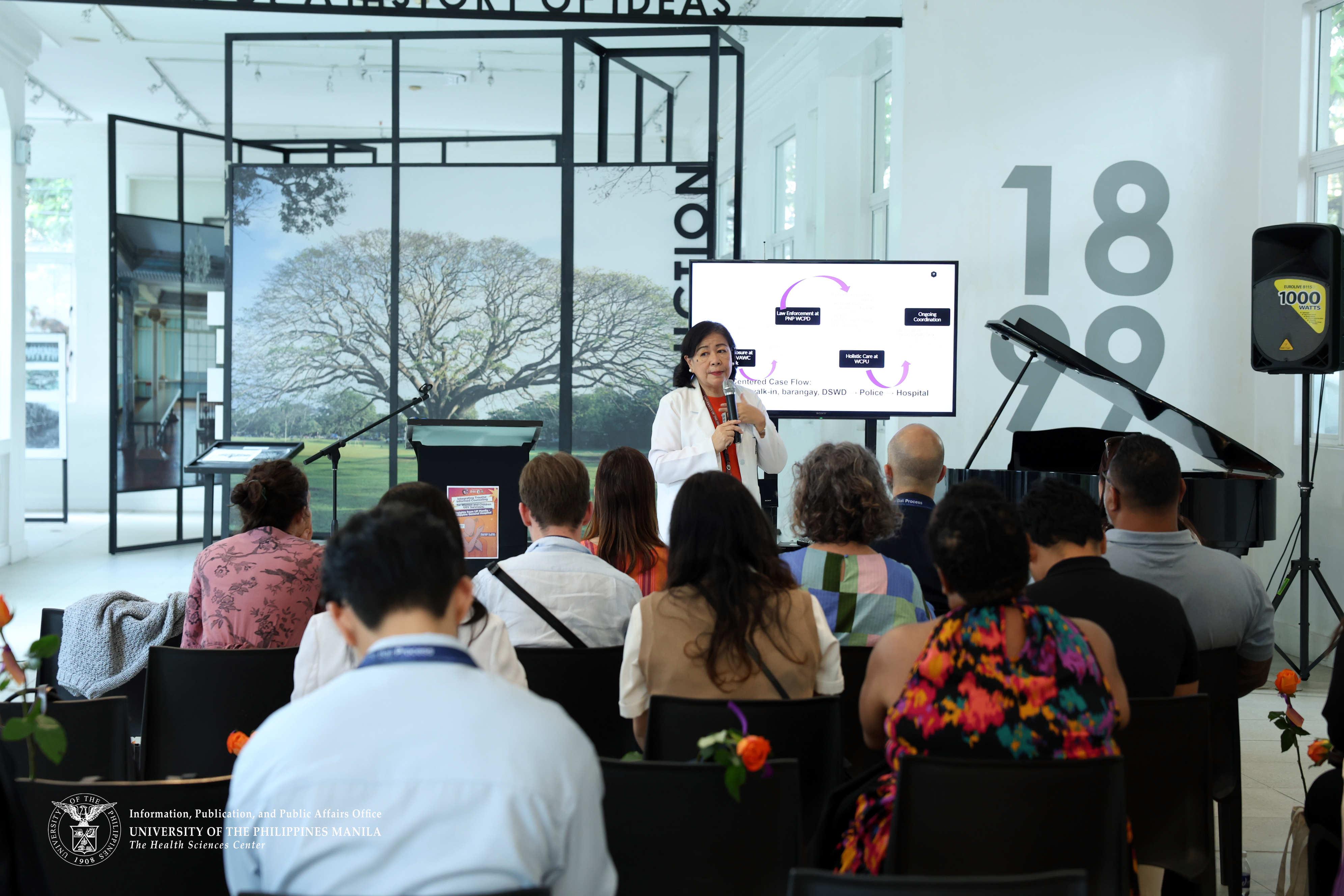
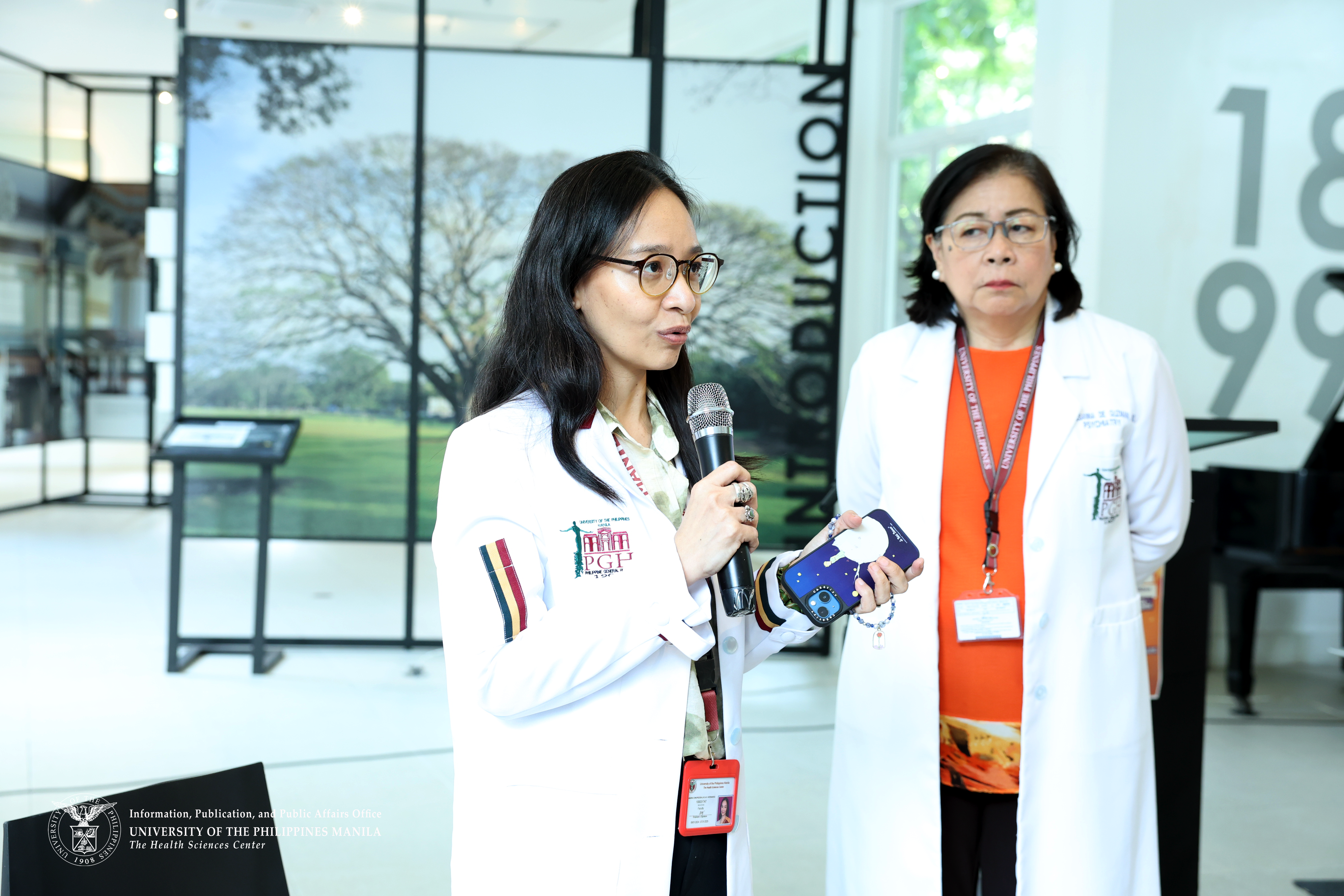
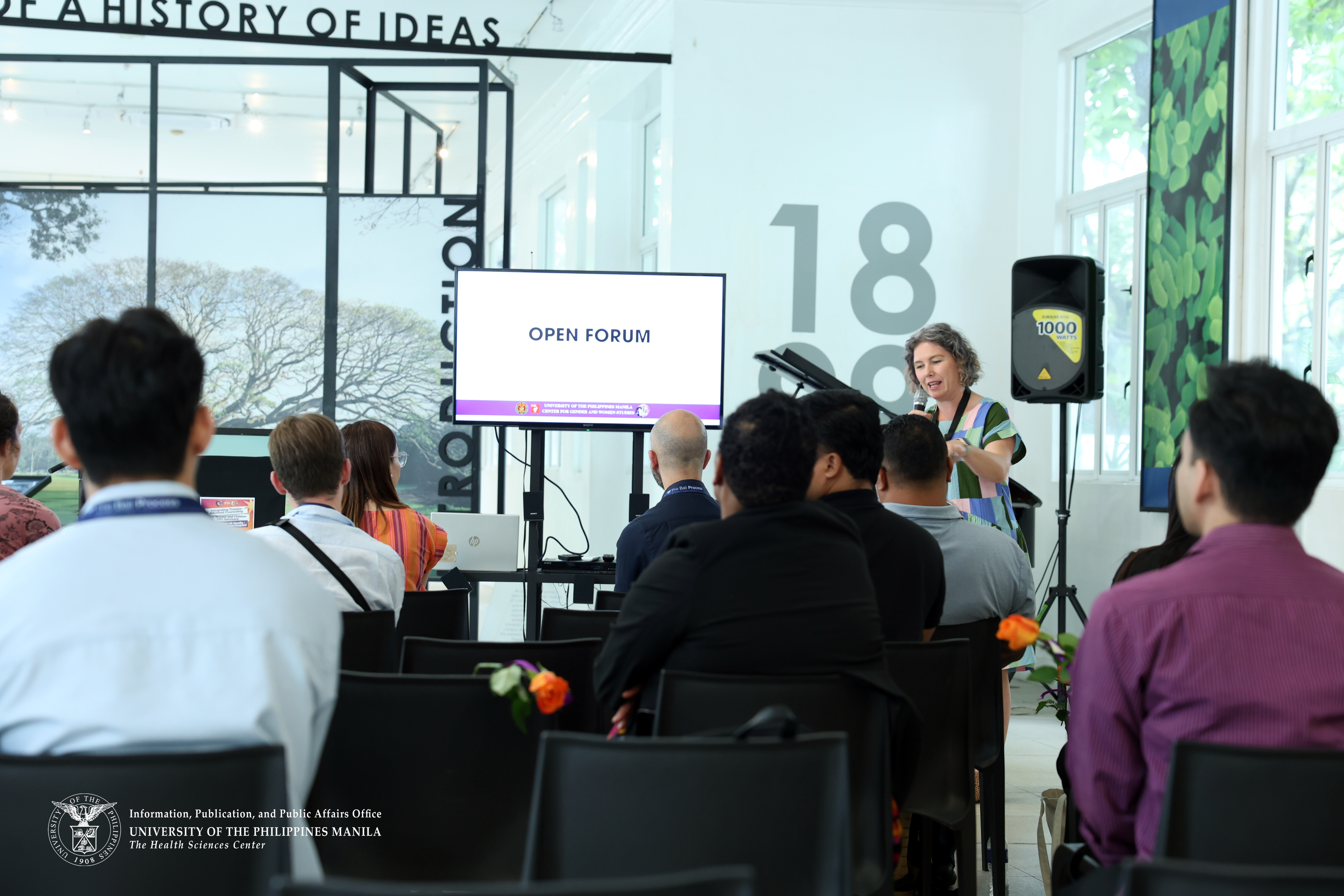
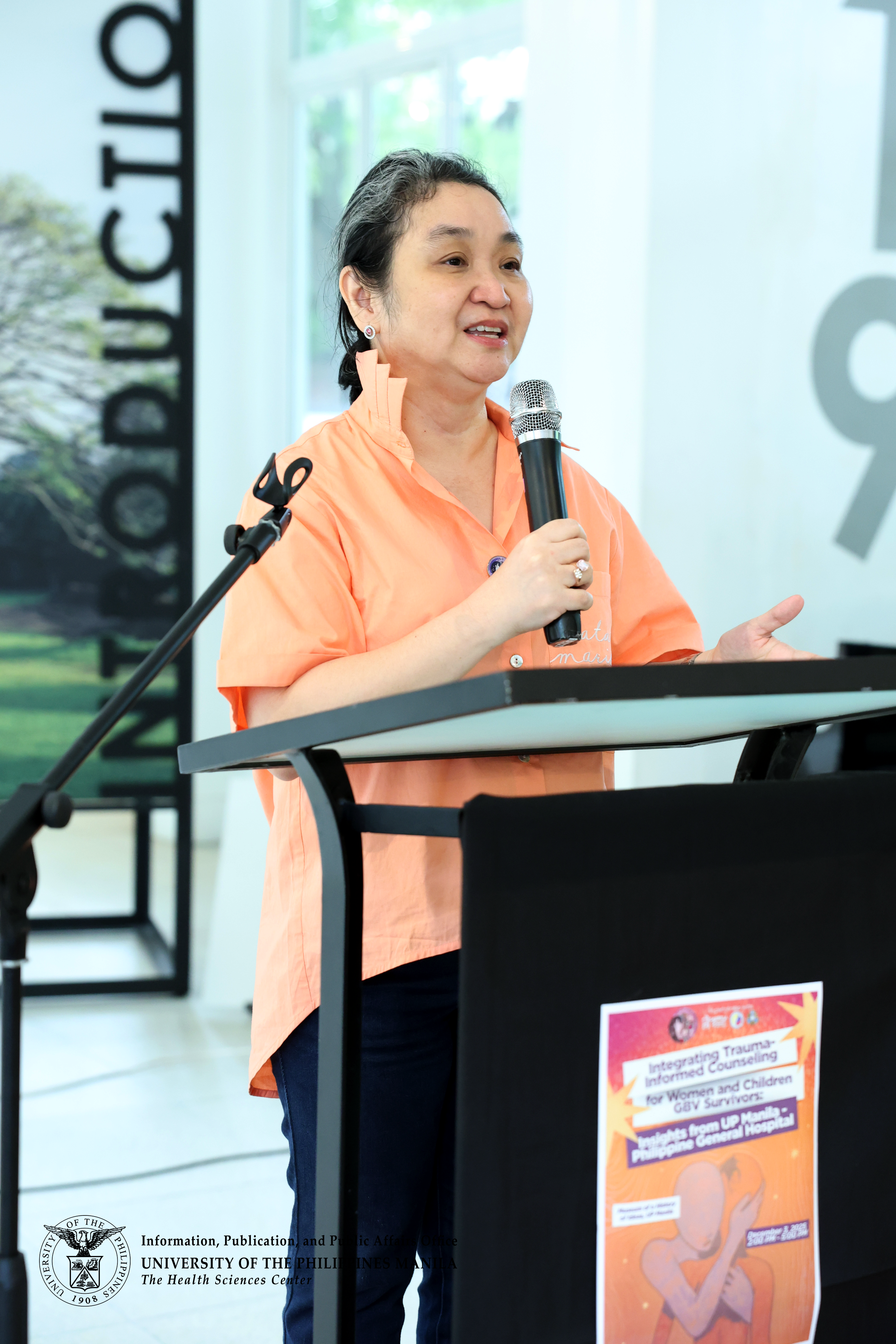
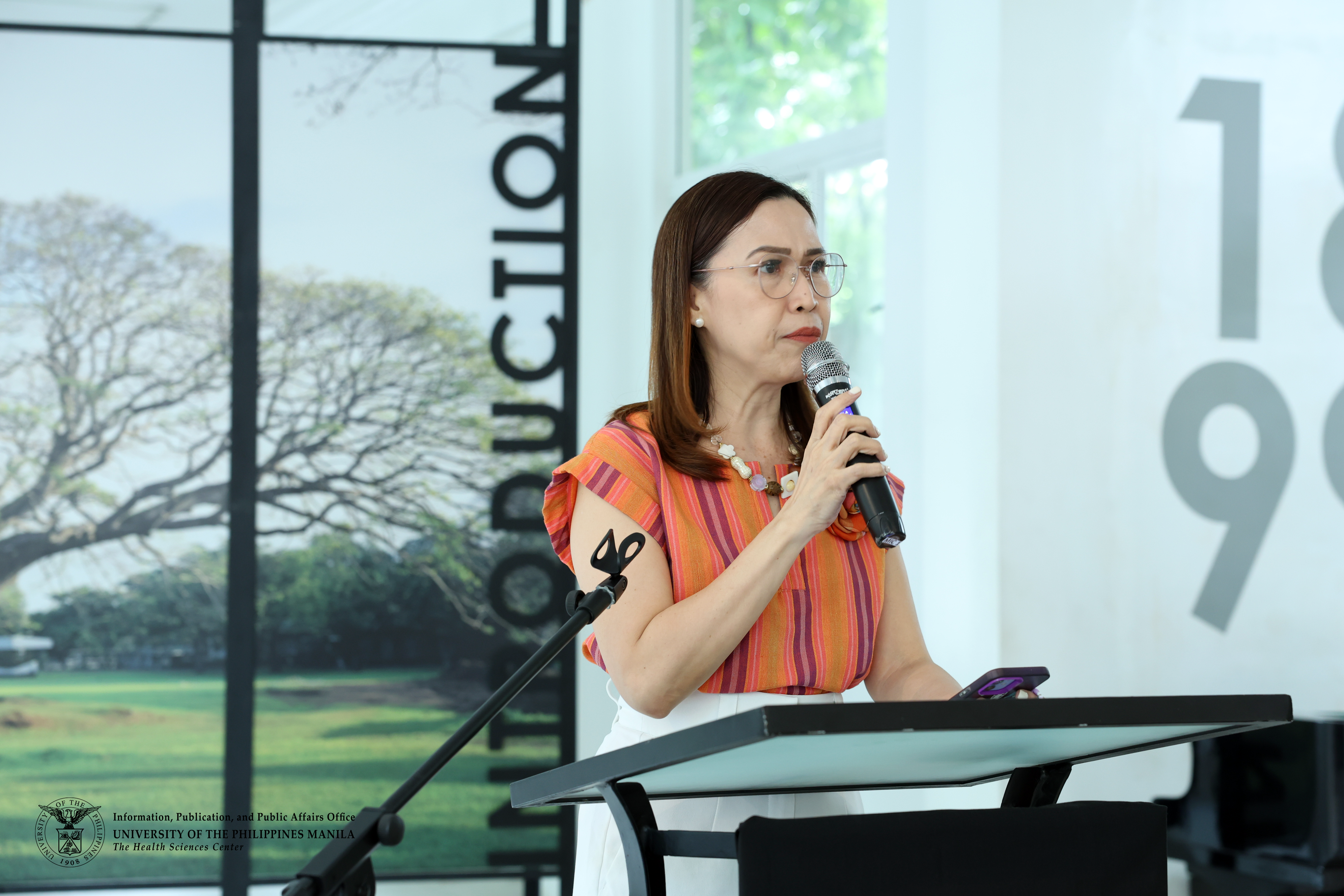
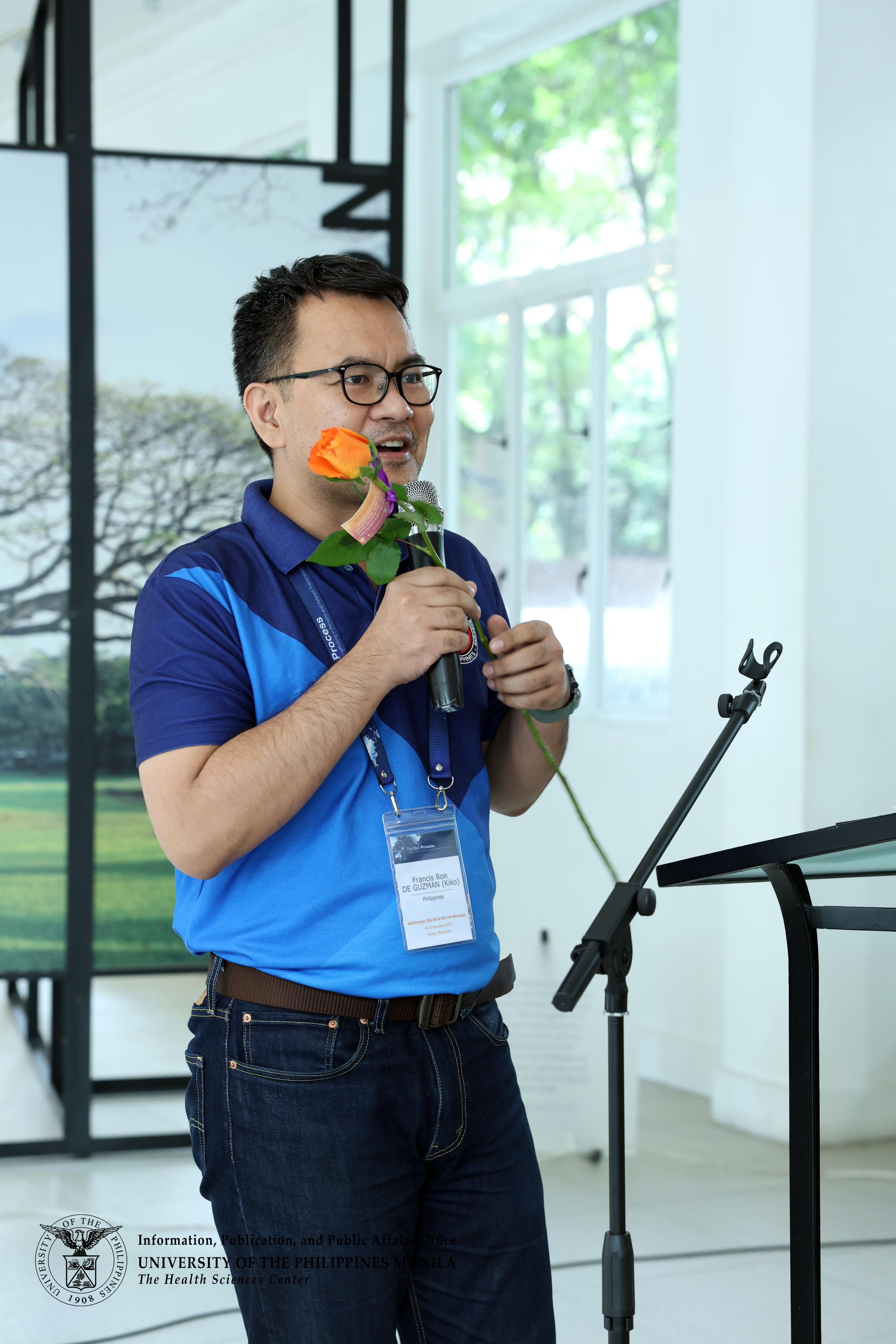
“Intimate partner violence remains a pervasive public health issue affecting 1 in 3 women globally, with significant physical, emotional, and psychological repercussions,” Dr. Ma. Lourdes Rosanna de Guzman, program coordinator of the Philippine General Hospital (PGH) Women’s Desk, began in her presentation during the forum titled Integrating Trauma-Informed Counseling for Women and Children GBV Survivors: Insights from UP Manila–Philippine General Hospital, held on December 3, 2025, at the UP Manila Museum of a History of Ideas.
Supporting Women in Crisis
The PGH Women’s Desk began in 1998 through a UP Manila–Department of Health (DOH) partnership, becoming the country’s first hospital-based women protection unit. It set the standard for integrated medical, psychological, social, and legal support, including referrals to government and NGOs.
Its growth was guided by key laws and policies, such as the Anti-Violence Against Women and Children Act of 2004, the Juvenile Justice and Welfare Act, and the DOH mandate for Women and Child Protection Units (WCPUs) in hospitals. These frameworks shaped the foundation of the PGH Women’s Desk and milestones, reflecting how policy, law, and health systems evolved to protect women and children.
Many cases begin with reports to the Philippine National Police, trained in women and child protection. Survivors of trafficking or abuse are first processed through the justice system for documentation and evidence, then coordinated with the PGH Women’s Desk for medical and psychosocial support.
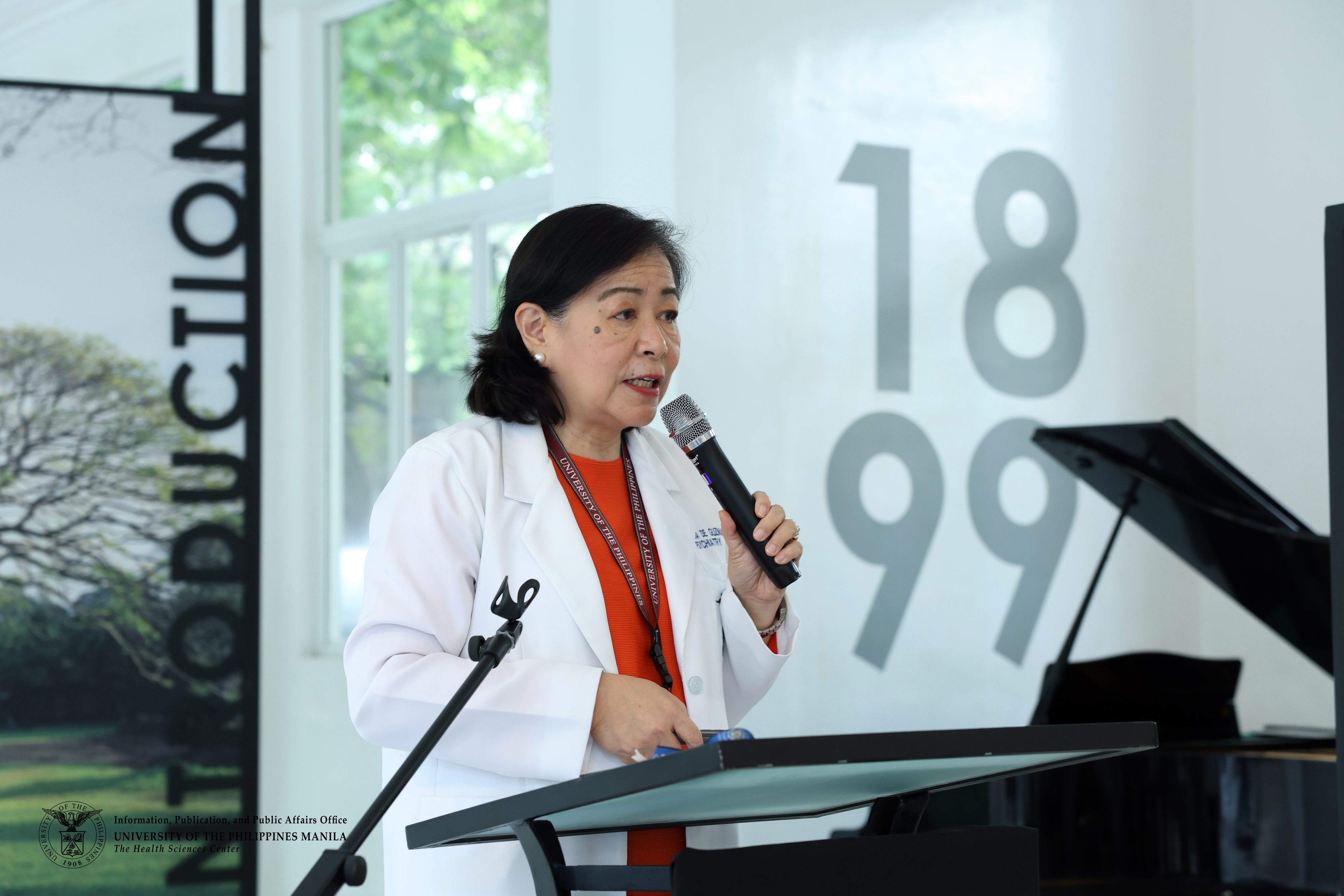
“The PGH Women’s Desk provides healing and holistic survivor care,” Dr. De Guzman said. Services include immediate treatment for injuries, medico-legal examinations, crisis counseling and psychiatric evaluation, free medications when available, legal assistance and help securing protection orders, and linkages to shelters, NGOs, and community services.
Despite its small team, the Desk manages thousands of cases through its network of social workers, police partners, and the broader PGH system.
Challenges remain: “The prevalence of women victims of abuse…we don’t see a significant decrease,” she shared. Yet the vision of the Women’s Desk is steadfast: to transform crisis centers into “holistic healing centers” that also support empowerment, education, and livelihood.
Looking ahead, the Desk is improving digital case management, telehealth, and capacity building. “In the long term, we aim to use technology to identify risk factors and prevent abuse before it escalates. Global partnerships and our training manual will help maintain the standard of care for women victims of abuse,” Dr. De Guzman concluded.
Protecting and Healing the Youngest Survivors: the PGH Child Protection Unit
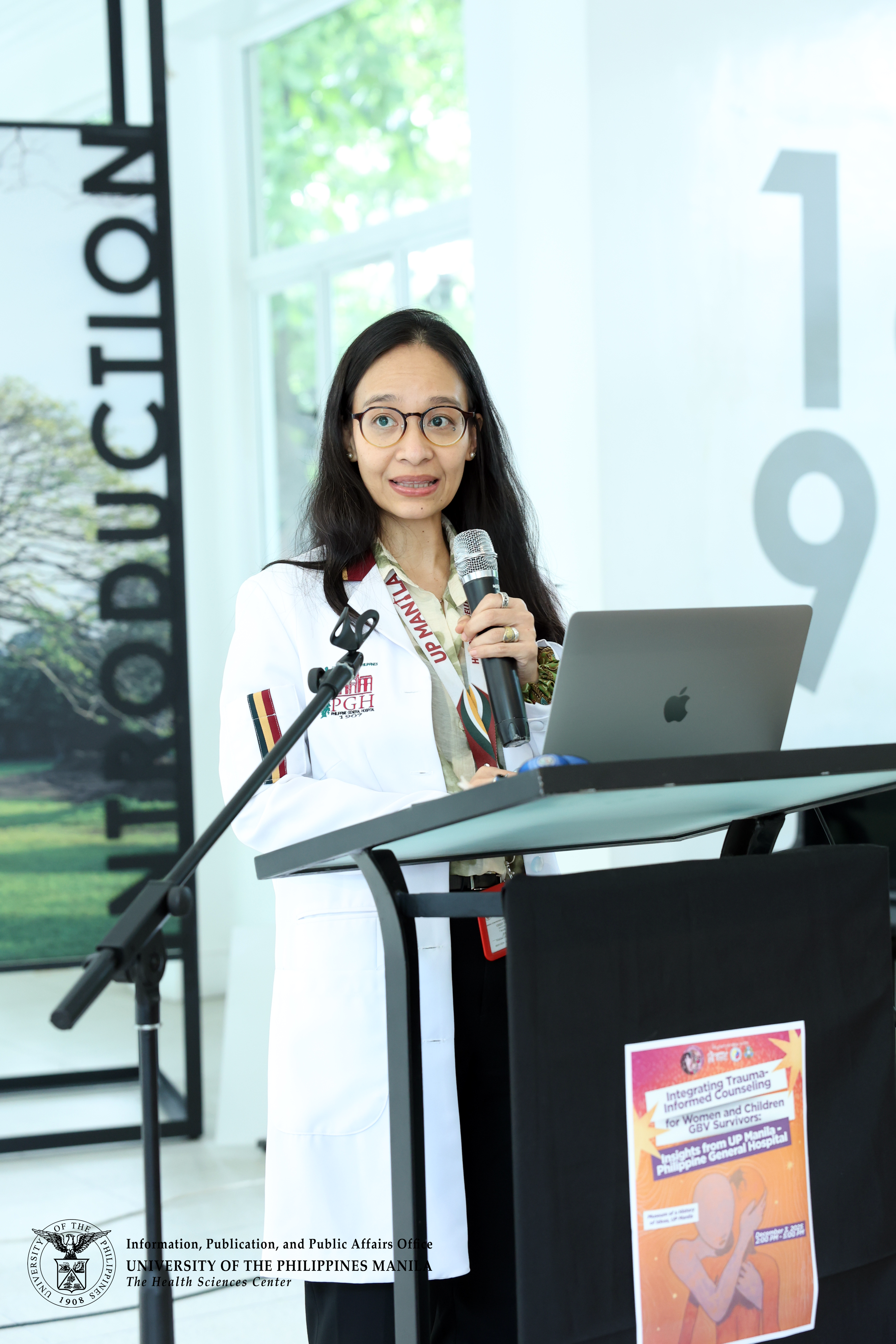
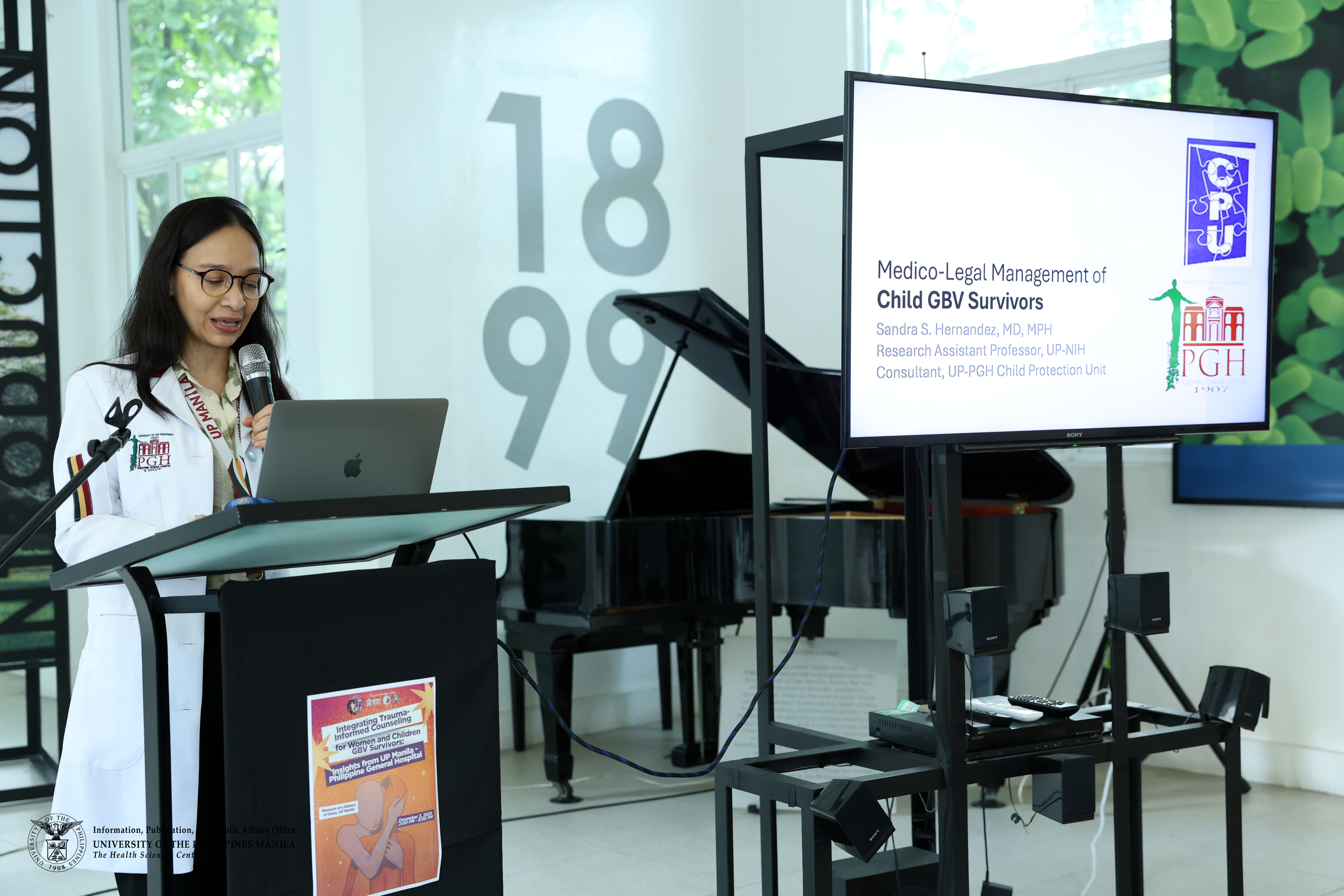
“Eighty percent of Filipino children suffer from maltreatment, three in five experience physical or psychological abuse, and one in five experience sexual violence,” said Dr. Sandra Concepcion Layla Hernandez, Research Assistant Professor at UPM-NIH and Child Protection Specialist. These figures come from the country’s first nationwide study on violence against children in 2015.
“The number of patients seen in 2024 is now five times what PGH CPU saw when it first opened,” she noted. This doesn’t necessarily indicate more cases but may reflect greater awareness, reporting, and vigilance among children, parents, and service providers. She added that most referrals to the CPU are for sexual abuse, accounting for nearly 80 percent.
Within PGH, the Child Protection Unit serves as a safe haven for young survivors. Dr. Hernandez highlighted that PGH CPU is recognized by the World Health Organization and the United Nations for its multidisciplinary response.
The CPU also trains specialists, expands multidisciplinary teams, and integrates services nationwide to capacitate more WCPUs in the country. During the COVID-19 pandemic, it extended care to teleconsultations. Today, PGH CPU is one of more than 150 Women and Child Protection Units (WCPUs) across 68 provinces and 10 cities.
“Our team includes about seven doctors, more than five social workers, two nurses doubling as triage officers, administrators, psychologists, and psychiatrists,” Dr. Hernandez said. Services include child-friendly interviews and videotaped forensic interviews to reduce repeat questioning, medical and psychological assessments, STI screening and prophylaxis, safety assessments and shelter referrals, long-term therapy for recovery, and court preparation and support.
One of the most powerful parts of her talk was the story of Maria, a 15-year-old facing physical, sexual, and emotional abuse, neglect, early exposure to violence, and mental health challenges. Through the CPU’s multidisciplinary care, Maria receives medical attention, therapy, safety planning, community coordination, and legal support. Ultimately, the goal is for Maria, and every survivor like her, to find safety, stability, and hope again.
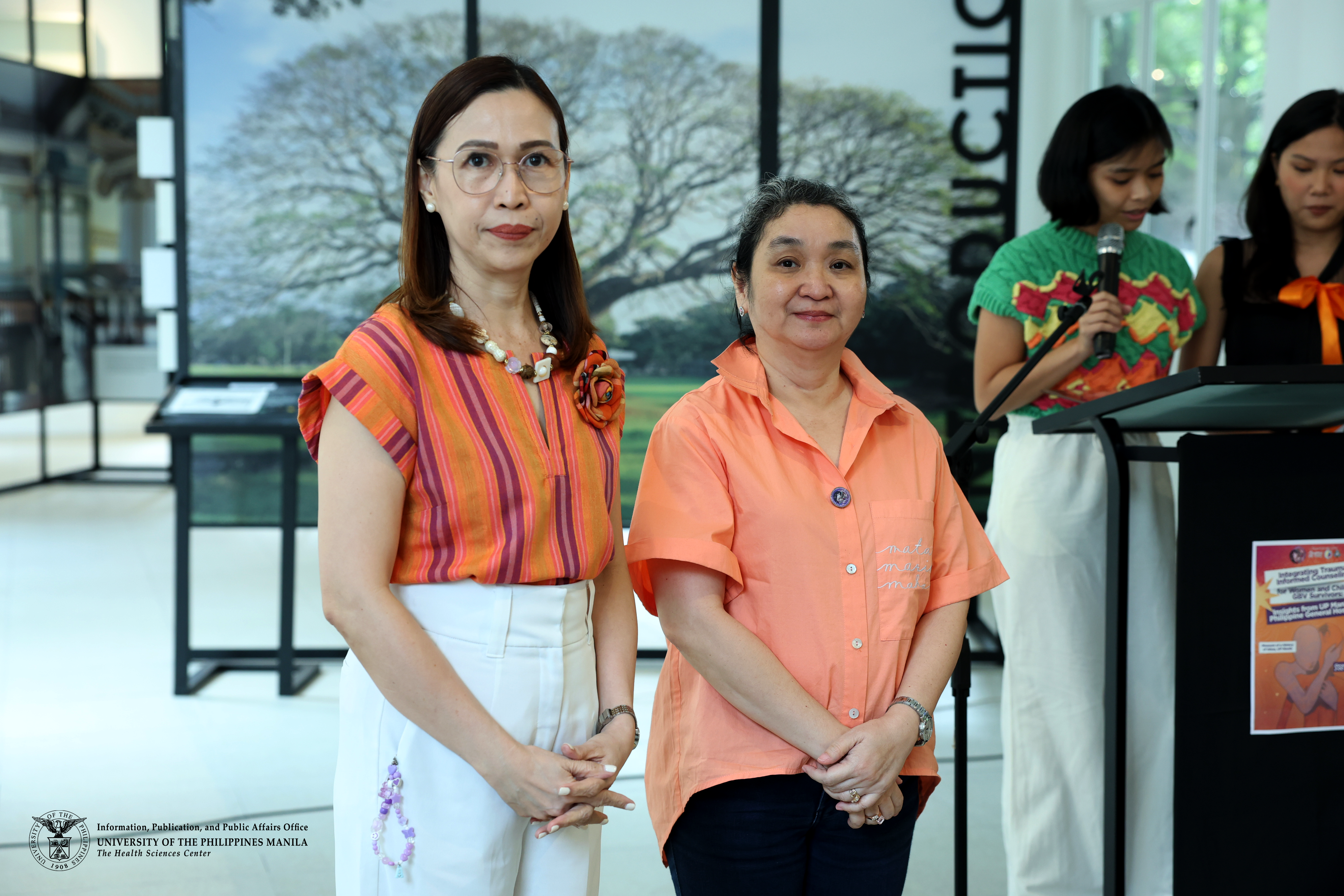
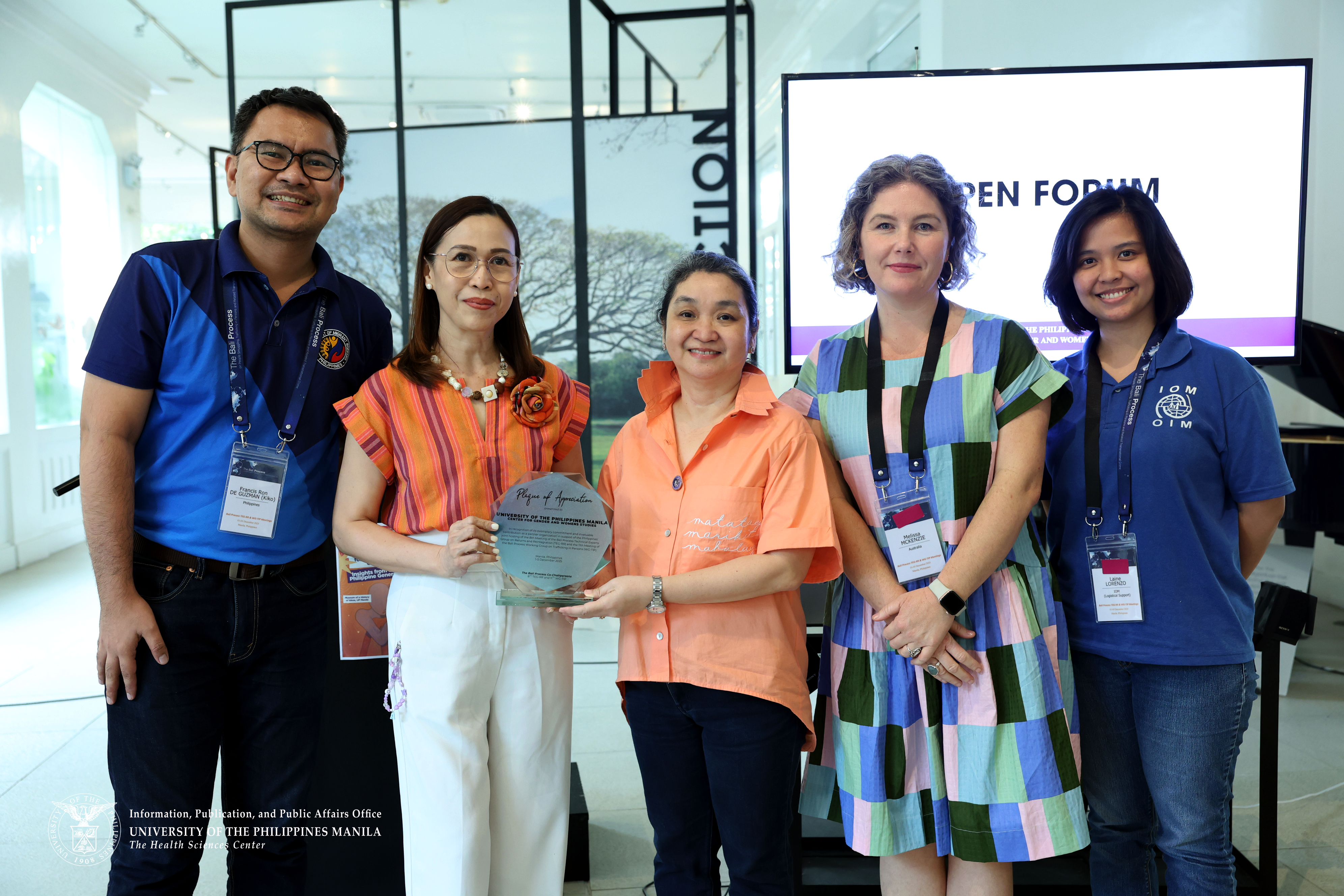
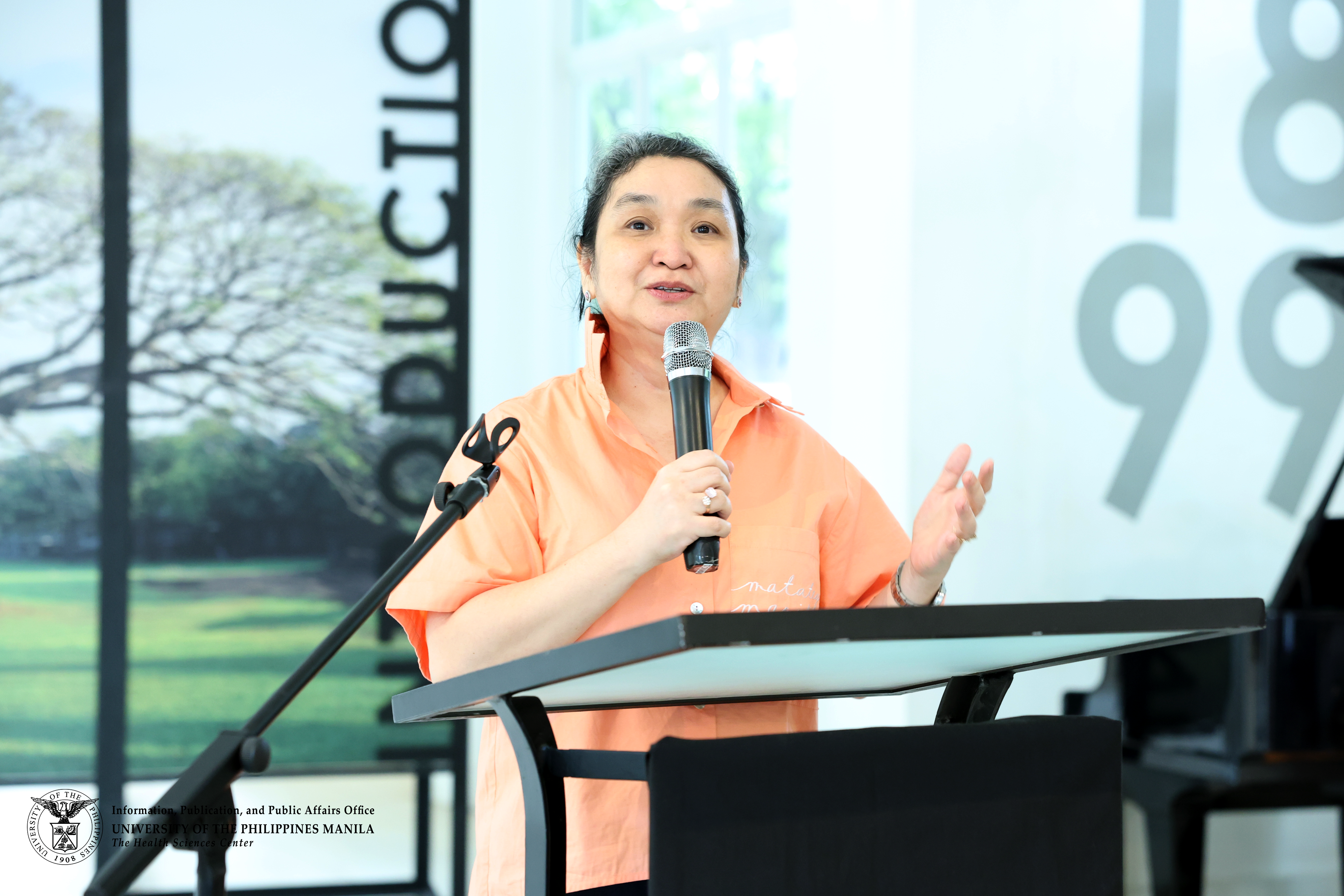
“Let us continue building strong collaboration across sectors, because healing and protection become more possible when we work together,” said Prof. Mary Dorothy Jose, Director of the UP Manila Center for Gender and Women Studies.
UP Manila continues to strengthen its commitment to advancing gender equality and protecting vulnerable communities through initiatives that foreground compassion, evidence-based practice, and multisectoral collaboration.
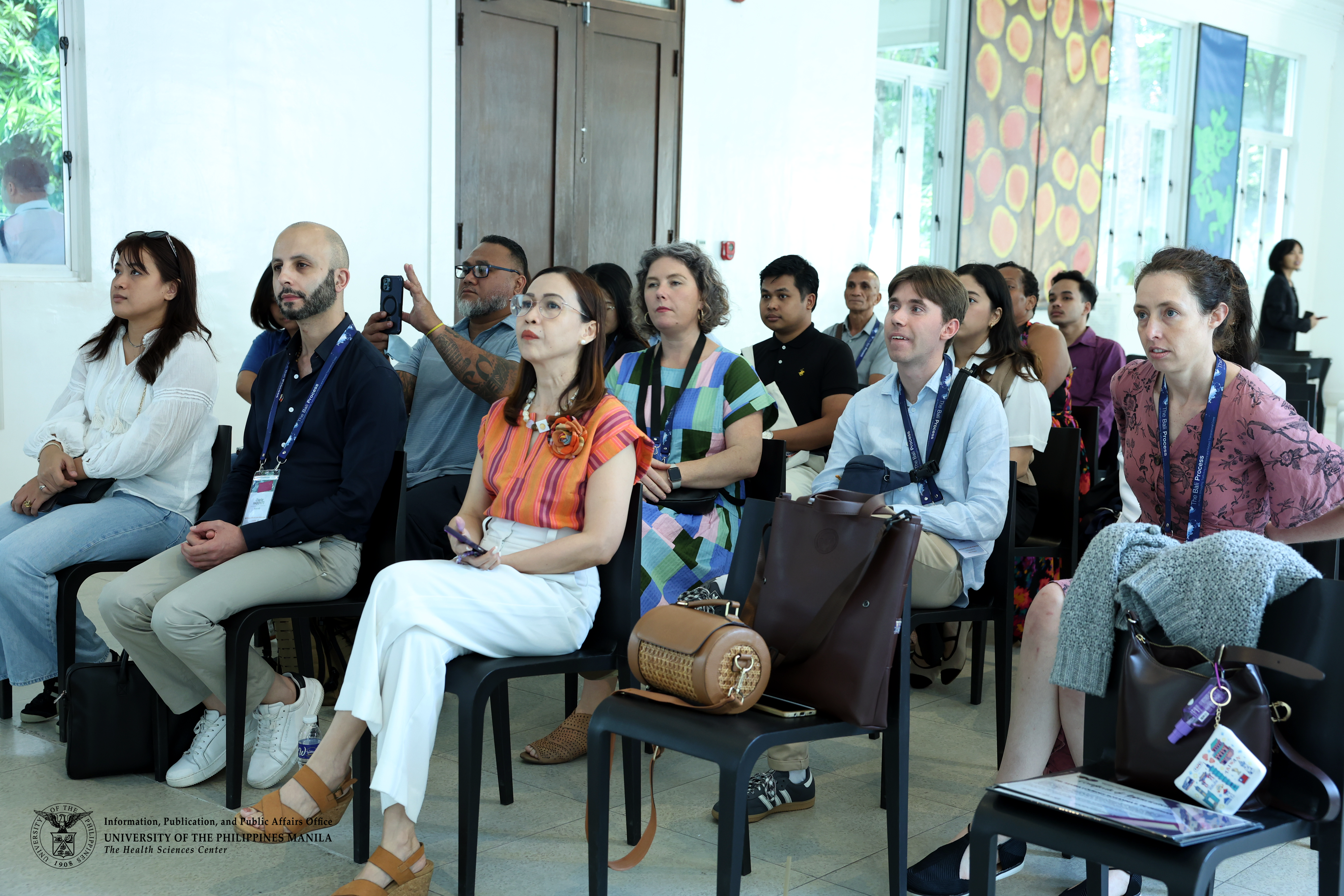
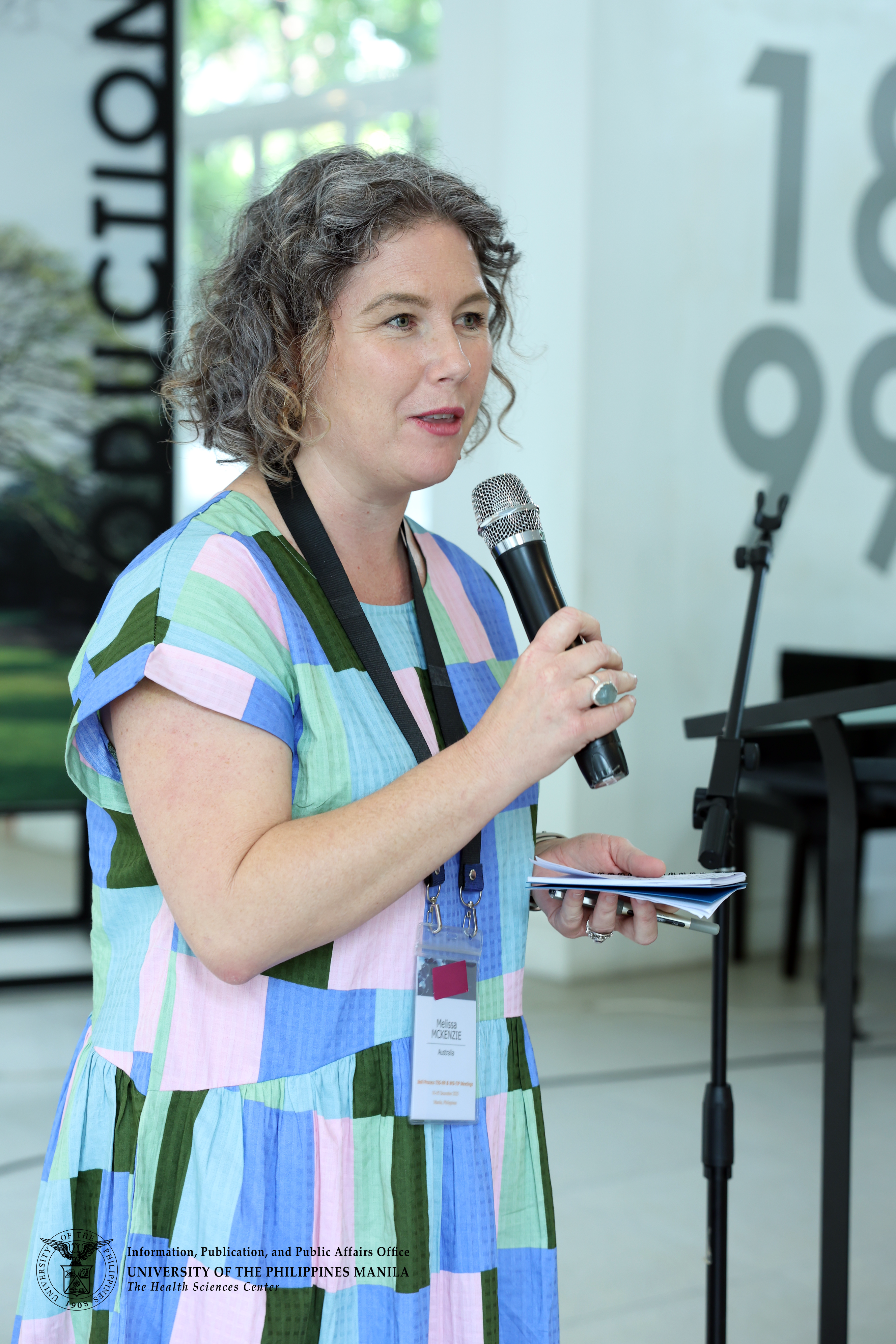
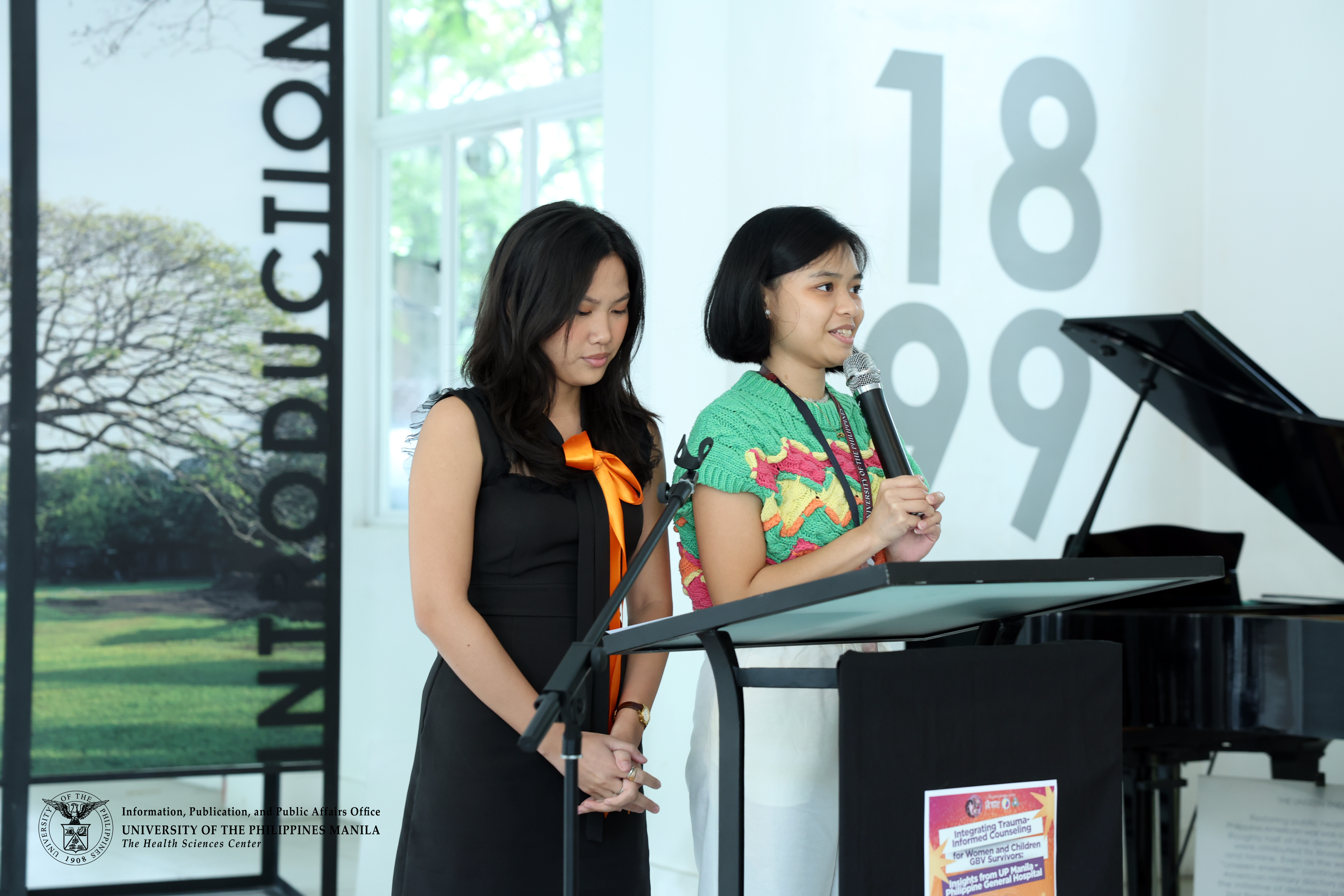
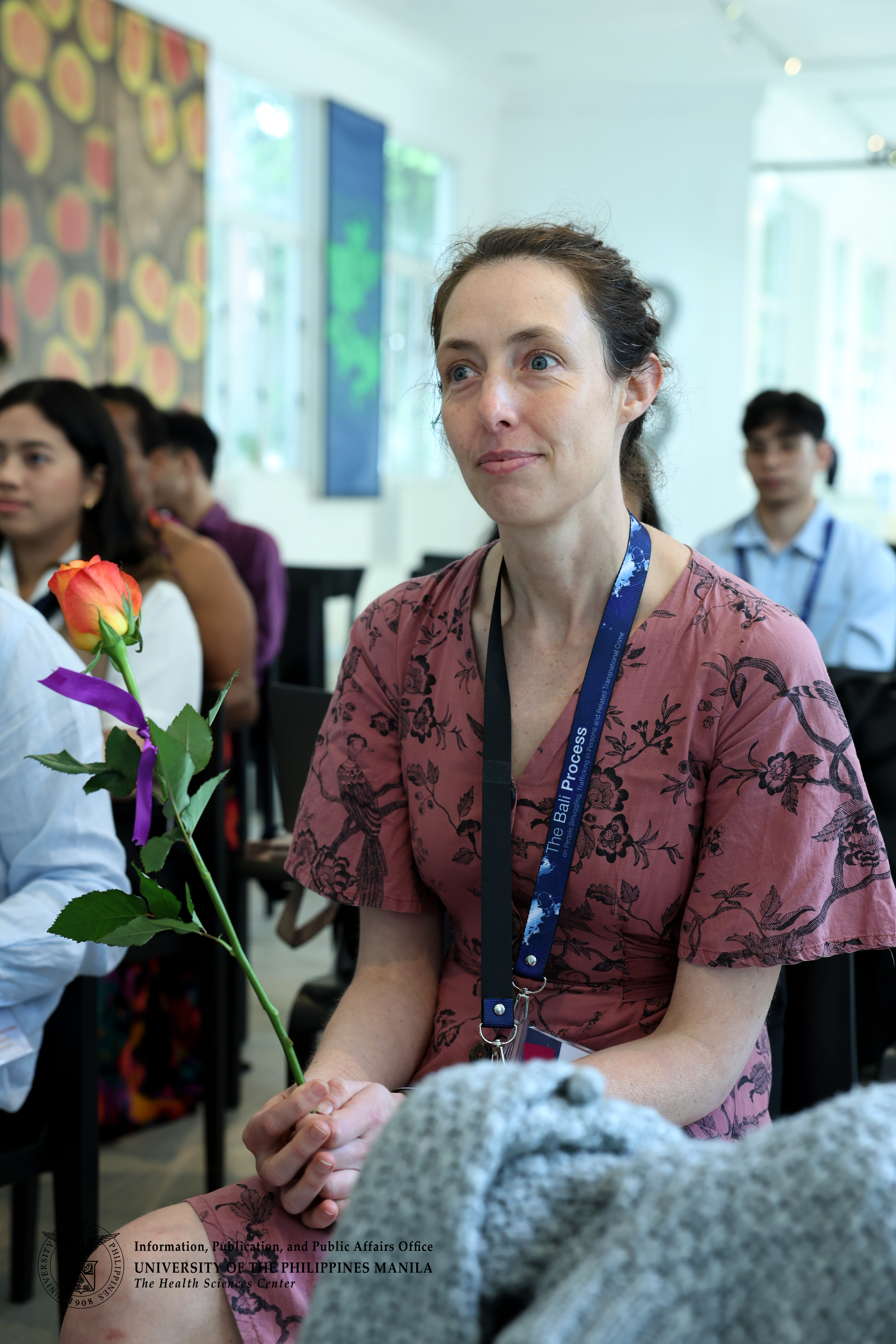
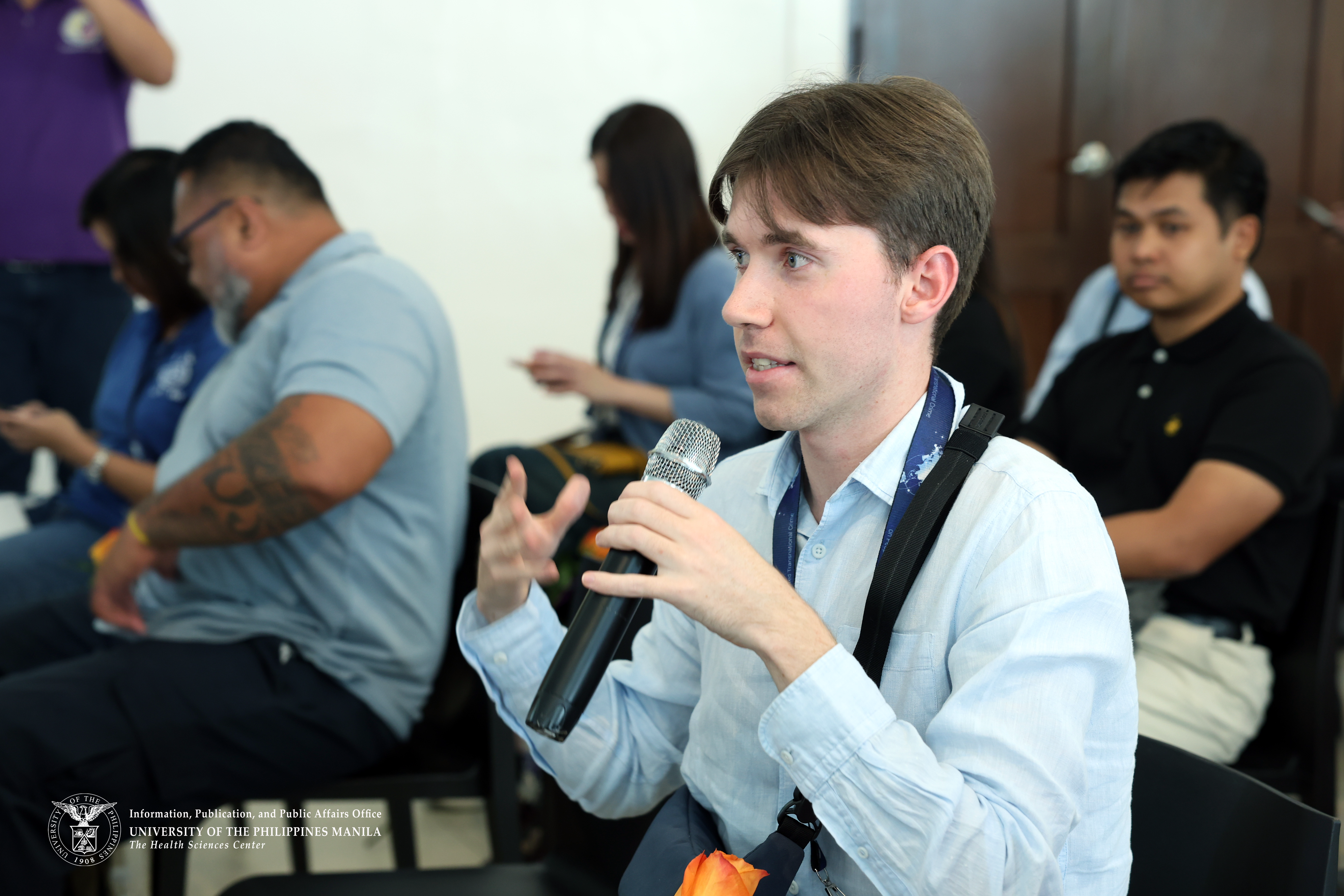
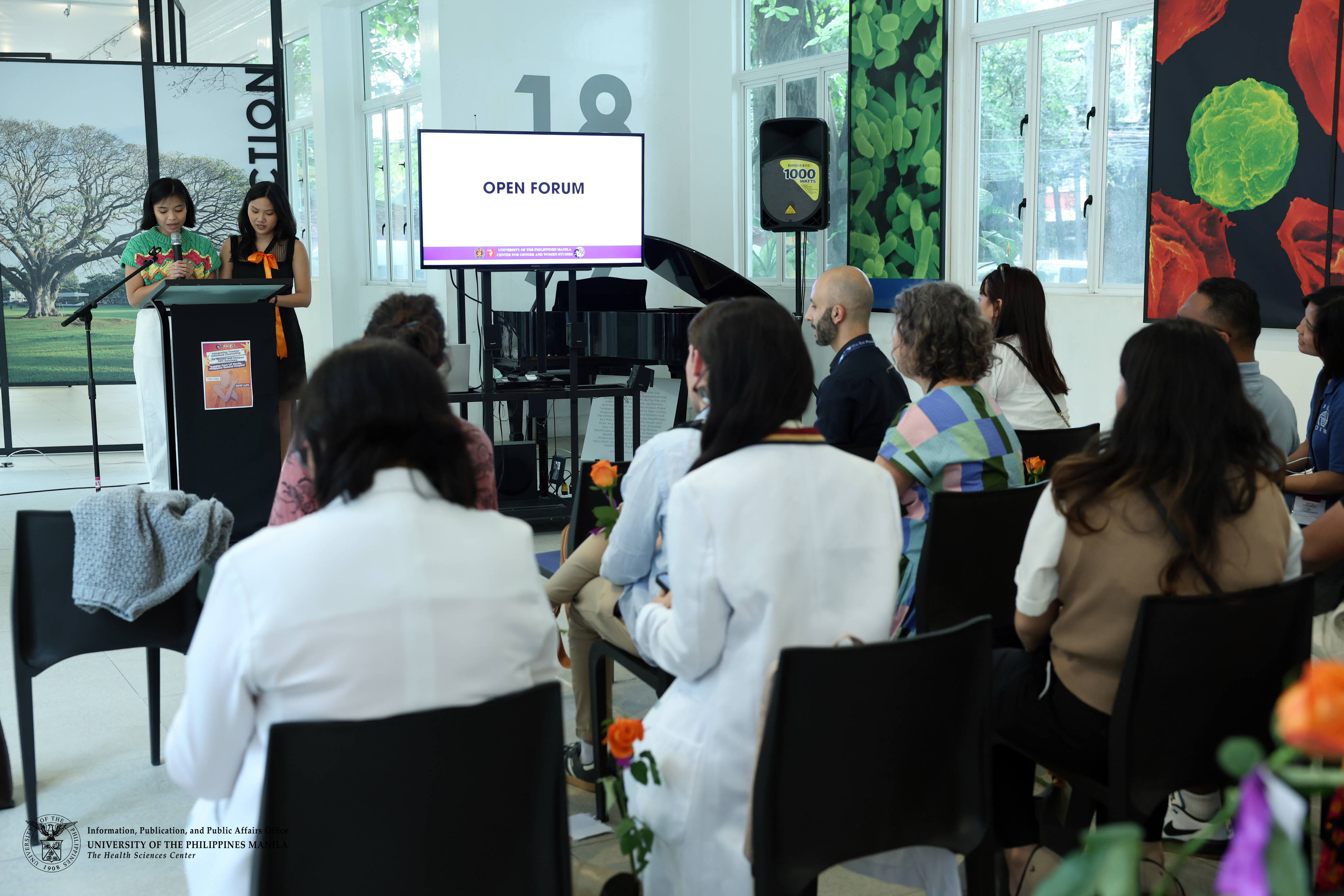
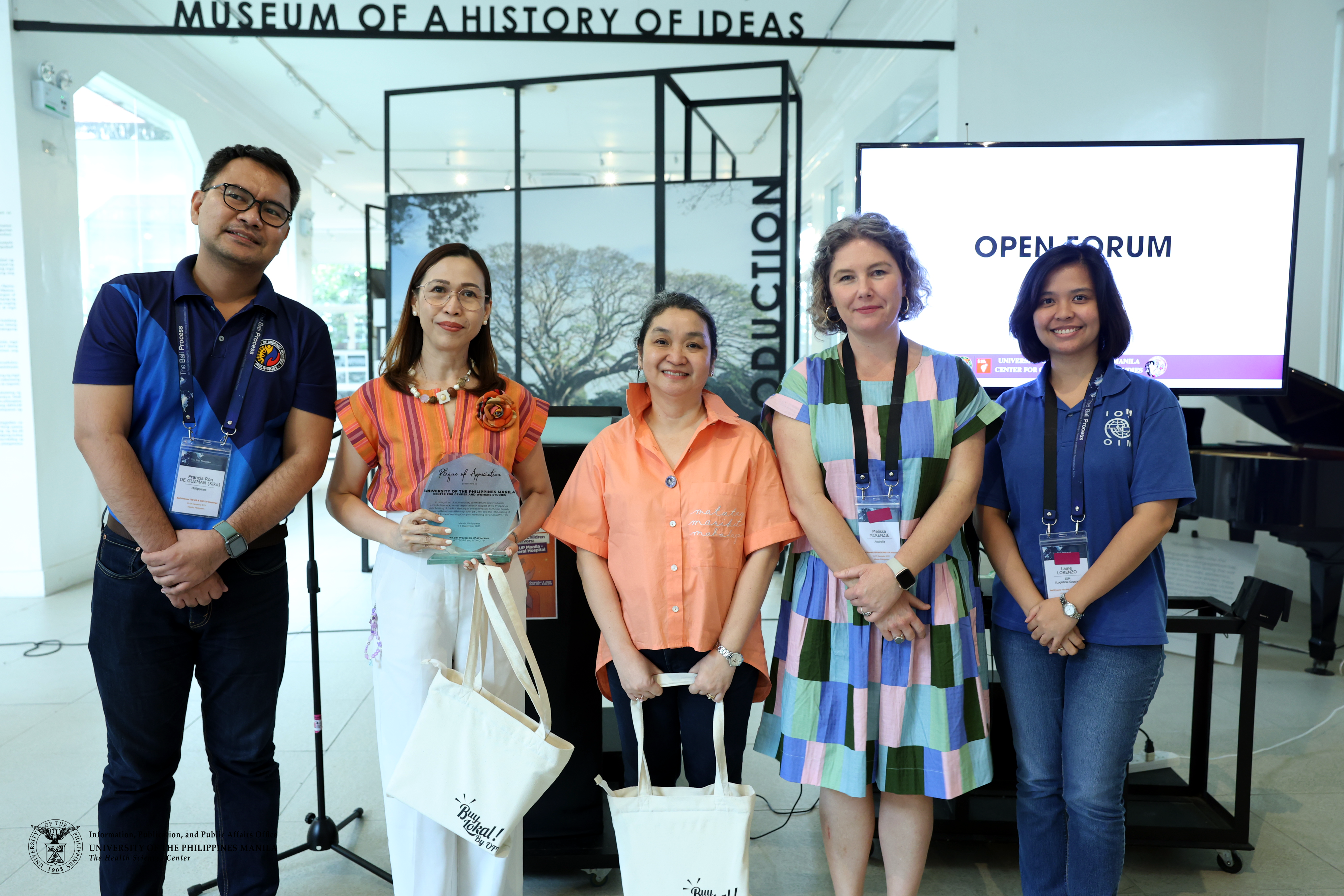
Organized by the UP Manila Center for Gender and Women Studies (CGWS), Gabriela Youth UP Manila, and the UP Manila Alpha Phi Omega Sorority, the event formed part of the national 18-Day Campaign to End Violence Against Women. It convened experts, advocates, and regional partners from UP Manila and the Bali Process Working Group on Trafficking in Persons & Technical Experts Group on Returns and Reintegration to learn from the critical work of the UP–PGH Women’s Desk and Child Protection Unit in providing trauma-informed, survivor-centered care for women and children affected by gender-based violence.

Read More: