


Text by Charmaine Lingdas
Photos by Sarah Hazel Moces Pulumbarit
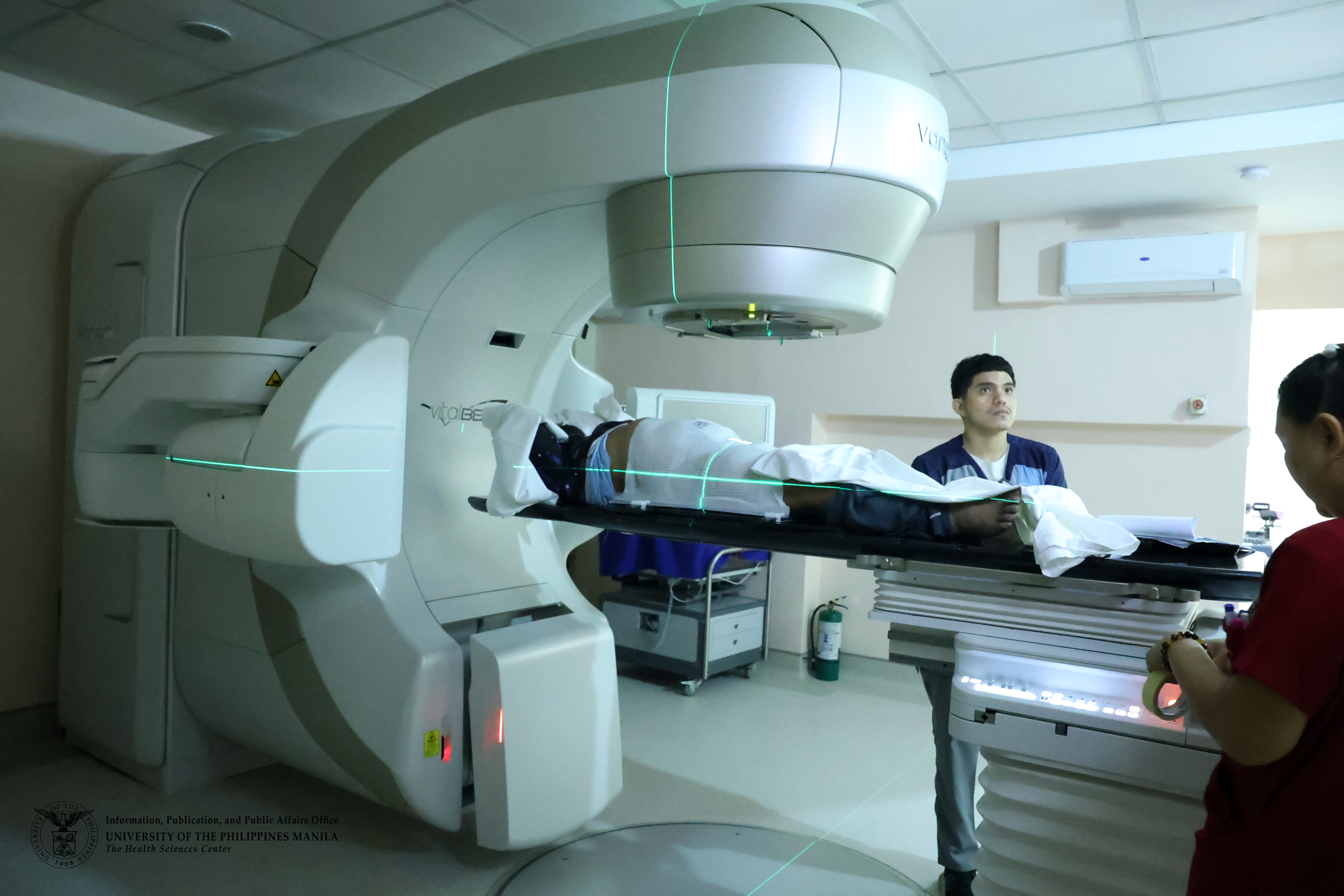
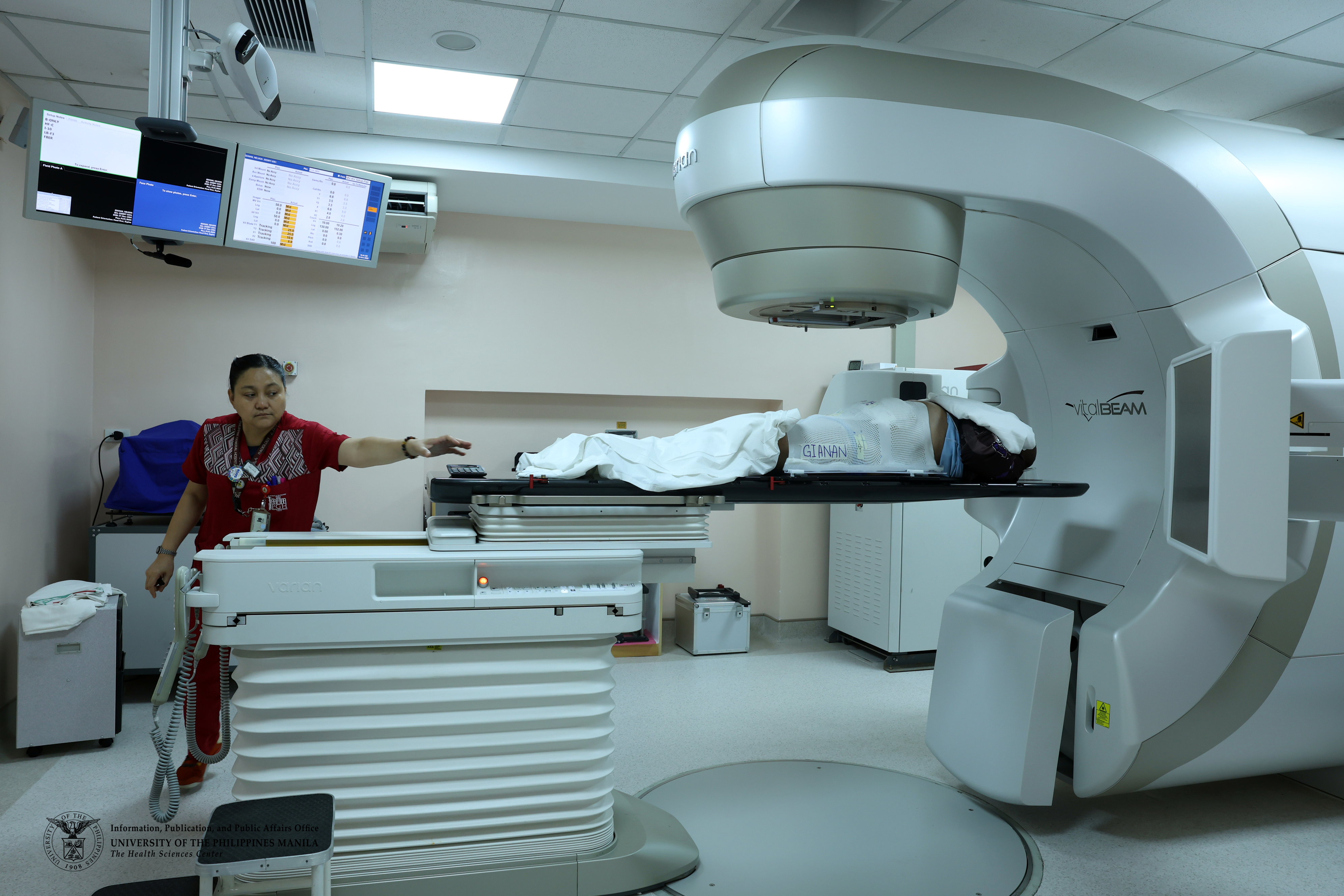
The University of the Philippines – Philippine General Hospital (UP-PGH) expanded its cancer treatment capabilities with the installation of two state-of-the-art Linear Accelerator (LINAC) units for radiation therapy — both capable of stereotactic radiosurgery and the other employing helical tomotherapy.

“We’re the only government hospital with stereotactic radiosurgery, and tomotherapy. and intraoperative radiotherapy,” said UP-PGH Director Dr. Gerardo D. Legaspi in an interview. “We’re investing heavily in cancer treatment as part of PGH’s flagship programs.”
Dr. Legaspi emphasized that these technologies represent a major advancement in providing safer, faster, and more precise cancer care for Filipinos. With around 60,000 cancer consultations each year, UP-PGH aims to position itself at the forefront of modern cancer treatment.
He recounted that the hospital installed its first linear accelerator in 2016. “That’s why, after the encouraging results from that, we decided to get a second one because, according to a needs assessment by PricewaterhouseCoopers in the early 2000s, PGH needed four linear accelerators to serve the patients coming to it,” he explained.
In February 2023, the public-private partnership (PPP) for the UP-PGH Cancer Center Project received initial approval from the National Economic and Development Authority (NEDA) Board. The project will create a 300-bed, state-of-the-art cancer hospital within the UP-PGH compound. “In the next four to five years, the concession agreement for the PPP will be approved,” Dr. Legaspi revealed and announced that a new linear accelerator would arrive at the same time. Bringing the total number of such equipment to four.
Revolutionized Radiotherapy
Radiation therapy works by using ionizing radiation or subatomic particles to destroy cancer cells, Dr. Legaspi explained.
These particles may come from natural sources, such as cobalt, or from electrically generated ionized particles that produce photons and electron beams.
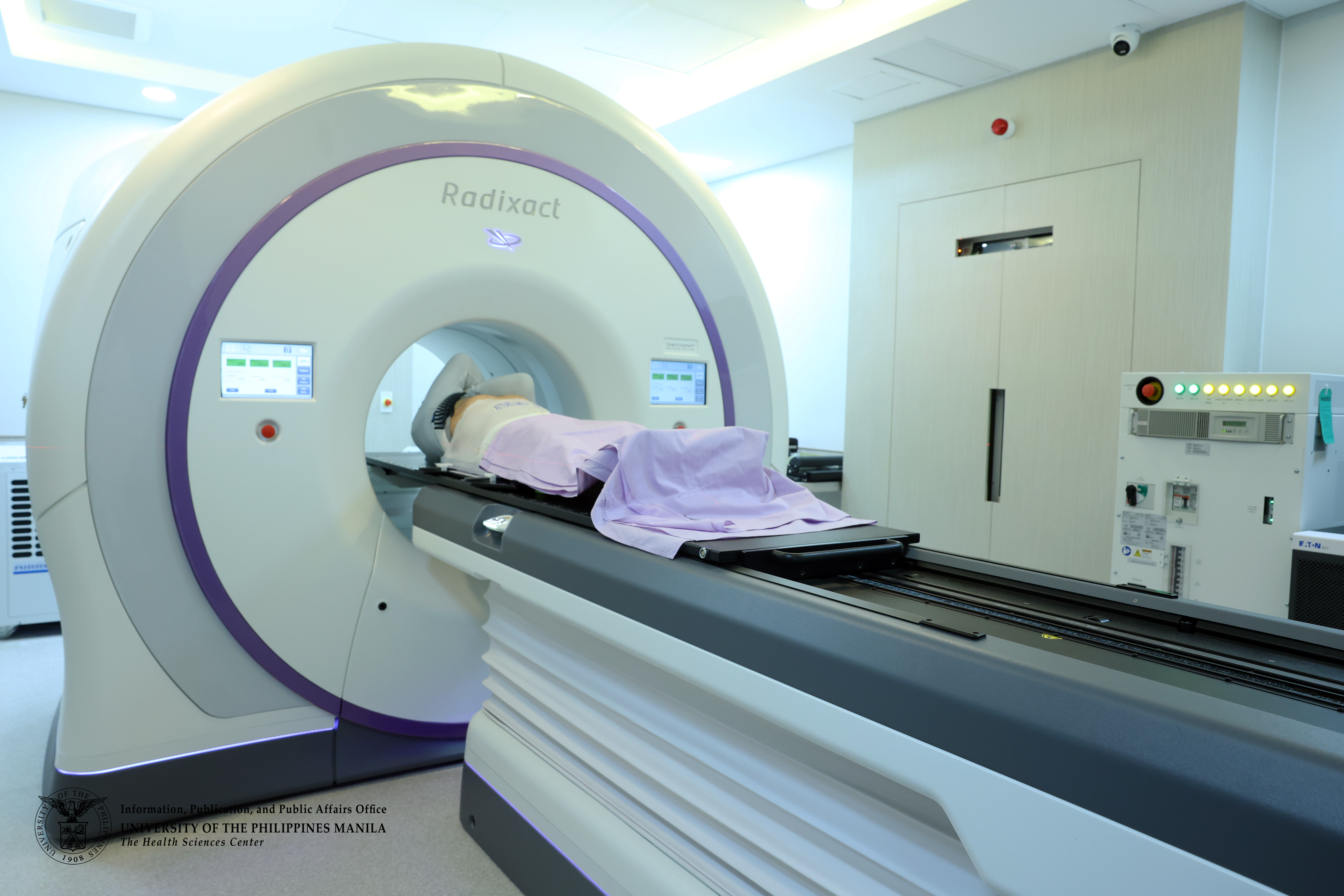
“The linear accelerator (LINAC) is the one that doesn’t use a natural cobalt or other radiotherapeutic source. Instead, it generates ionized radiation particles for treatment,” he said. “The linear accelerator has revolutionized radiotherapy, kasi nga di mo na kailangan nung mga mag-alaga nung mga decaying radiotherapeutic sources. Mas naging safe. Mas naging convenient.”
He also noted that the two new LINACs is “probably the most advanced in any government hospital because it’s a linear accelerator that’s capable of stereotactic radiosurgery (SRS).”
SRS is a non-invasive procedure that targets tumors with high-dose precise, focused radiation, reducing therapy duration and minimizing exposure to surrounding tissues.
“The body receives radiation only where the tumor is—unlike in conventional radiotherapy, whether linear accelerator or cobalt-based, where a larger area around the tumor is also irradiated. So, in neurosurgery, my specialty, malaking bagay yun. Kasi nga, dati, kailangan namin ubusin lahat yung tumor at the risk of the patient’s nerves or arteries. Ngayon, we can actually just leave behind a small part, which makes the surgery safer,” he added.
With the targeted capacity of the LINAC to perform stereotactic radiosurgery, patients may need only one day of treatment instead of 30 days of conventional therapy.
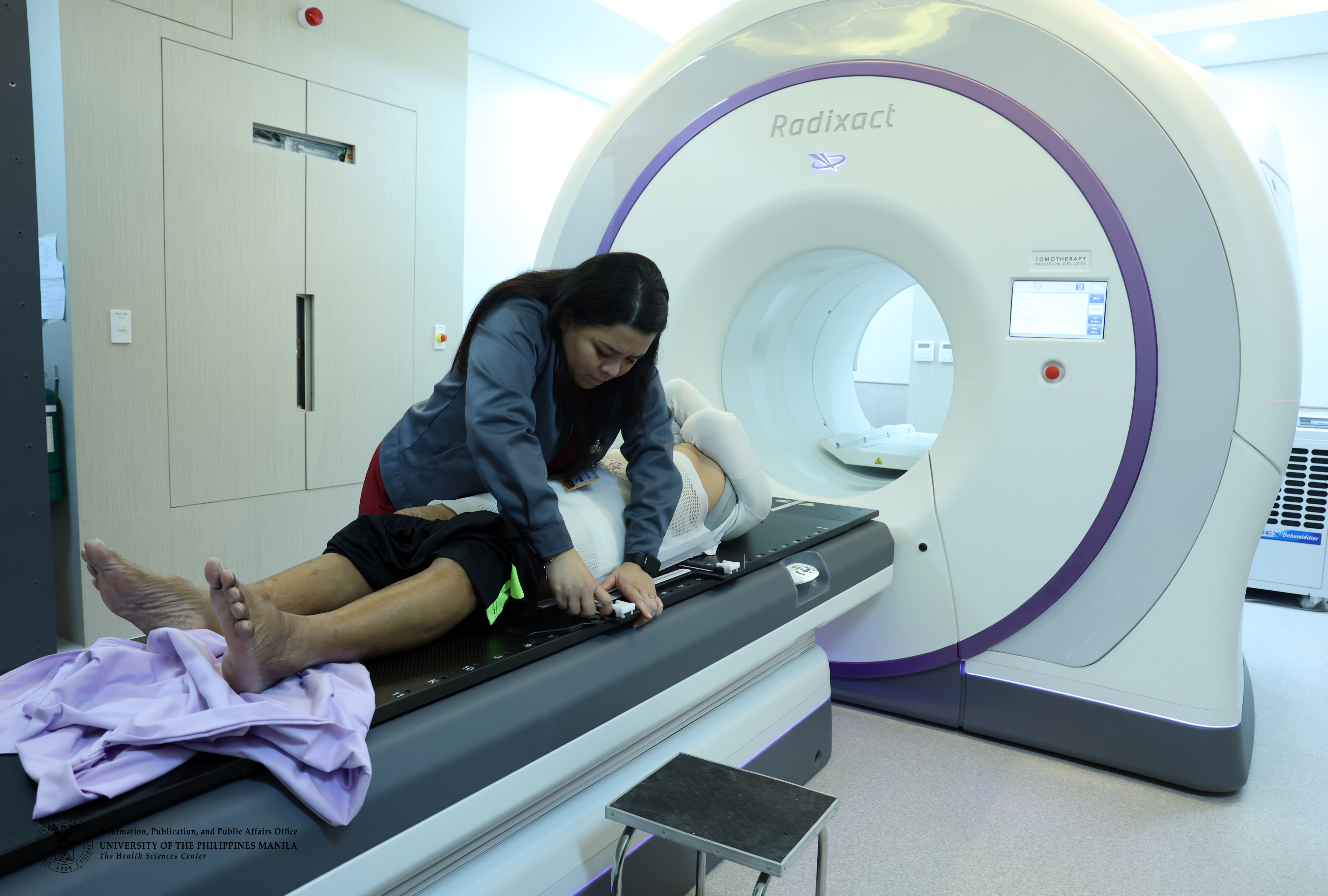
The other LINAC unit, capable of tomotherapy, integrates real-time imaging via a CT scan, allowing real-time adjustments of radiation beams during patient movement or breathing. “It’s also faster and more comfortable, especially for children, since it reduces the need for sedation during treatment,” Dr. Legaspi said. He also noted that this technology benefits total body irradiation for bone marrow transplants, making the procedure faster and more convenient for patients.
These two units expand PGH’s capacity and the range of radiation therapy services.
Innovations for Comprehensive Cancer Care
PGH is preparing to introduce another intraoperative radiotherapy (IORT) device, a portable system that allows radiation treatment immediately after tumor removal during surgery.
He reported that cancer treatment outcomes at UP-PGH have improved significantly over the years. For instance, in medulloblastoma—a type of brain tumor—the mortality rate has dropped from about 80% to less than 20%.
In the case of breast cancer, Dr. Legaspi reported that the hospital’s breast cancer care program is now able to catch cases in the early stages allowing IORT and immediate breast reconstruction.
UP-PGH treats various cancers, including brain, thyroid, head and neck, breast, and colorectal cancers. The hospital’s 7th floor is now being prepared for future therapies like CAR-T cell treatment for leukemia and other blood cancers.
Accessible Treatment
Technological advancement is only part of the goal. “Ang mga pasyente natin pumupunta sa ibang hospitals. So, now that we have all of this, we can start bringing them back to PGH,” he said.
At PGH, charity patients are treated for free and PhilHealth packages adequately cover operations. Though stereotactic radiosurgery currently lacks a PhilHealth package, special coverage increases make it more accessible. The procedure costs around ₱550,000 in private hospitals.
“We hope to make it free for charity patients and make it very affordable for private patients,” the PGH official said.
Dr. Legaspi also highlighted that these efforts benefit the UP Manila community, ensuring employees and constituents can access high-quality treatment conveniently. “We are doing all of this because we are also considering the needs of our constituents in UP Manila.”
Moving Toward Survivorship and Holistic Care
PGH is also developing a cancer survivorship program to support patients and families through the launch of Balay Lingap, the country’s first state-run hospice and temporary housing facility for patients and their watchers. Located at the corner of Taft Avenue and Ayala Boulevard, near Santa Isabel College, Balay Lingap provides short-term accommodation for patients undergoing continuous outpatient treatment at UP-PGH, such as chemotherapy or follow-up consultations. The facility also offers palliative care for terminally ill patients, ensuring supportive medical, emotional, and spiritual care.
As UP-PGH continues to upgrade its facilities, Dr. Legaspi reaffirmed the hospital’s commitment to public service. “Not only the number is going to be improved, but also the range of services na pwede ibigay. The goal is full coverage so that every patient has a fair chance at healing.”

#FP1 #FP6 #AccessibleUPLeadership
READ MORE: