

MANILA, PHILIPPINES, October 29, 2025 – A coalition of health leaders, government representatives, medical experts, researchers, and civil society advocates gathered today to intensify their call for comprehensive and stronger alcohol control policies across the Philippines. Organized by the UP Manila National Institutes of Health – Health Promotion Program’s Alcohol, Substances, and Addictive Behaviors Community of Practice (ASAB CoP), the event solidified a united front to address the urgent public health crisis posed by alcohol-related harms.
The gathering highlighted the essence of a “whole-of-society approach” to prevent alcohol-related injury, illness, and societal cost.
“Alcohol control is not merely a health issue—it’s a societal one. By uniting public health research, policymaking, and community action, we can prevent harm before it happens and create environments where healthier choices become easier choices,” Dr. Katherine Ann Reyes, Research Assistant Professor and Program Lead of the NIH Health Promotion Program said during the program.
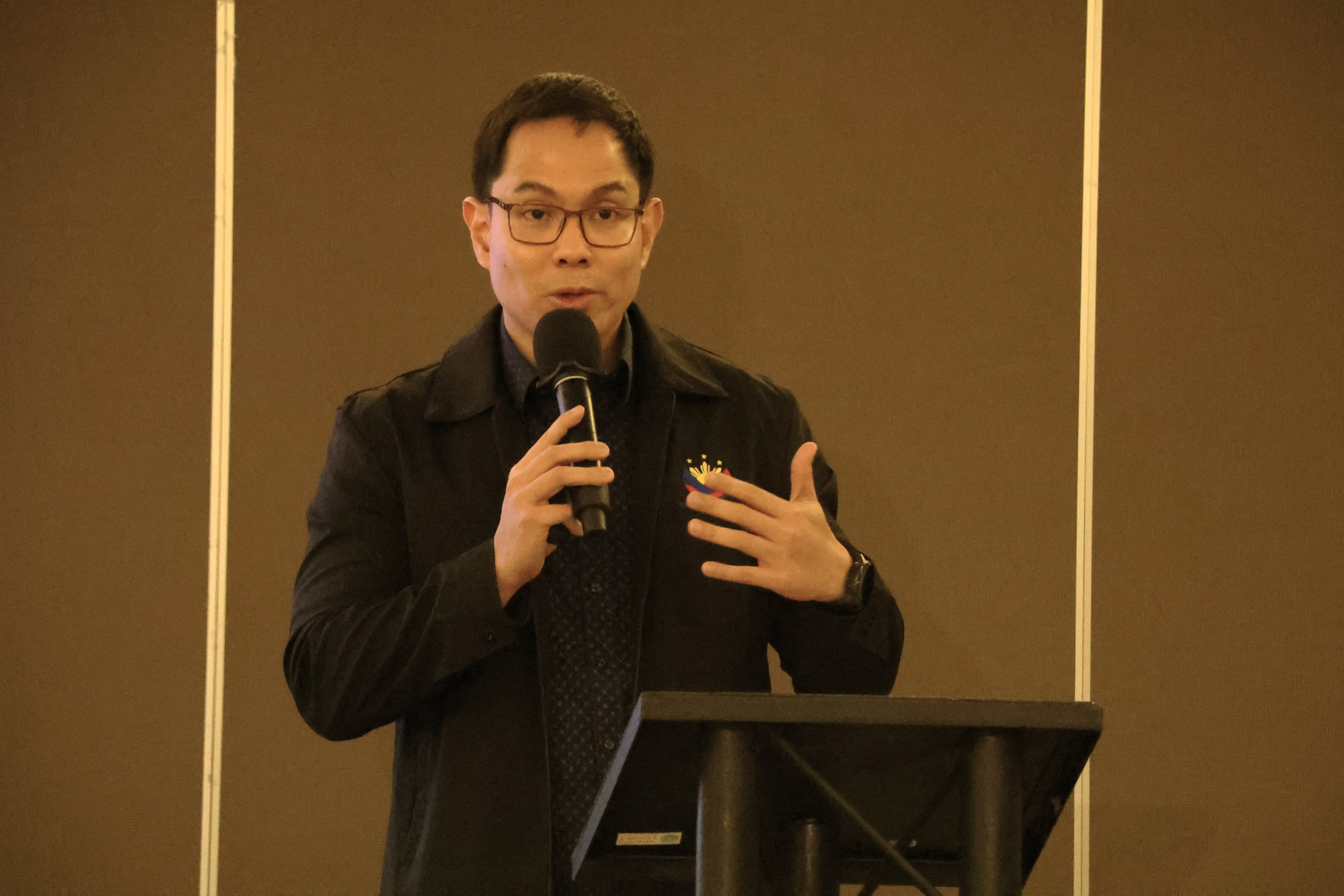
Meanwhile, Department of Health (DOH) Assistant Secretary Albert Domingo affirmed DOH’s unwavering commitment to preventive health and cross-sectoral collaboration.
The event’s keynote address was delivered by Hon. Nathaniel M. Oducado, Representative of the 1TAHANAN Partylist, who emphasized that strong legislation is the bedrock for sustainable health initiatives.
“Sound public health policies depend on sound legislation,” Rep. Oducado stated. “We must ensure that our laws safeguard Filipino families, protect our youth, and empower communities to live healthier lives.”
The session “What Does the Evidence Show Us?” featured experts from academia, advocacy groups, and regulatory bodies who detailed the epidemiological burden of alcohol, the pervasive effects of advertising, and the impact of legal drinking age regulations. The presentations reinforced that evidence-based policymaking is the only foundation for long-term, effective alcohol control.
The program included a fireside chat, moderated by Dr. Dominic Maddumba, OIC-Director III of the DOH Health Promotion Bureau, which showcased local actions aligned with the World Health Organization’s (WHO) SAFER initiative—a global blueprint for tackling alcohol harms.
A subsequent panel discussion focused on future directions, with representatives from patient organizations, youth networks, and local governments identifying opportunities to expand prevention and policy efforts at the grassroots level.
“We already have the evidence; what we need now is stronger implementation,” Dr. Donnabel T. Panes, Medical Officer of Baguio City Health Services Office emphasized. “By adopting the SAFER measures, the Philippines can significantly reduce alcohol’s toll on health and productivity,” she added.
The event culminated in a symbolic Call to Action, led by Ma. Fatima “Jofti” Villena of the Center for Policy Studies and Advocacy on Sustainable Development Inc. The participants strongly reaffirmed their commitment to advancing alcohol control advocacy and issued an urgent plea for national and local leaders to immediately translate research into decisive policy action.
“Evidence must not end with article publication. It must lead to change. Through strong partnerships and persistent advocacy, we can ensure that alcohol control remains a national priority for the health and well-being of all Filipinos,” said Dr. Marissa Alejandria, Executive Director of the UP Manila National Institutes of Health.

*About the UP Manila NIH – Health Promotion Program’s Alcohol, Substances, and Addictive Behaviors Community of Practice (ASAB CoP): The ASAB CoP is a network of researchers, policymakers, advocates, and health professionals dedicated to advancing evidence-based policies and programs to prevent and reduce the harms associated with alcohol, tobacco, and other addictive substances in the Philippines
PRESS RELEASE