


Text by Angelou C. Mendoza
Photos by Joseph A. Bautista
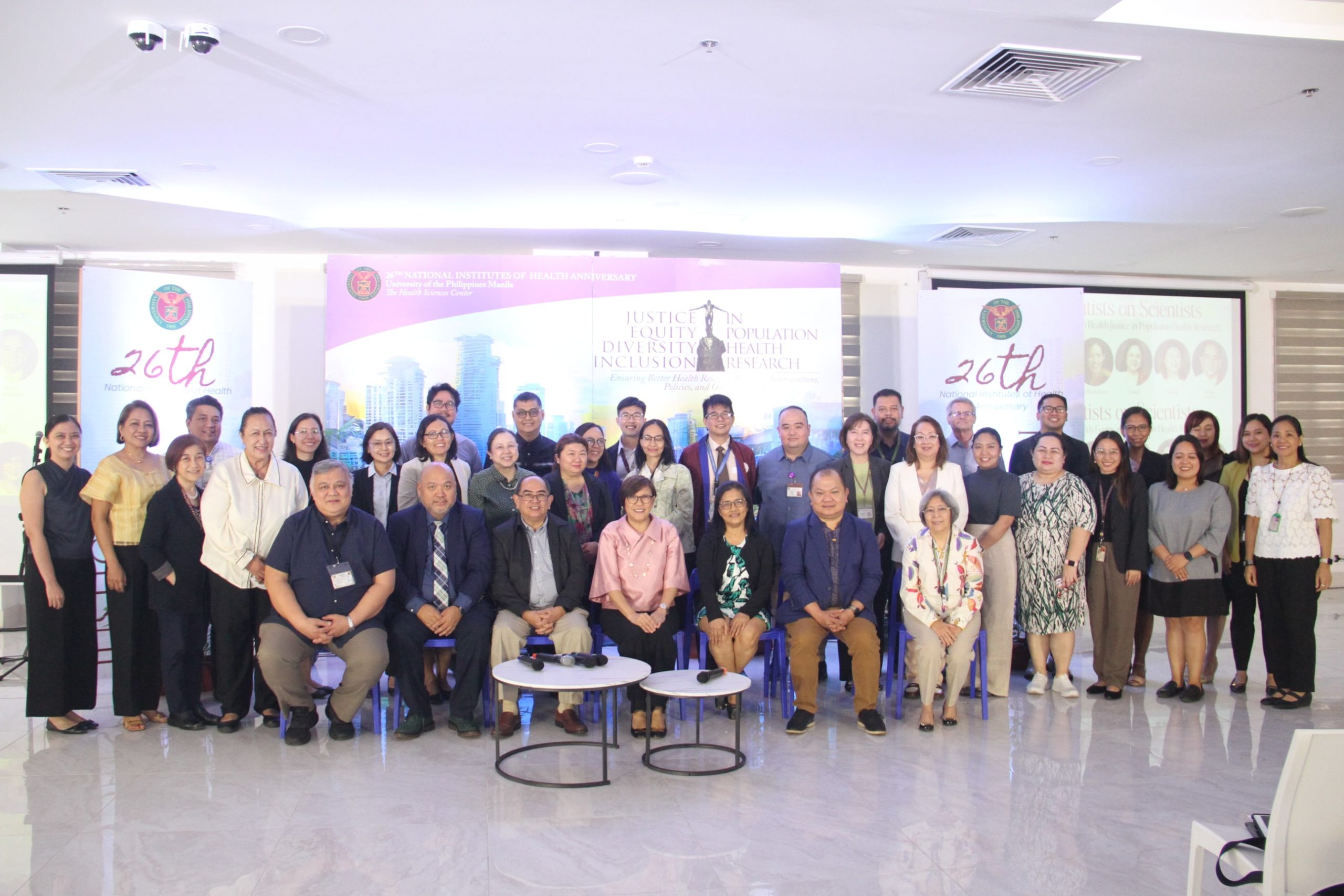
The distinguished panel of scientists of the roundtable discussion tackling health programs using the lens of Justice and Equity with the members of UP Manila National Institutes of Health.
“Through research, we advanced the idea that every individual should have equal access to healthcare resources, opportunities, and outcomes.”
These words of Dr. Eva Maria Cutiongco-de la Paz, Executive Director of the National Institutes of Health (NIH), University of the Philippines Manila, summarized the sharing of experiences and learnings on Justice and Equity during the second leg of the 26th NIH Anniversary last June 27, 2024 at the Henry Sy, Sr. Building of the UP College of Medicine (UPCM). The event centered on two of the principles of JEDI, Justice, themed “Linking Disparities: Pioneering Ways to Health Justice in Population Health Research” and Equity, themed “Upholding Everyone: Promoting Health Equity in Population Health Research.”
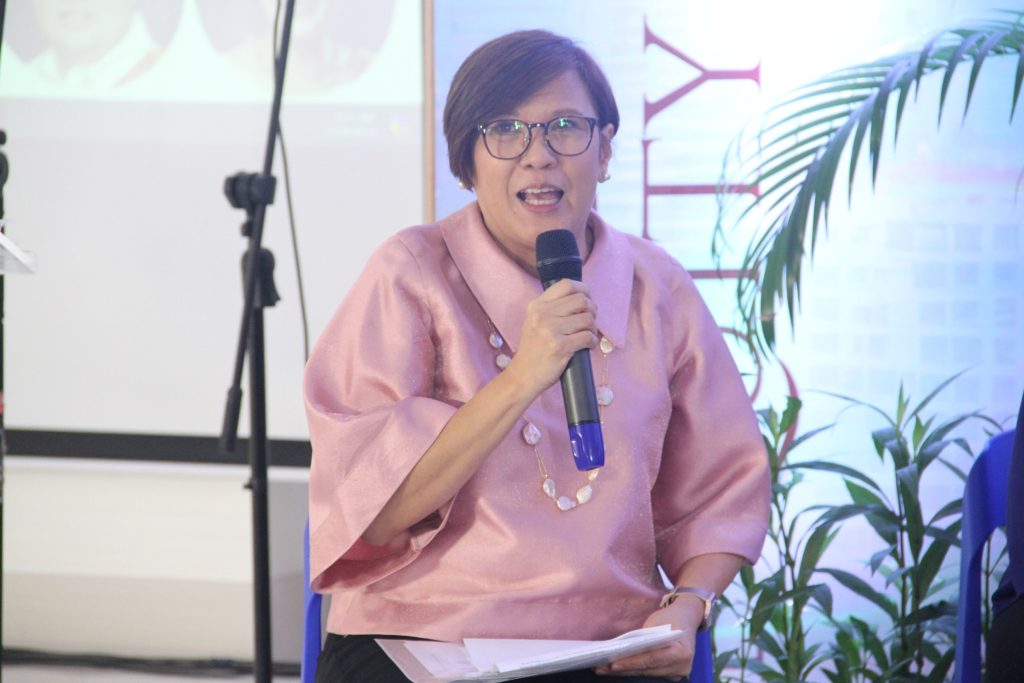
Dr. Cutiongco-de la Paz addressed the undeniable major concern in the health sector, which is the rising infectious outbreaks and preventable maternal or newborn deaths targeting the underserved population in the country, combined with the lack of access or unequal distribution of health resources. With this consistent arising disparity concerns in health, UPM continues to strive for justice and equity by coming up with health initiatives through research.
“Our goal is to ensure that individuals have a chance to attain their best possible health, regardless of their background or circumstances. This is through a comprehensive and collaborative approach which involves people not only from the health sector but also policymakers and communities to create suitable conditions supporting all population member’s health and well-being. Research serves as a bridge to provide information to our lawmakers so that they can develop evidence-based policies that serve the welfare of Filipinos,” the NIH Executive Director said.
Justice: Social Innovations Eliminate Inequities

Dr. Mario R. Festin, Founding Director of the NIH-Institute of Reproductive Health (IRH) and moderator for the first session, opened the discussion by mentioning the need to strengthen communities affected by health inequities by involving them in the assessment of healthcare, public health, and social determinants of health to identify the root cause: affected communities must be involved in discussions in order to identify their needs and concerns to be effectively addressed through programs. The focus of the discussion is on programs that provide necessary health services that have significantly led to creation of policies in the country.
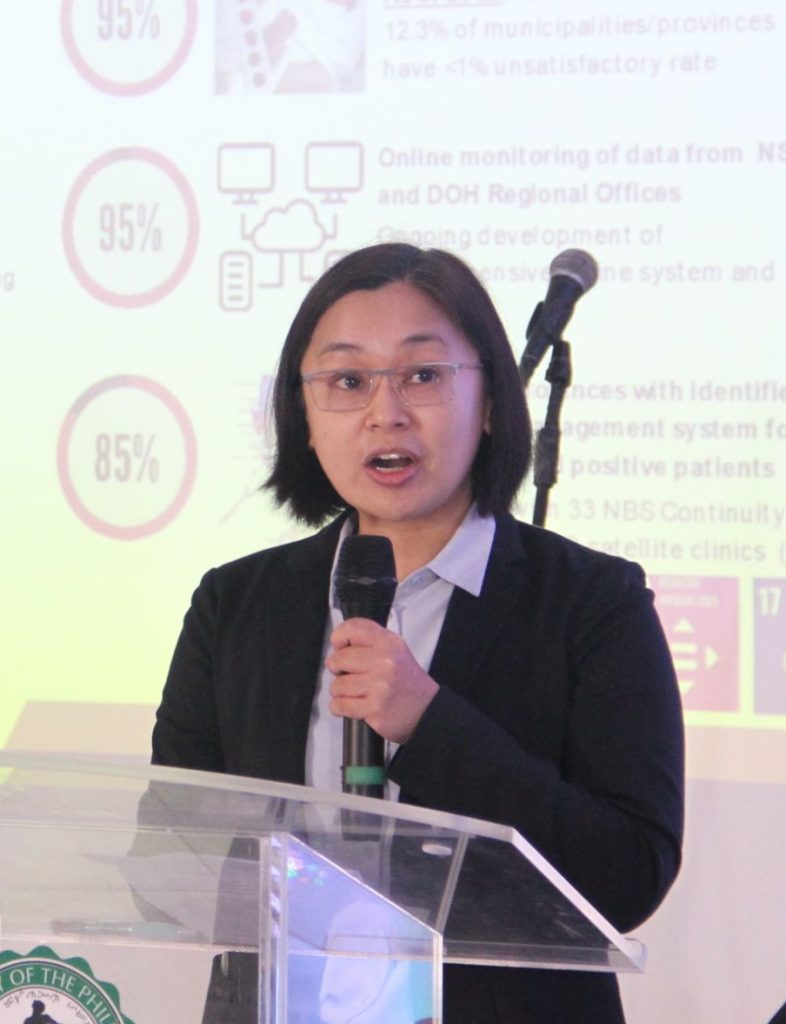
The first speaker, Newborn Screening Reference Center (NSRC) Director Michelle E. Abadingo, delved into the discussion on Newborn Screening Strategic Framework for 2017-2030 and the achievements of the program for the past four years. The said strategic framework was introduced last 2018, producing favorable outcomes after it became consistently implemented, reducing preventable deaths of Filipino newborns with regular screening and management. Dr. Abadingo explained the focus of the framework to be the strategies that will maintain the sustainability and quality of services despite the limited funds.
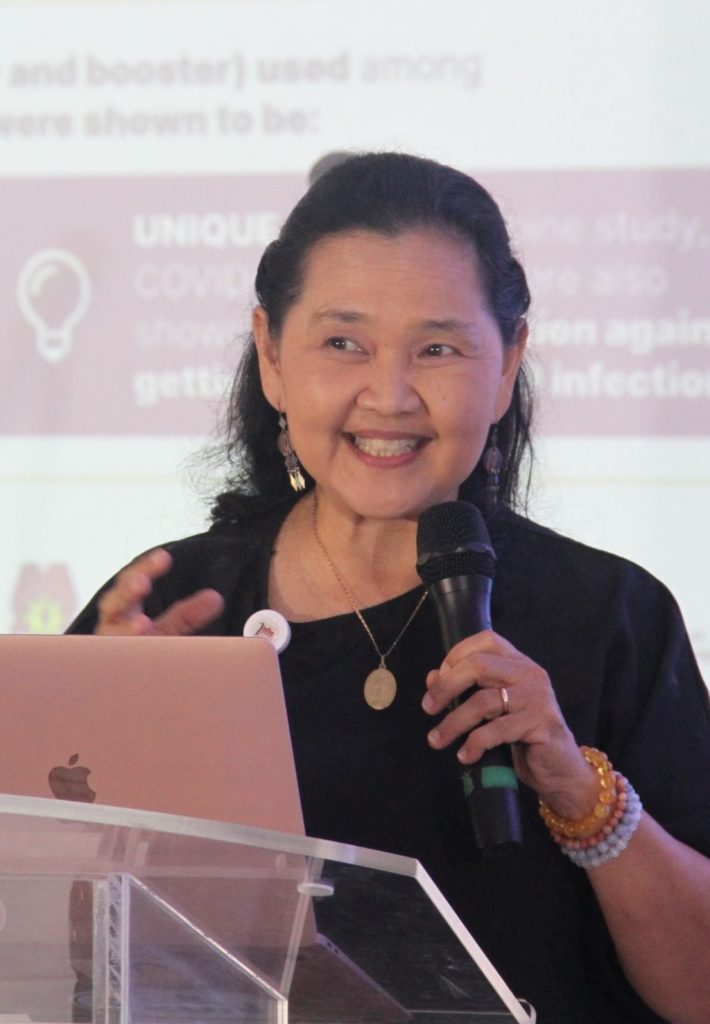
Dr. Regina P. Berba, Professor III and Adjunct Professor of the NIH-Institute of Clinical Epidemiology (ICE), presented their study on the COVID-19 vaccine effectiveness which was done with the voluntary participation of collaborators in real world settings: in health facilities, urban and rural communities, and work settings in both private and public agencies. “In conclusion, the study showed that the COVID-19 vaccines were effective in reducing severity of illness, reducing mortality, in reducing hospitalization, and reducing the incidence of COVID-19 among the population,” according to Dr. Berba.
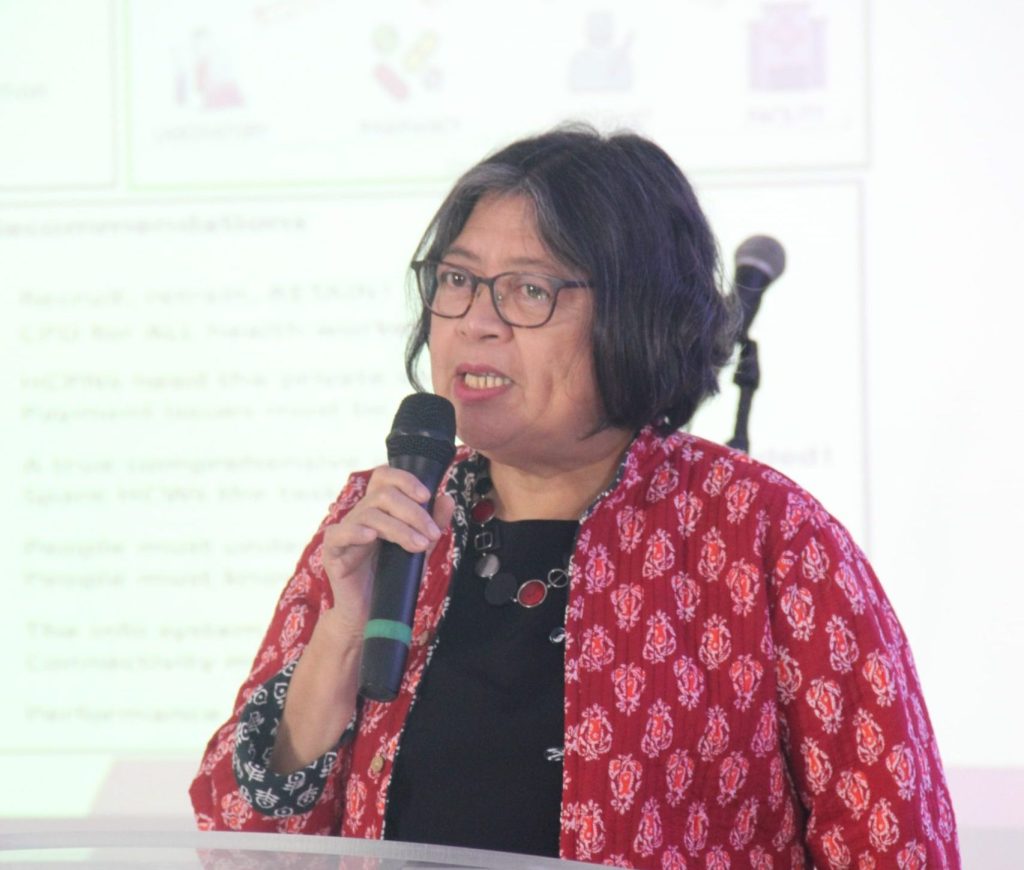
Dr. Leonila F. Dans, Professor at the Department of Clinical Epidemiology and Department of Pediatrics, gave a three-minute presentation on Philippine Primary Care Studies. This study was born from the need for Universal Health Care in the country and to do so, the expansion of the Primary Care Health System must be done.
“The main objective of that study is to develop and implement an effective, efficient, and equitable primary care benefit package tailored to the needs of a rural area in Bataan, remote area in Sorsogon and an urban setting in UP Diliman health system, in the Philippines. The other objective is to be able to evaluate the strategies that we are going to implement,” Dr. Dans explained. She then discussed the main recommendations of the study: healthcare workforce development, healthcare provider network, frontloaded financing, community engagement, health information system, monitoring and evaluation.
The fourth speaker, Adjunct Professor of NIH-ICE Dr. Meredith del Pilar-Labarda, imparted her experiences in Social Innovations in Health Initiatives (SIHI). “Social innovations in health are potential solutions to these inequities by seeking to eliminate health injustices and advocating for reforms developed through collective action through social innovations grounded in community engagement, empowerment, and participatory actions. In Social Innovations in Health Initiatives, or SIHI Global Network, we define social innovations as solutions,” she said.
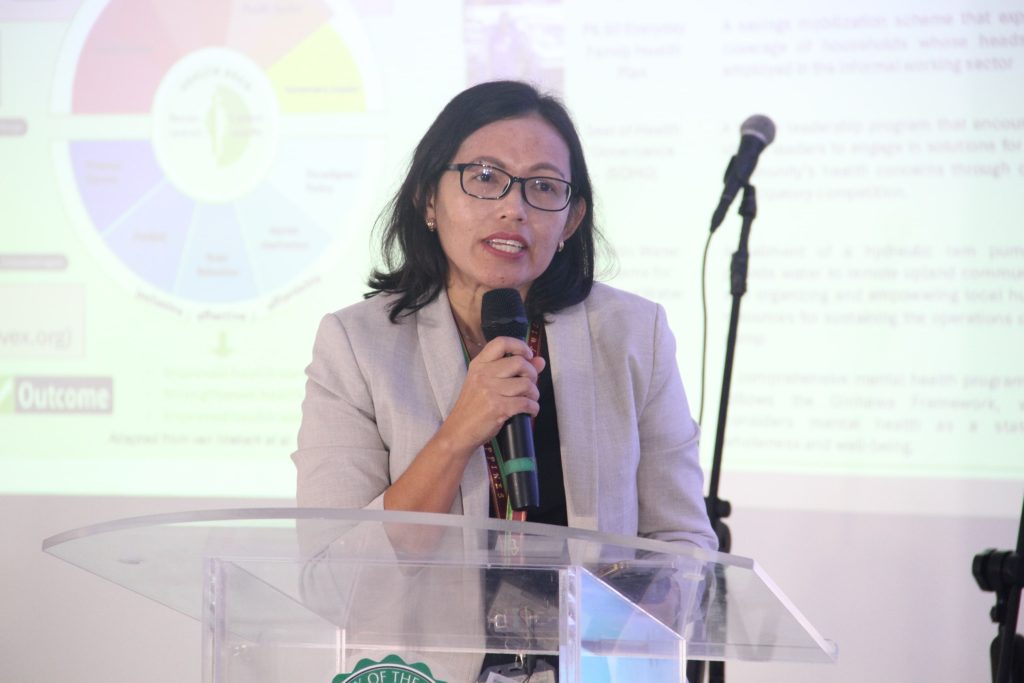
Dr. Labarda emphasized the involvement of research on social innovation in health by focusing and observing the community engagements and social and power relationships existing at the communities, providing scientific basis based on the impacts of social innovations and effect on health which later on may contribute to improved health outcomes.
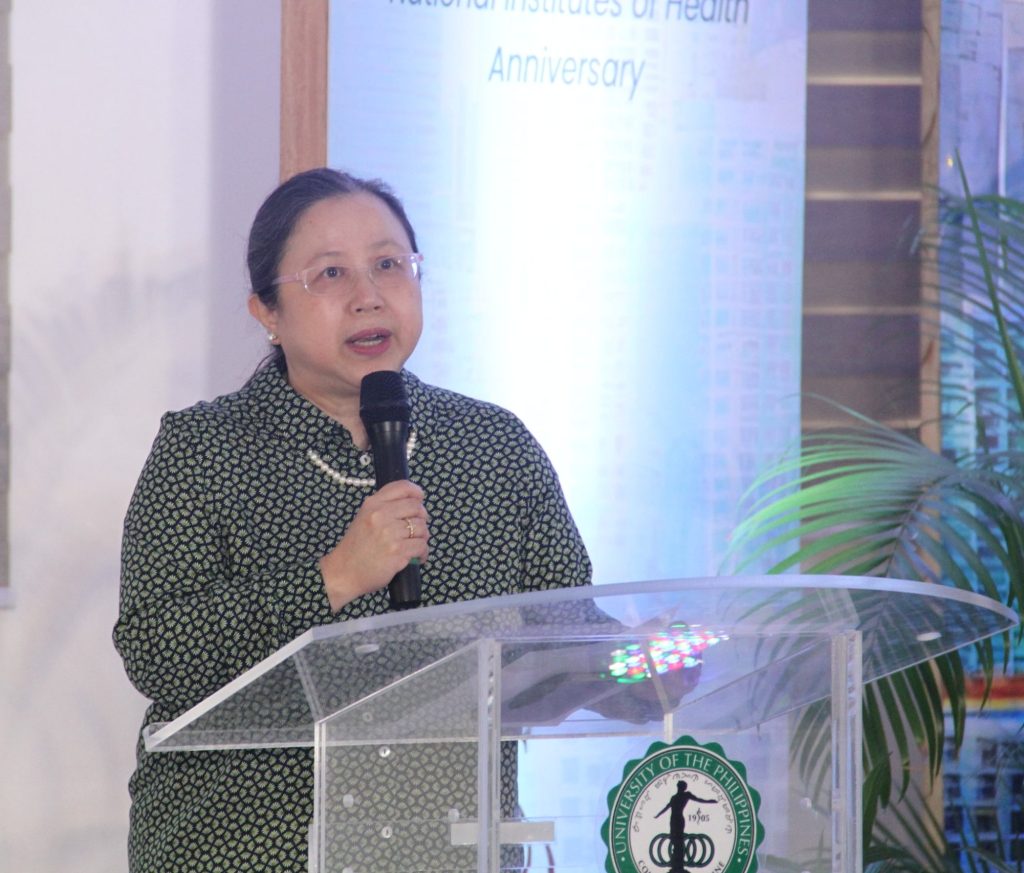
For the fifth Justice presentation, Philippine National Ear Institute (PNEI) Research Associate Professor Maria Rina T. Reyes-Quintos featured the Hearing Loss Intervention Program (HALIP), which aims to provide intervention for children diagnosed with bilateral hearing loss followed by identifying improvements in hearing, speech, and language, and identifying who needs cochlear implantation.
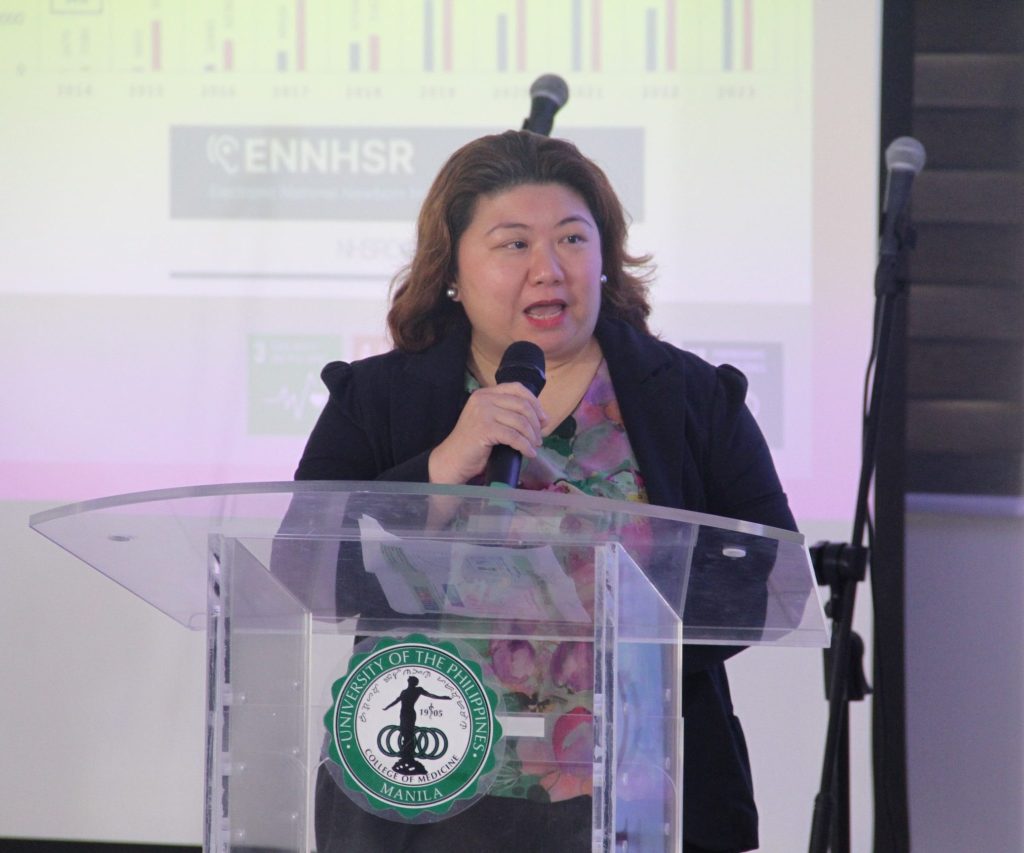
The sixth speaker, Newborn Hearing Screening Reference Center Director Rosario R. Ricalde presented the 10-year program review of Republic Act 9709 known as the Universal Newborn Hearing Screening and Intervention Act of 2009. This was fully implemented after the publication of the first manual operation of the procedures and marked its ten years of full implementation last March 2024.
Attainment of Right to Health: Identifying and Eliminating Inequities
Moderating the Equity session, Dr. Cutiongco-de la Paz begun the second session of the roundtable discussion on health equity by defining equity as “the absence of unfair, avoidable, or remunerable differences among groups of people, whether those groups are defined socially, economically, demographically, or geographically, or by other dimensions of inequality, such as sex, gender, ethnicity, disability, or sexual orientation.” She further expounded that health and health equity is determined and influenced by the biological, structural, social determinants, and living conditions. By identifying and eliminating these inequities, the right to health for all can be attained.
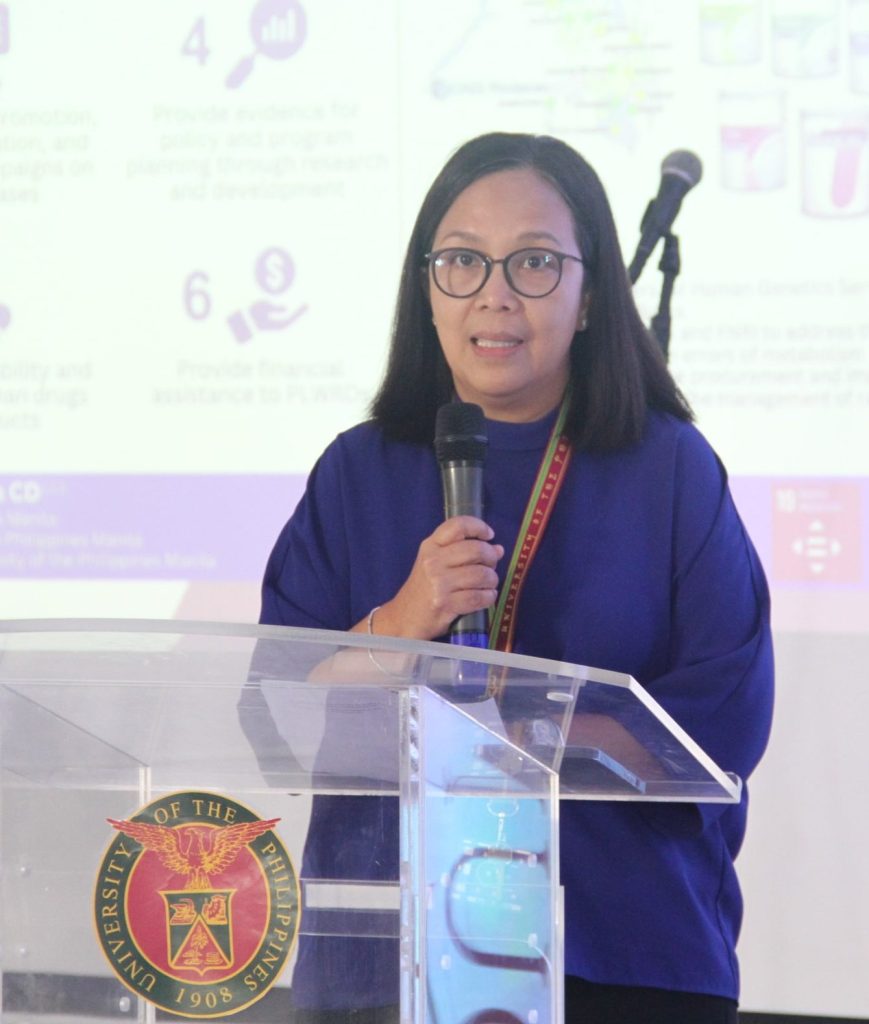
The first panelist, Dr. Maria Melanie Liberty B. Alcausin, Director of the NIH-Institute of Human Genetics (IHG), presented the implementation of Republic Act (RA) 10747 or Rare Disease Act, striving to protect and promote the right to health of individuals diagnosed with rare diseases and improve their access to comprehensive healthcare including access to medical specialists, drugs, and healthcare products. Dr. Alcausin also shared the partnership of the Department of Health and IHG in crafting the 2022-2026 Strategic Plan for the Integrated Rare Disease Management Group with six strategic objectives.

Next to talk was ICE Research Assistant Professor Ian Theodore G. Cabaluna who delved into Clinical Practice Guidelines (CPG). “CPGs are statements that include recommendations intended to optimize patient care that are informed by a systematic review of evidence and assessment of the benefits and harms of alternative care options,” he explained, putting emphasis on the use of CPGs as a guide in public health policies, how these guidelines are used in proper patient management, and on the application of equity lens in developing CPGs.
The third speaker, Dr. Festin, tackled what he labeled as a “hidden pandemic”: domestic violence in the Philippines, with some cases involving sexual abuse. He briefly tackled RA 9262, or the Anti-Violence Against Women and their Children Act of 2004 which addresses the violence on women and children from their abusive intimate partners to provide protection and preserve the dignity of both women and children. Dr. Festin underscored the significance of the availability of a women’s desk at the Philippine General Hospital (PGH), which has a protocol to address the needs of women patients who experienced violence, or have been in an abusive household.
Research Assistant Professor Sandra Concepcion Layla S. Hernandez from the NIH-Institute of Child Health and Human Development advocated the protection of children from all forms of violence and its inclusion in the 2030 Sustainable Development Goals.

“Exposure to violence puts children at risk for both short-term and long-term physical and mental health consequences. Exposure to violence worsens health disparities; thus, preventing violence is part of achieving health equity,” said Dr. Hernandez. She discussed a study on the Valenzuela City Violence Against Children Survey, a cross-sectional survey of children and young adults ranging from ages 13 to 24. The said study measures the prevalence, nature, consequences of sexual, physical, and emotional violence.

The fifth speaker, Institute of Health Policy and Development Studies Director Hilton Y. Lam, presented his analysis on the 2020-2021 support value of PhilHealth for inpatient care. He found out that the contributing factors to the significant drop of support value were the following: high cost of Personal Protective Equipment (PPE), high cost of human resources for health, medication increase, and higher level hospitals. Dr. Lam recommended preventive strategies: bulk pay purchases, banning of purchase of self-procured medicines outside of hospitals, and pushing for more preventive care and for more cost-effective care.

The last speaker, National Training Center for Biosafety and Biosecurity Research Assistant Professor Gianne Eduard L. Ulanday, tackled “Empowering Biosafety Education: A Journey from Online Innovation to Inclusive Capacity Building.” He gave an overview of the contributions and achievements of the National Training Center for Biosafety and Biosecurity since its establishment in the year 2018.
The celebration of the 26th NIH Anniversary reflects the dedication of UP Manila in life-long learning through discovery and research in service to the country. #