

Text by Charmaine A. Lingdas
Photos by Joseph A. Bautista
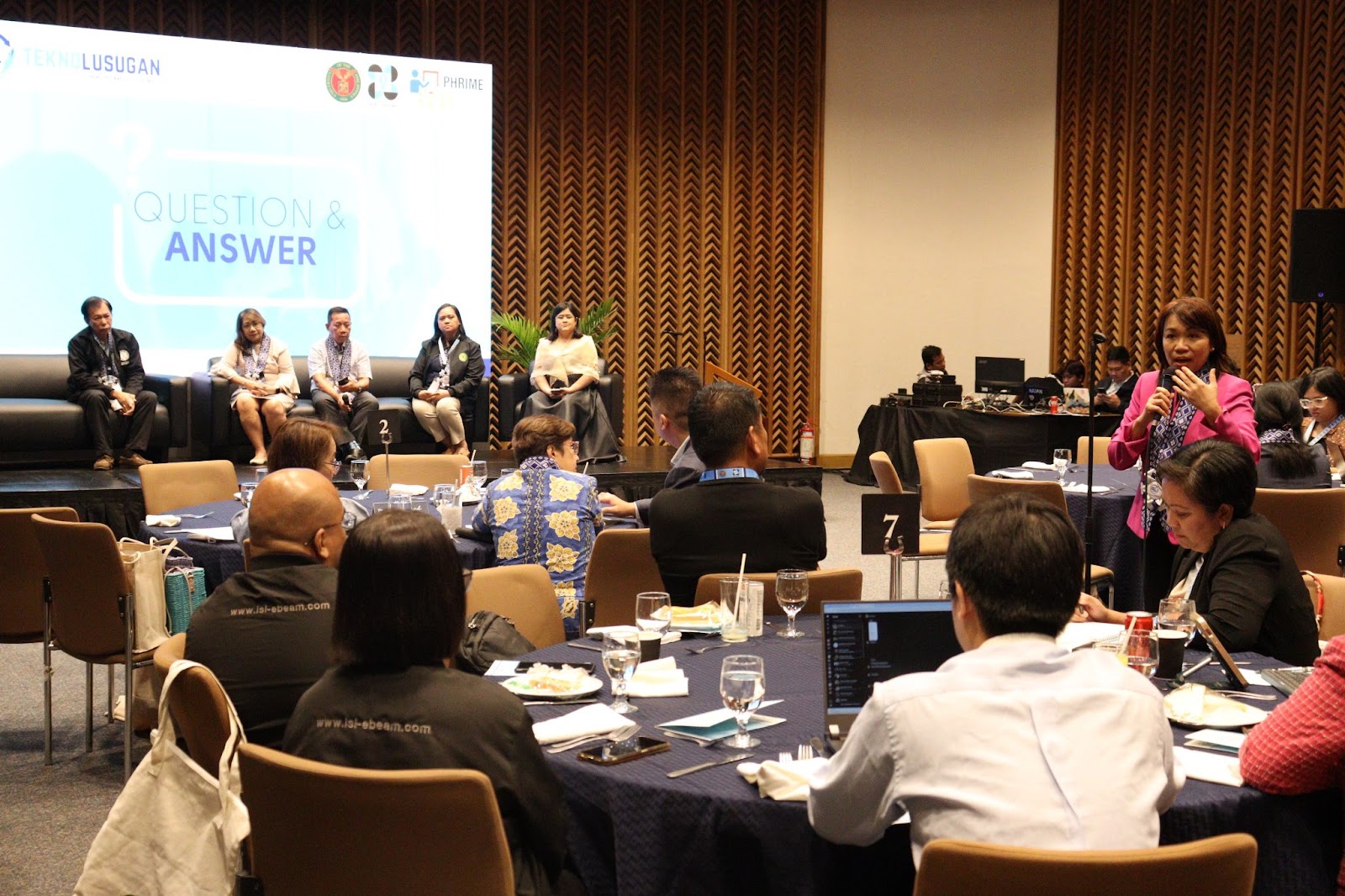
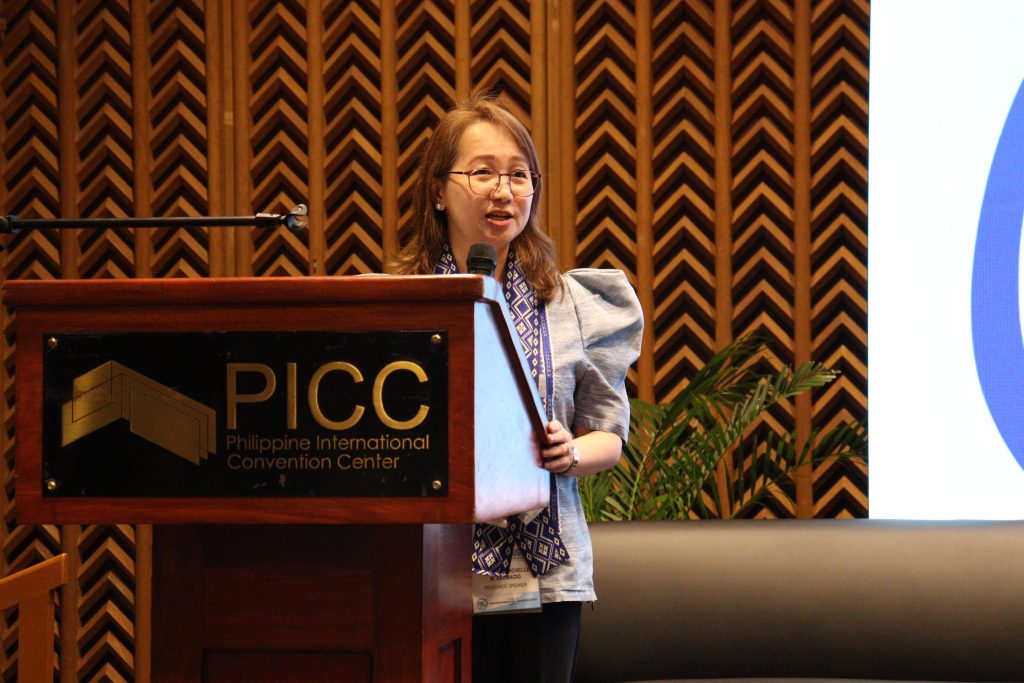
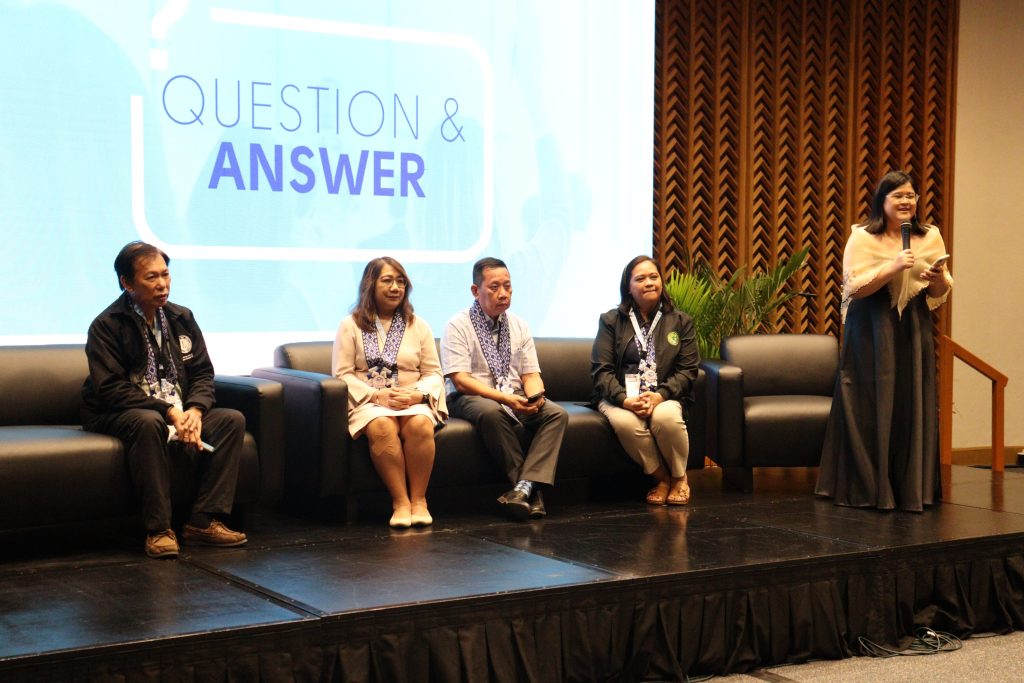
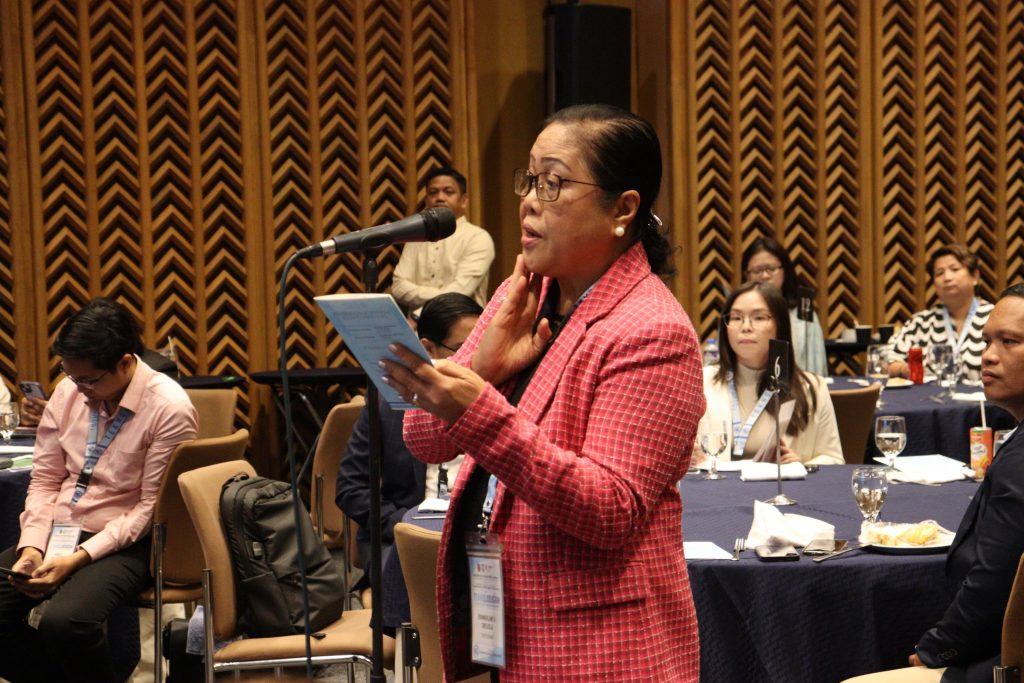
TTBDO Director Lourdes Marie Tejero provides answers to fielded questions during the TeknoLusugan 2024 Q&A Portion.
“TeknoLusugan is a celebration of the innovations from the University of the Philippines Manila.”
Prof. Lourdes Marie Tejero
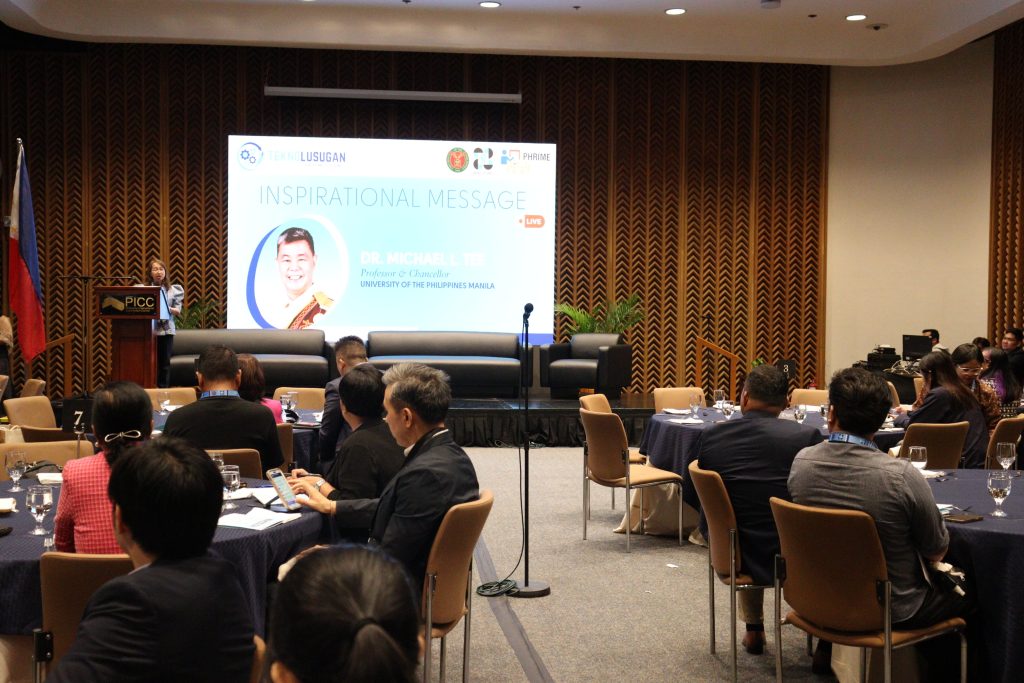
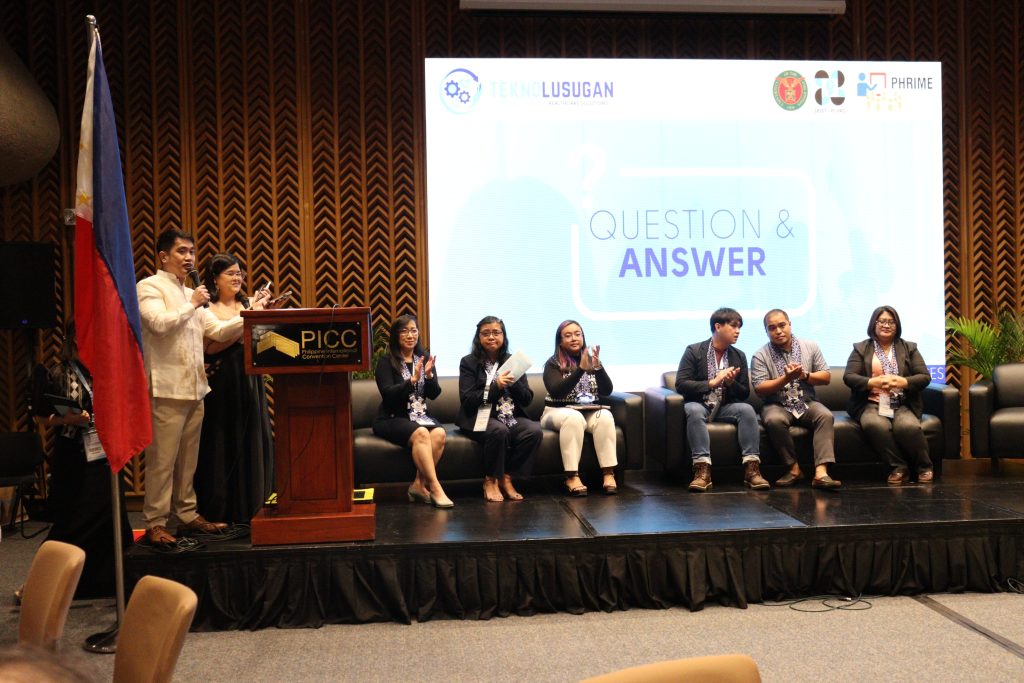
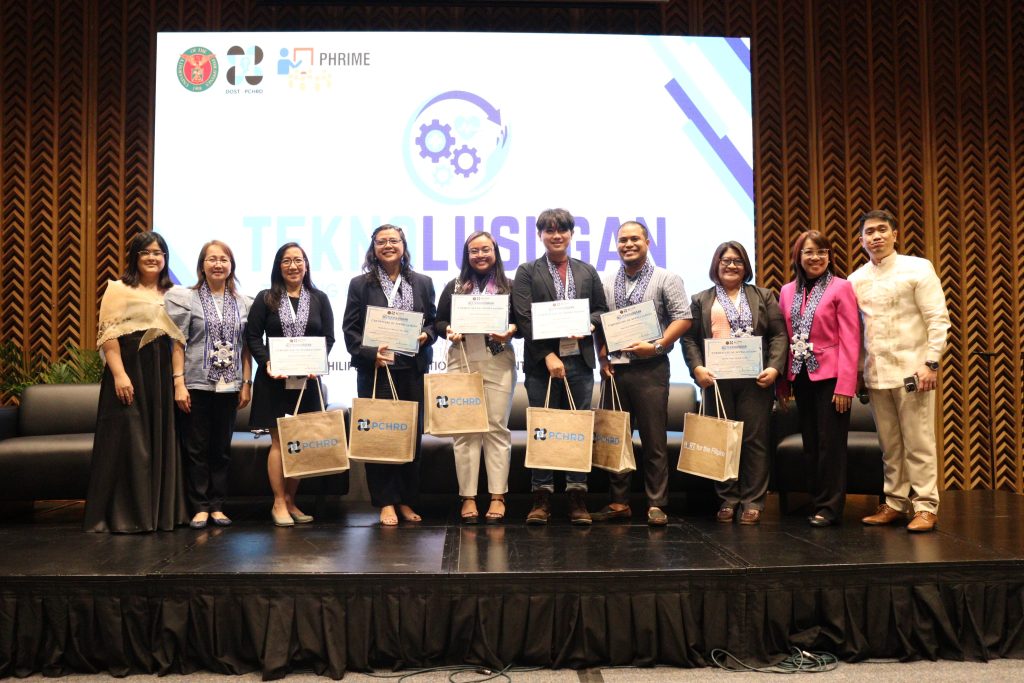
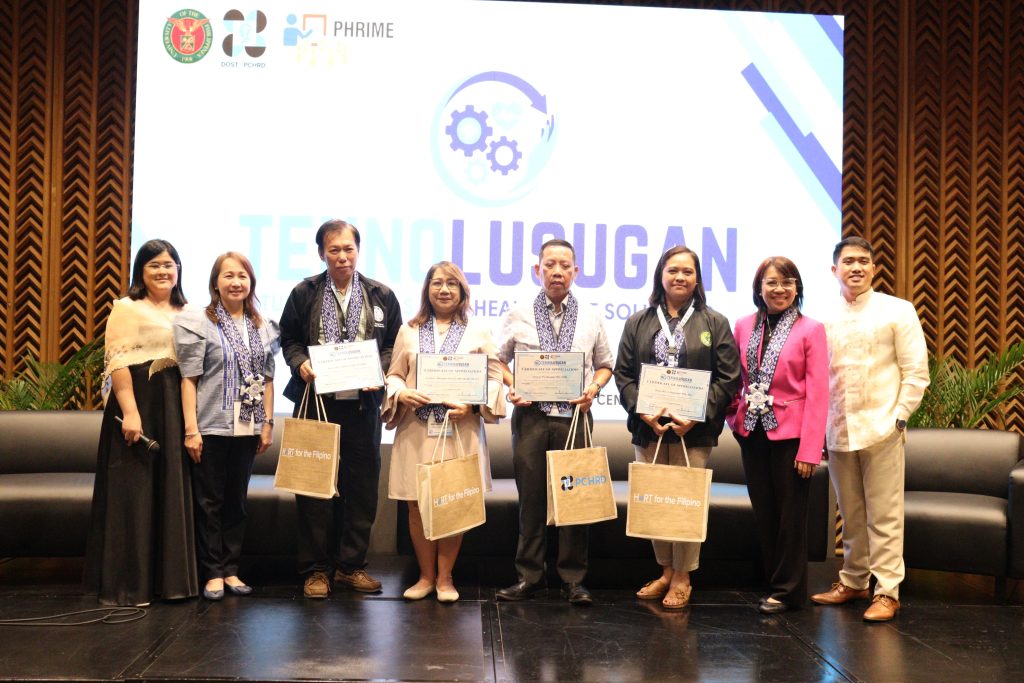
Showcasing the University of the Philippines Manila’s (UP Manila) innovations and fostering new partnerships and collaboration aimed at advancing health technologies, the sixth annual TeknoLusugan event was held at the Philippine International Convention Center (PICC) in Pasay City on June 27, 2024.
This year’s event, themed “Turning Ideas into Healthcare Solutions,” was organized by the UP Manila Technology Transfer and Business Development Office (TTBDO) in collaboration with the Department of Science and Technology – Philippine Council for Health Research and Development (DOST-PCHRD) as a Philippine Health Research Innovations Matching Event (PHRIME), aimed at fostering industry partnerships with Filipino health innovators.
“Thanks to the expertise of the UP Manila faculty, researchers, and administrators, we have made significant strides in developing health technologies to improve Filipino health,” TTBDO Director Lourdes Marie Tejero said, highlighting UP Manila’s portfolio, which includes over a hundred IP disclosures and fifty-seven patent applications.
UP Manila Chancellor Michael L. Tee emphasized UP Manila’s role in achieving social good for the Filipino, stating, “It has been and will always be the duty of UP Manila to contribute to social good through research and development as well as the provision of human resources for health.” He highlighted the AGILE (Academic Government Industry Leadership and Engagement) platform, which links UP Manila with various agencies and organizations to achieve health goals.
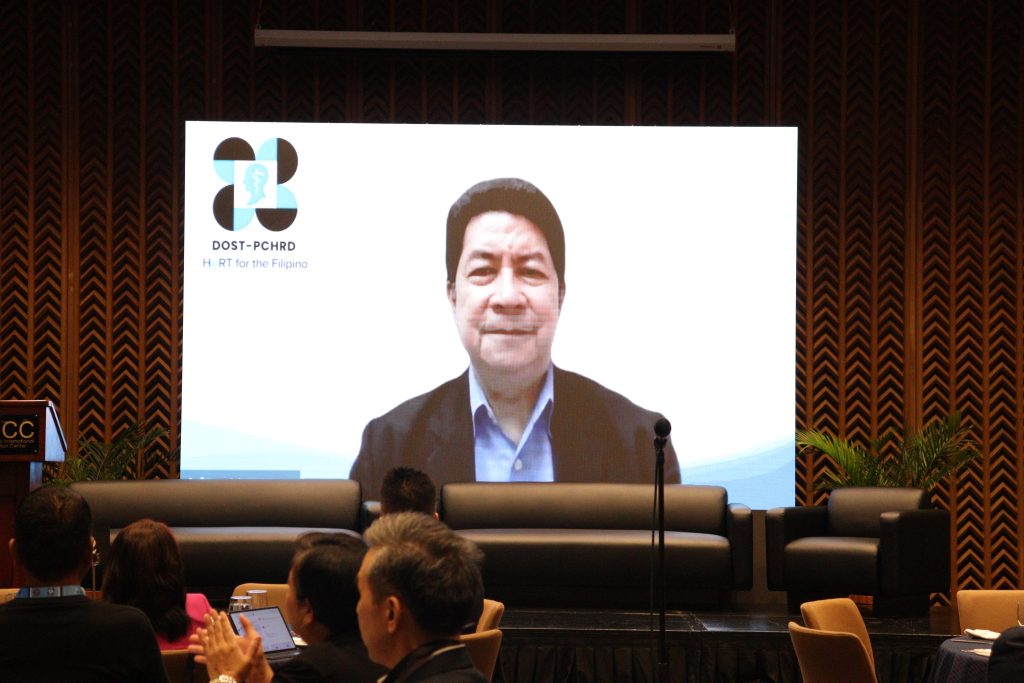
“Groundbreaking research is the foundation, but we need to act on it to ensure that research outputs are communicated to and utilized by the Filipino people,” said Dr. Jaime Montoya, Executive Director of PCHRD highlighting the importance of networking and partnership in transforming ideas into healthcare solutions. “When your innovations reach the market, they generate income, create local and international jobs, and fuel the economy. By creating meaningful connections to the technology transfer stakeholders, we can unlock the full potential of health technologies, contributing to the achievement of a healthcare future for all.”
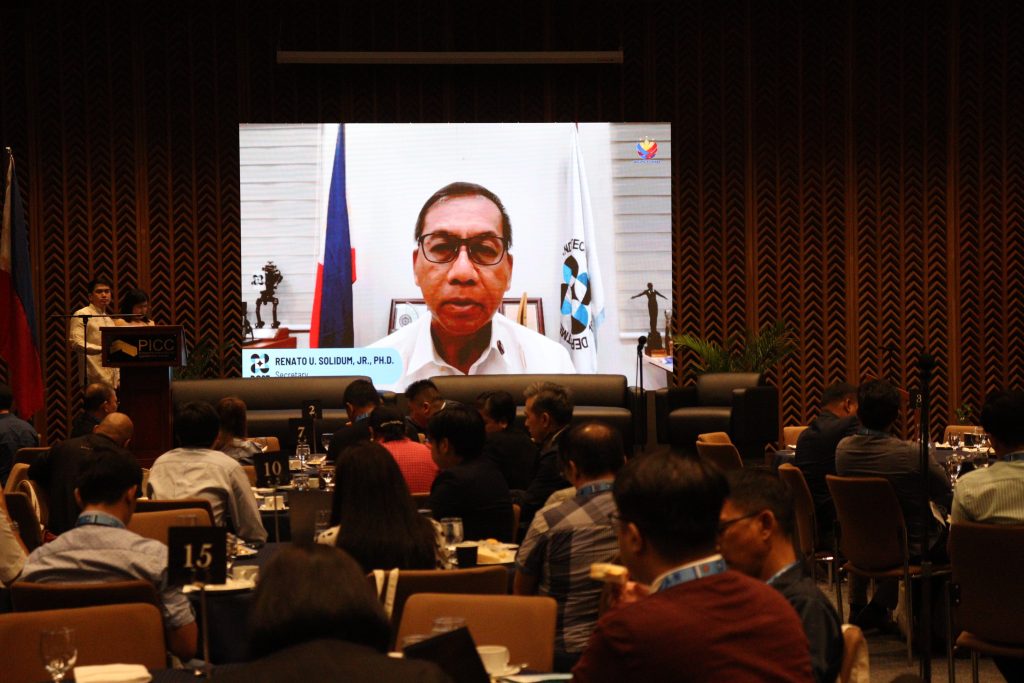
DOST Secretary Renato U. Solidum delivered his message, stating that “The healthcare solutions we seek are within our grasp if we dare to turn our ideas into reality, to innovate, and to act with compassion.” He touted the Department’s commitment to advancing science, technology, and innovation through twelve DOST-assisted projects initiated by UP Manila, with a total allocation of 186 million pesos.
UP Manila Health Technologies: Breakthrough Innovations
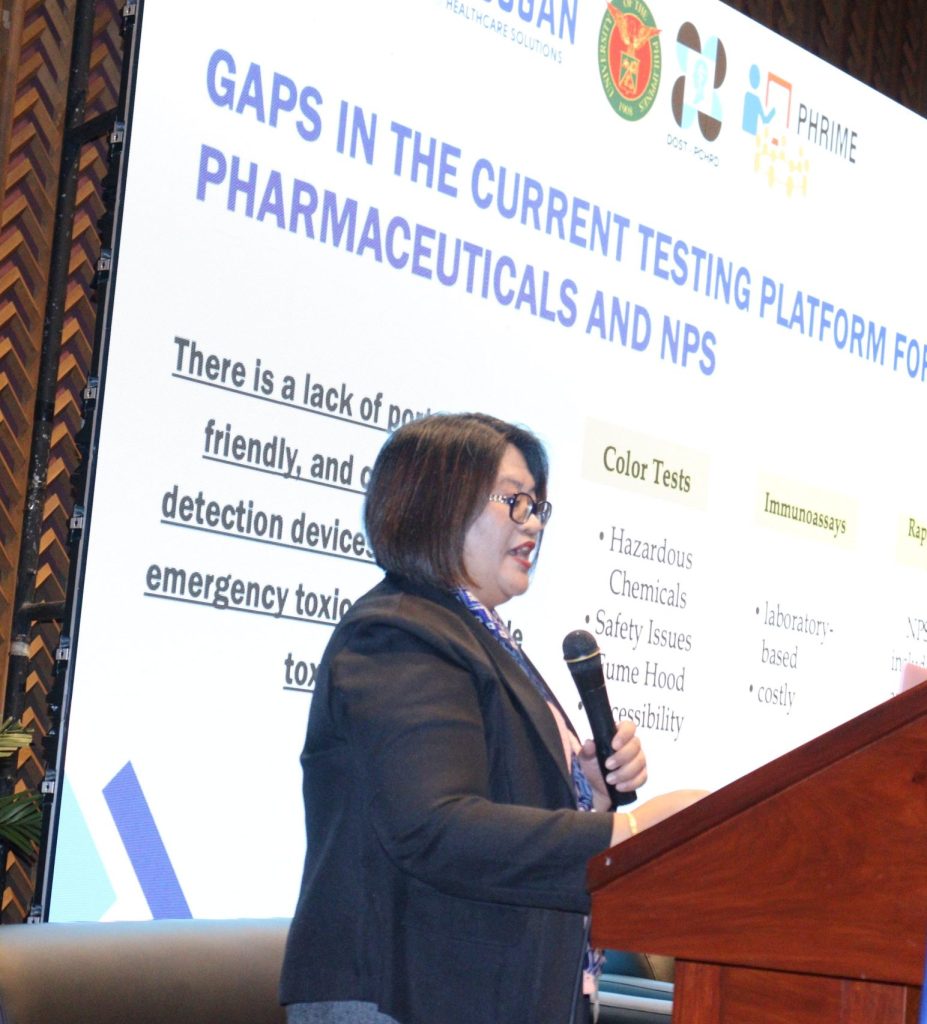
ETox: POCT Device for New Psychoactive Substances and Pharmaceuticals. Dr. Ailyn M. Yabes from UP Manila’s Department of Pharmacology and Toxicology introduced ETox, a portable, user-friendly, and cost-effective Point-of-Care Testing (POCT) device for early detection of poisoning. “ETox detects common pharmaceuticals like paracetamol, salicylates, and isoniazid, as well as seven new psychoactive substances identified through local studies,” she explained.
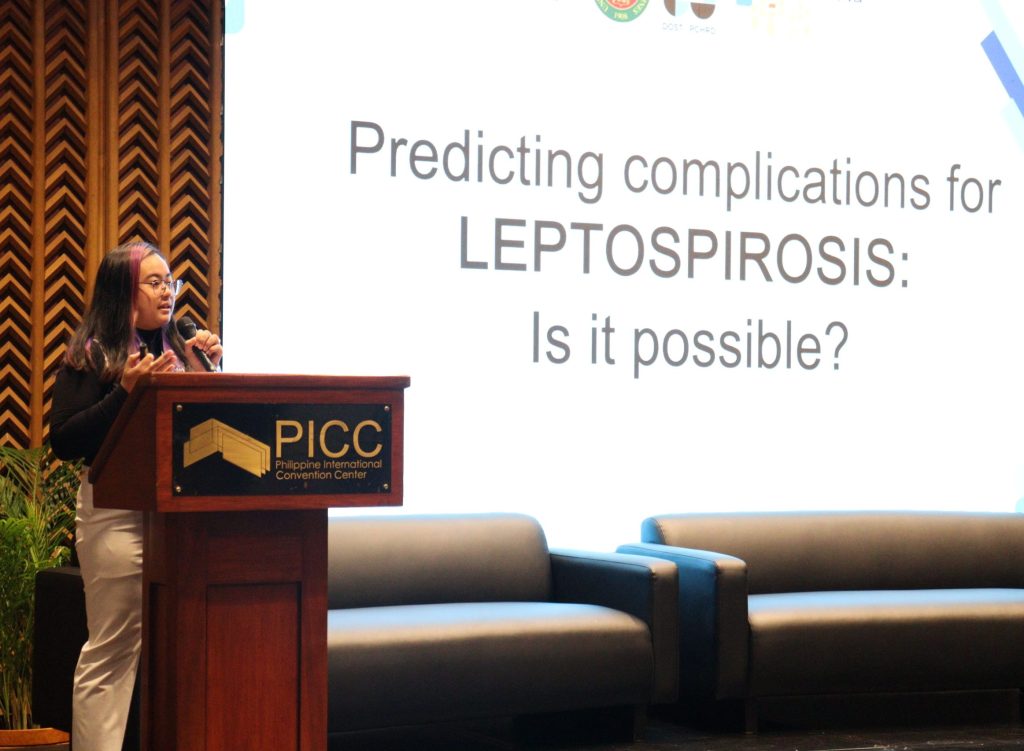
CFI & DEFA 1 as Leptospirosis Prognosticator. Jana Victoria San Pedro from UP Manila’s Institute of Human Genetics presented CFI & DEFA 1, a tool for predicting leptospirosis complications. “This test offers a proactive approach to identify risks early and intervene promptly,” San Pedro said. Supported by the DOST, this tool aims to reduce healthcare costs and improve patient outcomes.
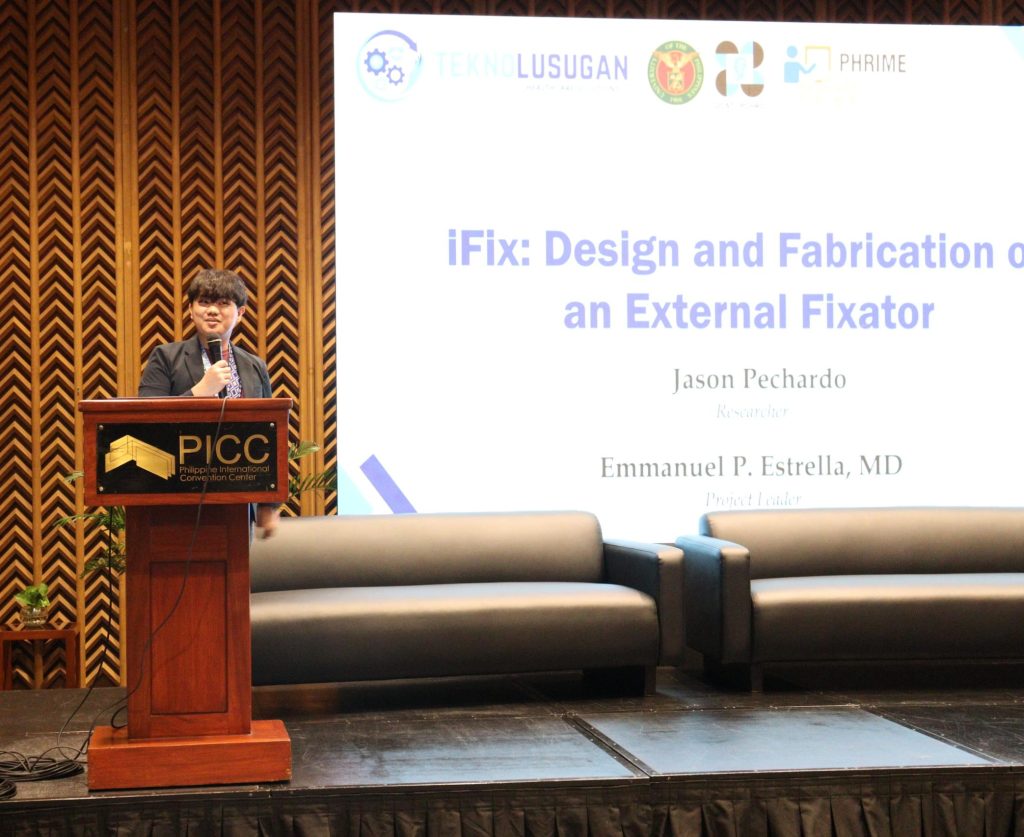
iFIX: External Fixation & Implant. Jason Pechardo, Senior Engineering Consultant at UP Manila, introduced iFIX, an innovative external fixation and implant device. “Our goal with iFIX is to offer a solution that combines affordability with superior performance, tailored specifically for Filipino healthcare needs,” Pechardo stated. The device’s streamlined structure simplifies the fixation process and ensures robust mechanical performance.
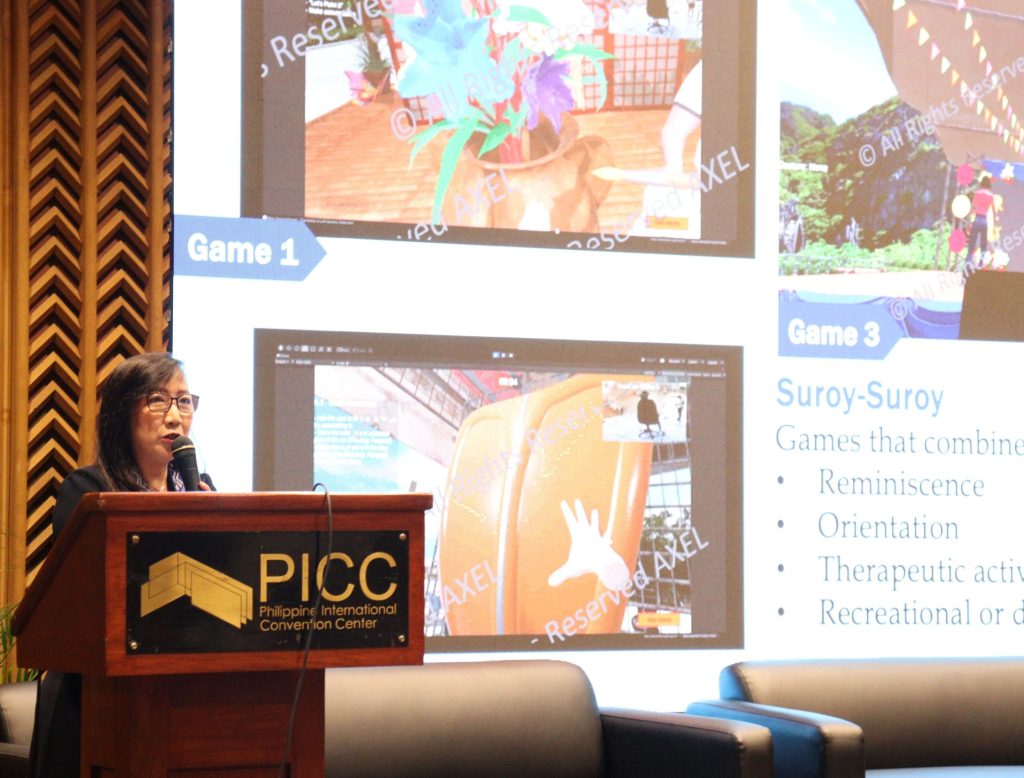
Axel Virtual Care: Immersive Gamification for Disabilities. Prof. Maria Eliza R. Aguila from UP Manila’s College of Allied Medical Professions introduced Axel Virtual Care, a gamification system for individuals with cognitive and motor disabilities. “Axel Virtual Care is set to revolutionize how we approach rehabilitation, making it effective and enjoyable for patients,” emphasized Professor Aguila. The system includes virtual reality mini-games tailored to individual needs.
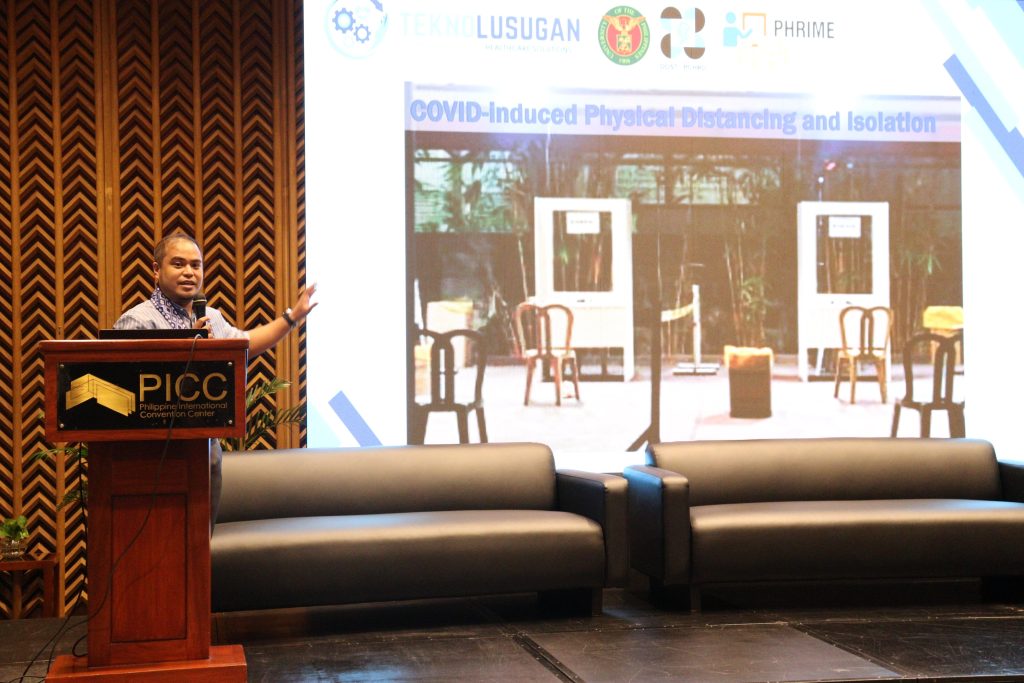
MyBeshie: Telepresence Robot. Engr. Ruel Mark Cadubla from UP Manila’s Surgical Innovation and Biotechnology Laboratory presented MyBeshie, a telepresence robot designed to revolutionize doctor-patient interactions in isolated environments. “MyBeshie bridges the gap between healthcare providers and patients while ensuring safety and minimizing the use of personal protective equipment,” said Engr. Cadubla.
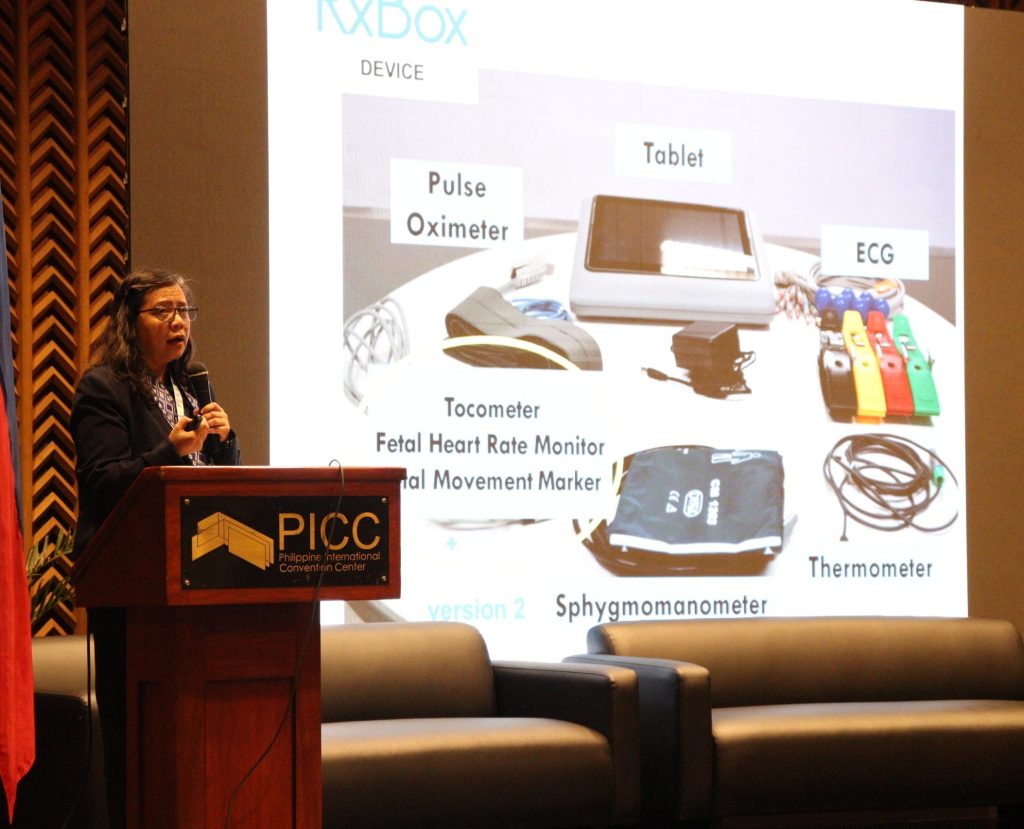
RxBox Telemedicine Device. Prof. Portia Grace F. Marcelo from UP Manila’s College of Medicine highlighted the RxBox telemedicine device. “The RxBox monitors vital signs like blood pressure, temperature, oxygen levels, and fetal heart rate,” Marcelo explained. During the COVID-19 pandemic, RxBox supported over 8,000 patients and numerous pregnancies in remote communities.
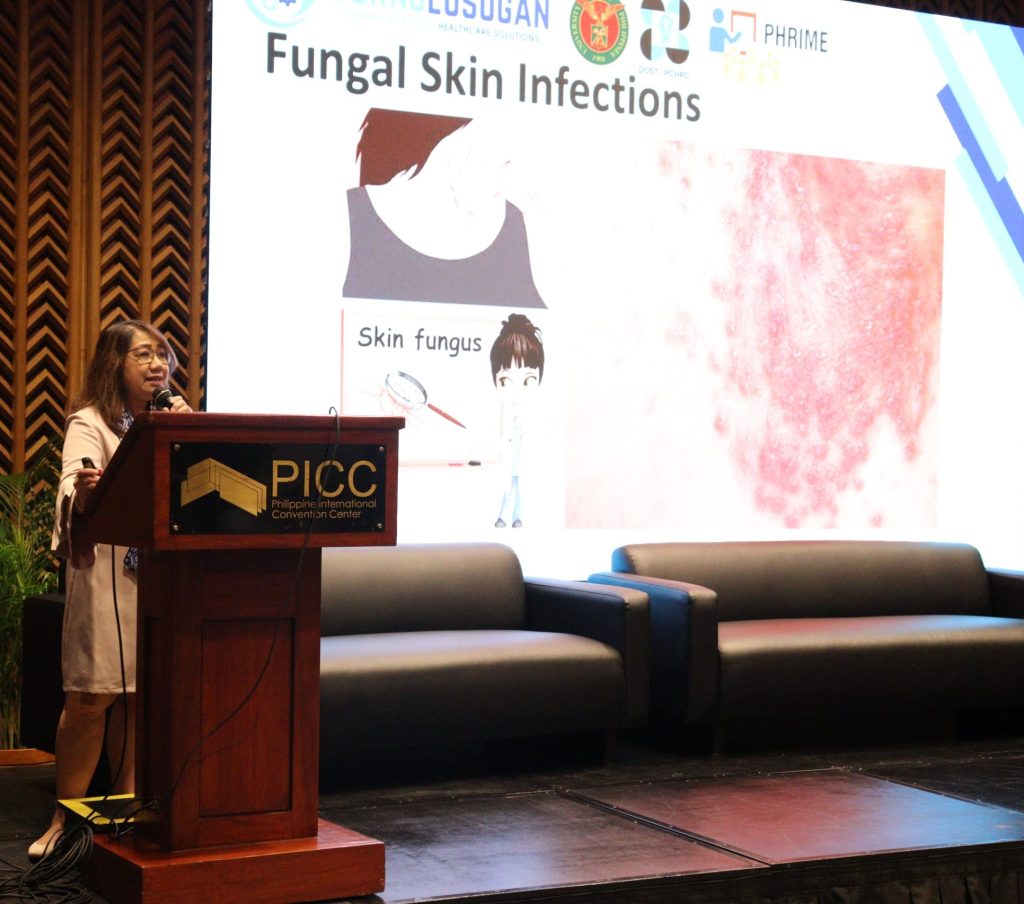
Akapulko Lotion for Fungal Skin Infection. Dr. Cecilia C. Maramba-Lazarte from the Institute of Herbal Medicine (IHM) introduced Akapulko Lotion, derived from the traditional medicinal plant Akapulko. “Akapulko extracts contain compounds like chrysophanol and aloe emodin, which disrupt fungal cell membranes,” explained Dr. Maramba-Lazarte. This lotion offers a natural alternative to synthetic antifungal drugs.
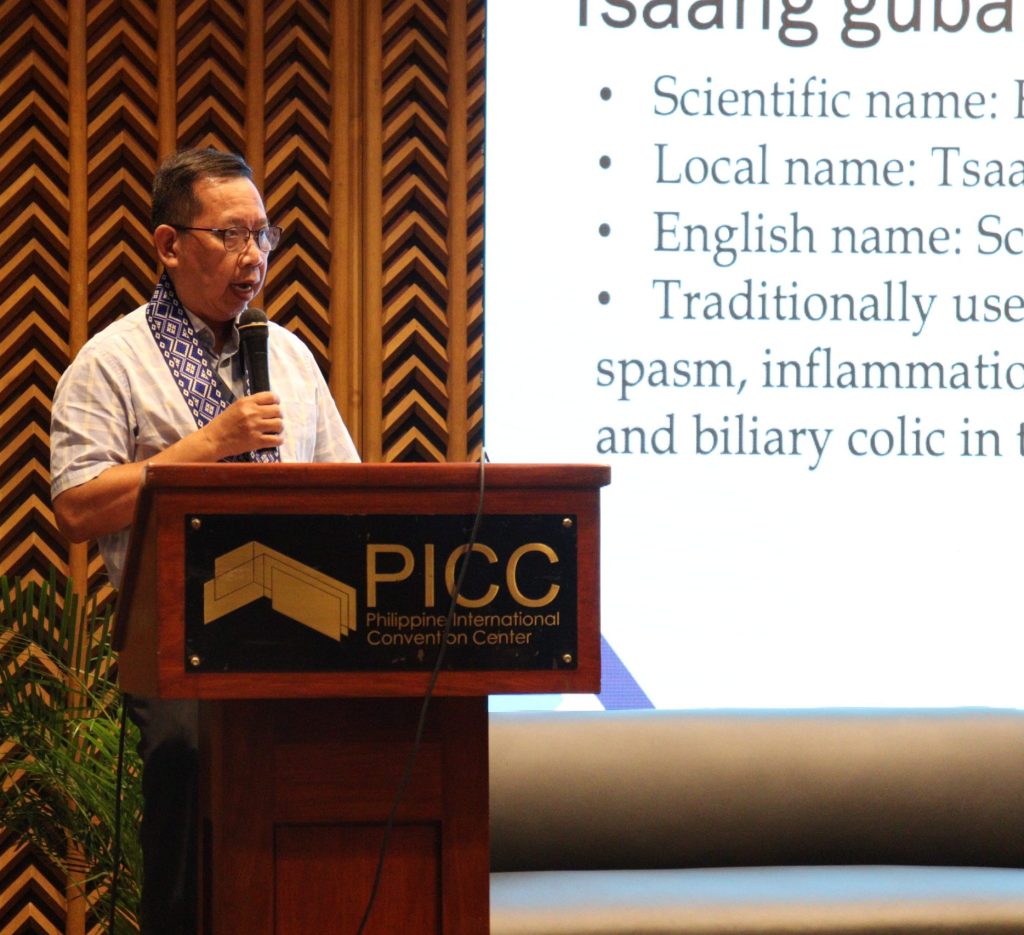
Tsaang Gubat Tablet & Syrup. Dr. Jaime C. Purificacion from IHM introduced Tsaang Gubat Tablet and Syrup. “Clinical trials showed Tsaang Gubat provides comparable symptomatic improvement to dicycloverine syrup among pediatric patients with mild to moderate gastrointestinal and biliary colic,” said Dr. Purificacion.
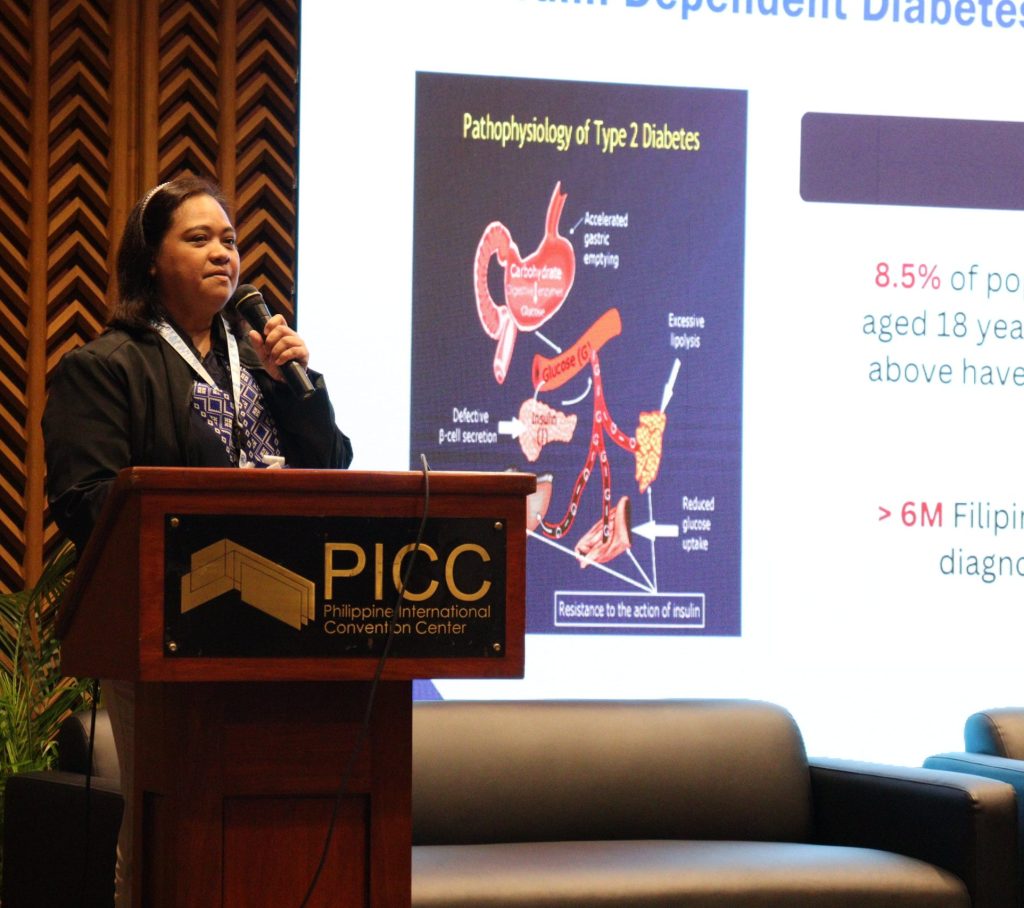
Ampalaya Tablet for Type 2 Diabetes Daisy-Mae A. Bagaoisan of the IHM presented the Ampalaya Tablet for Type 2 diabetes. “Ampalaya has over 220 compounds, including alkaloids and momordicosides, which lower blood sugar levels,” explained Bagaoisan. The tablet, formulated at 500 milligrams, significantly reduces blood sugar.
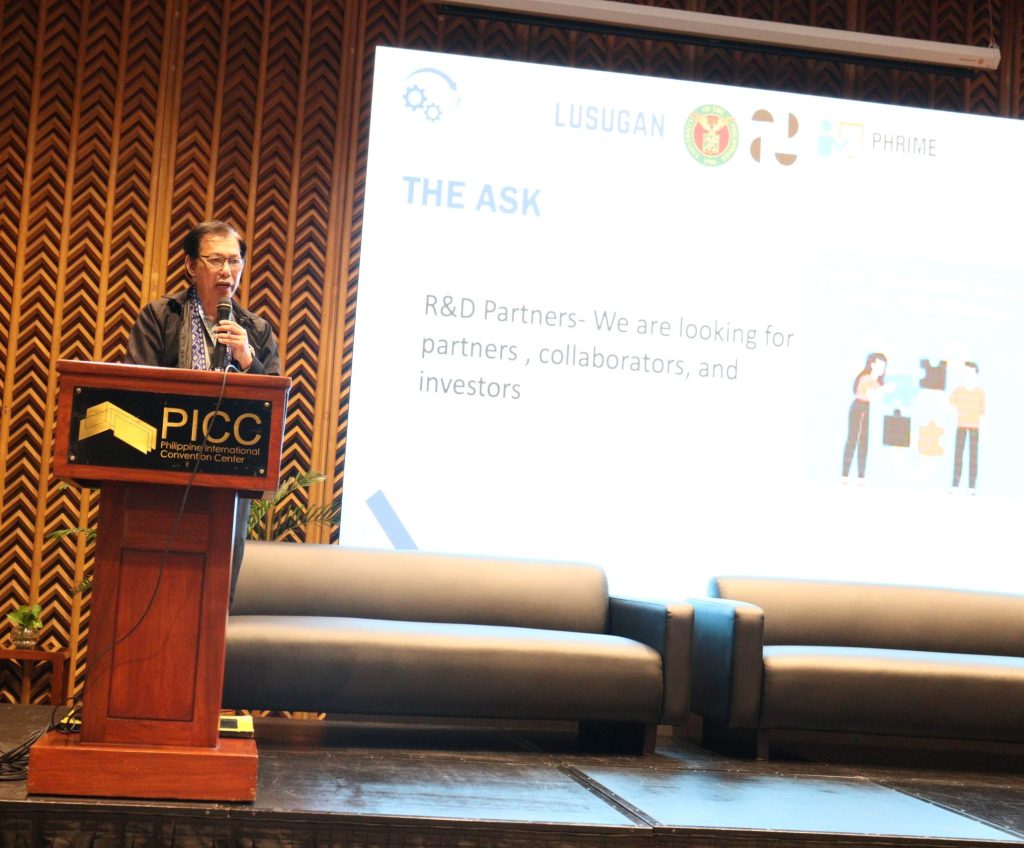
Tuklas Lunas Anti-Diabetes Tablet. Associate Professor Bienvenido S. Balotro from the College of Pharmacy introduced the Tuklas Lunas anti-diabetes tablet. “These standardized herbal extracts inhibit the alpha-glucosidase enzyme, delaying carbohydrate digestion and reducing glucose absorption rates,” Balotro explained. This tablet represents a promising natural supplement for diabetes management.
Pitches and Projects
The event also featured reverse pitching sessions involving government and industry partners. Ms. Pierre Sonia S. Dela Corte, Supervising Science Research Specialist at DOST TAPI’s Investment and Business Operations Division, presented the Technology Innovation for Commercialization Technical Program. This initiative offers financial and technical support to refine technologies for market readiness.
Antonilo DC. Mauricio, General Manager of the National Development Company (NDC), presented NDC’s plans and projects aimed at advancing economic development and innovation in the Philippines. He emphasized NDC’s efforts in the health tech sector, including collaborations for medical technology and pharmaceutical capabilities. “Our groundbreaking for the vaccine manufacturing plant in Batangas marks a historic milestone for the Philippines,” highlighting its potential to enhance national health security and reduce dependency on foreign vaccine supplies.
Dr. Irene V. Florentino Fariñas, Director III of the Philippine Food and Drug Administration, outlined the agency’s initiatives to enhance regulatory capabilities and promote health research. She underscored collaboration with public and private entities to advance research agendas aligned with national health priorities.
During the industry pitch, Dr. Luis Ramon V. Rodriguez, President of the Medical Device Association of the Philippines, stressed the importance of innovation and regulatory support in the medical device industry. “Improving patient care and reducing medical errors are critical,” highlighting efforts to foster partnerships for high-quality medical devices.
Dr. Diana M. Edralin, General Manager of Roche Philippines and President of the Pharmaceutical and Healthcare Association of the Philippines (PHAP), underscored the pharmaceutical industry’s role in advancing healthcare through innovation. She emphasized the use of advanced technologies such as artificial intelligence to enhance healthcare delivery and patient experience.
Dr. Jaemin Park, Managing Director of Heal Venture Lab, stressed innovation and collaboration in the biotech sector across Southeast Asia. He introduced “Philippine Medical Innovation 2.0,” aiming to rejuvenate local innovation ecosystems through enhanced collaboration and investment. Dr. Park highlighted opportunities for the Philippines in hosting early-stage clinical trials and pre-clinical studies, leveraging lower costs and high patient diversity.
Vice Chancellor for Research Leslie M. Dalmacio delivered the closing remarks. “The presentations from our government representatives have highlighted the robust initiatives in place to foster collaboration and bring health research outputs forward to communities, driving both economic and social development,” she stated. Dalmacio emphasized that the event’s innovations and partnerships have the potential to revolutionize healthcare, making it more accessible, effective, and equitable for all.#