
Text by: Charmaine A. Lingdas
Photos by Sarah Hazel Moces S. Pulumbarit
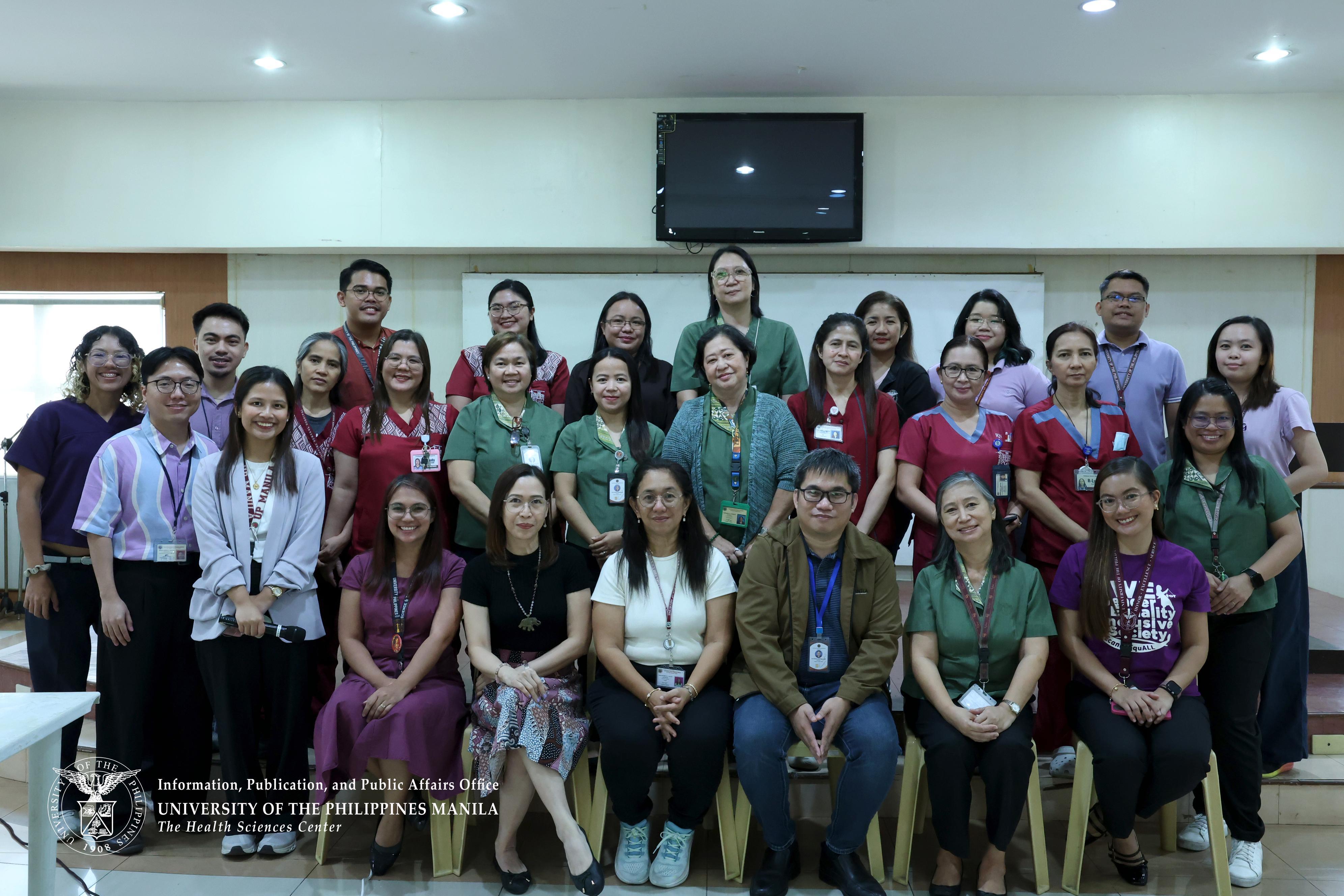
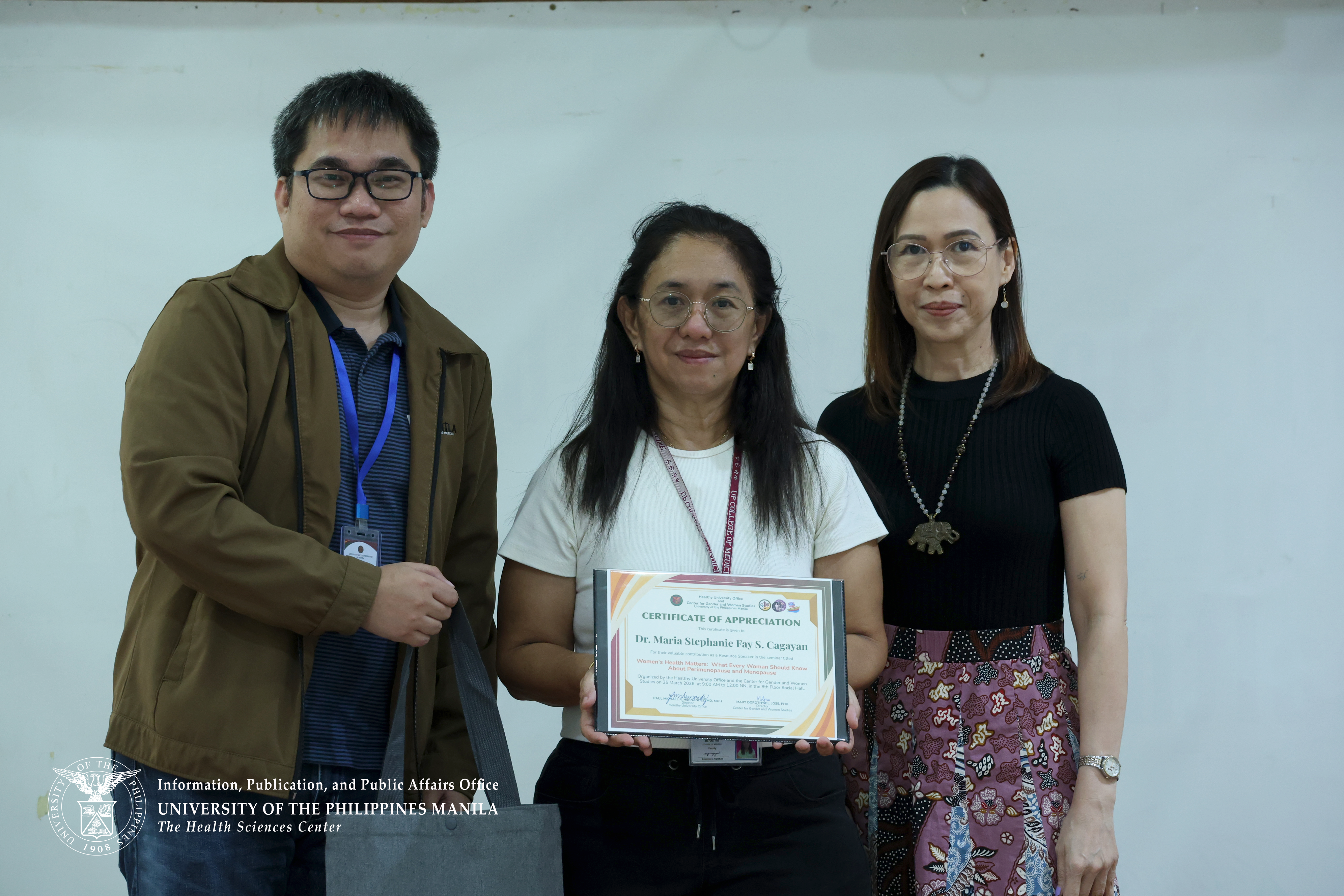
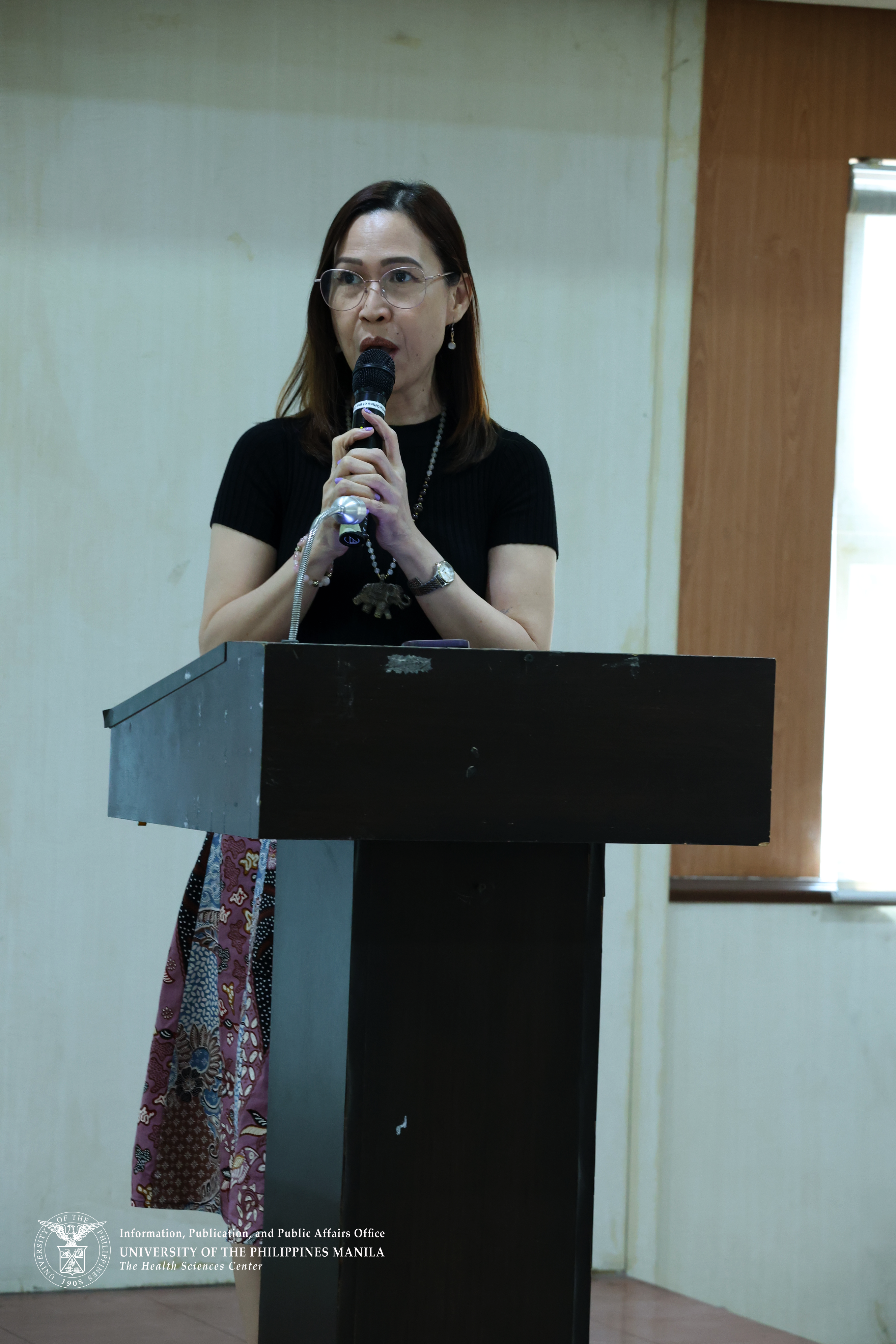
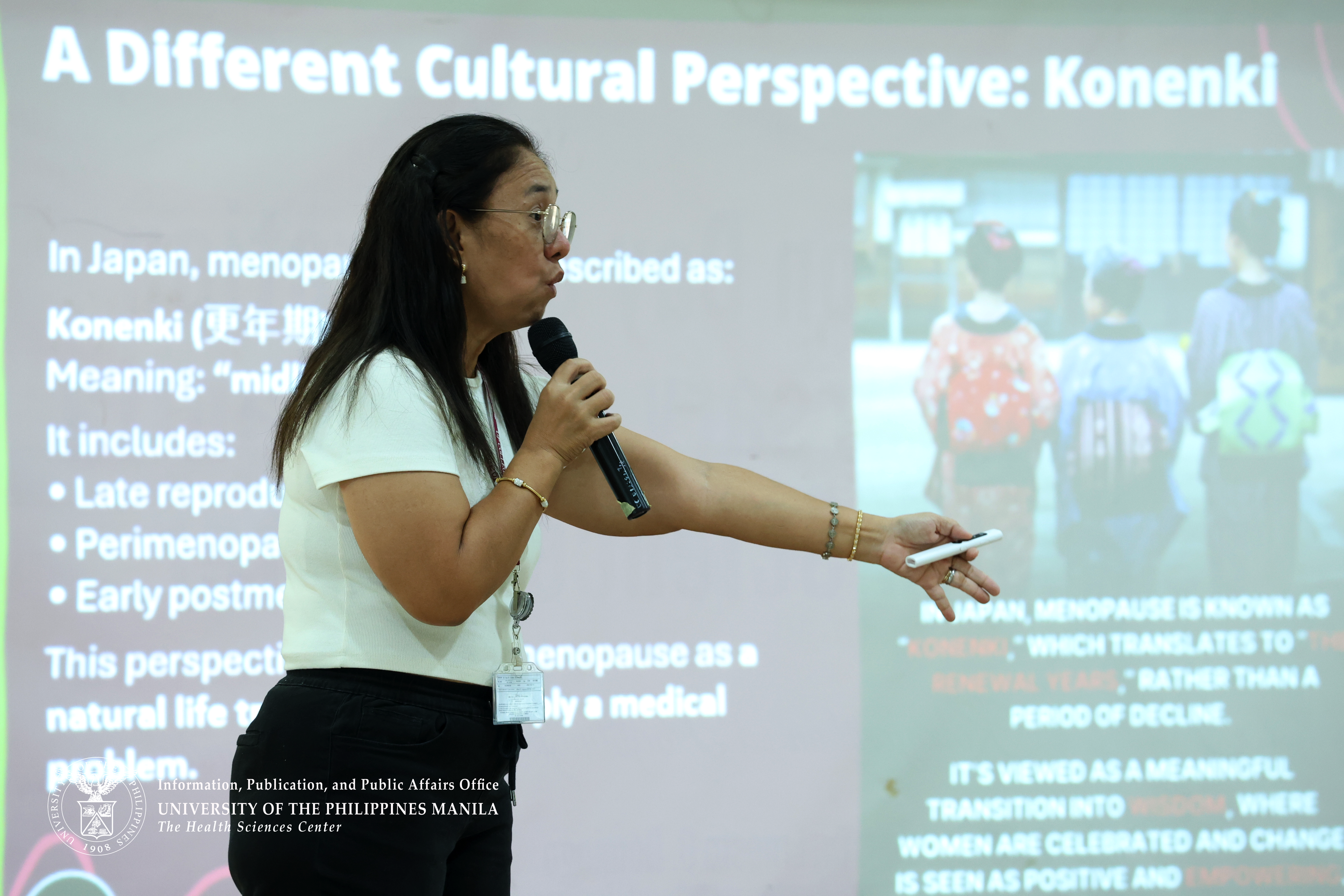
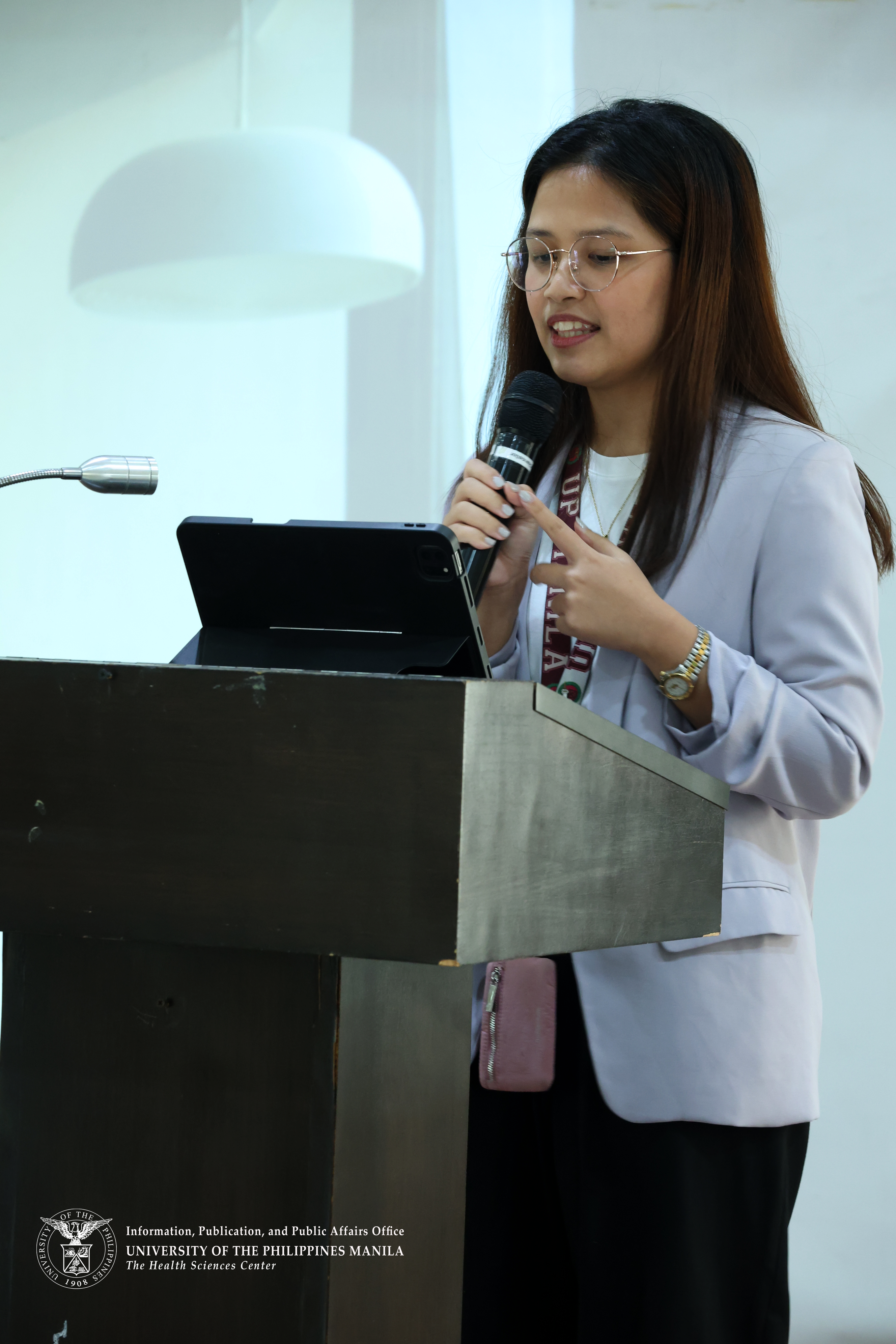
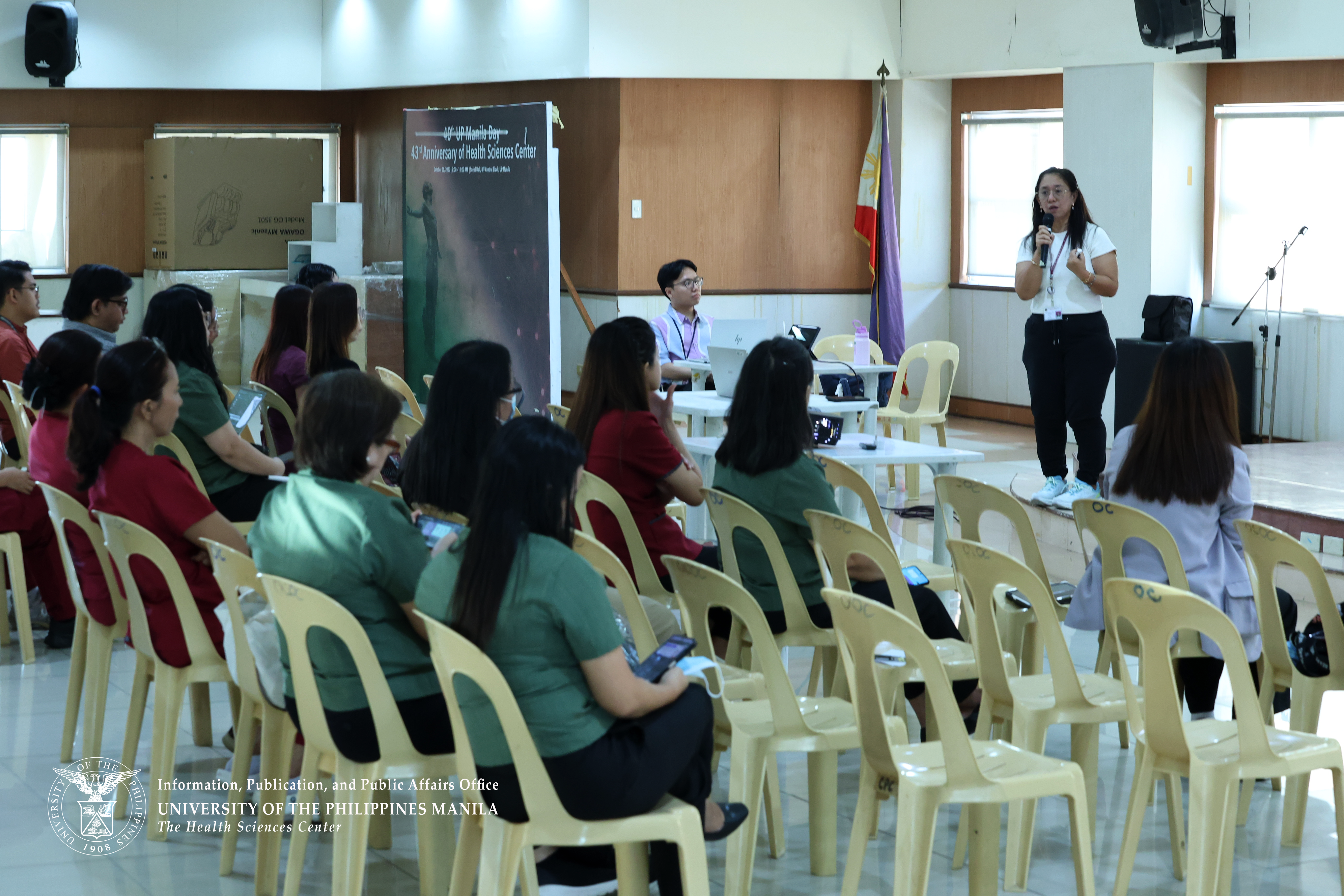
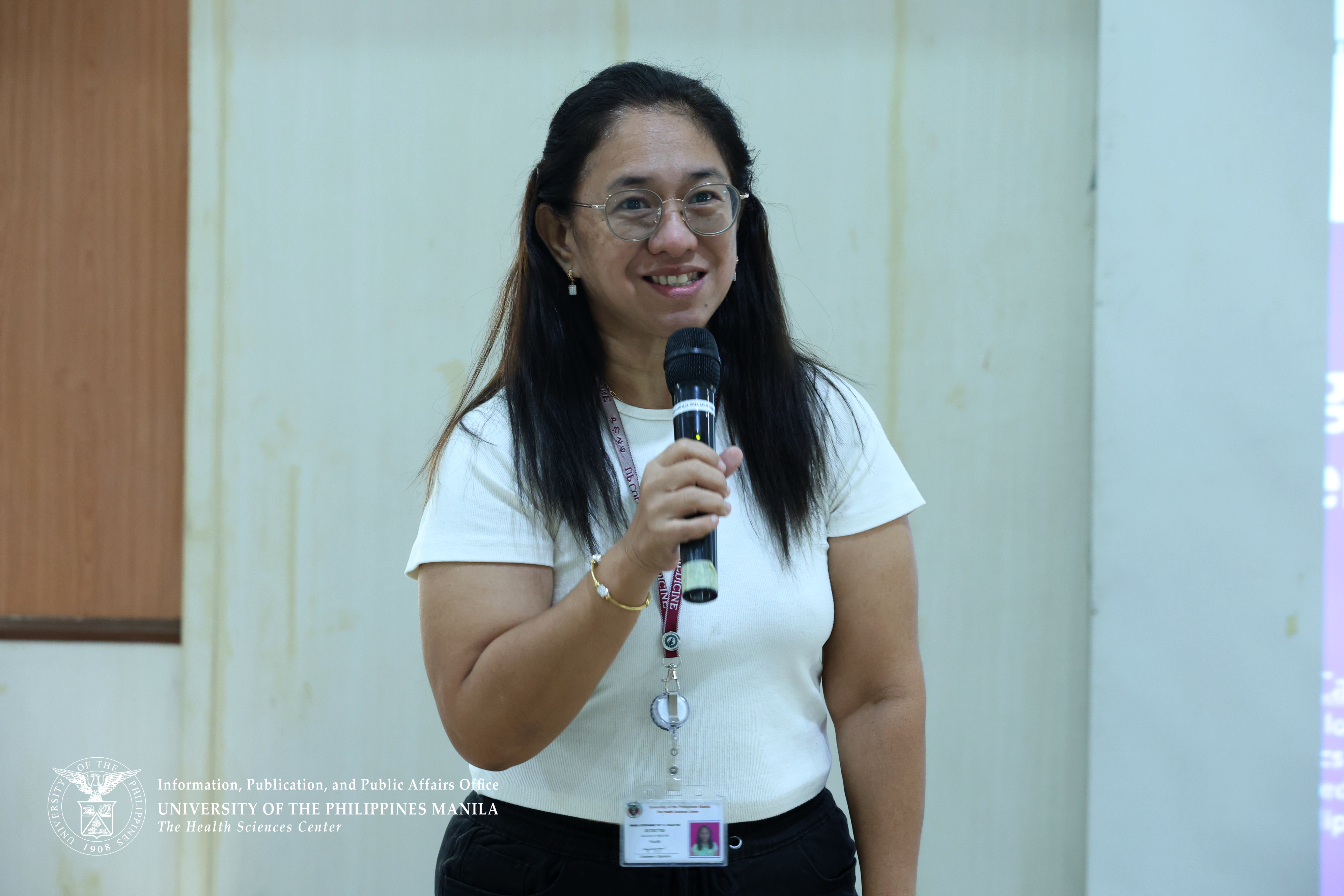
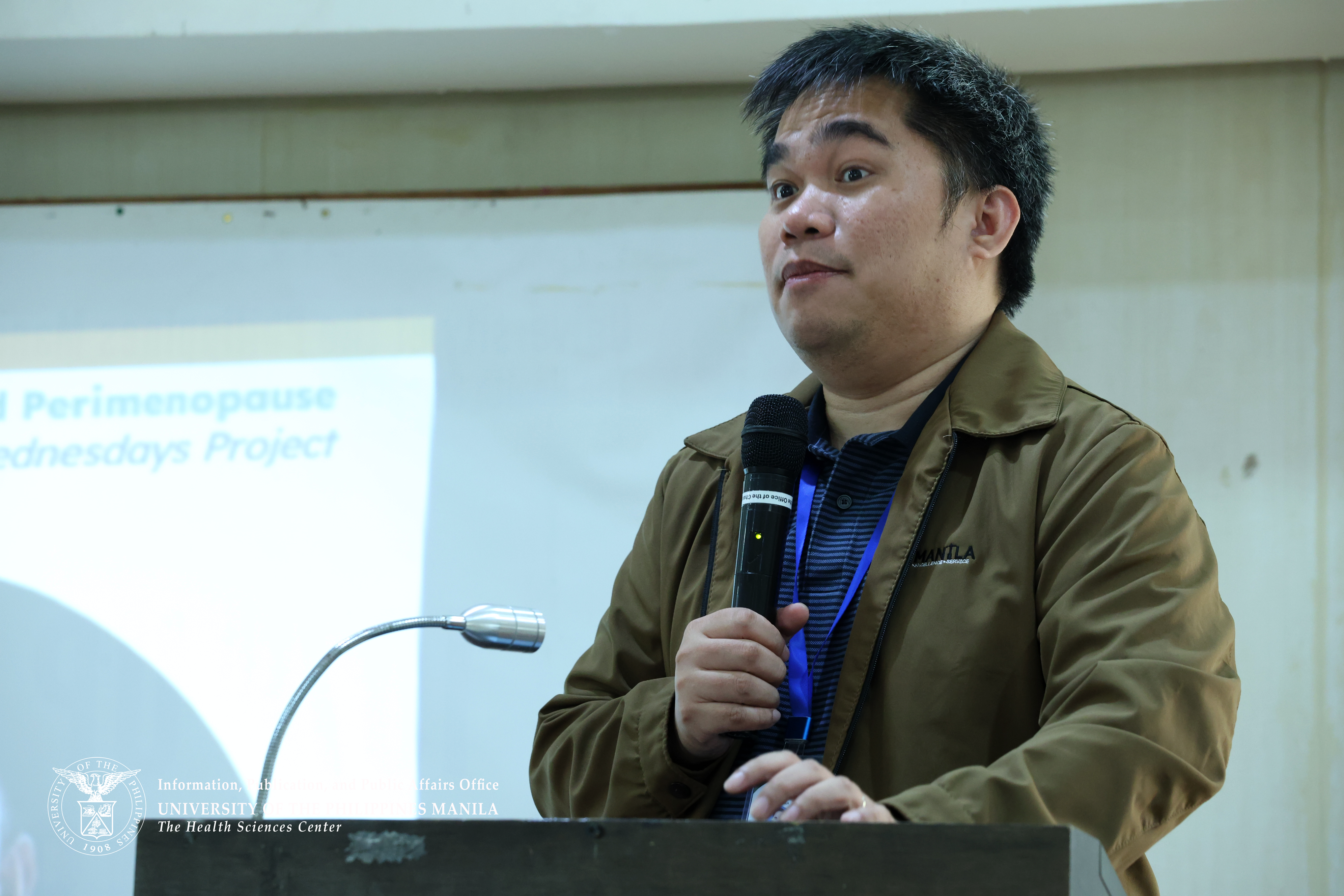
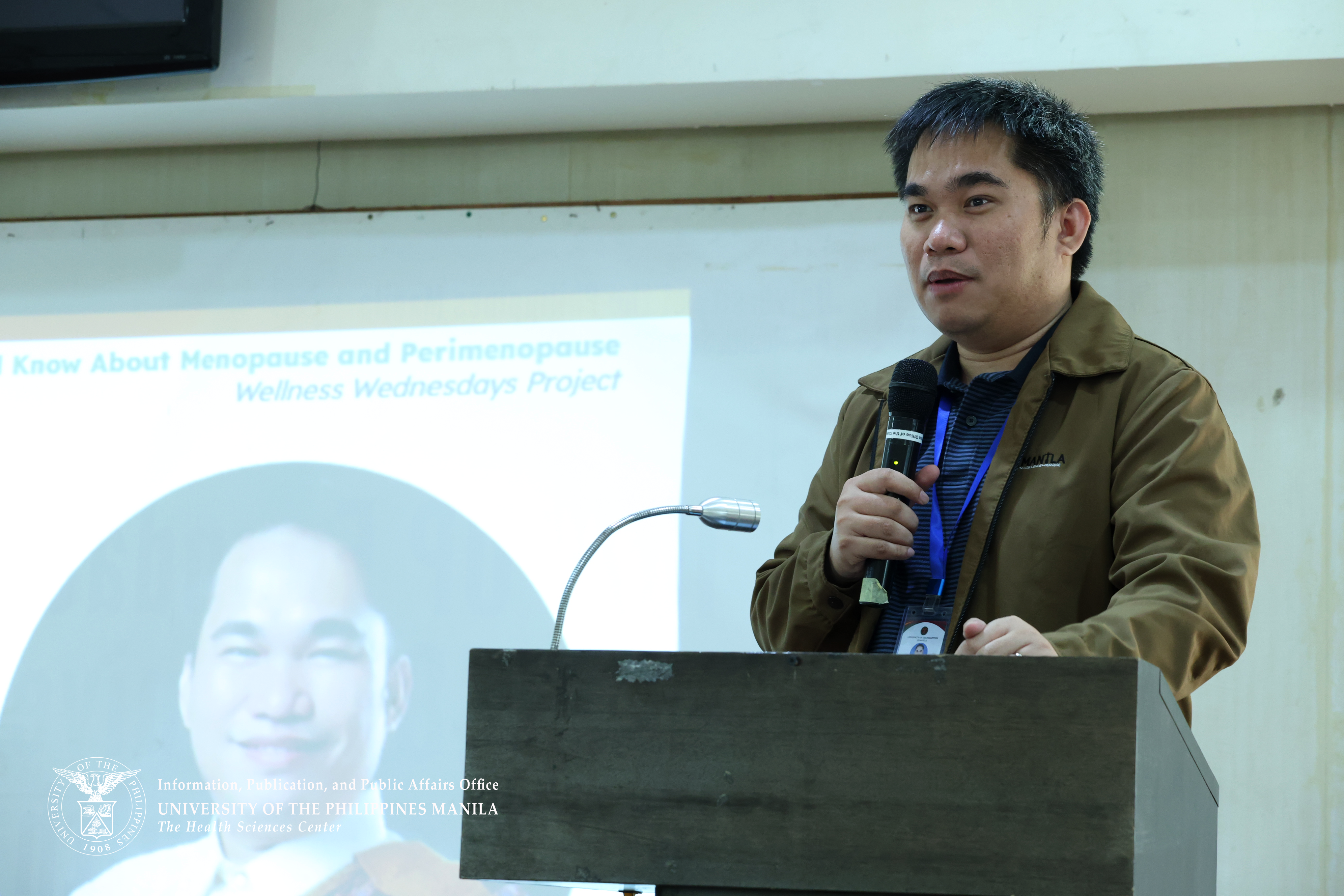
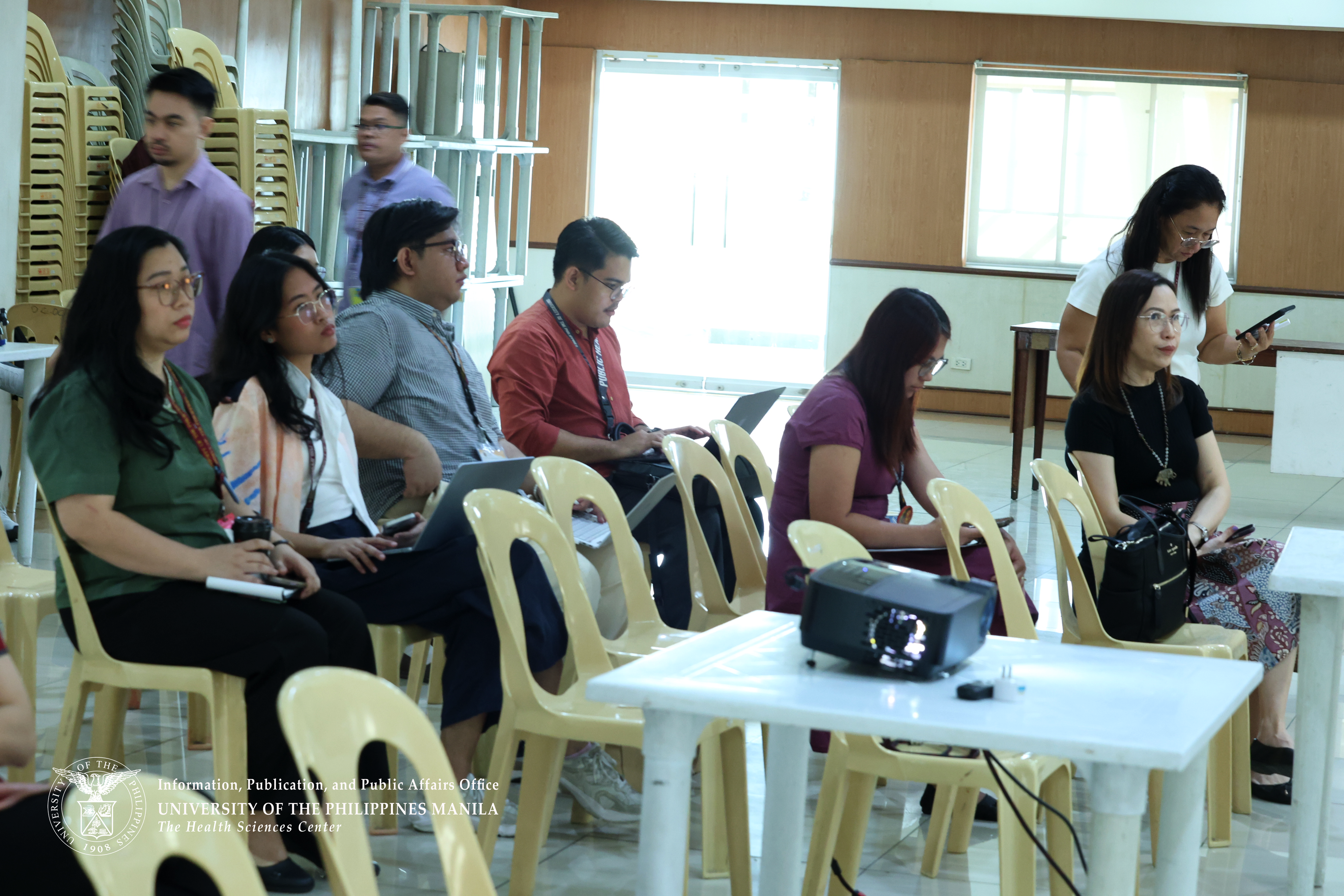
Menopause is not a disease but a natural life stage. One that calls not only for awareness among women, but for broader understanding across society, emphasized Dr. Maria Stephanie Cagayan during the Wellness Wednesdays Project session titled “Women’s Health Matters: What Every Woman Should Know About Perimenopause and Menopause,” held on March 25, 2026, at the UP Manila Social Hall and via Zoom. She added that the title would be more fittingly framed as “what everyone should understand,” underscoring the need to reframe menopause as a shared responsibility.
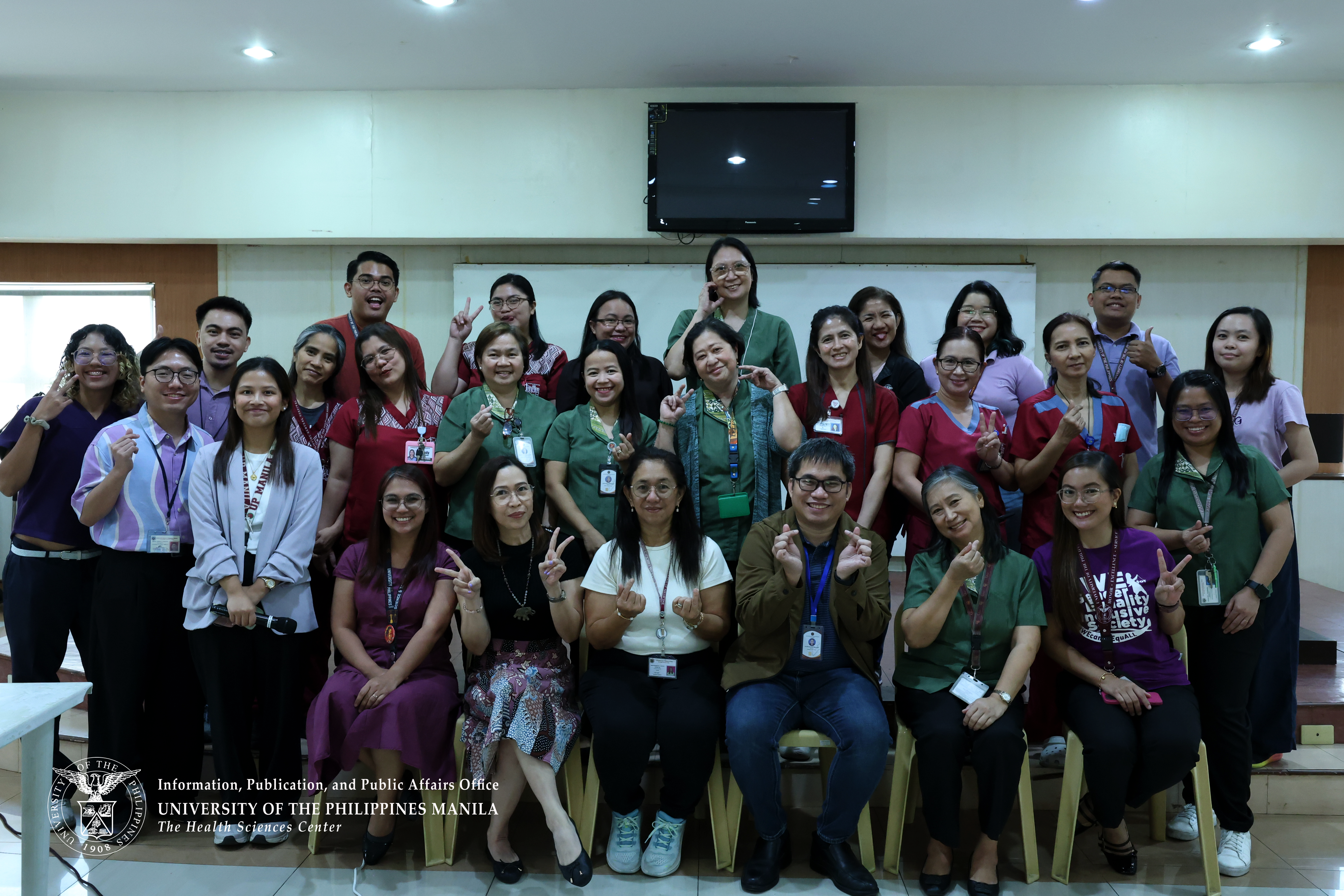
Organized in celebration of Women’s Month, the event aimed to open conversations on women’s health and promote awareness of perimenopause and menopause across all genders. It was spearheaded by the University of the Philippines Manila Healthy University Office (HUO) in partnership with the Center for Gender and Women’s Studies (CGWS).
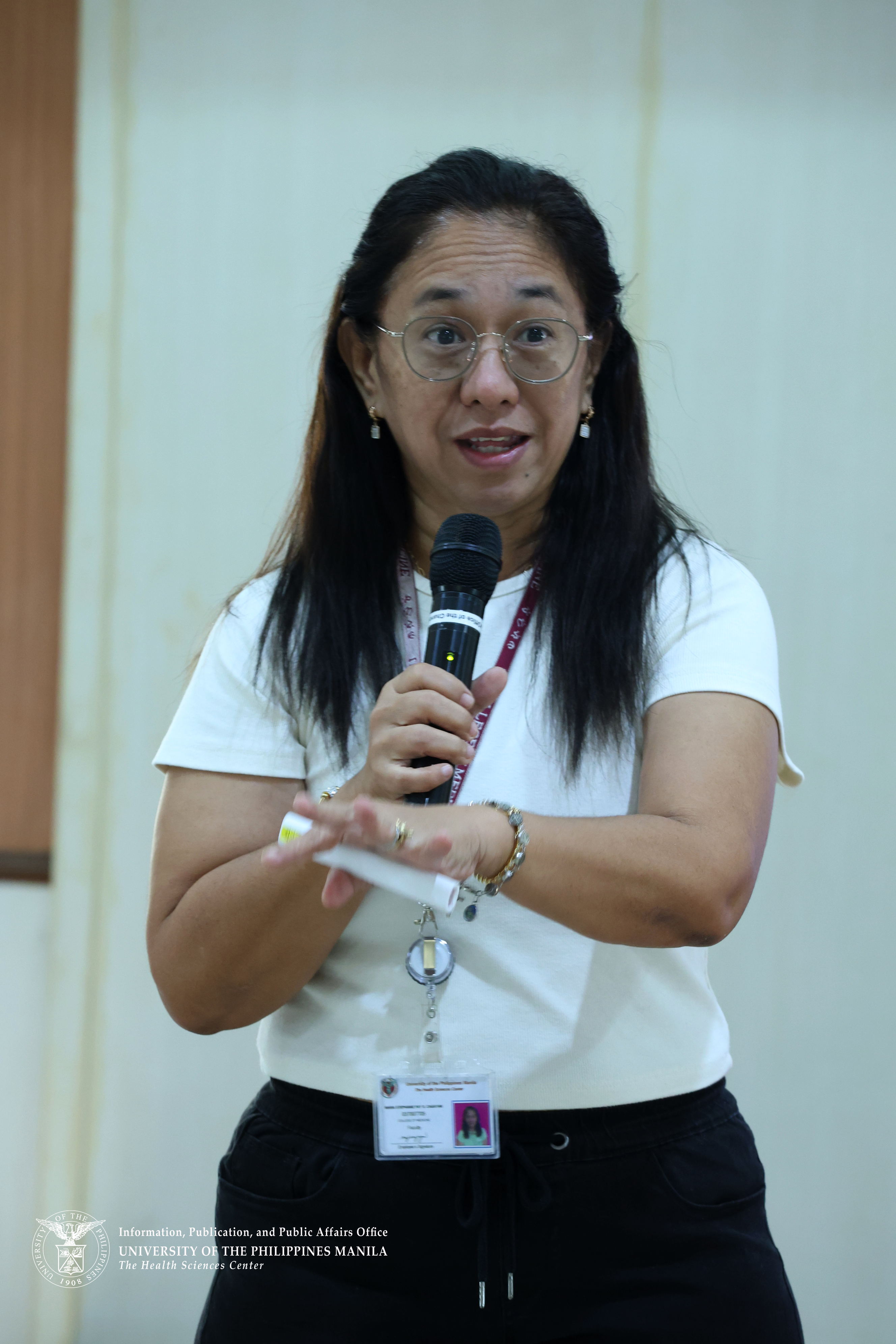
The session featured Dr. Cagayan, Professor and Vice Chair of the Department of Pharmacology and Toxicology at the University of the Philippines College of Medicine. She also serves as Vice Chief of the Division of Trophoblastic Diseases at the Department of Obstetrics and Gynecology of the Philippine General Hospital, and as Chair of the UPCM Curriculum Committee since 2024.
Menopause as a Natural Part of Aging
She explained that menopause is defined as the cessation of menses for one year and is a natural part of aging. Women, she said, go through various life stages—from infancy and childhood to puberty and the peak of reproductive years, followed by perimenopause, menopause, and eventually old age. While the global average age of menopause is 51, she noted that in the Philippines it is trending lower, at around 48 years old. This is considered natural or spontaneous menopause, although early menopause may occur before the age of 45.
Understanding the Menopause Stages and Its Symptoms
Dr. Cagayan described perimenopause as the period preceding menopause, typically occurring five to seven years before its onset. During this stage, hormone levels decline and fluctuate, leading to irregular menstruation as ovarian function decreases and ovulation becomes inconsistent.
She further explained that menopause can bring symptoms such as hot flashes, headaches, weight gain, and loss of libido, as declining estrogen affects multiple body systems. She highlighted genitourinary syndrome of menopause, which may cause vaginal dryness, frequent urination, and discomfort—symptoms often mistaken for infections. Mood swings and sleep disturbances are also common.
In the postmenopausal stage, she added, risks for cardiovascular disease, stroke, dementia, and osteoporosis increase, making fall prevention and regular health monitoring essential.
Beyond the Physical: Emotional and Social Dimensions
Beyond clinical aspects, Dr. Cagayan emphasized the broader impact of menopause on women’s lives. “You really need to be able to deal not just with the physical, but also the emotional and psychological changes happening all around you,” she said, pointing to the interplay of emotional, social, and economic factors during this stage.
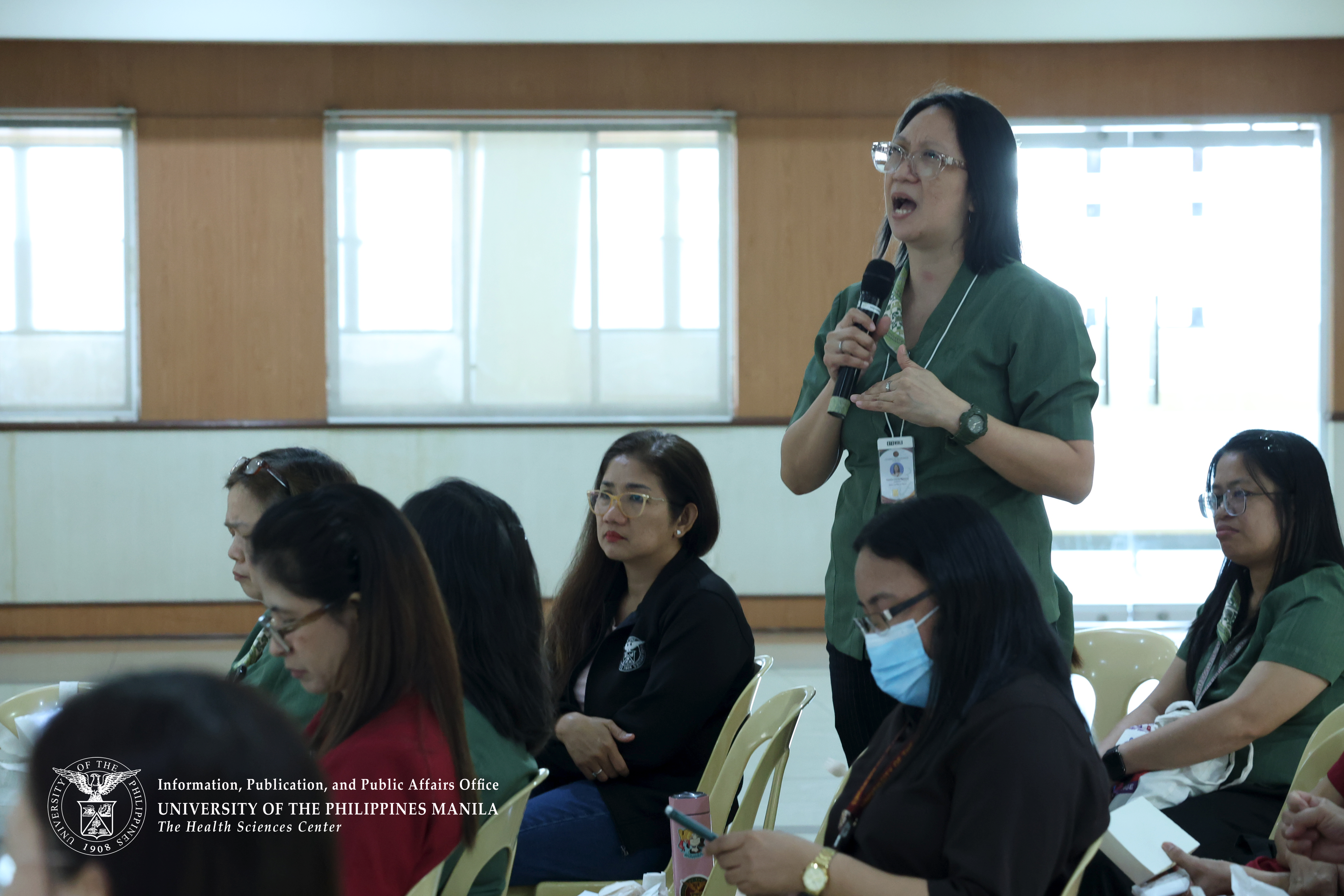
She stressed that understanding menopause empowers women and opens opportunities for prevention and health promotion. However, she noted that limited awareness and delayed health-seeking behavior remain challenges, observing that many Filipinos seek medical help only when symptoms worsen, alongside a general reluctance to discuss reproductive and sexual health.
Prevention, Care, and Healthy Aging
To address these, she advocated for a combination of medical and lifestyle approaches, including individualized menopausal hormone therapy (MHT) when appropriate. She emphasized that treatment should be tailored to each patient and properly timed, alongside regular screening, from breast exams and Pap smears to vaccinations and mental health checks, and a healthy lifestyle supported by proper nutrition, exercise, and emotional well-being.
She also highlighted the importance of supportive environments, noting that menopause can affect relationships, intimacy, and overall quality of life. Encouraging continuous learning, social engagement, and self-care, she reminded participants:
“You cannot pour from an empty cup. Punuin muna natin ang ating sarili. Only then, once we have nurtured ourselves and given to ourselves, that’s the only time we can share more. Basically, if we empower ourselves, we will now also be able to empower the people around us.”
Breaking the Silence on Sexual Health
The forum also addressed often overlooked aspects such as sexual and reproductive health. “Sexual health is part of reproductive health. And just because menstruation stops, it doesn’t mean our sexual health should stop too,” Dr. Cagayan emphasized. She emphasized that aging and menopause do not mean the end of one’s sex life, describing this belief as false and highlighting that sexual desire and activity remain natural. She noted that intimacy is not only physical but also plays an important role in strengthening relationships and emotional connection between partners, sharing that “having intimacy physically makes you closer, it helps build your marriage.”
Dr. Cagayan encouraged open communication, shared initiative, and mutual understanding between partners, stressing that sexual activity should not be one-sided or dictated by cultural passivity. She also pointed out that desire can be nurtured over time and does not always have to be spontaneous. For individuals without partners or those experiencing difficulties, she reassured that there are safe and appropriate ways to address these concerns, guided by personal values and proper information. Ultimately, she underscored that sexual health is a normal and important aspect of overall well-being at any age, and should be approached without shame but with awareness, respect, and responsibility.
A Collective Call for Action
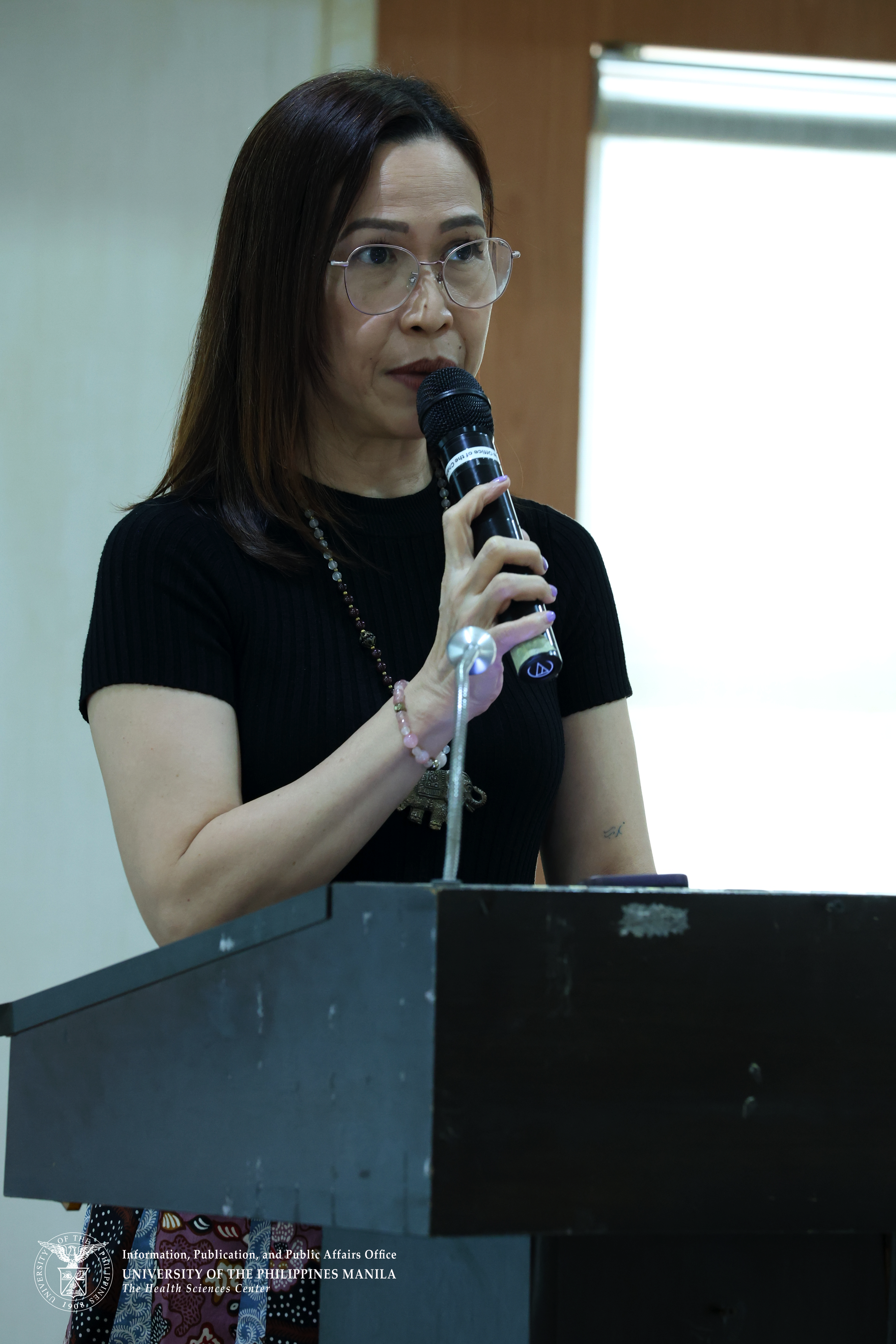
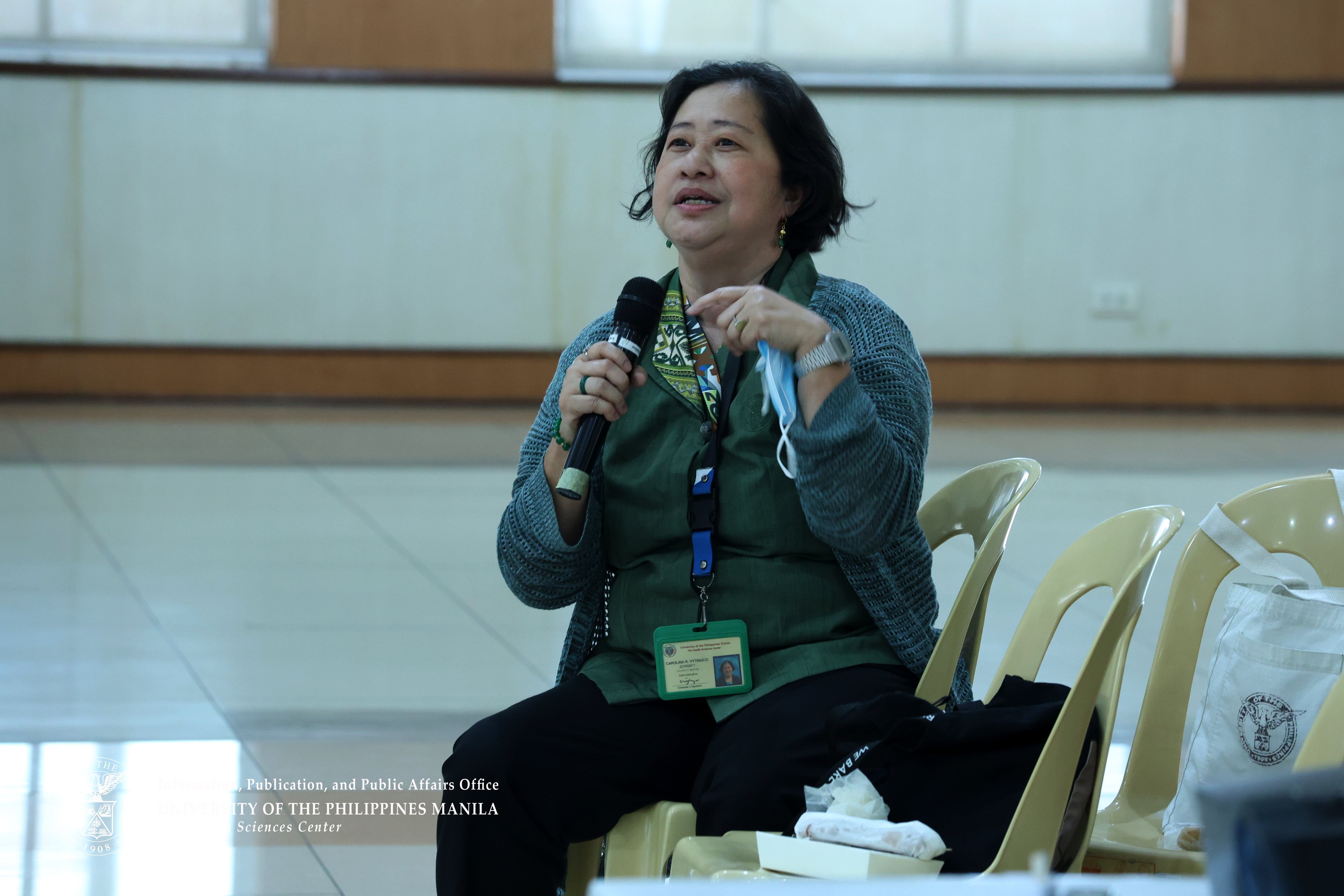
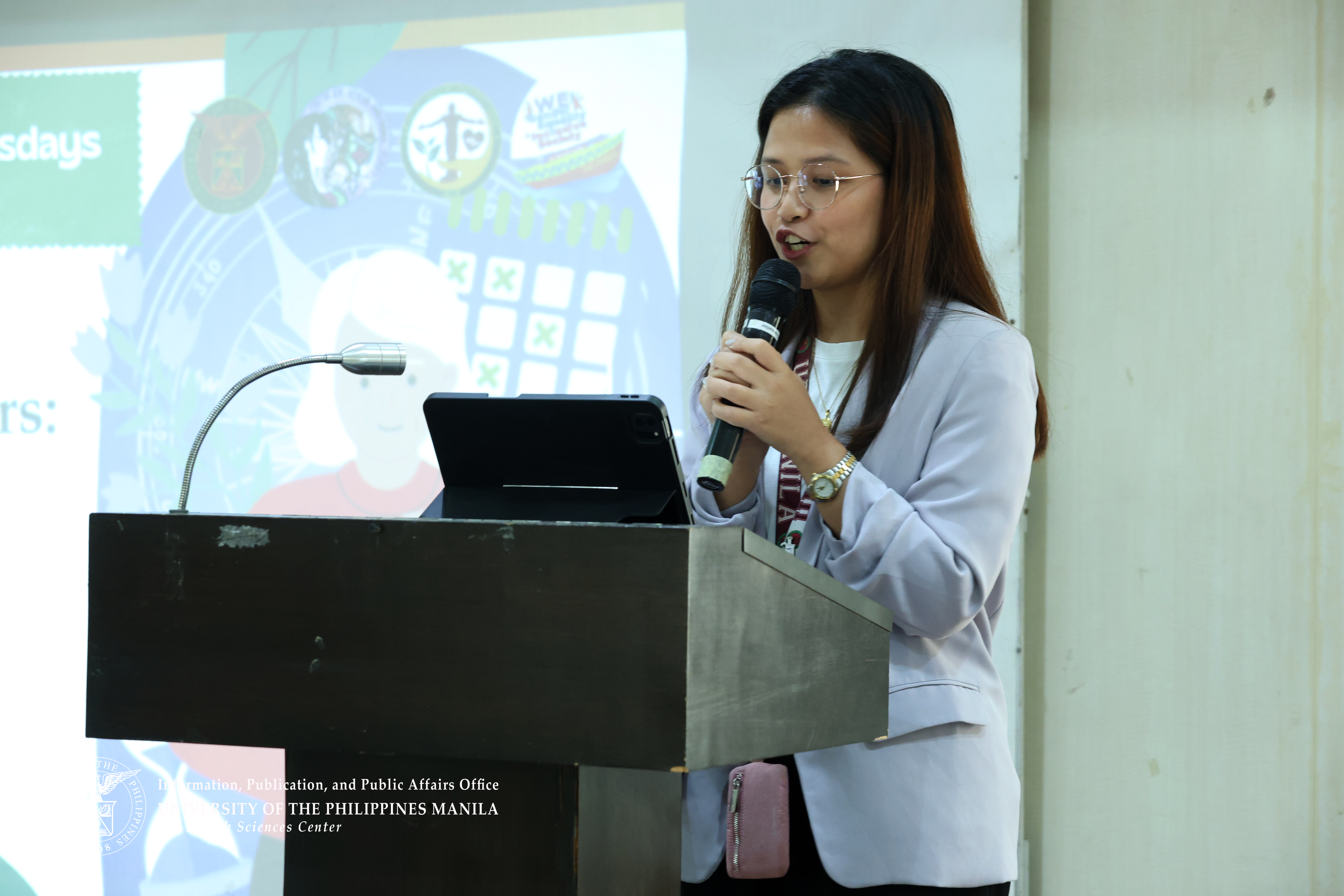
In closing, CGWS Director Prof. Mary Dorothy Jose called for sustained conversations and collective action on women’s health. “Peri-menopause and menopause should not be feared but understood. Through accurate information, we become better prepared not only for the physical changes but also for the emotional and mental aspects of our lives,” she said. She added that women’s health is a shared responsibility:
“Women’s health is not just a personal matter but a vital part of the well-being of the entire community.”
The event forms part of UP Manila’s ongoing Wellness Wednesdays Project of the Healthy University Office, which promotes holistic well-being among students, faculty, and staff through monthly activities aligned with physical, emotional, and social health. The initiative began in 2023.
READ MORE:
#FP1 #Environmentthatnurturesourmindandbody