

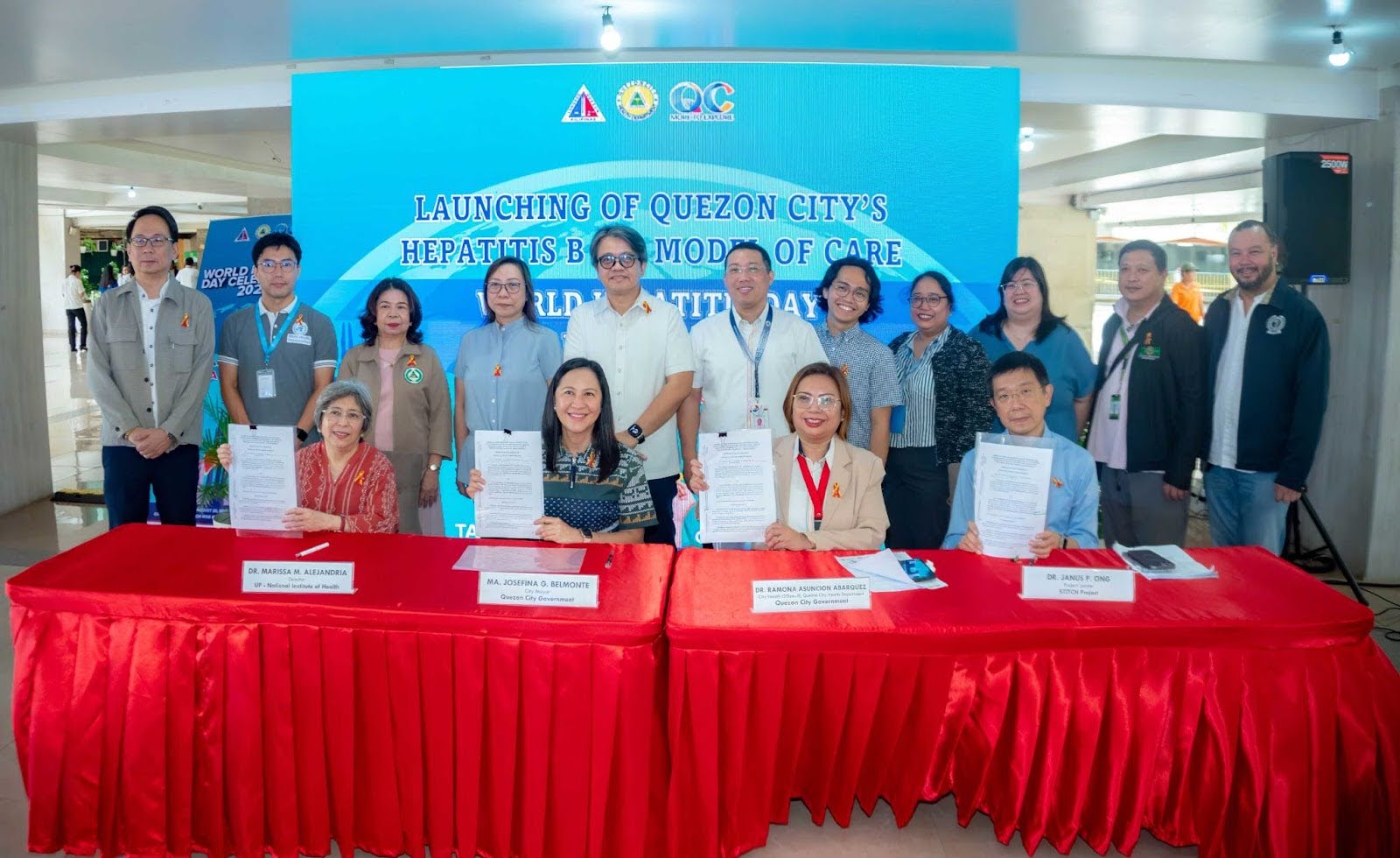
QUEZON CITY, Philippines – In celebration of World Hepatitis Day 2025, the Quezon City Government formally launched the city’s Hepatitis B and C Model of Care (MoC).
The first of its kind in Metro Manila, the MoC is designed to bring hepatitis services closer to communities with technical support provided by the University of the Philippines Manila (UPM), through its National Institutes of Health (NIH) and the StITCH PH Project.
The launch, held at Quezon City Hall, gathered national and local leaders, healthcare workers, advocates, and international partners under the city’s theme: “Healthy Atay, HEPA Goodbye!” – underscoring that a healthy liver means a healthier life for individuals, families, and communities.

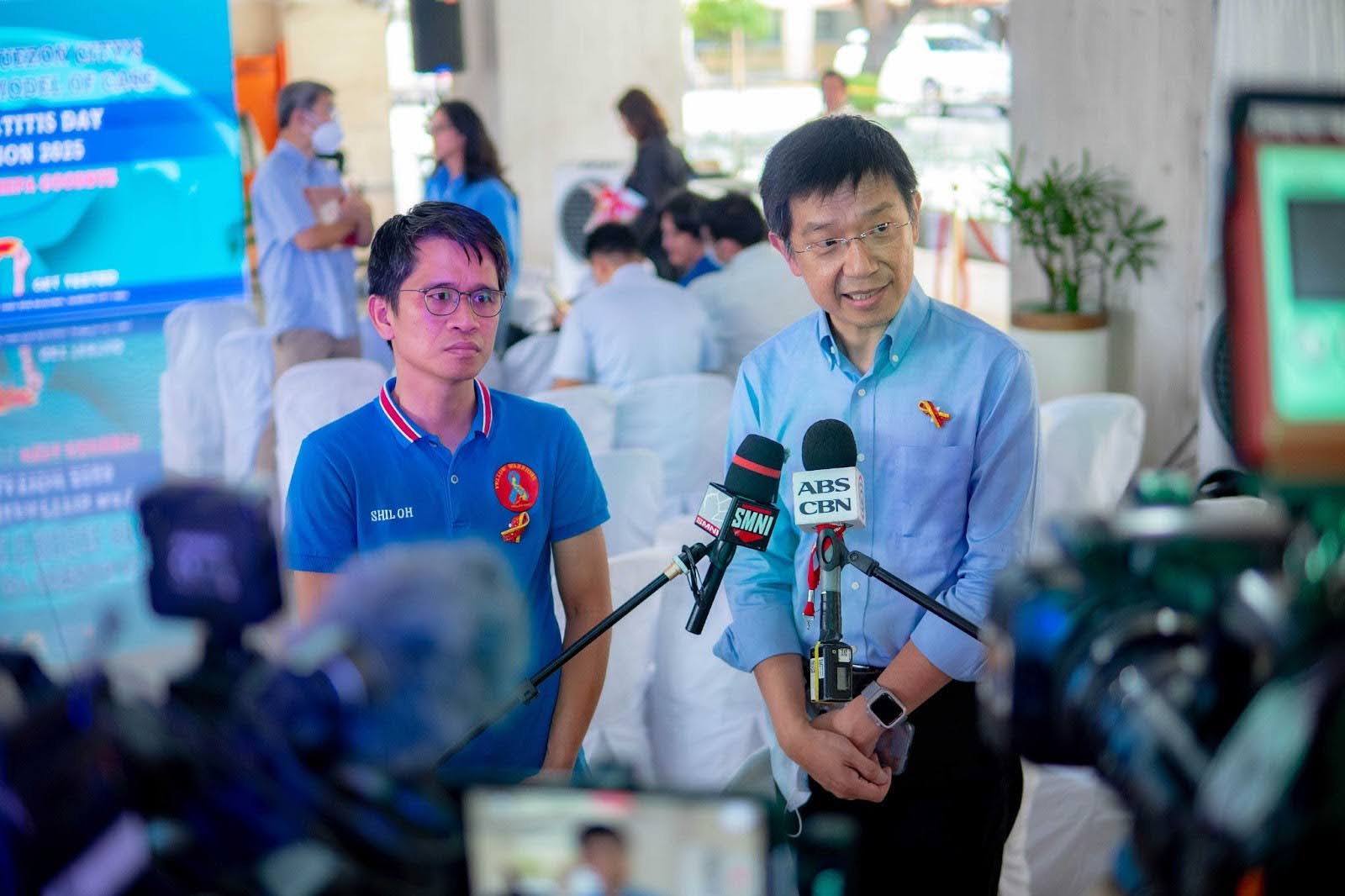
Dr. Janus Ong, hepatologist and Project Leader of StITCH PH, highlighted the urgency of action:
“Every 30 seconds, someone in the world dies of hepatitis. Here in the Philippines, that means millions remain undiagnosed and untreated. By integrating hepatitis care into primary health services in Quezon City, we are changing the system to deliver the right care, at the right time, in the right place – for every QCitizen.”
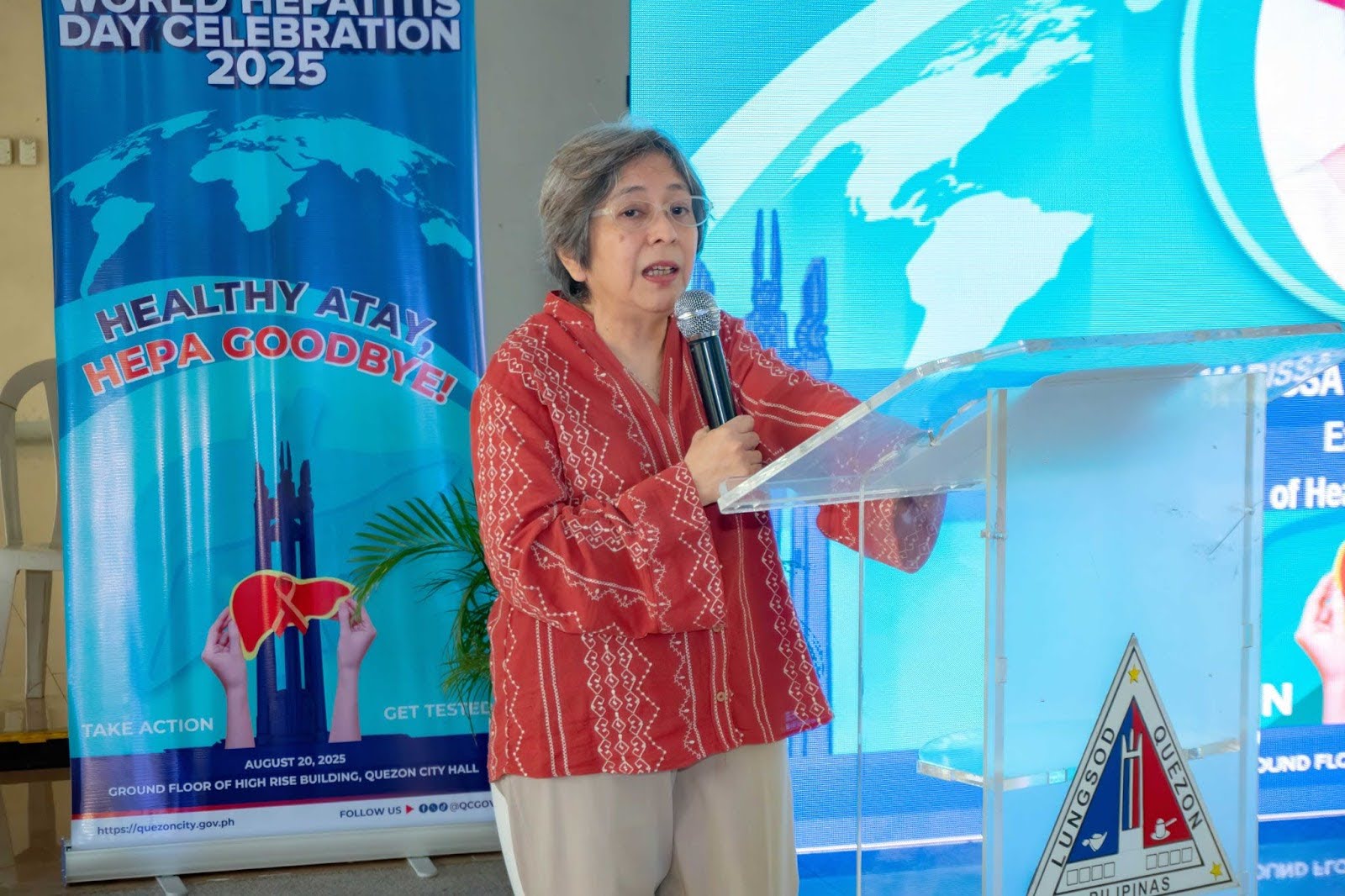
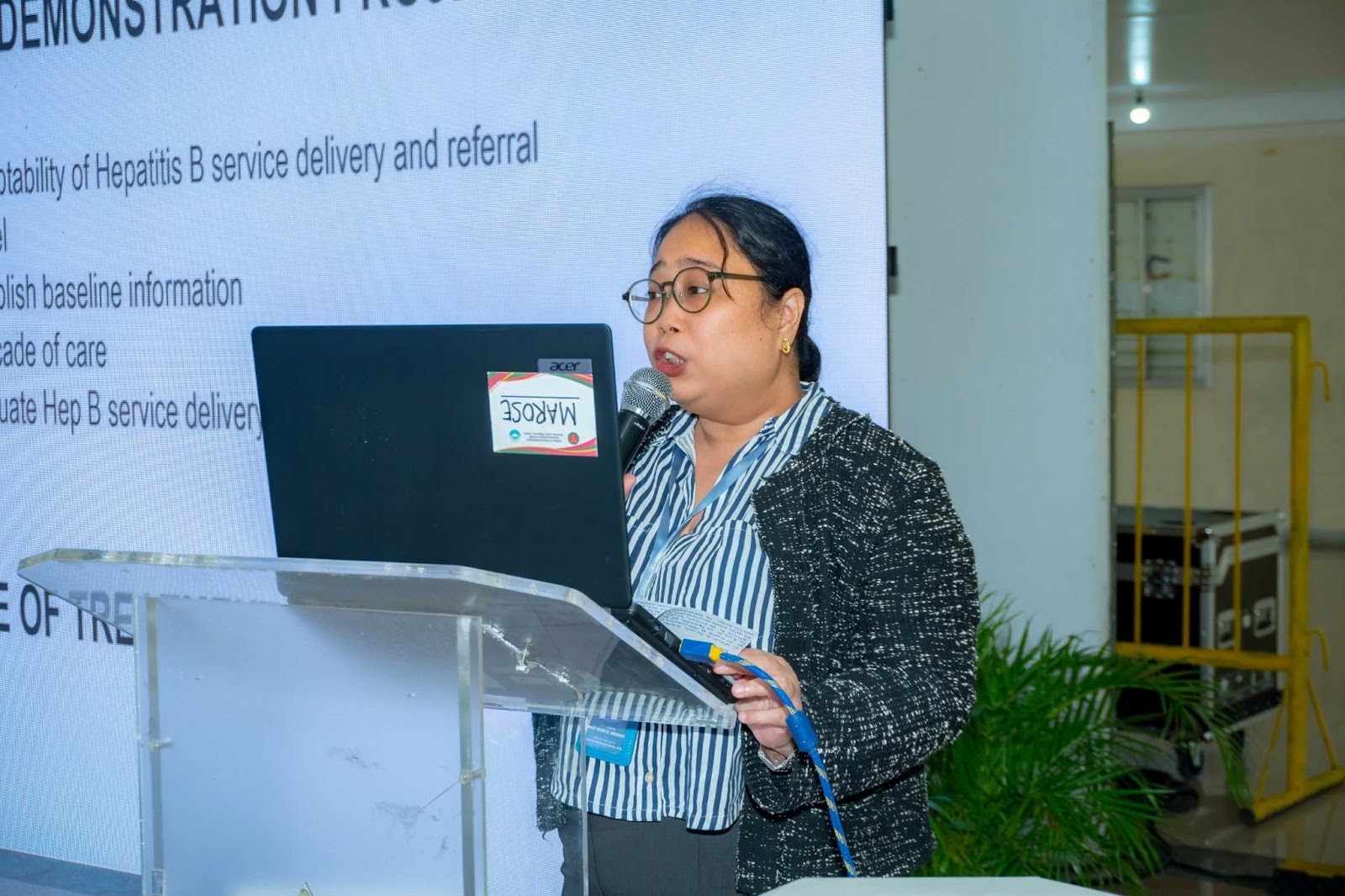
Dr. Marissa Alejandria, Executive Director of the UP Manila National Institutes of Health, underscored the institute’s role in partnering with Quezon City to turn research into concrete services. She emphasized that the collaboration ensures evidence is translated into people-centered care while building stronger primary health systems for the community.
Health Secretary Teodoro Herbosa expressed strong support for Quezon City’s leadership, noting that the Model of Care demonstrates how integration into primary health services can accelerate hepatitis elimination nationwide.
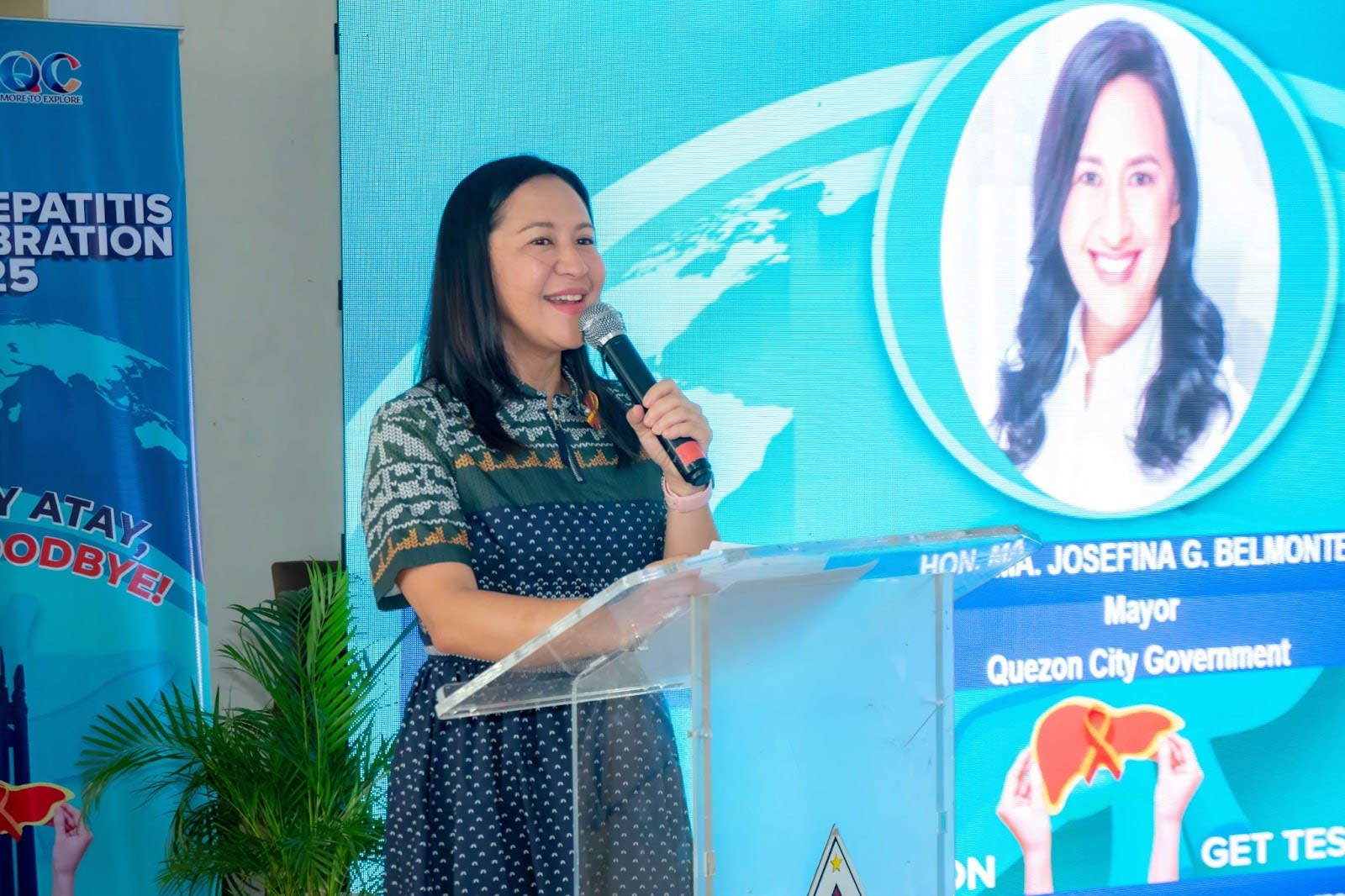
Quezon City Mayor Joy Belmonte affirmed the city’s commitment, saying Quezon City aims to lead by example in eliminating hepatitis by 2030, aligned with World Health Organization targets and the Department of Health’s 8-point action agenda. She also stood firmly against stigma and discrimination, while urging residents to get tested without fear.
The Quezon City Model of Care decentralizes testing, diagnosis, treatment, and follow-up to community health centers and super health centers, linked with city hospitals for more complex cases. Built from patient journey mapping and co-designed with local health workers and people living with hepatitis, the system addresses the real barriers of stigma, navigation challenges, and affordability.
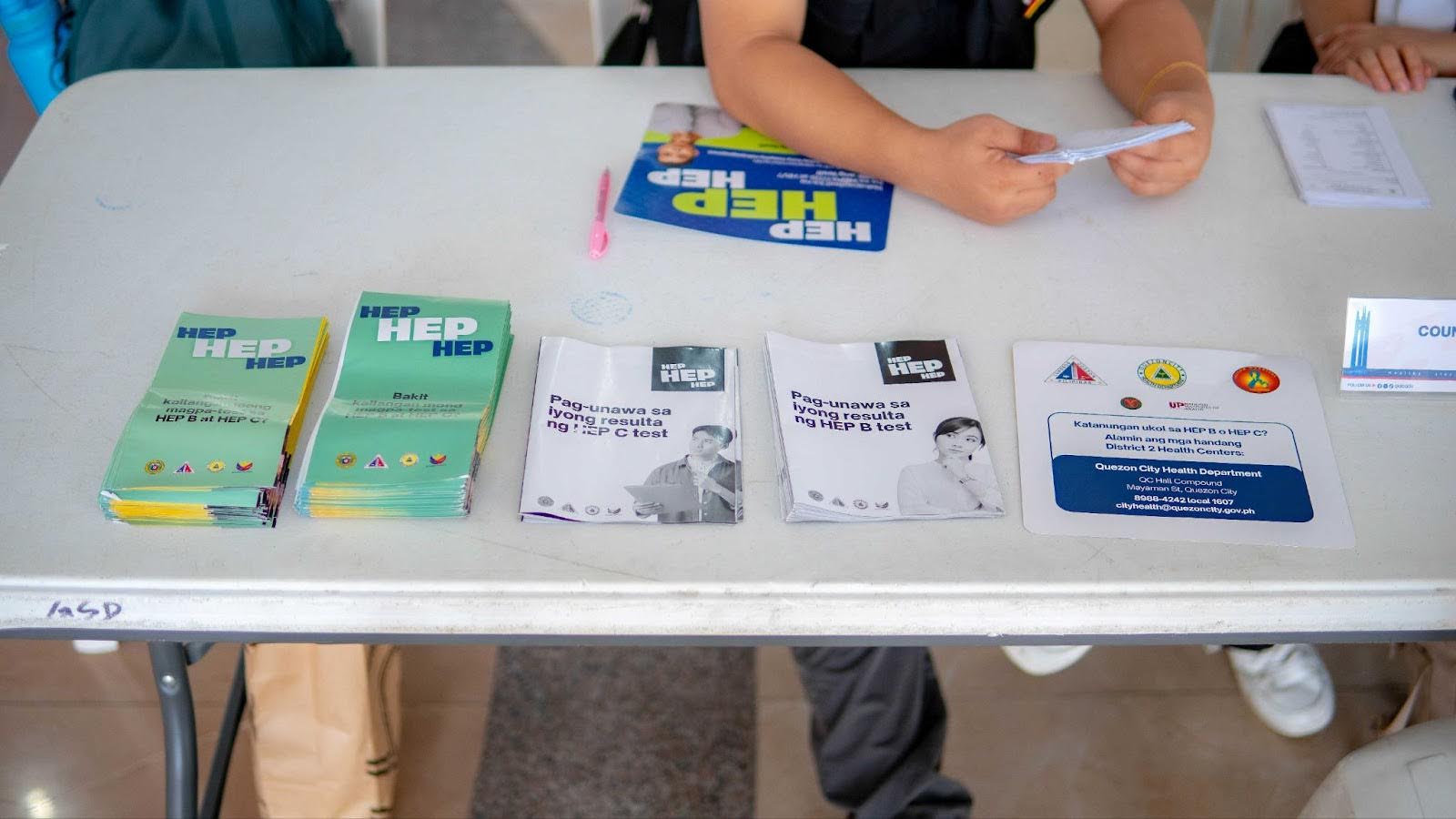
The launch also featured a Memorandum of Agreement signing, a collective Pledge of Commitment to end stigma and discrimination, and free hepatitis B and C screening for participants and the public.
#UniversityofthePhilippines #UPManila #UPM #QuezonCity
#WHD2025 #HepatitisFreeQC #HealthyAtay #HepaGoodbye
—
About the StITCH Project
The Strengthening Integrated Treatment and Care for Hepatitis (StITCH) Project is a collaboration between UP Manila NIH and Harvard Medical School, piloting innovative, people-centered hepatitis care models in the Philippines and Vietnam.
About the Quezon City Health Department
The QCHD serves more than 3 million residents, delivering equitable health services and pioneering integrated approaches to infectious diseases, including HIV, TB, and now viral hepatitis.
For media inquiries, please contact:
| Information, Publication, and Public Affairs Office, UP Manila: upm-ippao@up.edu.ph |

Read More: