
Text by: Charmaine A. Lingdas
Photos by: Sarah Hazel Moces S. Pulumbarit
With only two practicing forensic pathologists serving the entire country, families seeking answers and courts pursuing justice often face delays and limitations in investigations. This critical and longstanding gap in forensic services has weakened the Philippines’ medical-legal death investigation system and challenged efforts to ensure accountability.
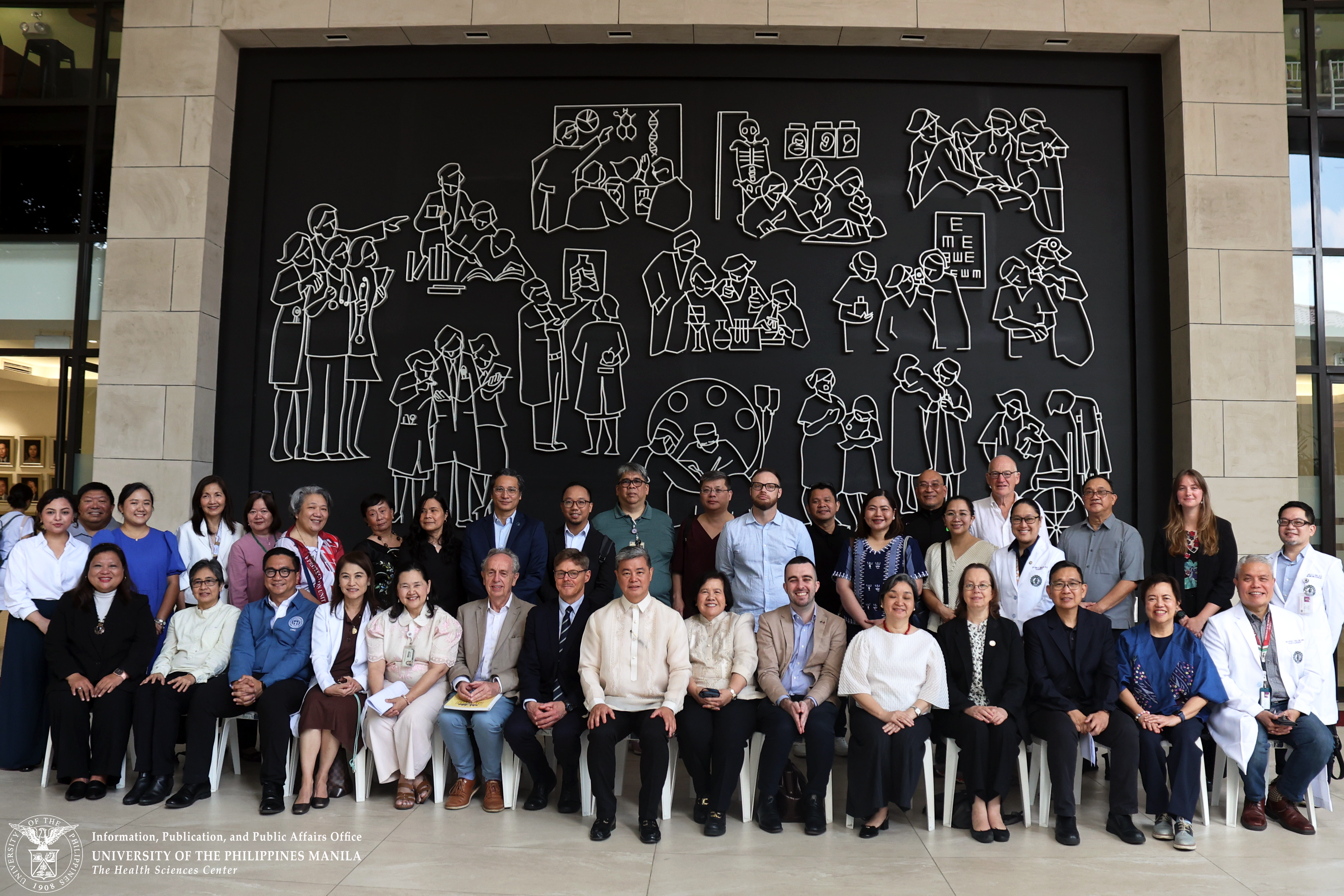
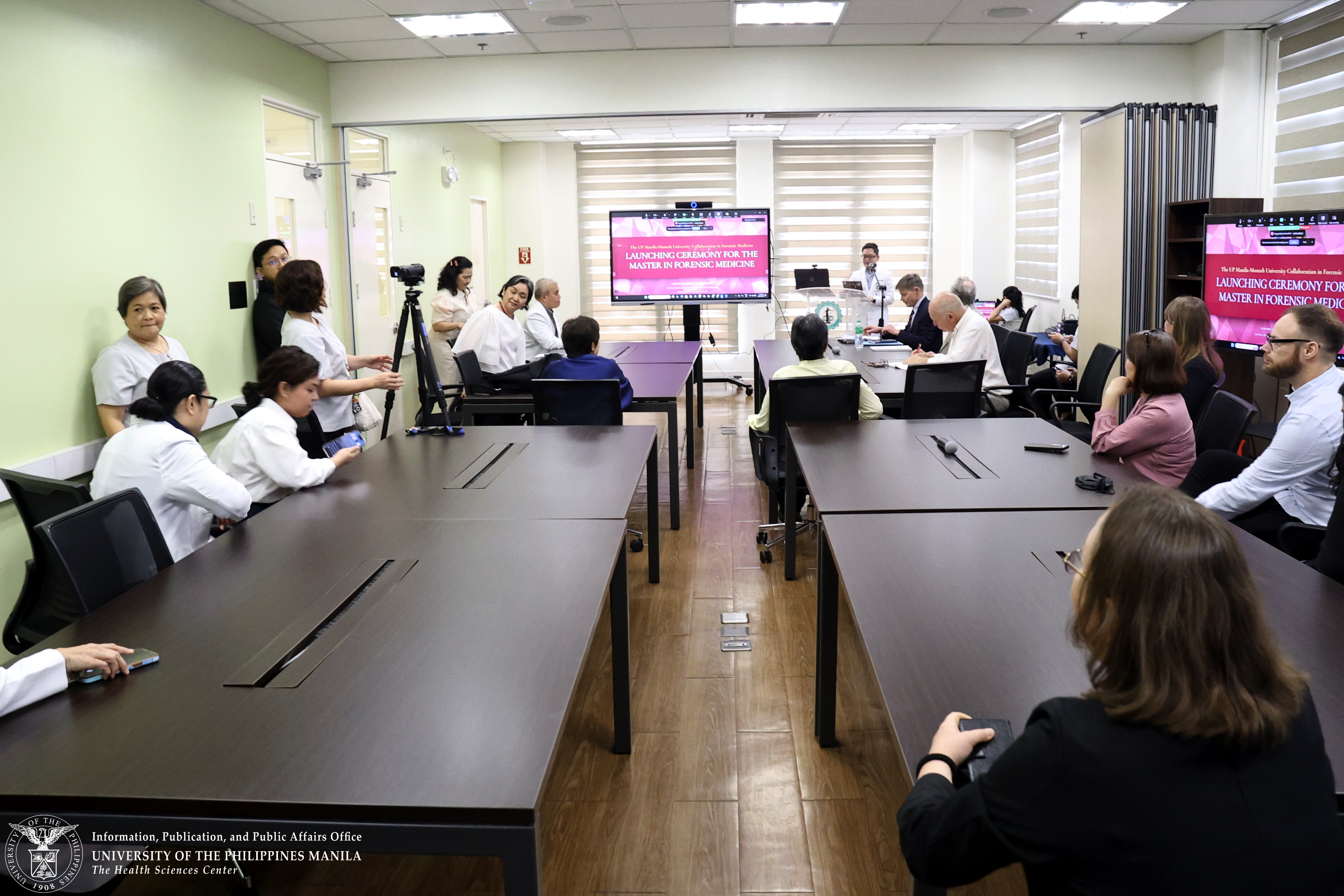
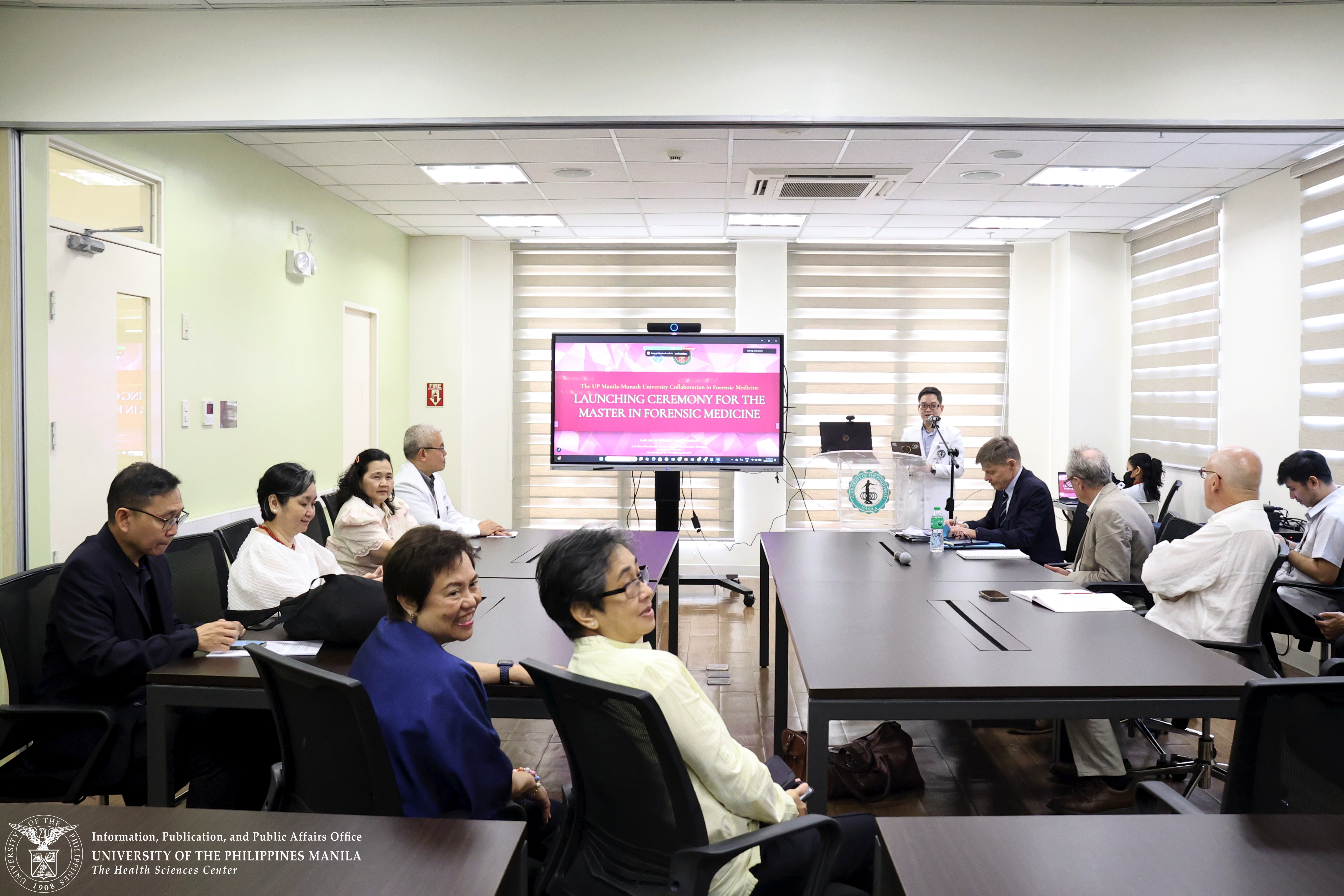
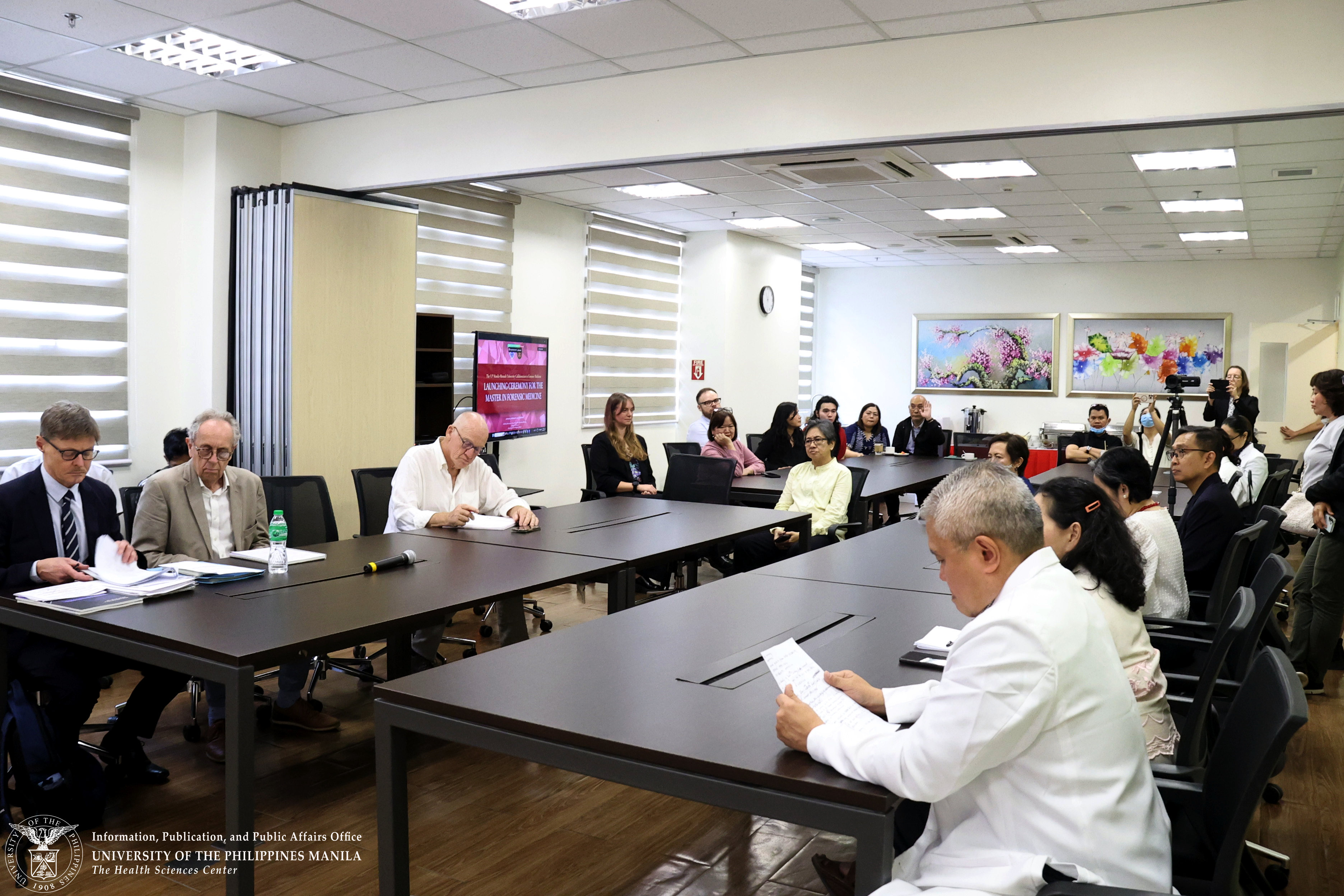
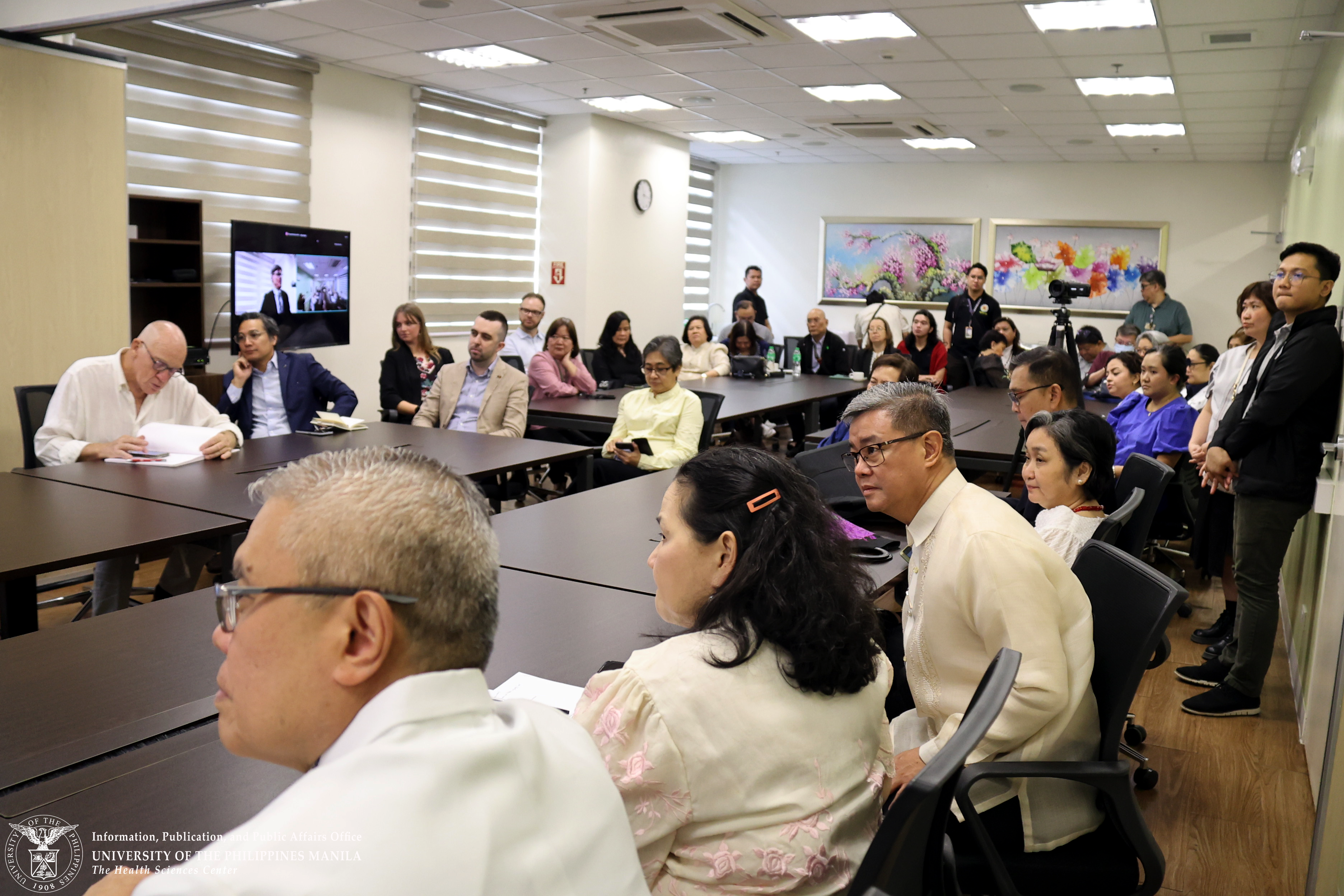
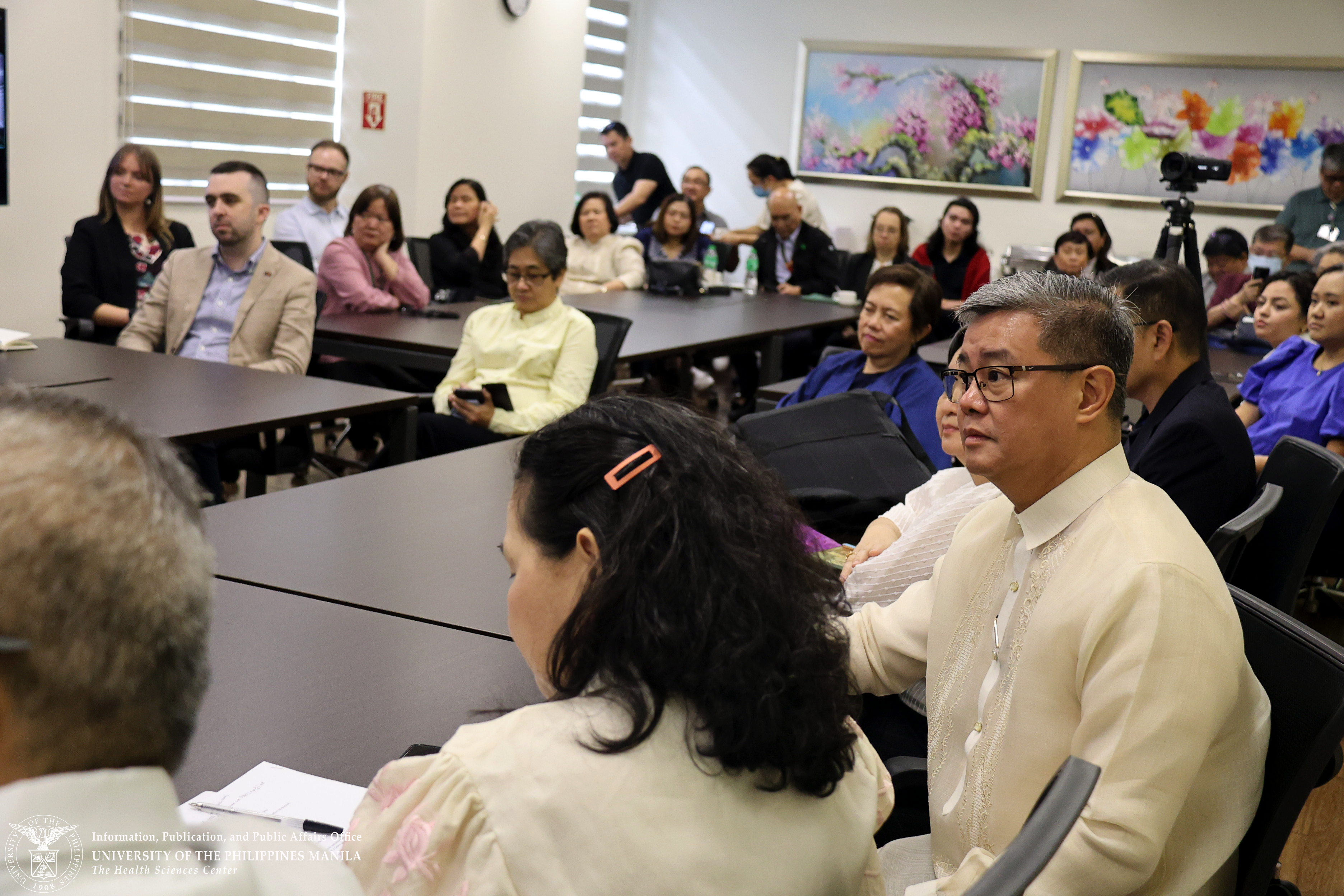
In response, the country’s pioneering Master’s program in Forensic Medicine was formally launched on Feb. 26, 2026, at the Henry Sy Sr. Board Room, welcoming its first cohort of students. It aims to develop a stronger pool of specialists to uphold justice and protect human rights.
Hosted by the University of the Philippines College of Medicine (UPCM) in partnership with Monash University, the two-year degree program brings together leaders from medicine, law, government, and international organizations to strengthen forensic practice in the Philippines.
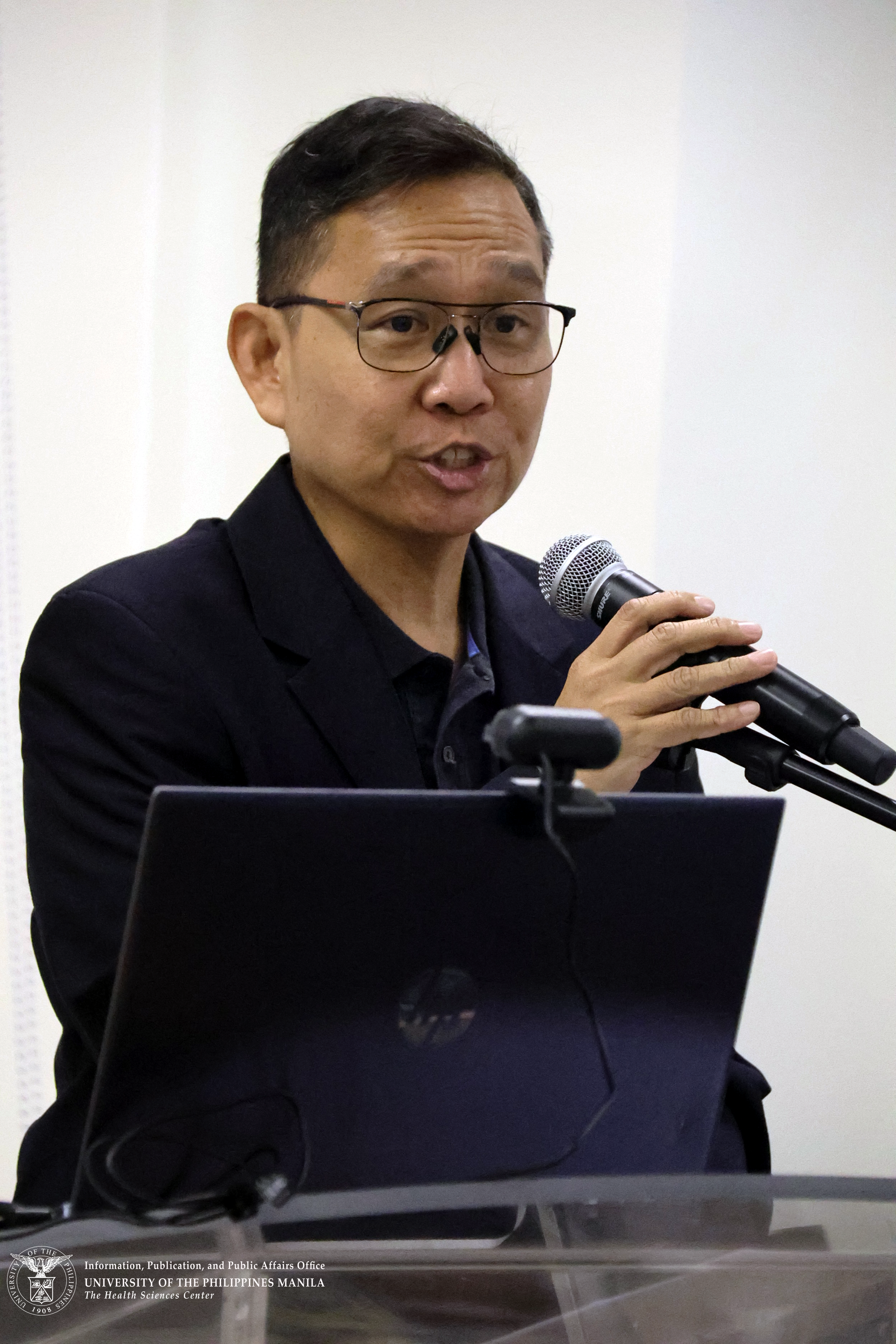
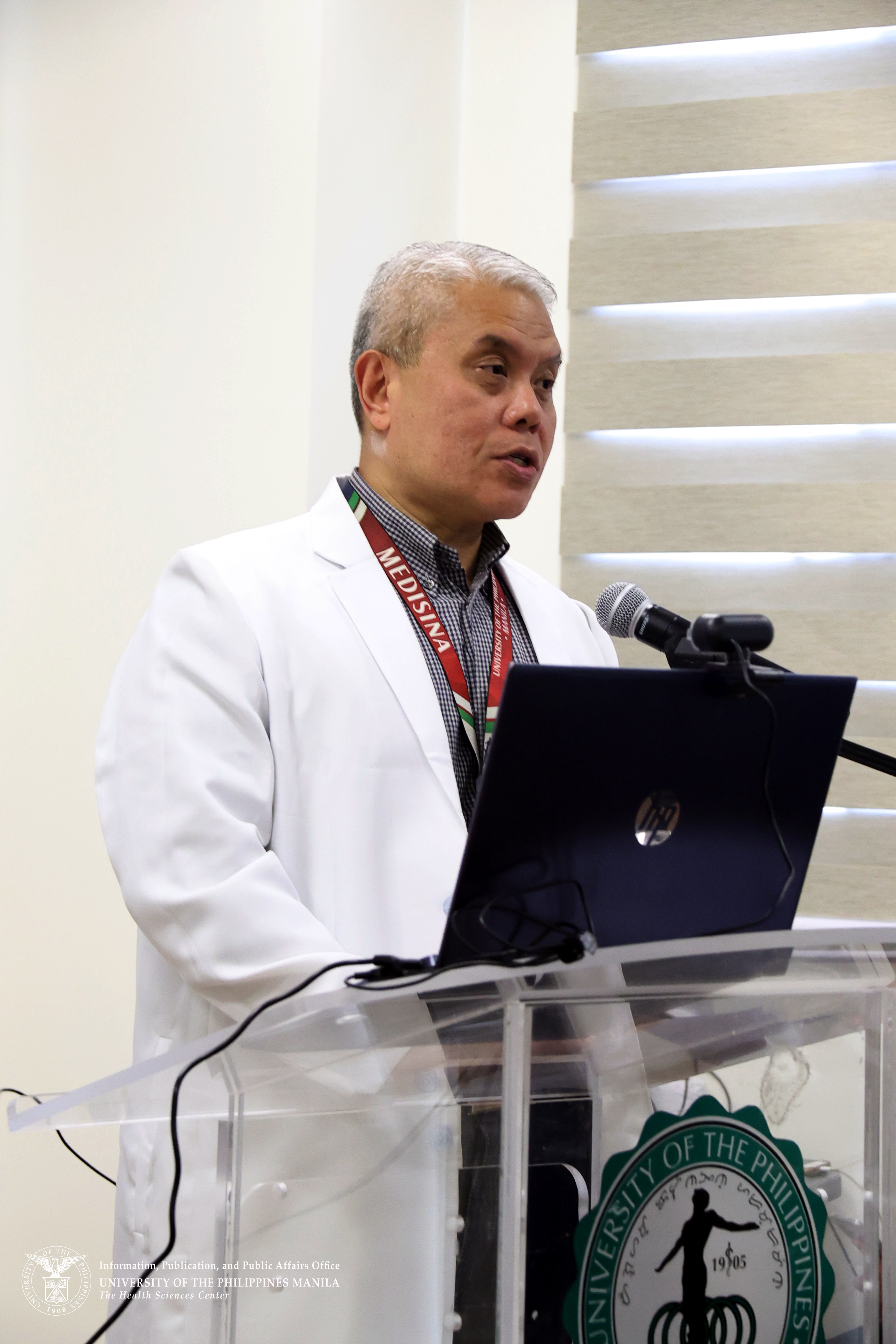
“This program represents an important milestone for the Department of Pathology, the College of Medicine, and for the University of the Philippines, Manila,” said Dr. Jose M. Carnate, Jr., chairperson of the Department of Pathology. “It is, after all, a pioneering initiative to address the growing need for a formalized advanced training in forensic medicine.”
Inaugural Cohort Carries Heavy Responsibility
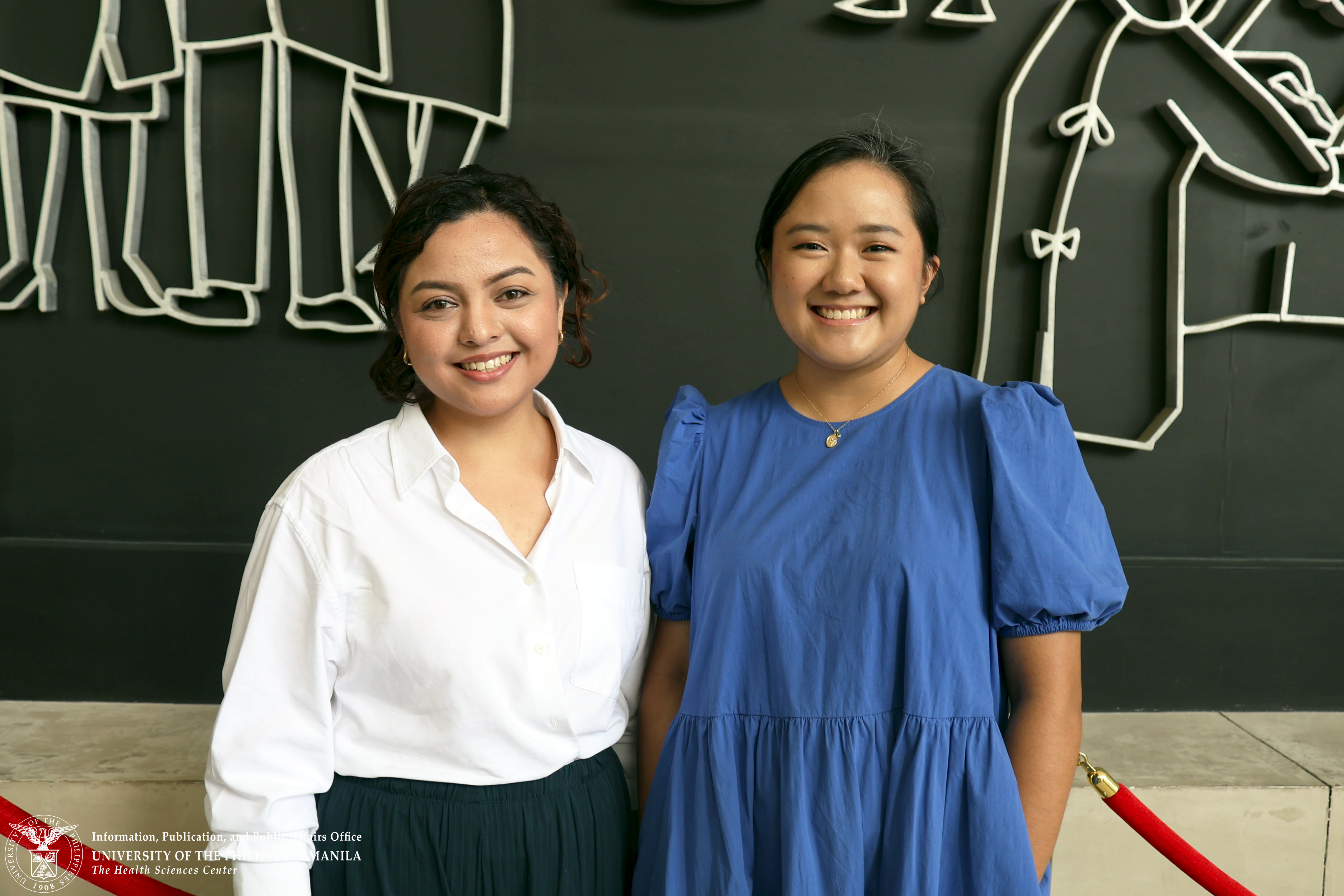
The program introduced its first students: Dr. Patricia Ann Franco, Dr. Princess Jean Roque Gairanod, and Dr. Paul Garreth Lucero.
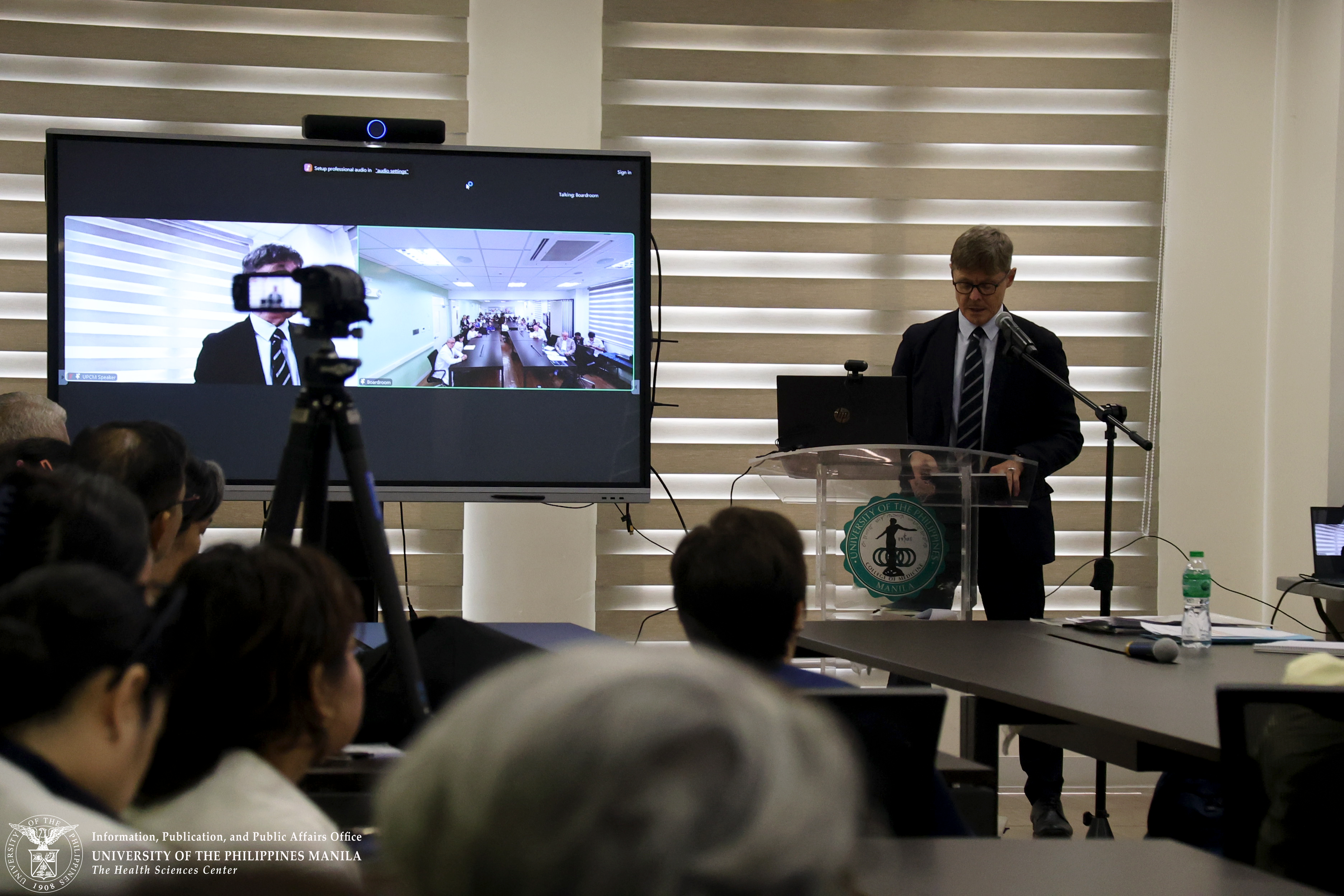
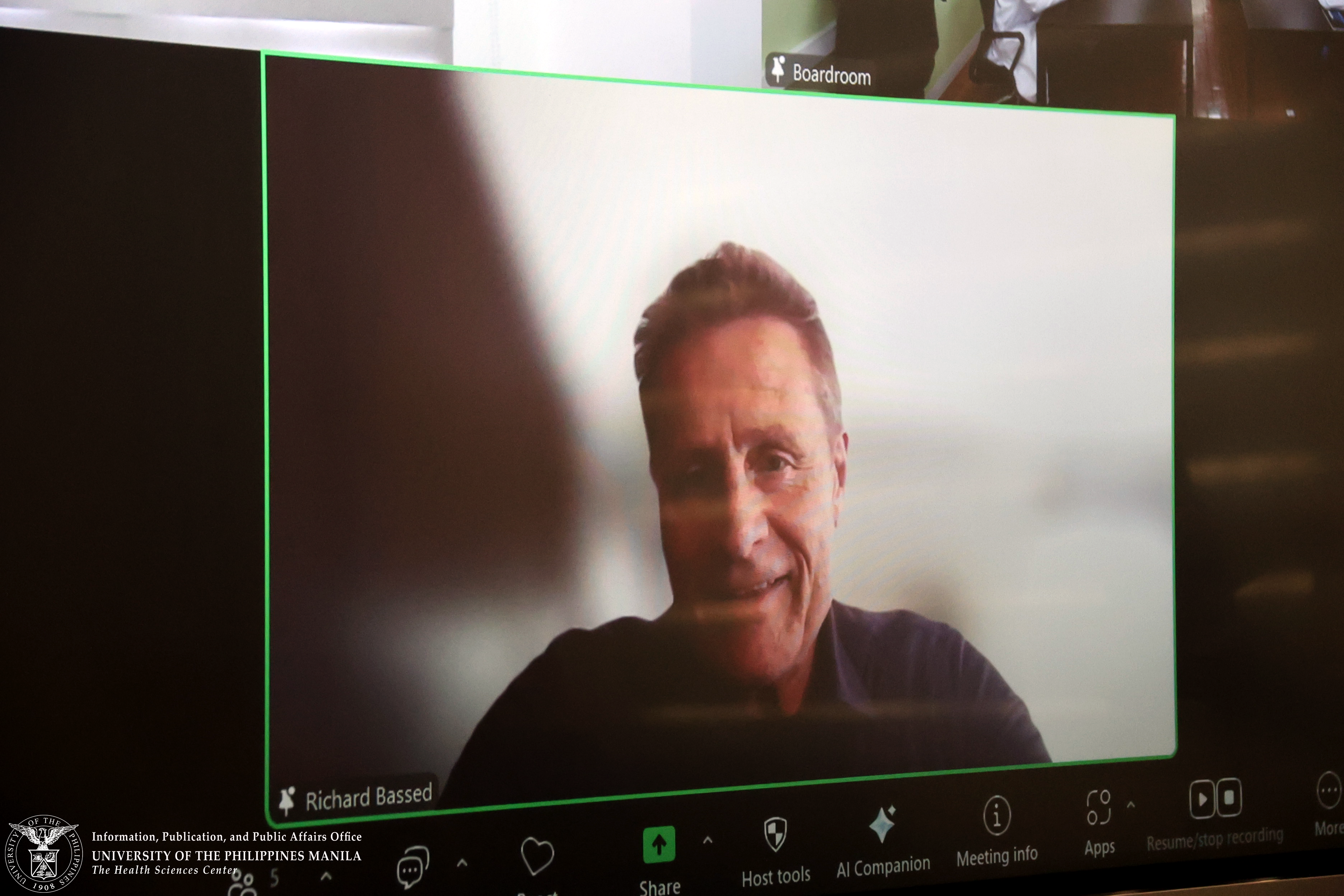
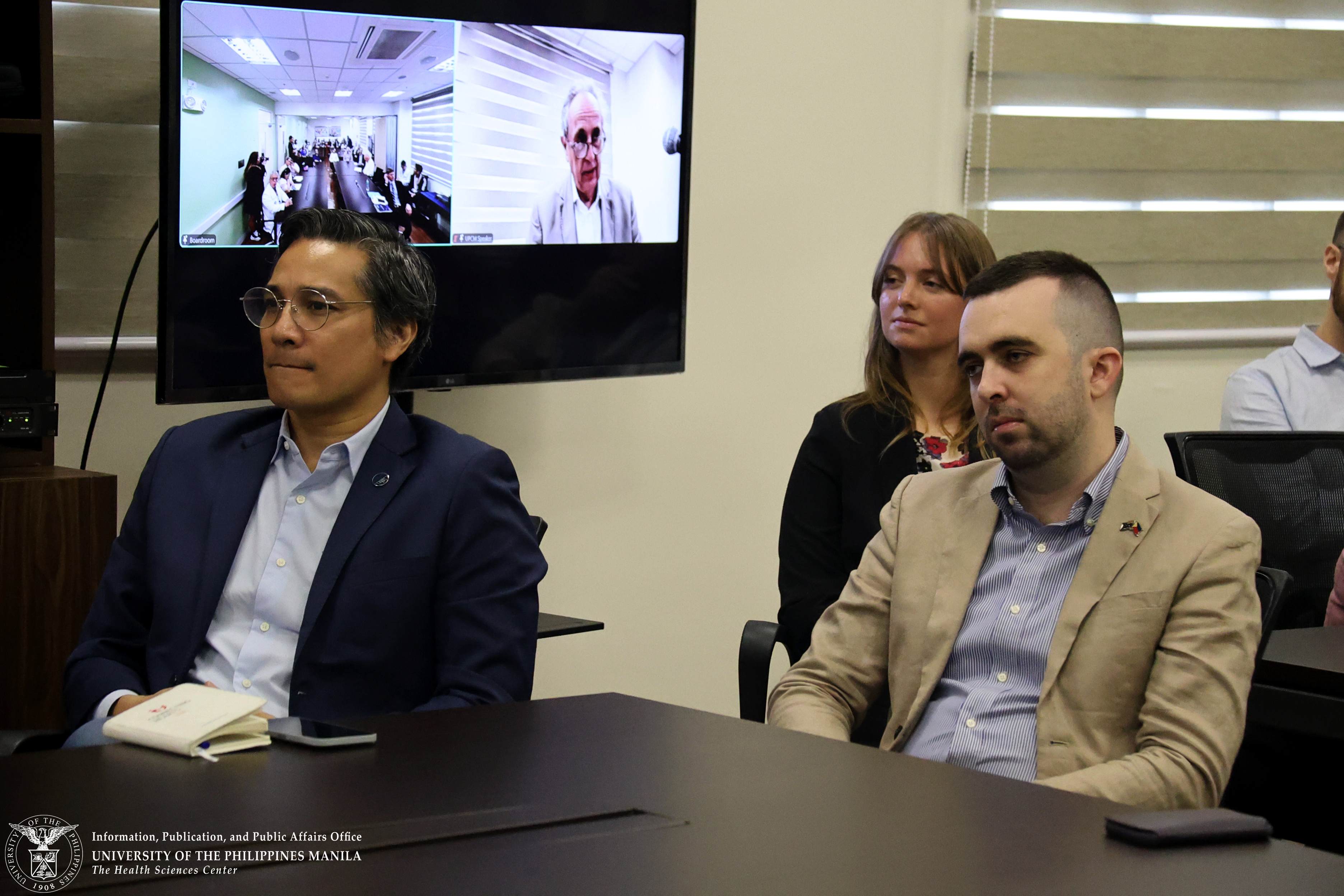
“Having these students graduate with a Master’s in Forensic Medicine, we will have a core group of people who can be the trainers of other forensic doctors throughout the years, and the impact of that on the criminal justice system in the Philippines can only be positive,” said Prof. Richard Bassed, head of the Department of Forensic Medicine at Monash University. Joining the event virtually, Prof. Bassed expressed confidence that the initiative would produce a core group of specialists who can transform forensic practice nationwide.
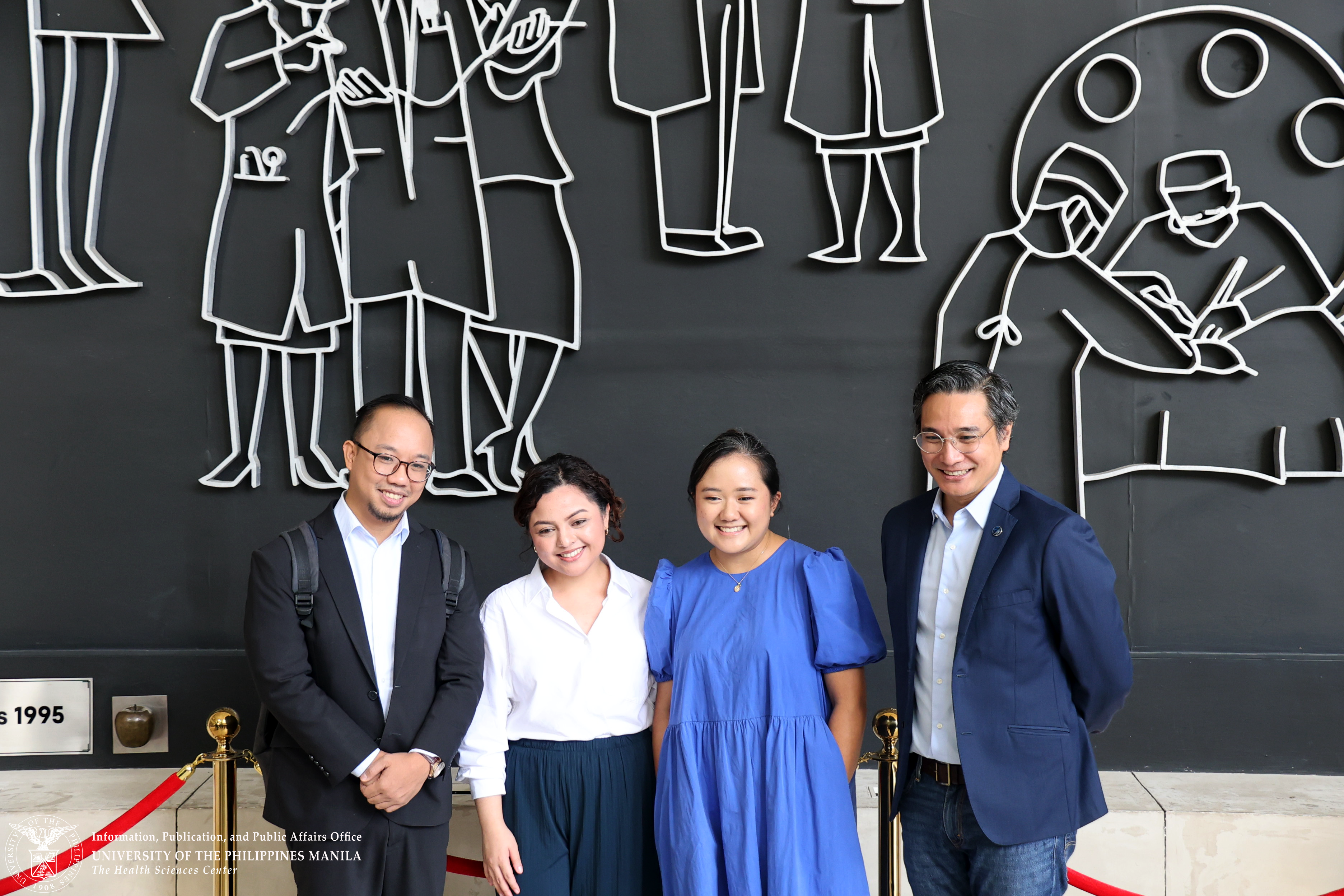
Scholarships for full-time students are supported by the Australian government through the Australia Awards Program, with forthcoming assistance from the Philippine Commission on Higher Education (CHED) for part-time enrollees. Dr. Carnate explained that the program’s instructors will come from both UP Manila and Monash University. The students will take their courses in the Philippines under what he called an “in-country scholarship program.”
“As the first group, you will play an important role in shaping the standards and culture of this program moving forward,” Carnate told them.
In the pioneering program, the first round of applications was limited but more applicants will be accepted once the program becomes established.
Uncharted Territory
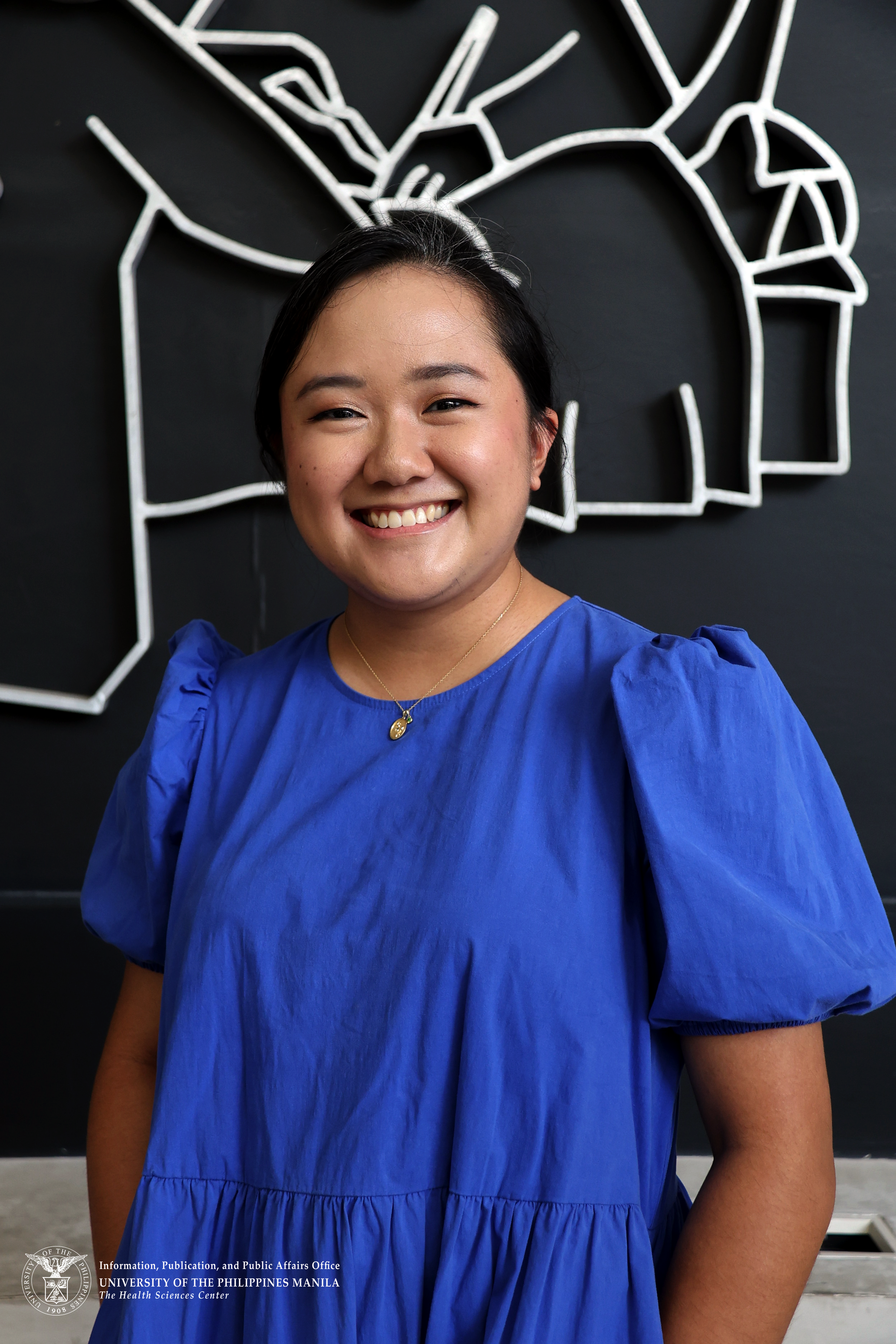
For Dr. Patricia Ann Franco, a physician, nurse, and recent pathology residency graduate from the Philippine General Hospital, exposure to autopsies and training on the Minnesota Protocol solidified her path.
“It’s very exciting,” she said. “Kahit na parang sabi nga ni Dr. Carnate na uncharted territory, so we just move forward with the best we can and do the best we can and keep learning kasi nga in the grander scheme of things, ito ay very important sa bansa natin ngayon.” She hopes to one day join the planned forensic institute and help train future specialists.
Dr. Princess Jean Roque Gairanod, a board-certified pediatrician working with child protection units, said her primary motivation is improving documentation for child victims of abuse.
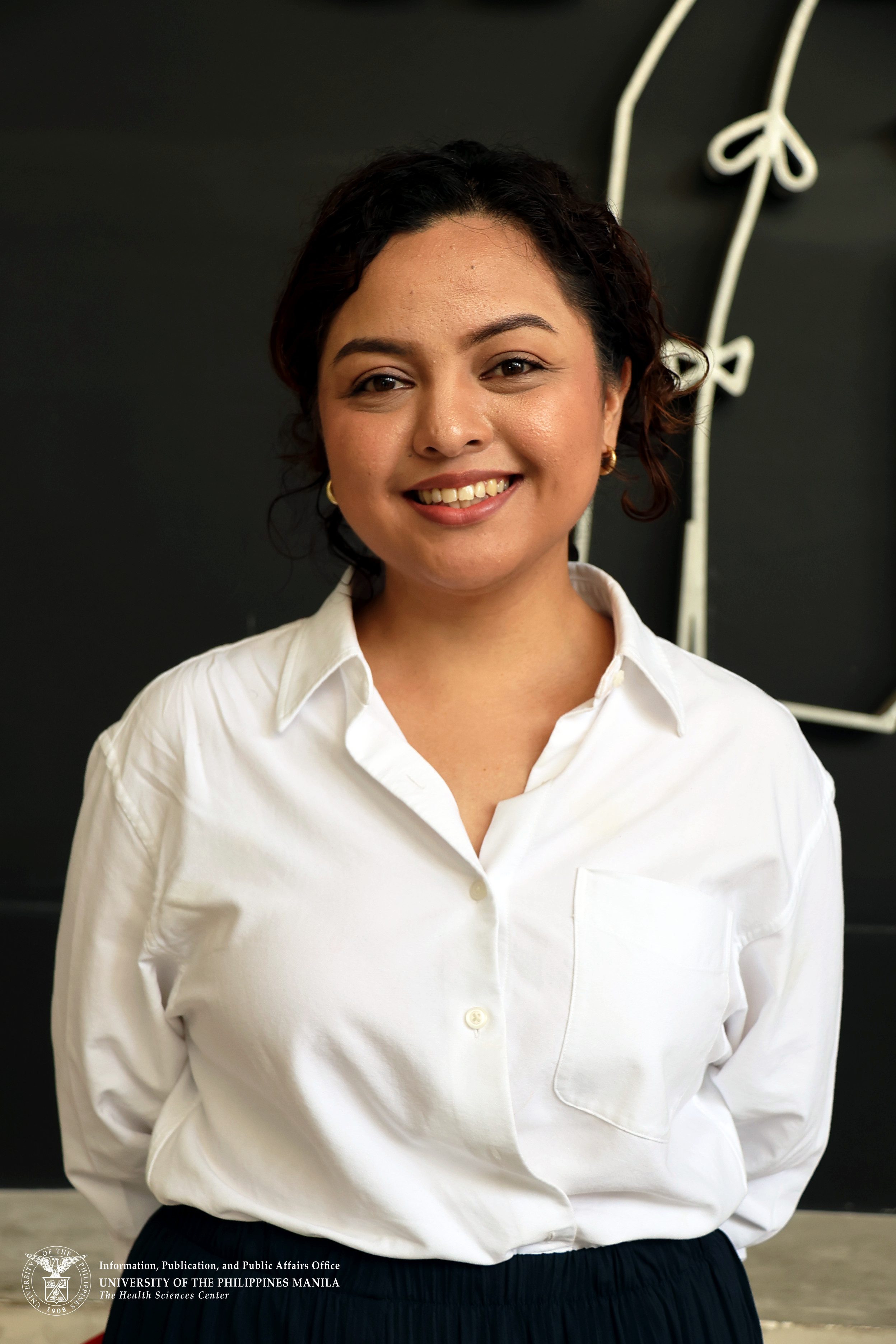
“It’s sad if children victims of abuse do not get the justice they deserve just because things were not documented properly or there’s no standardized way,” she said. “So, we want, ideally, case documentation that withstands international standards.”
She hopes to help standardize evidence documentation across the country’s 169 child protection units and eventually “to give back what I’ve learned in the master’s program.”
Long-Awaited Reform
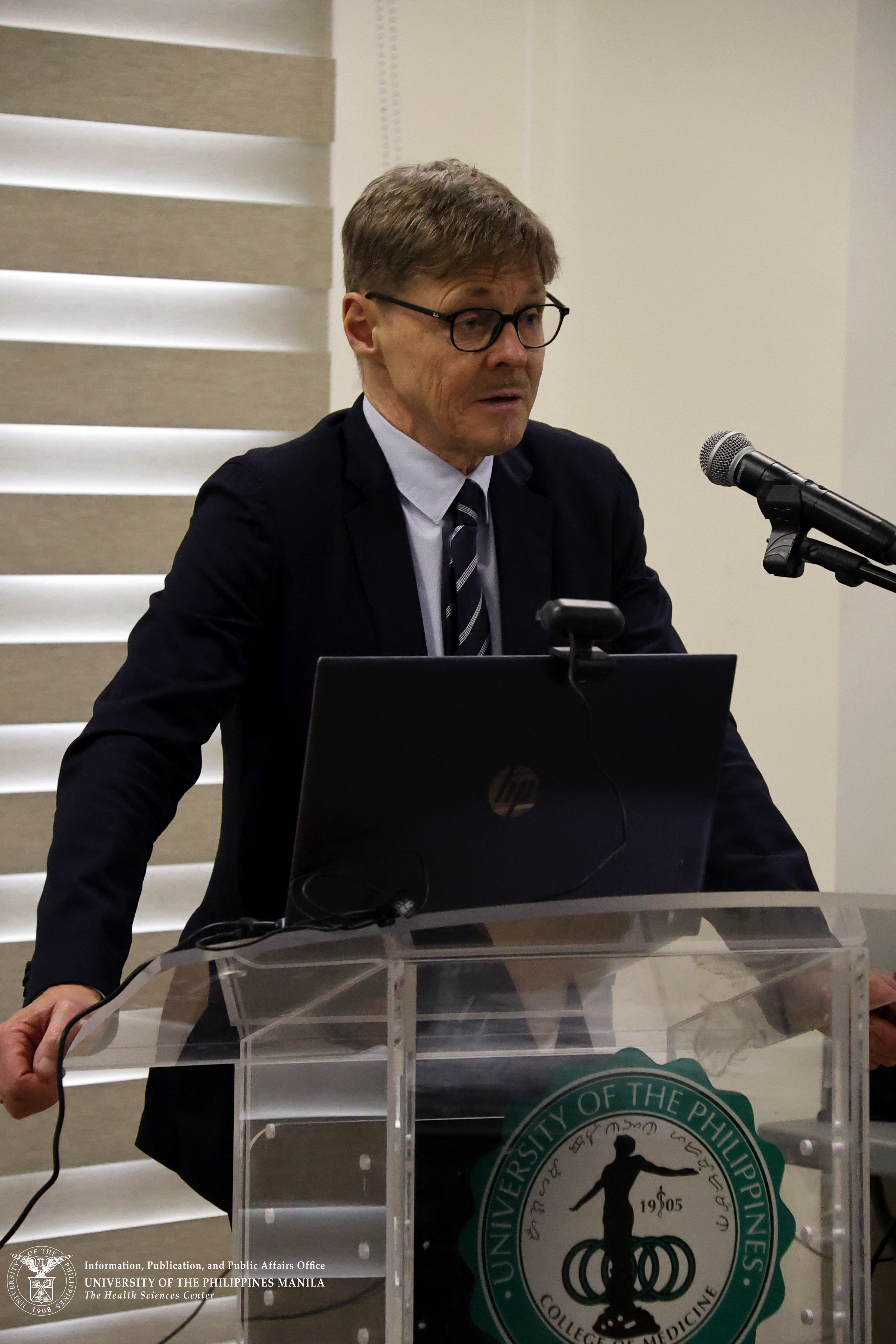
UN Special Rapporteur on Extrajudicial, Arbitrary or Summary Executions, Dr. Morris Tidball-Binz traced the initiative to his first visit to the Philippines in December 1986. Invited by the Presidential Commission on Human Rights and the University of the Philippines, he joined a team of international forensic experts to share their experience with Filipino colleagues. He drew from his work in Argentina, where he investigated human rights violations, located the disappeared, ensured the dignified recovery and return of remains to families, and brought this expertise to the Philippines.
“One of the things that called my attention at that time was the lack of a proper medical-legal death investigation system,” he said.
Nearly four decades later, in 2021, Dr. Tidball-Binz was appointed by the United Nations Human Rights Council as Special Rapporteur on Extrajudicial, Summary, or Arbitrary Executions. He first reached out to the Permanent Mission of the Philippines in Geneva and Ambassador Evan Garcia to discuss how his mandate could support the country in building medical-legal death investigation capacity. The following year, then-Justice Secretary Crispin Remulla endorsed the proposal
Supported by the UN–Philippine Joint Programme and international experts such as Prof. Stephen Cordner, Dr. Tidball-Binz visited the Philippines in early 2023 to meet with stakeholders, including the police, National Bureau of Investigation, judges, attorneys, and the National Human Rights Commission. By mid-2023, the foundation for a future medical-legal institute was laid, executive orders mandated autopsies for suspicious deaths, and a parliamentary bill to formalize the law was underway, marking a key step toward a robust forensic system in the Philippines.
He described the launch as “a very, very important, fundamental stepping stone in building up a proper medical legal death investigation system as the Philippines needs, deserves, and requires.”
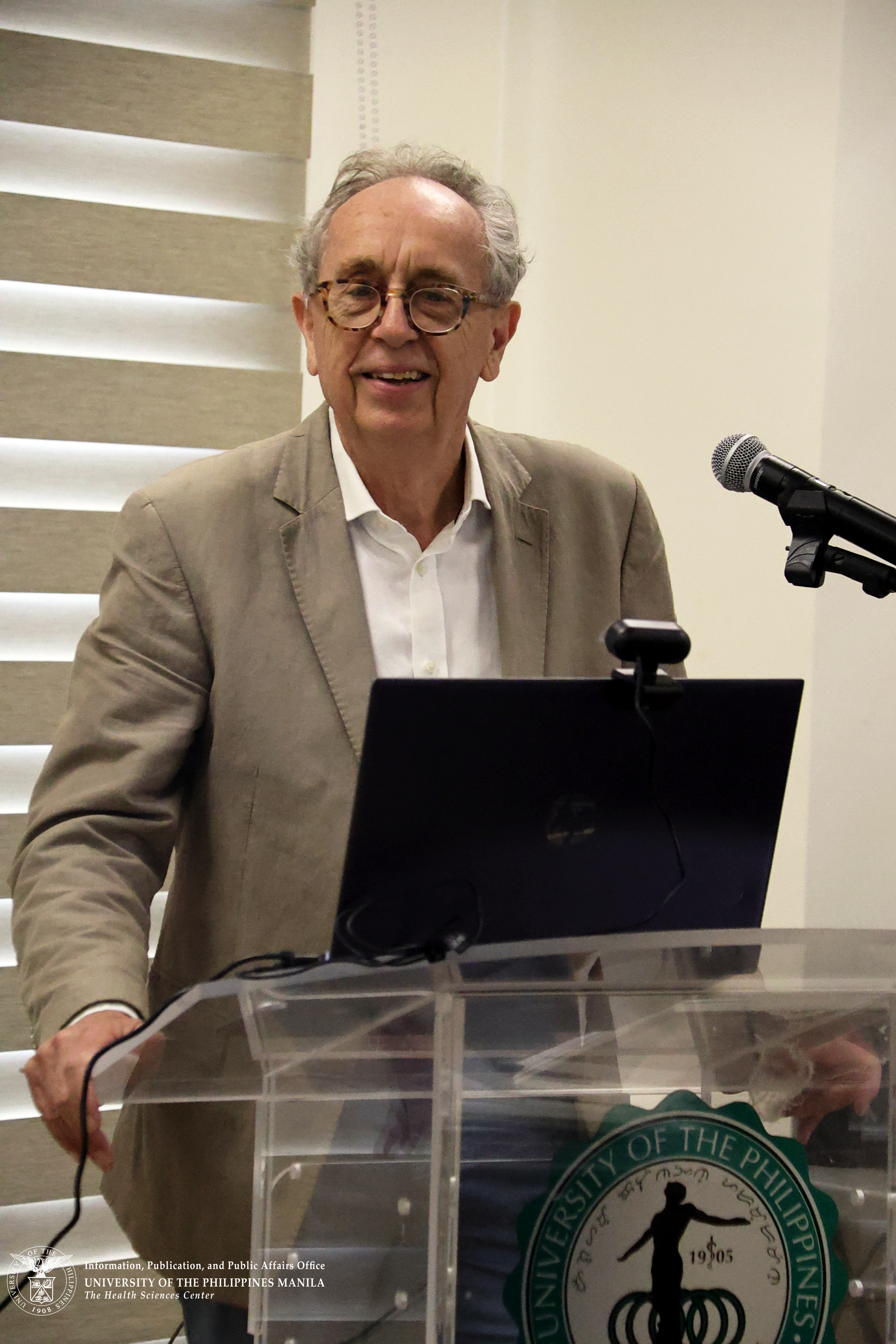
Meanwhile, Professor Emeritus Stephen Cordner of Monash University thanked the support of UP, including Chancellor Michael Tee, UPCM Dean Charlotte Chiong, and Prof. Carnate, for their support in launching the Master’s program. He also recognized Monash University, Richard Bassed, Dr. Esther Schroeder, and Assoc. Prof. David Wells and Dr. Nicholas Dempsey for their contributions.
“The commitment by the President for an executive order for an institute cannot be other than applauded,” he said.
He also acknowledged Prof. Raquel Fortun’s passion, which helped get the project off the ground, as well as the crucial behind-the-scenes support from the United Nations, including the resident coordinator, regional representatives, and human rights officials. He also highlighted the strong support of the Australian government, all of which enabled the roadmap for a forensic institute to be concretely taken up by the Philippine government.
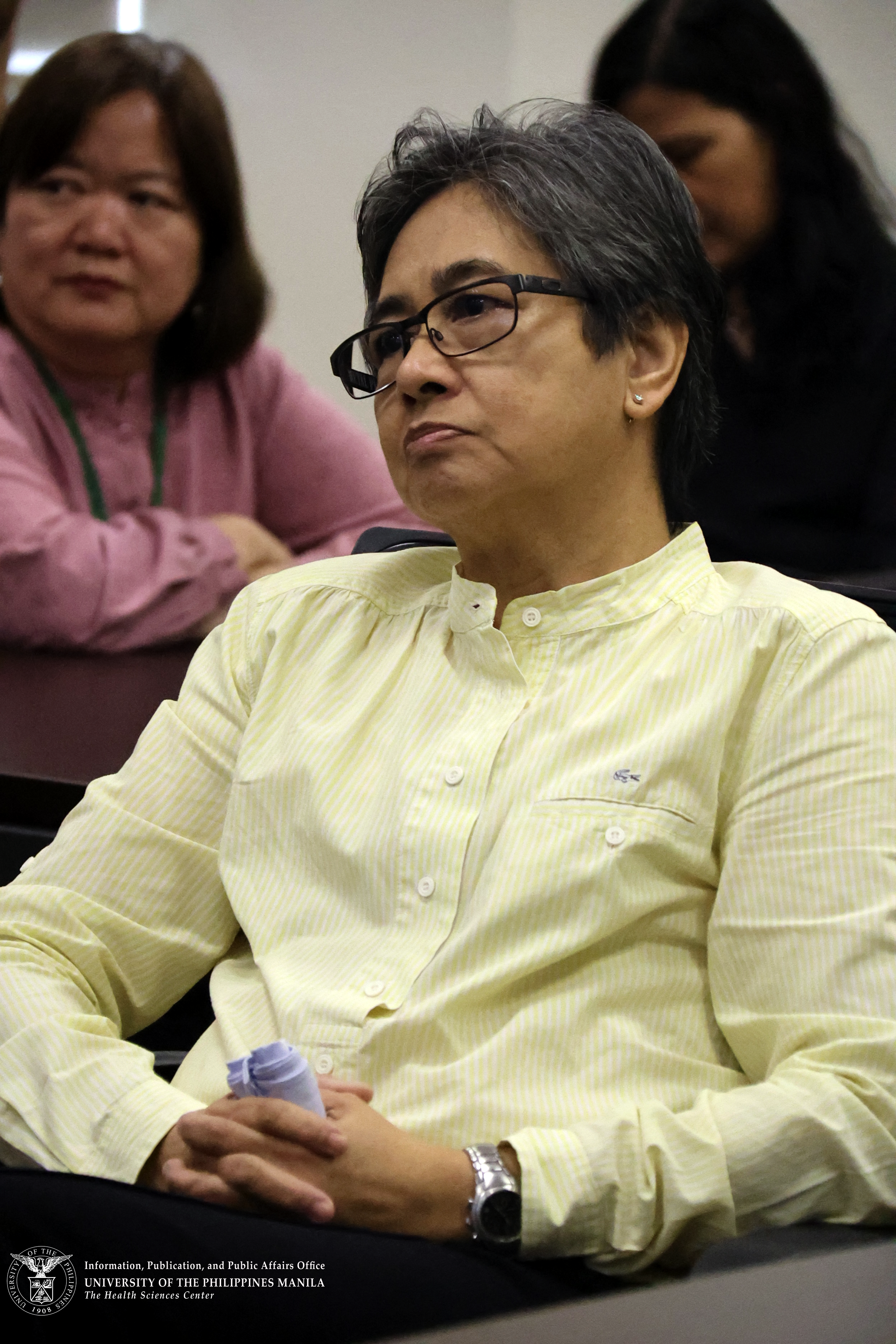
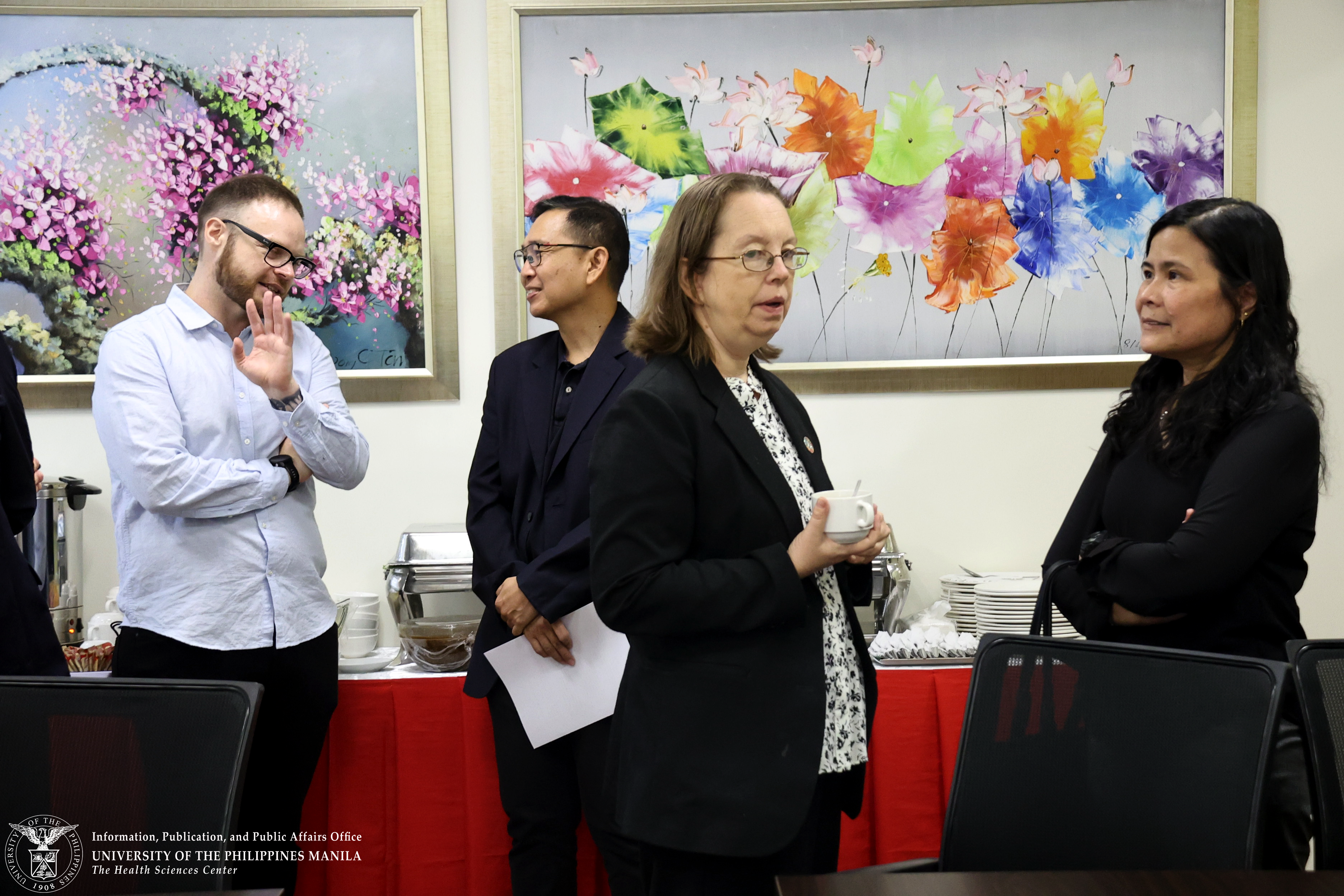
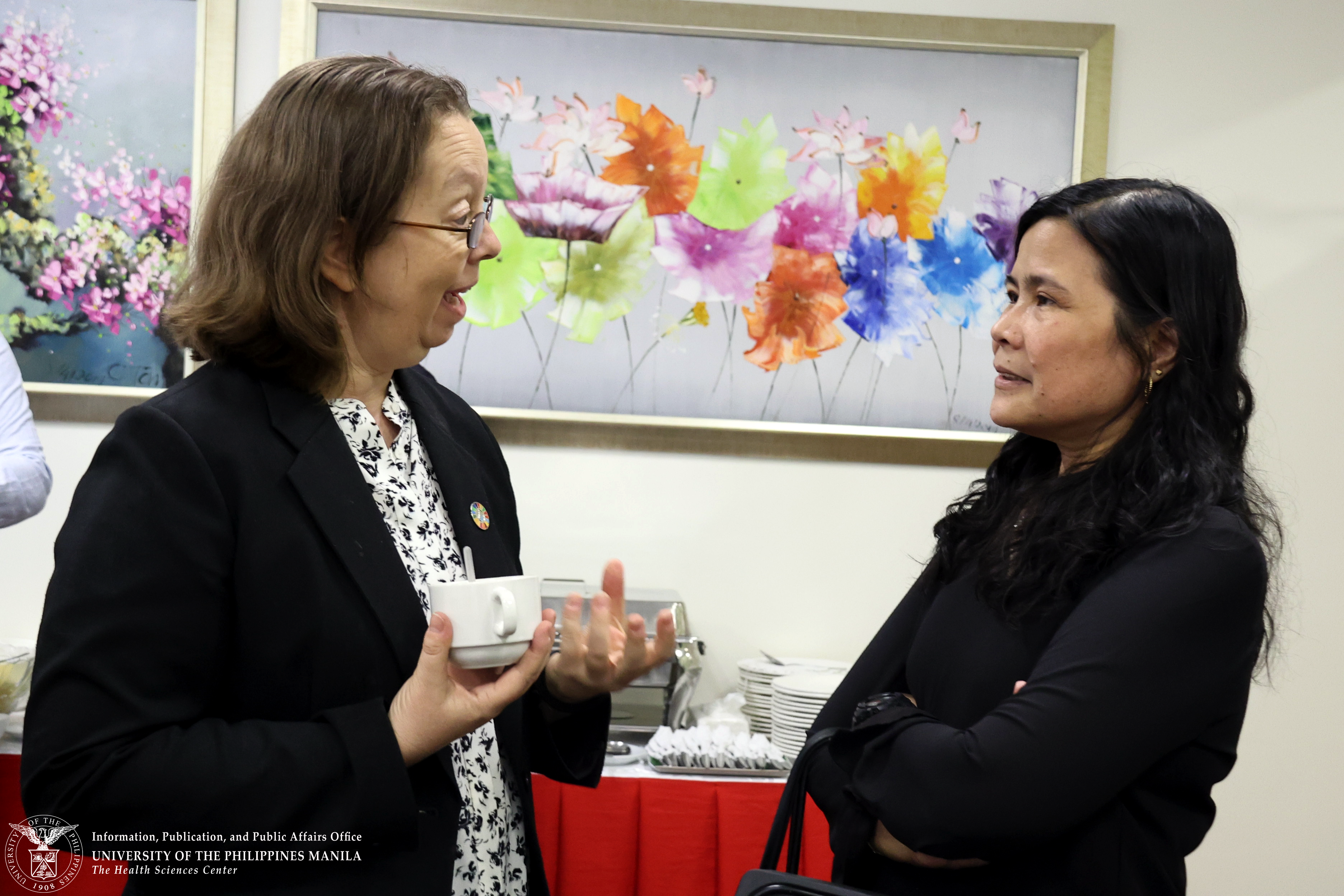
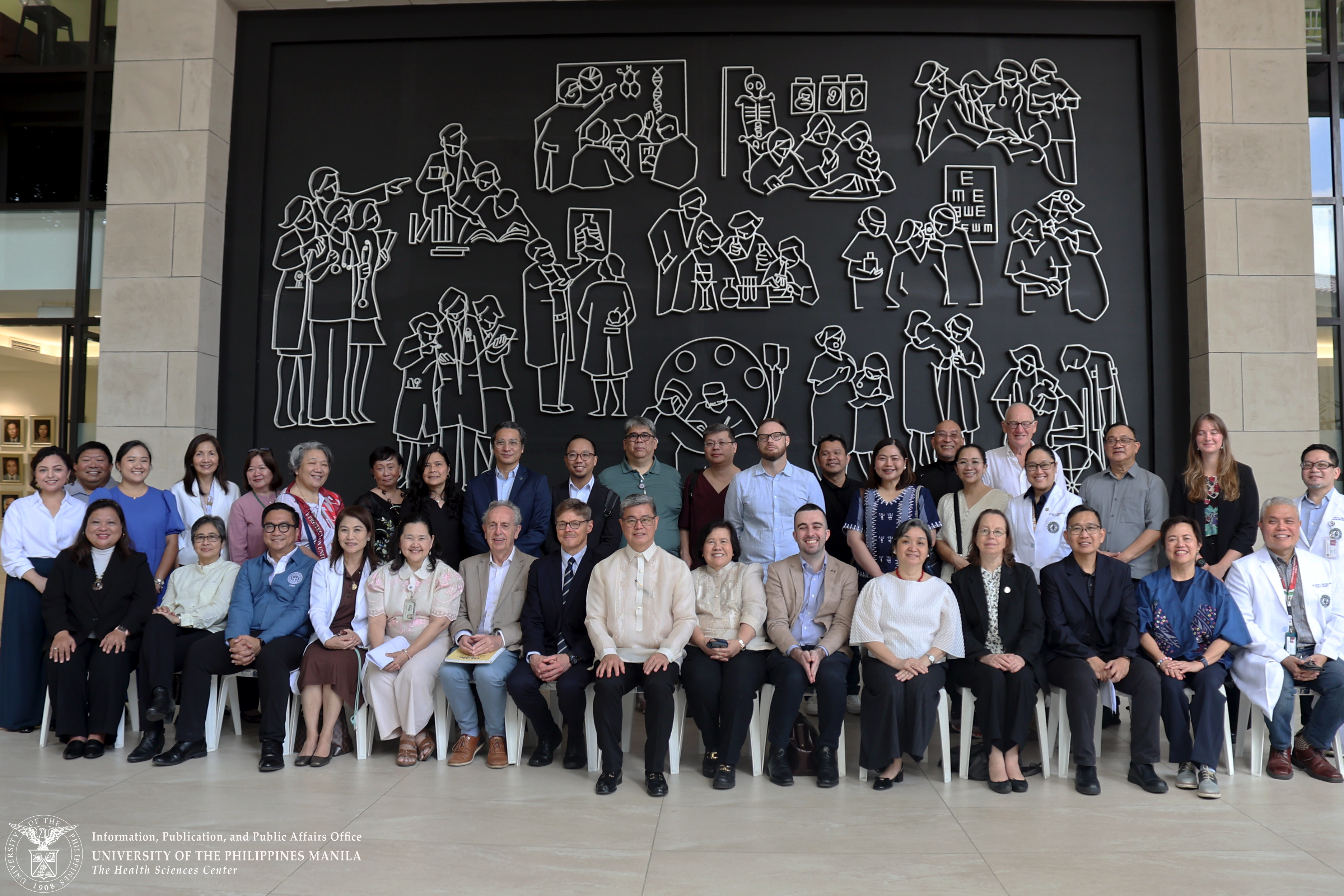
Also present at the event were Ms. Signe Poulsen, Senior Human Rights Adviser to the United Nations in the Philippines; Mr. Nick Tobia, National Program Officer, United Nations Office on Drugs and Crime; and colleagues from Monash University and the Victorian Institute of Forensic Medicine. From the Philippine government and partner organizations, attendees included Commissioner Rafael Vicente Calinisan of the National Police Commission; and Dr. Bernadette Madrid of the Child Protection Network Foundation, Incorporated. Representing the University of the Philippines System and the Philippine General Hospital were Vice Chancellor for Academic Affairs Bernadette Heizel Reyes; Dr. Jose Joven Cruz, UPCM Associate Dean for Planning and Development; PGH Deputy Director for Health Operations Dr. Regina Berba; Dr. Maria Corazon de Ungria, Head of the DNA Analysis Laboratory at the National Science Research Institute; Dr. Lee Edson Yarcia, Senior Lecturer, Senior Legal Associate of the College of Law, and faculty of the Department of Pathology; Dr. Maria Jesusa Banal-Silao, Department of Obstetrics and Gynecology; Dr. Alvin Marcelo, Division of Trauma, Department of Surgery; Dr. Richard Vincent Dimagiba, Chair of the Department of Emergency Medicine; Dr. Maria Cecilia Lim, Forensic Pathologist and faculty of the Department of Pathology; Dr. Rodney Dofitas, Department of Surgery; and Dr. Merle Tan, Medical Specialist from the Child Protection Unit.
The launch of the Philippines’ first Master’s program in Forensic Medicine at UP Manila marks a historic step in strengthening forensic expertise and supporting the justice system. This pioneering initiative brings together the university, international partners, and government agencies to provide advanced training and build the country’s forensic capacity.
Read More:
#FP1 #AccessibleUPLeadership