

Text by Charmaine A. Lingdas
Photos by Sarah Hazel Moces S. Pulumbarit
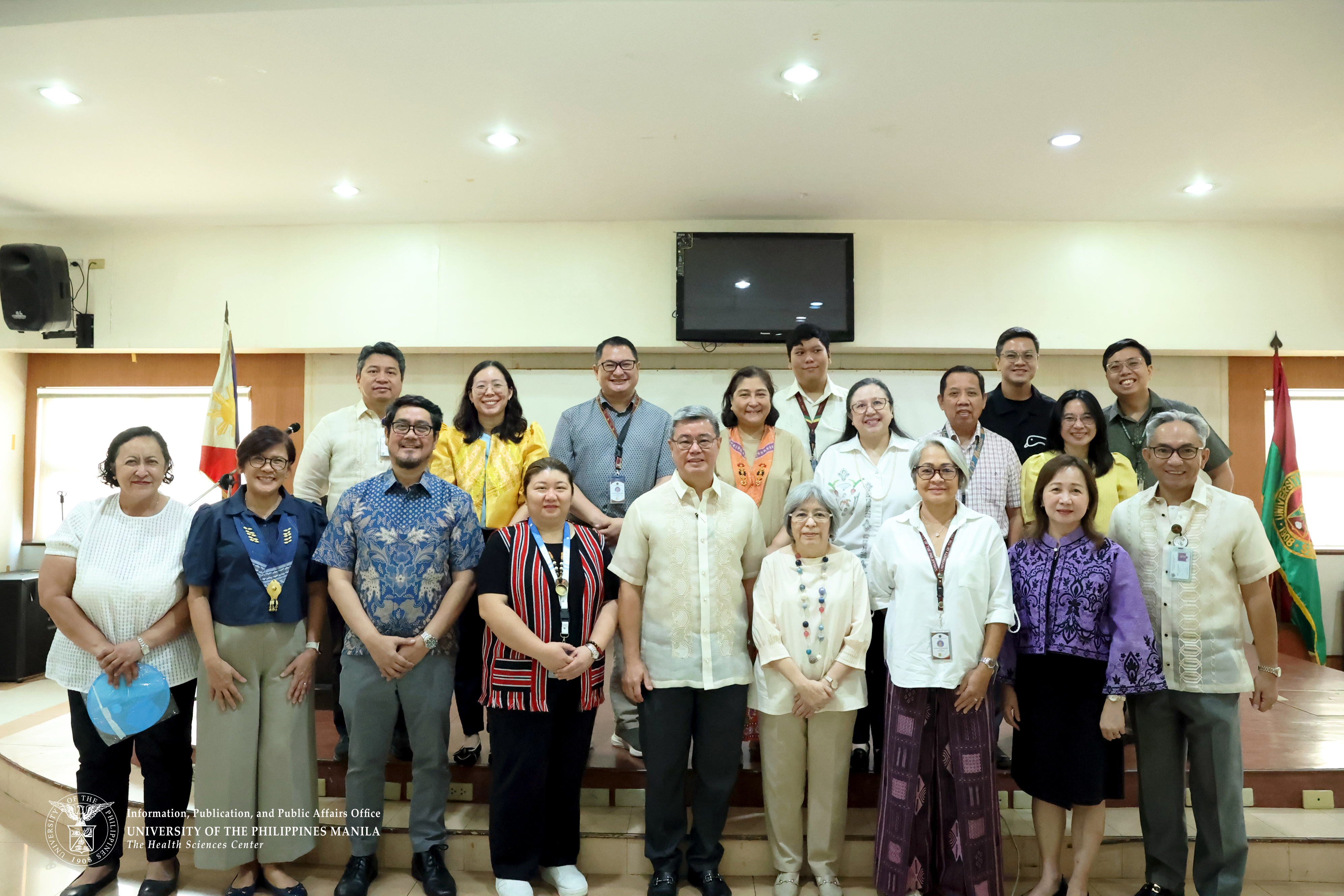
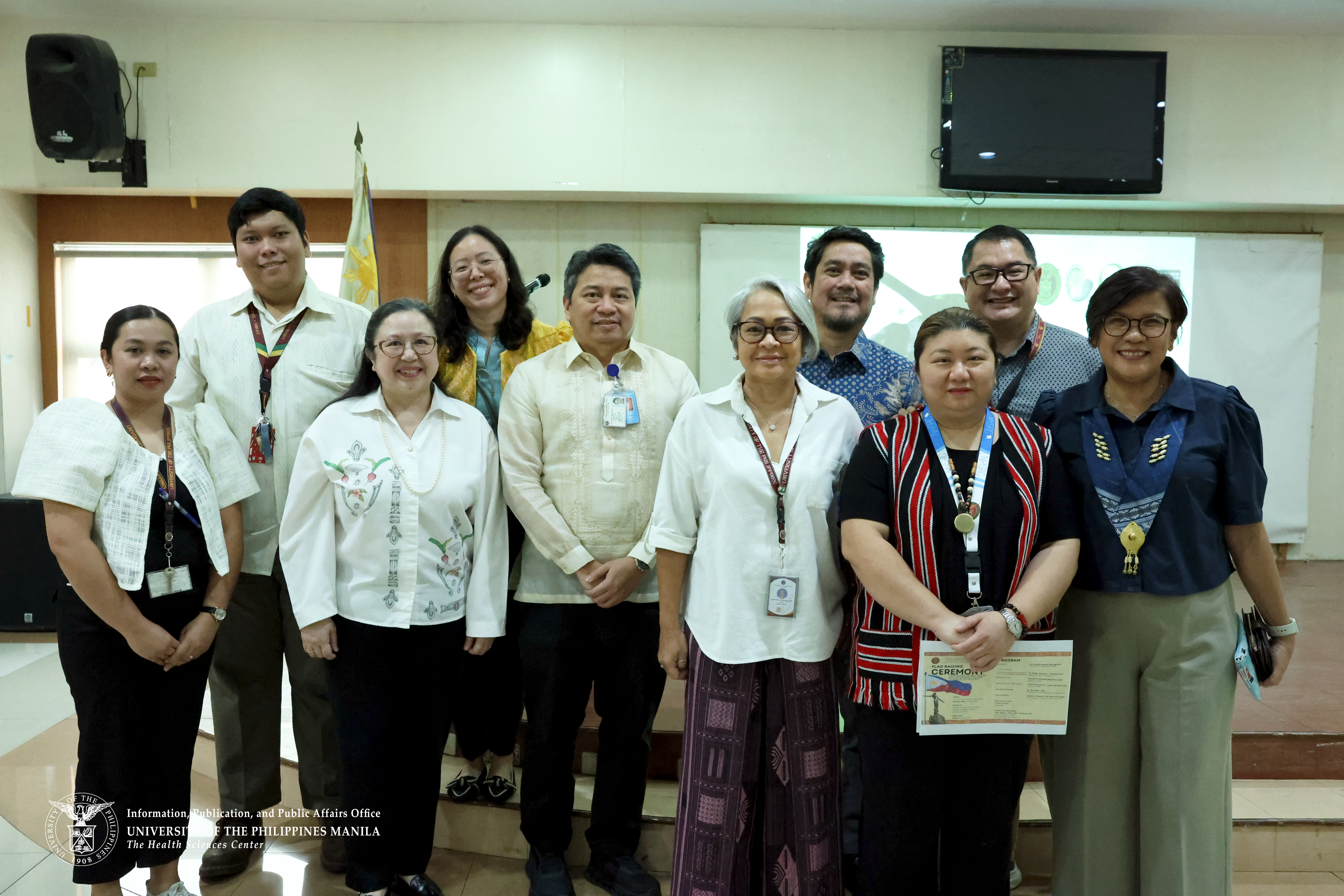
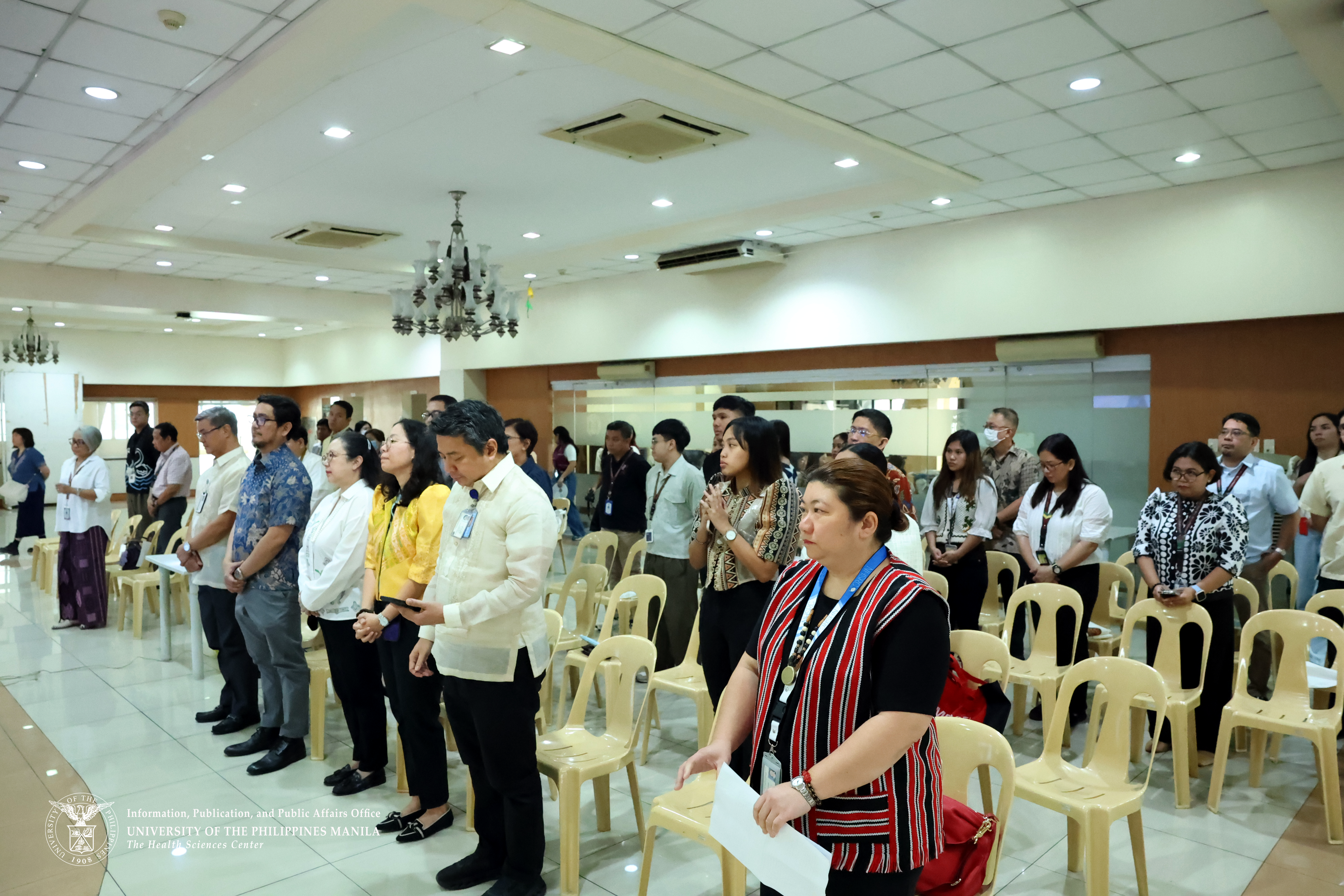
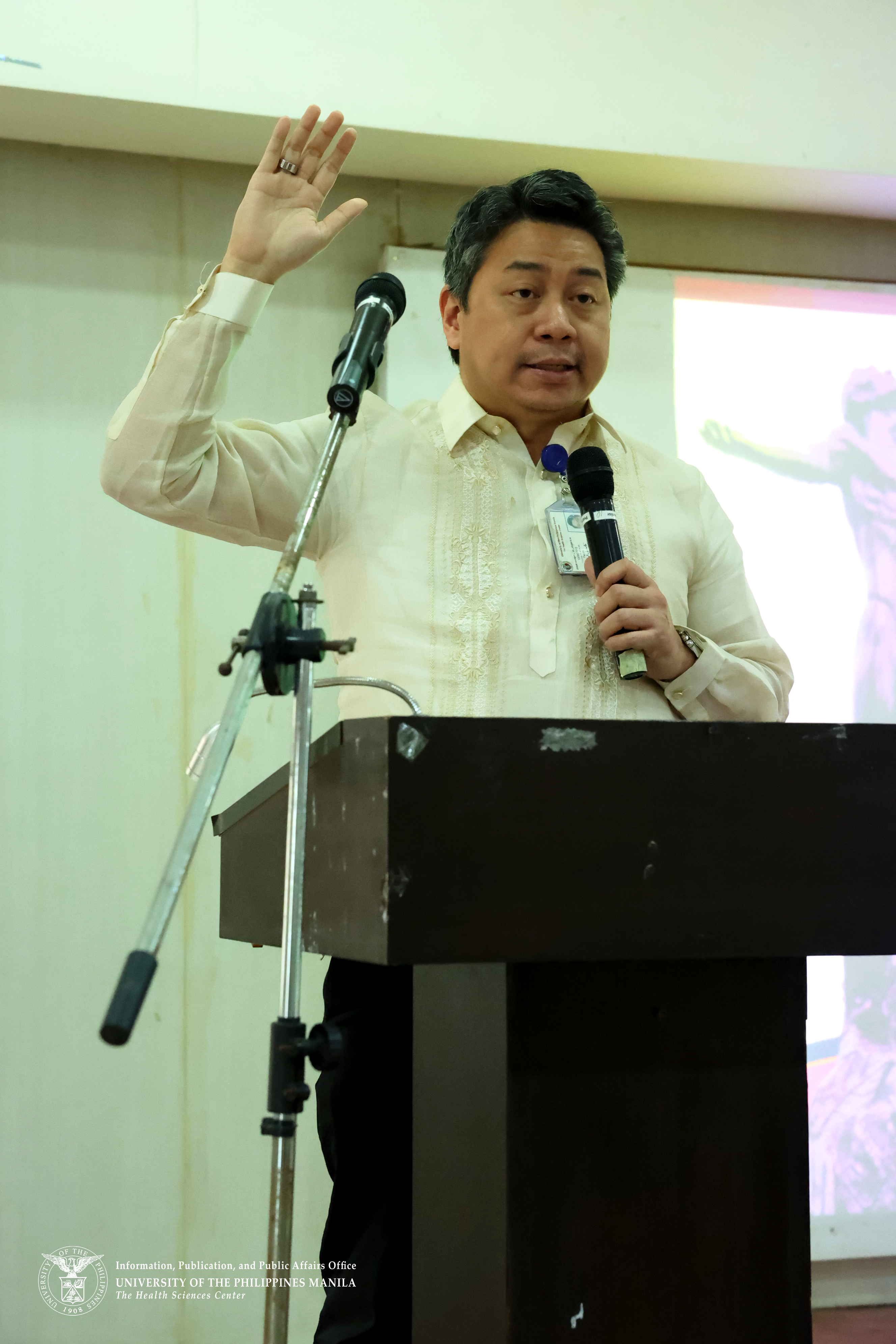
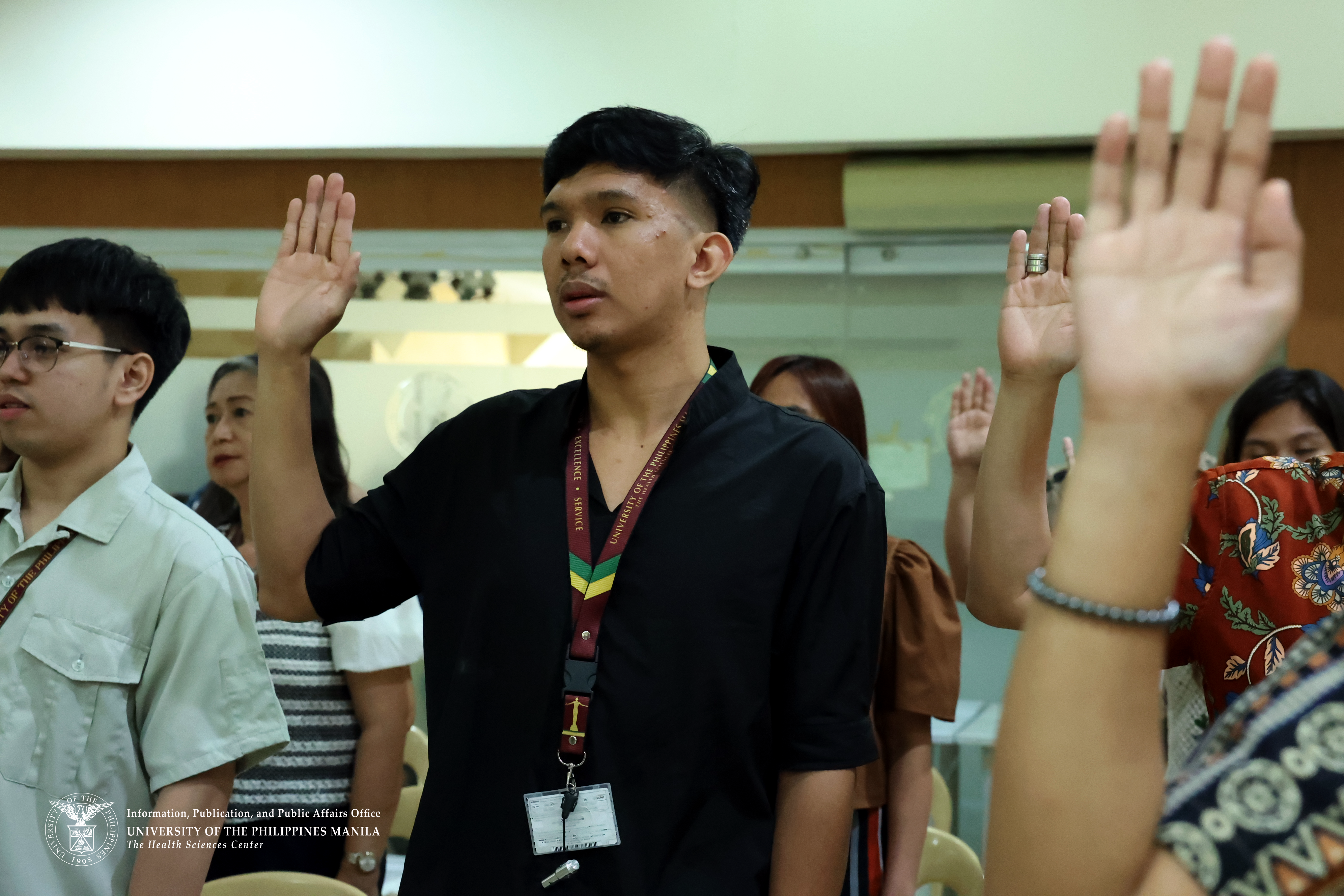
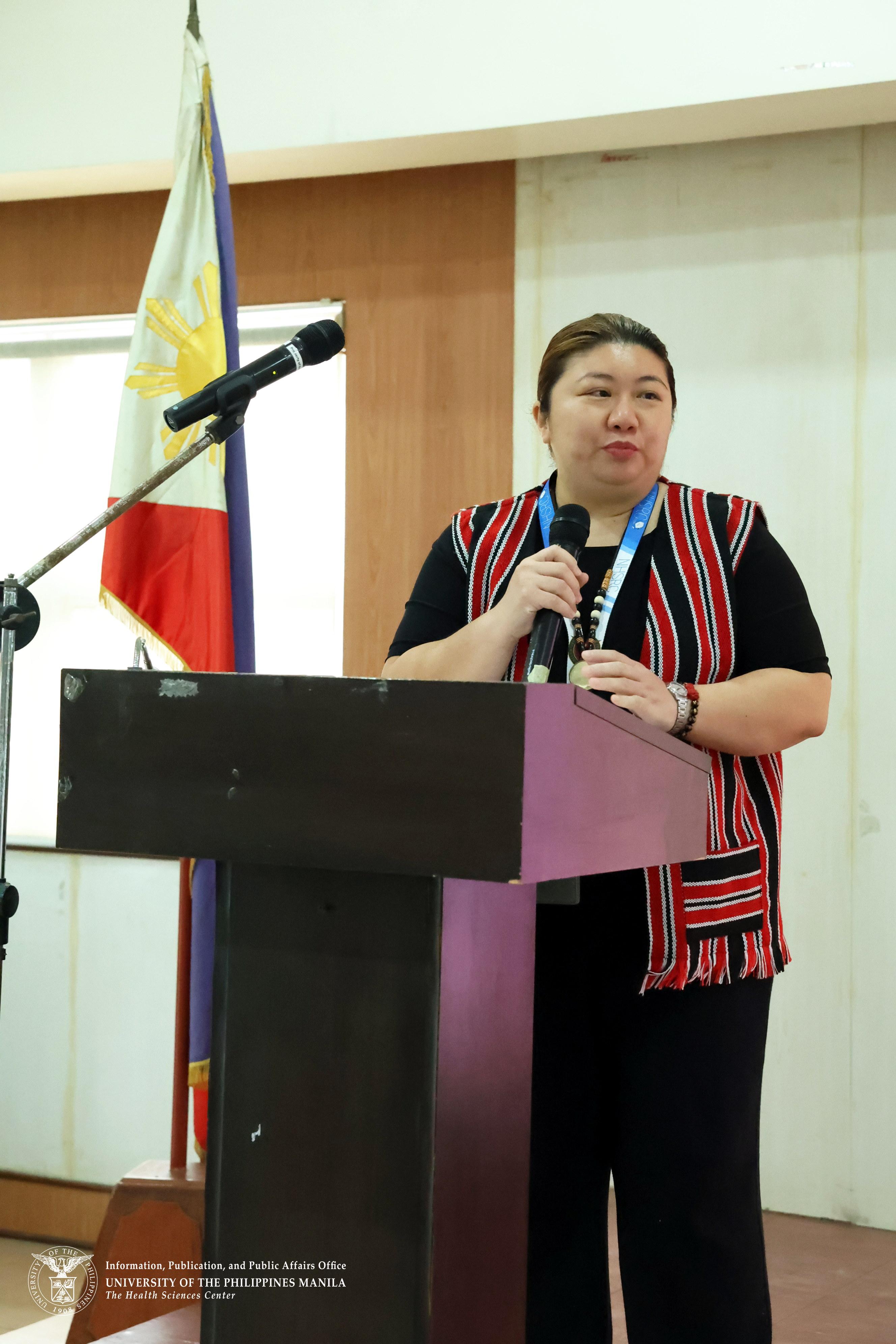
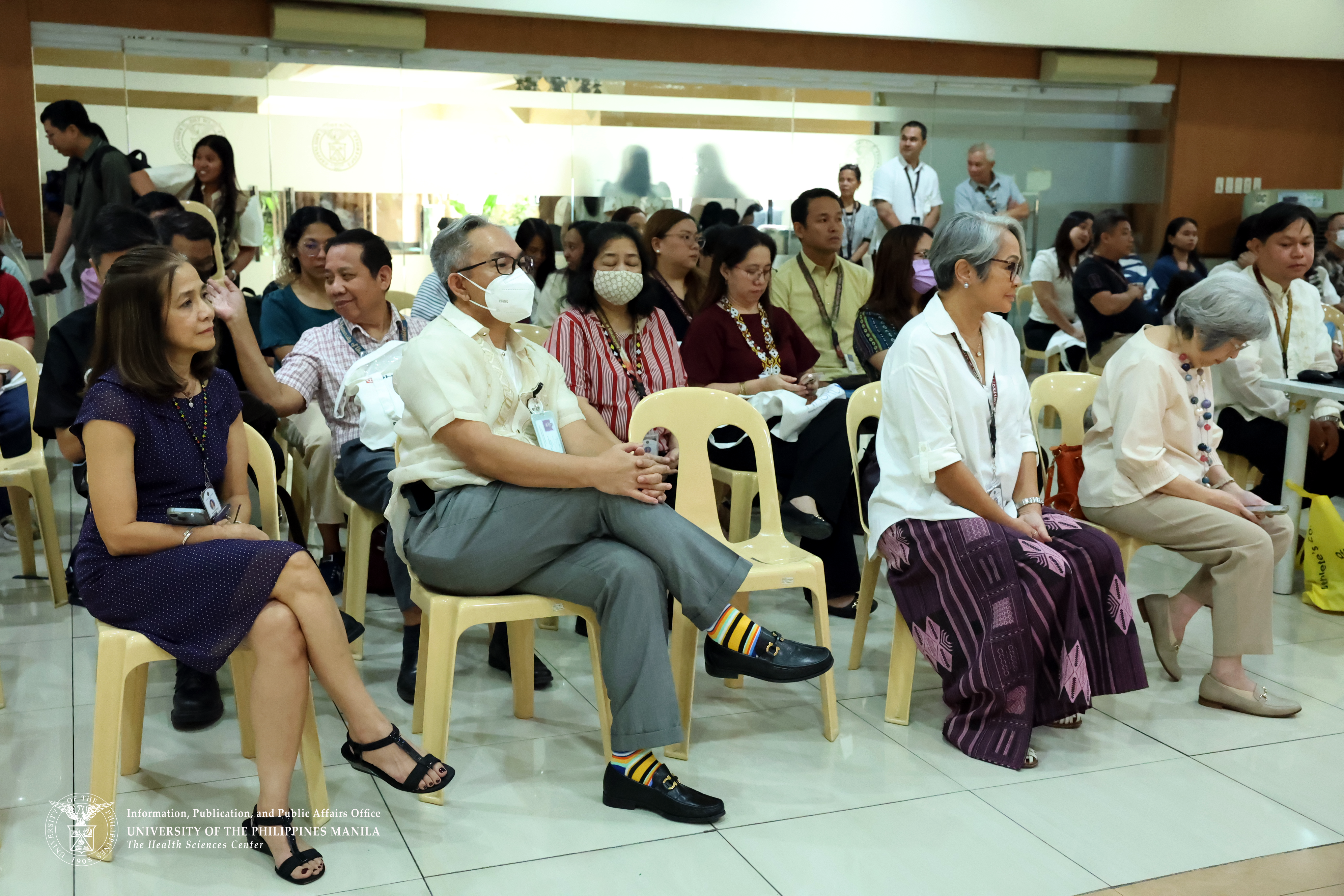
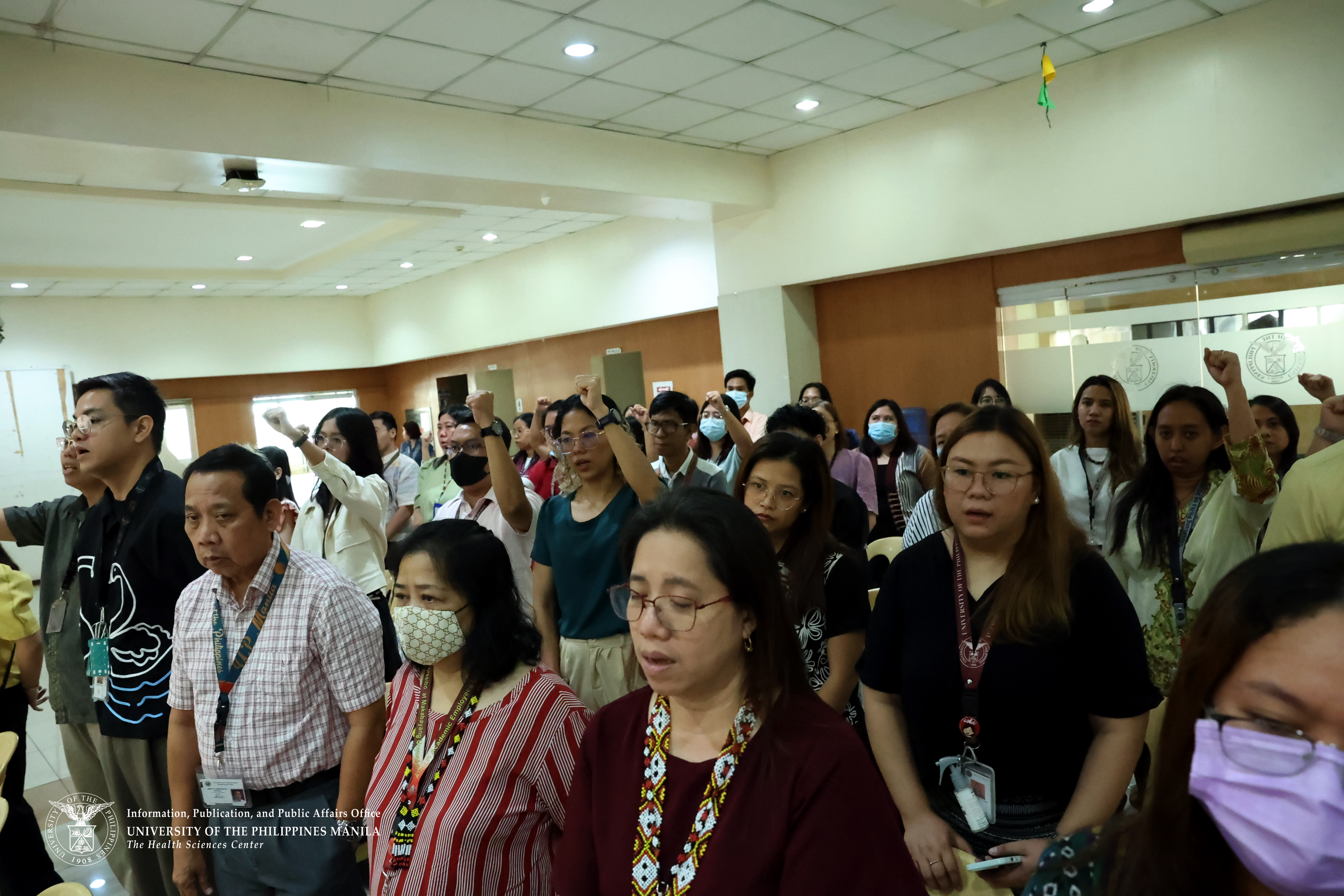
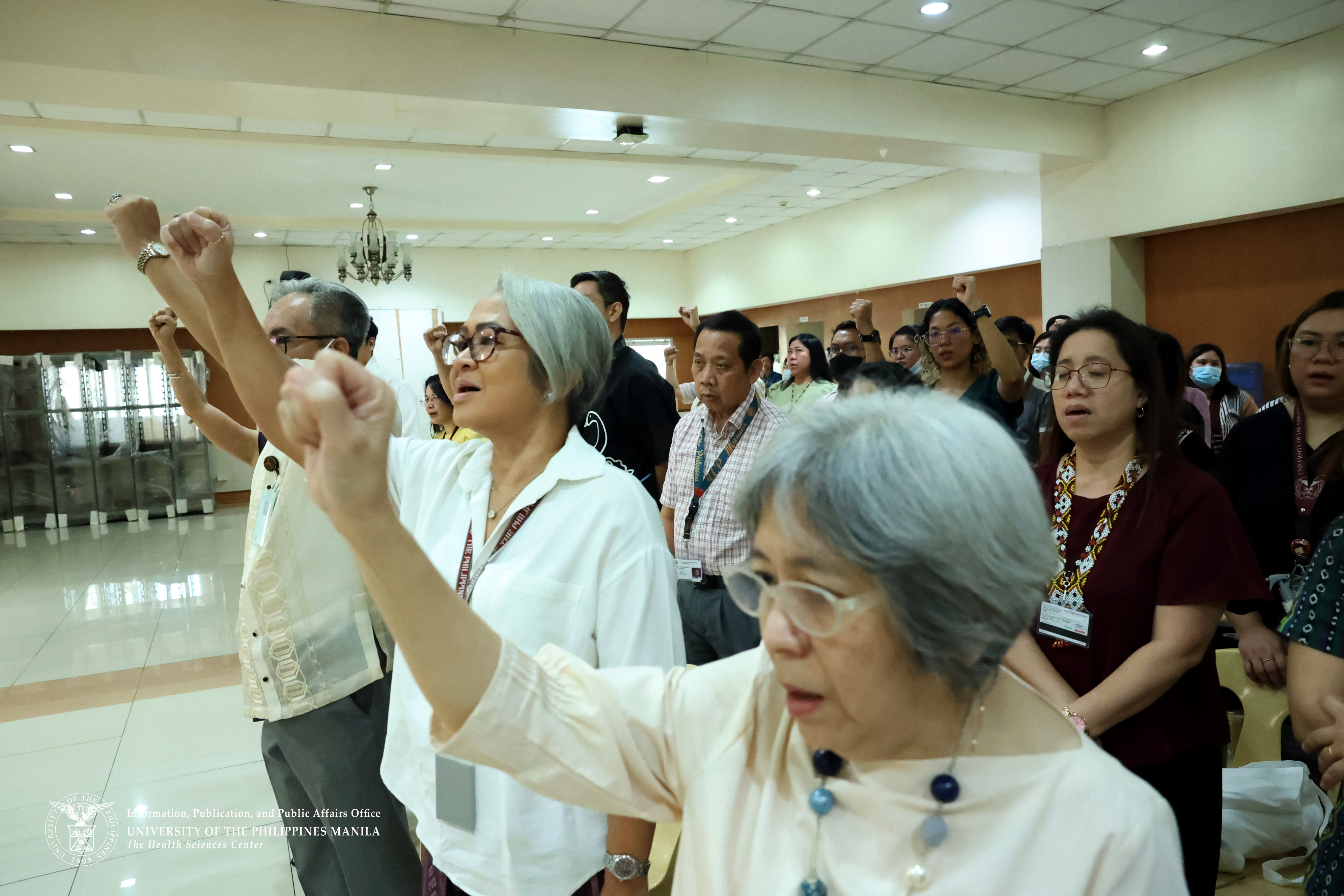
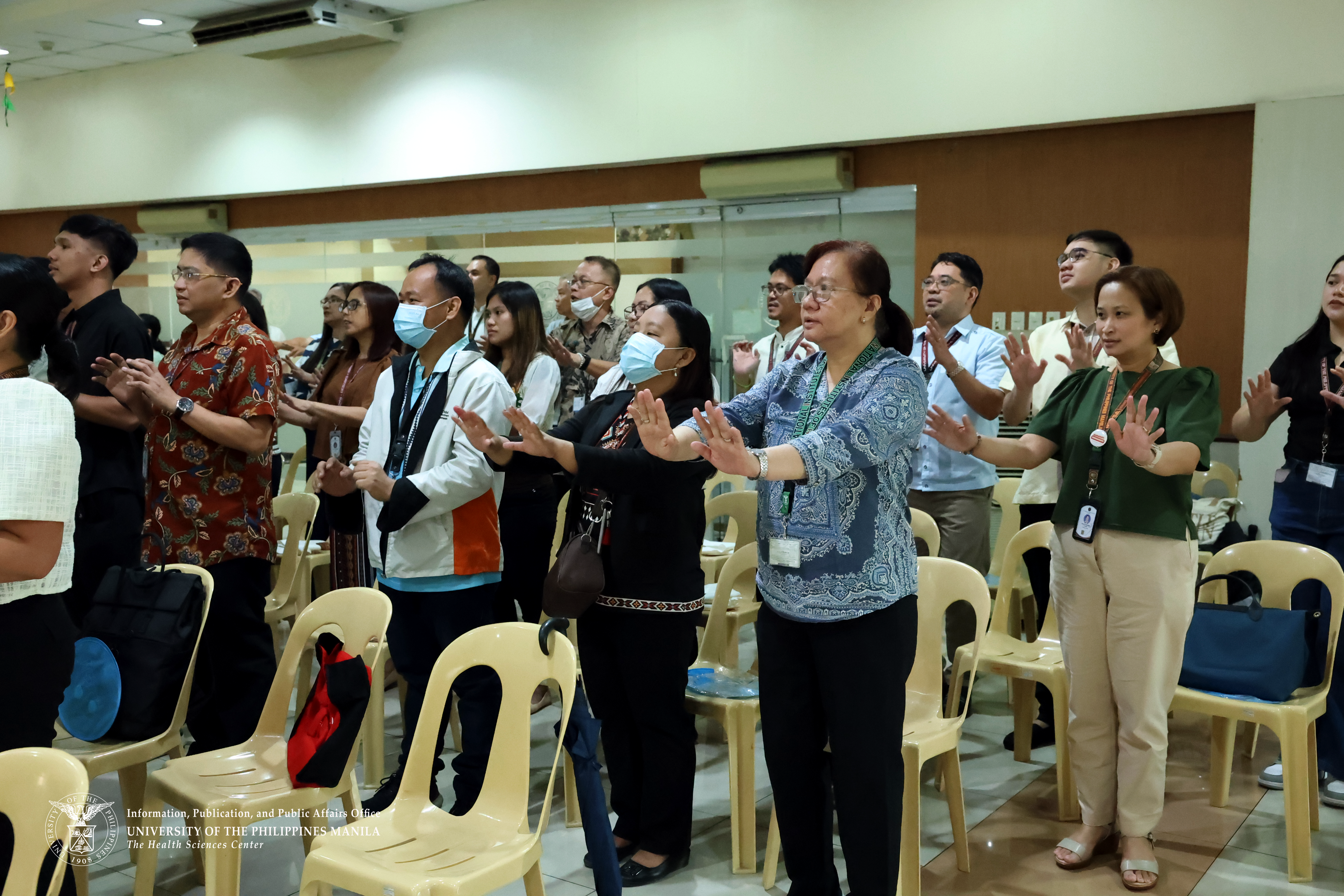
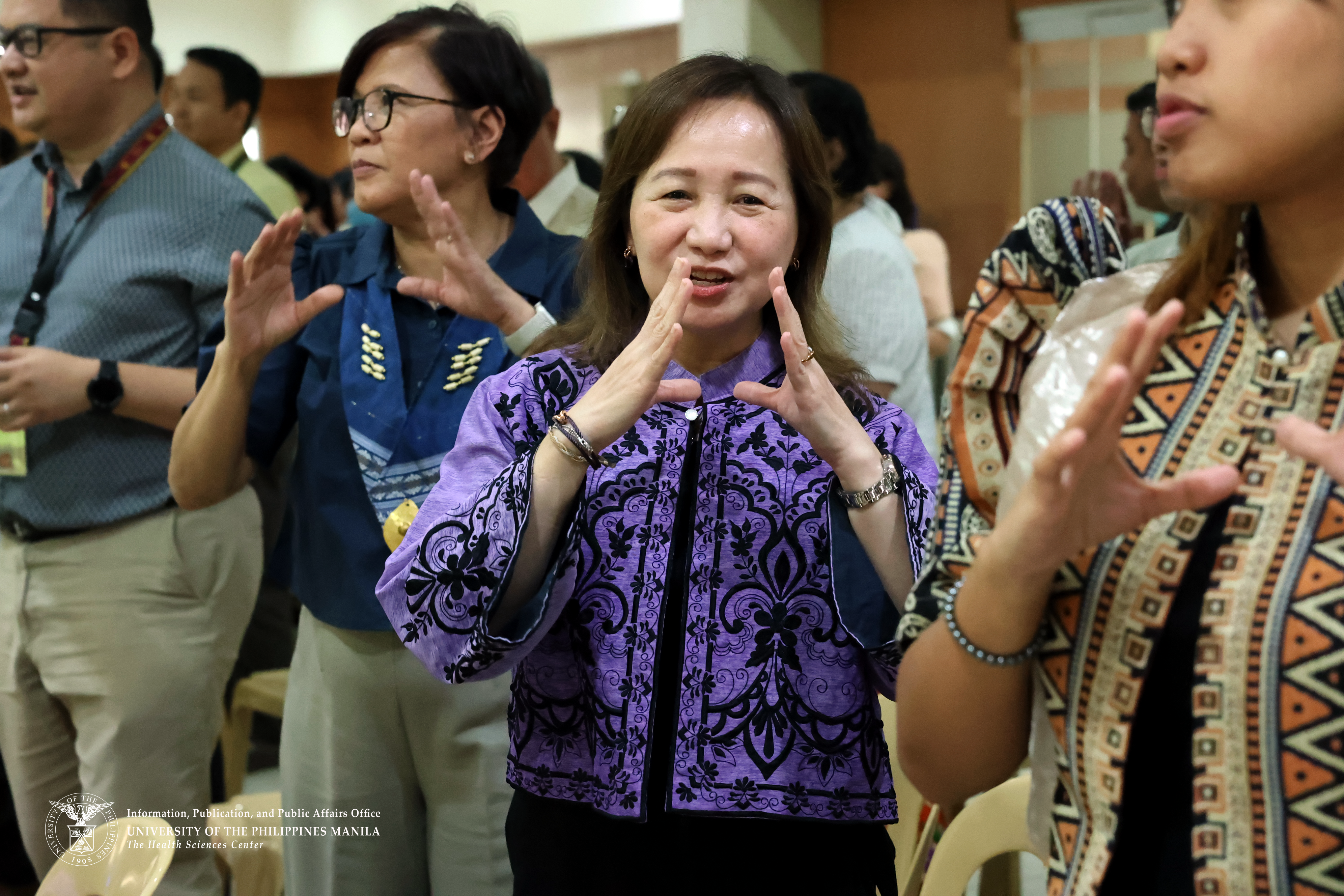
The National Institutes of Health (NIH) marked World Hearing Day with a renewed call for accessible hearing care for all during a flag-raising ceremony on March 2, 2026, at the UP Manila Social Hall.
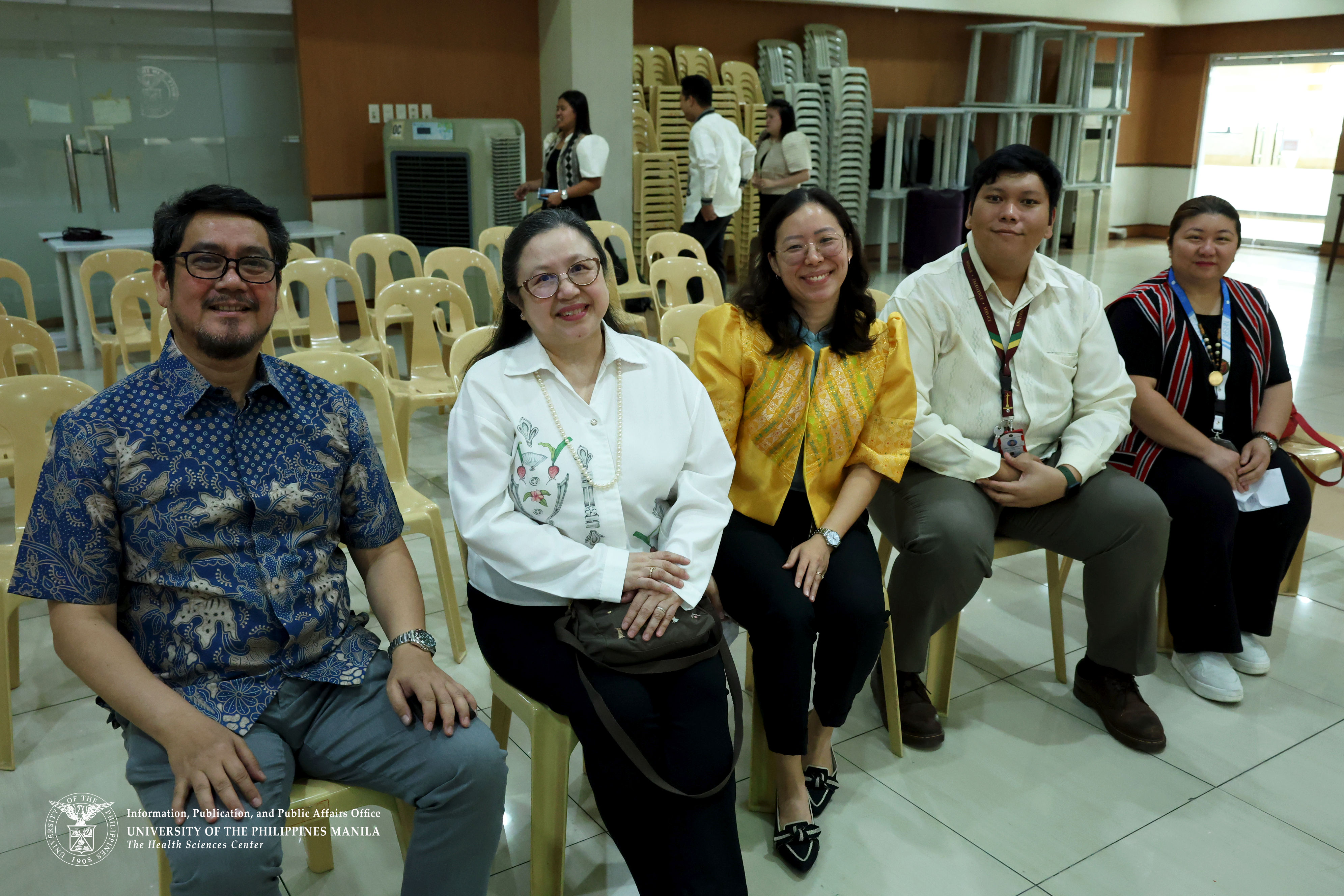
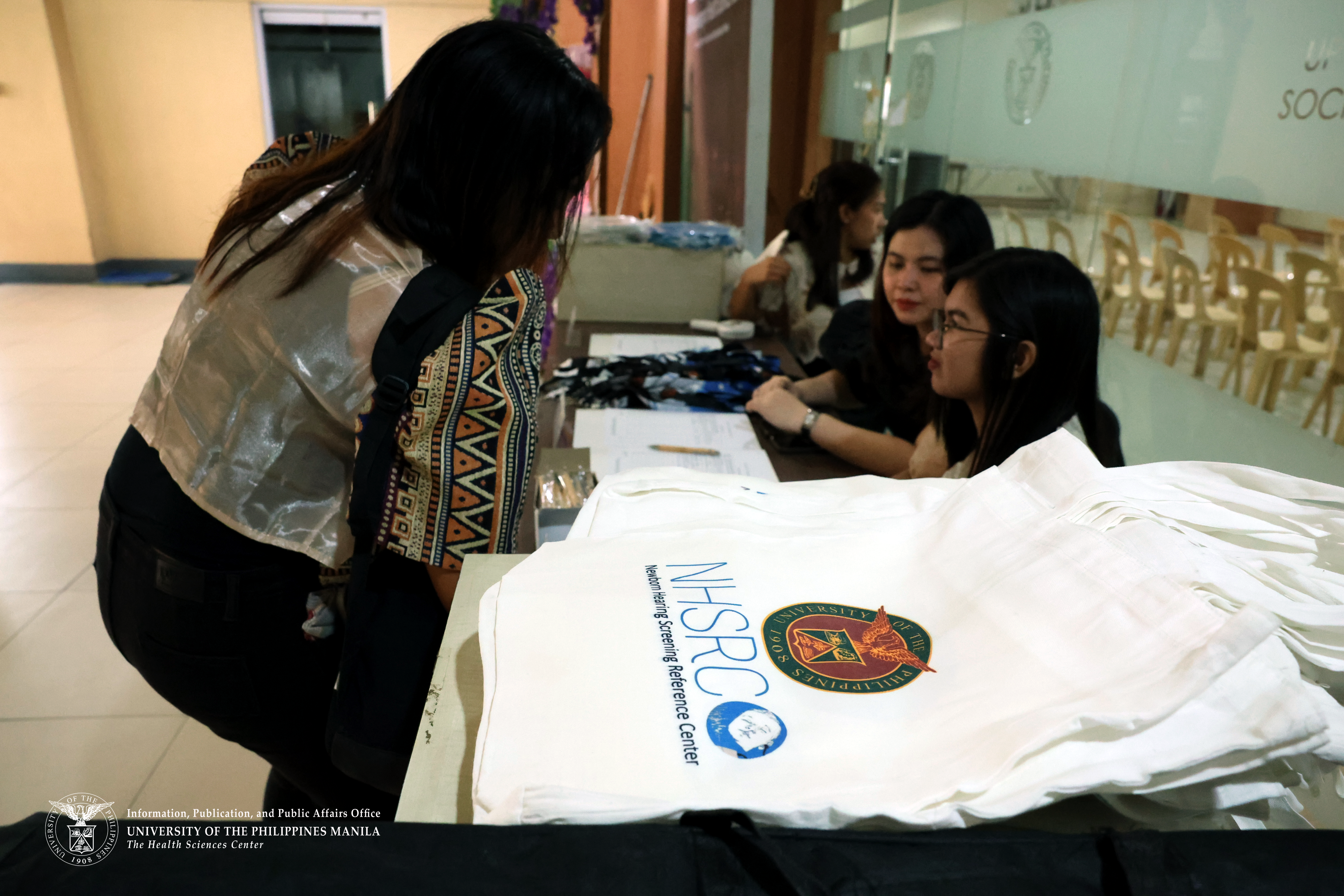
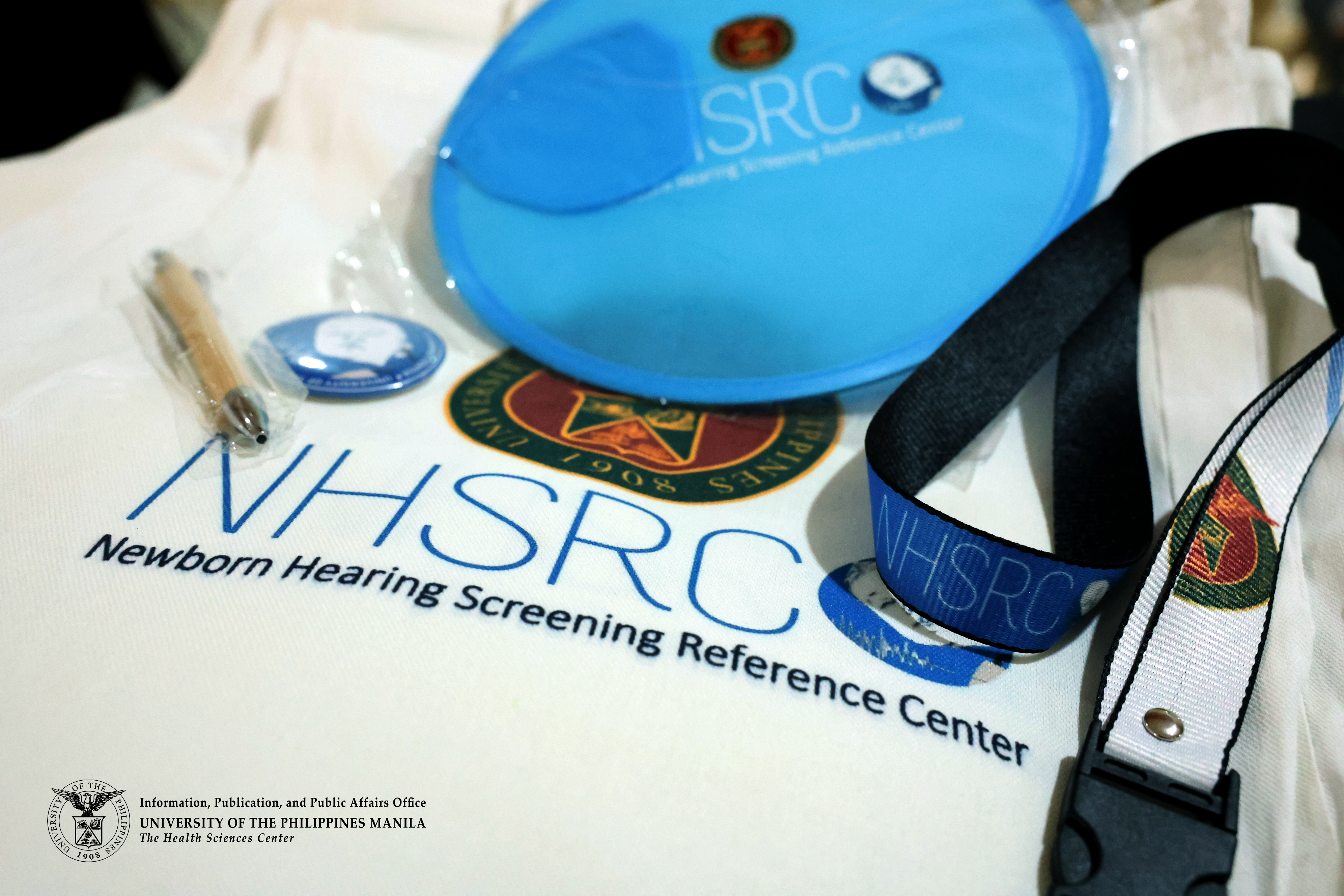
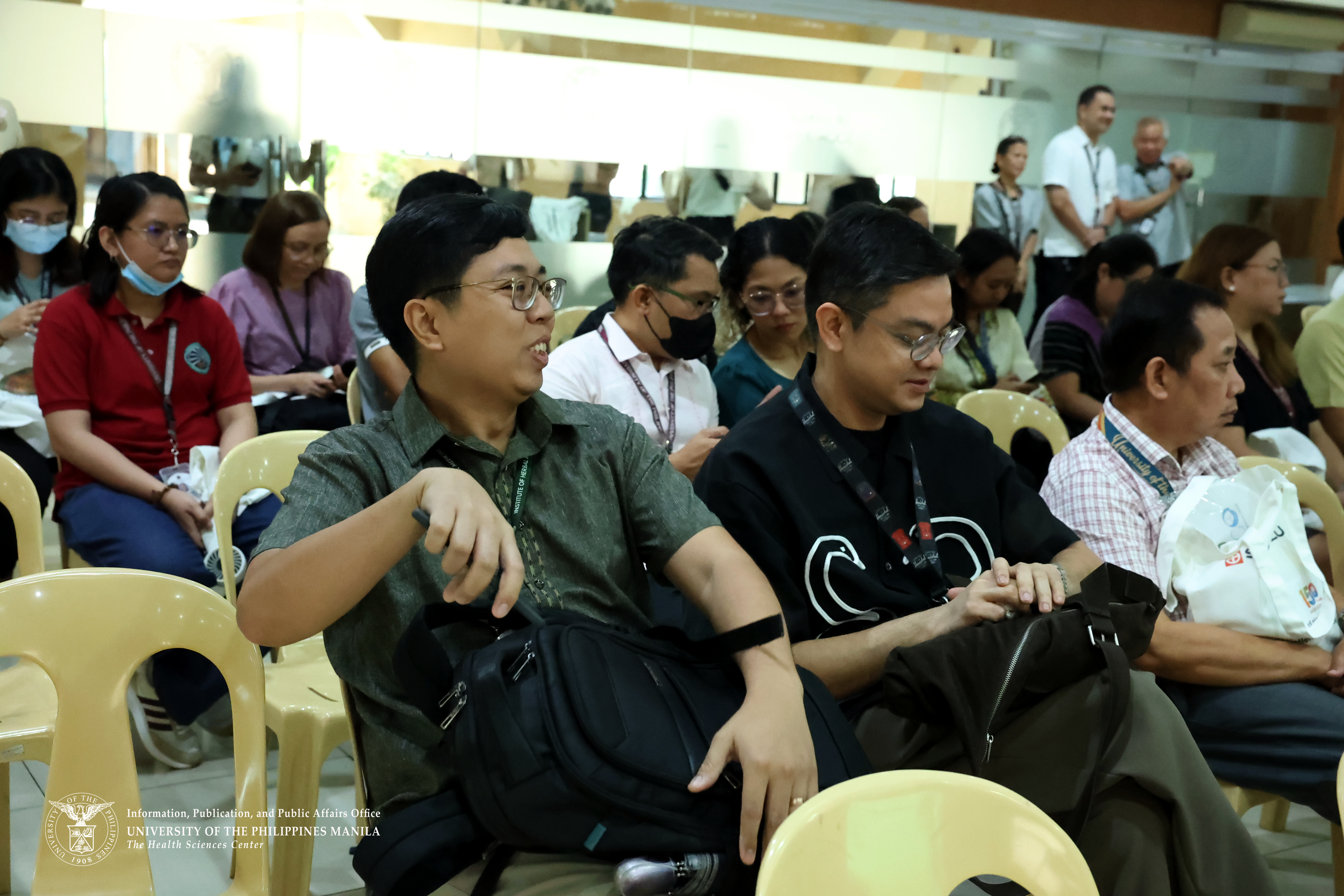
The event was hosted by the Newborn Hearing Screening Reference Center (NHSRC) and the Philippine National Ear Institute (PNEI), bringing together university officials, faculty, and staff to support the strengthening of hearing health initiatives nationwide.
Expanding Hearing Care Beyond Infancy
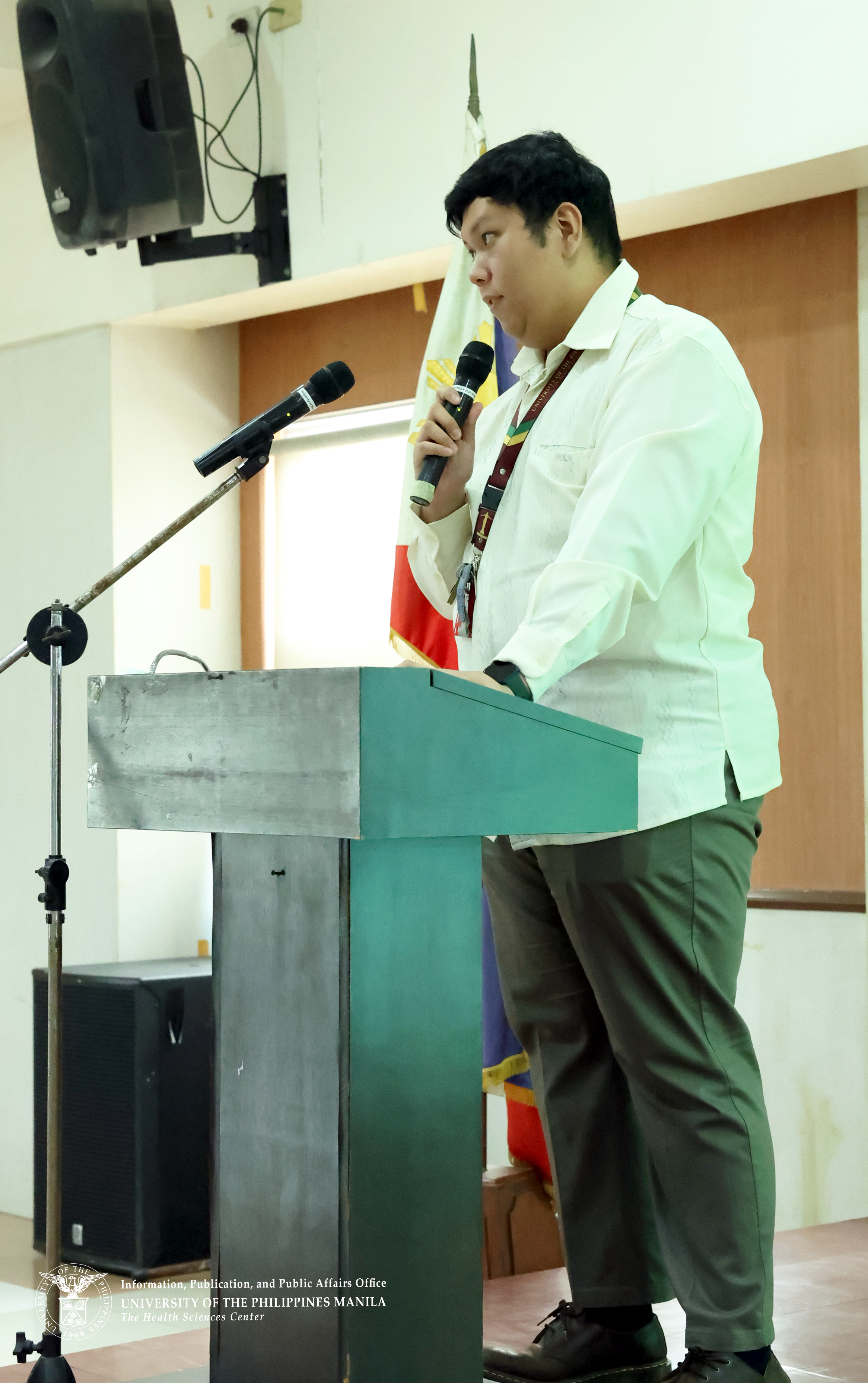
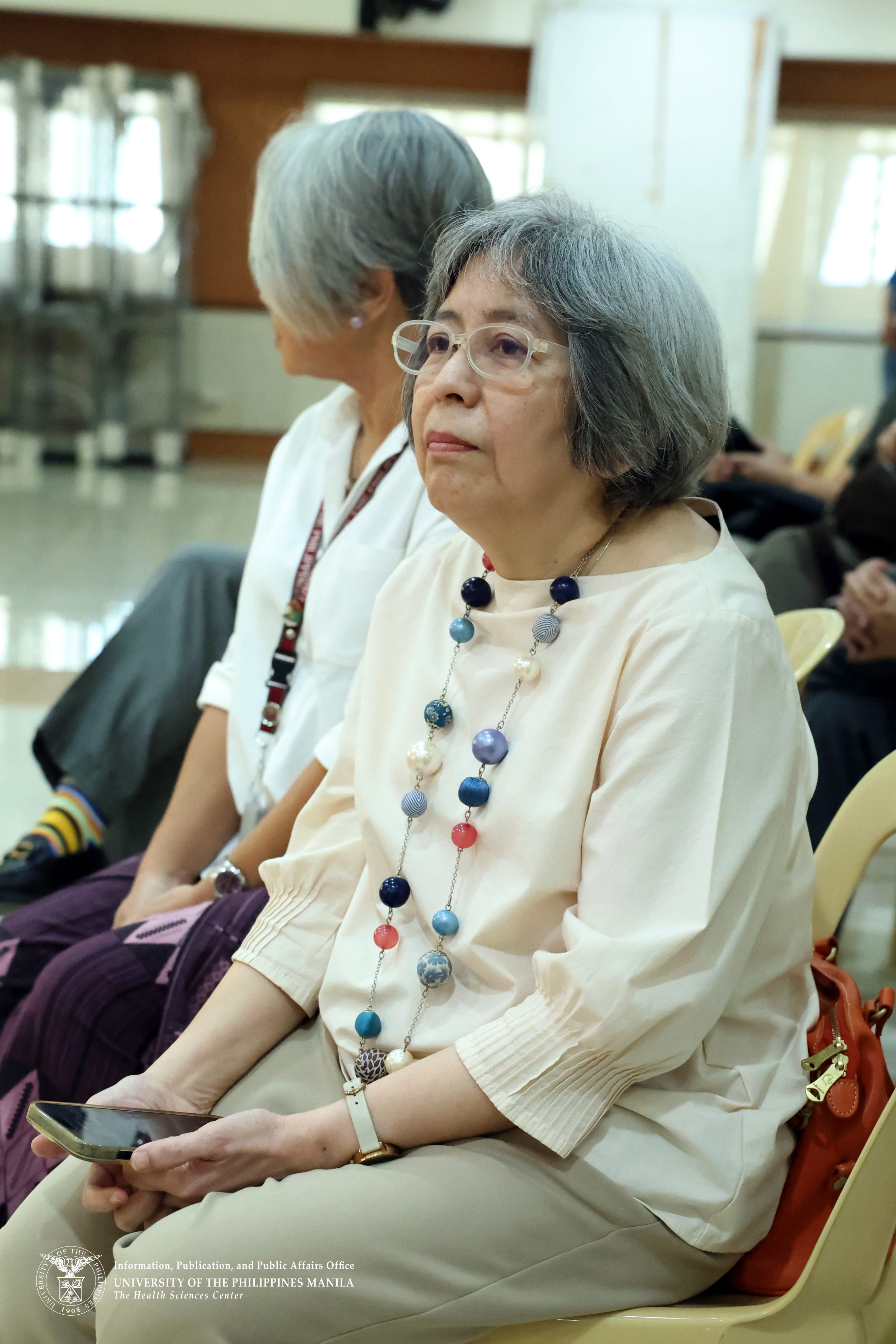
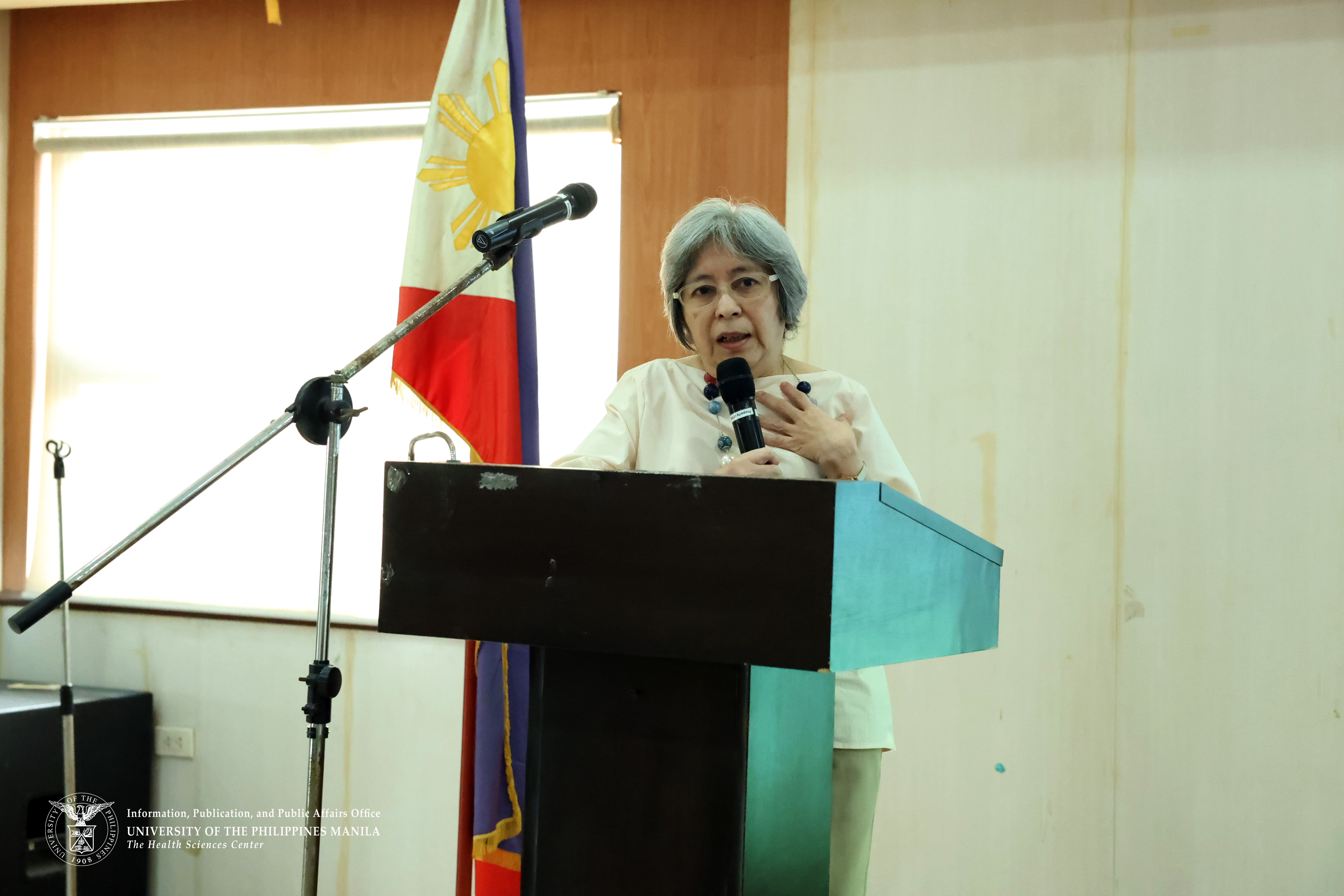
NHSRC Director Dr. Rosario Ricalde underscored the significance of the World Hearing Day in the country and emphasized the need to expand hearing care beyond infancy. “For years, our country has strengthened newborn hearing screening through the implementation of RA 9709, ensuring infants are given the opportunity for early detection and early intervention. But we all know that hearing health does not end in infancy. Now, we shine a spotlight on school-age children,” she said.
Undetected hearing loss in children can affect academic performance and self-confidence but a simple screening using tuning fork or the HearWHO app in older children can change the trajectory of a child’s life from frustration to empowerment, from silence to participation, Dr. Ricalde noted.
She called on UP Manila to lead research on cost-effective school-based screening models; train audiologists and other health professionals, as well as teachers and community health workers; develop locally appropriate screening technologies; and strengthen partnerships with the Departments of Health and Education.
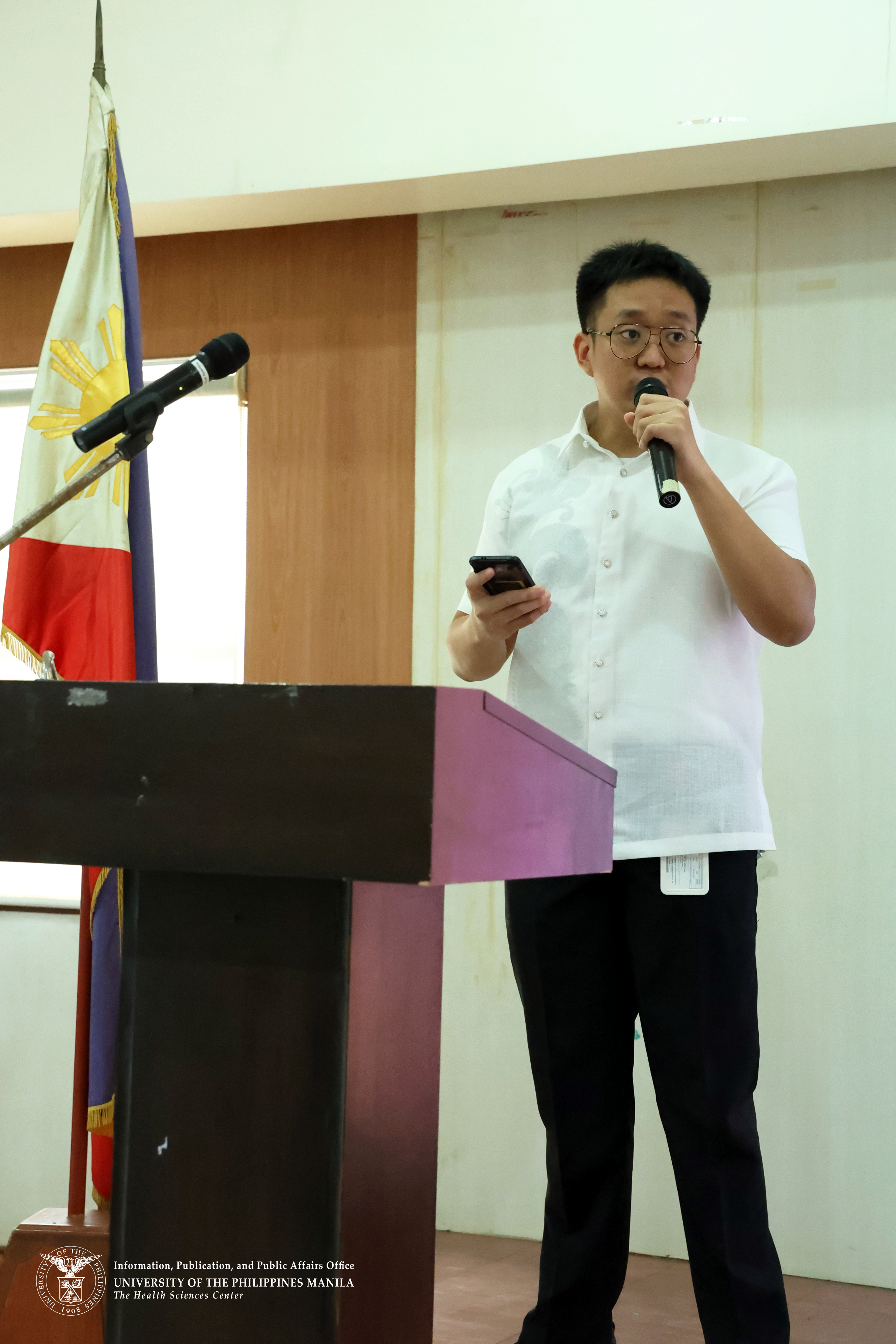
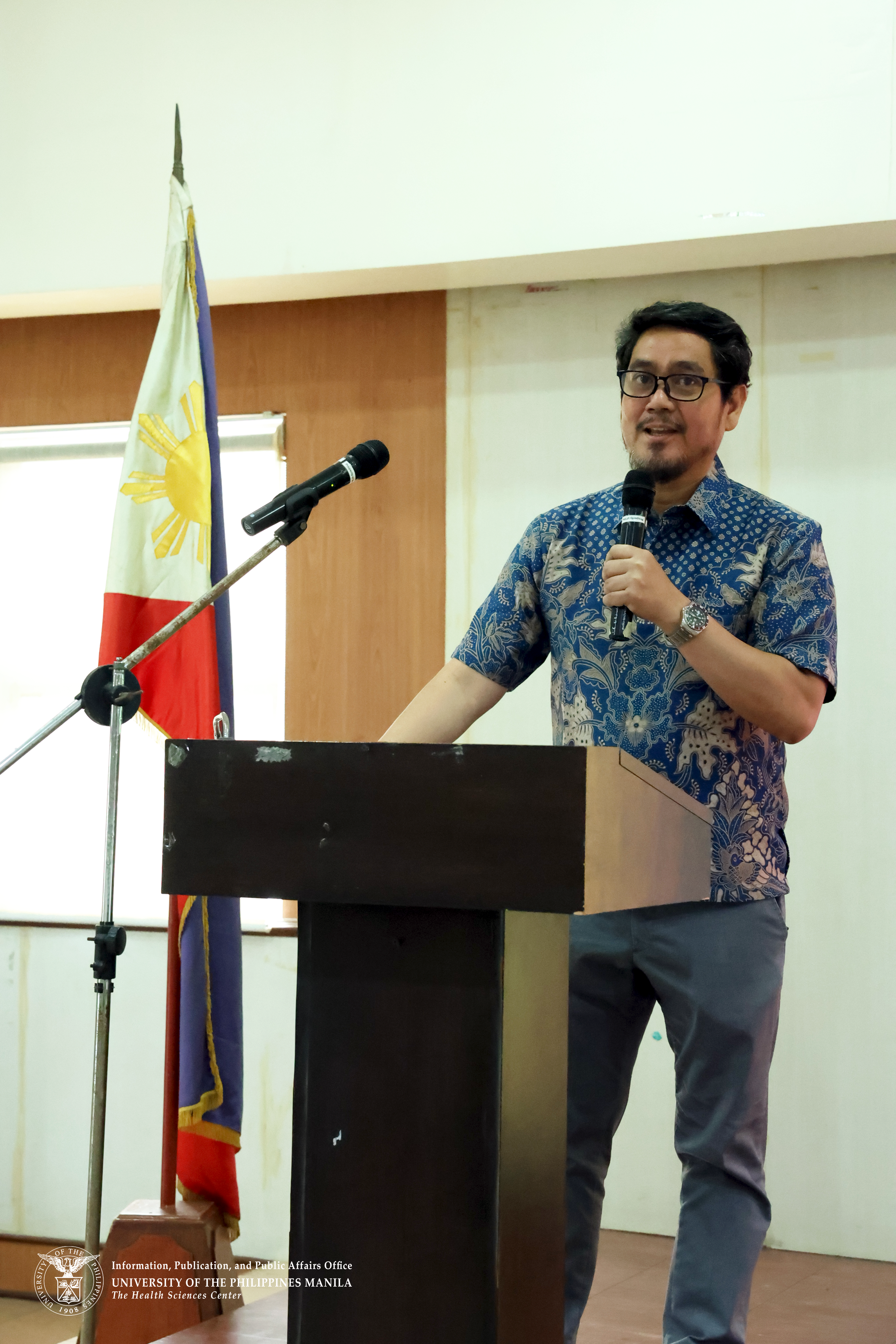
PNEI Director Dr. Erasmo Gonzalo Llanes recalled that as early as 2007, the institute had already initiated a school-based hearing screening program. Led by Dr. Charlotte Chiong and Dr. Teresa Gloria Cruz, the initiative partnered with the Department of Education to bring hearing screening services to school children. He expressed hope for renewed collaboration with the Department of Education to formalize and expand such programs nationwide.
Integrating Hearing Health into National Education Reforms
Chancellor Michael Tee situated hearing health within broader national education reforms, noting that UP Manila is now part of EDCOM 2, the Second Congressional Commission on Education. He explained that the Trifocal Education Management Team, led by Commission on Higher Education Chair Shirley Agrupis, Department of Education Secretary Angara, and TESDA Director General Benitez, has identified priority areas where universities like UP can contribute, including Early Child Care and Development and Inclusive Education.
In line with these priorities, the College of Allied Medical Professions has been tasked to help shape inclusive education programs that address various disabilities and different abilities of learners.
For the Chancellor, this alignment ensures that university research informs national policies and programs in a meaningful way. He emphasized that UP Manila must not only advance early detection and intervention but also ensure that learners with hearing conditions receive appropriate educational support.
“Ang assignment natin ay paniguraduhin na mas kaunti ang mga batang nagiging bingi dahil sa mga kondisyon na sana ay preventable pa noong bata sila. Hindi man preventable ay mabigyan ng pagkakataon through variations in teaching and learning activities in the objectives and focus of their education para naman hindi sila mapag-iwanan,” he said.
Call for Cross-Sectoral Collaboration
NIH Executive Director Marissa Alejandria emphasized that hearing health must be understood within a broader environmental and public health context.
“Ear health is actually influenced; it’s not just congenital or genetic, but as we get exposed to the environment, hearing loss or the health of our ears gets affected as well. Kaya sinasabi natin na we need to work together also for ear health,” she said.
Citing global data, she added that “more than 60% of hearing loss is preventable,” underscoring the importance of shifting research efforts beyond treatment alone. She explained that the spectrum of health research should not focus solely on management, “but really at the prevention level and health promotion,” reinforcing NIH’s commitment to proactive and collaborative approaches to public health.
Dr. Alejandria reiterated the need for cross-sectoral collaboration in addressing hearing health and broader public health challenges. “We cannot do that just as NIH, but we need the whole community to be part of NIH,” she said. “Our call was to break down the silos and break down the walls,” she stressed the importance of prevention and health promotion research, alongside efforts to strengthen NIH’s research infrastructure to better serve the university and the nation.











Read More:
#FP1 #AccessibleUPLeadership