
Text by Charmaine A. Lingdas
Photos by Sarah Hazel Moces S. Pulumbarit
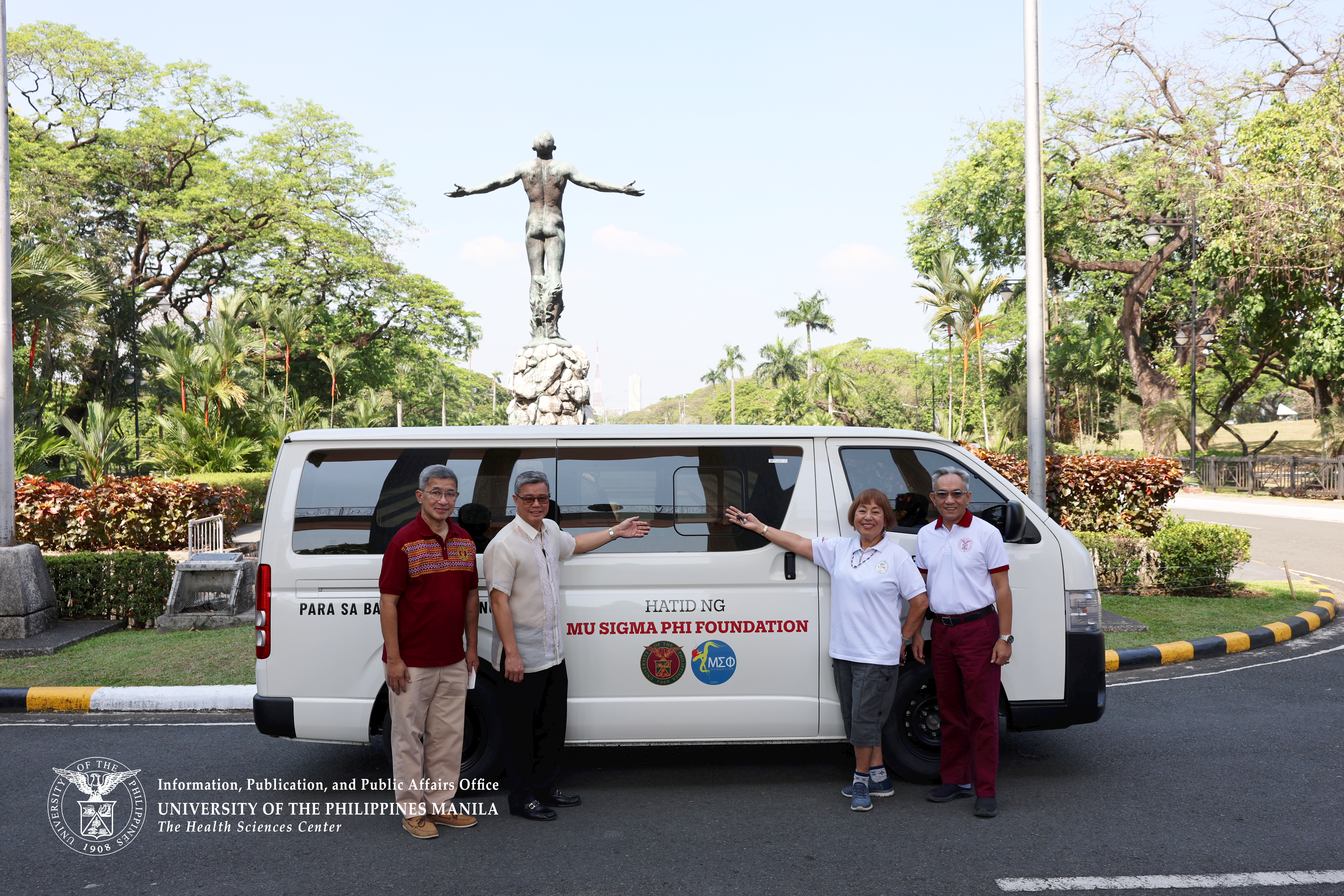
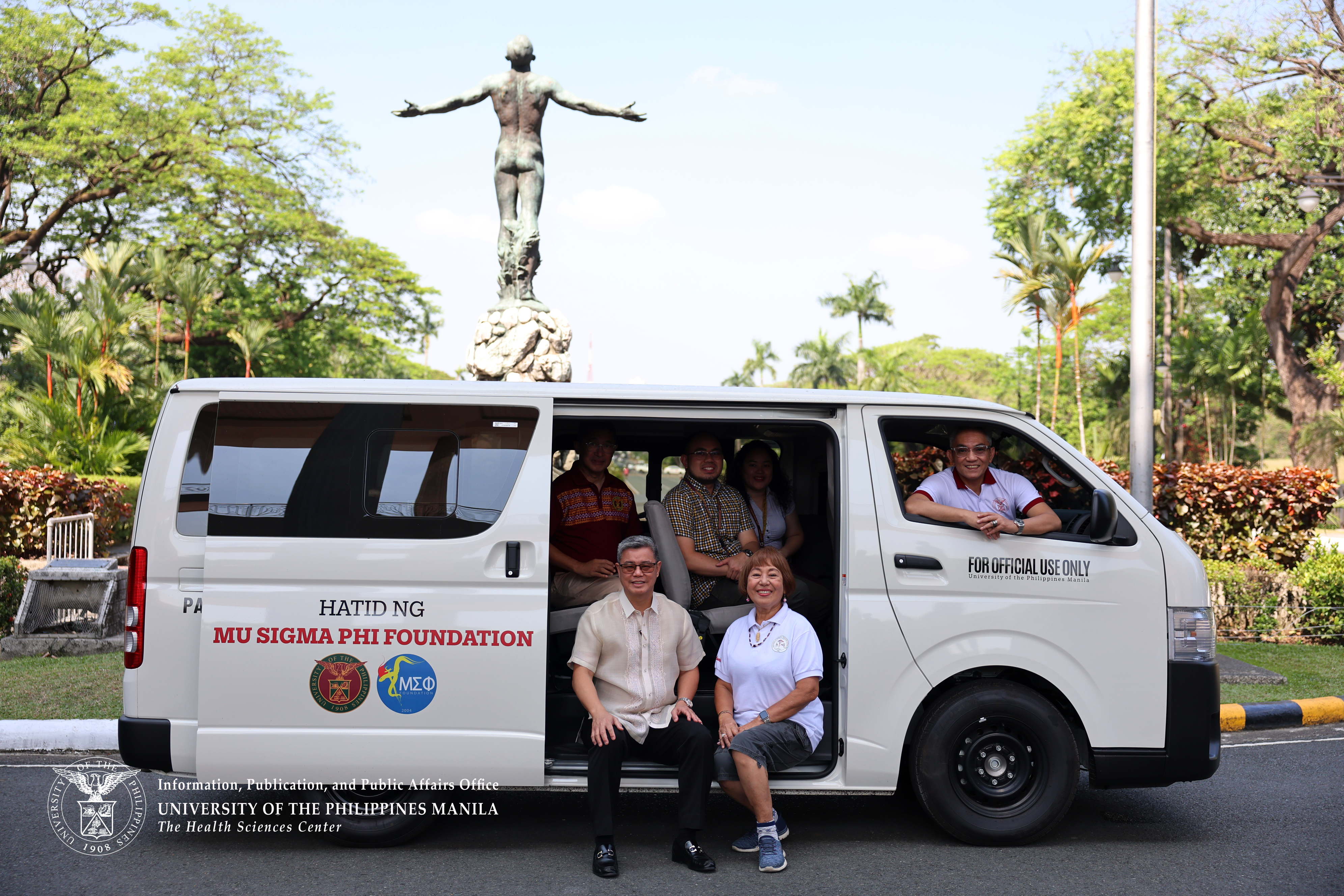
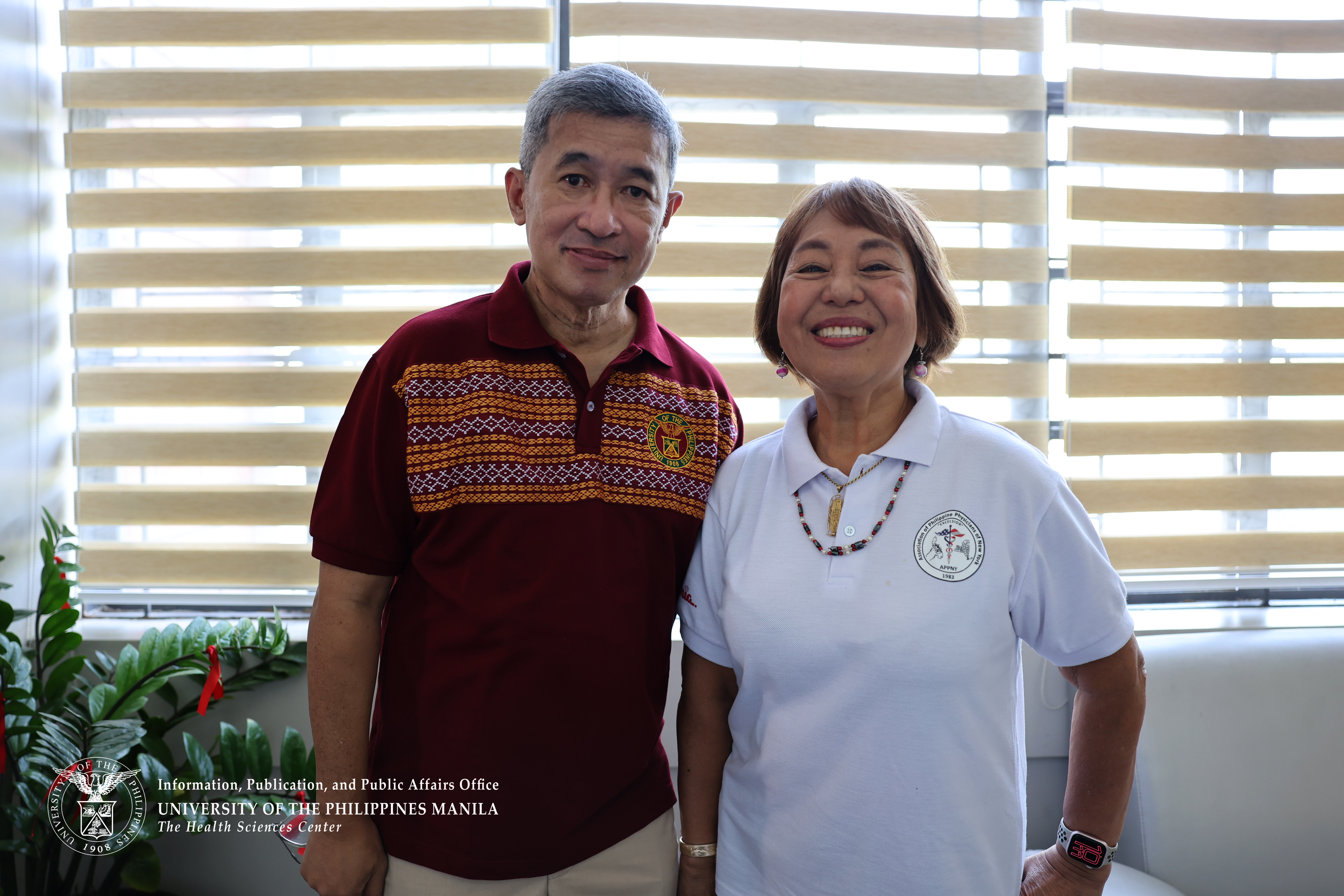
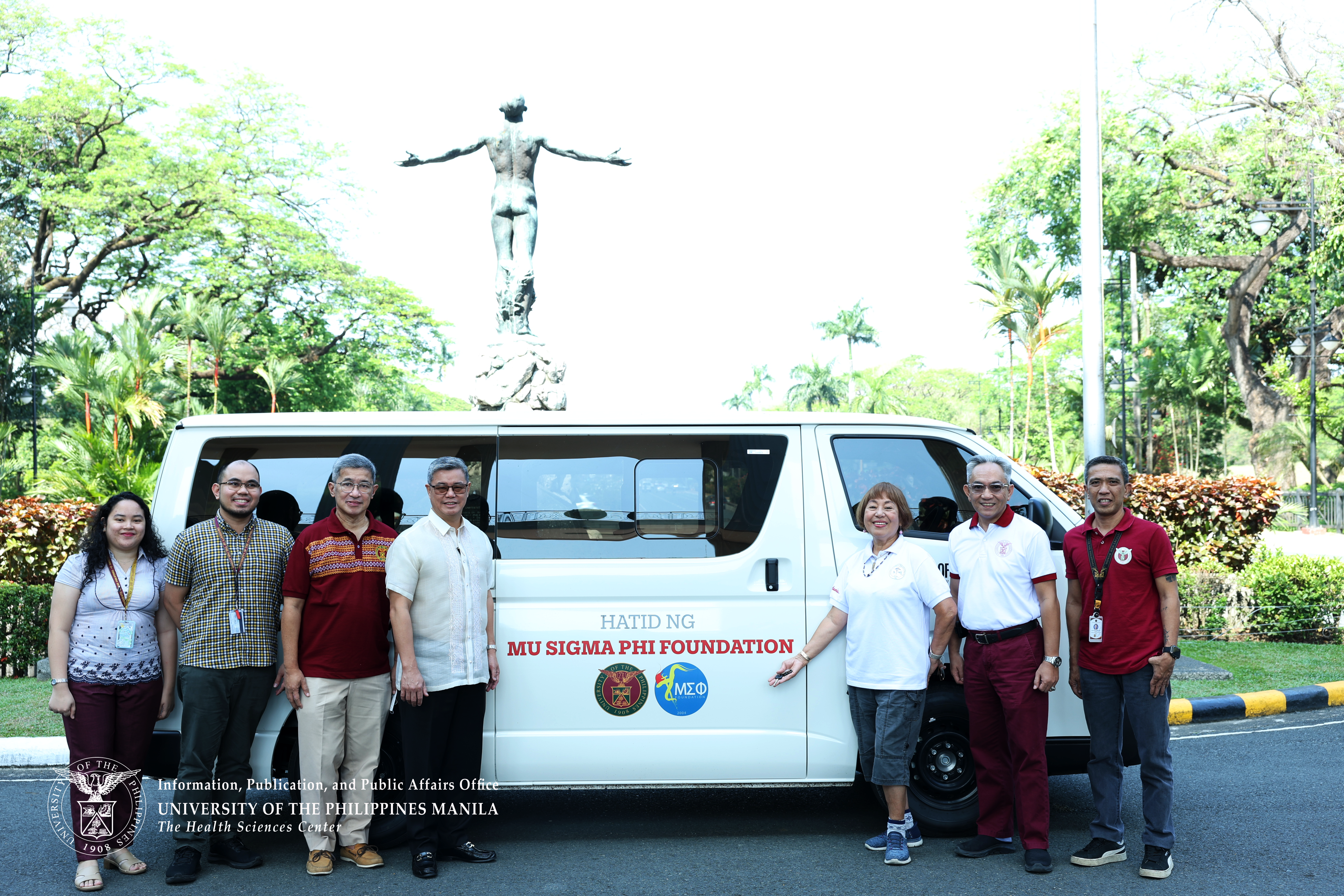
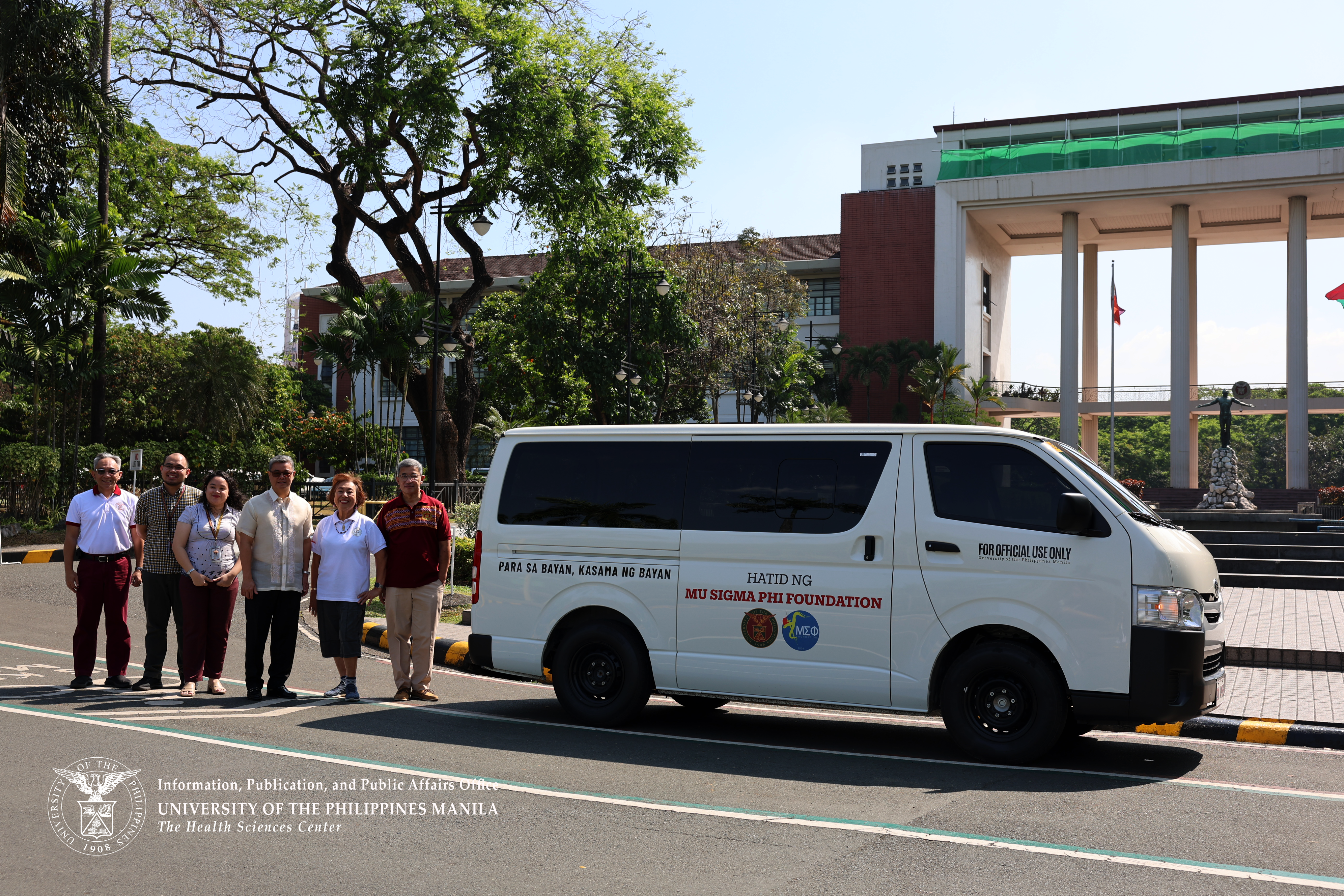
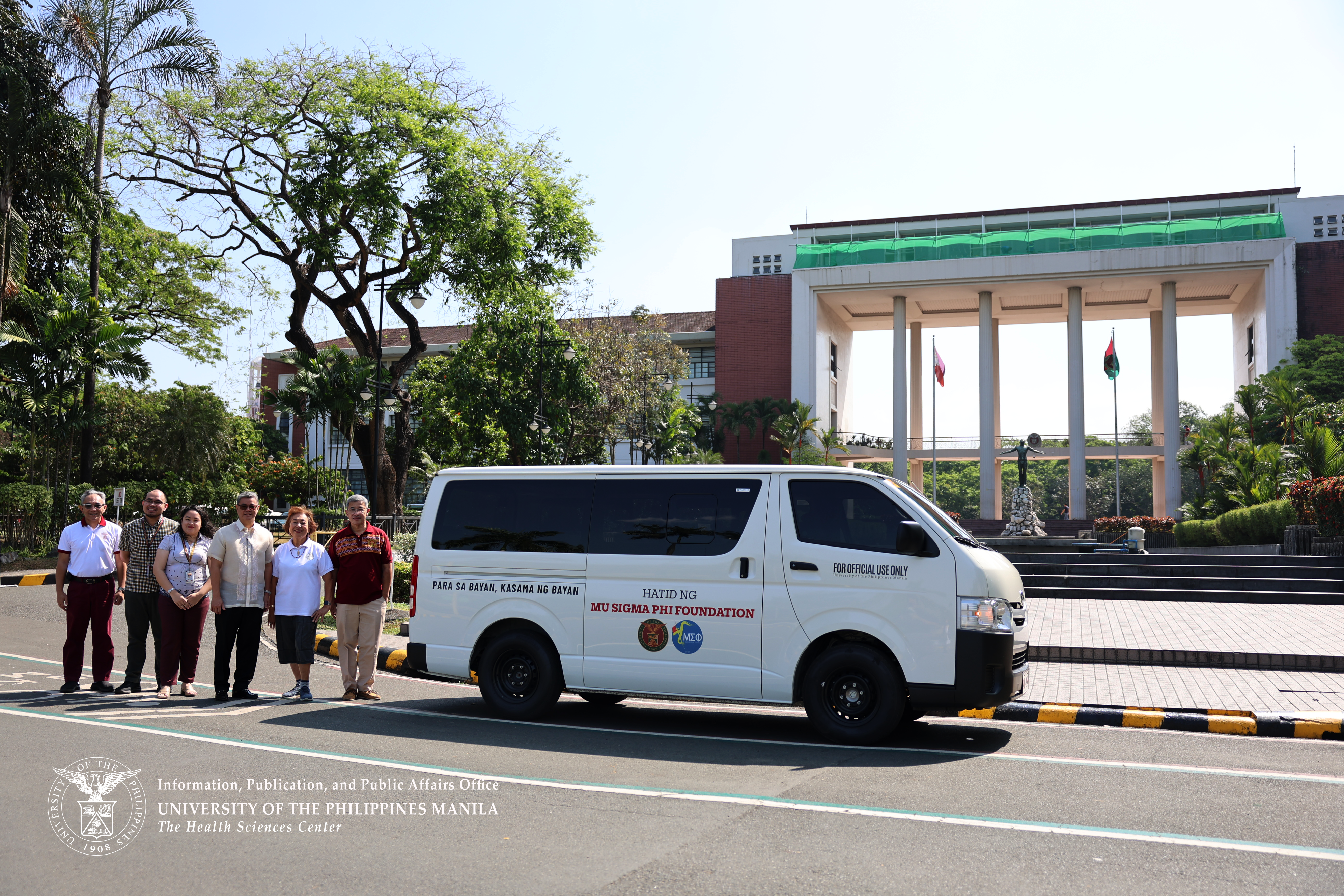
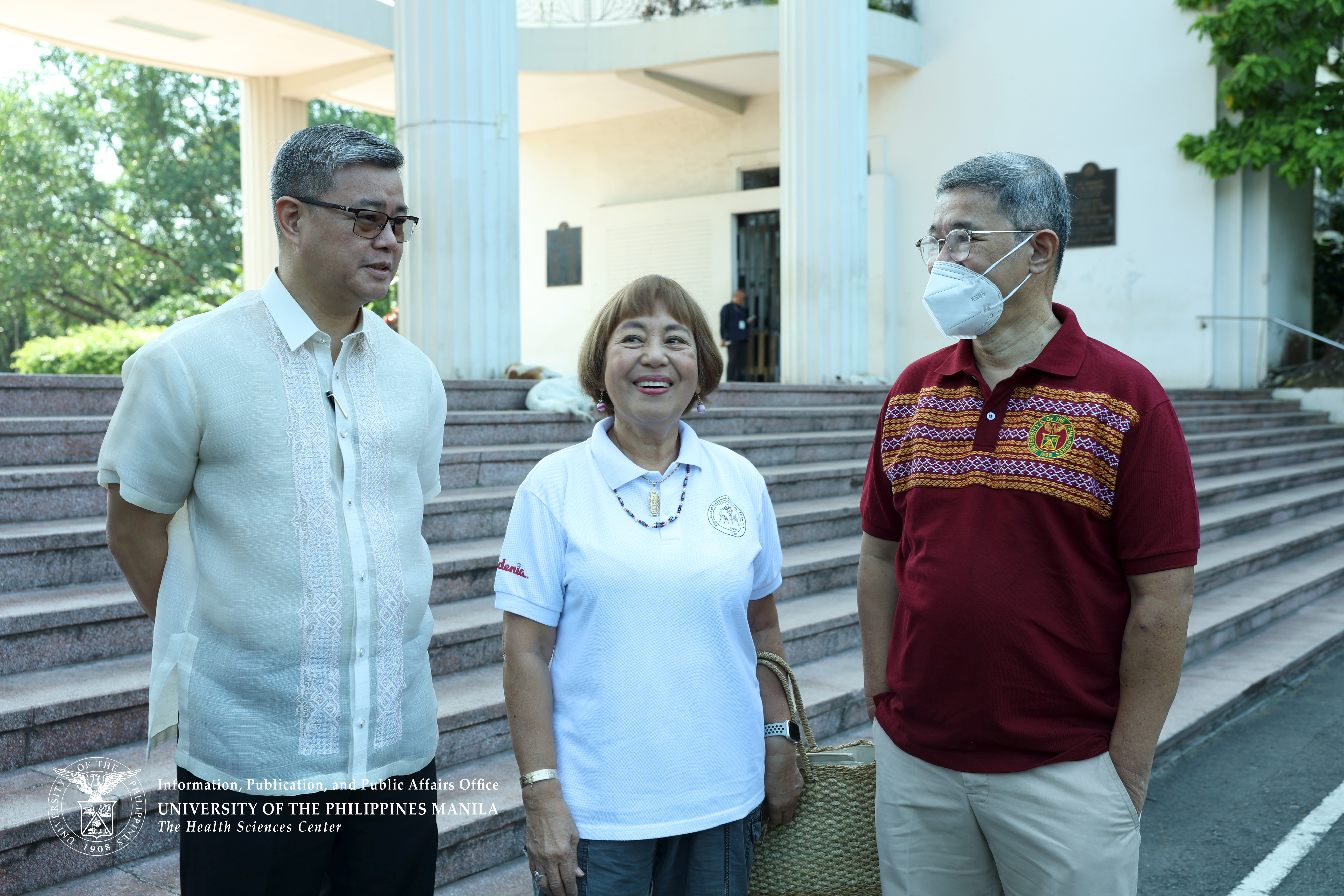
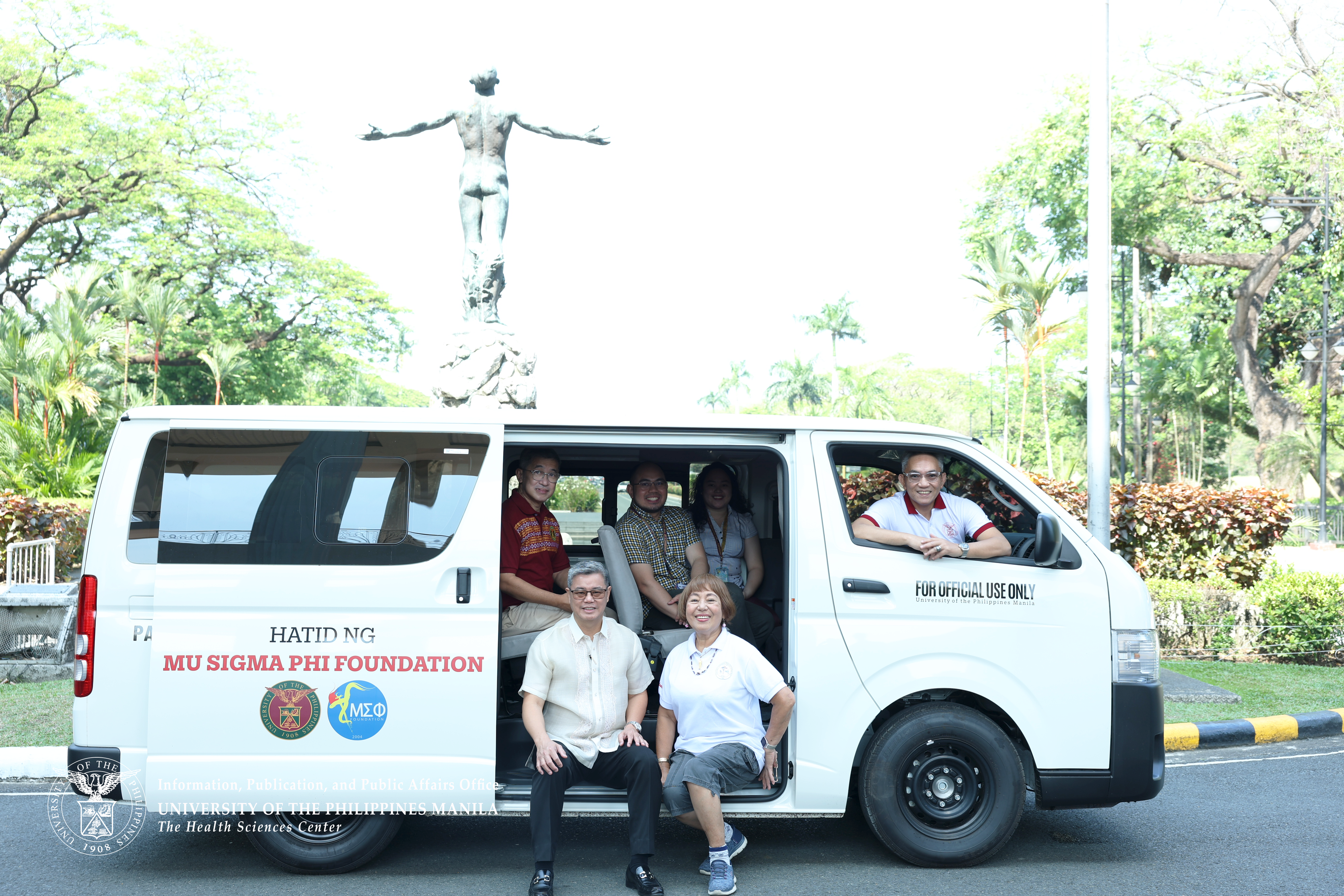
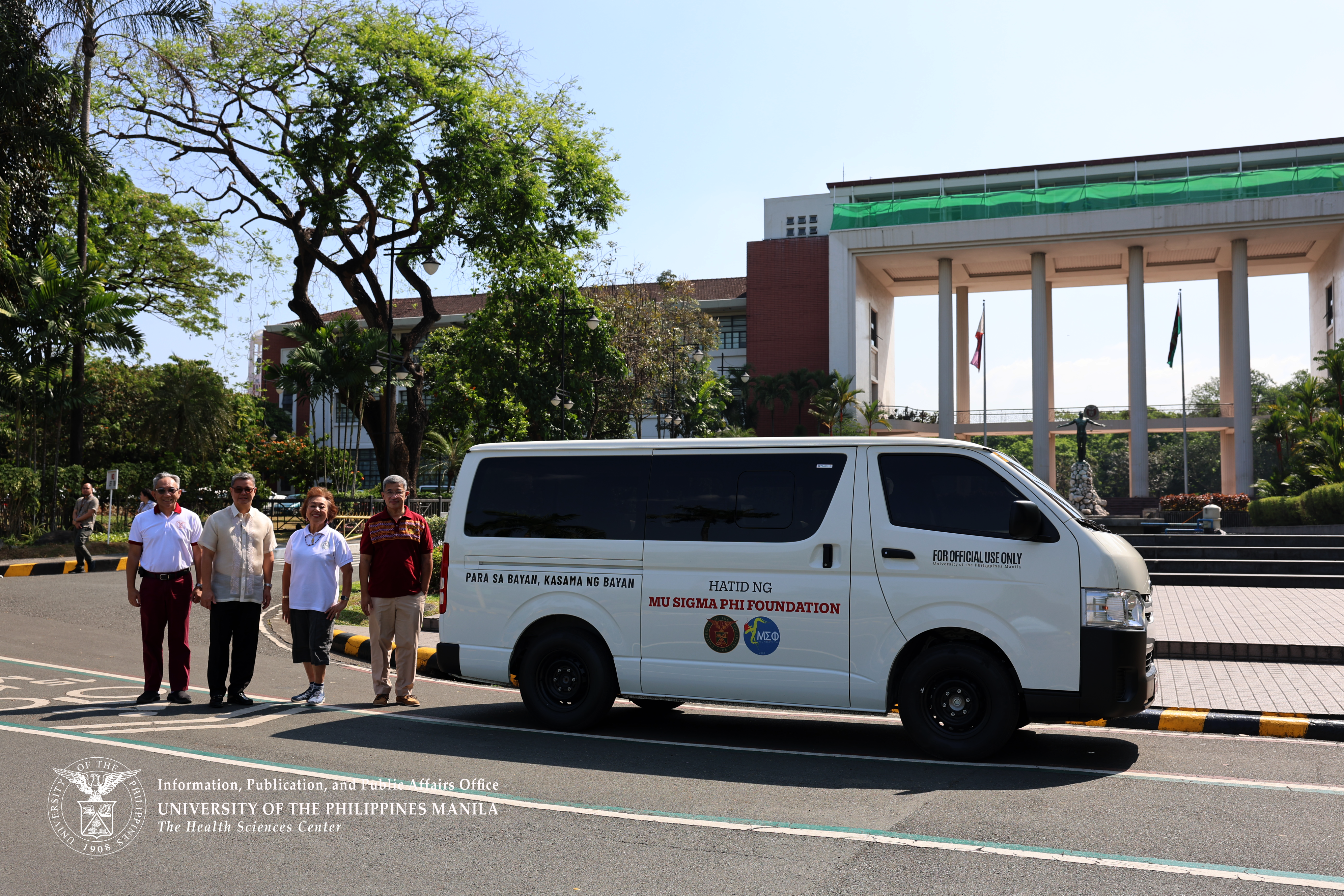
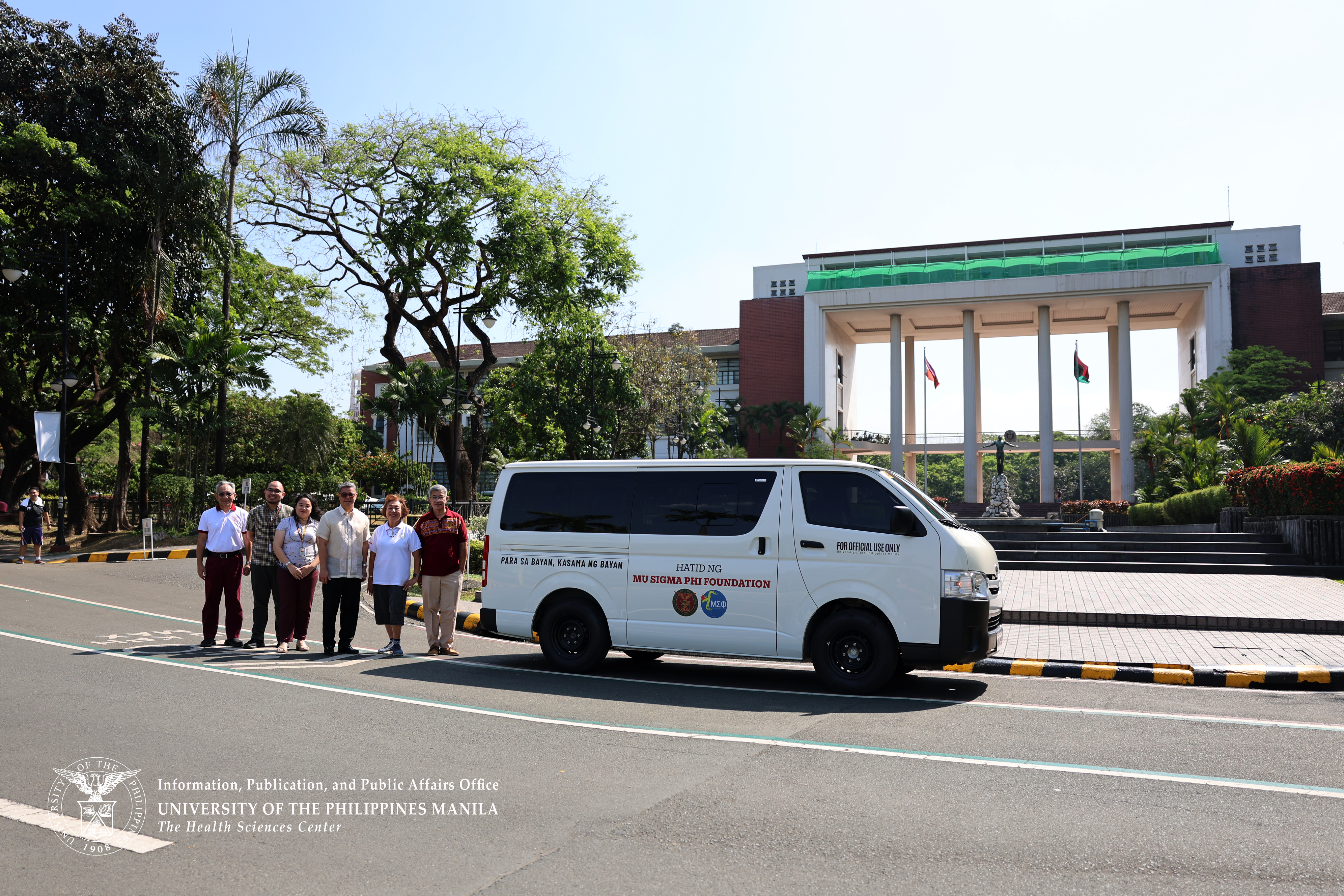
Community Health and Development Program Director Dr. Anthony Cordero, Chancellor Michael Tee, Mu Sigma Phi Foundation representative Dr. Felicitas Santiago, and Vice Chancellor for Planning and Development Jose Tecson III pose for a photo with the newly donated van in support of community health initiatives.
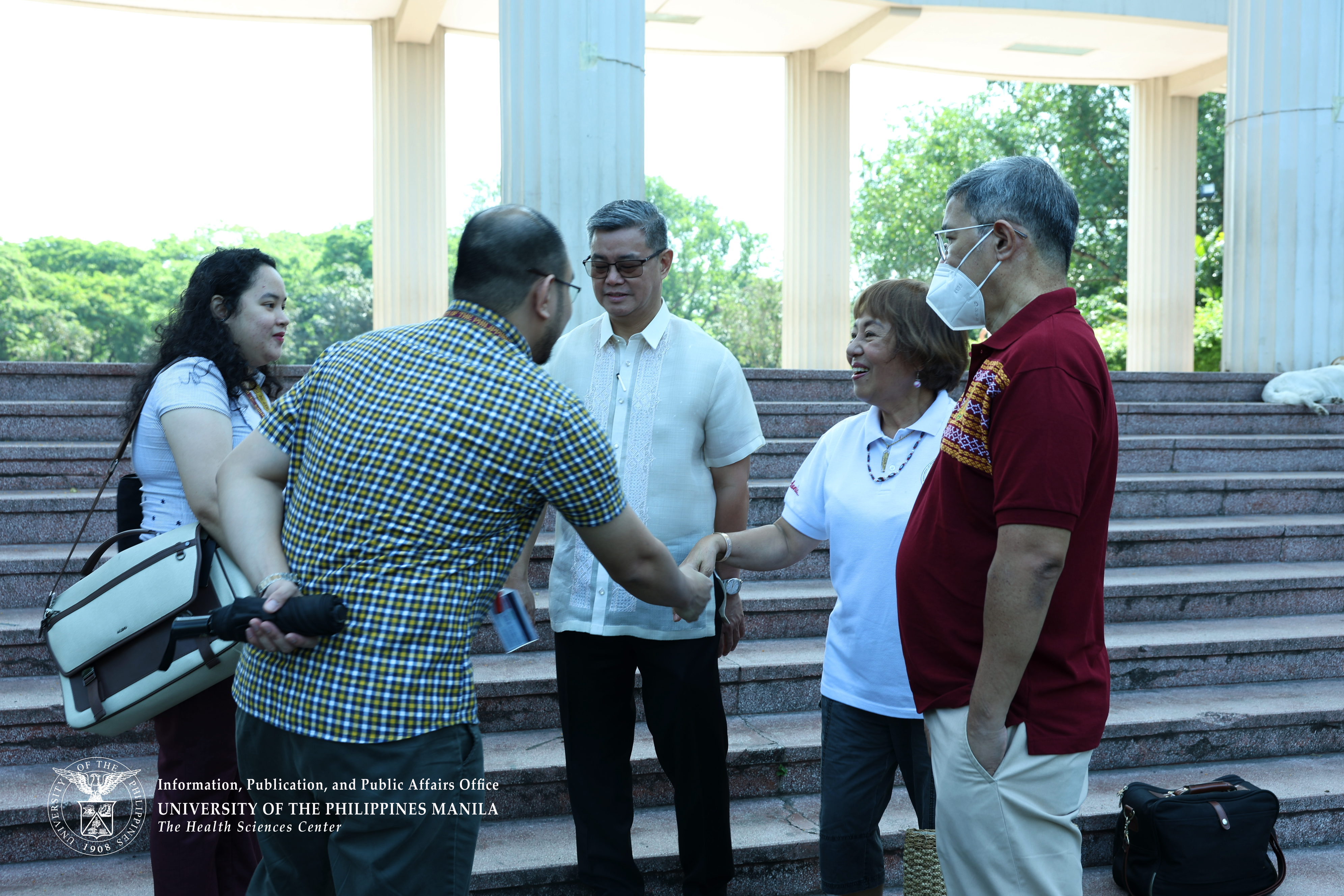
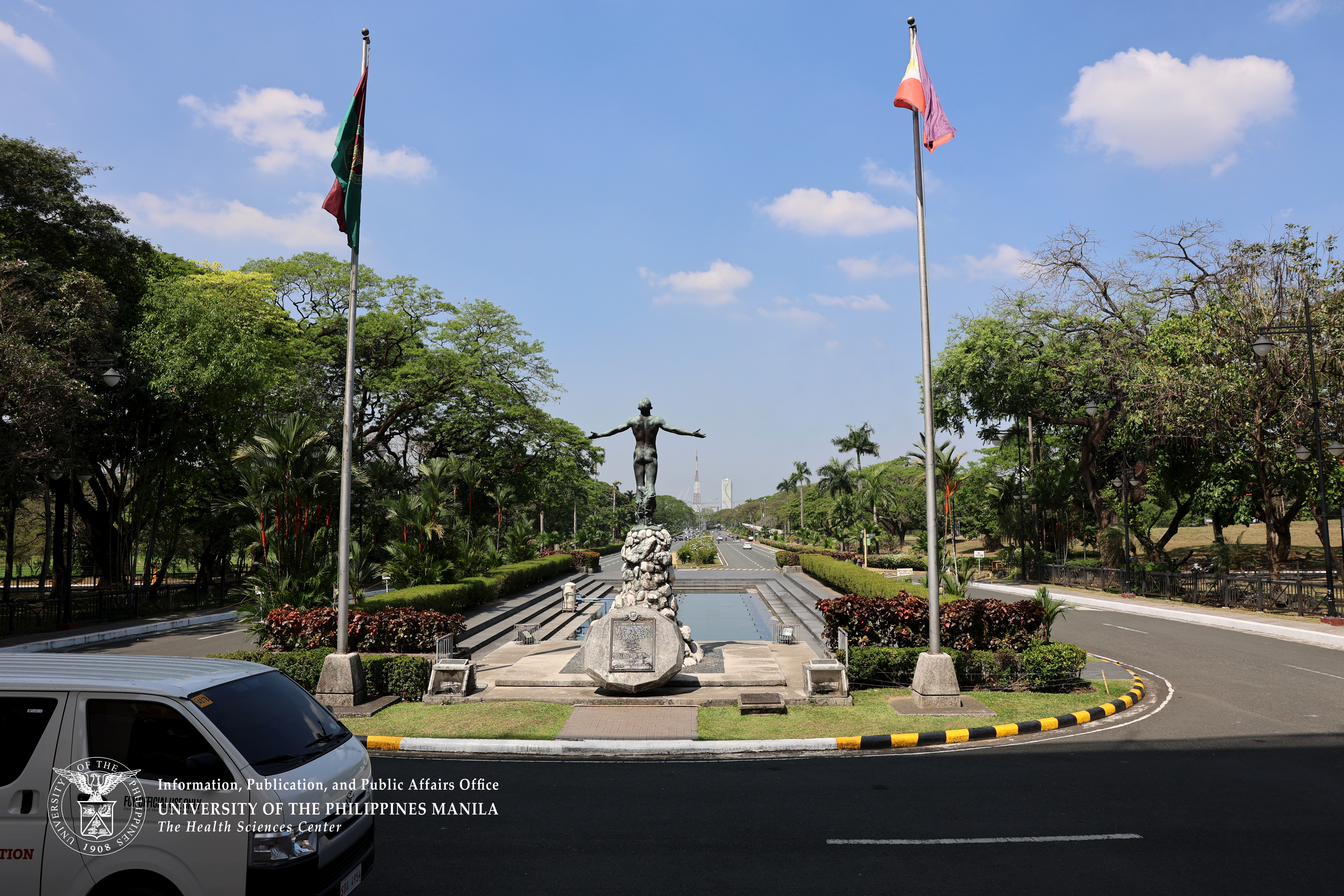
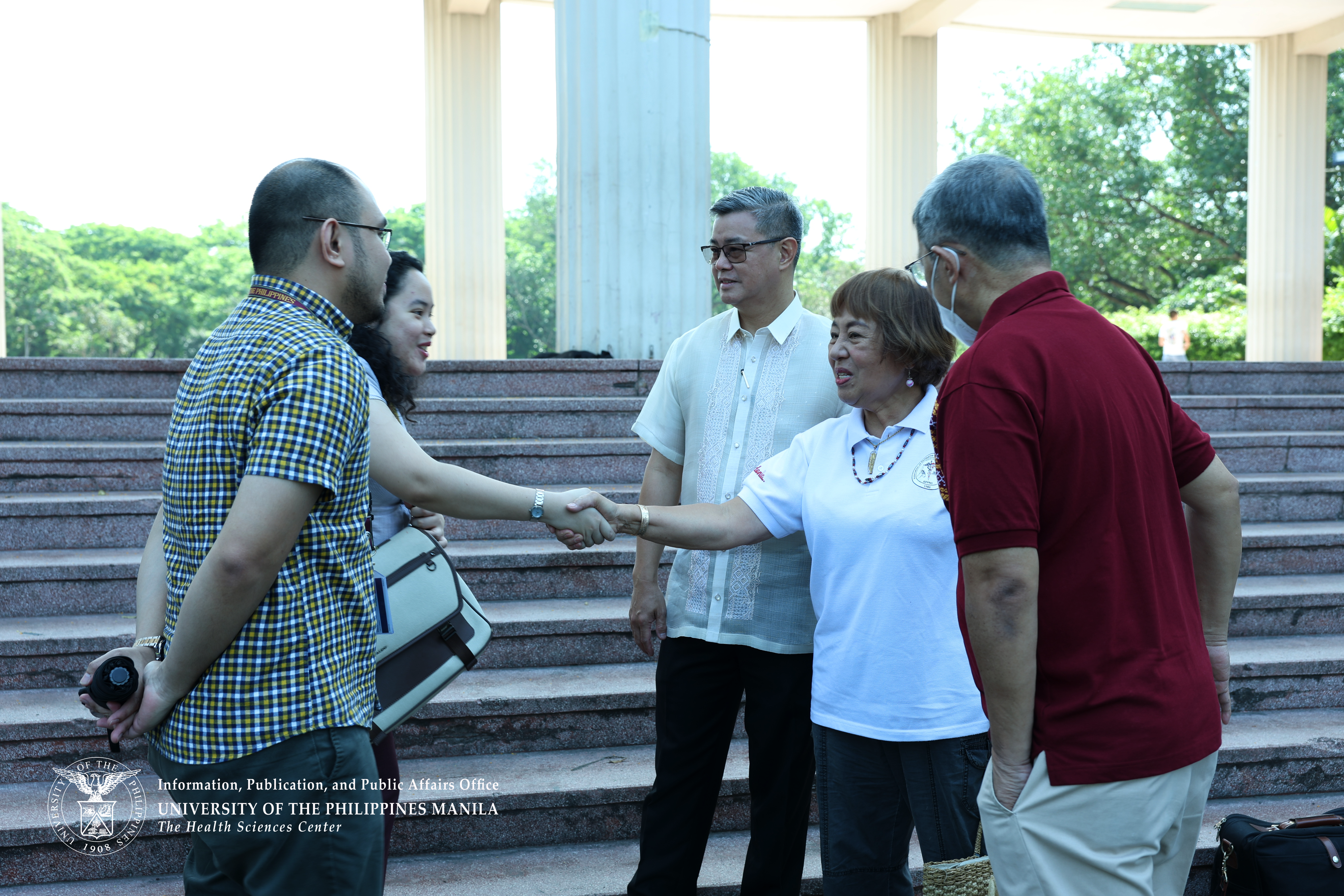
The Mu Sigma Phi Foundation donated a vehicle to support the field operations of the University of the Philippines Manila Community Health and Development Program (CHDP) during a ceremony held at Quezon Hall in the University of the Philippines Diliman on March 12, 2026.
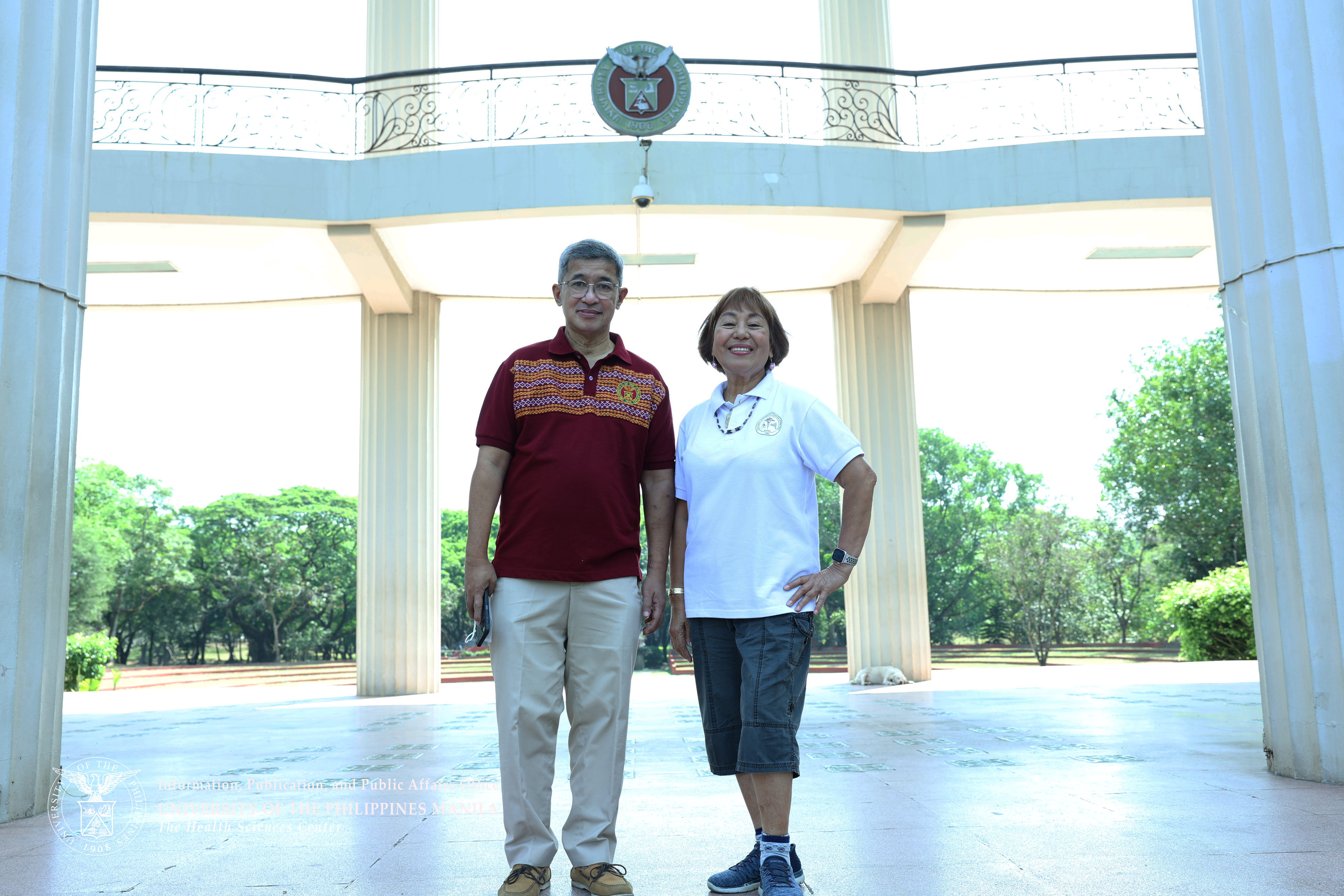
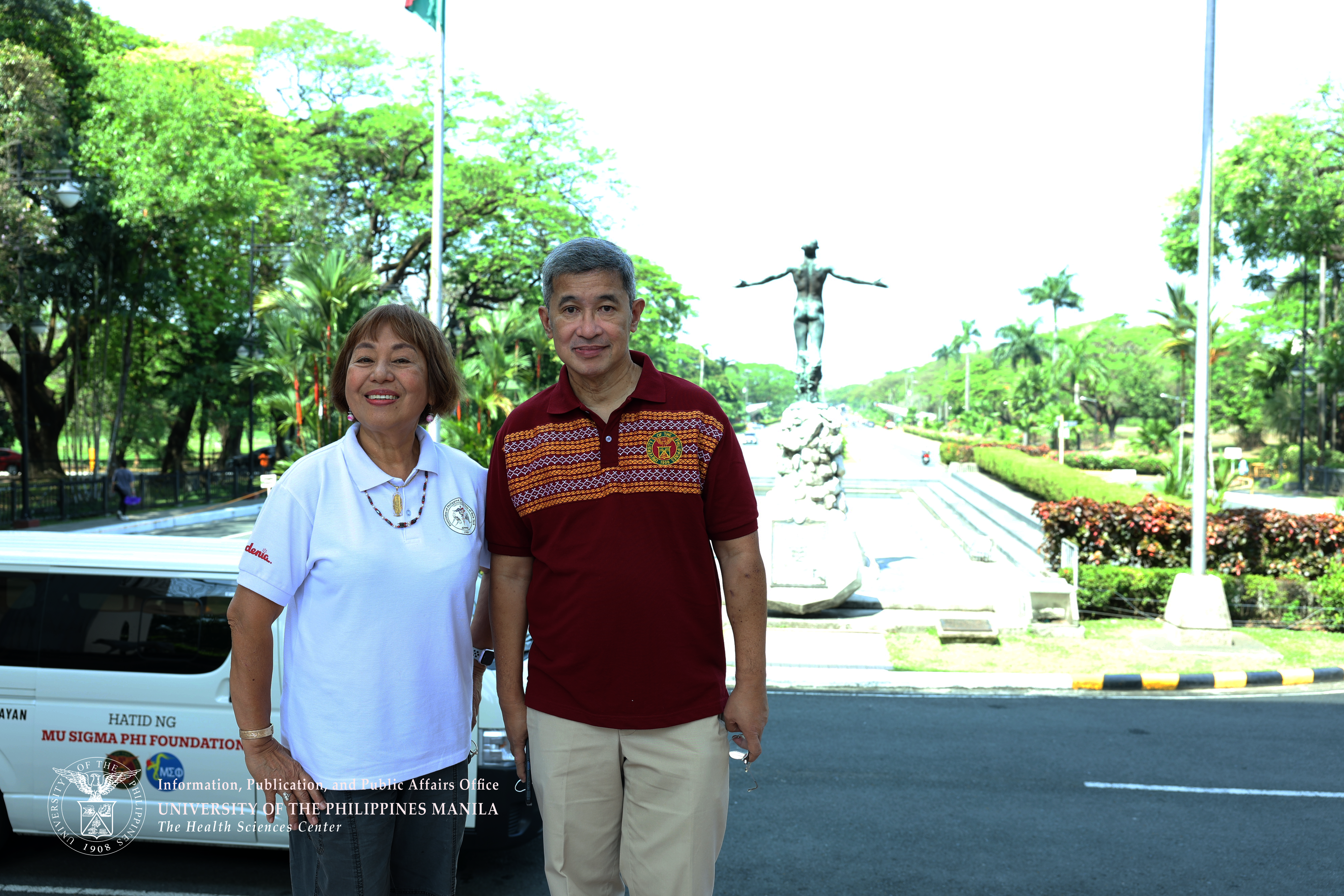
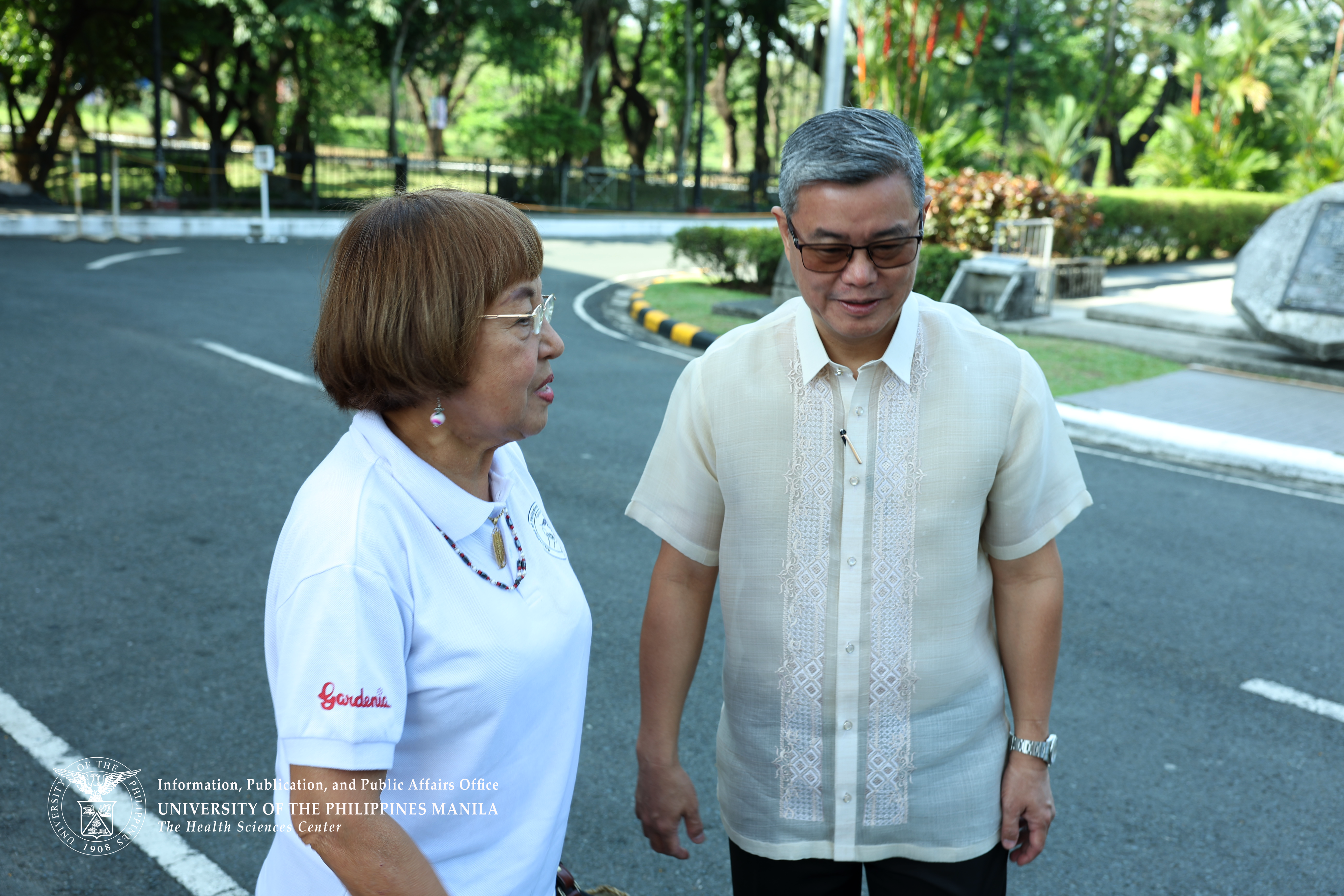
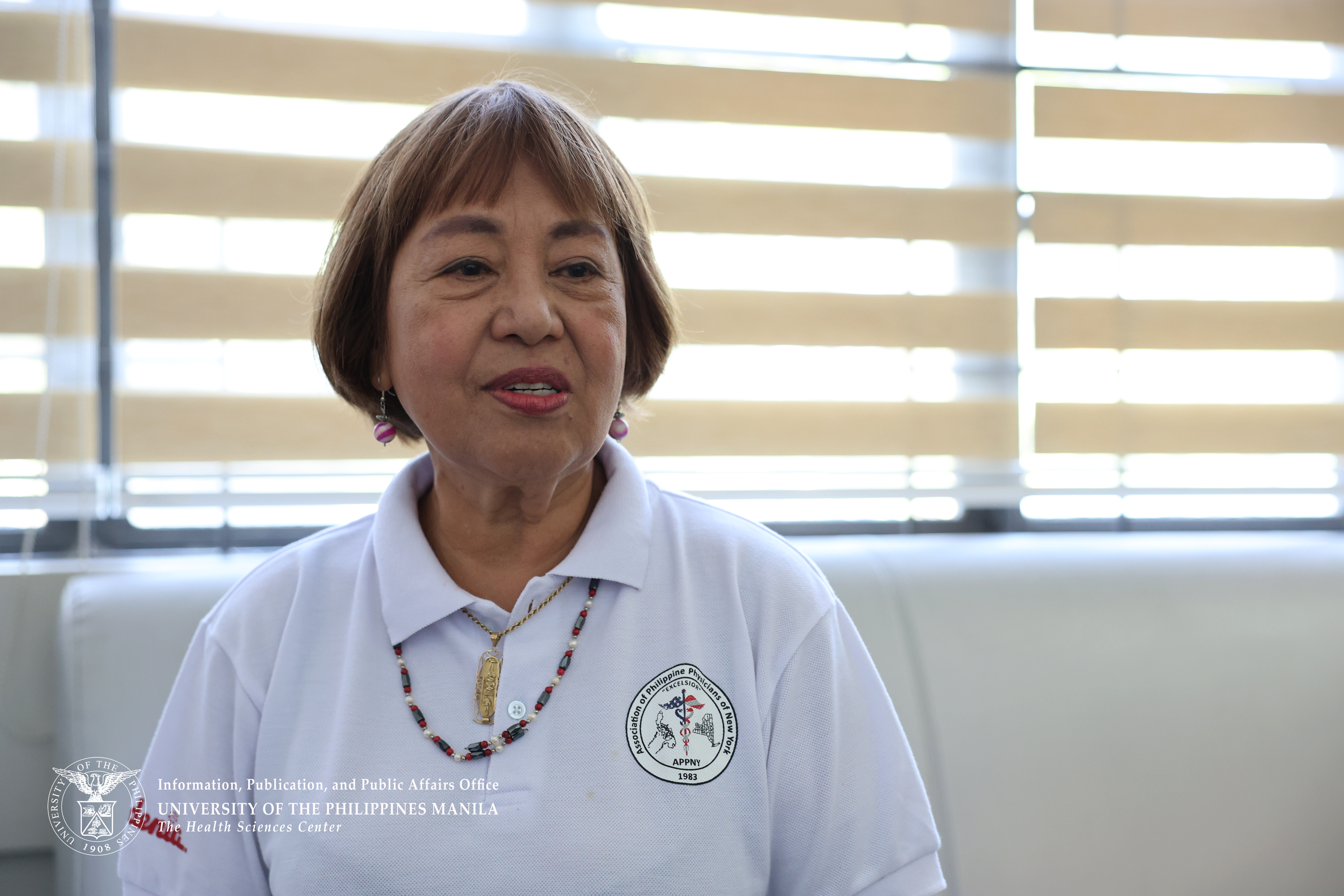
“Our organization has donated and answered the call for assistance in the transportation system of the UP staff, students, fellows, and residents as they carry out their community work across the country. Last year, Hatid UPMASA, Hatid Mu Sigma Phi Foundation became the banner for this outreach initiative,” said Dr. Felicitas F. Santiago, chair – Project Coordination Committee of Mu Sigma Phi Foundation, alumna of the UP Manila College of Medicine (UPCM) Class 72-B.
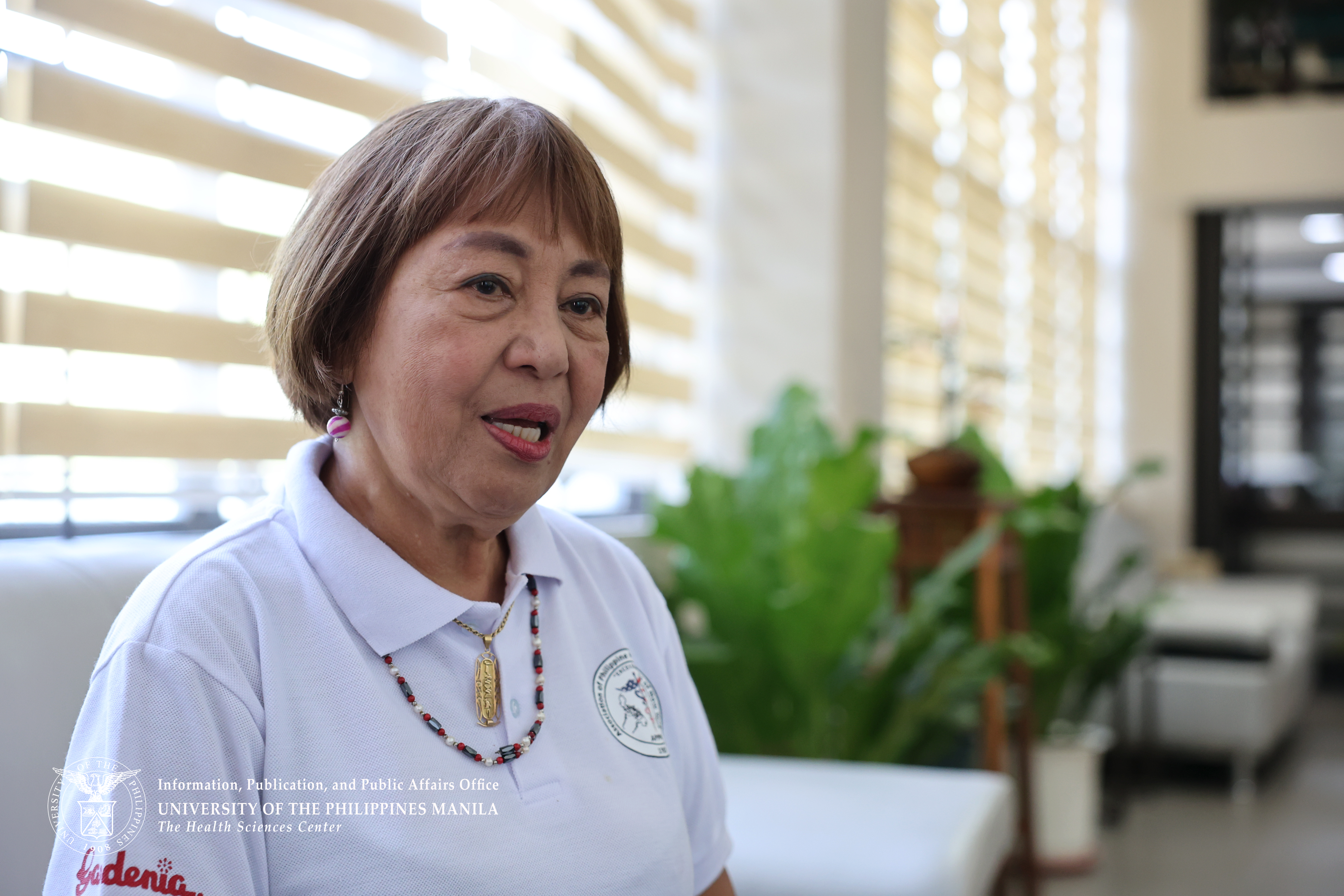
According to Dr. Santiago, the initiative stemmed from the 2025 annual grant conference of the UP Medical Alumni Society in America (UPMASA), where Chancellor Michael Tee shared the university’s need for reliable transportation support for community-based programs. Members of the UP College of Medicine Mu Sigma Phi Batch of 1979 contributed two vehicles on Oct. 22, 2025, while the Mu Sigma Phi Foundation provided a van on behalf of its membership.
“I’m really happy and so proud of our membership because this is something that we know will be of much help,” Santiago added. In total, three vehicles were donated to support field activities, particularly those carried out by the Community Health and Development Program.
“Transportation is very important kasi yung mga activities na ginagawa sa field can only happen if the UP people can be brought to the place,” Community Health and Development Program (CHDP) Director Dr. Anthony Cordero said as he emphasized that the vehicles will play a crucial role in sustaining the CHDP’s work in partner communities. The CHDP conducts regular field activities in several municipalities in Cavite, where teams composed of faculty members, residents, students, community organizers, and drivers travel daily to implement community health programs.
Dr. Cordero explained that a typical day in the field involves extensive travel About 200 to 220 kilometers per day , describing the route that usually begins at UP Manila and covers several towns in Cavite, including Magallanes, Naic, Maragondon, and Ternate (MagNaMarTe) before returning to Manila.
The program currently works with almost 40 barangays across these municipalities, making transportation an essential component of its operations. Without vehicles, the program would find it difficult to bring multidisciplinary teams to communities where they conduct health assessments, training, and community-based initiatives.
The donation also comes at a crucial time for the program. Cordero noted that two of the vans previously used for fieldwork were acquired in 2007 and have already served the program for nearly two decades.
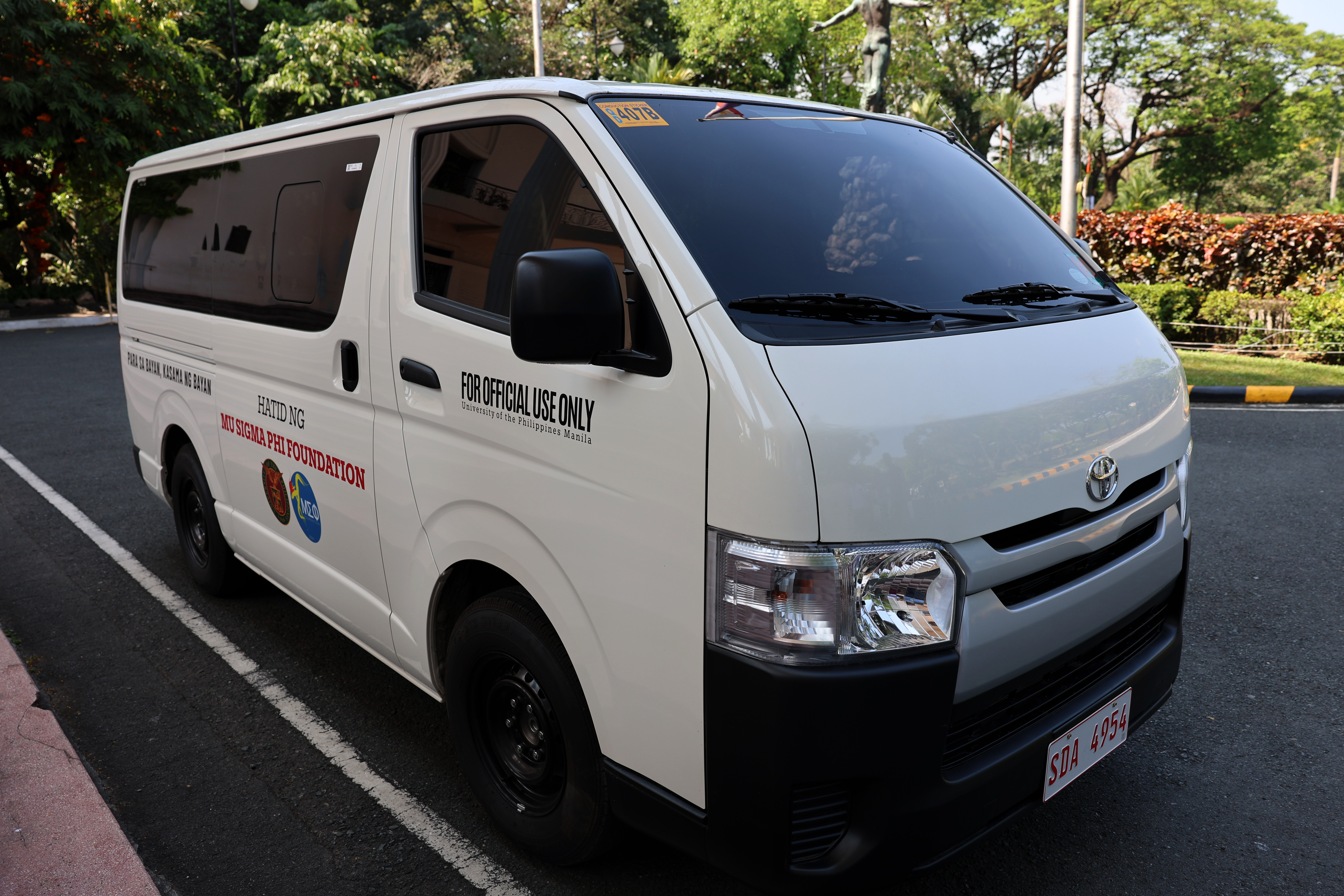
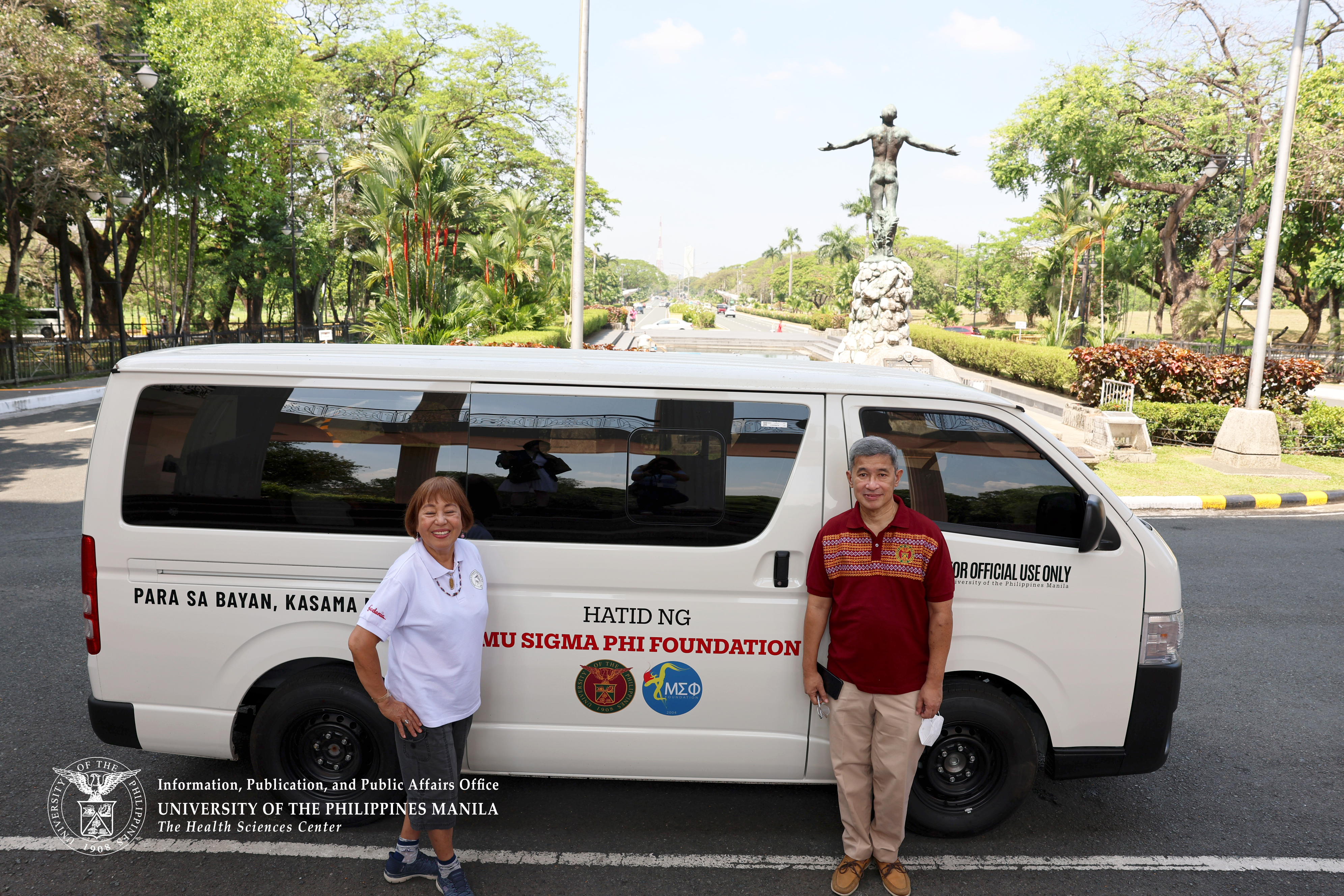
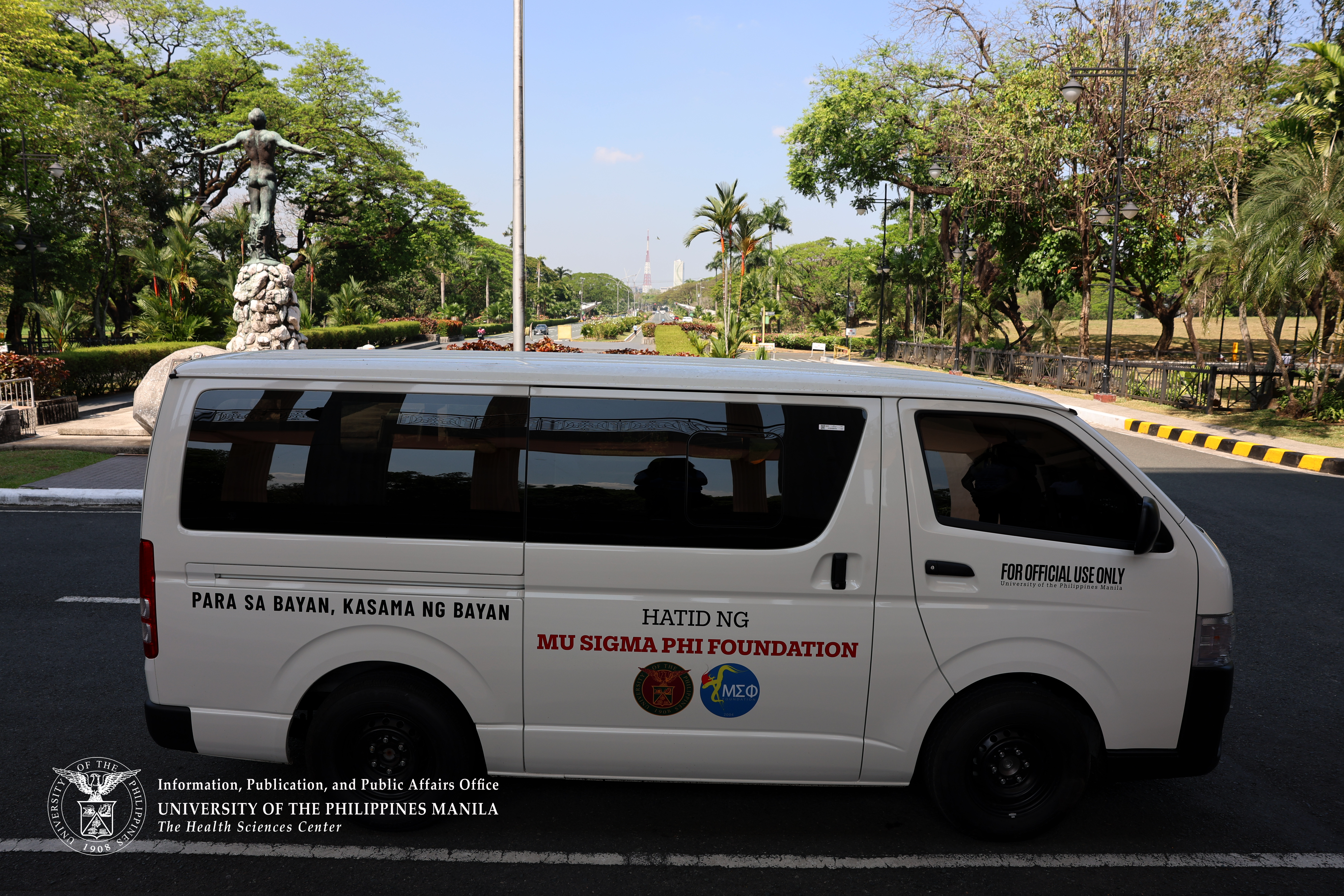
The vehicles are typically filled with diverse teams representing different sectors involved in community health work. During one of their recent trips, the new van carried faculty members, residents, community organizers, and students working together on CHDP activities. The CHDP’s initiatives in Cavite are implemented through close partnerships with local government units and community organizations. Dr. Cordero highlighted the importance of the van decals bearing the program’s guiding principle, saying, “Para sa bayan, kasama ng bayan,” which embodies CHDP’s community participative service-learning model and serves as a visible reminder of its mission in every community the teams visit.
Dr. Cordero stressed that the transportation support also reflects a broader collaboration among institutions. In addition to the three vehicles donated by the Mu Sigma Phi Foundation, the provincial government of Cavite has provided four vehicles to support the program’s activities in the province.
The Mu Sigma Phi Foundation is a nonprofit organization formed in 2004 by alumni of the Mu Sigma Phi fraternity and its counterpart sorority. The foundation continues to support the projects of the UP College of Medicine, the UP Manila community, and the Philippine General Hospital. Established in 1933, with the sorority following a year later, Mu Sigma Phi is recognized as the oldest Greek-letter society in the Philippines and Asia.
Through the years, the foundation has supported various initiatives—from donating plastinated anatomical specimens to the UP Department of Anatomy in 2025 to contributing to student assistance programs such as the Aruga at Kalinga, Alay ng Pamantasan (AKAP) Program, which provides meal assistance to students and digital learning support initiatives that expand access to education. It has also helped fund facilities such as a simulated laboratory at the Henry Sy Sr. Medical Sciences Building and provides scholarships to Mu Sigma Phi student members annually.
Beyond infrastructure and education, the organization also extends assistance to patients and communities in times of need, including calamities. Much of its support comes from voluntary contributions of its members, who continue to respond whenever help is needed for students, patients, and teaching staff.
Among its long-term initiatives is the Perpetual Endowment Fund (PEF), designed to ensure sustained support for chosen causes through investment returns. The foundation also supports projects such as immunization programs led by its student wing and rehabilitation initiatives that help patients regain mobility. Through these efforts and other ongoing fundraising activities, the Mu Sigma Phi community continues its tradition of service to medical education, patient care, and public health.
“I hope that this will be the beginning of many more similar projects in the pipeline. We are interested, we are here, and we know that every help we extend—whether in kind, in cash, or by check—goes to where it is most needed,” said Dr. Santiago.
READ MORE: