

Text by: Charmaine A. Lingdas
Photos by: Sarah Hazel Moces S. Pulumbarit
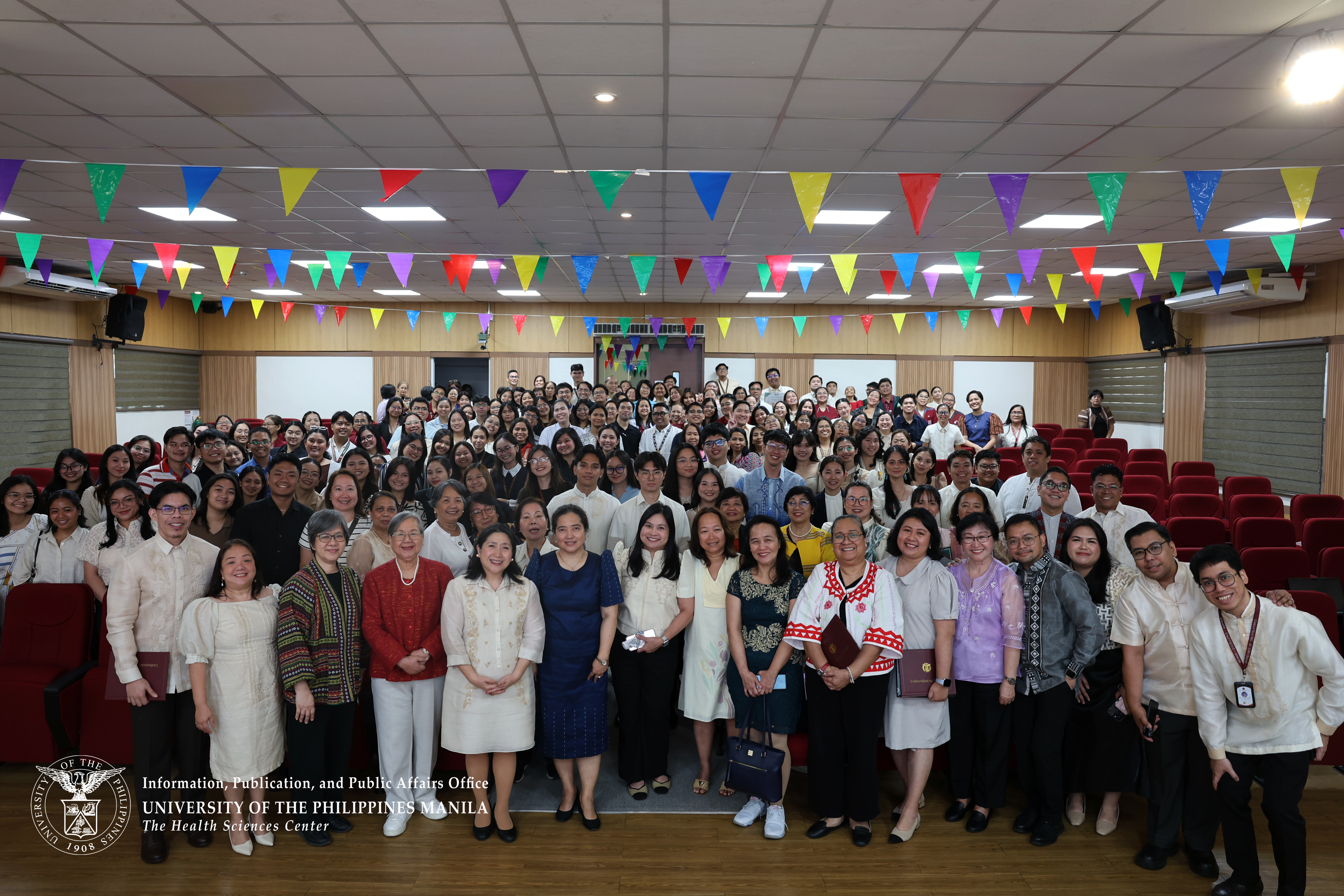
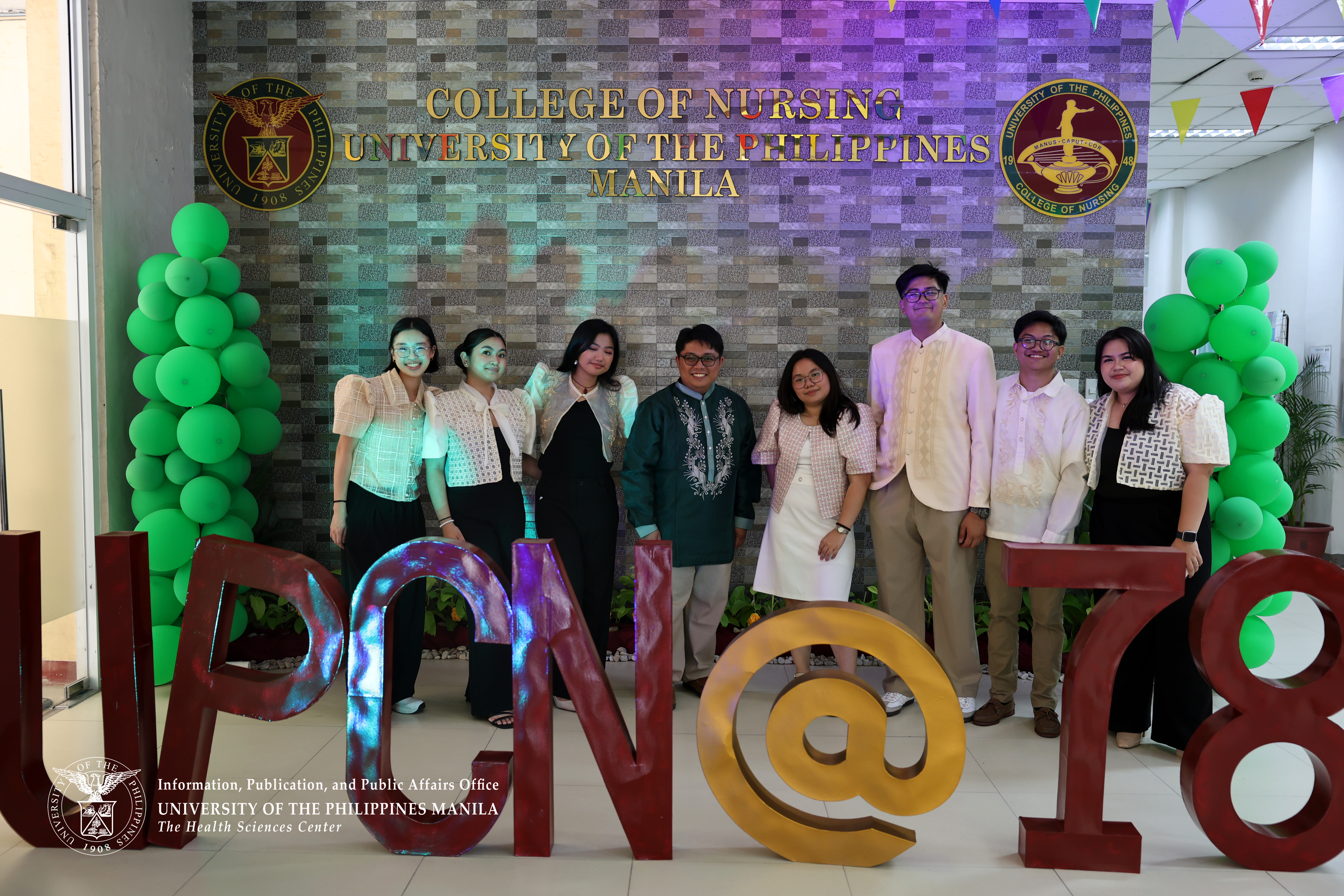
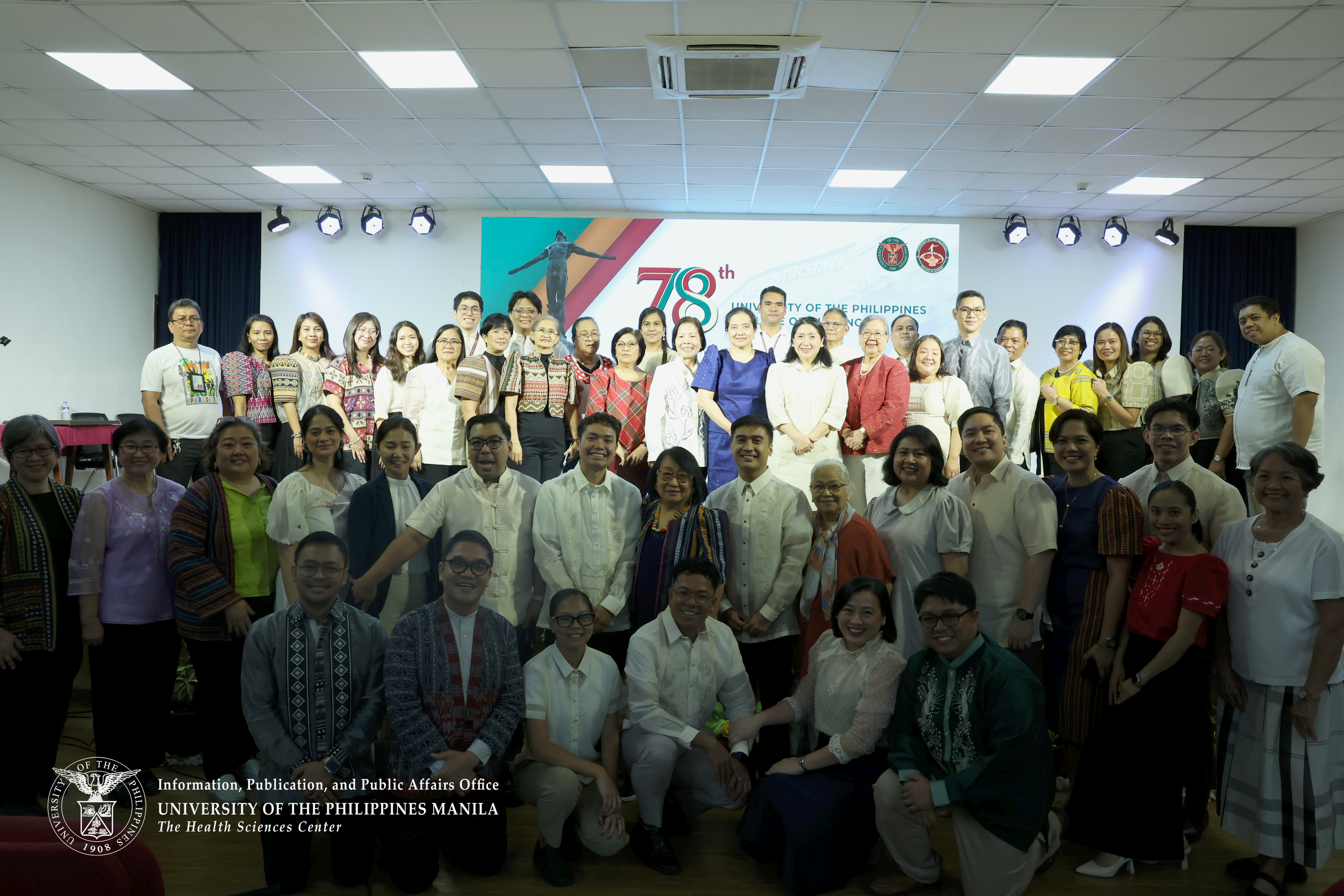
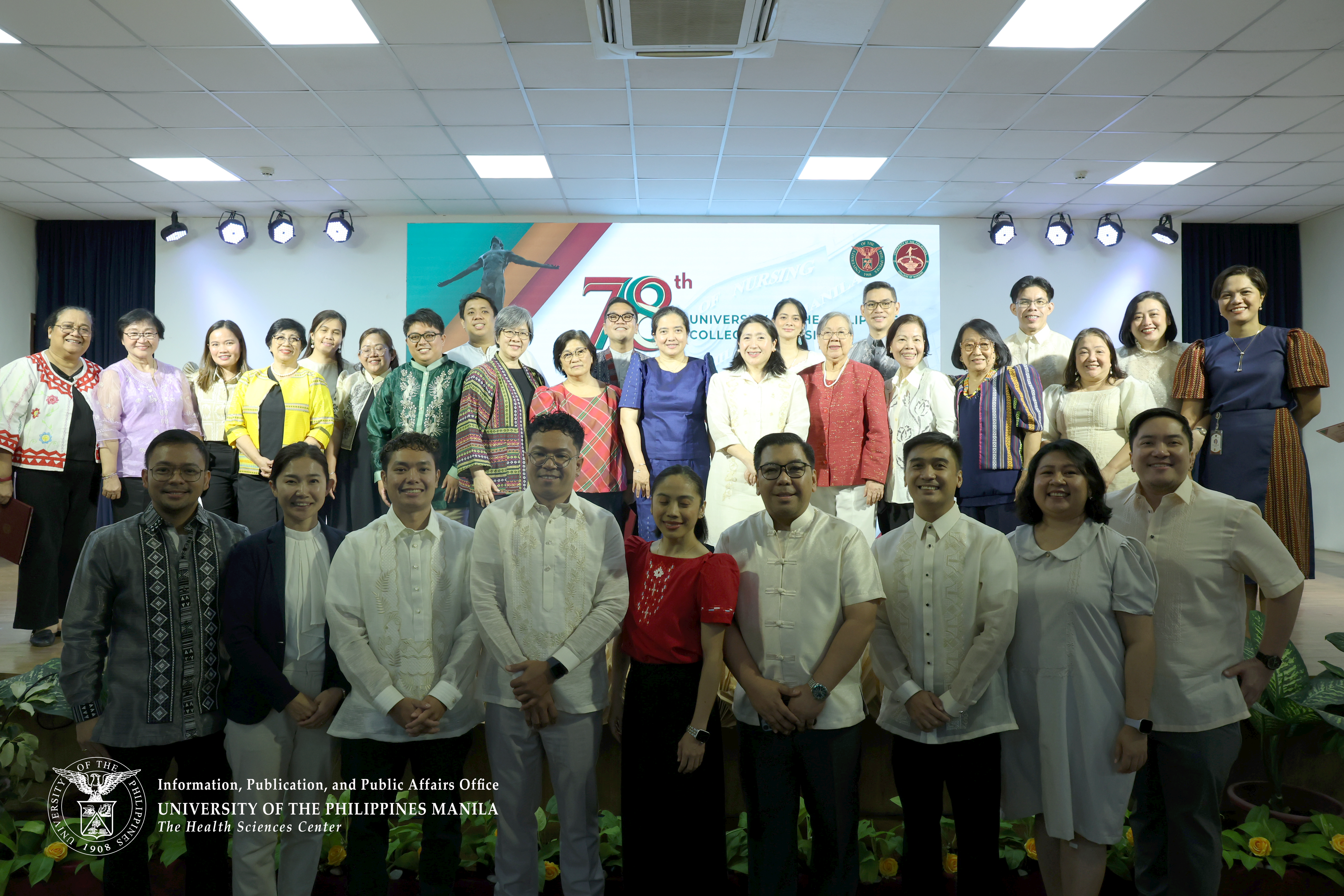
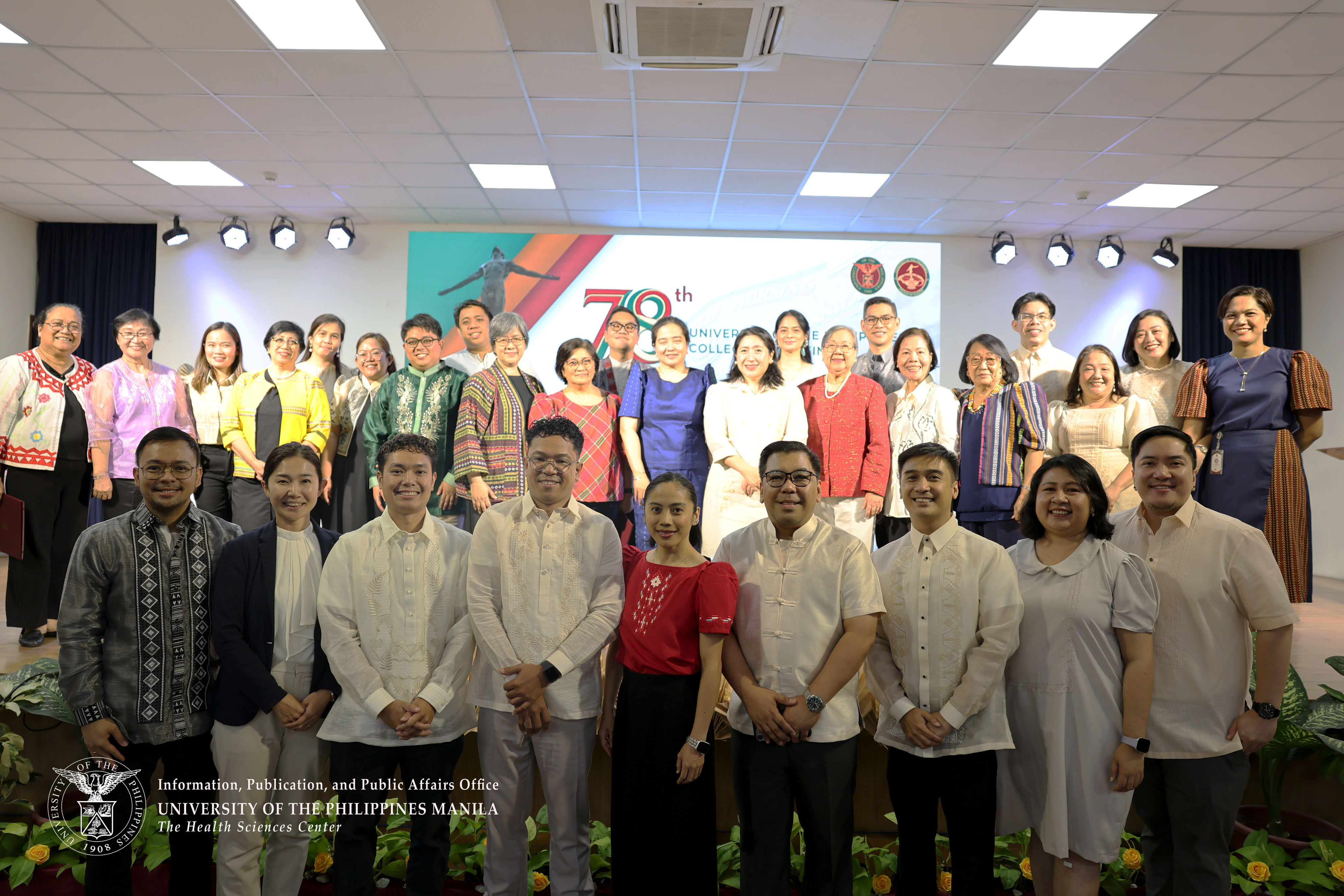
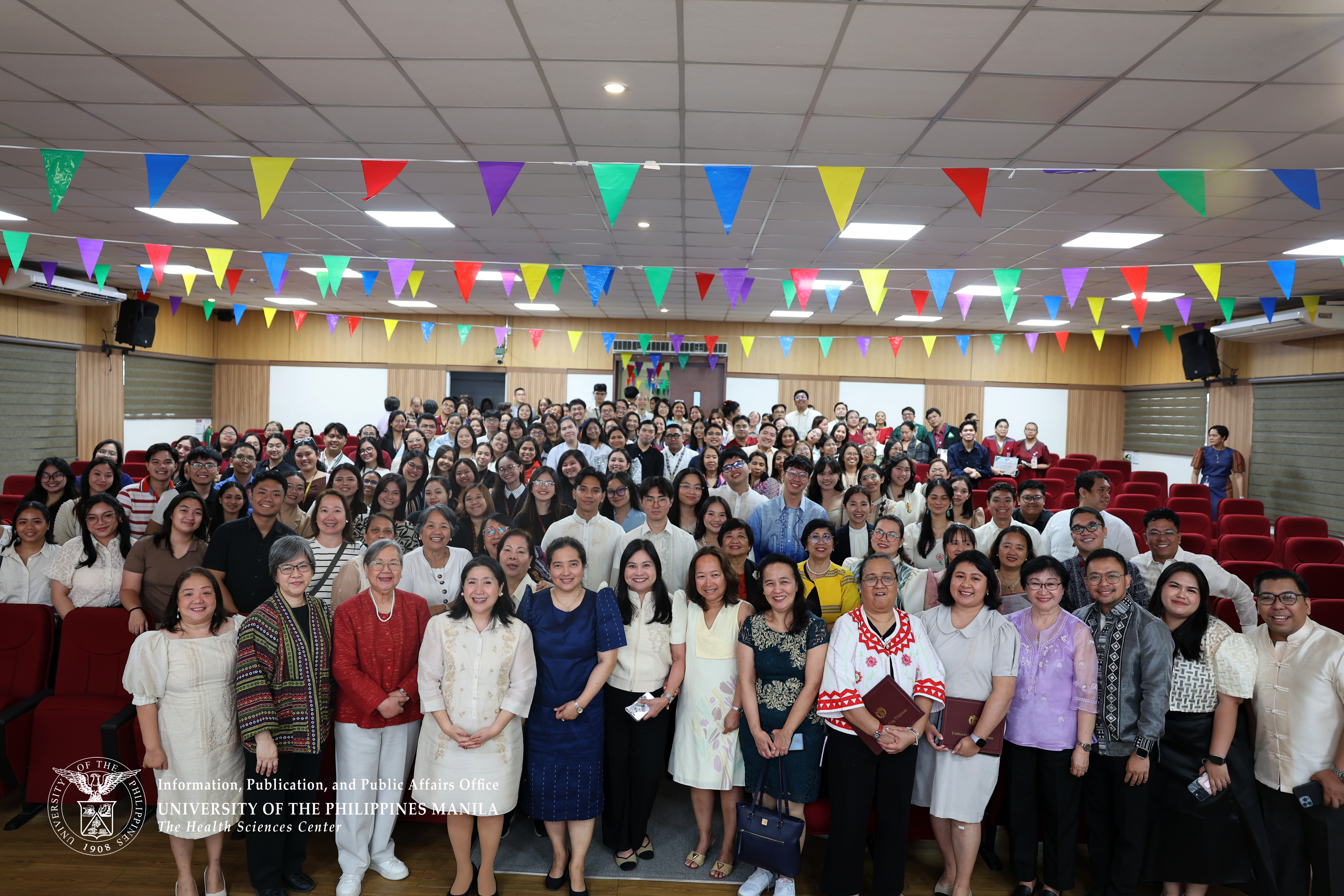
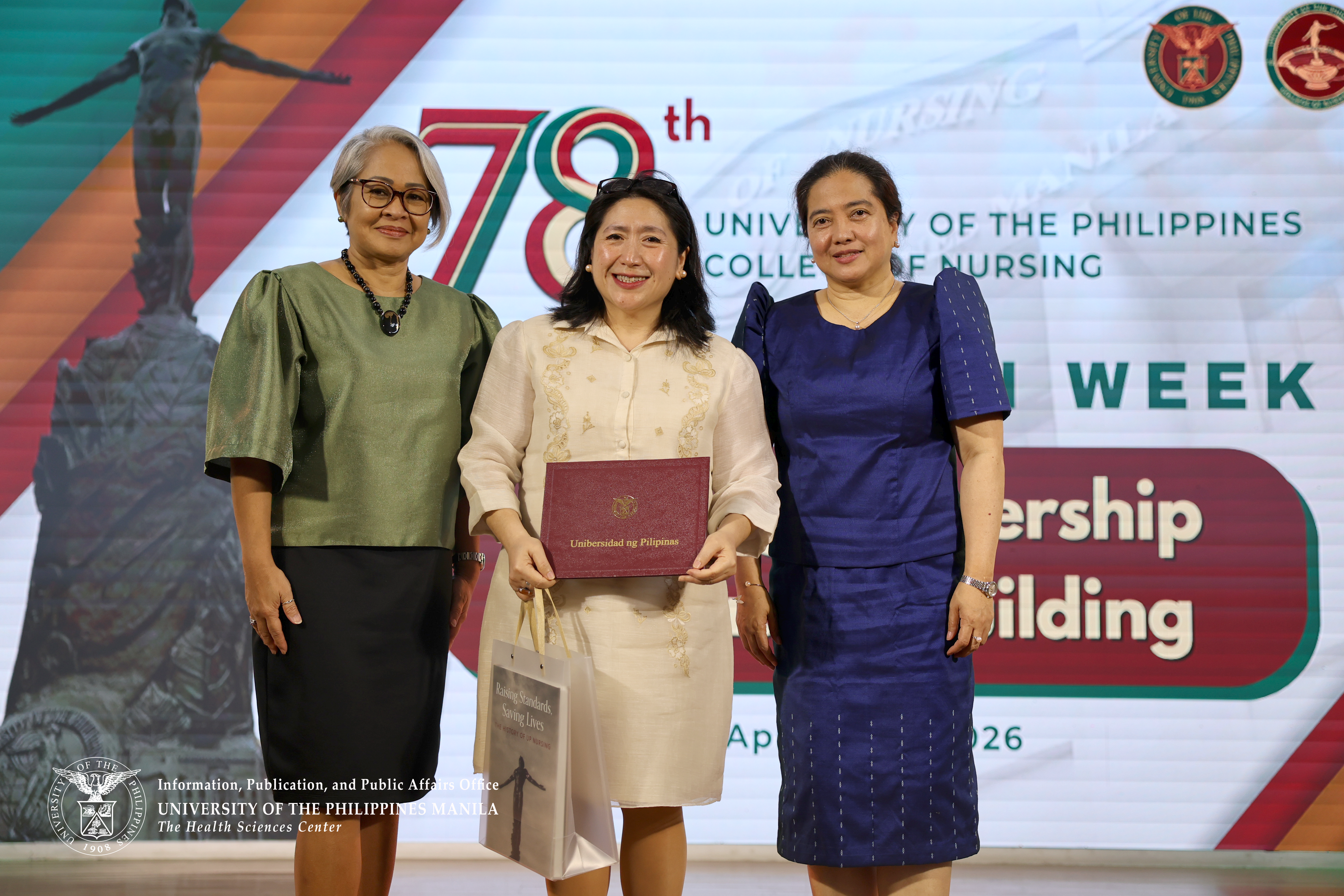
Seventy-eight years after its founding, the University of the Philippines College of Nursing (UPCN) marked a historic milestone, becoming a Joanna Briggs Institute (JBI) Center for Evidence-Based Healthcare and Nursing Development. Already recognized as a World Health Organization (WHO) Collaborating Center for Leadership in Nursing Development, UPCN, alongside the UP Manila National Institutes of Health Institute of Clinical Epidemiology, now joins a global network of over 90 institutions driving research, innovation, and evidence-based practice to improve healthcare outcomes worldwide.
Commitment to Evidence-Based Practice
The designation highlights the college’s strengthened commitment to research, innovation, and evidence-based nursing practice. JBI, an international research organization, develops and delivers evidence-based information, software, education, and training aimed at improving healthcare practice and outcomes. As a JBI Center, UPCN will leverage this platform to advance not only nursing practice but also the broader healthcare system through high-impact research and collaboration.
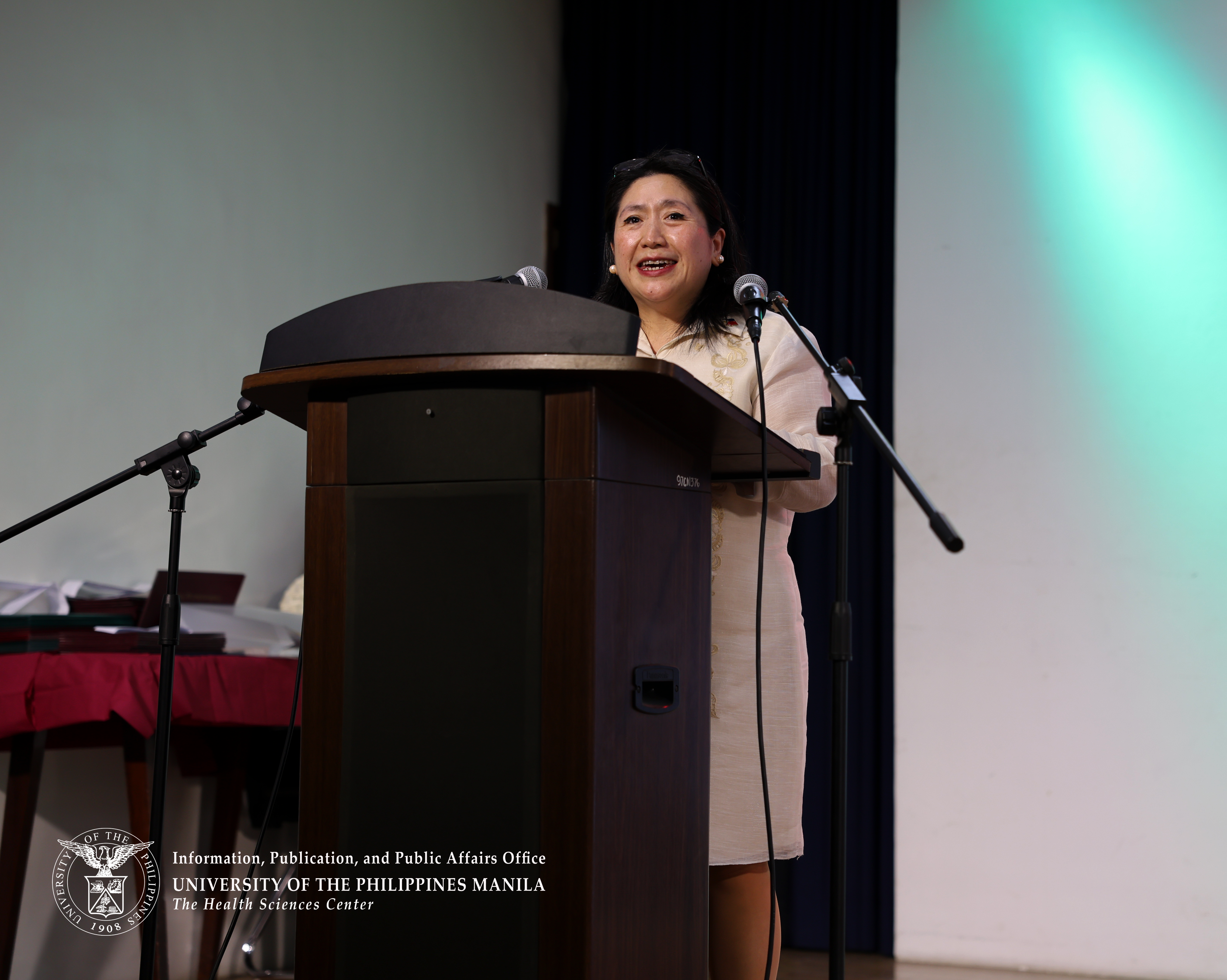
“This aligns with our vision to push for advanced practice nursing in the Philippines. Together with our faculty and staff from PGH, we aim to produce research that is meaningful and has a tangible impact on patient care,” said UPCN Dean Sheila Bonito. She highlighted the importance of sustaining excellence in the college’s 78th year while embracing innovation through initiatives like the newly designated JBI Center.
Rich Legacy
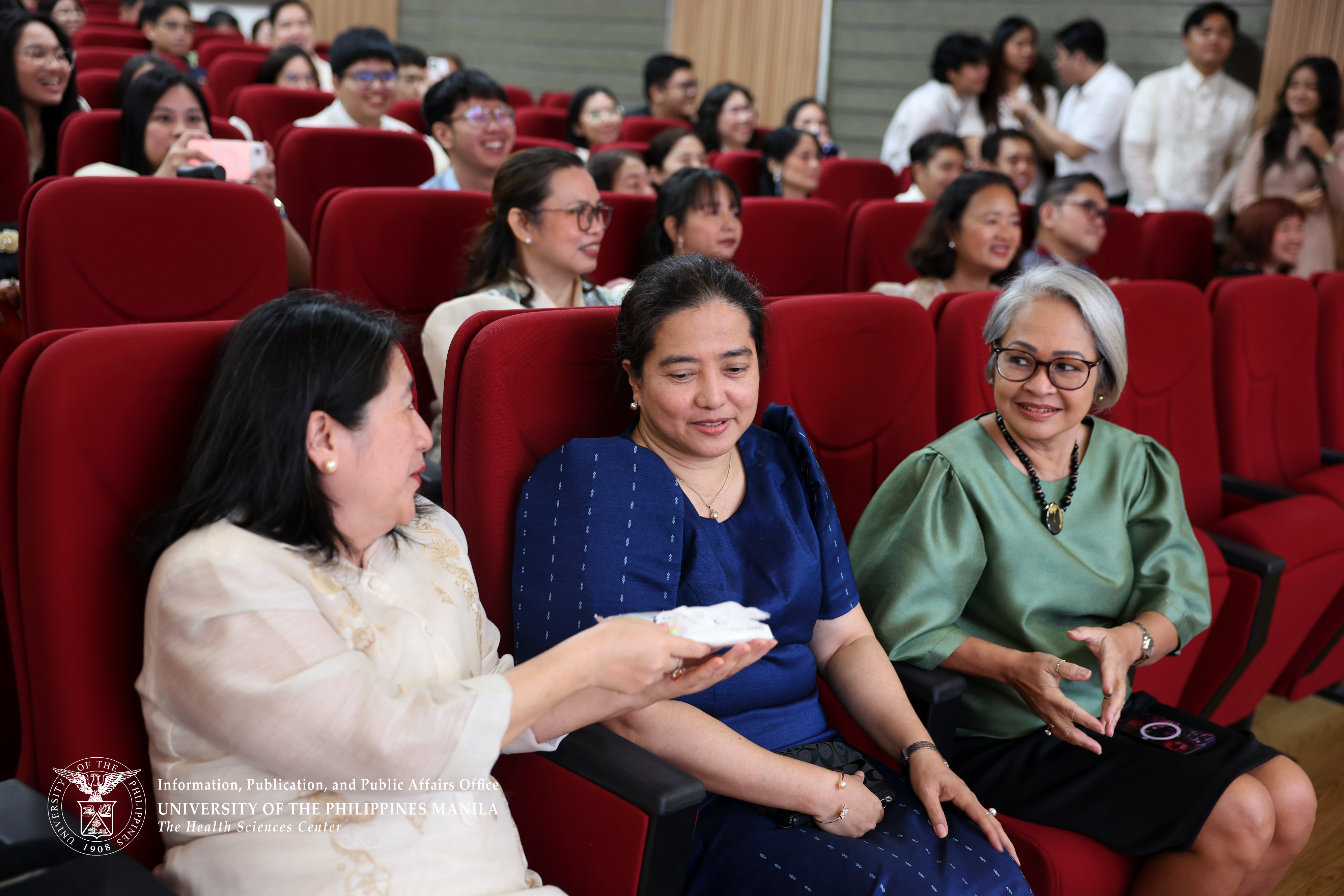
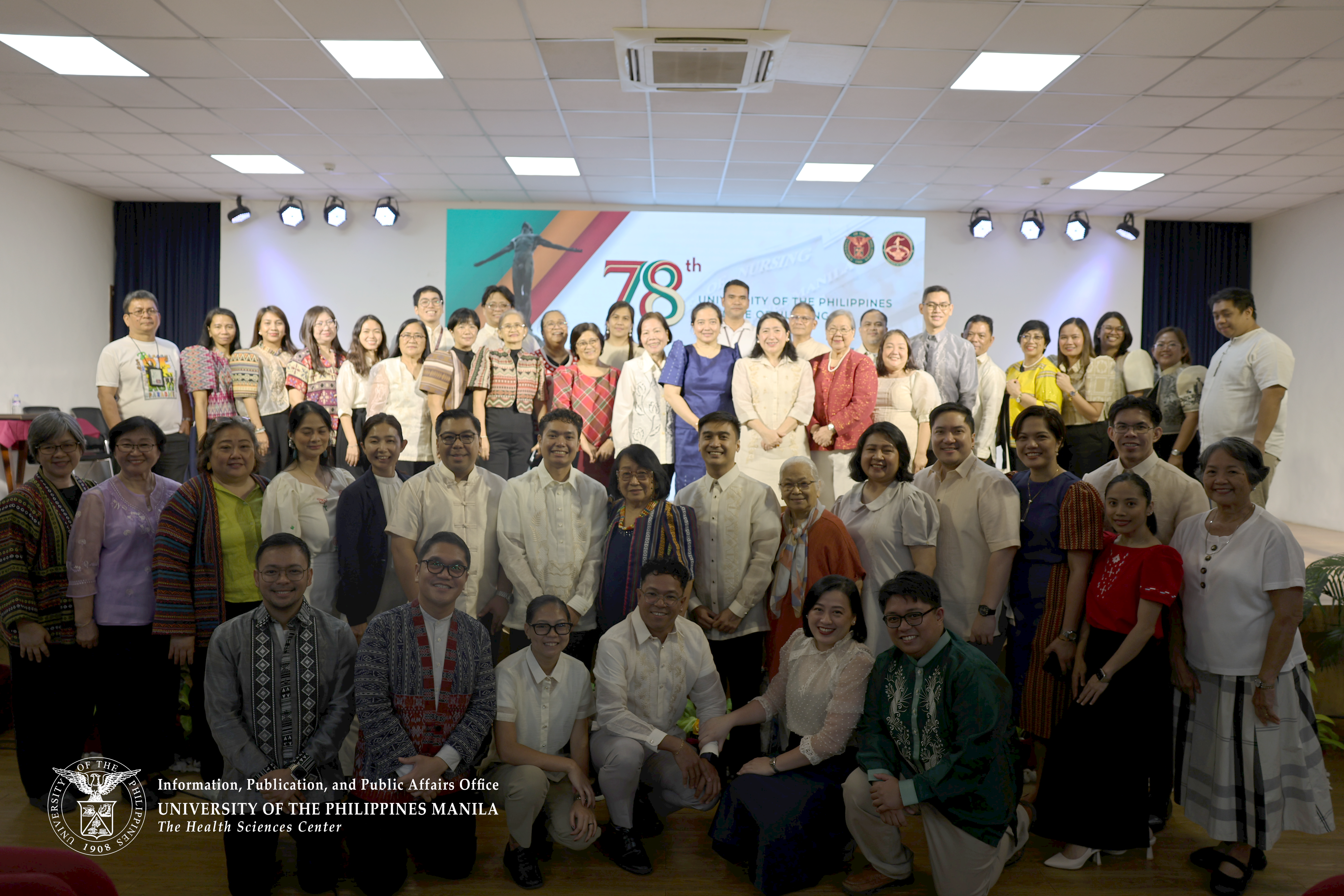
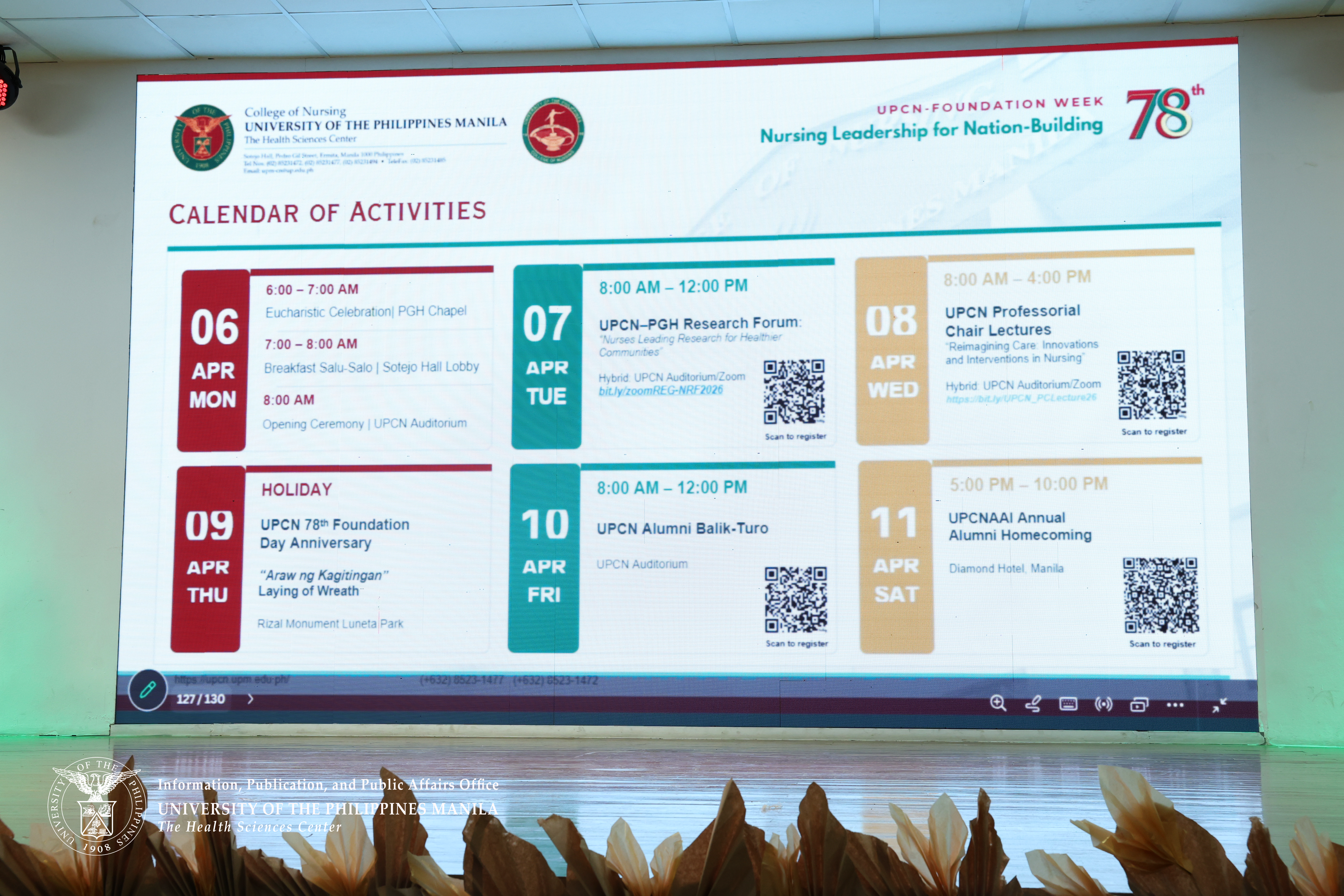
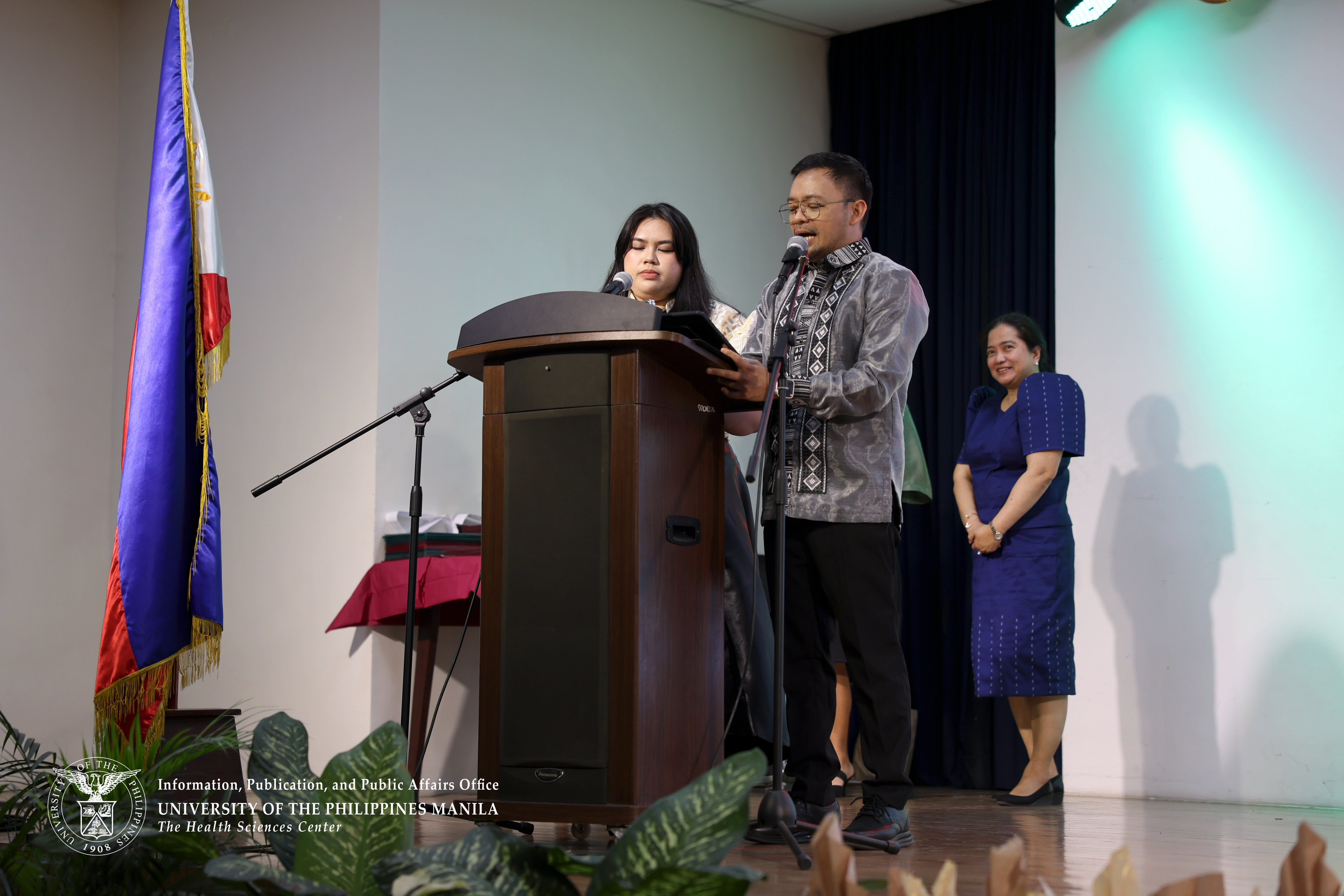
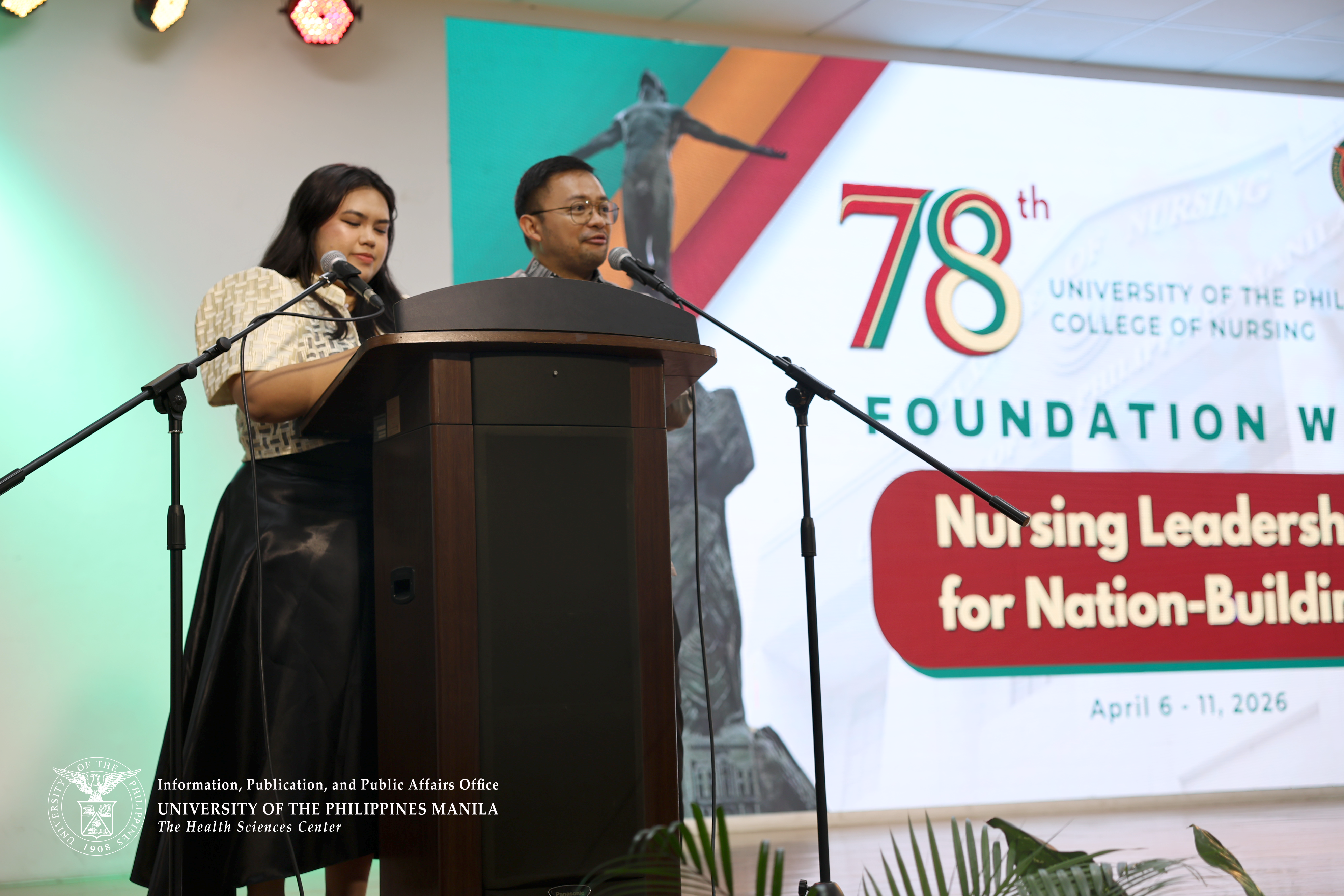
Dean Bonito reflected on UPCN’s origins in the post-World War II period, emphasizing its enduring role in shaping nursing education, research, and public service in the Philippines. Themed “Nursing Leadership for Nation Building,” the event celebrated both the college’s rich history and its continuing contributions to the health sector.
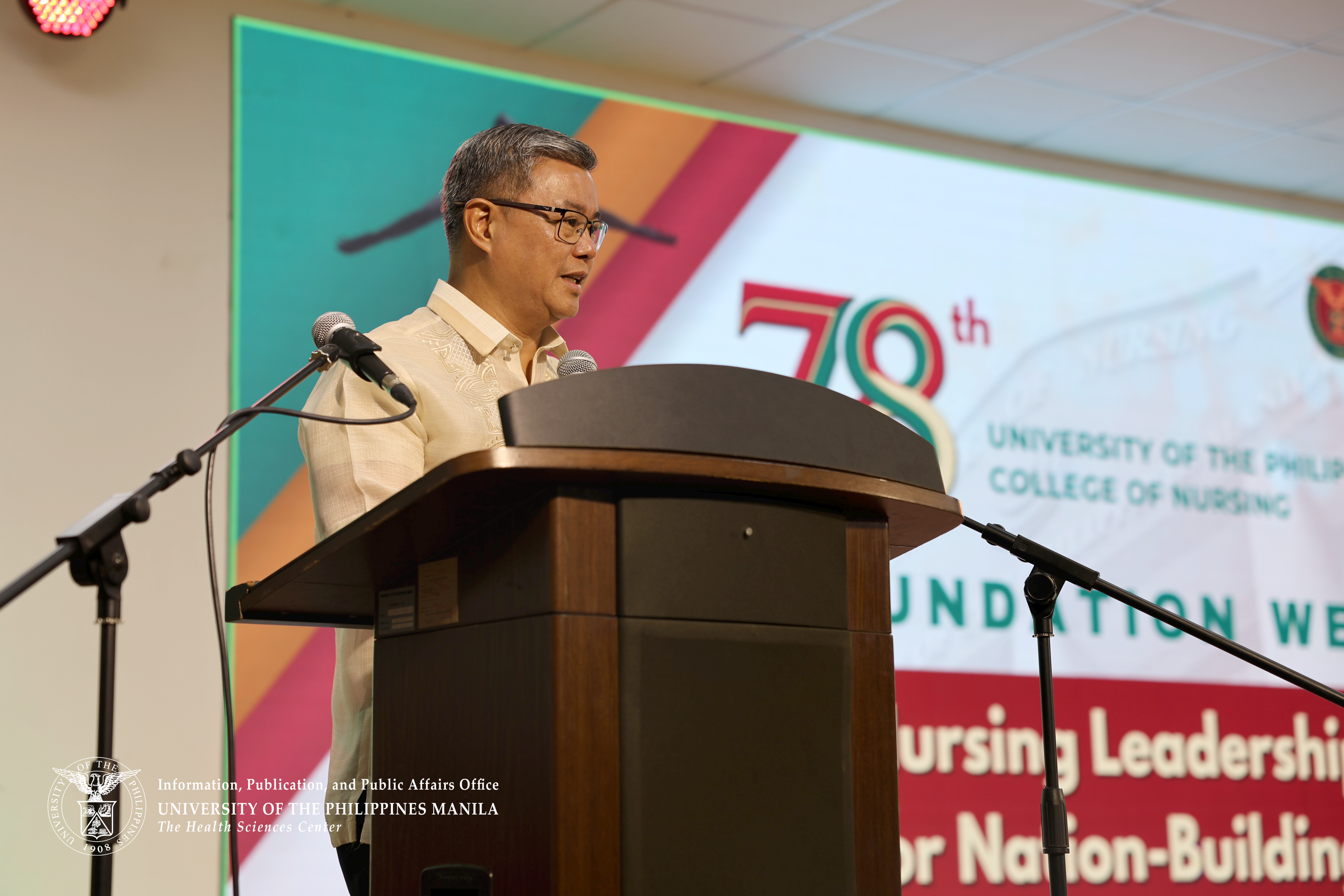
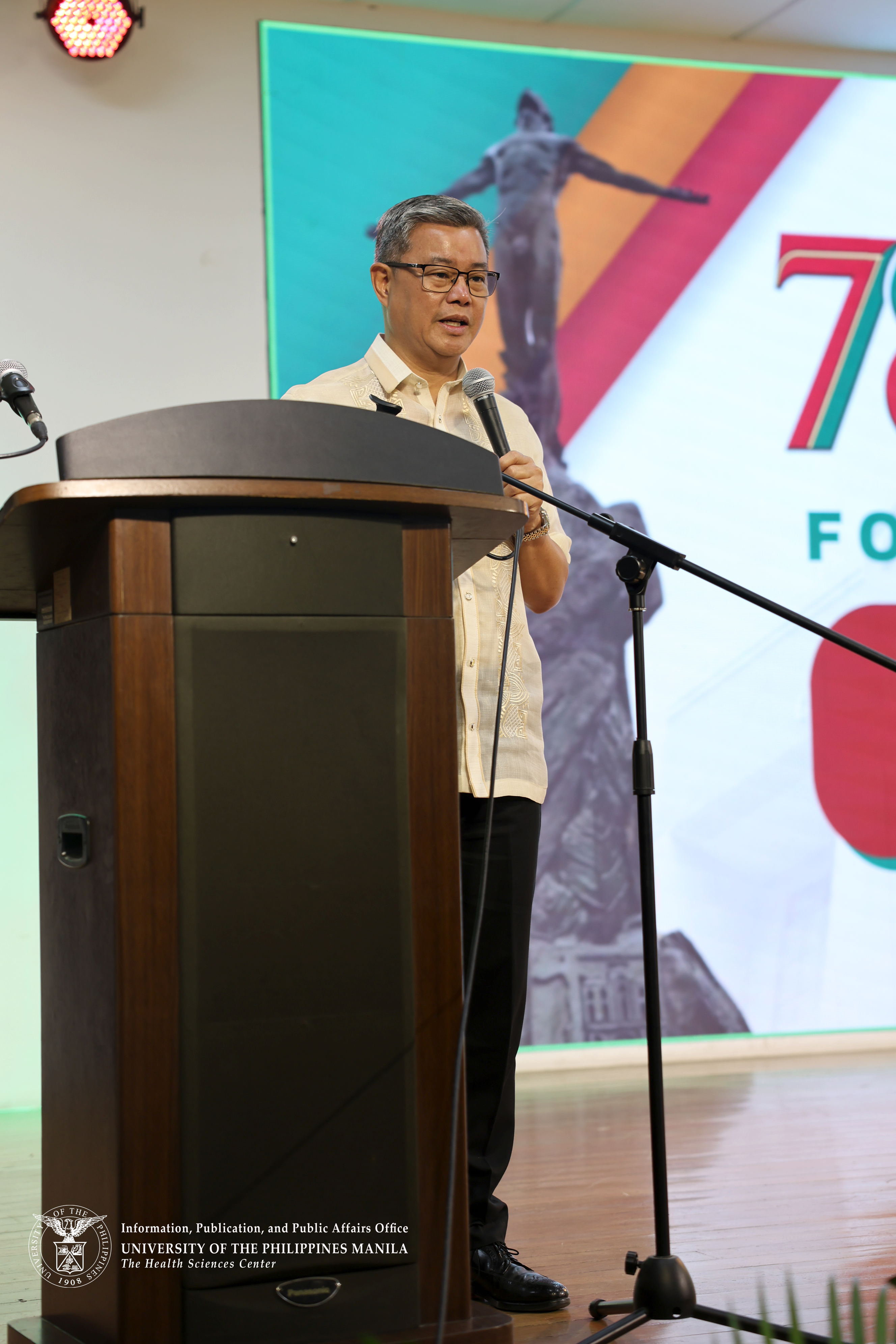
“All of us aspire to achieve national impact and international collaboration. But it is the UP community—a network of leaders working together—that makes this possible,” said Chancellor Michael Tee.
He lauded the college’s 78 years of leadership, recognizing the collective efforts of faculty, alumni, and partners in advancing programs that contribute to nation-building and global health, while reaffirming institutional support for UPCN’s initiatives.
Nurses as Leaders
The ceremony also featured the Department of Health, Health Human Resources Development Bureau Director Johanna Banzon as the keynote speaker. She emphasized the evolving role of nurses as leaders, advocates, and agents of health system reform, highlighting the college’s nearly eight-decade contribution to shaping nursing in the Philippines and globally. As a member of the Commission on Higher Education’s Technical Panel on Nursing Education, she encouraged future nurses to combine compassion with technical excellence, noting their critical role in advancing universal health care, responding to pandemics and disasters, and driving reforms through advocacy for equity, social justice, and the dignity of every individual.
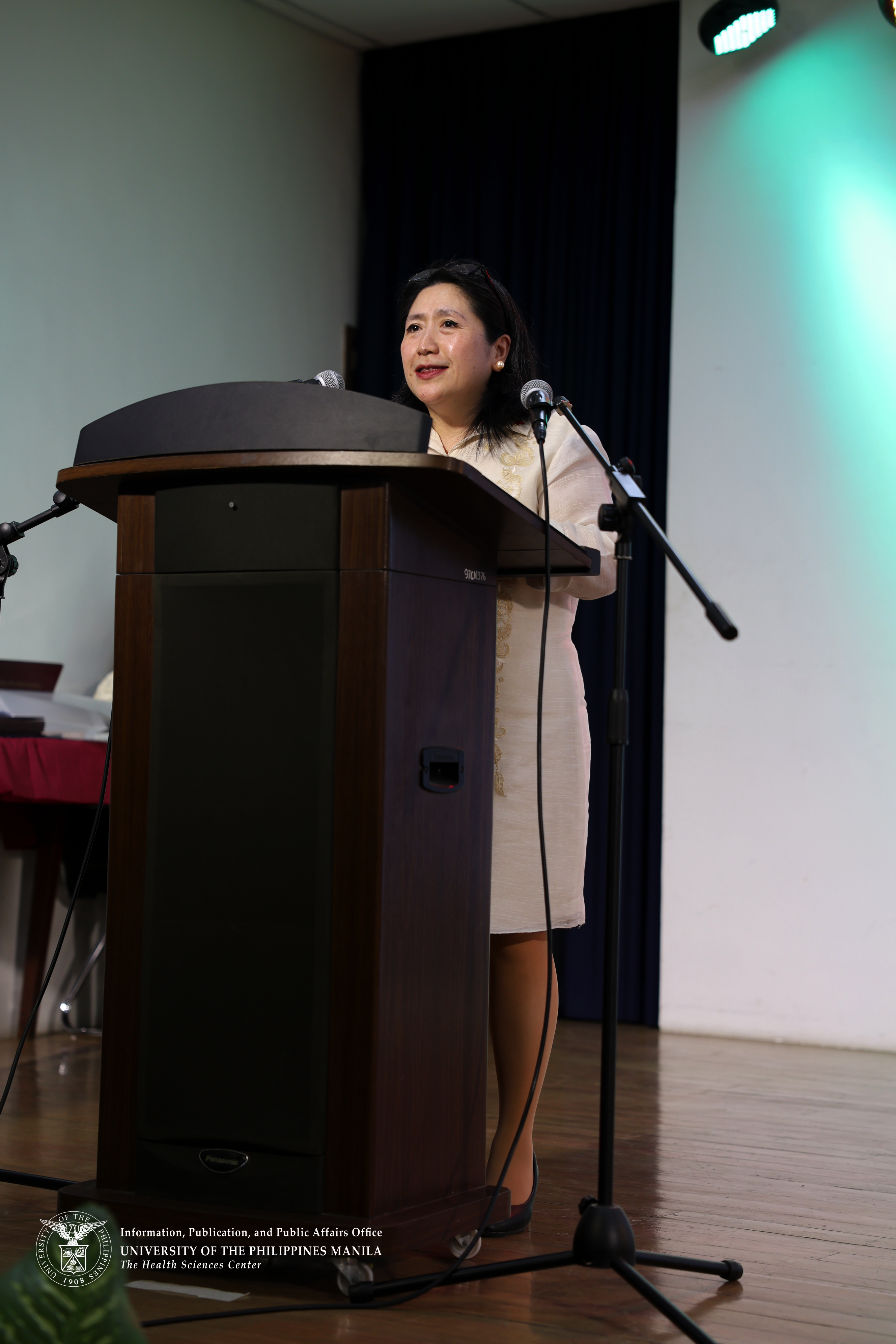
Director Banzon shared a compelling account of quiet heroism among nurses deployed under the National Health Workforce Support System (NHWSS), particularly in remote communities such as Tawi-Tawi. Despite delayed or unpaid contracts, these nurses continued to serve their patients tirelessly, with fellow team members sharing resources to sustain them. “This is leadership and heroism in its purest form—not in positions of power, but in everyday acts of service and unwavering commitment,” she said.
She also highlighted the ripple effect of UPCN leadership training, noting that one of the nurses was a graduate of the college’s leadership course for public health nurses, demonstrating UPCN’s influence from global organizations like WHO and the International Council of Nurses to small towns in the southern Philippines. She urged the college to explore new ways to further strengthen the role of nurses in nation-building, asking how the profession could amplify its influence to foster a more resilient, just, and inclusive society.
Recognizing Partners and Achievements
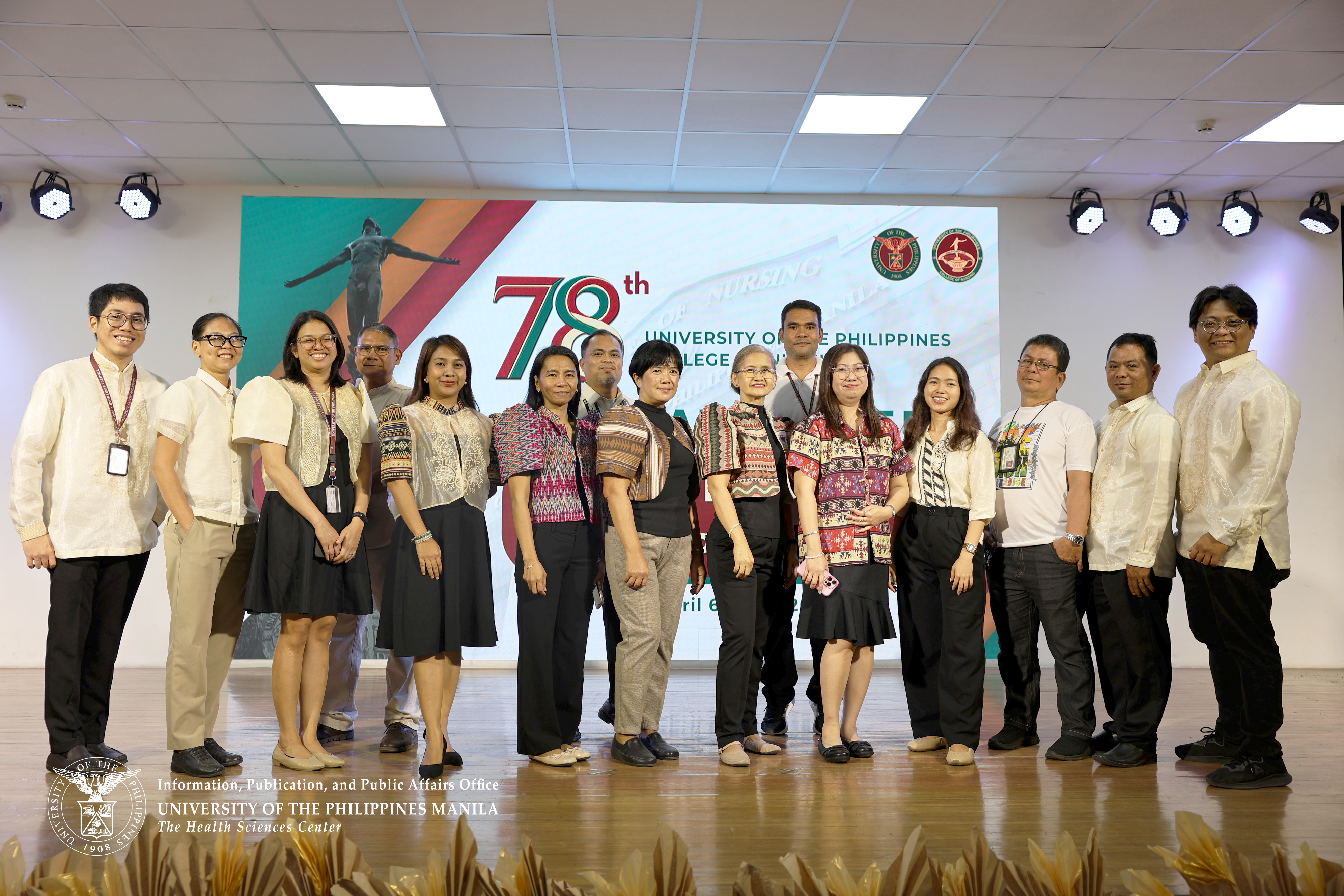
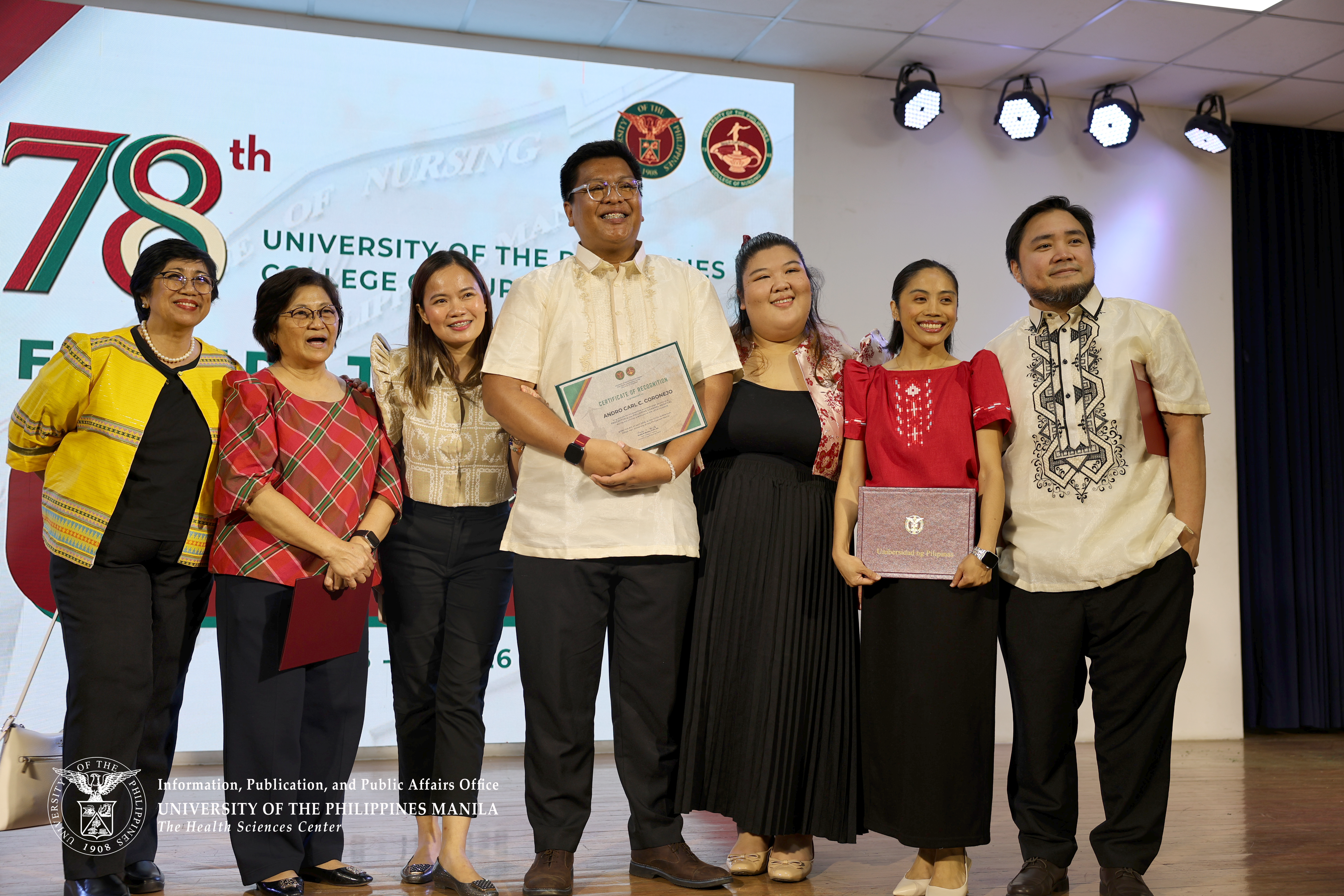
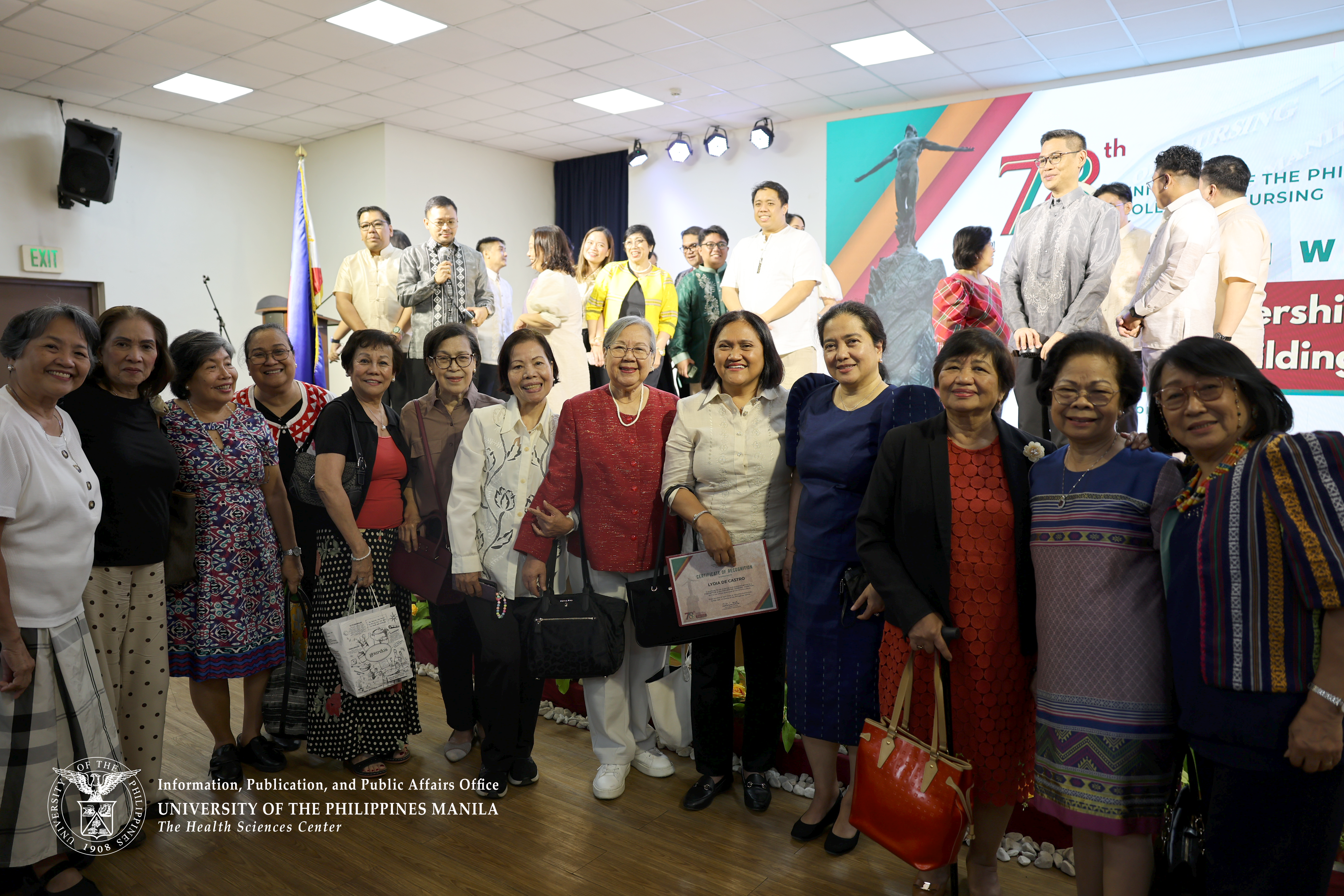
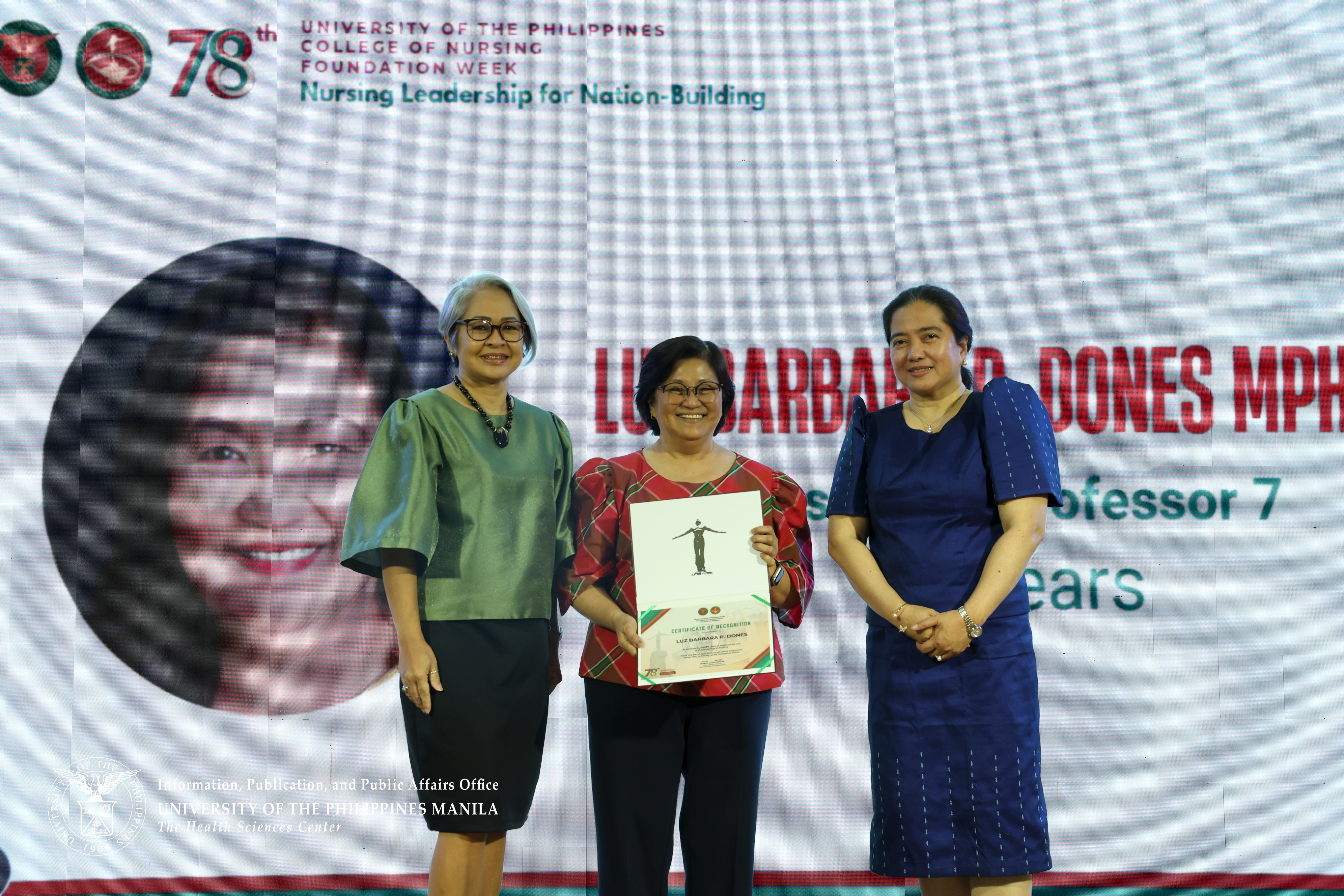
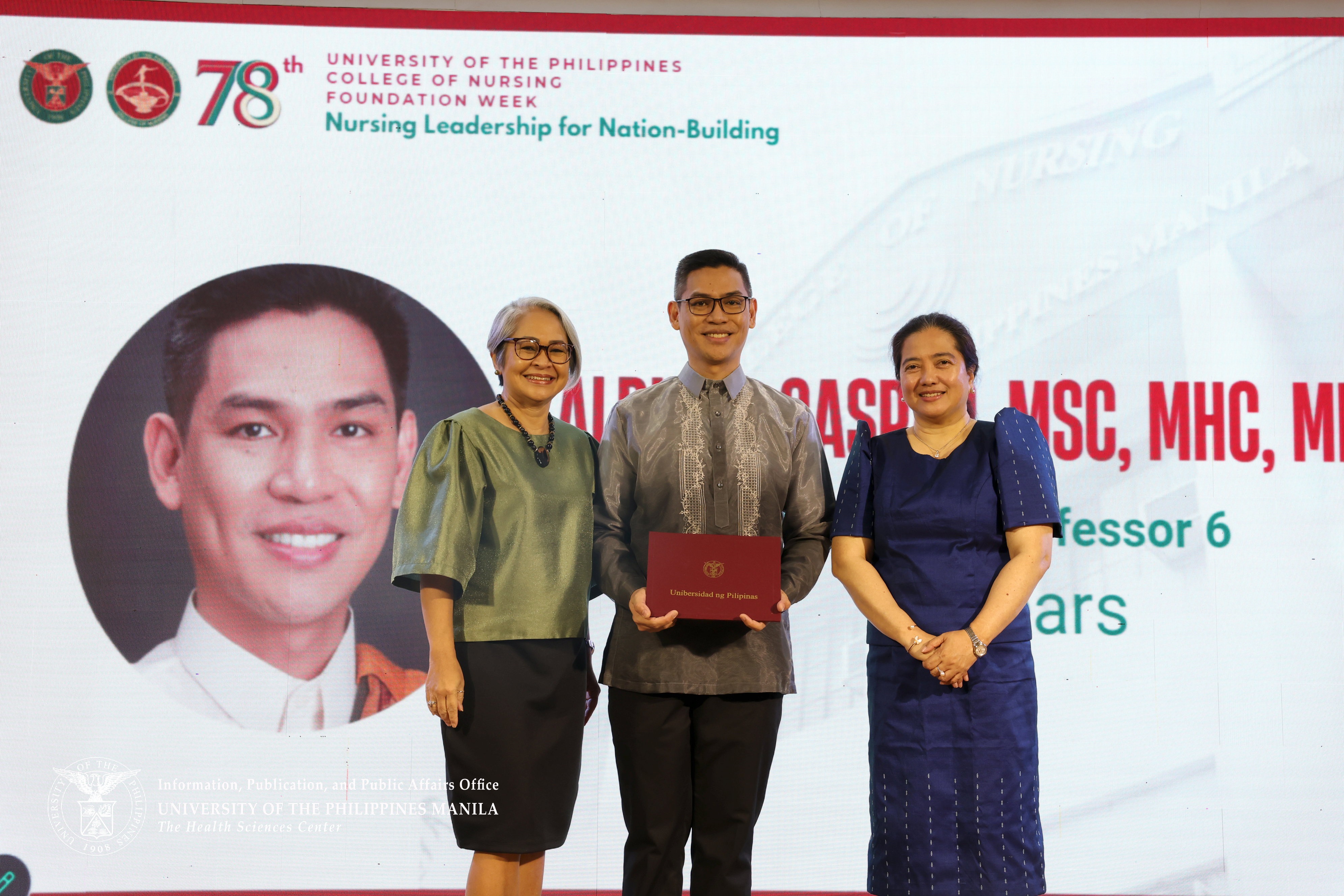
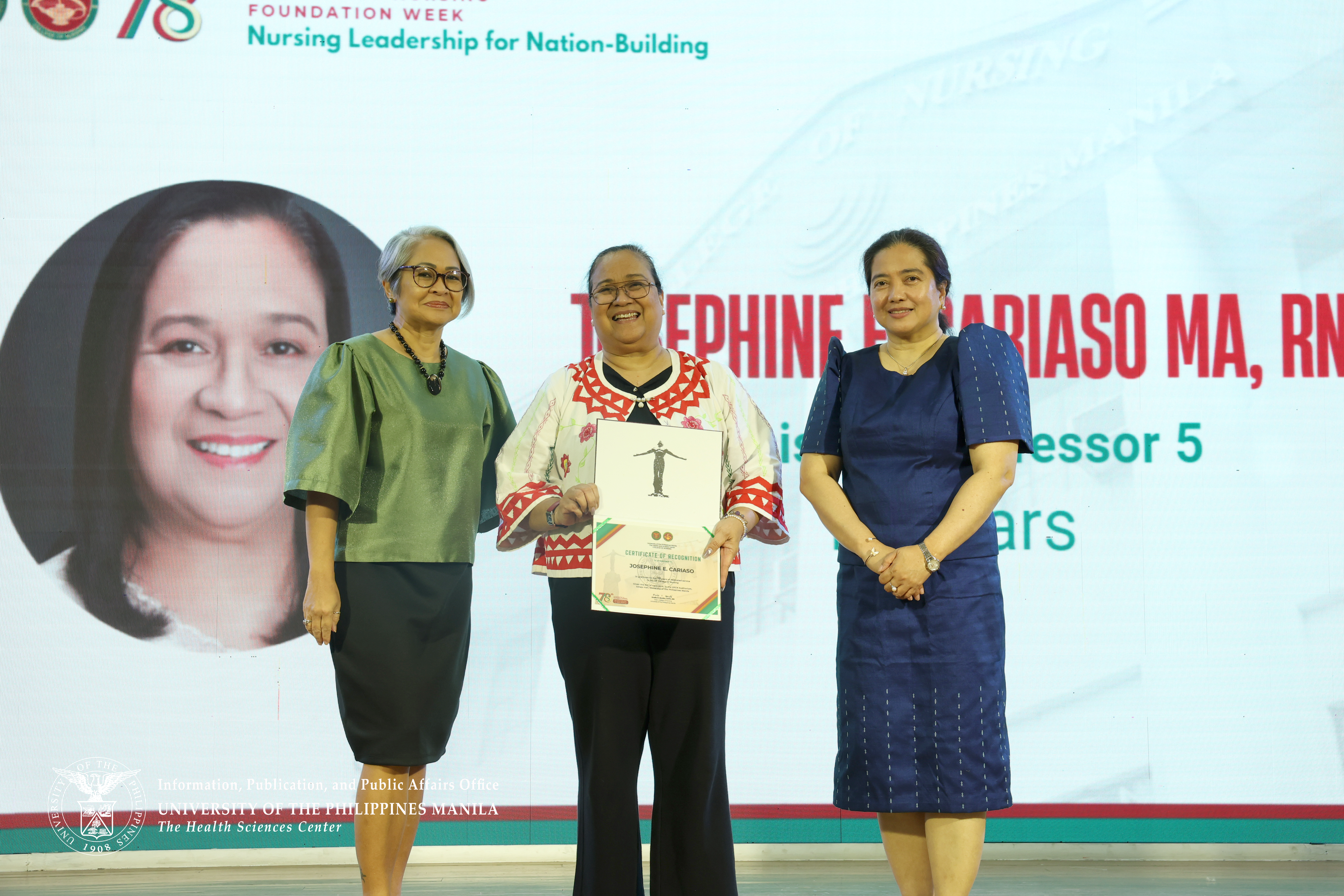
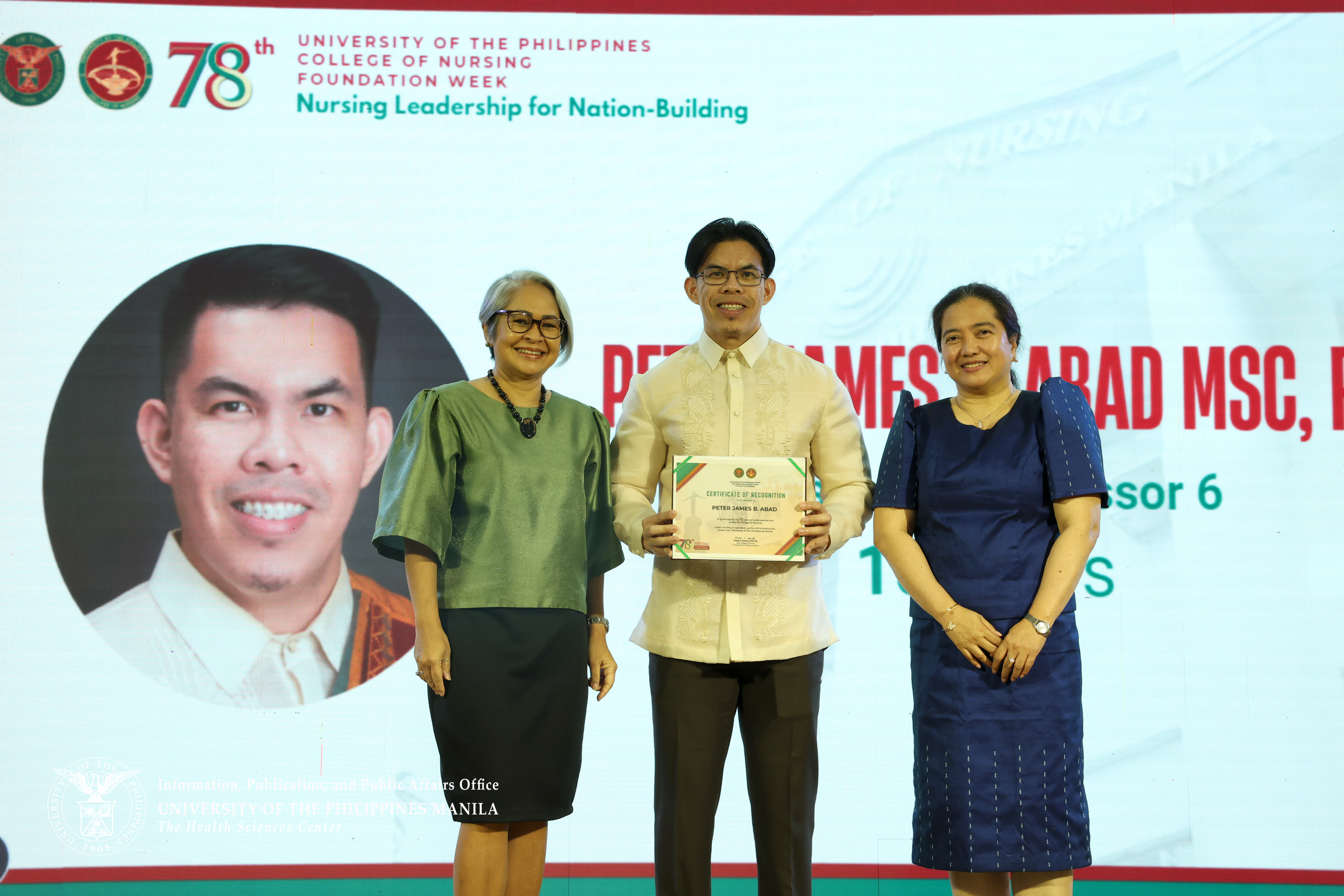
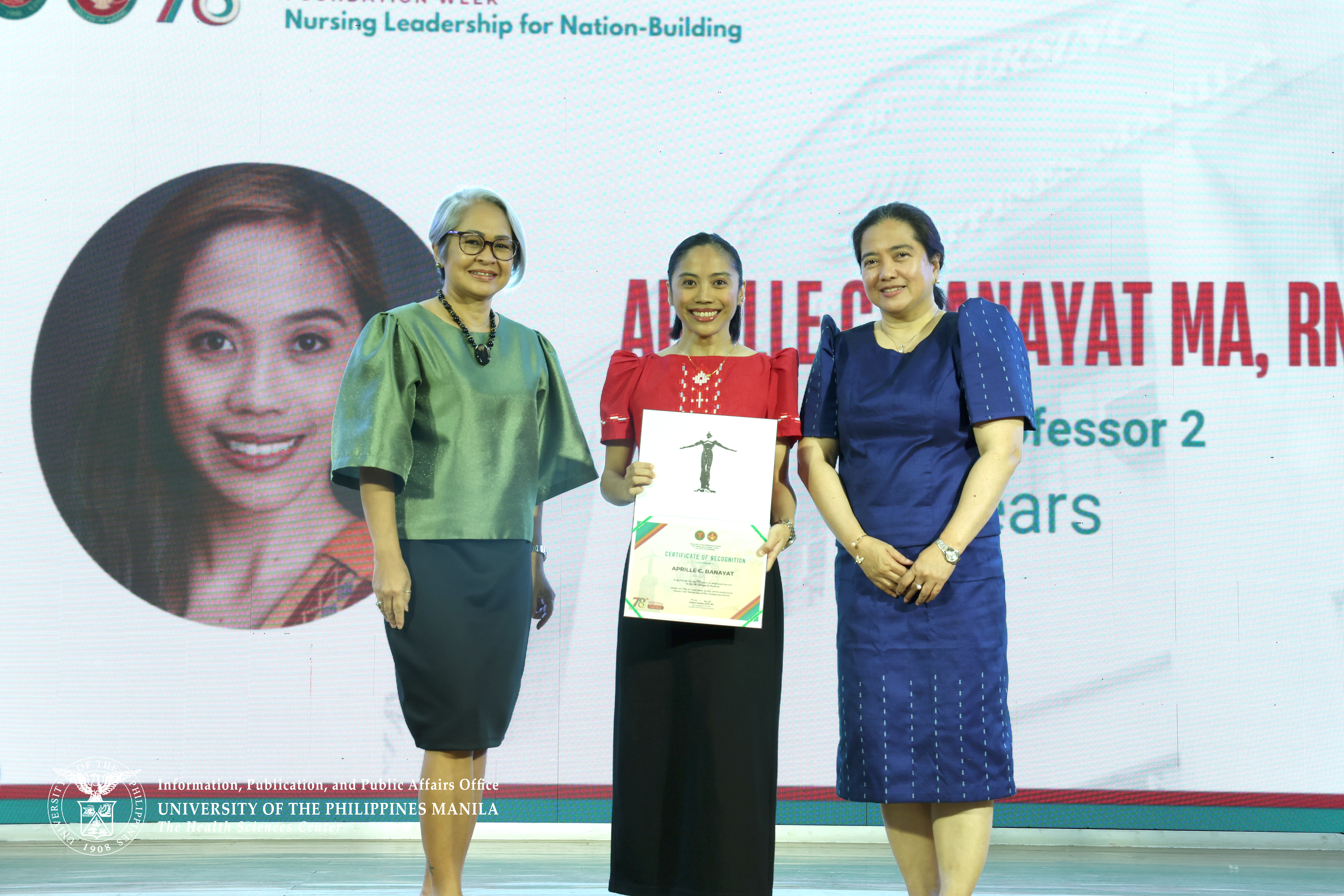
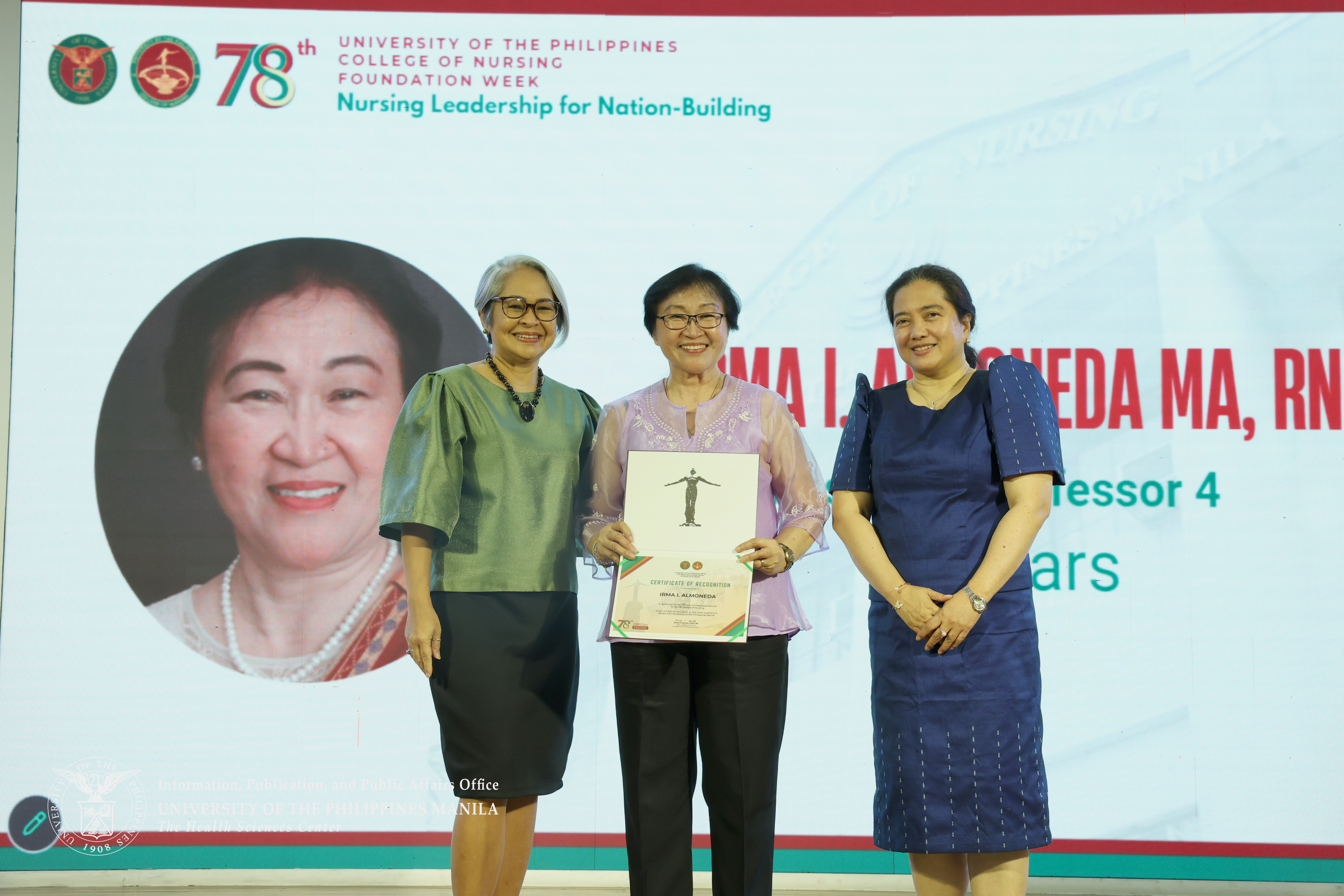
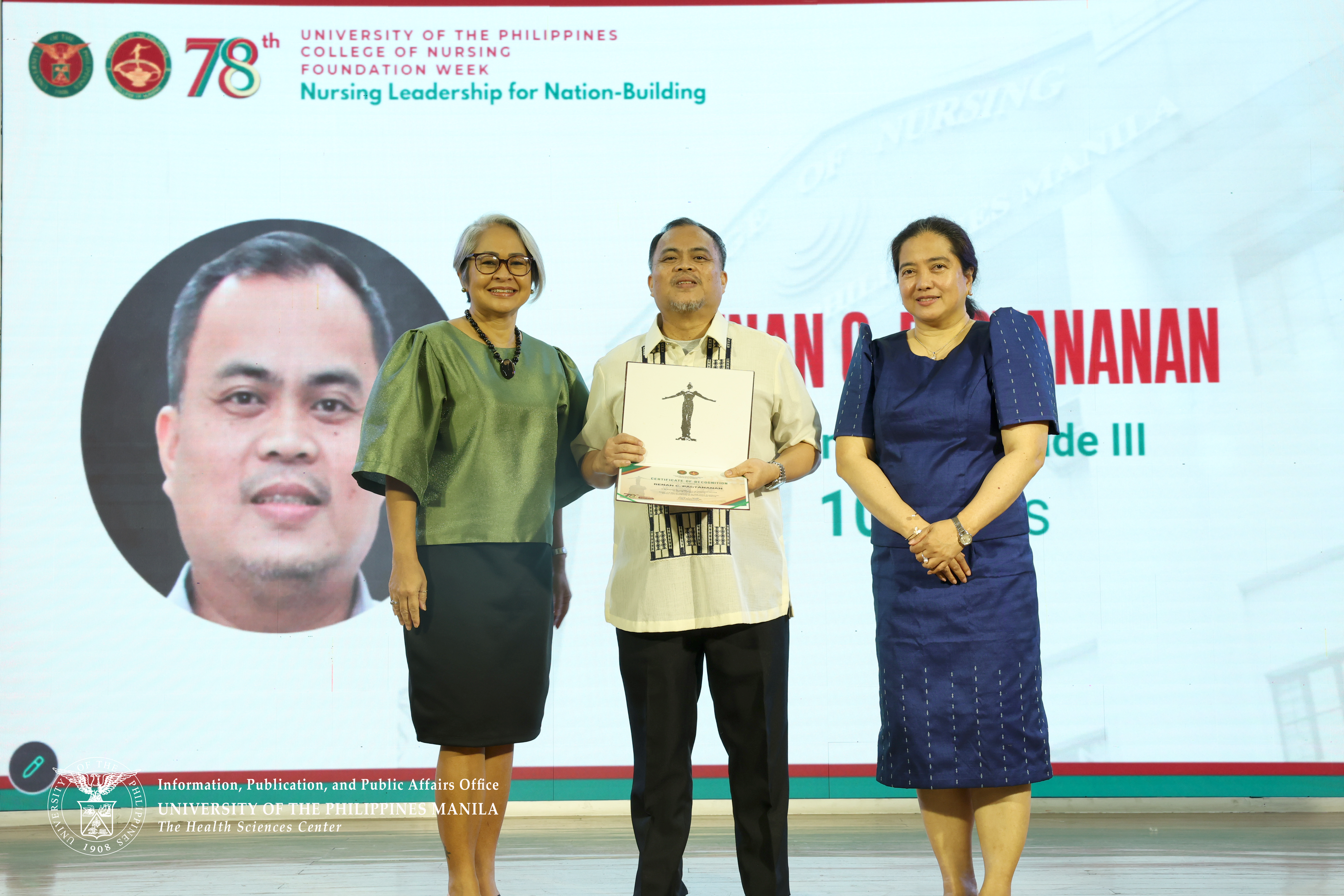
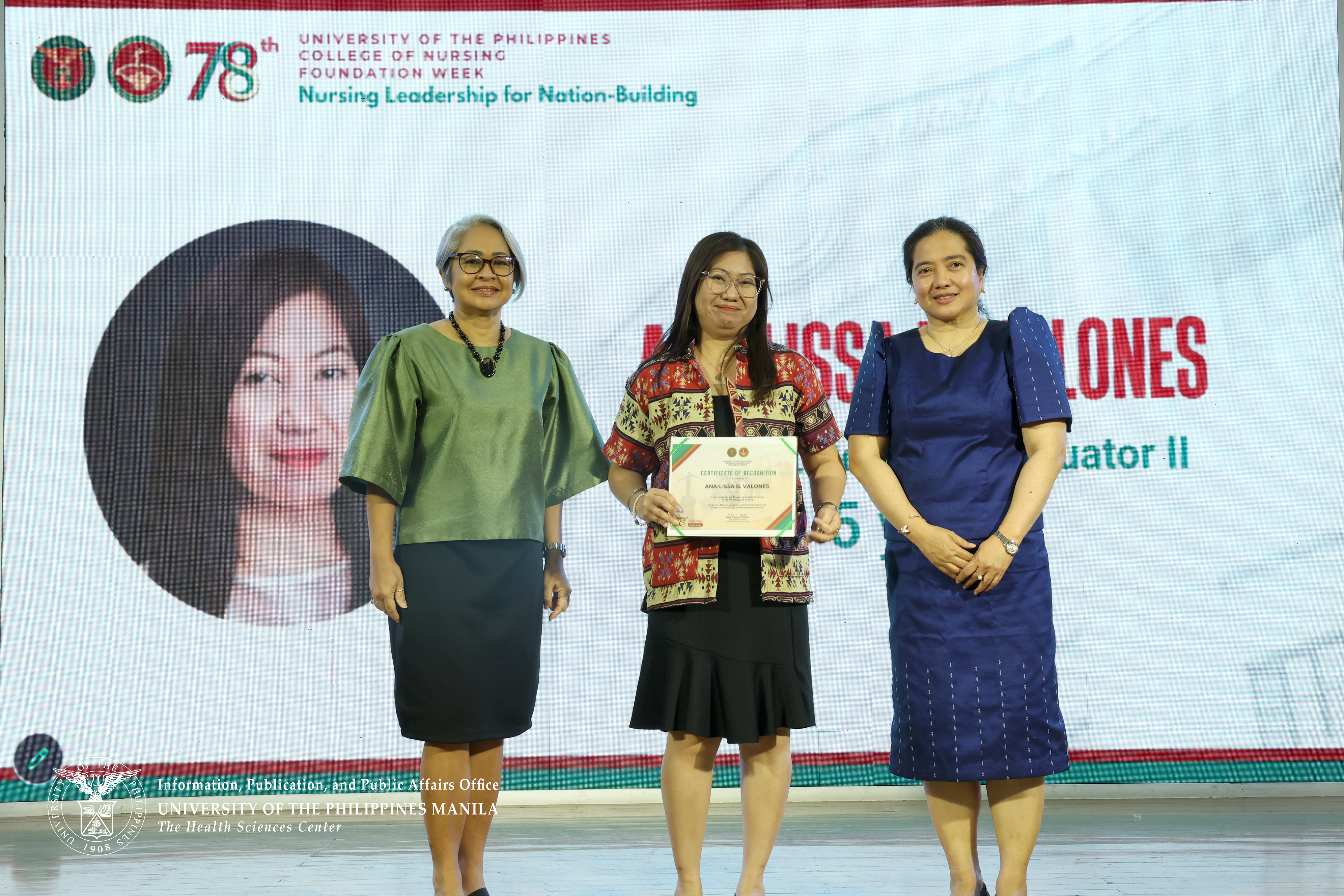
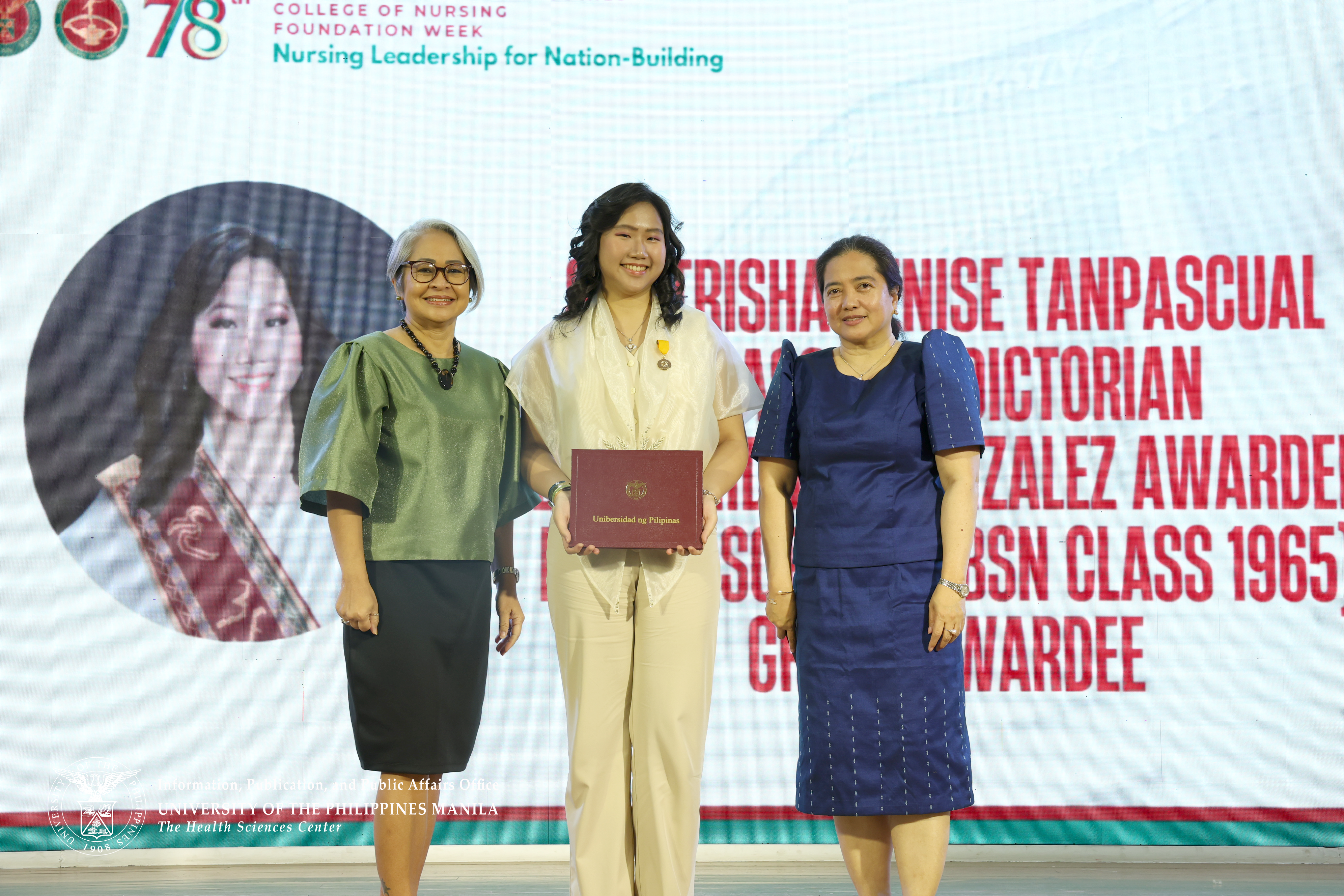
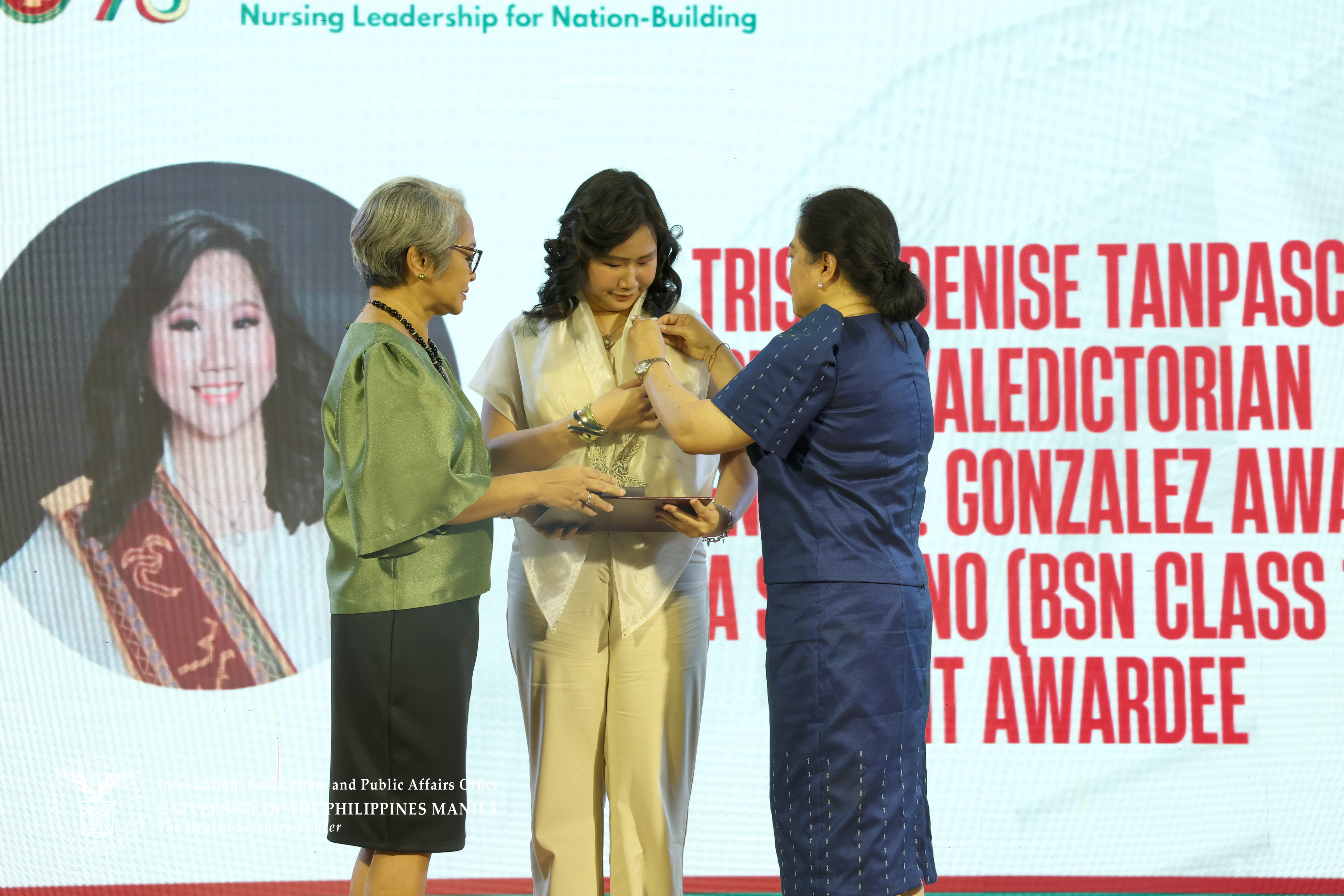
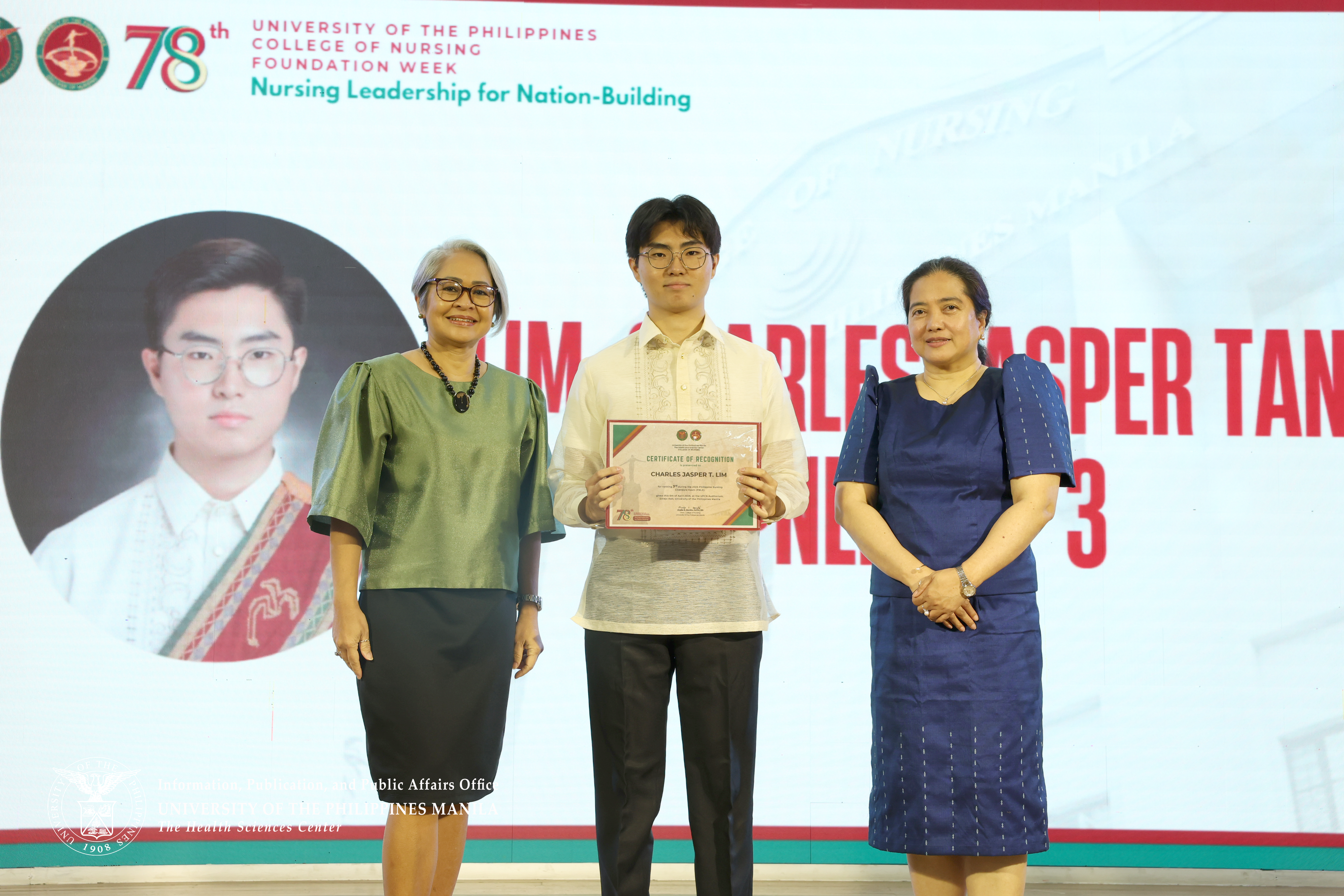
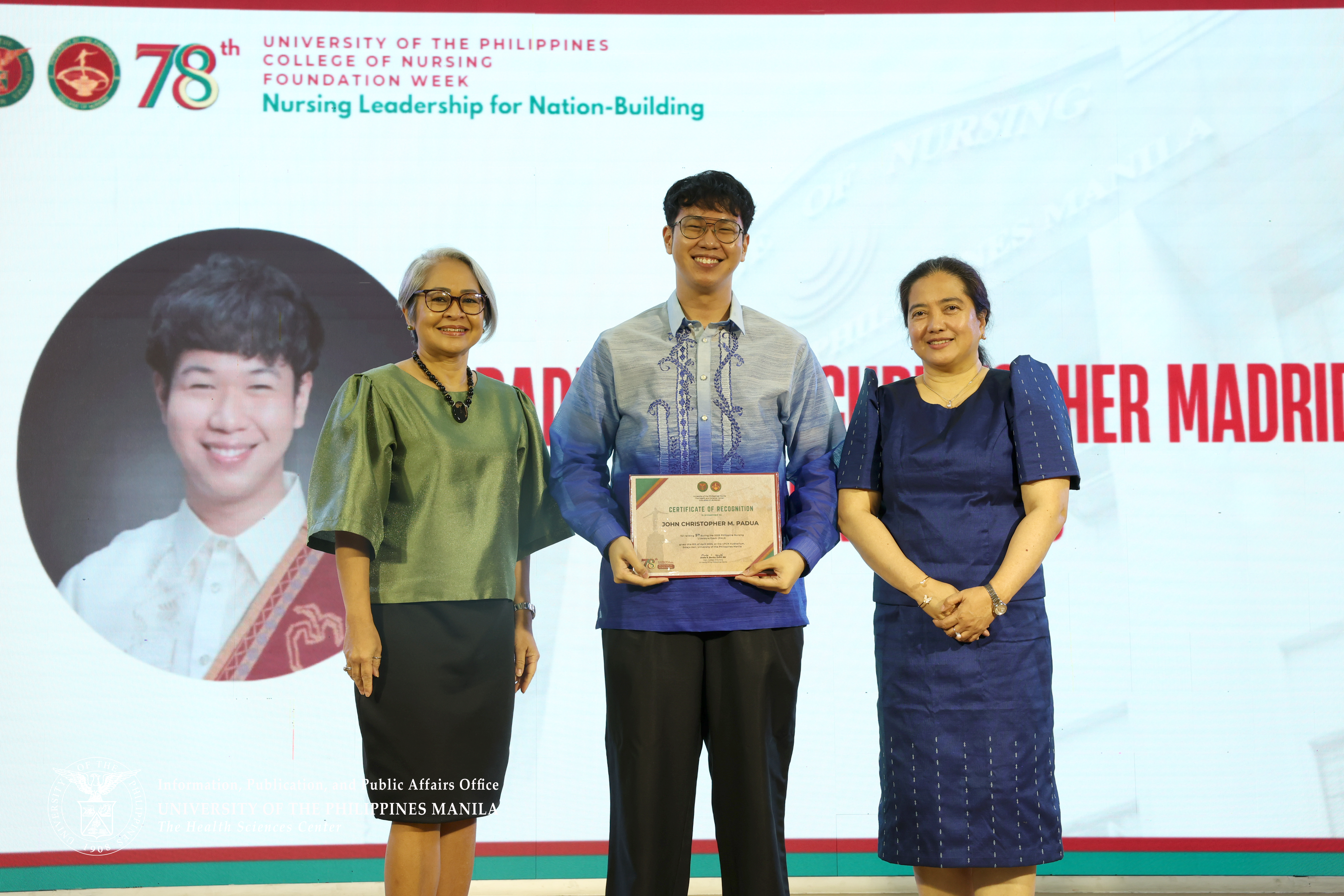
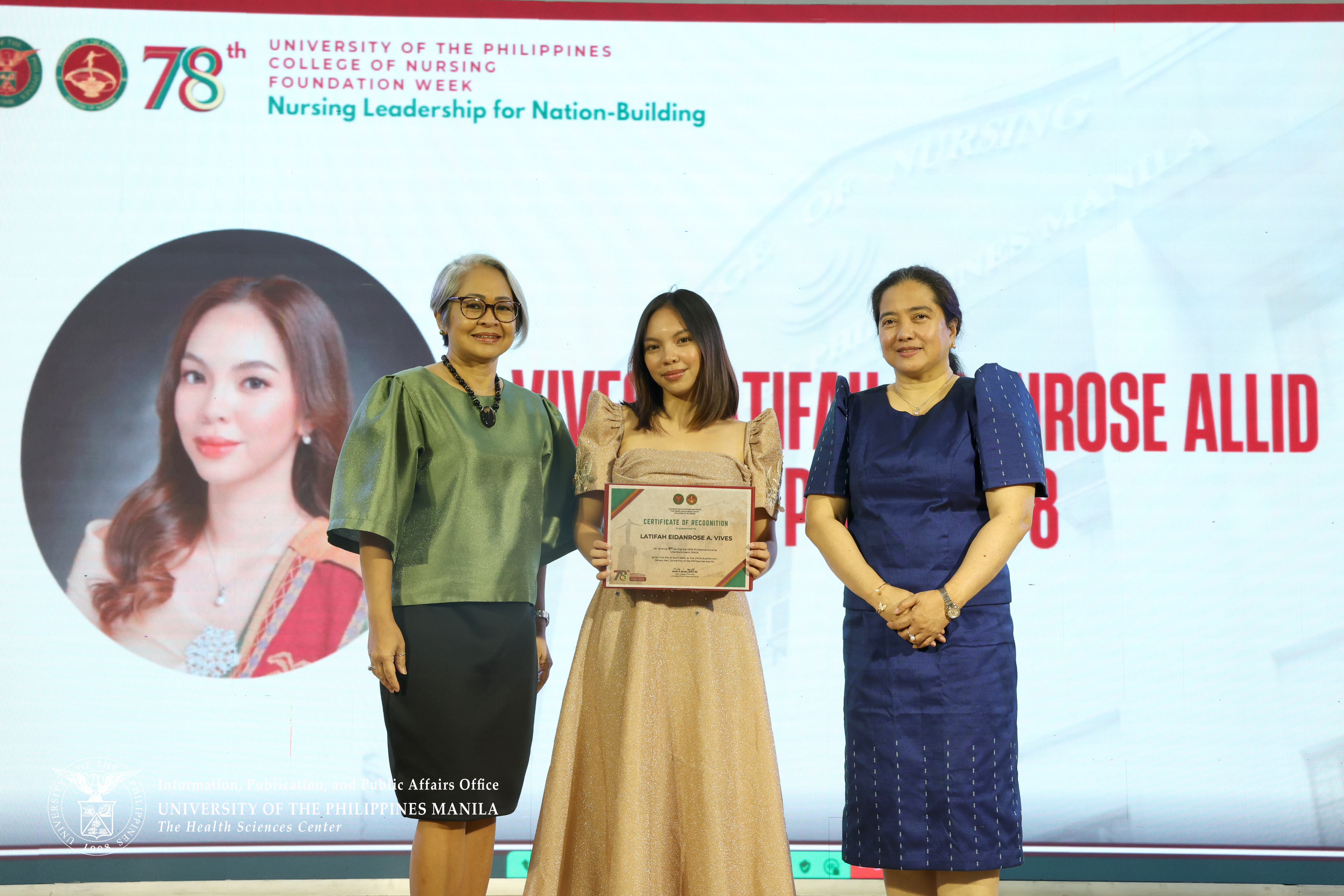
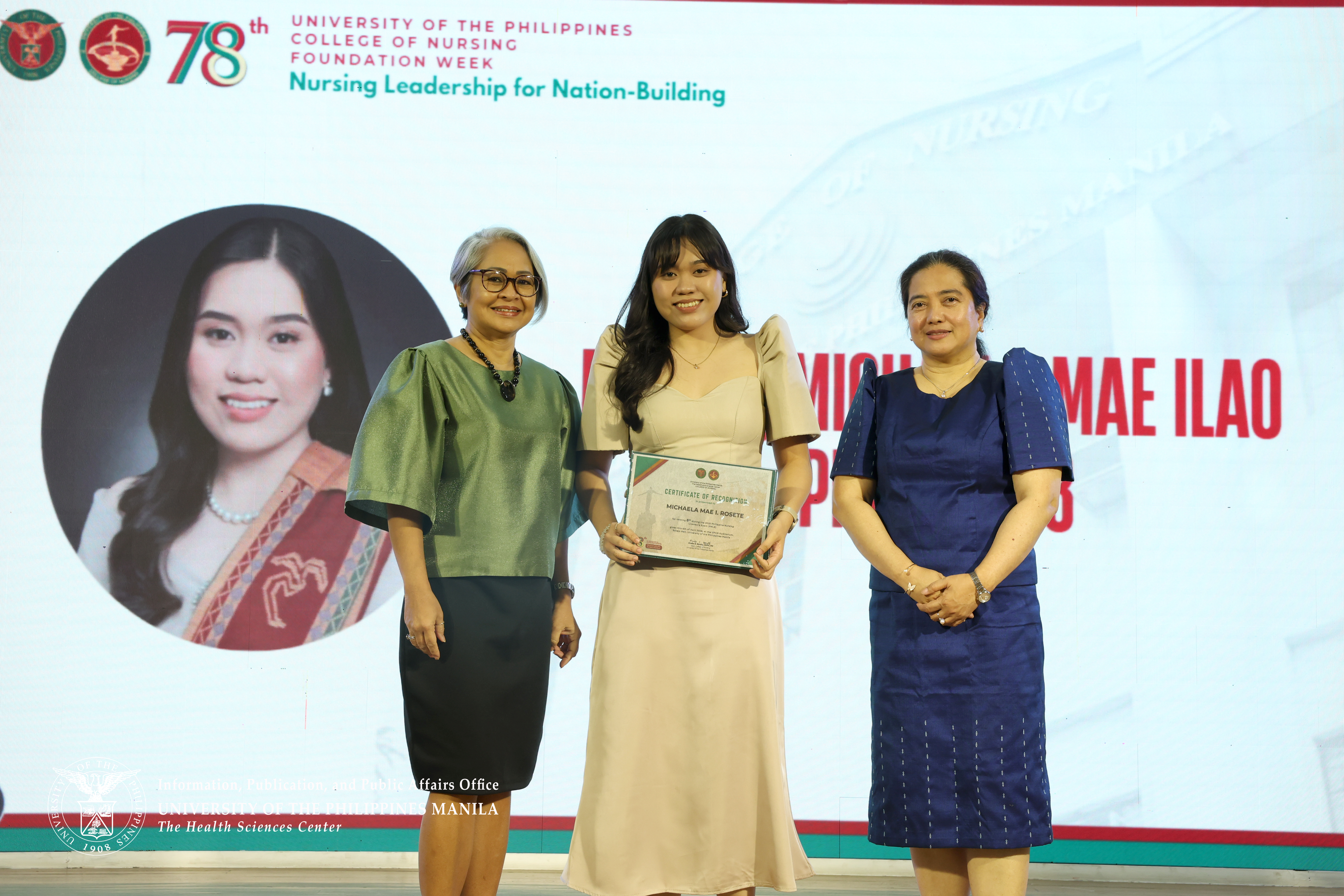
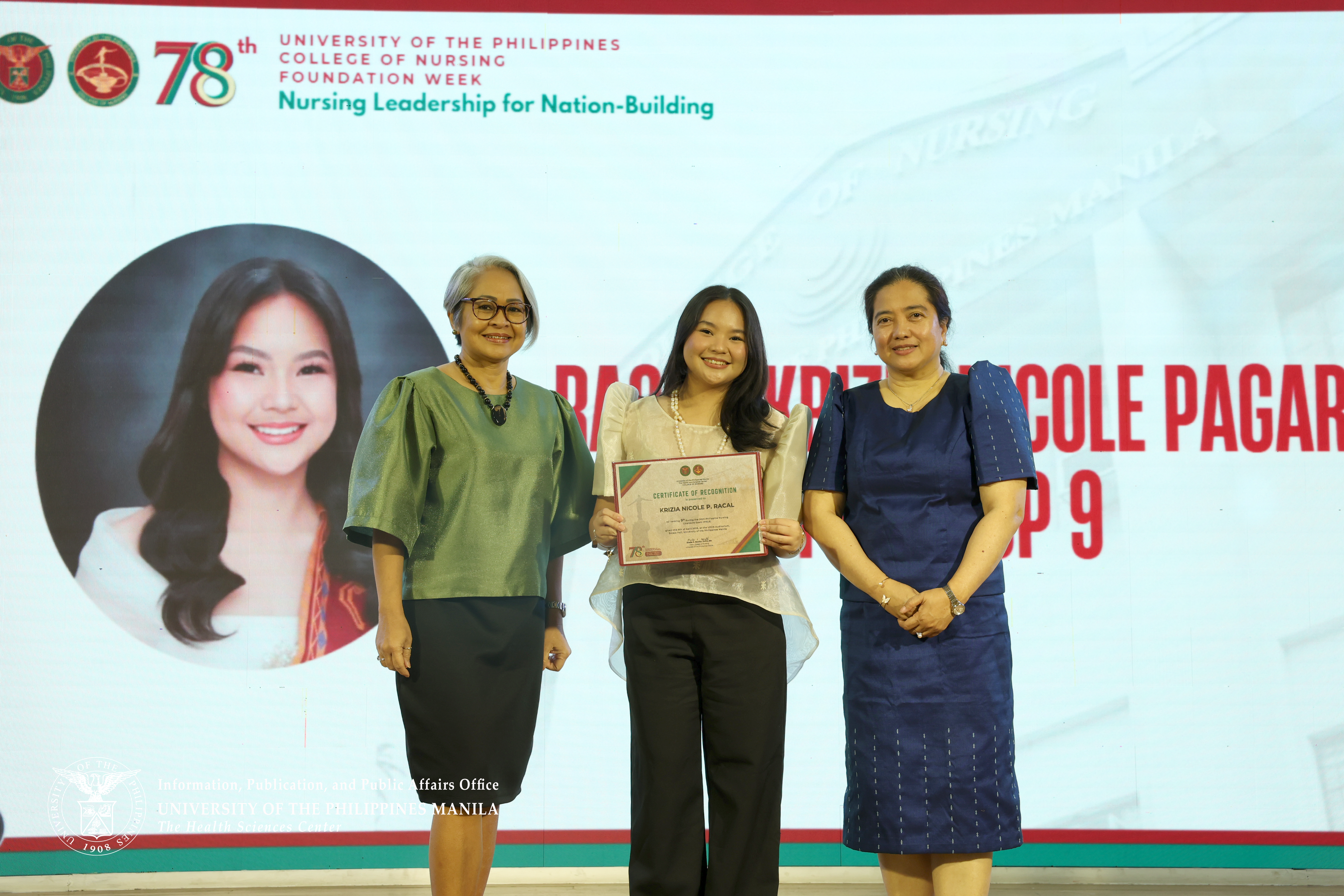
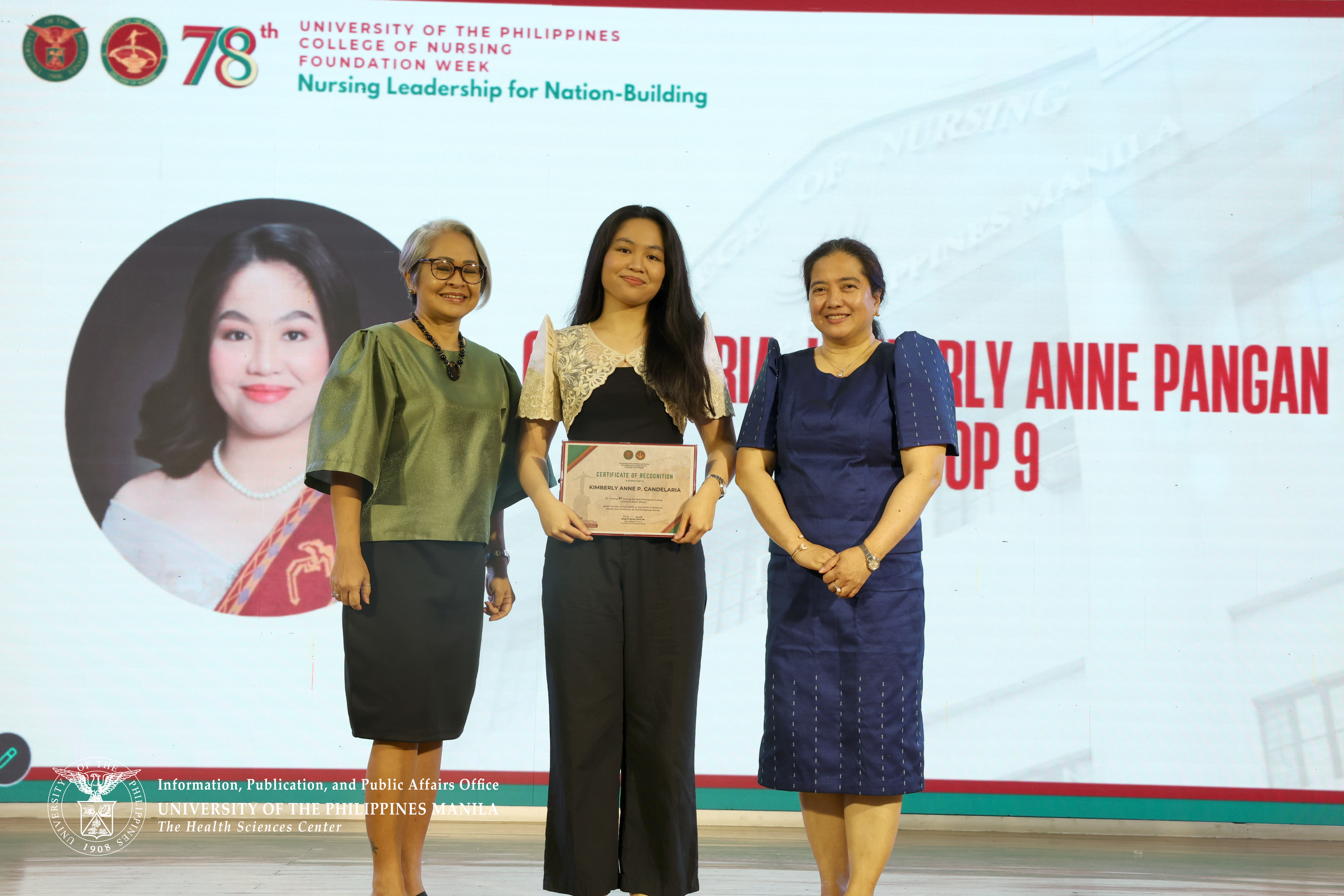
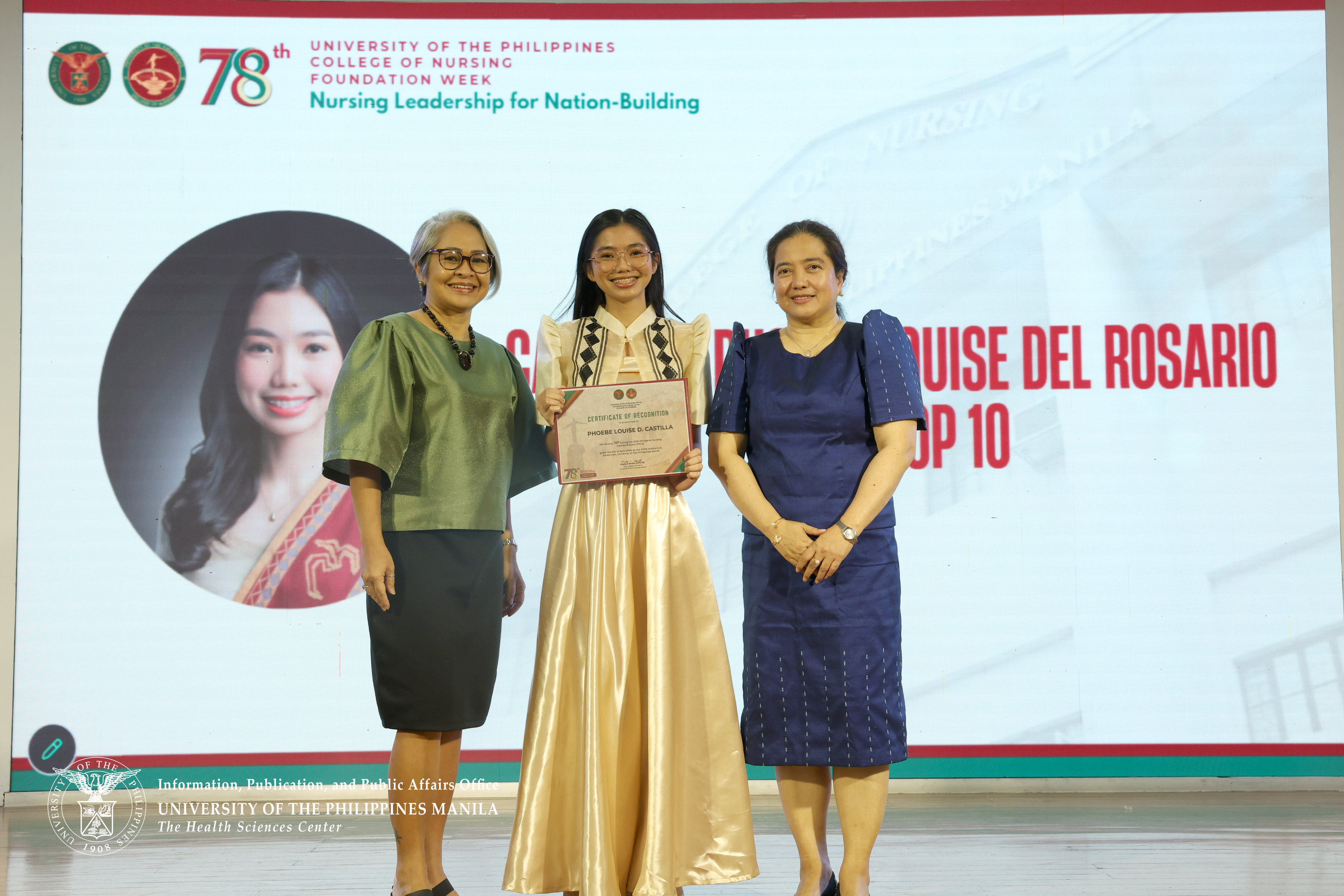
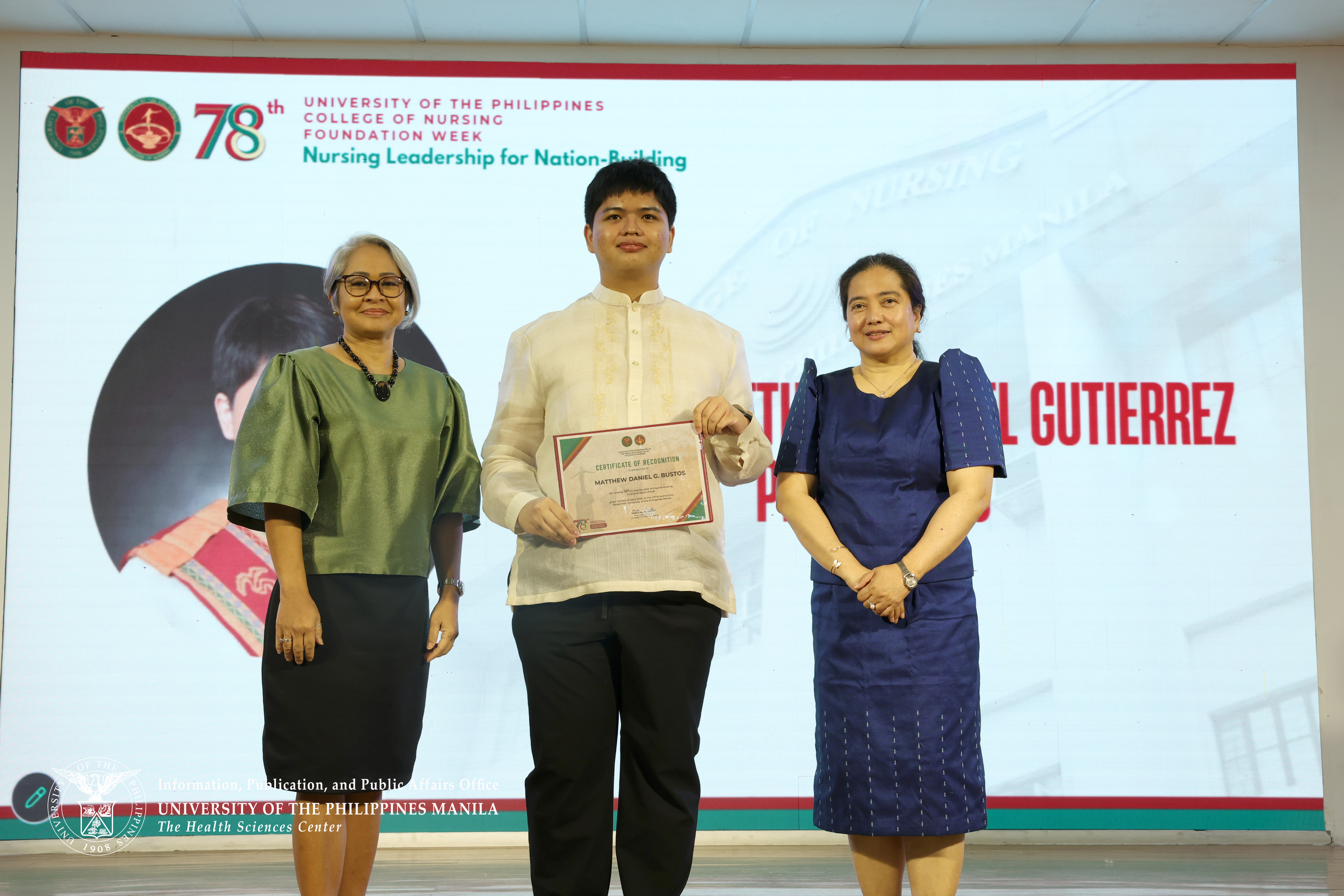
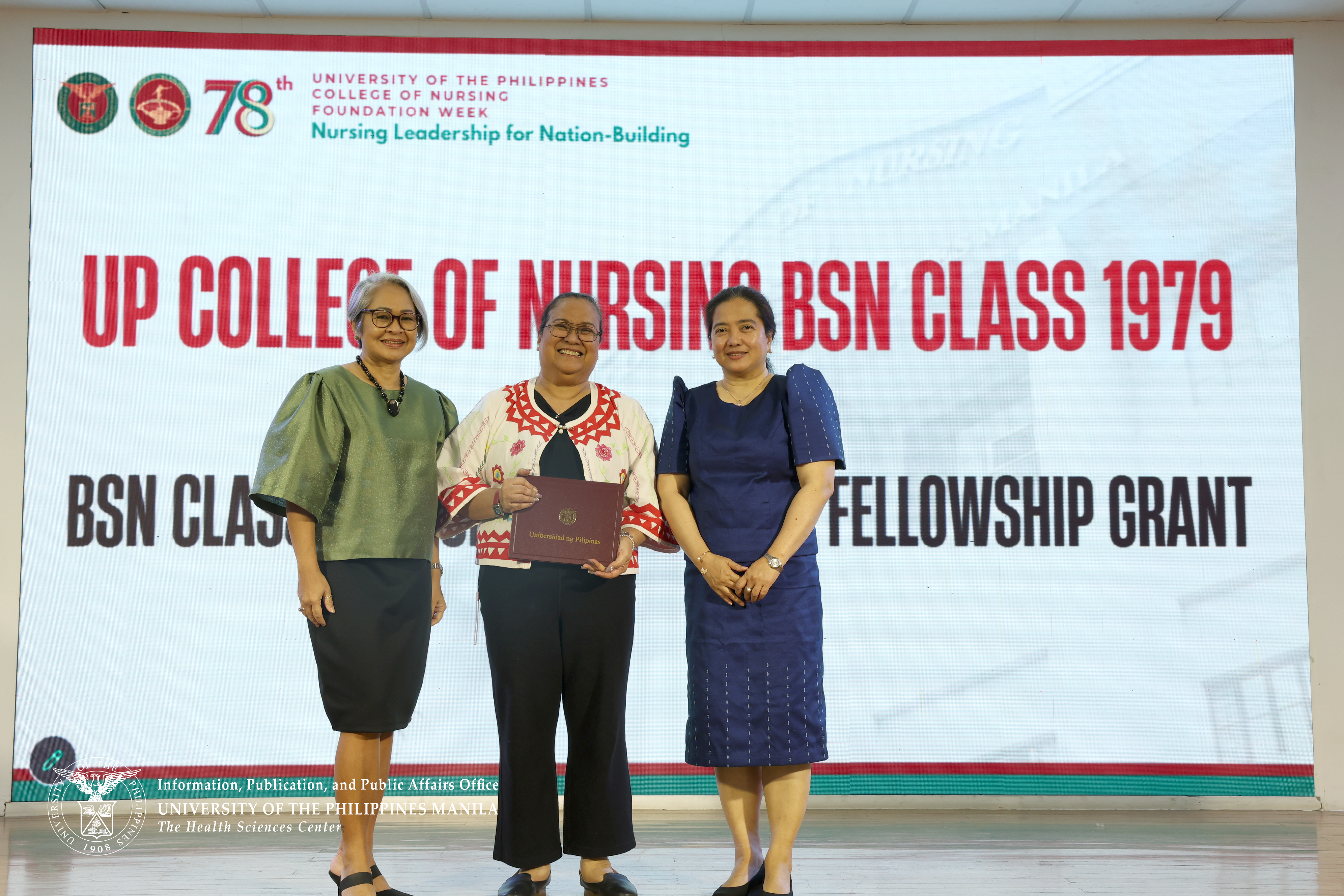
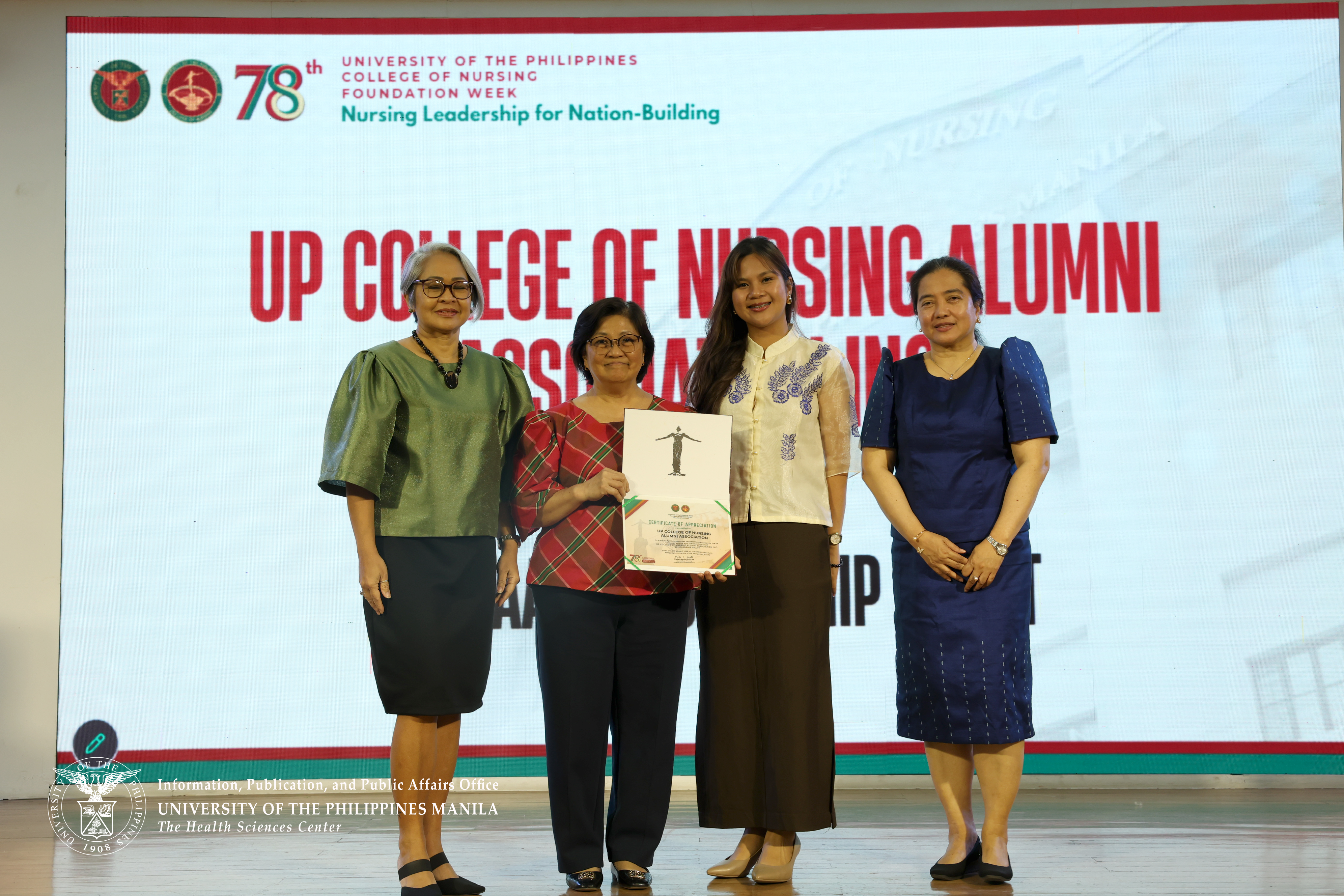
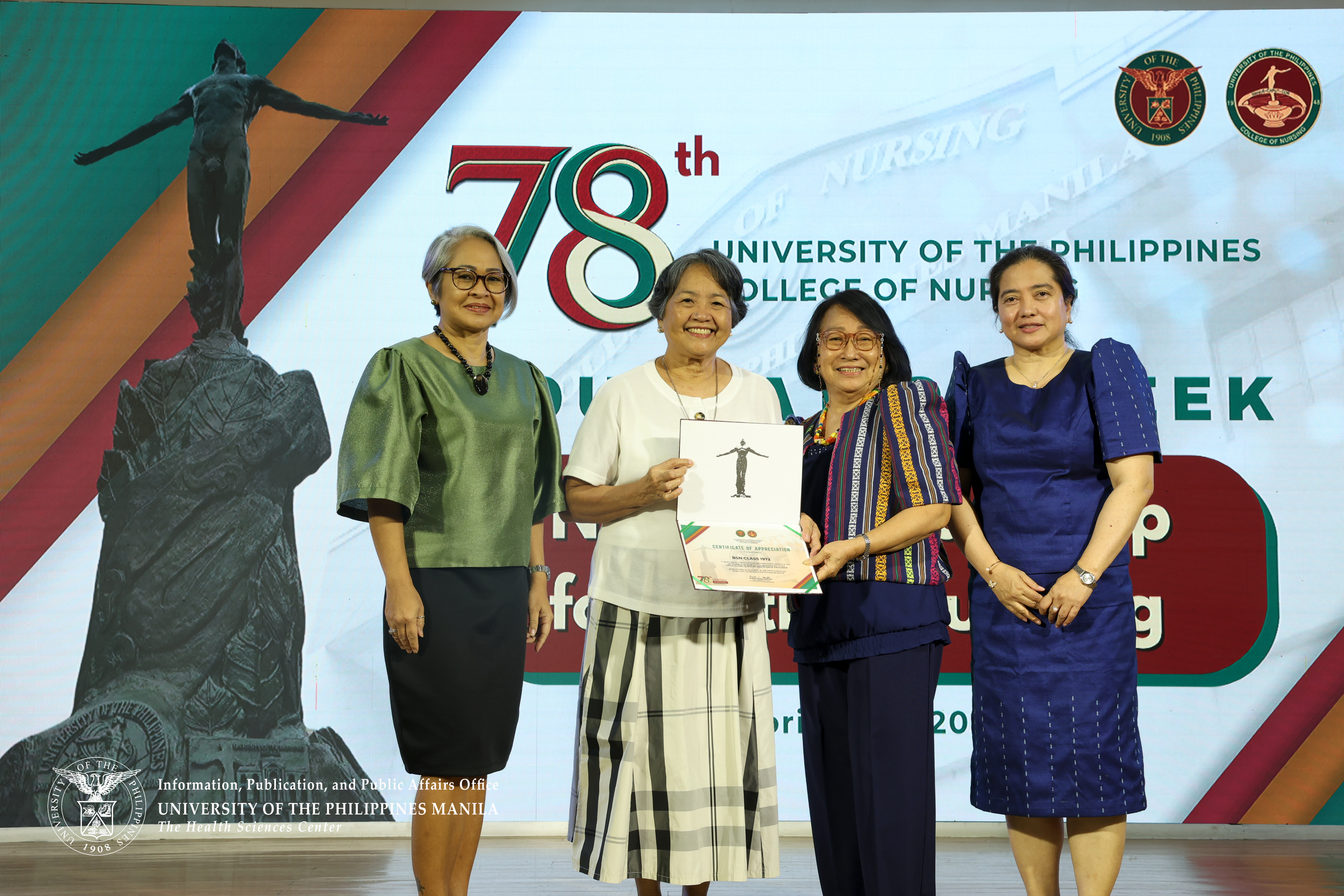
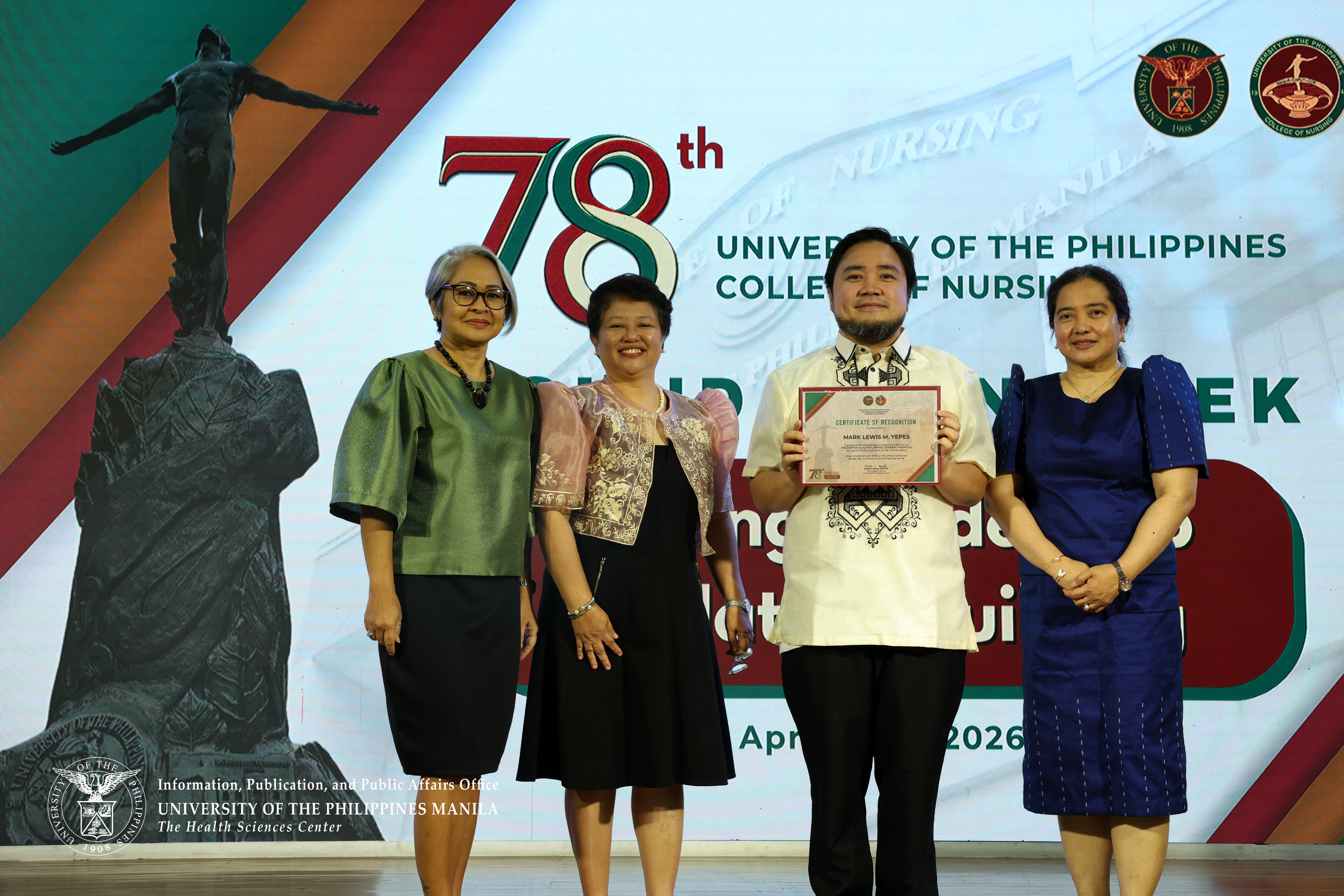
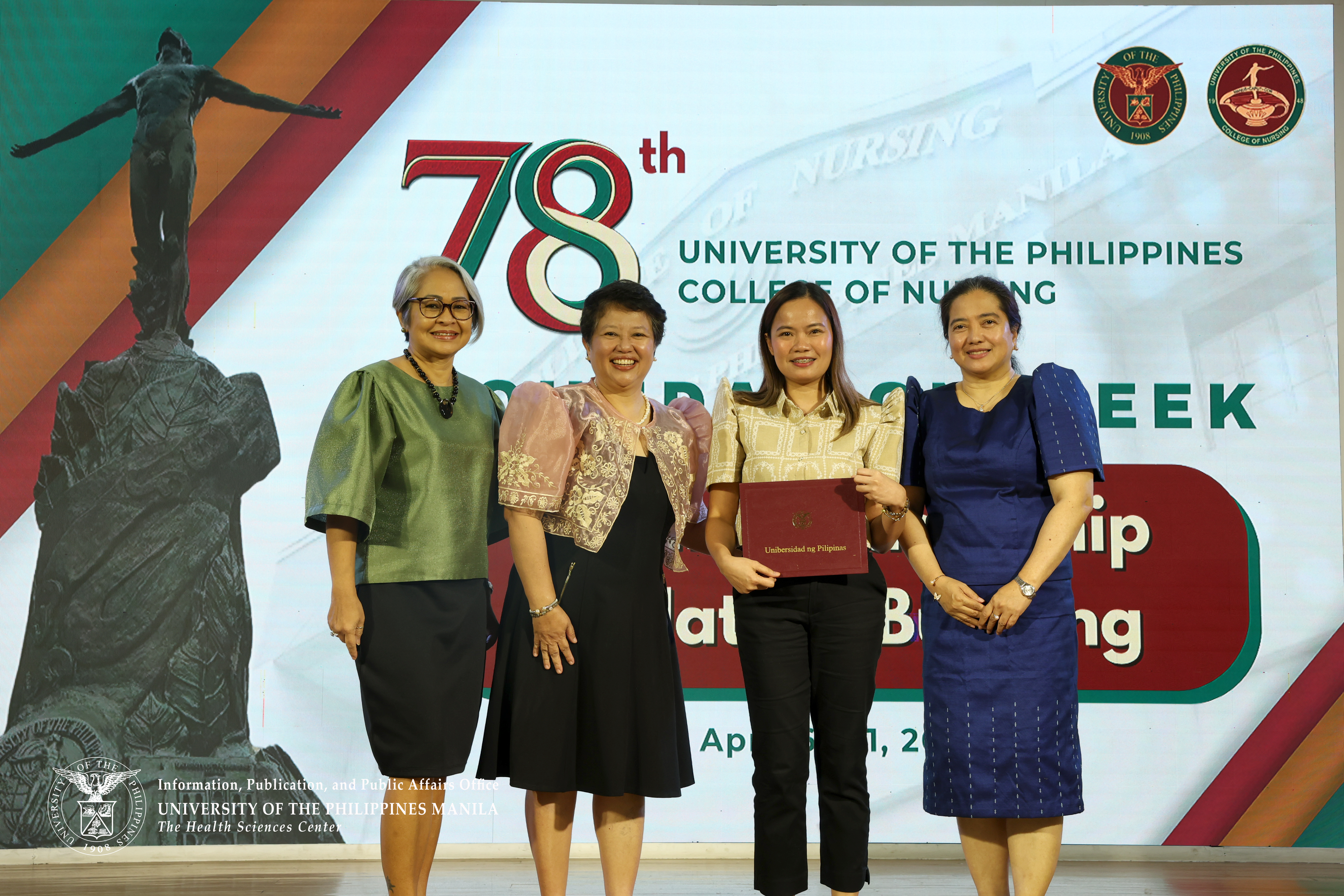
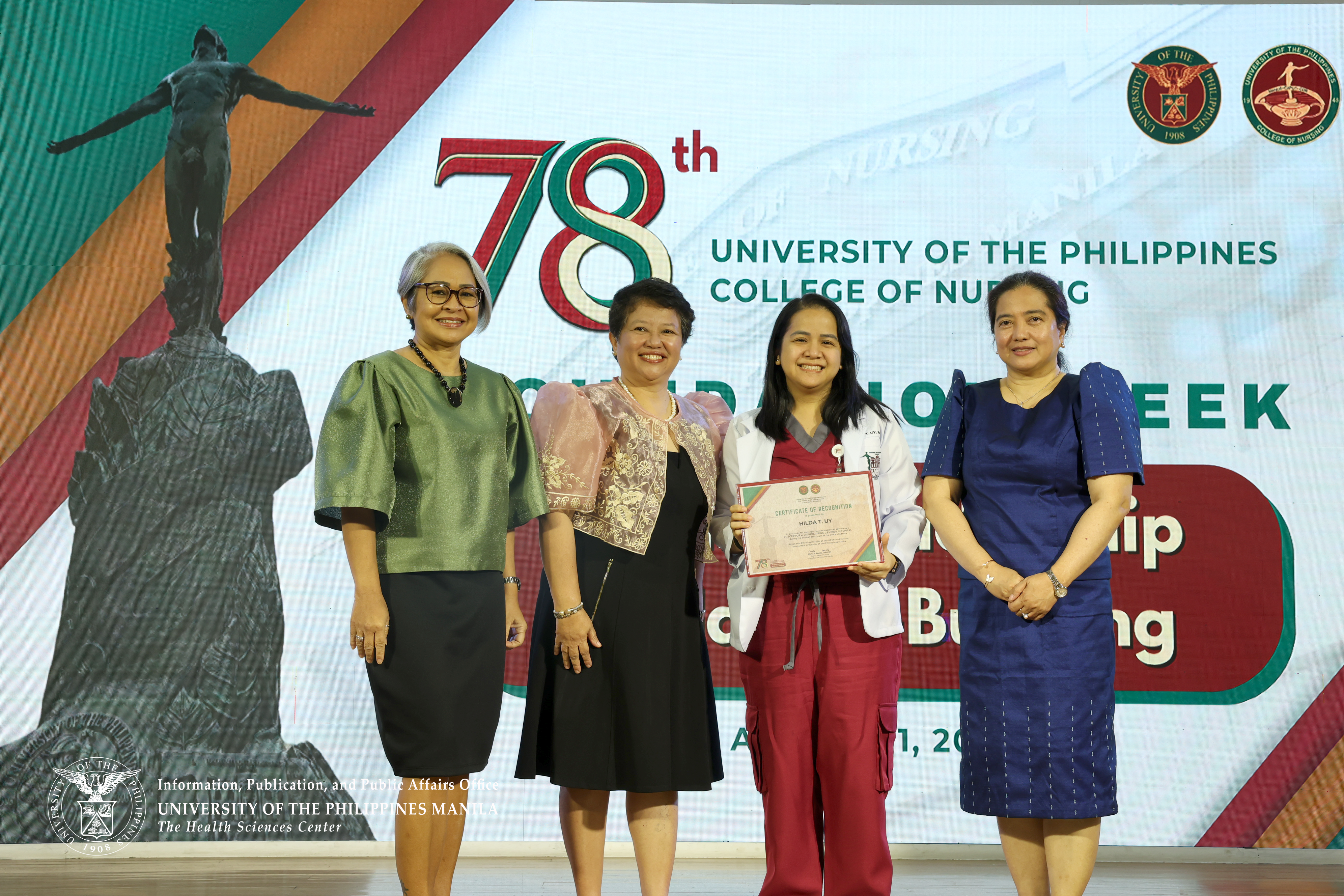
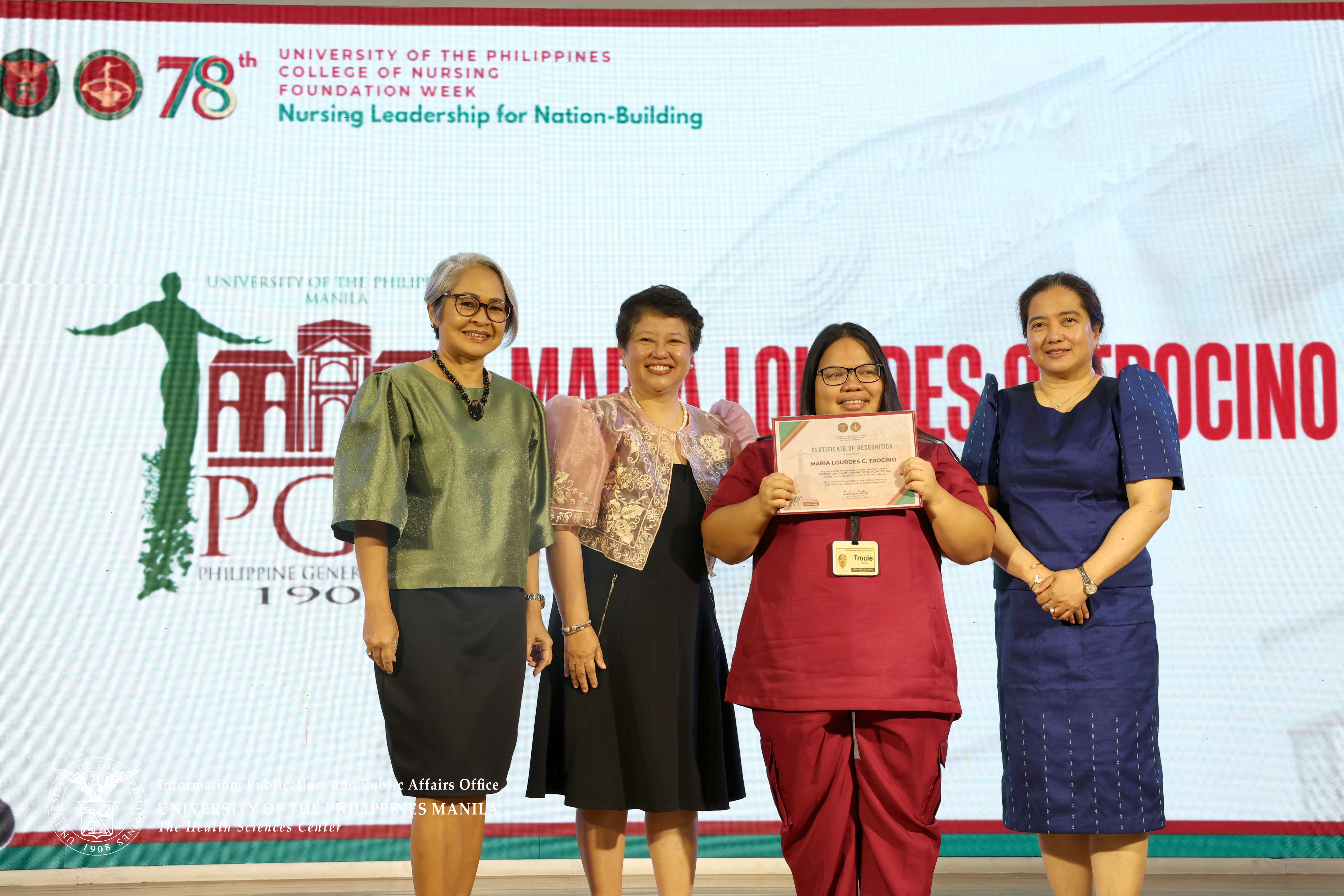
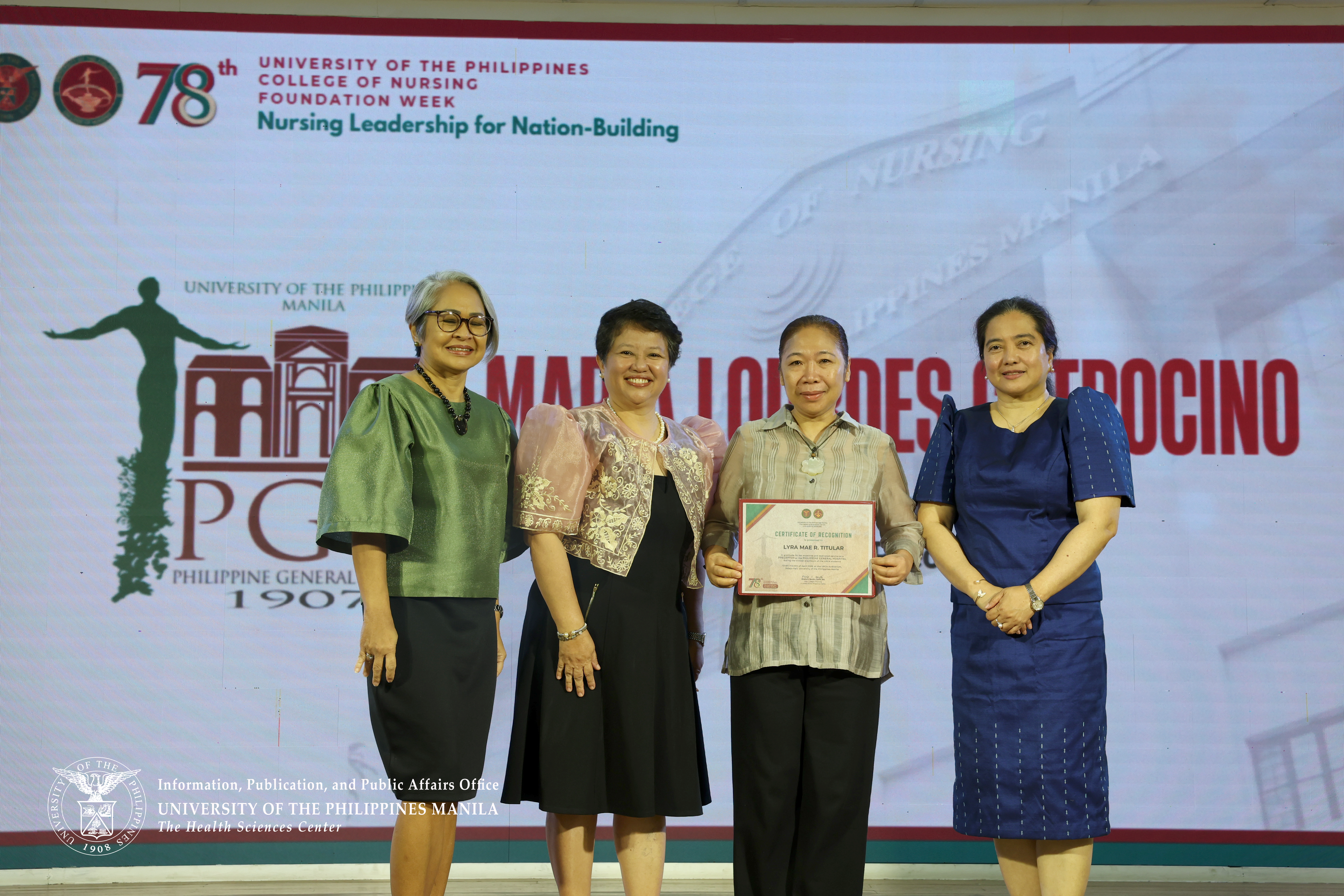
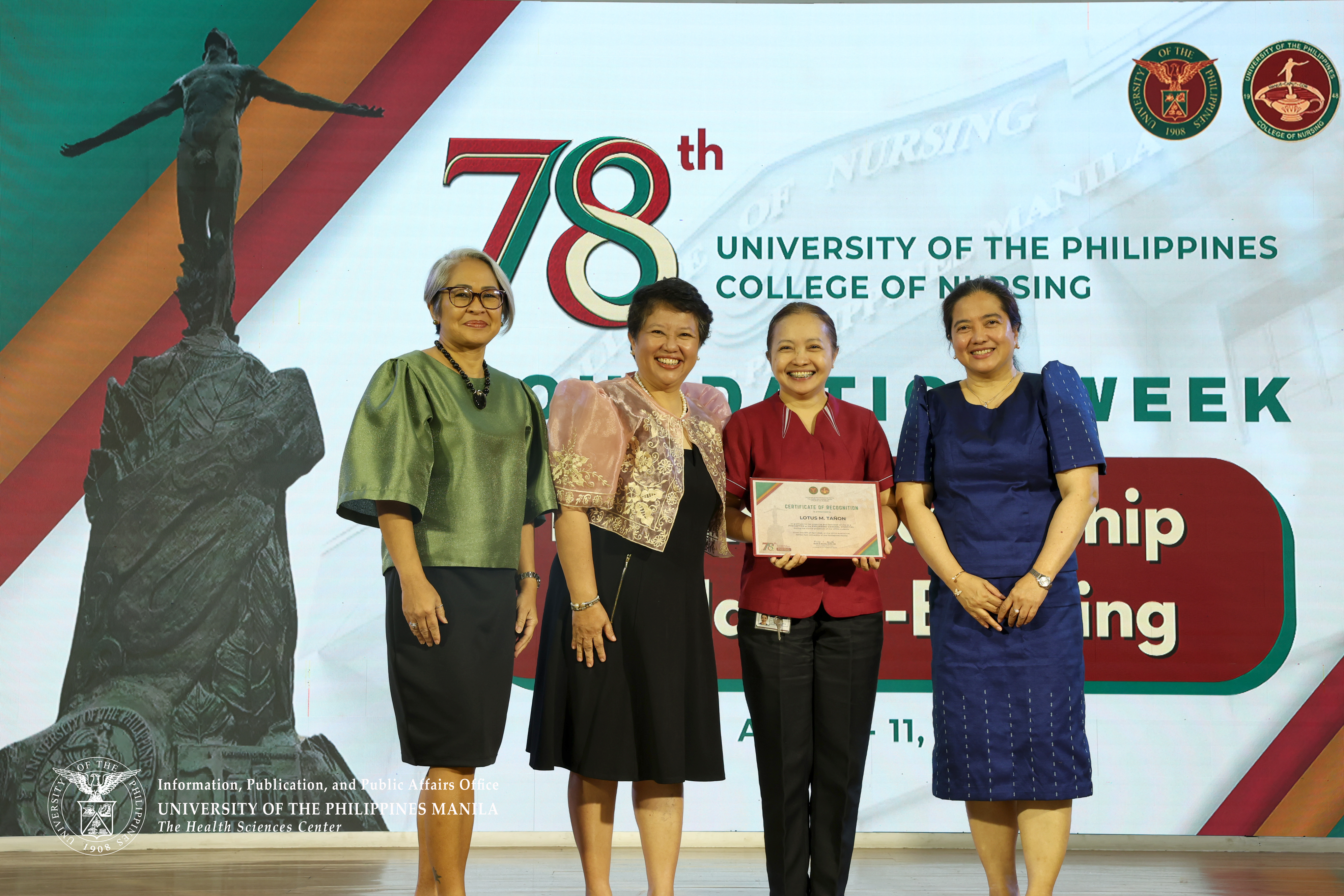
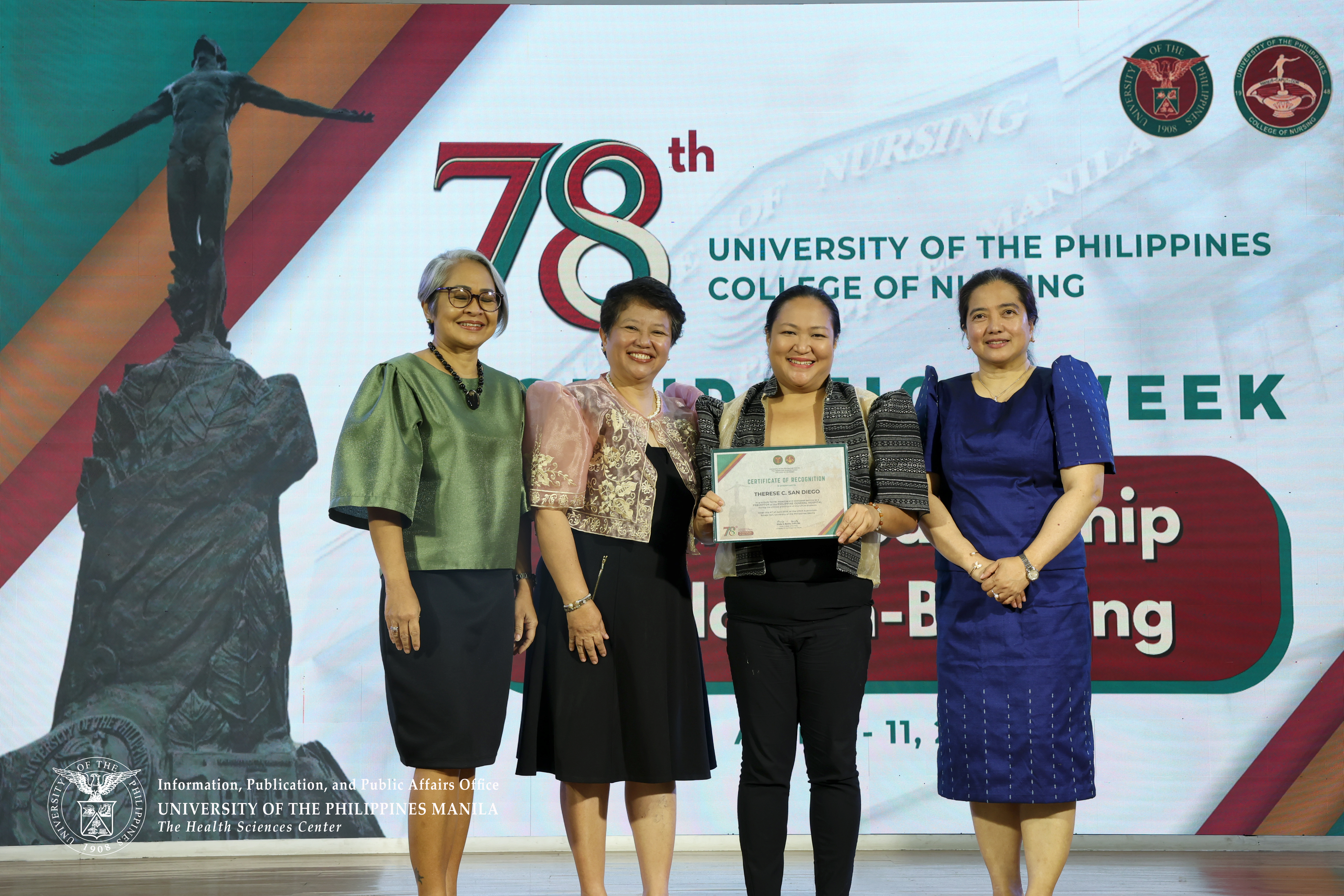
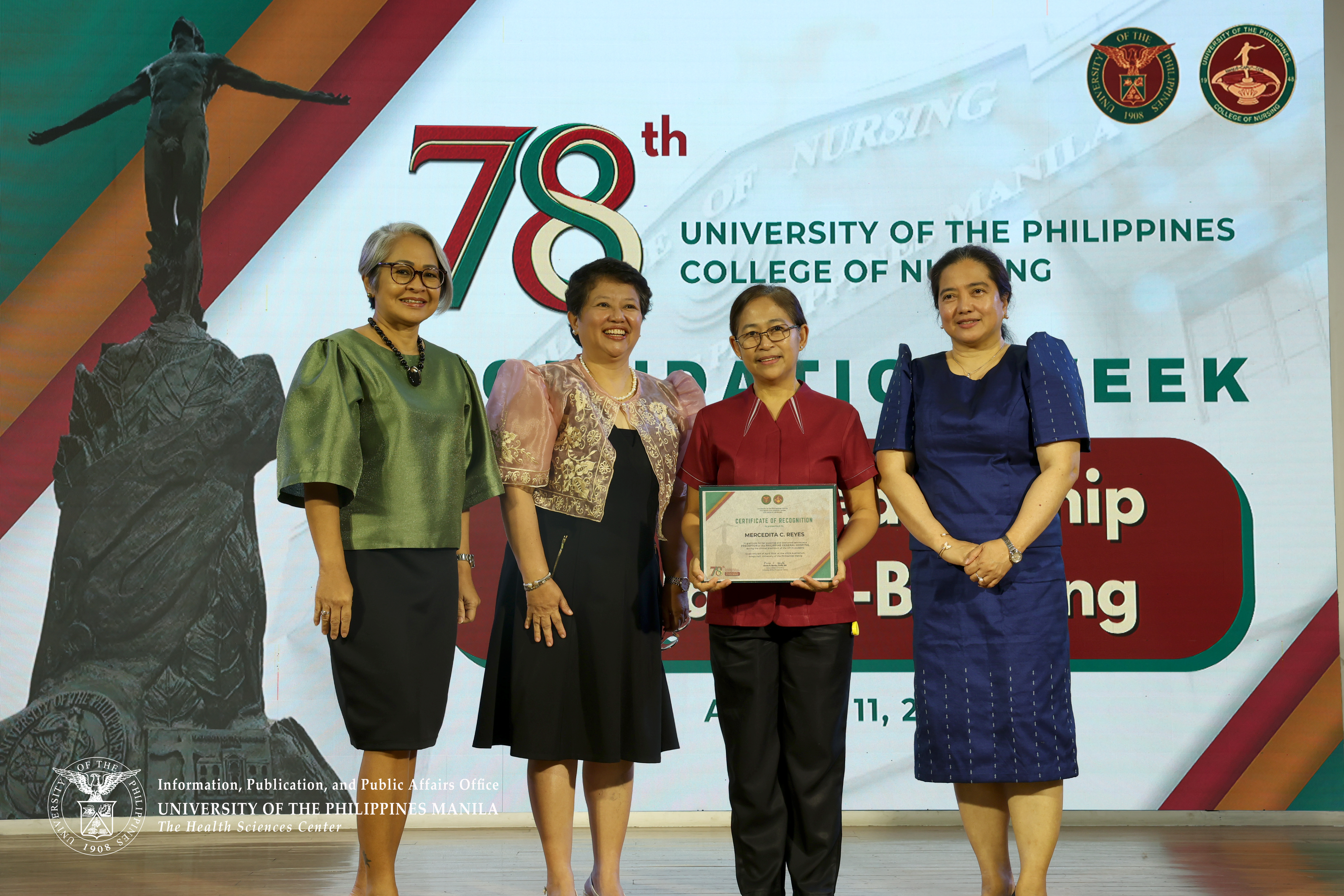
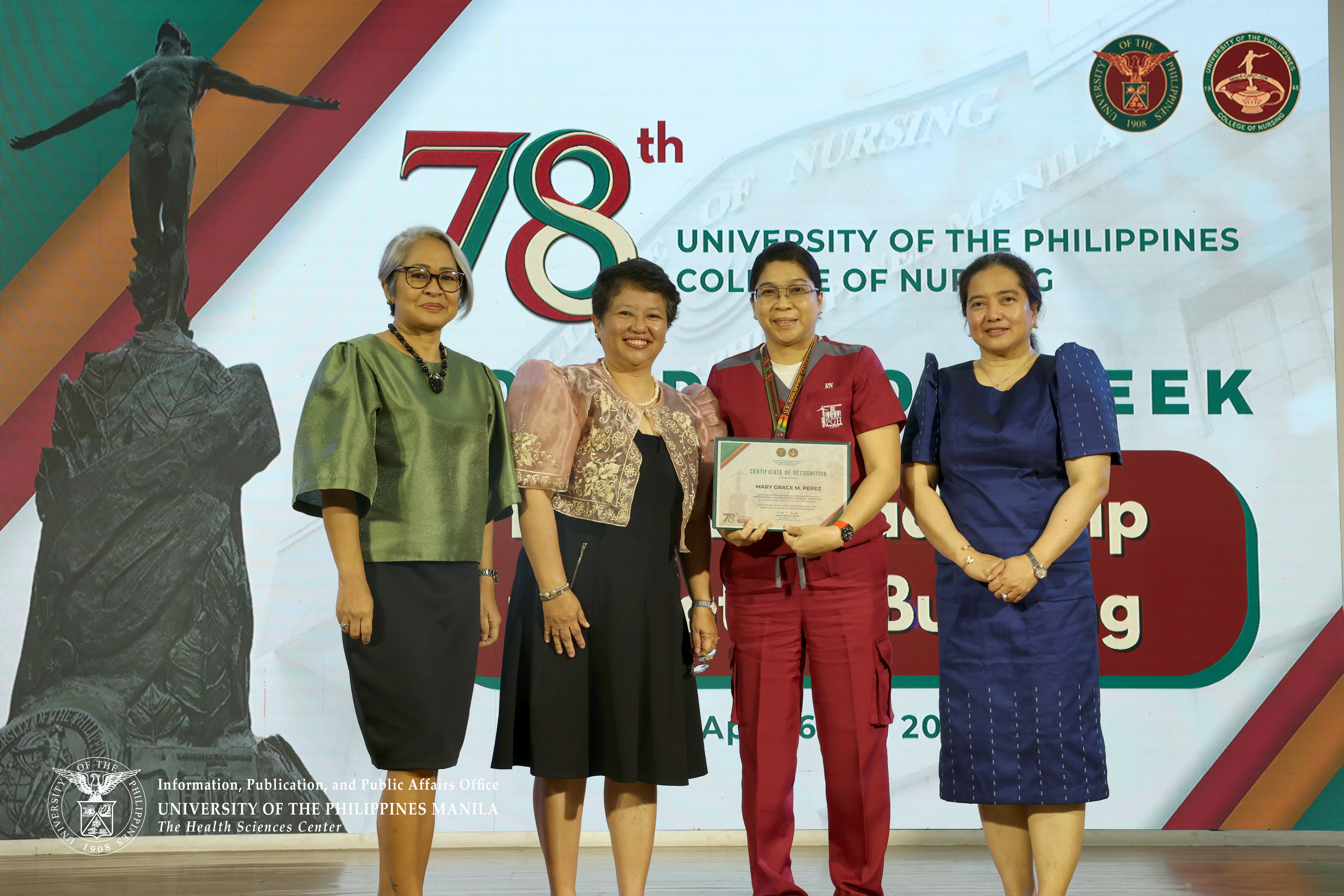
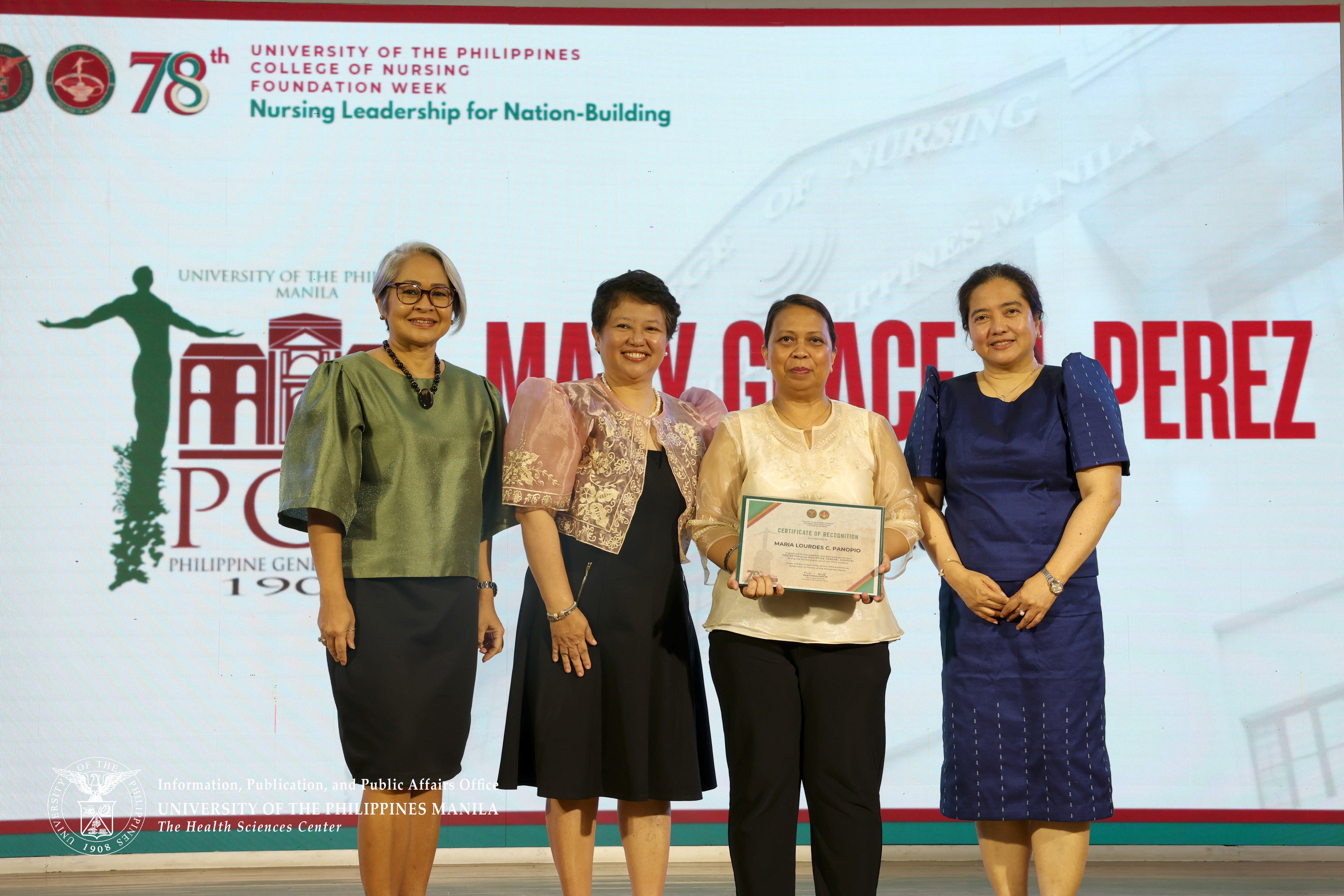
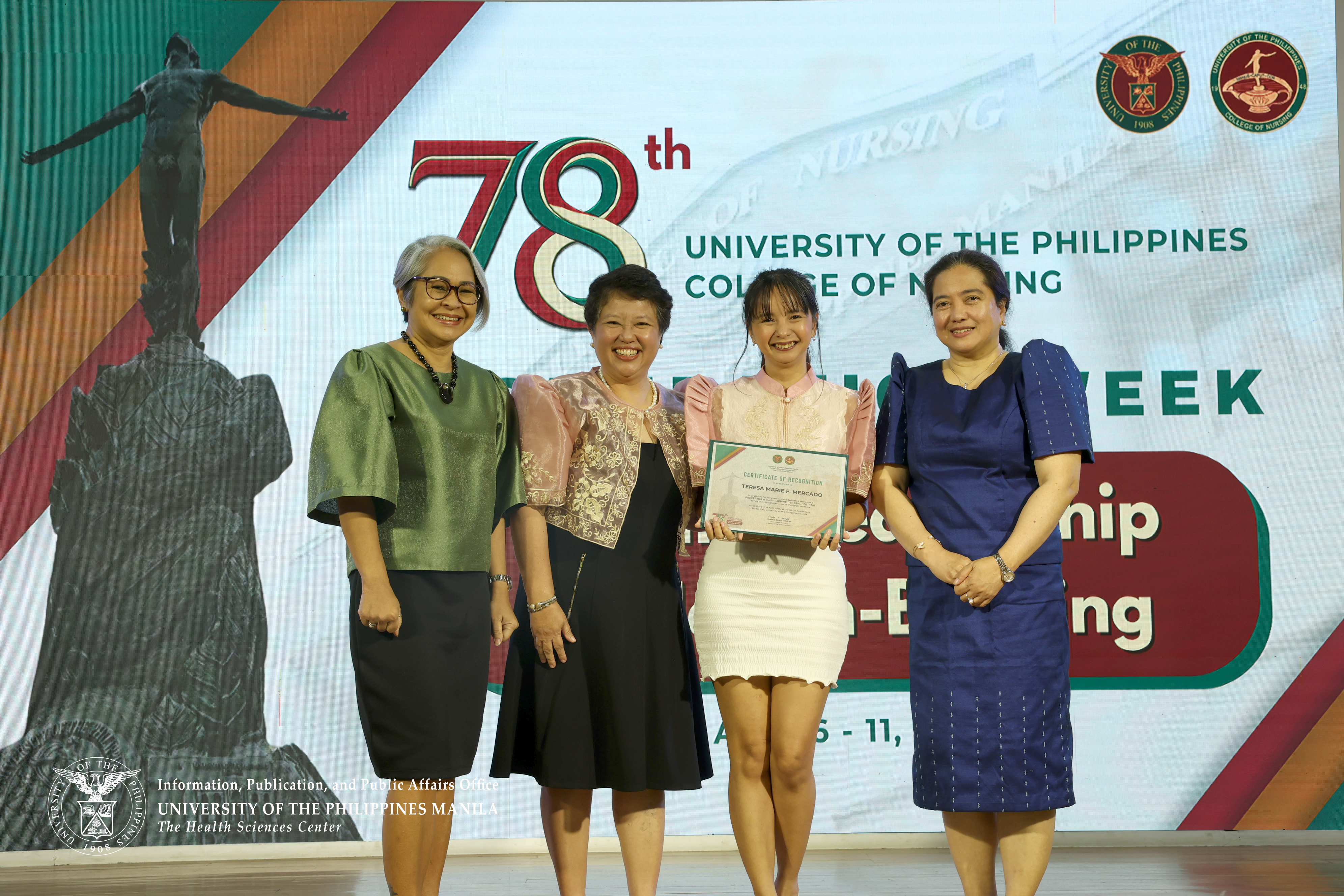
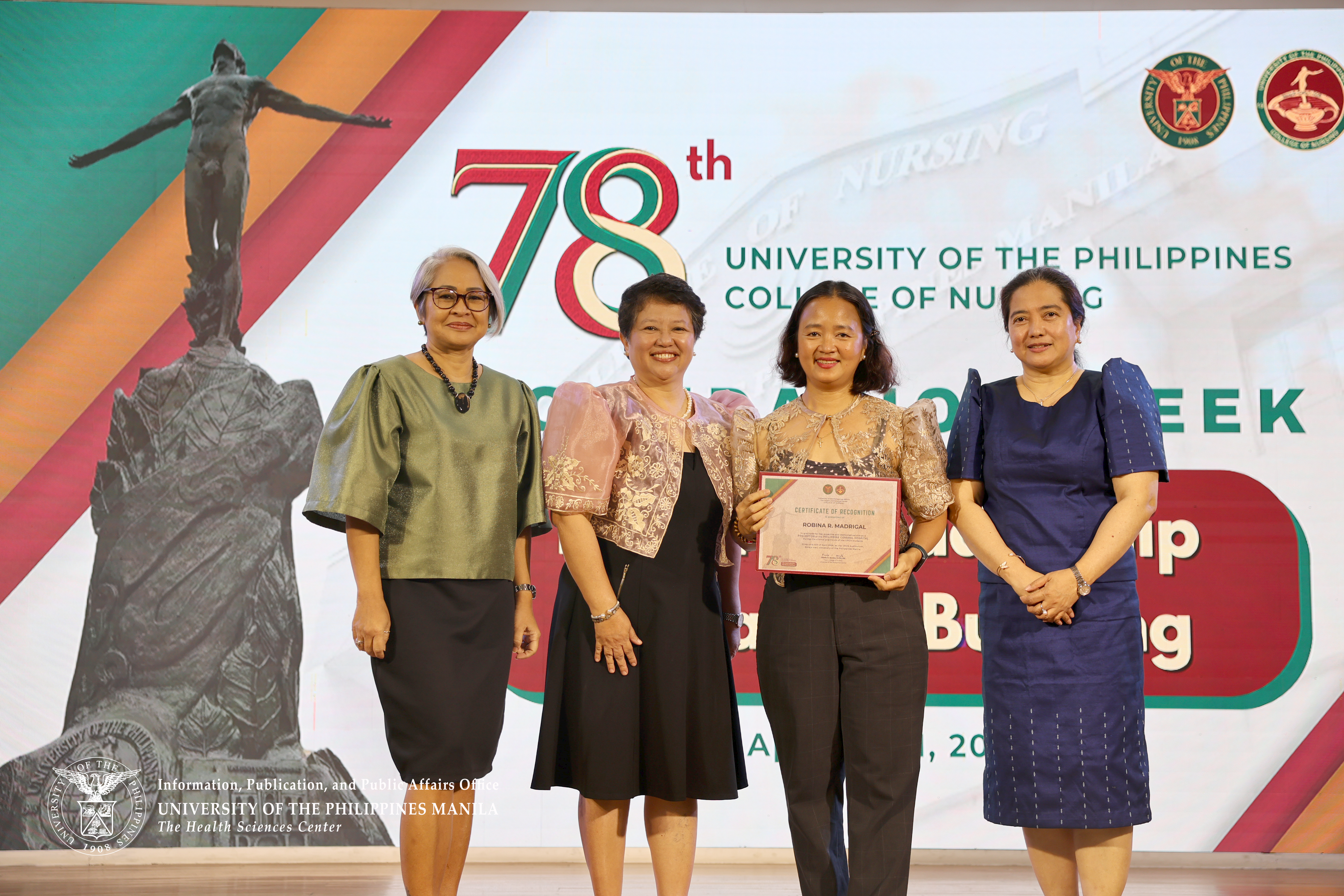
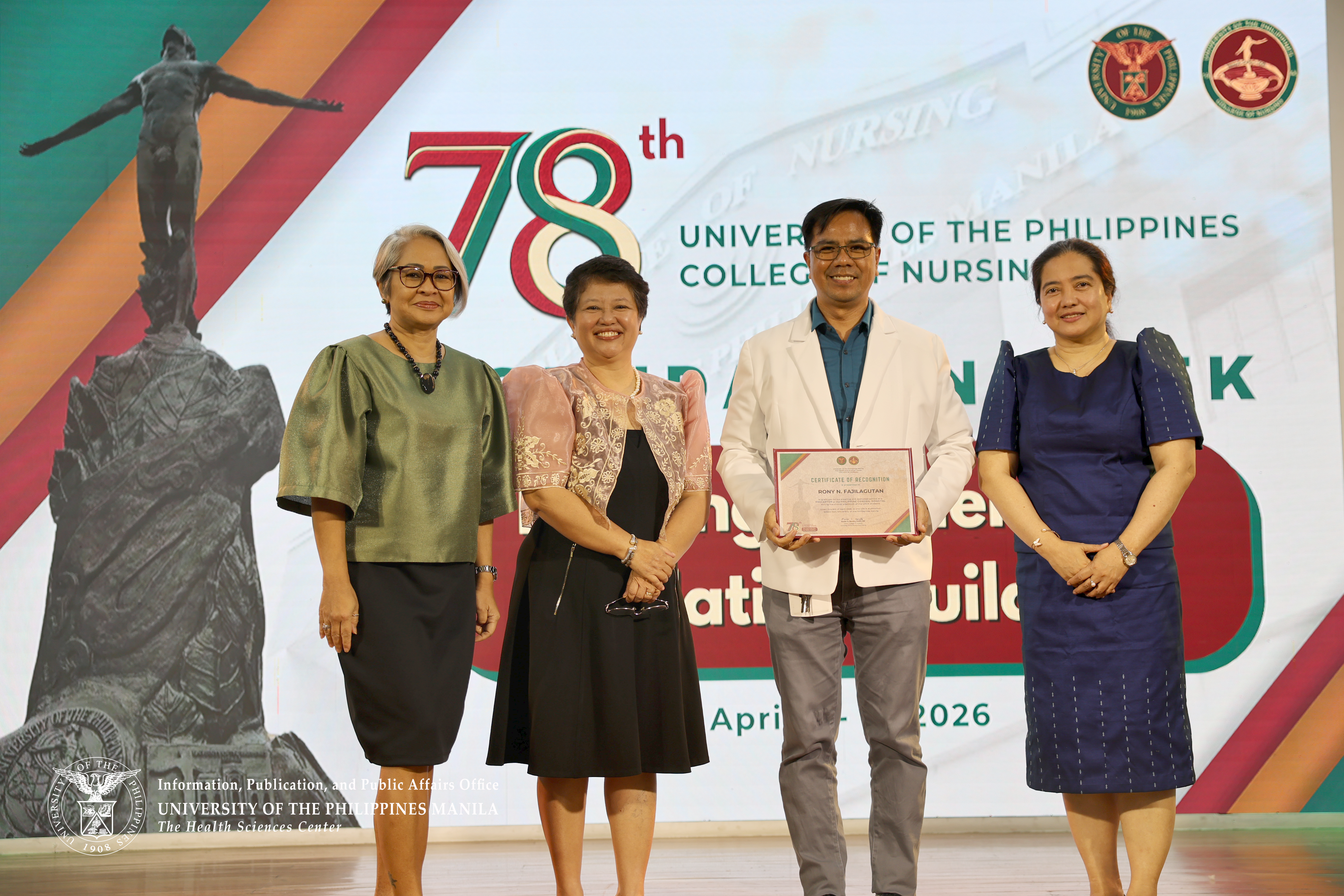
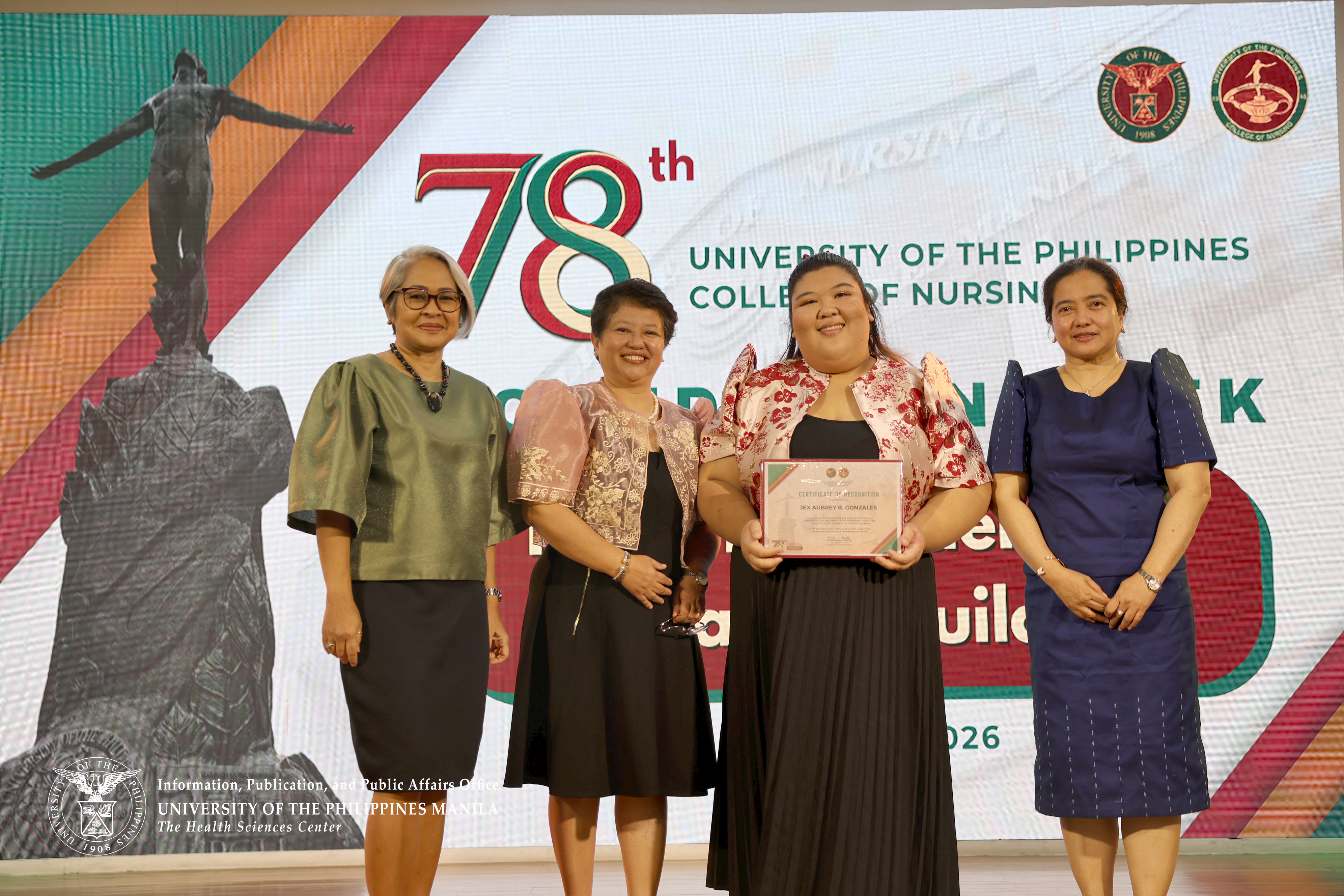
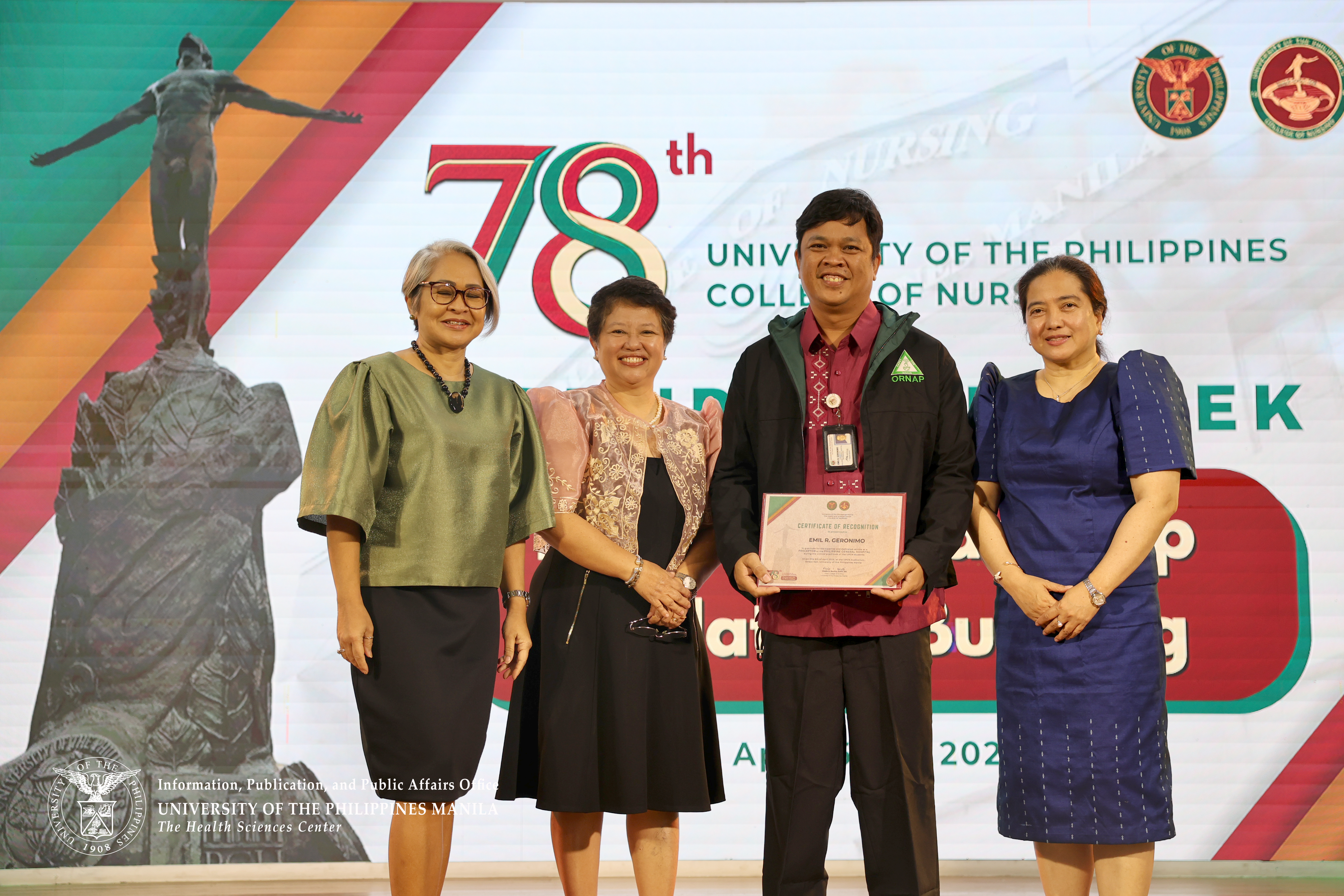
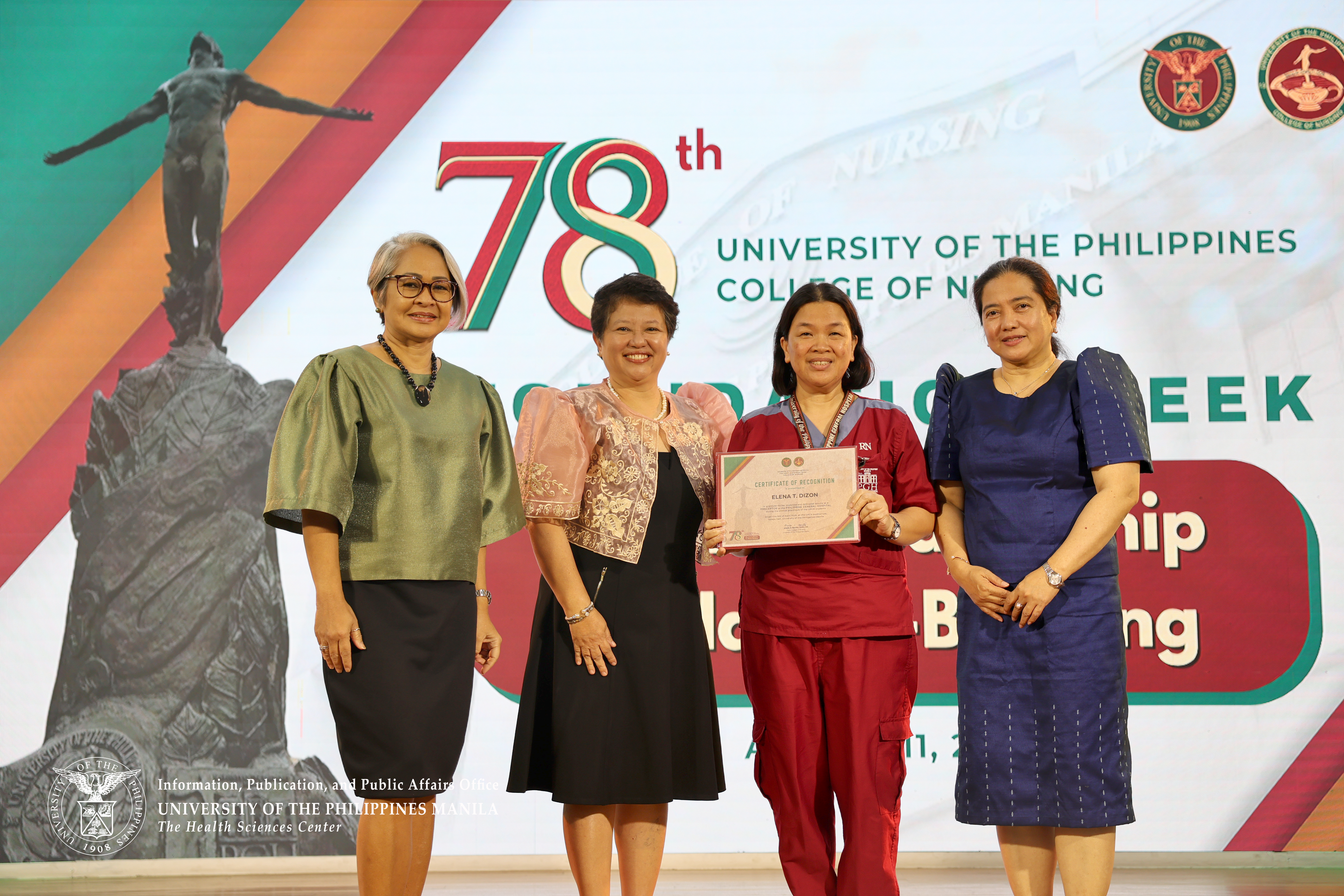
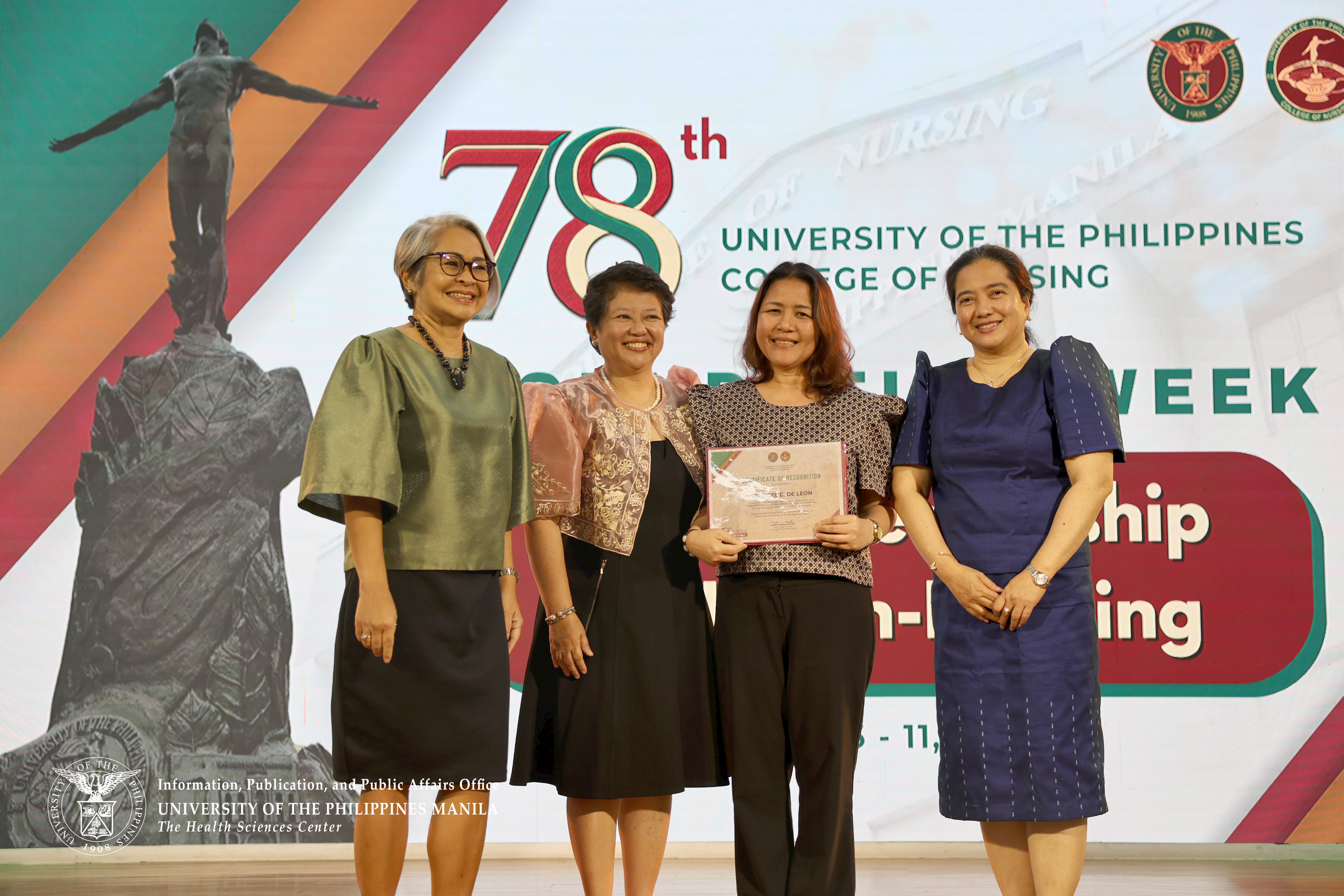
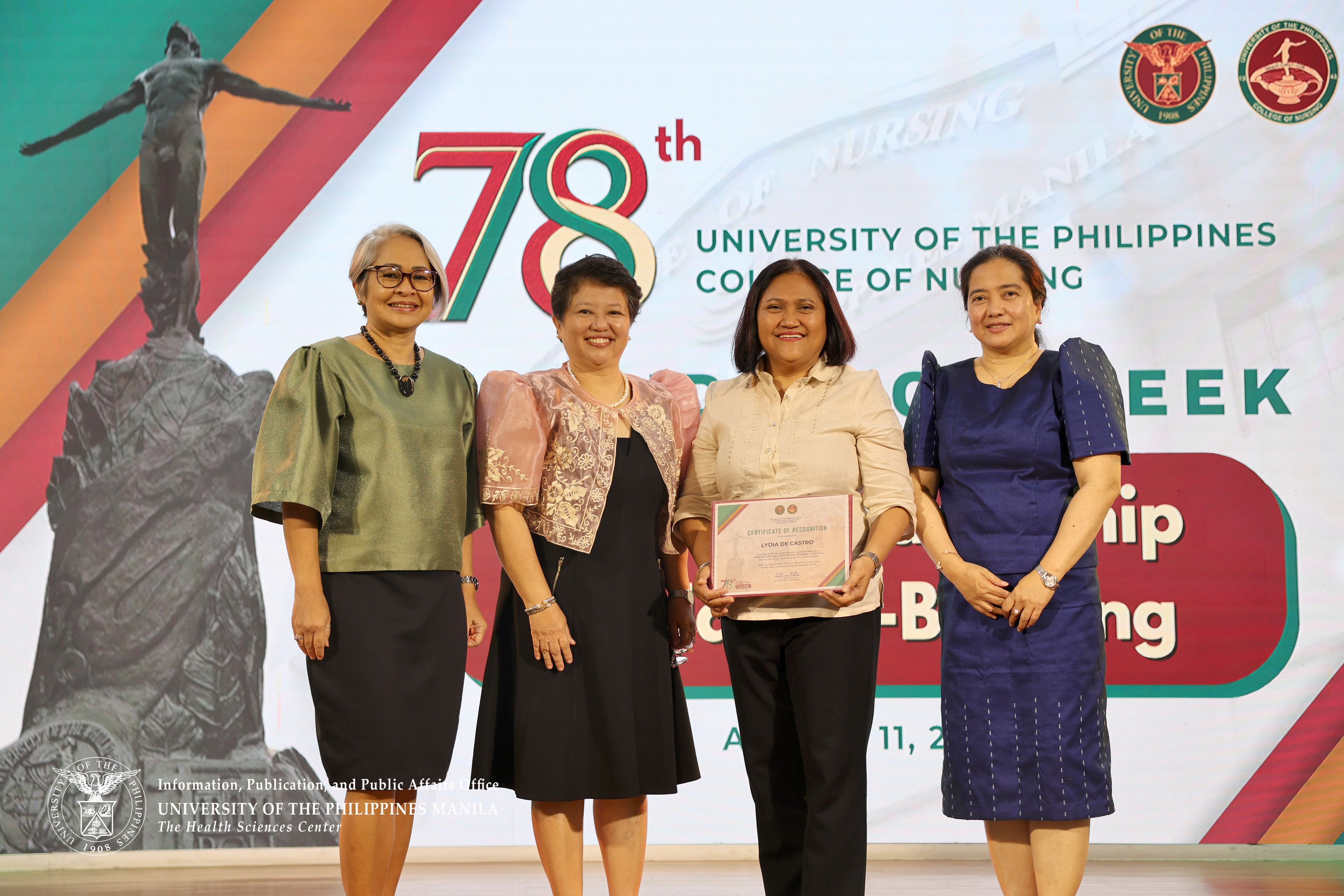
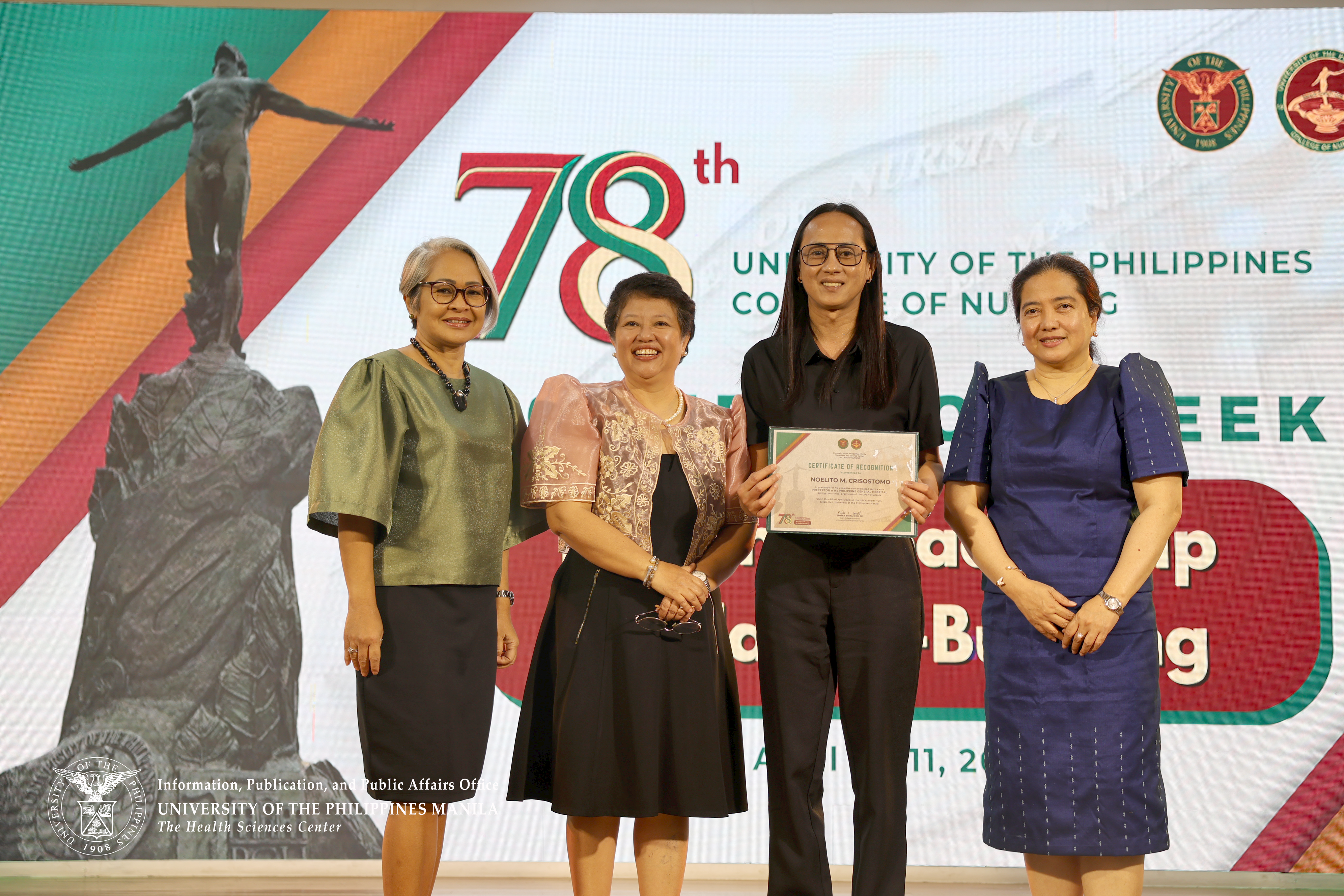
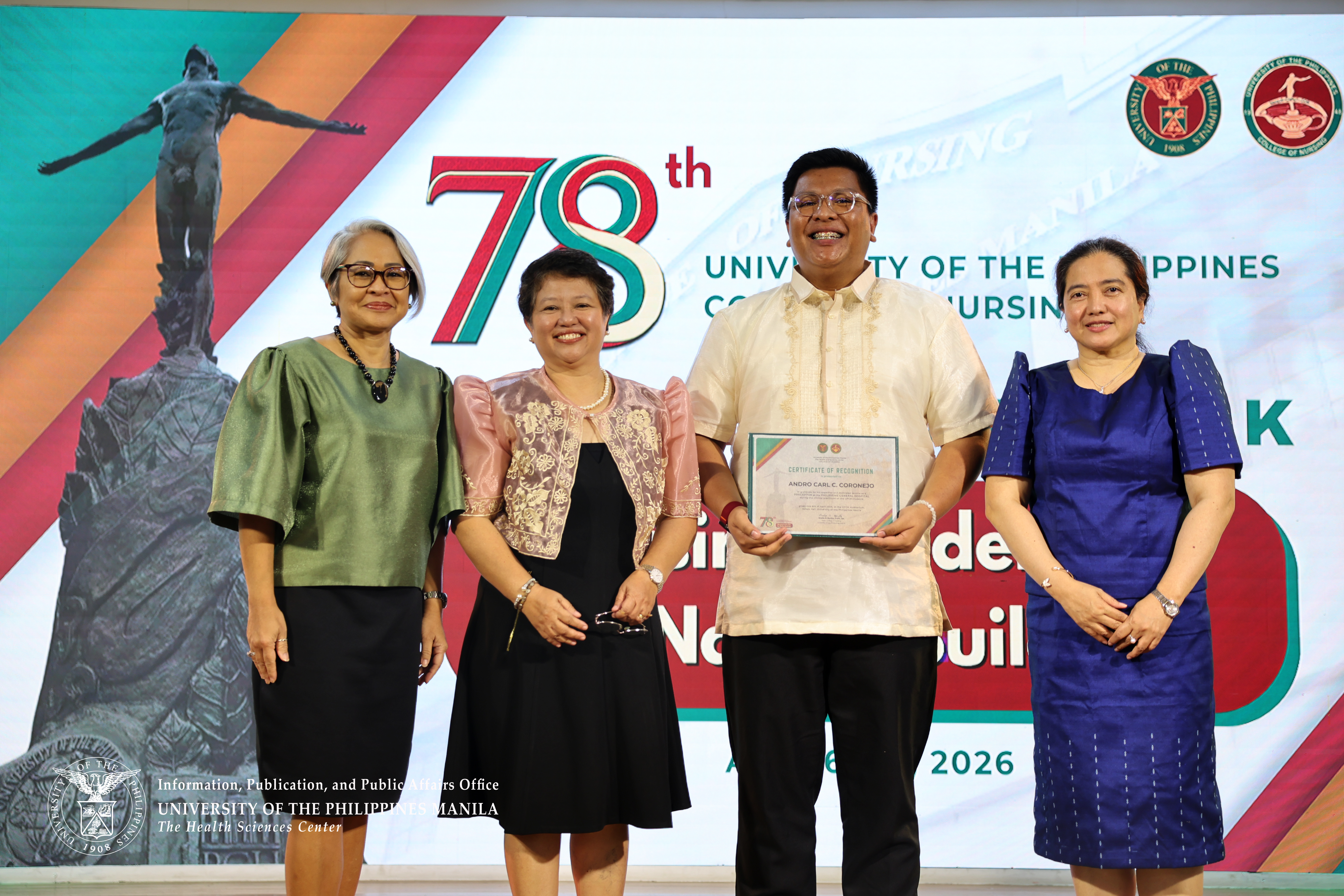
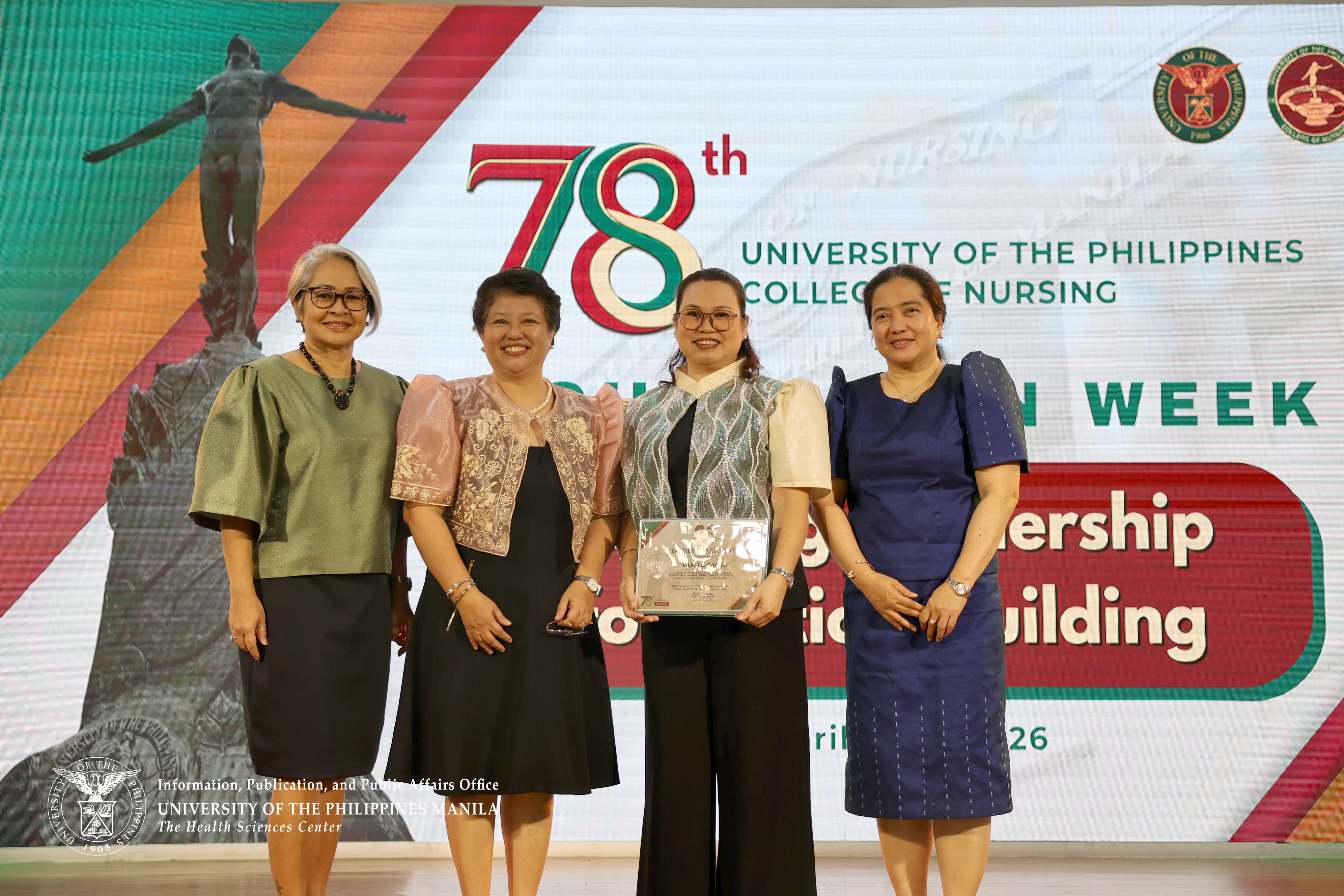
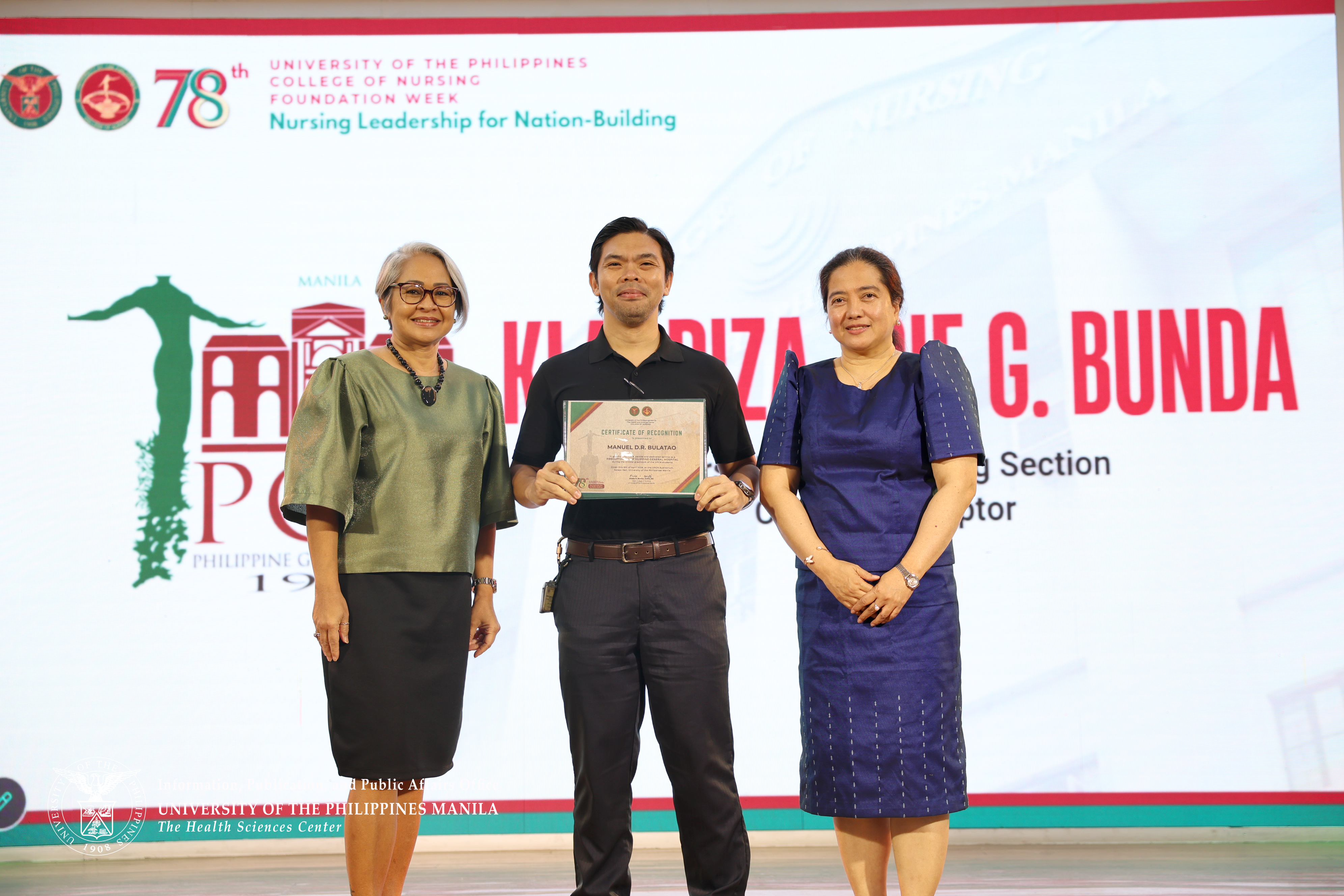
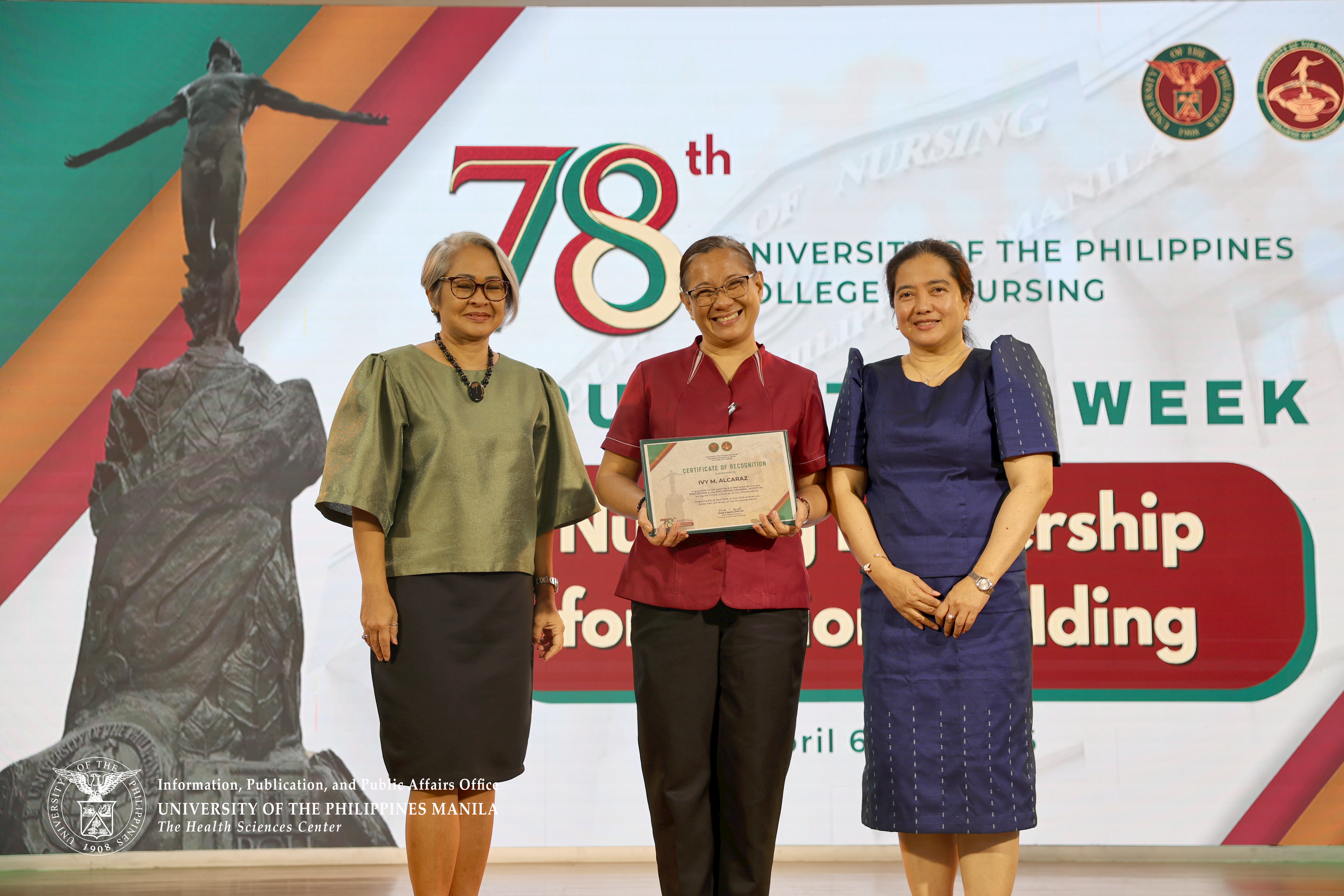
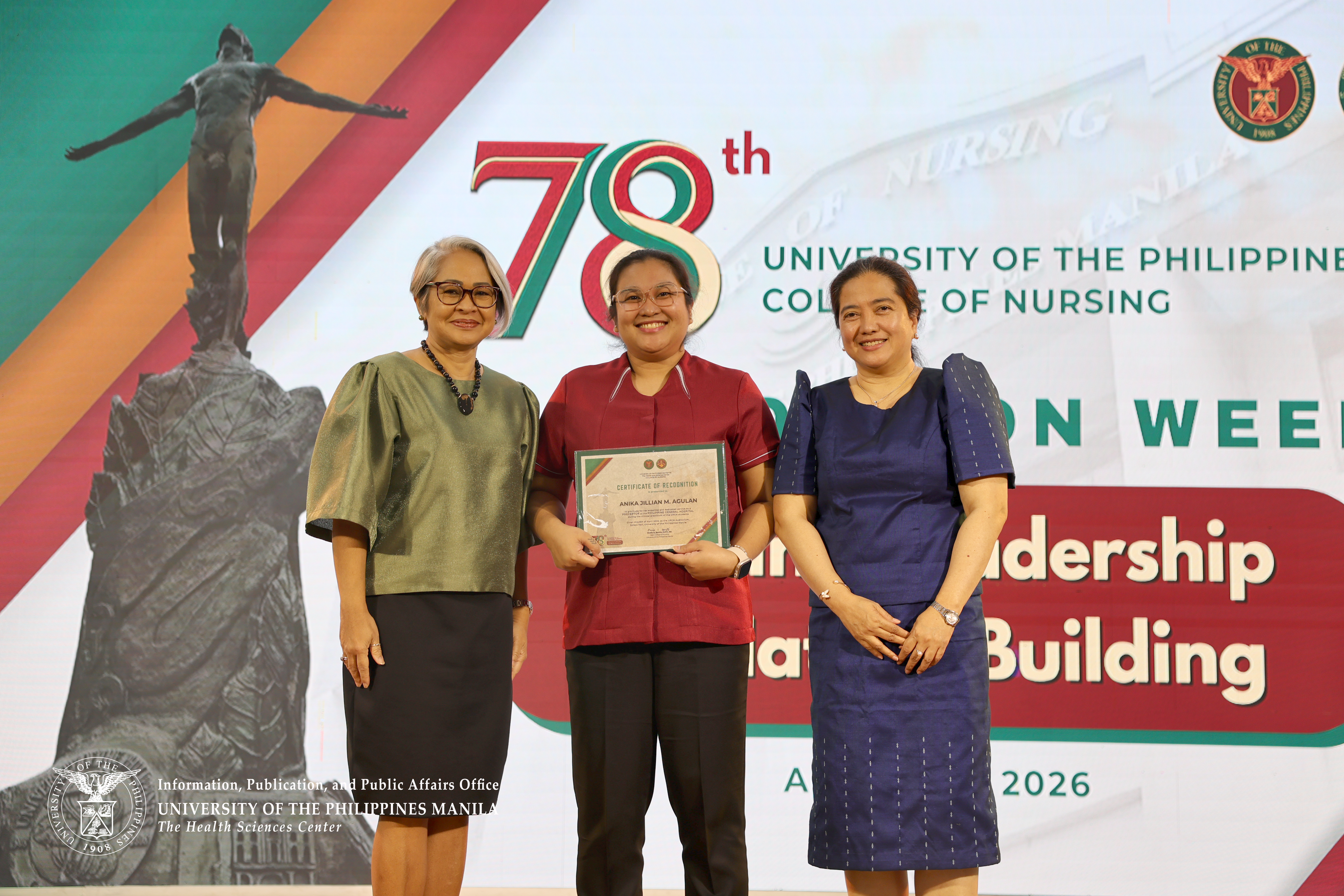
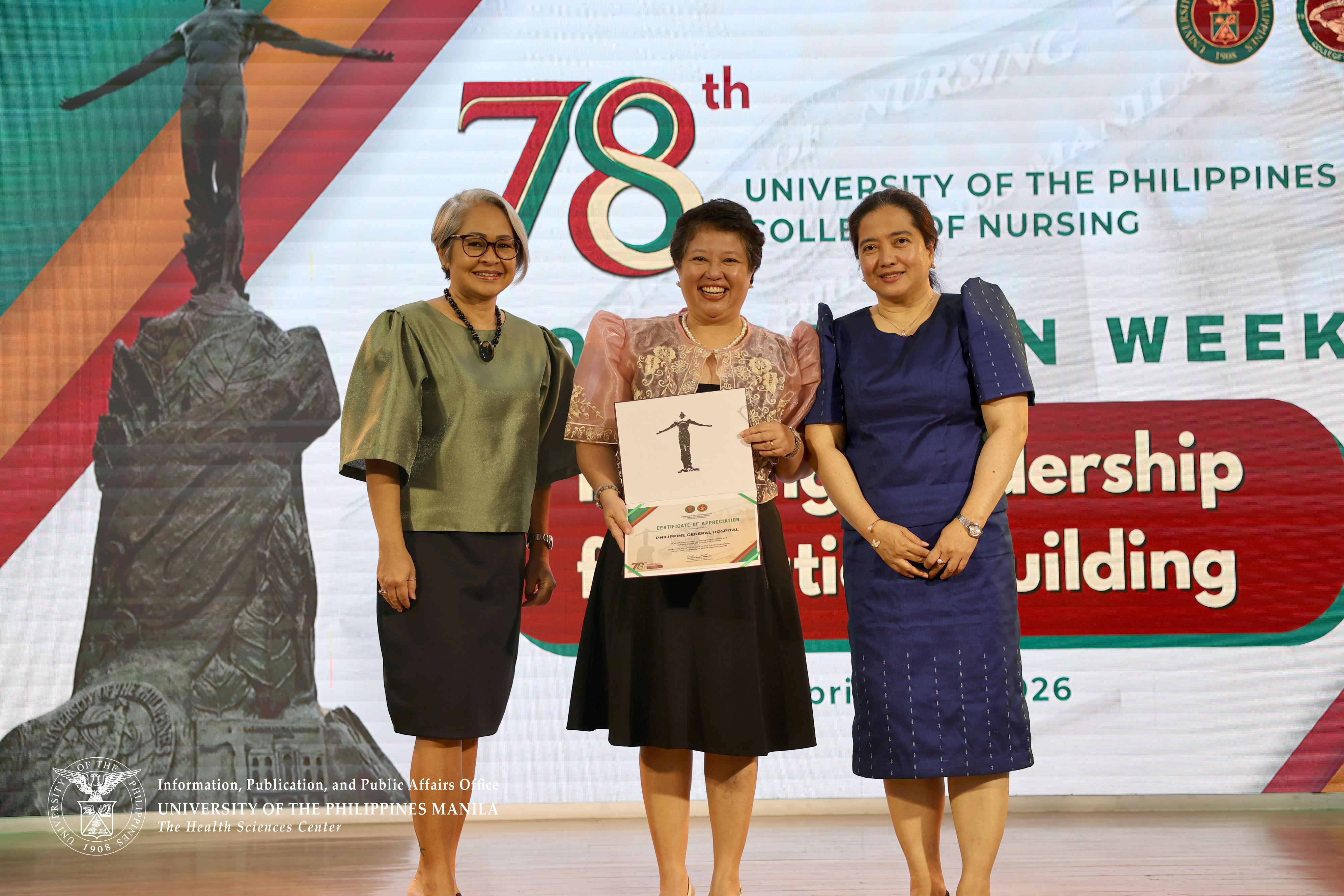
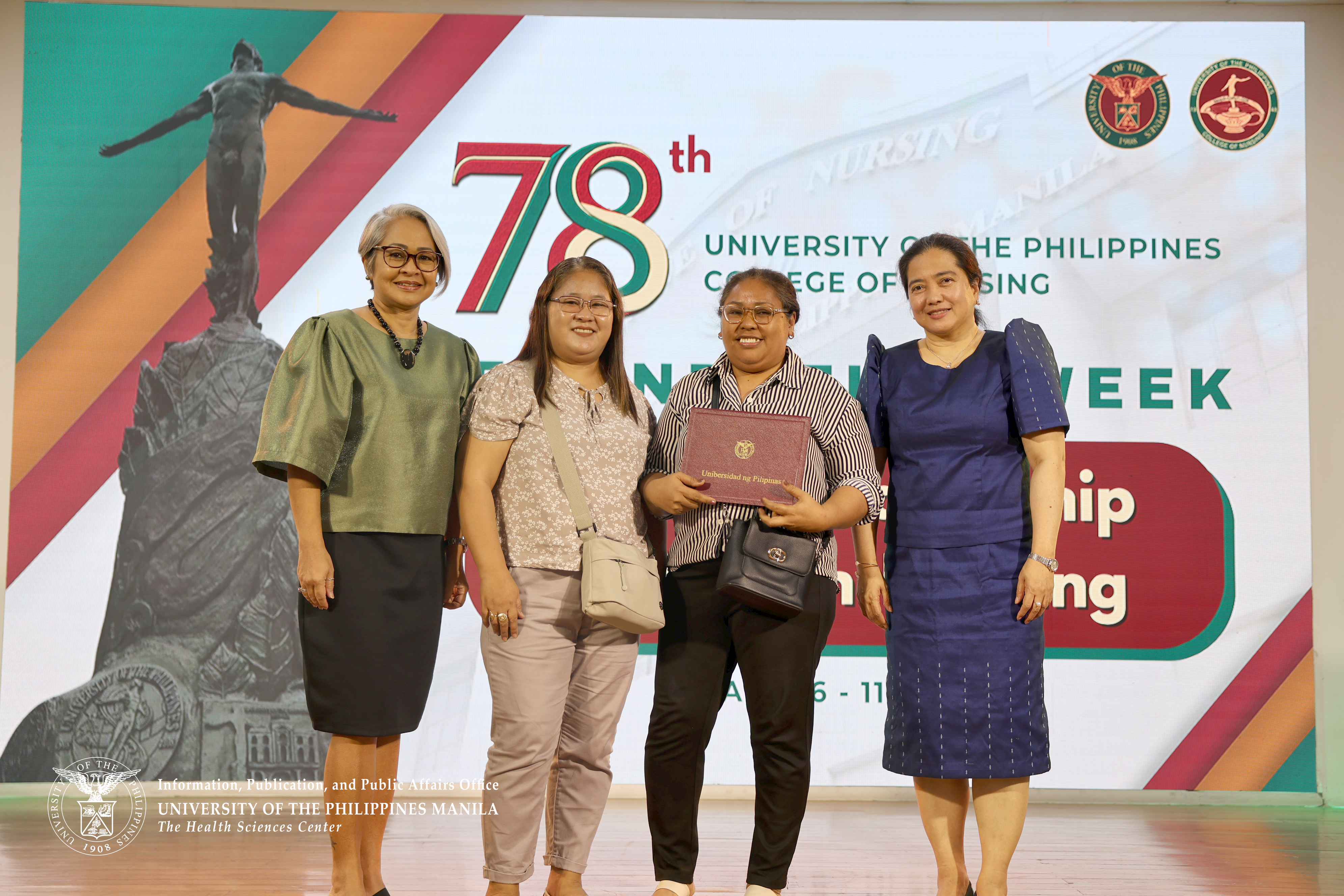
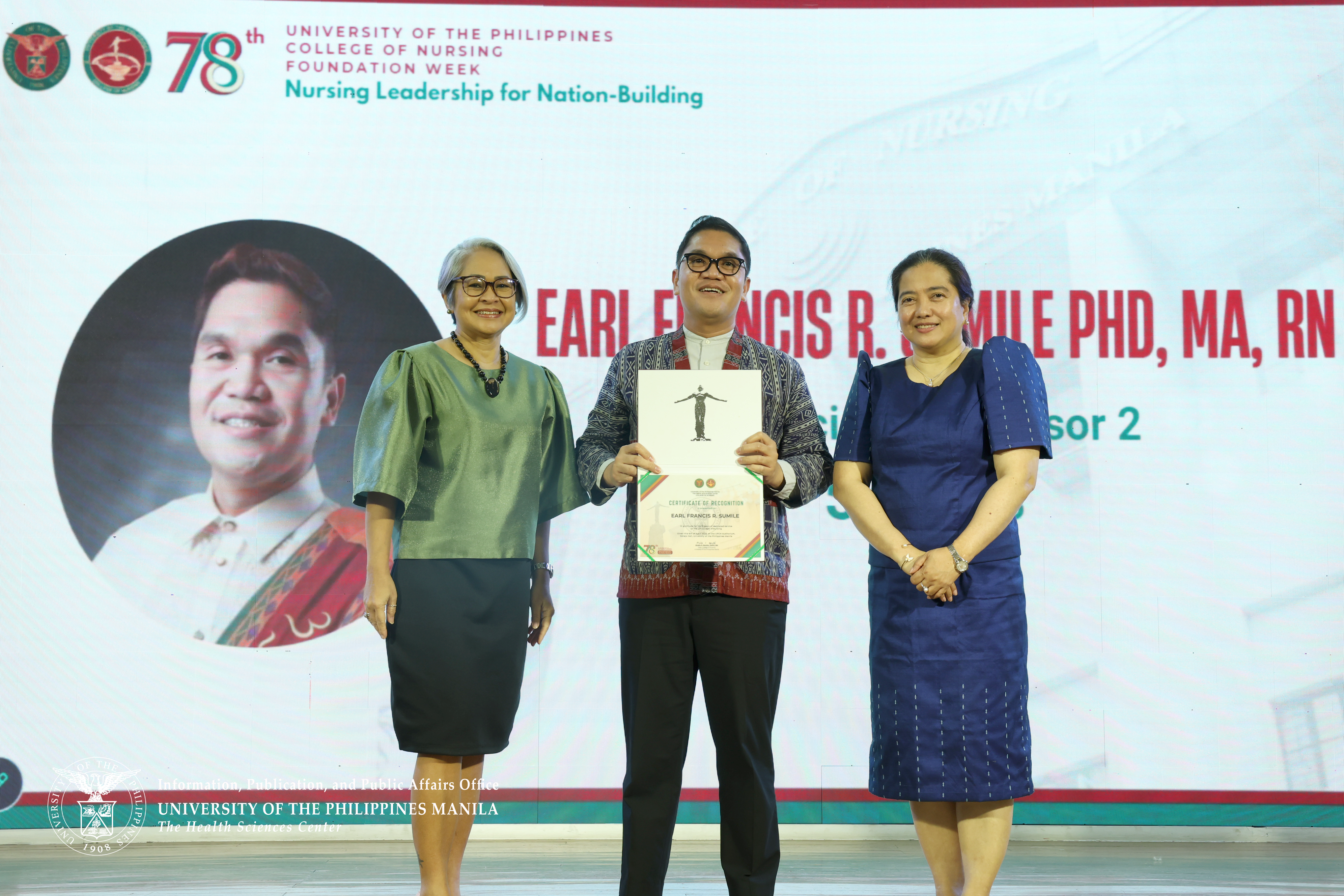
Several individuals and partner institutions were formally recognized for their invaluable contributions to UPCN’s legacy of excellence. Institutional partners, including the Manila Health Department, the municipalities of Naic and Maragondon in Cavite, Dr. Jose Fabella Memorial Hospital, the National Center for Mental Health, Hospicio de San Jose, Philippine General Hospital (PGH), and women leaders from Isla Puting Bato, were honored for providing vital clinical and community learning environments. Clinical preceptors from the PGH were acknowledged for mentoring nursing students, while scholarship donors, alumni associations, and benefactors were recognized for supporting nursing education. The celebration also highlighted the achievements of the Class of 2025, including topnotchers and awardees in licensure examinations, alongside faculty and staff honored for their dedicated service.
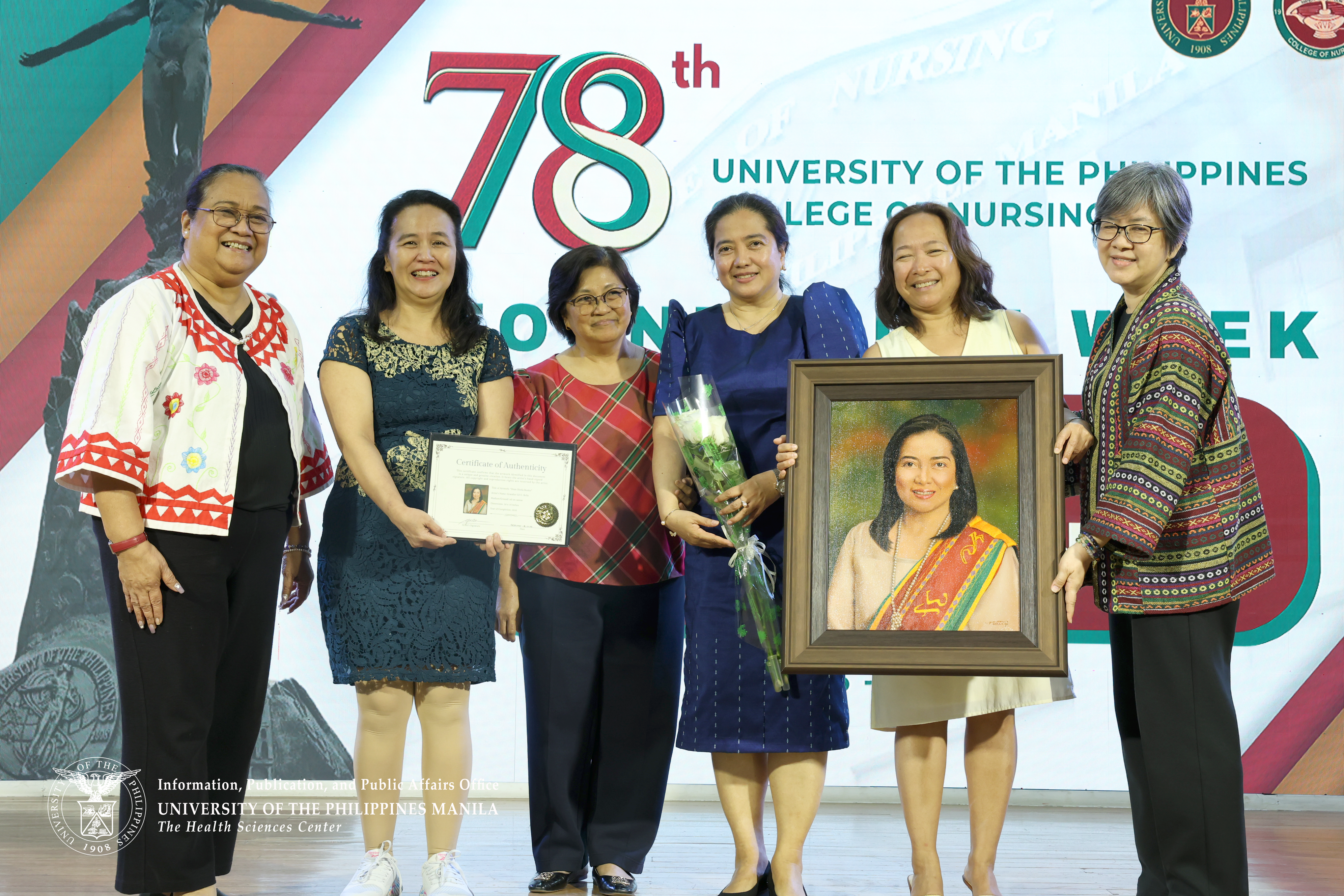
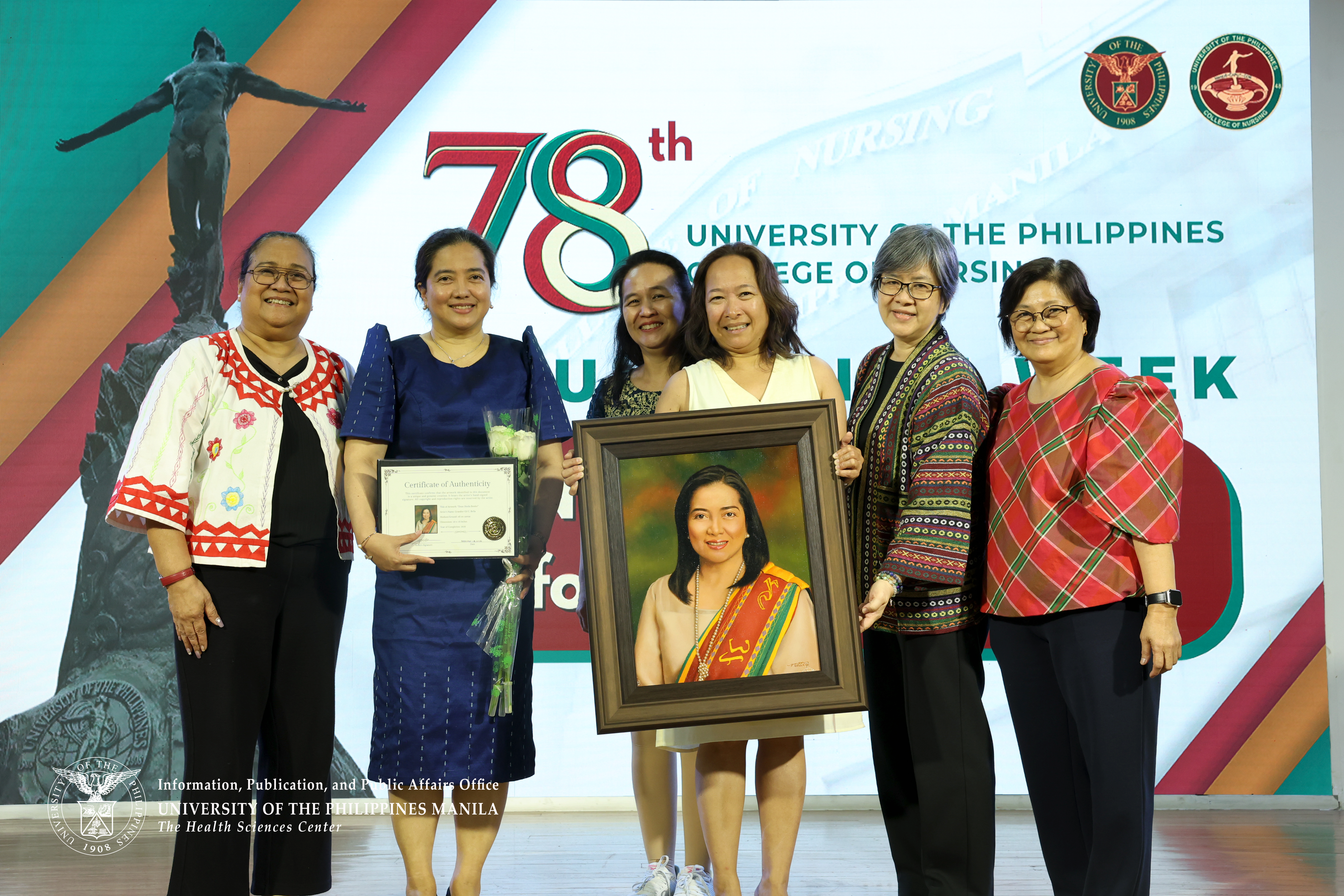
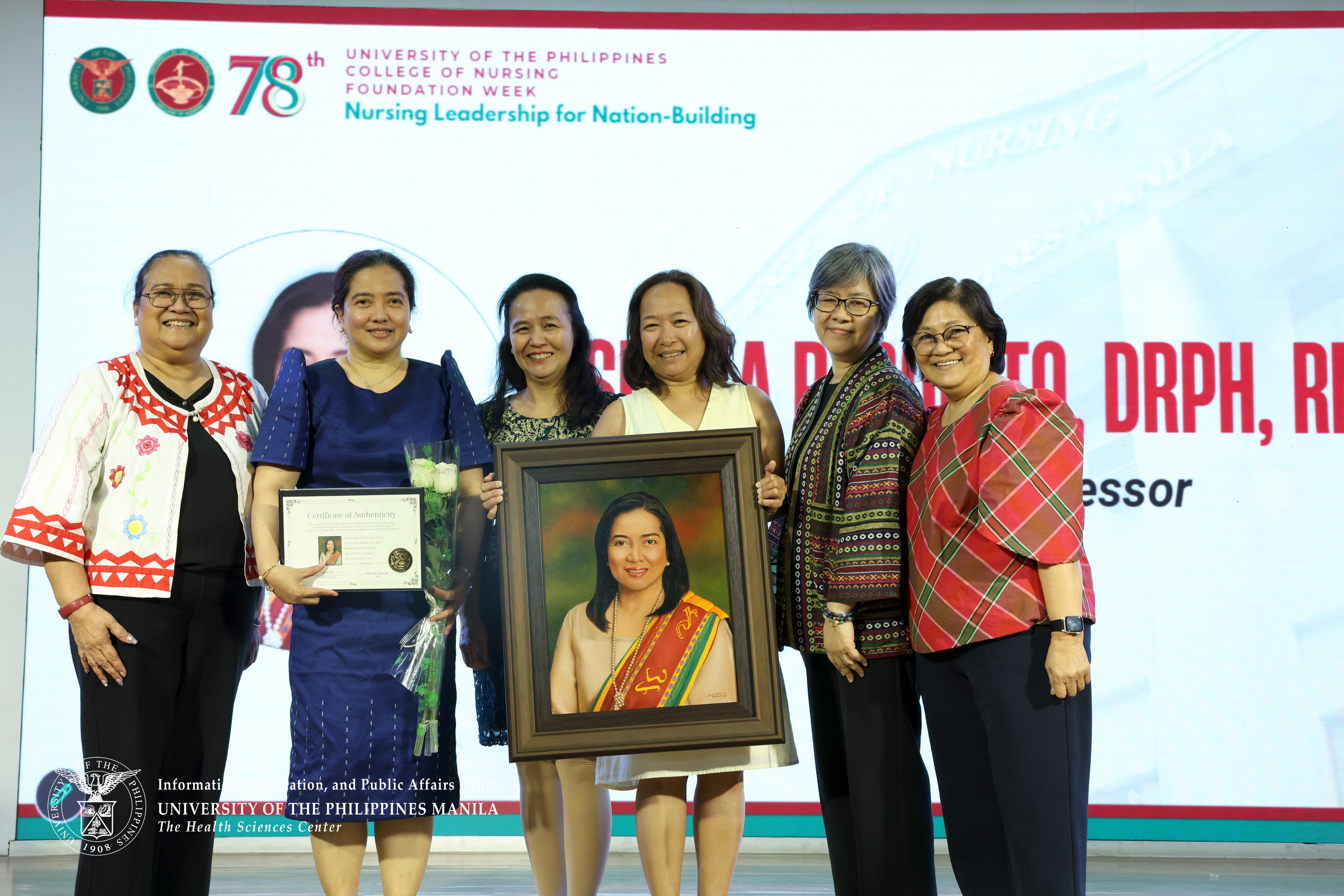
A special tribute was given to Dean Bonito for her nine years of leadership, marked by the unveiling of her official portrait as a lasting symbol of her contributions to the college.



READ MORE:
#FP1 #AccessibleUPLeadership