
Text by Charmaine A. Lingdas
Photos by Sarah Hazel Moces S. Pulumbarit
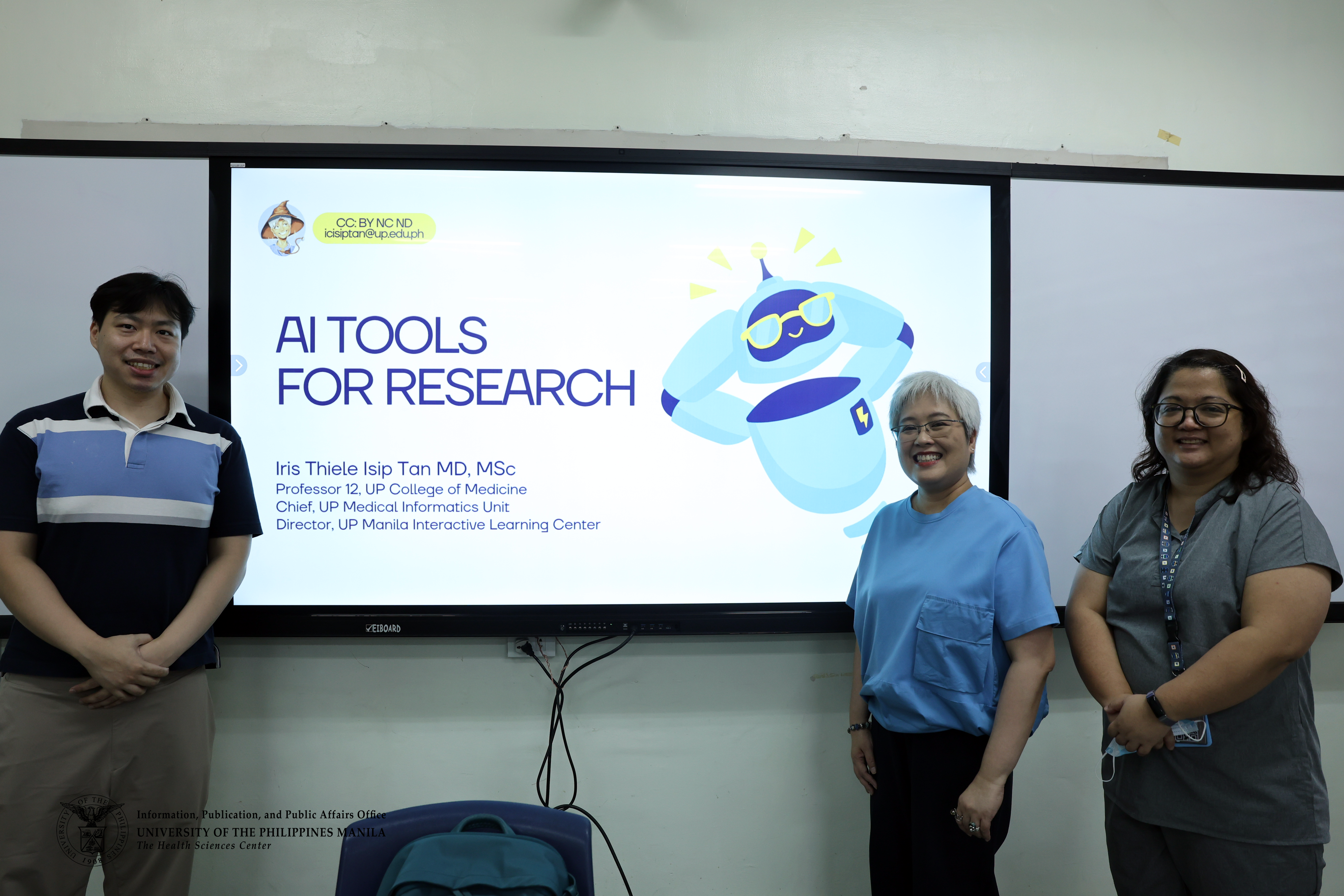
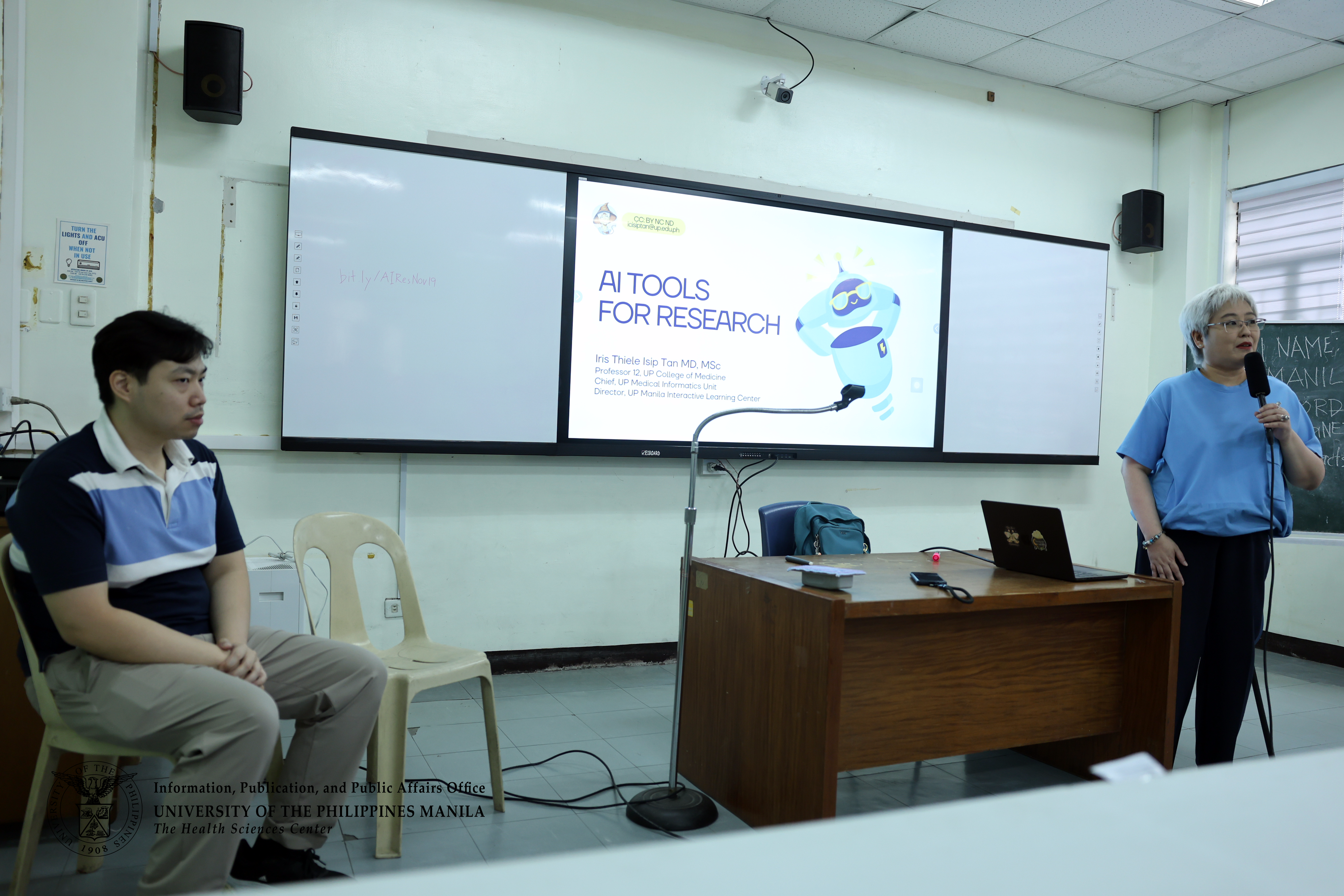
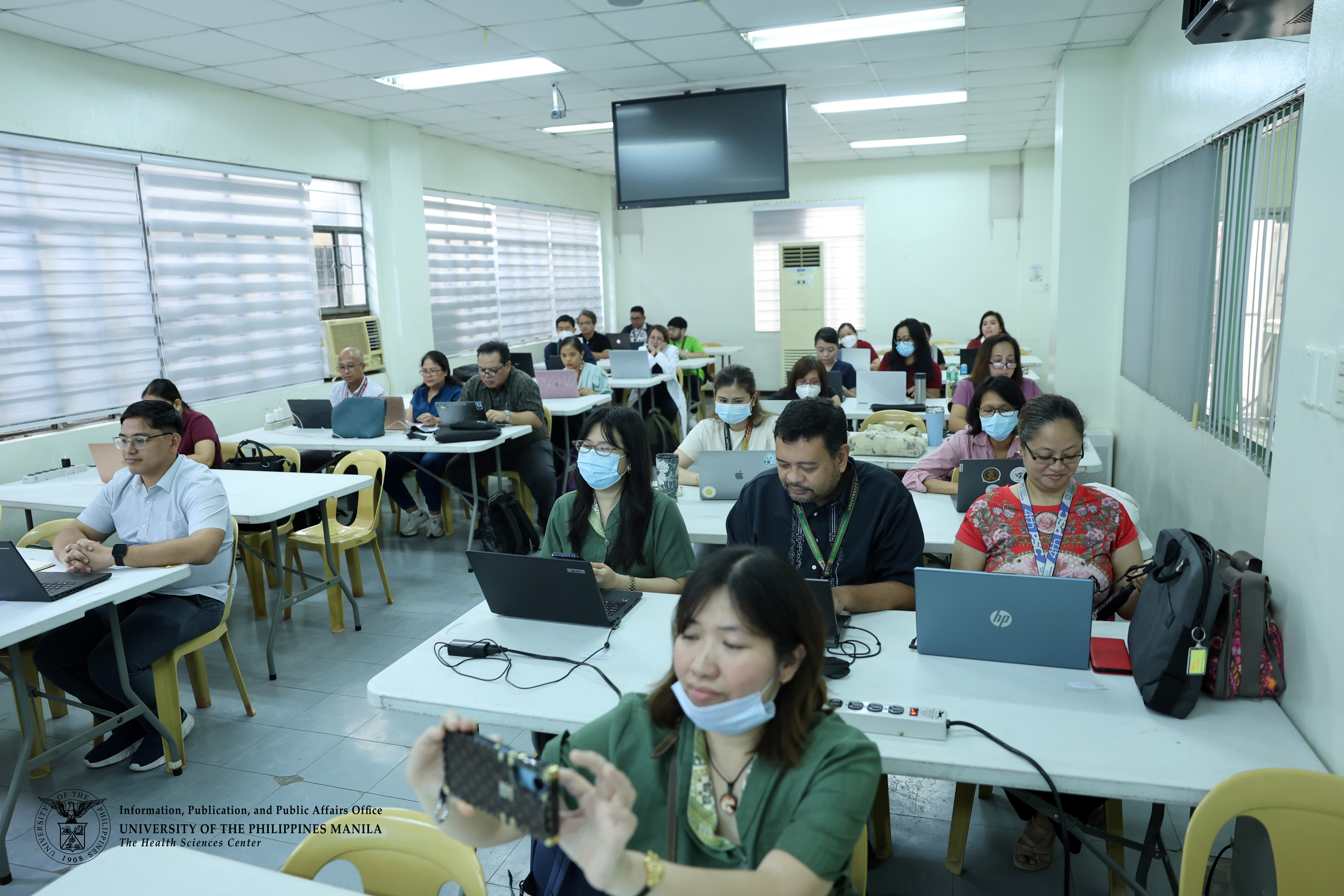
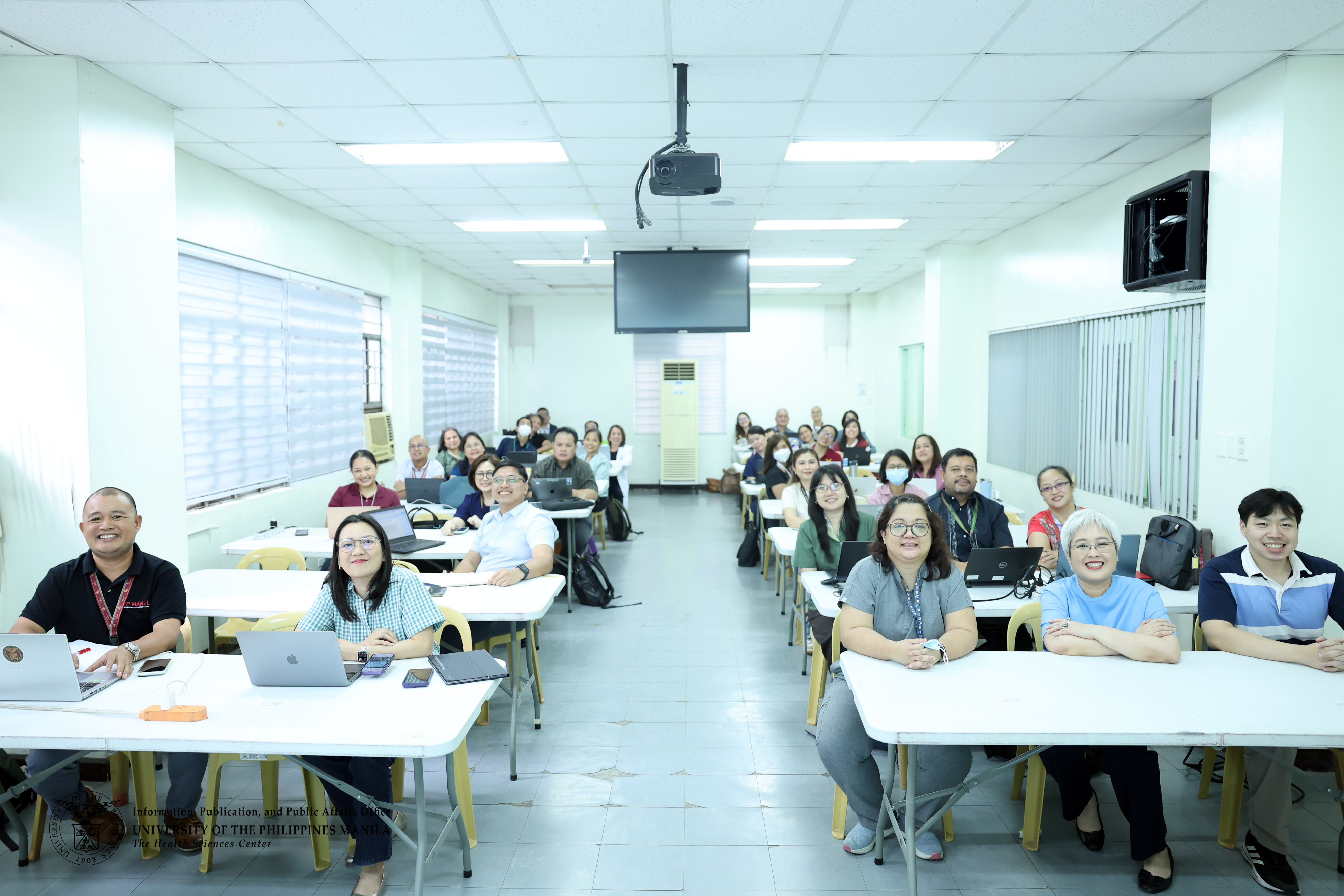
The University of the Philippines Manila, through the Medical Informatics Unit (MIU), held the final run of its AI Tools for Research workshop for 2025 on Nov. 19, 2025. Led by Dr. Iris Thiele Isip-Tan, chief of the UP Medical Informatics Unit (MIU) and director of the UP Manila Interactive Learning Center, the workshop guided faculty members, researchers, and students through an AI-assisted research workflow, emphasizing both the possibilities and limits of generative AI in academic work.
The program covered five major activities aligned with an end-to-end research workflow, beginning with the limitations of AI tools in research, followed by hands-on sessions with ResearchRabbit for literature discovery, NotebookLM for deep document analysis, and participants’ preferred large language models (LLMs) for refining research methodologies. The final segment focused on ethical integration and transparency in AI-assisted research.

“Our intent is to show you the AI tools and I’m sure you will continue to experiment with them afterwards,” said Dr. Isip-Tan said as she opened the session. She reminded participants that AI is a powerful but fallible tool. “Whatever LLM is your favorite—ChatGPT, Claude, or Gemini—it is just a stochastic parrot,” she emphasized. “It literally just guesses which letter and word will come next. It doesn’t actually understand the concepts.”
She cautioned against uncritical dependence on AI outputs, citing real-world cases in scientific publishing where fabricated images, invented references, and hallucinated findings made it into academic submissions. “AI tools are not infallible, and we must guard against automation complacency,” she stressed, pointing to studies showing high hallucination rates in LLM-generated systematic reviews.
She highlighted that AI tools should enhance—not replace—researcher judgment. “We don’t tell people, ‘Go and use the tools.’ We tell you the tools are available, and you make your own judgment as to how you’re going to use them,” she said. “What we want is for you to test the tool and say, ‘Ah, ito lang pala ang kaya niya. How can this tool actually assist me?’ It’s not supposed to replace us.”
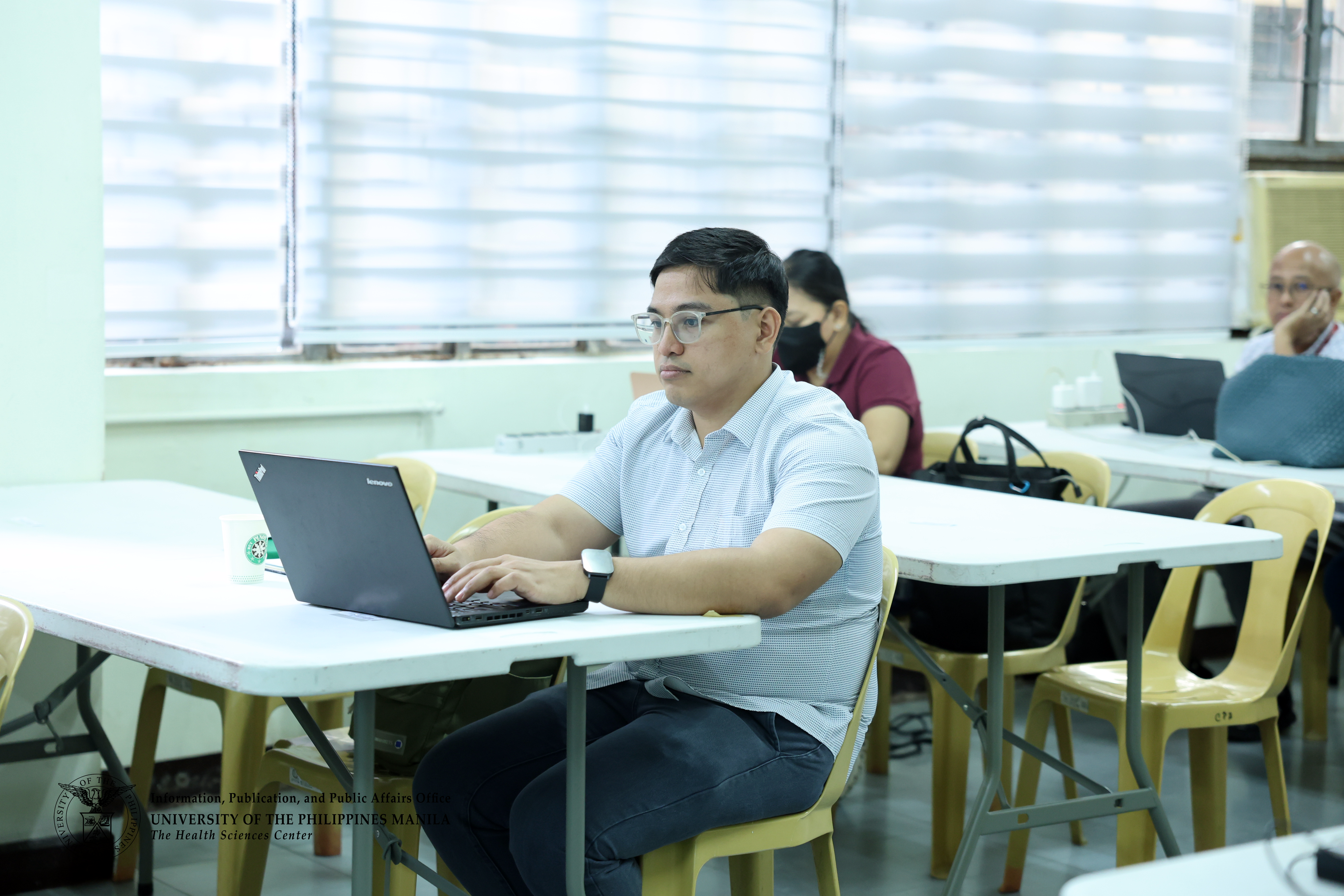
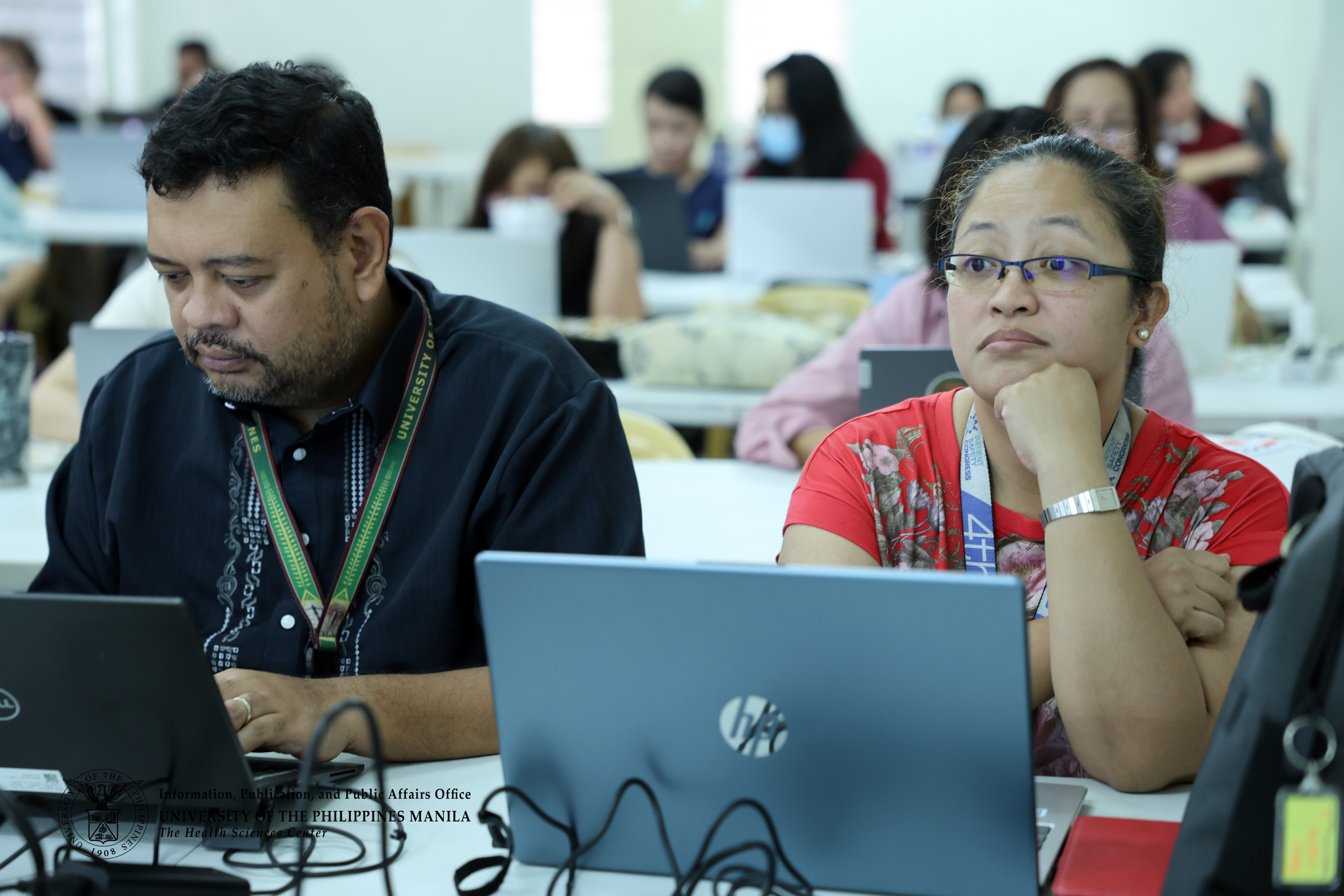
Participants were guided through a comparative literature search using ResearchRabbit, then used NotebookLM to analyze uploaded papers and identify key themes, gaps, and methodological patterns. These outputs were later used to refine draft study protocols with their preferred AI assistant.
The session also featured a discussion on ethical AI use, including transparency in documenting AI assistance, verifying all generated content, and aligning practices with journal policies. “We hope to provide a safe space for our faculty and researchers to engage with the tools,” Dr. Isip-Tan noted. “The challenge is figuring out how to use them ethically and properly.”
The AI Tools for Research workshop series, first offered to UP Manila faculty and researchers earlier this year, will undergo revisions for its next iteration as the MIU explores newer tools and evolving workflows. Dr. Isip-Tan signaled that future sessions may integrate more advanced AI applications as well as expanded guidance on responsible use.