
Text by Charmaine A. Lingdas
Photos by Sarah Hazel Moces S. Pulumbarit
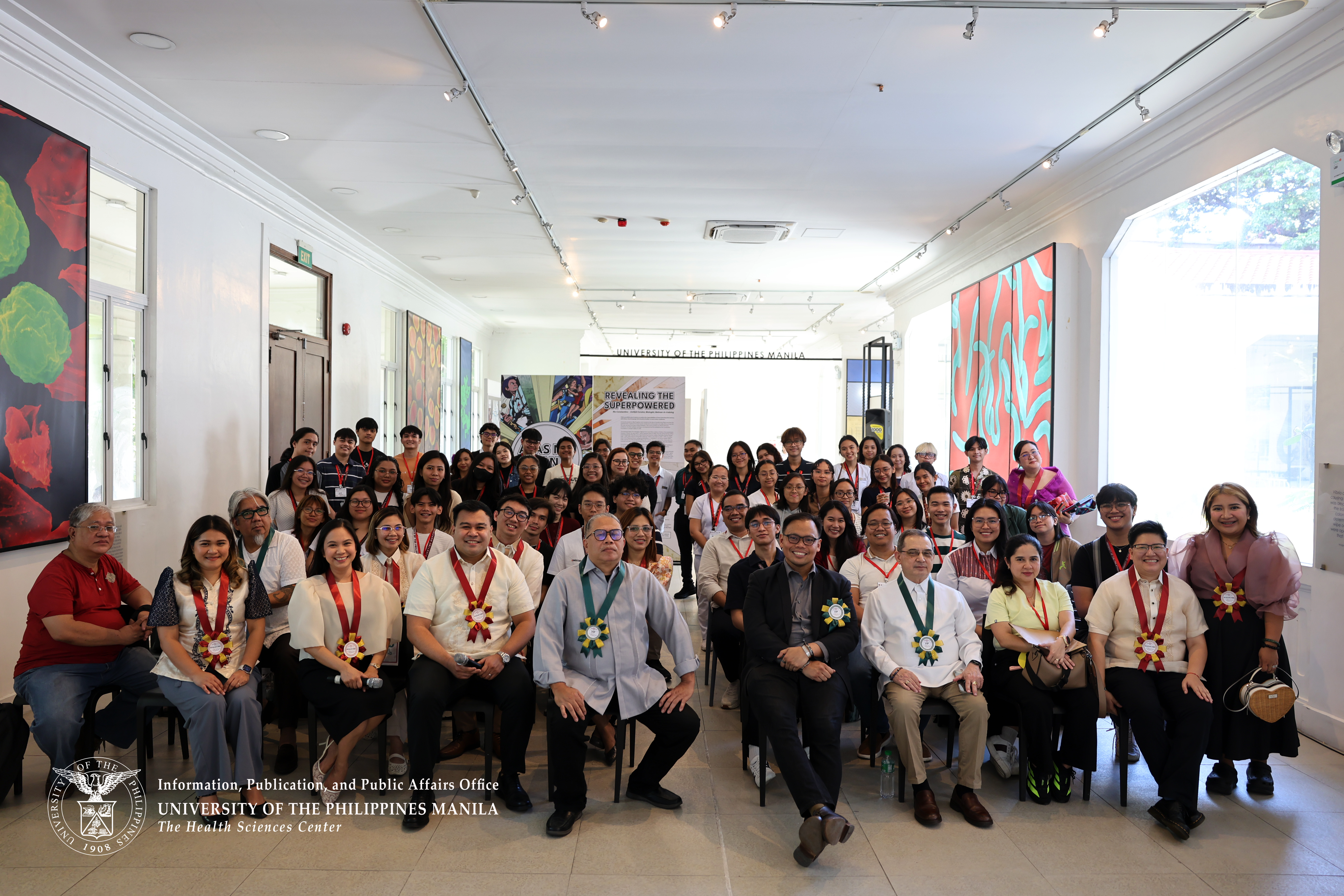
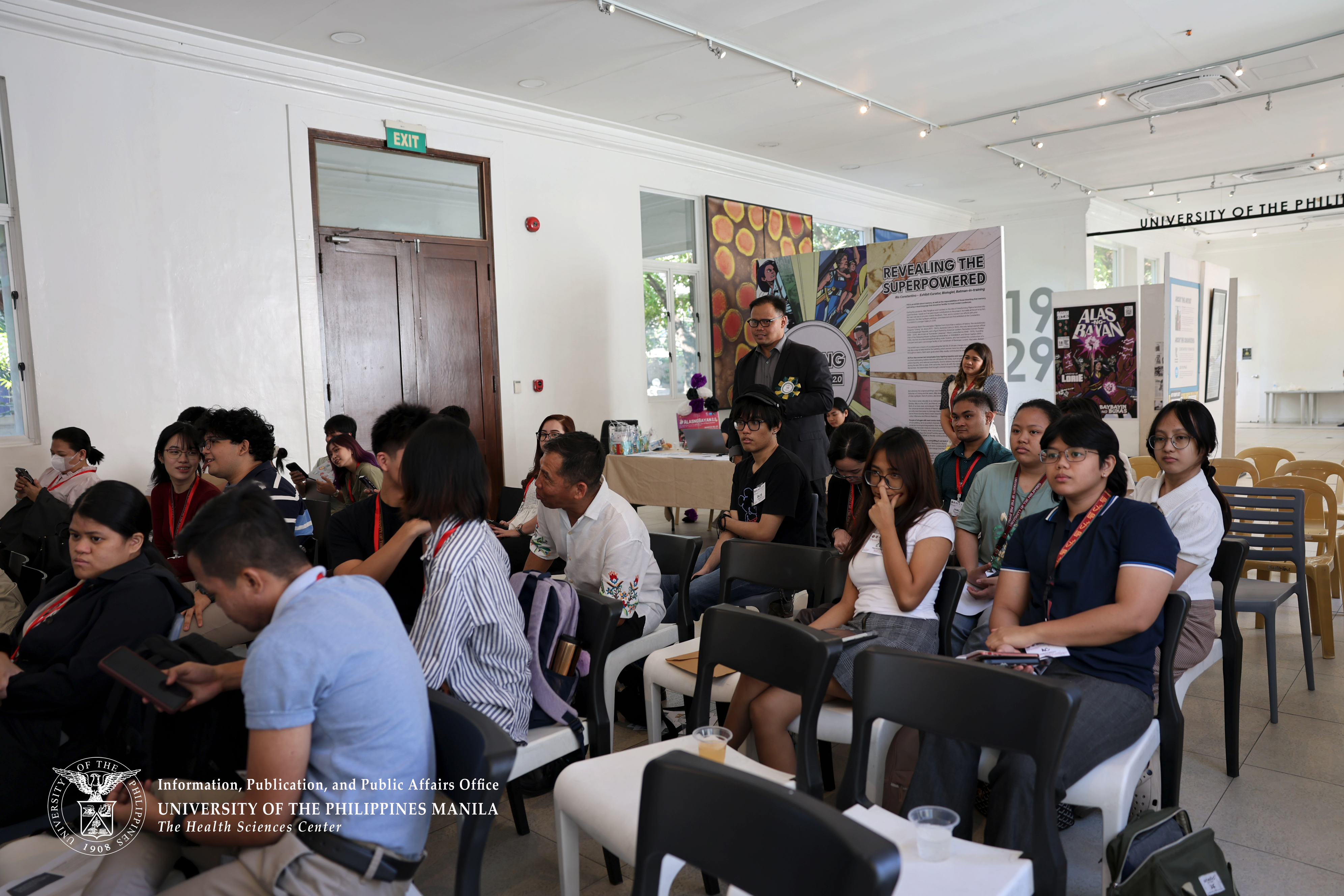
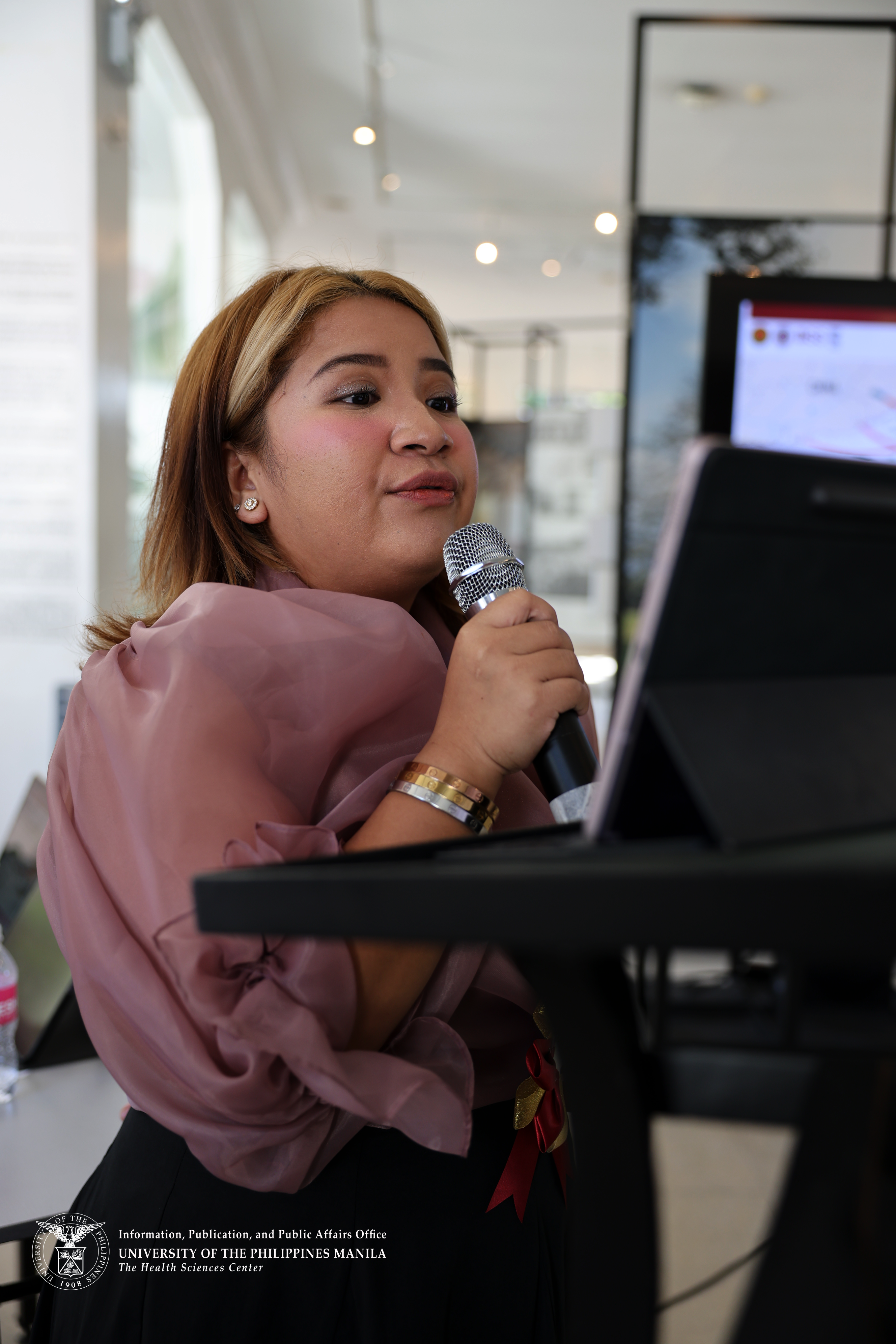
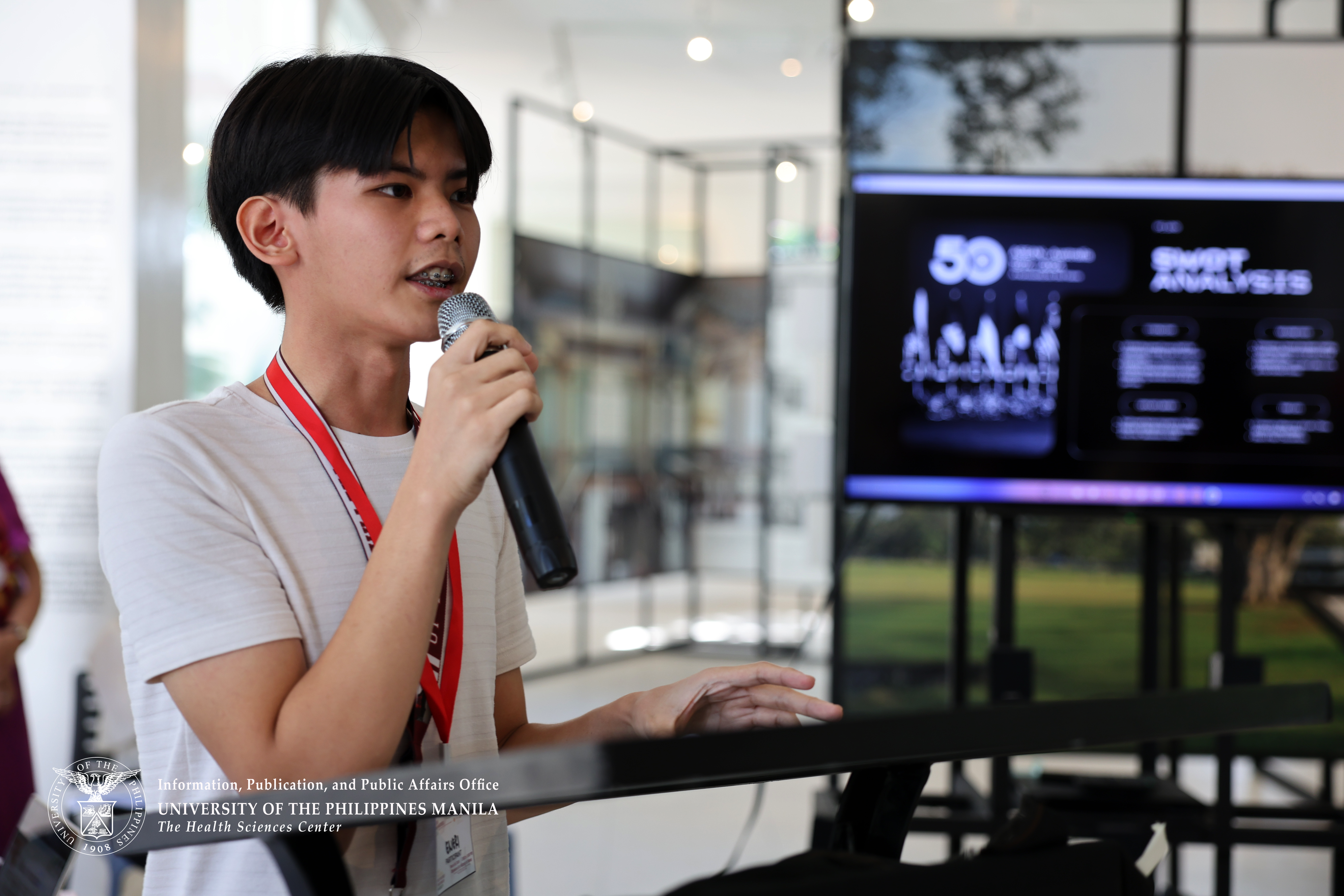
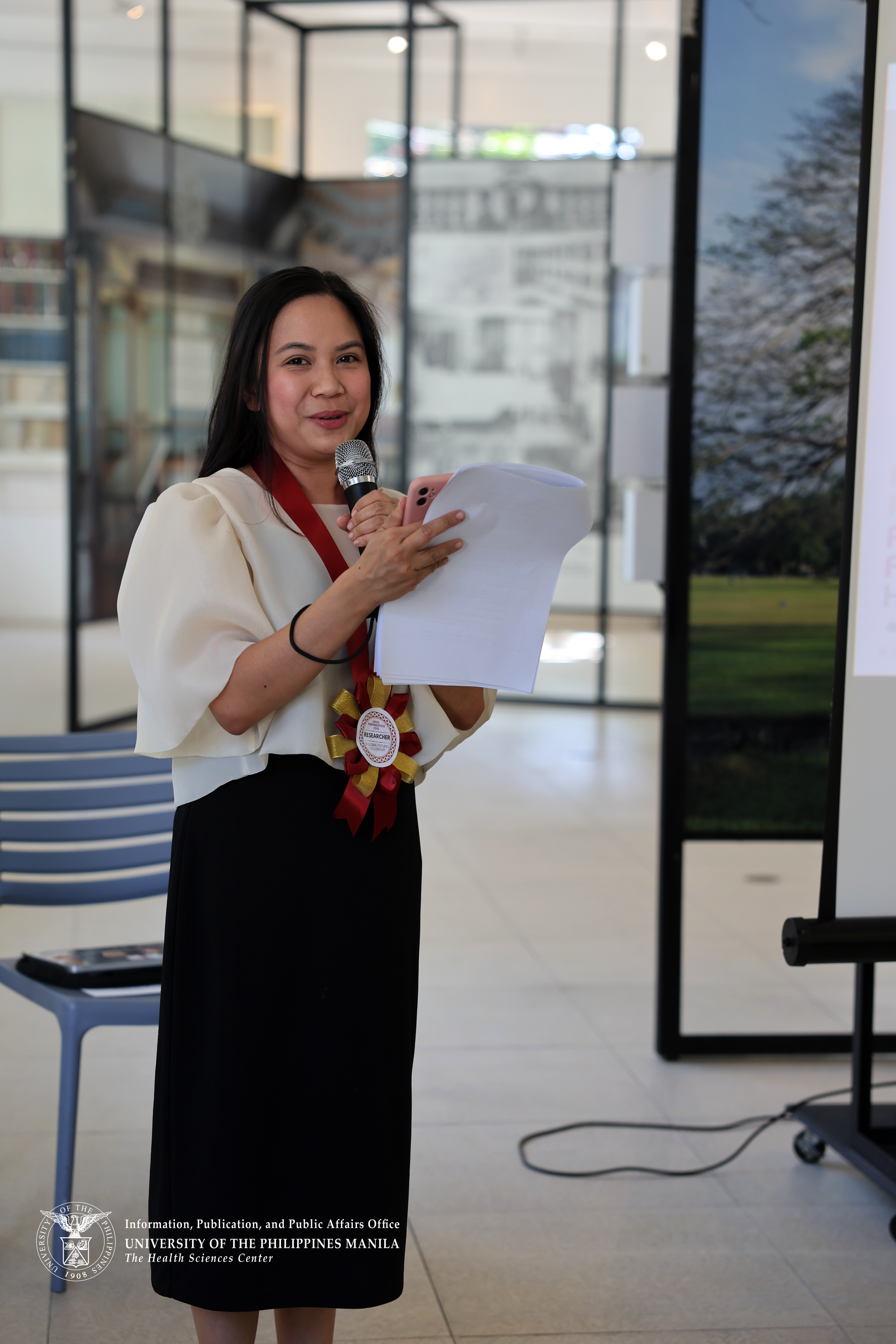
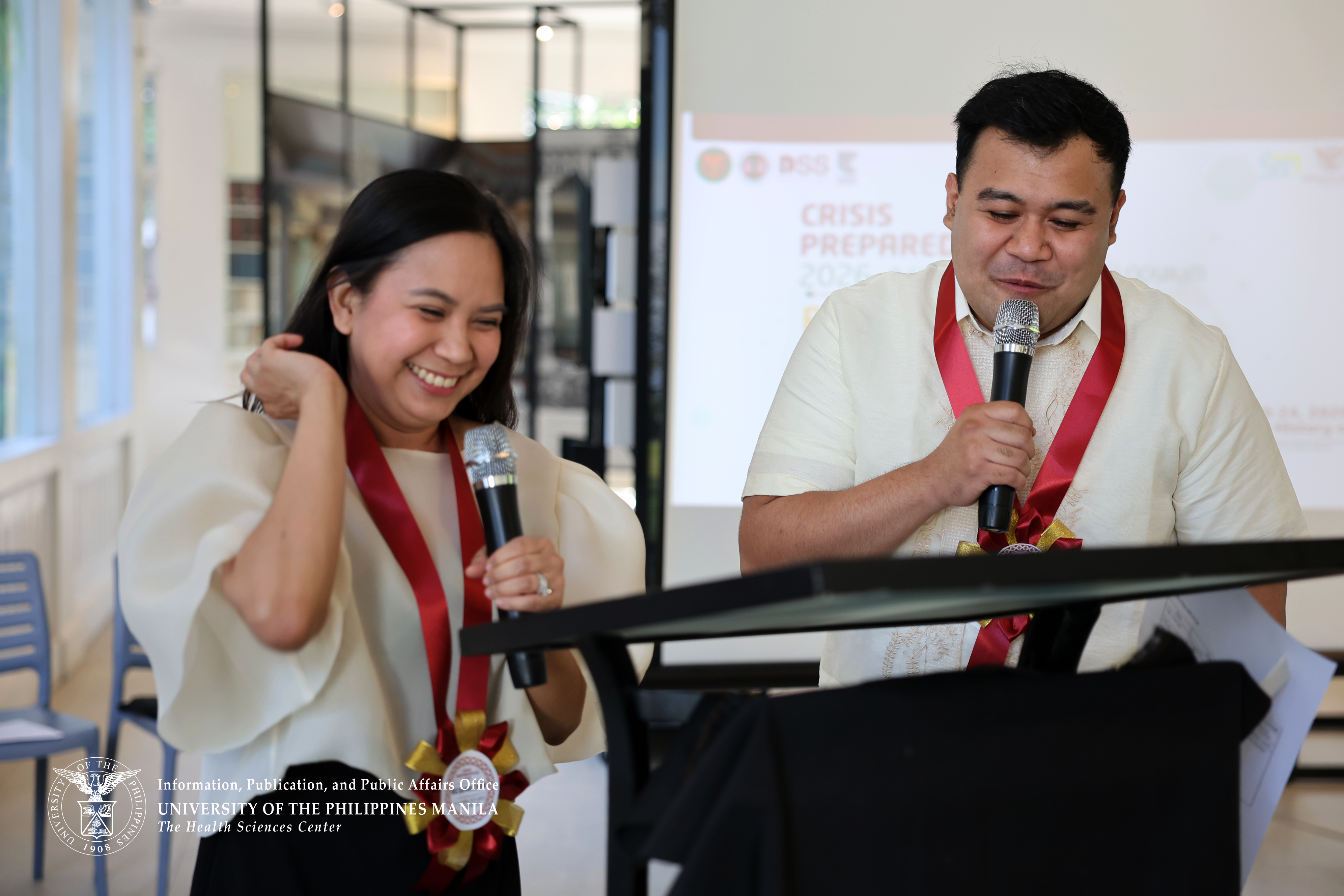
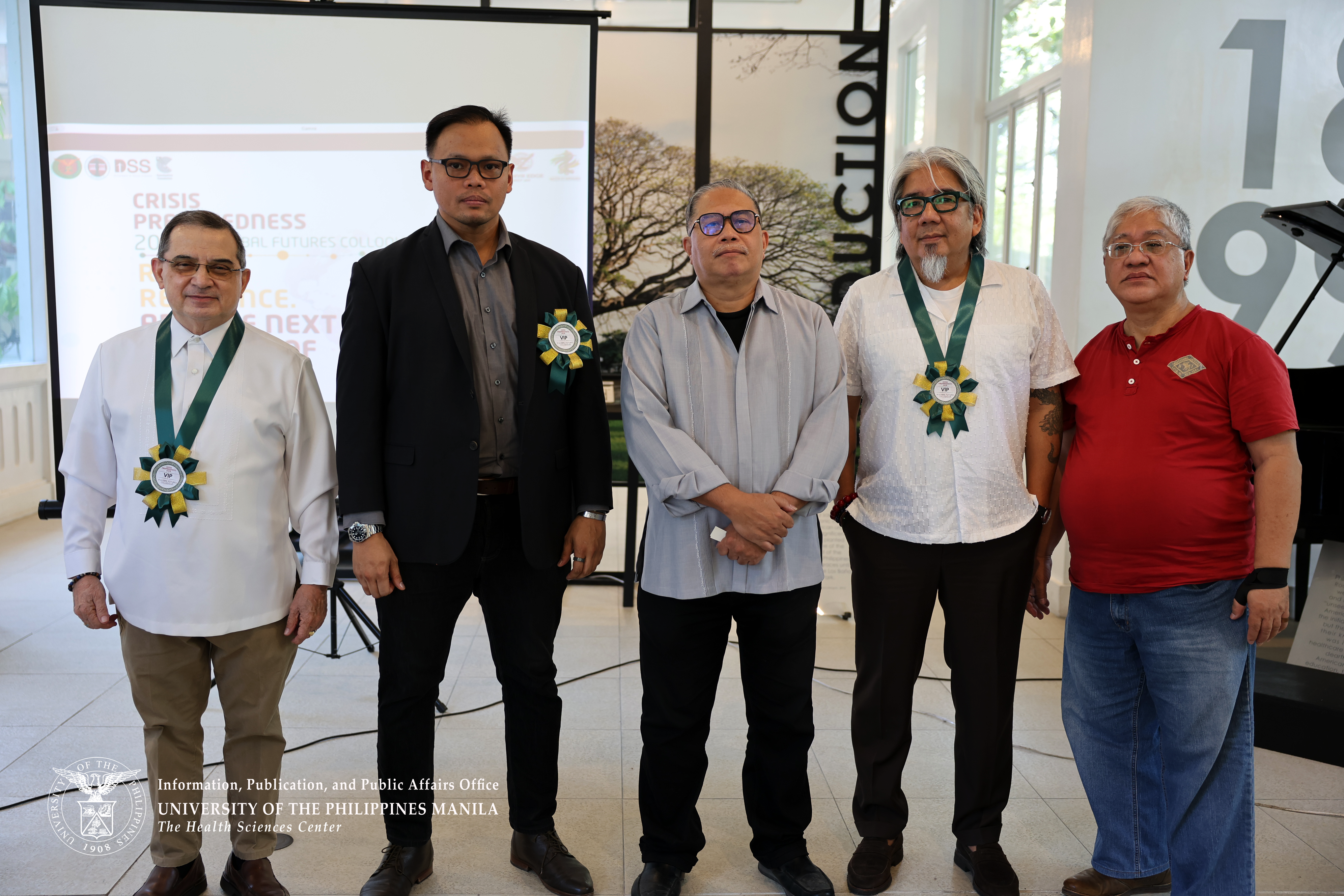
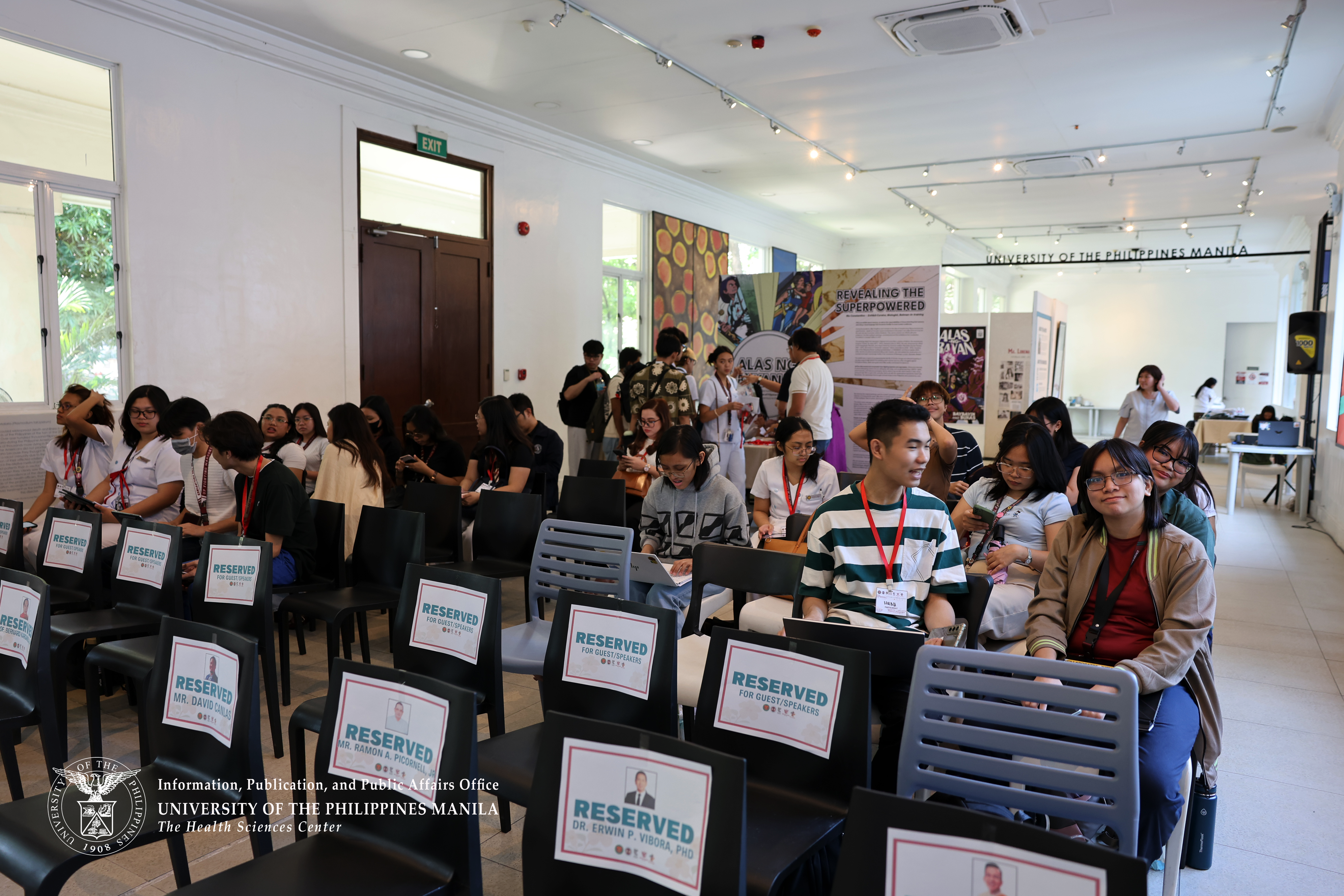
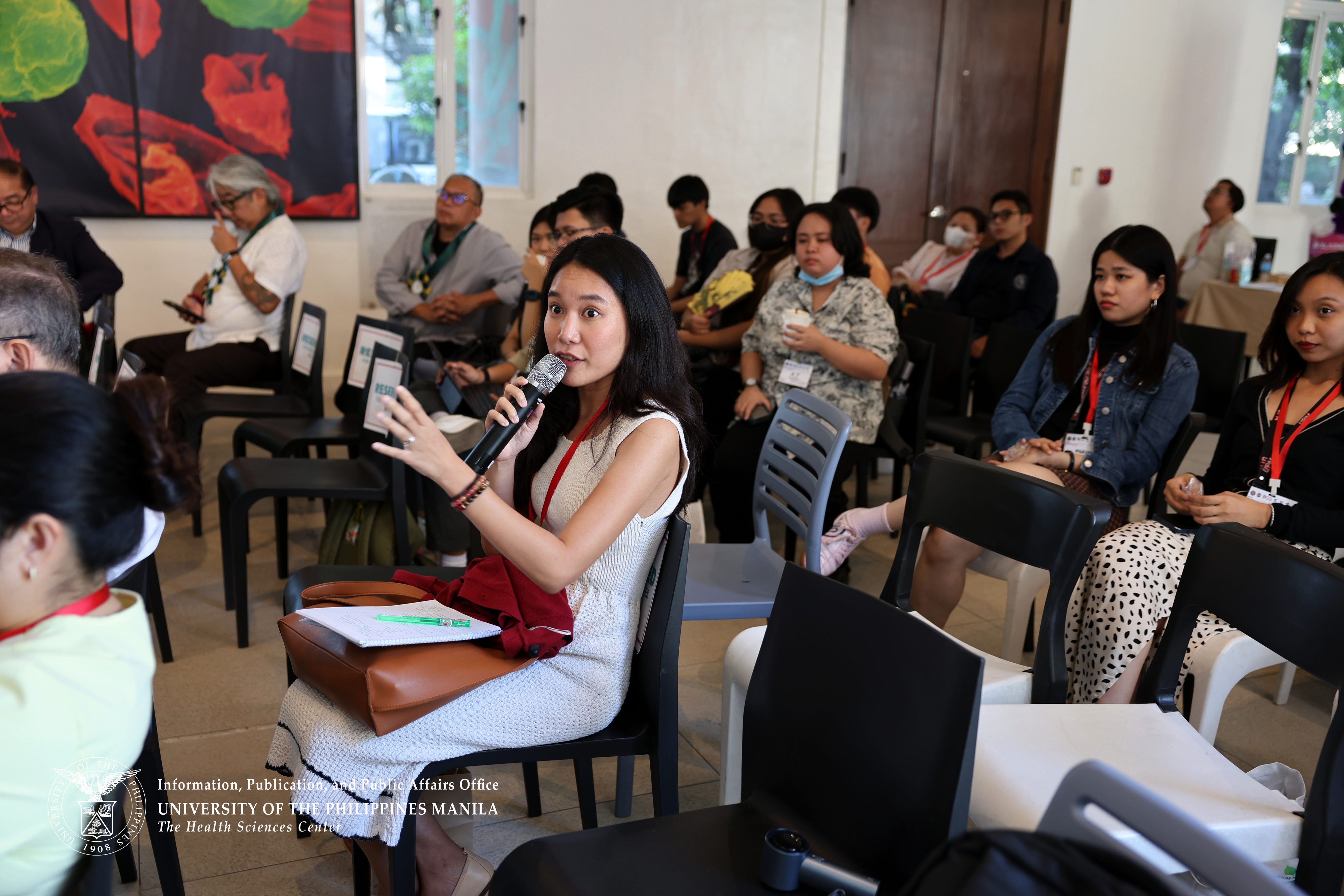
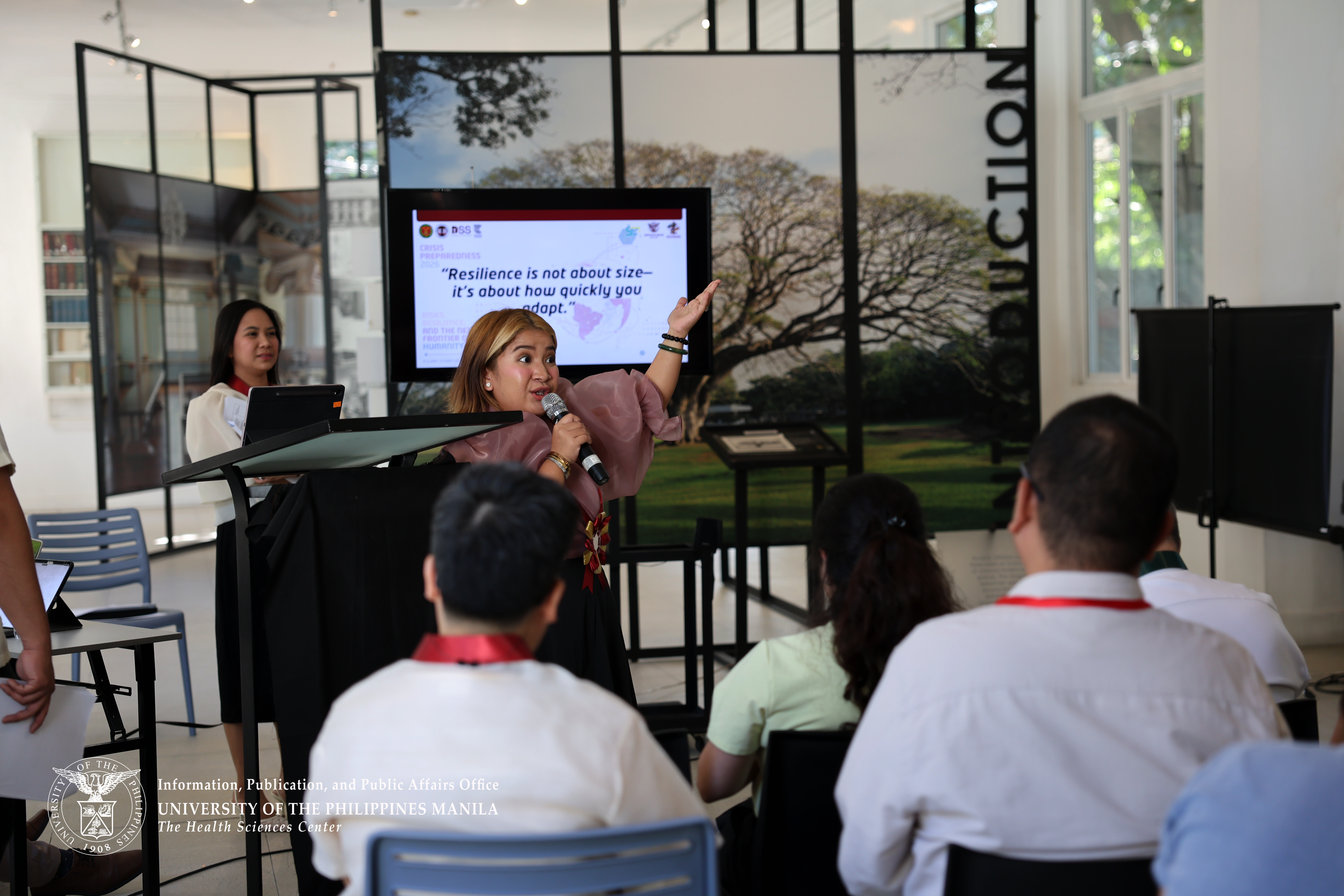
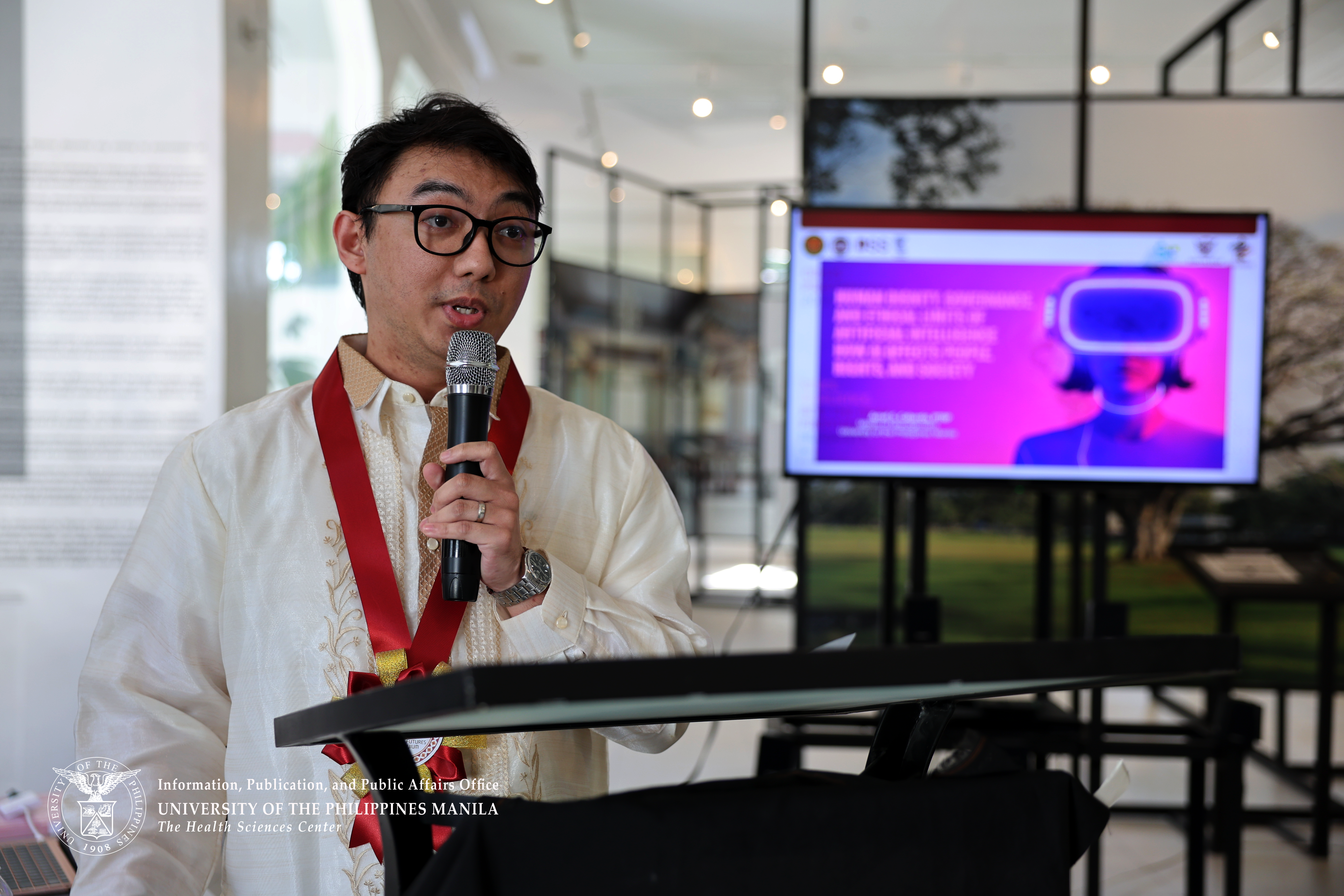
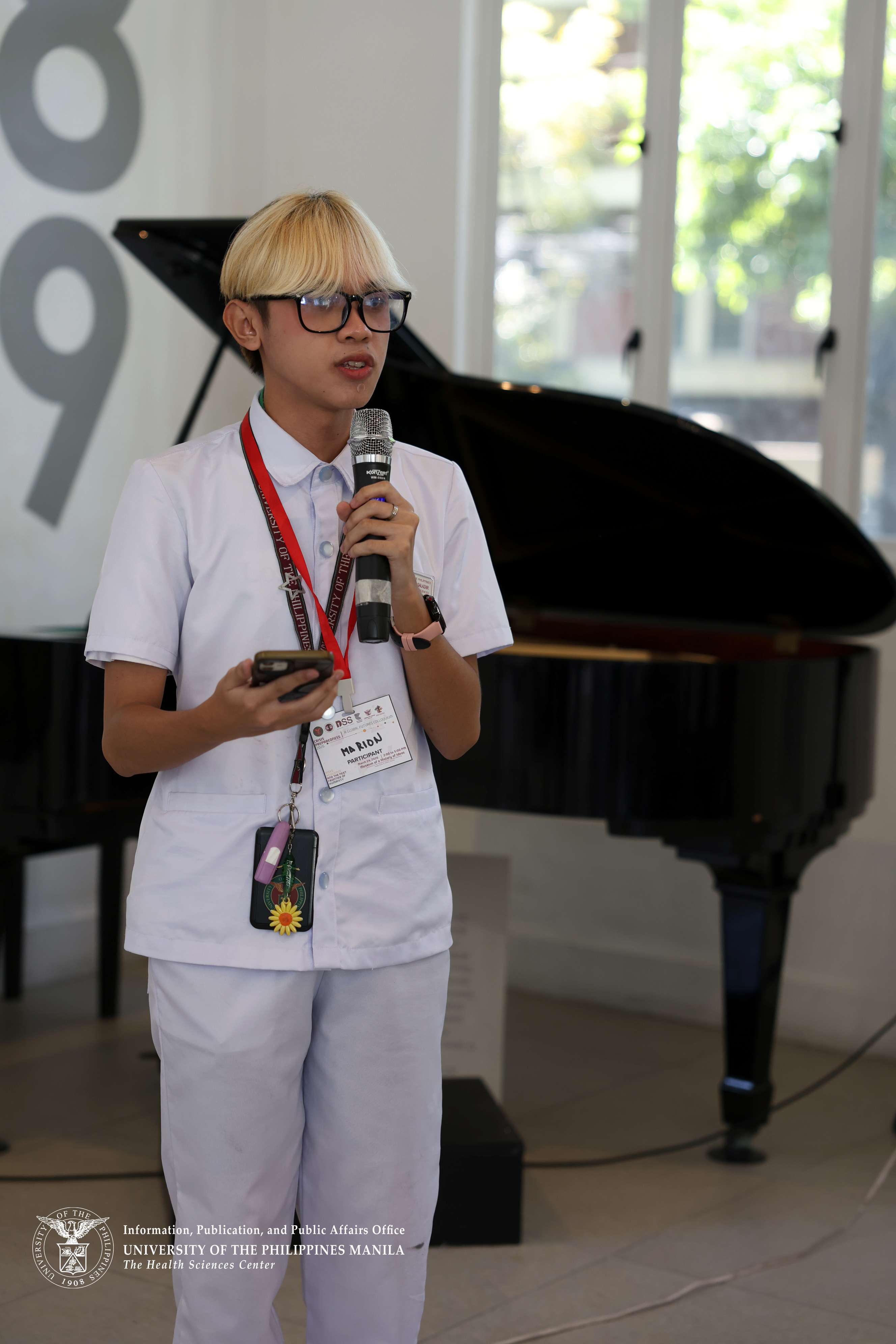
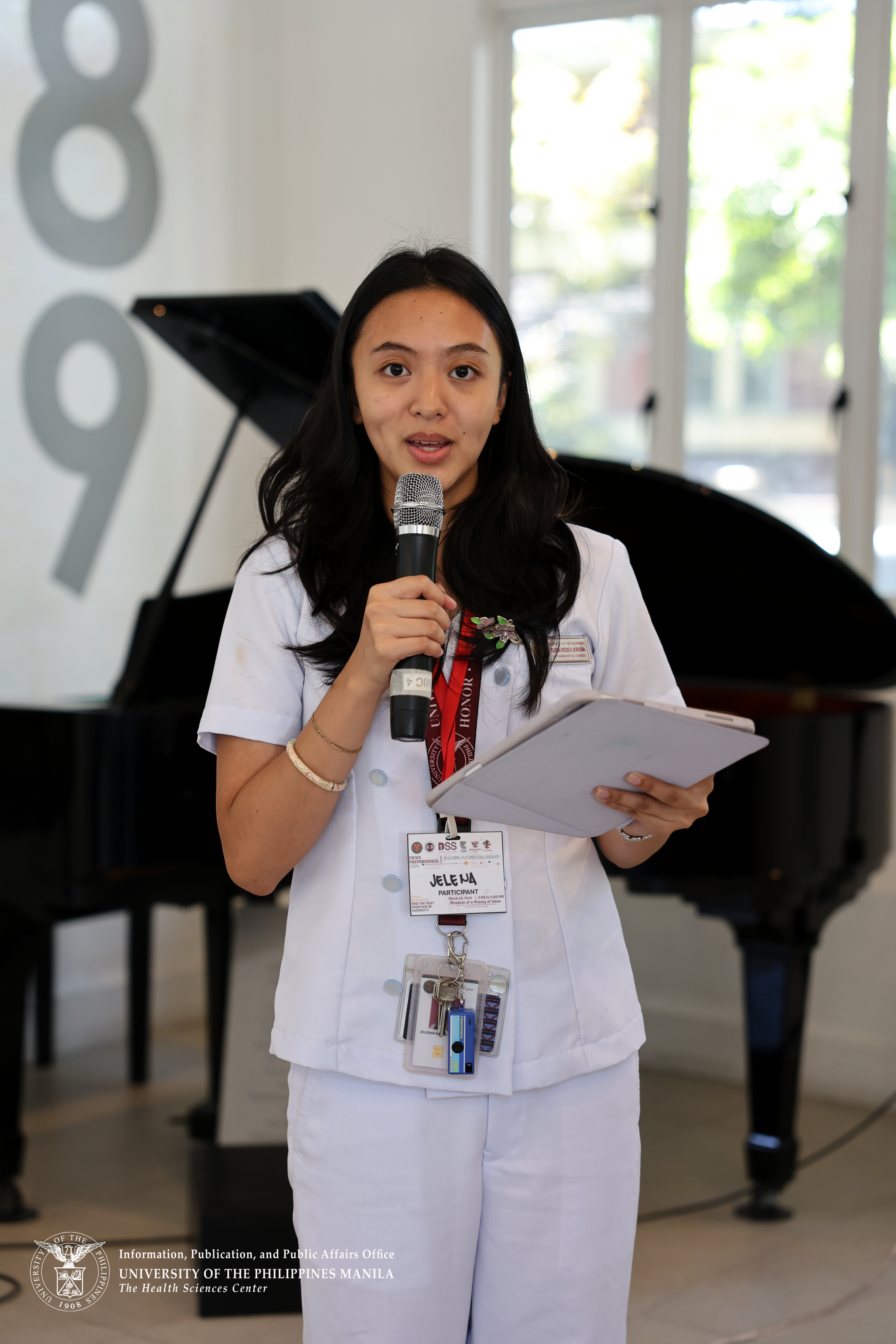
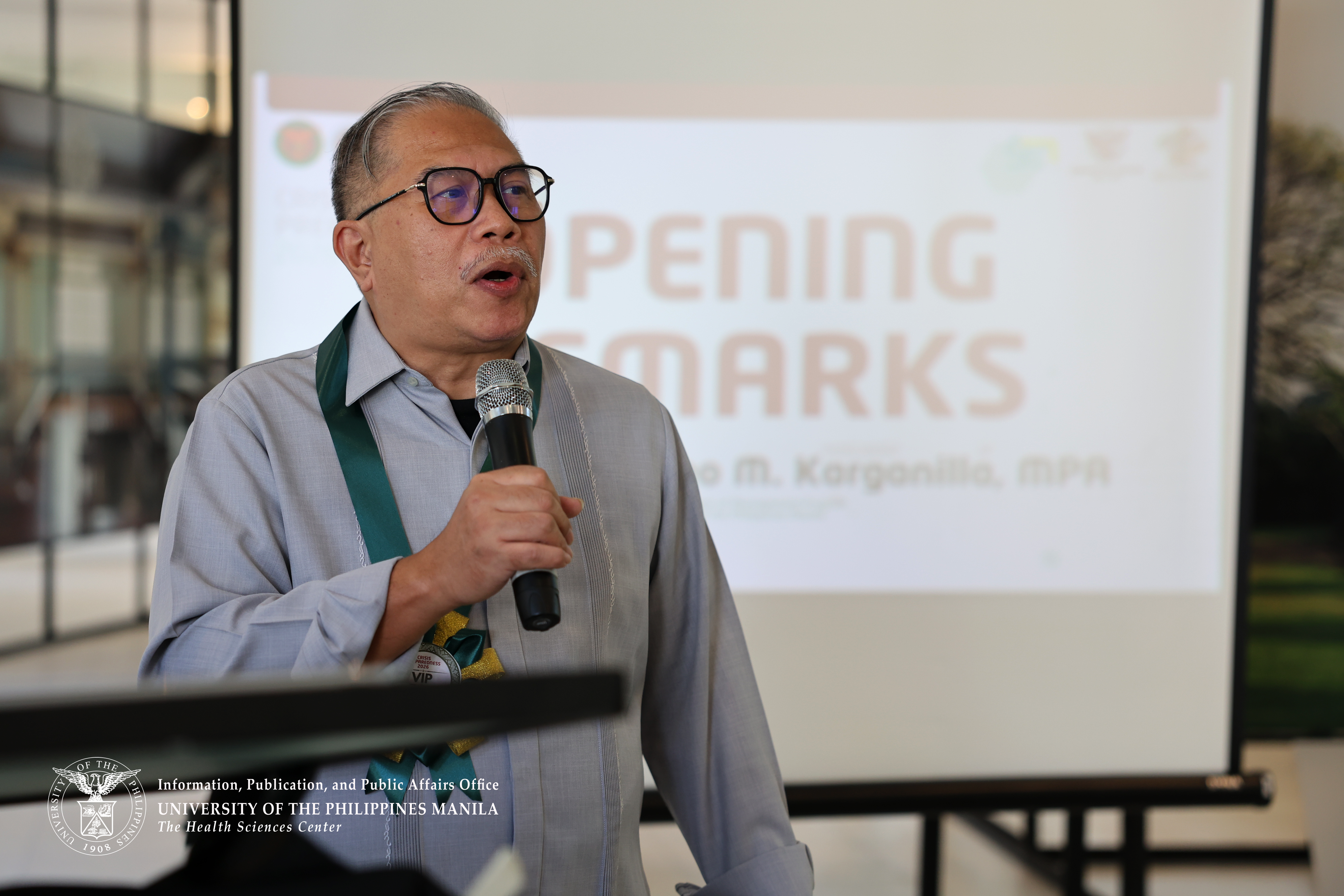
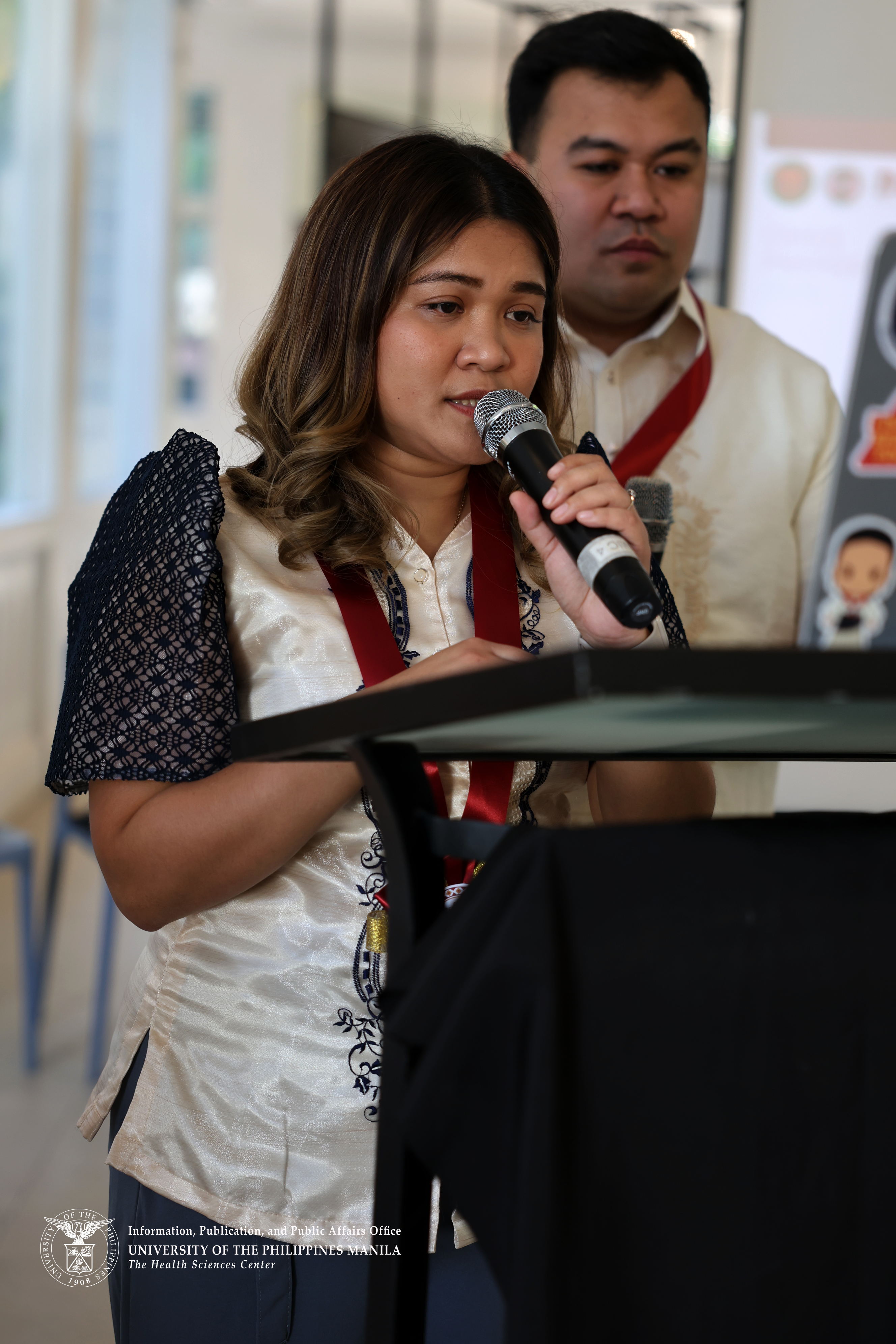
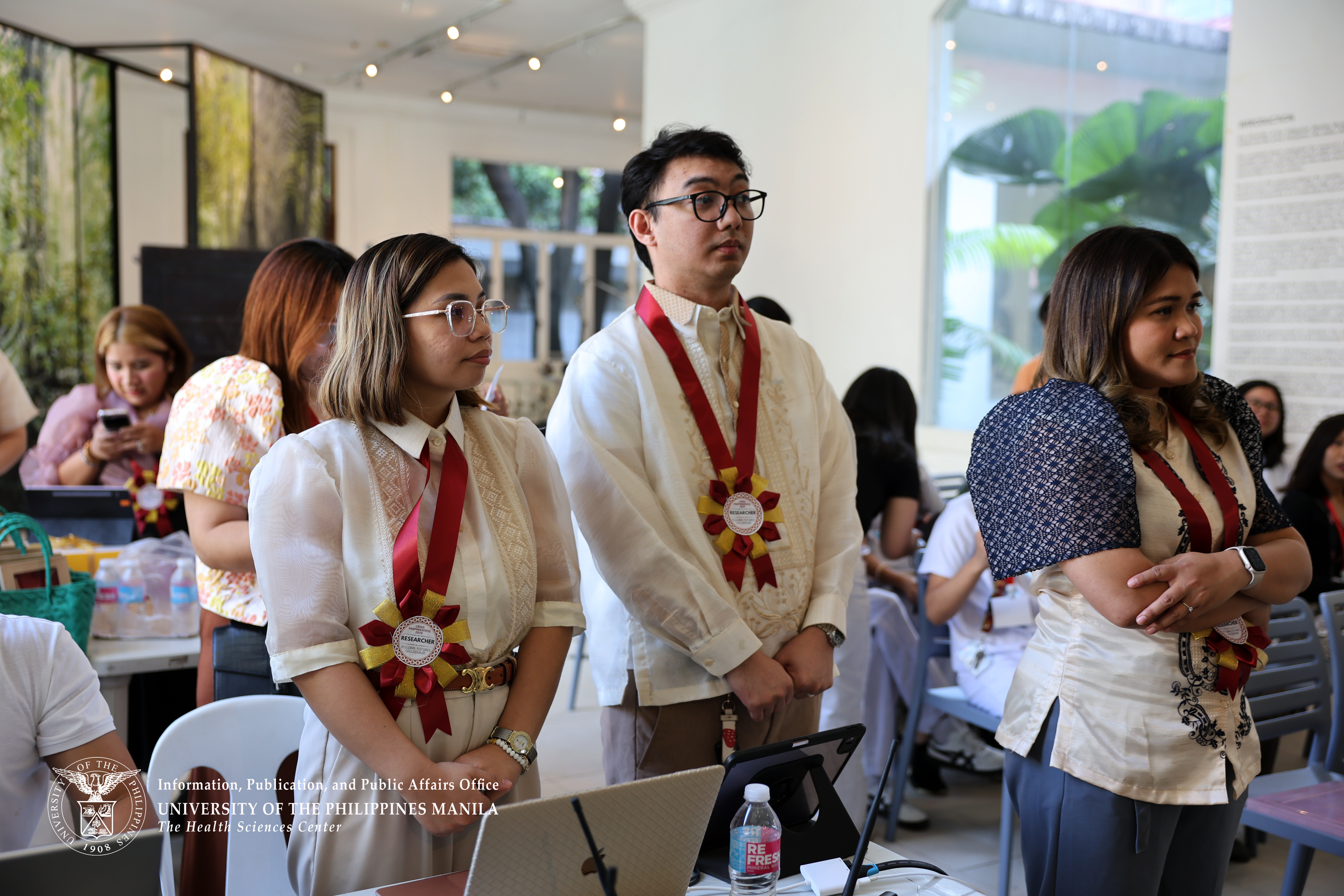
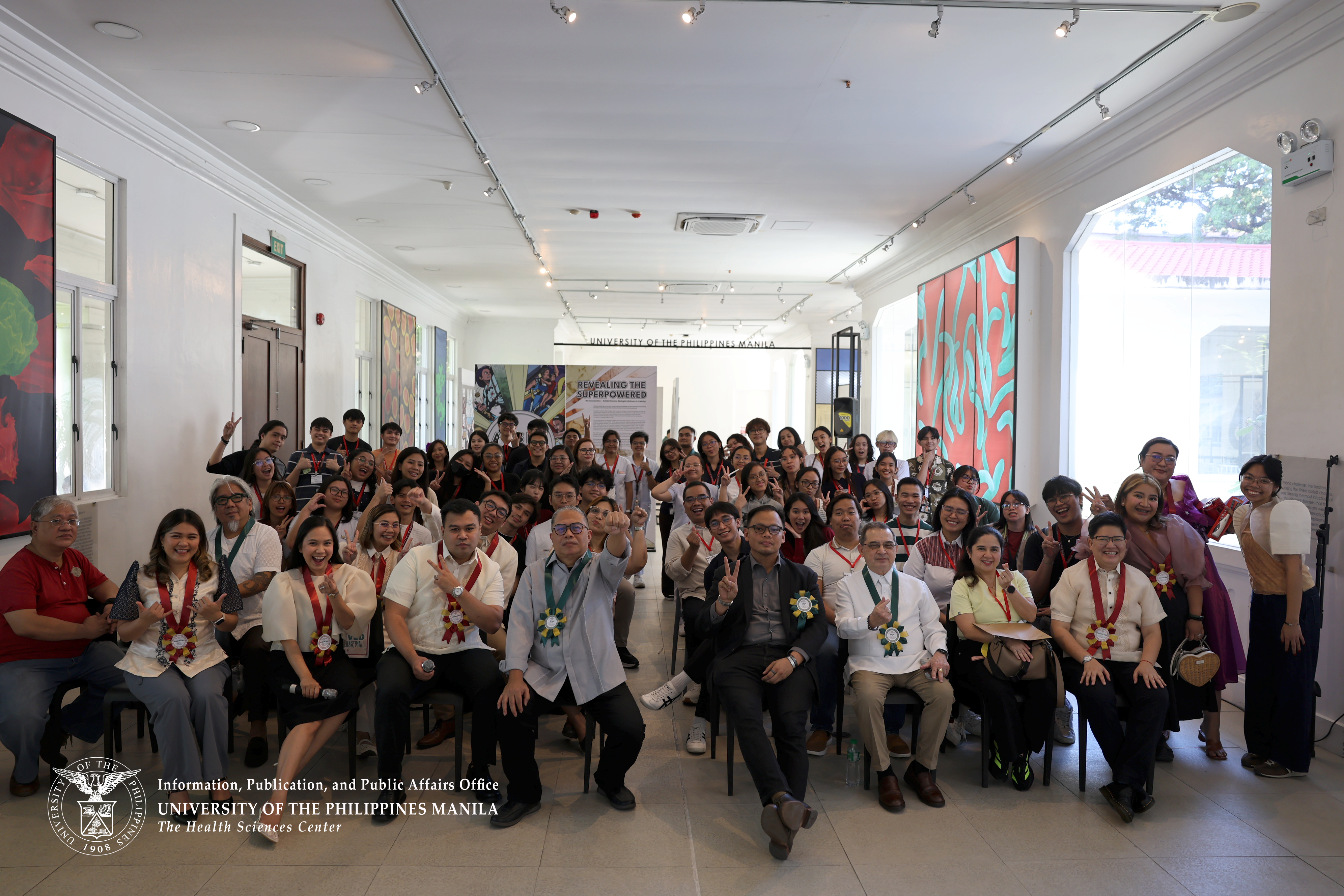
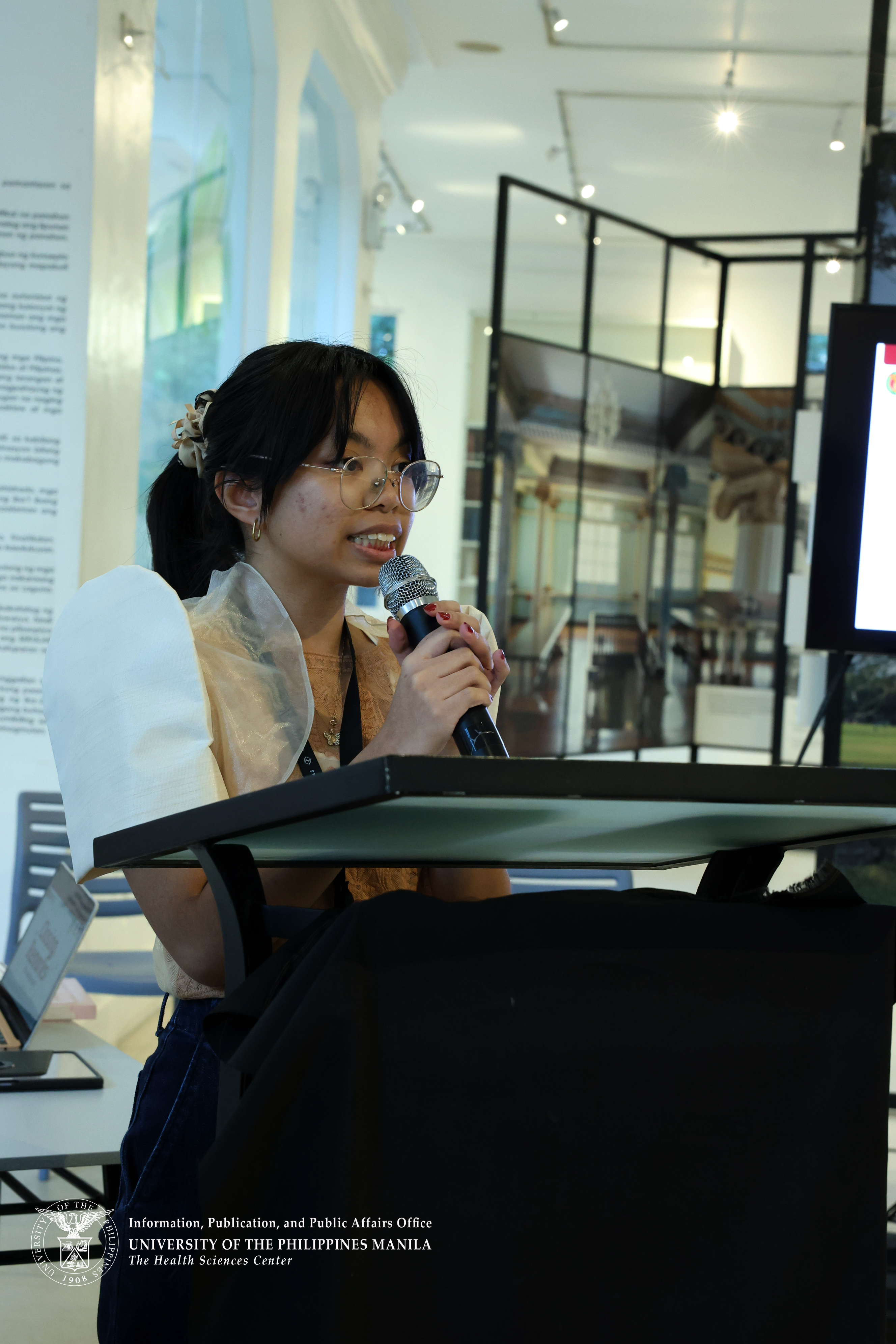
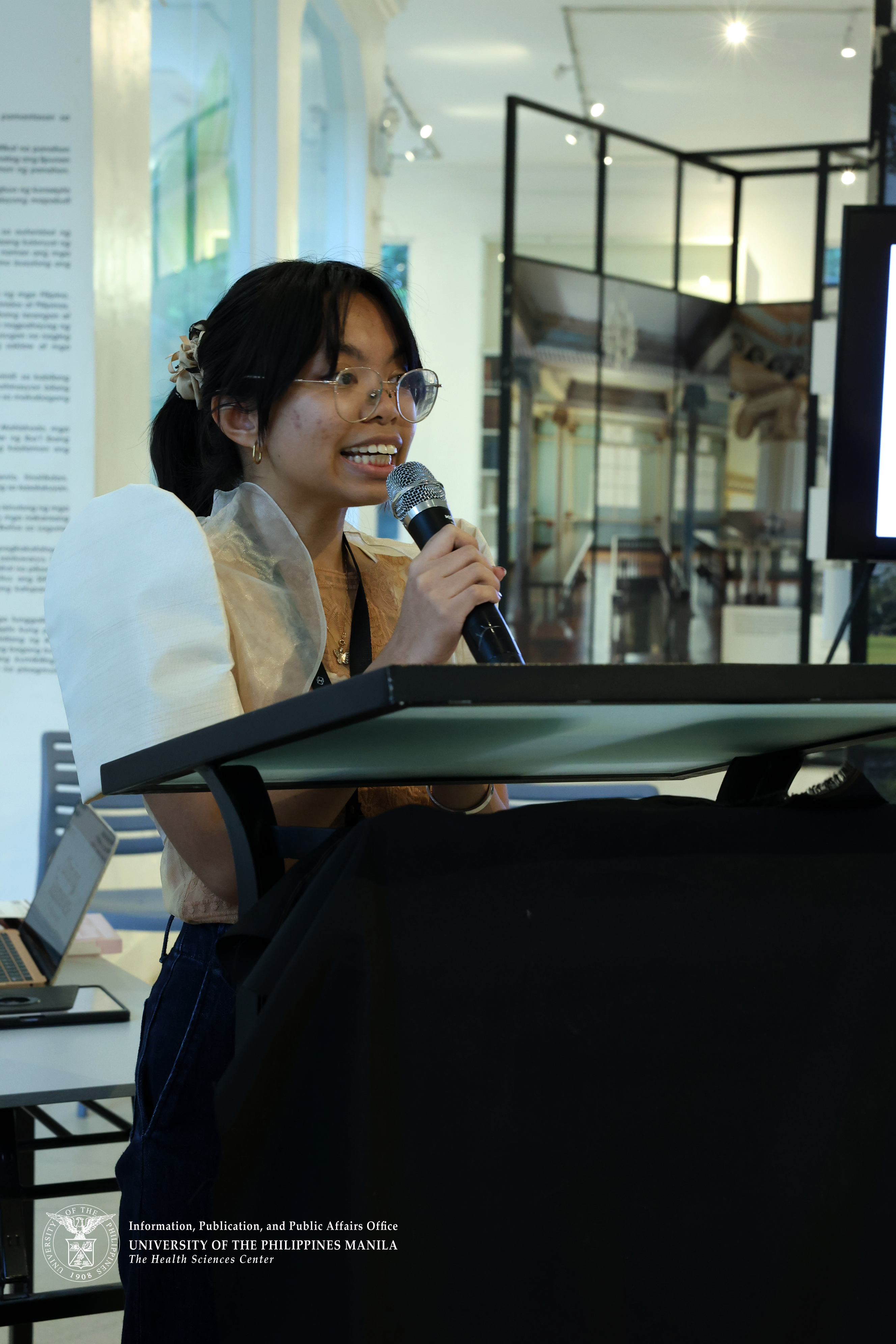
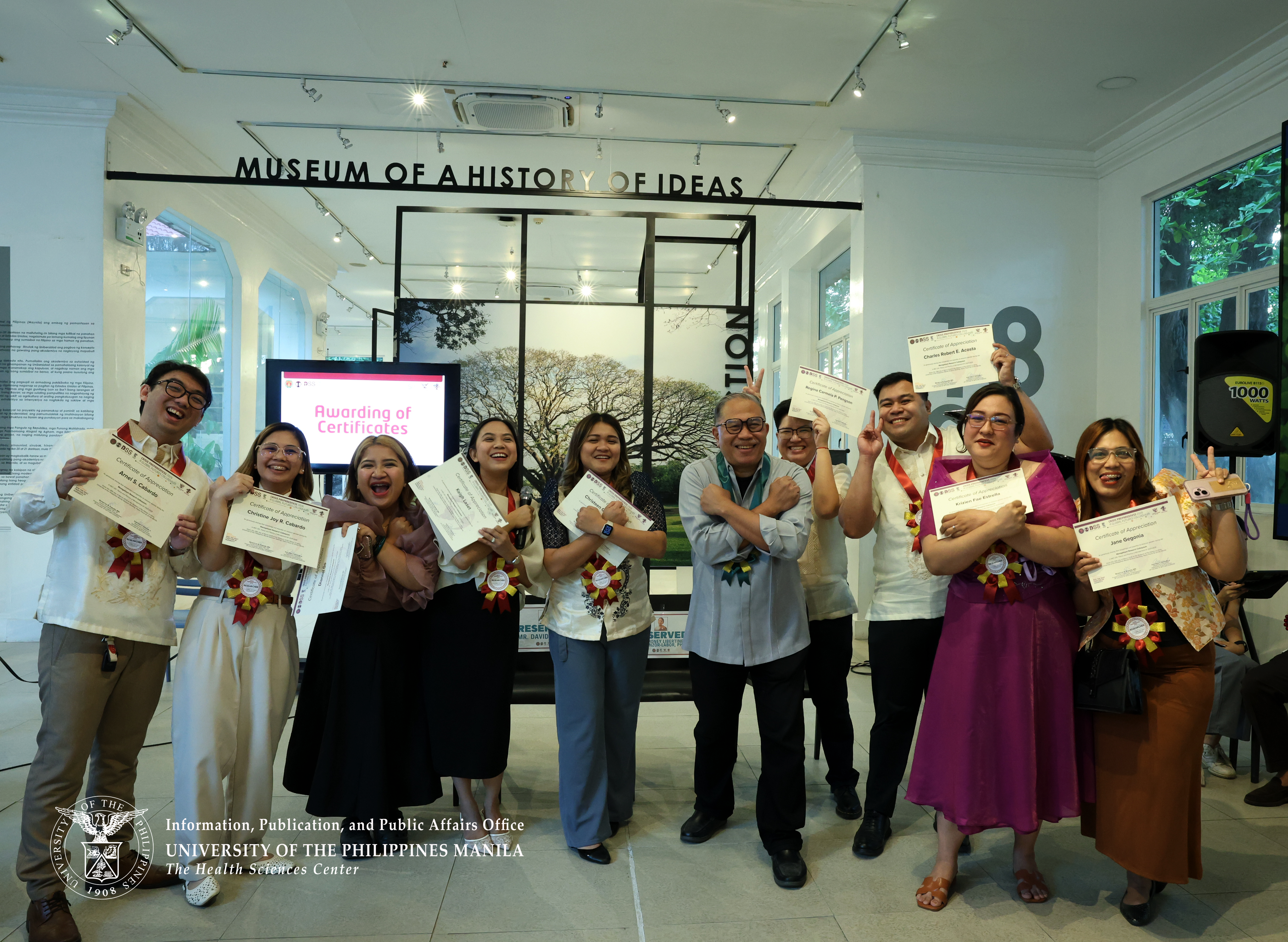
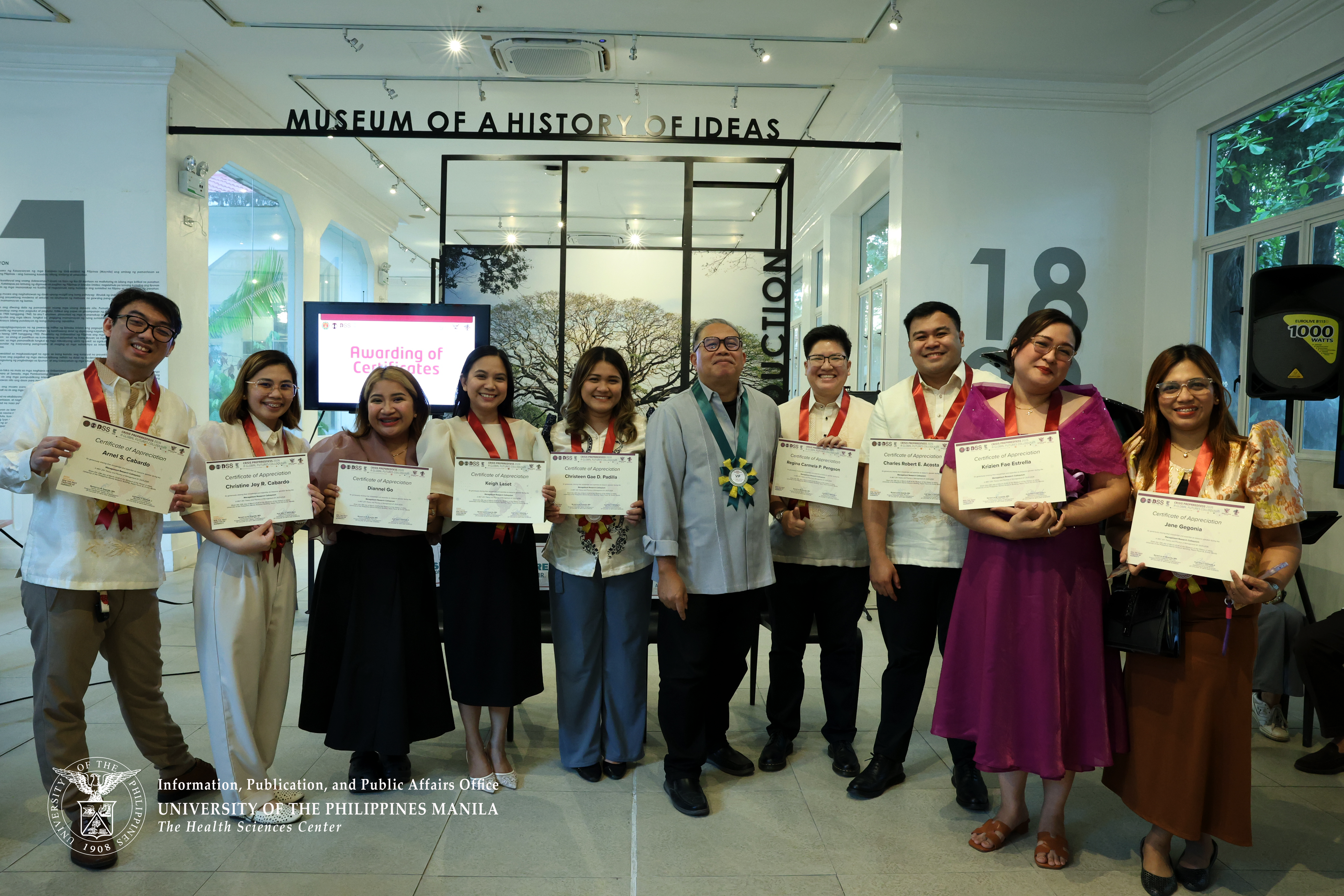
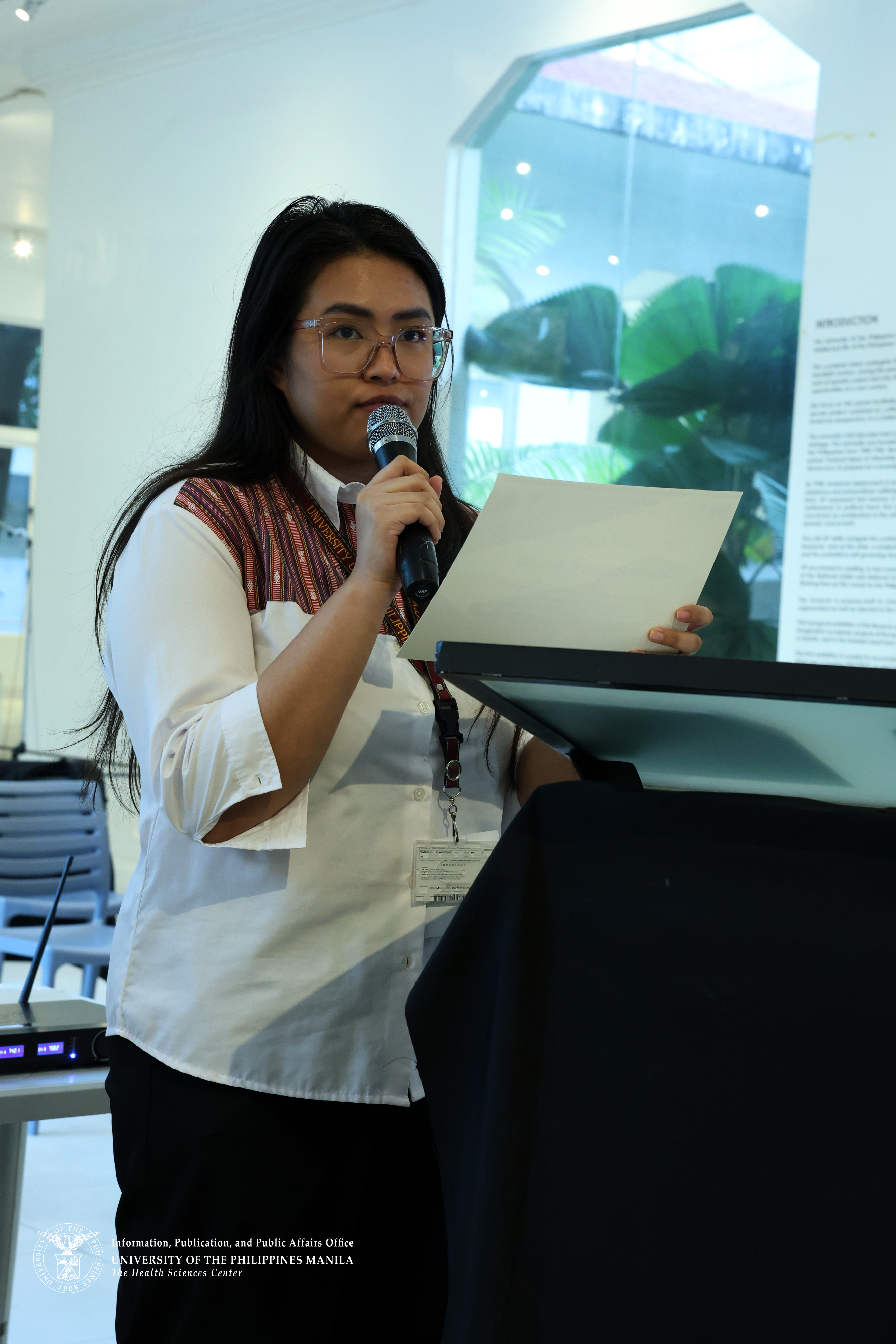
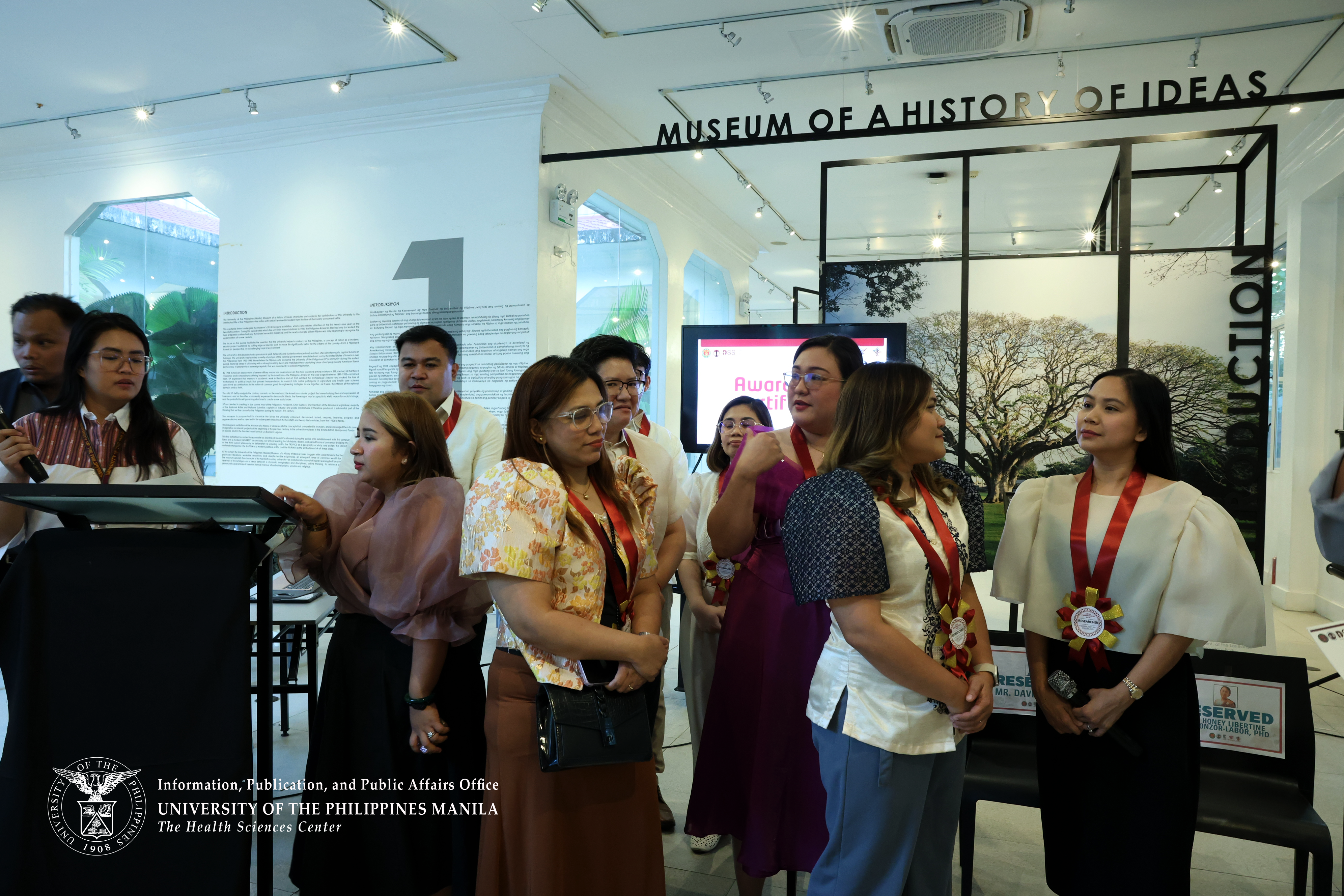
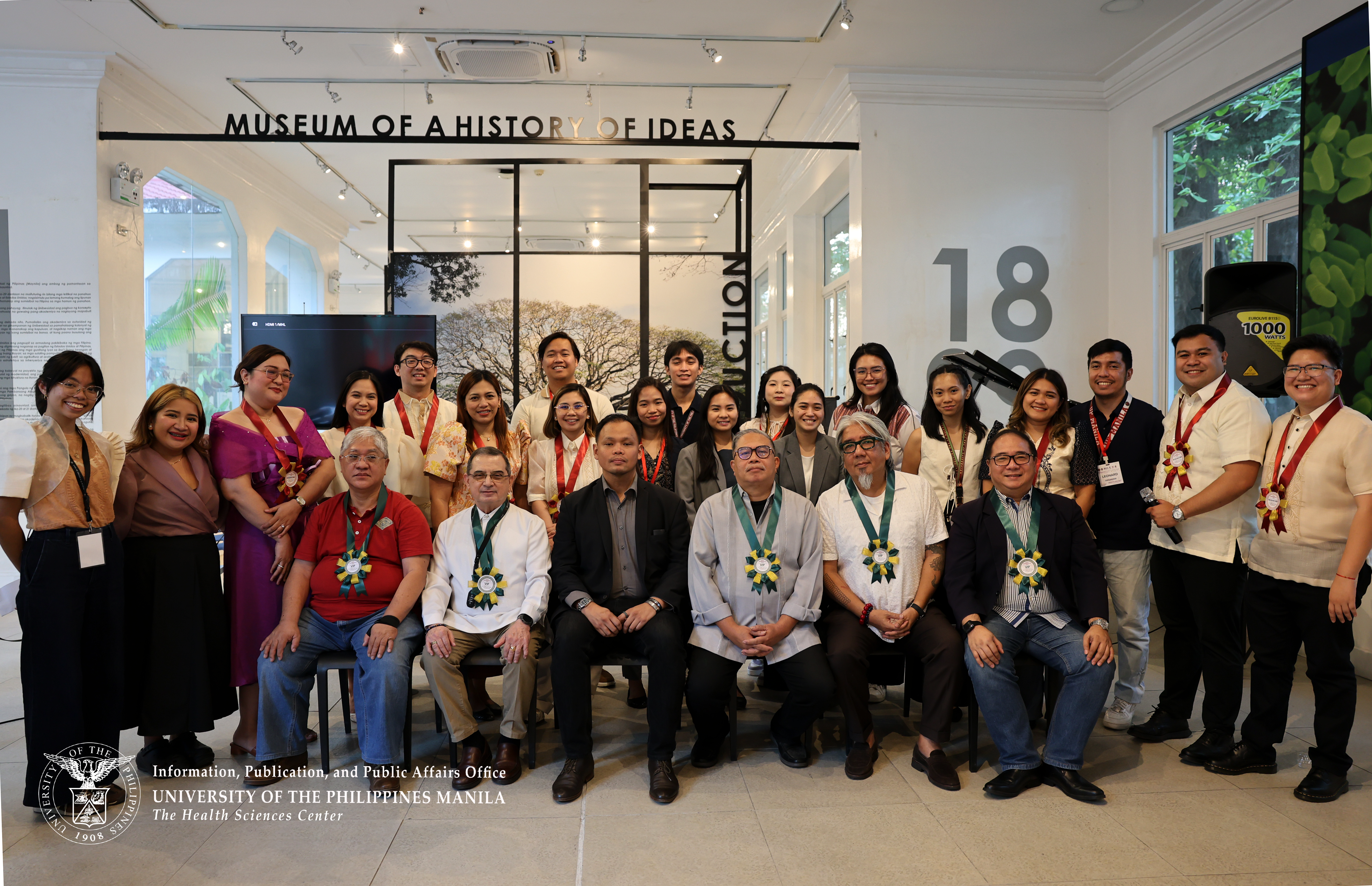
Consider how the world could evolve over the next 10, 20, or 50 years—how emerging technologies might redefine society, how geopolitical tensions could reshape the global order, and what entirely new risks may arise that humanity is only beginning to understand. With this forward-looking perspective, the University of the Philippines Manila College of Arts and Sciences (CAS) Department of Social Sciences (DSS), in collaboration with the CAS Master in Management program, the Constantino Foundation, and Zephyr Edge MTG 201, convened students, faculty, and experts for the “Crisis Preparedness: 2026 A Global Futures Colloquium.” The interdisciplinary event explored emerging risks, resilience strategies, and sustainability pathways in an increasingly uncertain world. It was held on March 24, 2025, at the UP Manila Museum of a History of Ideas (MHI).
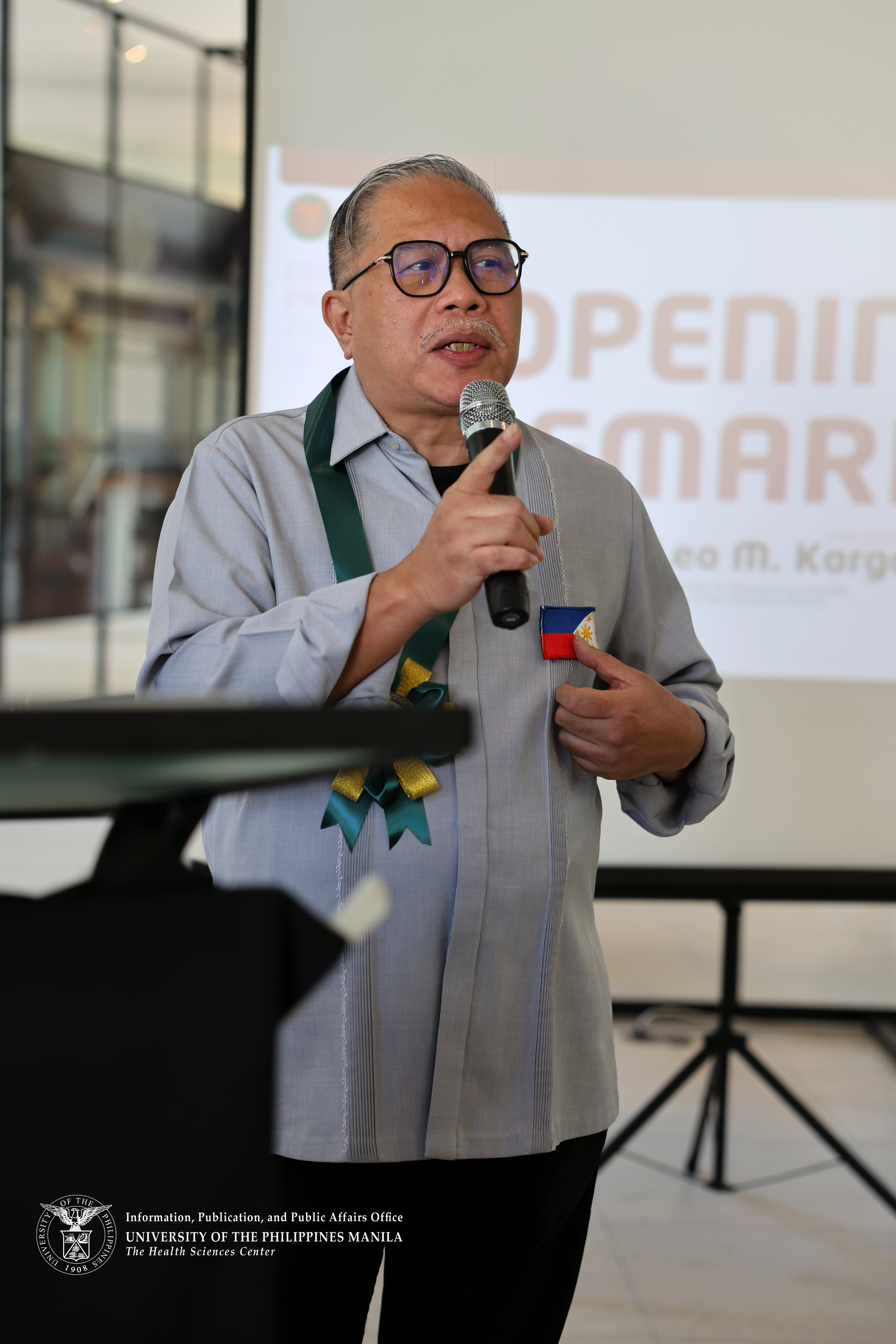
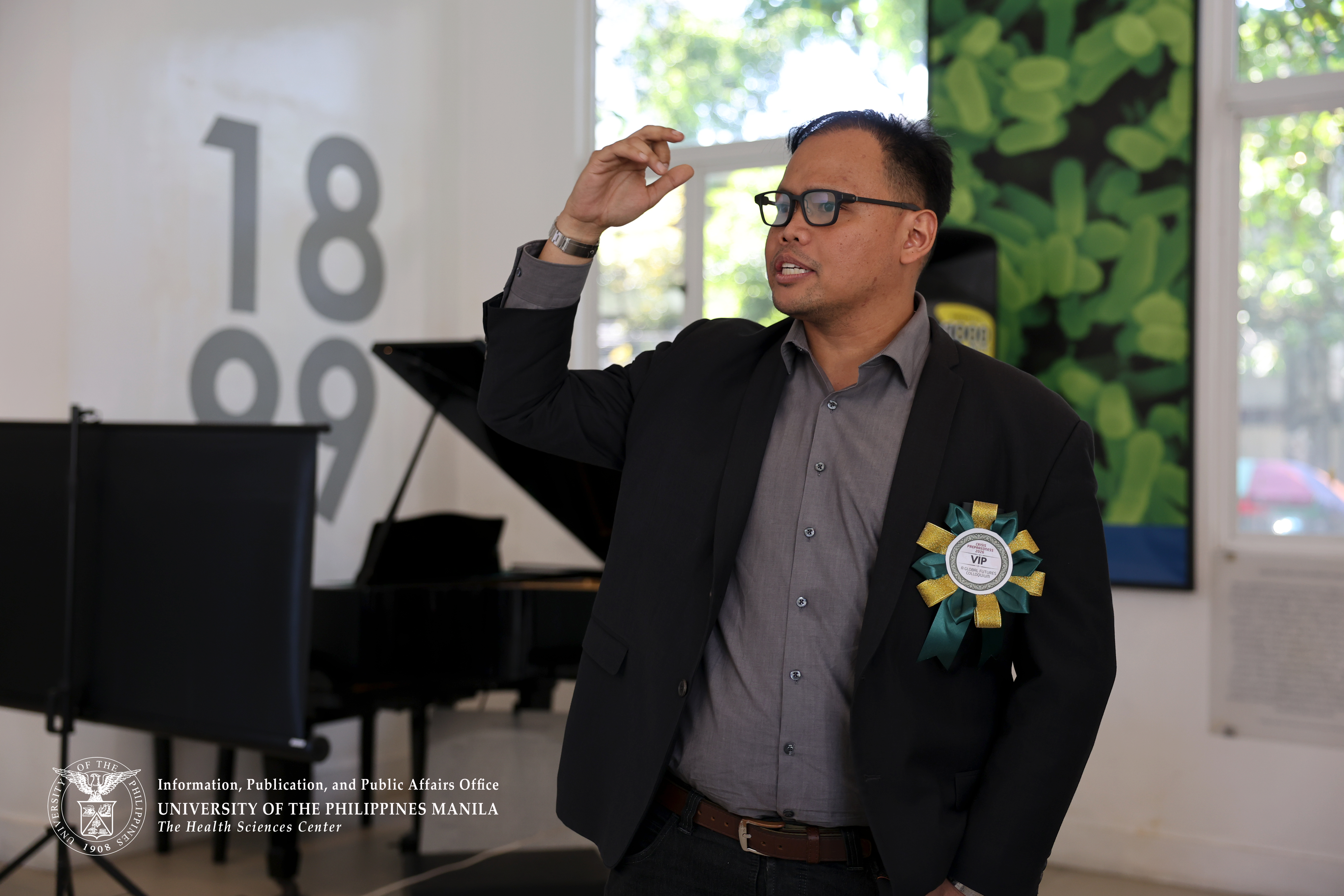
The colloquium brought together undergraduate and master’s students under the mentorship of DSS Assoc. Prof. Bernard Karganilla, alongside faculty and educators, examined complex global challenges through an academic and interdisciplinary lens. The presentations were organized into thematic segments.
The “Robot Apocalypse” and the Rise of AI in Society
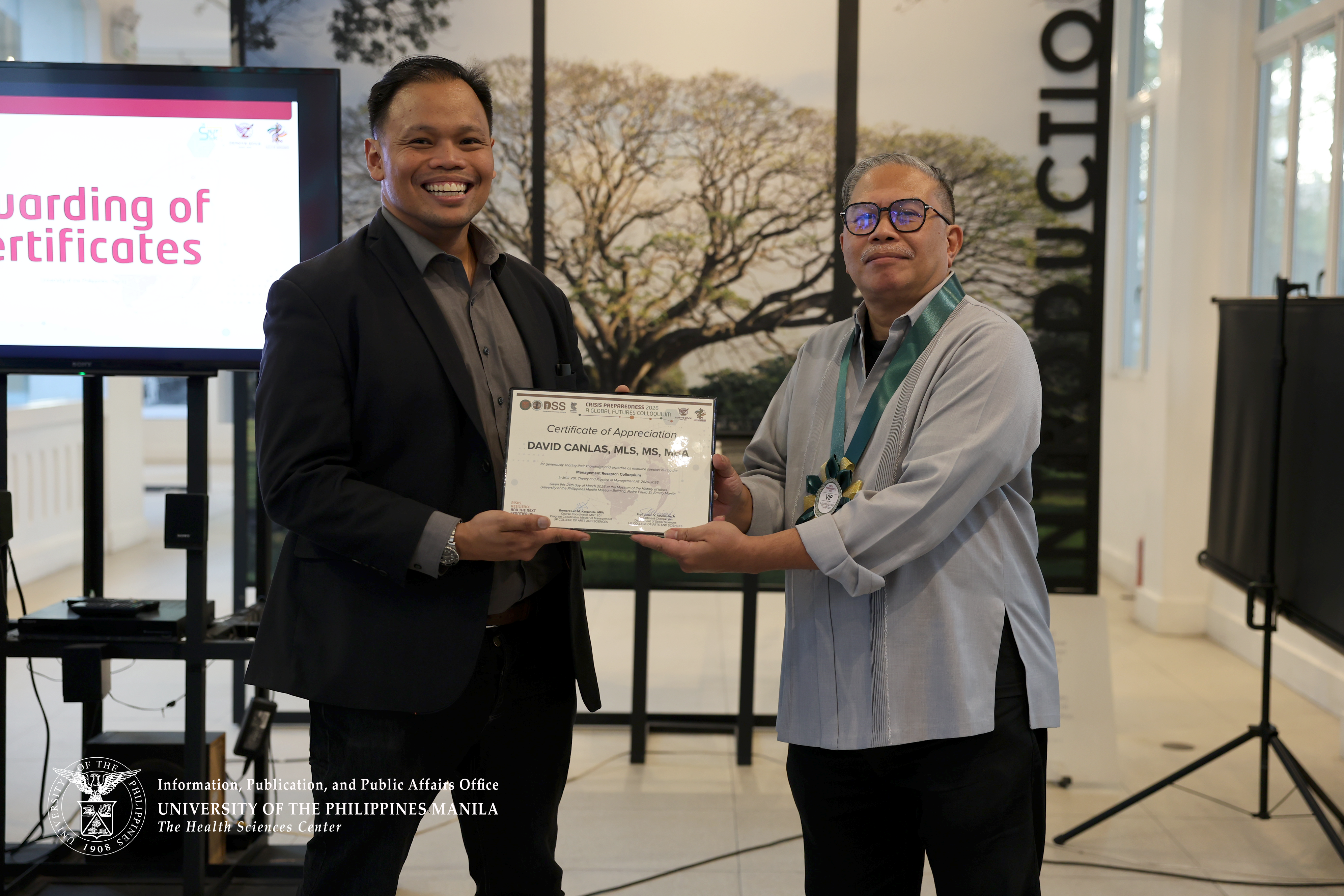
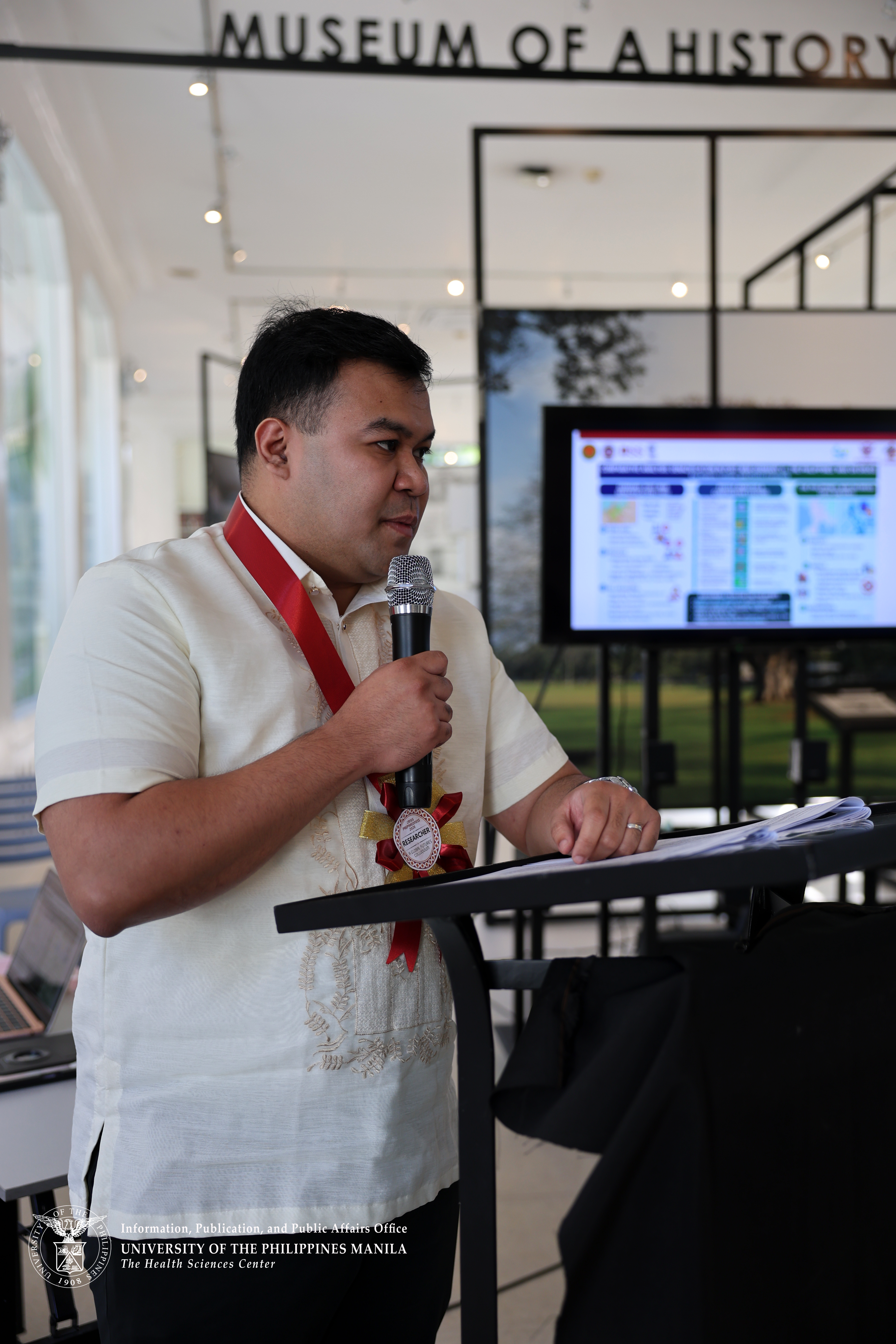
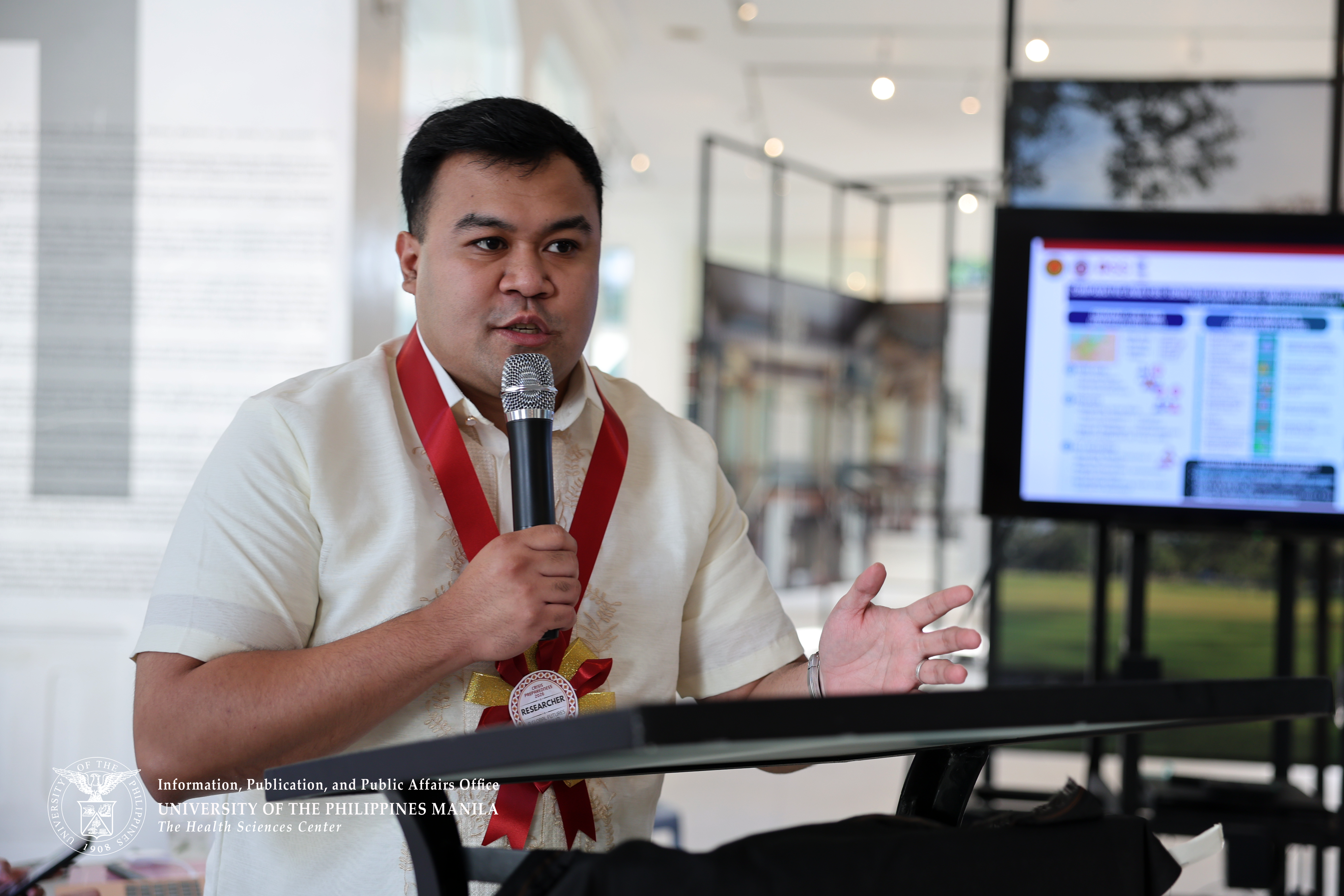
The first session, titled “Localized Risk, Organizational Response, & Societal Resilience,” featured undergraduate and master’s students Keigh Laset and Arnel Cabardo, alongside guest speaker David Canlas, a product and startup advisor, lecturer at America On Tech, and representative of AvidXchange, Inc. The discussion explored how communities and institutions navigate risks on the ground, emphasizing context-driven and community-centered responses. Topics ranged from managing invasive species through institutional adaptation to “Robot Apocalypse” scenarios, such as lethal autonomous weapon systems, AI, and autonomous technologies that are increasingly embedded in daily life.
While AI can enhance productivity, it also introduces challenges such as potential job displacement and growing reliance on algorithmic systems. Drawing from his experience in product management and risk mitigation, Canlas addressed these concerns, noting that “AI is not going to replace your job, but it’s going to make it a lot more competitive.” He emphasized that while certain specialized roles may be disrupted, AI still depends on human oversight, creativity, and innovation. Students were encouraged to leverage AI as a tool to enhance their work rather than view it as a threat, underscoring that adaptability and creative application are key to remaining competitive.
Global Threats and Strategic Responses
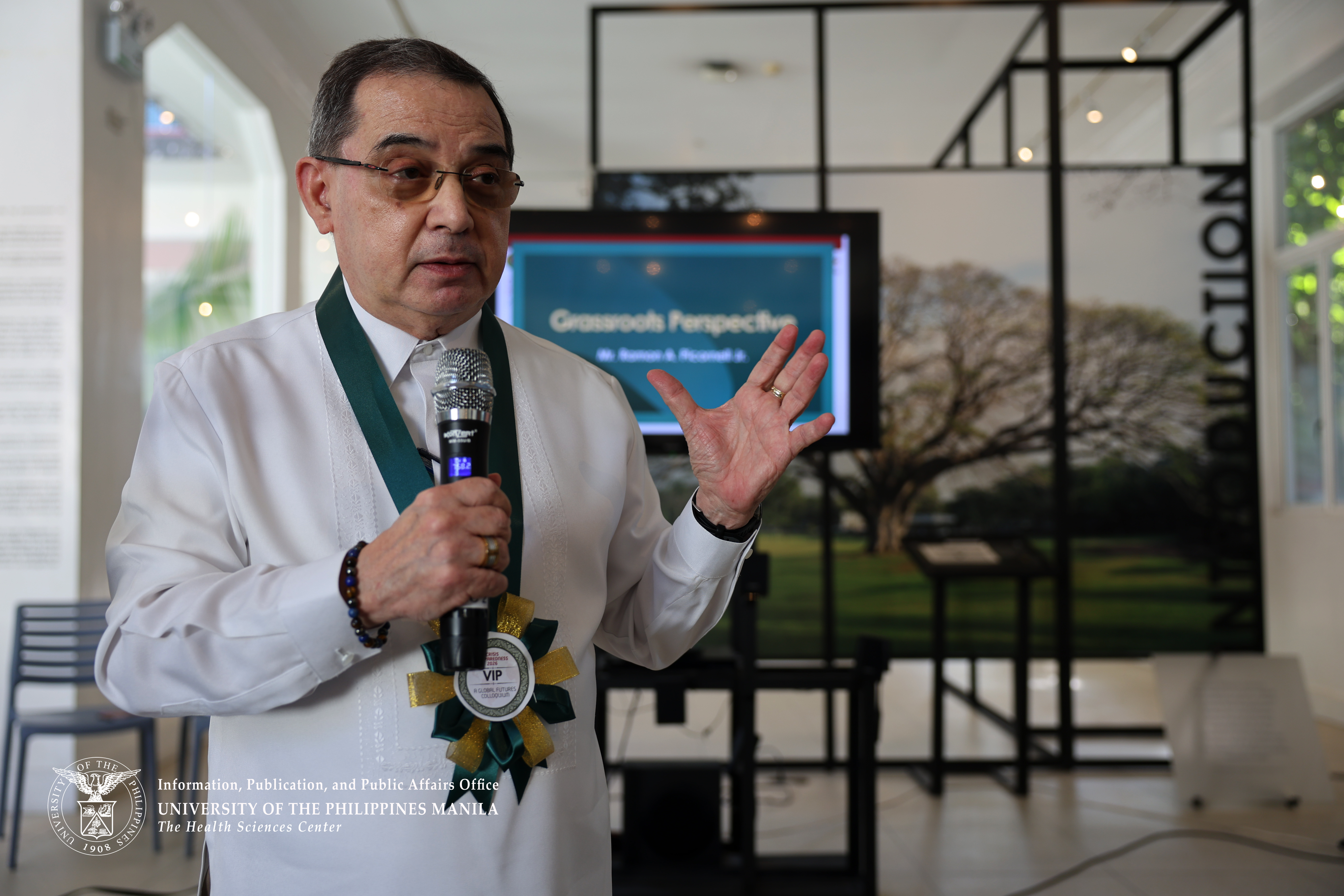
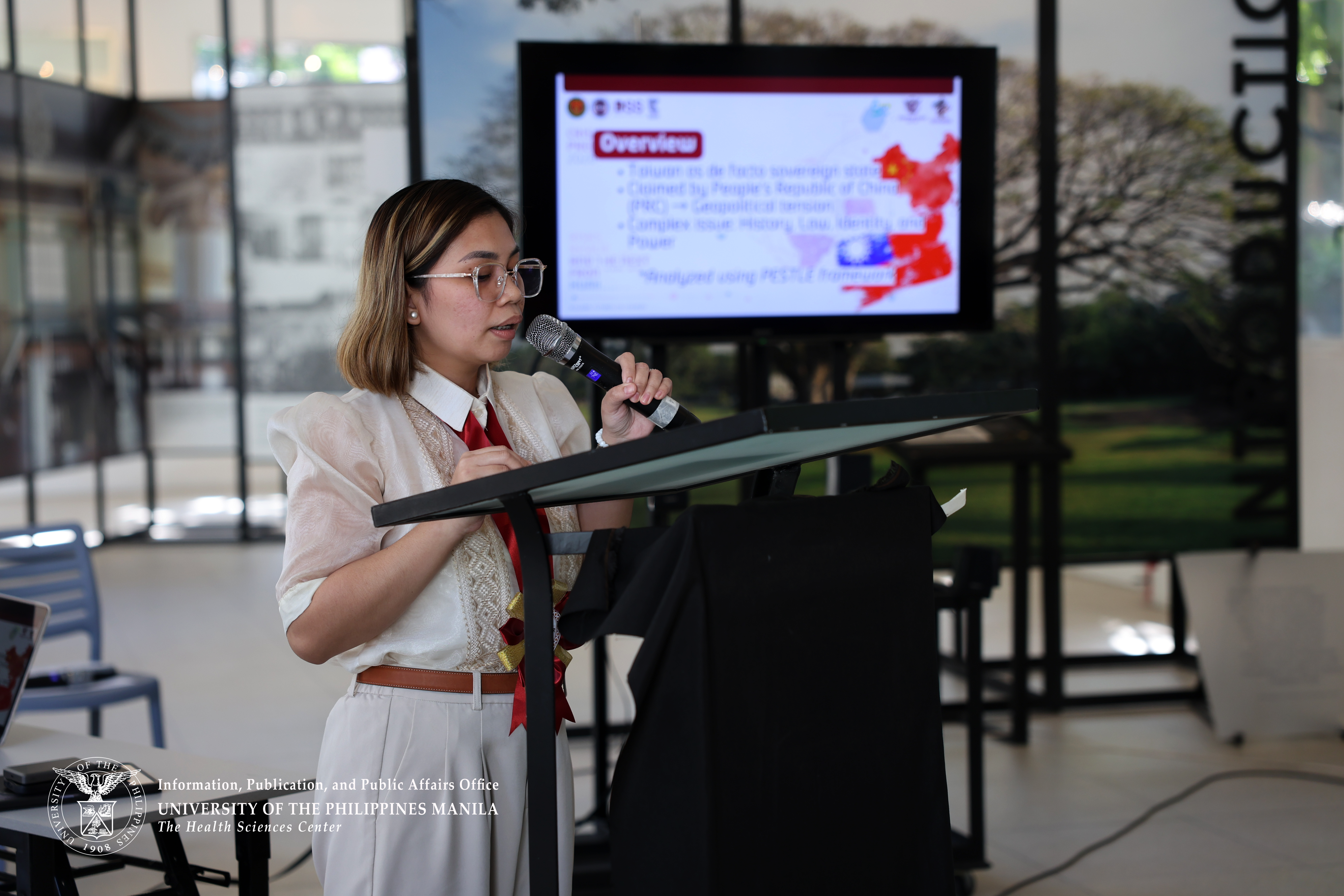
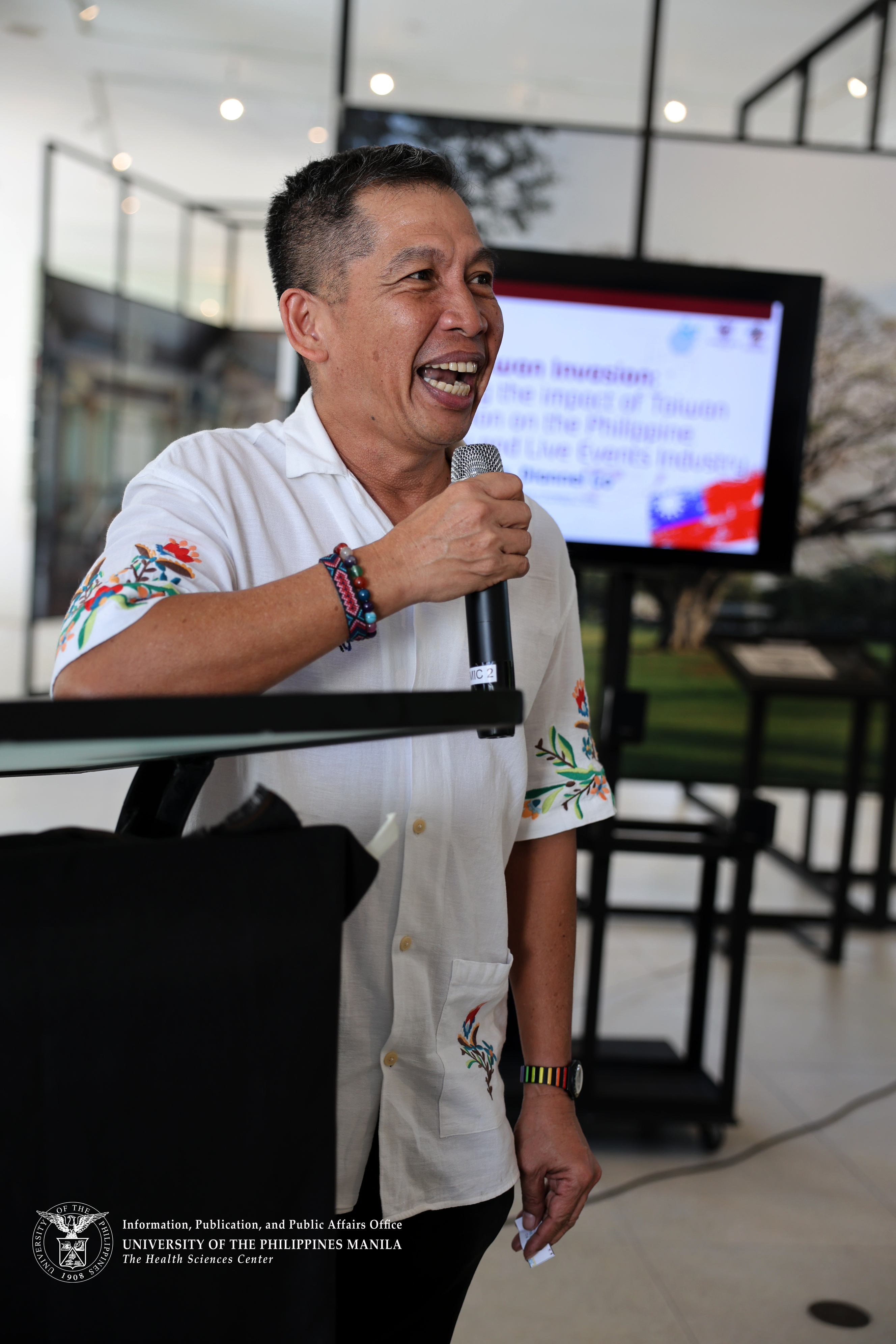
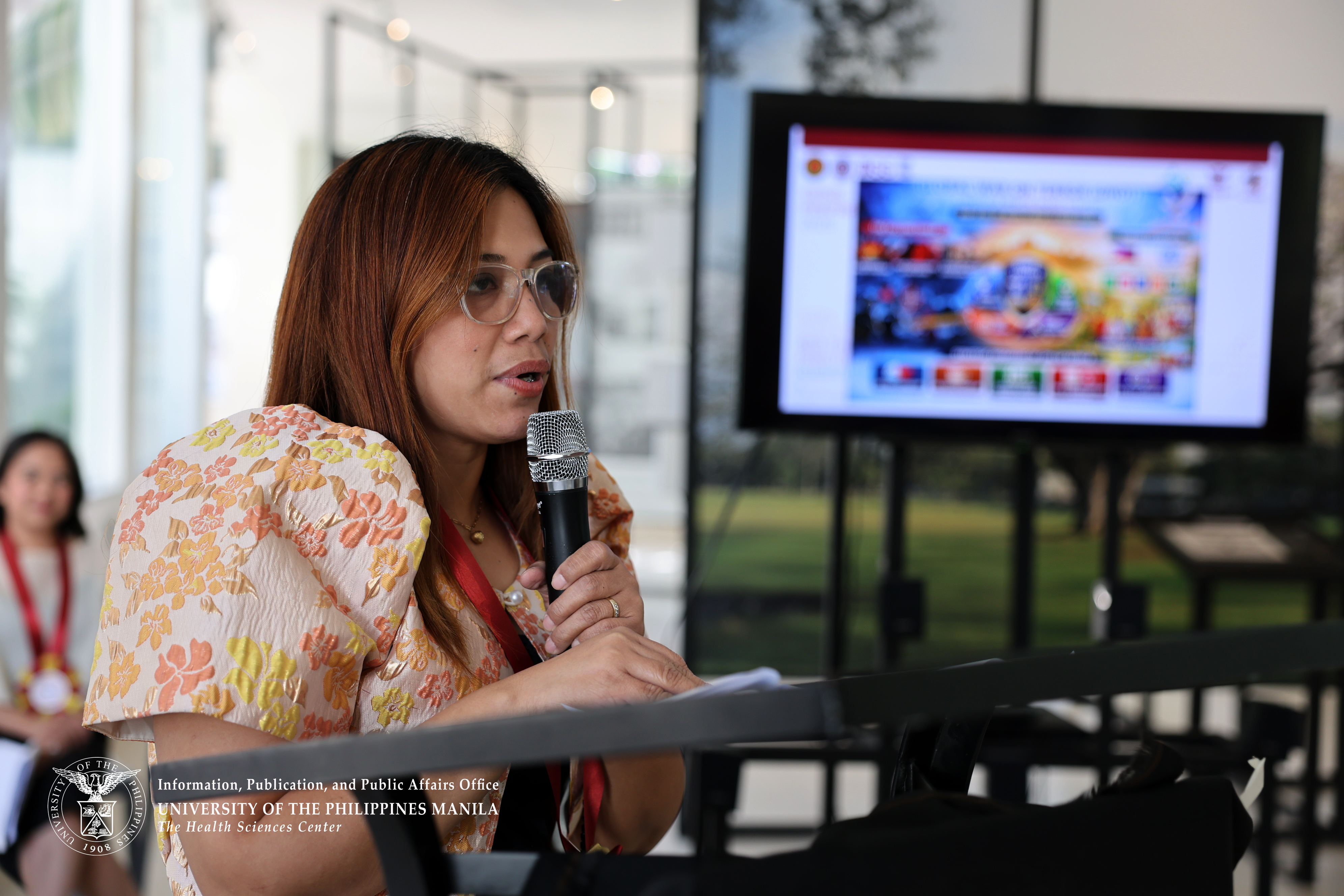
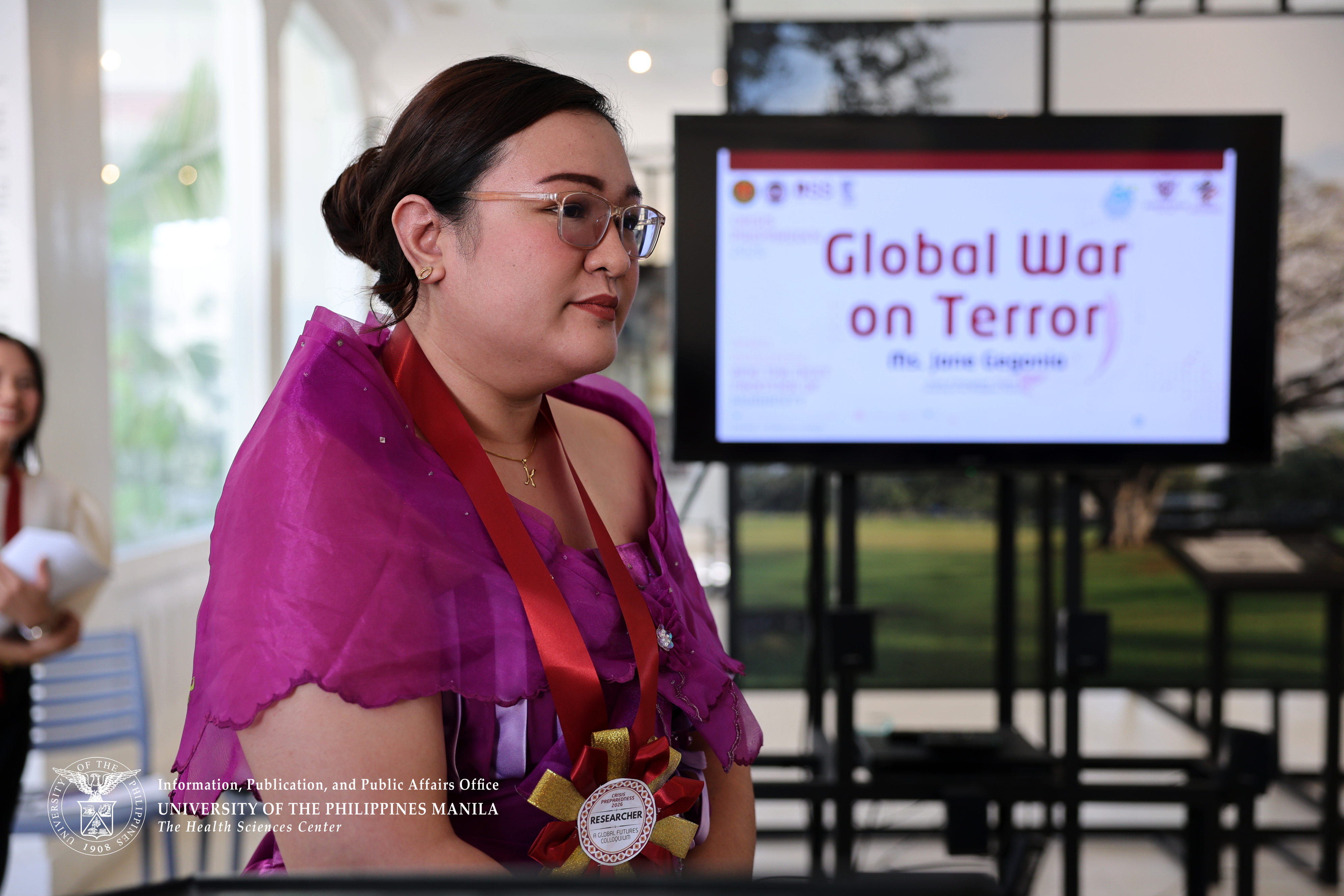
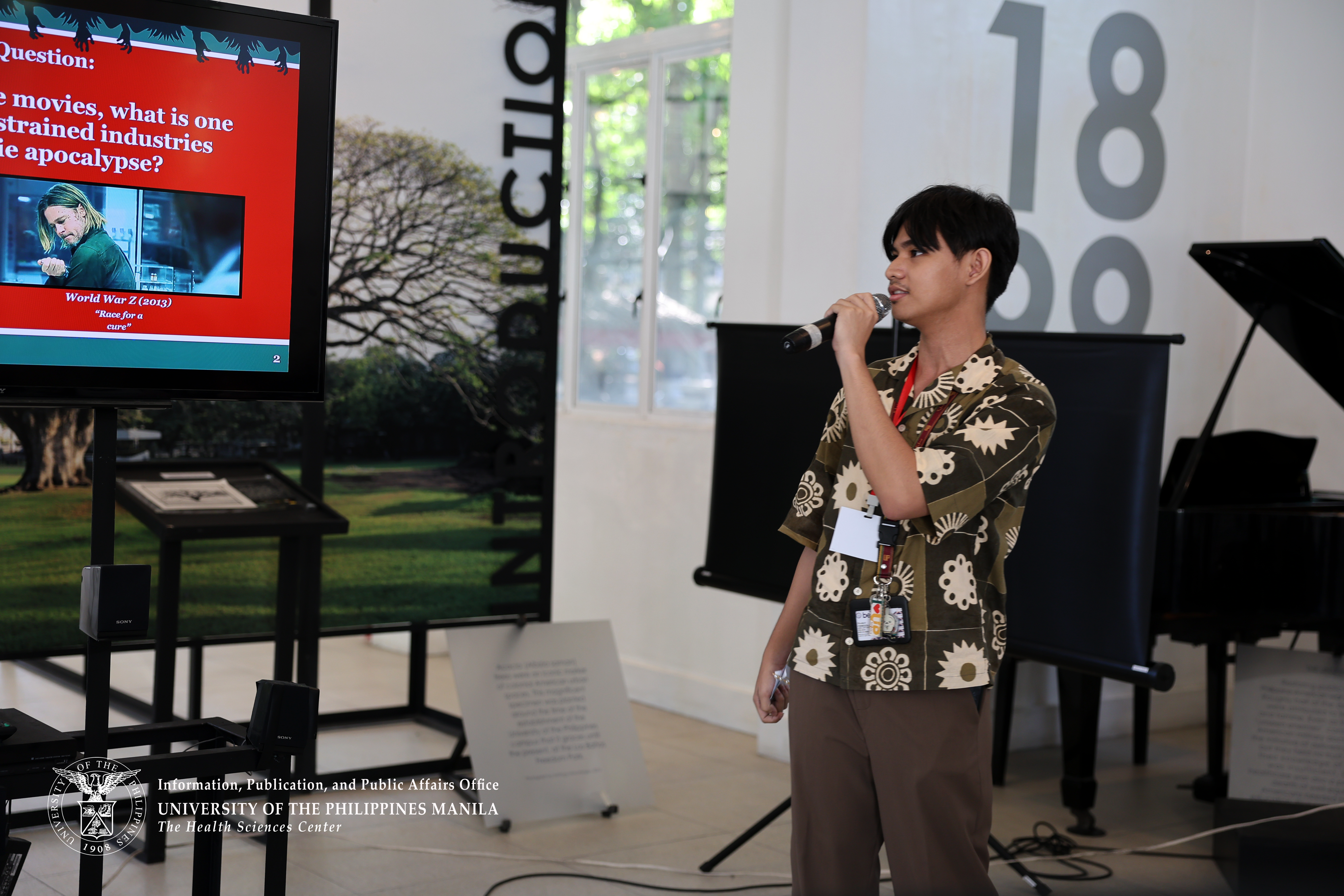
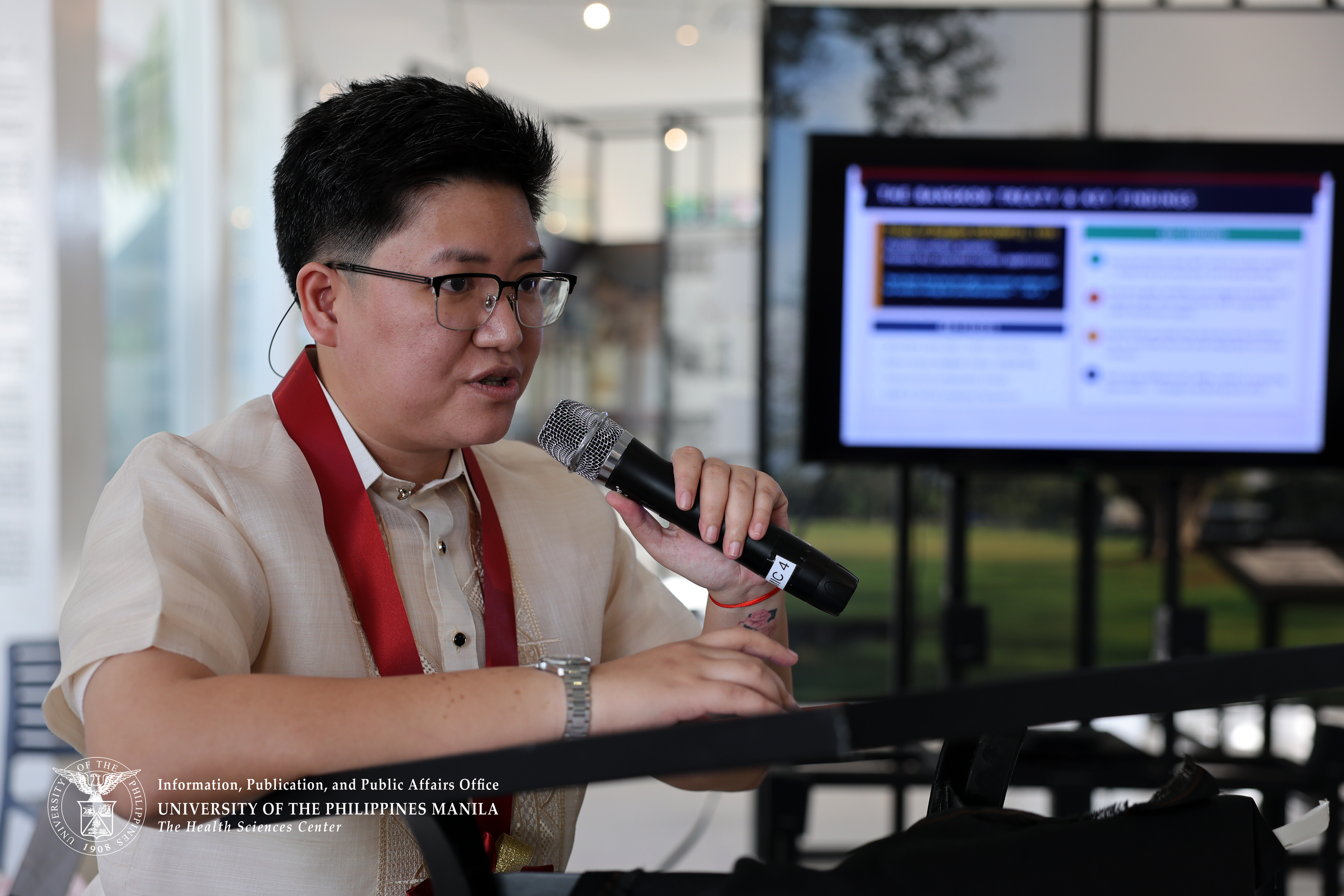
The discussion expanded in the session “Risk Management and Global Security Frameworks,” presented by undergraduate and master’s students Jane Gegonia, Fae Estrella, Diannel Go, Christine Cabardo, and Regina Pengson, with guest speaker Ramon Picornell, Jr., former president & CEO of CADP Group and later Roxas Holdings, Inc. (RHI). The speakers examined how global frameworks shape coordinated responses to complex threats, using scenarios such as a ‘zombie apocalypse’ to illustrate vulnerabilities in pharmaceutical systems, including supply shortages, disrupted distribution, and crisis-induced panic, drawing parallels from the COVID-19 pandemic.
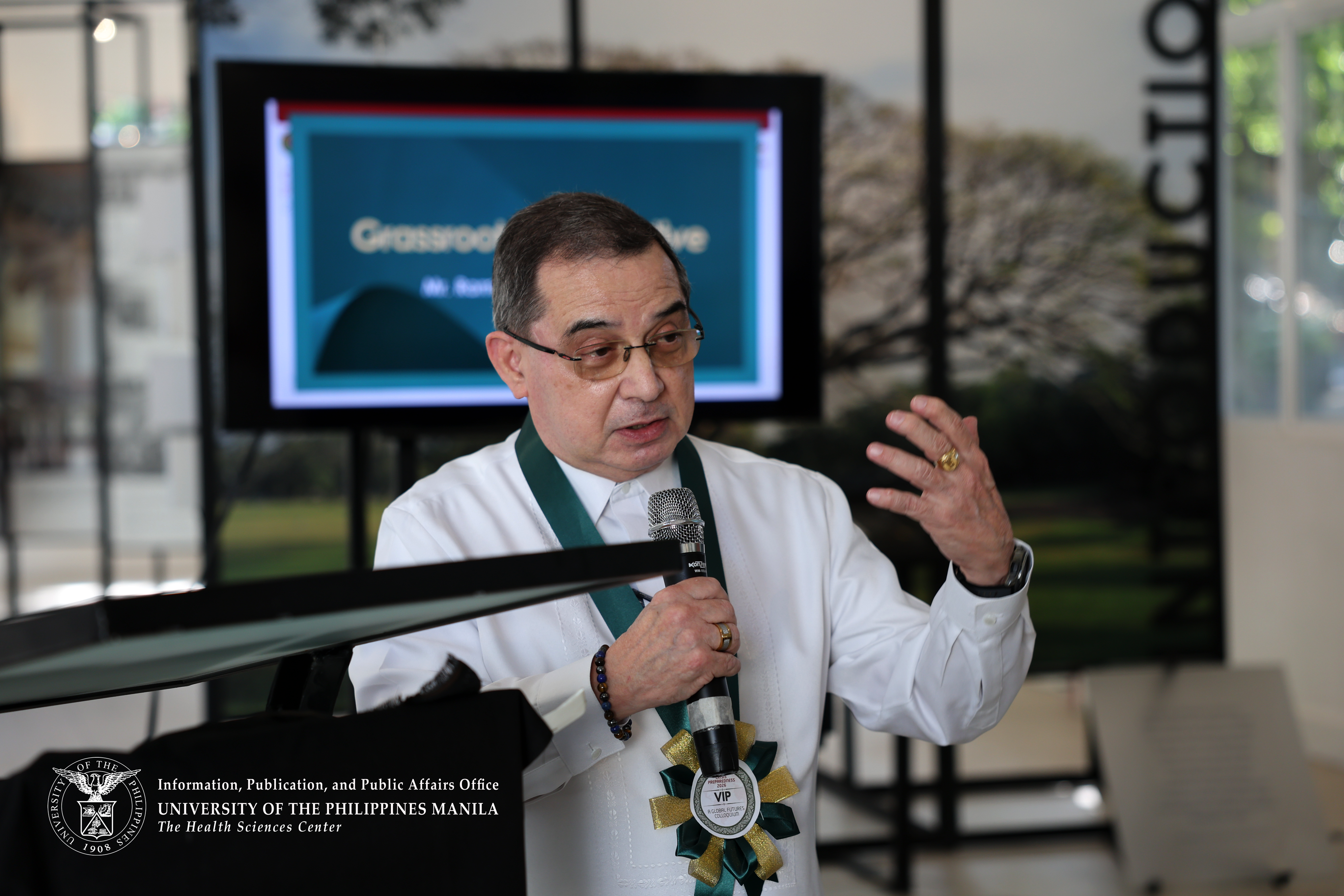
The session further explored traditional and emerging security concerns, including the Global War on Terror. Terrorism was framed not only as a security issue but also as a public health and governance challenge, requiring interventions grounded in human rights, education, and social inclusion. Discussions also examined geopolitical risks, particularly the Taiwan issue, and its potential implications for regional stability, supply chains, and the Philippine economy. Picornell complemented this with insights from his decades of experience in the sugar industry and community development, sharing how organizations can proactively protect employees, families, and local communities during crises. His reflections emphasized corporate responsibility, local resilience, and the importance of foresight and planning, providing a practical perspective on managing systemic risks at both organizational and societal levels.
Shaping the Future: Ideology, Governance, and Sustainable Development
Shifting toward long-term perspectives, the session “Global Transitions, Ideology, and Sustainability Futures” was led by undergraduate and master’s students Charles Acosta and Christine Padilla. The presentations examined how ideology, governance, and sustainability intersect in shaping future global trajectories. A study on denuclearization and nuclear medicine in ASEAN reframed regional security agreements as opportunities to advance equitable healthcare, highlighting disparities in access and the need for stronger regional cooperation and policy integration.
The session also explored ideological transformation through a comparative study on denazification and the Philippines, drawing parallels between post-war Germany and contemporary governance challenges such as the war on drugs. The analysis underscored the importance of institutional reform, human rights, and the rule of law in achieving long-term societal resilience. It argued that sustainable development requires shifting from punitive approaches toward inclusive, rehabilitative, and education-based strategies anchored in the Constitution. Complementing these discussions, a study on decarbonization in the Philippine rice sector proposed carbon financing as a pathway to enhance agricultural productivity, sustainability, and food security.
Climate Action and the Call for Systemic Change
The segment culminated in a talk by Renato Redentor Constantino of the Constantino Foundation, who underscored that addressing future global crises, particularly climate change, requires moving beyond short-term, fragmented solutions toward systemic, long-term transformation. He emphasized that decarbonization is not only an environmental imperative but also a strategic pathway that intersects with economic resilience, social equity, and global development.
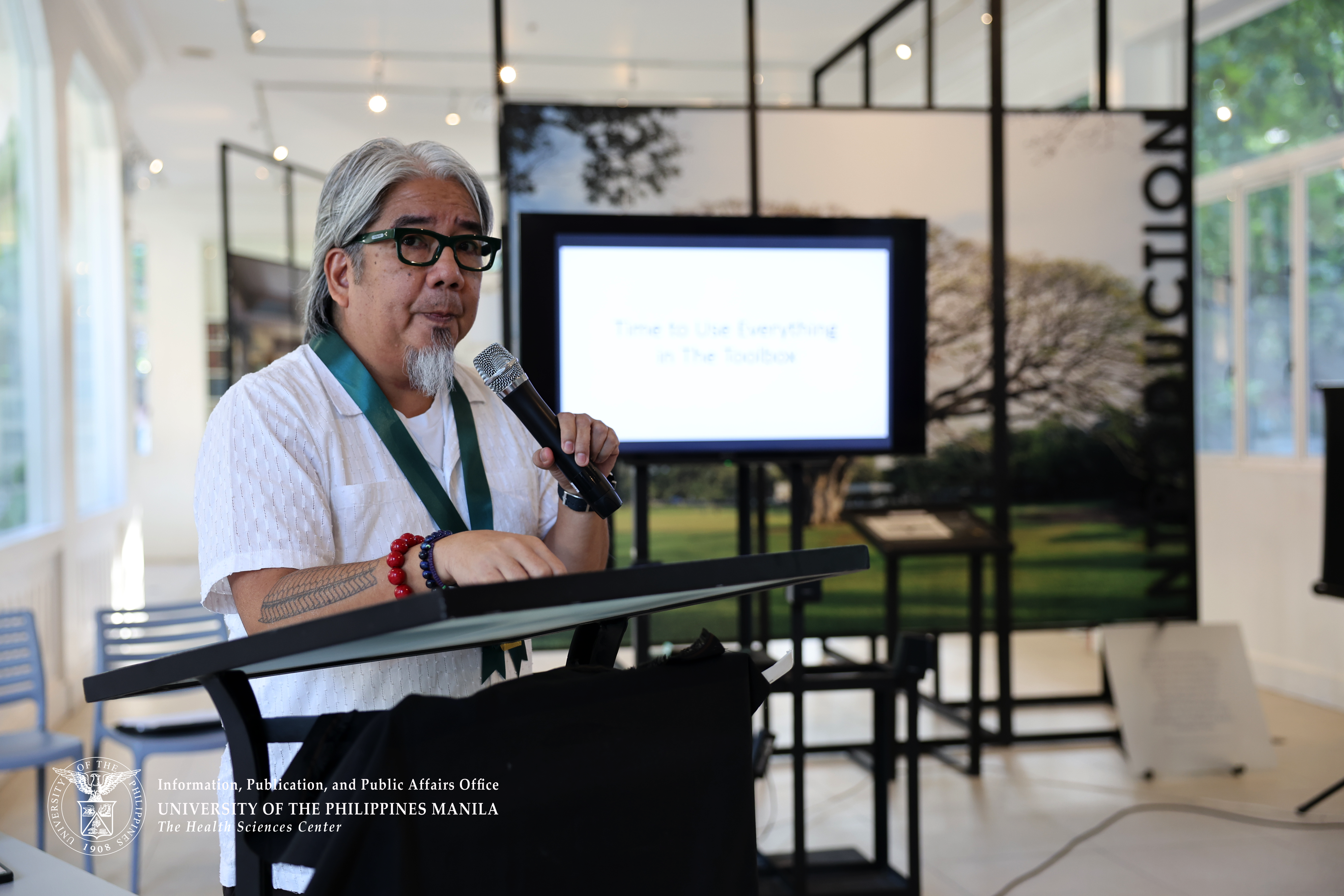
Highlighting the urgency of climate action, Constantino stressed that policies and innovations must be grounded in real-world implementation and supported by collaboration among governments, industries, and communities. He called for a rethinking of development models and stronger institutions to ensure that sustainability efforts remain inclusive, science-based, and responsive to the needs of vulnerable sectors.
Anchored on the theme “Risks, Resilience, and the Next Frontier of Humanity,” the colloquium demonstrated UP Manila’s commitment to advancing critical discourse and empowering students to engage with real-world challenges through research, dialogue, and collaboration.
READ MORE:
#FP1 #innovationsforlifelonglearningdedicatedtoservice