

Text by: Charmaine A. Lingdas
Photos by: Sarah Hazel Moces S. Pulumbarit
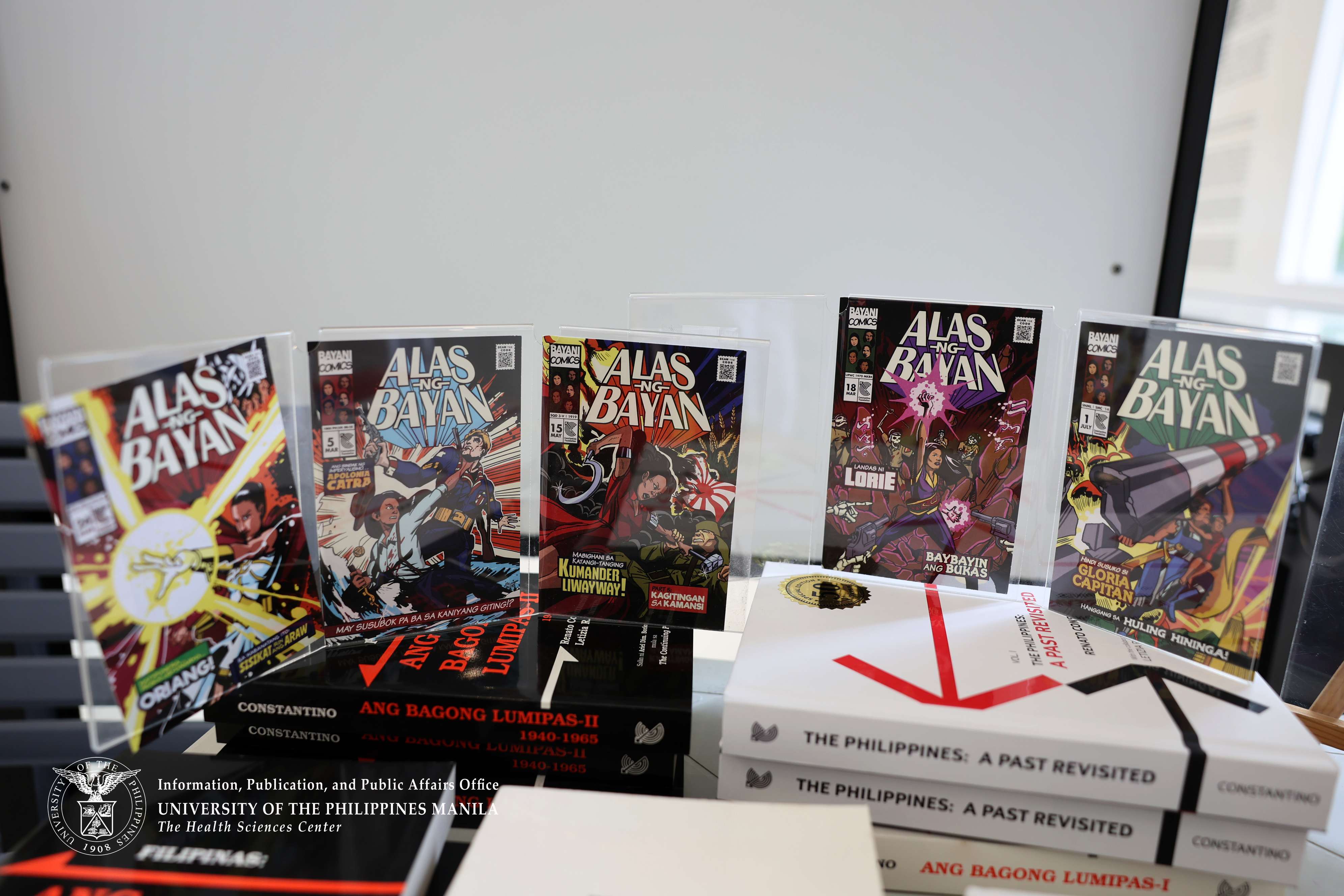
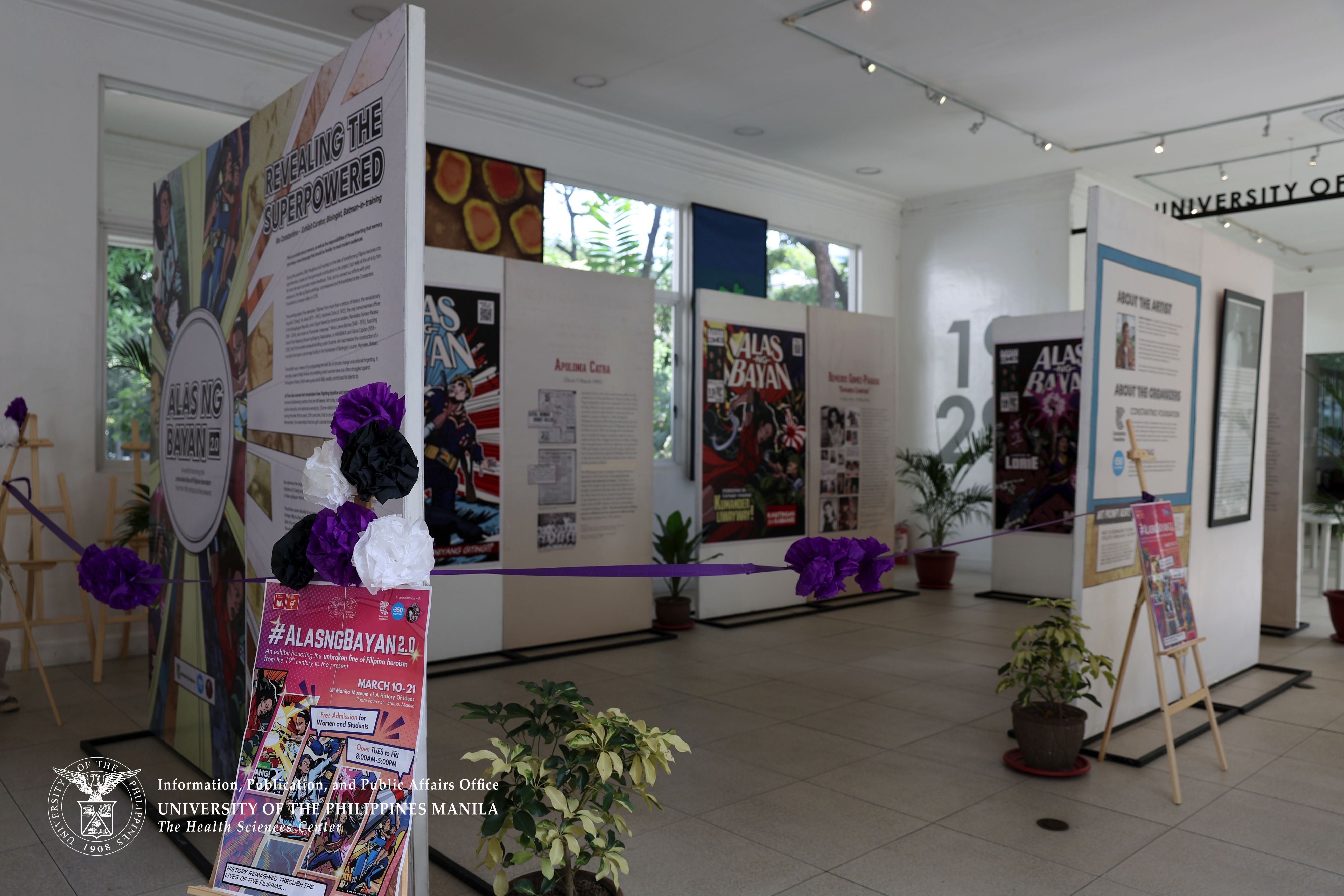
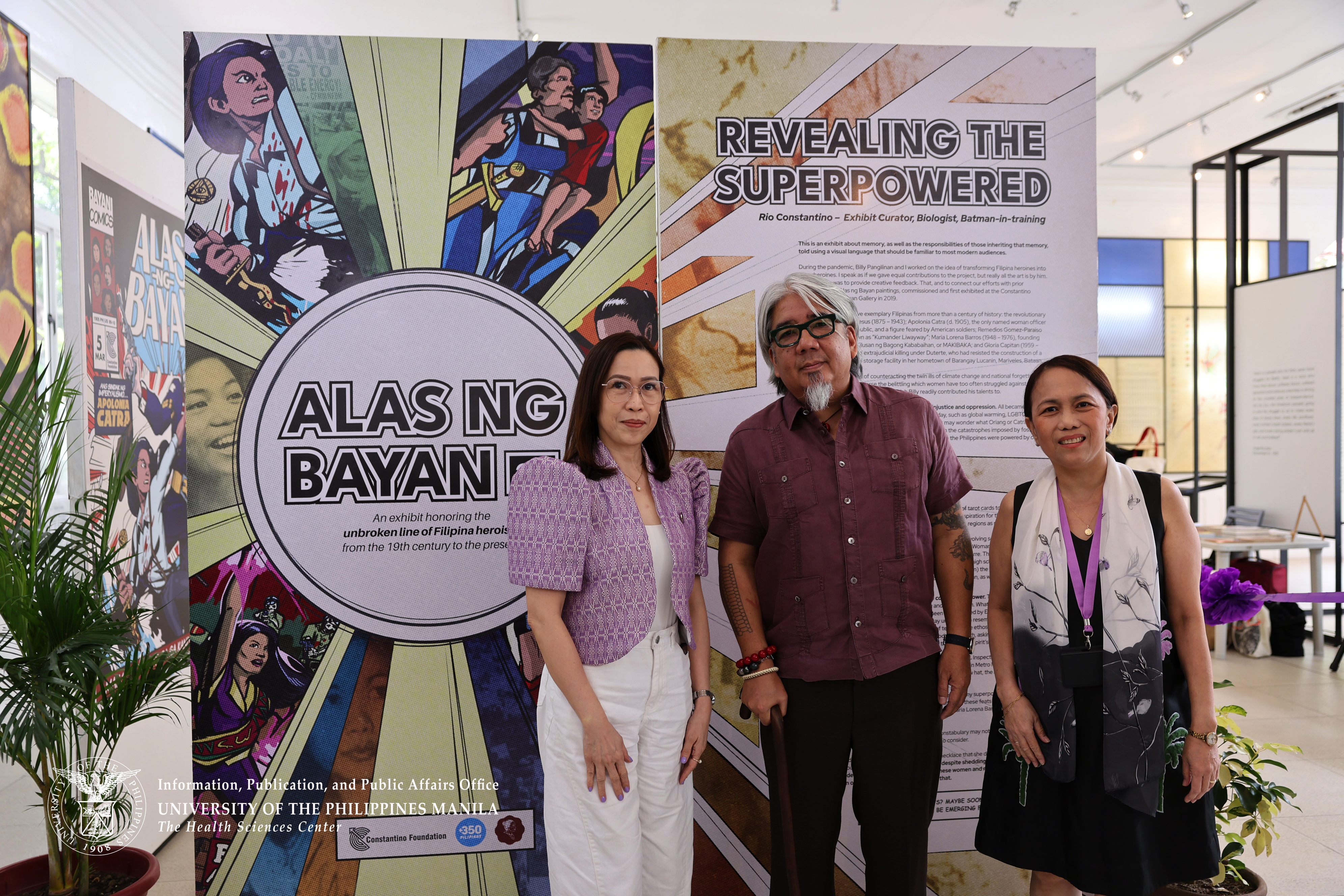
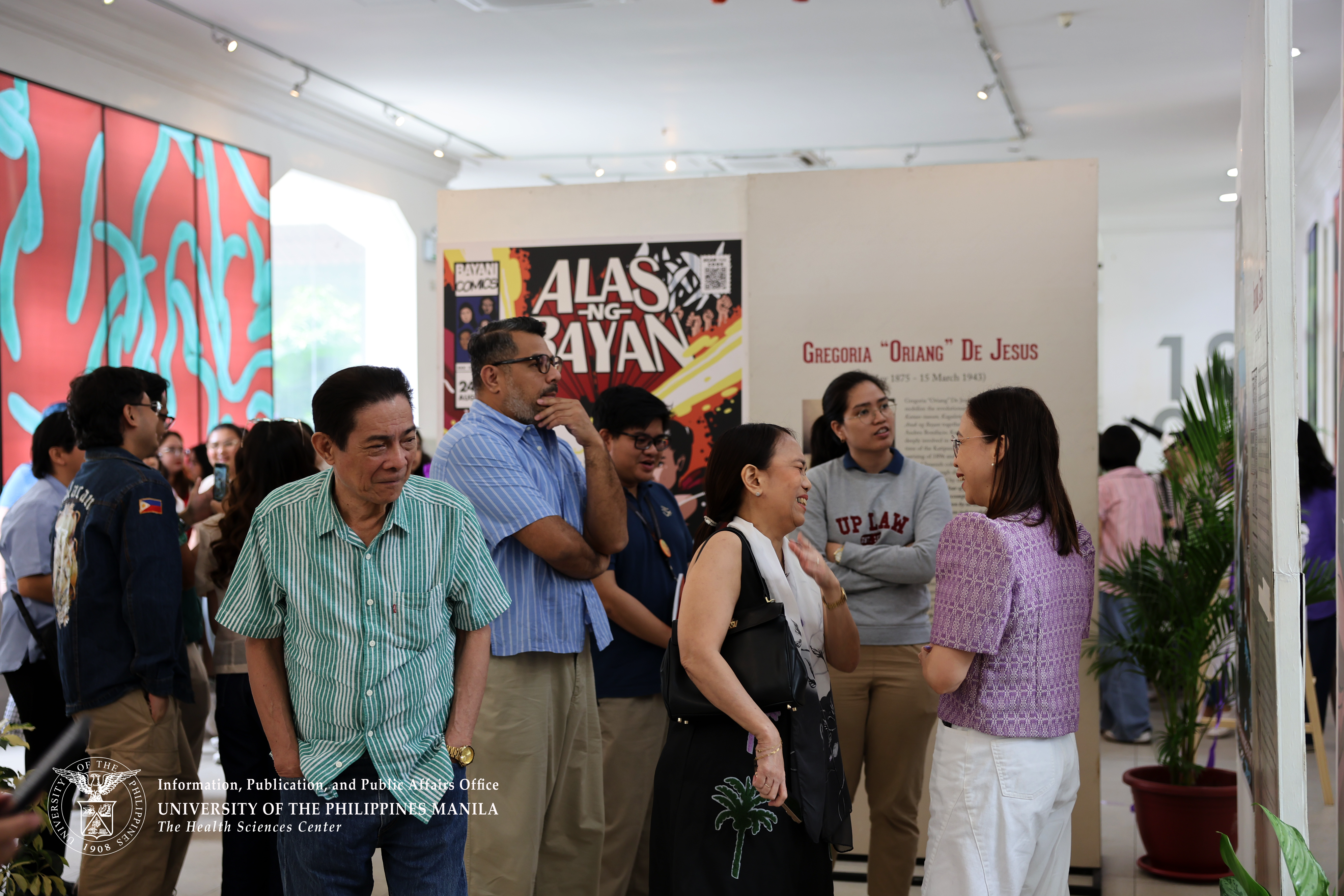
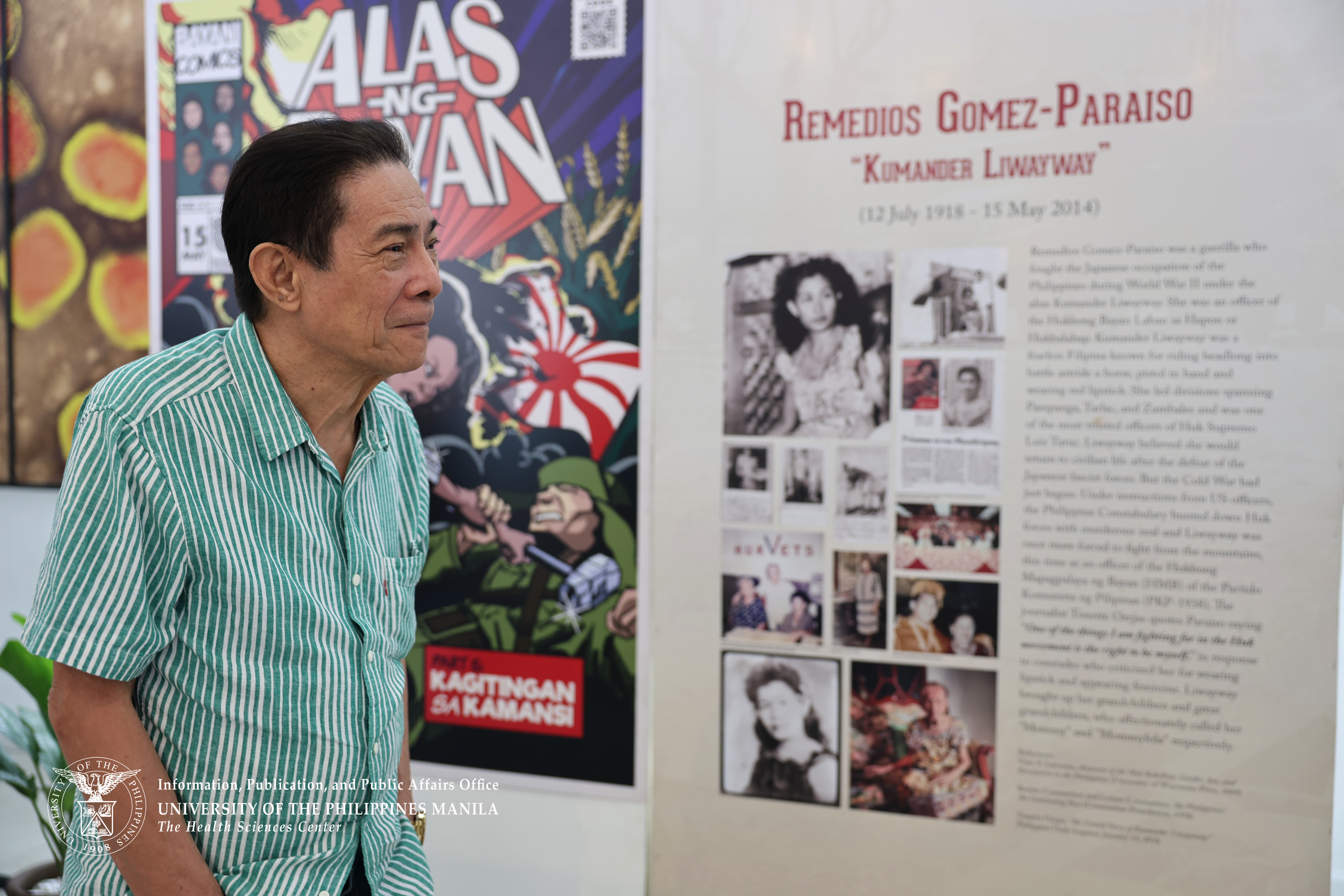
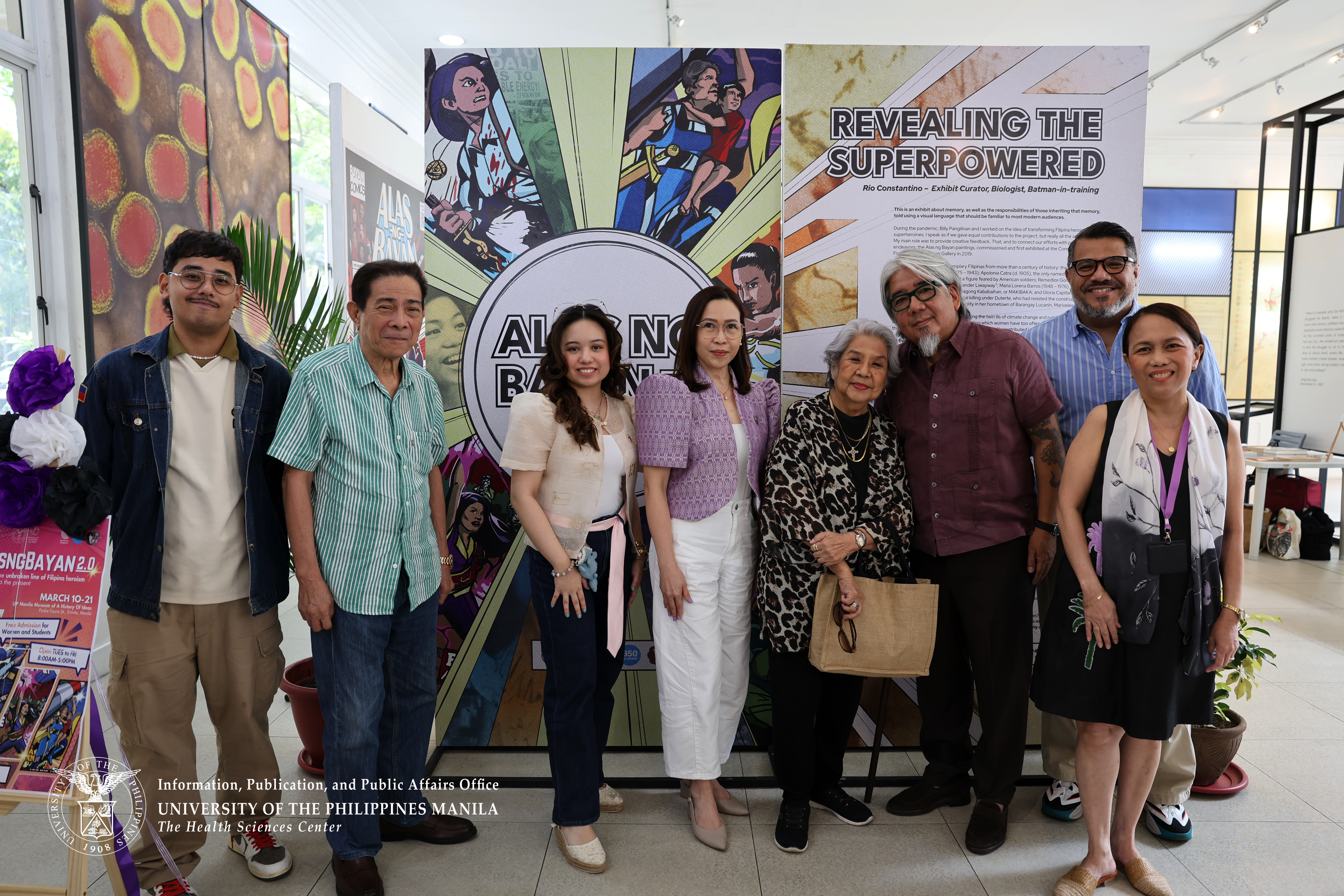
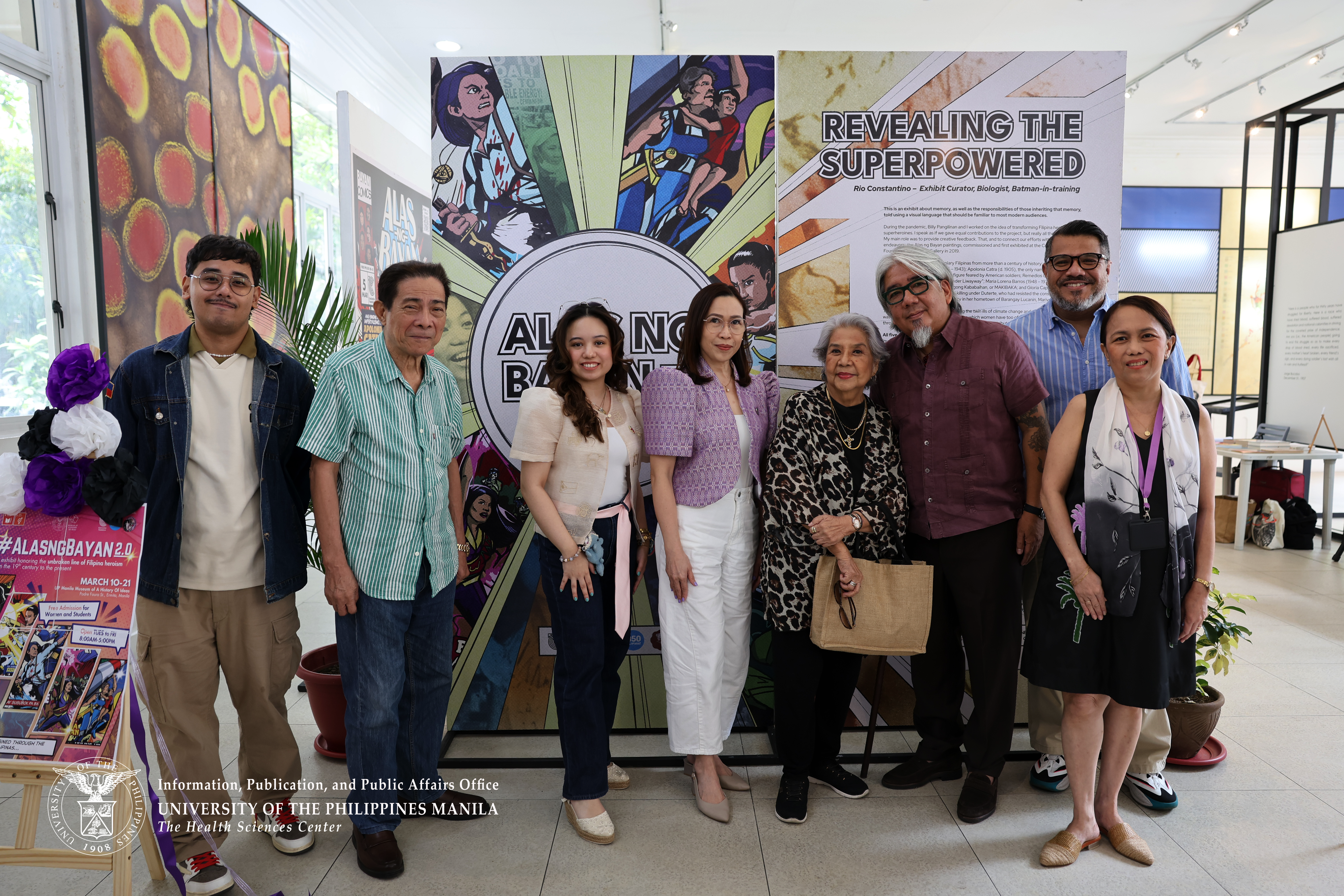
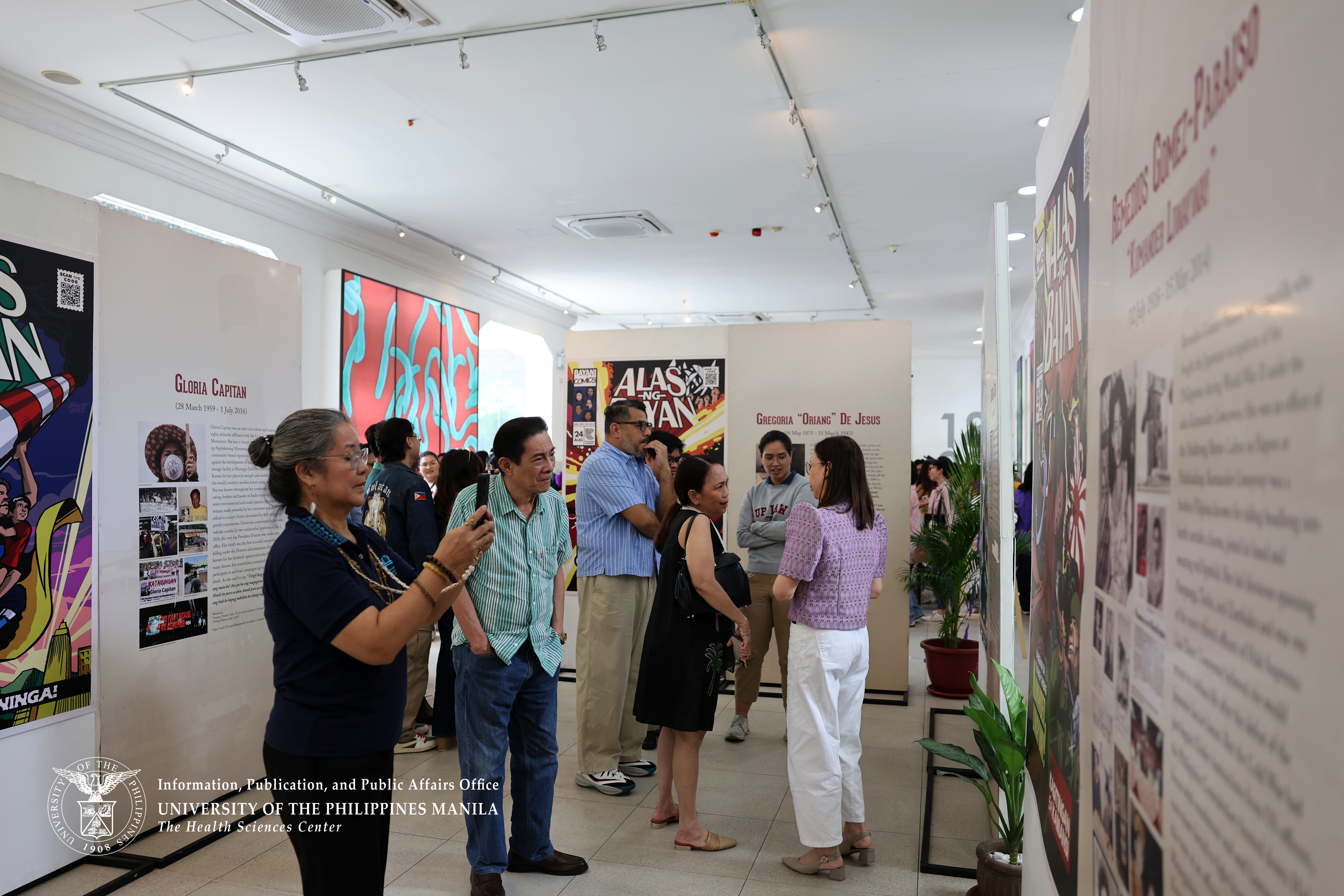
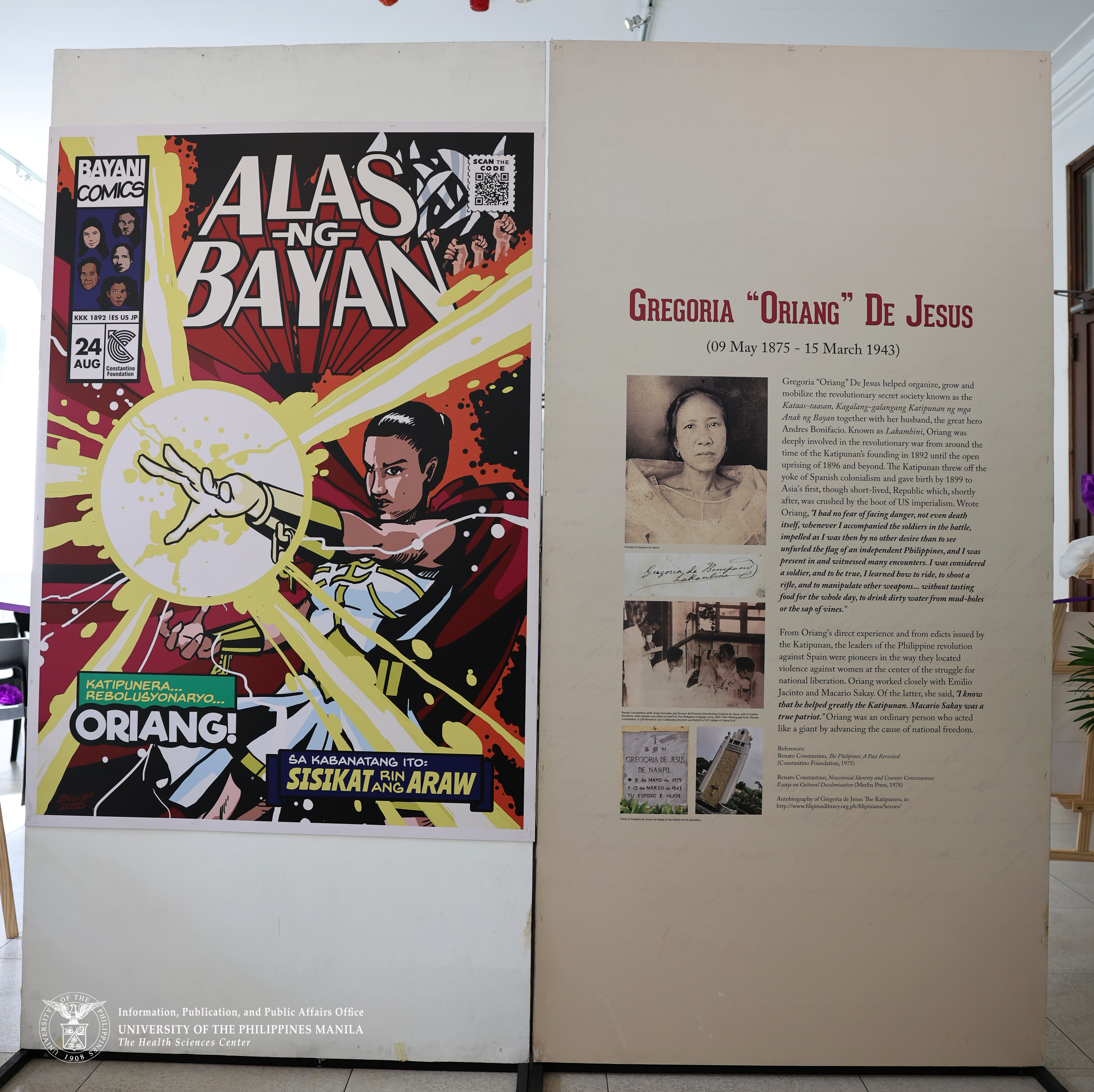
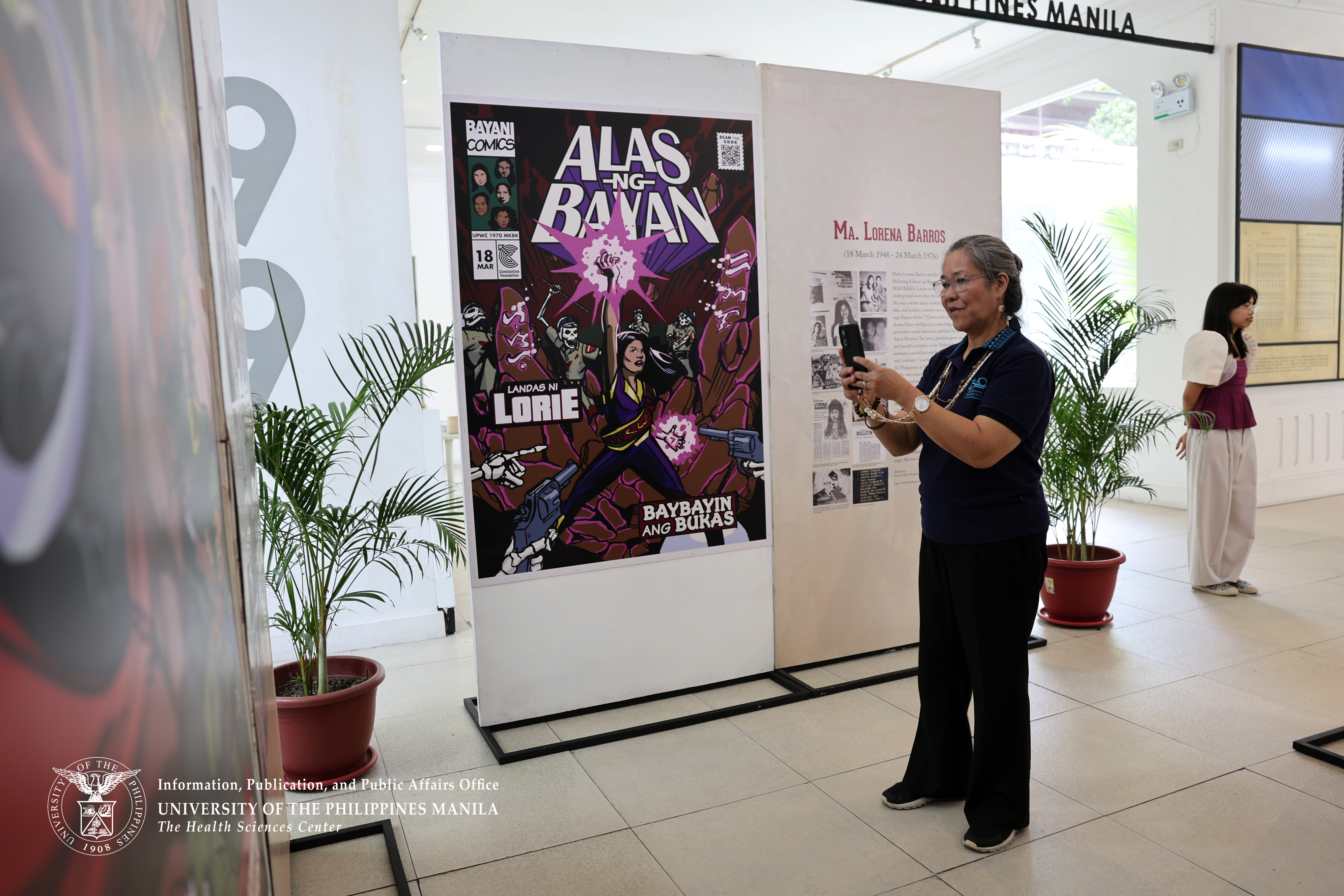
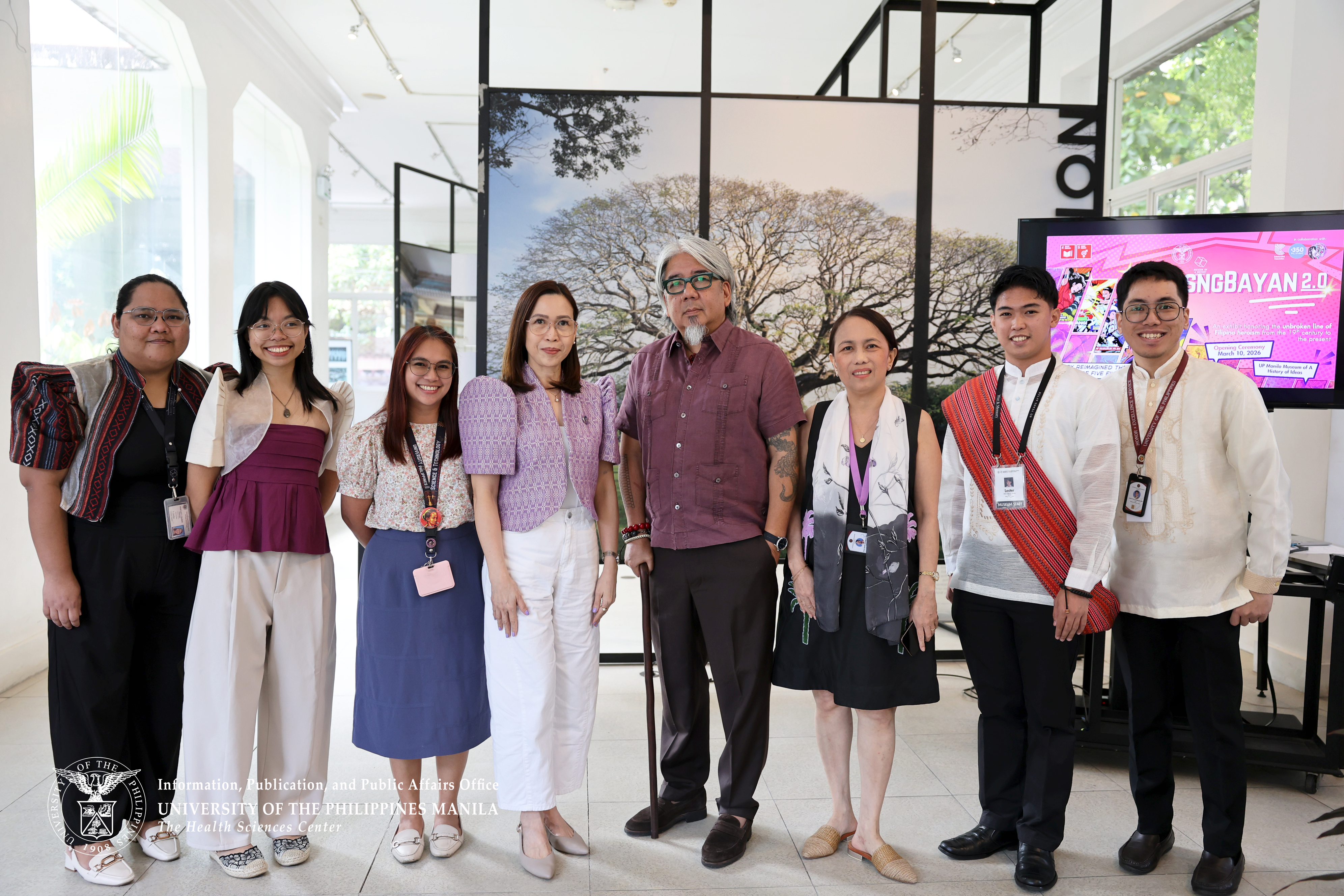
Posters of Gregoria “Oriang” de Jesus, Apolonia Catra, Remedios Gomez-Paraiso “Kumander Liwayway,” Ma. Lorena Barros, and Gloria Capitan are featured in the “Alas ng Bayan 2.0” exhibit on March 10, 2026, as part of the university’s celebration of National Women’s Month.
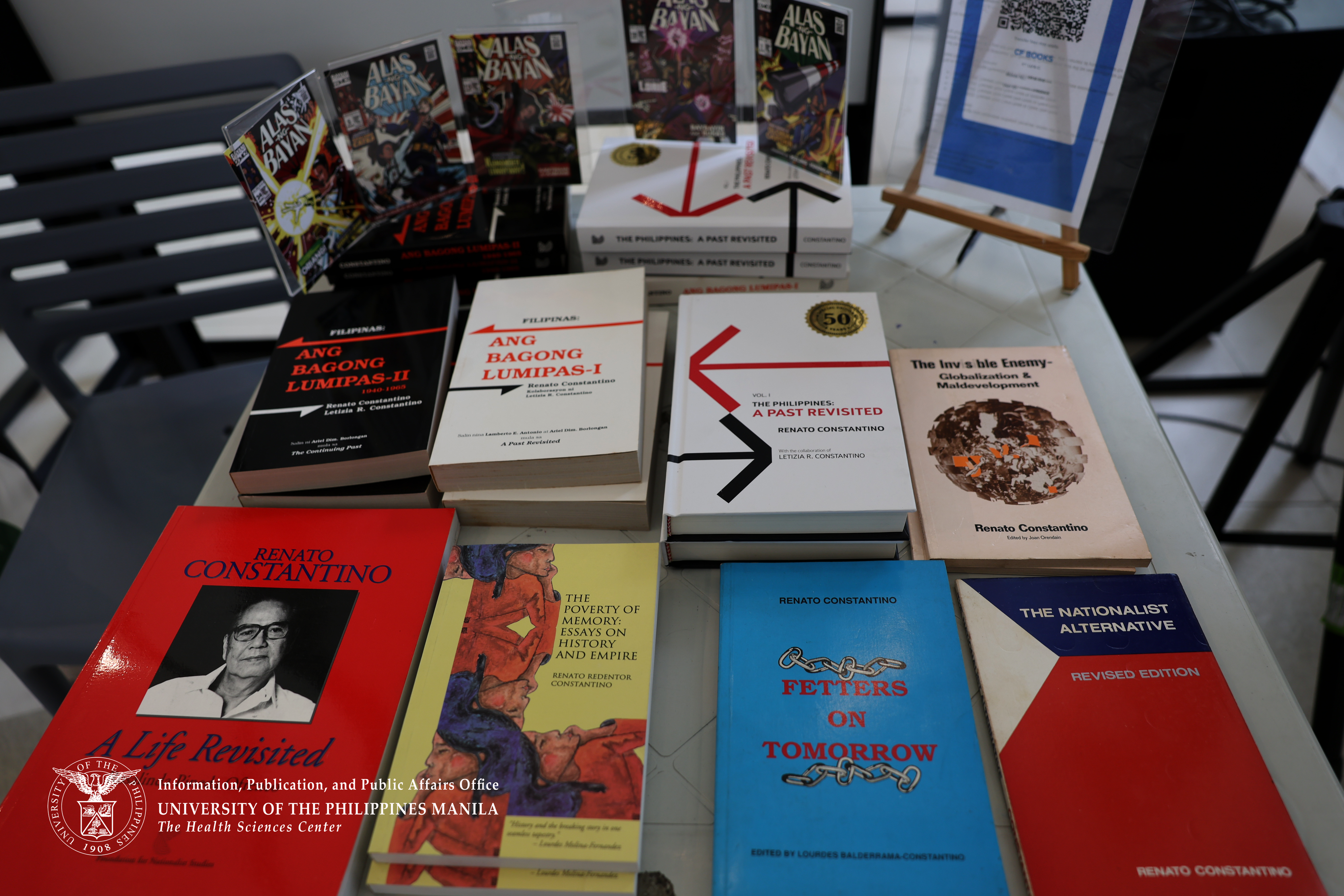
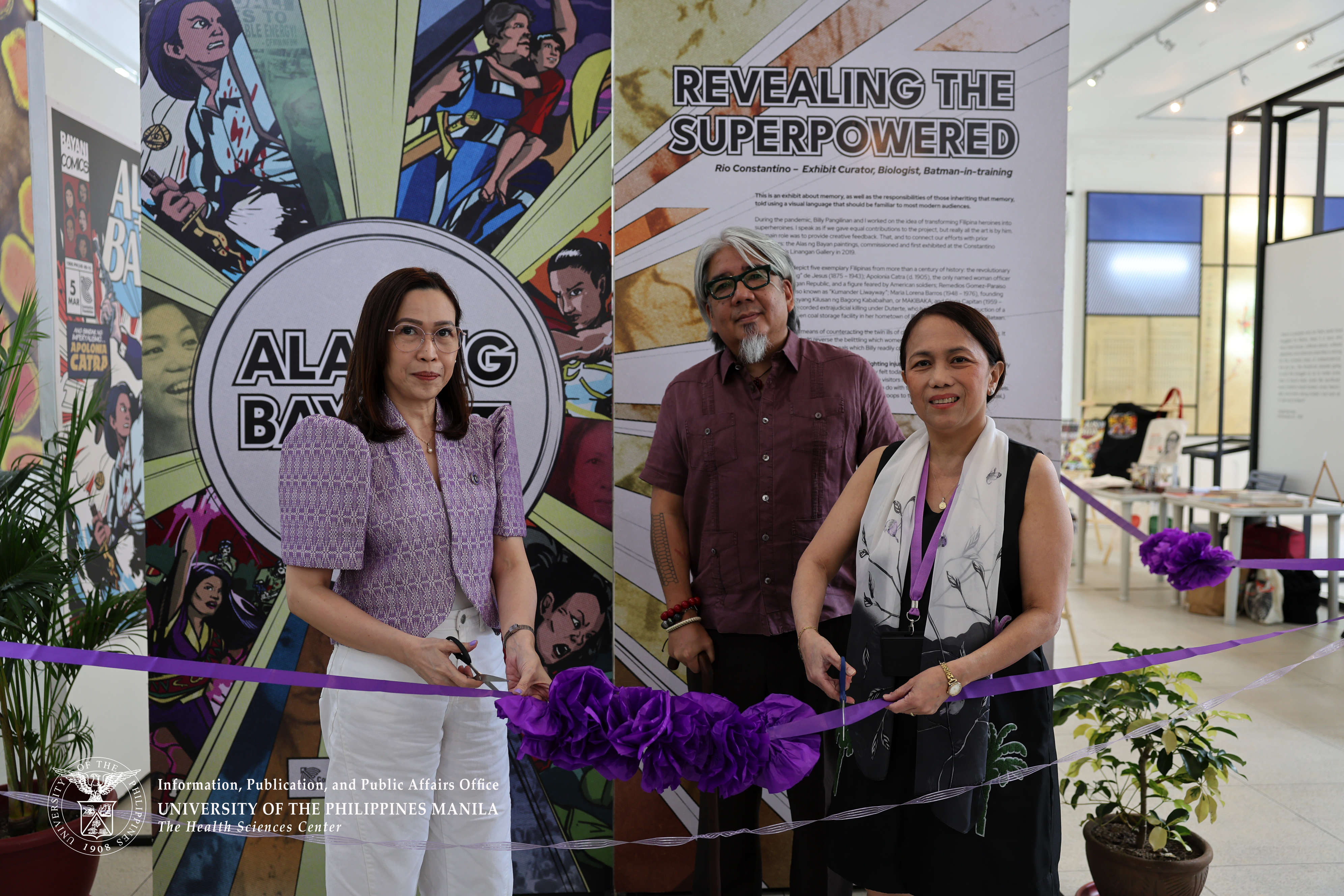
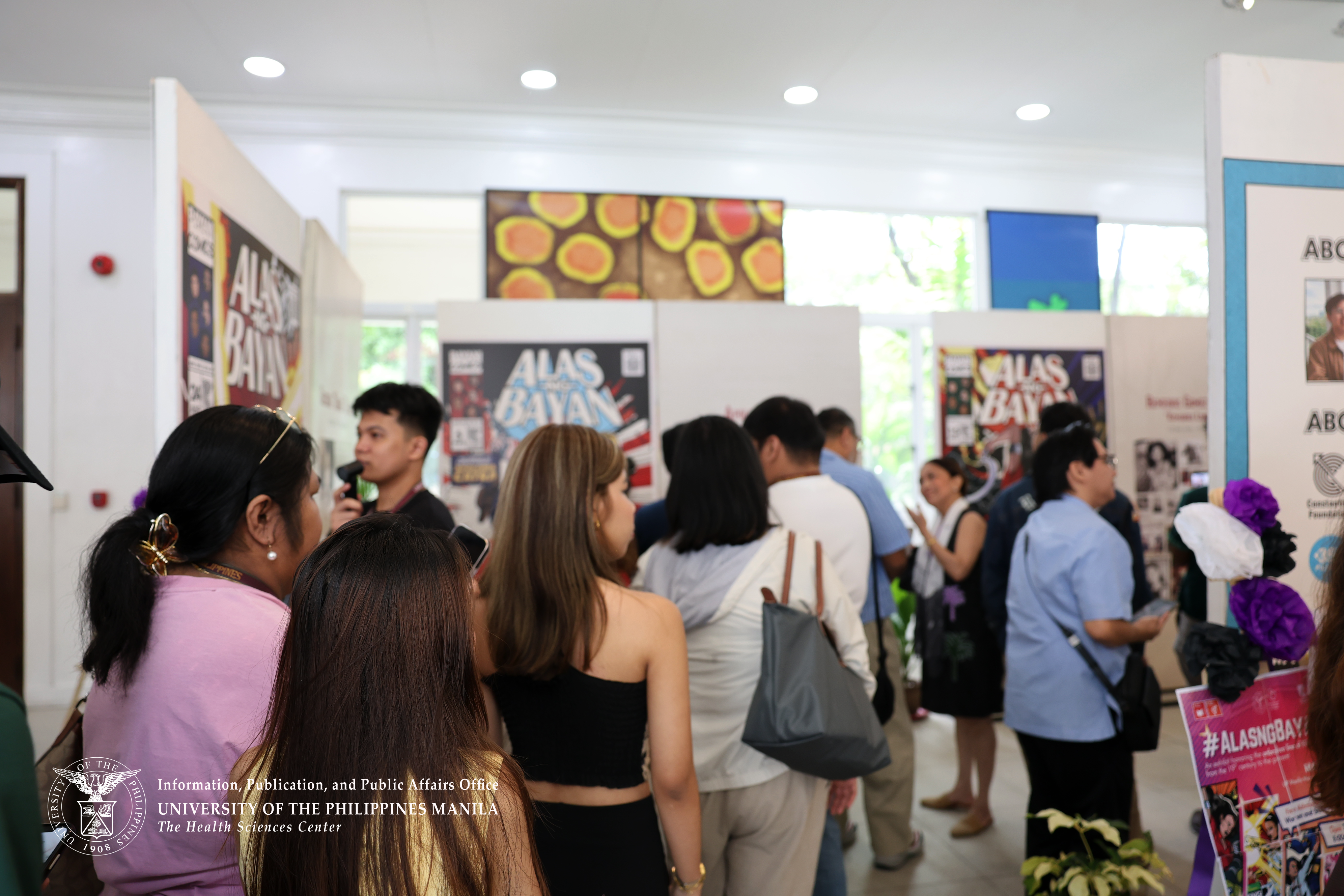
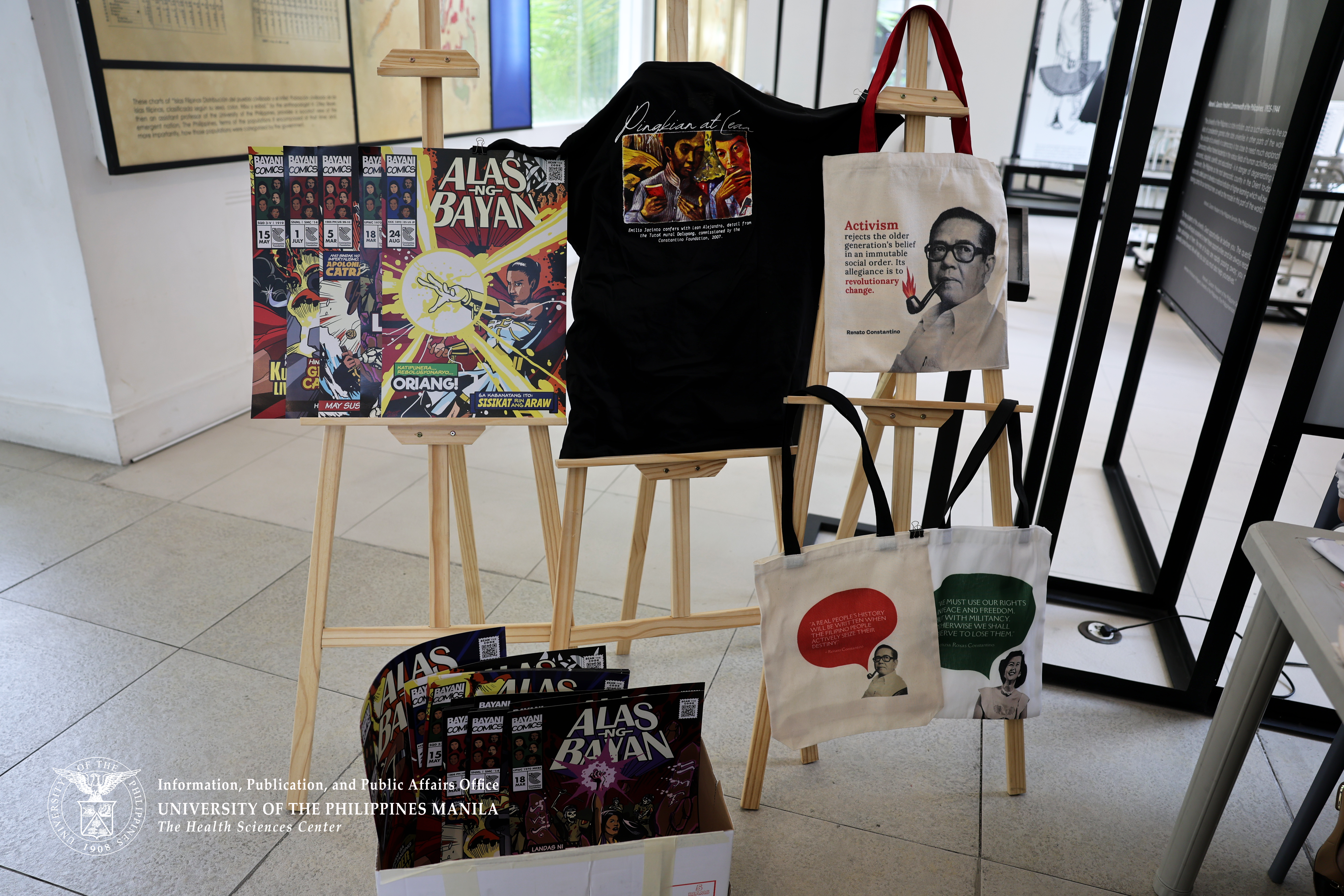
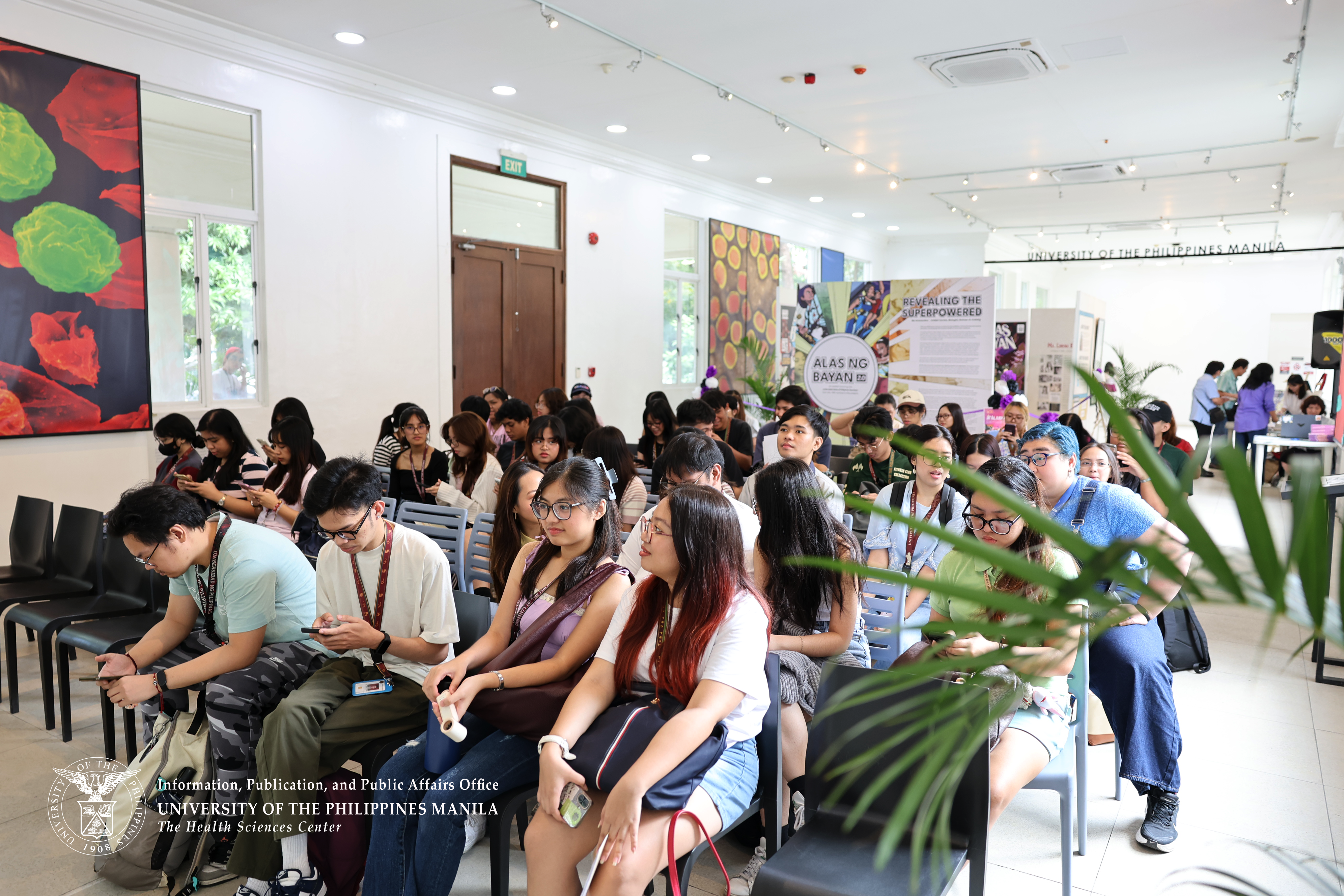
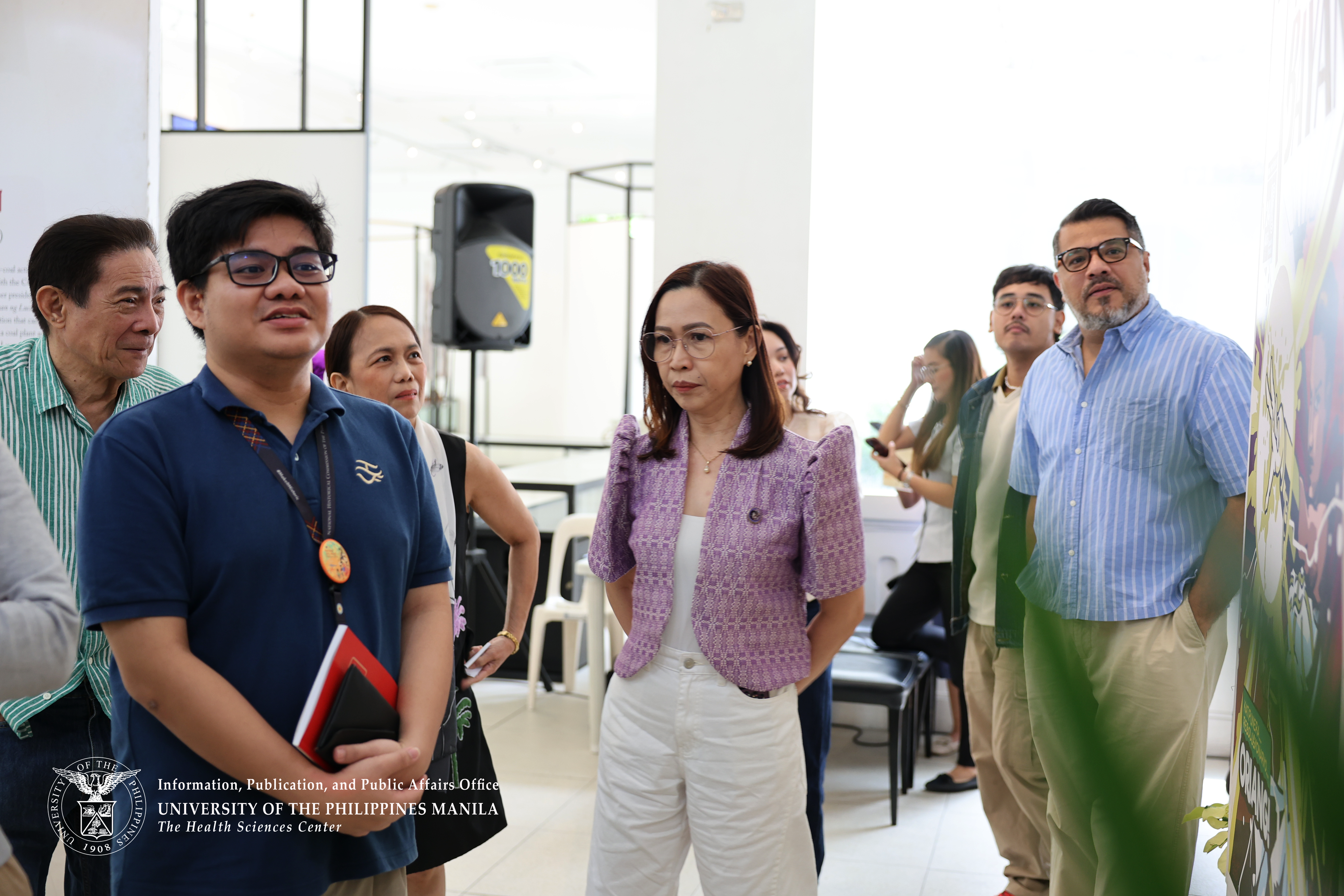
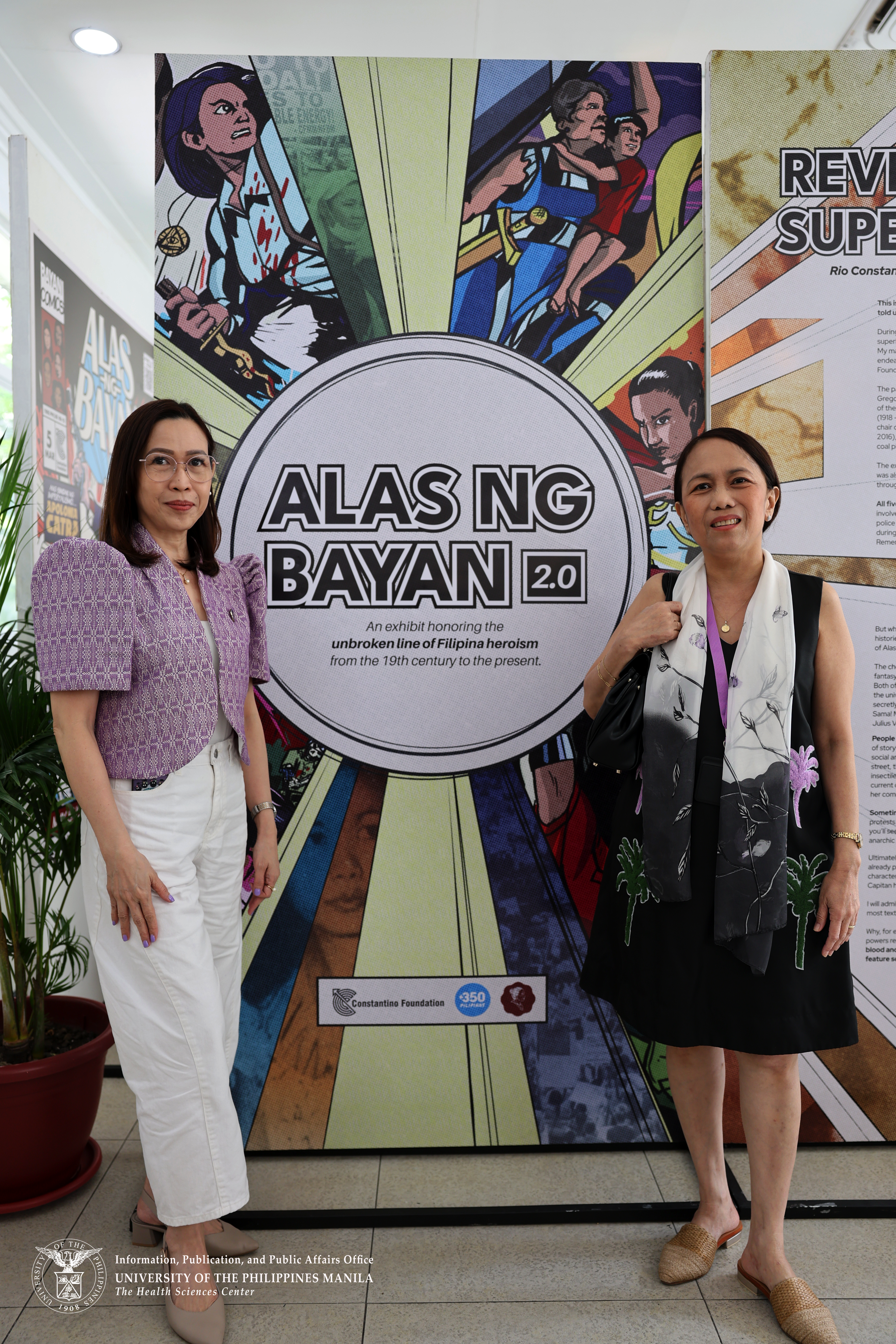
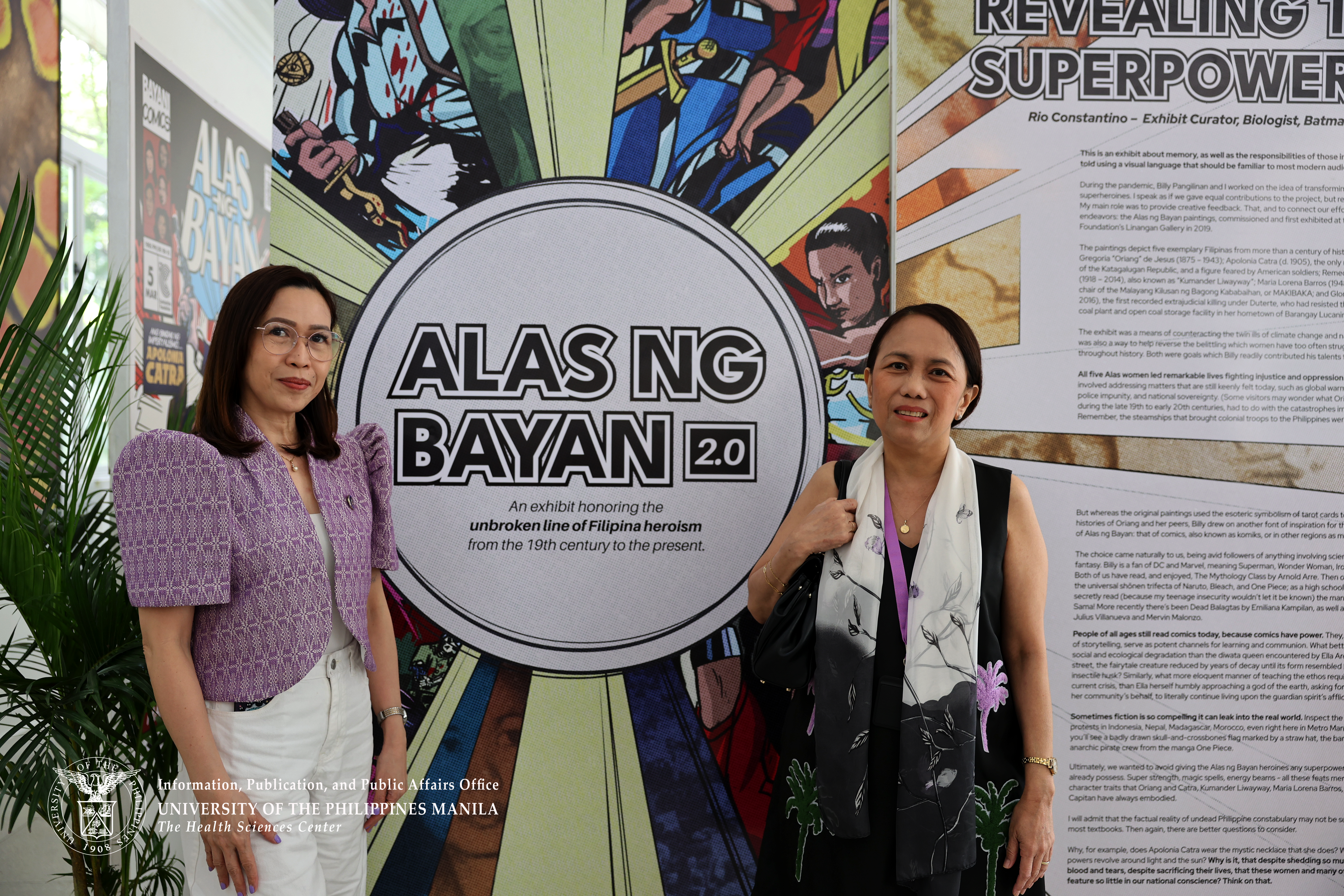
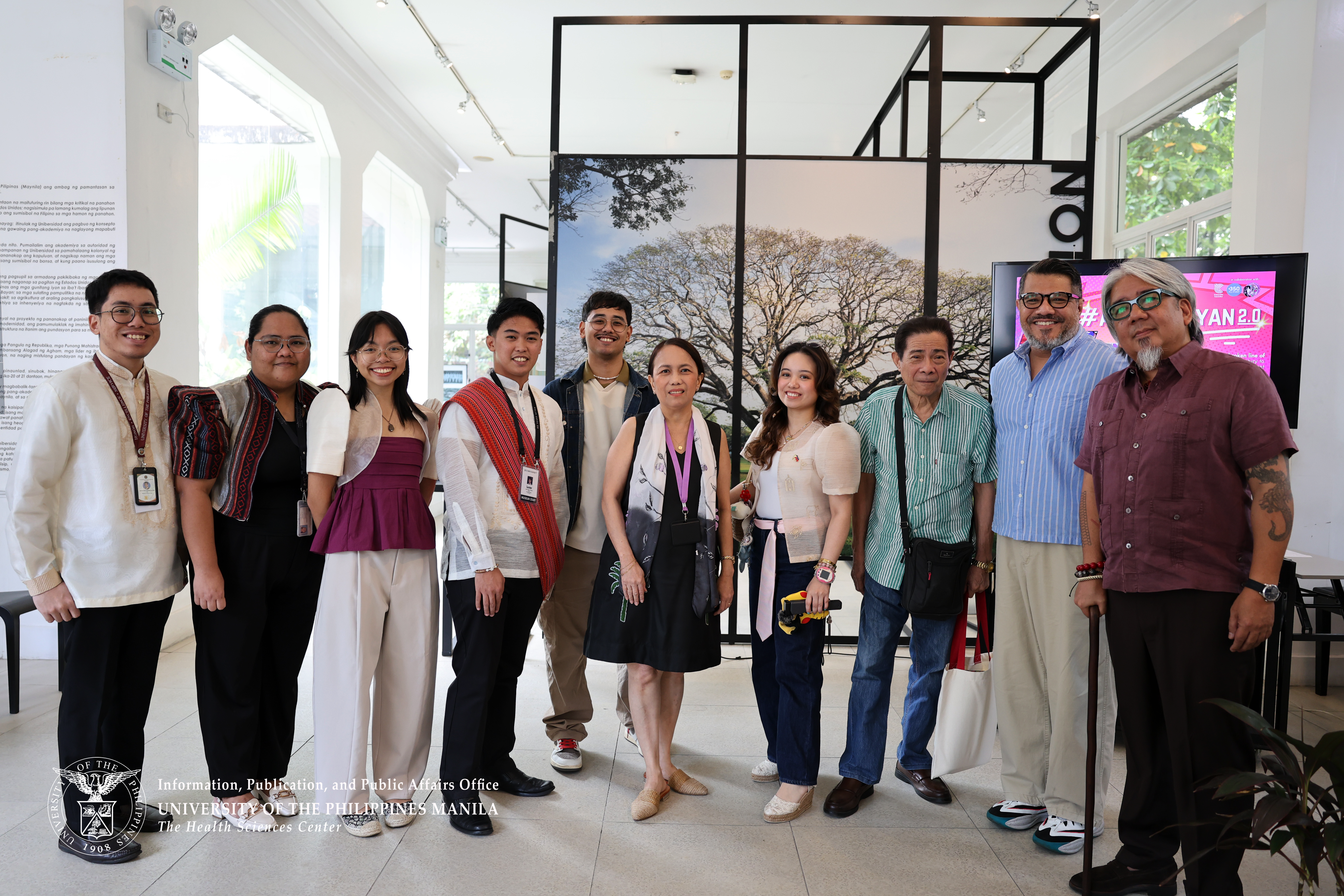
The University of the Philippines Manila Museum of a History of Ideas (MHI) launched the “Alas ng Bayan 2.0” exhibit on March 10, 2026, as part of the university’s celebration of National Women’s Month, highlighting the stories of five Filipina heroes through comic-inspired artworks that reimagine them as modern-day superheroes.
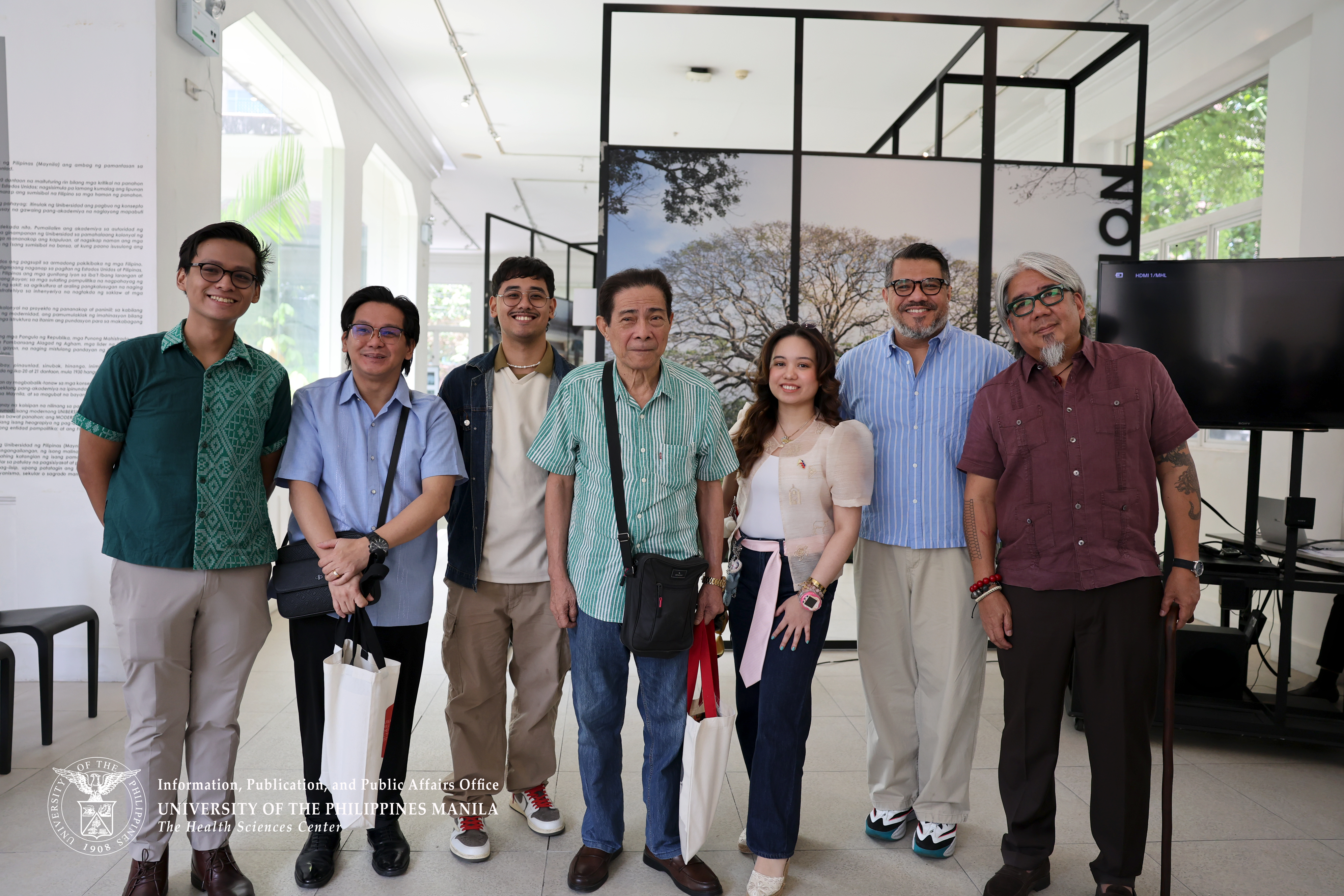
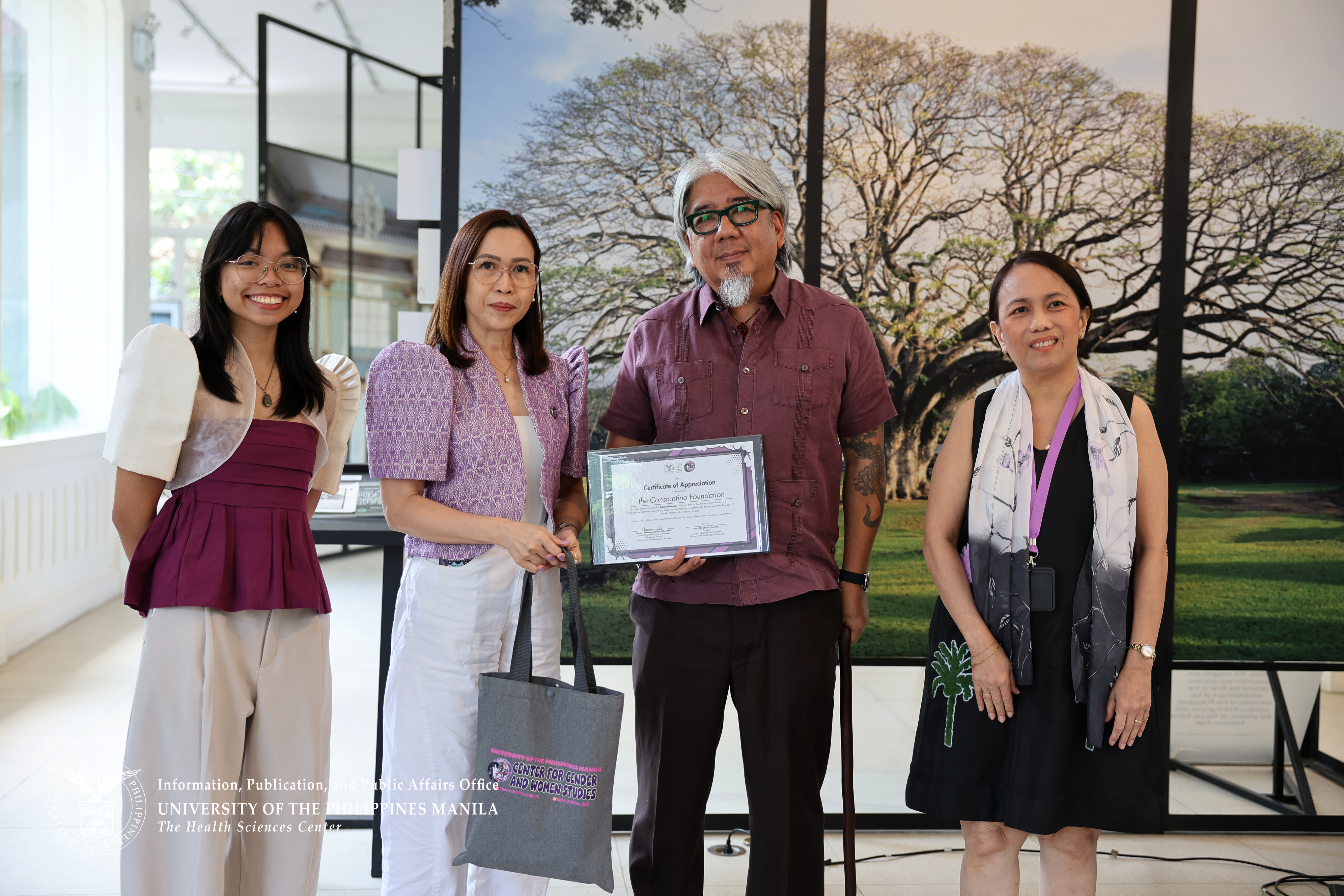
Organized in partnership with the UP Center for Gender and Women’s Studies, the Constantino Foundation, and the 350 Pilipinas, the exhibit features Gregoria “Oriang” de Jesus, Apolonia Catra, Remedios Gomez-Paraiso “Kumander Liwayway,” Ma. Lorena Barros, and Gloria Capitan.
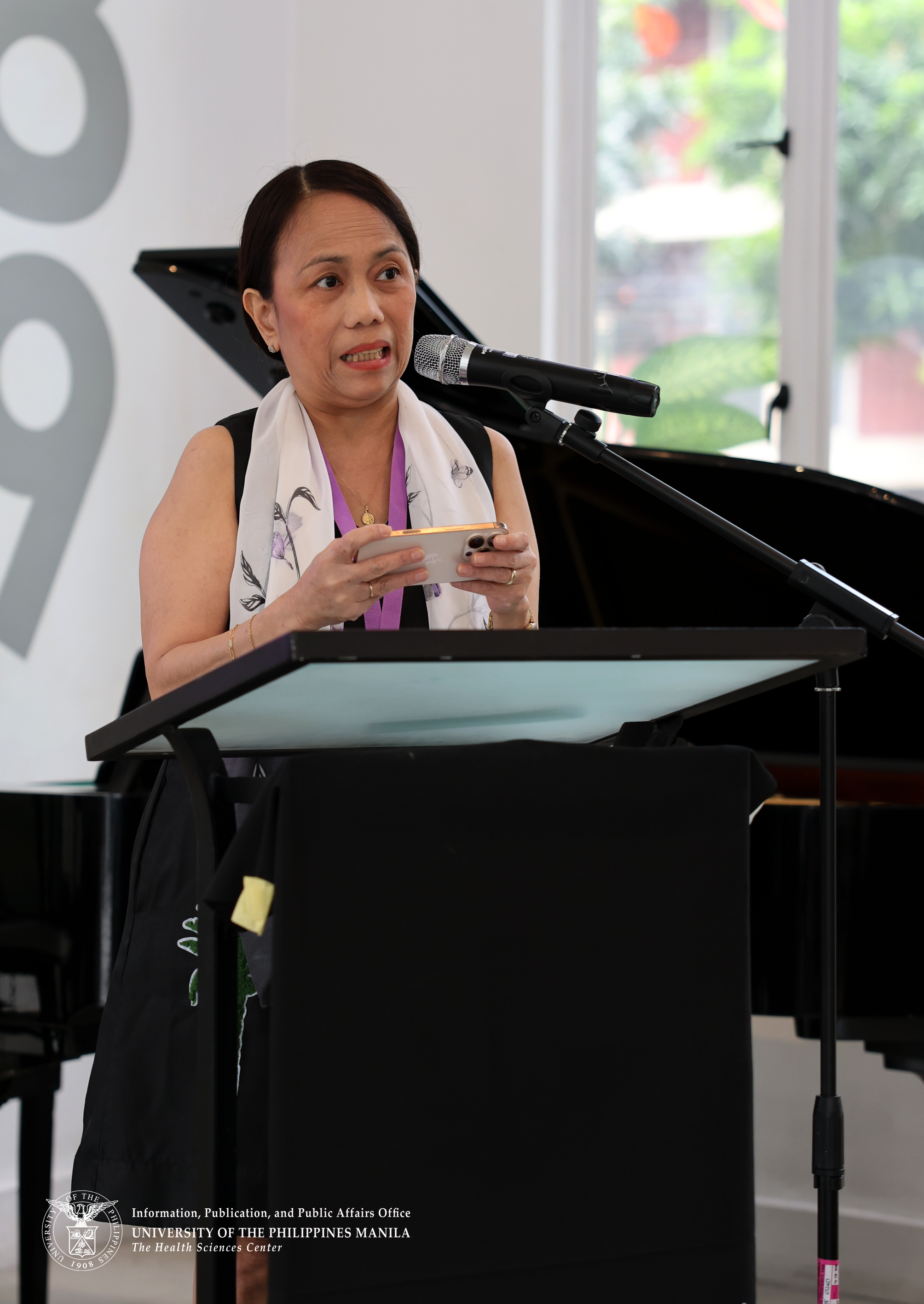
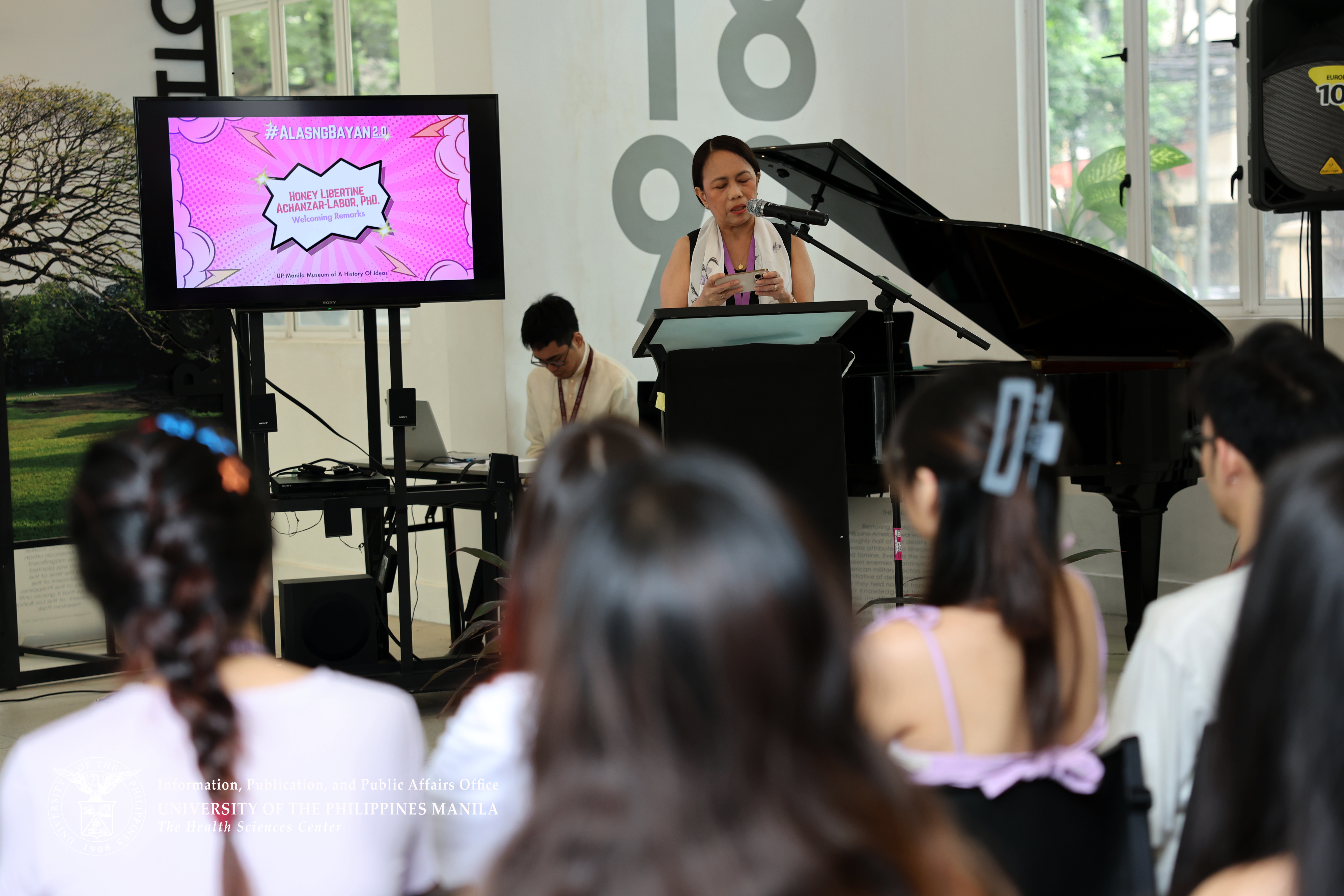
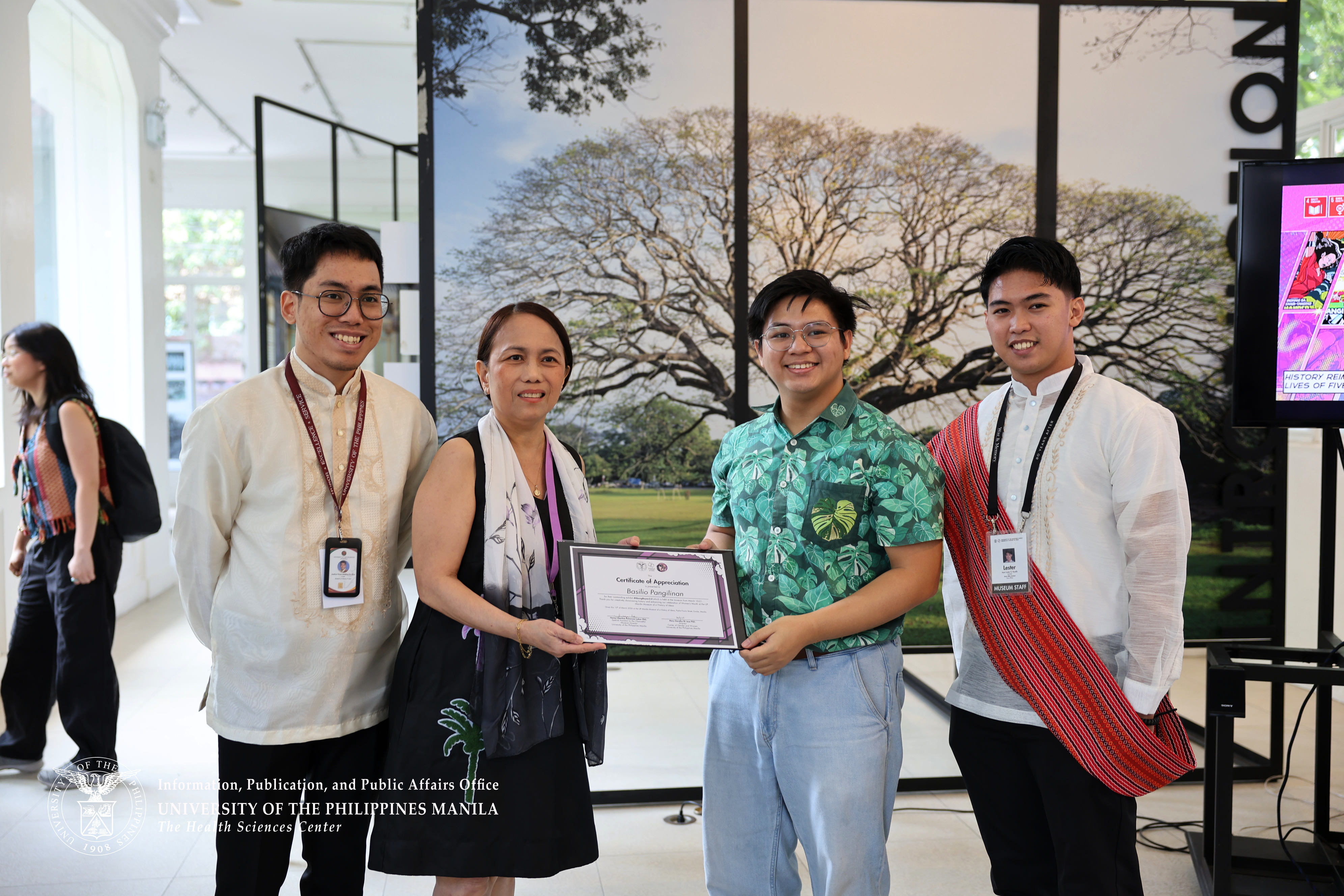
MHI Director Dr. Honey Libertine Achanzar-Labor said the exhibit presents these exemplary Filipinas through the digital artworks of Basilio Pangilinan, a Quezon City-based Illustrator and an alumnus of UP Diliman with a Bachelor of Science in Architecture. In “Alas ng Bayan 2.0,” five works from the Constantino Foundation Collection present exemplary Filipinas reimagined as superheroines. In the language of comics, they come to life once more, possessing powers that reflect their greatest attributes—courage, conviction, and patriotism,” she said.
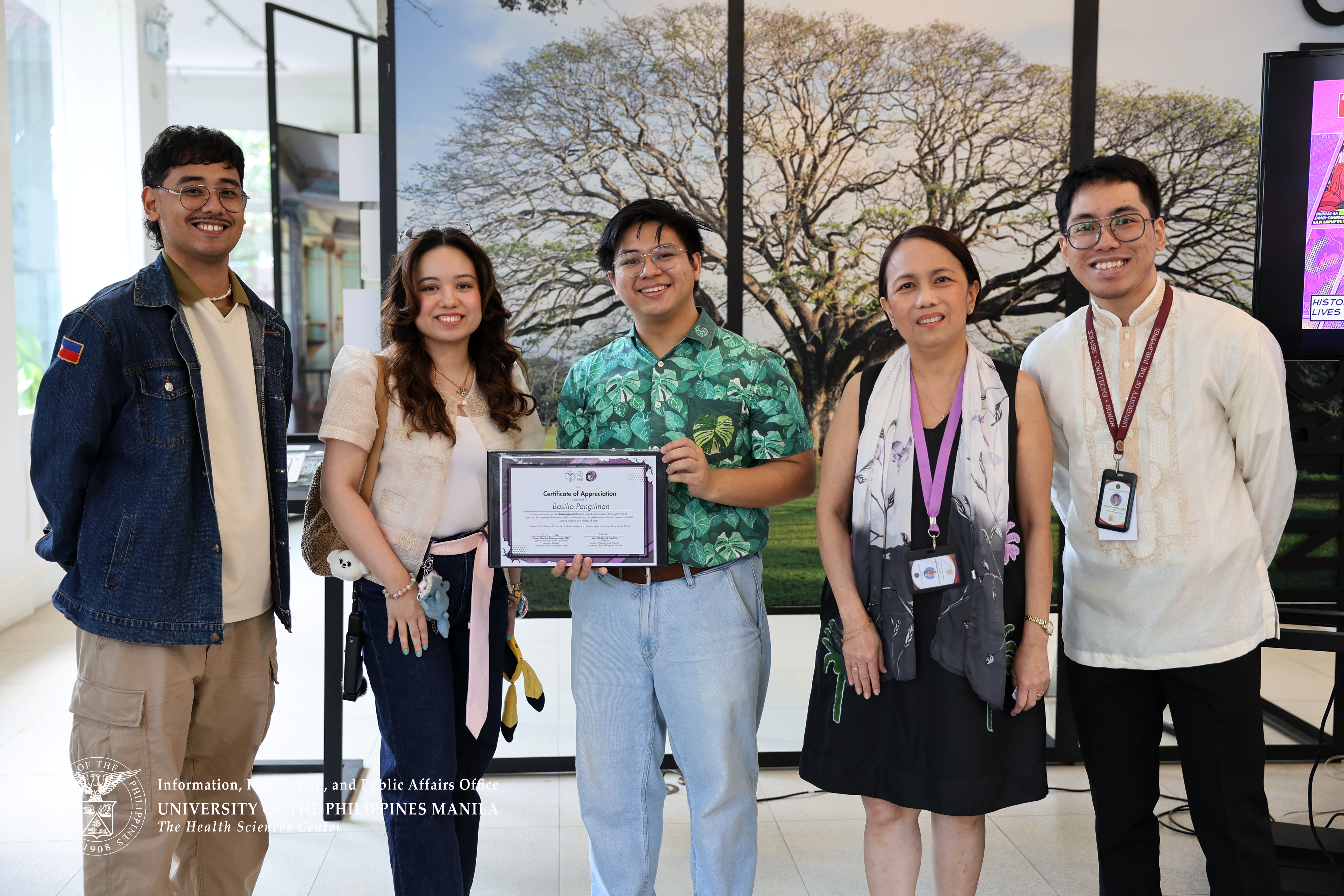
Beyond Traditional Narratives of Heroism
“Mas nakikilala natin yung mga bayaning lalaki. Dahil sa pag-aaral ng tradisyonal na kasaysayan, mas nanginibabaw sa mga naratibong historikal ang ambag ng kalalakihan sa pagbubuo ng bayan. Kulang na kulang tayo sa mga kilala nating babaeng bayani,” highlighted Center for Gender and Women’s Studies Director Prof. Mary Dorothy Jose how women’s contributions are often overlooked in traditional historical narratives.
Prof. Jose added that this gap may stem from a limited understanding of heroism, which often focuses on those who led armed struggles or sacrificed their lives for the nation. “Isang dahilan siguro ay ang ating limitadong konsepto ng kabayanihan, na kadalasan nakatuon sa mga namumuno sa armadong pakikibaka o sa mga nag-aalay ng buhay para sa bayan,” she explained.
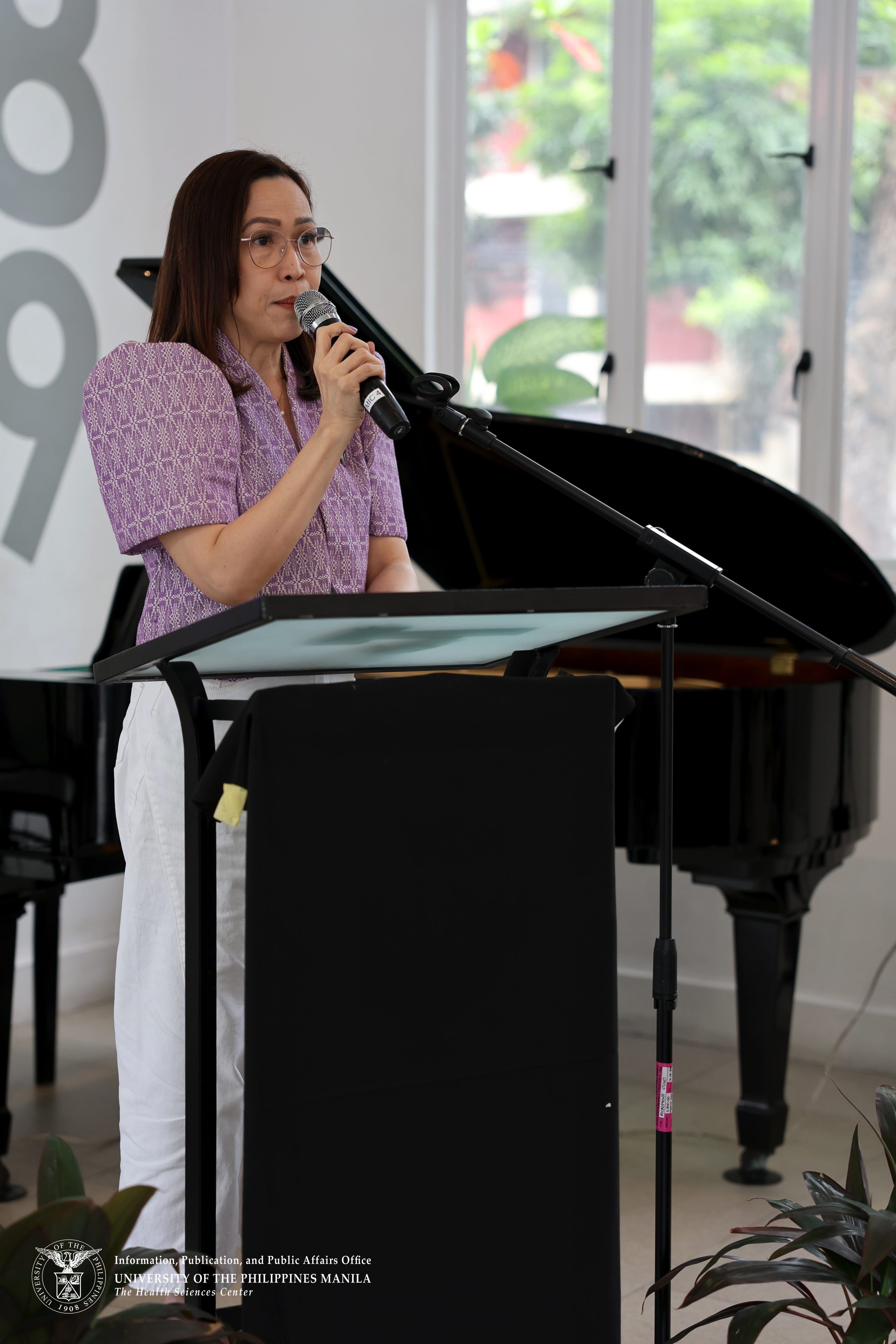
She noted that such a narrow view overlooks the many ways women contributed to revolutionary movements, including hiding documents, caring for the wounded, gathering intelligence, preparing food for soldiers, and managing the daily operations that sustained the struggle. Tasks often dismissed as ordinary were crucial to the revolutionary cause. Women who joined or supported movements such as the Katipunan risked severe punishment if captured.
Prof. Jose added that in many historical accounts, the women who are recognized as heroes are often those portrayed as having taken on roles traditionally associated with men. These include women who carried weapons or joined armed battles, which tended to align with prevailing notions of heroism centered on combat and leadership in warfare.
She said that highlighting women across different disciplines and fields helps broaden the understanding of their roles in shaping the nation. Through these narratives, she said, the public can better appreciate the diverse contributions of women and the evolving position of women in Philippine society and history.
“Mas mauunawaan natin na ang kabayanihan ay hindi monopolyado lamang ng kalalakihan, kundi ang kalalakihan at kababaihan ay magkatuwang sa pagpapalaya at pagbubuo ng bayan,” she said.
Five Aces: Women Who Fought for Freedom and Justice
Among the figures featured in the exhibit is Gregoria de Jesus, known as “Oriang,” played a vital role in organizing, strengthening, and mobilizing the revolutionary secret society known as the Kataas-taasan, Kagalang-galangang Katipunan ng mga Anak ng Bayan, alongside her husband, the revolutionary leader Andres Bonifacio. Revered within the movement as the Lakambini of the Katipunan, Oriang was deeply involved in the struggle for independence from the society’s founding in 1892 through the outbreak of the 1896 revolution and the years that followed. Oriang worked closely with key revolutionary figures such as Emilio Jacinto and Macario Sakay, whom she remembered as a steadfast ally of the cause. Oriang helped advance the cause of Philippine independence and left a legacy that continues to inspire generations.
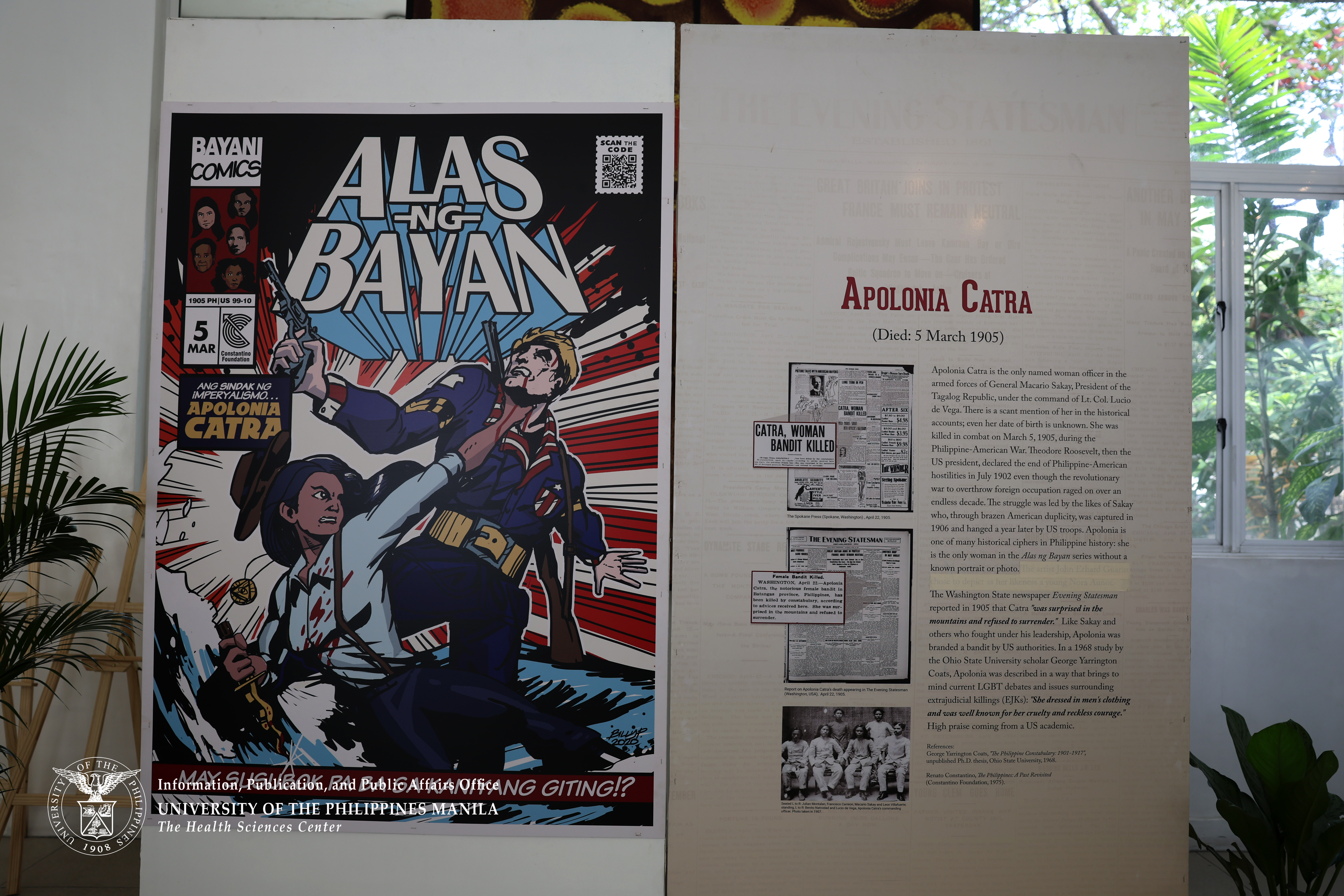
The exhibit also introduced Apolonia Catra, a lesser-known revolutionary who fought against American forces. She is the only named woman officer known to have served in the armed forces of Macario Sakay, president of the Tagalog Republic, under the command of Lt. Col. Lucio de Vega. Yet despite her rank and role in the struggle, very little is recorded about her life. Even her birth date remains unknown. Catra was killed in combat on March 5, 1905, during the Philippine–American War. Although Theodore Roosevelt, then president of the United States, had already declared the end of hostilities in July 1902, the revolutionary war against foreign occupation continued for many years. Historical records describe Catra as a determined and formidable fighter. In a 1968 study, George Yarrington Coats of Ohio State University described Catra as someone who “dressed in men’s clothing and was well known for her cruelty and reckless courage.” The description, intended by the scholar as criticism, instead underscores the boldness of a woman who defied both colonial power and social expectations of her time.
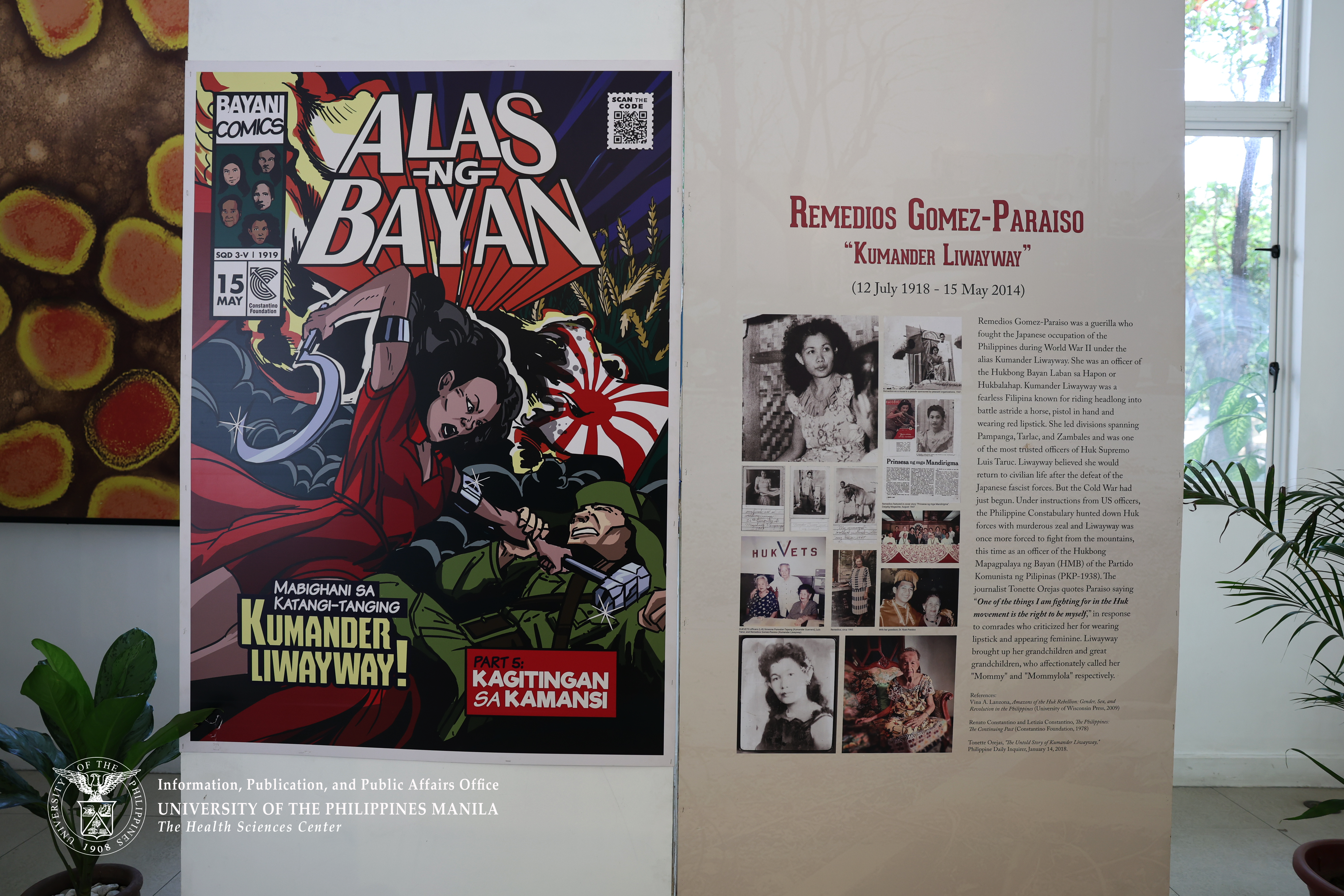
Another featured heroine is Remedios Gomez-Paraiso, known by her wartime alias Kumander Liwayway, who was a fearless guerrilla who fought the Japanese occupation of the Philippines during World War II. An officer of the Hukbong Bayan Laban sa Hapon (Hukbalahap), she became legendary for charging into battle astride a horse, pistol in hand, and red lipstick on her lips. Her leadership spanned divisions across Pampanga, Tarlac, and Zambales, and she earned the trust of Huk Supremo Luis Taruc, distinguishing herself as one of the most respected officers of the movement. During the U.S. occupation, she served as an officer of the Hukbong Mapagpalaya ng Bayan (HMB) under the Partido Komunista ng Pilipinas (PKP-1938).
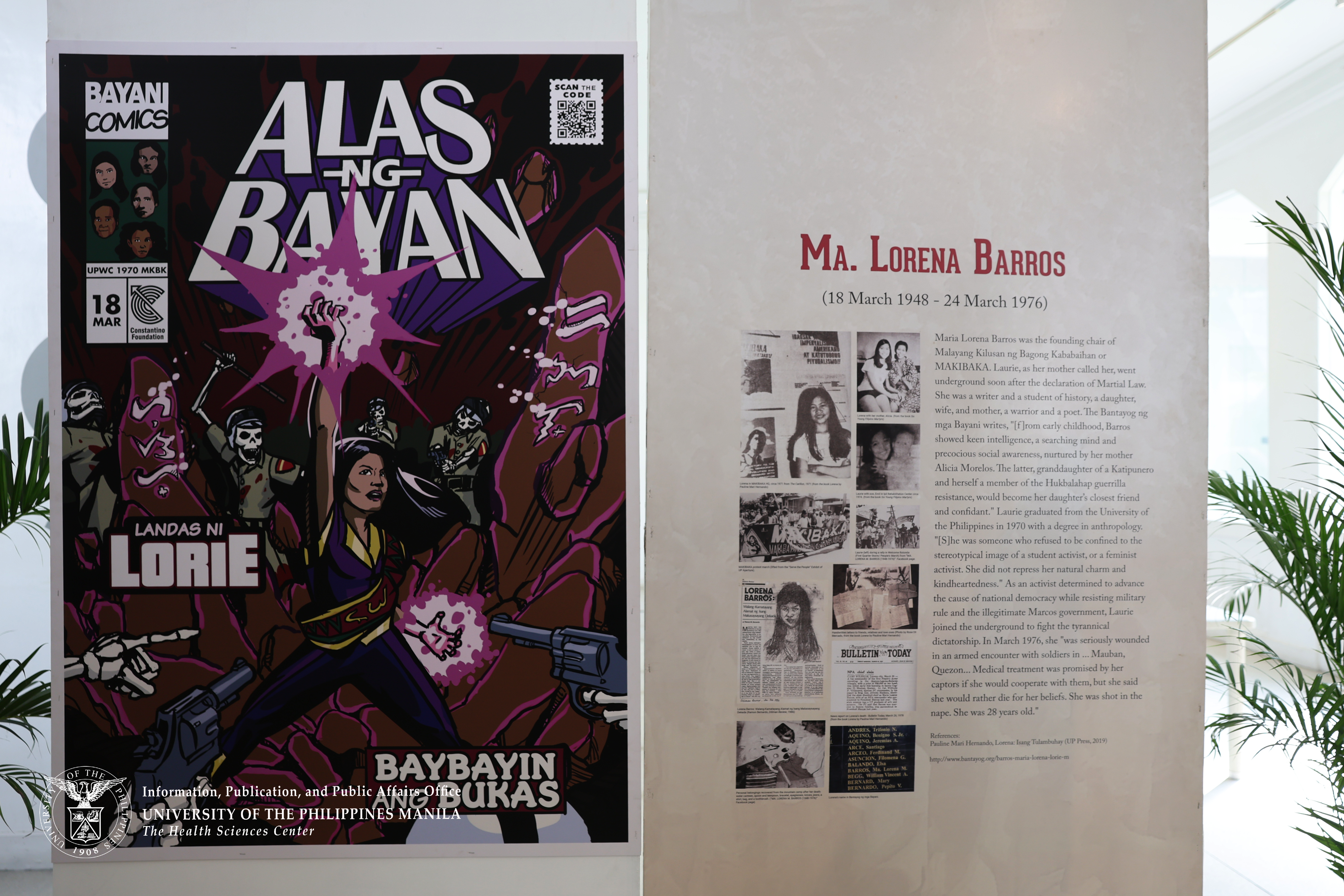
The exhibit also highlights Lorena Barros, an anthropologist, writer, and activist who fought against the Marcos dictatorship. She is the founding chair of the Malayang Kilusan ng Bagong Kababaihan (MAKIBAKA). Known to her family as “Laurie,” Barros was a student of history and anthropology who graduated from the University of the Philippines in 1970. Barros dedicated her life to social justice and eventually died as a guerrilla fighter during the martial law period.
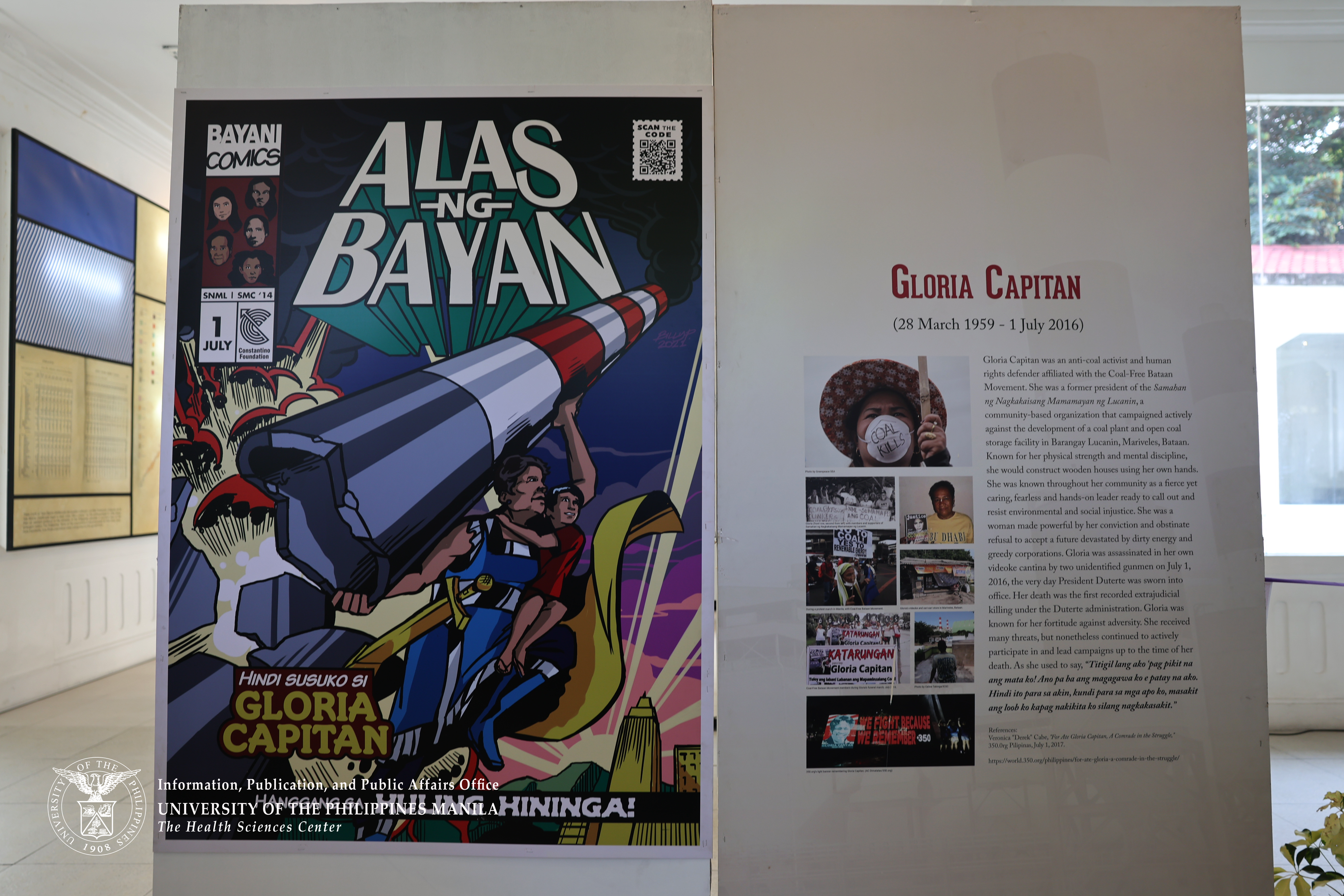
Completing the five heroes is Gloria Capitan is a fearless anti-coal activist and human rights defender, best known for her work with the Coal-Free Bataan Movement. She previously served as president of the Samahan ng Nagkakaisang Mamamayan ng Lucanin, a community-based organization that campaigned tirelessly against the construction of a coal plant and open coal storage facility in Barangay Lucanin, Mariveles, Bataan. was later killed in what activists described as an extrajudicial killing. Her inclusion connects historical struggles for freedom with present-day issues such as environmental justice and community rights.
Redefining the Rules of Women’s Leadership
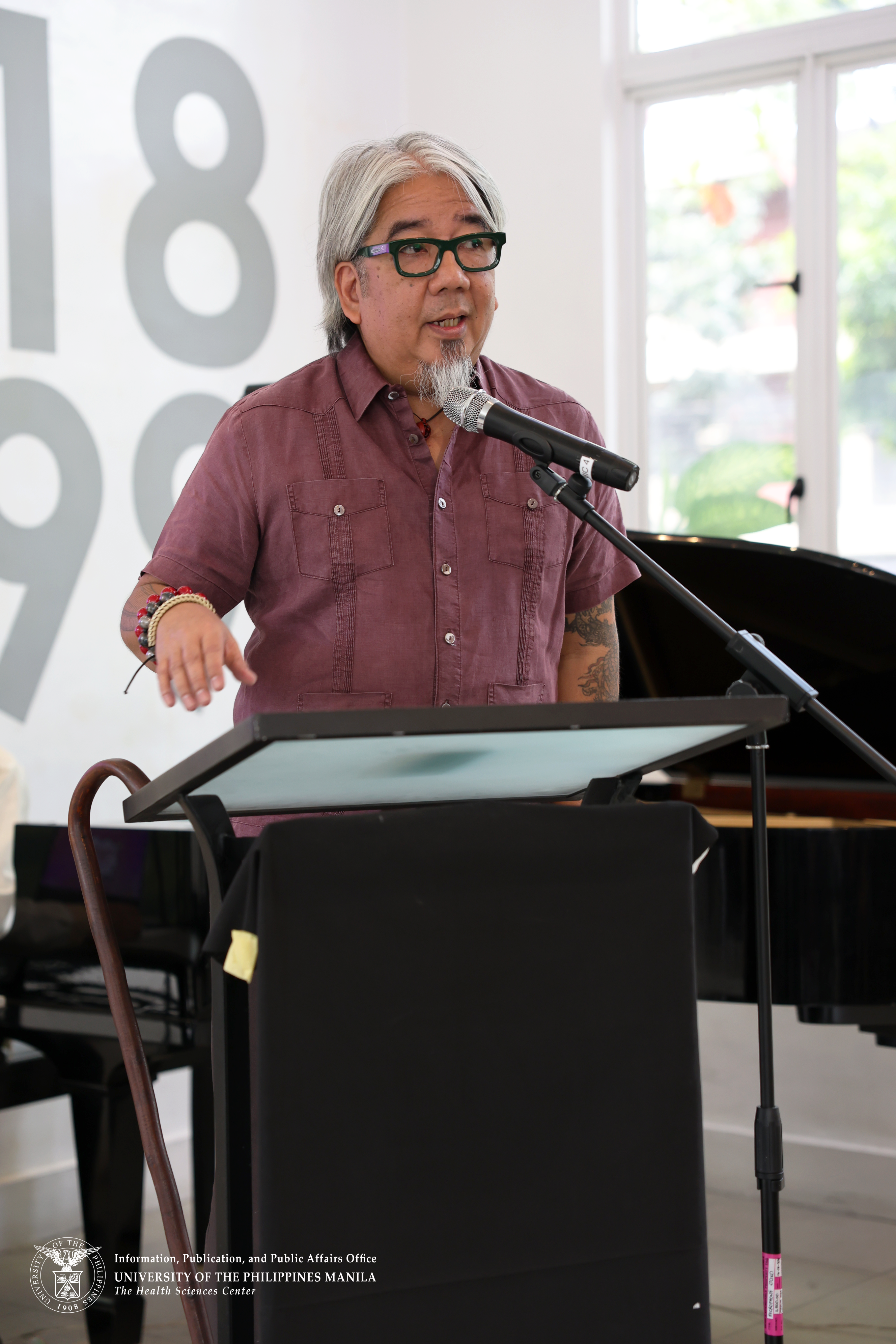
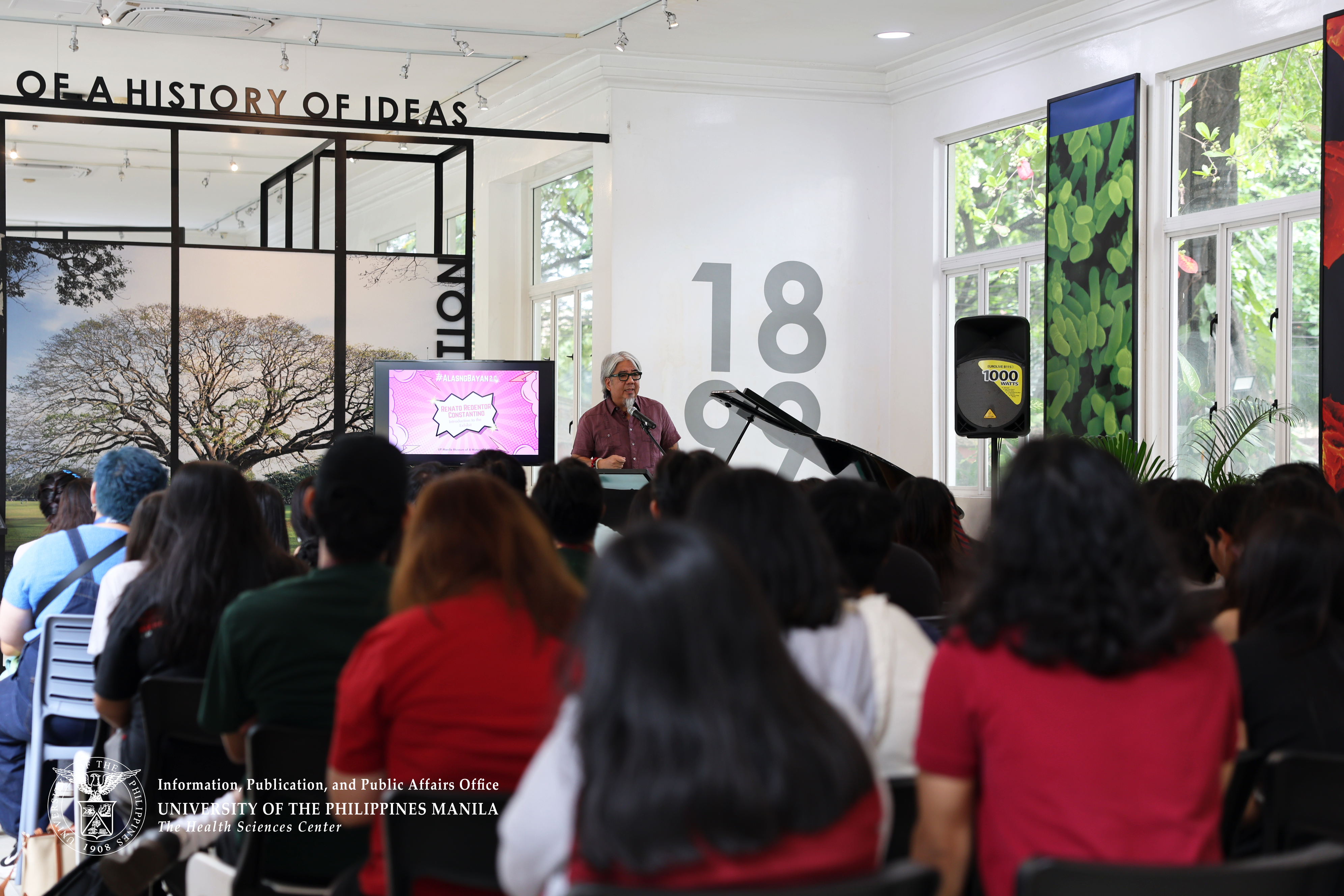
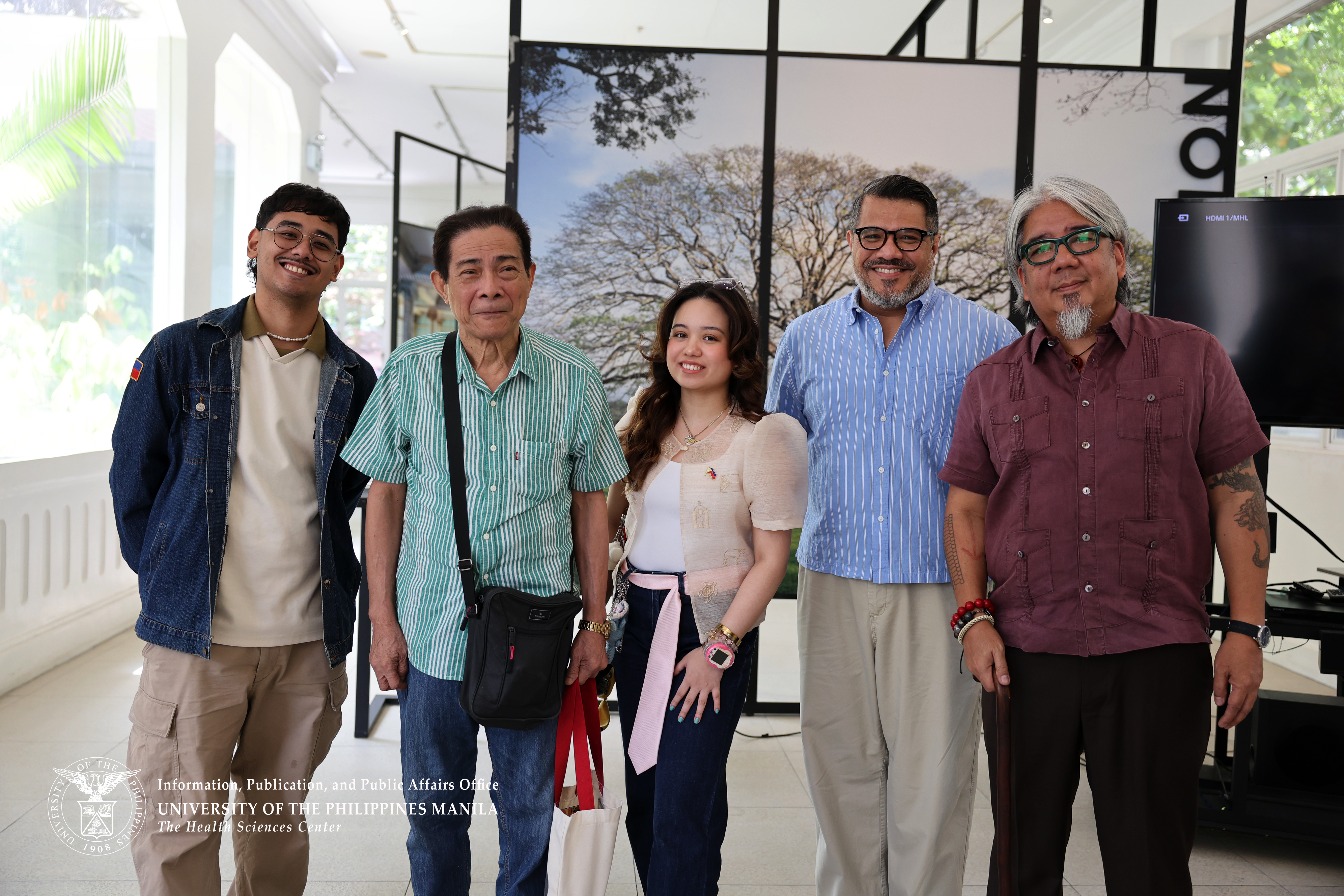
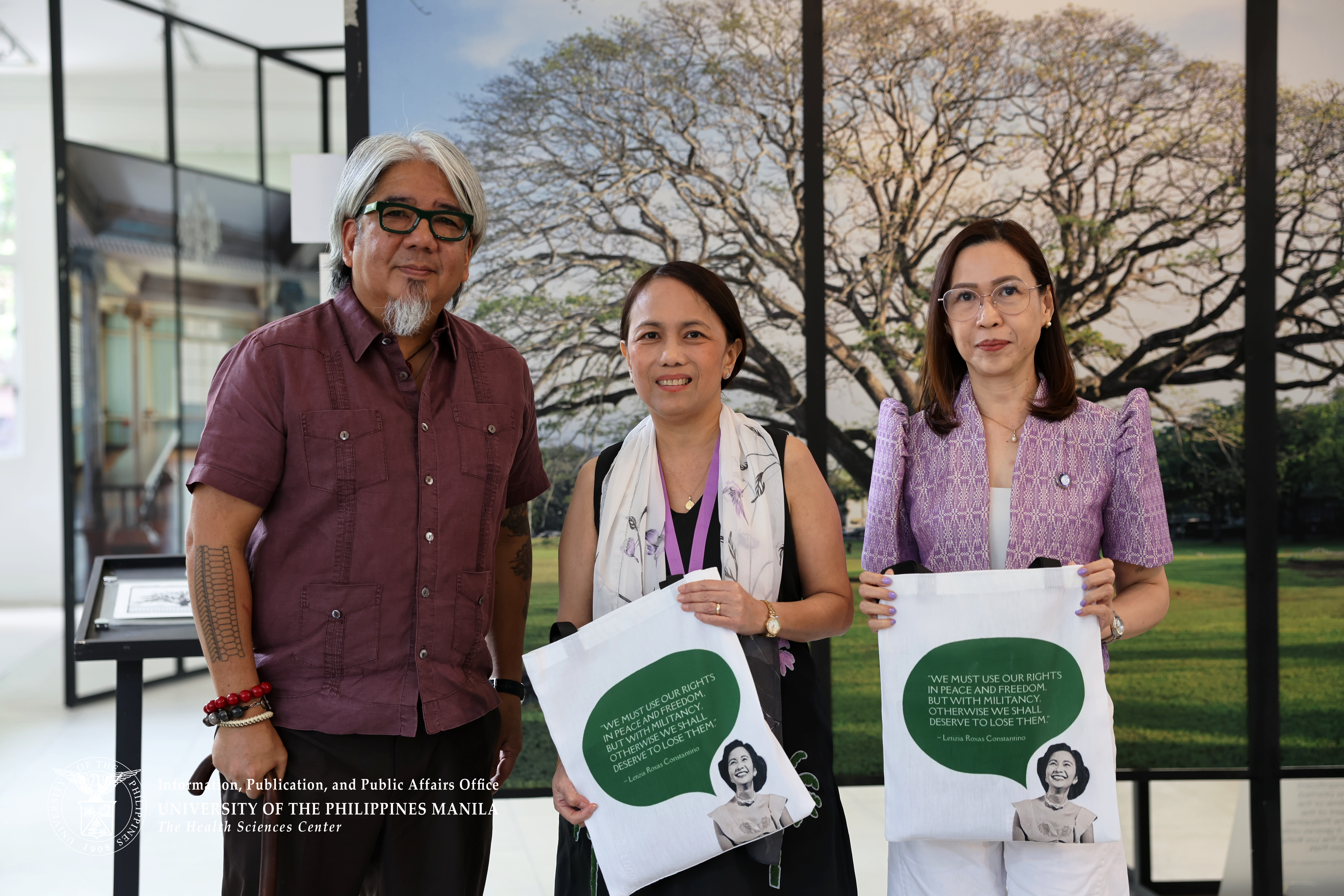
Renato Redentor Constantino of the Constantino Foundation emphasized that women’s contributions to history have long been overlooked or simplified, and that reclaiming their stories is essential to understanding the nation’s past. He began by challenging the idea that women must follow rules defined by society, particularly those imposed by men. Reflecting on the exhibit’s concept, he remarked, “Apat lang na alas sa isang deck of cards. But we chose five. Because women don’t follow rules. They certainly don’t need to follow the rules that are set by men.” Through this statement, Constantino highlighted how women have historically defied expectations and expanded the boundaries placed upon them.
He also stressed that the struggle for gender equality is not solely the responsibility of women. “A large part of the struggle for equality and for gender justice in this country has to be carried by men. Men have to play their part… taking a step backwards so that others can lead.” This lesson underscores that advancing women’s rights requires collective effort and a conscious shift in power dynamics.
Constantino concluded by reflecting on history, heroism, and the standards we set as a society. He noted that their work has always been about promoting a usable history:
“You cannot build the future if you can’t and won’t fight in the present. You cannot win your campaigns in the present if you are uninformed by history.”
He challenged the traditional definitions of heroism, asking why society only celebrates those willing to kill in war, rather than recognizing scientists, educators, and others who contribute to the nation. He urged everyone to consider: who writes our history, who decides who is a hero, and how we can raise the standards of honor, justice, and prosperity for all.
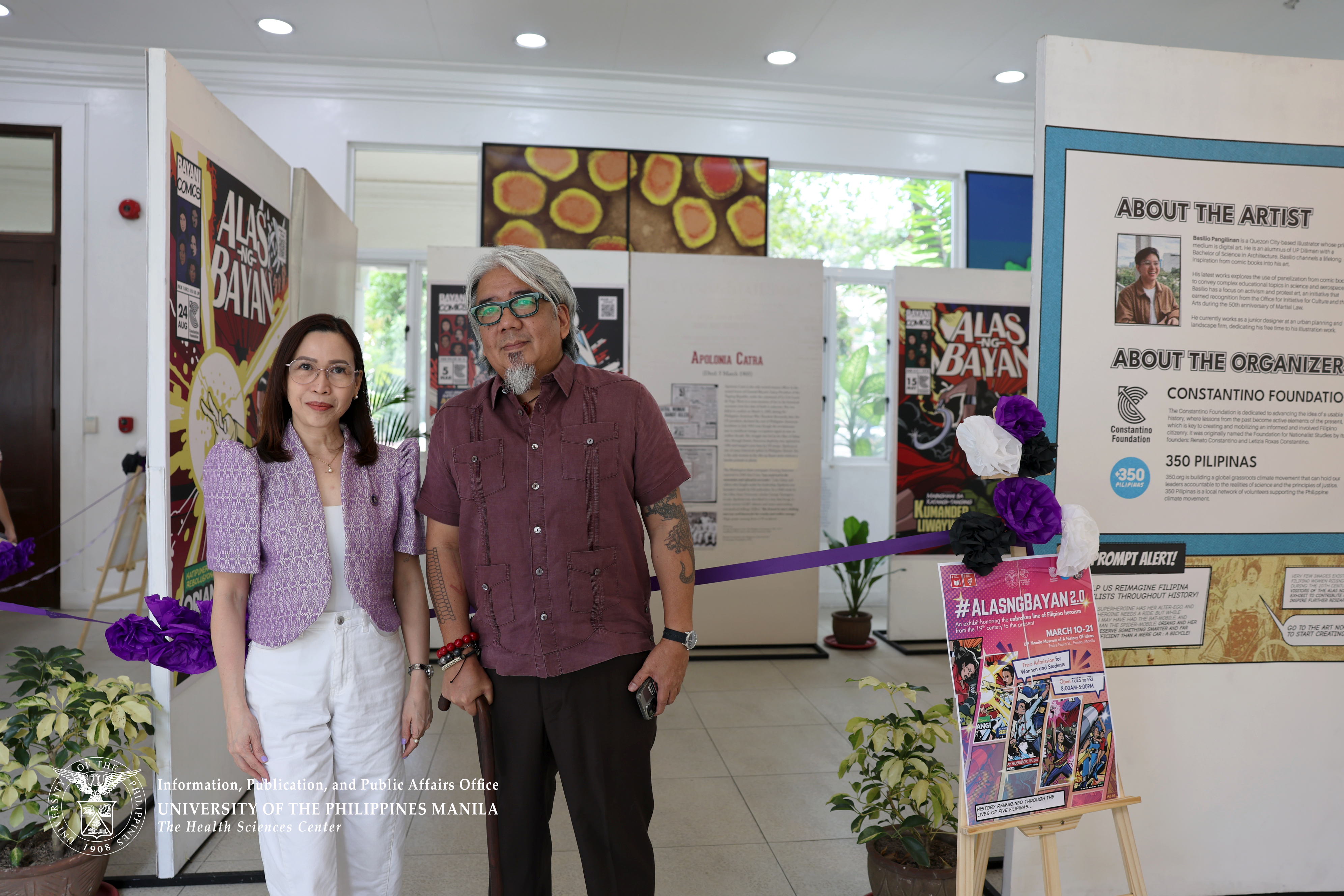
The Alas ng Bayan 2.0 exhibit runs until March 21, 2026, at the UP Manila Museum of the History of Ideas, with free admission for women and students during Women’s Month.
READ MORE:
#FP1 #Environmentthatnurturesourmindandbody