

Text by Charmaine Lingdas
Photos by Ronald Verceles
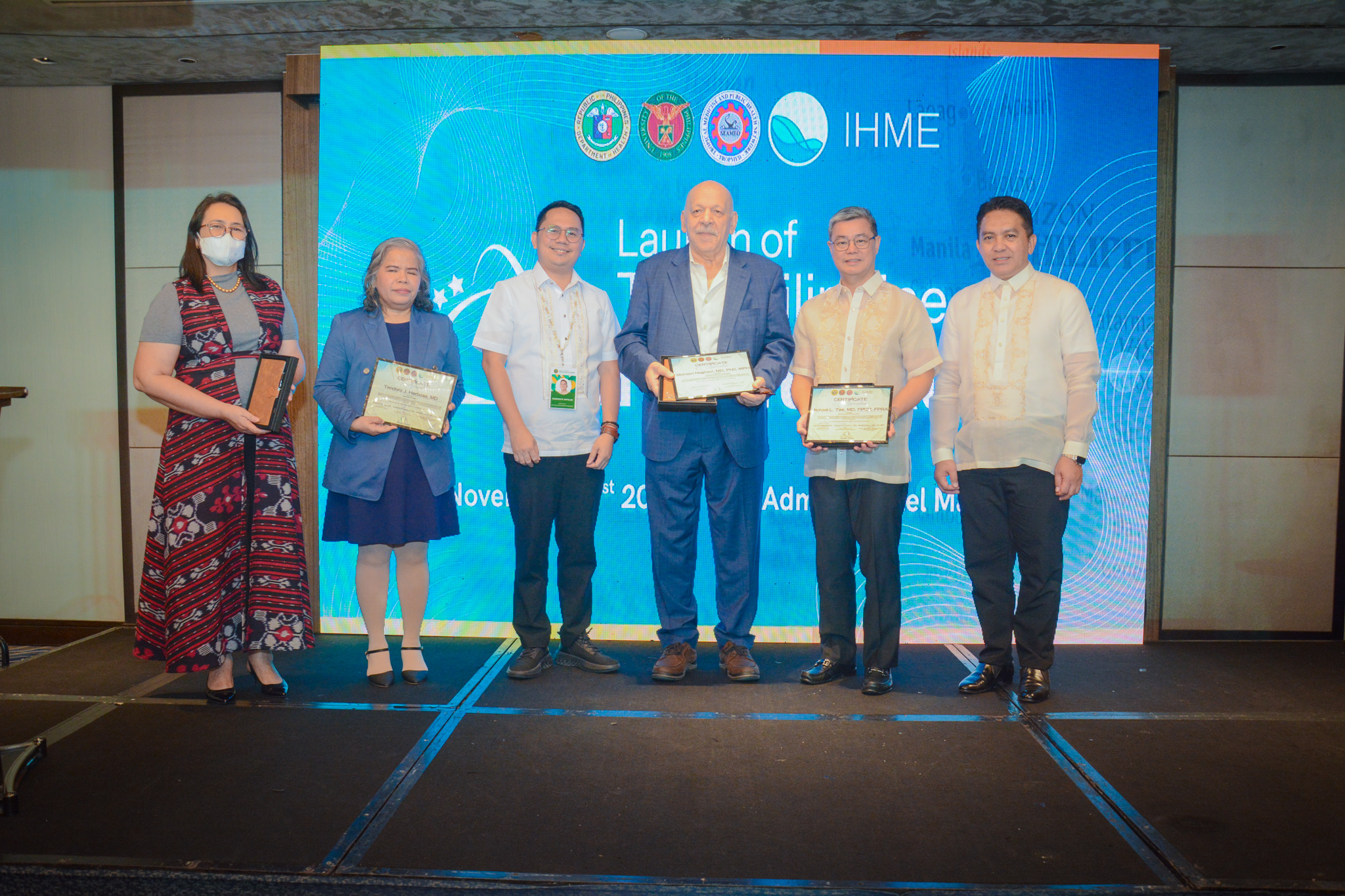

Through its Program for Health Equity, the UP Manila College of Public Health, in partnership with the DOH and Institute for Health Metrics and Evaluation (IHME), officially launched the Philippine Health Atlas at the Admiral Hotel Manila last November 21, 2025, marking a historic milestone in strengthening the country’s data-driven approach to Universal Health Care (UHC).
The Philippine Health Atlas is the country’s most comprehensive compilation of national and provincial health estimates of mortality, morbidity, risk factors, and life expectancy. From Global Burden of Disease (GBD) 2023 data, this publication features 1,256 visual figures, including maps, charts, and comparative indicators covering years of life lost (YLLs), years lived with disability (YLDs), provincial health profiles, human resources for health, facilities, and socioeconomic indicators. It provides standardized profiles for the national level, the National Capital Region, and all regions from CAR to BARMM. Each profile is organized into four key chapters: Mortality and Demographics, Causes of Death and Disability, Risk Factors, and Life Expectancy, giving readers a clear and accessible view of the country’s health landscape.

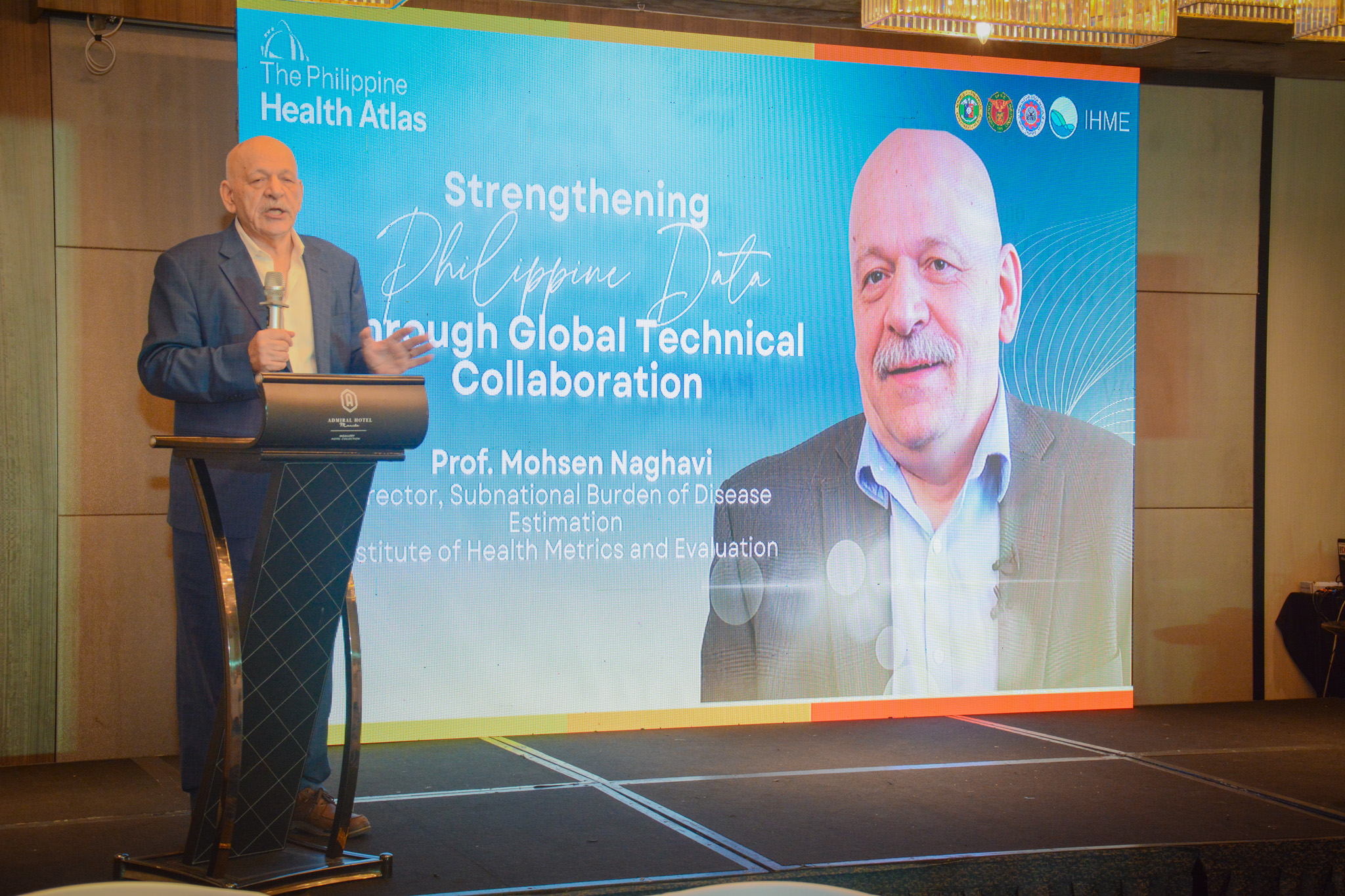
IHME’s Prof. Mohsen Naghavi called the initiative a rare global achievement, with the Philippines joining only Norway, Ethiopia in having completed similar efforts. He explained that the Atlas took seven years to produce, with major contributions from the DOH Epidemiology Bureau and UP Manila. He highlighted that the Philippines has the strongest data systems in the region, particularly in cause-of-death reporting and PhilHealth data, which enabled robust estimates across all provinces. Encouraging the audience to continue the collaboration, he said, “mistake is a treasure,” emphasizing the importance of openly addressing data gaps to continuously improve estimates.
Data as a Foundation for Better Health Planning
For Dr. Leizel Lagrada, Program Coordinator of the CPH Program for Health Equity and project lead, the Atlas serves as a guidebook or reference meant to support evidence-informed UHC discussions and identify future opportunities to strengthen training pathways and support non-technical stakeholders in using the data.
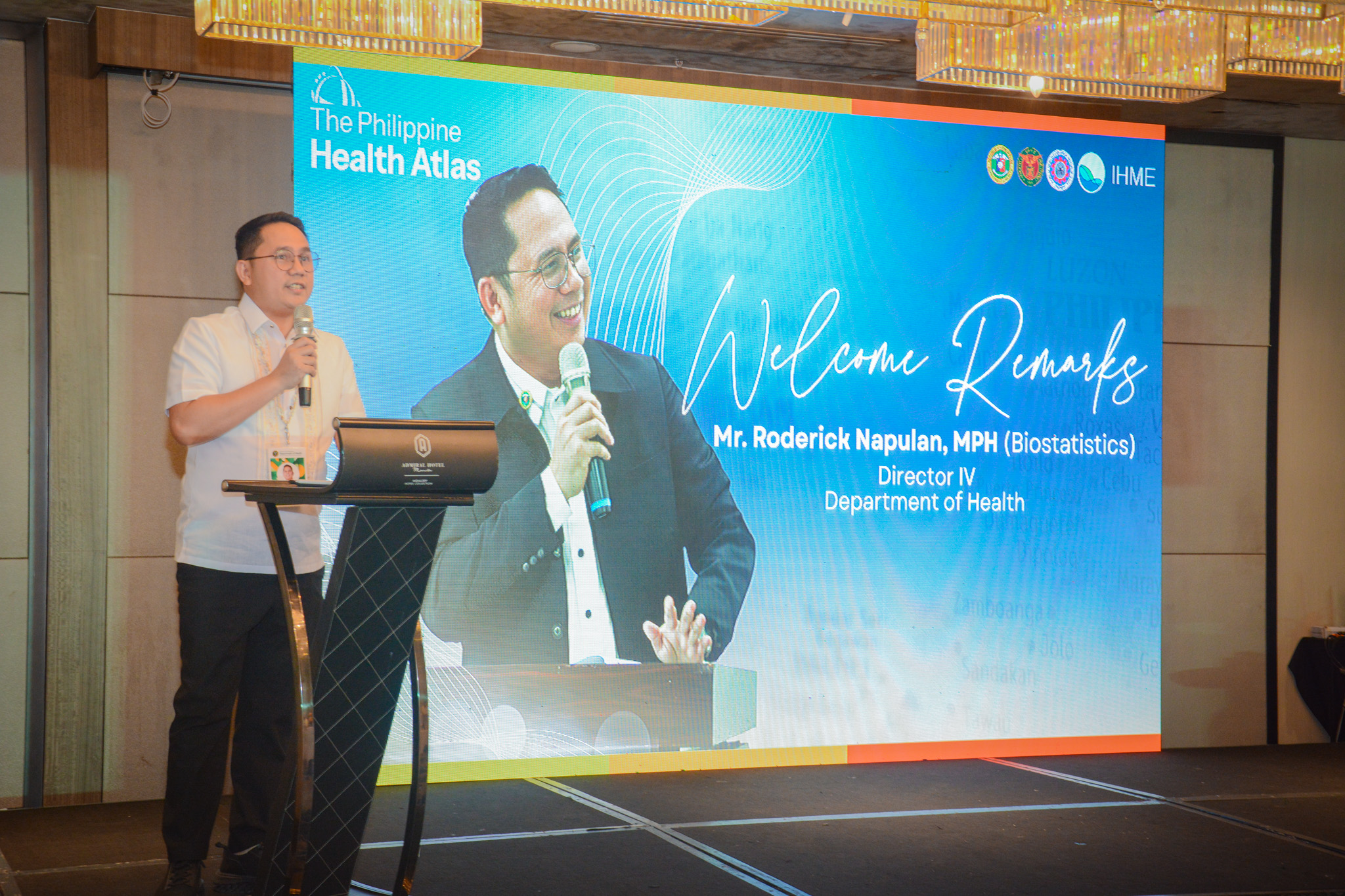
DOH Director IV Roderick Napulan stressed that although “data itself is neutral,” its analysis allows agencies to understand trends, evaluate health spending, and measure progress toward national goals. The Atlas, he said, provides “solid evidence needed to plan carefully, allocate resources effectively, and identify priority areas” across the country.

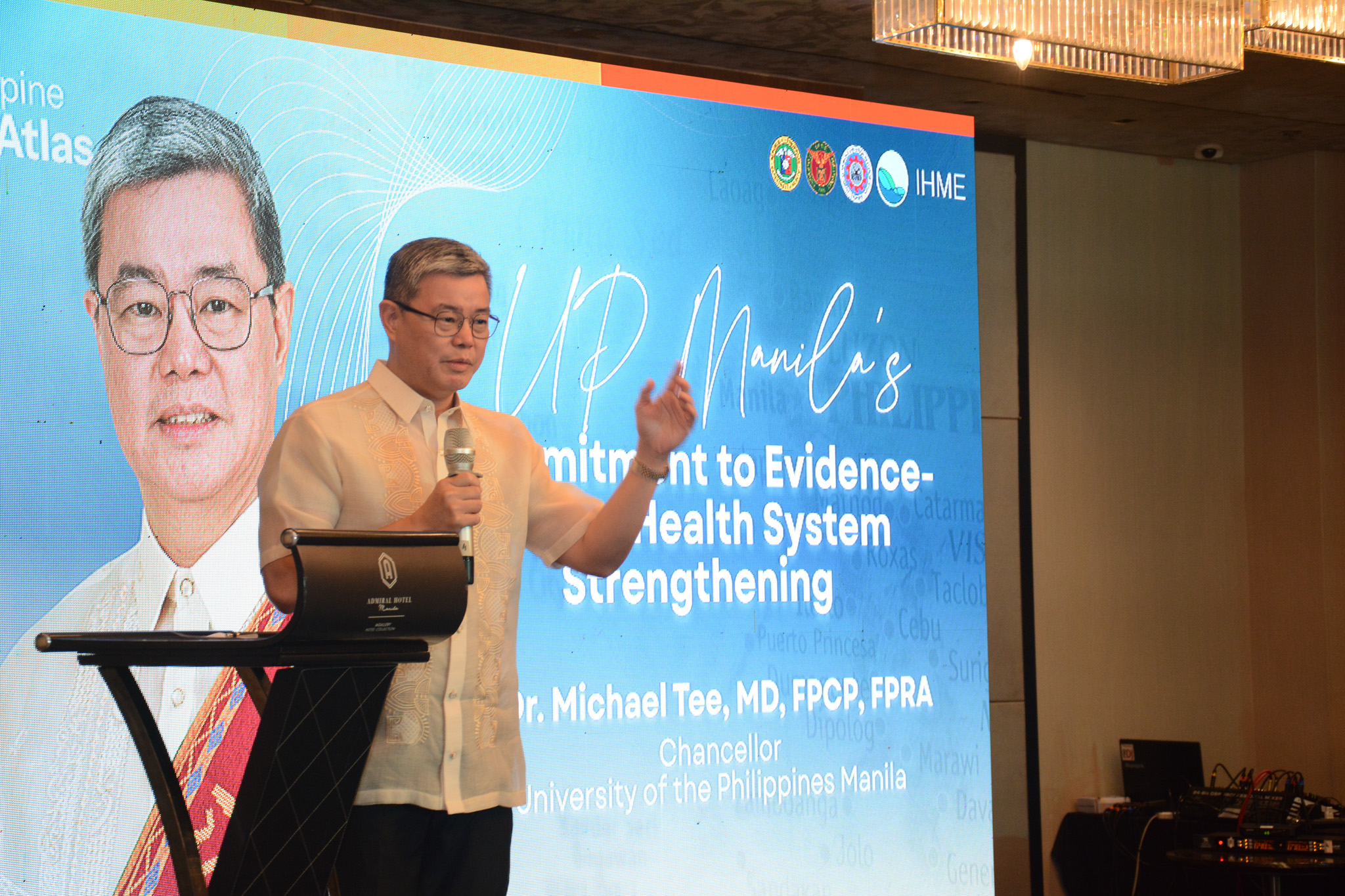
UP Manila Chancellor Michael Tee remarked that the Atlas gives a clear picture of “where the country stands today” and aligns with the long-term national aspirations such as Ambisyon 2040 and Ginhawa 2040. He highlighted how the Atlas offers a strong foundation for designing impactful programs and guiding future research and technology initiatives.
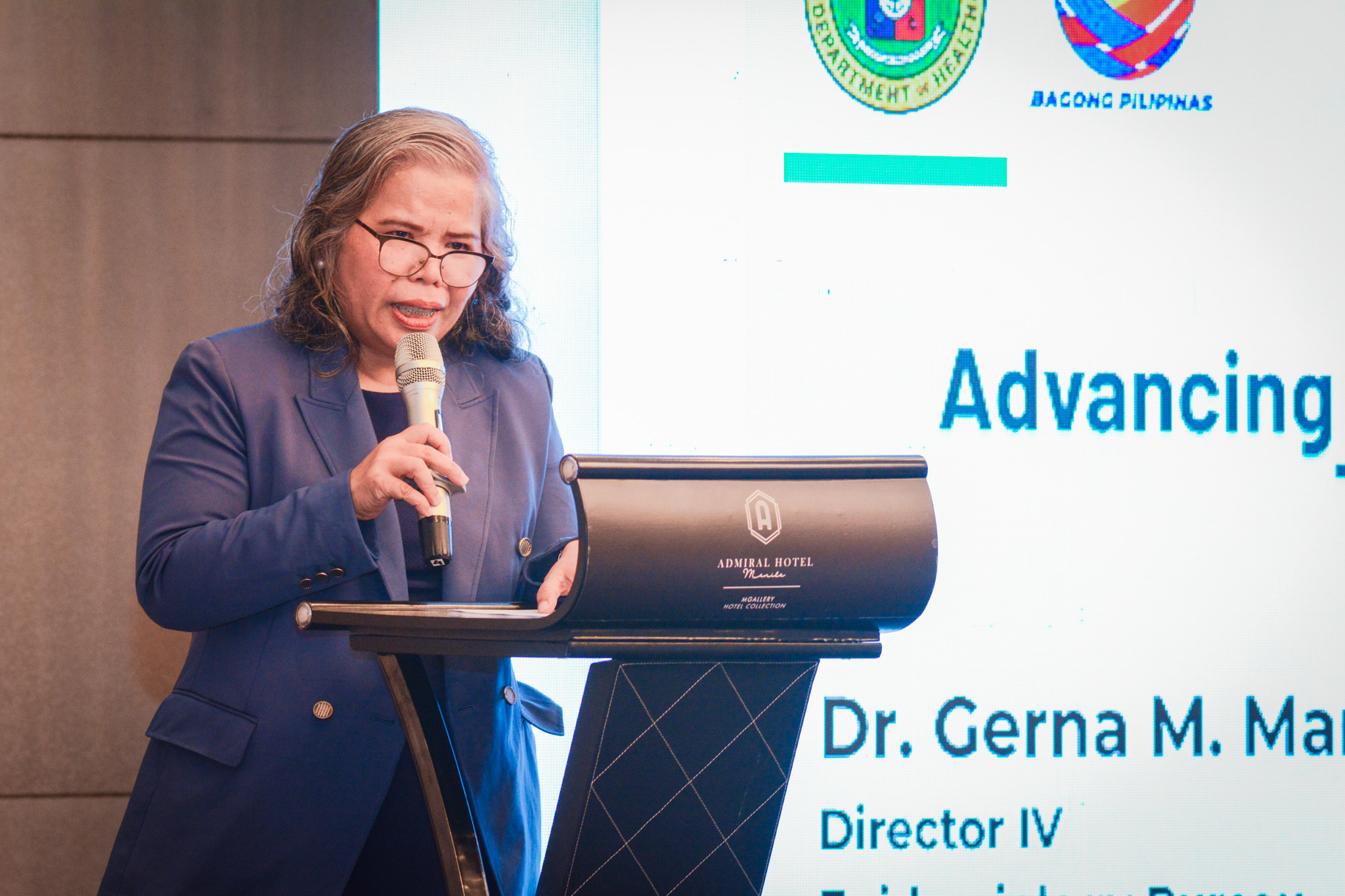
DOH Epidemiology Bureau Director Dr. Gerna Manatad emphasized the importance of integrating both mortality and morbidity data to better capture the country’s evolving health needs, saying that morbidity reveals “diverse and significant health needs” essential for planning and investment decisions.
Global Collaboration Strengthens Philippine Health Data
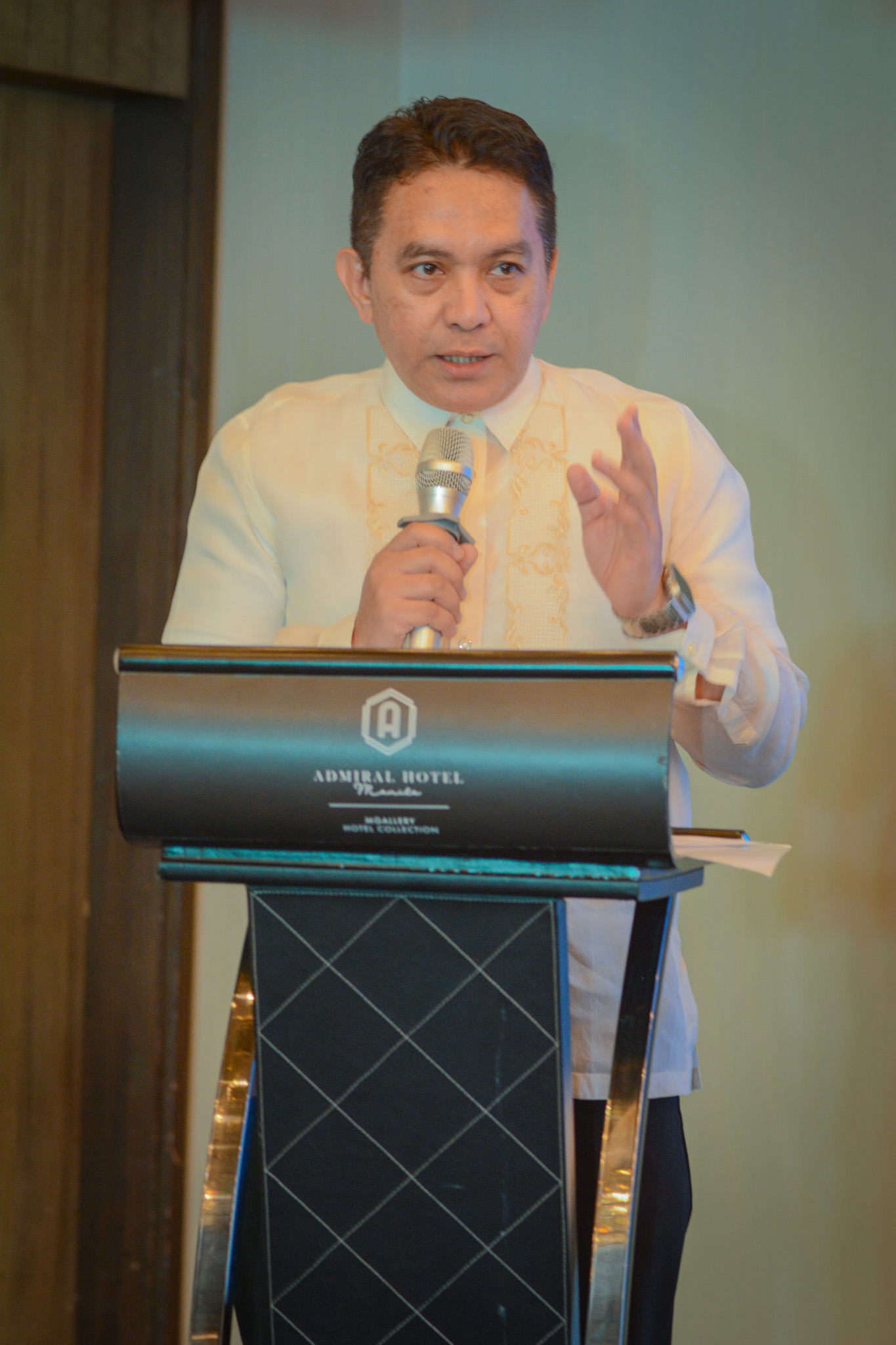
CPH Dean Fernando B. Garcia called the launch a landmark achievement created on strong partnerships, shared purpose, and scientific rigor. He emphasized UPM’s continued commitment to ensuring that the initiative stays relevant to national needs and thanked IHME for bringing the Global Burden of Disease (GBD) framework and analytical expertise to the project.
A digital copy of the Philippine Health Atlas will be released within the year, with updates expected every 2–3 years in line with new GBD cycles. To complement this publication, the Program for Health Equity will also produce a Philippine Health Equity Report, further supporting the country’s ongoing efforts to strengthen evidence-based policy and health system reforms.
Read More: