
Text by Charmaine Lingdas
Photos by Ronald Verceles
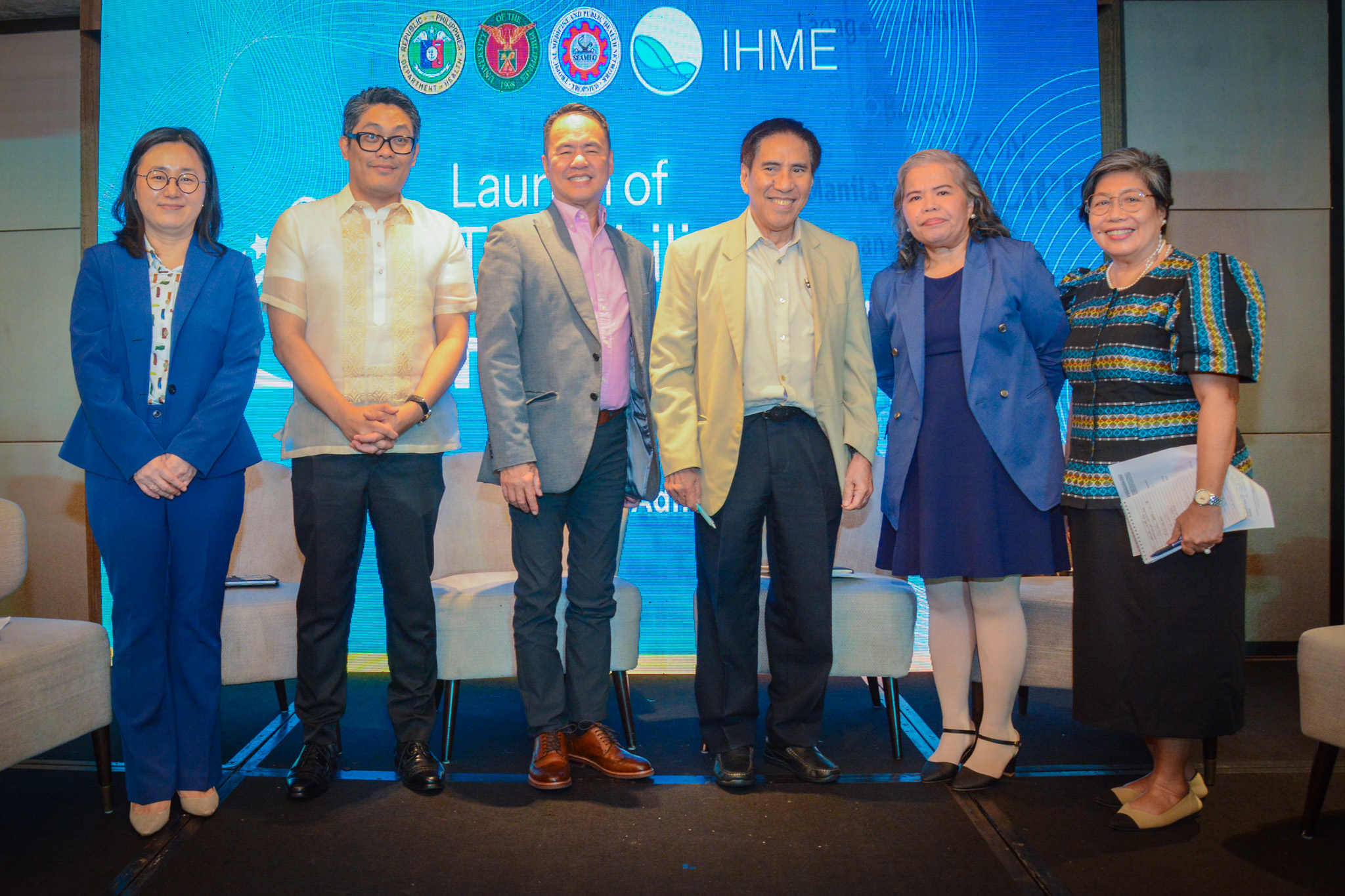
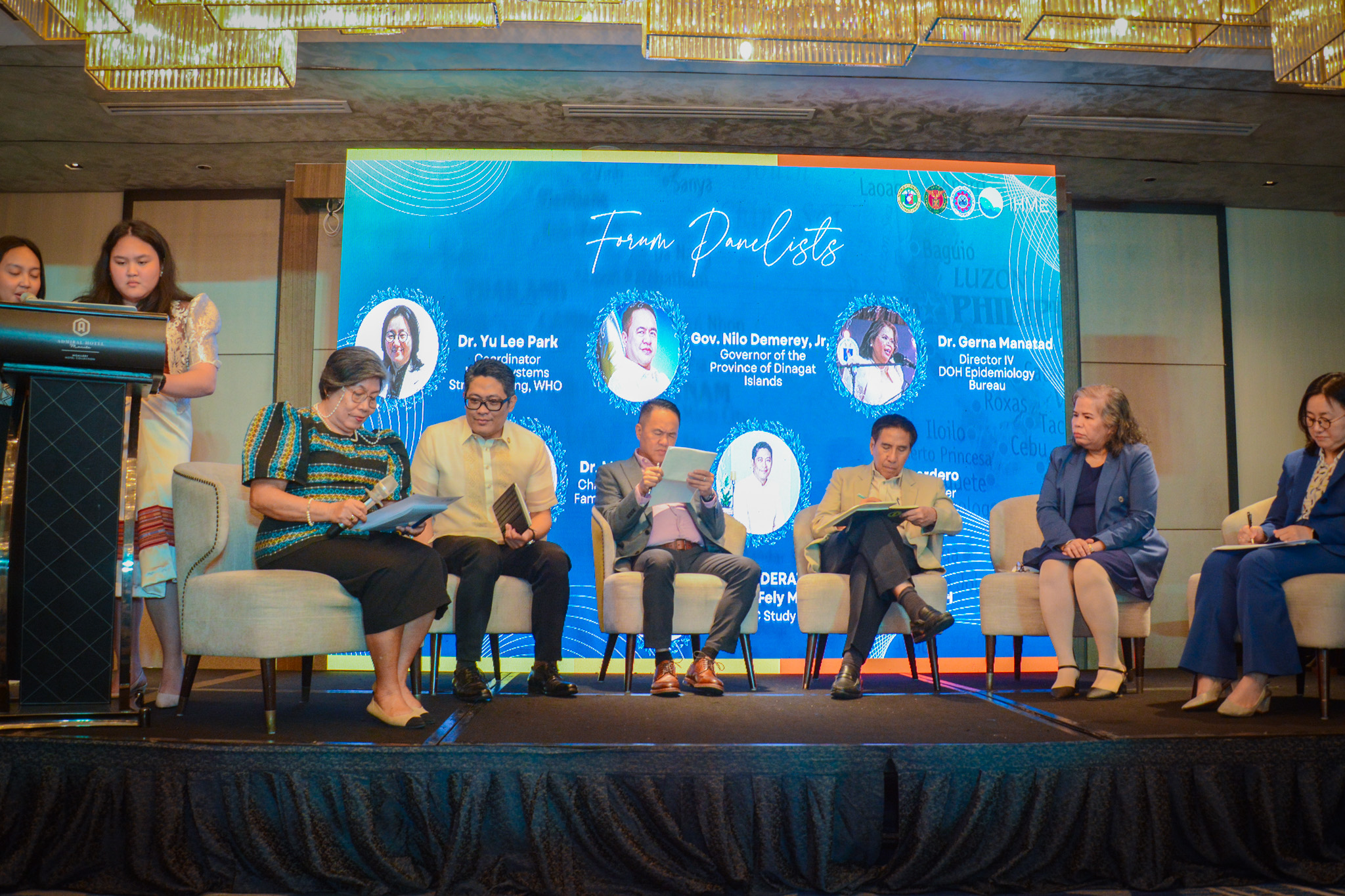
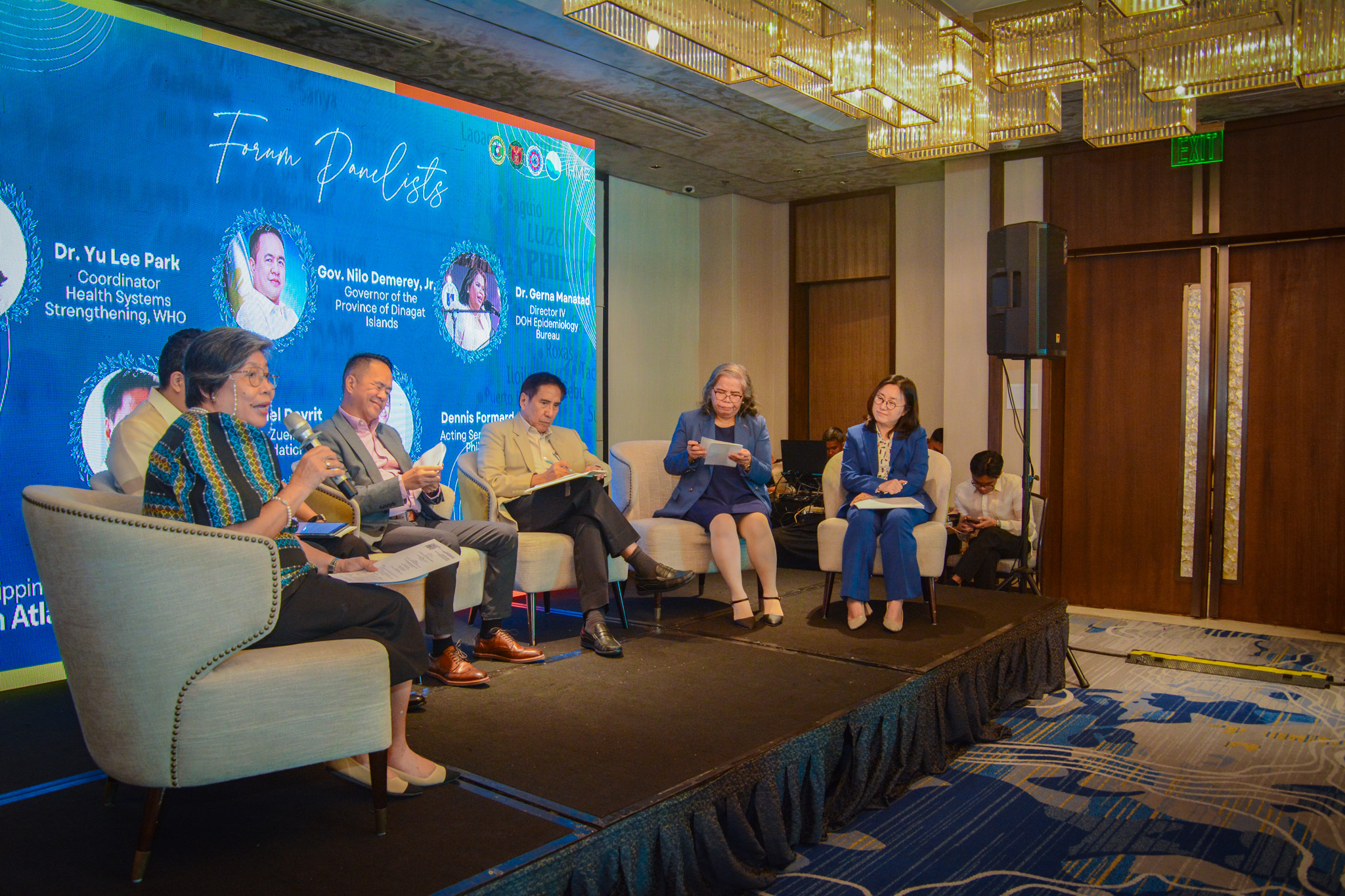
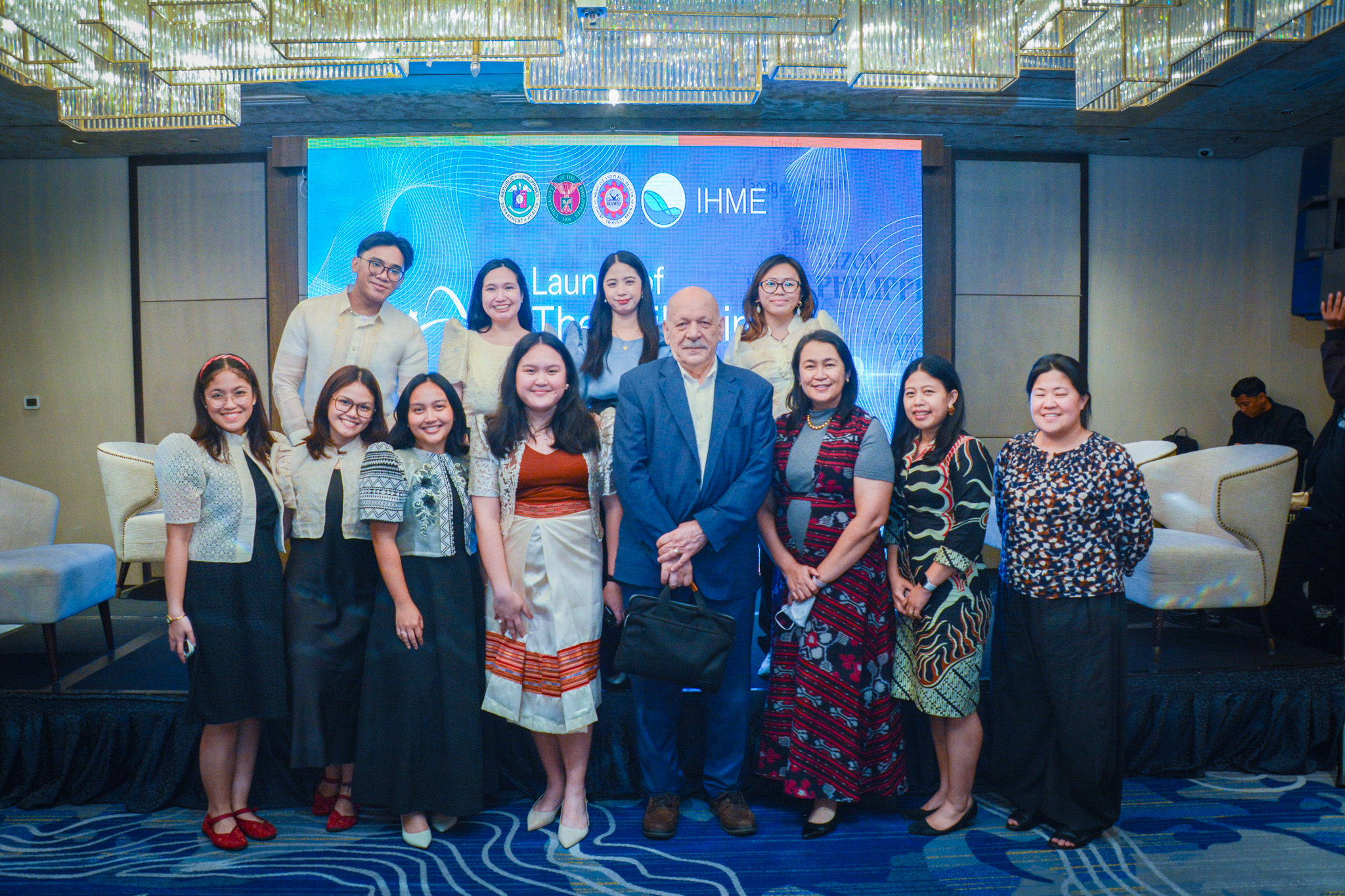
The launch of the Philippine Health Atlas: Burden of Disease 2023 became an avenue for a multi-sectoral discussion on how the country can use health data better to drive Universal Health Care, strengthen local governance, and address inequity for underserved Filipinos. The forum titled “Using the Philippine Health Atlas in Data-Driven UHC Implementation” gathered leaders from PhilHealth, the Province of Dinagat Islands, the Zuellig Family Foundation, the Department of Health, and the World Health Organization who shared valuable insights on how the Atlas can guide planning and accountability across the health sector.
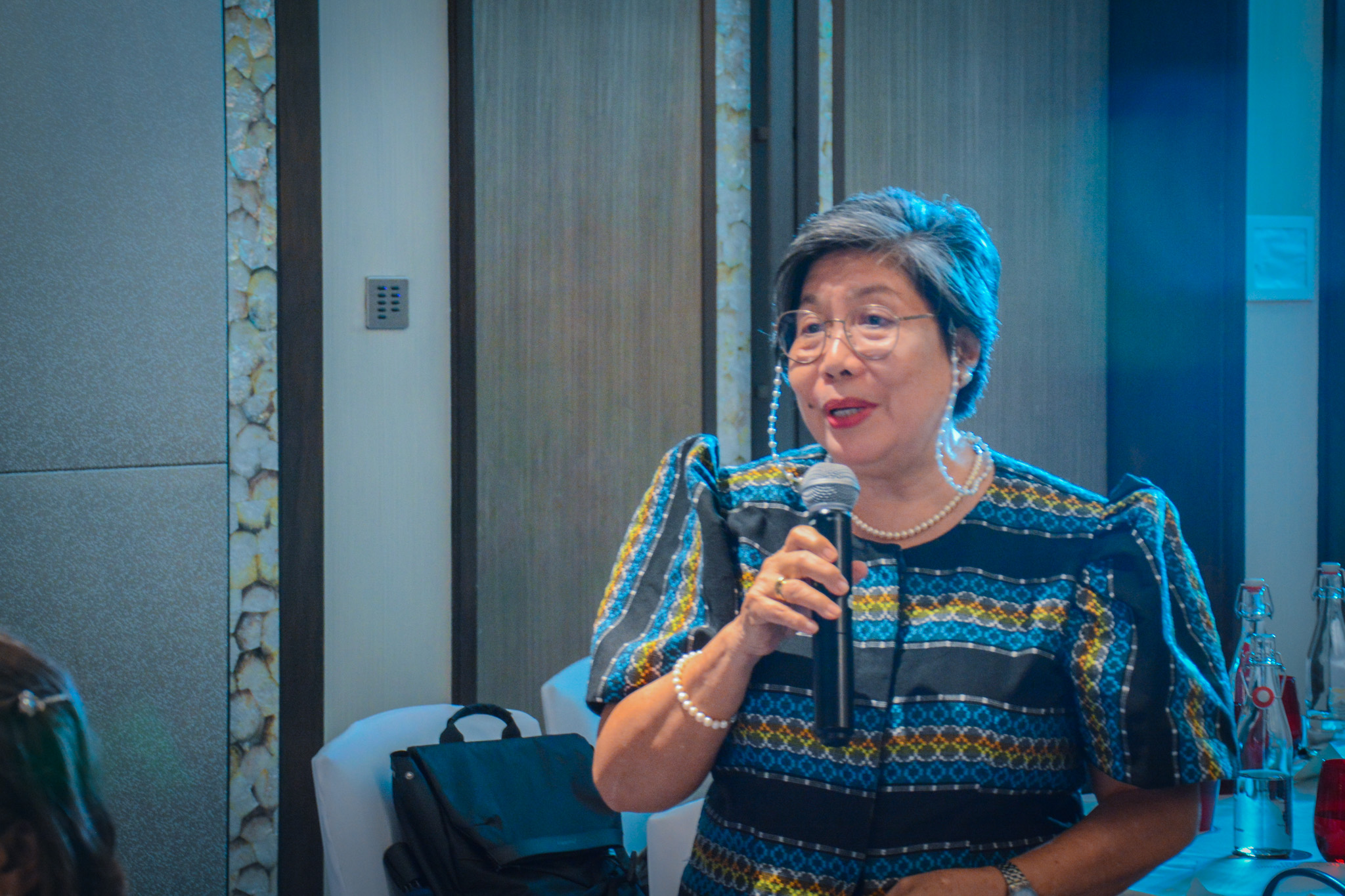
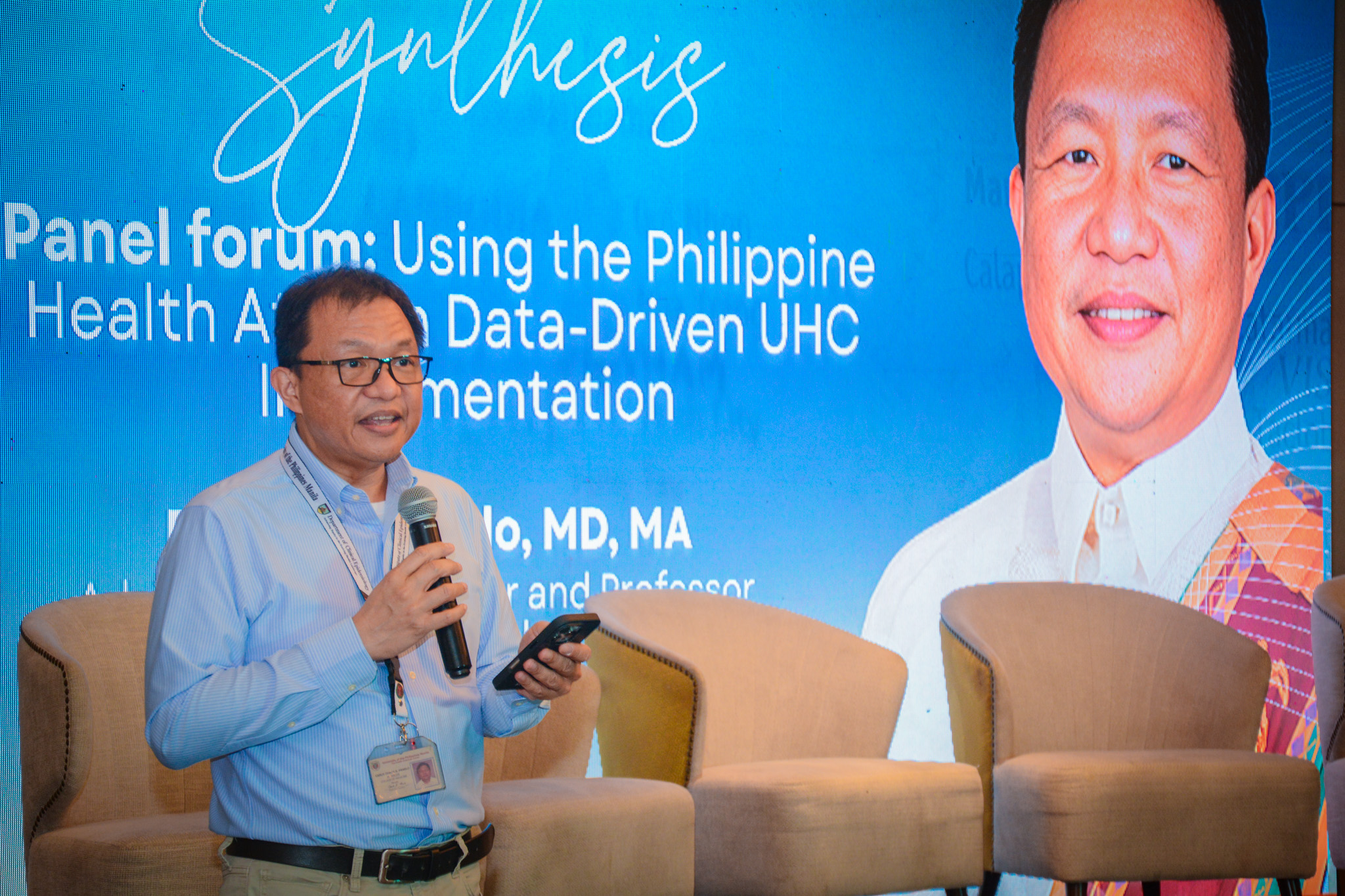
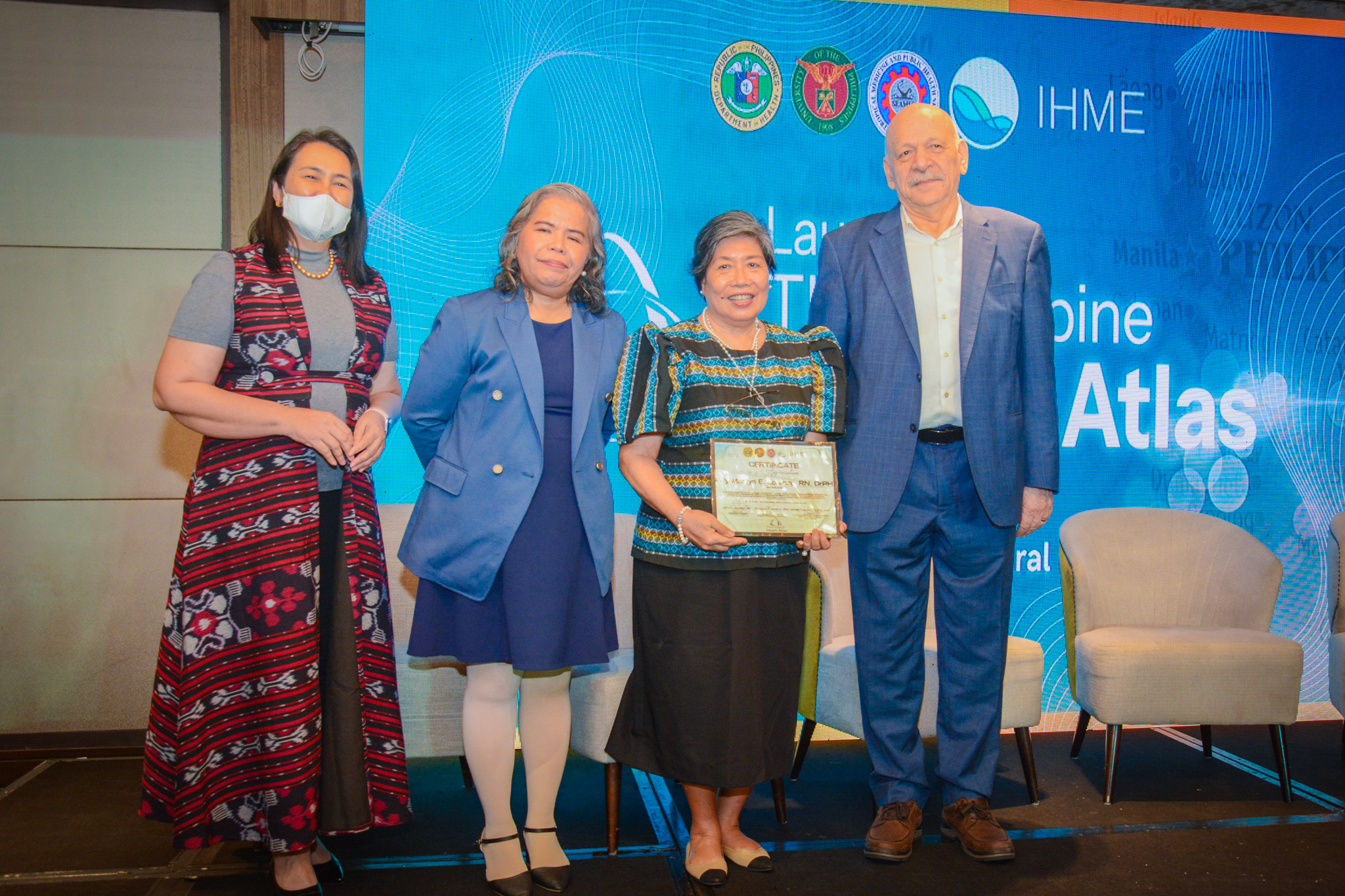
Moderated by Dr. Fely Marilyn Lorenzo, a retired professor of the Department of Health Policy and Administration at the College of Public Health and member of the UHC Study Group, the panel highlighted the practical value of the Atlas in understanding the patterns of disease to help improve service delivery and target investments to areas that would most benefit from them. The panelists underscored that the subnational data covering mortality, morbidity, DALYs, risk factors, and service availability give the decision-makers clarity on the country’s health landscape.
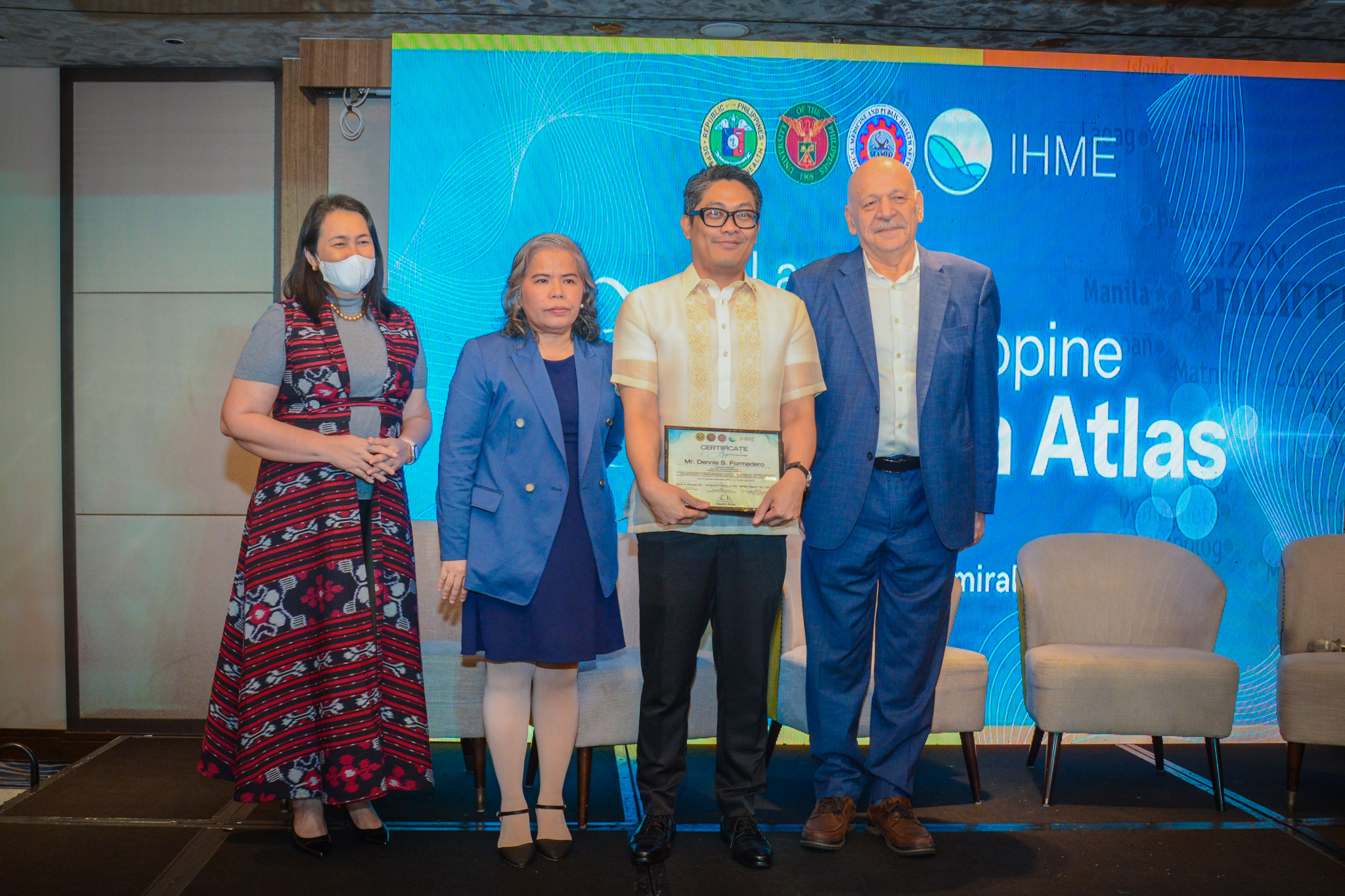
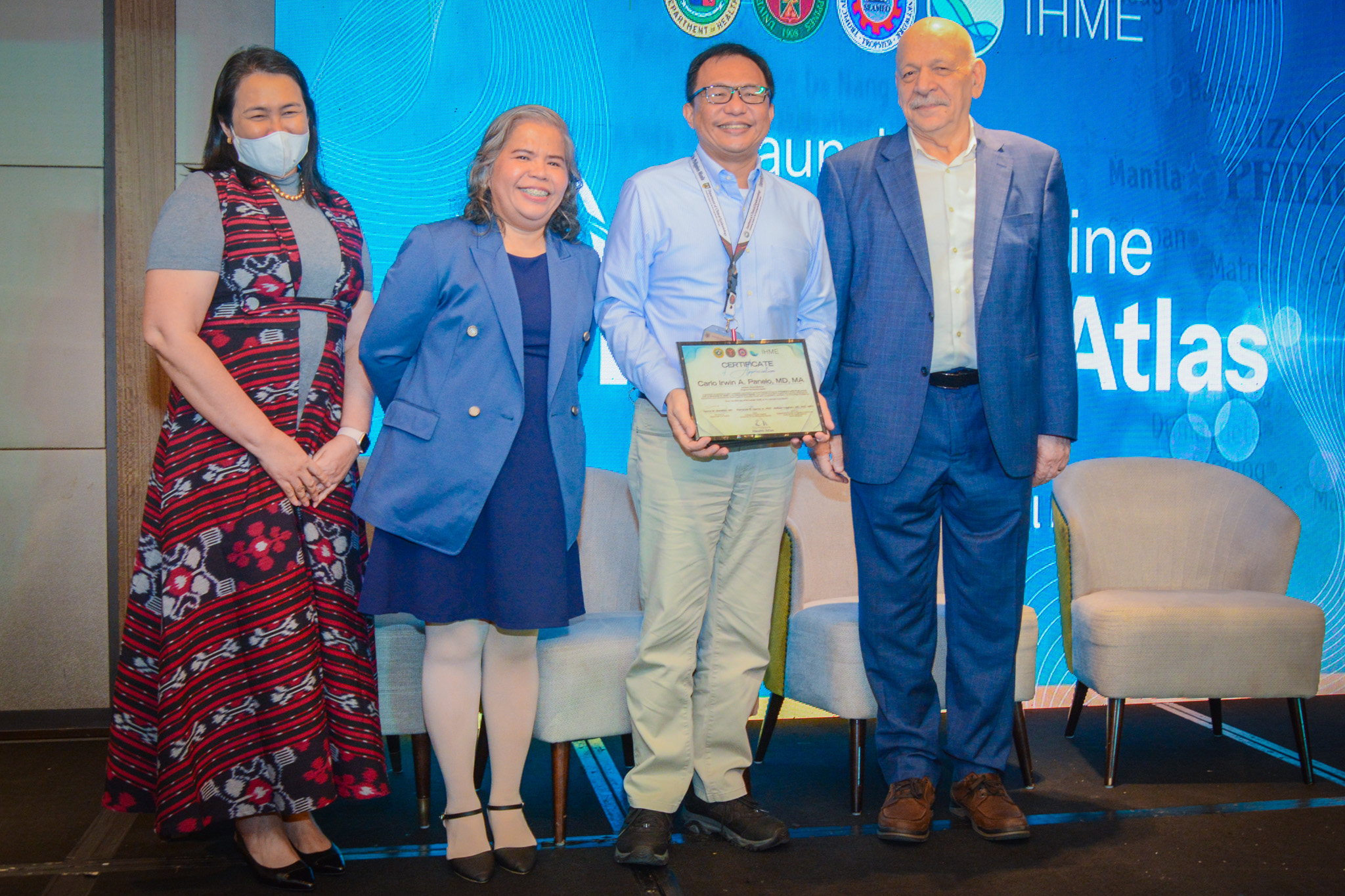
From the perspective of the Philippine Health Insurance Corporation, Dennis Formadero pointed out that the Atlas contributes to the strengthening capacity of the agency for the ongoing transition to Diagnosis-Related Groups DRGs. He stated that the estimates from DALY can guide the prioritization of benefits and packages, adding that data on utilization and geographic gaps will inform facility investments and refinement of the PhilHealth’s “Yaman ng Kalusugan Program (YAKAP) Para Malayo sa Sakit” program to reach the underserved areas.
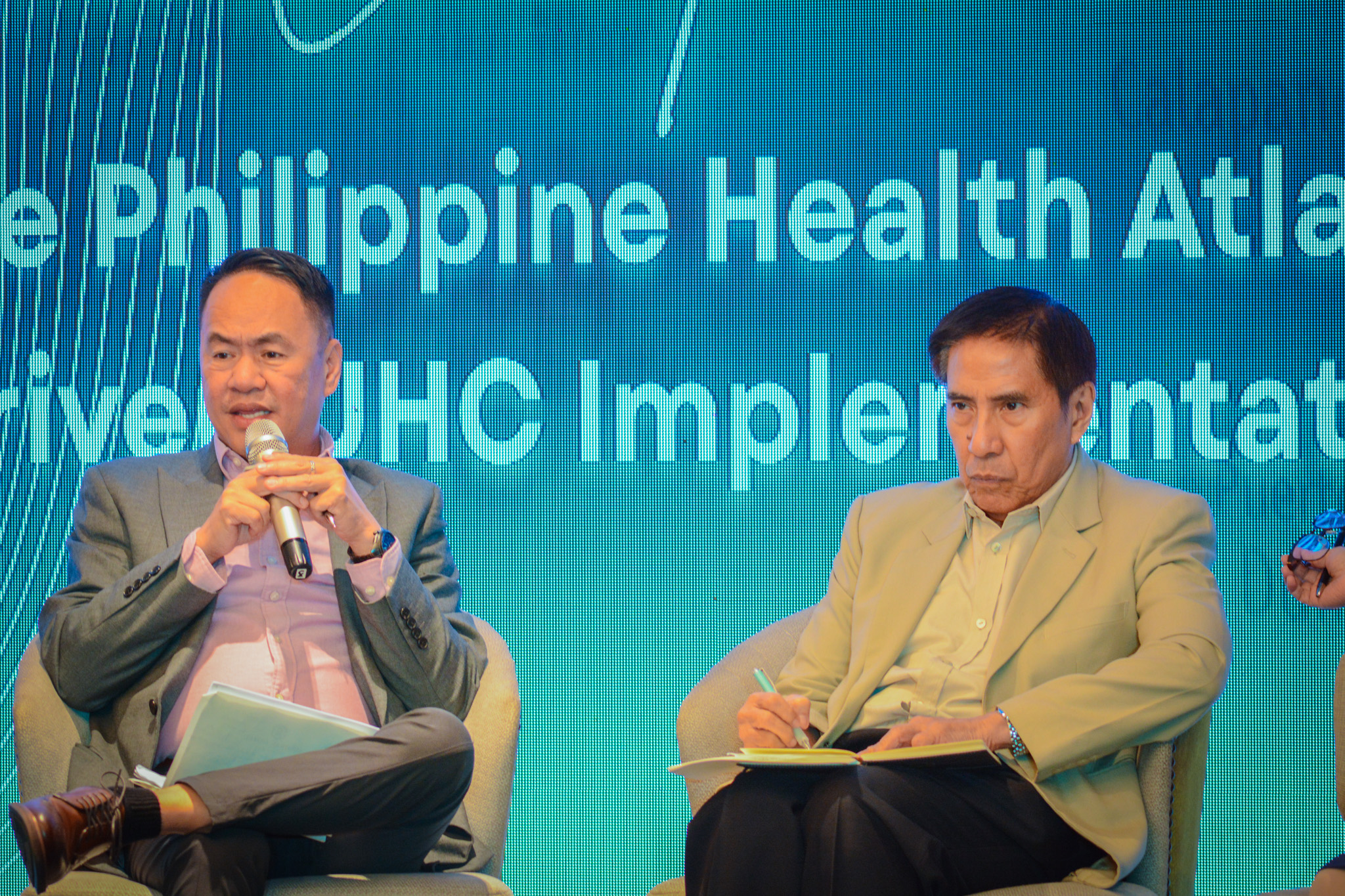
From the perspective of the local government, Governor Nilo Demerey Jr. of the Dinagat Islands believed that what is needed is to provide LGUs with tools they can easily interpret and apply. “We have the compass, we have the map, we have the GPS. But if the driver doesn’t want to go there, we will always be lost,” he said, stressing that the leaders of the LGUs should know how to use the atlas. He said the Atlas enables the provinces to plan more strategically based on their most prevalent causes of illness and service gaps.
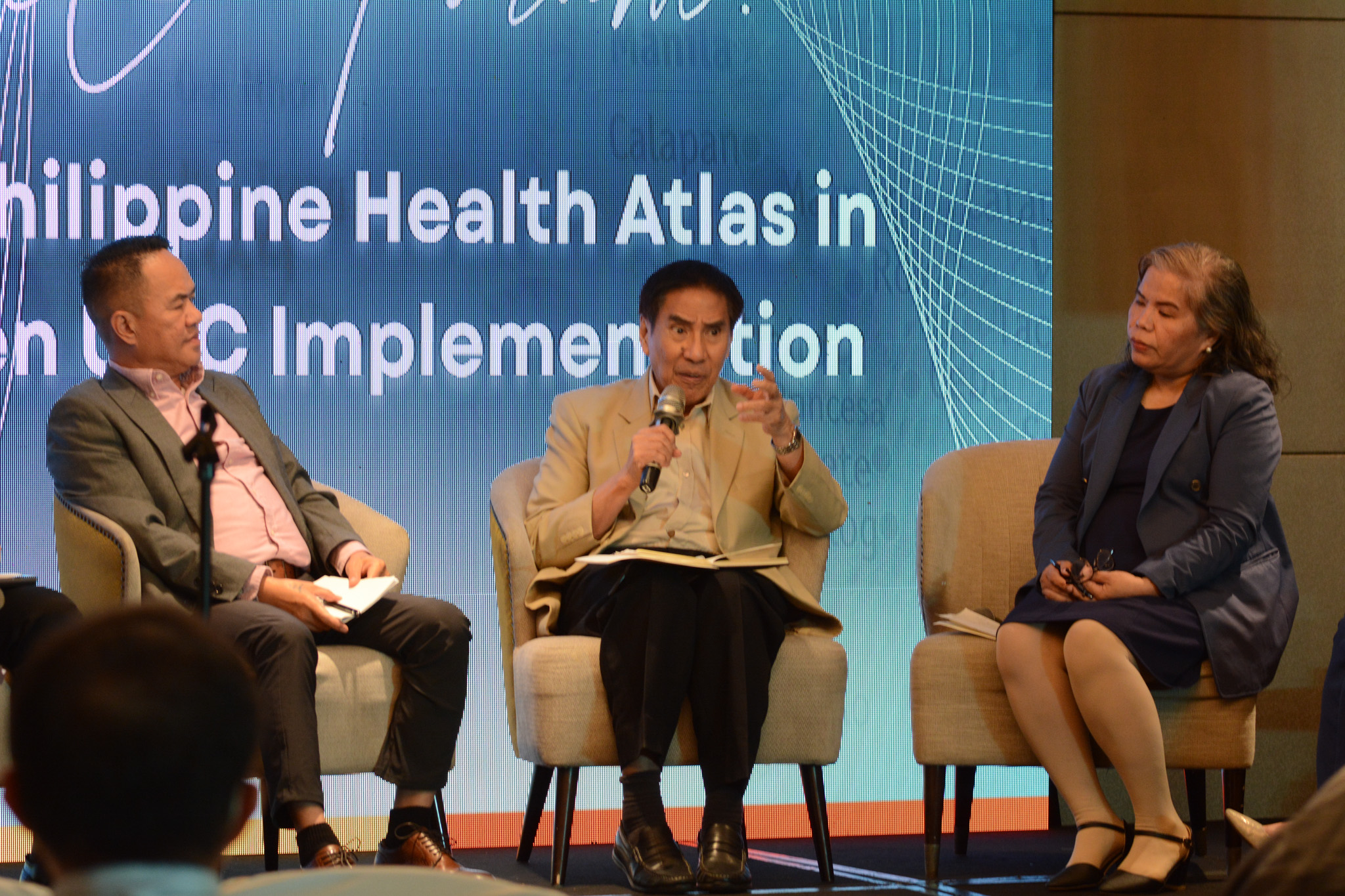
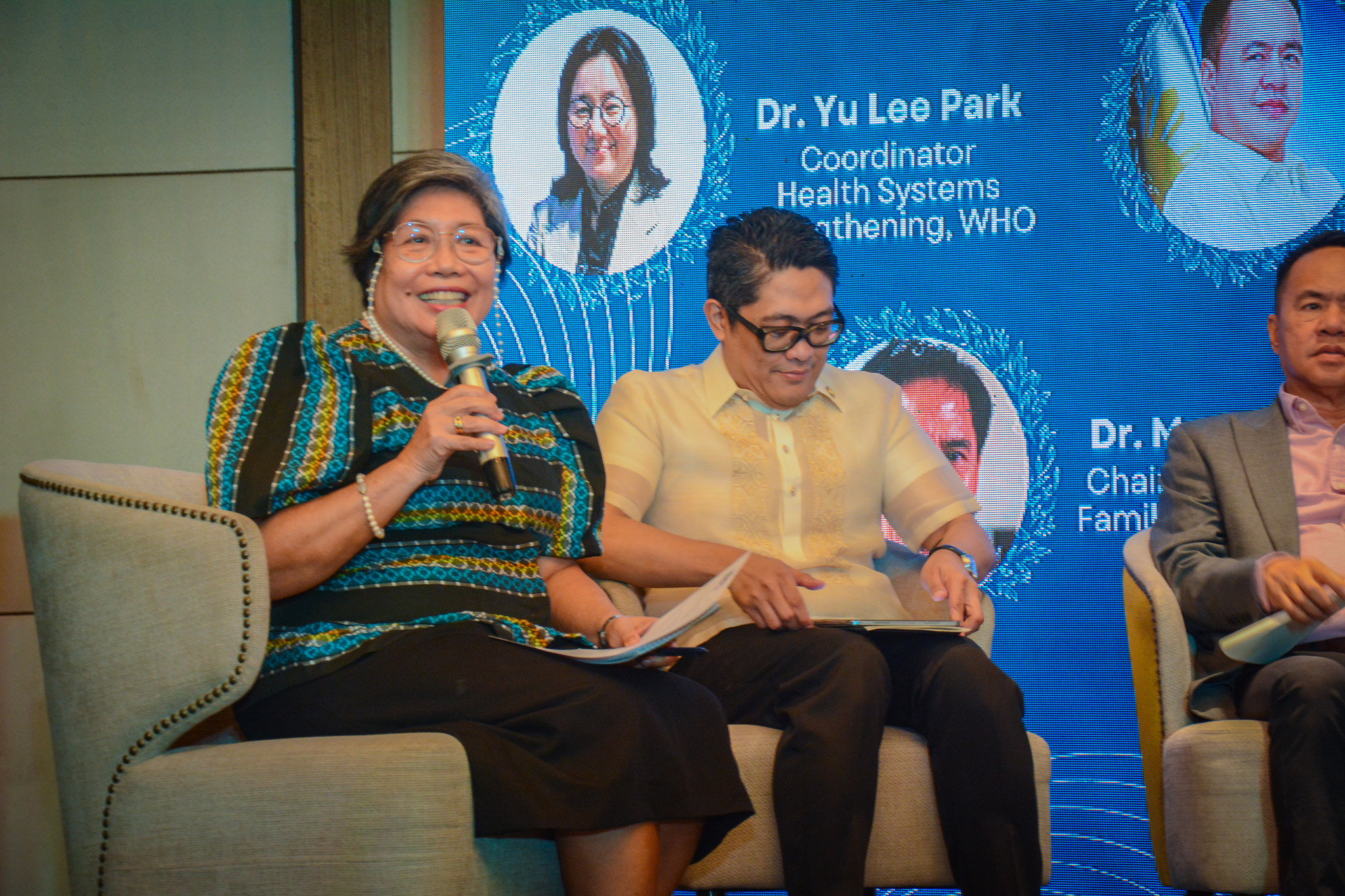
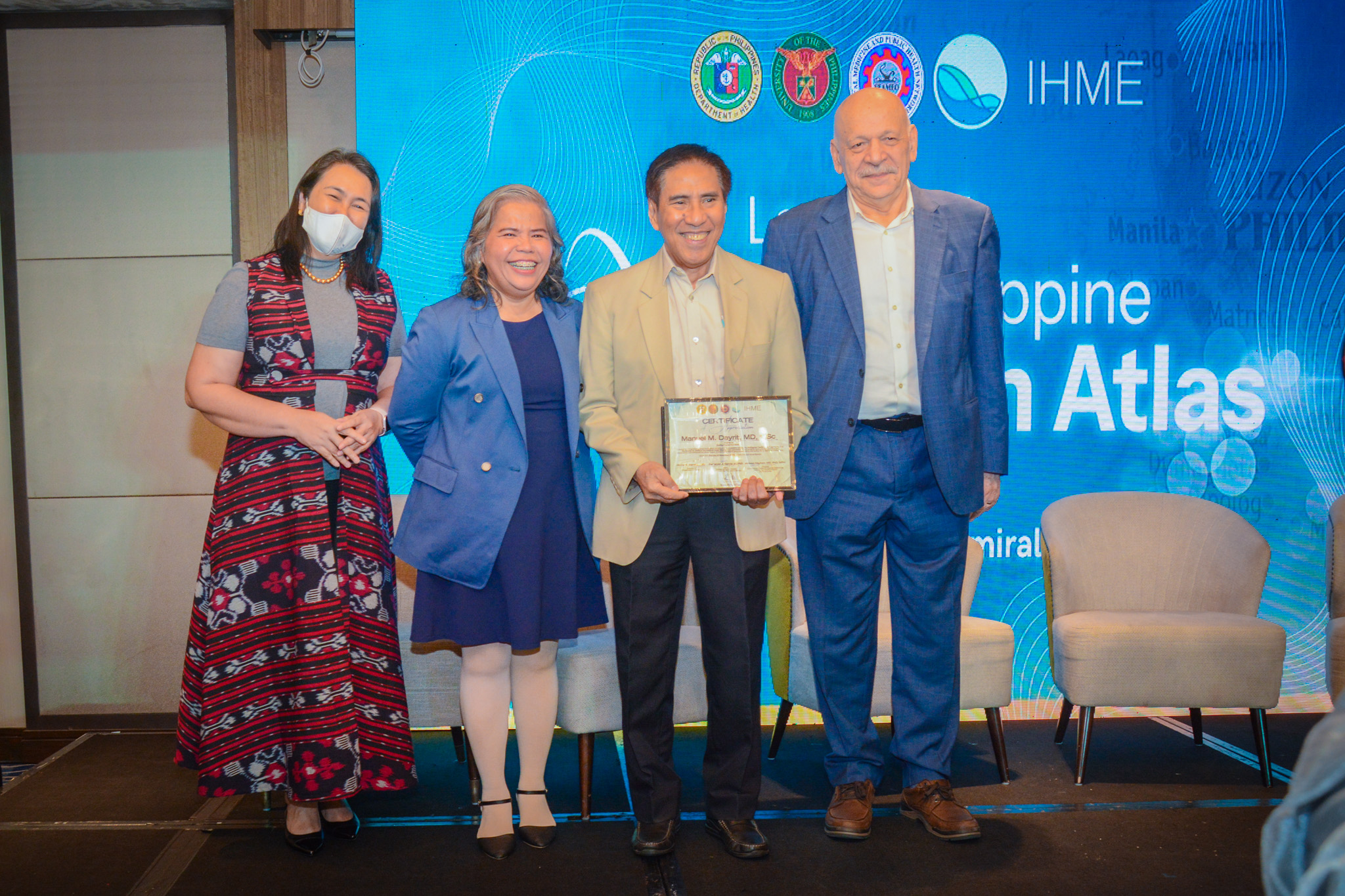
Representing the non-governmental organizations, Dr. Manuel M. Dayrit, Chairman of the Zuellig Family Foundation, said that “data is power, and data can be weaponized. What civil society does is try to get the government to do what it’s supposed to do, which is to govern well,” while asserting that the Atlas provides a powerful mechanism for accountability. He added that NGOs can use the Atlas to choose the right advocacies, check whether their programs address the country’s biggest health problems, and strengthen their efforts in mobilizing resources.
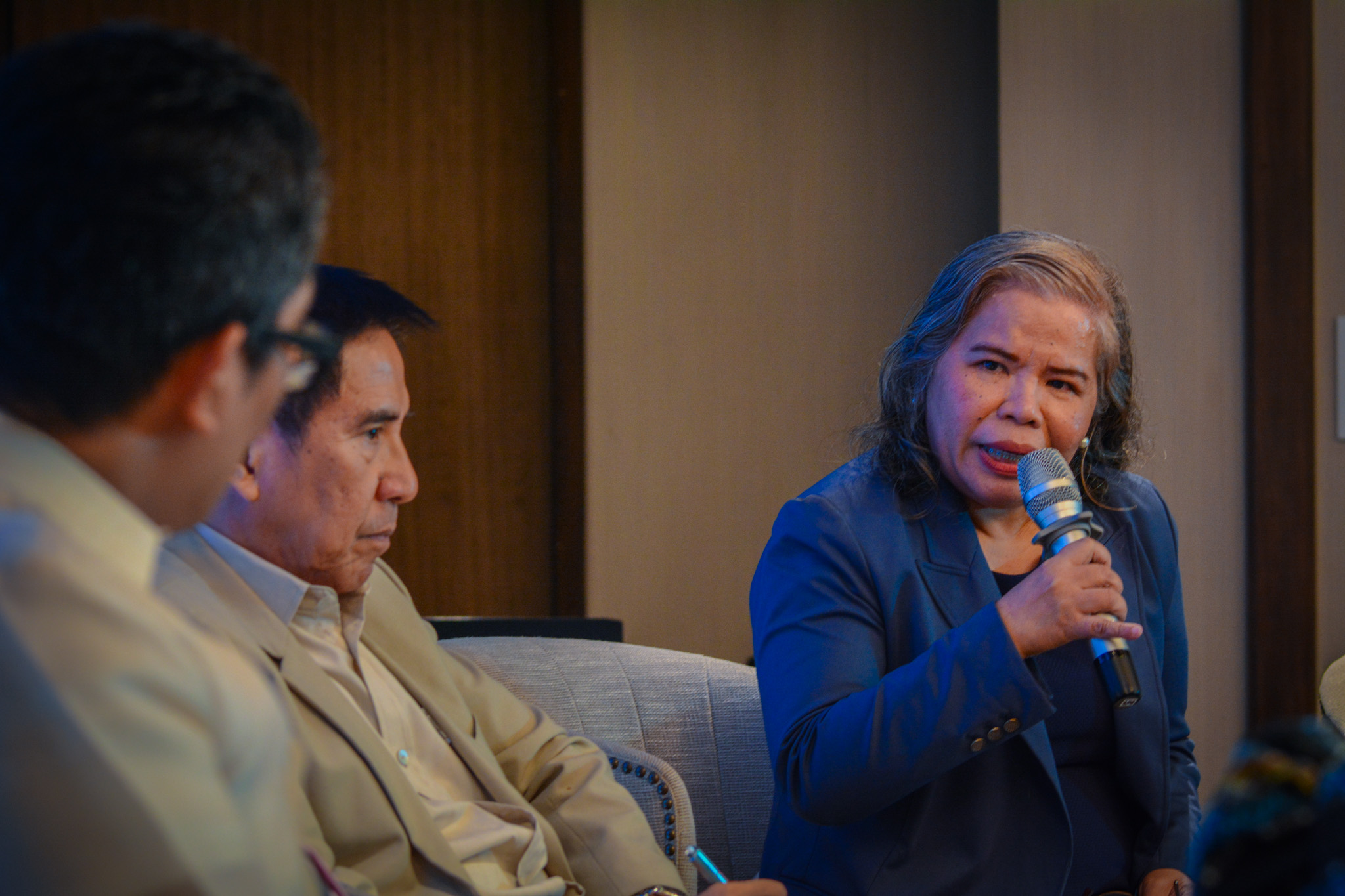
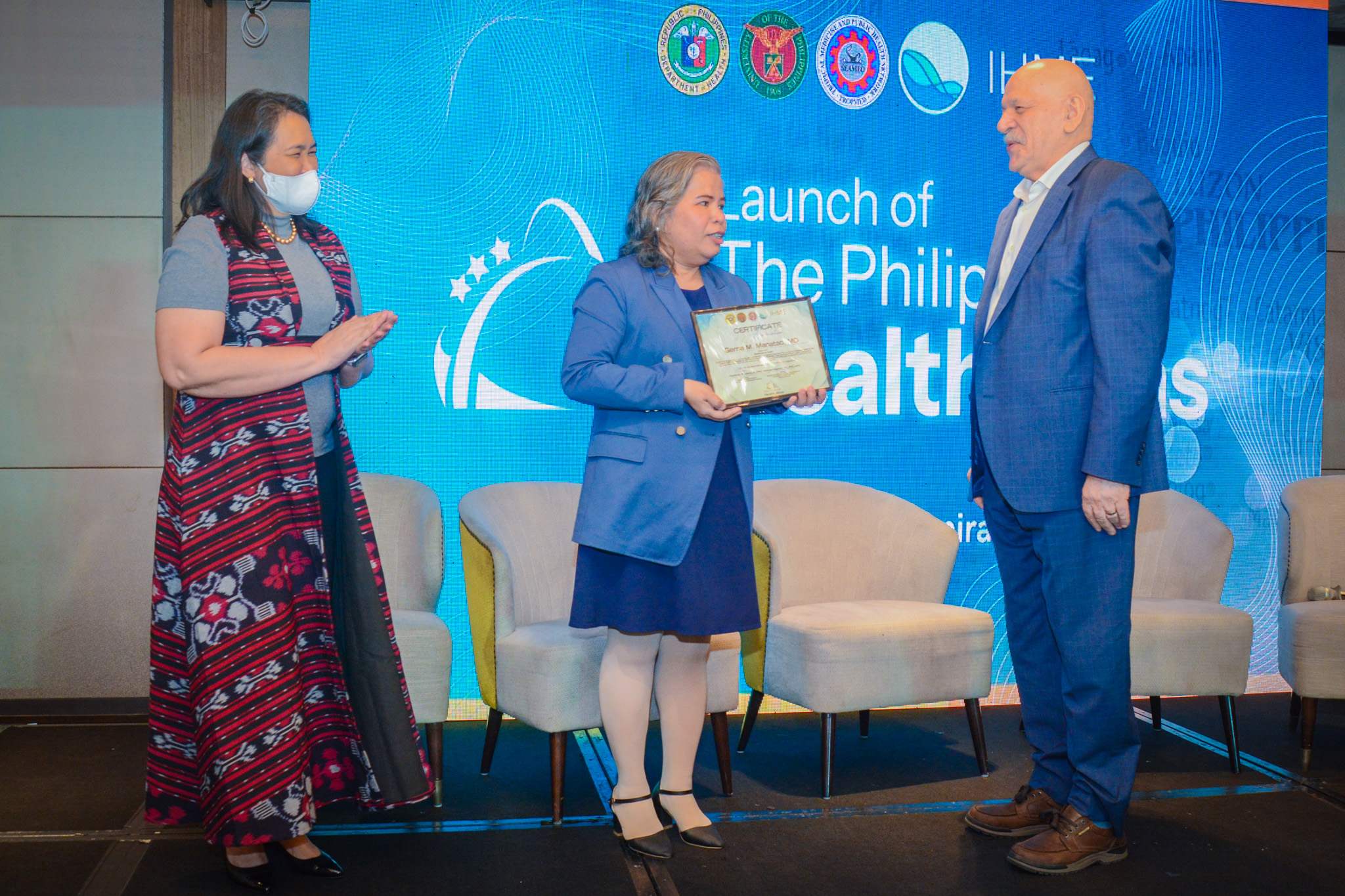
Representing the DOH, Dr. Gerna Manatad enumerated some of the ways the Atlas could support national stewardship: through visualization of investments; informing the conduct of policy reviews; guiding budget allocation; monitoring performance and determining which functions may be best decentralized. Dr. Manatad stressed that as a communication tool, the atlas transforms difficult data into usable information even for non-technical audiences. She said that while people say the health of Filipinos is improving, the Atlas will tell us to what extent and how our progress compares with neighboring countries, so we do not accept slow development as “good enough.”
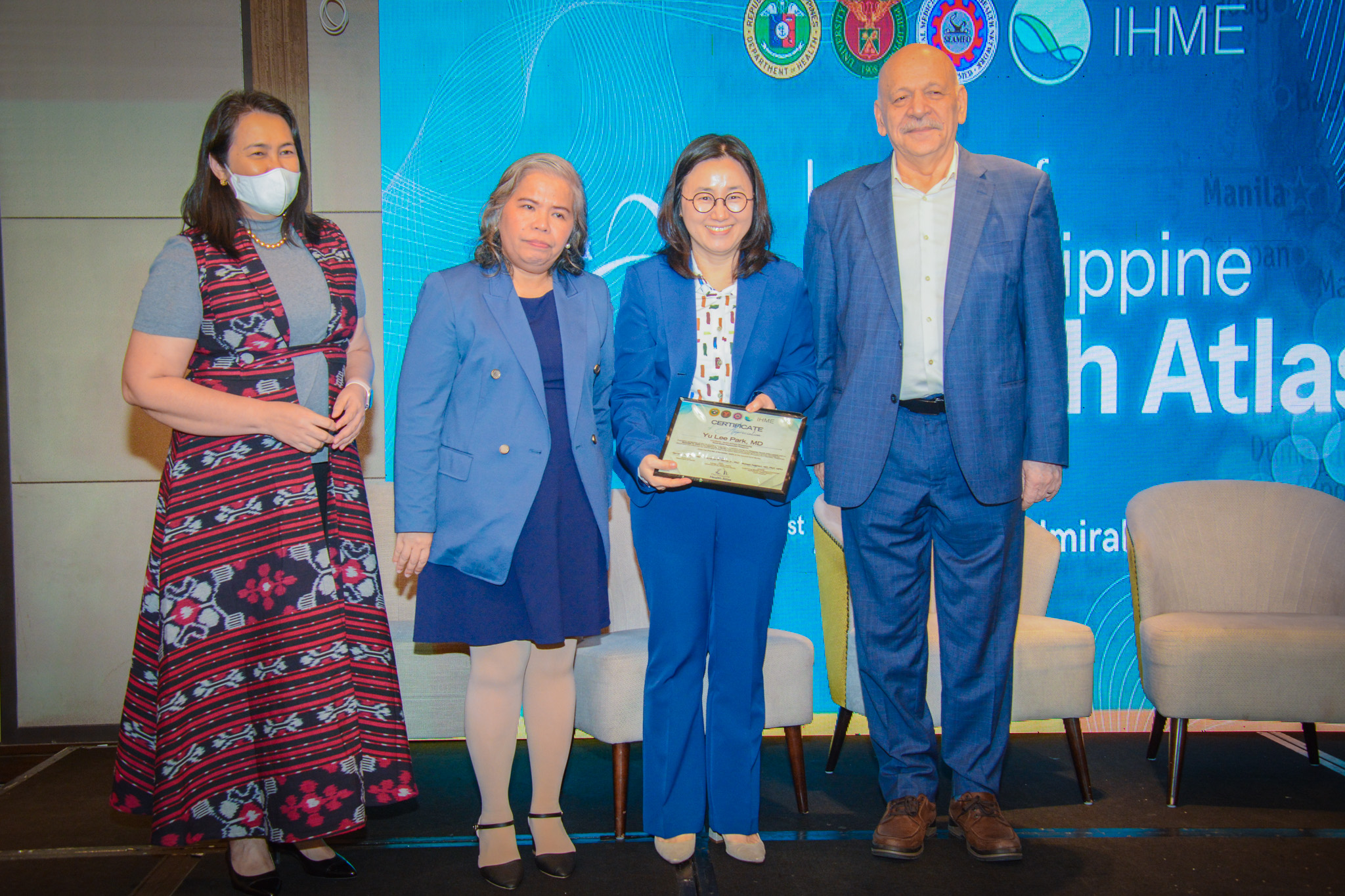
Dr. Yu Lee Park, coordinator, Health Systems Strengthening, WHO Philippines, described the publication as a critical tool to address health inequities. As it contains both demand-side and supply-side indicators, the Atlas offers a comprehensive starting point for strengthening strategic purchasing and localized planning. WHO also noted that the Atlas helps explain “who is struggling and why,” given the ability of programs to respond more effectively to the needs of vulnerable populations. The challenge, however, put forward was how to address those “unseen” in current data—Filipinos who do not seek care and therefore remain uncounted.
From the different presentations, one common highlight is the importance of how data translates to action. Panelists were aware that even as the Philippines does generate volumes of health information, decision-makers must likewise be capable of interpreting, prioritizing, and applying such insights at every level-from barangay health units all the way to national agencies.
In conclusion, Dr. Lorenzo reiterated the need to compare the country’s pace of improvement with regional neighbors, noting that understanding the “slope of change” is essential for raising the standard of what constitutes progress. The forum culminated in a unified call to maximize the Atlas as a foundation for evidence-informed governance, strategic investment, community engagement, and cross-sectoral collaboration. The session reflected a growing consensus that indeed, the Philippine Health Atlas is not just a collection of statistics but a tool to help in building a more just, accountable, and equity-driven health system for all Filipinos.

Read More: