

Text by Jennifer Manongdo
Photos by Ehcel Hurna

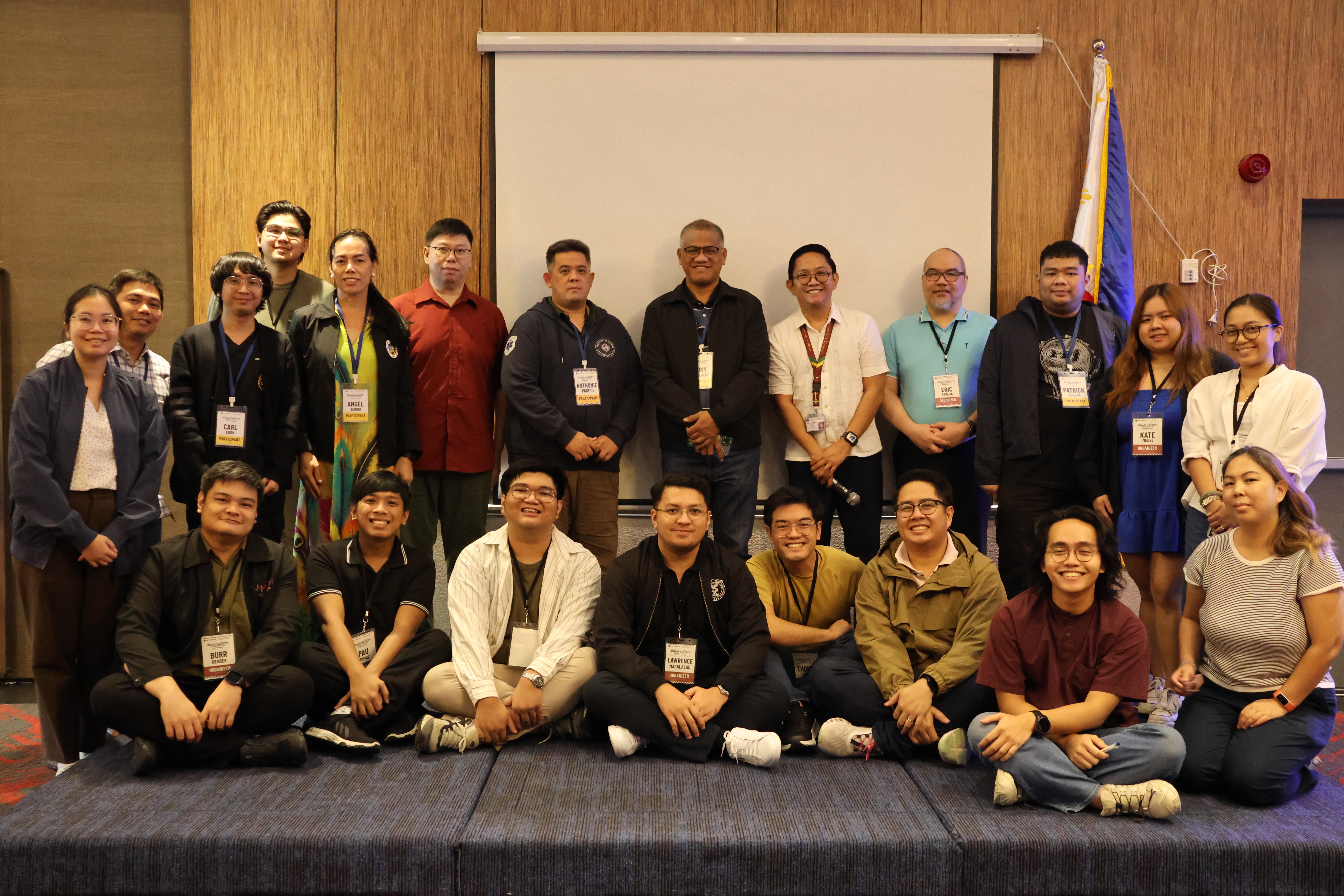
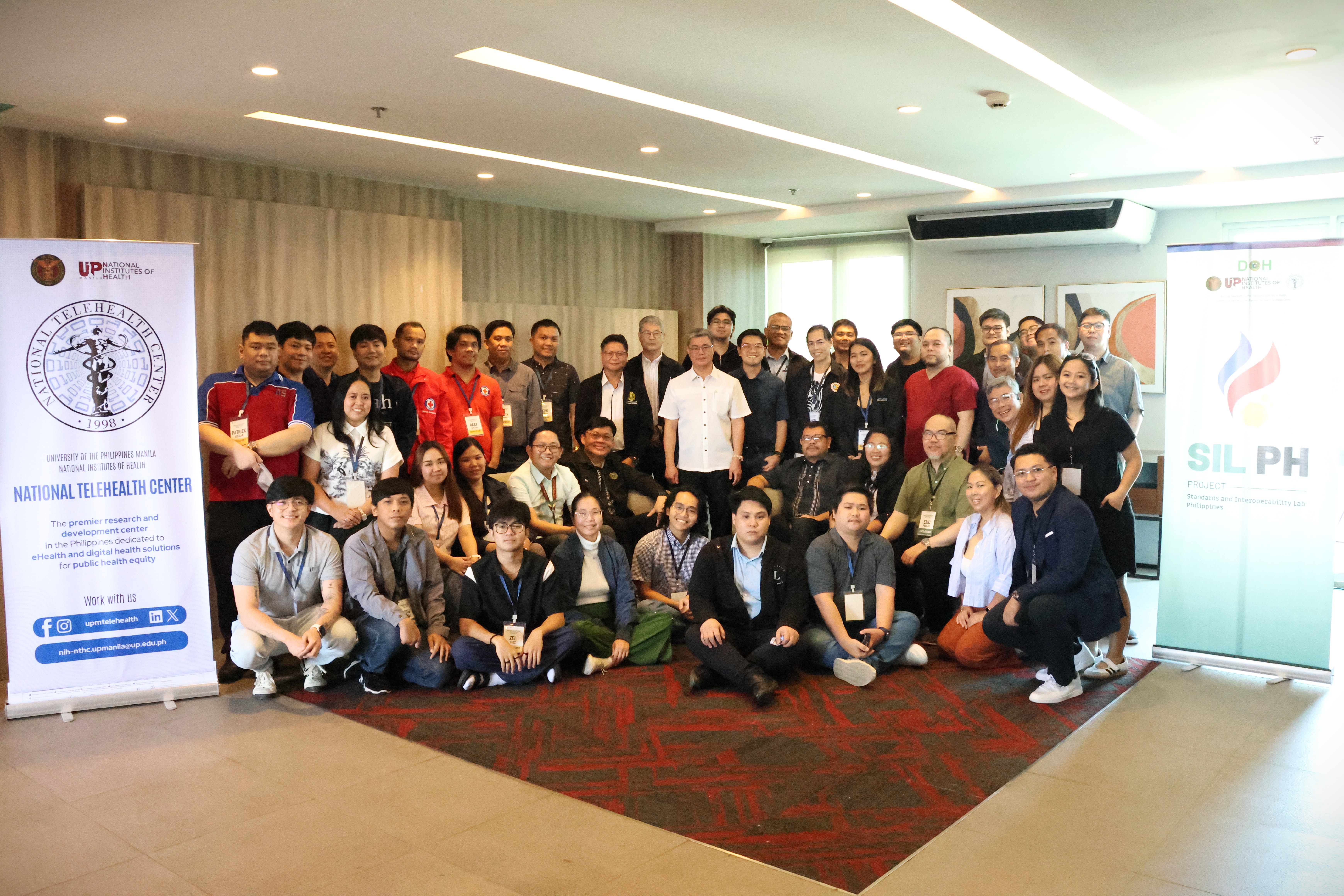
The National Telehealth Center – National Institutes of Health (NTHC–NIH) successfully held a Road Safety Connectathon from November 17–21, 2025, at the Sotogrande Hotel, Katipunan Avenue, Quezon City. The event brought together representatives from government agencies, the academe, health experts, emergency responders, and industry leaders to develop interoperable systems for improving Philippine road safety data management.

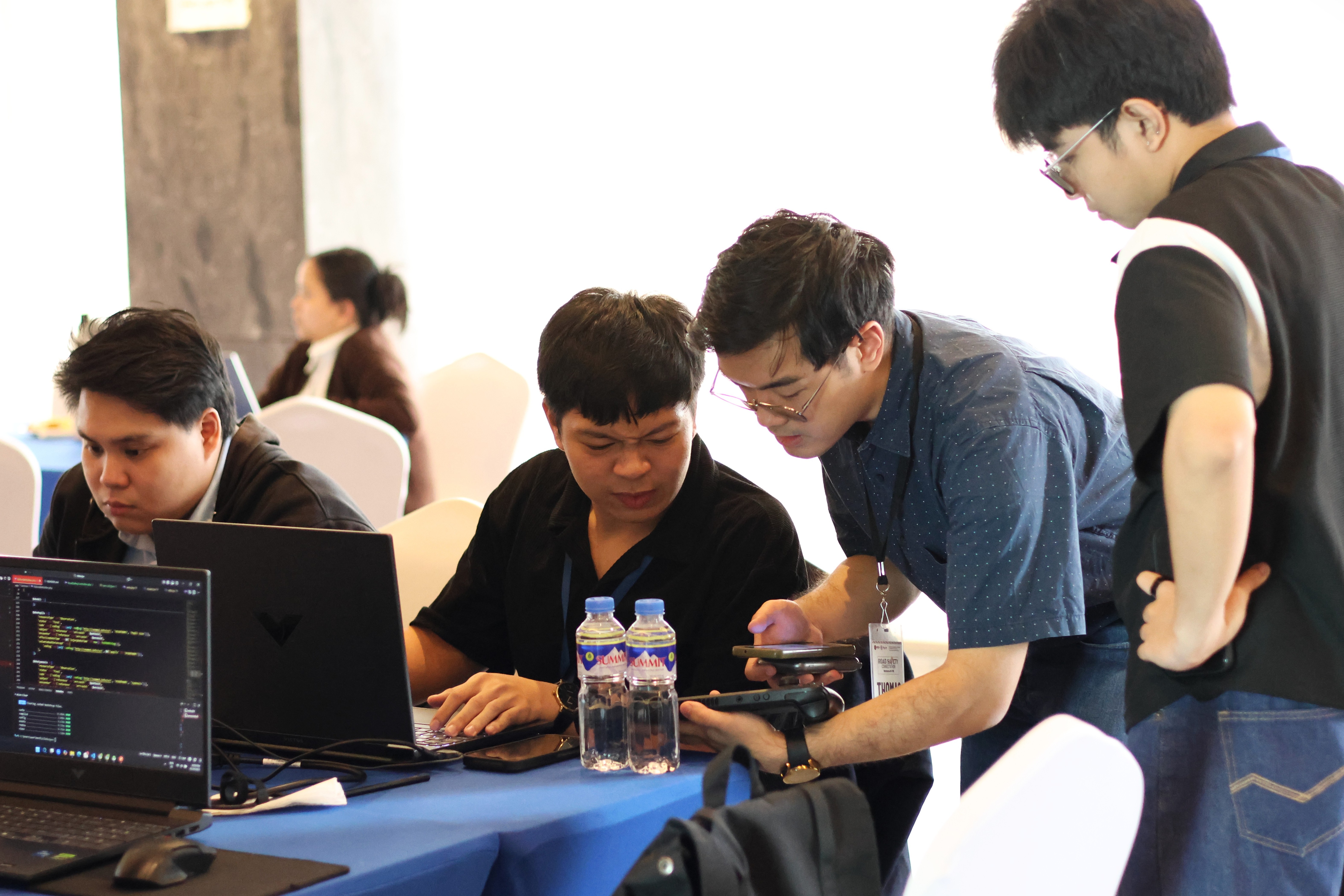
The event served as a venue for combining the ideas of participants to harmonize over 200 data elements and establish standardized minimum data sets and interoperability guidelines based on the Fast Healthcare Interoperability Resources (FHIR) global standard. The data sets and interoperability guidelines will serve as the foundation for a seamless data flow between professional first responders, hospitals, and national surveillance systems, useful for treating patients during road emergency scenarios.
UP Manila Chancellor Michael Tee, DOH Assistant Secretary Albert Domingo, DOH-KMITS Director Bentley Roxas, and NIH Deputy Director Dr. John Mark Velasco shared a unified message on the role of data interoperability in shaping responsive and evidence-based road safety policies. Asst. Secretary Domingo underscored the importance of HL7 FHIR as a “game changer” for public health interventions, urging active participation in crafting policies for standardized health information exchange.

“The use of HL7 FHIR is a game changer as we are investing in a buildable asset that can be reused for public health intervention. Imagine, we do not need to change data for different formats that will later on be reused in treating tuberculosis, HIV, and even tracking the defaulters of immunization, among others. Policies are only as good when stakeholders like you make use of what the policies are offering. The government has recommended the use of HL7 FHIR since 2014, but it is only today that we are seeking an uptake, primarily because you take time together to agree and recommend how your systems can best adapt to it,” DOH Asst. Secretary Domingo said.
NTHC Director Arturo Ongkeko highlighted the fragmented nature of current road safety data systems across emergency services, hospitals, and public health networks.
“Information from the same incident gets reported multiple times in different formats by different people and these records never connect,” Ongkeko shared. “For example, ambulance medical staff often have no way of knowing what the hospital has already documented because hospitals do not readily feed information into the public health surveillance system. It’s impossible to see the full picture of what’s happening with the road safety in the country.”
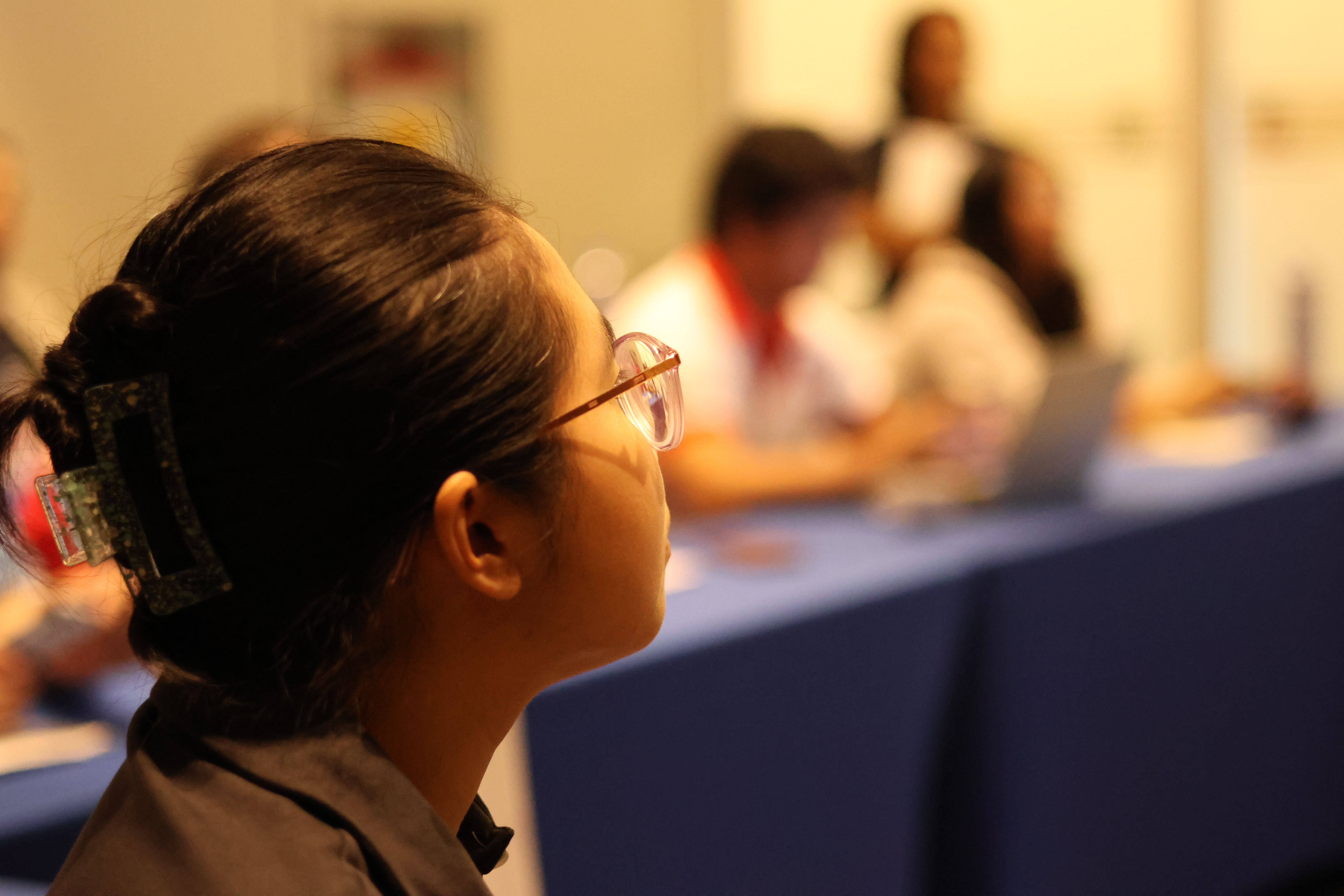
Speakers in the five-day workshop also echoed the importance of collaboration across government, academia, and industry, highlighting that interoperability and shared standards can help reduce road-related injuries and deaths, lower software costs, and improve emergency response.
Dr. Iris Thiele Isip-Tan of UP Manila discussed FHIR fundamentals, terminology standards, and implementation guides, alongside parallel workshops on program management, semantic mapping, and data integration. A session on verifying clinical workflows and data completeness was led by Roy Dahildahil, Dr. Cristal Ann Laquindanum-Tan, and Dr. Michael Fong.
Overall, the event worked around the overarching message that building unified, interoperable systems is crucial to saving lives, guiding smart policy decisions, and connecting technologies that serve the Filipino people.#




#FP1 #FP9 #EnvironmentthatNurturesmindandbody