

Text by Charmaine Lingdas
Photos courtesy of Manila Studies Program
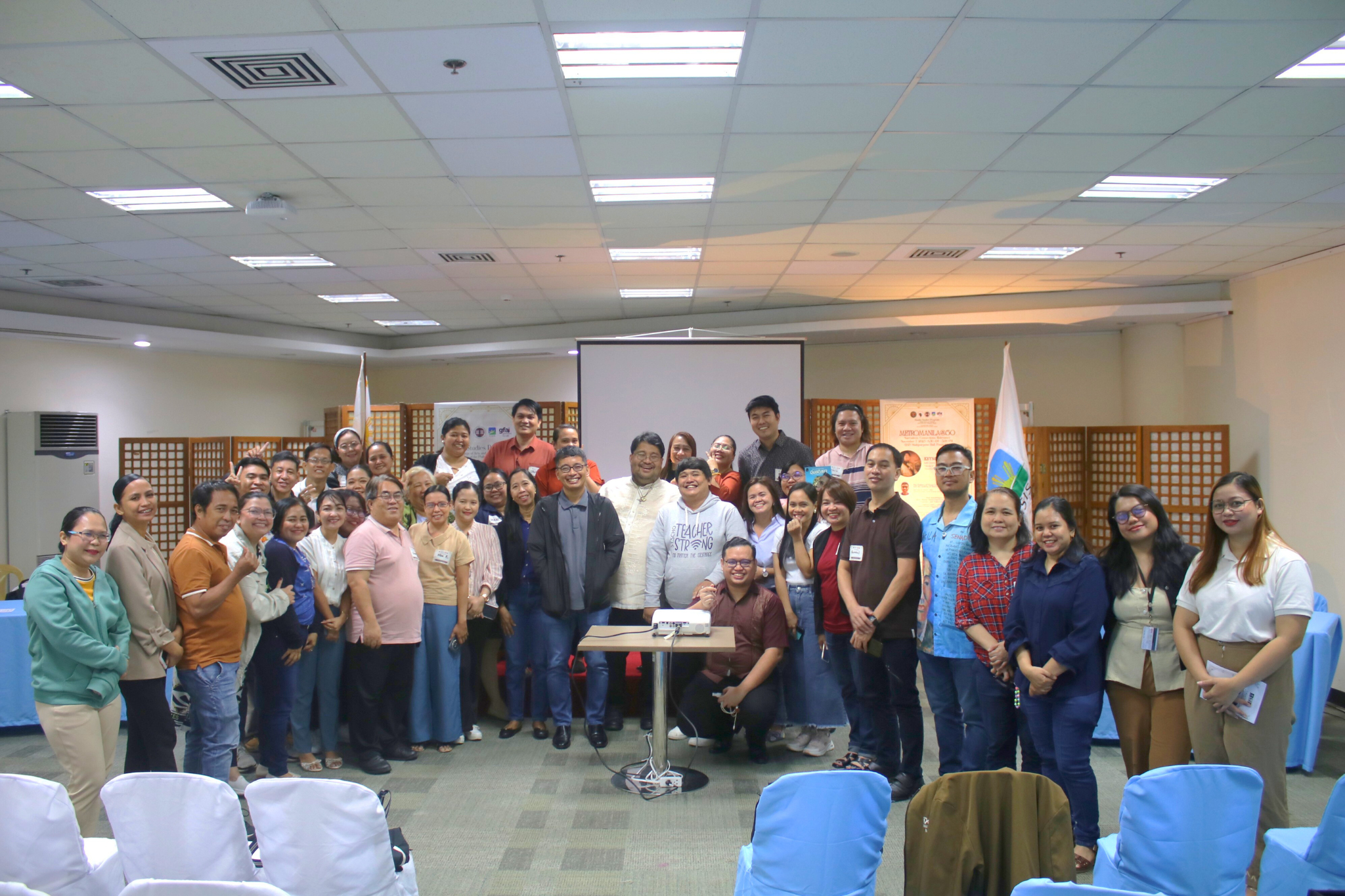
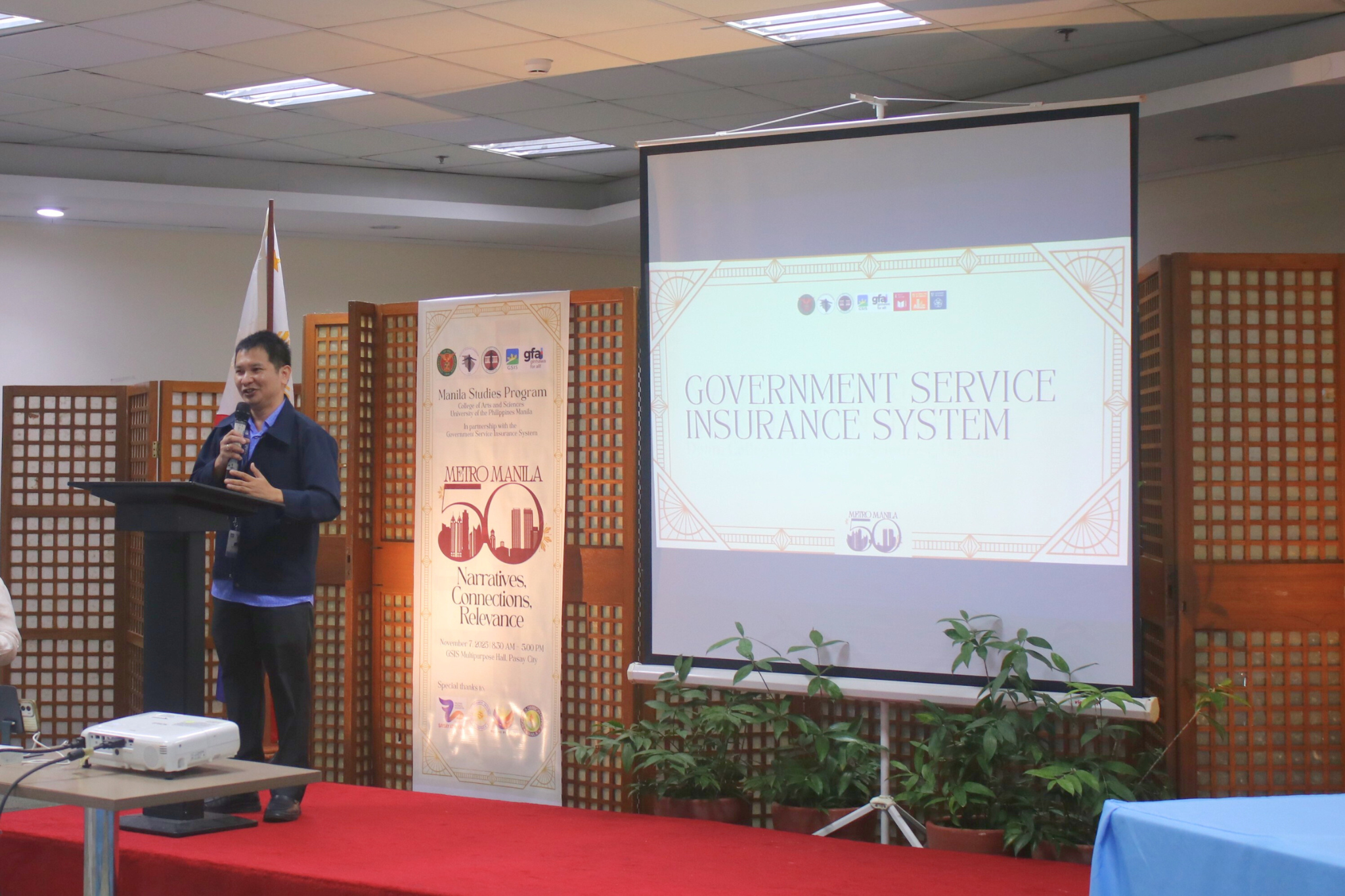
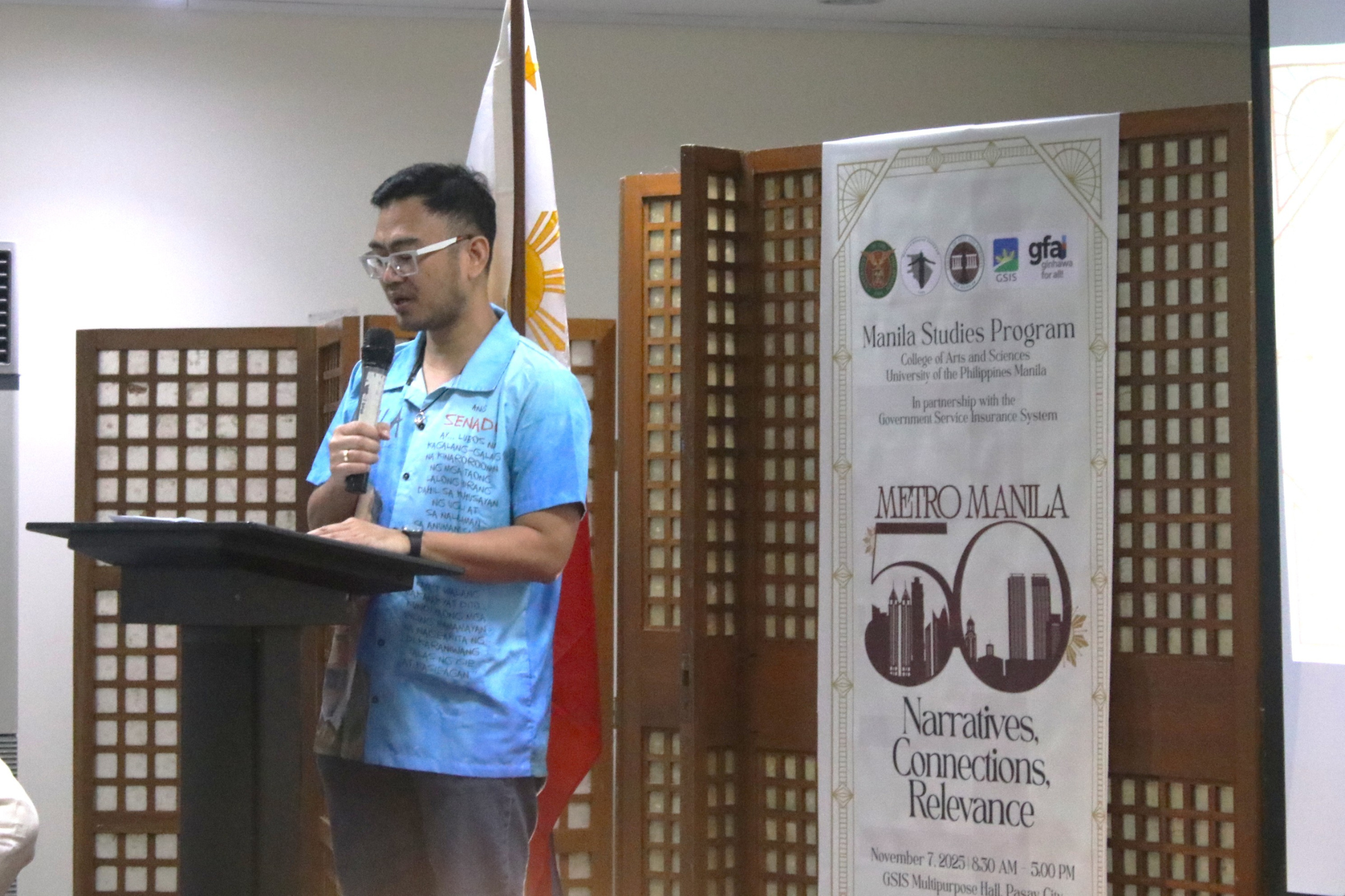
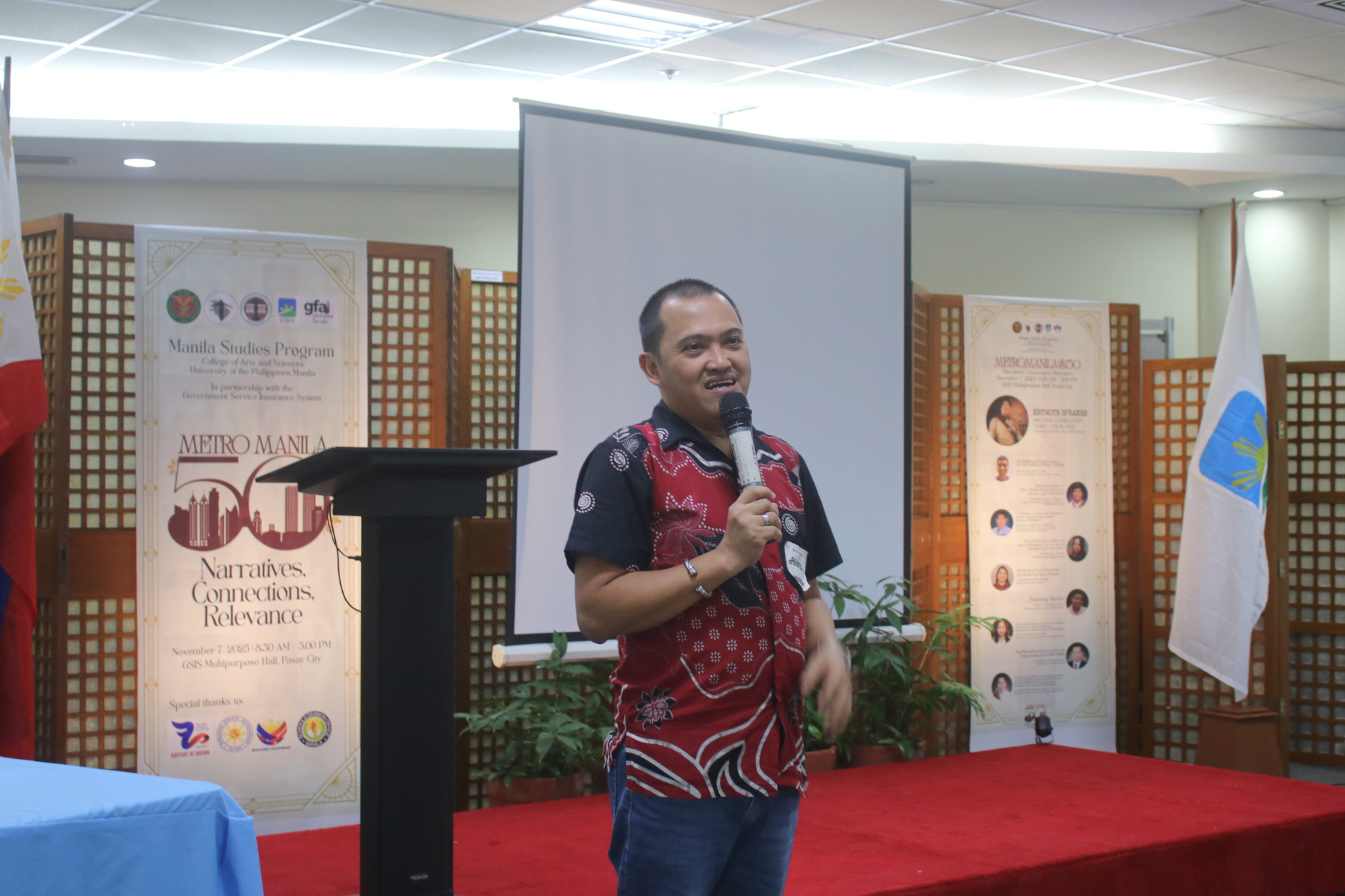
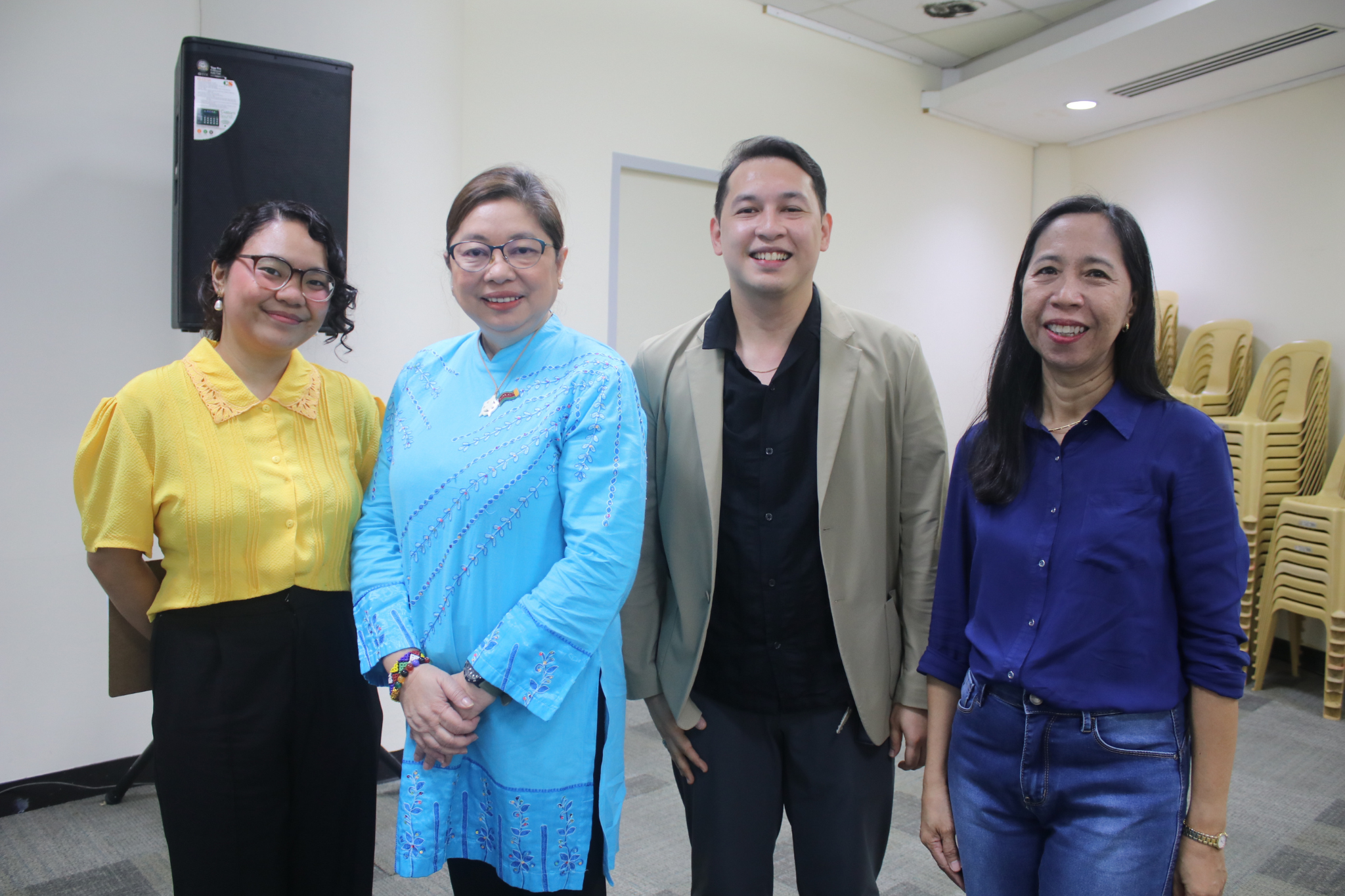
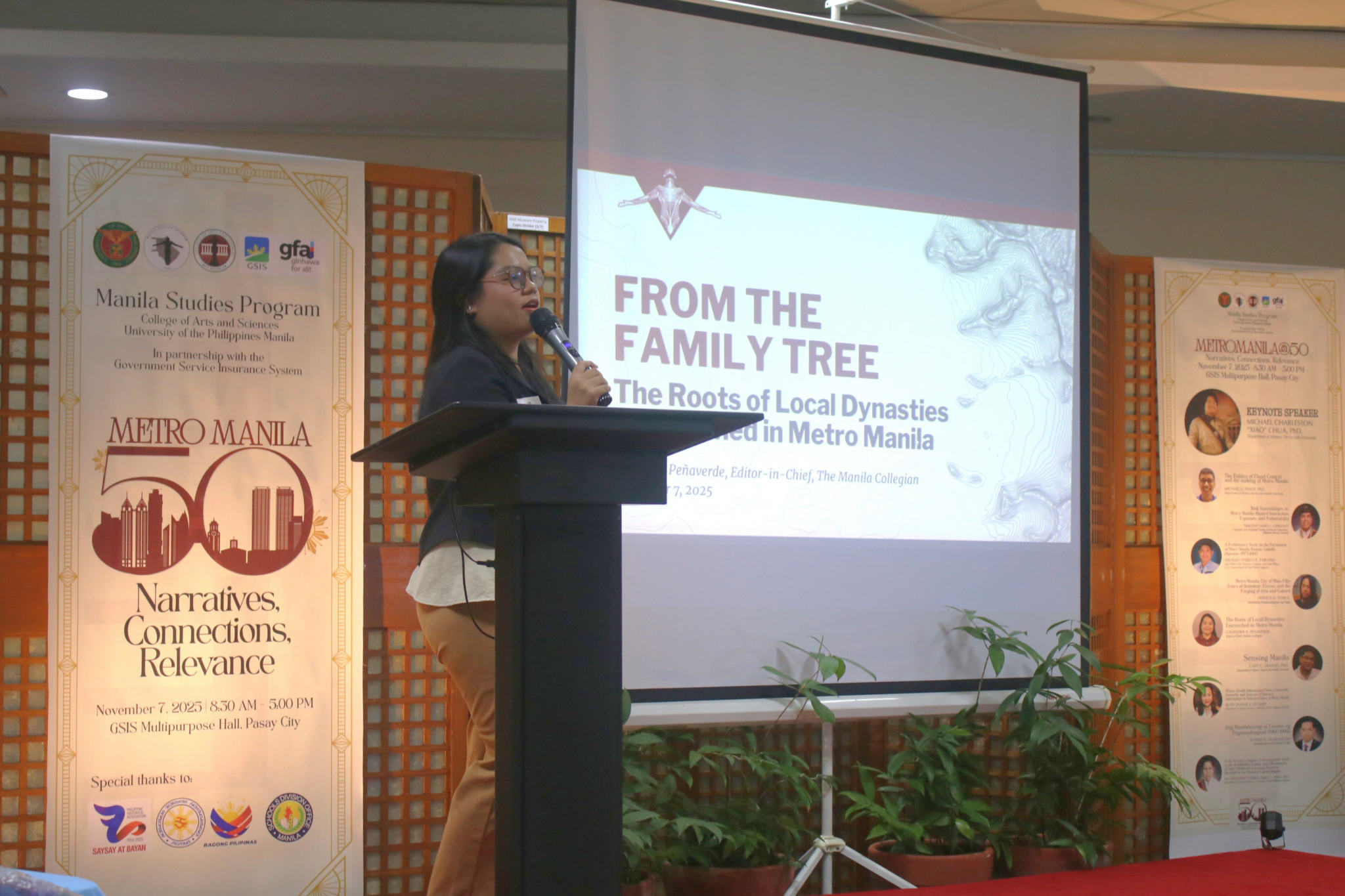
The University of the Philippines Manila College of Arts and Sciences’ Manila Studies Program, in partnership with the Government Service Insurance System, held a one-day conference titled “MetroManila@50: Narratives, Connections, Relevance” at the GSIS Multipurpose Hall on Nov. 7, 2025.
Students, educators, and heritage advocates gathered in the event to commemorate the 50th anniversary of Metro Manila’s official creation, engaging in multidisciplinary reflections on the metropolis’s past, present, and future.
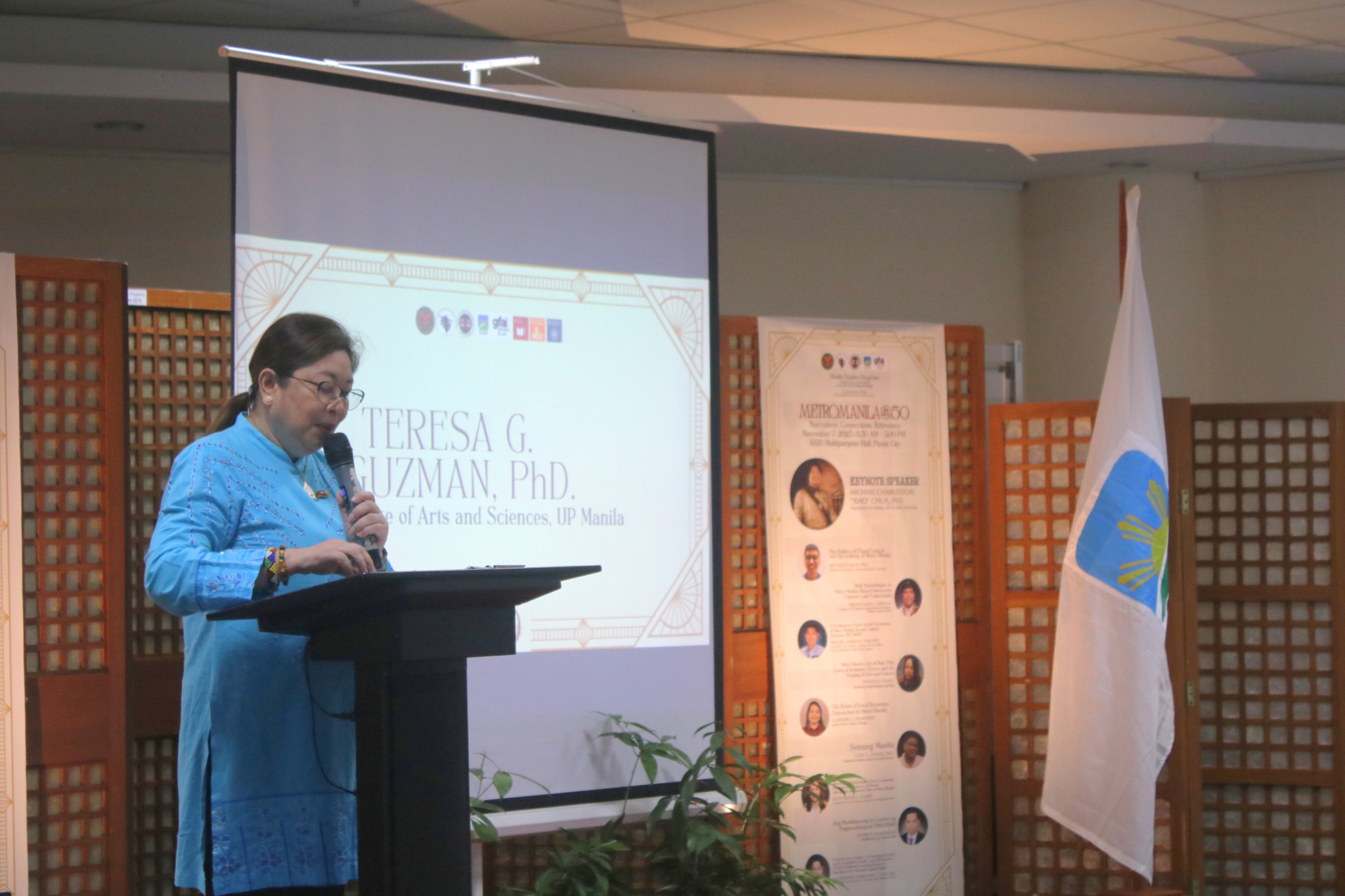
Dr. Ma. Teresa De Guzman, Dean of the UP Manila College of Arts and Sciences, framed the conference as both commemorative and as a civic responsibility. “For me, Heritage Forensics is a call to responsibility,” she said, urging participants to treat the city as “a living archive of human experiences.” She added, “Ang pamana ay buhay, humihinga, at patuloy na nagbabago,” underscoring that heritage exists beyond monuments and museums.
Organizers emphasized the urgency of linking historical understanding with contemporary policy and community action.
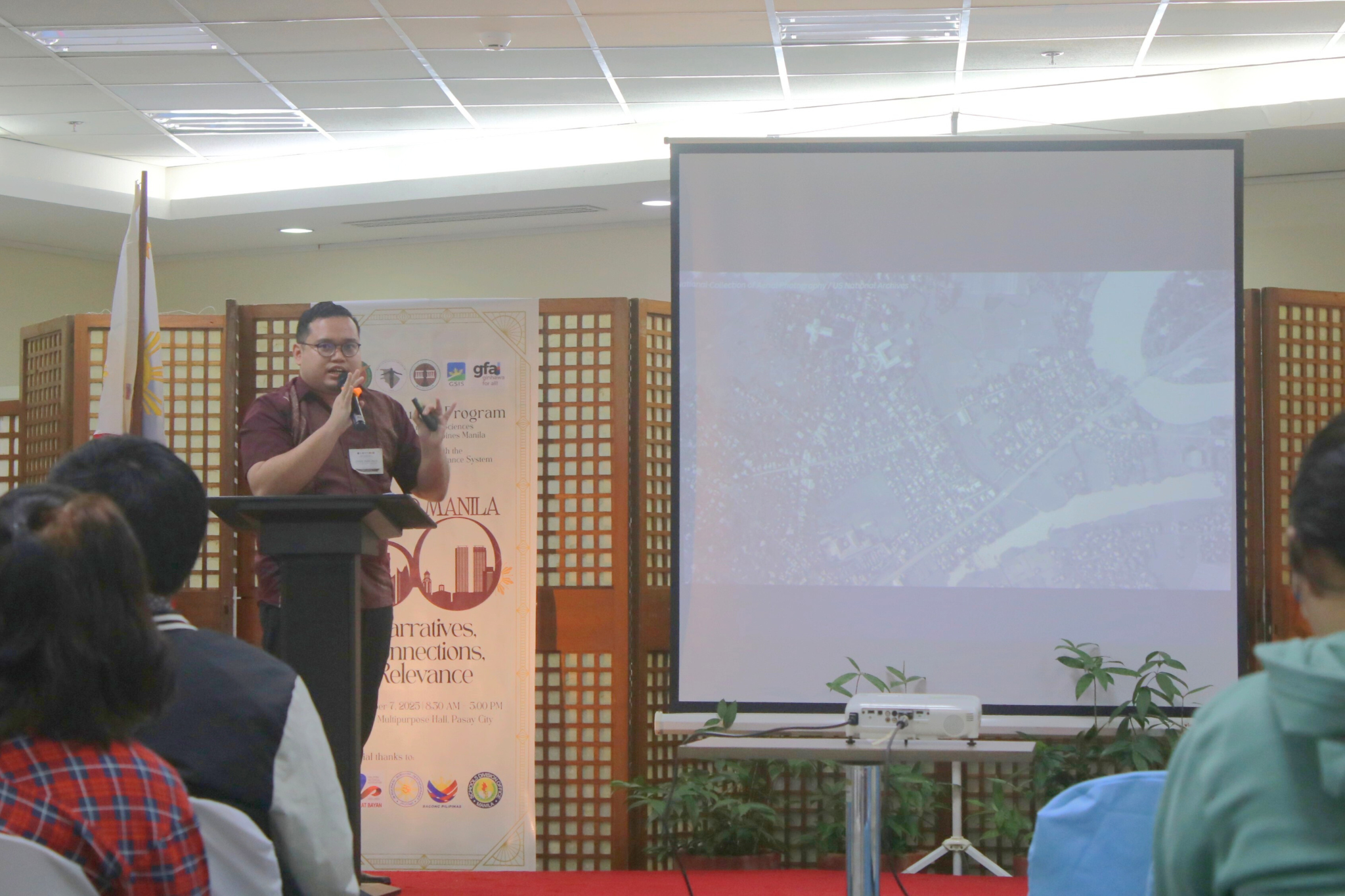
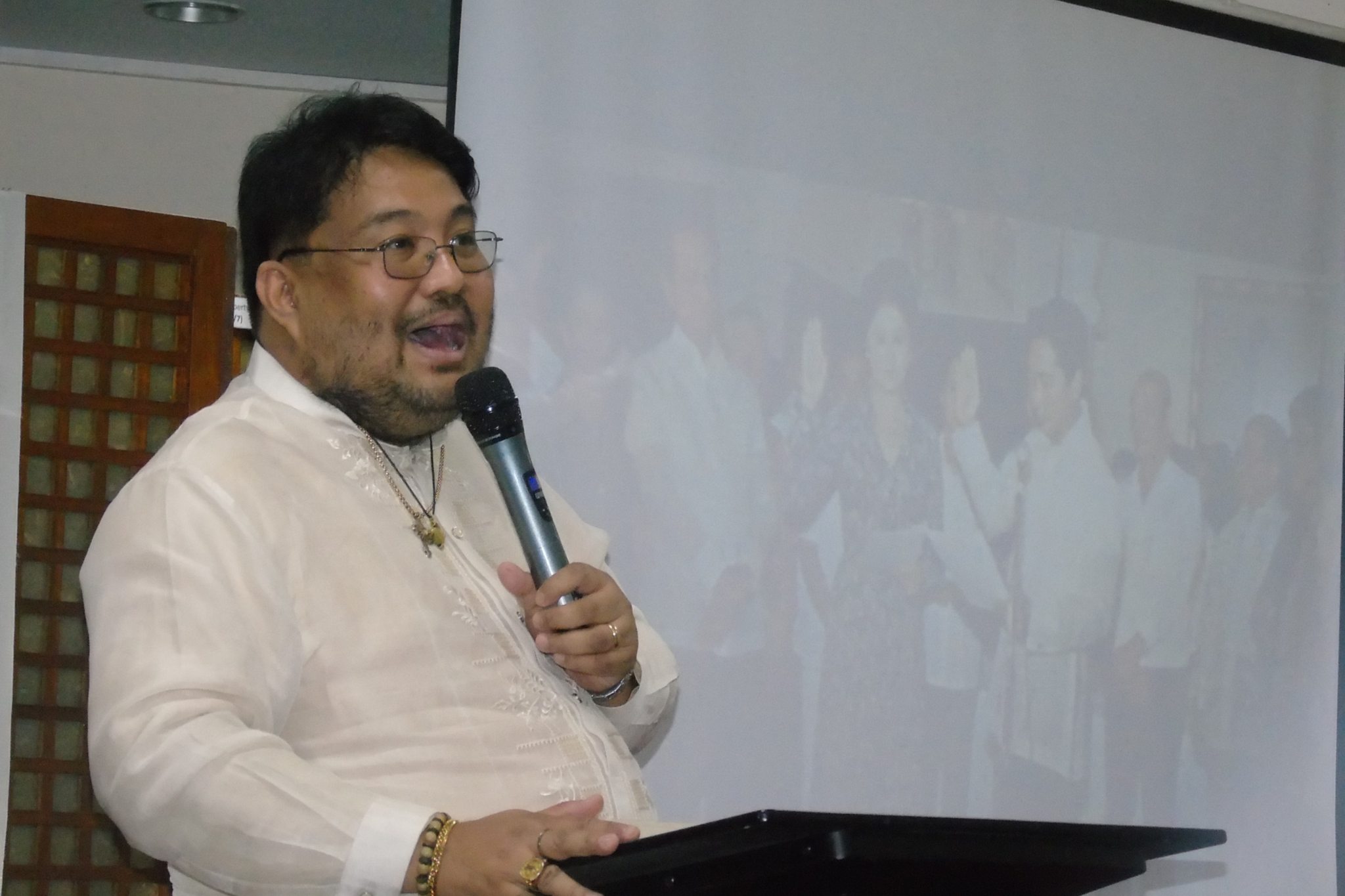
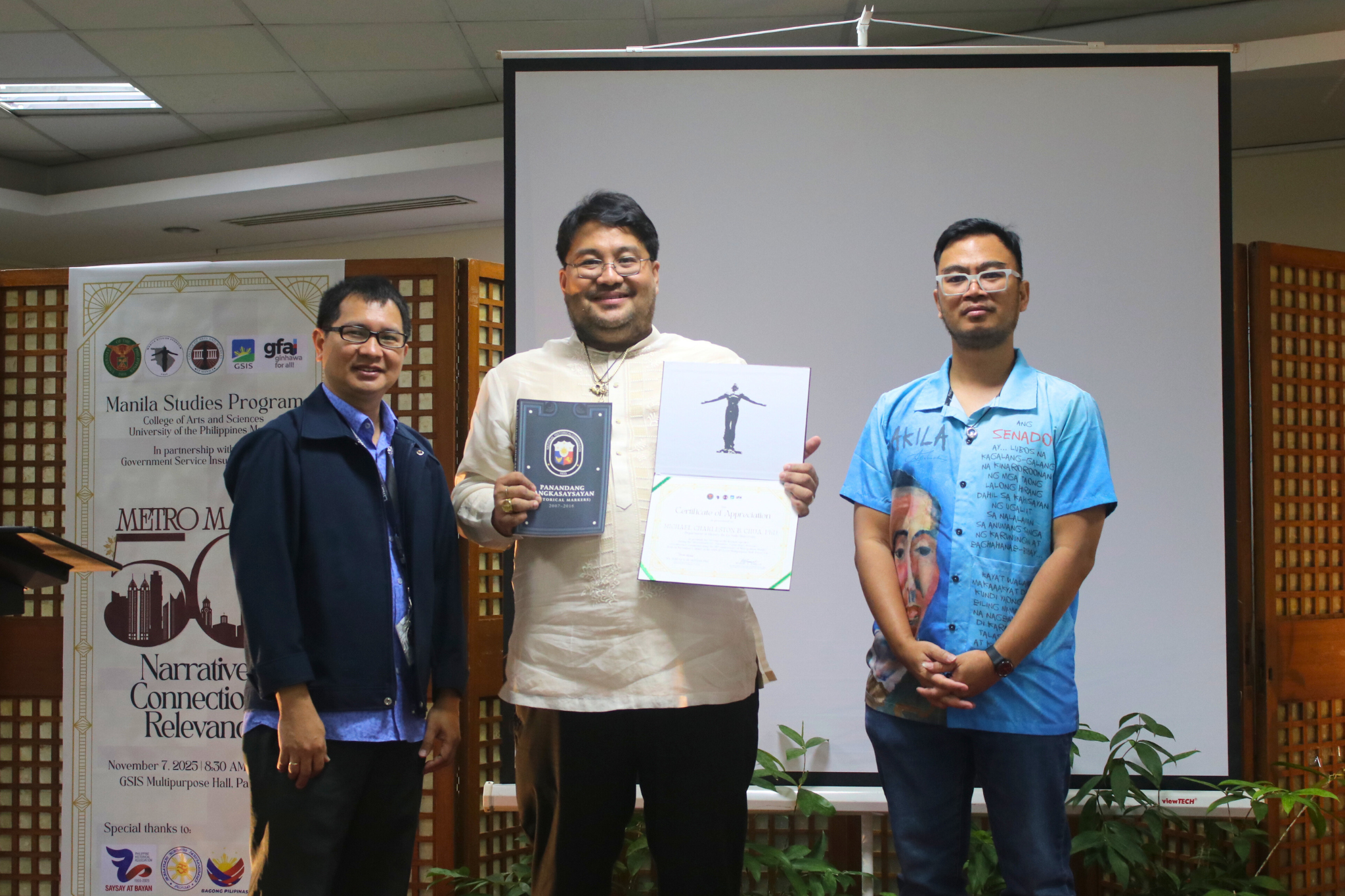
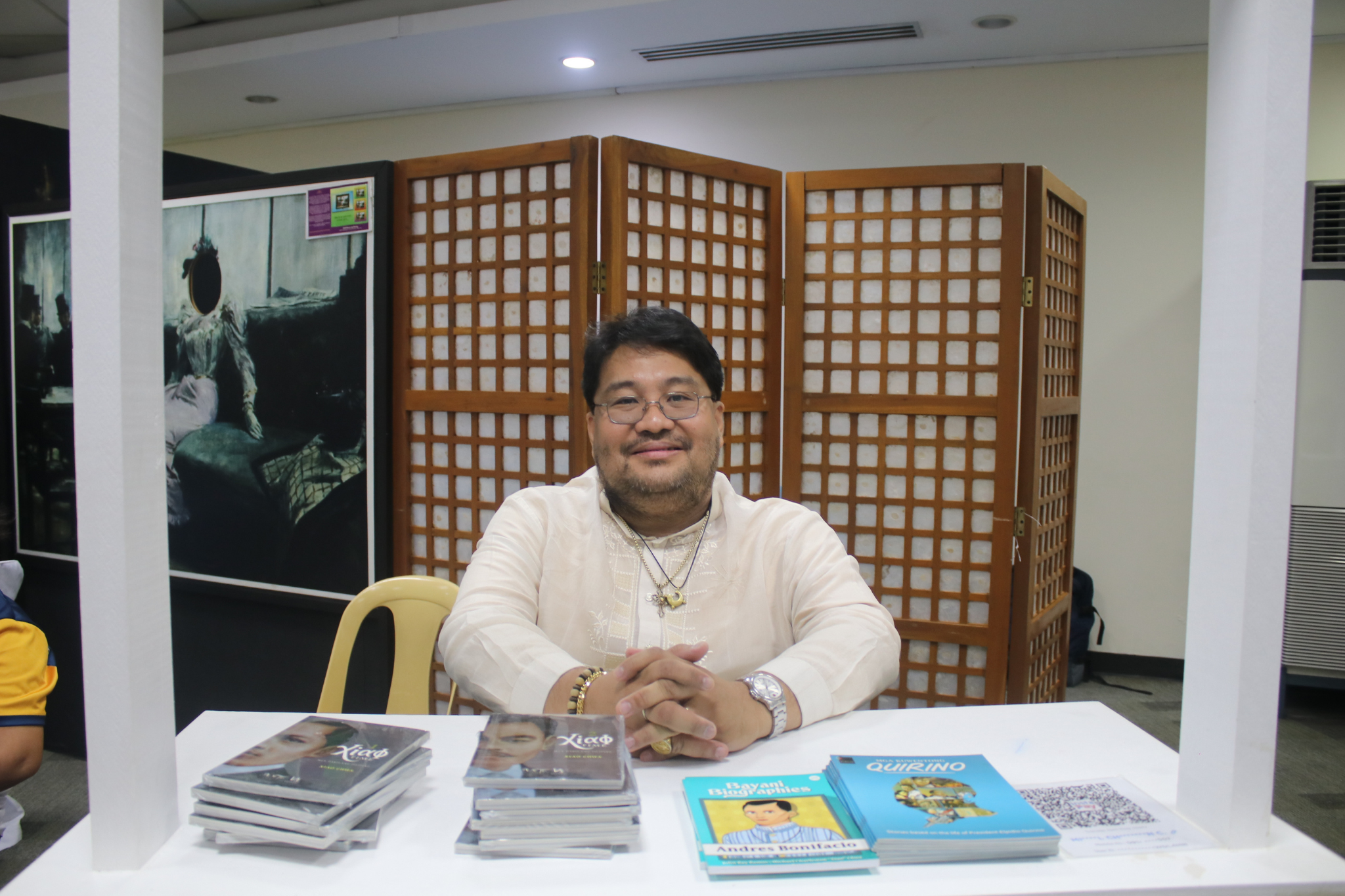
The program include opening remarks by Prof. Michael Charleston “Xiao” Chua, along with various presentations on various topics such as flood control and urban risk to local political dynasties, cultural institutions, and community health information networks.
Speakers examined how fifty years of metropolitan governance and development have produced both cultural achievement and deep social inequality. In the program abstract, organizers noted that Metro Manila’s population has grown from 4.9 million in 1975 to nearly 14 million today and stressed the need for a multidisciplinary study of the region’s “politics, environment, culture, religion, governance, and social development.”
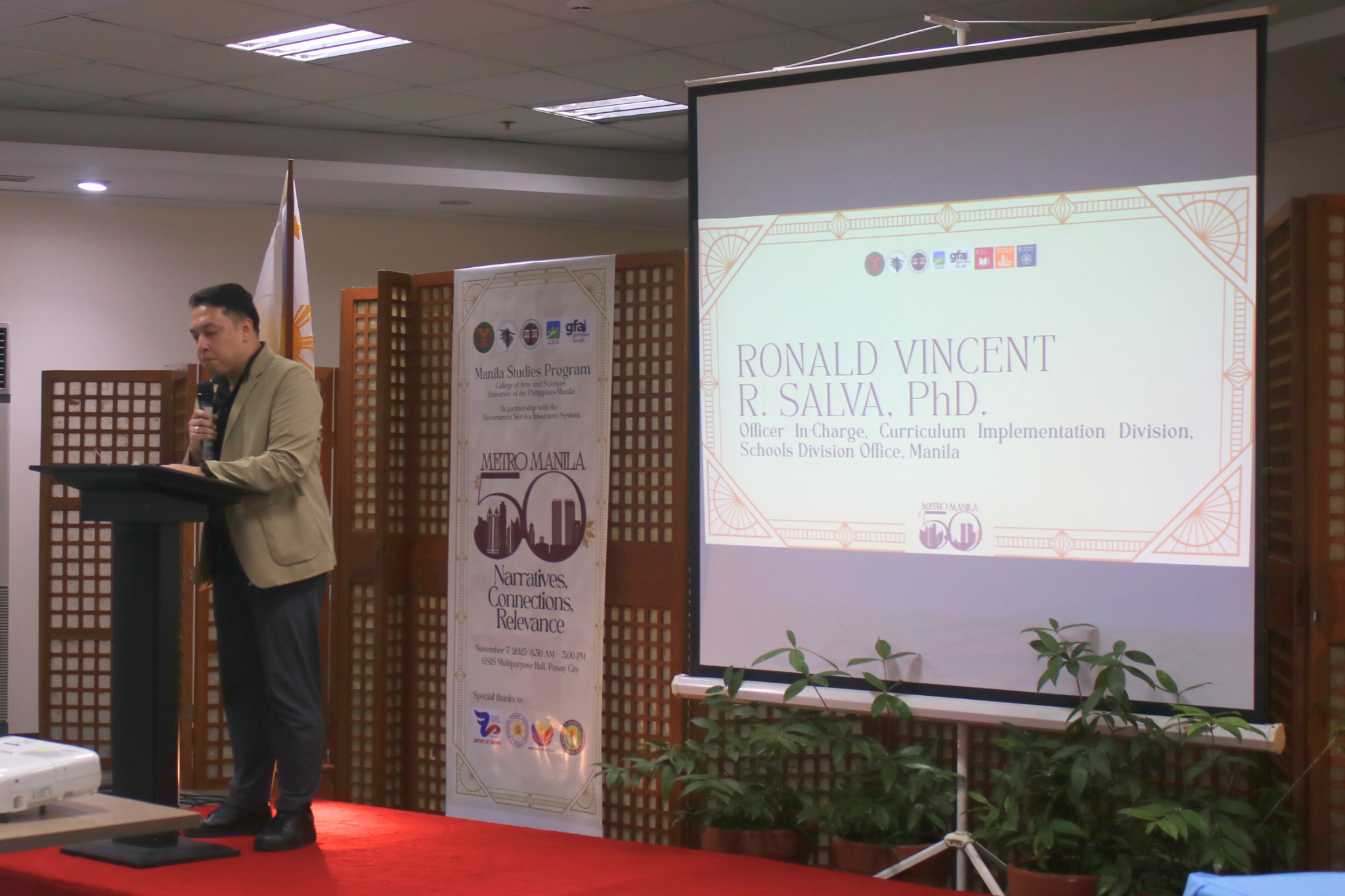
Representatives from education and historical organizations also expressed support for the conference’s goals. Ronald Vincent R. Salva of the Schools Division Office of Manila compared the gathering to an investment in the city’s future: “This conference… is our collective premium payment,” he said, encouraging participants to translate scholarship into action on behalf of the next generation. “The past is a story for reflection, the present is a gift for dedication, but the future is a canvas for our courage,” he said.
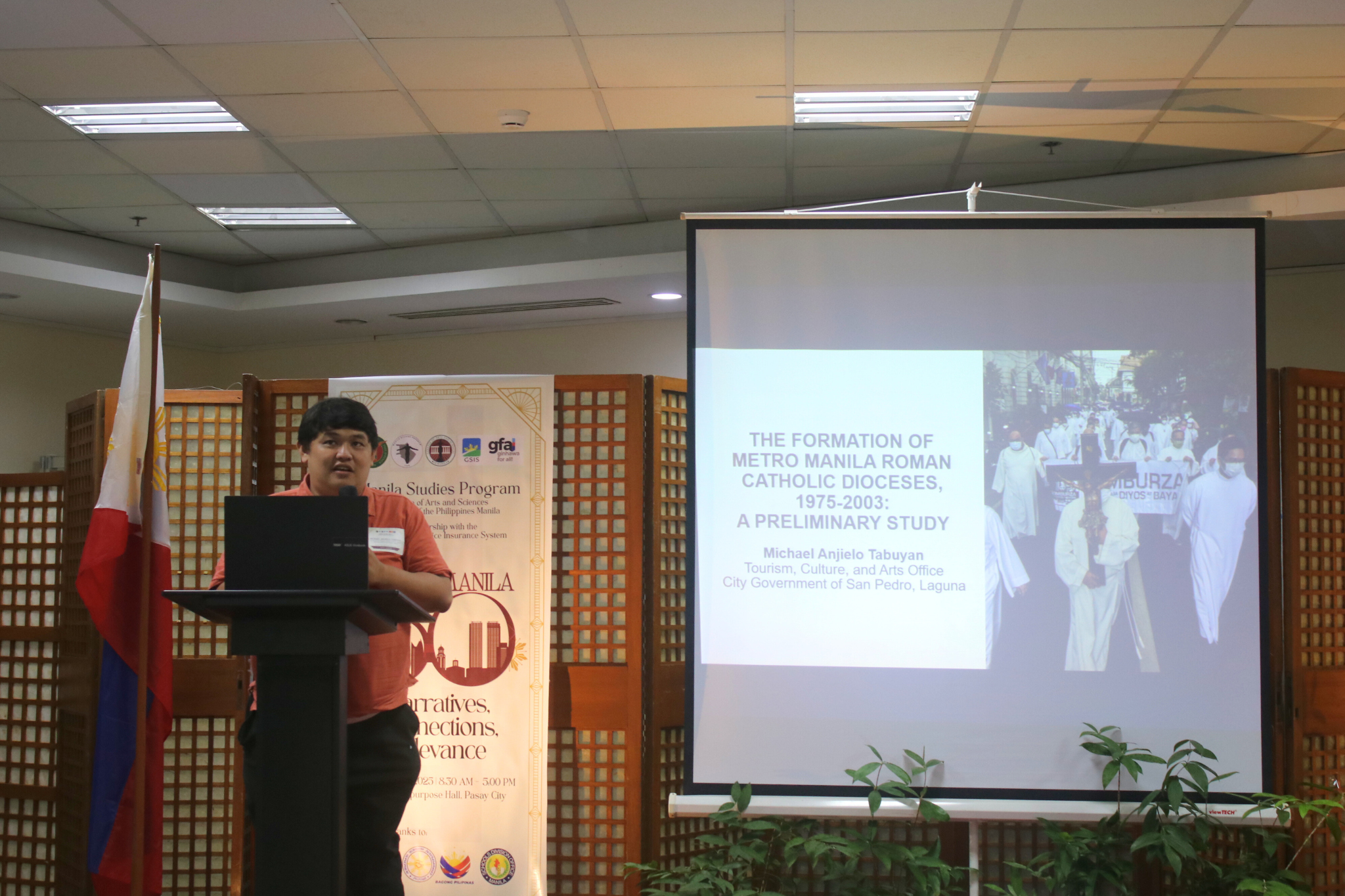
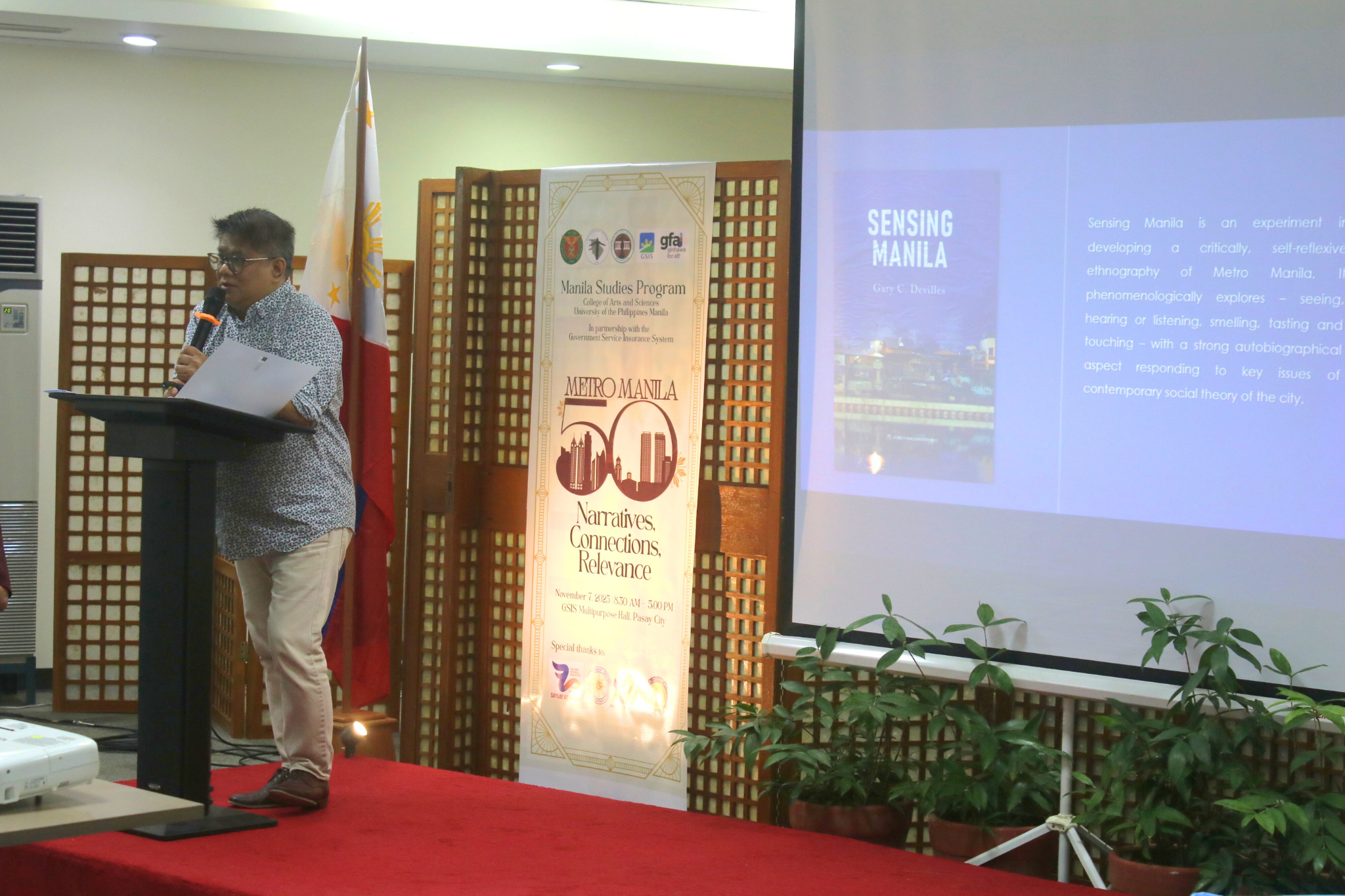
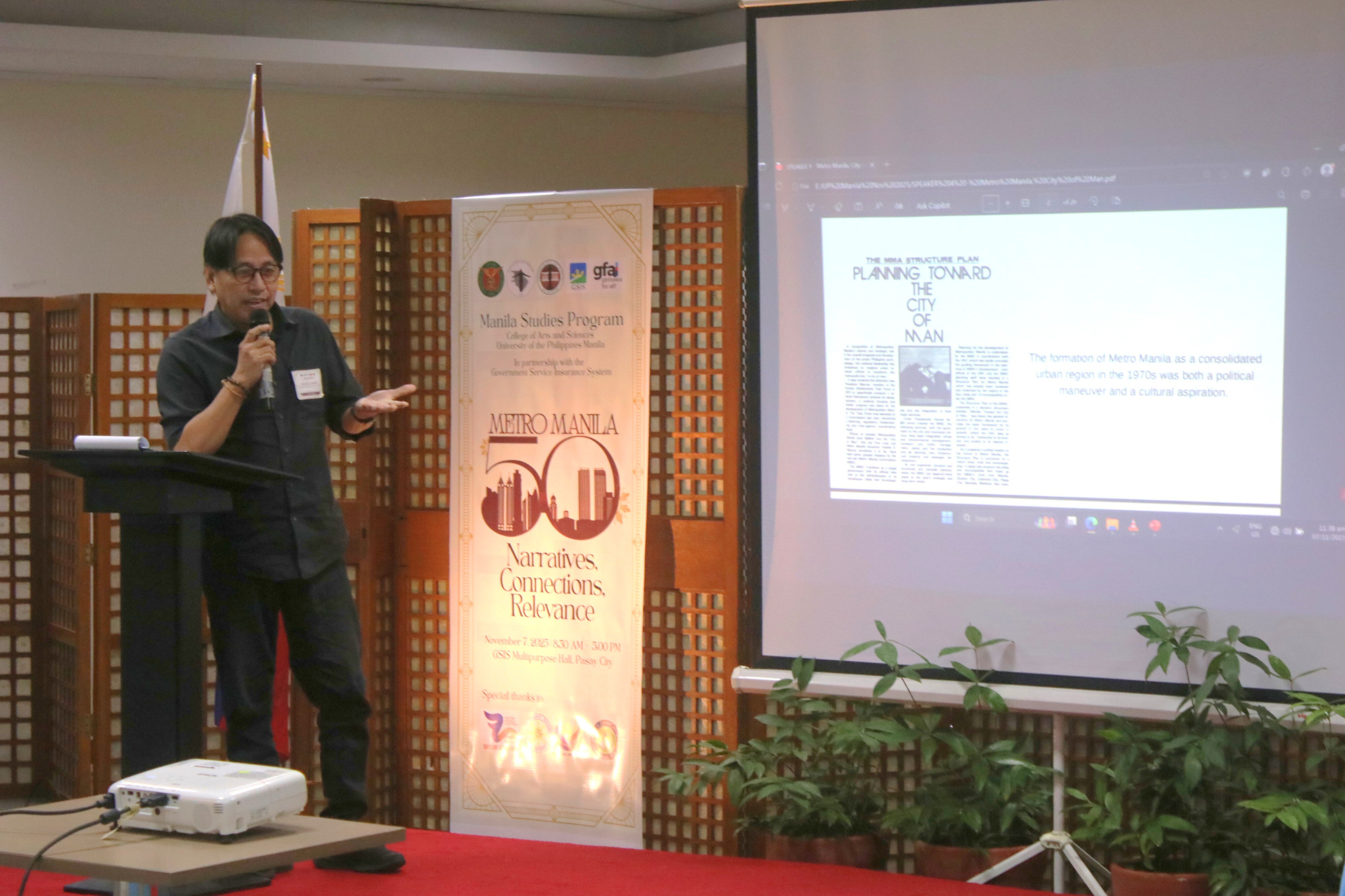
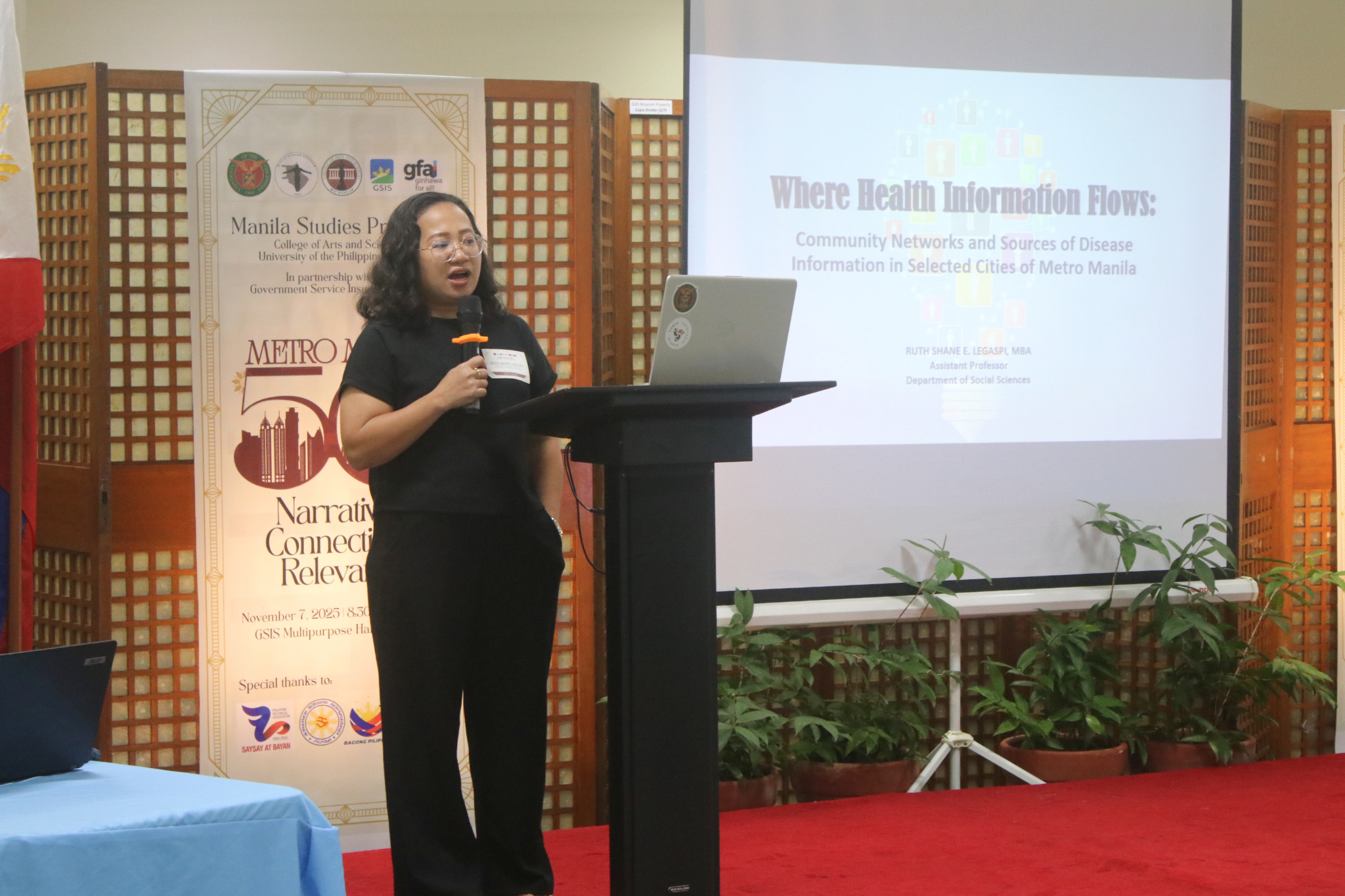
‘MetroManila@50’ featured a range of research-driven papers, including Michael Pante’s study on the politics of flood control and Timothy James Cipriano’s analysis of multi-hazard risk assemblages in Metro Manila, while other presentations covered ecclesiastical boundaries, arts and culture, local dynasties, sensory urban essays, and community-based health information flows. The convenor of the Manila Studies Program is Wensley M. Reyes.
Organizers hope that the conference will translate into practical pathways toward a more inclusive and sustainable metropolitan future. As Dean De Guzman put it: Metro Manila is not just “konkretong lugar—ito ay espasyo ng damdamin, alaala, at pagkakakilanlan,” and the task ahead is to protect those human traces while charting the city’s next fifty years.
#FP1 #FP6 #innovationsforlifelonglearningdedicatedtoservice