


Text by: Jennifer Manongdo
Photos by: Sarah Hazel Moces Pulumbarit

Forty-four-year-old Amy has made several emergency room visits for palpitations before her menstrual period. Her diagnostic tests repeatedly showed no abnormalities, and she was prescribed medication only to help her sleep and to ease her anxiety. Yet, every month during her “red days,” the palpitations returned, and she would find herself in the same hospital and in a cycle of uncertainty.
Amy felt confused until a doctor told her that her symptoms might be related to perimenopause, a transitional phase before menopause.
Tobacco Use and Menopause
Perimenopause is the natural transition to menopause, characterized by wide hormonal fluctuations and irregular menstrual patterns. Other symptoms include mood disturbances, sleep disturbances, joint pains, vaginal dryness, night sweats, hot flashes, the urge to pee frequently, low libido, and irritability, among others.
A previous study among Filipino women pegged the age of menopause at 48, with headache as the most common symptom and hot flashes, the least prevalent. The study is currently being updated, but it shows that smoking is associated with early menopause. Meanwhile, the average age for menopause is between 45 and 55, the World Health Organization (WHO) said in 2024. Natural menopause is defined as the absence of menstruation for 12 consecutive months, while premature menopause may result from surgical procedures or certain diseases.
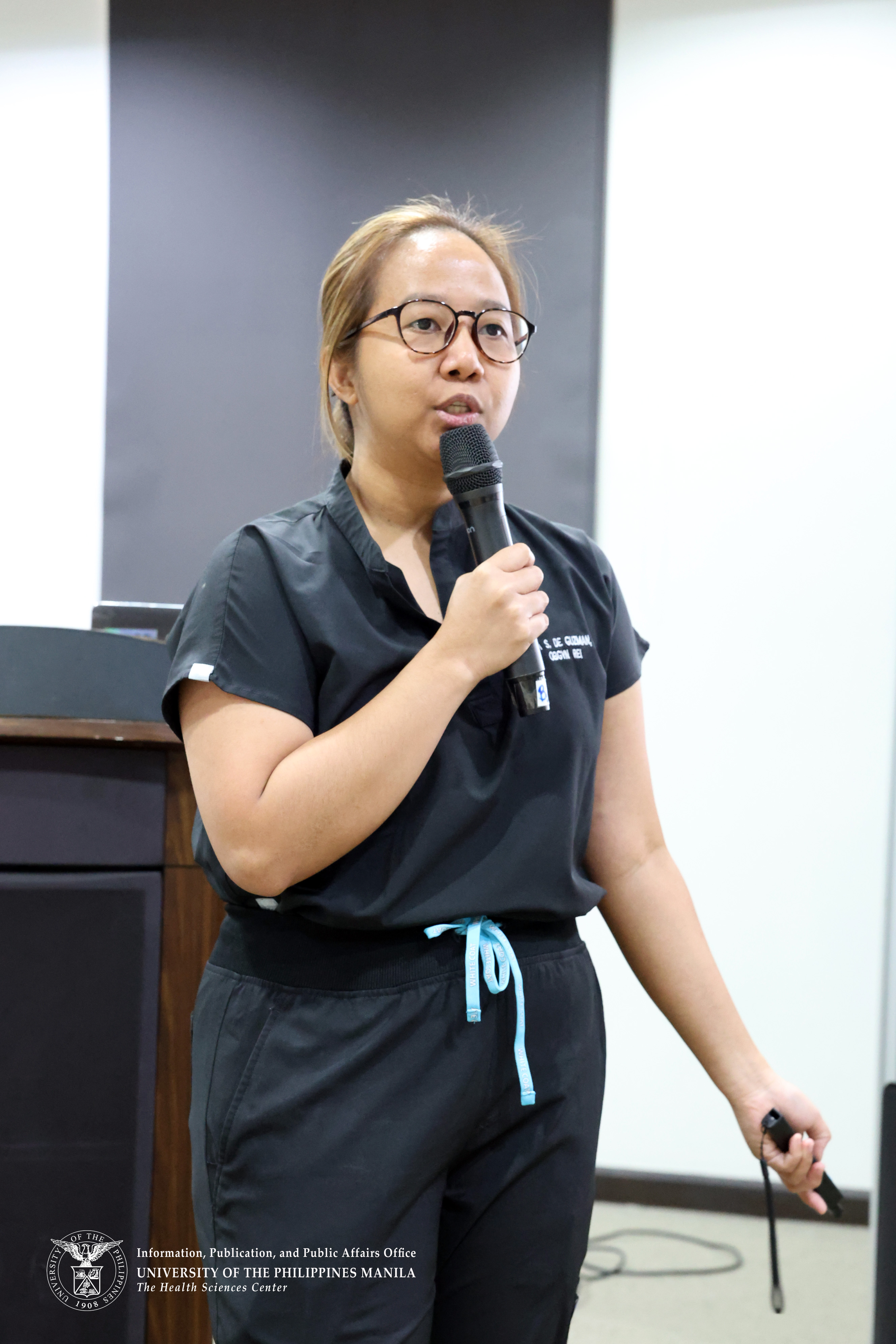
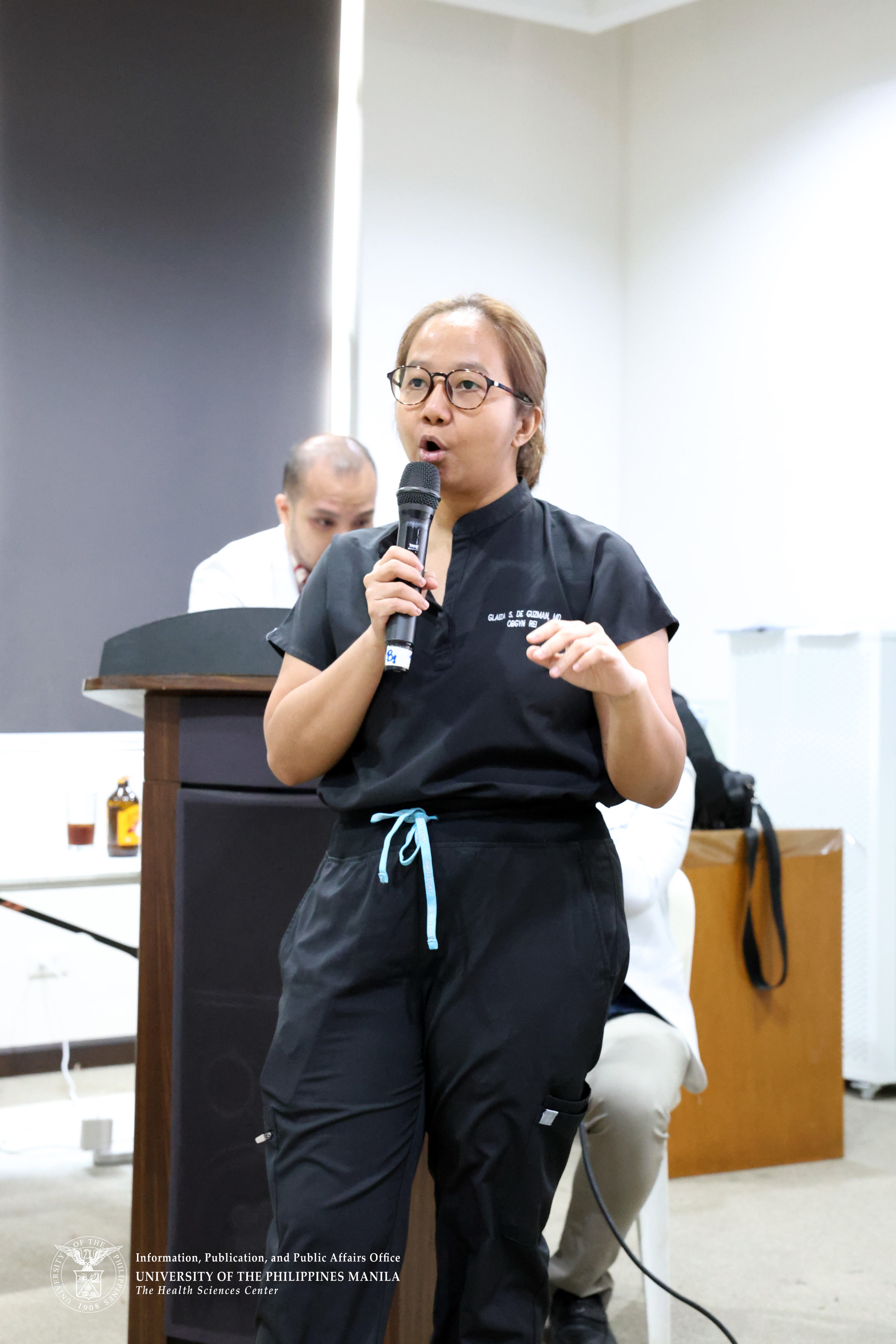
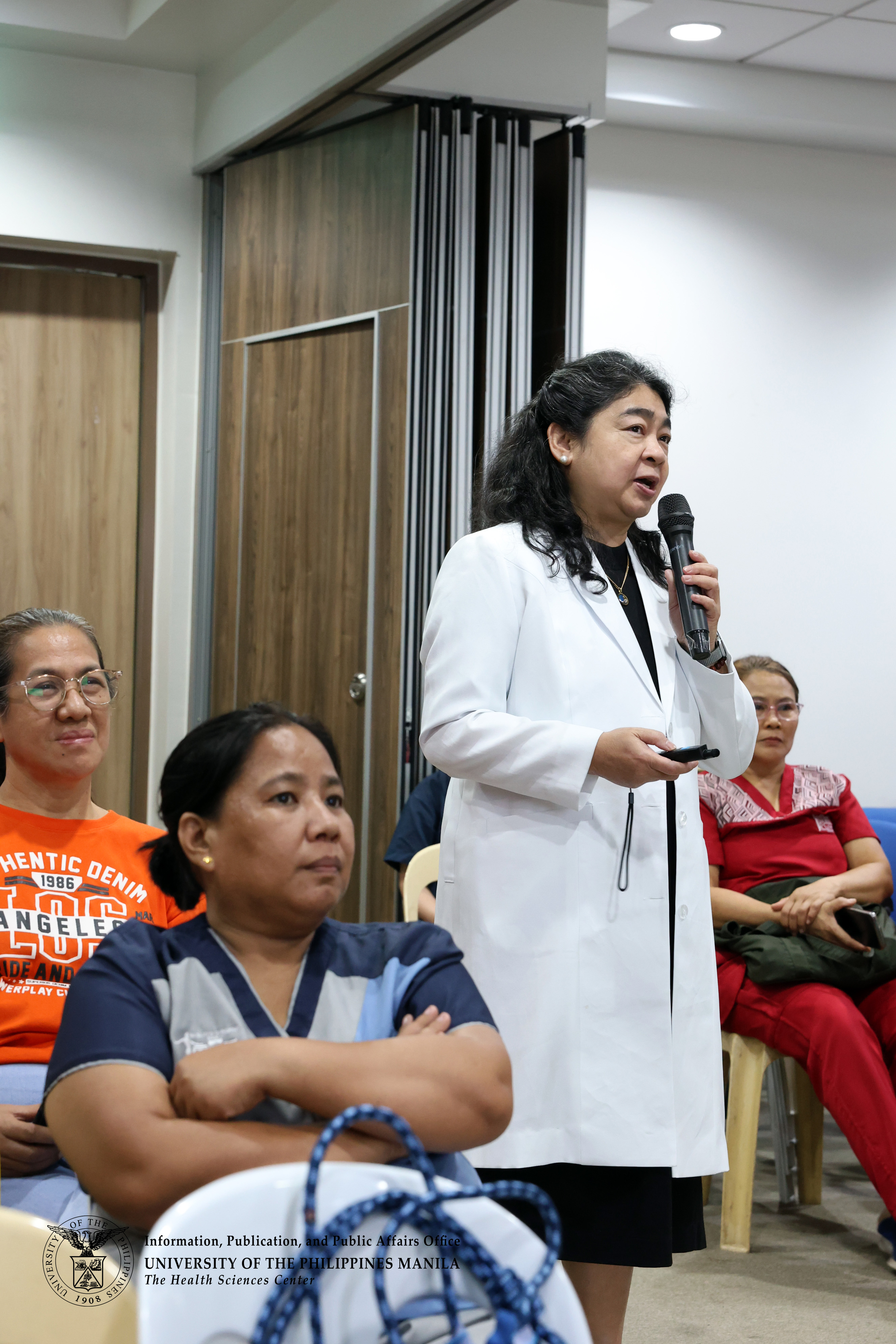
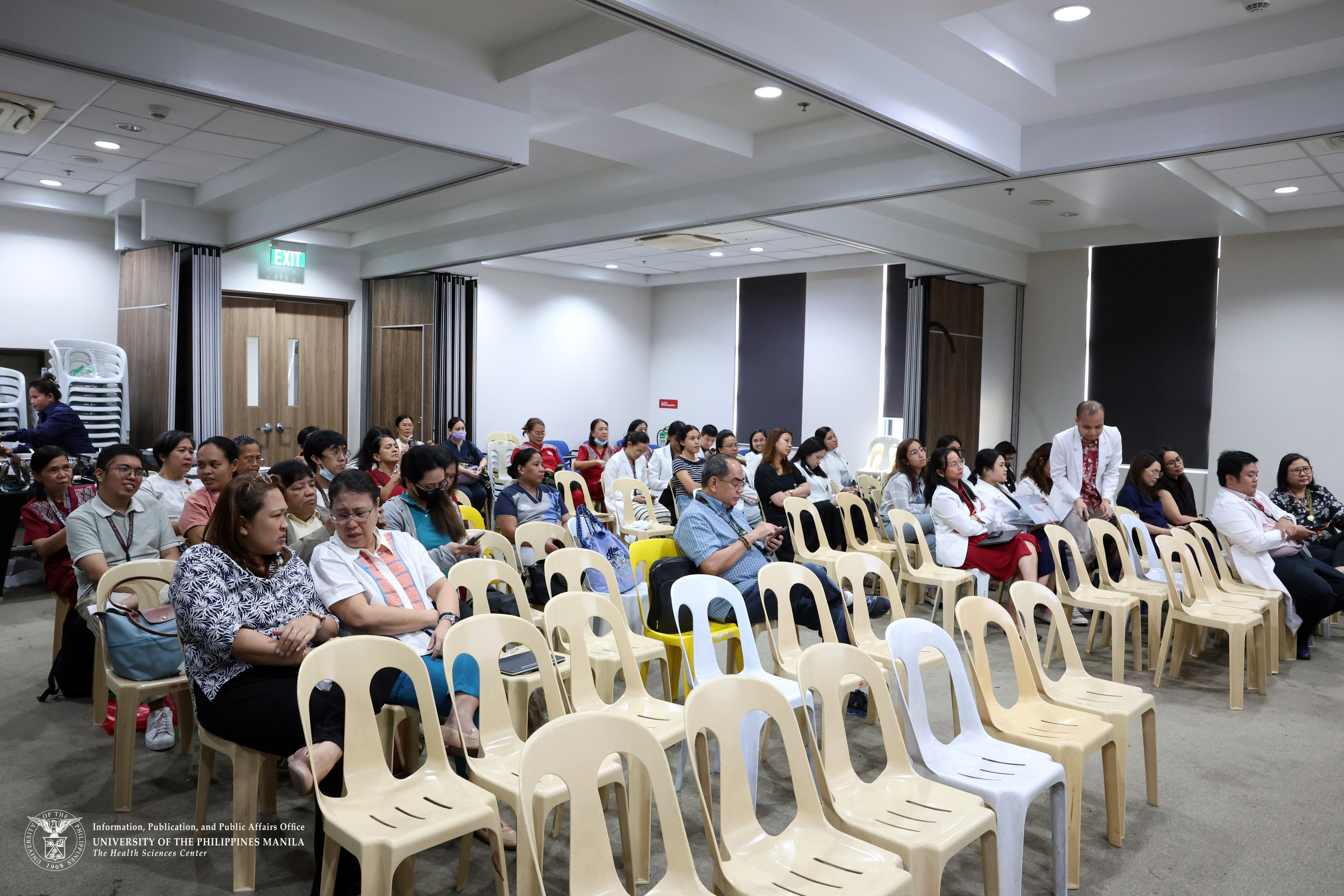
“There are many factors that affect the age of menopause,” said Dr. Glaiza de Guzman during a symposium on menopause titled “Navigating Menopause: Science, Symptoms, and Support” on Oct. 2, 2025, at the Honoria Acosta Sison Plenary Hall, Philippine General Hospital (PGH), organized by the National Institutes of Health – Institute of Reproductive Health and the PGH – Department of Obstetrics and Gynecology.
Ovarian aging mostly affects the age of menopause, which is dictated by genetics. However, it is also influenced by food and nutrition, the presence of systemic disease, and smoking, she noted.
“If you’re a smoker, you will have menopause earlier. It has an impact on our ovaries,” she warned.
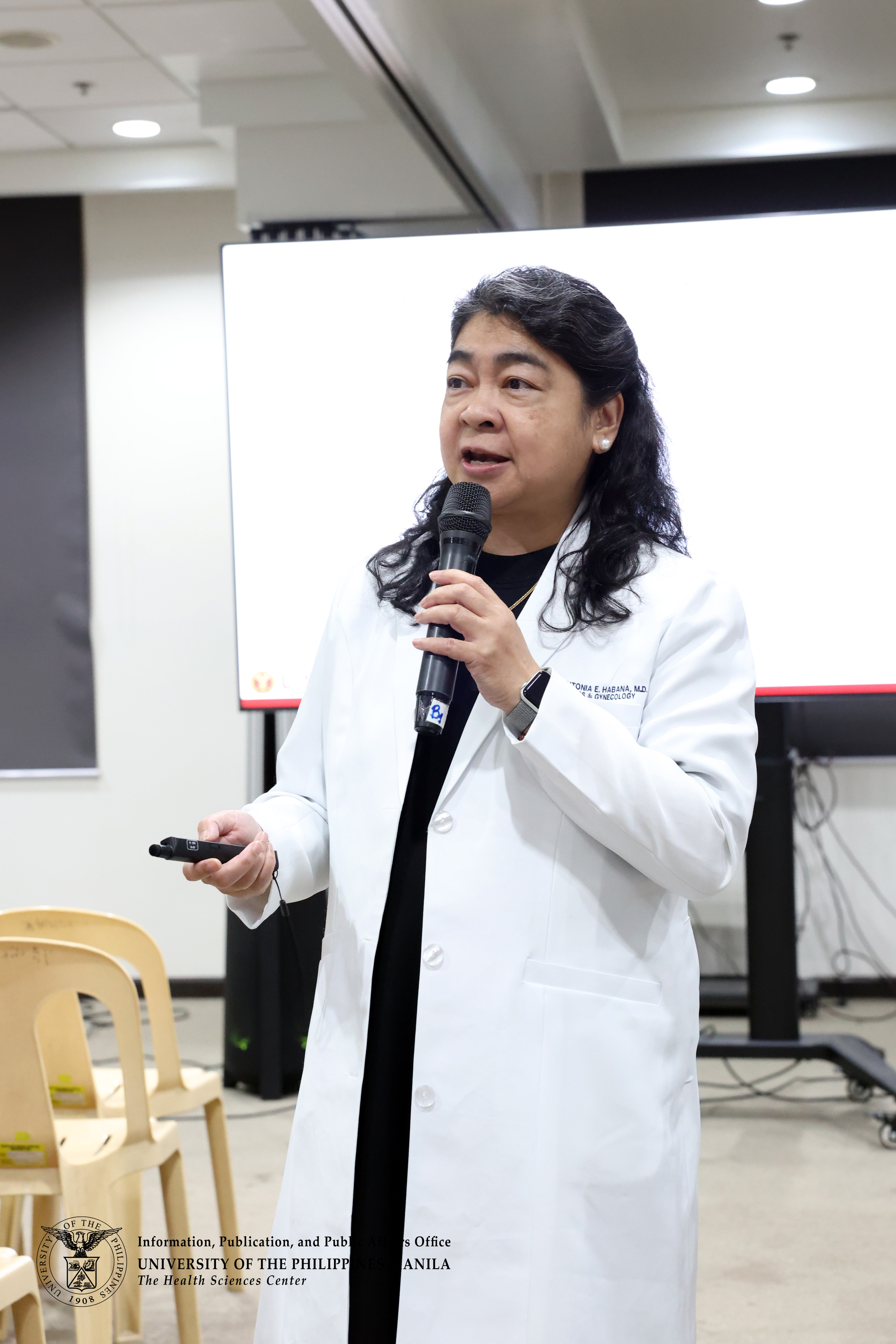
Dr. Maria Antonia E. Habana, professor and chairperson of the Department of Obstetrics and Gynecology of UP College of Medicine underscored the importance of physical exams to rule out cancer especially in women over 45.
Physical exams and monitoring of menstrual irregularities are important to especially in women over 45. Risk factors like age, obesity, diabetes, and PCOS are closely monitored. Breast exams and mammograms are recommended starting at age 40.
Hormone Replacement Therapy
Hormone Replacement Therapy (HRT) started in the 1960s and enjoyed popularity in the succeeding years until a 2002 study by the Women’s Health Initiative (WHI) said HRT increases the risk for breast cancer and stroke. This led doctors to become hesitant in prescribing HRT. However, new studies, including one published by the medical journal JAMA Network in May 2024, showed that HRT is actually beneficial among women in the perimenopausal stage, as it reduces coronary disease, unlike the original study, which was conducted among postmenopausal women.
“Those who had bad effects with HRT are the ones [who are late to start]. Because we know that already, we no longer give HRT to women 10 years after menopause. We prefer to give it early,” Dr. Patricia Ann Factor said. “You start HRT as soon as the symptoms show up on your patient or within five years of diagnosis.”
“Personally, we prefer the transdermal administration,” she further noted.
Nutrition, Exercise, and Mental Health
Since the ovaries no longer produce estrogen during menopause, this leads to increased belly fat, reduced sex drive, bone loss, dry skin, mood changes, and irritability, and other symptoms.
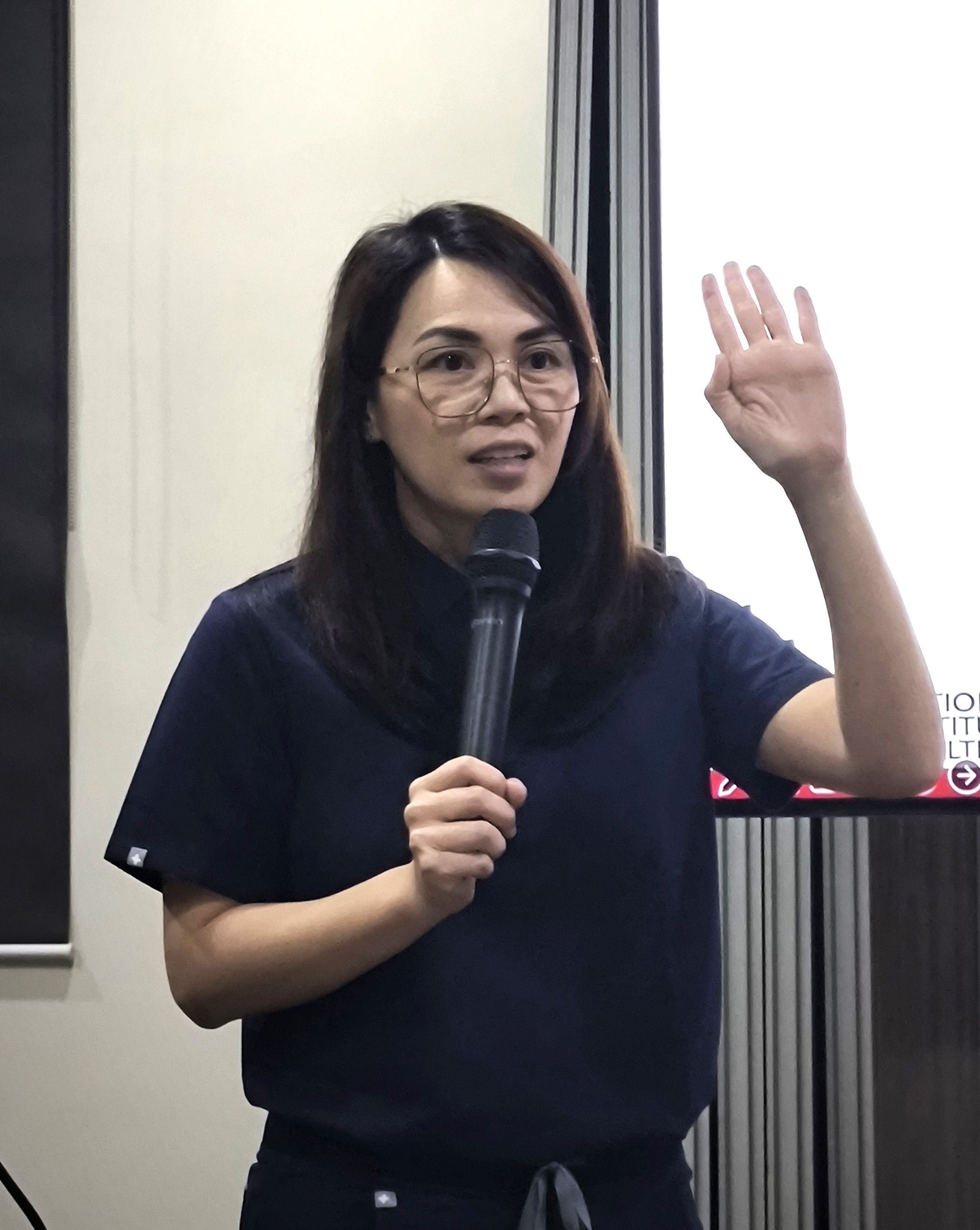
Dr. Mikaela Erlinda Bucu, emphasized the importance of good nutrition, particularly a whole-food diet made up of vegetables, fruits, lean proteins, whole grains, and healthy fats. She also recommended strength training two to three times a week to help maintain muscle mass and bone health. Dr. Bucu said older women need not engage in vigorous exercise. Activities such as brisk walking, jogging, swimming, cycling, and dancing for at least 150 minutes per week are advisable.#

Read more:
#fp9 #AccessibleUPLeadership