

Text by Charmaine A. Lingdas
Photos by UP College of Nursing
Edited by Julliani Estrella
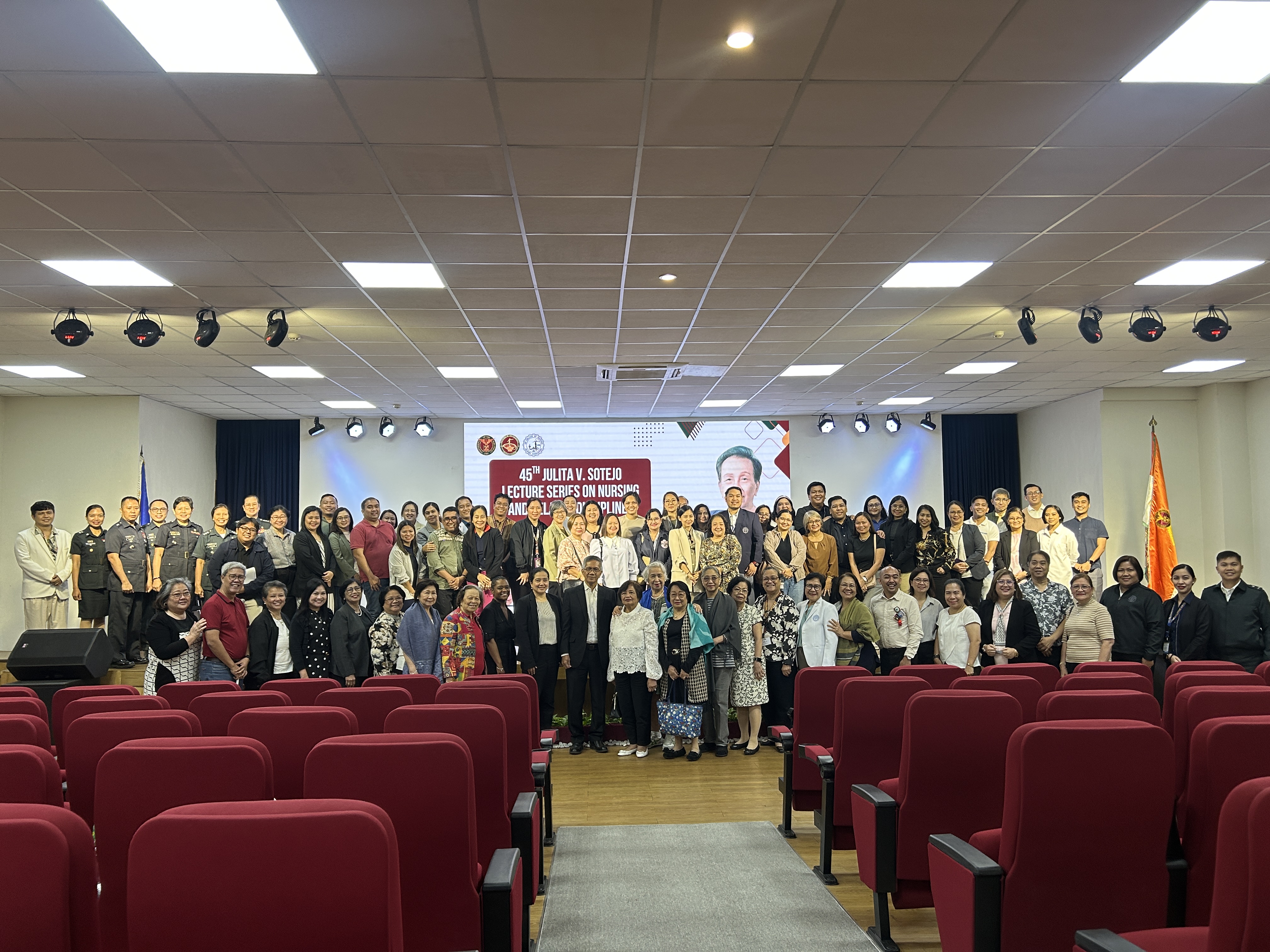
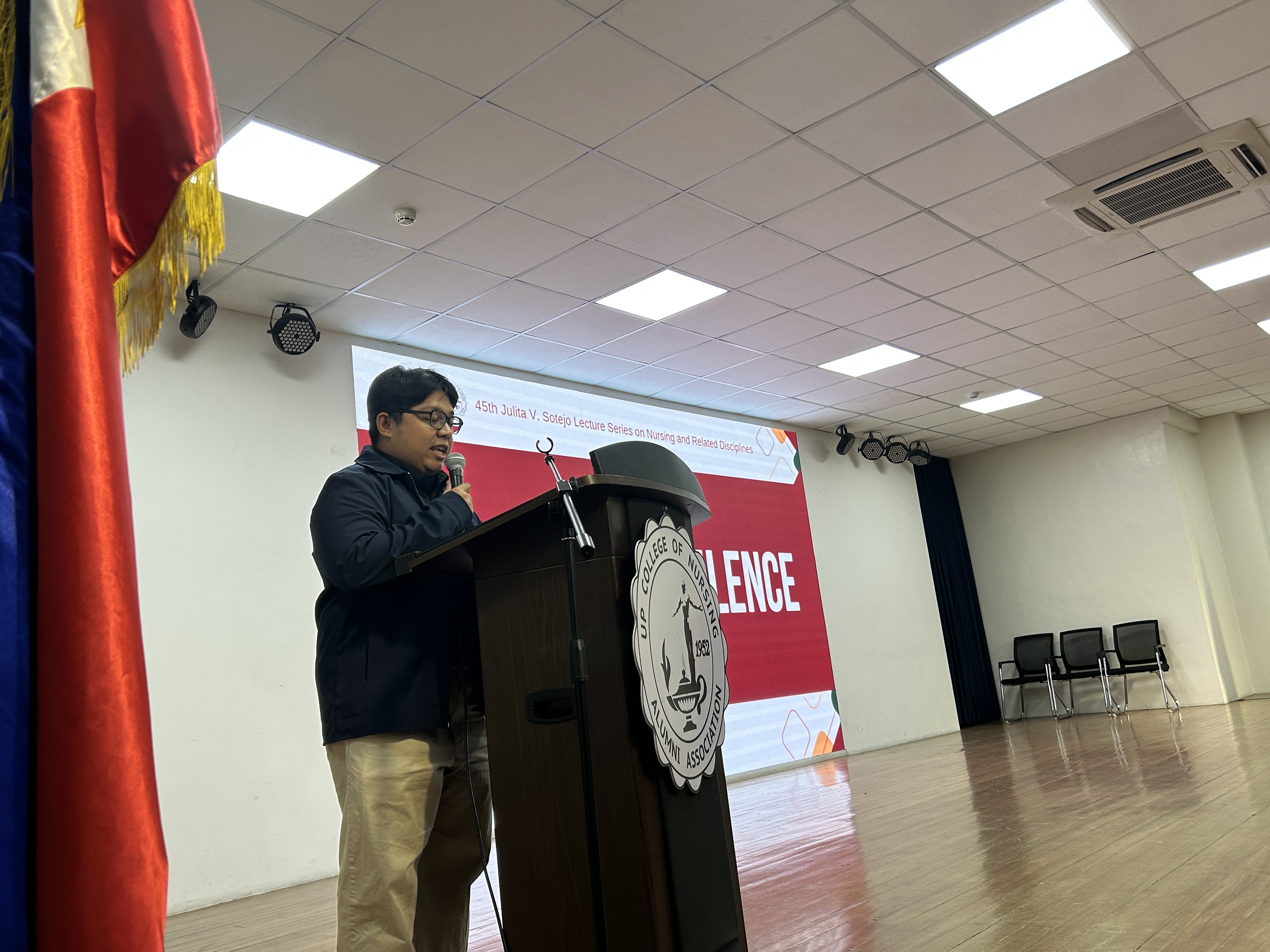
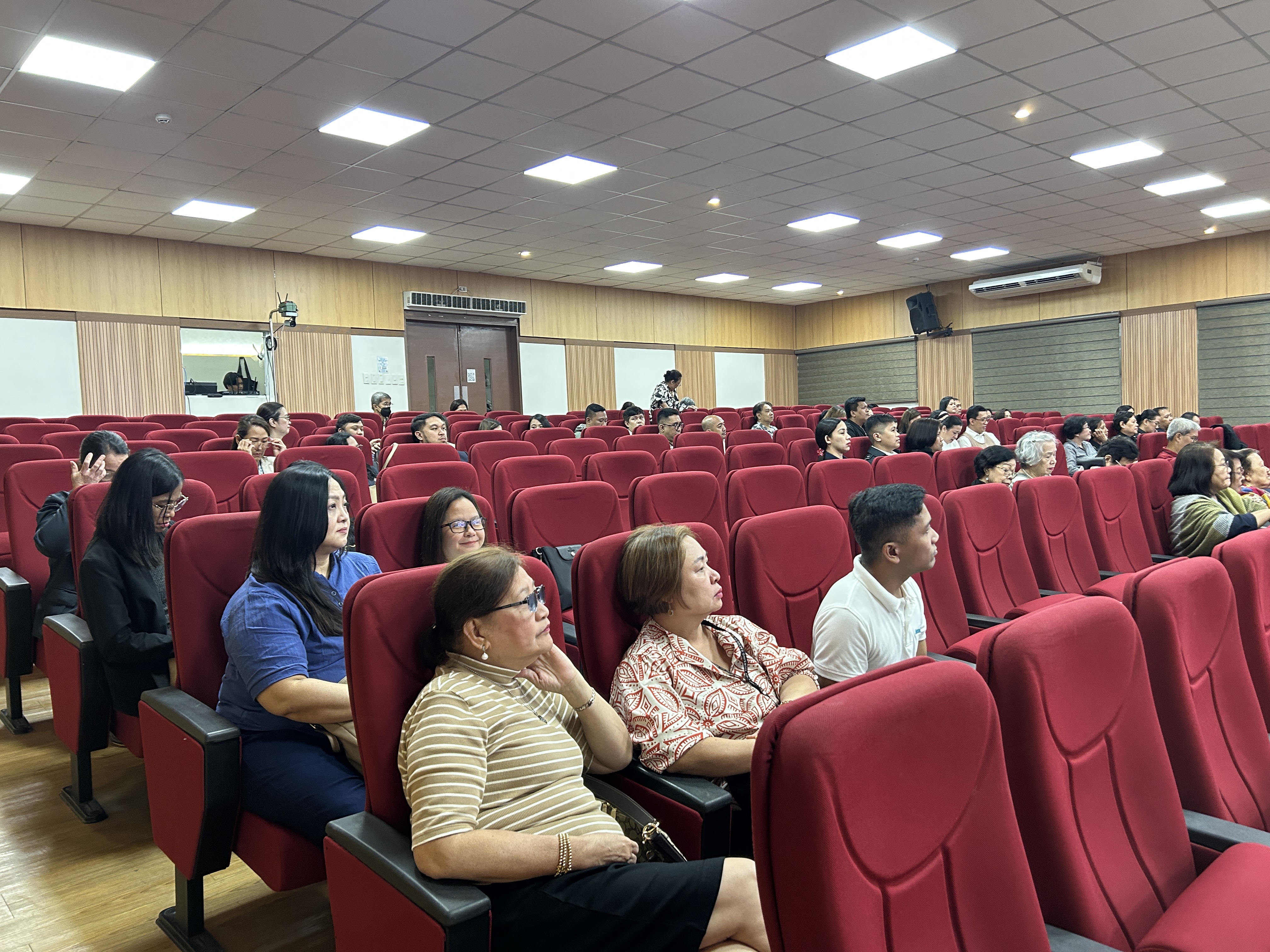
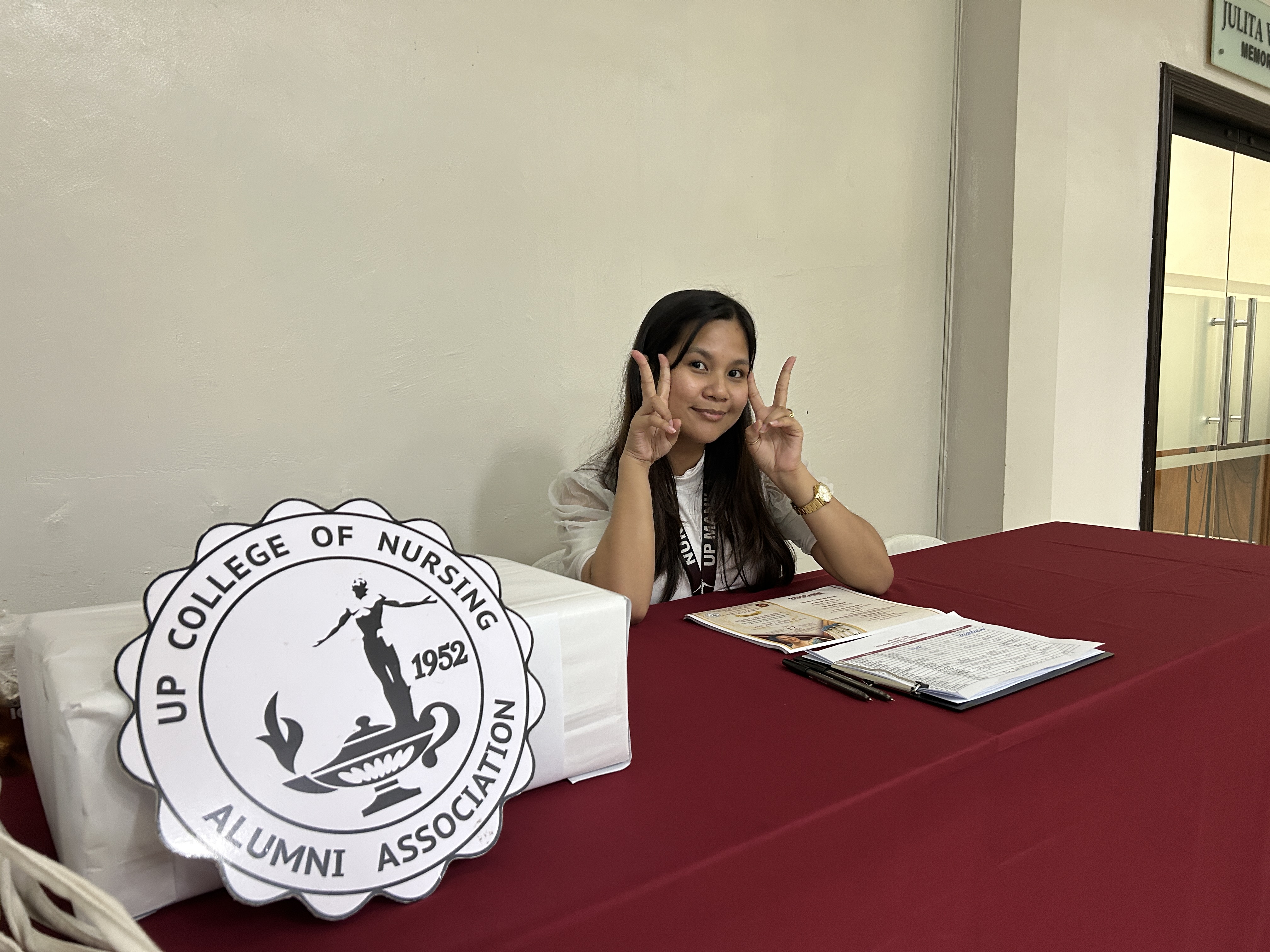
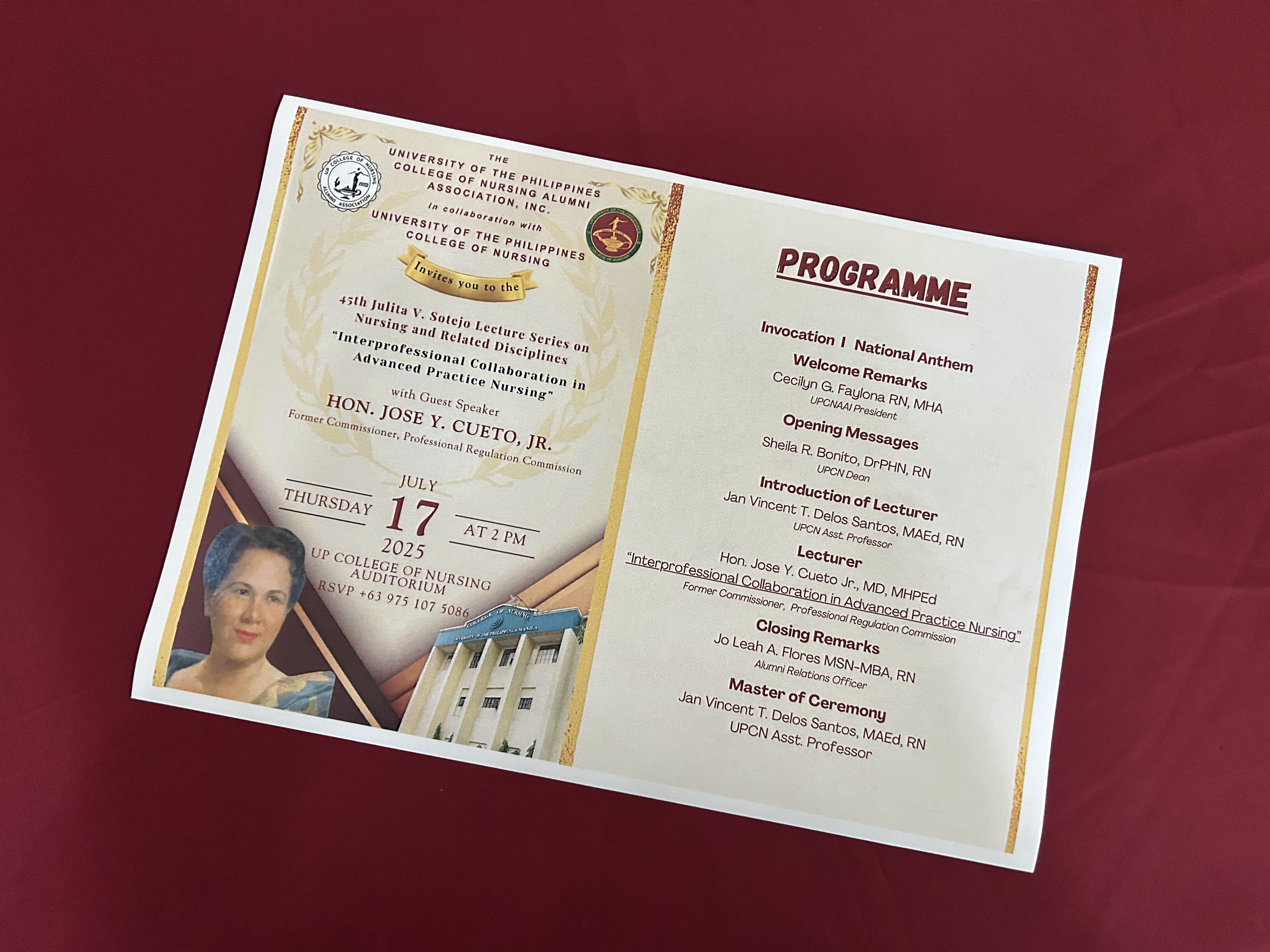
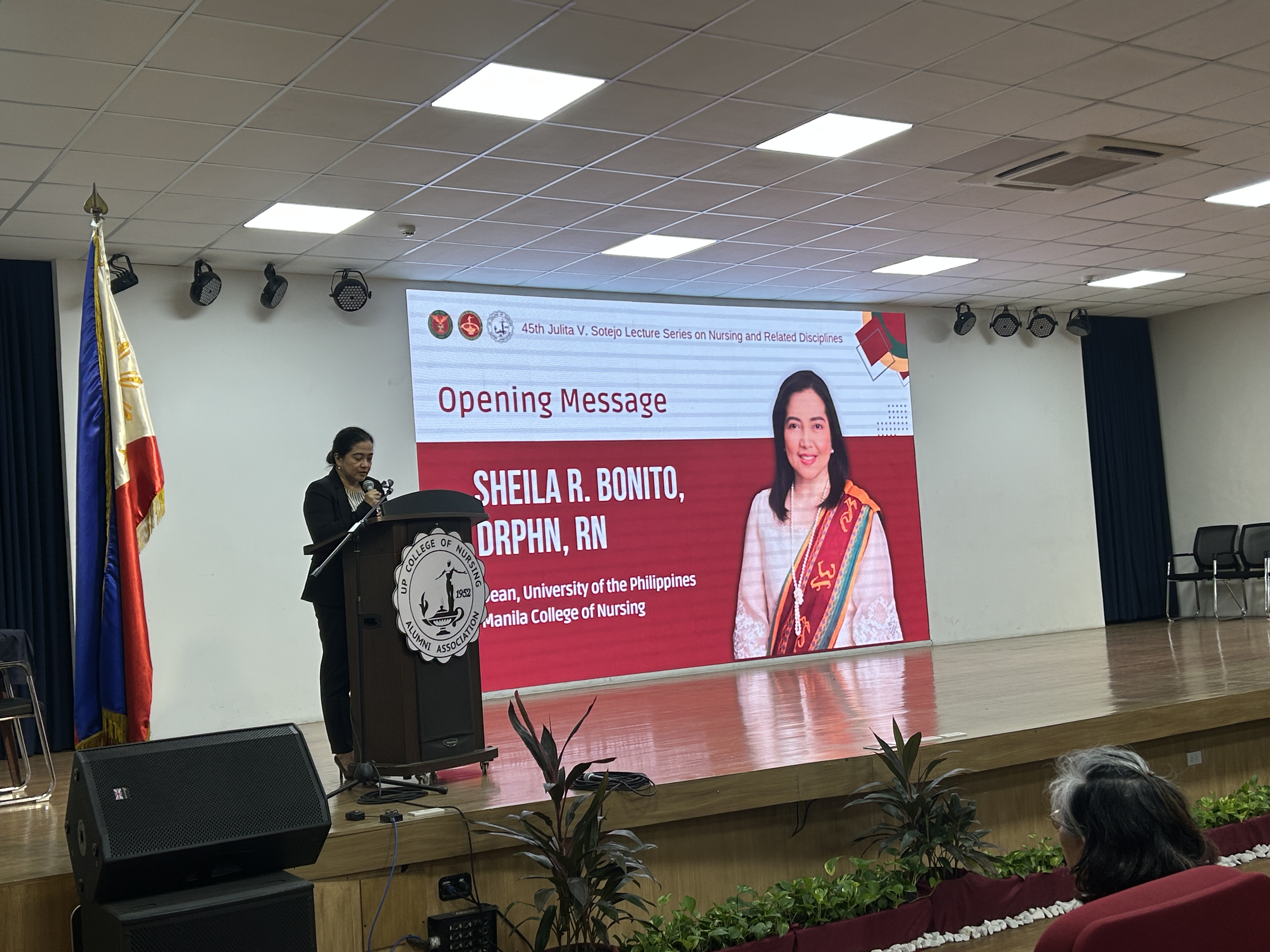
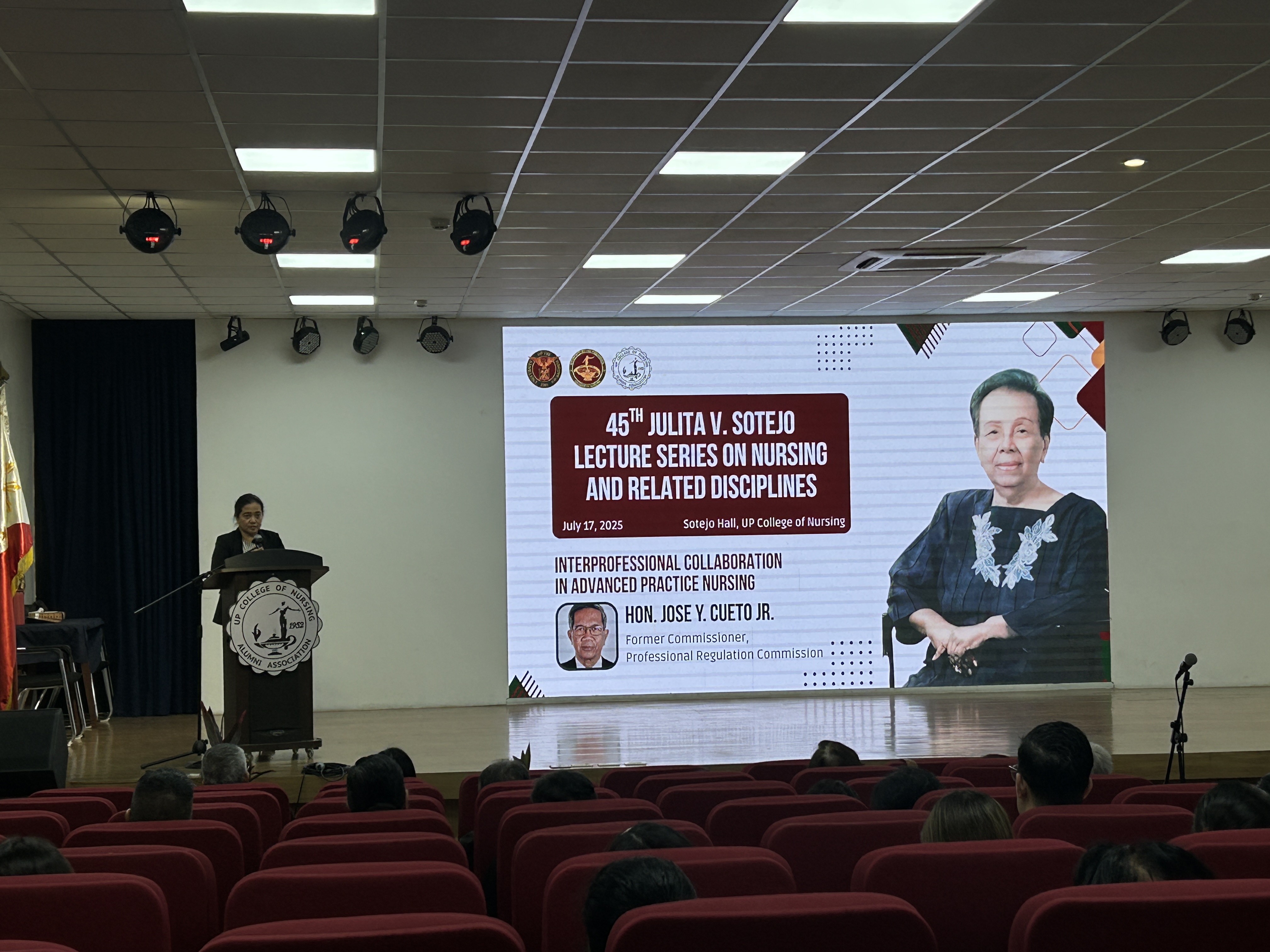
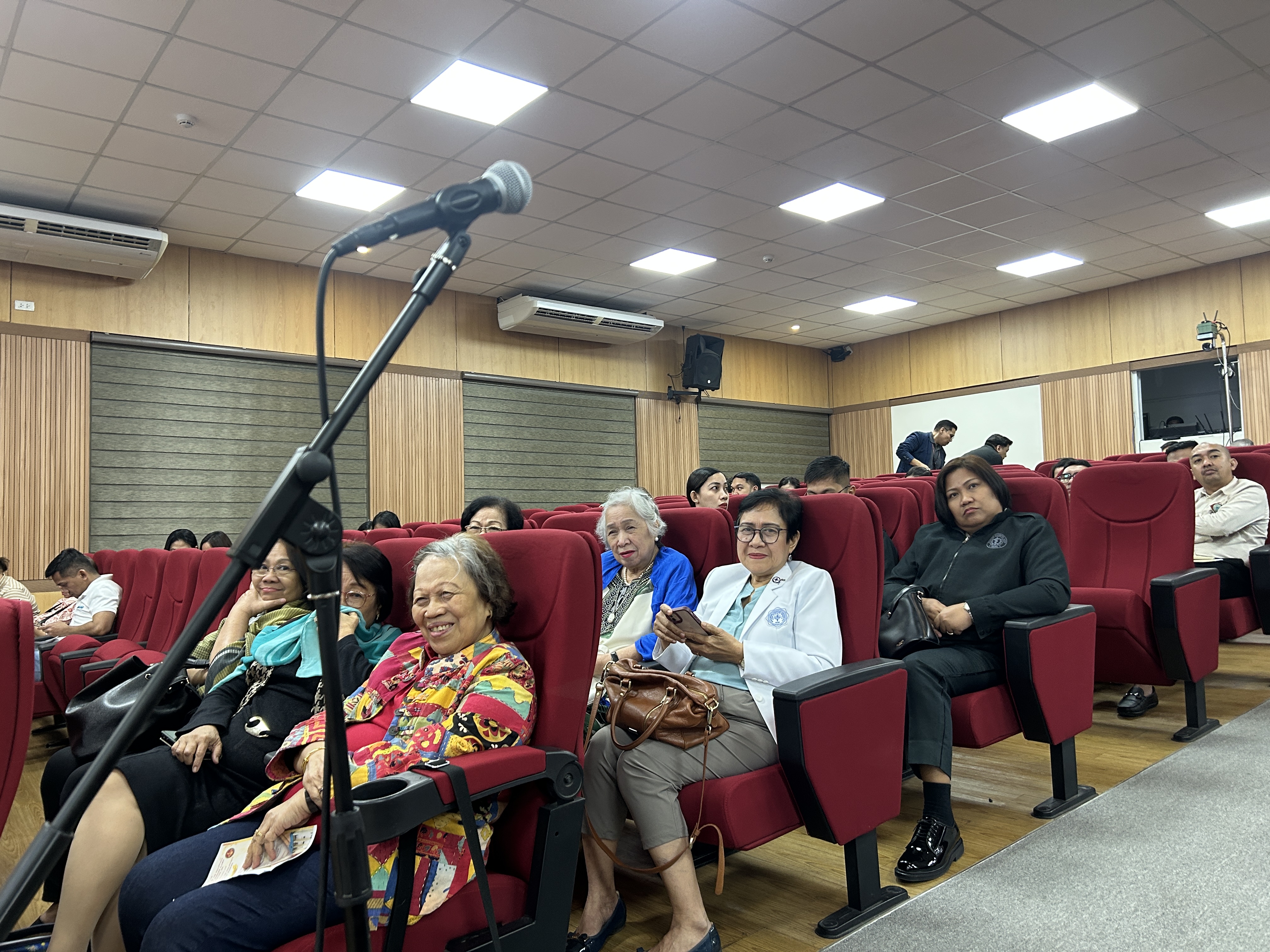
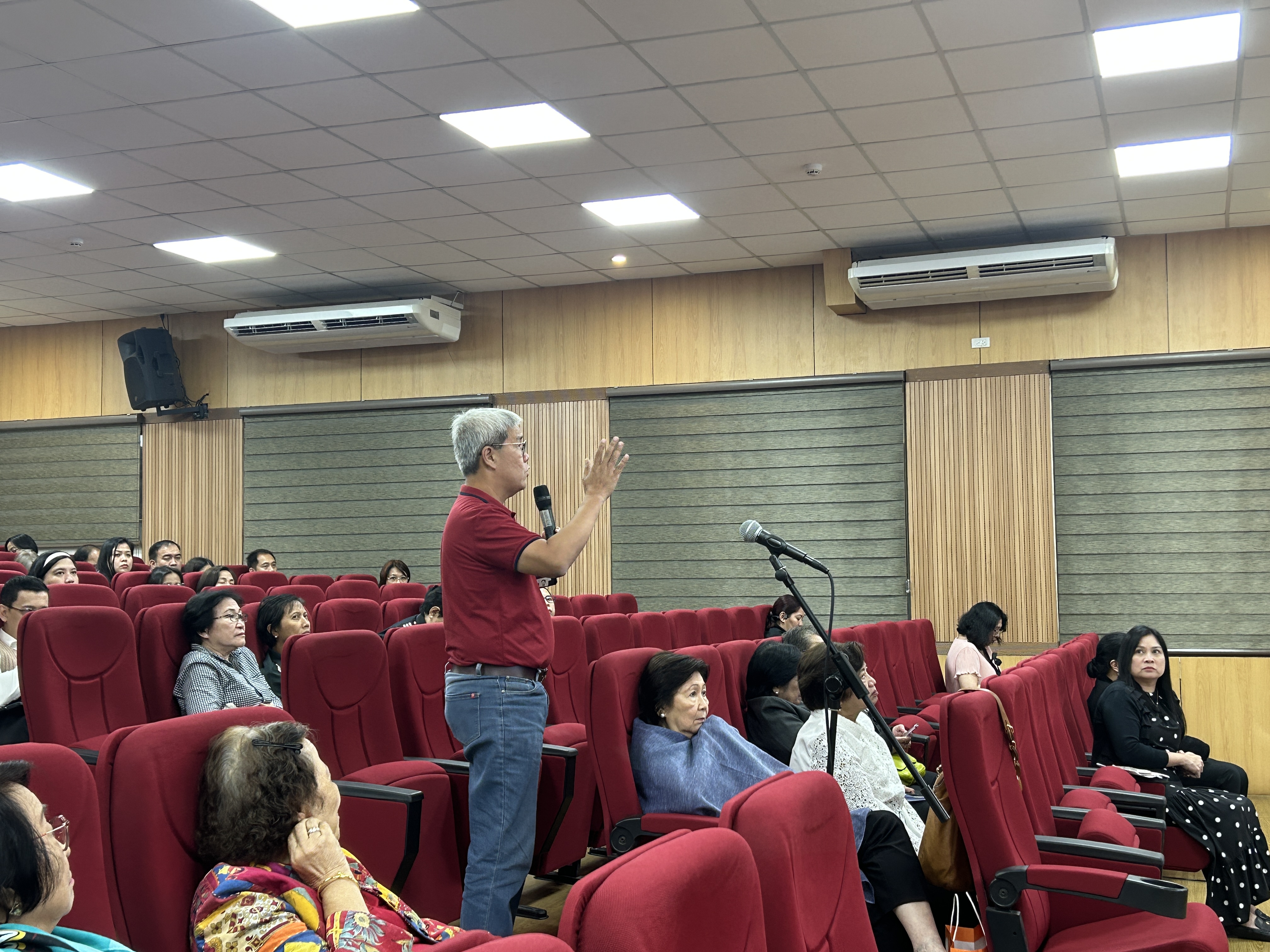
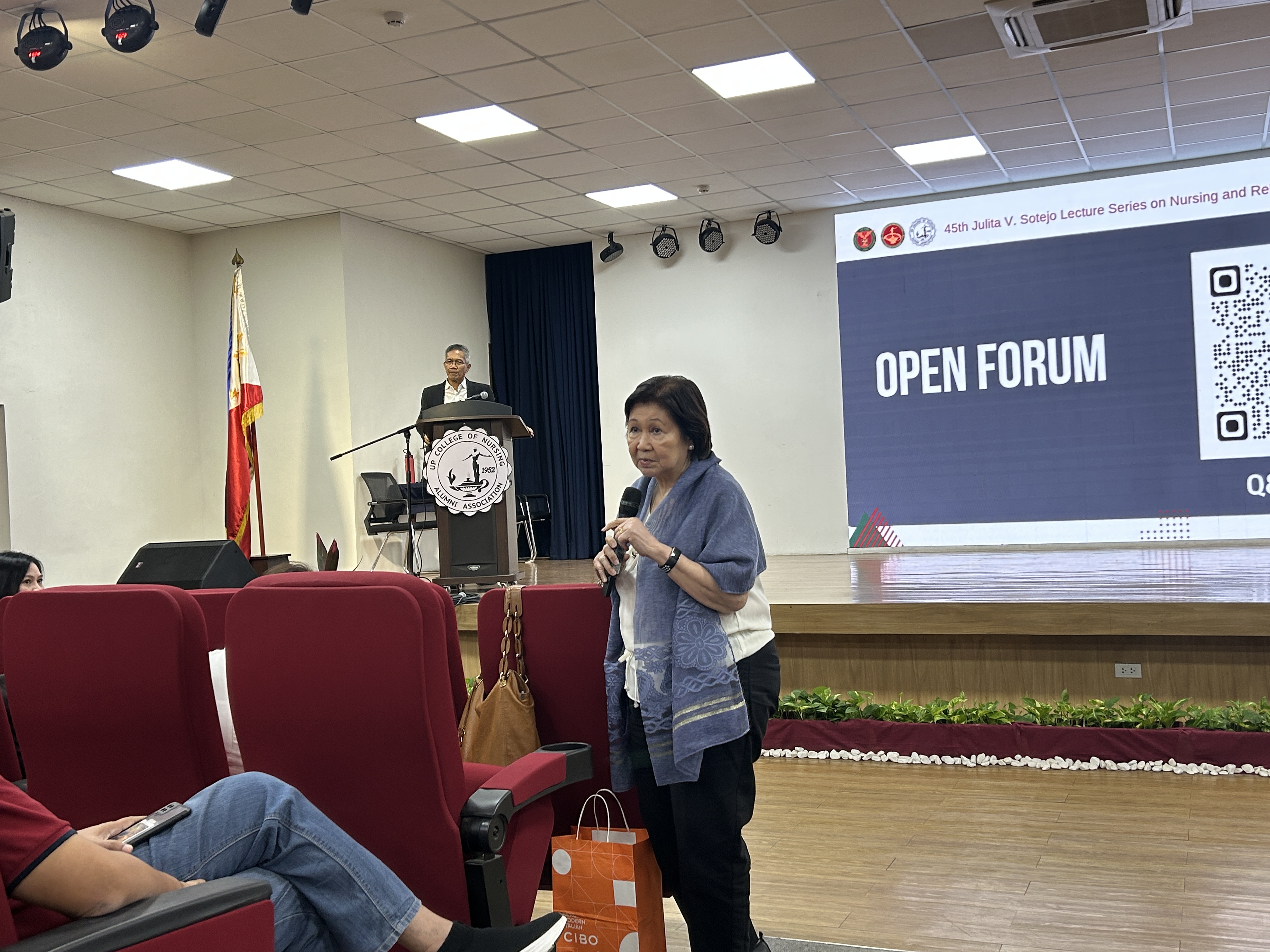
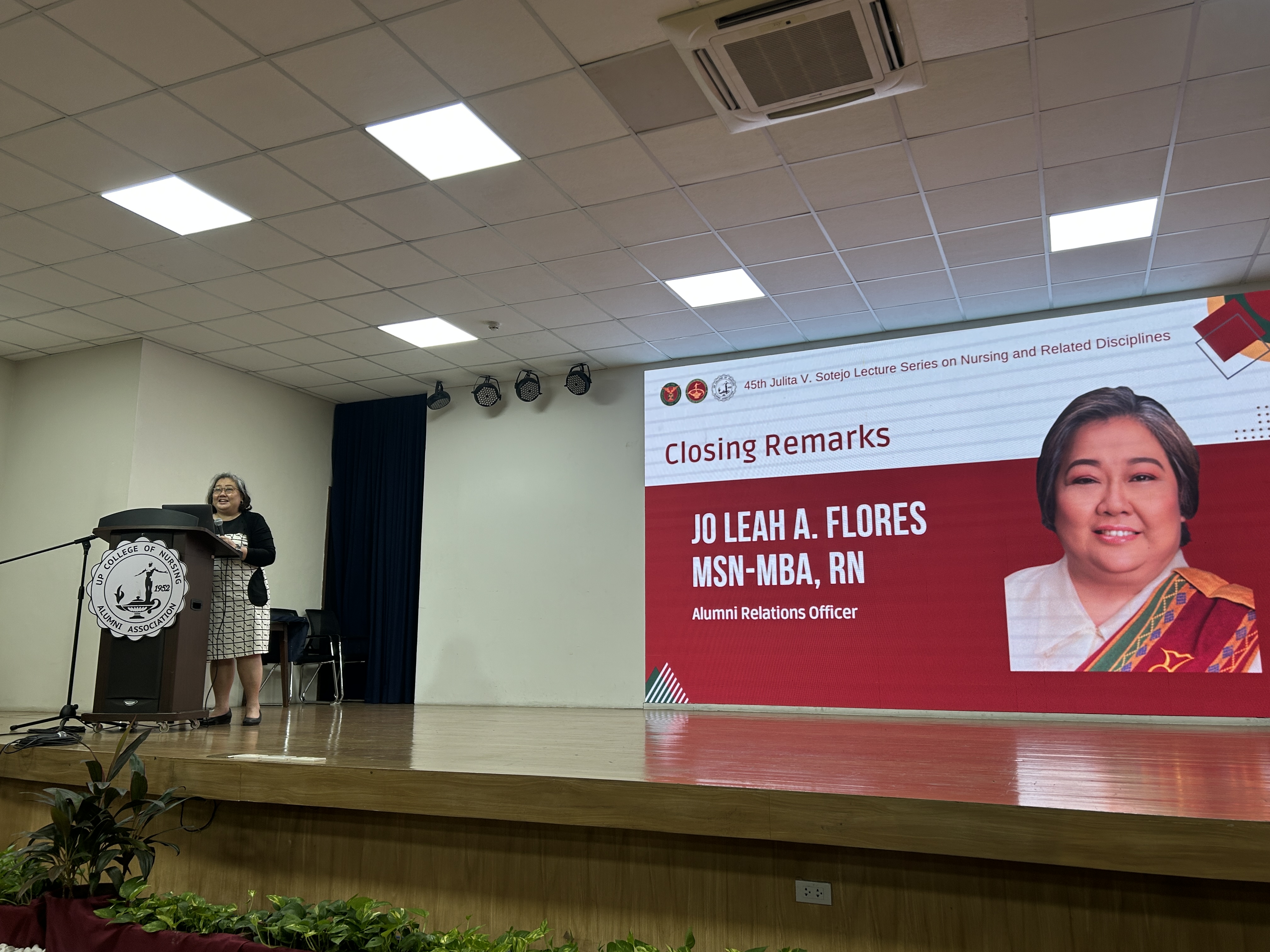
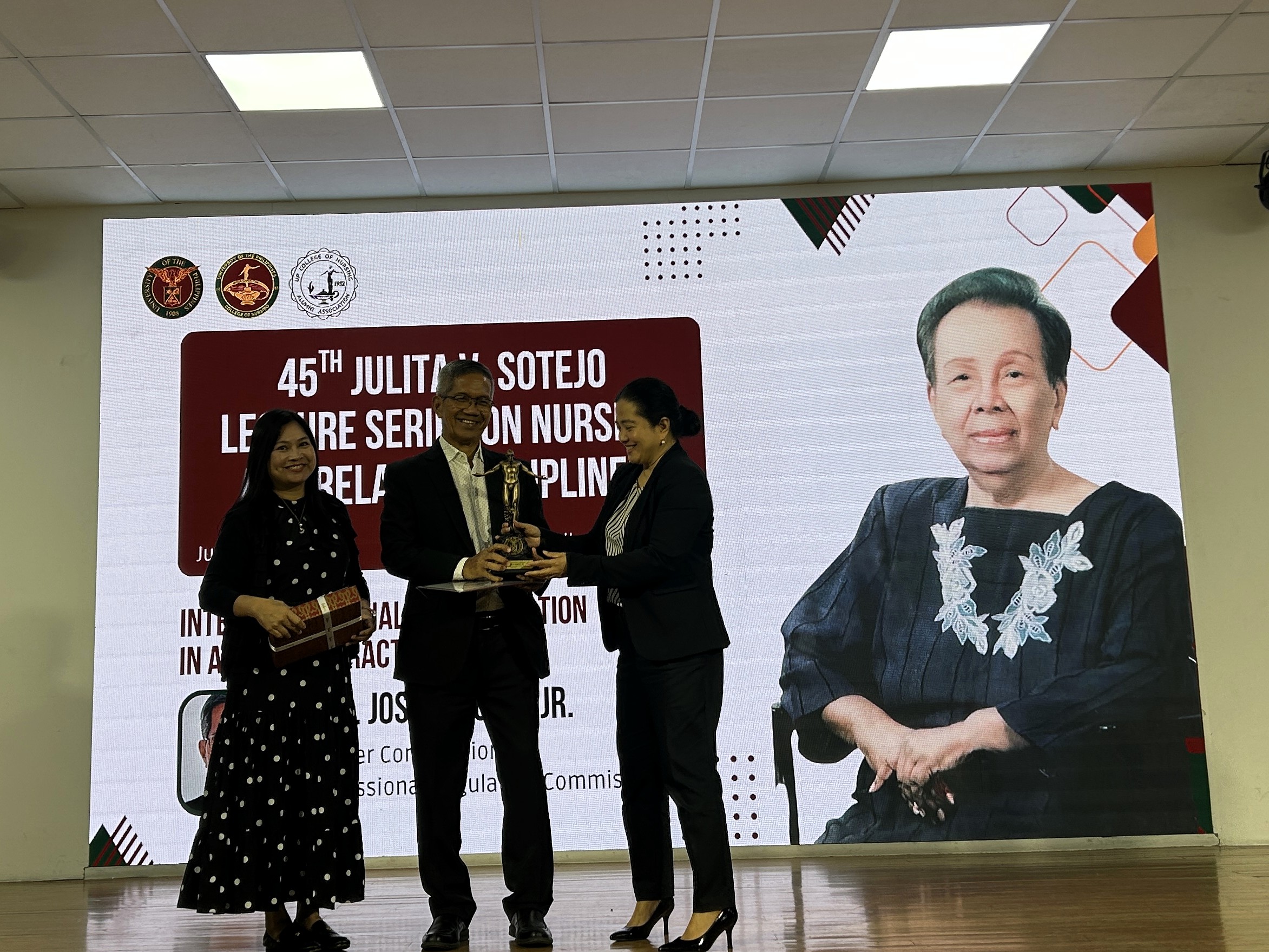
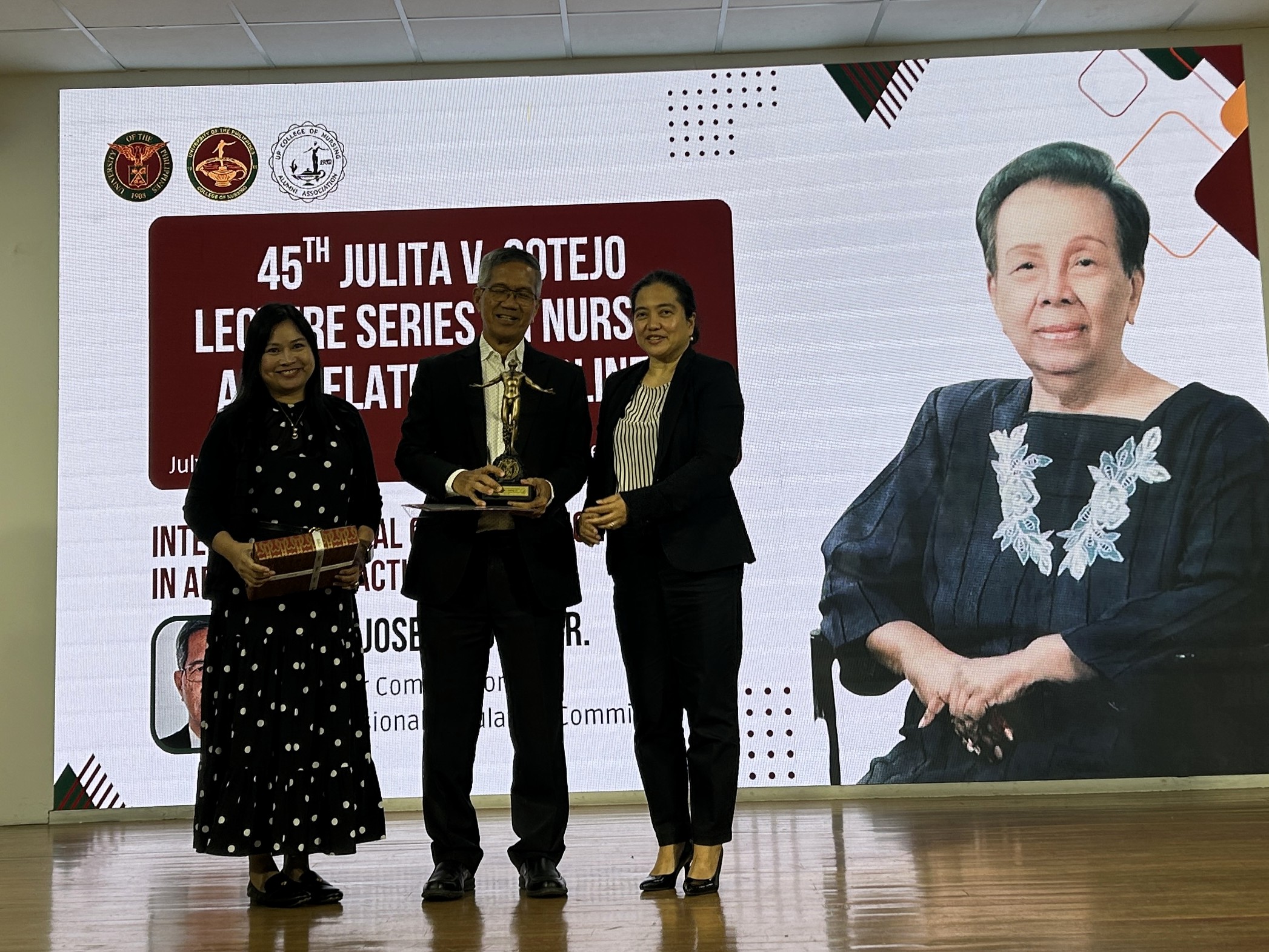
The University of the Philippines College of Nursing (UPCN), in collaboration with the UP College of Nursing Alumni Association, Inc. (UPCNAAI) held the 45th Julita V. Sotejo Lecture Series on Nursing and Related Disciplines on July 17, 2025, at the UP College of Nursing Auditorium. This annual lecture series honors the legacy of Julita V. Sotejo by promoting her advocacy that nursing practice extends far beyond the confines of clinical care. It underscores the vital role of nurses in diverse settings, including education, research, public health, policy-making, and community development. This highlights nursing as a holistic, people-centered profession that contributes to national development and social transformation.
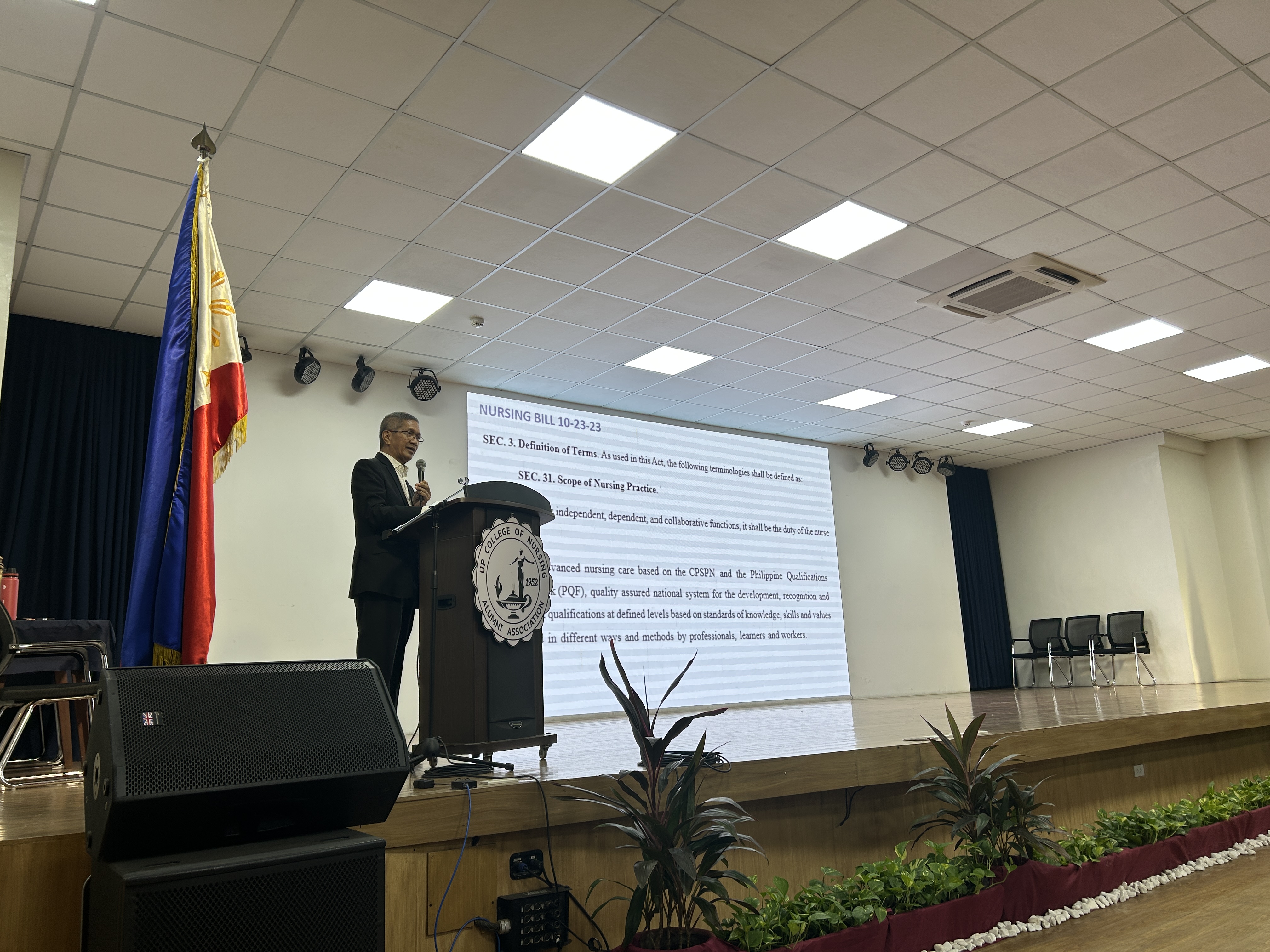
Former commissioner of the Professional Regulation Commission (PRC) Dr. Jose Y. Cueto Jr. presented a lecture focused on the theme “Interprofessional Collaboration in Advanced Practice Nursing.” His presentation highlighted how interprofessional collaboration not only enhances the delivery of healthcare but also gives nurses more power in leadership and decision-making positions.
The term “Advanced Practice Nursing” refers to the level of practice at which nurses have gained advanced clinical proficiency, sophisticated decision-making abilities, and expert knowledge. A nurse who has demonstrated proficiency in the clinical application of their knowledge and skills in a specialized field of nursing practice, as well as a high degree of knowledge and decision-making ability, is referred to as an Advanced Practice Nurse (APN).
Dr. Cueto discussed the position of the Advanced Practice Nursing section in the drafted Nursing Bill, which the Senate put on hold during the 19th Congress. Given the changing demands of the healthcare industry, he stressed the necessity of revisiting and improving the bill to guarantee its passage in subsequent congressional sessions.
He stressed that existing laws and policies might provide legal justifications for the Career Progression and Specialization Program (CPSP) for nurses, even in the absence of a particular legislation governing APNs. These include the Philippine Nursing Act of 2002 (RA 9173), the Philippine Qualifications Framework Law (RA 10968), the Continuing Professional Development Law (RA 10912), the Universal Health Care Law (RA 11223), and PRC Resolution No. 2018-1117 on the implementation of CPSP. He asserted that these frameworks could be used to develop a different route for nurses because they already promote specialized training and professional development.
Dr. Cueto discussed important events in the development of the nurse practitioner model in the United States. He emphasized the evolution of U.S. legislation allowing nurse practitioners to deliver primary care, particularly in underserved communities through collaborative practice arrangements with doctors. Additionally, he mentioned the regulatory framework of Alabama, which explains the various kinds of advanced practice nurses and the specifics of how doctors and nurses work together. These scenarios act as a guide for what might be modified to the Philippine situation.
In his presentation, Cueto placed a strong emphasis on interprofessional education (IPE) in training future health professionals for interprofessional collaborative practice (IPCP). He highlighted that IPE is about changing the culture of medicine and healthcare, not just education methods.
He mentioned UP Manila’s CHDP (Community Health and Development Program) as a program that effectively integrated IPE across colleges (Nursing, Medicine, Public Health, etc.) to enhance teamwork, service delivery, and community participation.
Cueto asked crucial issues to the audience and legislators. Under a collaborative practice model, will physicians be governed by nursing legislation? Which regulatory body oversees interprofessional collaboration? Under the UHC Law, are nurses qualified to work as primary care providers? Can APNs help solve the issue of nurse migration as well as internal system deficiencies?
He stressed the need for clear definitions of competencies and scopes of practice, as well as the development of level-aligned matrices that connect to the Philippine Qualifications Framework.
Cueto ended by outlining a multifaceted plan to advance the APN agenda:
• Improve the Nursing Bill’s quality before submitting it again to the 20th Congress
• Establish defined results and scopes for APNs and Nurse Specialists
• Involve more stakeholders, such as the Department of Budget and Management (DBM), the Civil Service Commission (CSC), the Commission on Higher Education (CHED), the Department of Health (DOH), the Professional Regulation Commission (PRC), and PhilHealth.
• Use current legislation and frameworks to investigate non-legislative options.
• Look for legislative and executive supporters of the plan
• Encourage a collaborative attitude among healthcare practitioners via education, clinical practice, and community immersion
The annual Julita V. Sotejo Lecture Series offers a forum for alumni, teachers, students, and practitioners to discuss important topics in health care and nursing. The emphasis on cooperation this year is consistent with ongoing initiatives to improve the Philippine healthcare system and nursing practice through multidisciplinary cooperation and shared knowledge.