

Text by Charmaine Lingdas
Photos courtesy of UP Manila SHS
Edited by Tatyana Lauren Poblete- Ajero
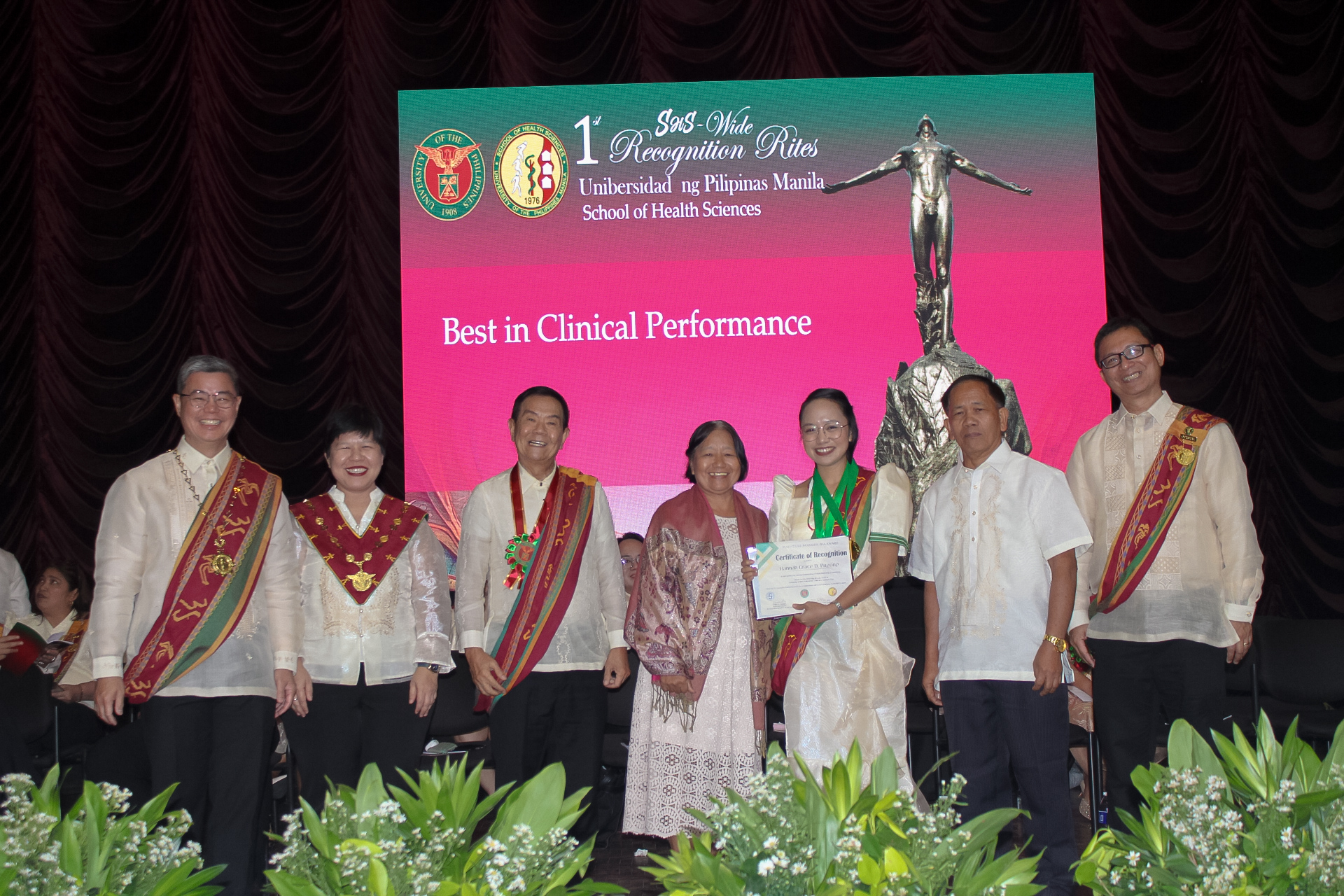
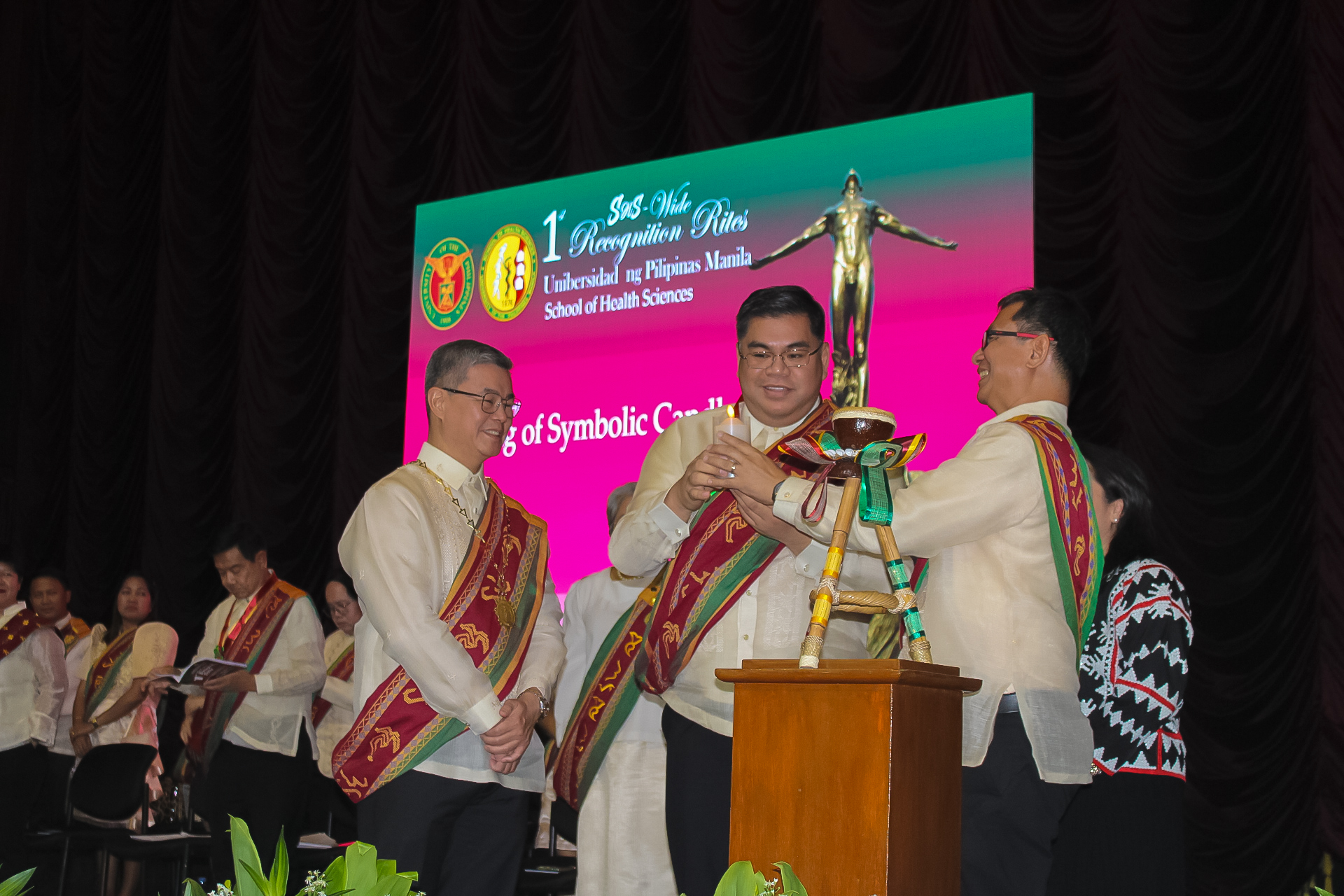
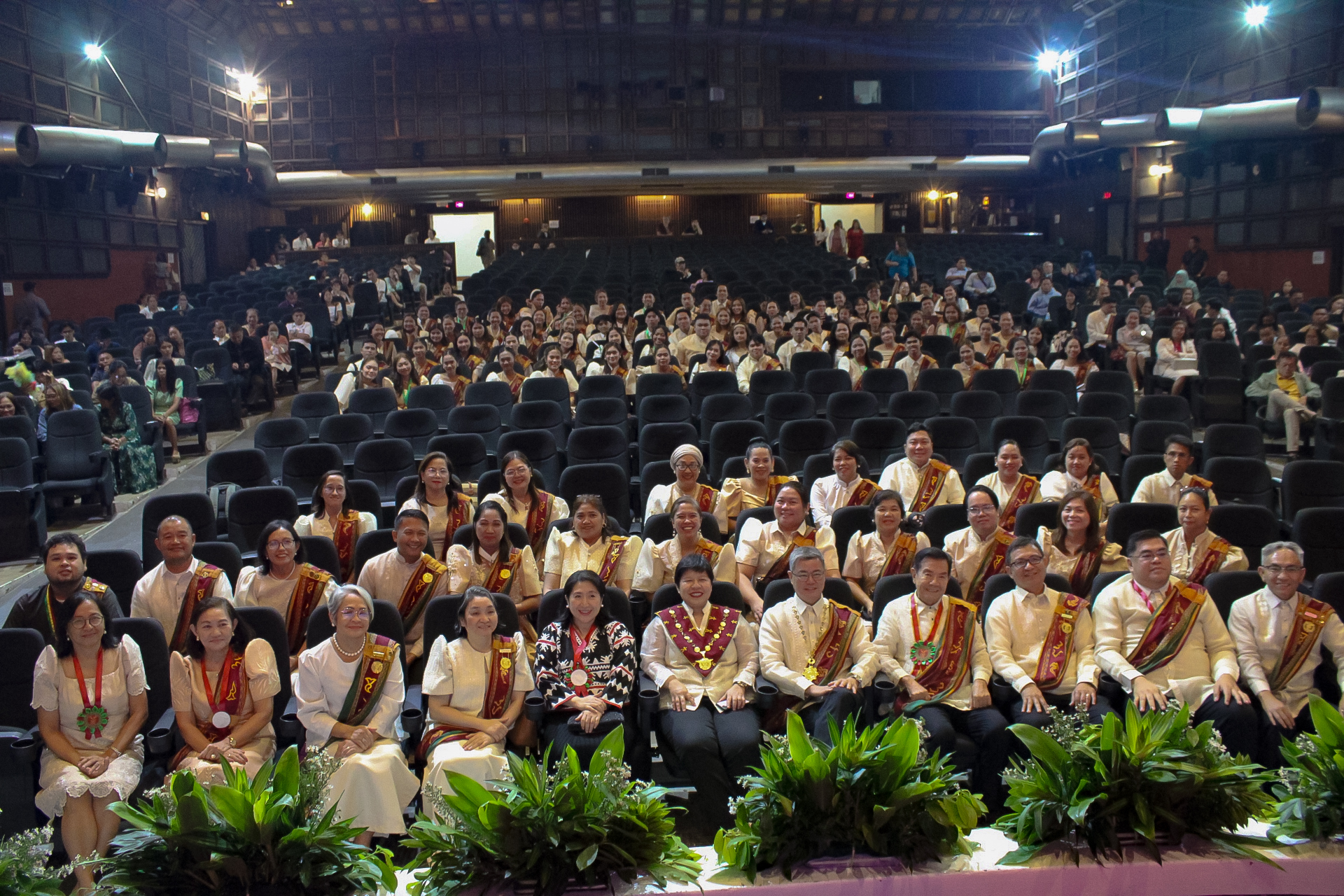
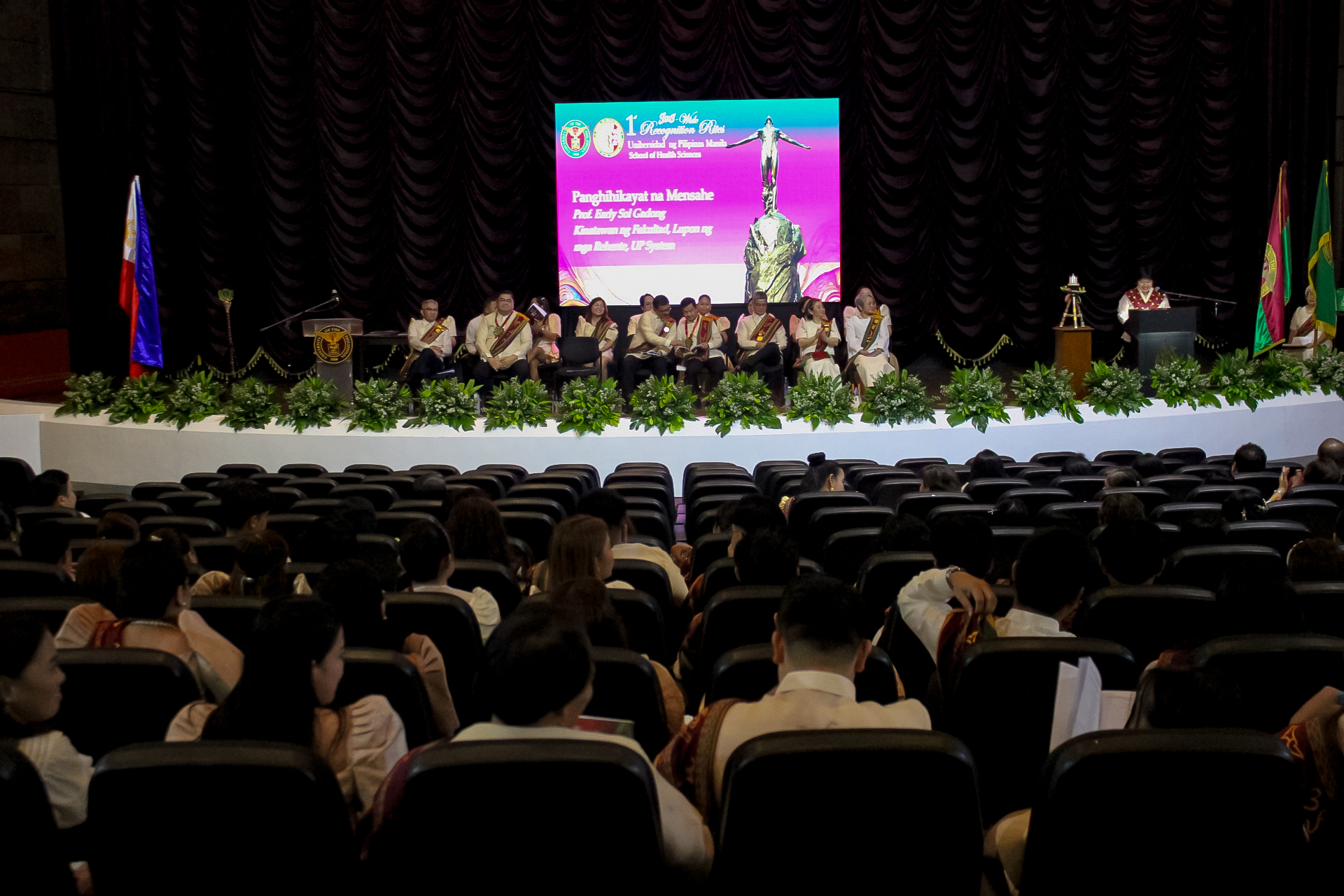
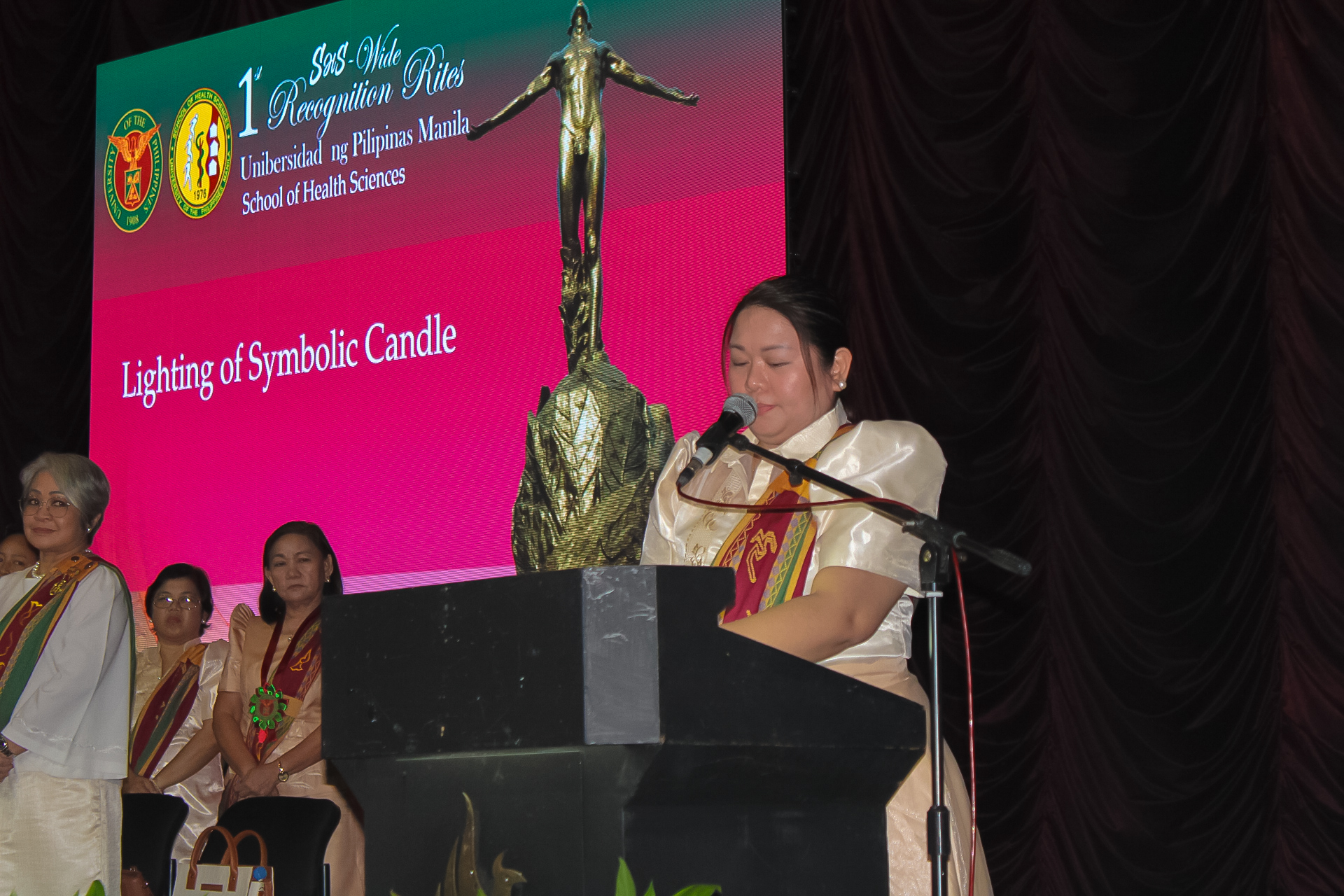
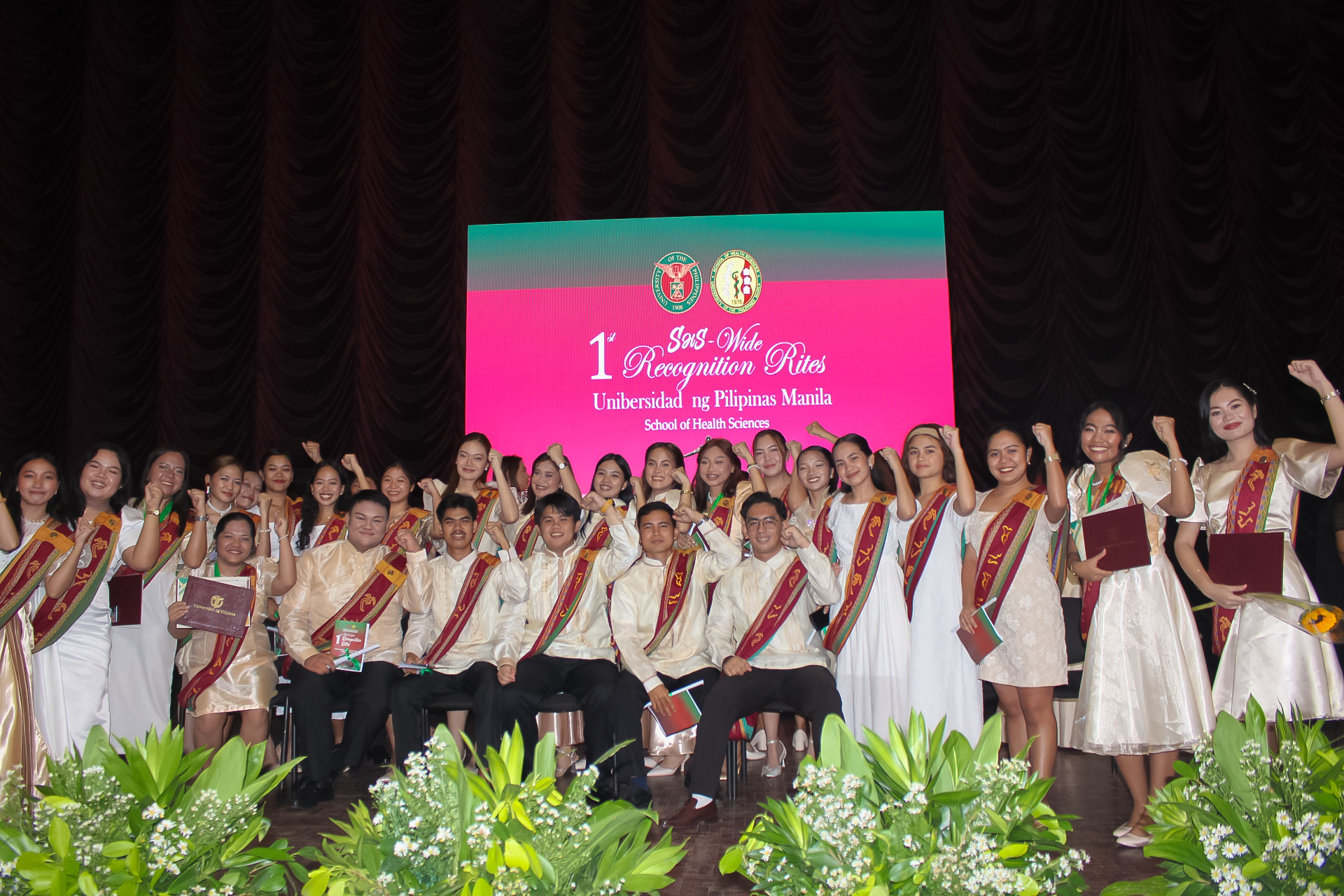
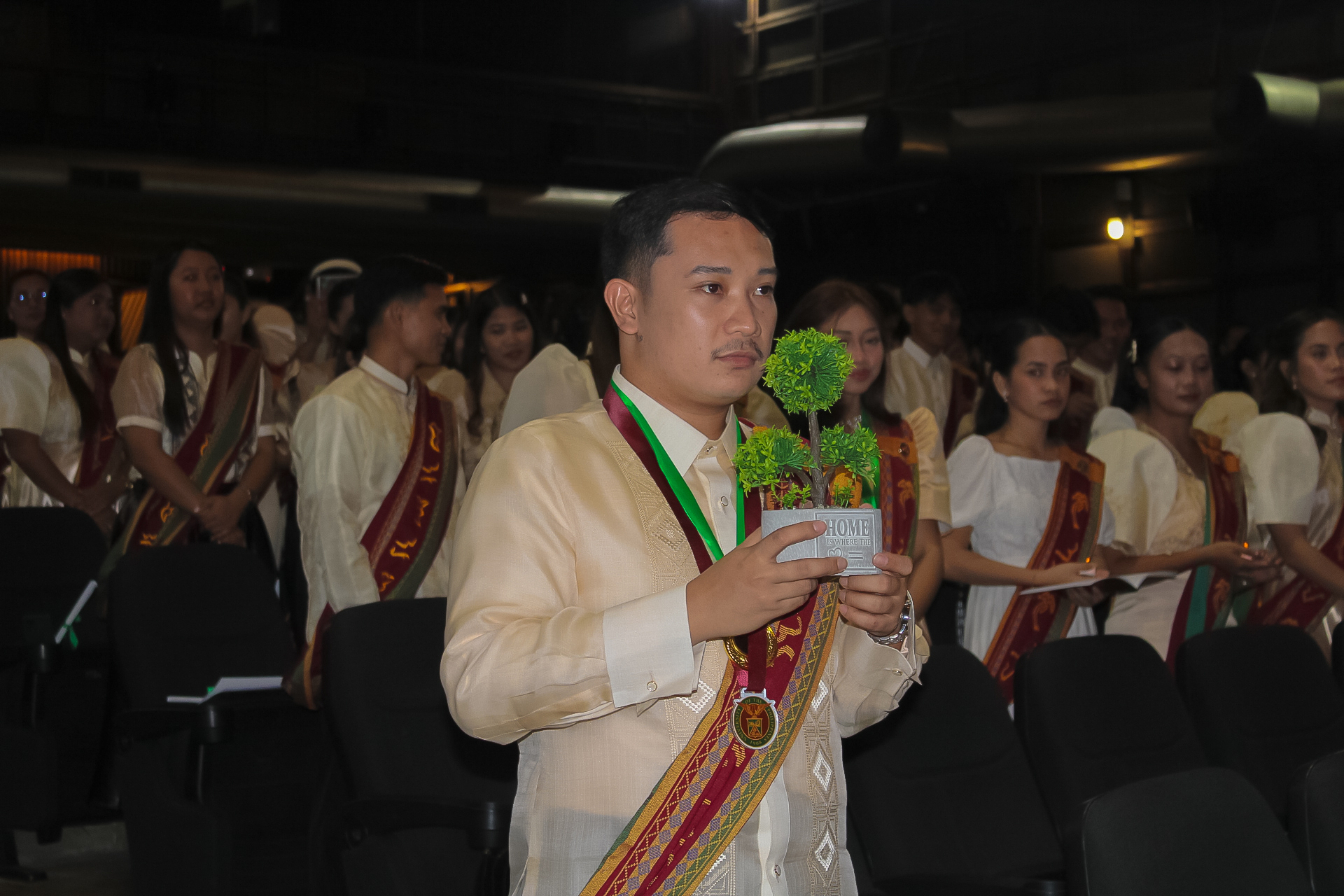
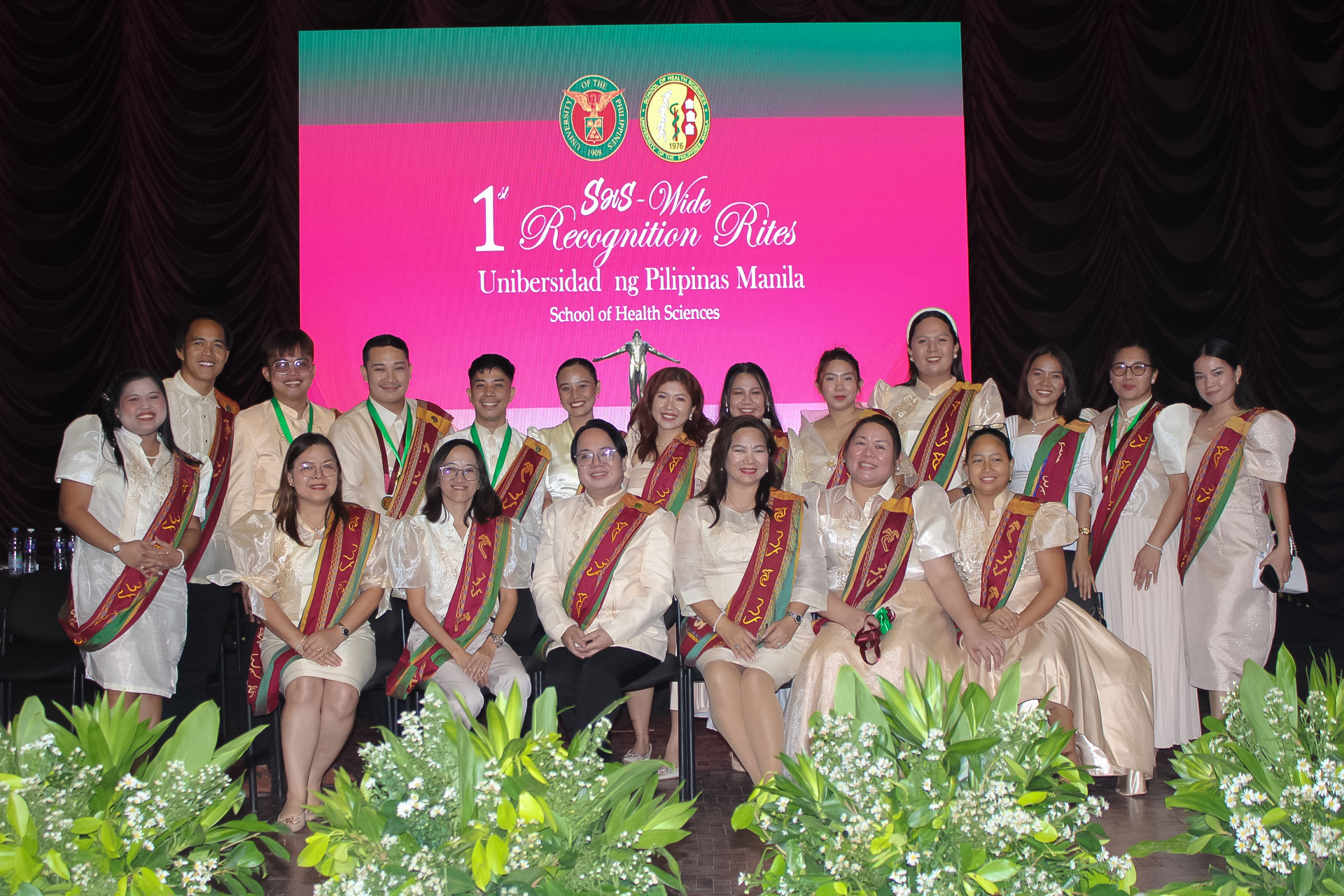
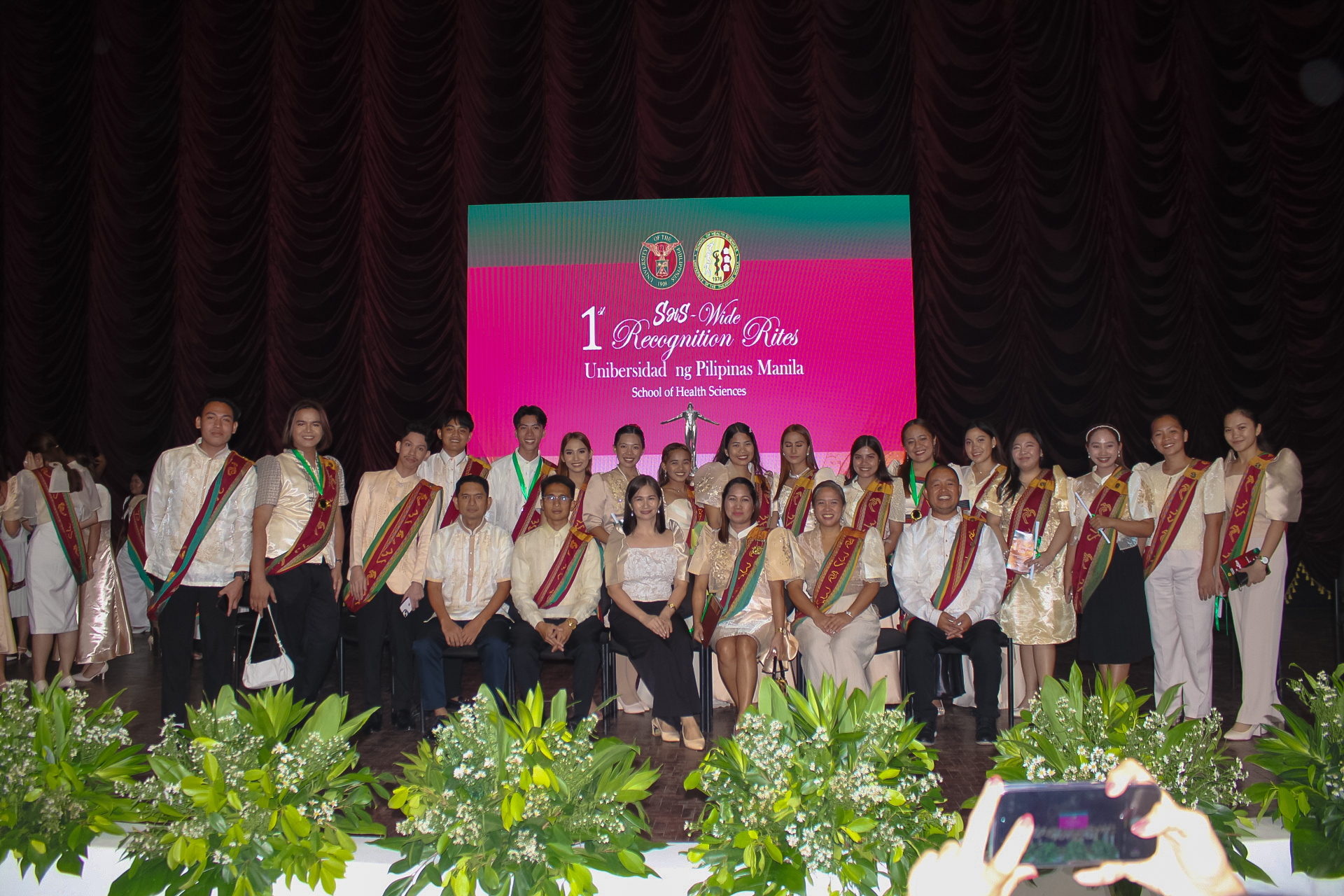
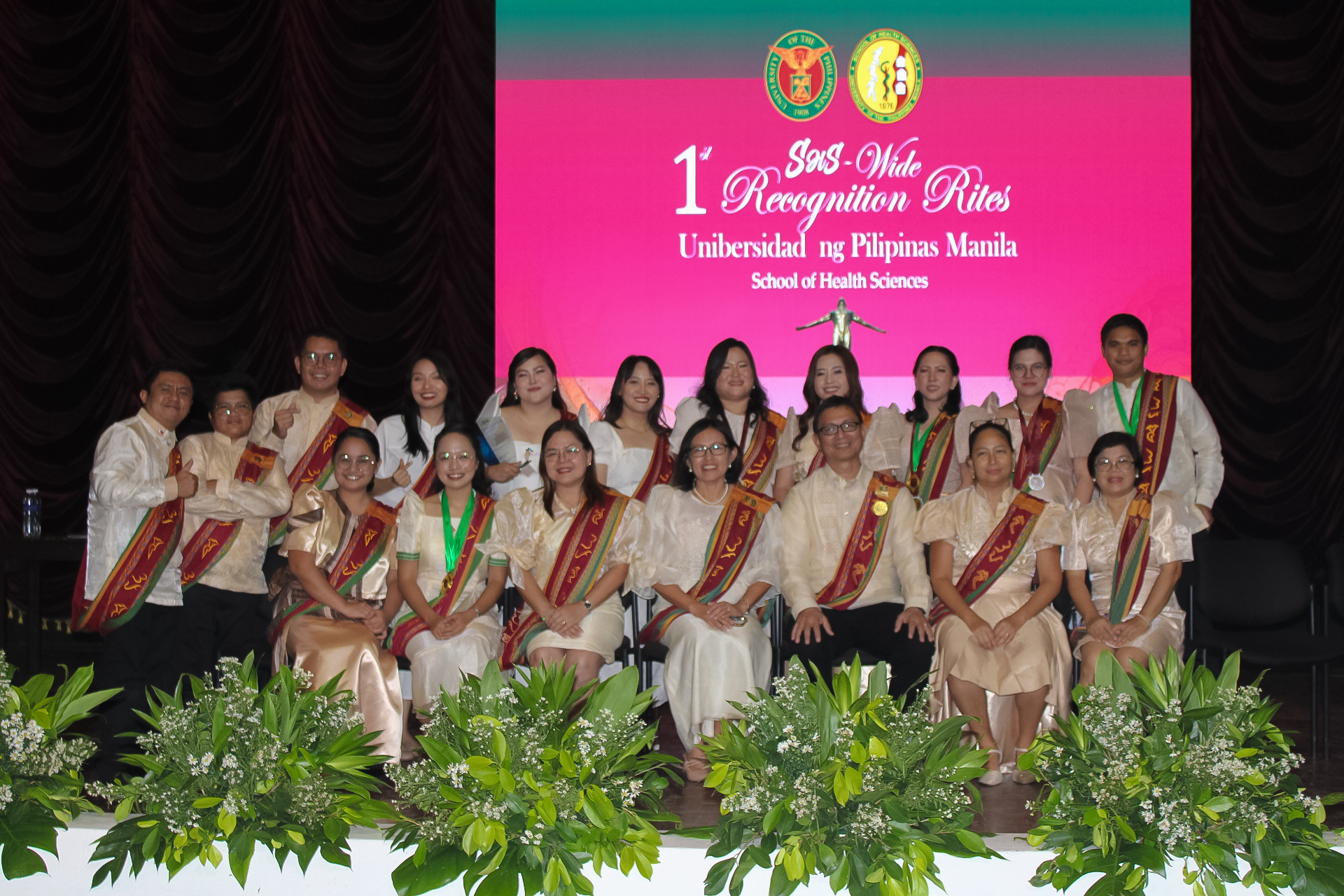
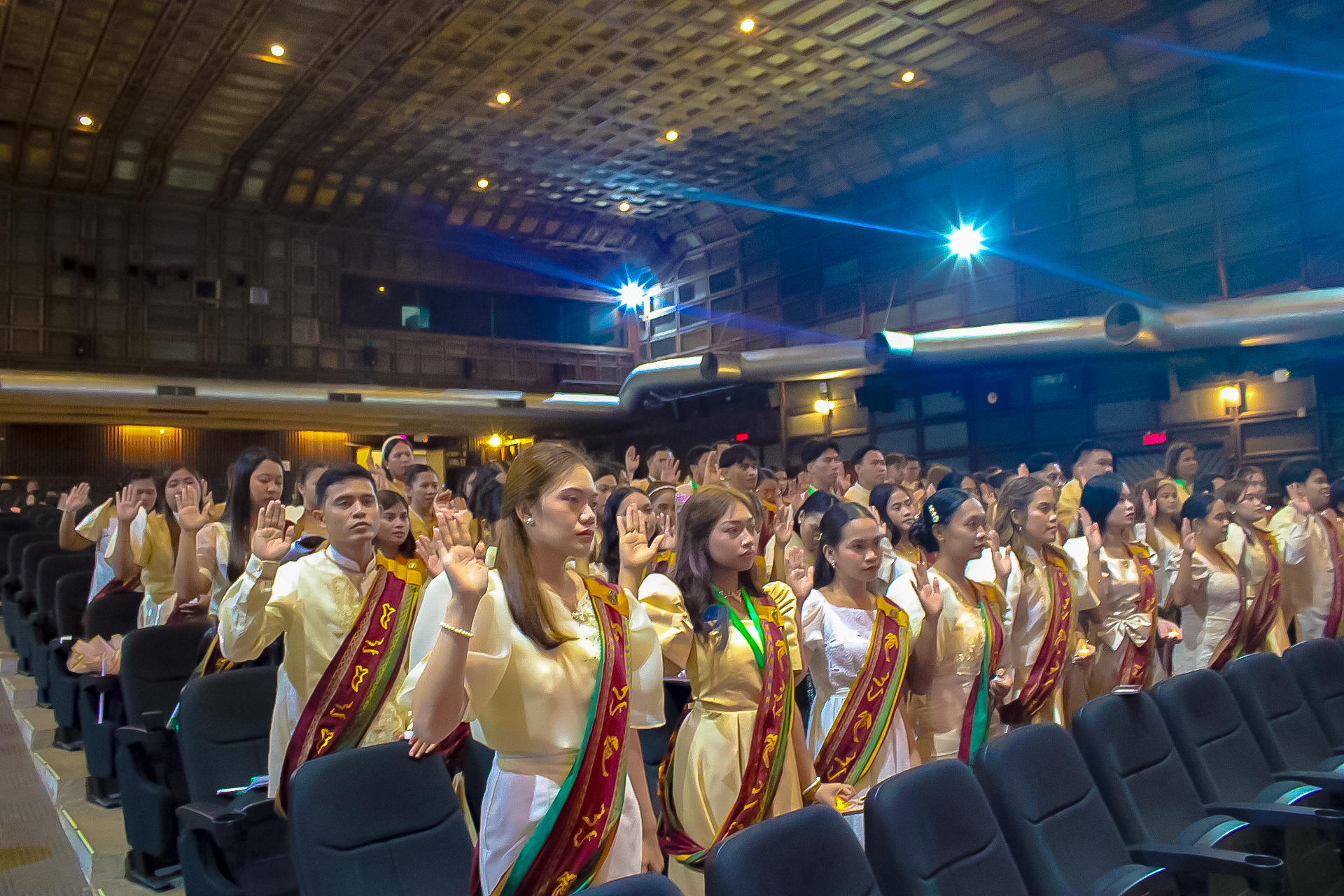
The University of the Philippines Manila – School of Health Sciences (UPM-SHS) held its 2025 Recognition Rites on July 23 at Cine Adarna, UP Diliman, Quezon City, celebrating 94 graduates from its Midwifery, Nursing, and Medicine programs in a moving ceremony that highlighted academic achievement, community service, and the school’s founding vision.
While 94 graduates were honored during the event, the full Class of 2025 comprises 128 graduates: 60 from the Diploma in Midwifery, 13 from the Bachelor of Science in Nursing, and 21 from the Doctor of Medicine program. Notably, 34 midwifery graduates from the Tarlac campus were recognized in a separate campus-based ceremony.

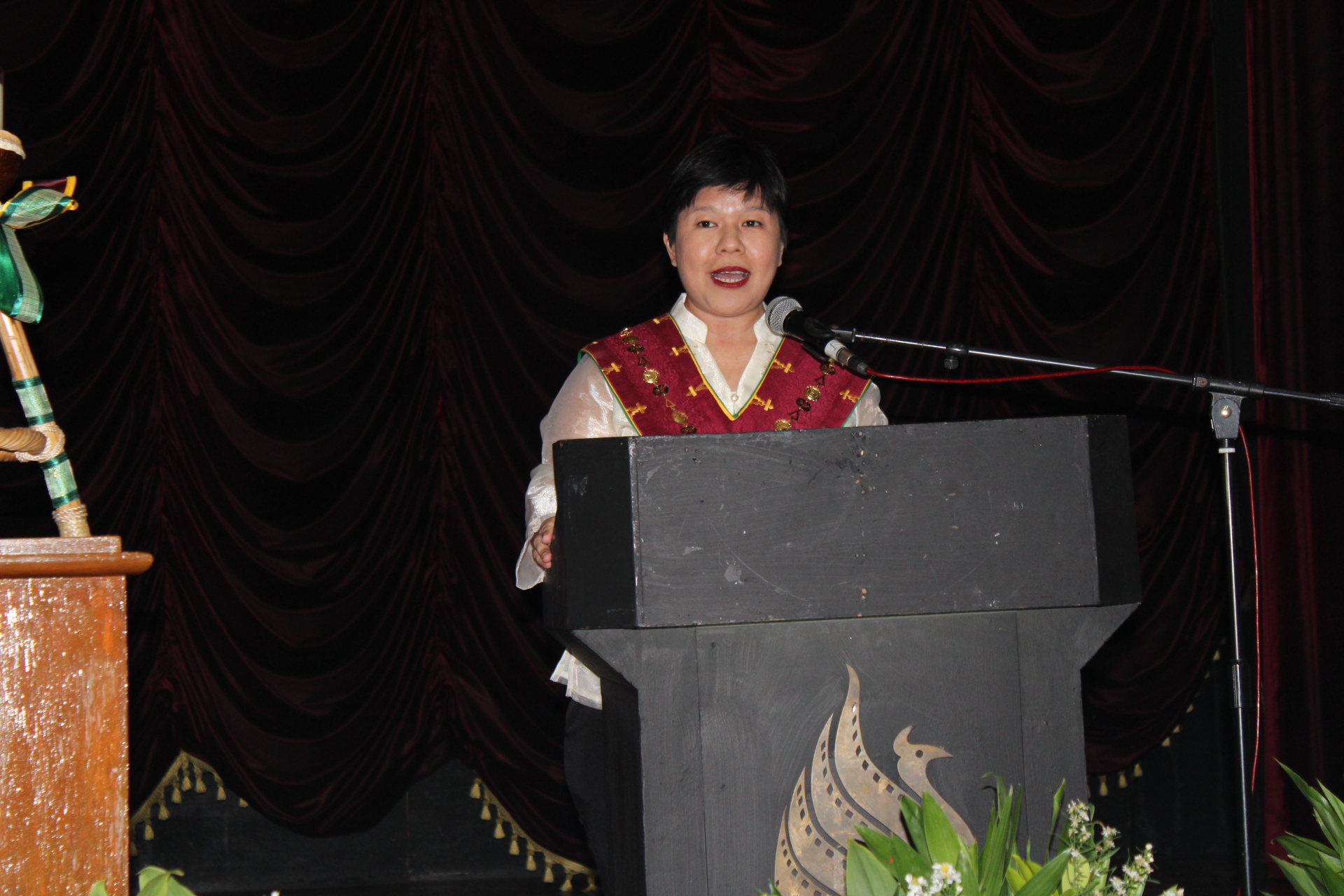
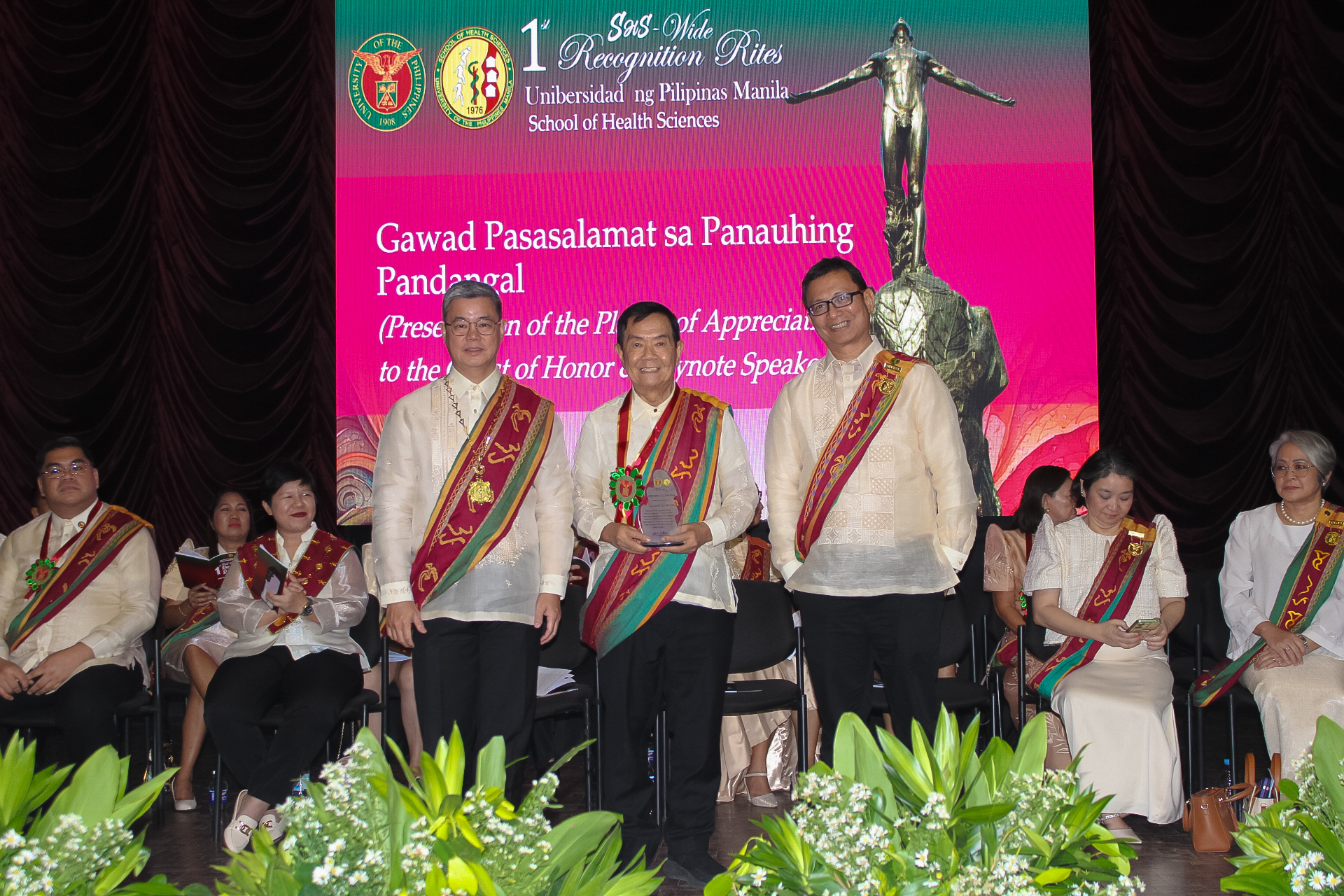
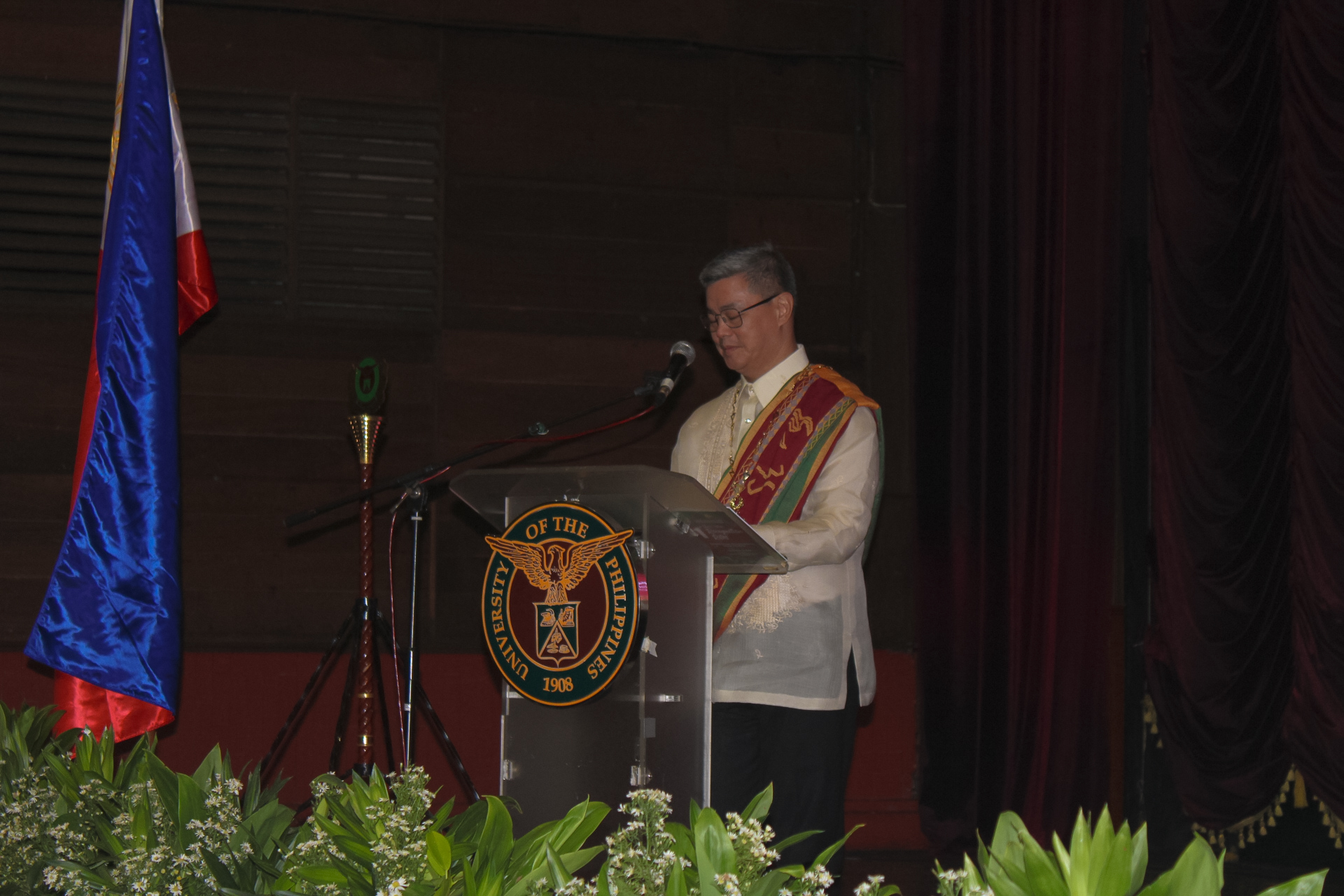
Delivering the keynote address was Dr. Jaime Z. Galvez Tan, former Secretary of Health and one of the founding figures of the SHS. In a deeply personal and historical account, he recalled how, as early as 1974, discussions had already begun on establishing a medical school whose graduates would serve the Filipino people. At the time, more than 90 percent of UP College of Medicine graduates were leaving to practice abroad, particularly in the United States.
“Nais kong ipabatid sa inyo, mga nagtatapos ng midwifery, nursing, at medicine sa iba’t ibang campus ng UPSHS, na ang dahilan ng pagkatatag ng paaralang ito ay upang magkaroon ng pagkakapatas-patas sa oportunidad—na ang bawat kabataang Pilipino, saan mang dako ng bansa, ay magkaroon ng pagkakataong makapasok sa UP at makapag-aral ng midwifery, nursing, at medisina,” he said. He explained that SHS was created with the goal of equity is to provide equal opportunities to marginalized youth and produce not just health professionals, but servant-leaders who would uplift their own communities.
Dr. Galvez Tan also shared stories of students accepted into SHS despite having low scores in the former National College Entrance Examination (NCEE). These students were chosen not for their academic rankings but for their deep commitment to return and serve. Today, many of them are doctors, nurses, and midwives embedded in their hometowns saving lives and strengthening local health systems.
“Graduates of the UPSHS, kayo ang may dala ng bandila ng kahusayan, kagalingan, at kaigihan ng kalusugan. Kayo rin ang nagtataguyod at magtataguyod ng pampayanang kalusugan, pakikiisa, pakikipagkapwa, pag-aalaga, pag-asikaso, mapagmahal, paghingi ng paumanhin, at pagbibigay ng pasasalamat,” he said, emphasizing their role in making healthcare accessible, especially in linguistically and geographically underserved areas.
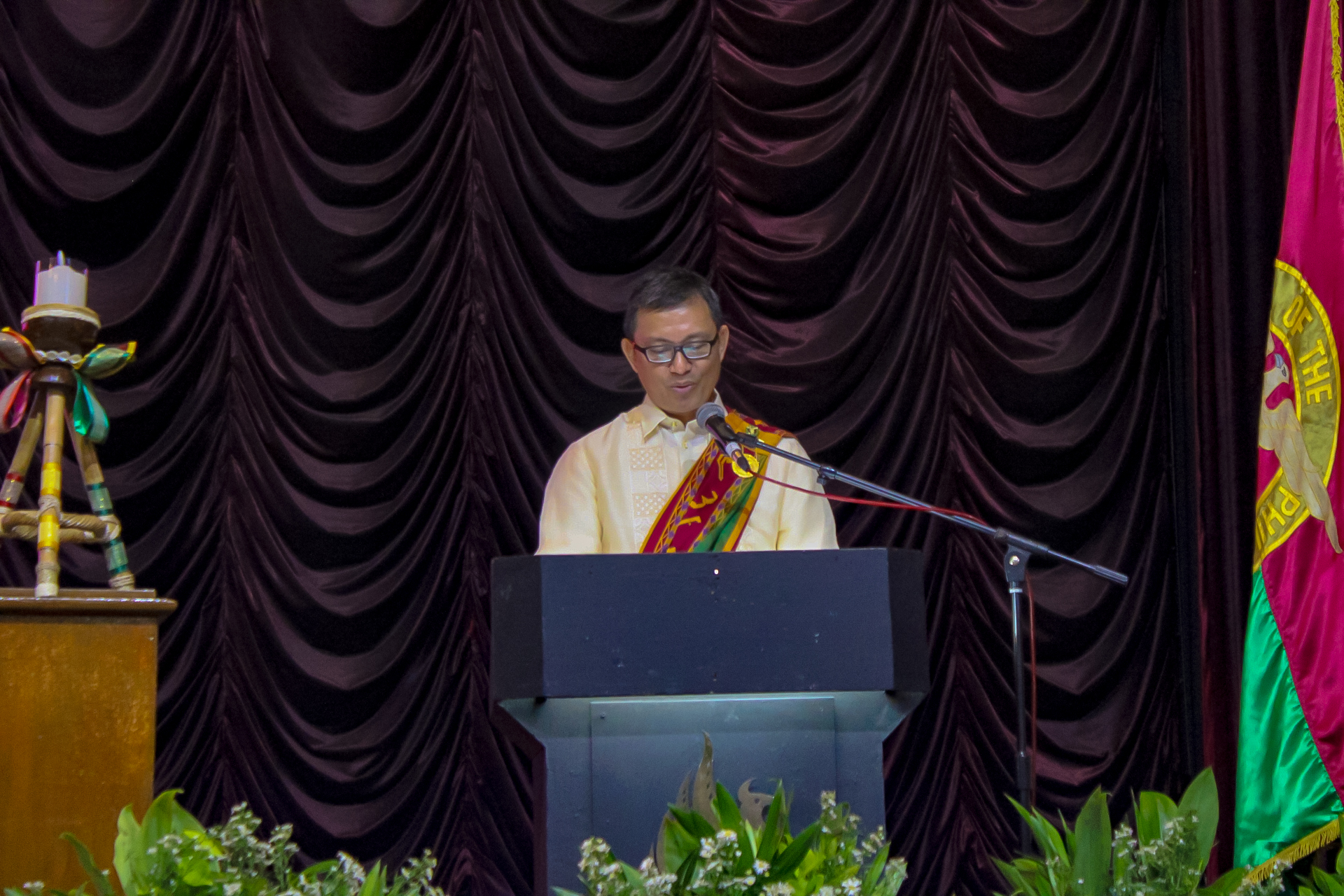
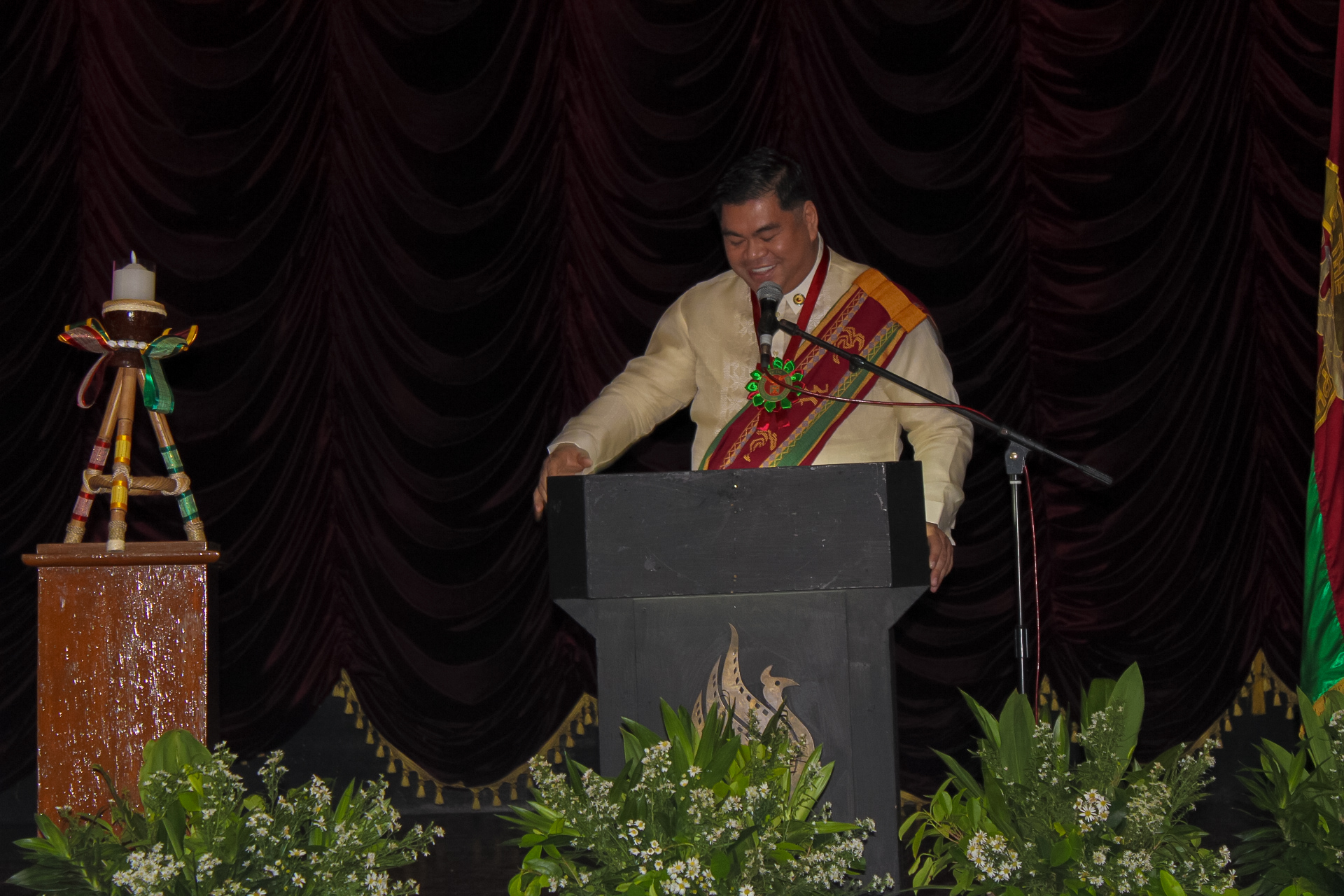
Also present was Hon. Jude A. Acidre, Representative of the Tingog Party-List, who delivered a message of solidarity. He praised UPSHS as a unique academic institution—“one that learns with its feet on the ground and its heart for the underserved.” Hon. Acidre emphasized that true education begins by seeing the realities of the people, understanding their struggles, and responding through committed service. He called on the graduates to let their past shape their path, carry the belief of those who supported them, and stay true to their calling to serve the nation.

Awards and Recognitions
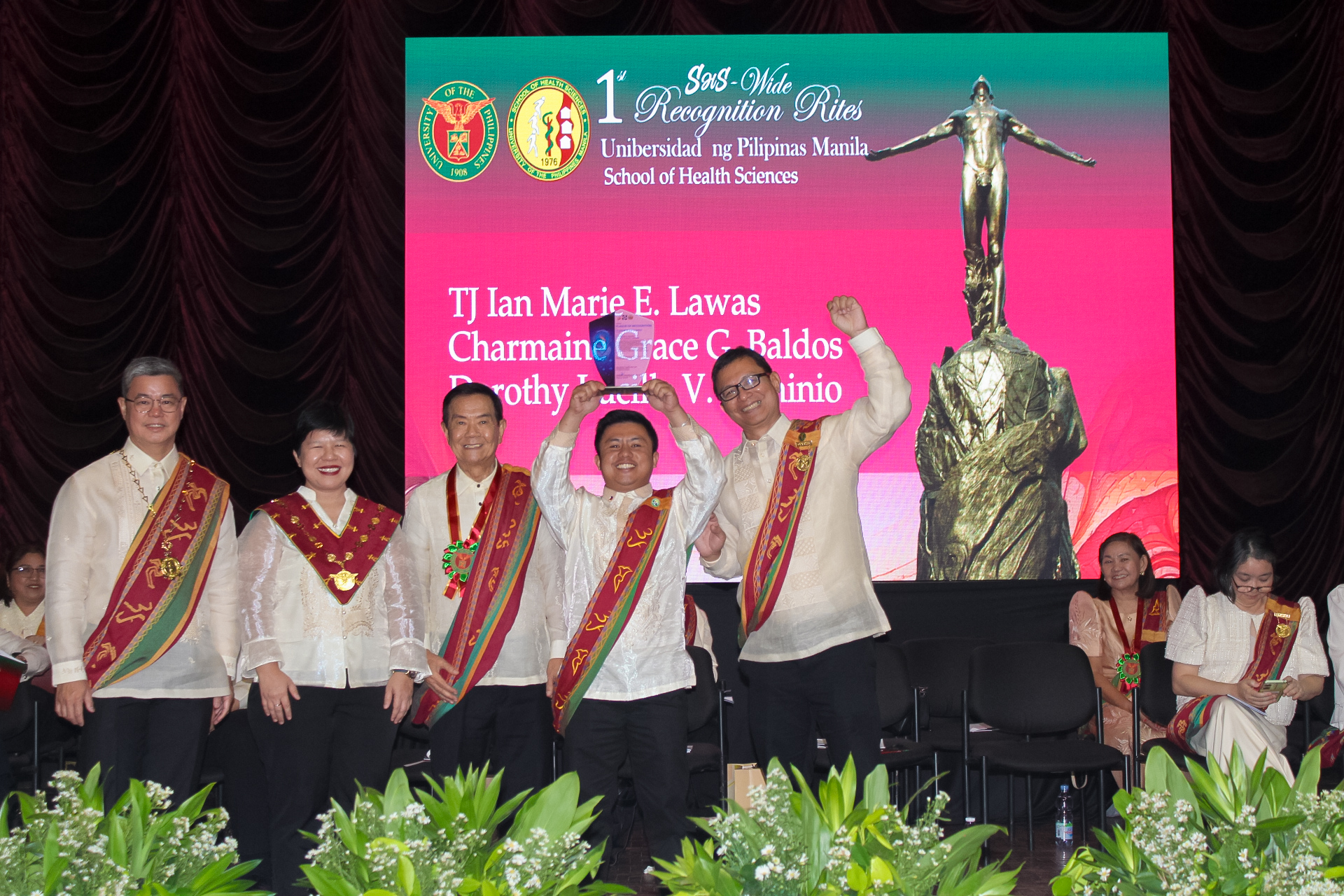
Several graduates were honored for excellence in academics, clinical work, community service, leadership, and research:
Diploma in Midwifery
Bachelor of Science in Nursing
Doctor of Medicine
The Wakatsuki-Iwamura-Iha Awards, given by the St. Augustine Sambali Fund Inc. in partnership with the Curion Rainbow Fund Japan, were also conferred. These awards recognized student dedication to community-based health care and came with certificates and cash incentives.
Other Special Awards
Graduate’s Message
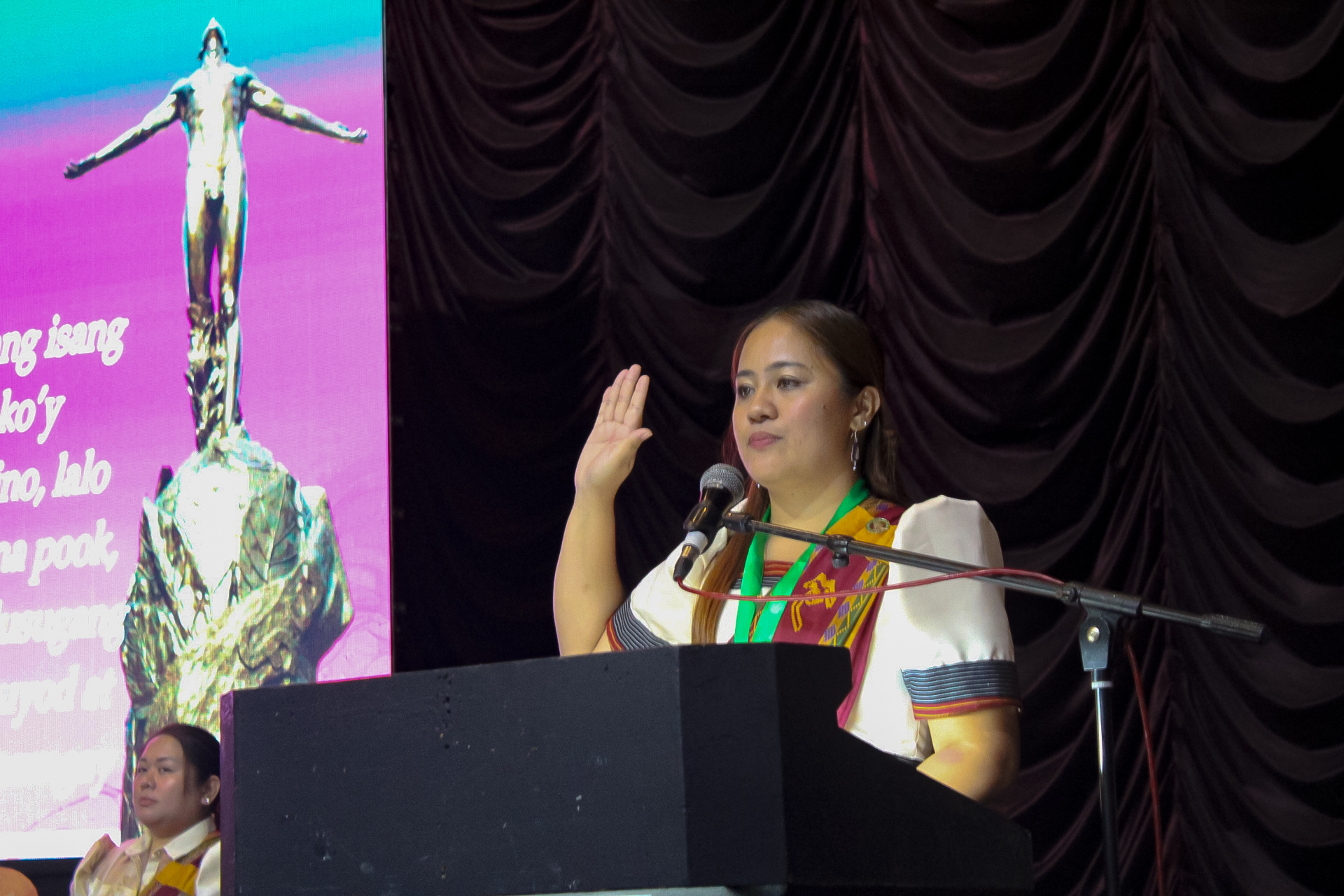
Delivering the response on behalf of the graduates was Dr. Hannah Grace Pugong, a midwifery graduate now serving in the Department of Health’s Doctors-to-the-Barrios program. Her speech offered a heartfelt reflection on growth, commitment, and purpose.
She recalled arriving at SHS Baler and being surprised by its humble facilities. “It was far from the university campus I envisioned,” she admitted. But in time, she learned that true education lived not in classrooms but in communities: “The real lessons were taught in the barangay health stations, rural health units, hospitals and local communities. Our greatest teachers were the barangay councils, barangay health workers and nutrition scholars, the rural health midwives and nurses, the municipal health officers, the community people and surprisingly, local chief executives and leaders we have met throughout the endless community practicums.”
Pugong acknowledged the persistent gaps in the public health system that many SHS students witnessed from their early training. Yet she expressed hope in small, meaningful wins and urged fellow graduates to find strength in their personal purpose: “May you find strength in reconnecting with your deepest whys. May adversity not sway reason and virtue. Rather, may adversity fuel even more reason to do more with integrity and excellence.”
She concluded by challenging UP SHS to stay faithful to its core mission: “May [UP SHS] always have the heart to diligently teach its students, upholding the belief in universal educability; may it always have the ears to listen, applying the bottom-up approach in decision-making; and may it never lose sight of the genuine and beautiful purpose on which the UP School of Health Sciences is founded.”