

Text by Ehcel S. Hurna
Photos by Joseph Bautista and Our Lady of Fatima University

Researchers, faculty members, health research advocates, and the CBC posed for the camera after the culmination of the symposium.
“We are building a healthier nation and contributing to a healthier world. Our initiatives have the potential to benefit people around the globe, paving the way for a future where good health is the universal right.” – Dr. Jaime Montoya, Executive Director, Philippine Council for Health Research and Development (PCHRD)
The first official day of the Metro Manila Health Research and Development Consortium (MMHRDC) 8th International Symposium and 15th Annual Scientific Conference, themed “Health, Scholarship, Technology, and Humanity: Synergistic Forces in Advancing Global Health” was held on June 19, 2024, with the Our Lady of Fatima University (OLFU) as conference hosts. The MMHRDC is one of the regional arms of the Department of Science and Technology (DOST) – PCHRD, and, as part of PNHRS, its main objective is to forge partnerships and collaborations among member institutions, fostering an active sense of community towards the strengthening and sustenance of networking within the National Capital Region (NCR) and with other local and international partners.
The symposium and conference are the annual events of the Consortium that aim to convene students, researchers, faculty and staff, and individuals from the 46 member institutions. It also invites speakers from non-member agencies as well as higher education institutions (HEI) and organizations. The event covers a series of plenary sessions, research poster and research oral presentation competitions, a 3-minute pitch to policy making competition, photography competition, and networking opportunities with the sponsors’ booth exhibit. MMHRDC’s core agencies are University of the Philippines (UP) Manila, DOST NCR, Commission on Higher Education (CHED) NCR, and DOH Metro Manila Center for Health Development (MMCHD).
MMHRDC believes that global health is focused on improving health and providing equal opportunities in health on a global scale. It brings different disciplines together to address challenges in health’s environmental, economic, political, and sociocultural determinants. It also fosters transdisciplinary collaboration that goes beyond the health sciences. In order to advance global health, researchers and stakeholders must leverage the interplay of four synergistic forces – health, scholarship, technology, and humanity.
Health Promotion and Equity Through Collaboration and Research
In her inspirational message during the symposium’s opening day, Dr. Eva Maria Cutiongco-de la Paz, Director of the UP Manila National Institutes of Health (NIH), underscored the importance of the conference. “Each presentation, each pitch, each member session, they are all set to advance global health – the innovation of health, scholarship, technology, and humanity for a strong foundation in addressing the complex health challenges. Let us make this event an inspiration to push the boundaries of what is possible in health research and development. We acknowledge that with sheer determination, we can make a lasting impact for the health and well-being of our communities around the globe.”
PRESENTATIONS: Synergized Research Studies in Advancing Global Health
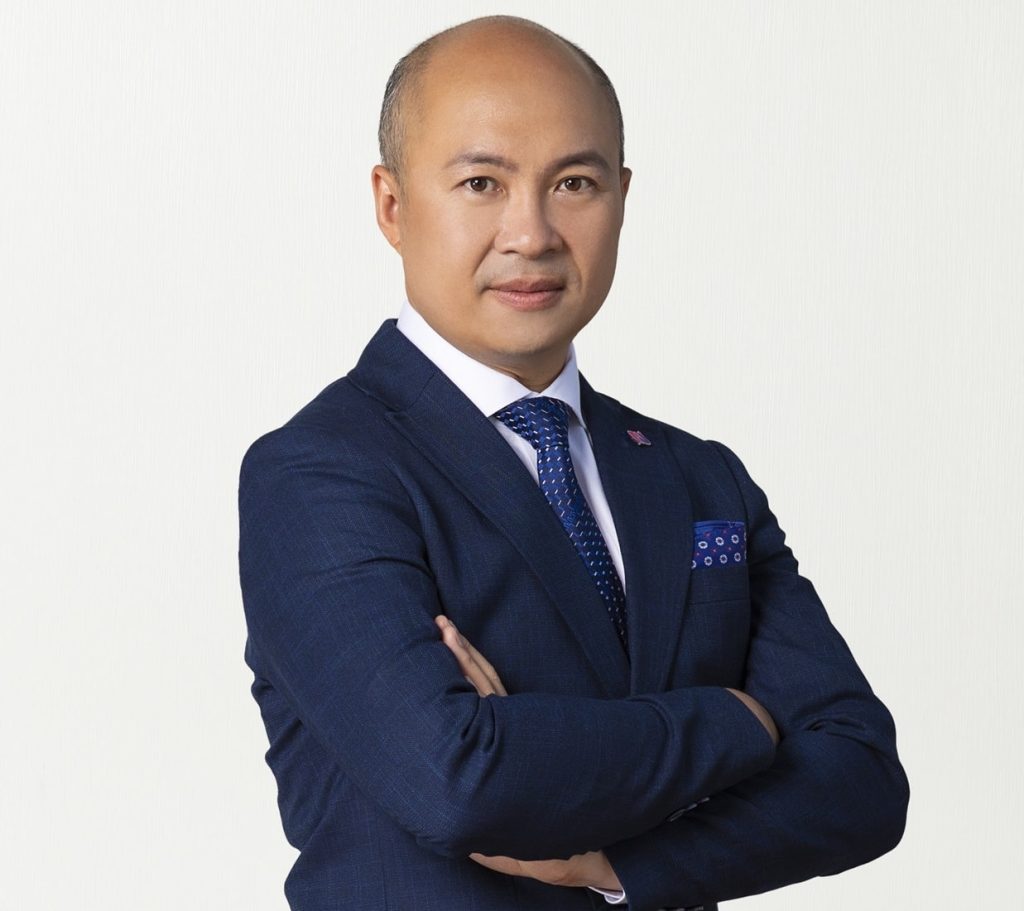
Digital mental health: Promotion of mental well-being using digital technologies by Rick Y-C Kwan, Tung Wah College
As the world is fast-evolving, a wide array of mental health conditions such as depression affect the lives of people. Social connectedness and depression are associated, and this association is mediated by social isolation. The advance of digital technology transformed our modern society a great deal. However, technology adoption is still poor in older people. Digital exclusion is still a big issue hindering older people from participating in and benefitting from digital technology development. Furthermore, intergenerational interventions and activities have been proven to be effective in promoting mental well-being. Younger people are also resourceful in skills and knowledge in the usage of digital technology. The application of digital technology launched in an intergenerational platform provides great potential to promote older people’s mental well-being by enhancing older people’s digital literacy and connecting them to society. This presentation shared the success of a few government-funded projects in Hong Kong utilizing these active ingredients.
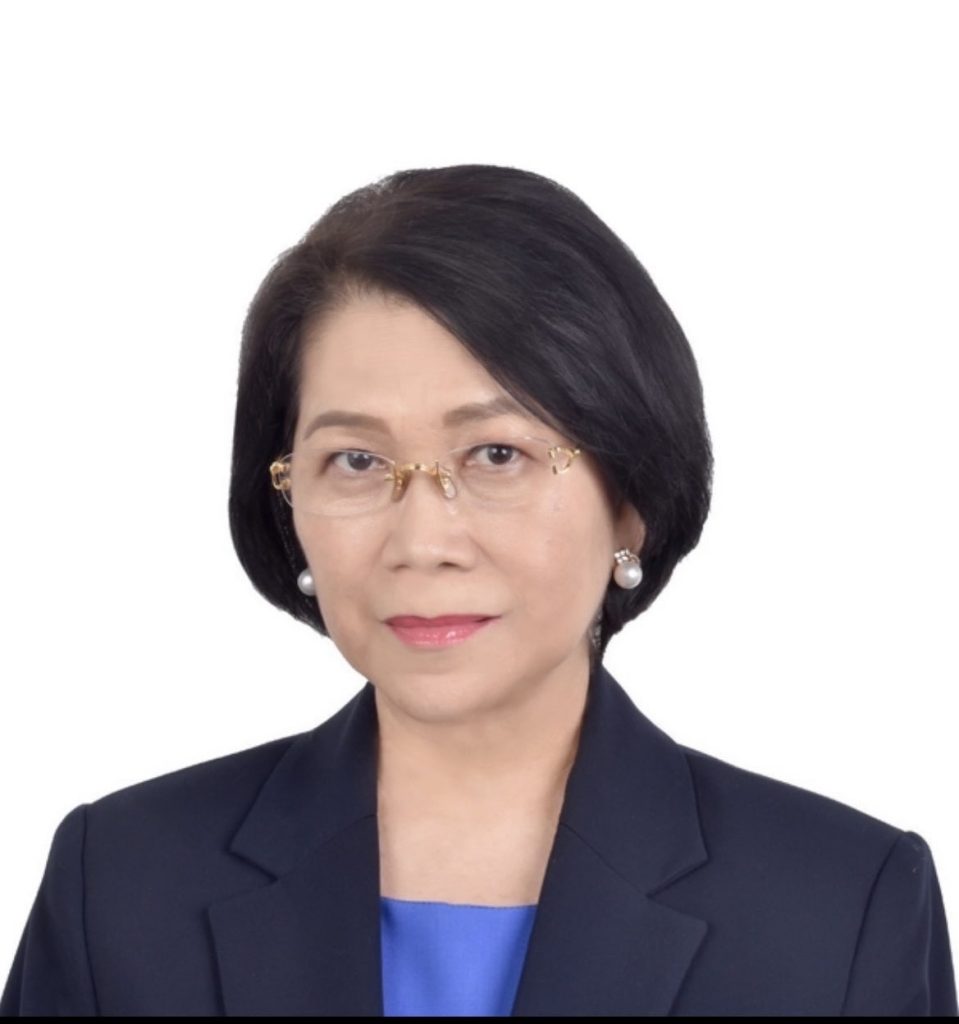
Plan S and Open Access Publishing in the Health Sciences: The Case of the Philippine journal ‘SciEnggJ’ by Gisela P. Concepcion, UP Diliman
Disseminating new knowledge generated from research projects on various aspects of human health, including nutrition and lifestyle, could contribute significantly to reducing the burden of disease and disabilities, and increasing the efficiency and productivity of the human workforce. As government leaders steer countries towards more scientific research-driven development programs (including health programs), research articles produced by scientists in universities, research institutions, and industry become a valuable resource for direction and guidance.
Traditionally, prestigious journals, published by professional societies and private publishers, and rarely by universities, generate revenues from publication fees and subscriber fees. Revenues are used to support the operation of the journals and ensure the quality of publications through an editorial board of scientific experts and a highly competent management staff. “Plan S” contests and threatens to overturn this traditional system.
“Plan S,” premised on science as a public good to benefit all of society equitably. It aims to promote the massive dissemination of government-funded research, through Open Access Publishing.
The Philippine-based journal, known as SciEnggJ (www.scienggj.org), is an international, open access, peer-reviewed, Scopus- and Clarivate-indexed journal which antedates Plan S. Thus, SciEnggJ is presented to highlight the best features of Plan S, and also to recognize the importance of academic freedom required to ensure the quality of a journal.

Relationship Between Social Reform in Society 5.0, Robotics in Healthcare, and Advanced Technologies by Tetsuya Tanioka, University of Tokushima
Society 5.0 in Japan is “a human-centered society that balances economic progress with solving social problems through a system that highly integrates cyberspace and physical space.” Social innovation in Society 5.0 aims to achieve a forward-looking society that breaks the existing sense of stagnation, a society whose members respect each other across generations, and a society in which each individual can lead an active and enjoyable life.
Robotics in Nursing and Healthcare is an interdisciplinary discipline that studies methods, technologies, and ethics for developing robots that assist and collaborate with doctors, nurses, and other healthcare workers in practice. This robotics aims to learn about robots for better nursing and healthcare, and for this purpose, it also aims to propose the necessary robots and develop them in collaboration with engineers.
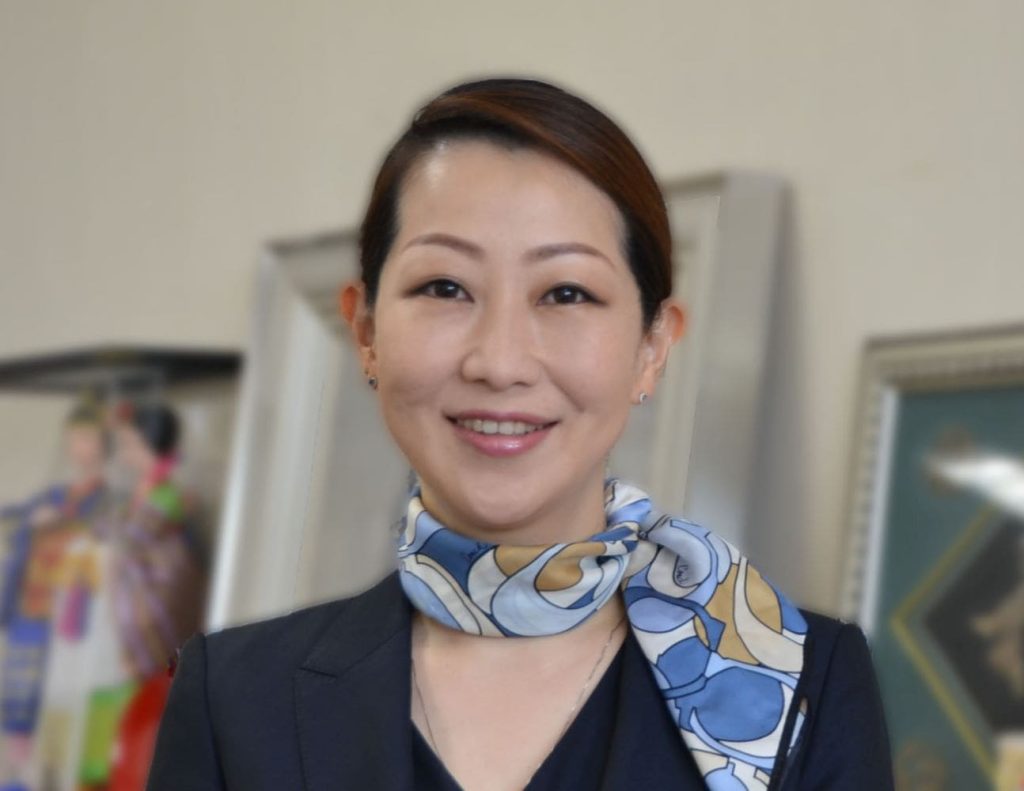
Robotics for Global Health by Kyoko Osaka, Kochi University
Robot therapy uses humanoid and animal-like robots for therapy for older adults. It is expected to affect the therapeutic goals, including physical condition, cognitive function, and also to provide joy. By interacting with humanoid or animal-like robots, the older adults who are not physically active may have improvement in their physical condition, through hugging, stroking, talking to, and participating in any activity with their respective robots. The typical examples show that animal therapy has almost the same effectiveness as robot therapy among older people, thus, it is certain that robot therapy can be expected to have the parallel healing effect on patients, improve motivation for activity, and increase the amount of activity.
Furthermore, it was essential to consider the intermediary role of nurses for connecting the robots and older adults, as well as their own role, even if the robot is not sophisticated enough to be useful as a humanoid nurse robot for rehabilitation and dialogue with older adults. Thus, robot therapy could be considered another important intervention in the challenging health and innovative care practices needed in the care of older persons.

Virtual Synergy in Advancing Global Health: The Phi Gamma Experience by Rita Munley Gallagher, Sigma Theta Tau International Honor Society of Nursing
Sigma Theta Tau International Honor Society of Nursing (Sigma) is an international community of nurses dedicated to the advancement of knowledge, teaching, learning, and service through the cultivation of communities of practice, education, and research. The Phi Gamma Chapter advances Sigma’s mission and vision in making a difference worldwide through the creation of a virtual network of global nurse leaders.

Theories Supporting Health Research by Rozzano Gregorio Ramon Agustin C. Locsin, Florida Atlantic University
According to Mr. Locsin, theoretical perspectives provide a significant impact to disciplinary knowledge and practice, particularly for the health sciences professions. Through theories, formalized research processes can provide credibility to findings that inform the science from which professional practices are founded. With knowledge unique to the discipline, essential information is valued towards the advancement of foundational knowledge and pertinent practice processes. Thus, the aim of Mr. Locsin’s presentation was to clarify and explain the realms of the value of theories towards advancing formalized research with credibility in view for practice processes of the health sciences encompassing healthcare for human health and well-being.

Health Innovations and Intellectual Property by Josephine R. Santiago, UP Diliman
The patenting of life forms intersects scientific innovation, ethics, and legal complexities. Key issues in health innovations and intellectual property were discussed and landmark cases were examined such as Diamond v. Chakrabarty, which allowed the patenting of a genetically modified bacterium; and the Canadian Oncomouse case, which refused to extend patents to genetically engineered higher life form animals. The emergence of CRISPR technology, enabling precise genetic modifications, raises further ethical and legal questions about patent eligibility.
Significant legal decisions, including Mayo Clinic v. Prometheus and AMP v. Myriad Genetics, have influenced the criteria for patenting natural phenomena and human genes. The U.S. Patent and Trademark Office (USPTO) follows an 1817 court decision allowing patents unless an invention cannot be used for any honest and moral purpose, often overlooking ethical concerns.
MMHRDC Basic Research Methods (BRM) Handbook Launch
A second edition of the BRM Handbook with expanded content encompassing a broader spectrum of topics was also launched at the MMHRDC convention. The revised version of the book explores from qualitative research methodologies to navigating the administrative aspects of research and how to secure funding. The handbook aims to provide guidance in addressing the diverse needs of today’s health researchers.
Capacity Building Committee (CBC) Chair Jerome Cleofas expressed his heartfelt gratitude to the writers and researchers who shared their insights and expertise to produce a handbook that is informative and engaging. “Their contributions, stemming from years of experience as researchers and mentors in CBC-organized training sessions, shaped the content of this handbook.”
The contributors of the handbook are MMHRDC Director Hilton Y. Lam, Dr. Sylvia Estrada, Ms. Jocelyn Filoteo, Dr. Jaifred Christian Lopez, Prof. Michael Joseph Diño, Mr. Michael Jorge Peralta, Prof. Ma. Grace Rosales, Dr. Mary Ann Ladia, Dr. Jerome Cleofas, Dr. Jennifer Nailes, and Ms. Catherine Romero. #
CBC Chair Jerome Cleofas and MMHRDC Director Hilton Lam during the unveiling of the second edition of the BRM Handbook.