

Text by: Jennifer Manongdo
Photos by: Joseph A. Bautista
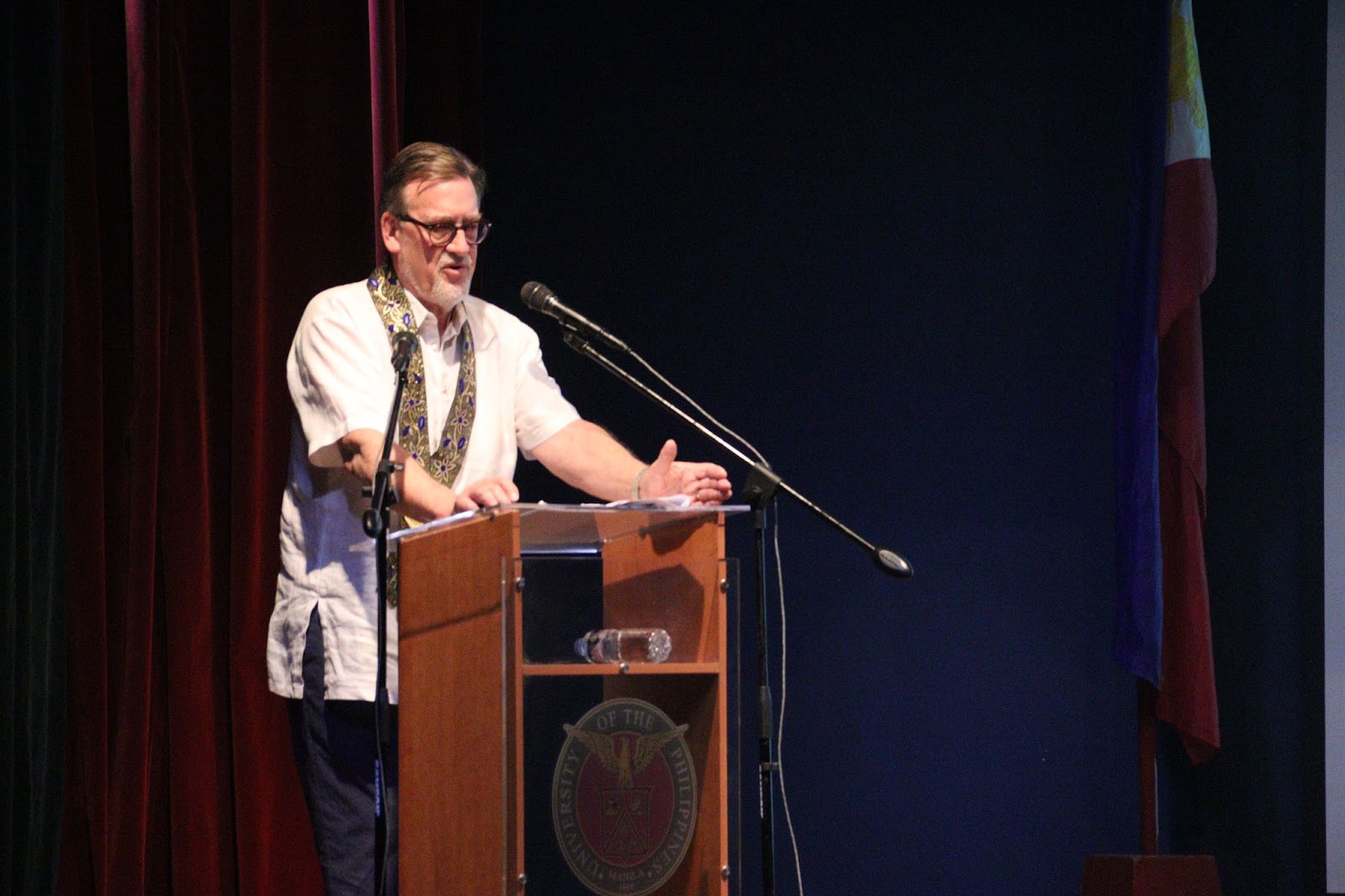
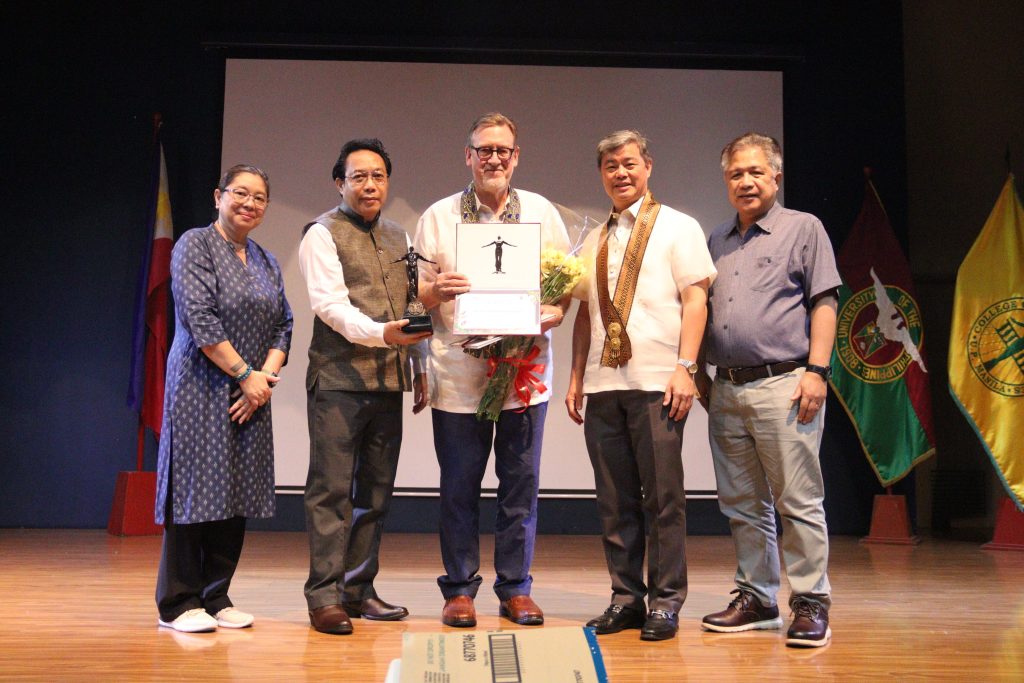
Justice John Champion, Chairperson of the Victorian Chapter of the Australian Academy of Forensic Science and Reserve Justice of the Supreme Court speaks during the symposium.
Although still in its development stages in the country, forensic science plays a critical role in the justice system. It is crucial in investigation and prosecution, providing a clearer understanding of how crimes are committed. However, with emerging trends such as new drugs, security threats, and public health concerns, there is a pressing need to enhance forensic science in the country.
This was highlighted in a forensic science symposium organized by the College of Arts and Sciences titled “Balancing Rights and Responsibilities: A Symposium on Forensic Science and Legal Processes” at the University of the Philippines Manila Theater on July 9, 2024. The event gathered a host of experts who discussed the intricacies of forensic science and its application in the legal system.
The Folbigg Case
In his discussion on “Forensic Science in the Legal Arena,” Justice John Champion, Chairperson of the Victorian Chapter of the Australian Academy of Forensic Science and Reserve Justice of the Supreme Court, underscored the importance of forensic science in reaching court decisions as exemplified in the Folbigg case in Australia. This case, involving the deaths of four infants over a ten-year period, relied heavily on forensic evidence. The prosecution’s case was based on a discredited theory – Meadow’s Law in the field of child protection. However, subsequent scientific investigations revealed a rare genetic mutation among the infant children that experts agreed could have led to their deaths. This eventually led to the woman’s pardon and release after 20 years in prison.
Champion also discussed the appeal made by a man who was convicted of homicide after shaking his girlfriend’s baby to death. Australia’s Court of Appeal has refused the jailed man’s request to reverse his child homicide conviction. The Court of Appeal maintained that while the baby did not show external injuries, a medical examination had shown that a “triad” of internal head injuries – bleeding in the brain, retinal hemorrhage, and swelling of the brain, is enough to warrant serious criminal charges.
Forensic Science Reveals Ugly Truth in Drug War
On the topic “Advancements in Forensic Pathology,” forensic pathologist Dr. Raquel Fortun discussed the absence of a proper death investigation system in the country, a deficiency highlighted during the bloody drug war. Several bodies turned up under curious circumstances all accompanied by a common narrative told by law enforcers: they fired shots in self-defense.
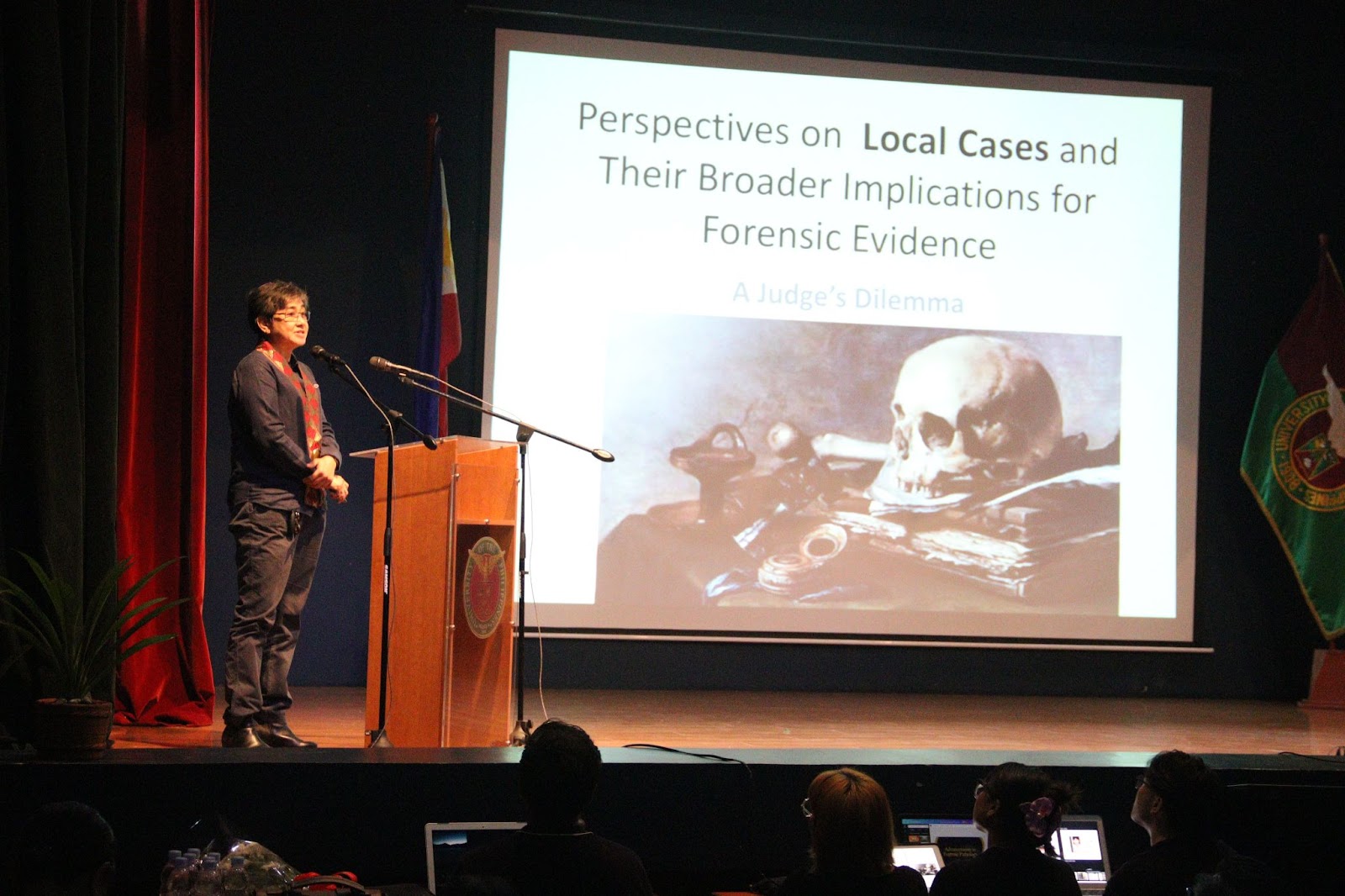
Dr. Fortun made headlines in 2023 as she revealed the irregularities in the autopsies conducted by the Philippine National Police (PNP) and the Public Attorney’s Office (PAO) in the case of teenage drug war victim Kian delos Santos who was shot and killed in 2017. She lamented how authorities merely perform an “Autop-Silip” and not a true autopsy – the latter characterized by mere incisions to “peek” into the body while the latter is making a Y-cut shape through the body to investigate even the organs.
A significant shortage of experts hinders forensic science in the Philippines. Dr. Fortun emphasized the need for a multidisciplinary team to conduct investigations effectively. However, building such a team has proven challenging due to limited resources, time constraints, and the inability to adequately compensate team members. These factors hinder the progress of forensic science in the country.
“The work in forensic science is multi-disciplinary. You must have a team and unfortunately in the Philippines, there’s my frustration – where are my teammates? So, I look for them and sometimes, I find them. That’s why I stay in UP because it’s easier to get teammates. But it doesn’t work always,” she shared.
Open Forum
Another highlight of the symposium was the discussion on “Judicial Perspectives on Forensic Evidence” led by Regional Trial Court Judge Cynthia Florendo. Meanwhile, Dr. Jose de la Rama, Jr., Dean of Tarlac State University tackled the “Educational Approaches in Forensic Science” and Dean Salvador Moya II, Chairperson for Remedial Law, talked about “Evidence and Criminal Procedure.”
The open forum was facilitated by microbiology expert Maria Corazon A. De Ungria, and Prof. Leonardo Estacio, Jr., PhD, from the Department of Behavioral Sciences. The discussions centered on electronic evidence and the anti-wiretapping law, practicing ethics in the courtroom, and standards for forensic practice.
The symposium also featured Dr. Bernadette Madrid, Director of the PGH-Child Protection Unit, and Associate Professor Jay T. Dalet from Agham Forensika. The event concluded with closing remarks from Professor Dindo P. Cafe, Chair of the Department of Behavioral Sciences.