

Text by Charmaine A. Lingdas
Photos by Joseph A. Bautista
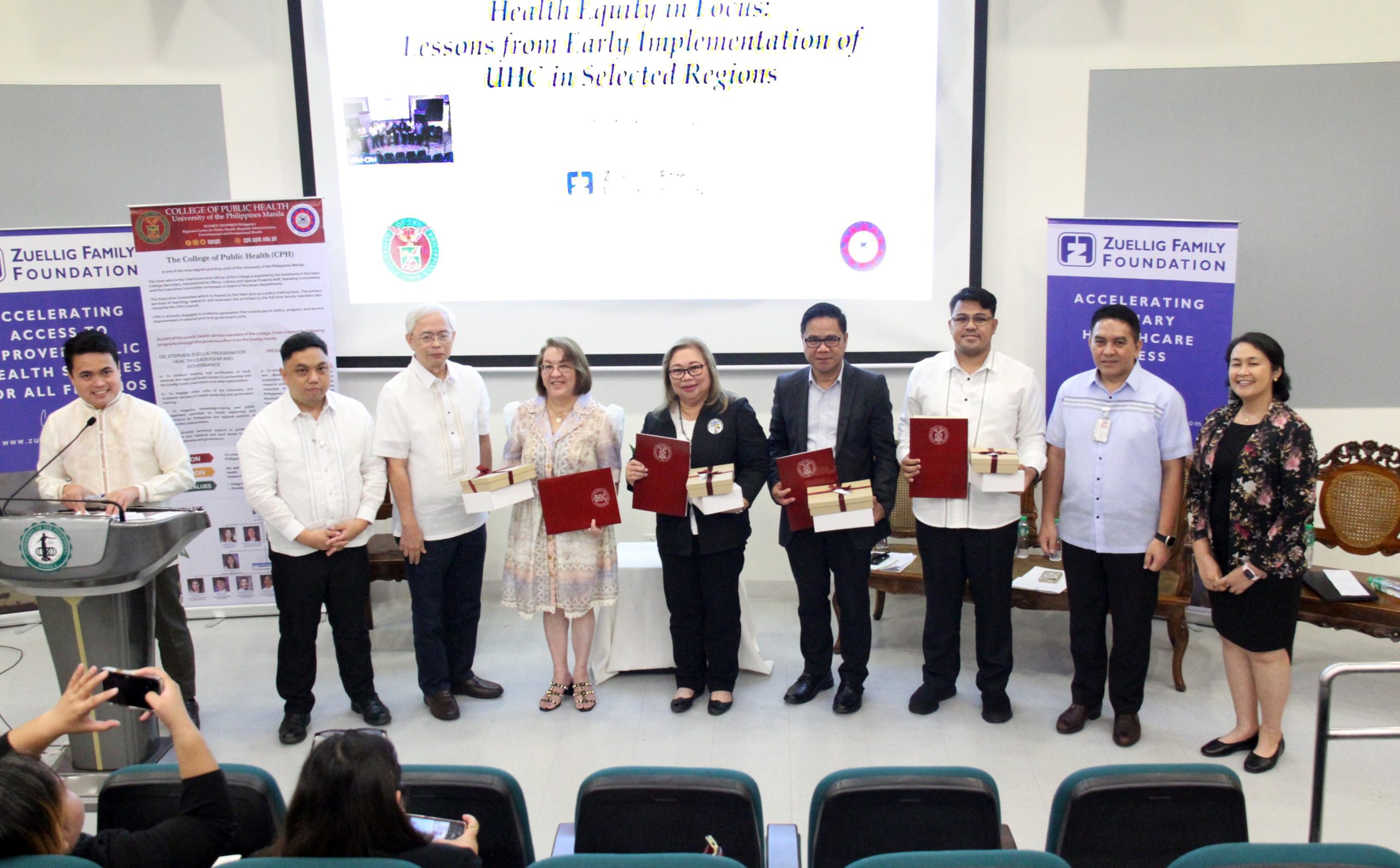
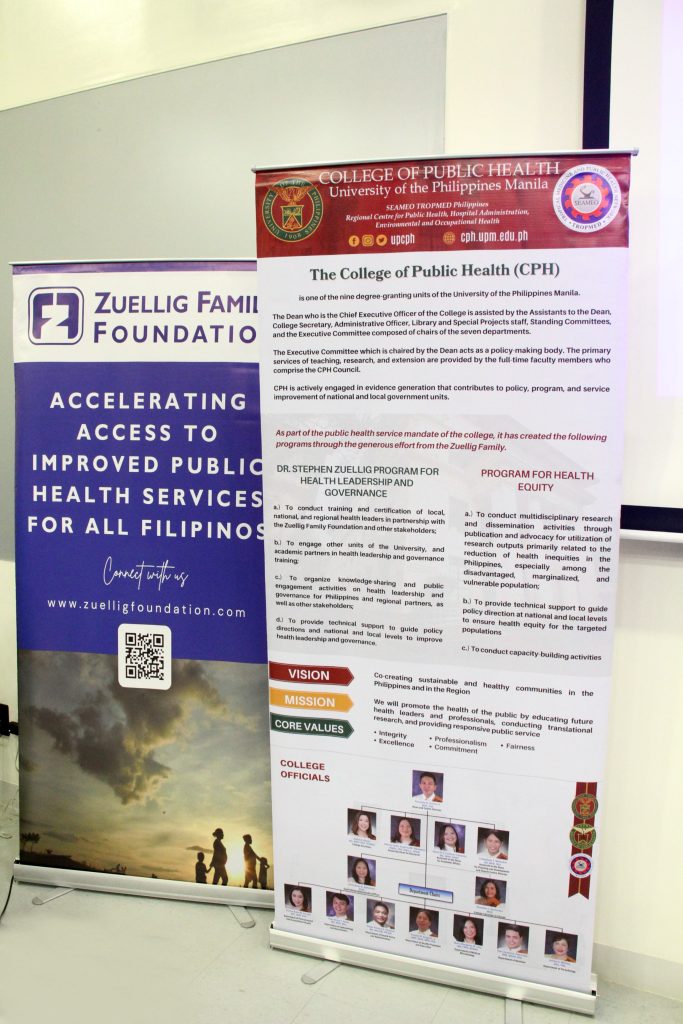
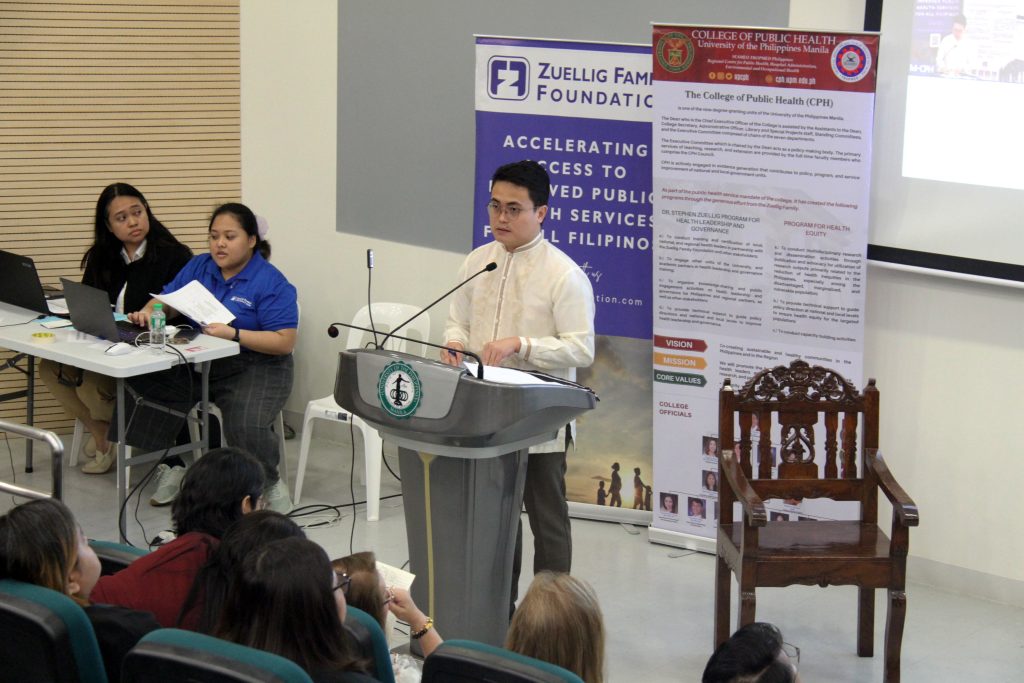
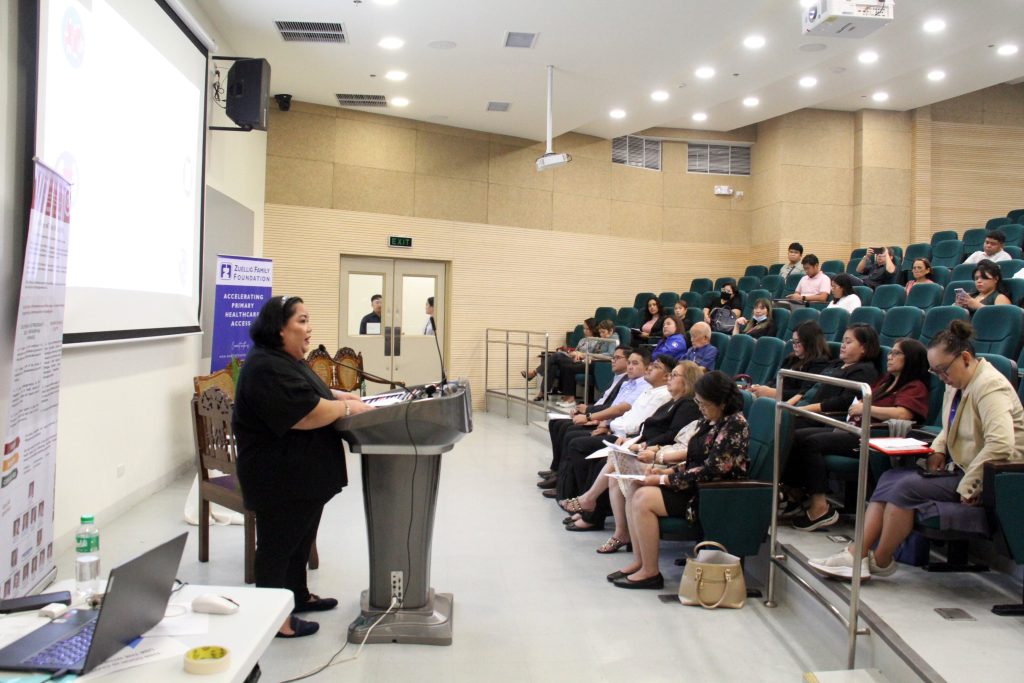
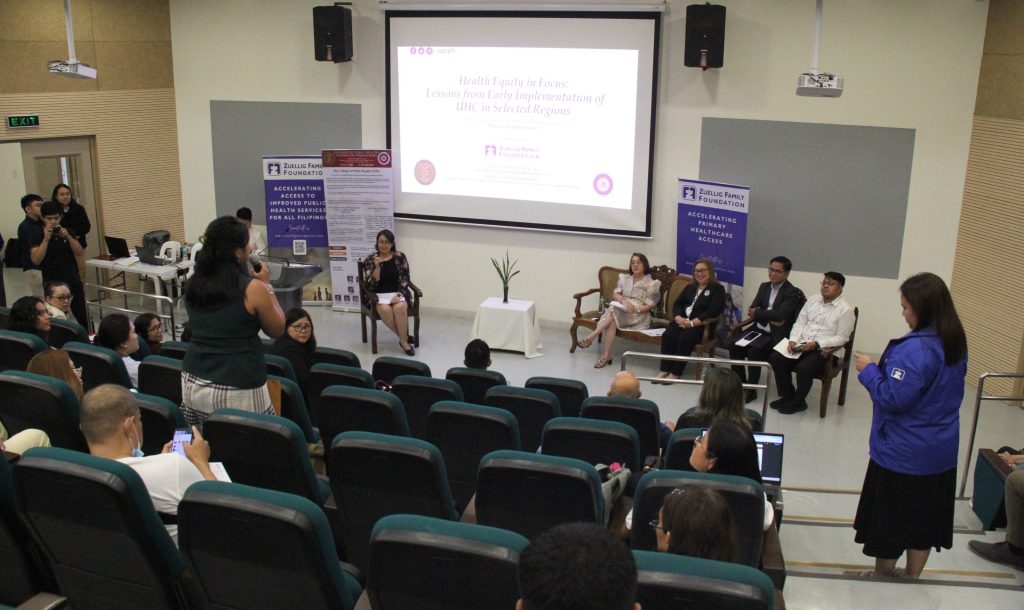
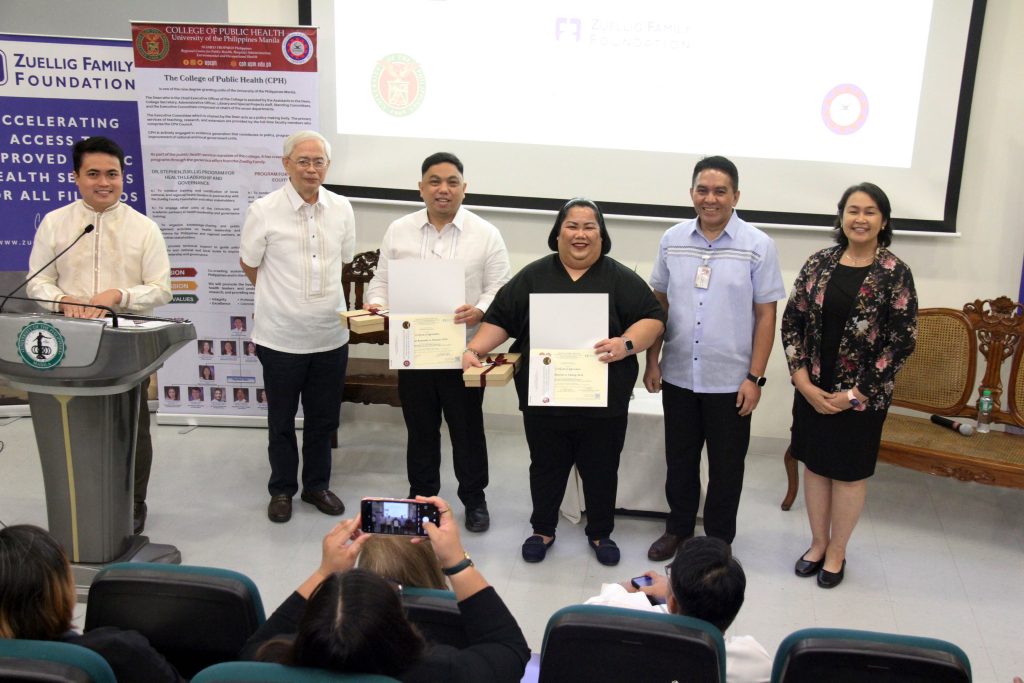
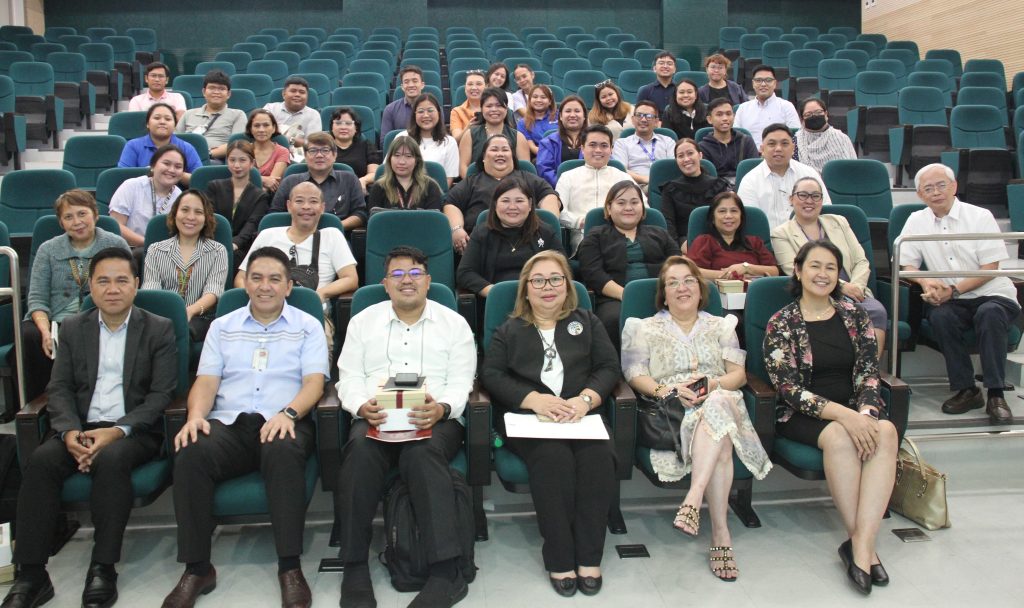
The University of the Philippines – College of Public Health (UP-CPH), through its Program for Health Equity, successfully held the 3rd Health Equity Learning Series at the Henry Sy Sr. Hall Medical Sciences Building, College of Medicine, on August 15, 2024.
Themed “Health Equity in Focus: Lessons from Early Implementation of UHC in Selected Regions,” the event was a collaborative effort made with the Zuellig Family Foundation (ZFF), focusing on universal healthcare (UHC) and primary care implementation under the ZFF Bayang Malusog Program. Key leaders from the Department of Health (DOH), PhilHealth, and UHC Integration Sites participated and shared their insights.
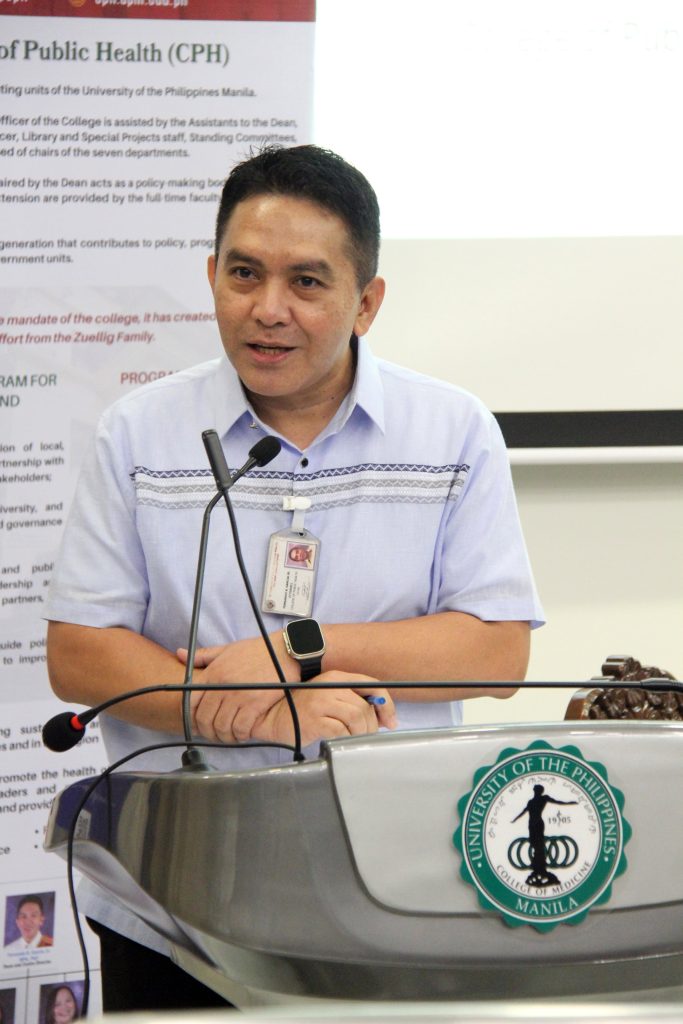
CPH Dean Fernando B. Garcia Jr., who concurrently is the Director of the SEAMEO TROPMED Regional Center for Public Health, Hospital Administration, Environmental, and Occupational Health, opened the event by stating, “In pursuit of reducing health inequities among marginalized, vulnerable, and disadvantaged populations, the Health Equity Program launched the Health Equity Learning Series—a quarterly session aimed at engaging local and global health experts in critical discussions, spotlighting local initiatives addressing health disparities, and inspiring collaboration.”
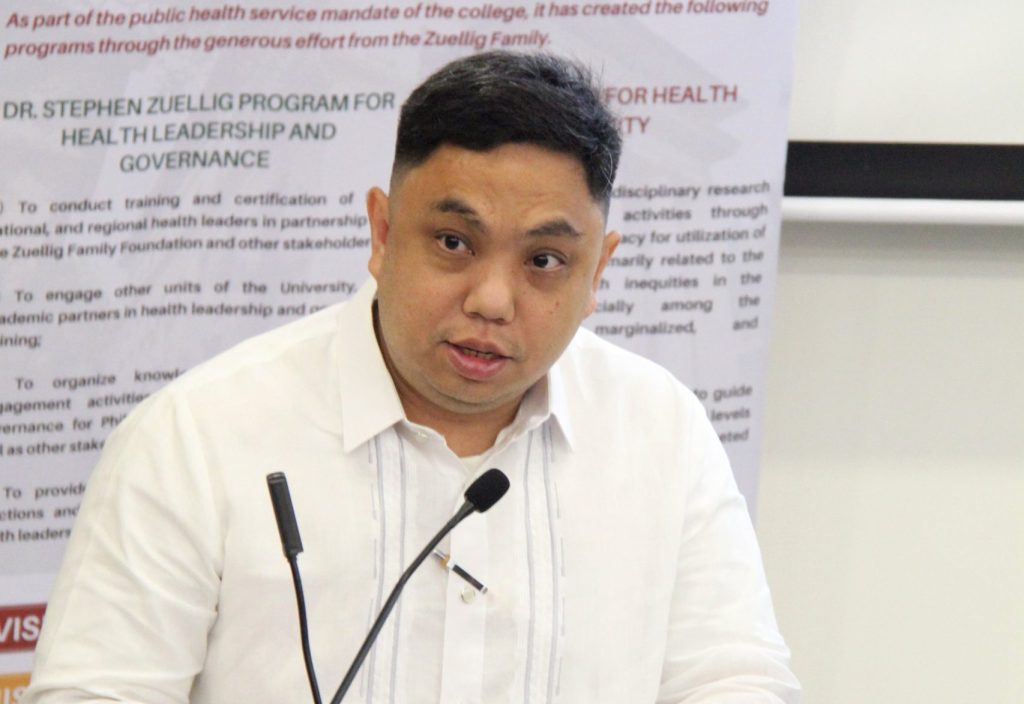
“There is no universal health care without health equity,” Dr. Leizel P. Lagrada, Coordinator of the Program for Health Equity and Associate Professor in the Department of Health Policy and Administration emphasized in her message, highlighting the critical role of strong primary health care in achieving UHC.
The Bayang Malusog Program
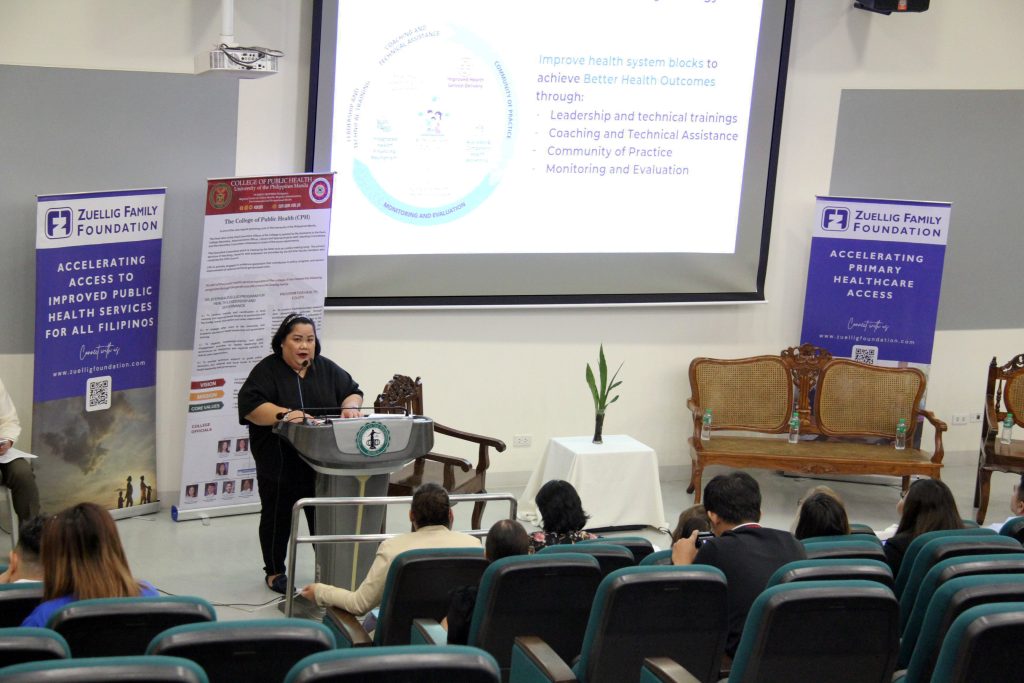
Dr. Catherine Chung, Director of Local Health Systems of ZFF, presented the early results from their work, showcasing innovative solutions for effective UHC implementation by local governments. “The Bayang Malusog program is deeply rooted in the Health Change Model and operationalized through the Bridging Leadership Framework,” Chung explained. “It emphasizes ownership, co-ownership, and co-creation.”
The program, which extends across 23 provinces and one city, collaborates with academic partners like UP-CPH, the University of the Philippines Manila – School of Health Sciences (UPM-SHS), and other regional institutions. Chung noted that the program has made significant strides in achieving its 2023 targets, particularly in organizational and system integration levels.
The PhilHealth Konsulta Package
In his speech, Dr. Anthony Faraon shared insights into the PhilHealth Konsultasyong Sulit Tama or Konsulta package, a key component of UHC. “Despite progress, we faced challenges such as technical issues and slow implementation. We need to improve system efficiency and focus on reaching the poorest populations.”
He added, “Ramdam ba ng bawat Pilipino ang Universal Healthcare? Abot ba sila ng mga serbisyo para sa kanila?”
Lessons from Early Implementation of UHC
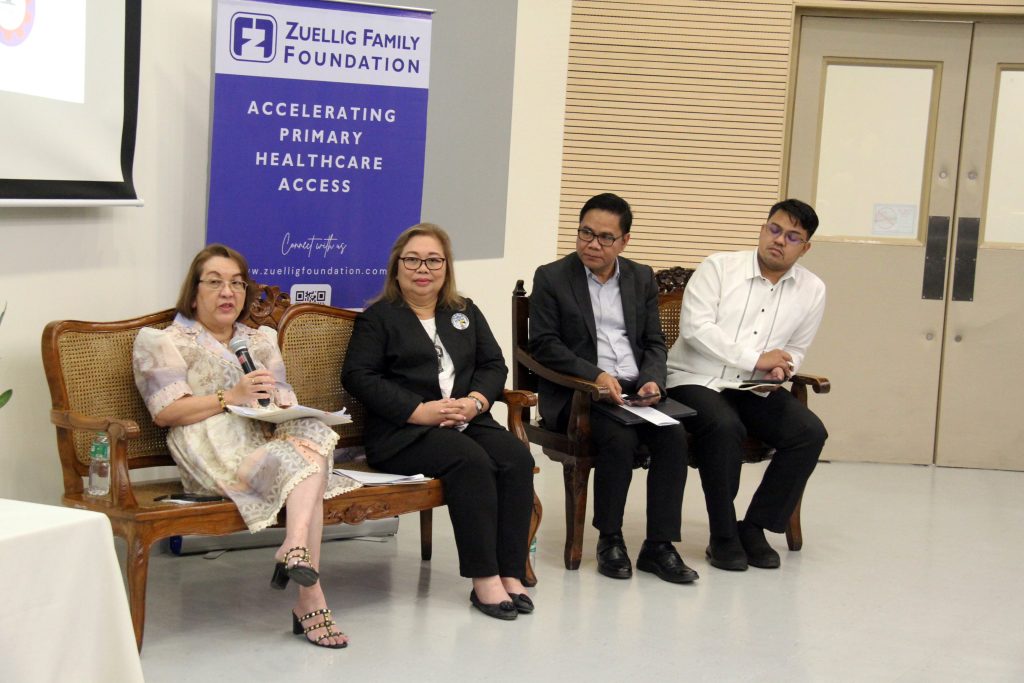
Dr. Anna Ma. Teresa S. De Guzman, President of the Provincial Health Officer Association of Pangasinan, shared her province’s achievements in UHC, including the integration of local government units into a province-wide health system and securing accreditation for 45 out of 47 Konsulta package providers and secured the commitment of the remaining the local government units in the province through the inter-LGU memorandum of agreement, achieving 47 out of 47, remarking that “the Bayang Malusog program empowered us by enhancing our leadership and technical capacities, which accelerated UHC implementation in our province.”
Dr. Paula Paz M. Sydiongco, Regional Director of the DOH Ilocos Region, emphasized the need for infrastructure development and addressed challenges like insufficient internet connection and natural disasters. “We need to focus on finishing our infrastructure works and providing more technical assistance to the affected areas,” she said.
Lindsley Jeremiah D. Villarante, Division Chief at the DOH, discussed using health equity stratifiers in national surveys to analyze UHC benefits. “While the NDHS includes equity stratifiers, embedding equity analysis into administrative data remains a challenge,” he noted. “We must ensure that equity is consistently monitored.”
Dr. Francisco Z. Soria Jr., Vice President for the Quality Assurance Group of PhilHealth, talked about expanding Konsulta services. “We’re seeing system issues and delays in policy adjustments,” Soria said. “The goal is to unify the Konsulta system to improve accessibility and coverage.”
Austere Panadero, President of ZFF, reflected on the challenges of reaching the poorest populations. “The matter of targeting the poor has to be intentional rather than just a byproduct of the system,” Panadero said. “Now that we know the problems, we must enhance our mechanisms to address them swiftly. Malayo na, malayo pa, dagdagan ko na lang ‘yan: bilisan pa.”
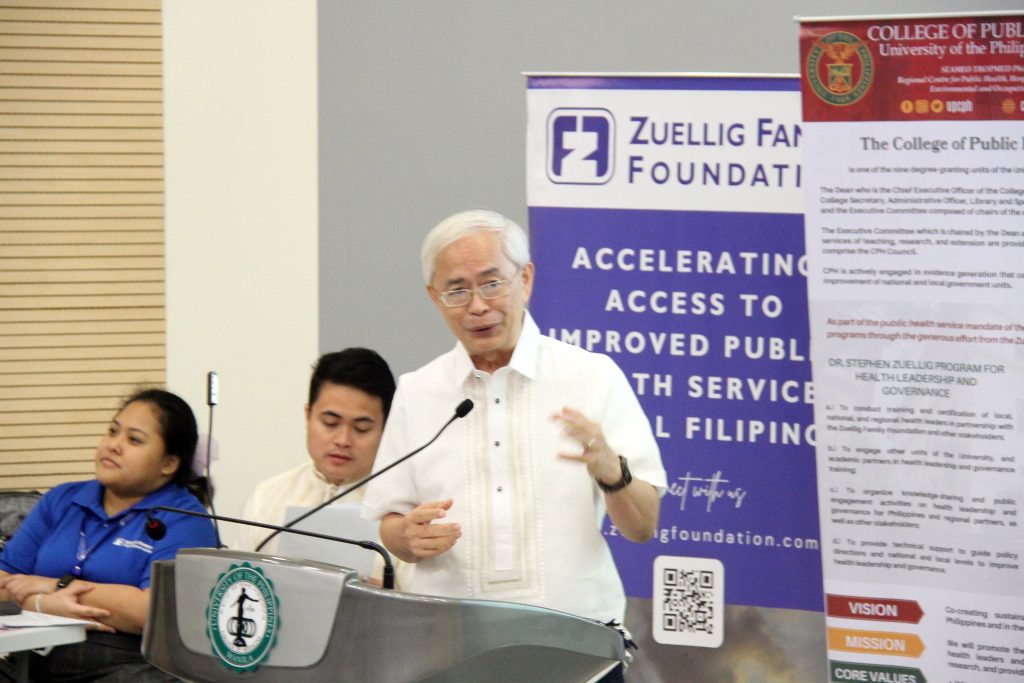
The forum concluded with an emphasis on the progress made in UHC implementation and the need for ongoing collaboration, equity monitoring, and strategic resource utilization to ensure that UHC benefits all Filipinos, especially the most vulnerable.#